Evidence Beyond Brushstrokes
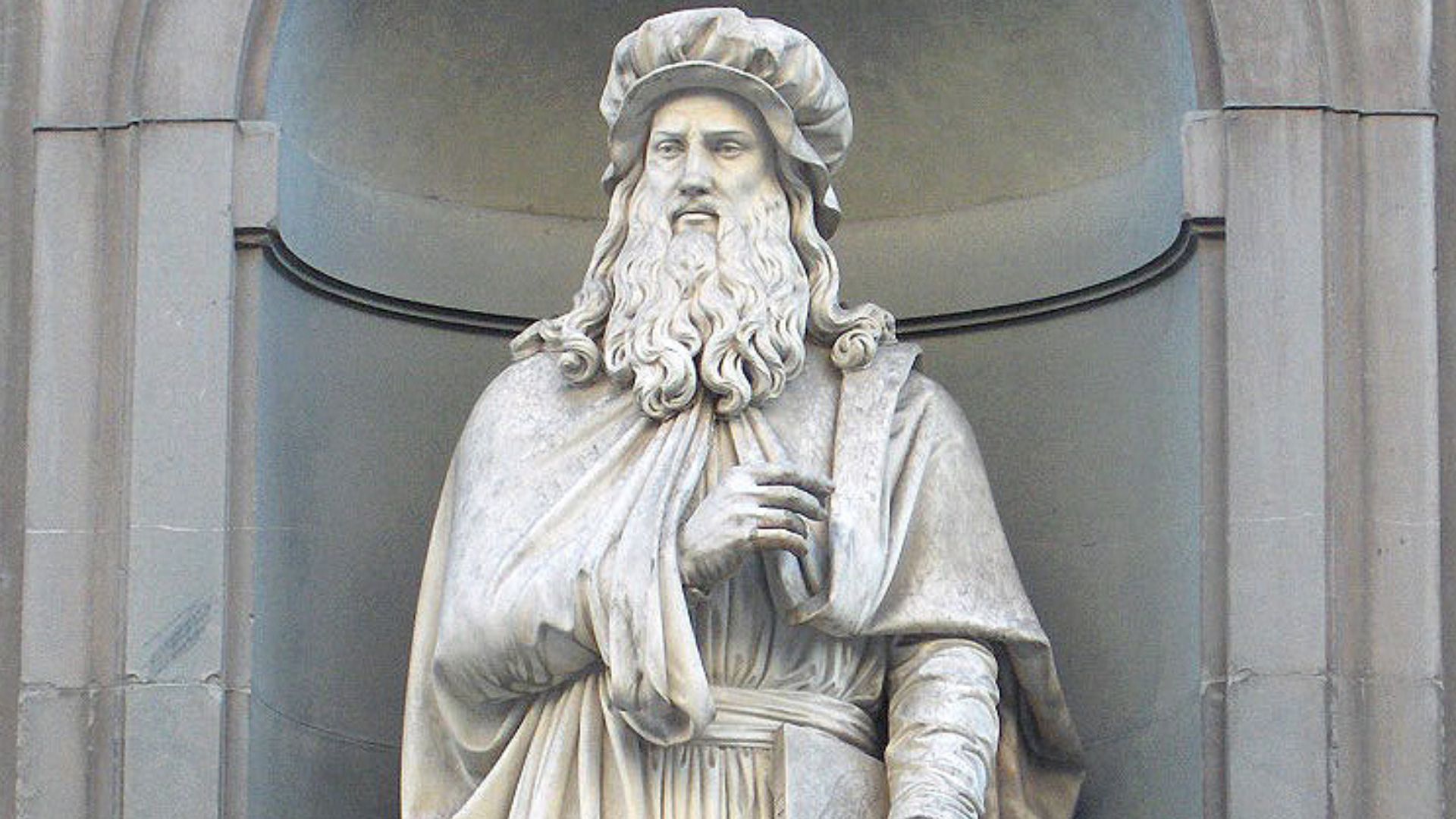
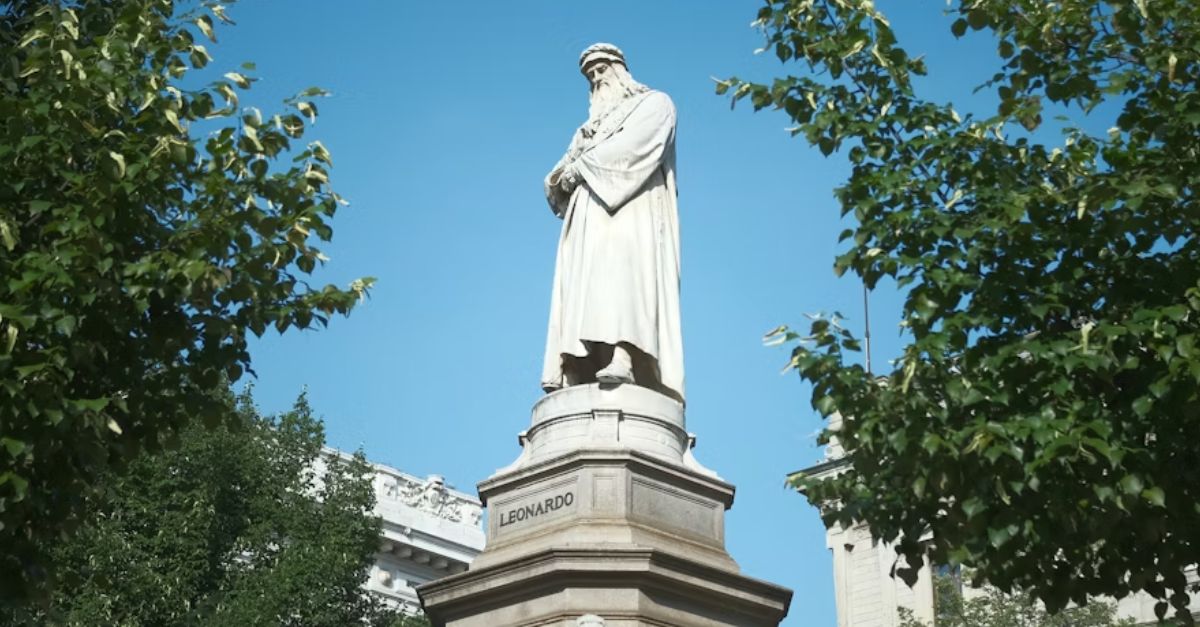
Leonardo da Vinci handled his work with his bare hands. Centuries later, scientists believe microscopic biological traces may still remain. That possibility has introduced DNA into art history, reopening questions about lost paintings and long-debated authorship.
Who Was Leonardo Da Vinci?
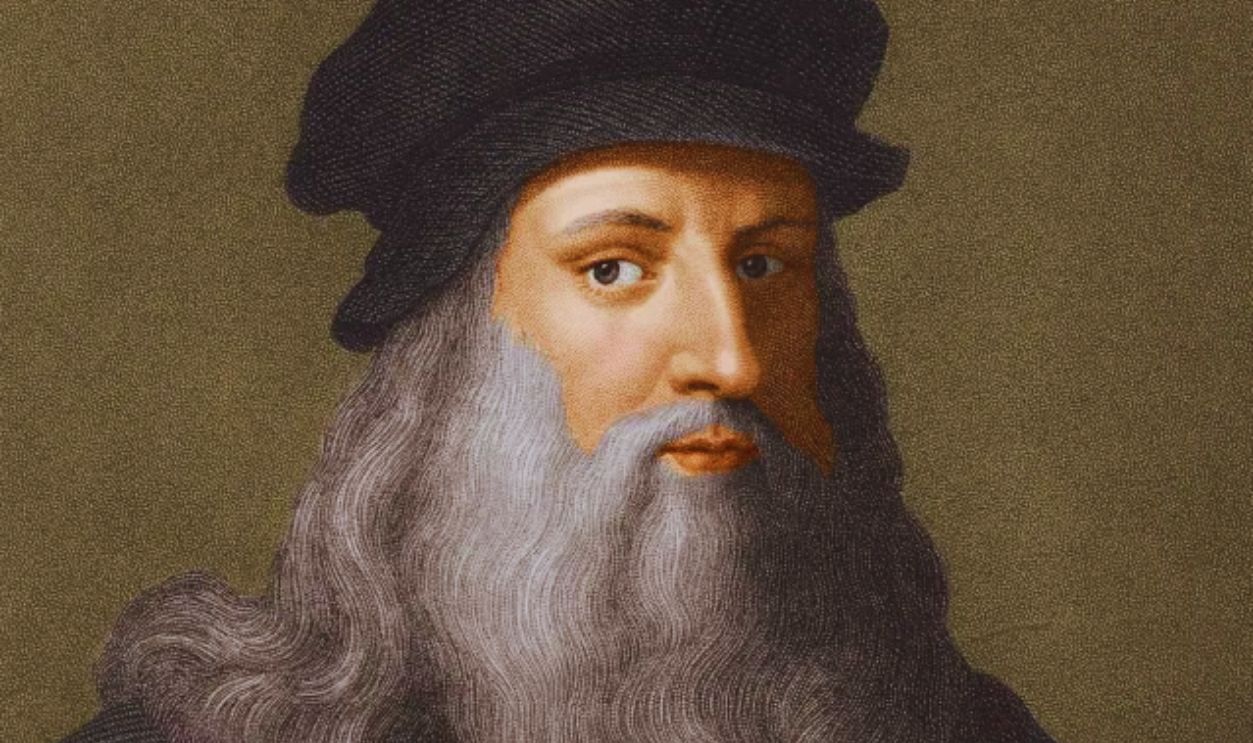
Da Vinci was born in 1452 in Renaissance Italy. He trained as a painter, yet his curiosity stretched far wider. Leonardo studied the human body, nature, and mechanics to record everything obsessively in his notebooks, which revealed a curious mind.
 Lattanzio Querena, Wikimedia Commons
Why Leonardo Still Fascinates The World
His appeal comes from how modern he feels. His paintings remain emotionally alive, while his notebooks show ideas centuries ahead of their time. He approached art like science and science like art to leave behind work that still feels mysterious and deeply human.
The Mystery Of Leonardo’s Missing Works
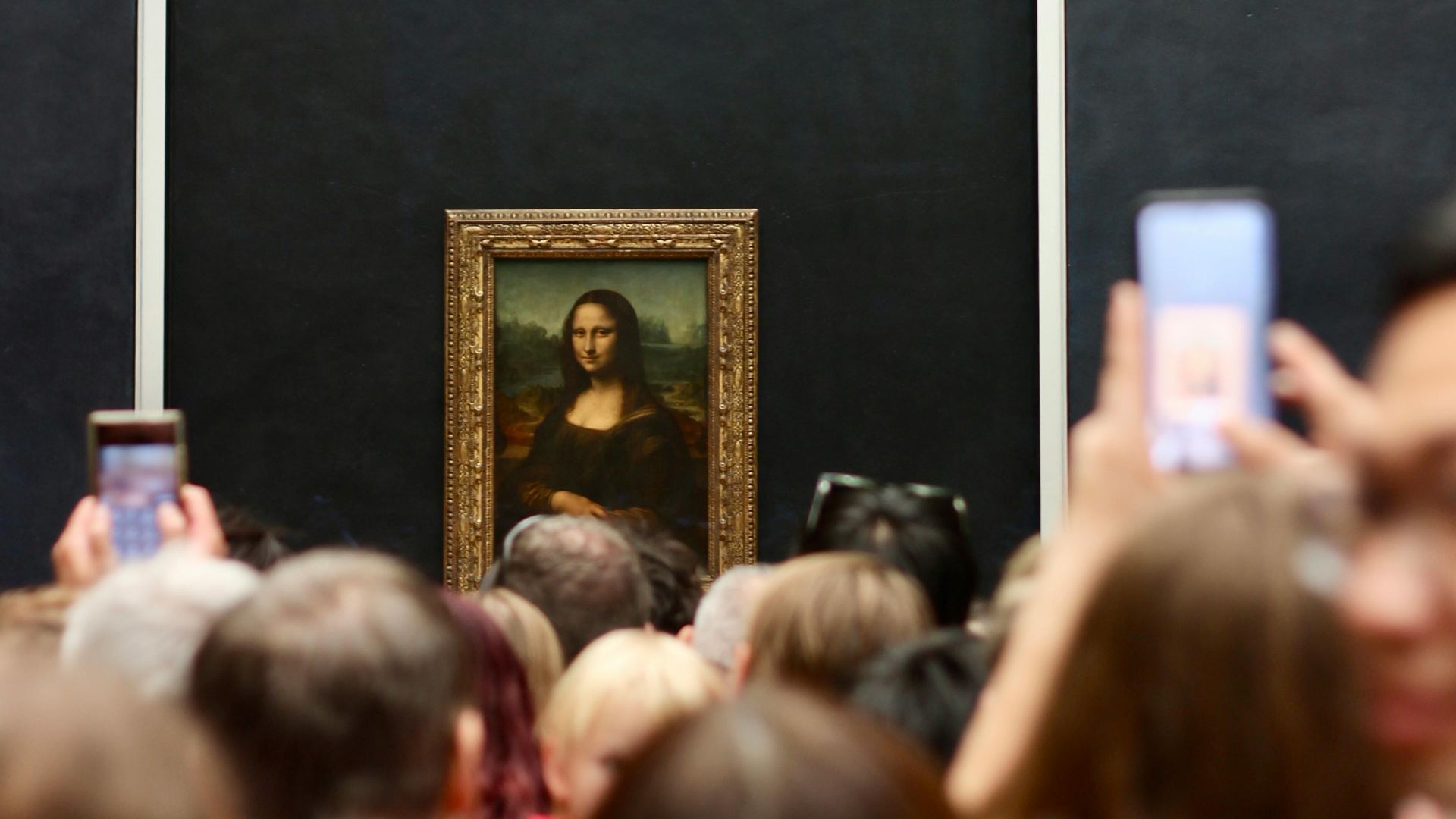
Leonardo’s known paintings are surprisingly few. Over centuries, some works vanished as collections changed hands and records faded. Others were copied by students so closely that originals became hard to trace. This uncertainty fuels the belief that genuine Leonardo works may still exist unnoticed.

Why Proving A Leonardo Painting Is So Difficult
The painter rarely signed his paintings and often worked slowly to revise ideas mid-process. He also collaborated with apprentices, which blurred authorship. As materials aged and restorations altered surfaces, clear answers disappeared. What remains is lingering doubt among experts worldwide.
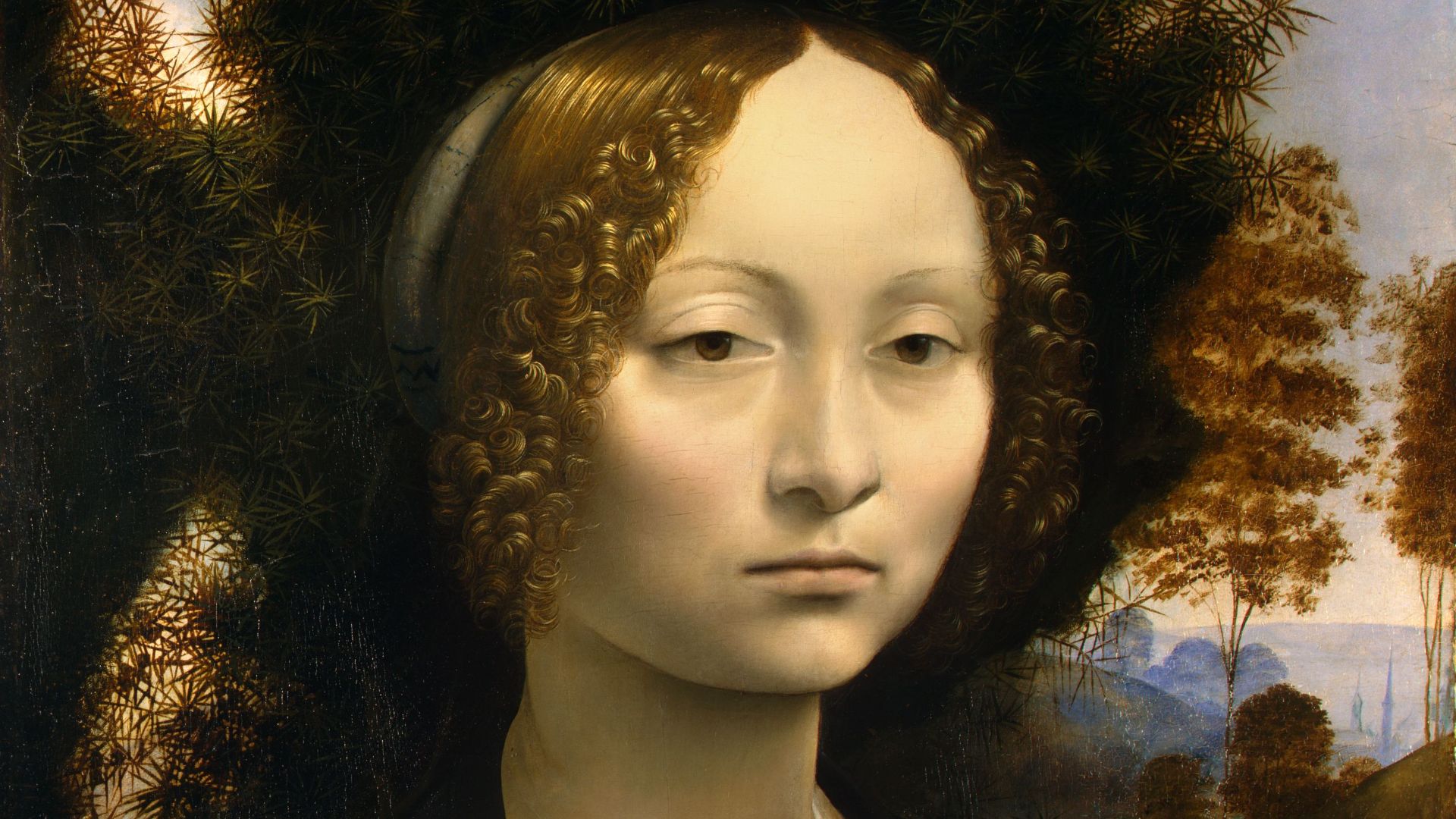 Leonardo da Vinci, Wikimedia Commons
How Art Authentication Traditionally Works
To identify a masterpiece, experts study how it was painted and whether documents support its history. These methods rely on experience and comparison. They can strongly suggest authorship, but they cannot offer absolute certainty, which leaves room for disagreement even today.
The Problem Experts Haven’t Been Able To Solve
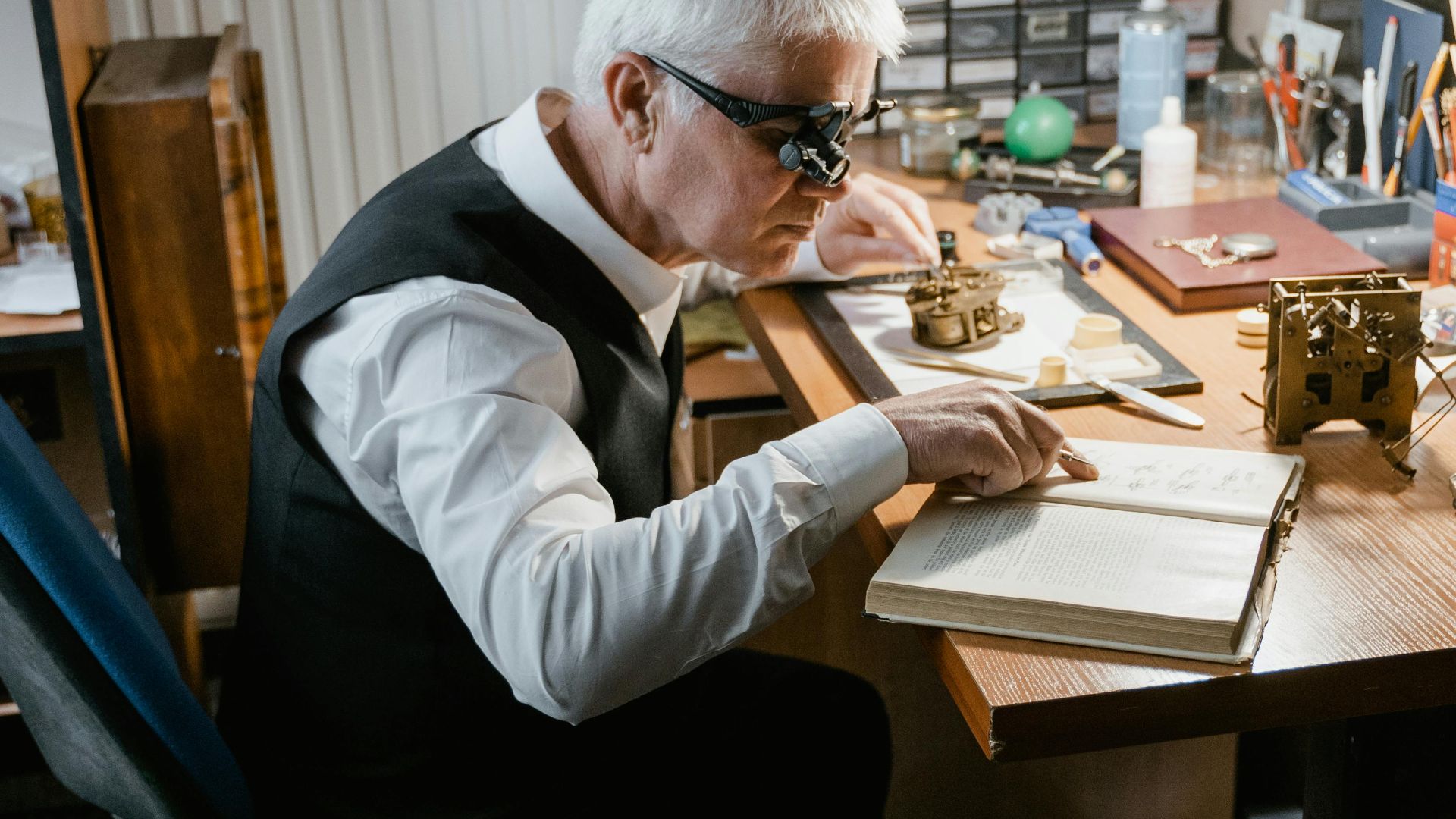
Experts often reach different conclusions about the same artwork. One historian may see Leonardo’s hand clearly, while another disagrees. Without definitive proof, debates can last for decades. This leaves important questions permanently unresolved in the art world.

A New Question Scientists Began Asking
In recent years, researchers began thinking beyond style and history. They wondered whether Leonardo himself left physical traces behind while working. The idea shifted the conversation from interpretation toward biology. It is opening a completely new way to study Renaissance art.

Can DNA Survive On 500-Year-Old Art?
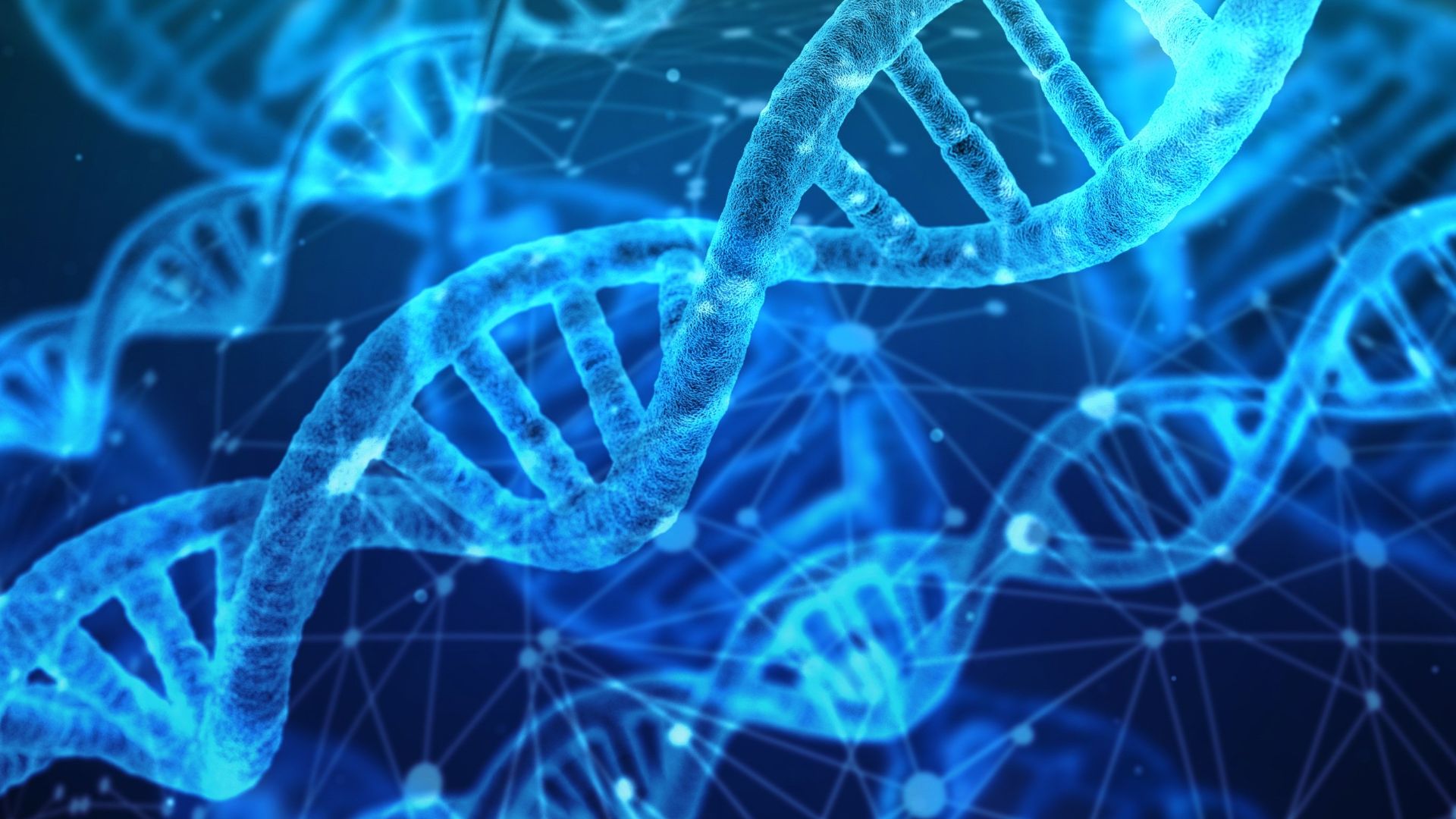
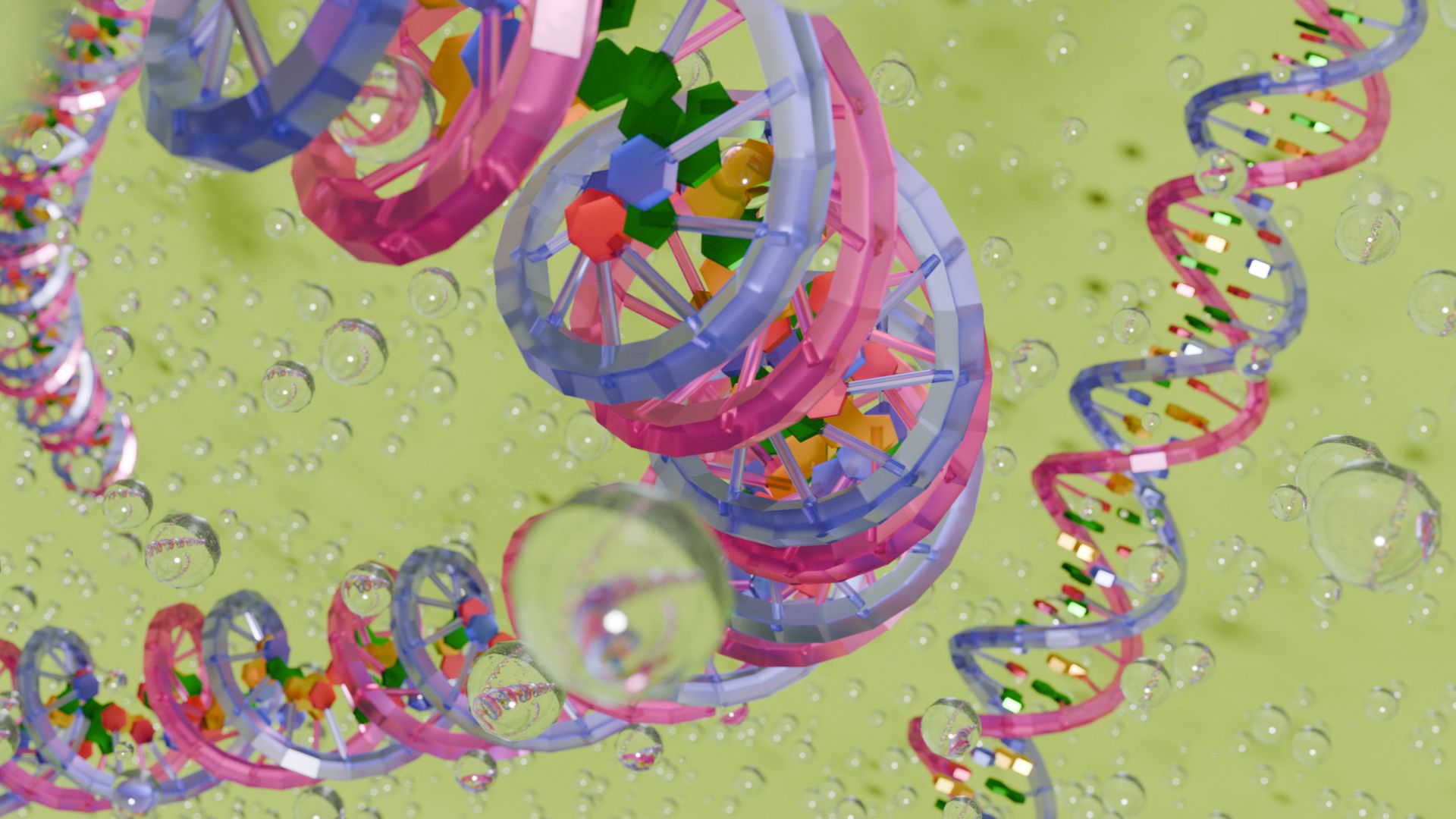
DNA can survive far longer than most people expect. Tiny skin cells shed through touch can cling to paper or parchment. In protected conditions, fragments may remain detectable for centuries. This gives scientists a chance to study biological traces left by historical figures.

History's most fascinating stories and darkest secrets, delivered to your inbox daily.
Where Leonardo’s DNA Might Exist
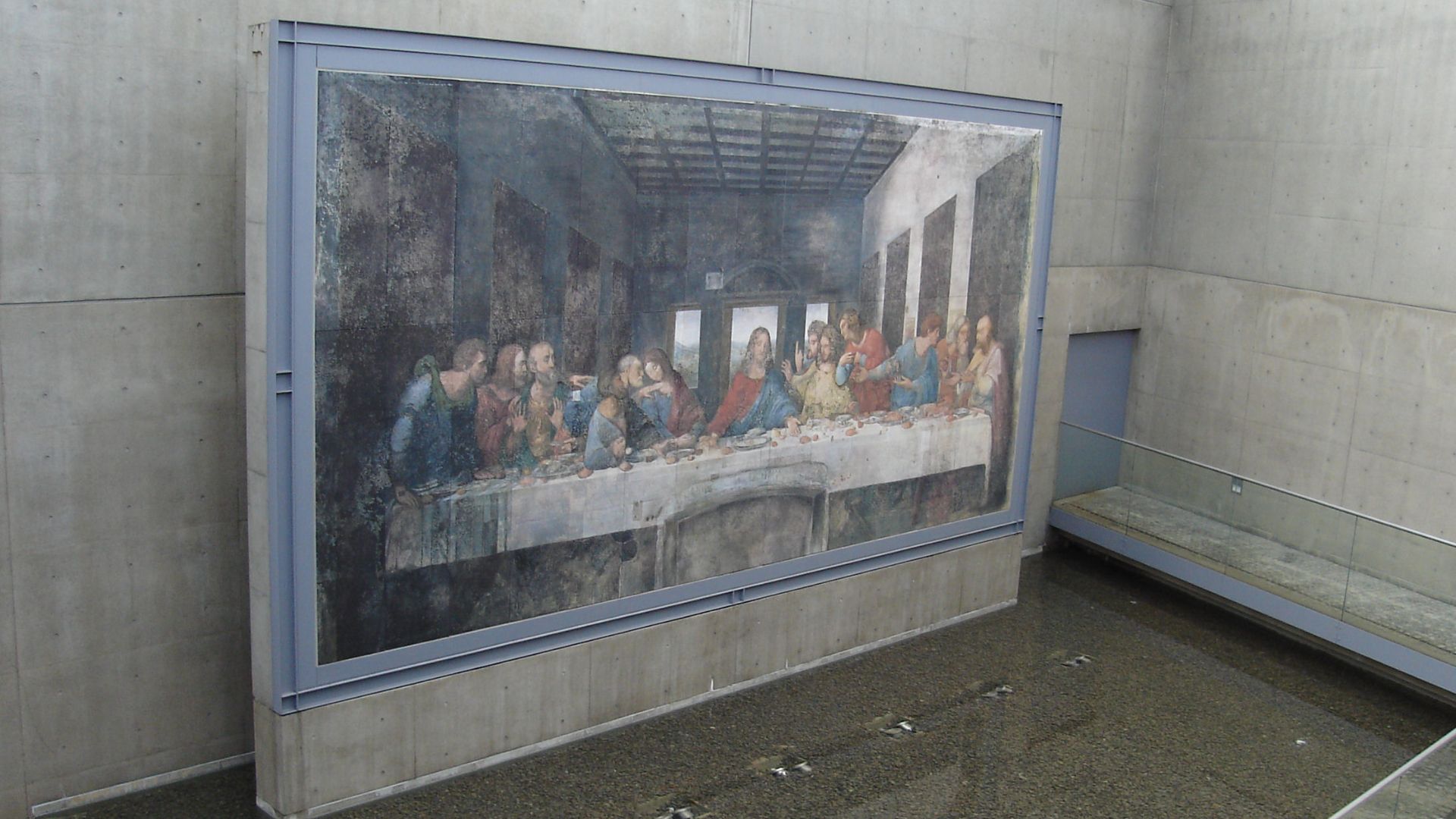
Leonardo handled his belongings directly while working. He touched them repeatedly over many years. If any biological material survived, these objects are the most likely places where microscopic traces of his DNA could still exist today and should be the first places to check.
The Birth Of The Leonardo DNA Project
The question led to the creation of a research effort focused on Leonardo’s genetic footprint. Scientists, historians, and genealogists joined forces to explore whether DNA could support traditional art analysis, not replace it, but add a powerful new layer of evidence.

The First Breakthrough
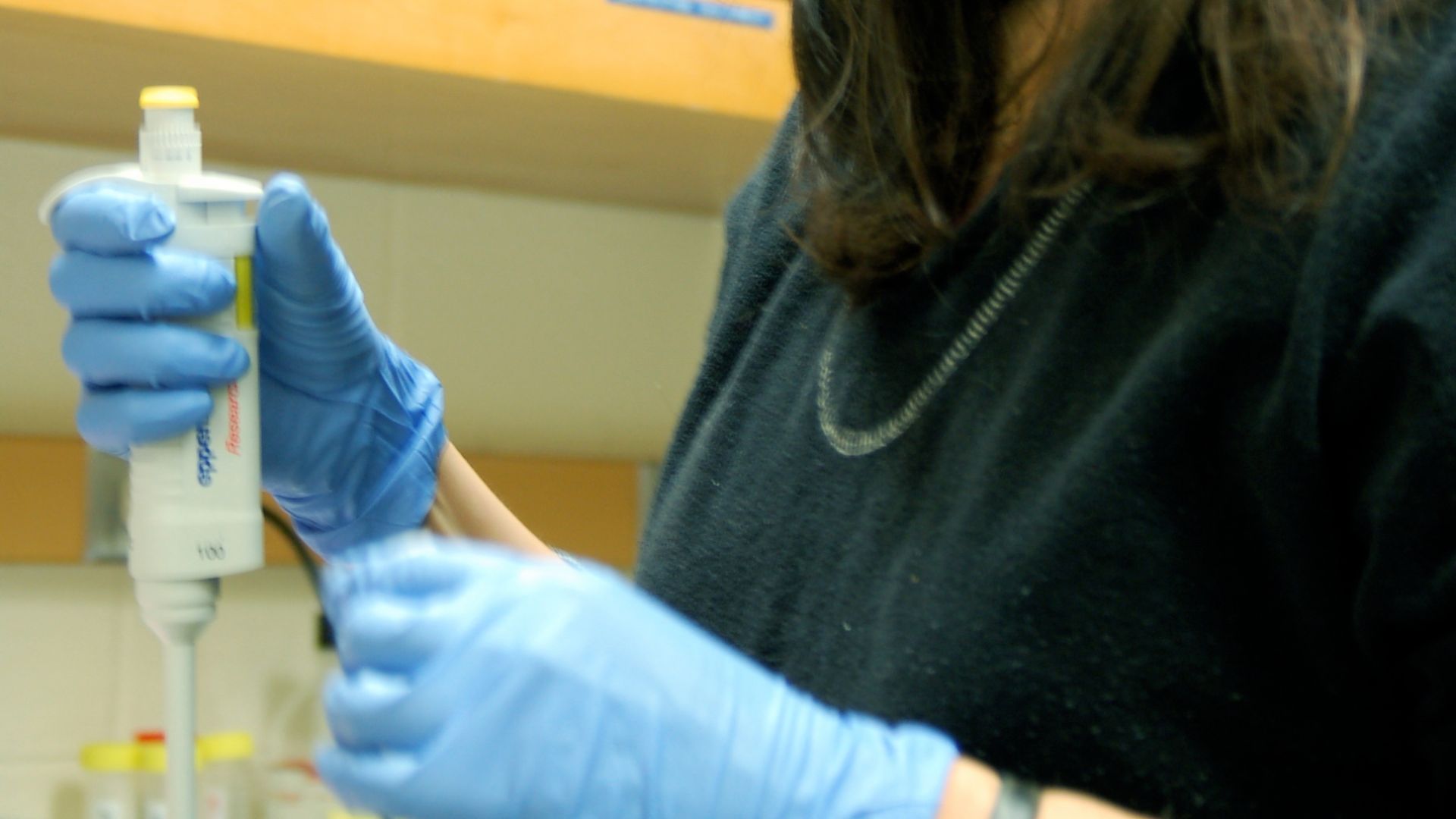
Researchers reported finding microscopic biological traces on Renaissance materials linked to Leonardo. These were not visible to the eye. Advanced laboratory techniques allowed scientists to isolate fragments that appeared human. It marked the first time genetics entered serious discussion about his surviving works.

Why This DNA Isn’t A Full Genetic Profile
The material recovered was extremely small and fragmented. Wide exposure and handling had broken it down over centuries. Scientists could not rebuild a complete genome. Instead, they worked with partial sequences to treat them as clues rather than definitive biological identification.

Understanding The Y-Chromosome Clue
Some fragments appeared to come from the Y chromosome, which passes from father to son. This matters because it can connect individuals across generations. If consistent patterns appear, they may point toward a shared paternal line, which is a strong marker in connection.
Connecting DNA To Leonardo’s Family Line
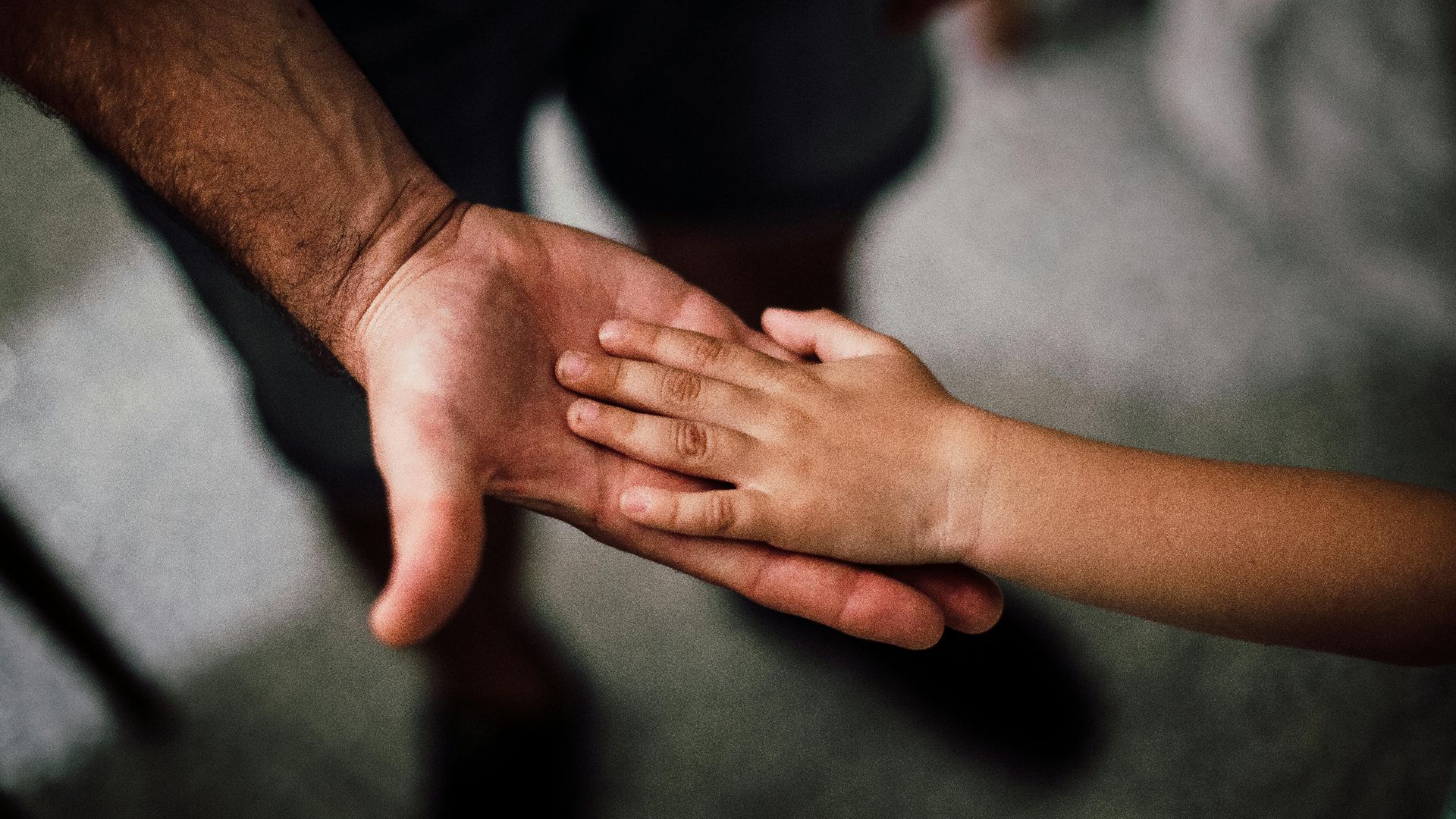
Historians had already mapped Leonardo’s male relatives through archival records. Researchers compared genetic markers with living descendants from the same lineage. The goal was alignment with the same lineage. Even partial matches could strengthen connections between biological traces and Leonardo’s family history.
 scott feldstein from waukesha, United States, Wikimedia Commons
What “DNA Authentication” Really Changes
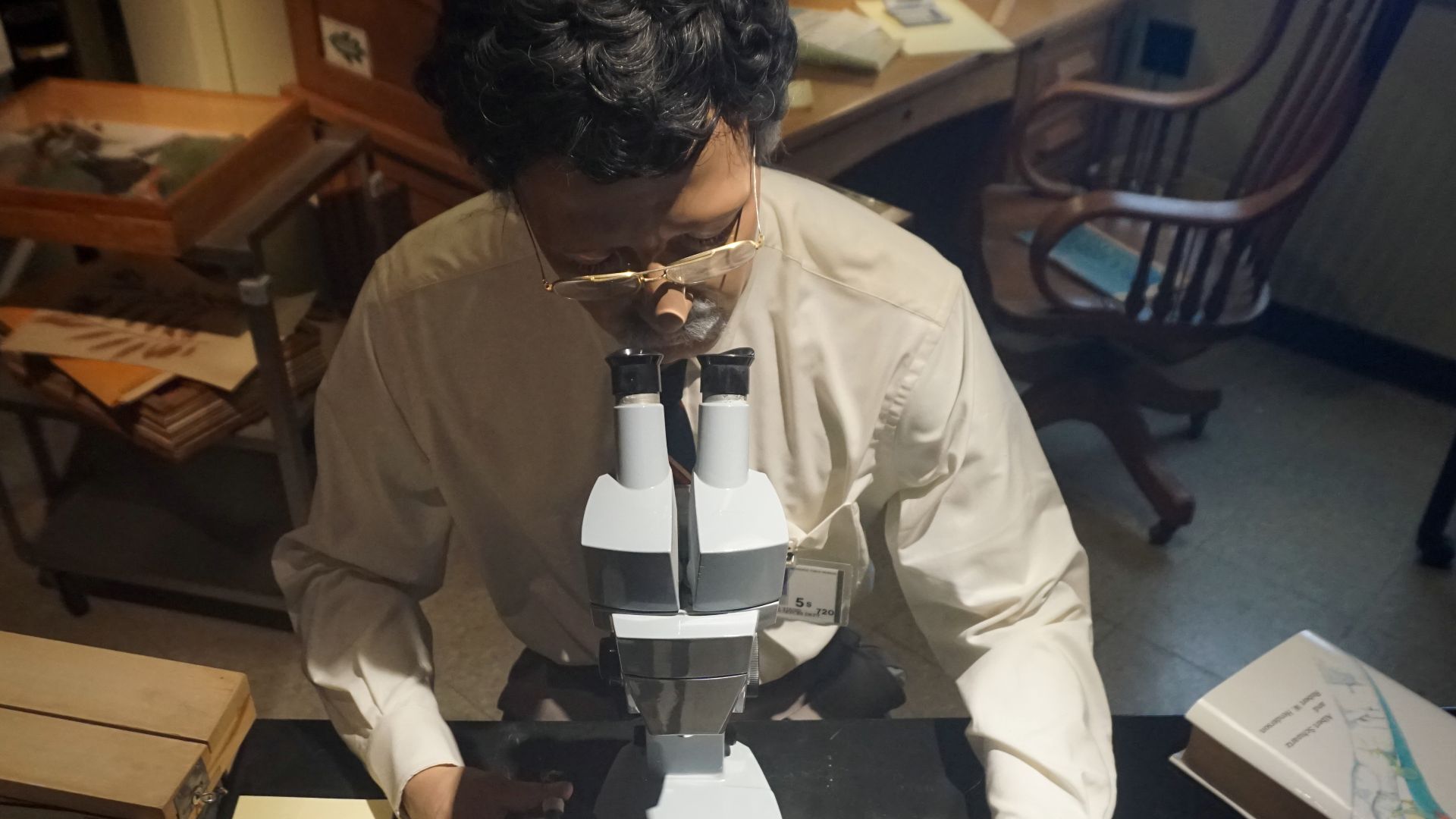
Until now, attribution relied on trained judgment. DNA introduces something different: physical presence. It shifts the discussion from how a painting looks to whether the artist was ever physically there, which adds a new kind of evidence that art history has never had before.
 Michael Barera, Wikimedia Commons
Why This Matters For Works Without Clear Origins
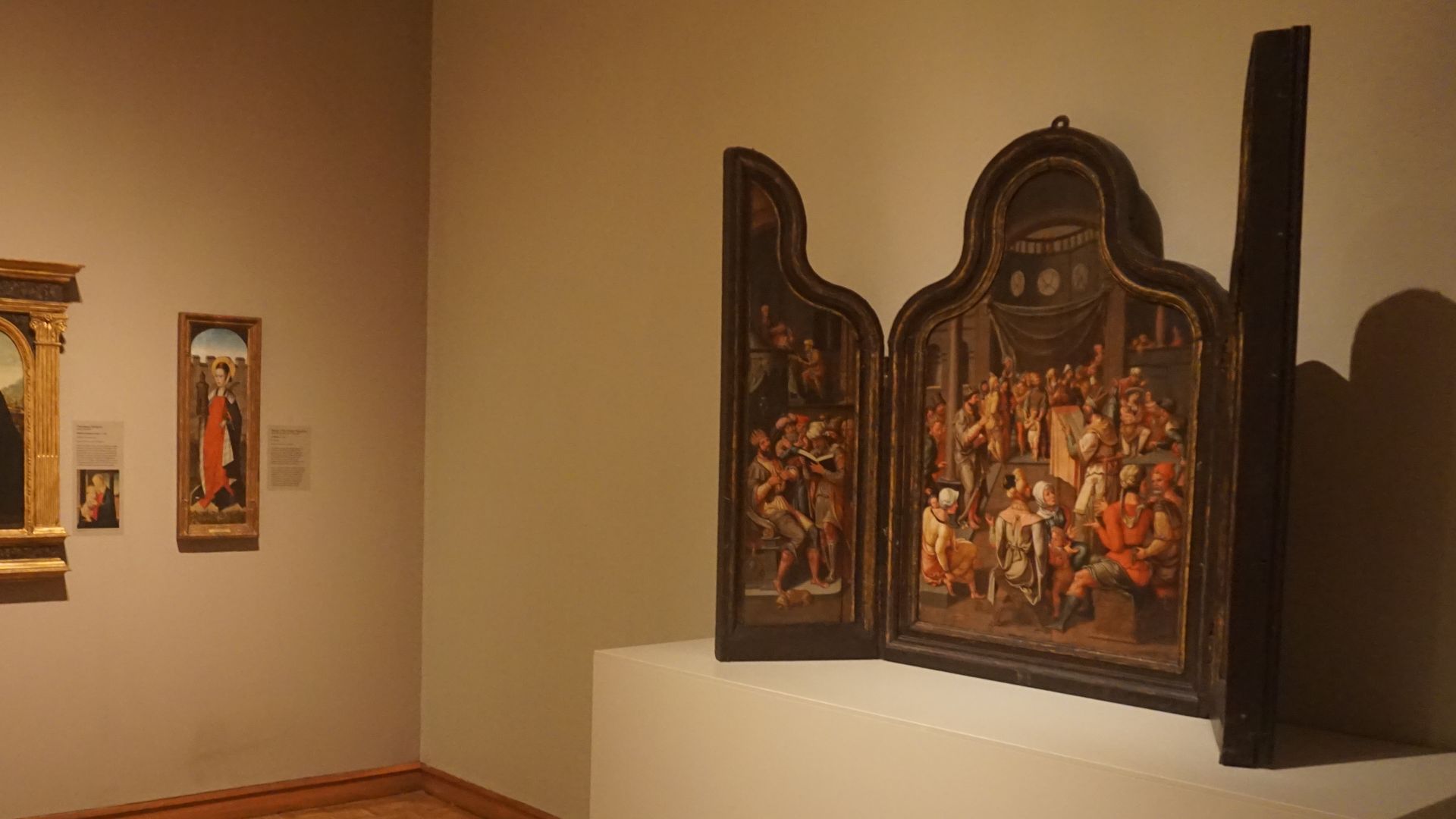
It's not just about Vinci; many Renaissance artworks lack reliable records. Their early histories are simply unknown. DNA could help group work by contact rather than style. It offers clues about the origin even when documents are missing or contradictory.
 Michael Barera, Wikimedia Commons
How This Could Narrow Authorship
DNA will not declare a painting authentic on its own. But it can eliminate the possibilities of those whose painting it is suspected to be. If biological traces clearly do not align, certain attributions weaken. That narrowing process alone can dramatically reshape long-standing scholarly debates.
Why The Art World Is Paying Attention
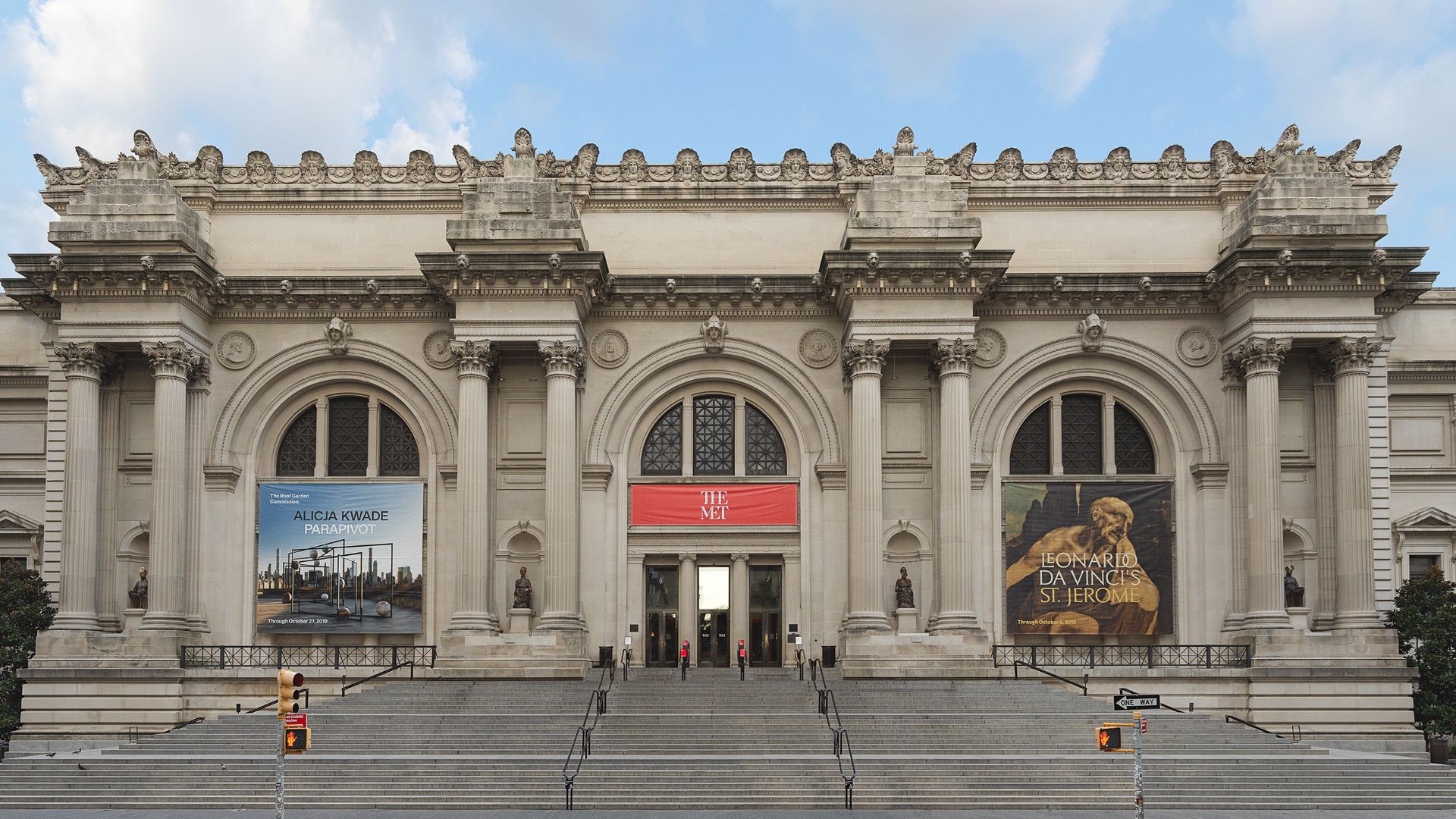
Authentication shapes how history is written and remembered. When science introduces a new way to question long-accepted conclusions, museums and scholars are forced to pause. Even without final answers, that shift alone explains why this discovery has captured global attention.
 Hugo Schneider, Wikimedia Commons
The Risk Of Letting Excitement Run Ahead Of Evidence
Scientists involved urge caution. DNA fragments are fragile, and context matters deeply. Misinterpretation could mislead rather than clarify. That is why researchers stress patience in peer review and restraint before drawing conclusions from such extraordinary material.

Why Many Experts Remain Skeptical
Many scholars question whether DNA traces can authenticate Renaissance art. Fragments degrade over centuries and make contamination from later handlers almost inevitable. Even when sequences appear human, proof that they belong to Leonardo himself remains nearly impossible without stronger comparative evidence.

How Headlines Can Distort The Discovery
Media reports often compress nuance into dramatic claims. “Could uncover” becomes “will prove”. Scientists involved have stressed that no painting has been authenticated through DNA yet. The discovery suggests potential, not resolution, and that distinction is crucial for understanding its real significance.

What Would Count As Stronger Evidence
Researchers would need repeated genetic matches across multiple objects. Independent labs would have to confirm results. Historical records would still matter. Only when biological data aligns with art history does the evidence grow stronger to move from speculation toward something more reliable.

Why Future Technology Could Change Everything
Genetic analysis keeps improving. Techniques that struggle today may become routine tomorrow. As detection becomes more sensitive, older samples may yield clearer signals. This discovery matters partly because it opens a door that science is only beginning to step through.

Why Leonardo Is A Unique Case To Begin
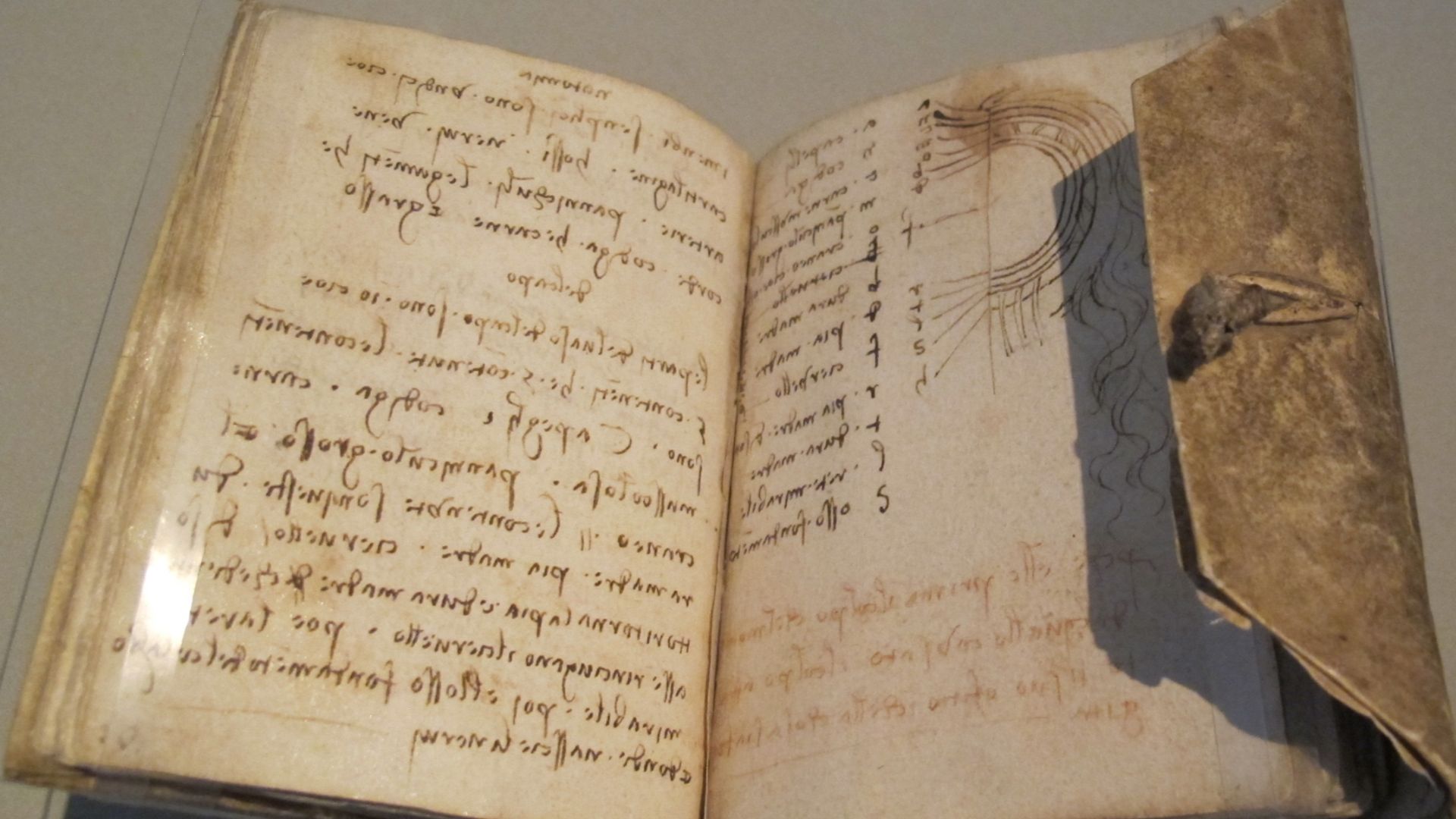
Leonardo left behind thousands of pages of notes and drawings. He worked hands-on and reused materials extensively. Few artists from his era left so many physical traces behind, which makes him unusually suited for this kind of biological investigation.
Why This Story Matters Beyond Lost Paintings
This discovery highlights how science and history now work together. It shifts attention from legend to evidence, which offers new ways to understand creative lives. Even without rediscovered masterpieces, the approach reshapes how the world studies figures like Leonardo da Vinci.