
Planetary Science Limits
Ever wonder why we've only visited Pluto once? Space seems empty, but getting there involves solving puzzles that would make Einstein scratch his head. One slight miscalculation early on becomes a mission-ending disaster years later.
Pluto's Discovery
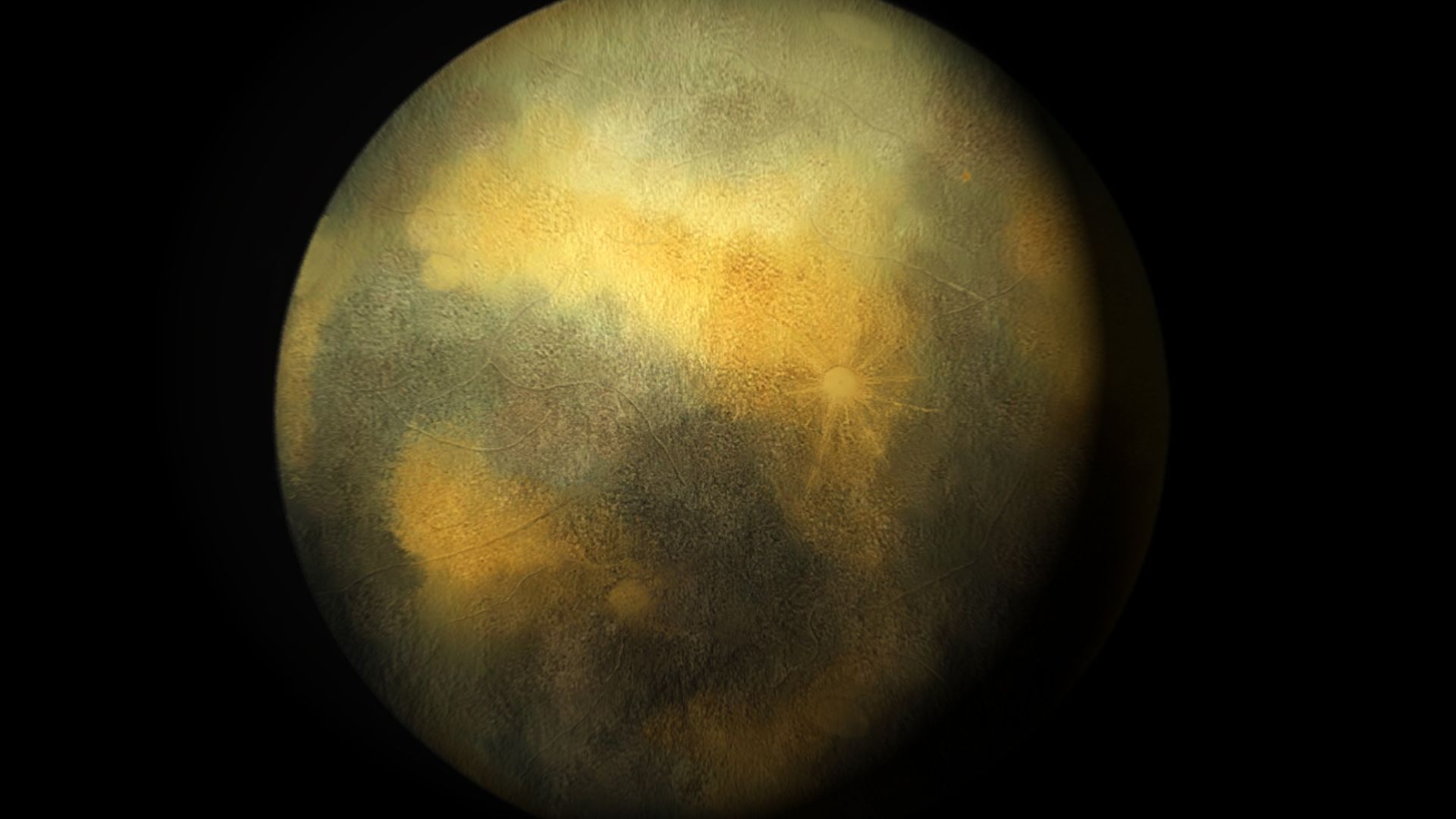
In 1930, young astronomer Clyde Tombaugh was methodically examining photographic plates at Lowell Observatory when he spotted something extraordinary. It was a tiny, moving speck. By 1989, robotic spacecraft had visited all known planets from Mercury to Neptune, leaving only distant Pluto unexplored.
 Unknown authorUnknown author, Wikimedia Commons
Pluto's Discovery (Cont.)
What Tombaugh couldn't have imagined was that he'd discovered the first member of an entire population of icy worlds beyond Neptune, making Pluto not just remote, but part of a vast, debris-filled region that would challenge every aspect of spacecraft design.
 C m handler, Wikimedia Commons
New Horizons
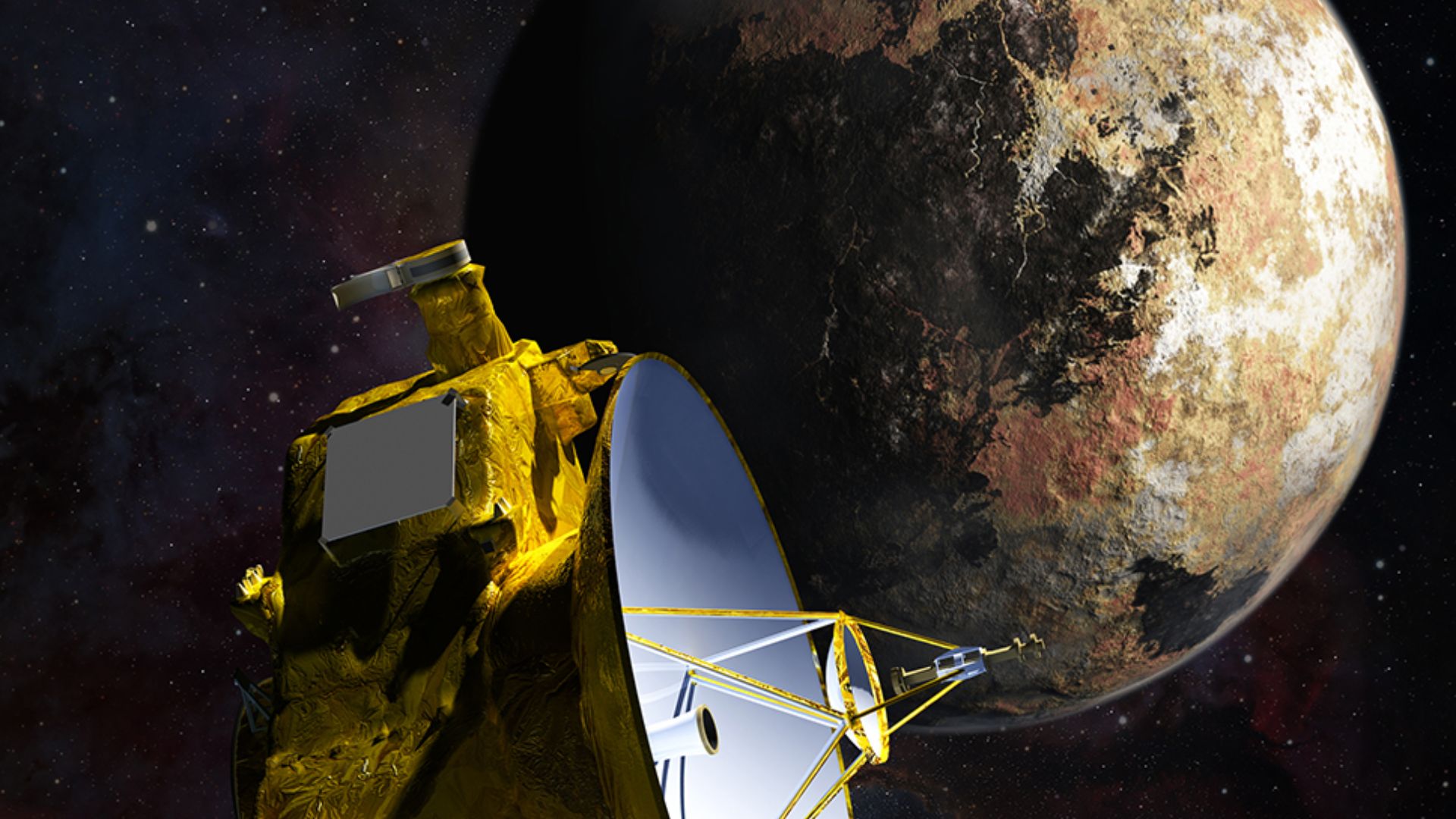
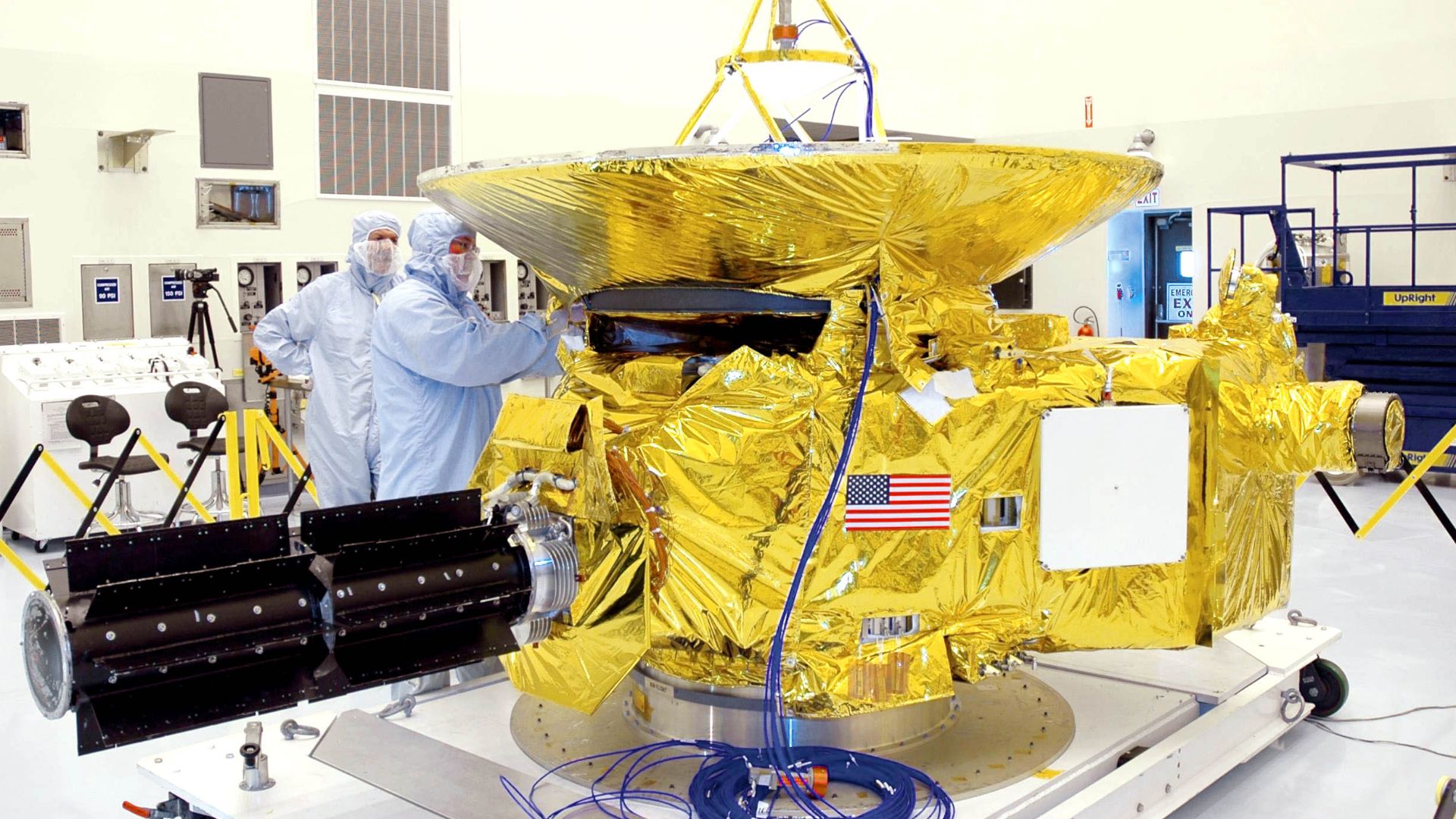
After nearly 20 years of political battles, budget cuts, and outright cancellations, New Horizons finally launched on January 19, 2006, becoming humanity's first and only successful mission to Pluto. It was cancelled at least six times between 1990 and 2005, with politicians dismissing it as too expensive.
 Johns Hopkins University Applied Physics Laboratory/Southwest Research Institute, Wikimedia Commons
Distance Challenge
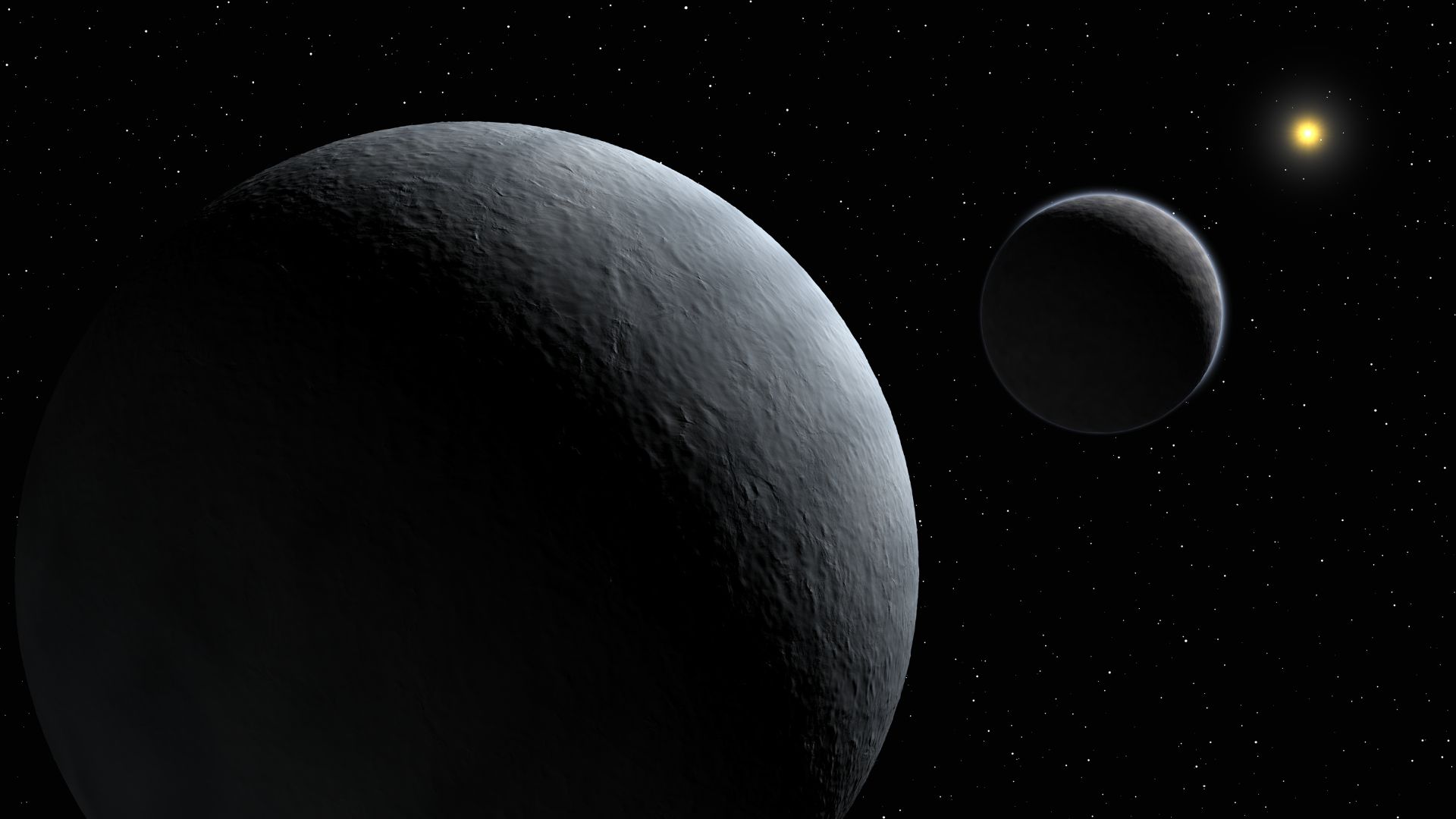
Pluto's distance, approximately 3 billion miles (5 billion km) from Earth, presented power difficulties for the New Horizons designers, as the sun's rays at that distance are too weak to produce power. New Horizons took 9 years and 5 months to get to Pluto.

Distance Challenge (Cont.)
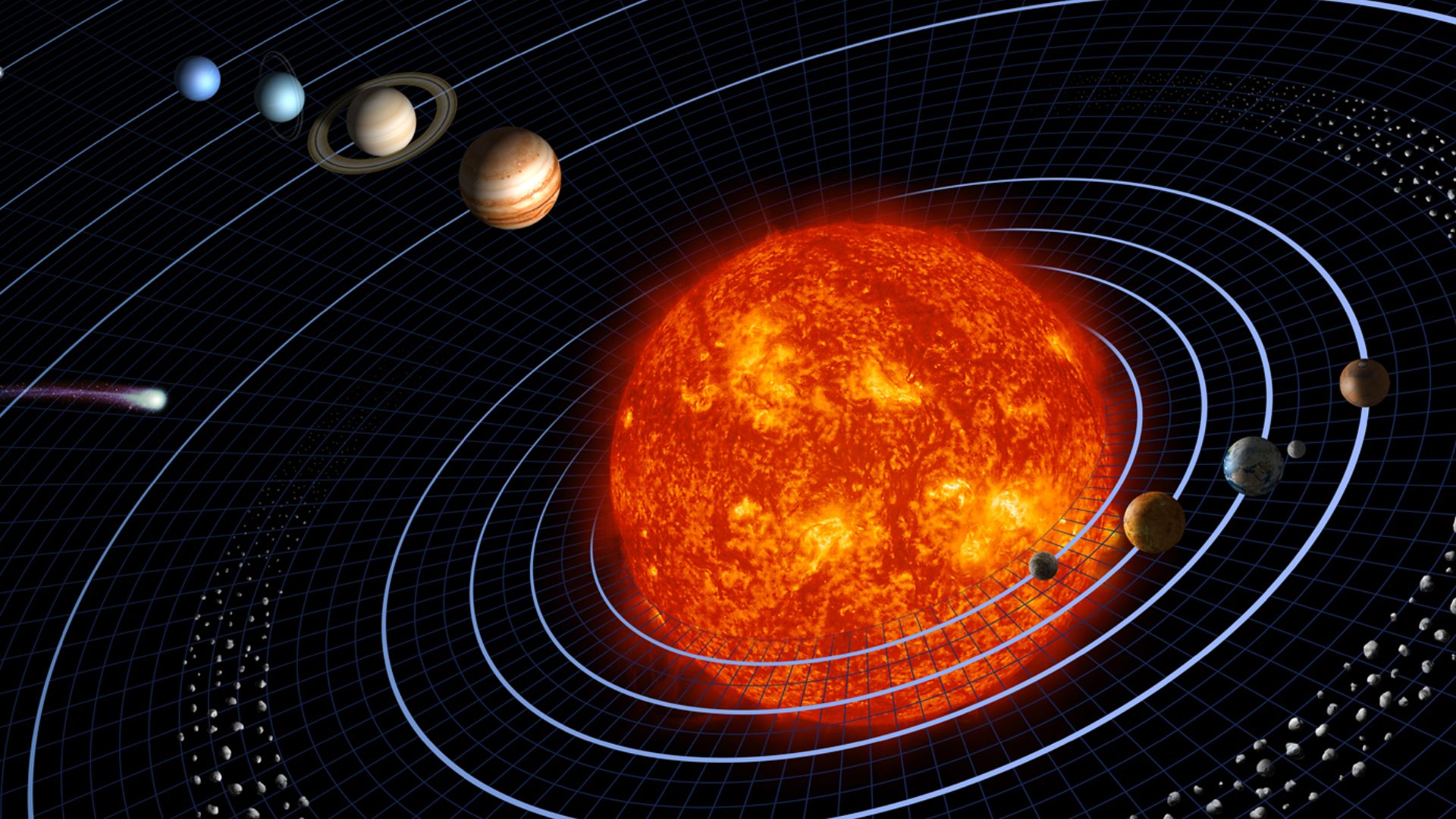
At a distance of approximately 39 AU from the Sun and traveling at an average speed of 4.1 AU per year, sunlight at Pluto's distance is nearly 1,000 times weaker than on Earth. This makes every engineering decision exponentially more complex.
Mass Limitation
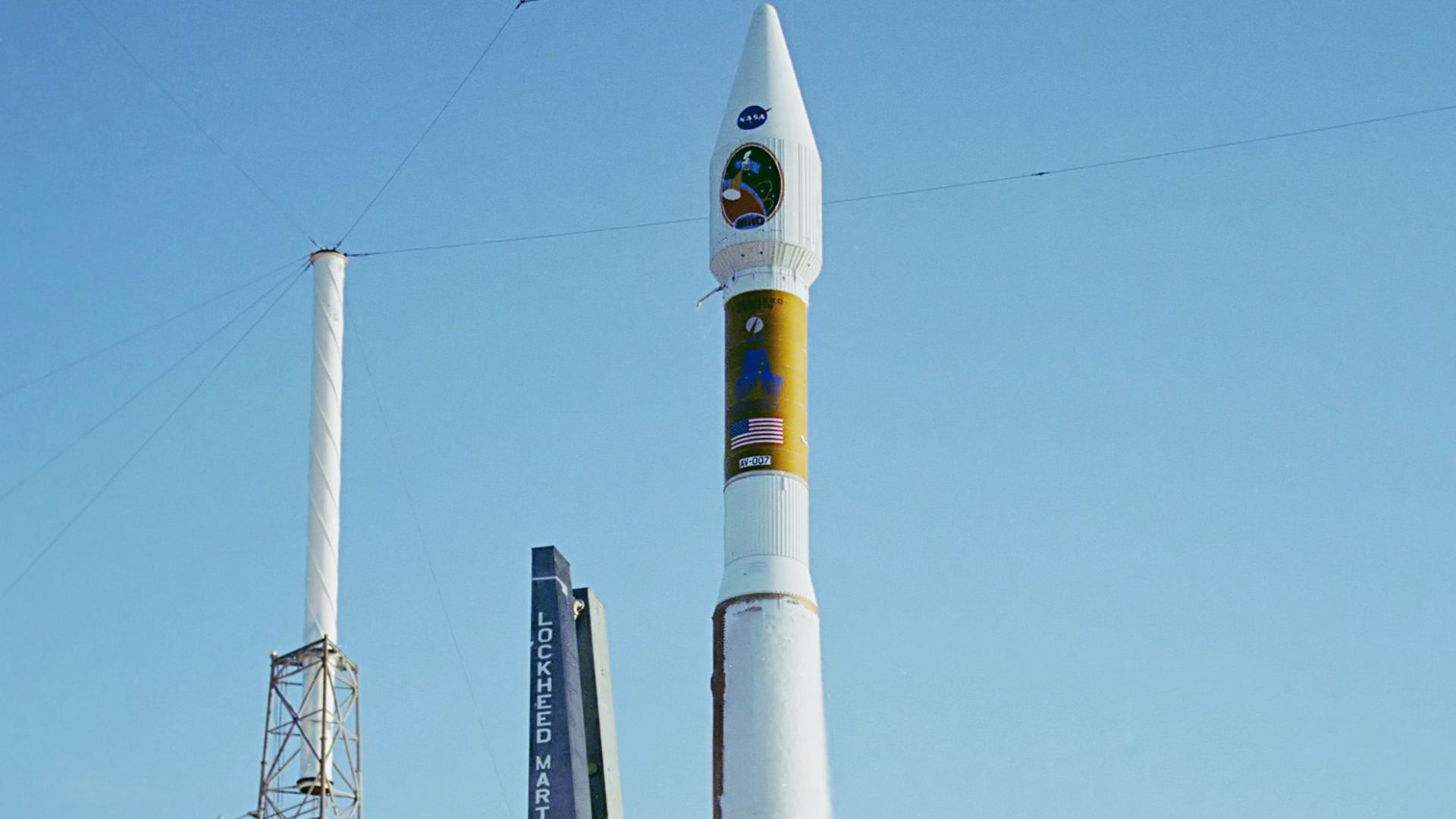
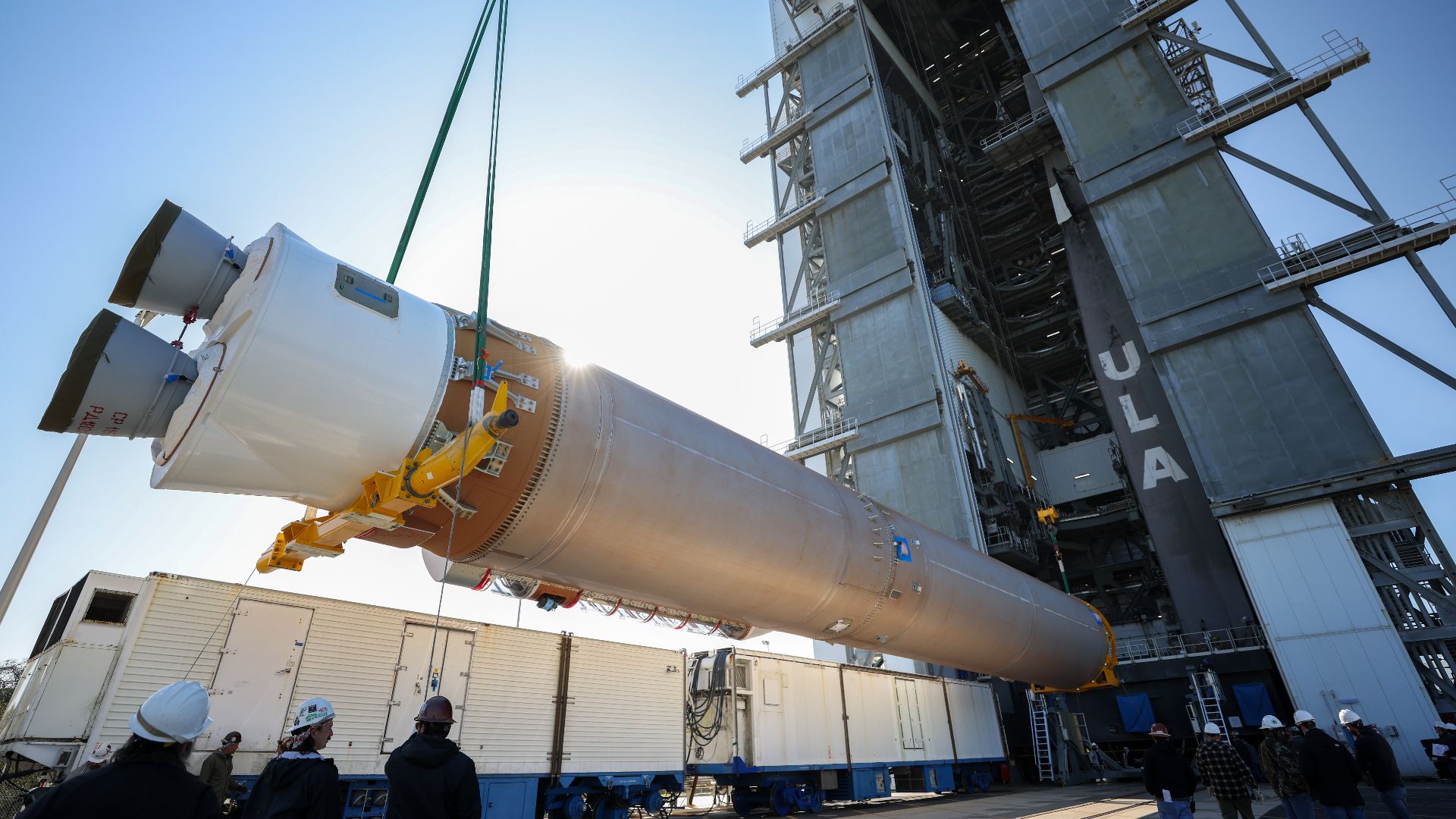
Every gram matters when you're heading to the edge of the solar system. Even using the Lockheed Martin Atlas V rocket, one of the most powerful in the US fleet, New Horizons had to weigh approximately 1,050 pounds.
Mass Limitation (Cont.)
The chosen version of the Atlas V utilized five strap-on solid rocket boosters, higher than any other launch, plus a powerful Centaur upper stage, and even that wasn't enough. Engineers had to add a third stage, a Boeing Delta II upper stage.
 NASA Kennedy Space Center / NASA/Frank Michaux, Wikimedia Commons
Gravity Wells
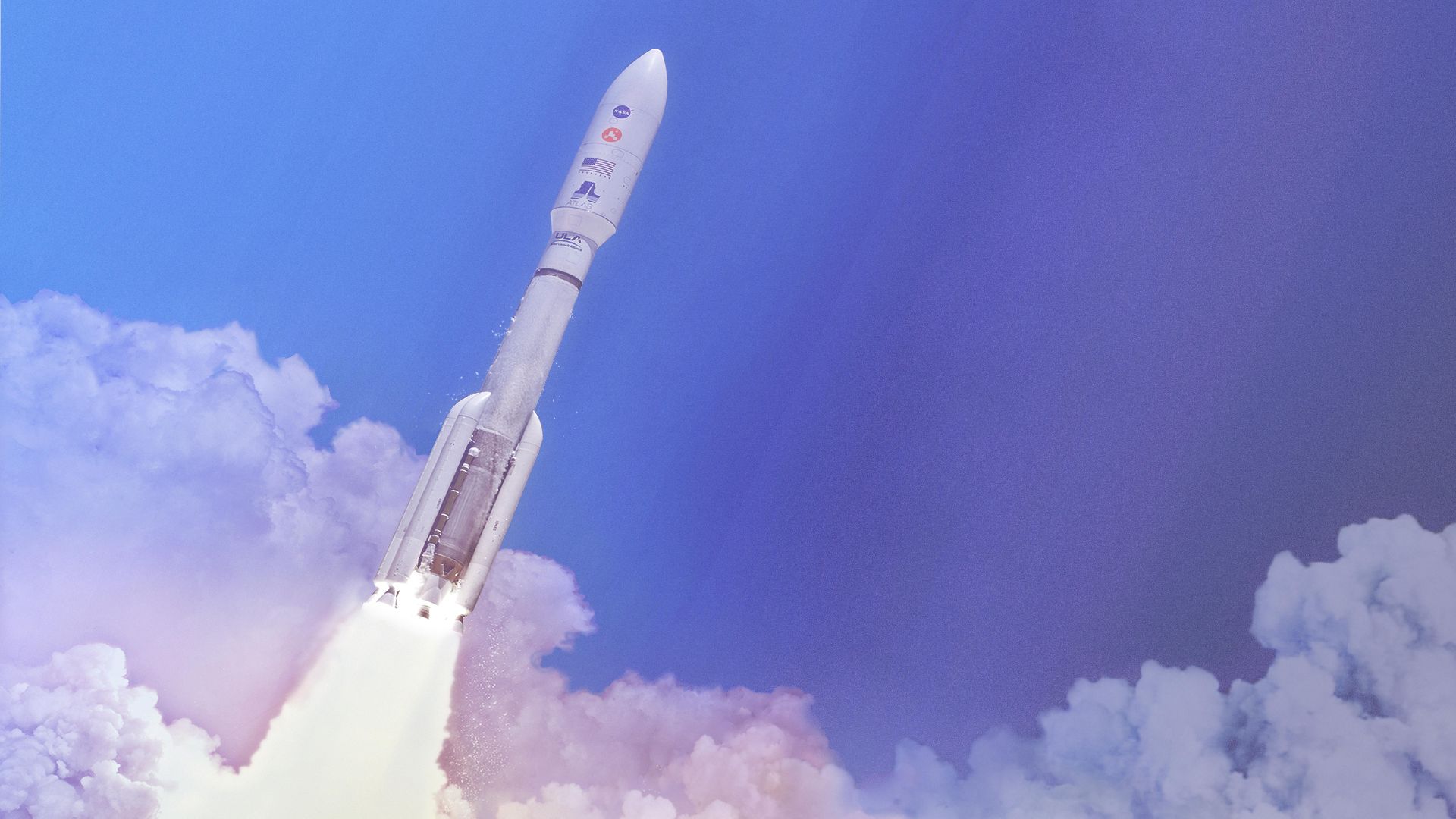
To reach Pluto in 9.5 years, the spacecraft must travel extremely quickly, reaching speeds of approximately 58,500 kilometers per hour. But here's the catch: to get into orbit, operators would have to cut down that speed by over 90%.
 NASA/JPL-Caltech, Wikimedia Commons
Launch Windows
The physics of interplanetary travel creates narrow launch windows that occur infrequently, and missing one means waiting years for the next opportunity. Mission planners must coordinate launch dates with planetary positions, as planets must be in the correct positions for gravity assists to be effective.
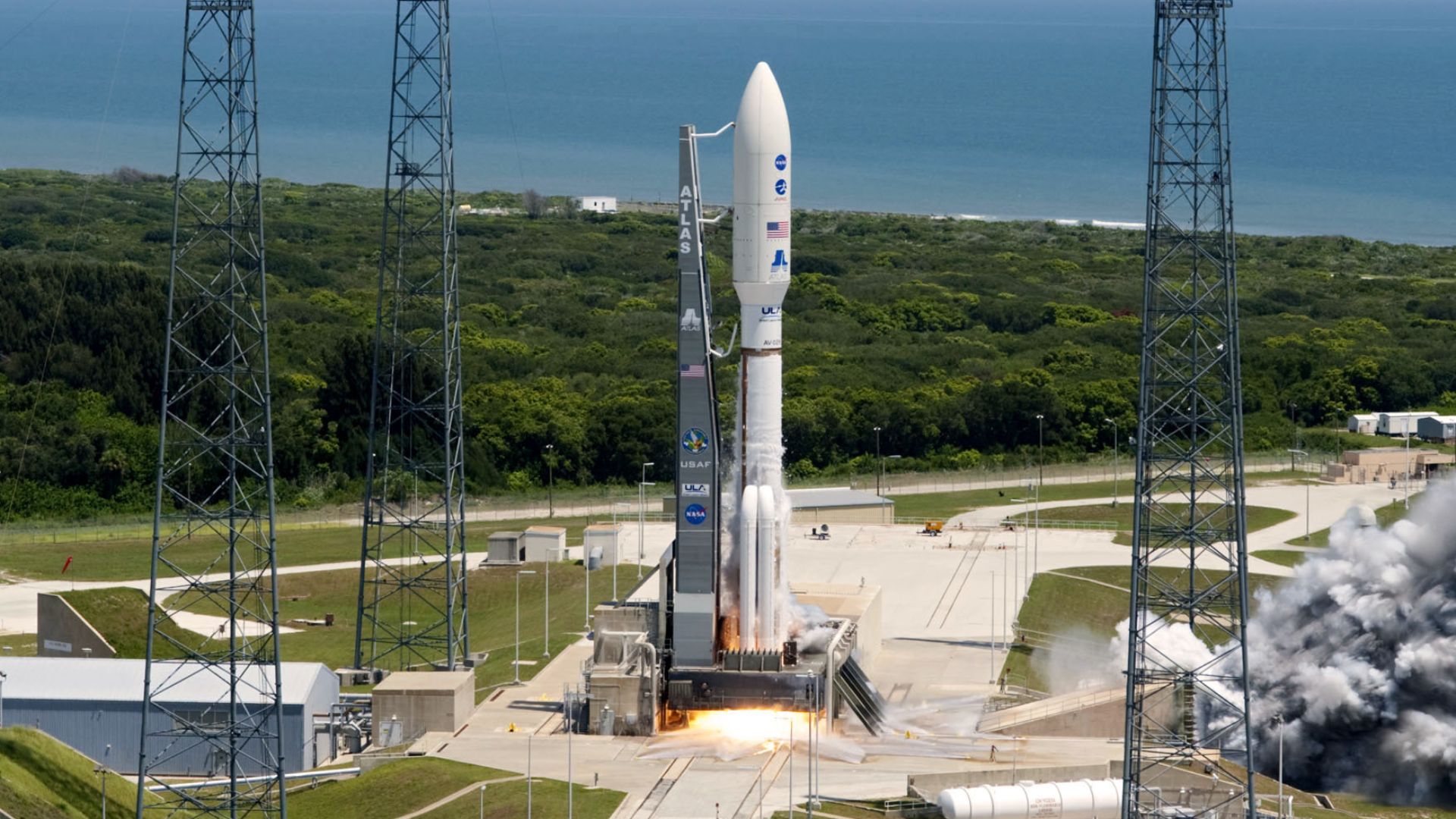 Photo credit: NASA/Tony Gray and Tim Powers, Wikimedia Commons
Planetary Alignment
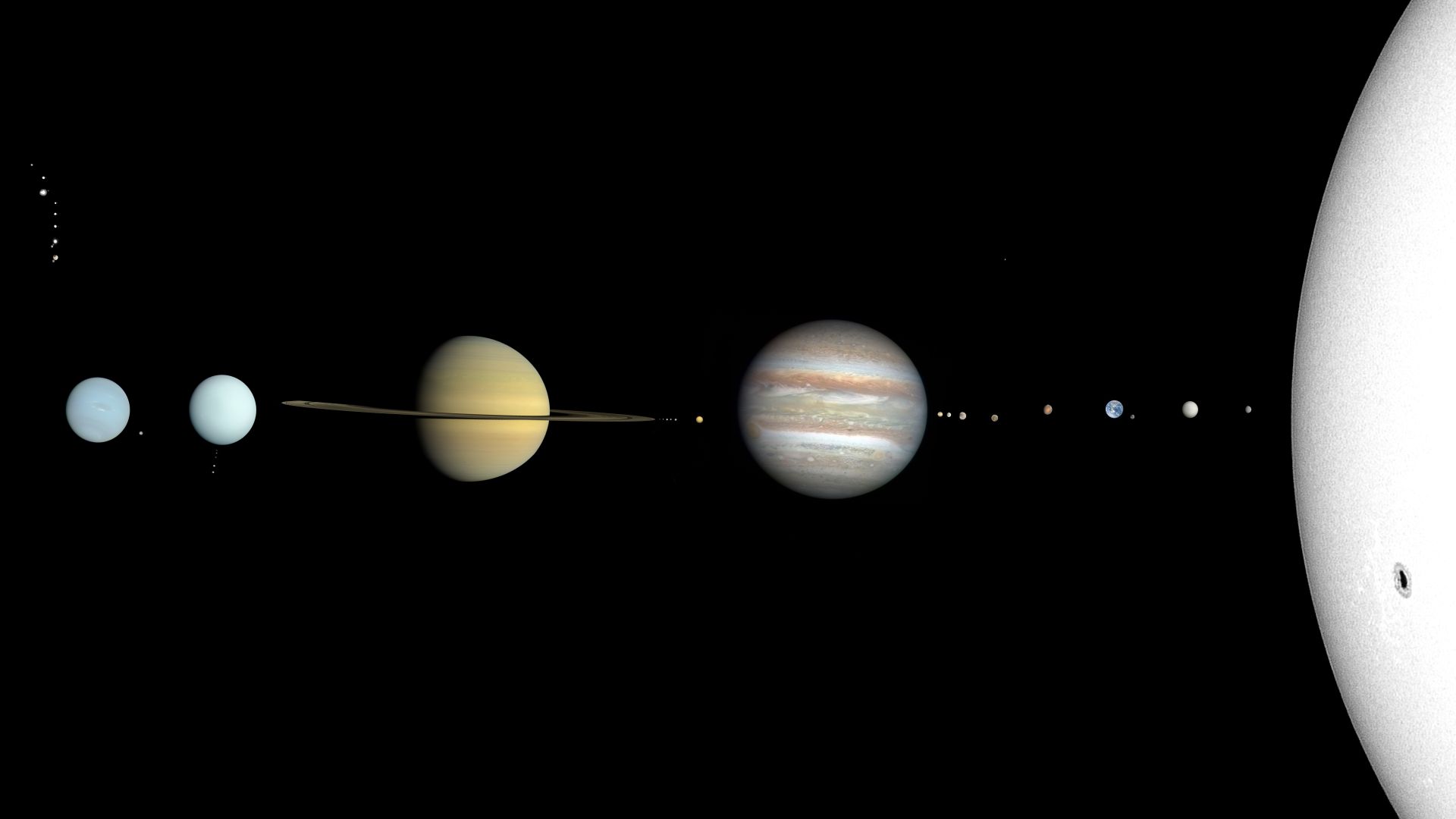
Sometimes the universe gives you a cosmic gift, and sometimes it doesn't. The concept of the Grand Tour started in 1964, when Gary Flandro noted that an alignment of Jupiter, Saturn, Uranus, and Neptune in the 1970s would allow a single spacecraft to visit all outer planets.
 NASA/Aubrey Gemignani, Wikimedia Commons
Planetary Alignment (Cont.)
This particular alignment occurs once every 175 years, and the next opportunity won't come until around 2151–2154. While New Horizons didn't need this complete alignment, even partial alignments for single gravity assists are rare and must be precisely timed, making mission planning a decades-long commitment.
 CactiStaccingCrane, Wikimedia Commons
Escape Velocity
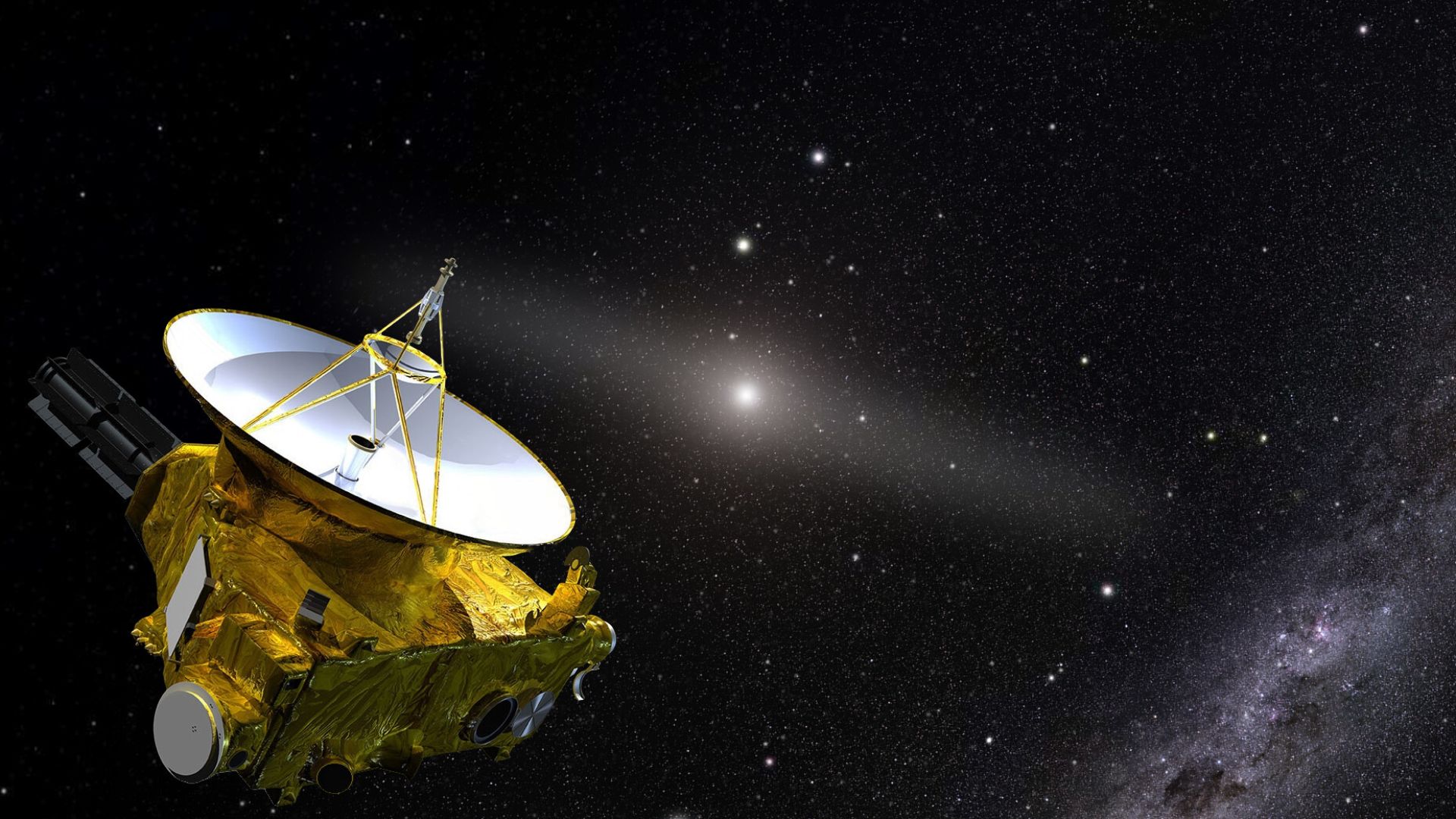
Breaking free from Earth's gravitational pull is just the first hurdle in an epic journey. New Horizons was launched with a speed of about 16.26 km/s (36,400 mph). It was the fastest spacecraft to leave Earth. It passed the Moon's orbit in just nine hours.
 J. Olmsted (STScI), Wikimedia Commons
Escape Velocity (Cont.)
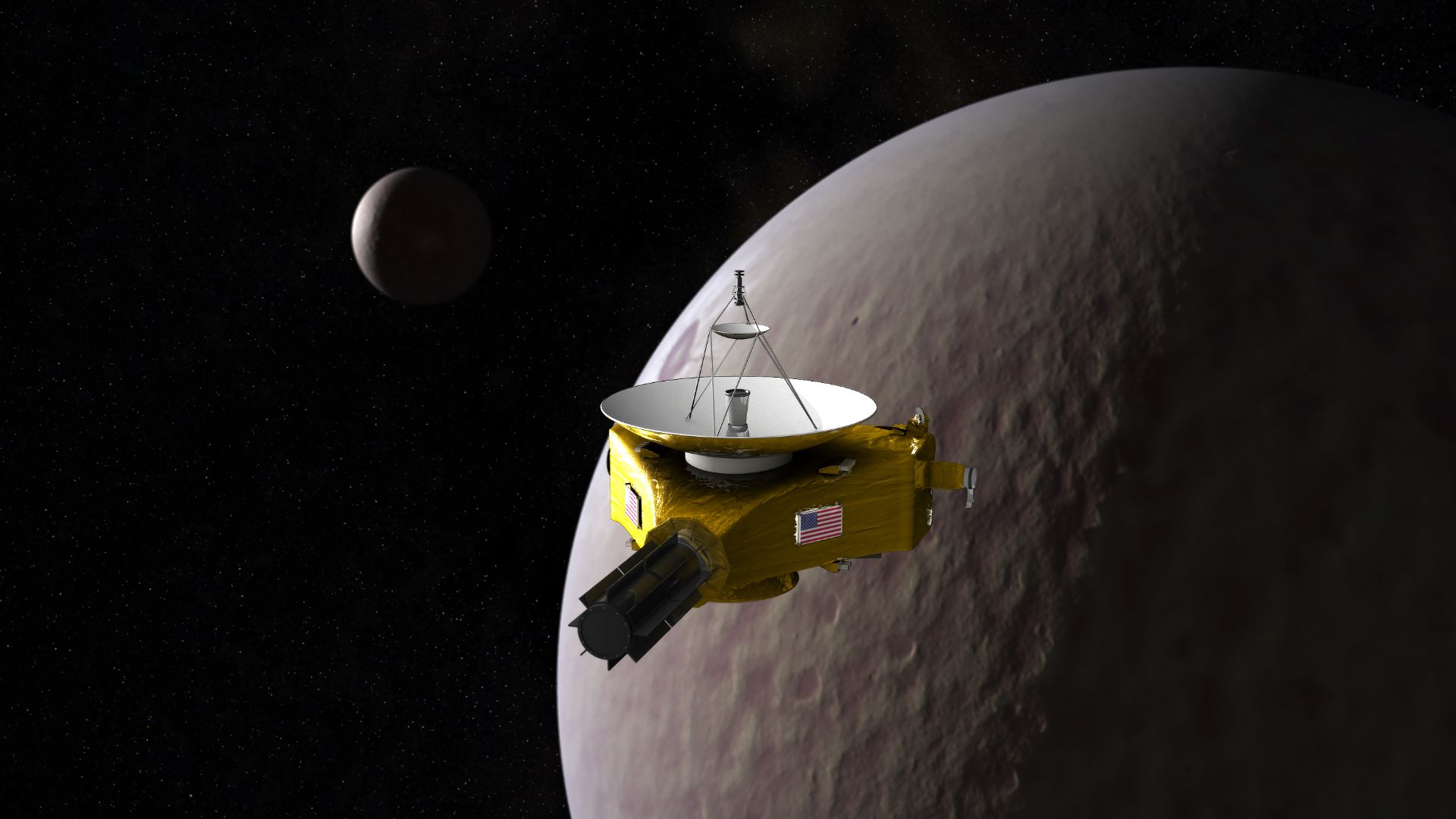
This was nearly 10 times faster than the Apollo astronauts. Even at this record-breaking speed, the spacecraft still needed additional boosts to reach Pluto in a reasonable timeframe. The energy requirements are so extreme that chemical rockets are pushed to their theoretical limits.
 Kevin Gill from Nashua, NH, United States, Wikimedia Commons
Trajectory Precision
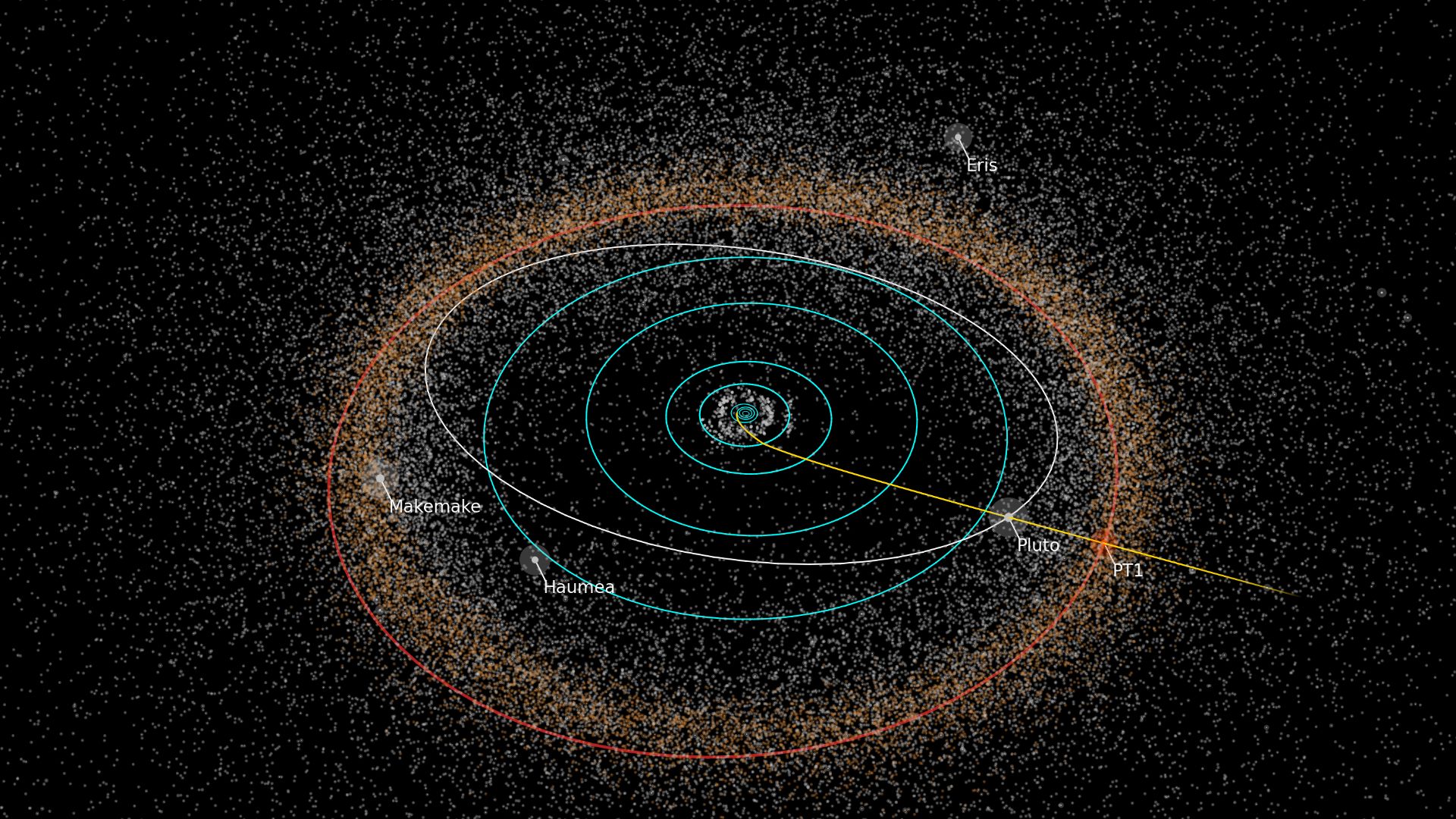
The flyby presents challenges because MU69 is so faint that no ground-based telescope has ever seen it; only Hubble has, and it's too faint for New Horizons to detect until about 100 days before the flyby. Mission planners must calculate trajectories years in advance.
Jupiter Assist
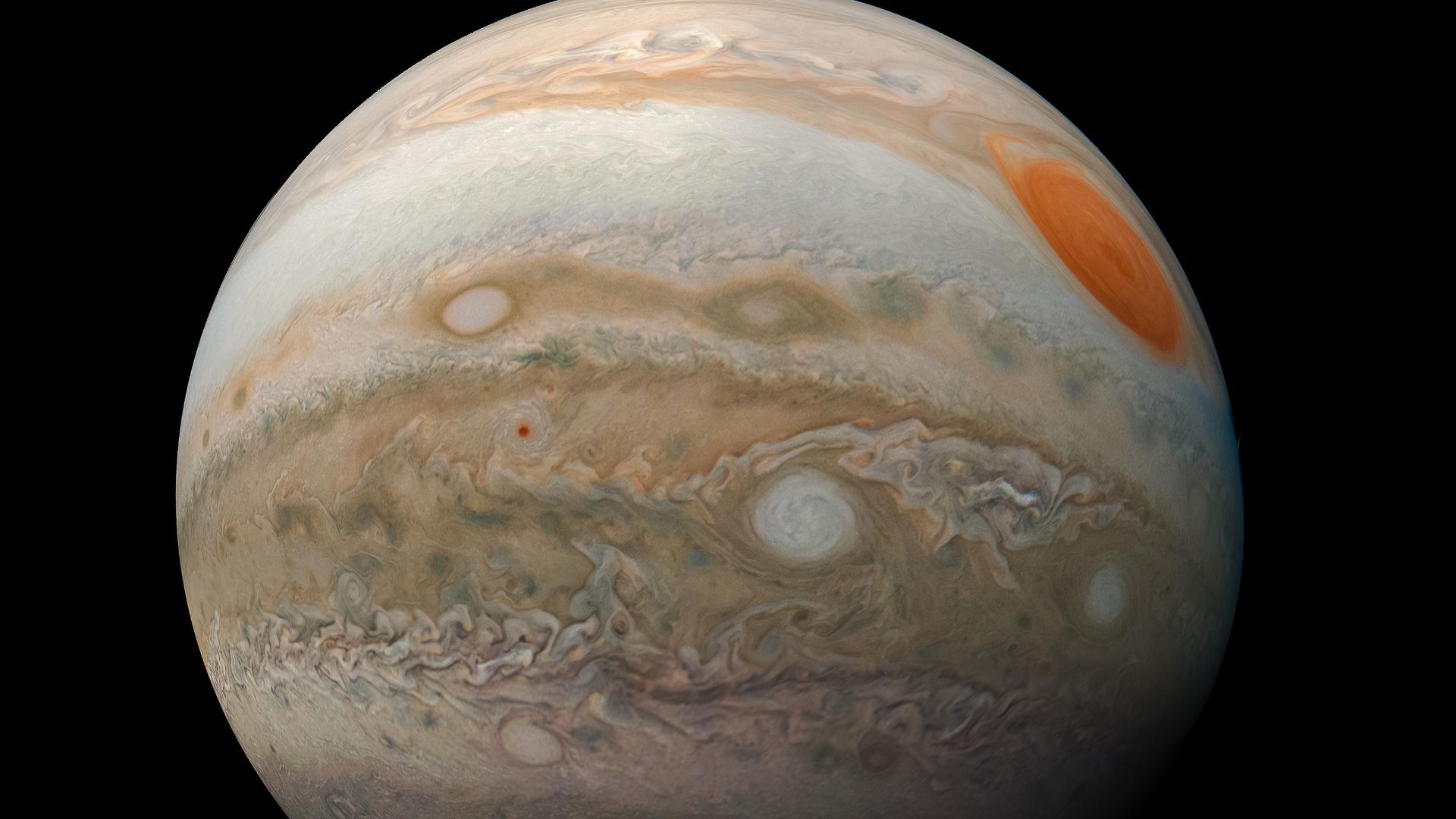
Jupiter became New Horizons' cosmic stepping stone, but this celestial slingshot required split-second timing and nerves of steel. The spacecraft flew by Jupiter on Feb. 28, 2007, with the encounter increasing its velocity by 9,000 miles per hour (14,400 kilometers per hour).
 NASA/JPL-Caltech/SwRI/MSSS/Kevin M. Gill, Wikimedia Commons
Power Requirements
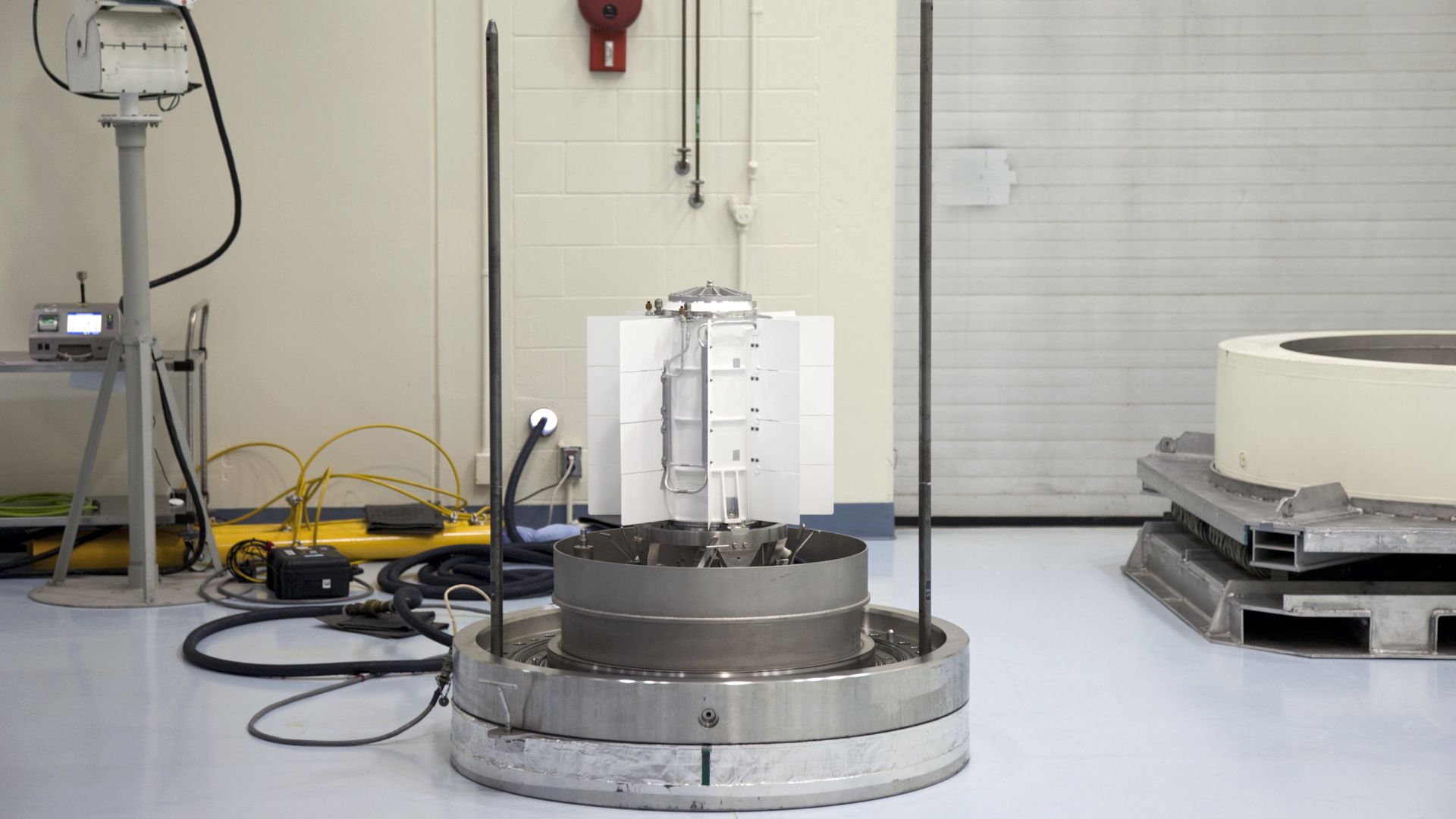
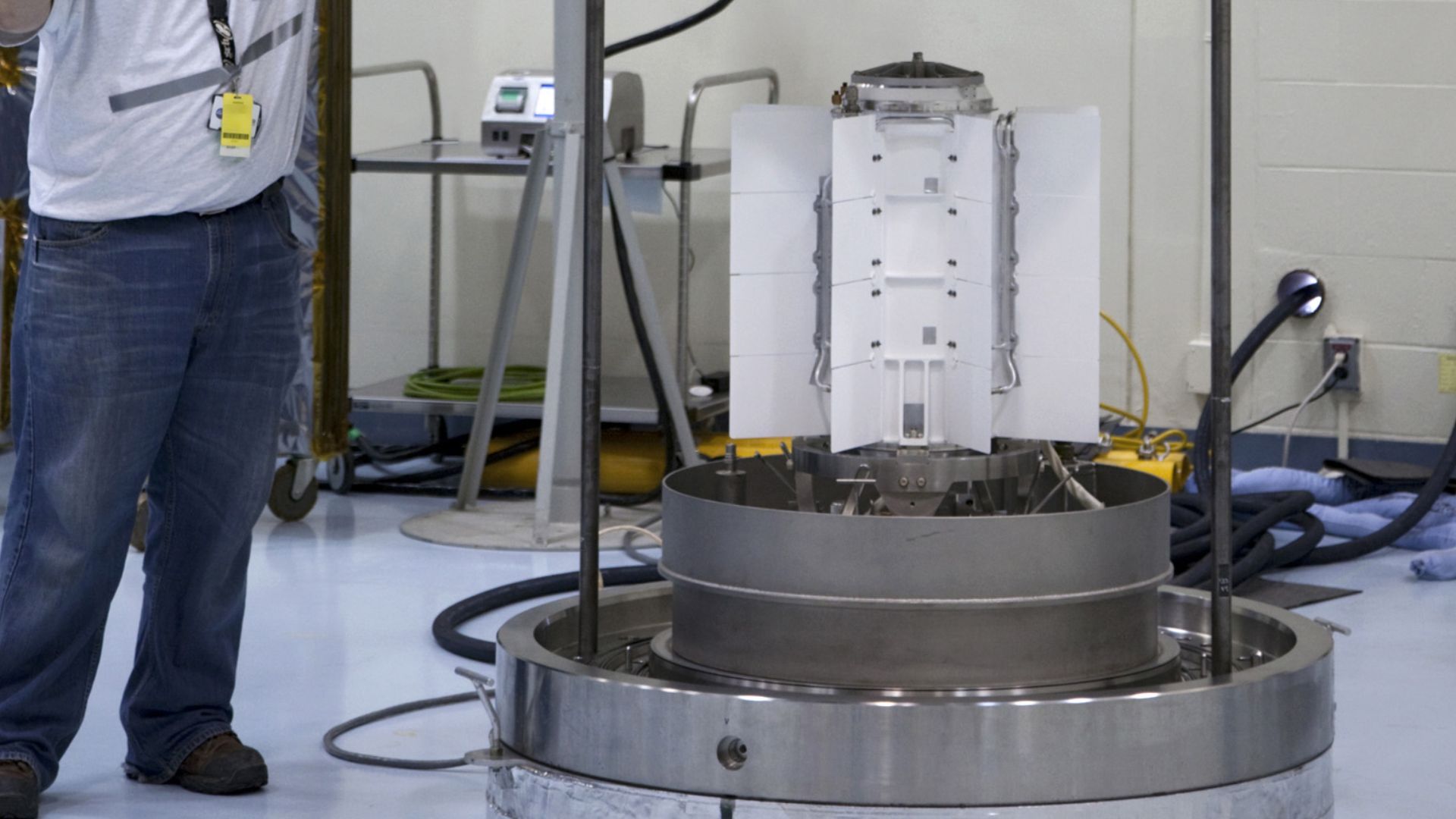
When you're billions of miles from the Sun, solar panels become about as useful as an umbrella in a hurricane. Solar panels are worthless when traveling as far from the sun as New Horizons did, hence a radioisotope thermoelectric generator (RTG) is needed.
 Kim Shiflett, Wikimedia Commons
Solar Distance
At Pluto's distance, about 39 times farther than the Earth-Sun distance, sunlight becomes a mere whisper of its former self. The sun's rays at Pluto are too weak to generate meaningful power. This creates "extreme" conditions where spacecraft and instruments must have extraordinarily long lifetimes.
RTG Necessity
The RTG on New Horizons uses an array of thermocouples to produce electricity from the heat released by decaying plutonium, generating about 4,000 watts of thermal power at launch. Of that, only about 250 watts becomes usable electricity, with the remaining heat used to warm the spacecraft.
 NASA/Frankie Martin, Wikimedia Commons
Communication Delays
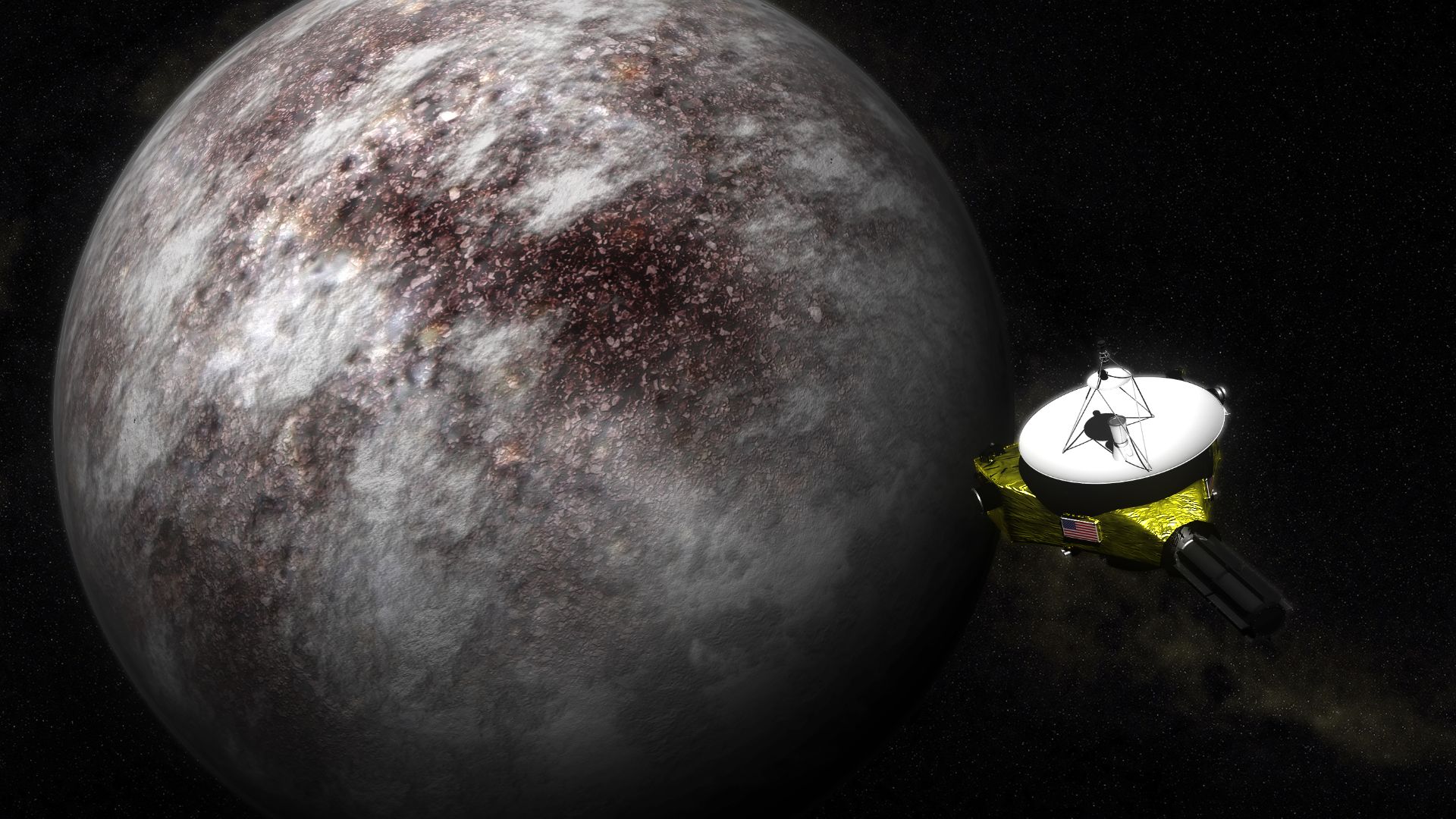
When New Horizons reached Pluto, it took 4.5 hours for a one-way message to travel between Earth and the spacecraft. This communication delay means that real-time control is impossible. The spacecraft must be programmed to operate autonomously during critical phases.
 Kevin Gill from Nashua, NH, United States, Wikimedia Commons
Data Transmission
Getting data back from Pluto is like trying to download a movie through a drinking straw. The spacecraft could only transmit about 1–2 kilobits of data per second due to the enormous distance, and there were about 6.25 gigabytes of data collected during the Pluto encounter.
Debris Hazards
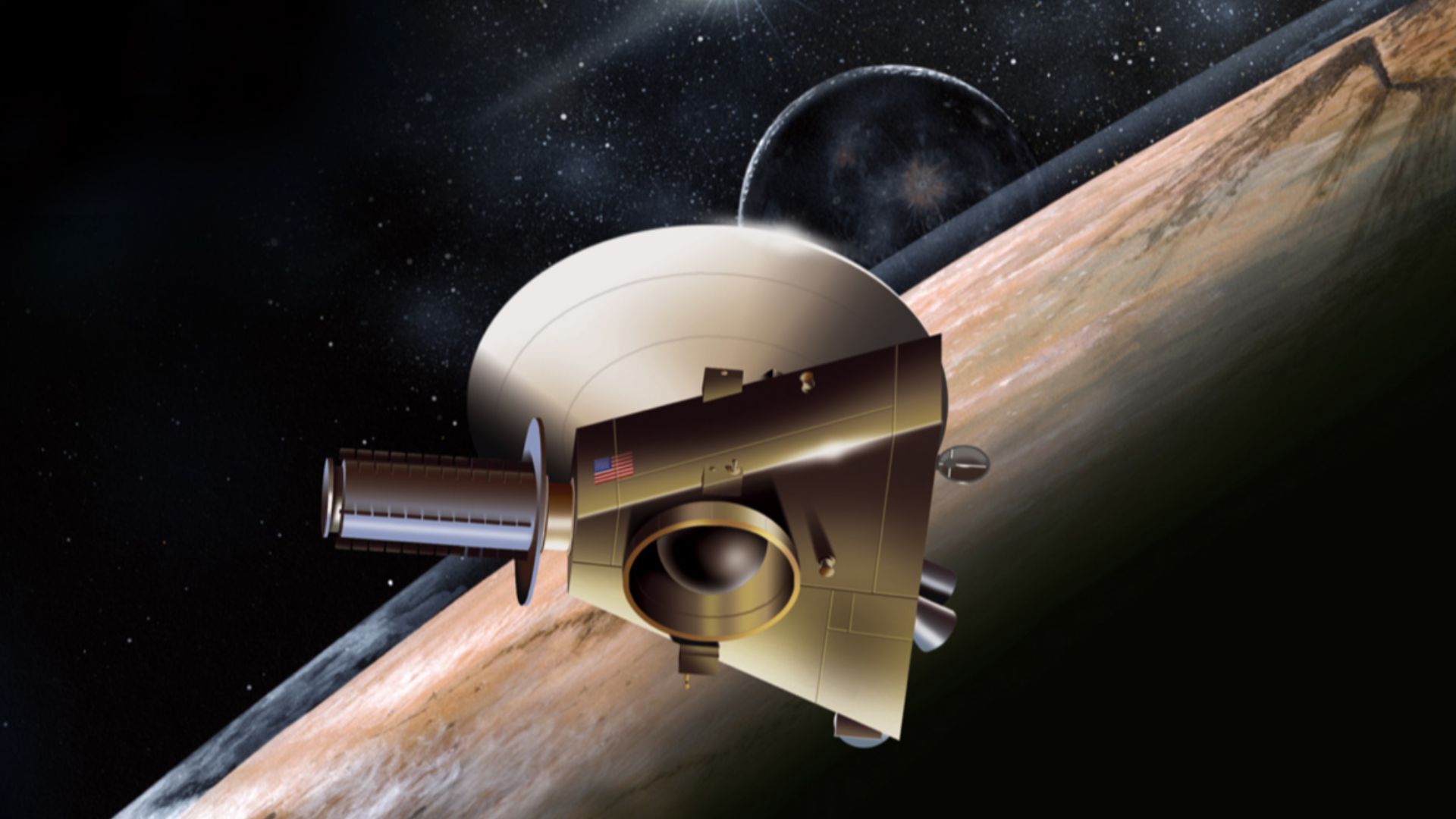
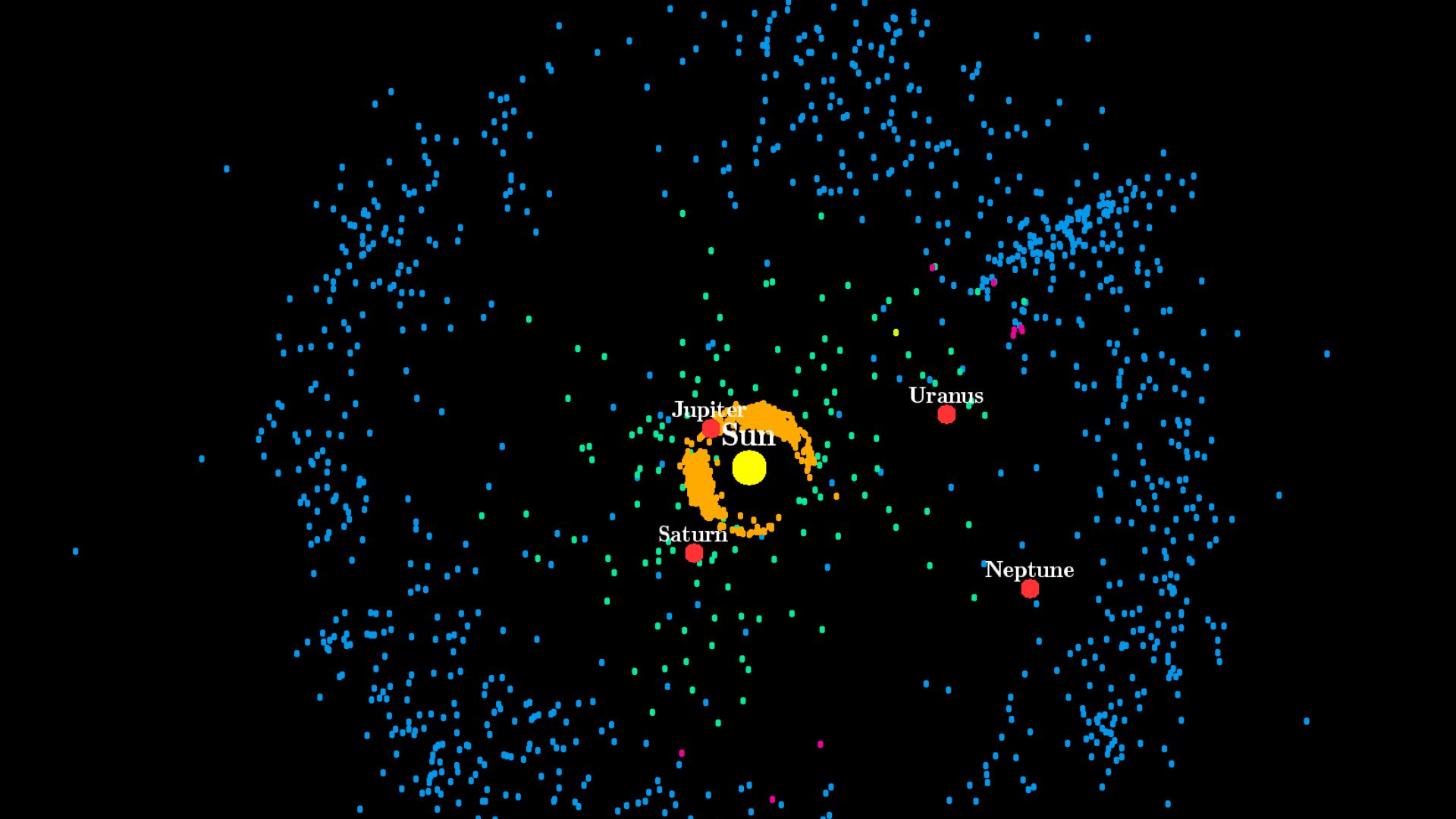
The Kuiper Belt is a cosmic shooting gallery filled with potentially deadly debris. Mission planners discovered the new Pluto moons, Kerberos and Styx, during New Horizons' journey, raising concerns about debris or dust around Pluto that could potentially destroy the spacecraft at 31,000 mph.
Atmospheric Changes
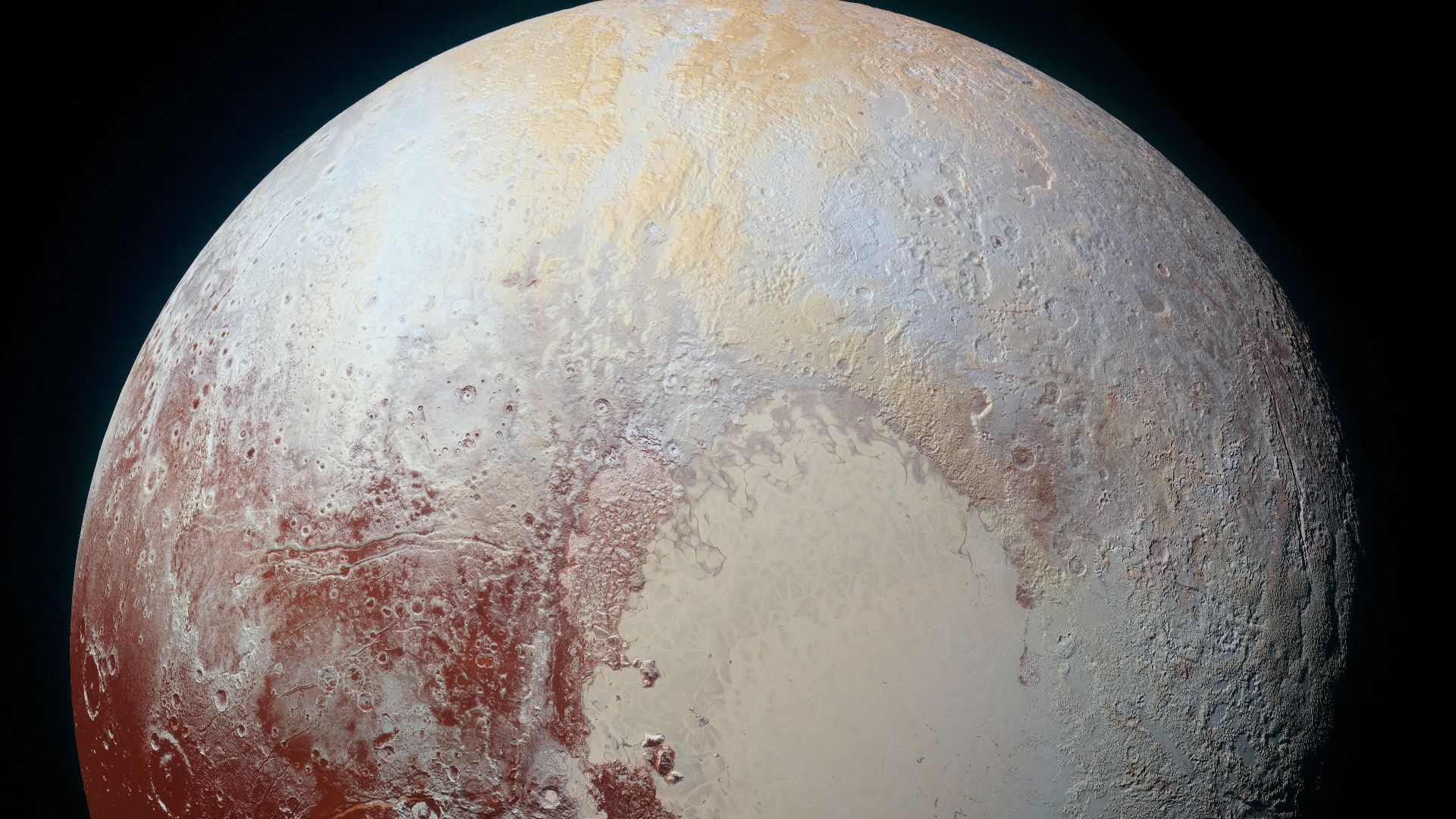
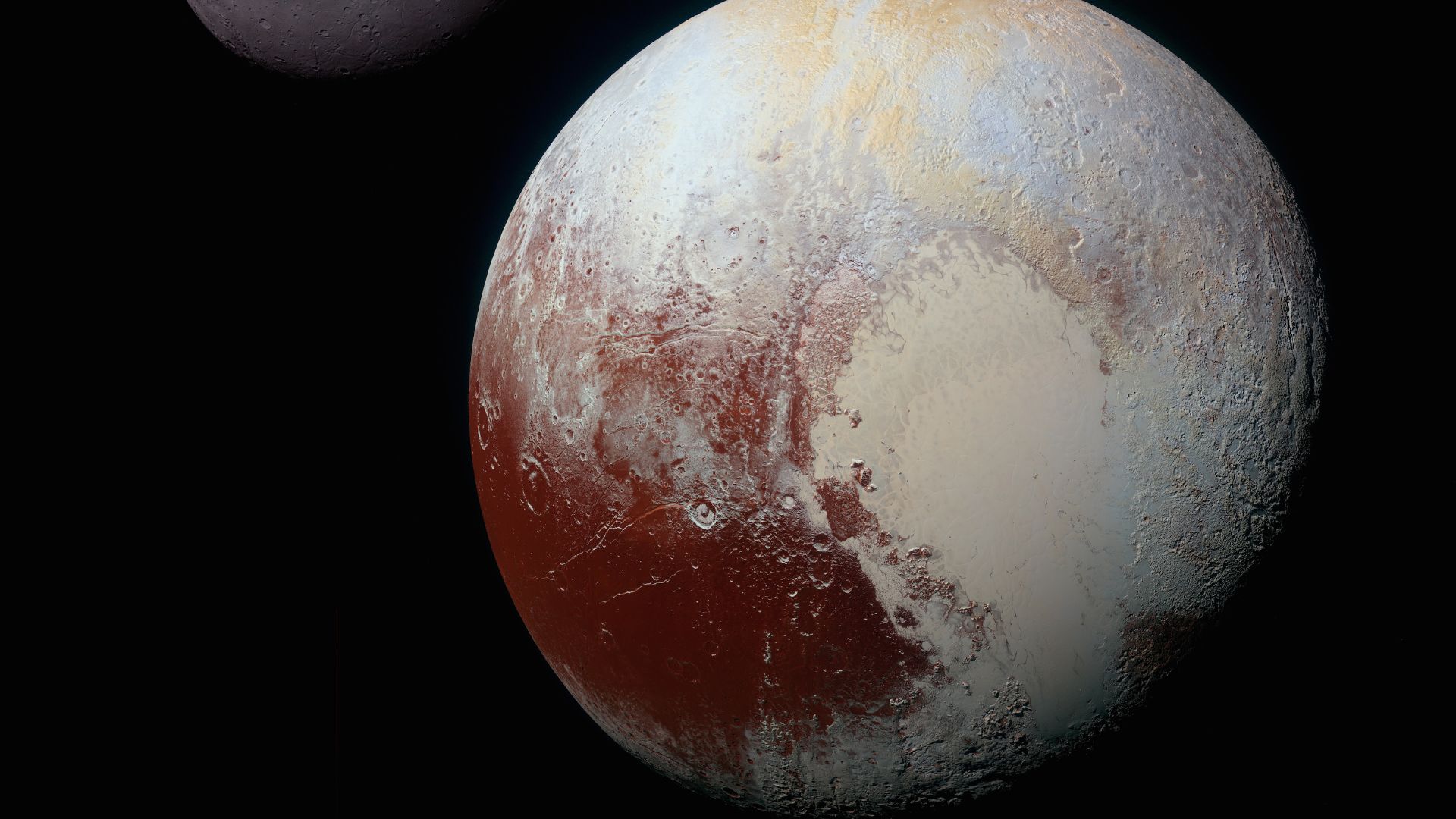
Pluto's atmosphere consists mainly of nitrogen with minor amounts of methane and carbon monoxide, all vaporized from surface ices. It was thought that during aphelion, the atmosphere would largely freeze out and fall to the surface, but more elaborate models predict that Pluto maintains a significant atmosphere year-round.
Seasonal Variations
The dwarf planet's 248-year orbit combined with its extreme axial tilt of 122.5 degrees creates seasonal changes that last decades or centuries. Pluto's last passage through perihelion was September 5, 1989, and it's currently moving away from the Sun with decreasing surface illumination.
Temperature Extremes
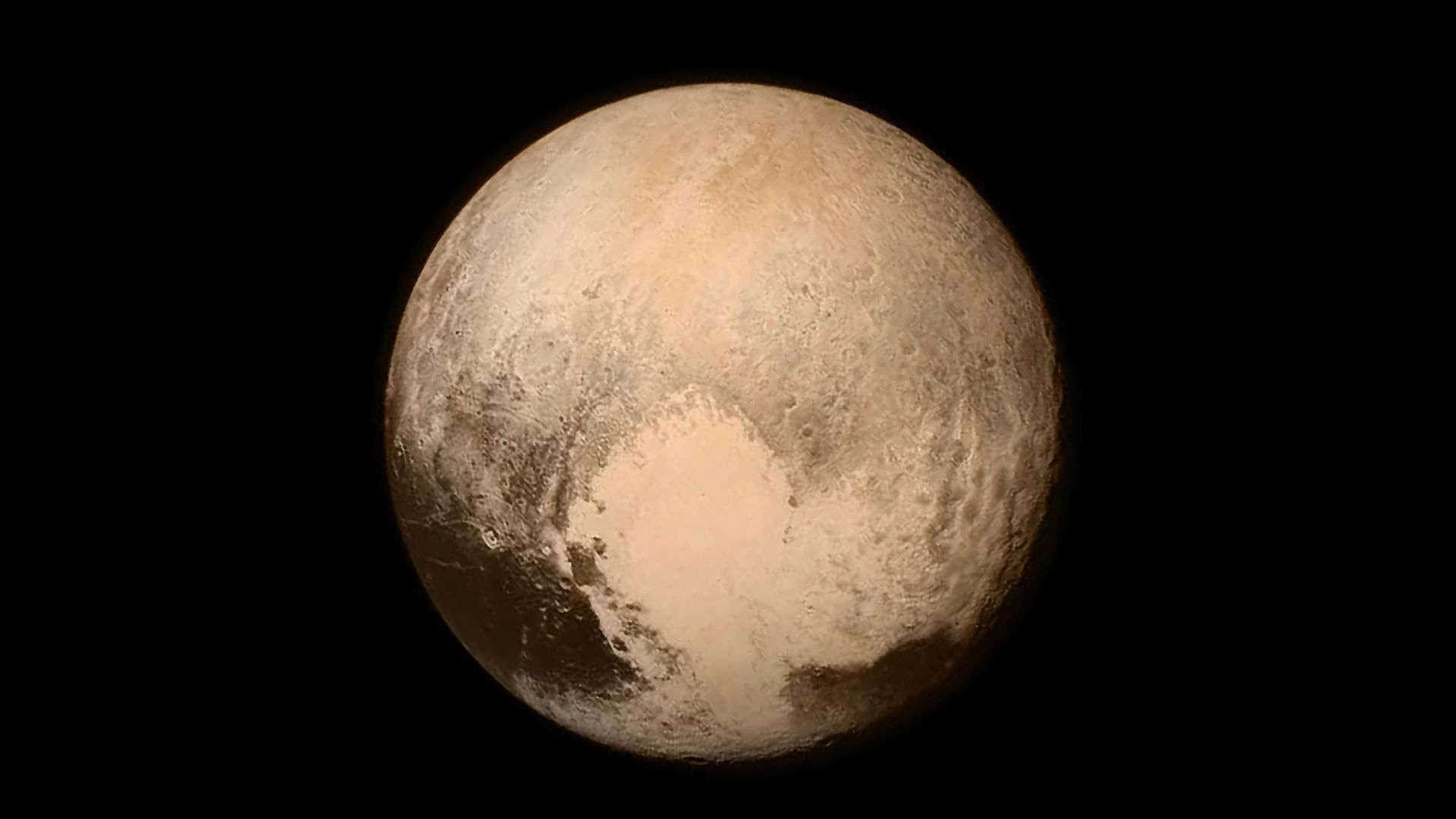
Welcome to one of the coldest neighborhoods in the solar system, where the temperature makes Antarctica seem tropical. Pluto's surface temperature ranges from -375 to -400 degrees Fahrenheit, cold enough that water behaves like a rock. At such extreme temperatures, most materials become brittle.
Mission Duration
Deep-space missions can take up to 10 years from development to launch, and for New Horizons, it took close to 20 years from initial concept to actually reaching its destination. The spacecraft had to remain functional for over nine years of interplanetary cruise.
Funding Challenges
By the way, NASA effectively canceled Pluto missions at least six times between 1990 and 2005, with projected costs surpassing $1 billion by 2000. The Planetary Society organized massive postcard-writing campaigns, and advocates like Alan Stern spent nearly 20 years lobbying for funding.
 Embajada de los Estados Unidos en Uruguay from Montevideo, Uruguay, Wikimedia Commons