Following The Filament
Astronomers knew something was missing as galaxies didn’t add up. They continuously searched the sky for clues. Turns out, the universe had been hiding its ordinary matter in plain—well, almost invisible—sight.
Baryonic Problem
For decades, astronomers faced a cosmic accounting crisis: approximately 50–70% of ordinary matter predicted by Big Bang nucleosynthesis could actually be found in observable galaxies, stars, and gas clouds. This "missing baryon problem" has puzzled scientists since the late 1990s.
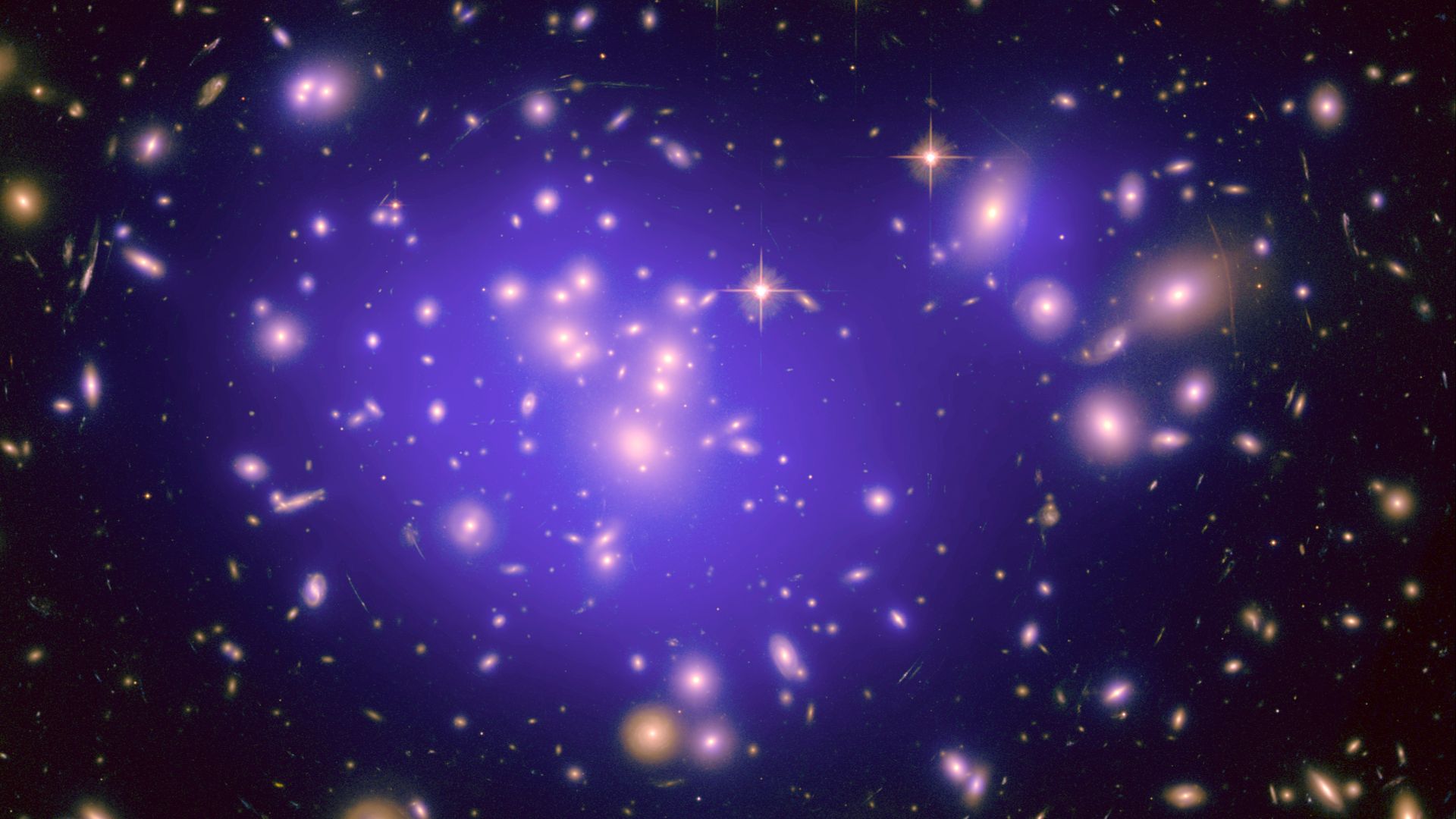 NASA, ESA, E. Jullo (JPL/LAM), P. Natarajan (Yale) and J-P. Kneib (LAM)., Wikimedia Commons
Big Bang Nucleosynthesis
BBN refers to the formation of the universe's lightest elements, primarily hydrogen, helium, and trace amounts of deuterium, lithium, and beryllium. This occurred during the first few minutes after the Big Bang when the universe was hot, dense, and rapidly expanding.
 Big Bang Nucleosynthesis: The Formation of Hydrogen by Chalkboard: BrilliantMindsAtWork
Missing Baryons
Well, scientists recently solved one such mystery by discovering a massive thread of hot gas stretching 23 million light-years across space. This cosmic filament, weighing ten times more than our entire Milky Way galaxy, reveals where much of the universe's "missing" ordinary matter has been hiding.
 The Missing Baryon Problem Explained! by AH DOCUMENTARY
Cosmic Web
The Cosmic Web is the universe’s vast, large-scale structure, consisting of a network of interconnected filaments, sheets, clusters, and voids. These filaments are primarily made of dark matter, gas, and galaxies. Dark matter forms the invisible scaffolding that shapes the web.
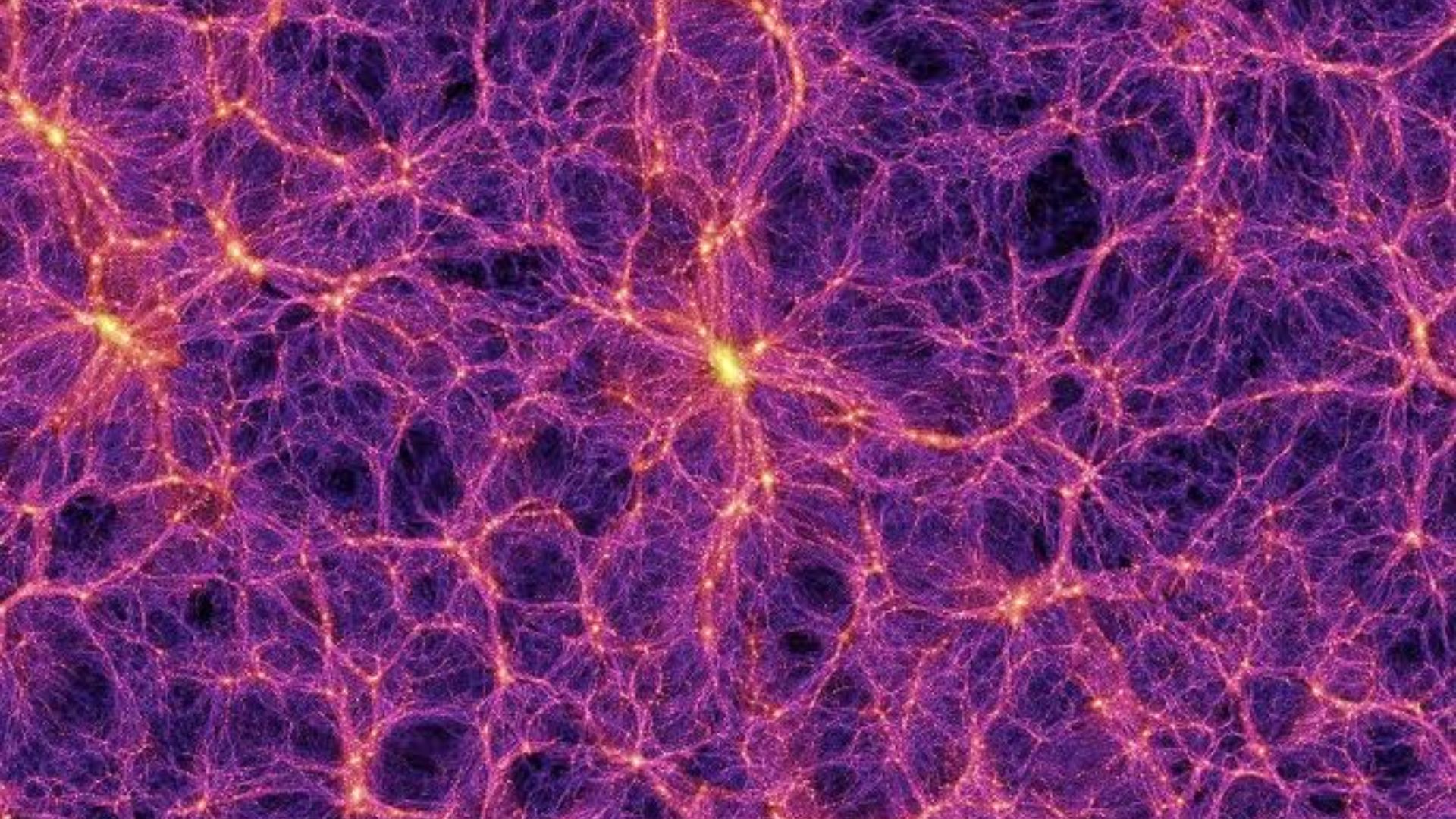 Volker Springel / Max Planck Institute For Astrophysics, Wikimedia Commons
Web Structure
The web accounts for about five-sixths of its mass, while the remaining one-sixth consists of normal (baryonic) matter, including hot intergalactic gas. It emerged from tiny density fluctuations in the early universe, which gravity amplified over billions of years, forming the web-like distribution observed today.
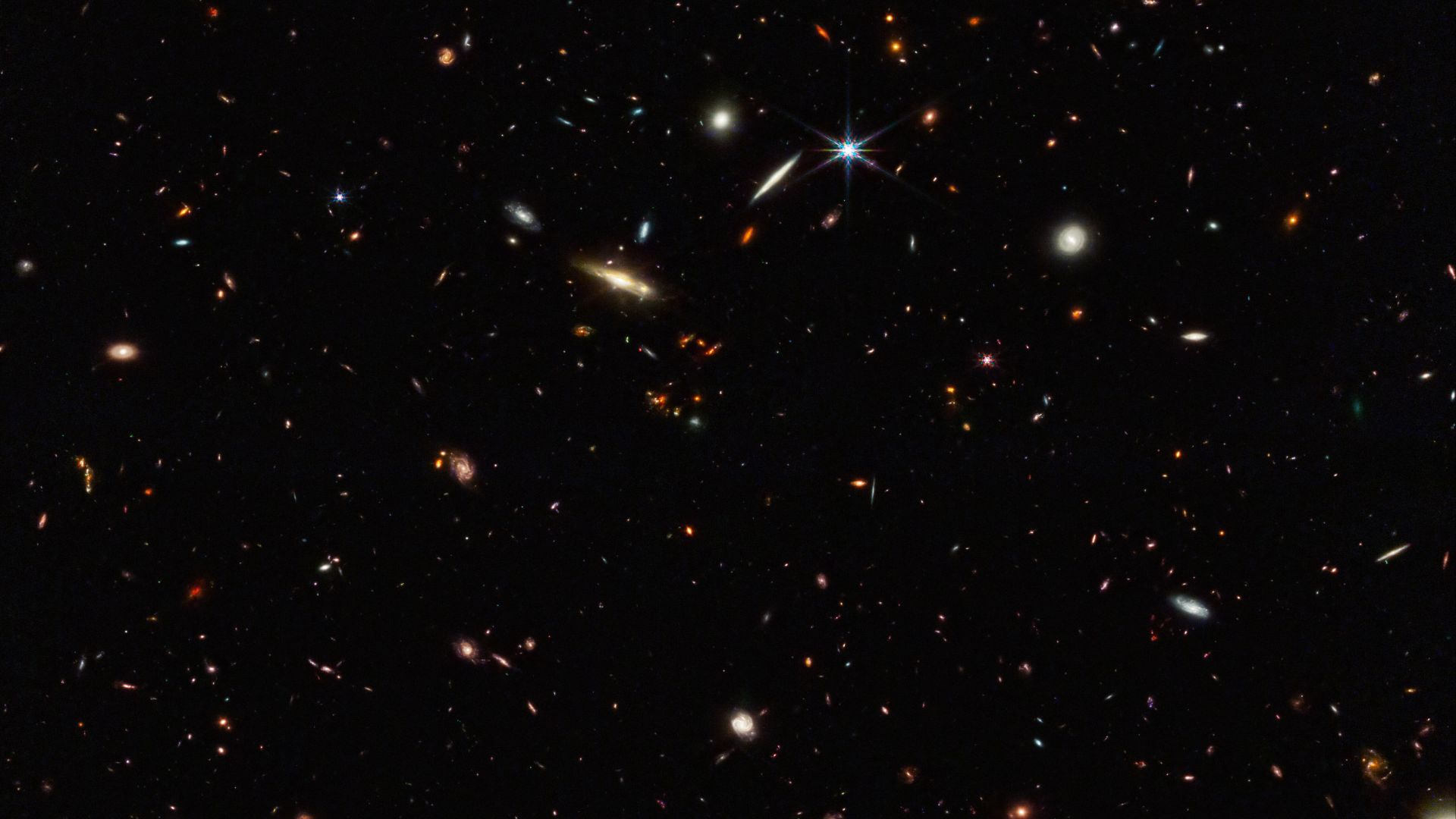 NASA, ESA, CSA, F. Wang (University of Arizona), Wikimedia Commons
Detection Challenge
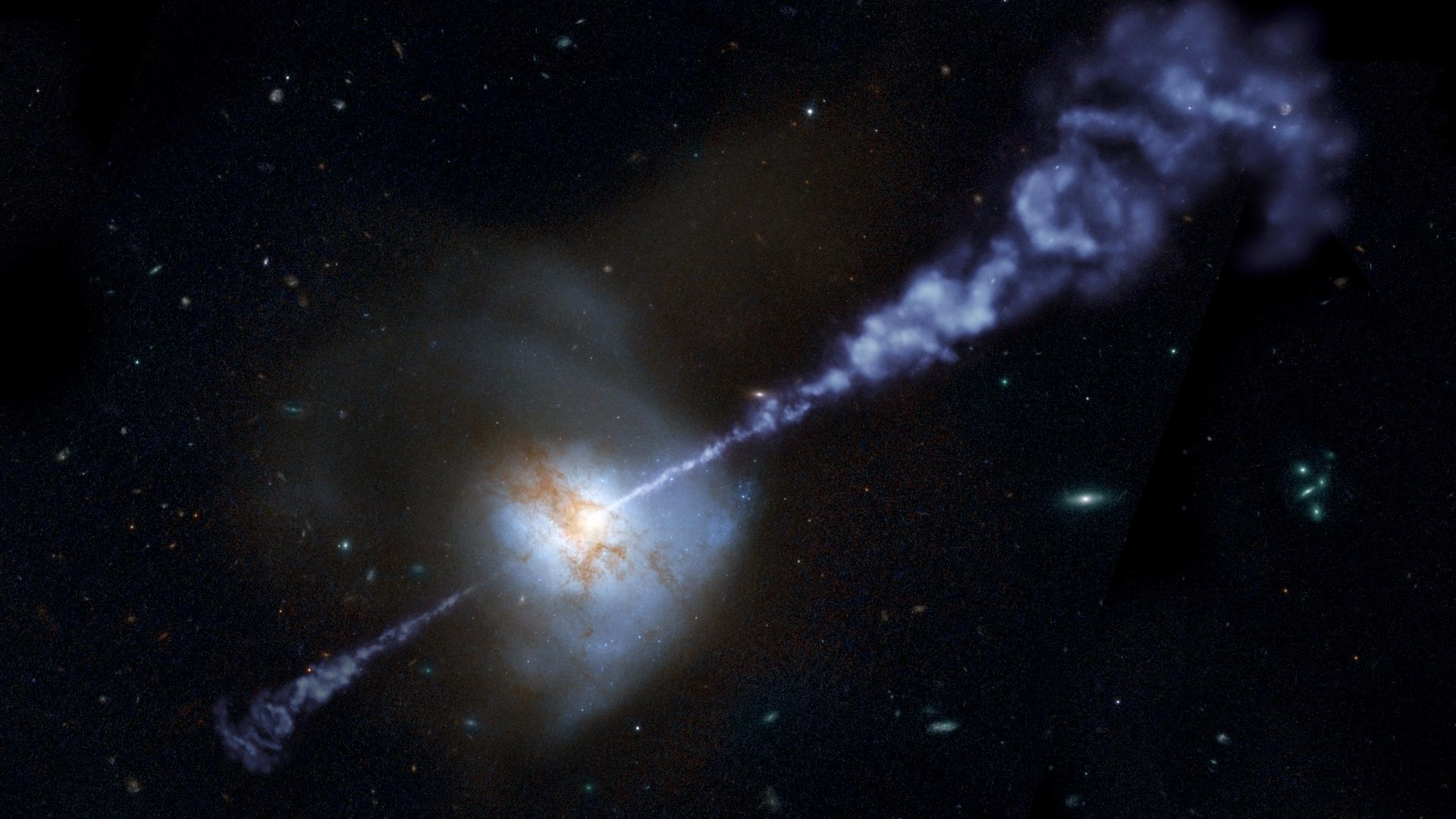
Finding these strands became astronomy's ultimate needle-in-a-haystack problem. The warm-hot intergalactic medium burns at temperatures between 100,000 and 10 million degrees Celsius, making it incredibly difficult to spot. Unlike blazing stars or active black holes, the ghostly threads emit only faint X-ray whispers.
FRB Breakthrough
While some teams struggled with X-ray detection, other individuals found a clever workaround using Fast Radio Bursts, which are extremely brief, intense flashes lasting mere milliseconds. In terms of frequency, most are detected around 1400 MHz, but few occur at lower frequencies (400–800 MHz).
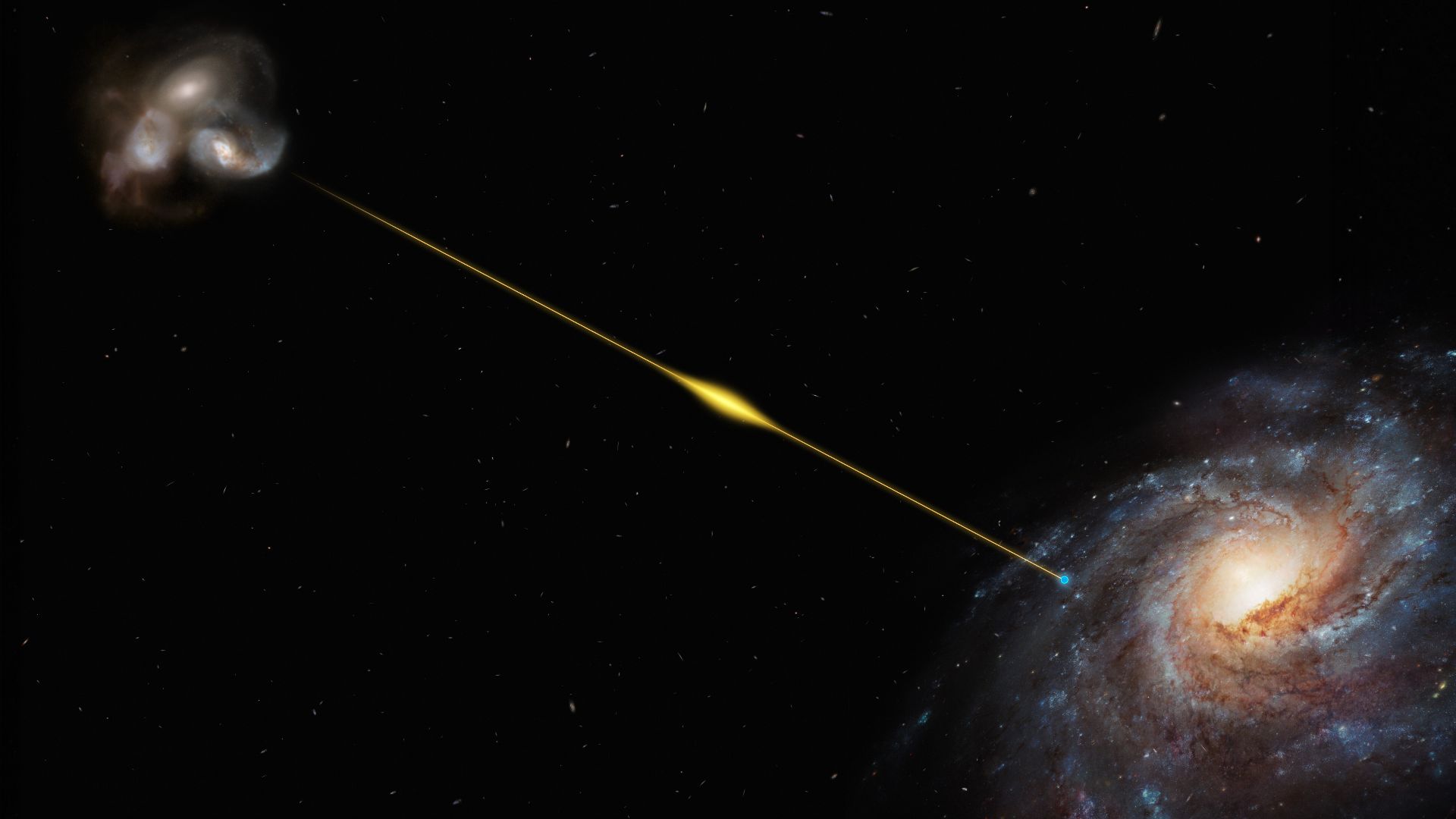 ESO/M. Kornmesser, Wikimedia Commons
Shapley Supercluster
Enter the Shapley Supercluster—a mind-boggling collection of thousands of galaxies located roughly 650 million light-years from Earth. Named after astronomer Harlow Shapley, this cosmic megalopolis represents one of the most significant structures in our local universe. It works as the perfect hunting ground for detection.
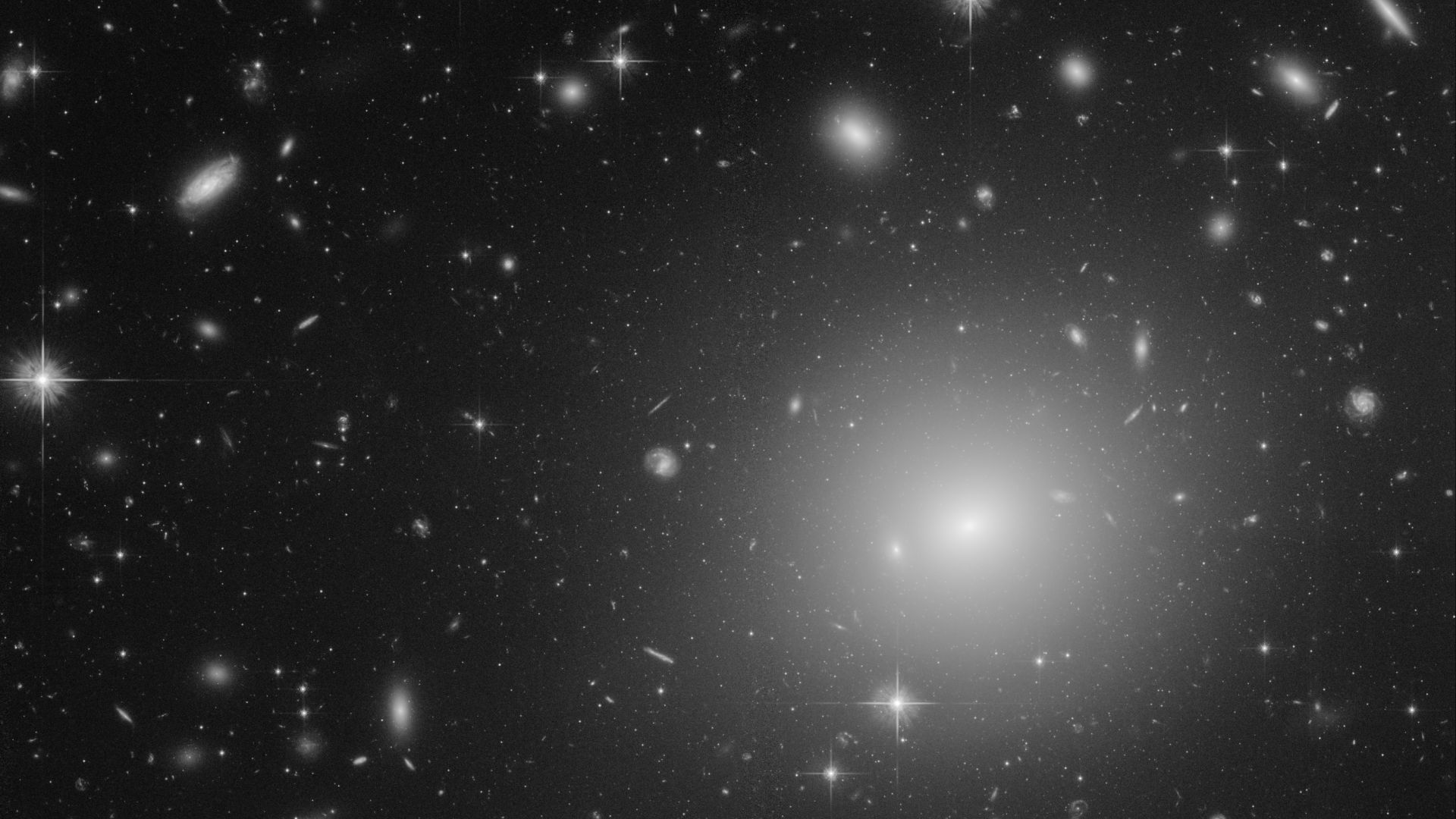 Judy Schmidt, Wikimedia Commons

History's most fascinating stories and darkest secrets, delivered to your inbox daily.
Shapley Supercluster (Cont.)
The central region, known as the Shapley Supercluster Core (SSC), is exceptionally dense and dynamically active, with multiple ongoing and past cluster mergers. Otherwise, it includes prominent clusters like A3558 and has a total mass of more than ten billion solar masses.
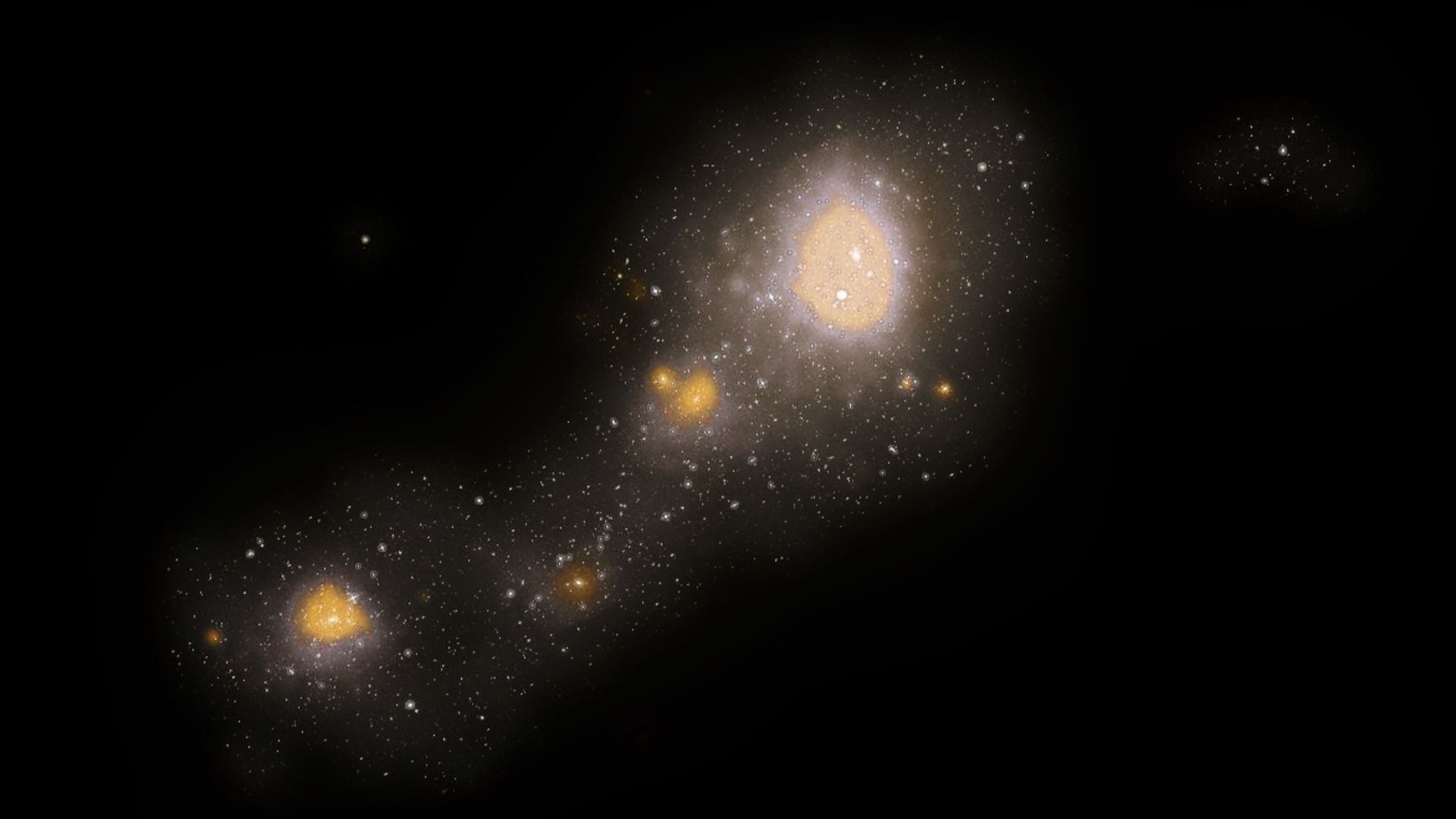 Pablo Carlos Budassi, Wikimedia Commons
Harlow Shapley
This man was a pioneering American astronomer remembered for revising our understanding of the Milky Way Galaxy. He demonstrated that the Sun is not at the center of the Milky Way, but rather located about 50,000 light-years away from the galactic center.

Galaxy Catalog
Using photographic plates from the 24-inch Bruce telescope in Bloemfontein, South Africa, Shapley initiated a major survey of galaxies in the southern sky. By 1932, he reported the discovery of 76,000 galaxies brighter than 18th magnitude in a third of the southern sky.
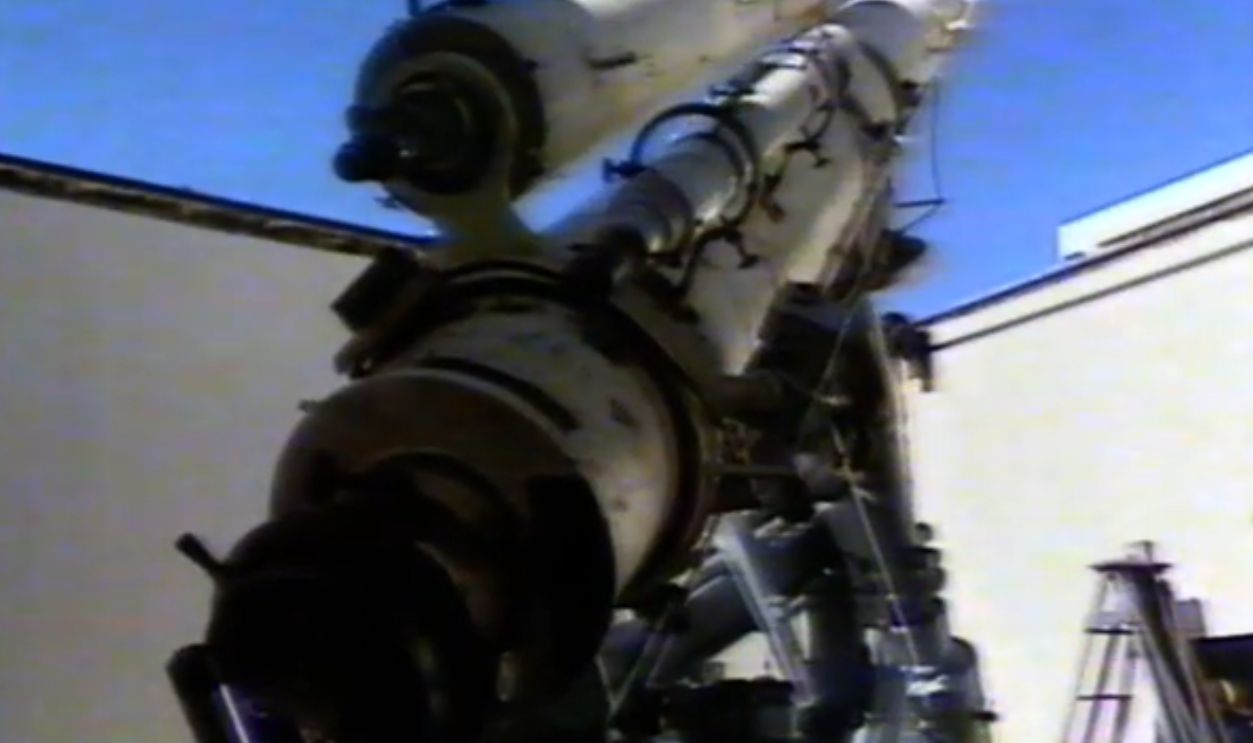 Brief history of the Boyden Observatory, Bloemfontein by Willie Koorts
Suzaku Mapping
Launched by JAXA in 2005, the Suzaku X-ray telescope brought unique capabilities to this cosmic treasure hunt. Its sensitive instruments could detect incredibly faint thermal emissions from hot gas spread across enormous distances. The spacecraft methodically scanned the space between galaxy cluster pairs A3530/32 and A3528-N/S.
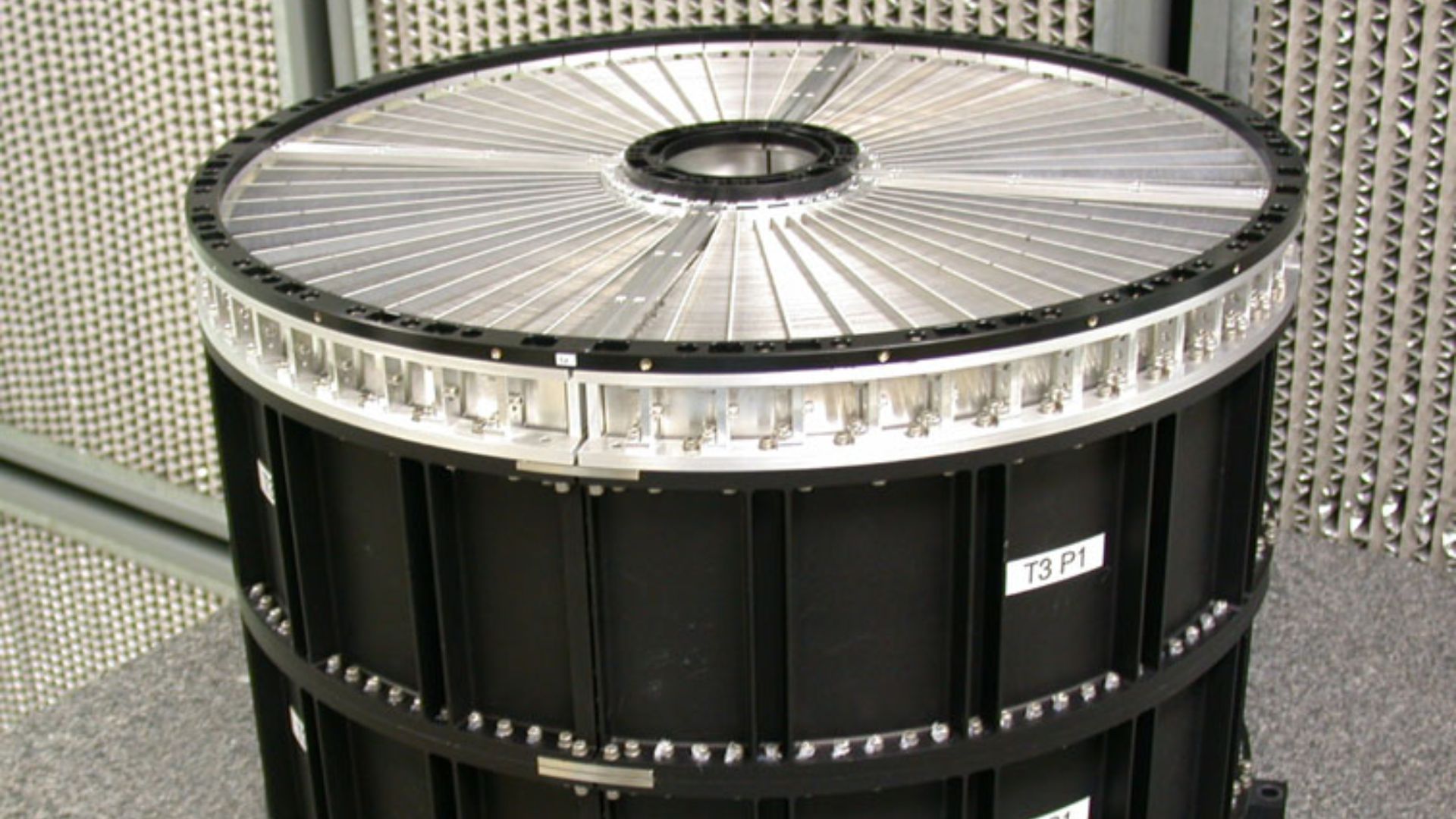 NASA / GSFC, Wikimedia Commons
XMM-Newton Precision
The European Space Agency's XMM-Newton observatory became the investigation's secret tool for eliminating false positives. Its sharp vision could pinpoint individual supermassive black holes, whose X-ray emissions might otherwise masquerade as filament signals. This contamination removal process proved critical for isolating pure warm-hot intergalactic medium emissions.
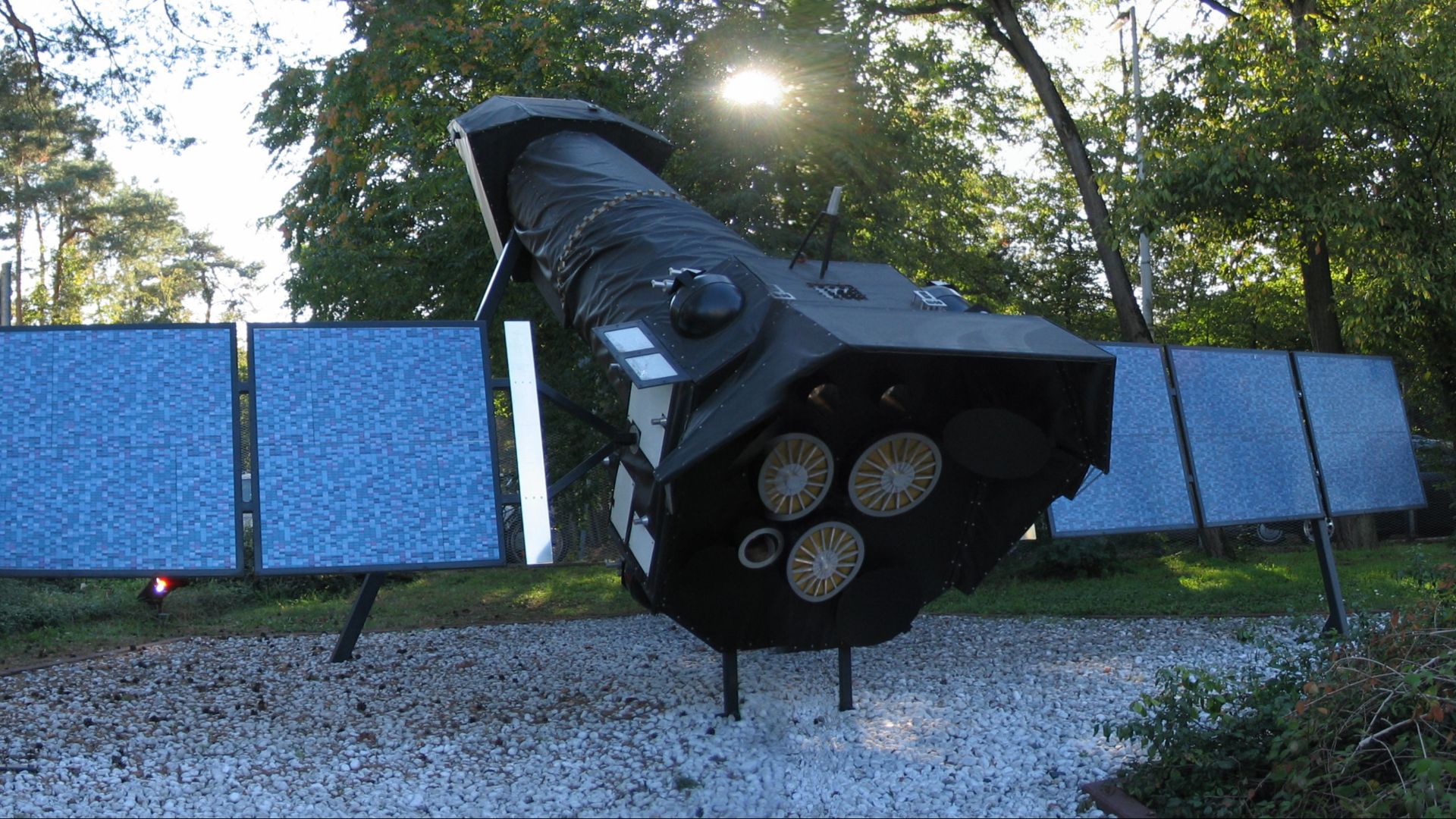 Kucharek 09:57, 5 November 2006 (UTC), Wikimedia Commons
Contamination Removal
Dr Florian Pacaud from the University of Bonn developed data processing techniques to subtract unwanted X-ray sources from the observations. Active galactic nuclei, unresolved point sources, and gas clumps all had to be carefully identified and mathematically removed. This painstaking work ensured accuracy.
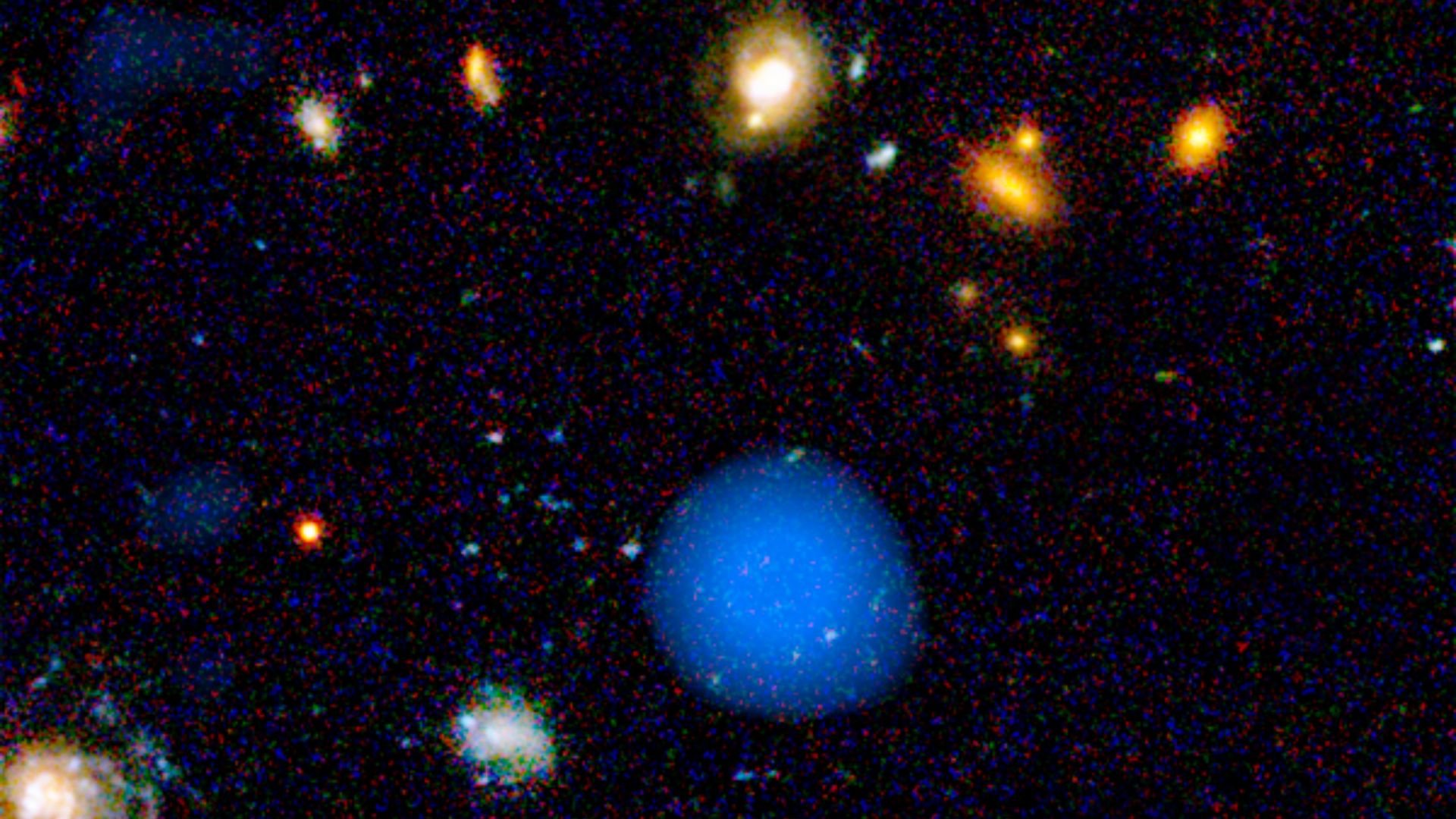 NASA, ESA, A. M. Koekemoer (STScI), M. Dickinson (NOAO) and The GOODS Team., Wikimedia Commons
X-ray Analysis
Well, the breakthrough came through spectroscopic analysis, revealing broad thermal emission consistent with highly ionized atoms, such as oxygen, within the filament. These spectral elements provided evidence for an intergalactic medium at temperatures around 0.8 to 1.1 kiloelectron volts. The detection reached statistical significance levels above 6-sigma.
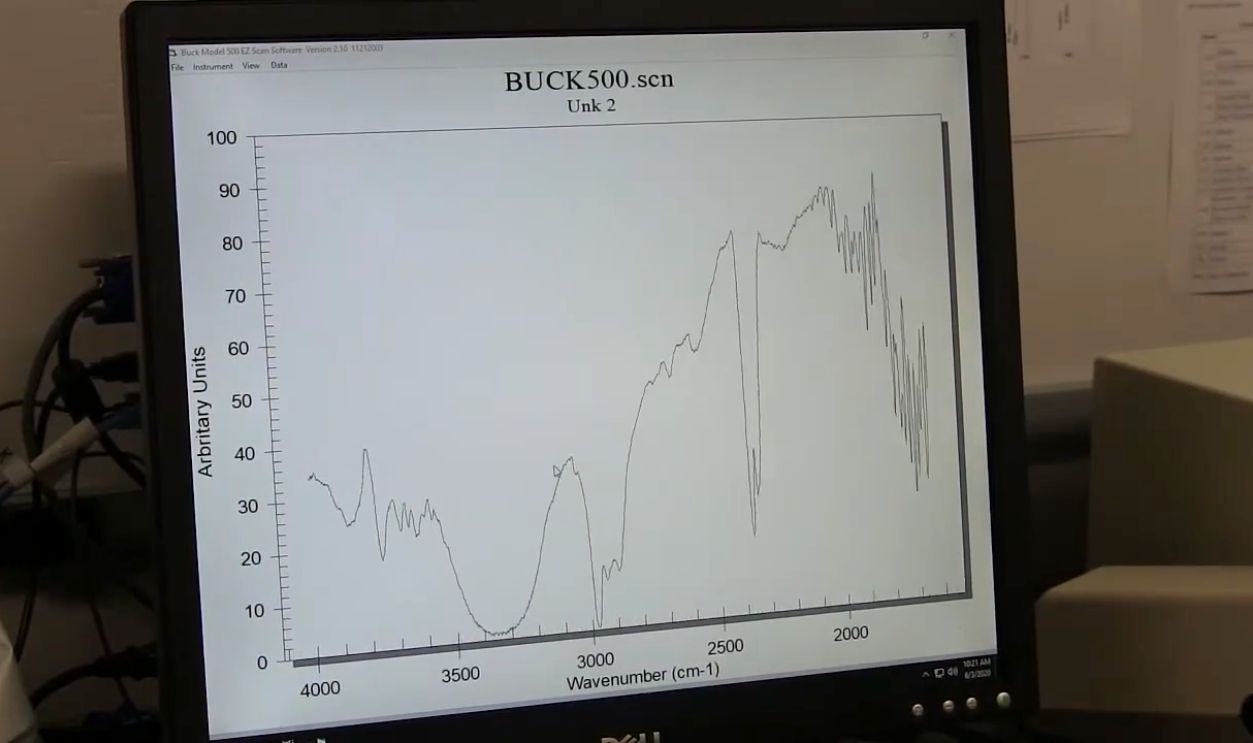 Spectroscopic Analysis by Ricardo Sanchez
Spectroscopic Evidence
This level of significance was established through imaging analysis, which found a (21 ± 3)% excess X-ray emission throughout the filament compared to the sky background. Such a high sigma value indicates an extremely sturdy detection, far surpassing the conventional 5-sigma threshold commonly required for discoveries in astrophysics.
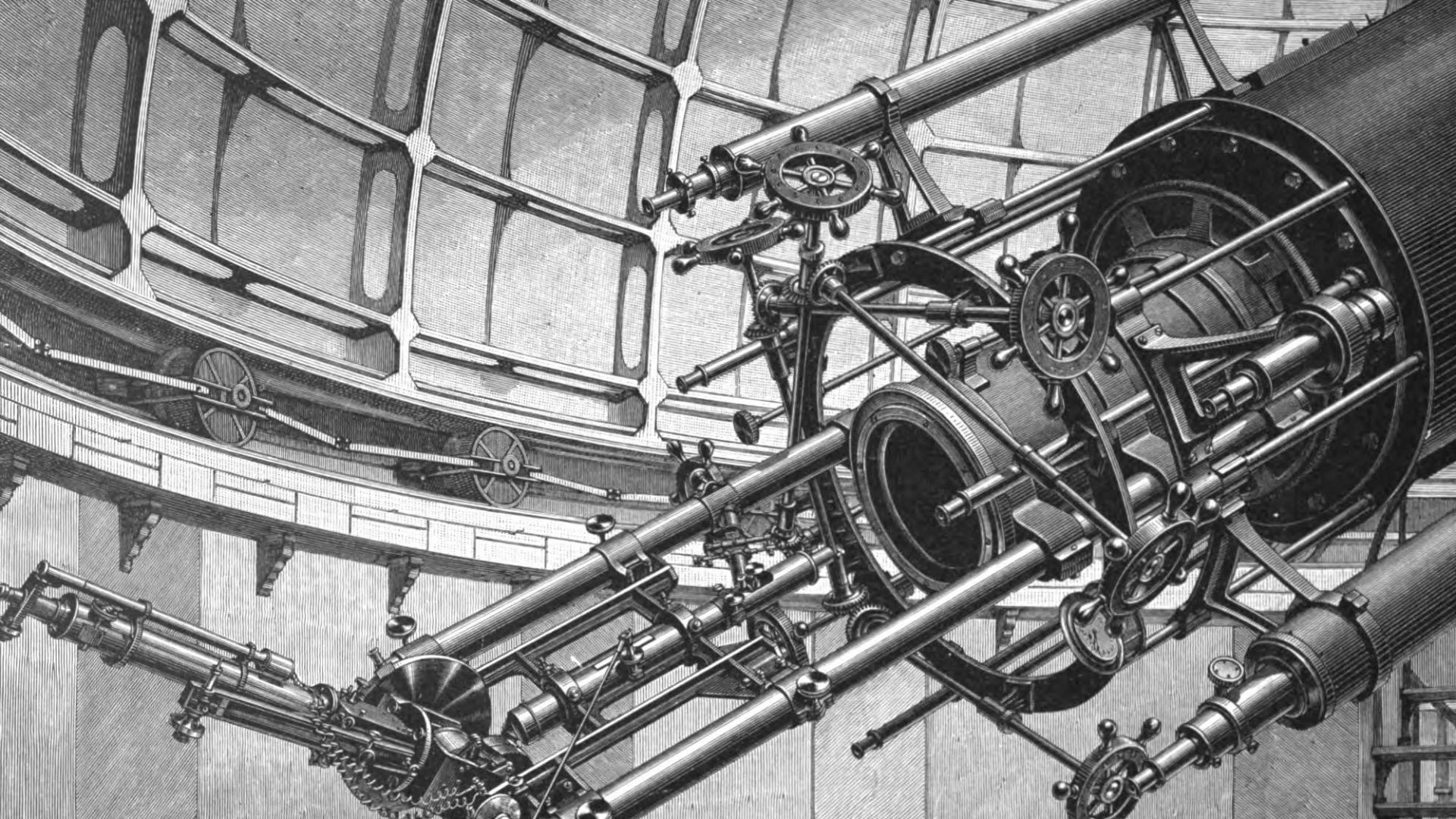 Julius Scheiner, Wikimedia Commons
First Pristine Detection
On June 19, 2025, lead researcher Konstantinos Migkas of Leiden Observatory announced the first pristine detection of a cosmic filament connecting four galaxy clusters. The discovery represented months of meticulous data analysis. Scientists could now definitively say they'd found a piece of the universe's missing puzzle.
 User:AWossink, Wikimedia Commons
Temperature Measurement
The filament blazes at an astonishing 18 million degrees Fahrenheit—roughly 1,800 times hotter than the Sun’s surface. At these extreme temperatures, hydrogen atoms get completely ionized, making the gas nearly invisible to most detection methods. Only highly energetic X-ray emissions from heavier elements betrayed the filament's presence.

Measurement Results
Between cluster pairs, the spotted strand stretches 7.2 megaparsecs (23.5 million light-years). In terms of electron densities, around 10^-5 particles per cubic centimeter were recorded—about 10^24 times thinner than Earth's atmosphere. These measurements were similar to cosmological simulation predictions.
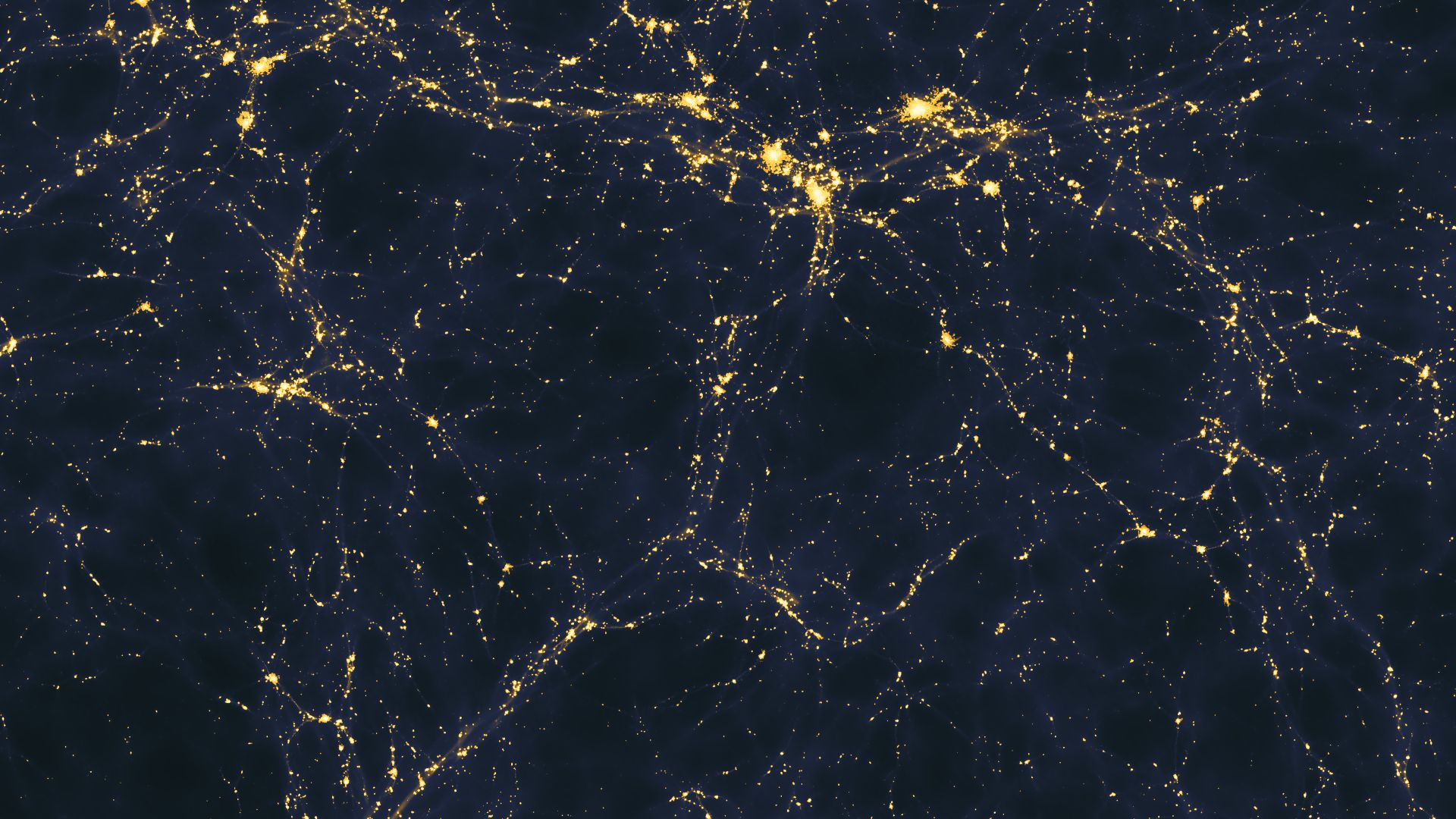 Andrew Pontzen and Fabio Governato, Wikimedia Commons
Galaxy Connections
The cosmic thread directly links four separate galaxy clusters arranged in two pairs: A3530/32 on one end and A3528-N/S on the other. These clusters contain hundreds of individual galaxies each, representing some of the most massive gravitationally-bound structures known to exist.
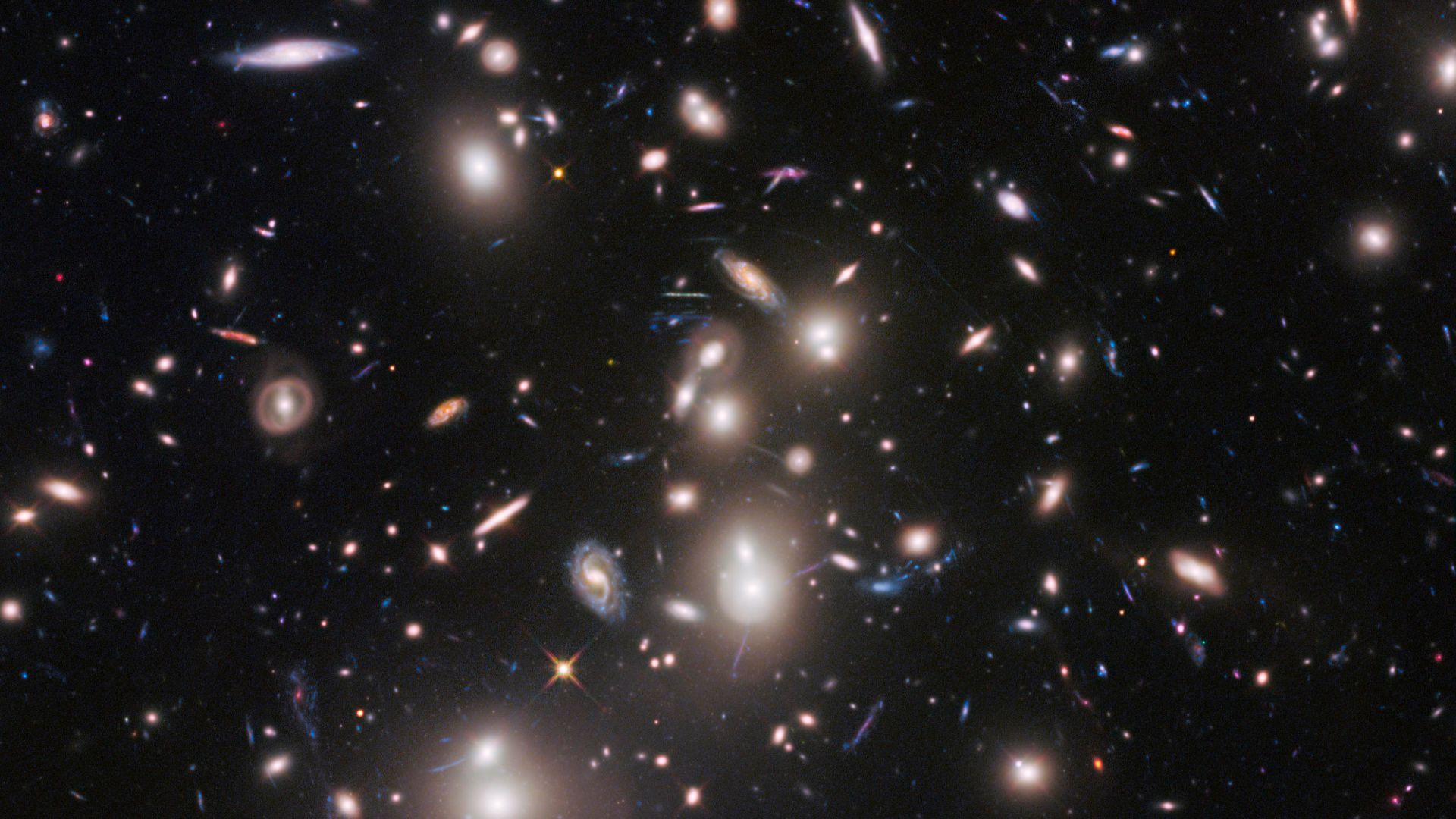 NASA Hubble, Wikimedia Commons
Model Validation
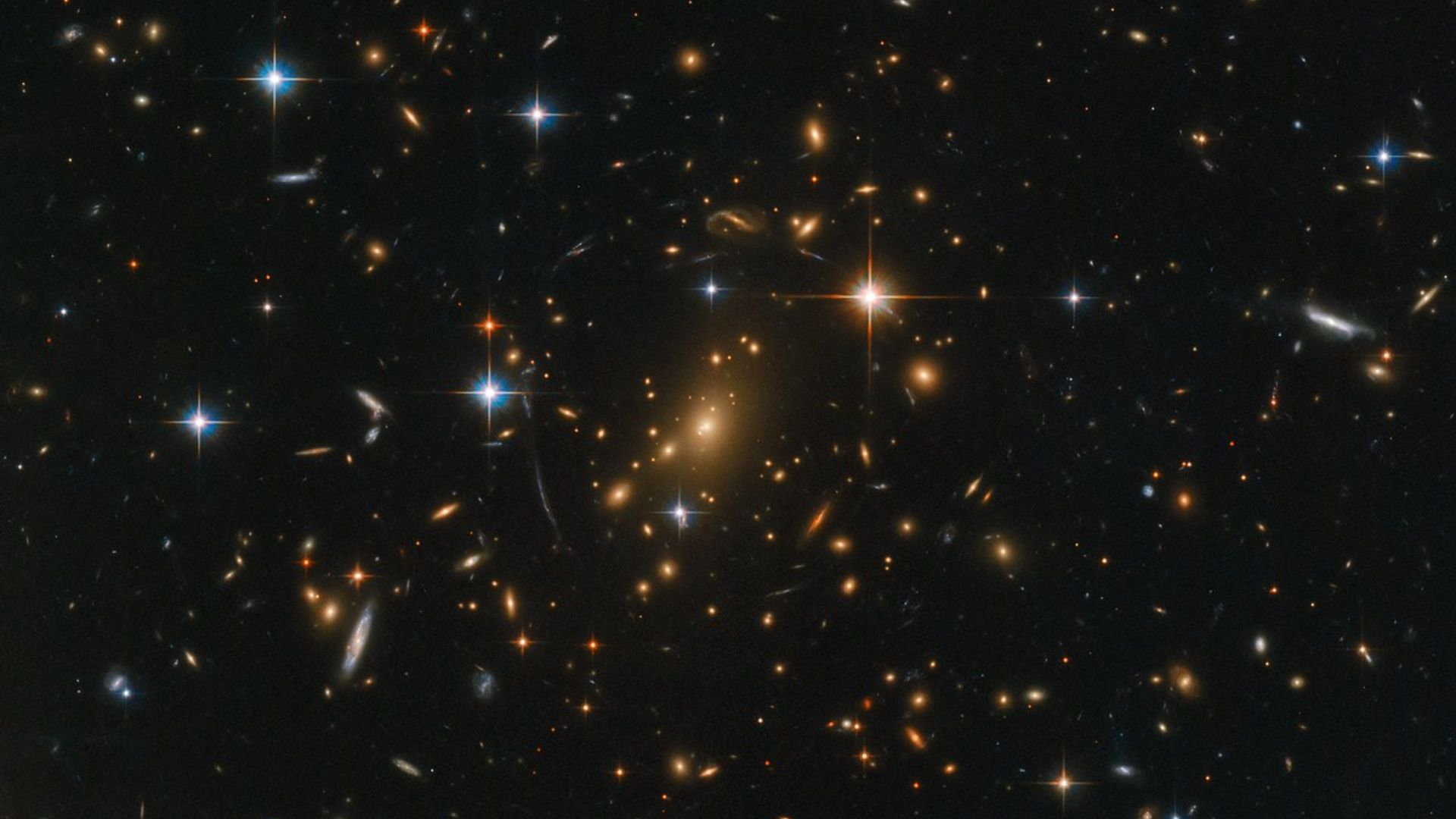
"For the first time, our results closely match what we see in our leading model of the cosmos," declared Migkas with obvious excitement. Generations of computer simulations had predicted exactly this type of structure, but observational proof remained elusive until that very day.
Historical Context
Historically, this finding represents the culmination of three decades of searching that began with early cosmic web detections in the late 1980s. The CfA2 Great Wall (1989) first revealed the existence of a large-scale structure. The Sloan Great Wall followed in 2003, but direct detection remained elusive.
 cosmic web CfA2 Great Wall Supercluster by Galactic empire
Sloan Great Wall
In 2003, the Sloan Great Wall was identified with the help of information from the Sloan Digital Sky Survey, announced by J Richard Gott III and colleagues. It is thought to consist of several galactic superclusters, the richest being SCl 126, which has an exceptionally dense core.
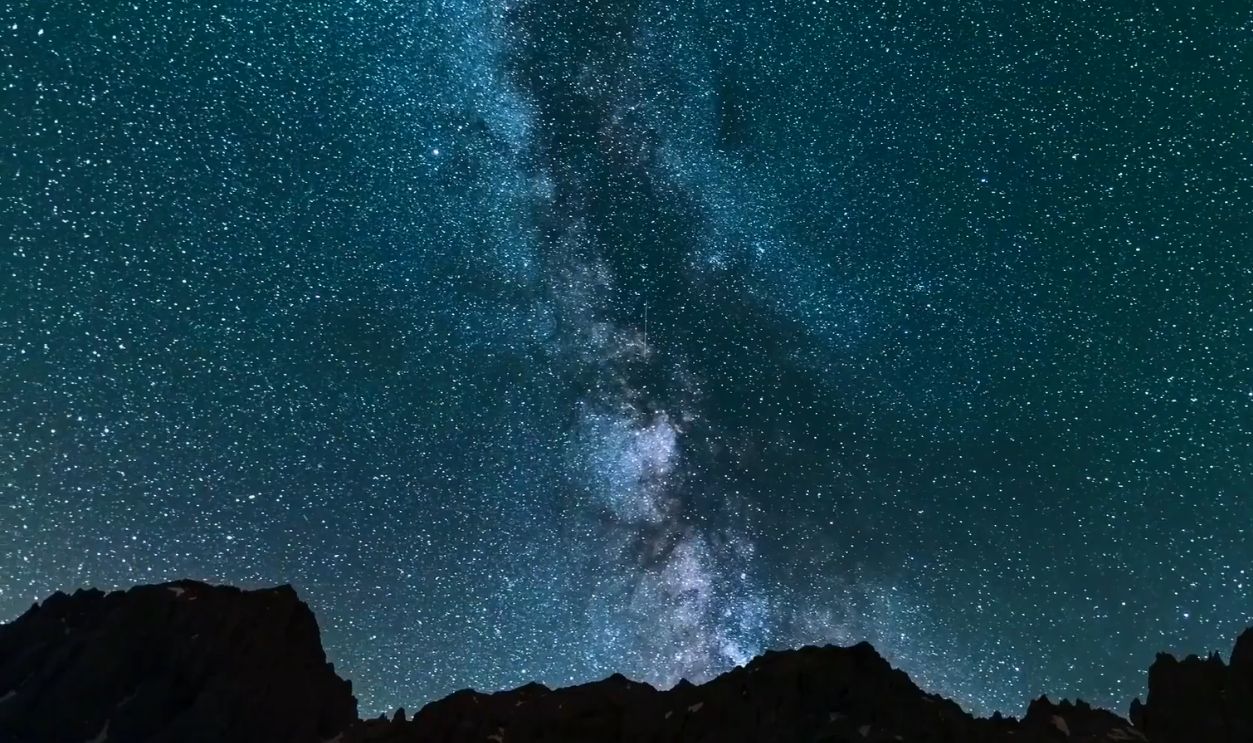 How the Sloan Great Wall Redefined Our Universe by Science and Tech
Publication Impact
All of the research was published in Astronomy & Astrophysics on June 19, 2025. It immediately garnered international attention from major space agencies and scientific institutions. ESA issued press releases celebrating the achievement. The paper's rapid acceptance reflected the exceptional quality and significance of the findings.