Villains Hiding Behind A Hero’s Cape
History often cloaked its villains in garments of greatness, only for time to strip away the illusion and reveal what truly lay beneath. Many figures celebrated as heroes or visionaries left behind a far darker imprint than their admirers ever suspected.
King Leopold II Of Belgium
King Leopold II of Belgium cloaked exploitation beneath a philanthropic banner, presenting his Congo venture as a civilizing mission through the International African Society. Behind this moral disguise, his regime orchestrated one of the deadliest colonial systems in recorded history.
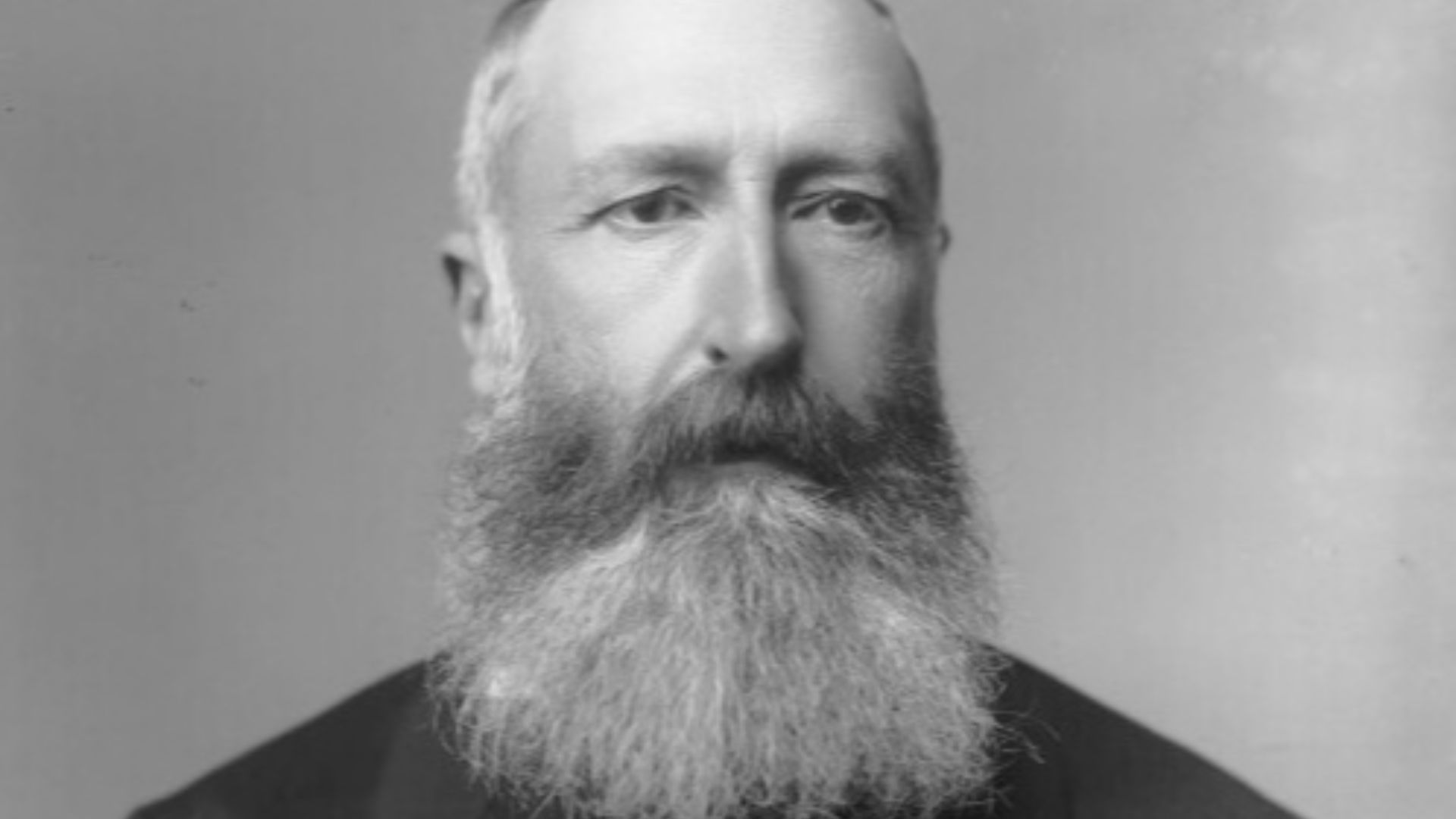 Alexander Bassano, Wikimedia Commons
King Leopold II Of Belgium (Cont.)
Ten to fifteen million Congolese perished through forced labor, starvation, and violent terror. Soldiers mutilated those who missed rubber quotas, and this enforced a reign of fear so absolute that Leopold never needed to visit the Congo himself to orchestrate its horror.
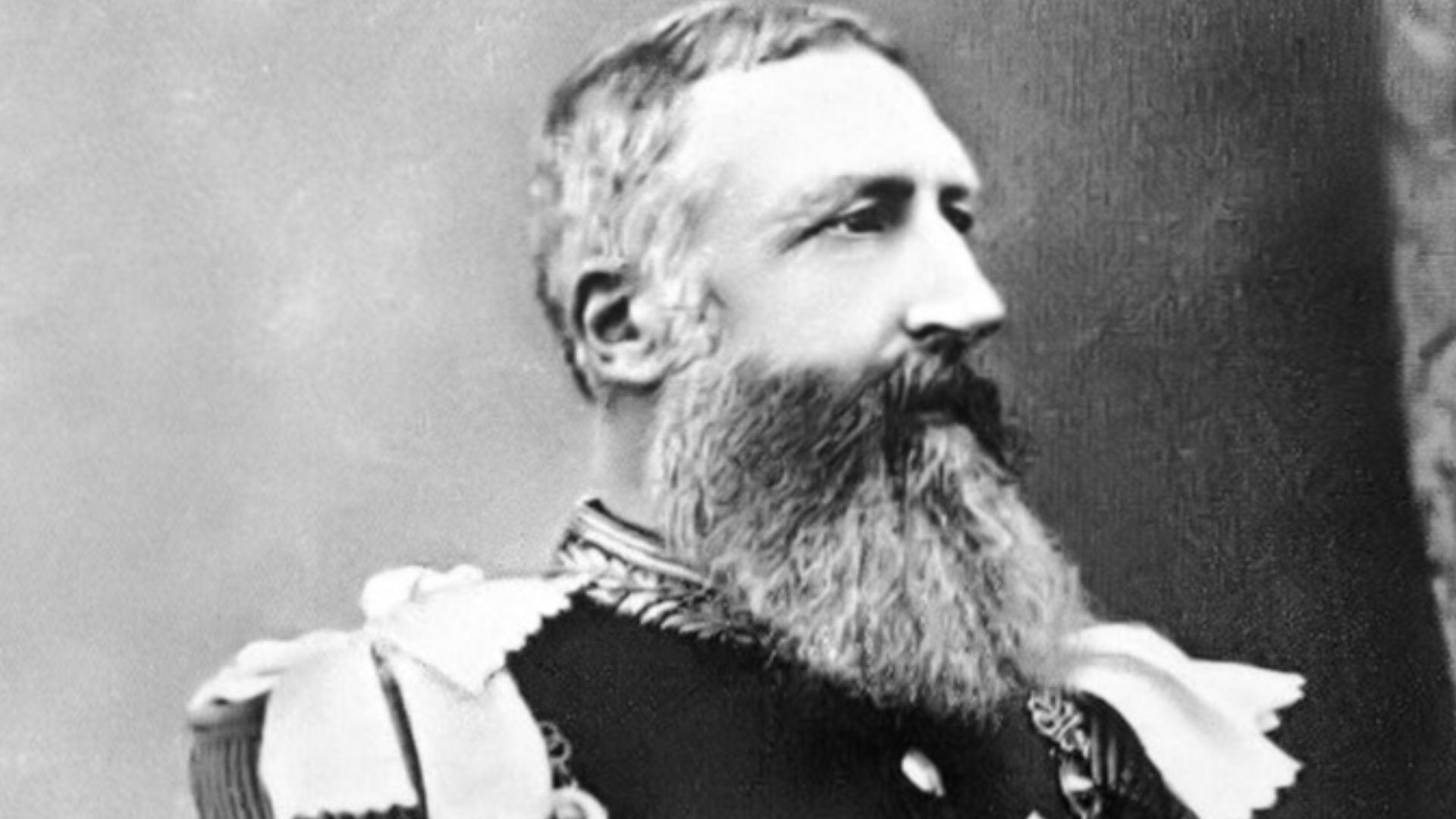 London Stereoscopic and Photographic Company, Wikimedia Commons
Josef Mengele
At Auschwitz, Josef Mengele wore the white coat of a healer but wielded it as a weapon. Known grimly as the “Angel of Death,” he selected prisoners for experiments that blurred medicine into torture and curiosity into cruelty.
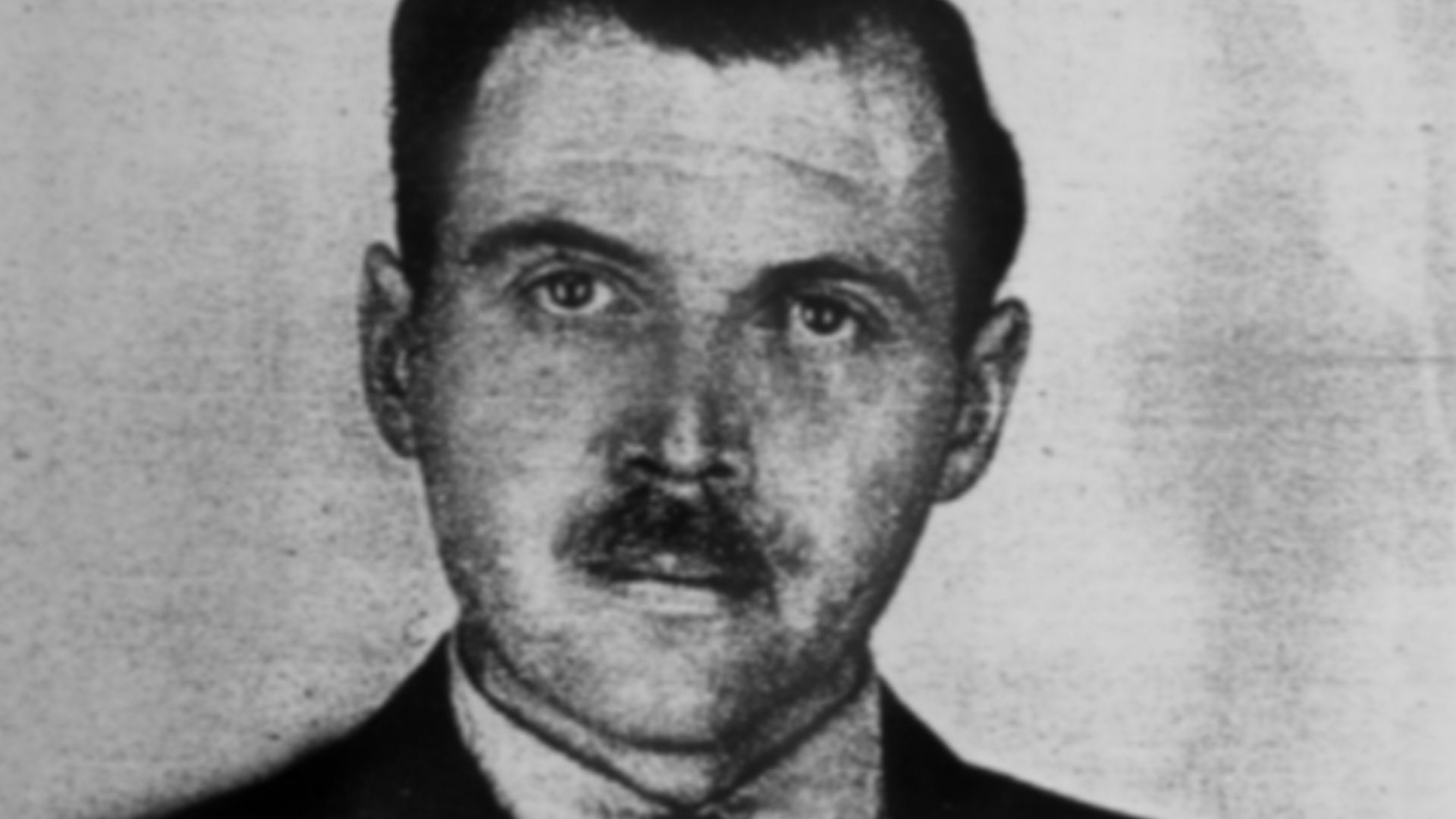 Anonymous photographer, not identified anywhere, Wikimedia Commons
Josef Mengele (Cont.)
His obsession with twins and genetics produced countless fatalities under the guise of science. After the war, Mengele escaped to South America to vanish into anonymity until his passing in 1979—his crimes continuing to haunt global memory long after his disappearance.
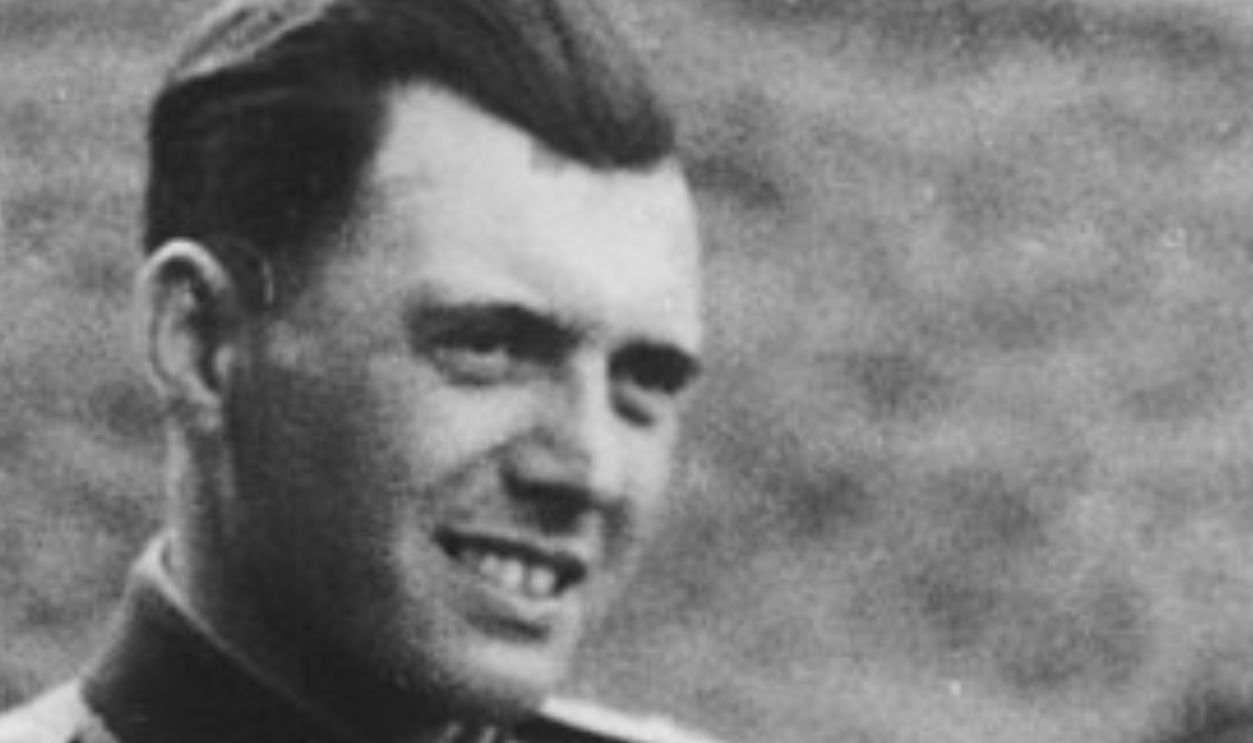 Bernhard Walther or Ernst Hofmann or Karl-Friedrich Hocker, Wikimedia Commons
Jimmy Savile
Jimmy Savile stood before the British public as a beloved entertainer and philanthropist. Launching Top of the Pops and raising millions for charity, he cultivated an image of benevolence that got him a knighthood from Queen Elizabeth II in 1990.
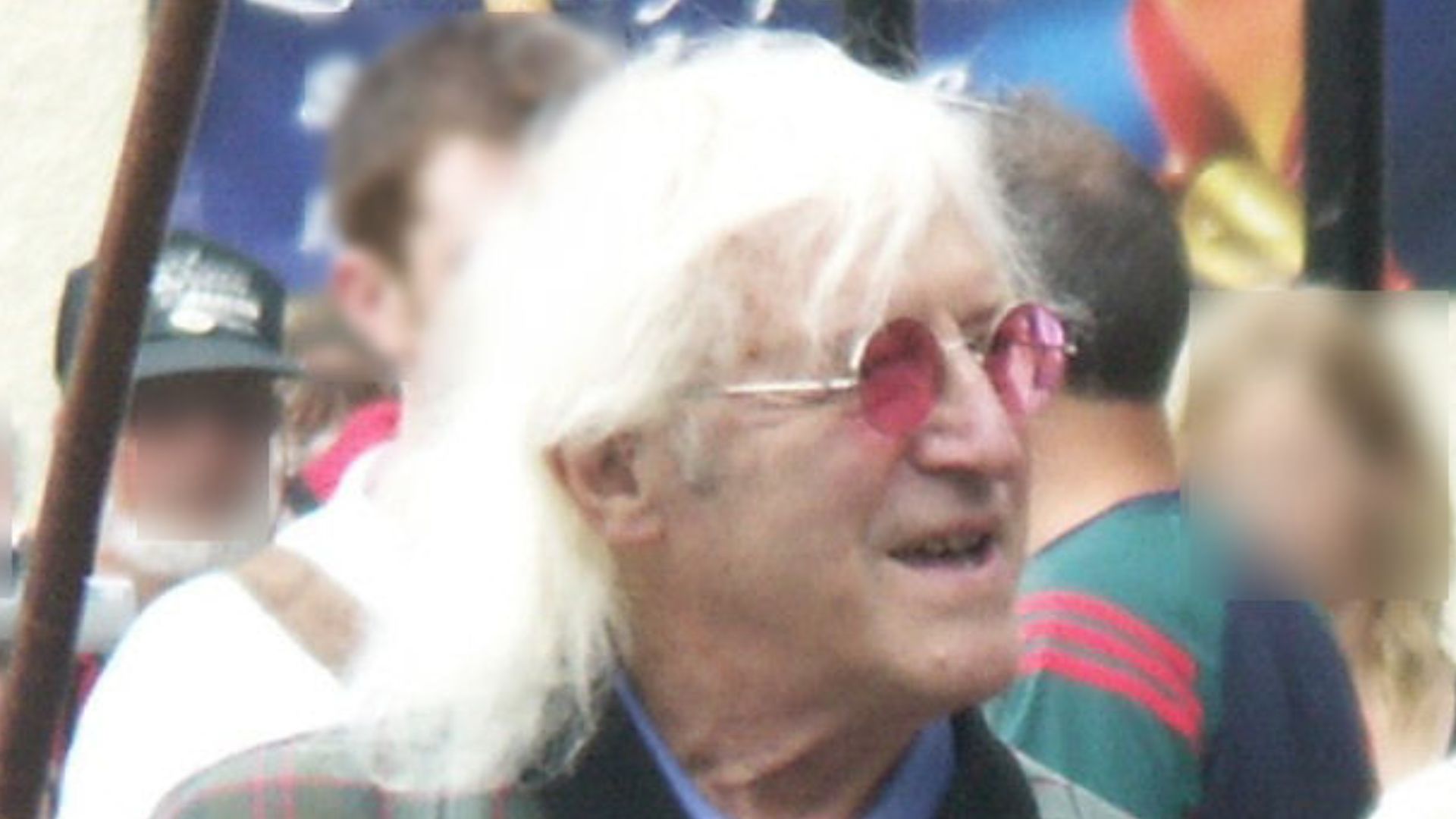 The original uploader was Jmb at English Wikipedia., Wikimedia Commons
Jimmy Savile (Cont.)
But only after his 2011 passing did the truth surface: he was a prolific predatory offender who preyed on the vulnerable, including hospital patients and children. His decades of abuse thrived in plain sight as institutions ignored countless warning signs.
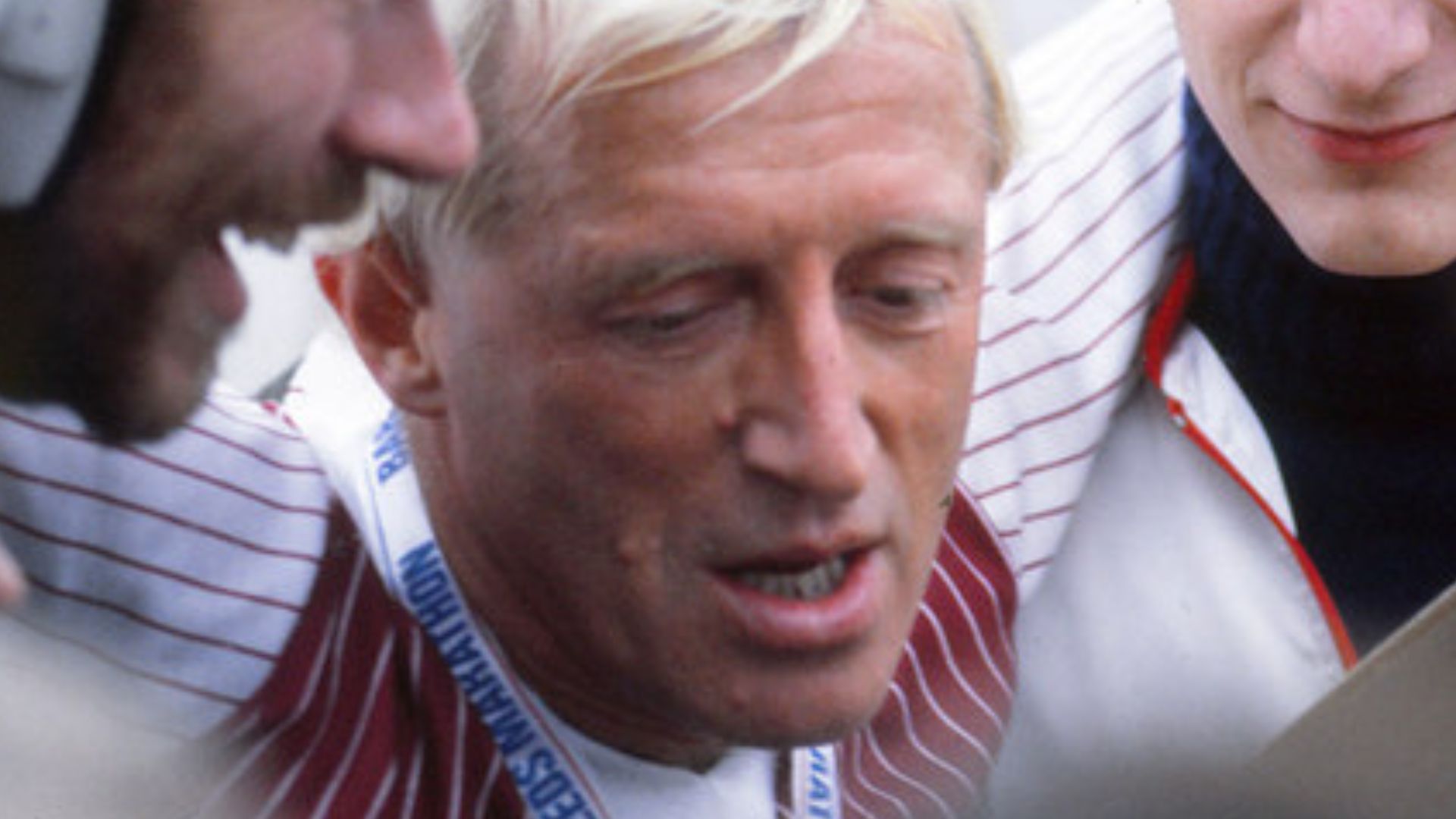 William Starkey, Wikimedia Commons
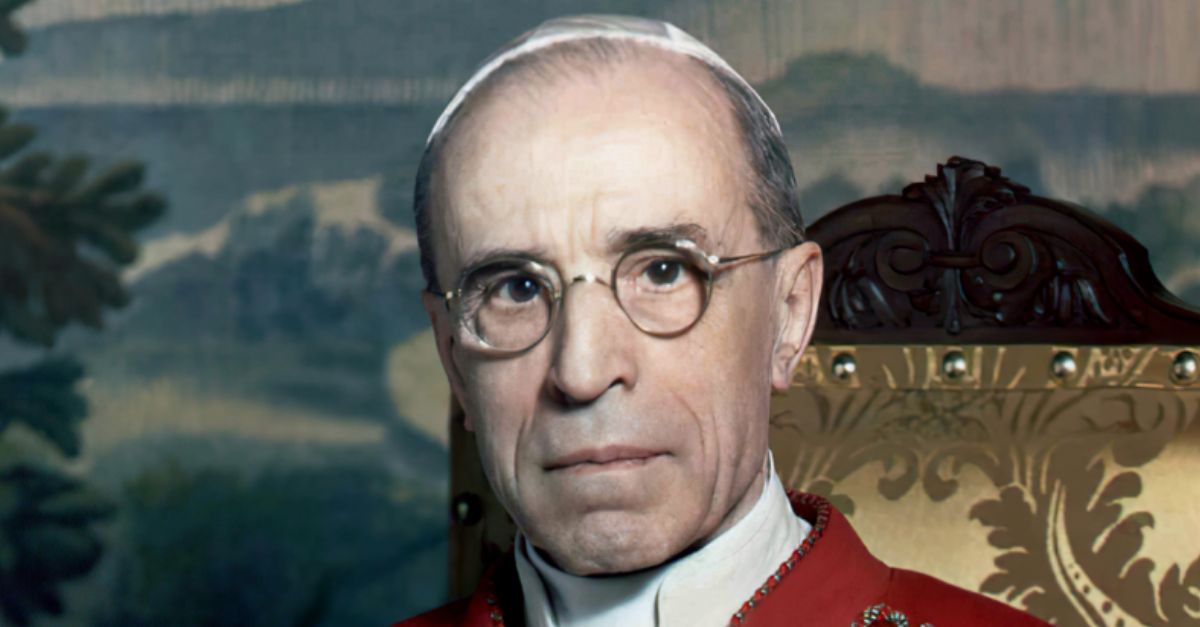
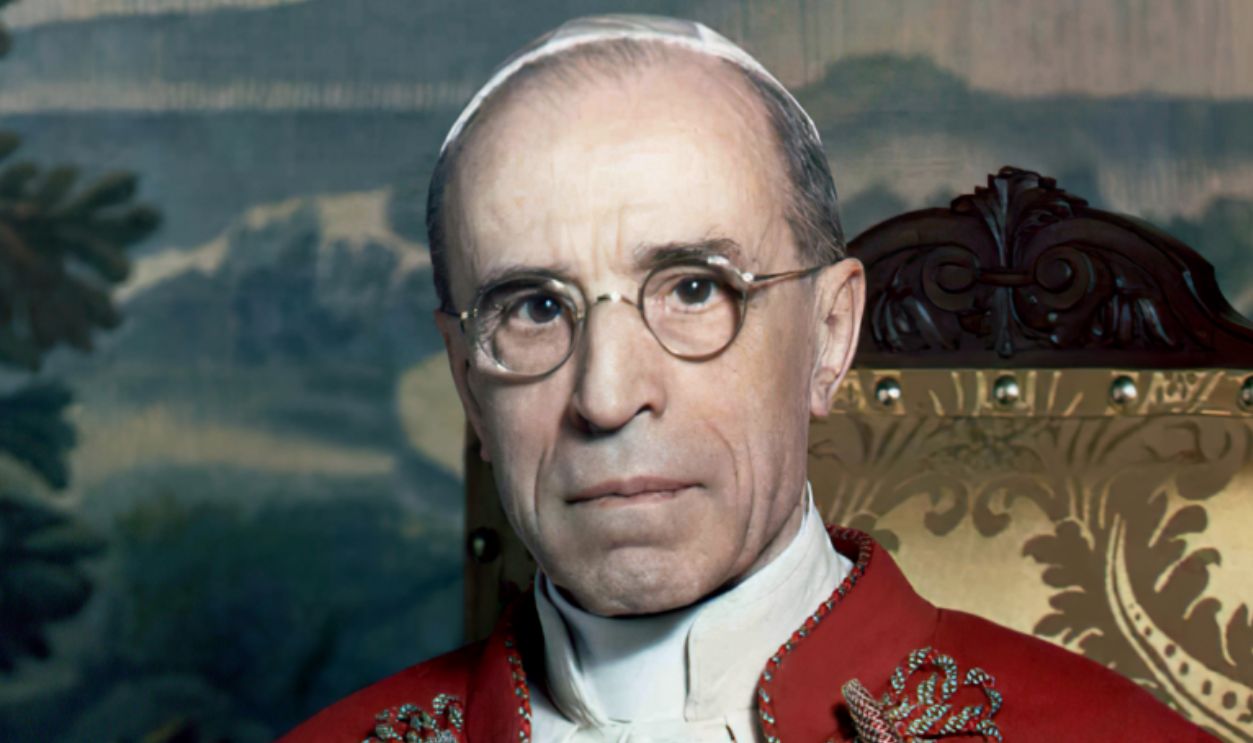
Pope Pius XII
As WWII engulfed Europe, Pope Pius XII commanded immense spiritual authority over millions of Catholics. Yet historical evidence revealed he had early, detailed knowledge of what was happening in Germany as far back as 1942—and still chose public silence.
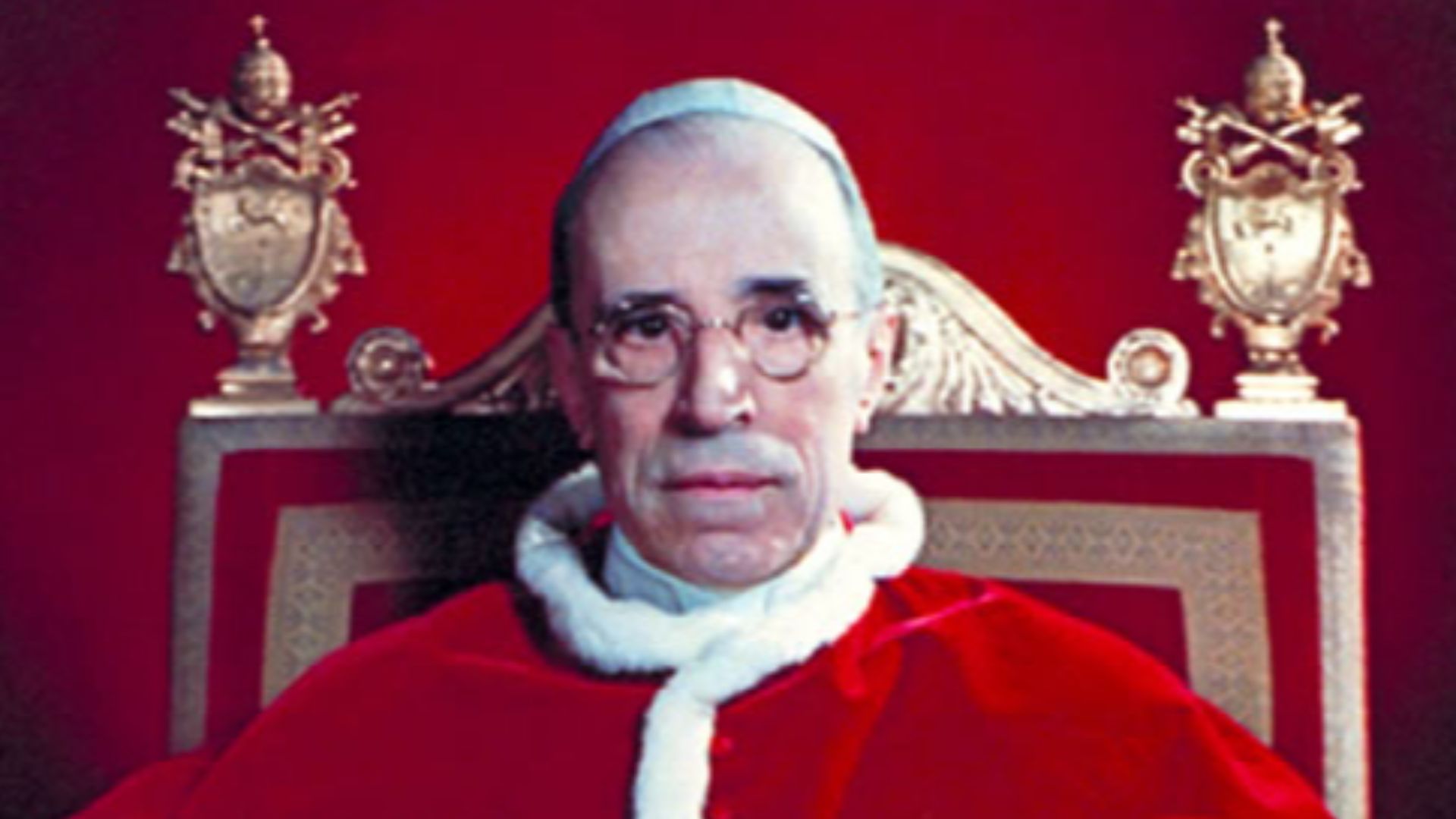 The original uploader was Paruccini at Italian Wikipedia., Wikimedia Commons
Pope Pius XII (Cont.)
His calculated neutrality shielded the Church but stained his moral legacy. By prioritizing institutional caution over moral outcry, he left historians divided and believers shaken about faith’s responsibility during humanity’s darkest chapter.
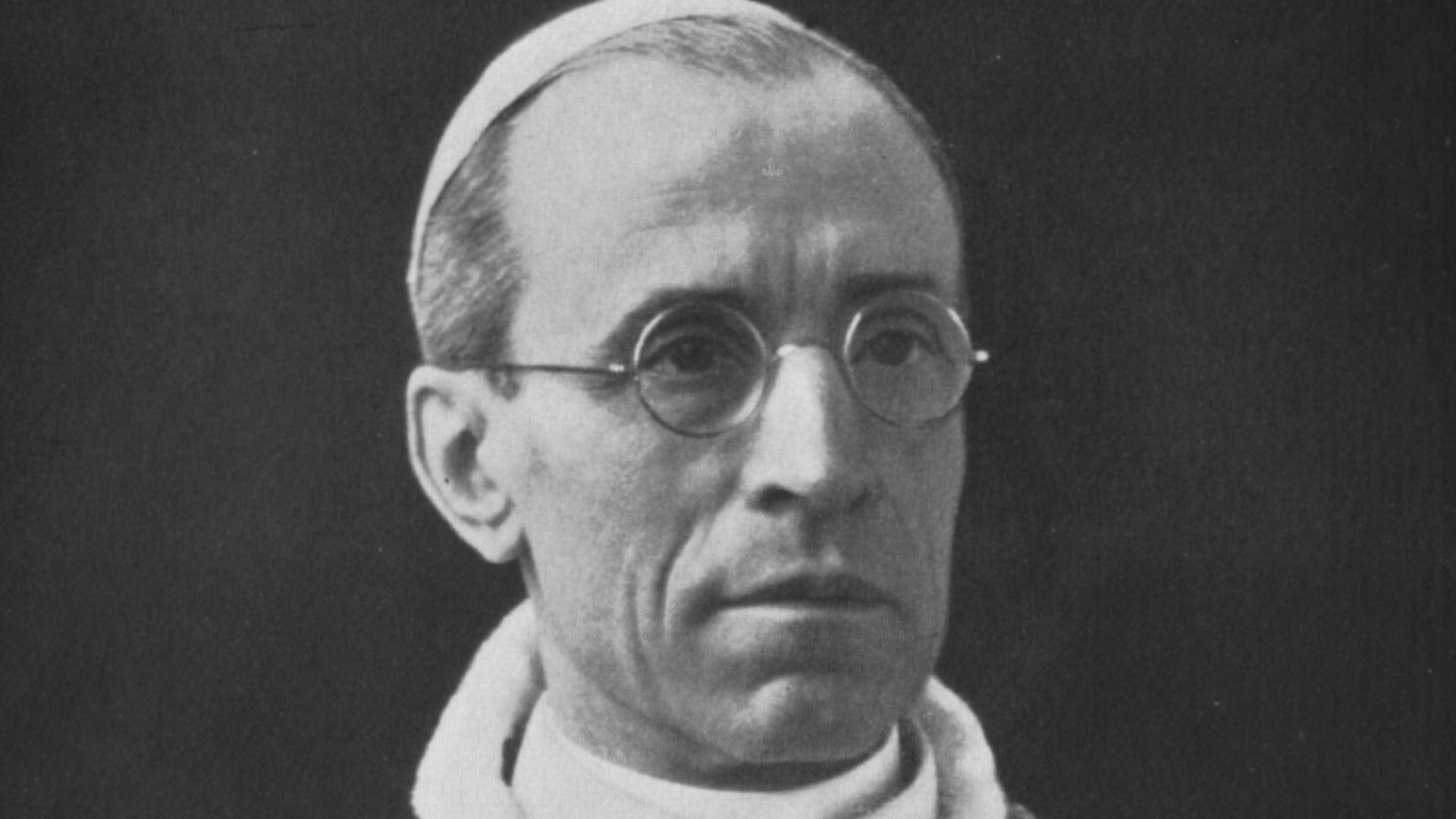 Studio of Fratelli Alinari, Wikimedia Commons

History's most fascinating stories and darkest secrets, delivered to your inbox daily.
Mao Zedong
Mao Zedong’s “Little Red Book” became both a political manifesto and a tool of devotion, fueling his transformation into a living god during China’s Cultural Revolution. This cult of personality justified purges, persecution, and ideological violence on an unprecedented scale.
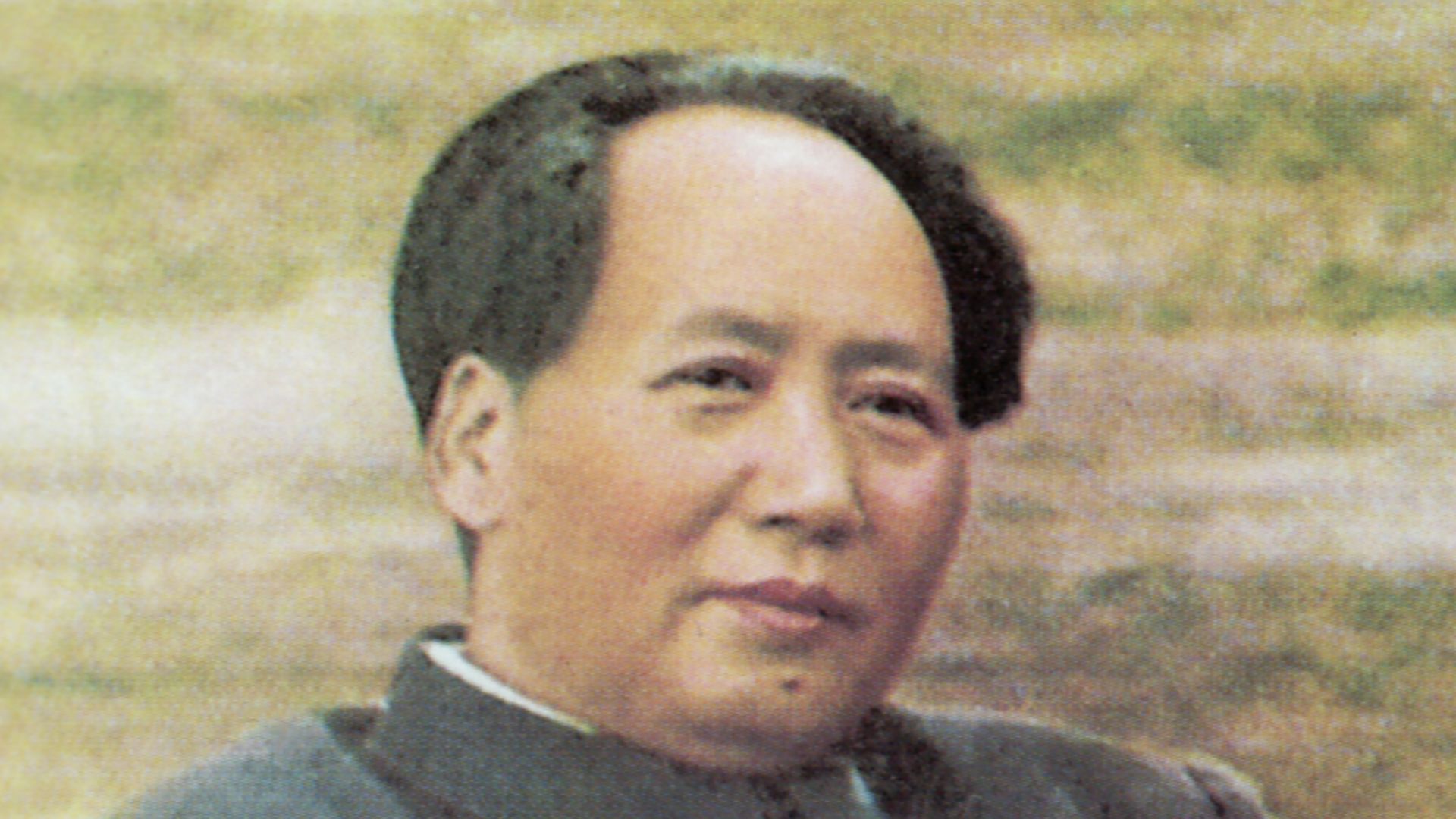 The People's Republic of China Printing Office, Wikimedia Commons
Mao Zedong (Cont.)
Under his Great Leap Forward, collectivization and reckless agricultural policies led to famine and people passing on a staggering level, and estimates range from fifteen to forty-five million lives lost. His legacy stands as a warning of ideology unrestrained by humanity.
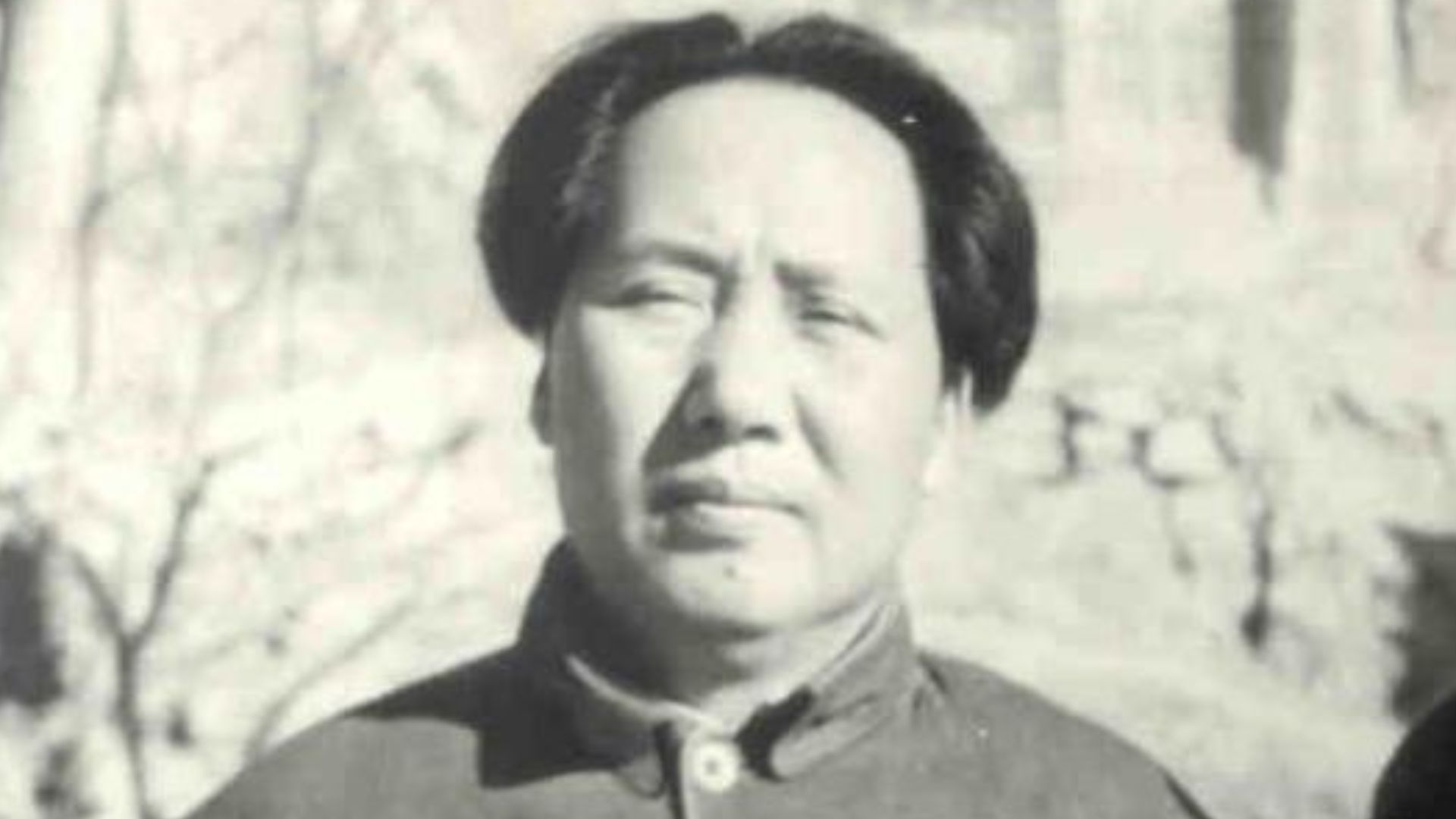 Unknown authorUnknown author, Wikimedia Commons
Christopher Columbus
For generations, Christopher Columbus was revered as a courageous visionary who bridged continents. Schoolbooks and statues enshrined him as the discoverer of the New World, his voyages celebrated as triumphs of exploration and faith in human progress.
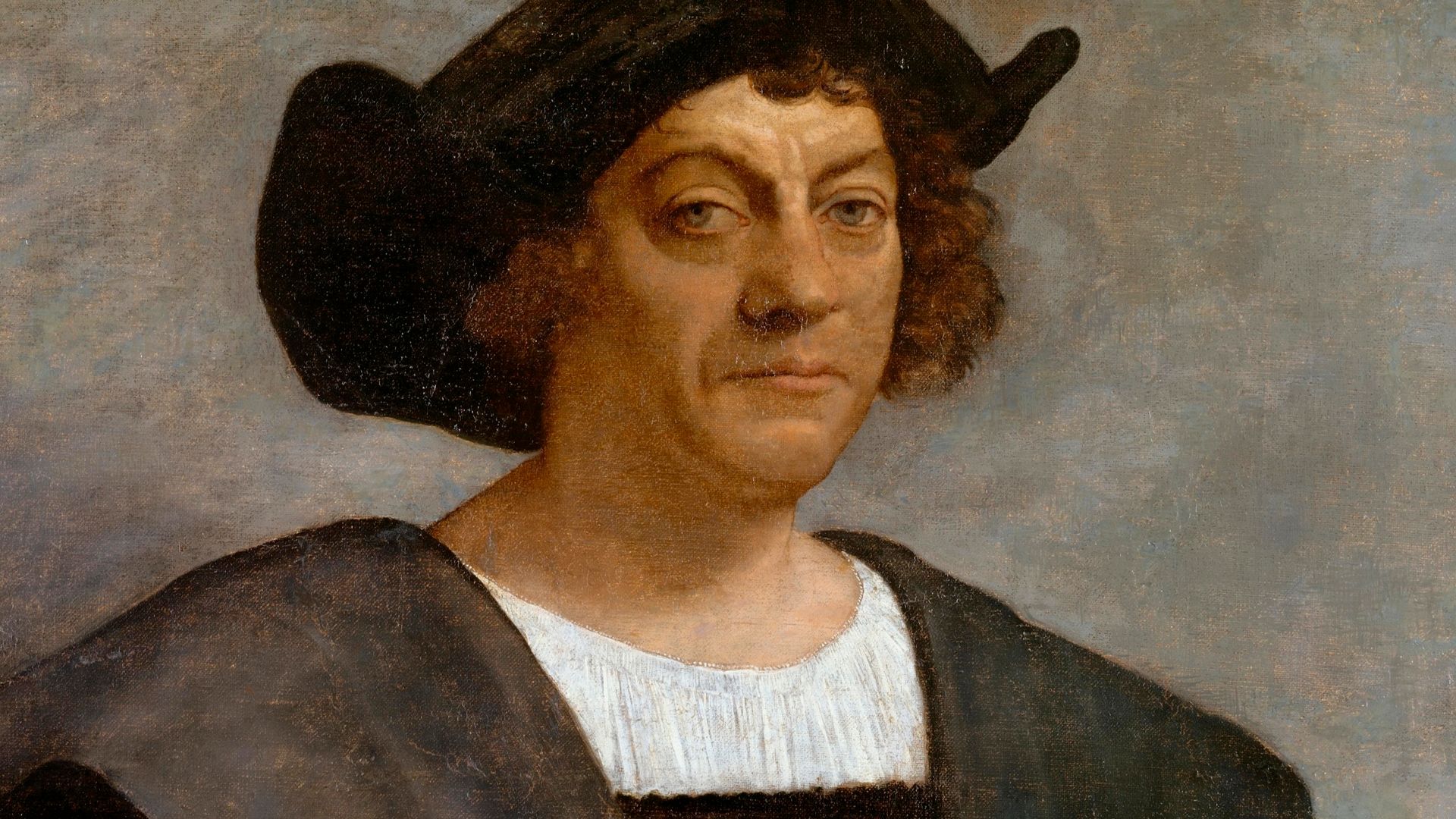 Sebastiano del Piombo, Wikimedia Commons
Christopher Columbus (Cont.)
But records later revealed his rule in the Caribbean was marked by enslavement and execution. He helped establish the transatlantic slave trade, even reducing Indigenous communities to forced labor. The heroic myth of discovery crumbled beneath the weight of documented atrocity.
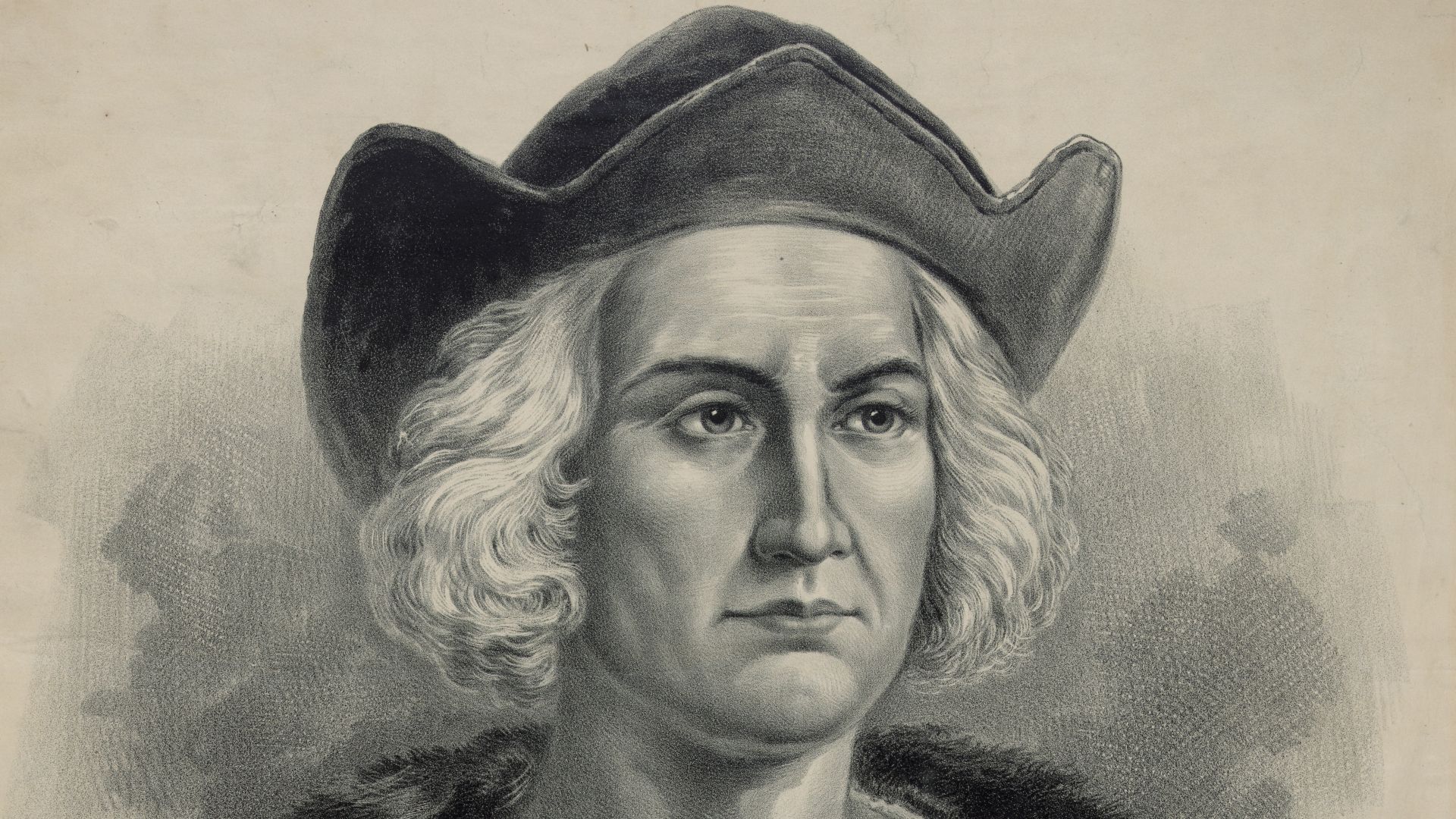 Popular Graphic Arts, Wikimedia Commons
Edward VIII
Edward VIII’s abdication once symbolized romantic devotion—renouncing the British crown for love of Wallis Simpson. His dramatic gesture charmed the world and seemed to demonstrate individual freedom over duty, a modern fairy tale steeped in sacrifice.
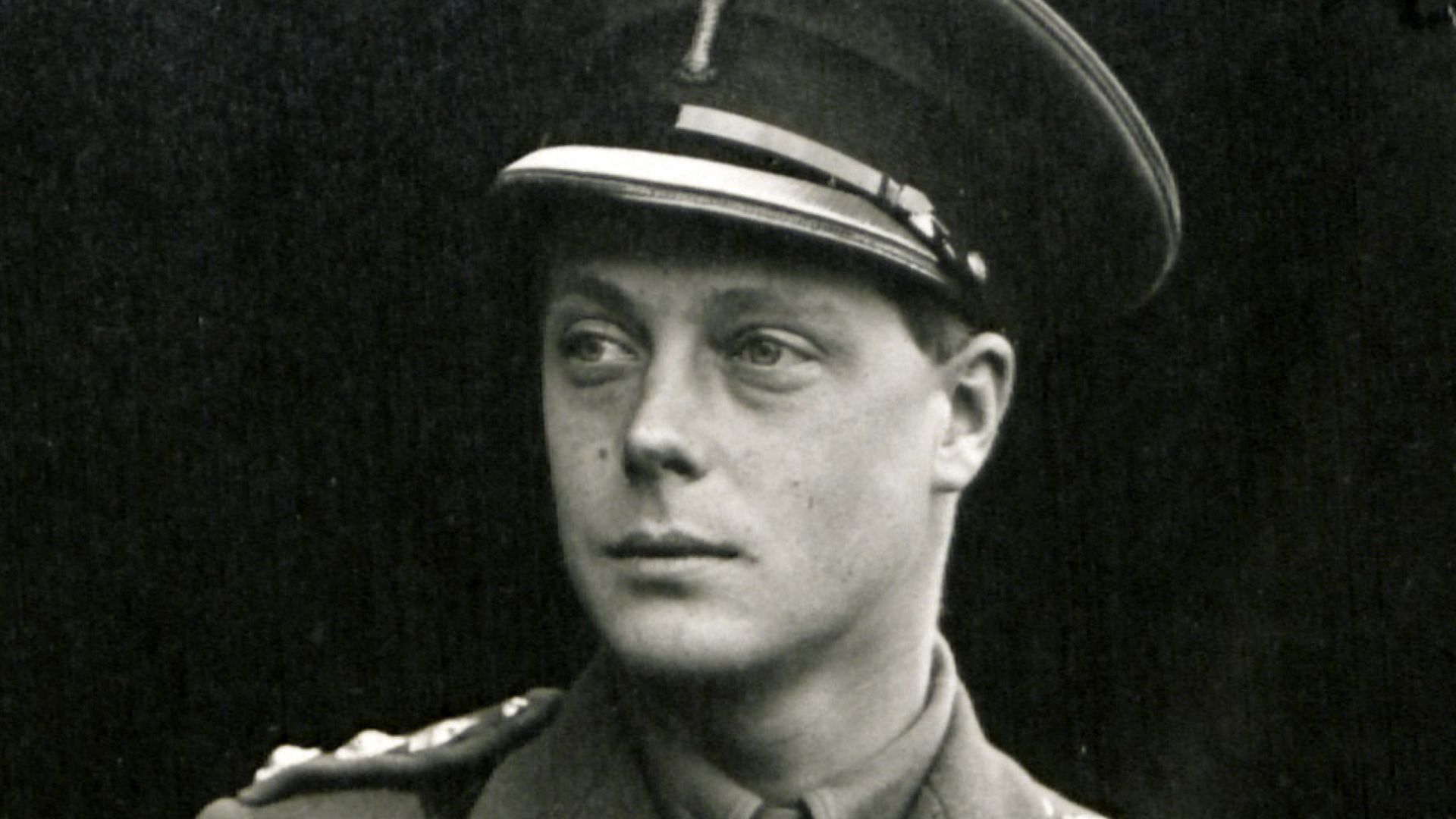 Freeland Studio, Wikimedia Commons
Edward VIII (Cont.)
Only later did revelations of Nazi sympathies taint that image. His 1937 meeting with Hitler, hidden for decades, exposed troubling alliances that reframed his story from selfless love to moral failure, casting doubt on his loyalty to both country and conscience.
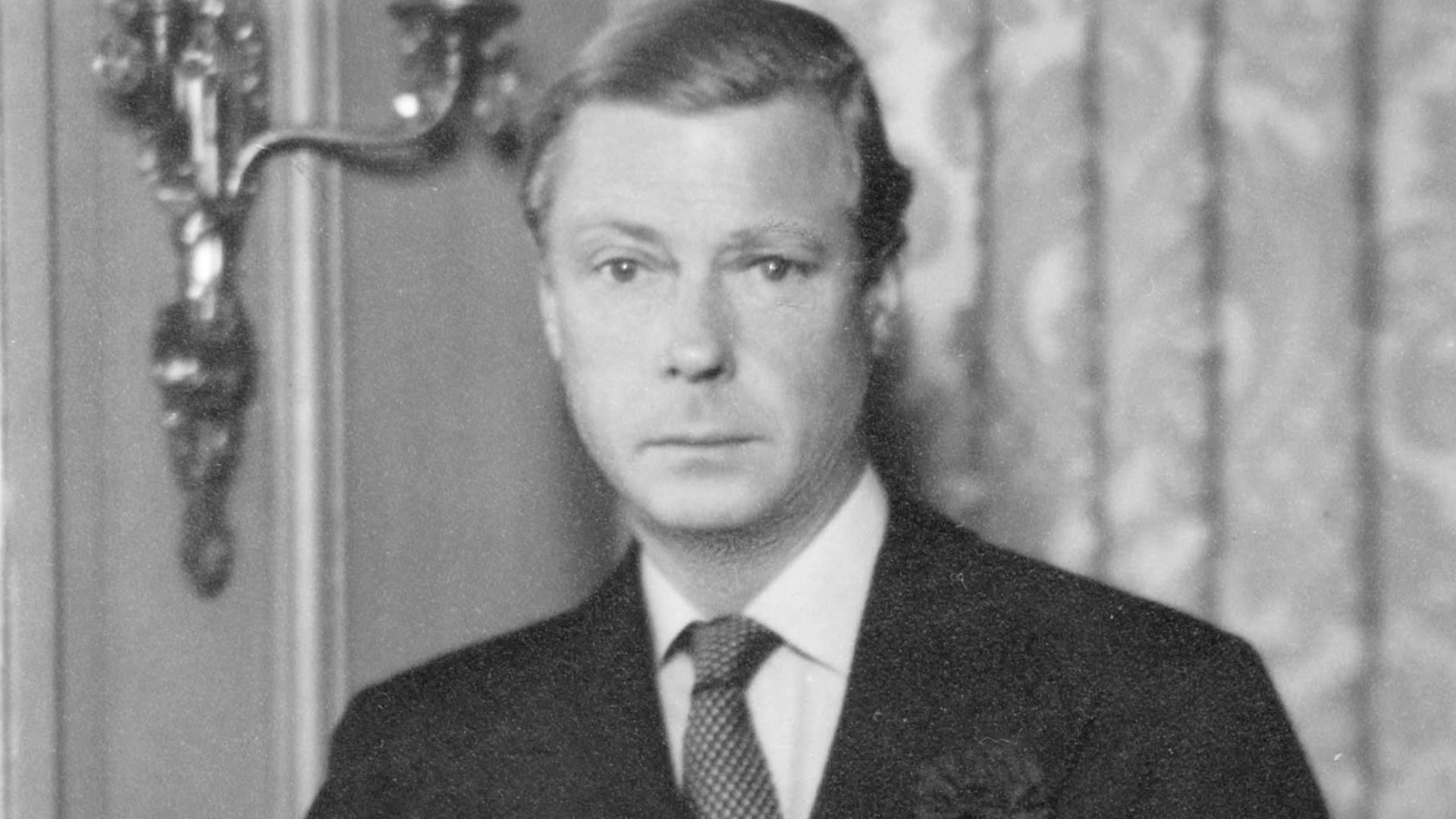 Attributed to Angelo Laviosa / Formerly attributed to Vincenzo Laviosa, Wikimedia Commons
Fritz Haber
Fritz Haber revolutionized agriculture by synthesizing ammonia to feed millions through artificial fertilizer. His scientific triumph promised a future of abundance, and it transformed global food production, which earned him the 1918 Nobel Prize in Chemistry.
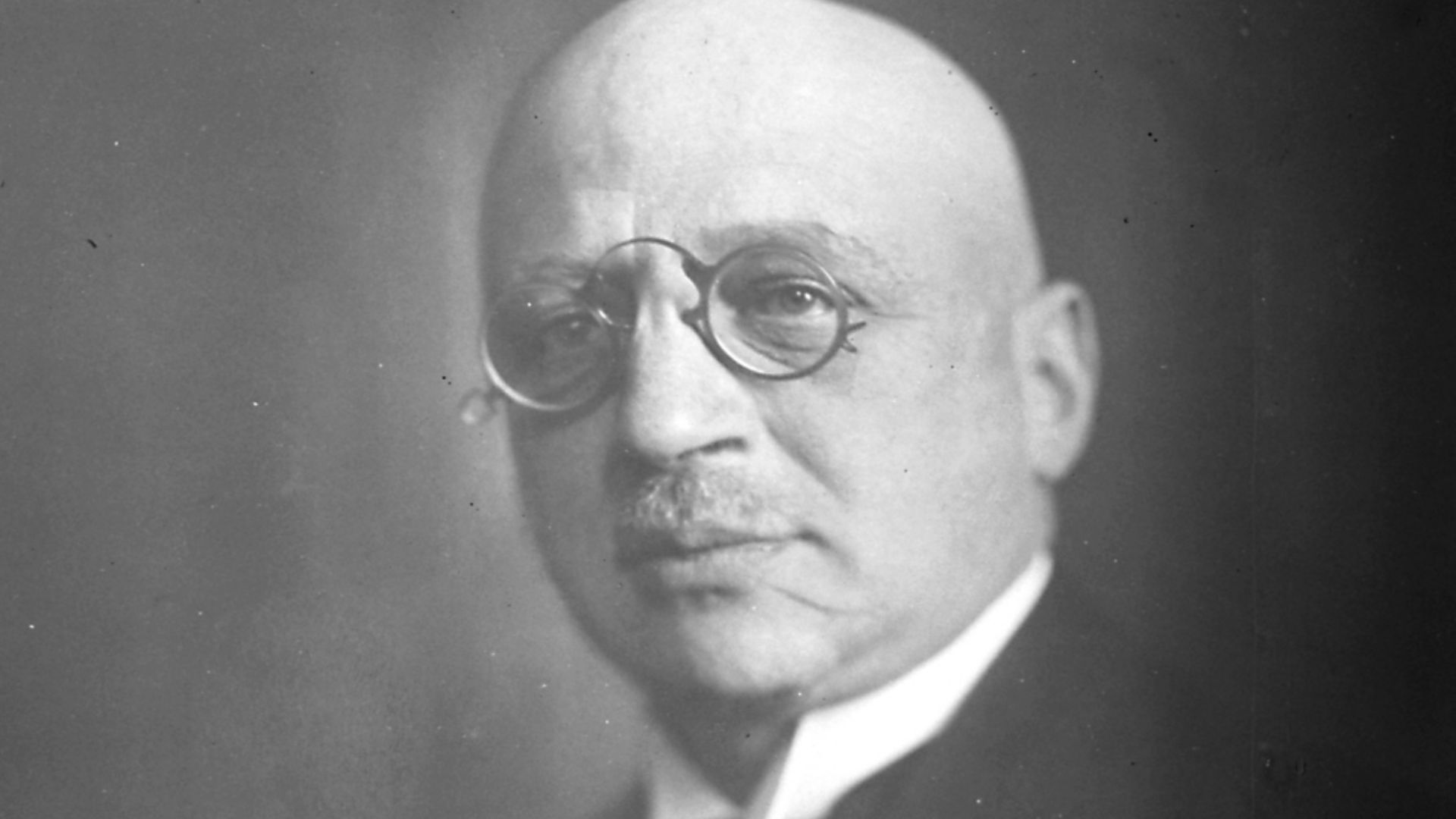 Photographisches Institut der ETH Zurich, Wikimedia Commons
Fritz Haber (Cont.)
Yet the same ingenuity birthed tools of death. He developed chlorine gas and chemical weapons during WWI, unleashing horrors on battlefields. His wife’s suicide in protest underscored the devastating moral divide between invention’s promise and its consequences.
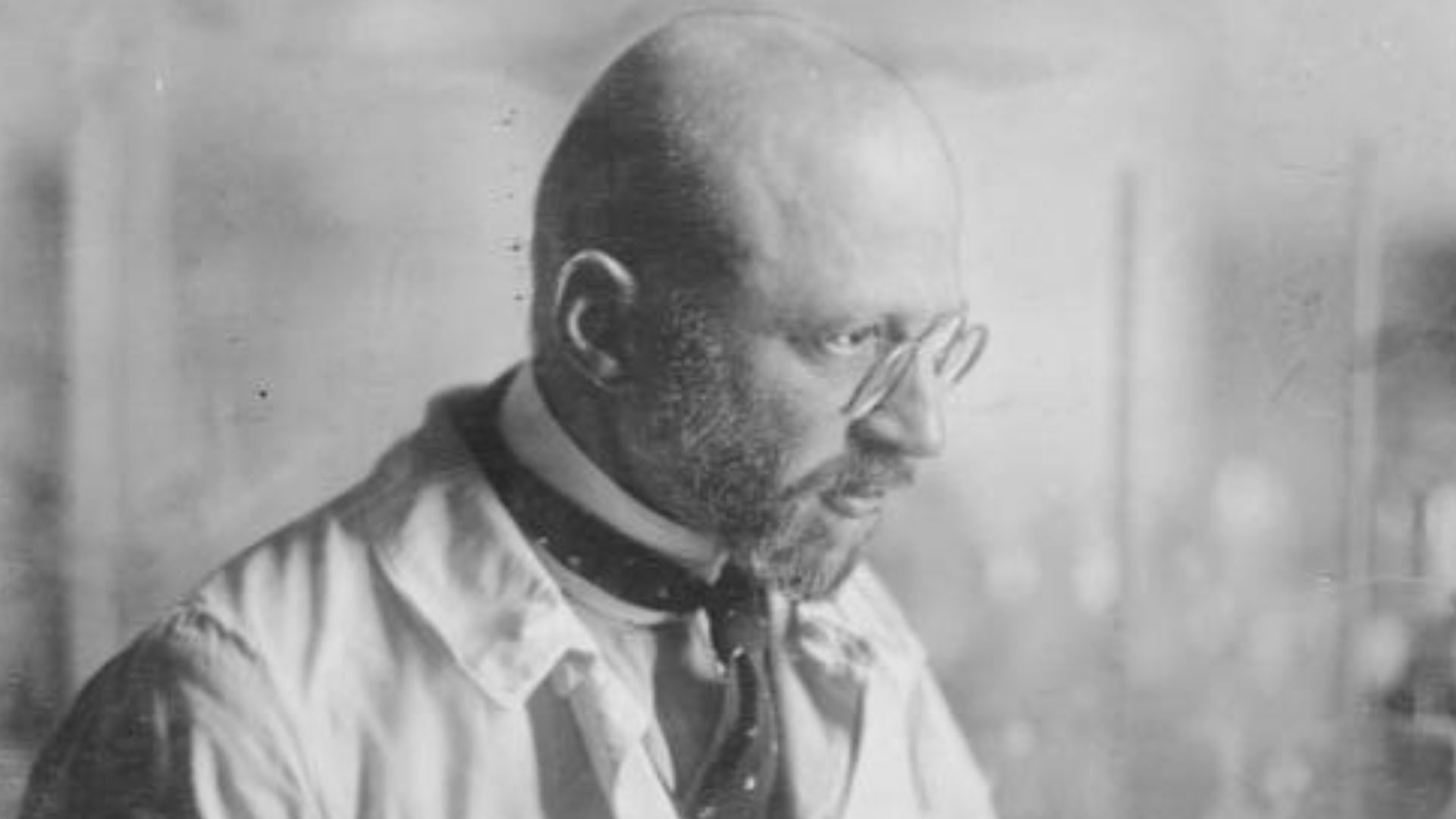 UnknownUnknown , Wikimedia Commons
Henry Ford
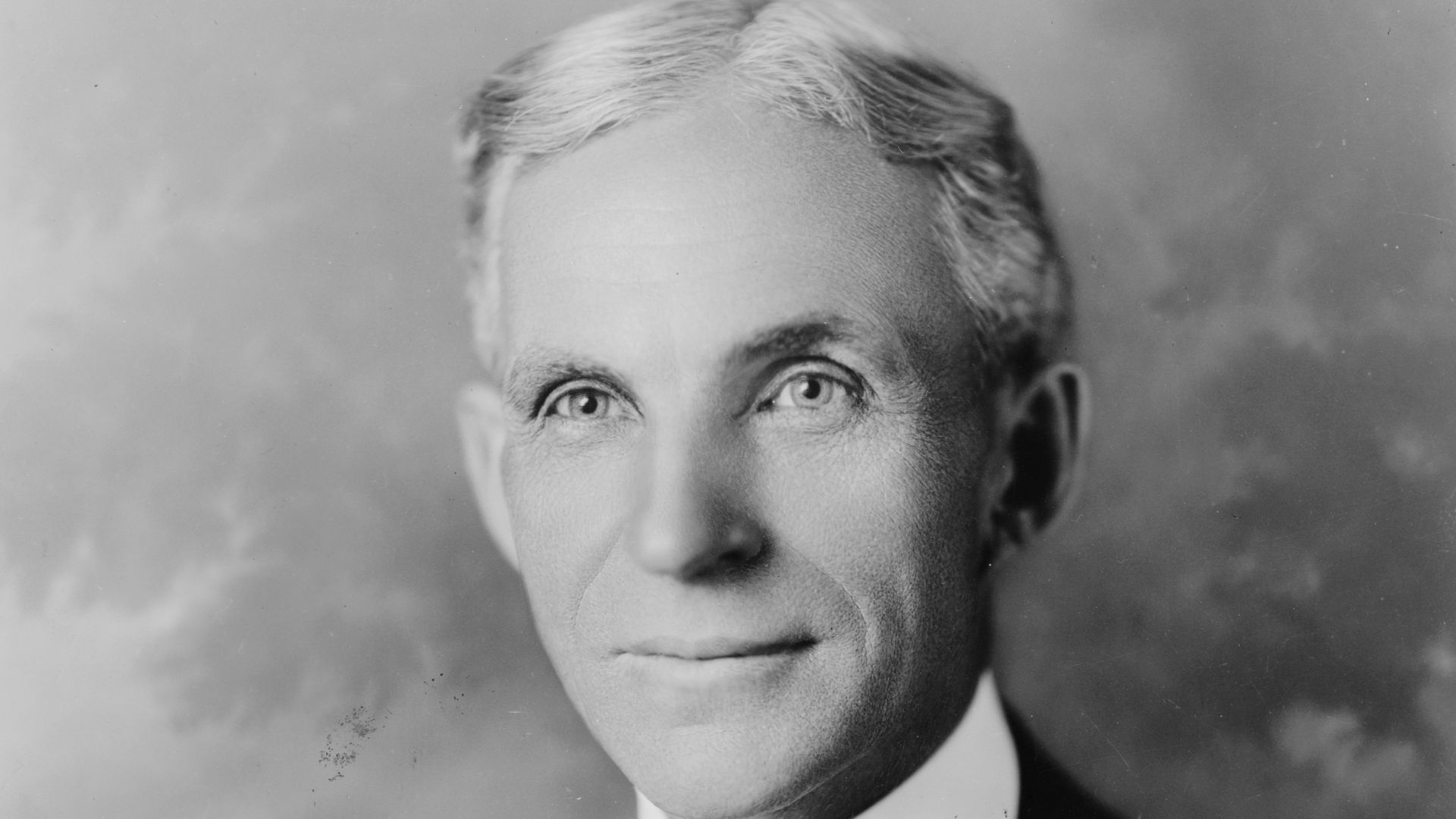
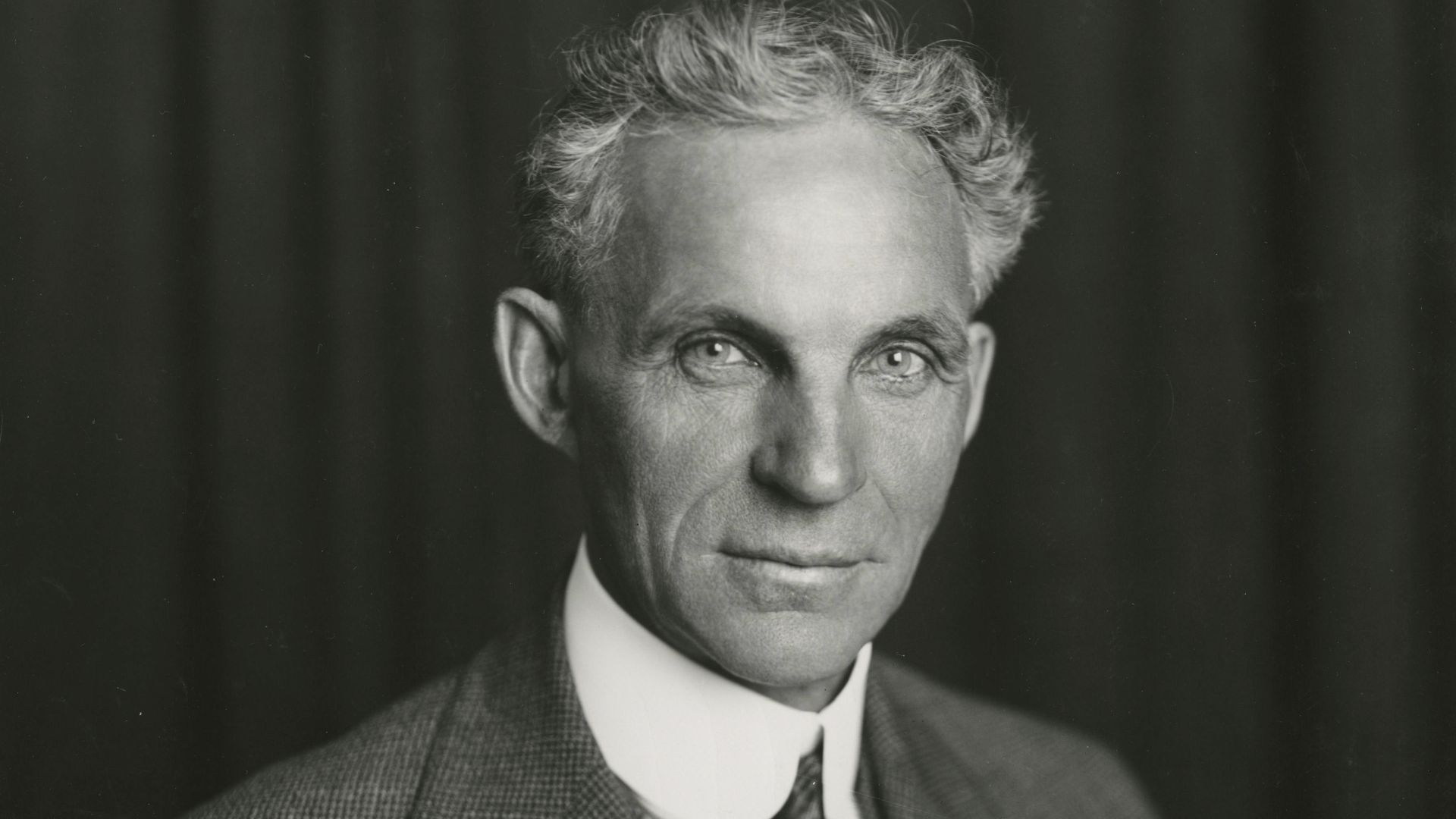
Henry Ford changed how manufacturing unfolded with the assembly line, and this reshaped modern industry and mobility. But behind his innovation lay a campaign of prejudice that warped his legacy. Through The Dearborn Independent, Ford spread conspiracy theories targeting Jewish communities worldwide.
Henry Ford (Cont.)
His writings later influenced Nazi ideology, culminating in his 1938 acceptance of the Grand Cross of the German Eagle from Hitler’s regime. Only after his death did historians uncloak the scale of his influence in fueling antisemitic hatred on a global stage.
 Ford Motor Company. Photographic Department, Wikimedia Commons
Andrew Jackson
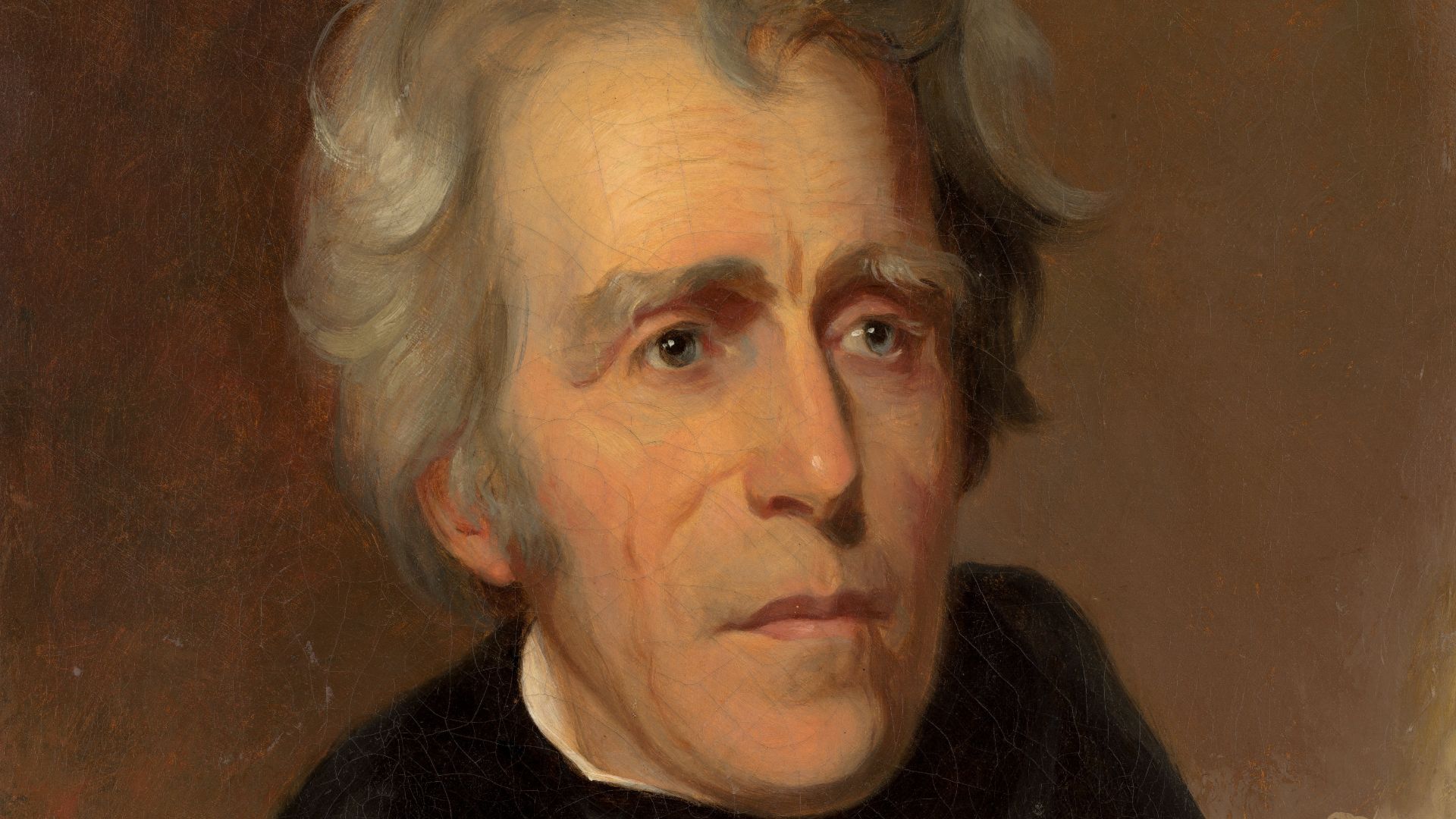
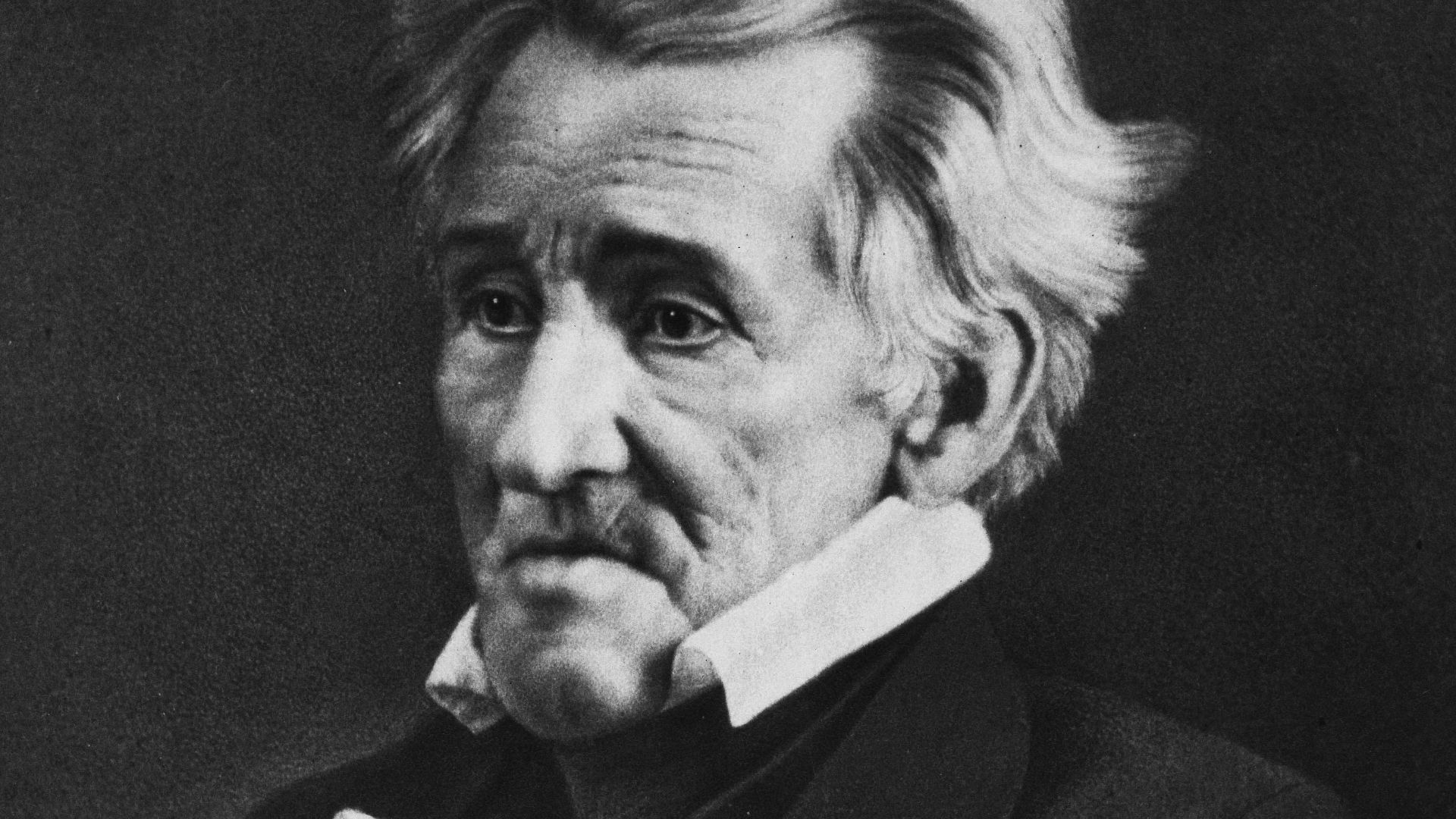
Andrew Jackson’s presidency expanded the power of the White House but left scars of violence across the nation. A slaveholder and ardent supporter of slavery’s expansion, he also orchestrated one of America’s most infamous acts of ethnic cleansing.
 Thomas Sully, Wikimedia Commons
Andrew Jackson (Cont.)
The 1830 Indian Removal Act forced 60,000 Native Americans from their homelands, with thousands dying on the Trail of Tears. Historians see this campaign for what it was—proof that Jackson’s populist nationalism was rooted in brutality and dispossession.
 Mathew Benjamin Brady, Wikimedia Commons
Leni Riefenstahl
Leni Riefenstahl made huge changes in film aesthetics with groundbreaking camera techniques and visual mastery. Her talent earned her acclaim as one of cinema’s great pioneers. Sadly, her creative genius became inseparable from her collaboration with the Nazi regime.
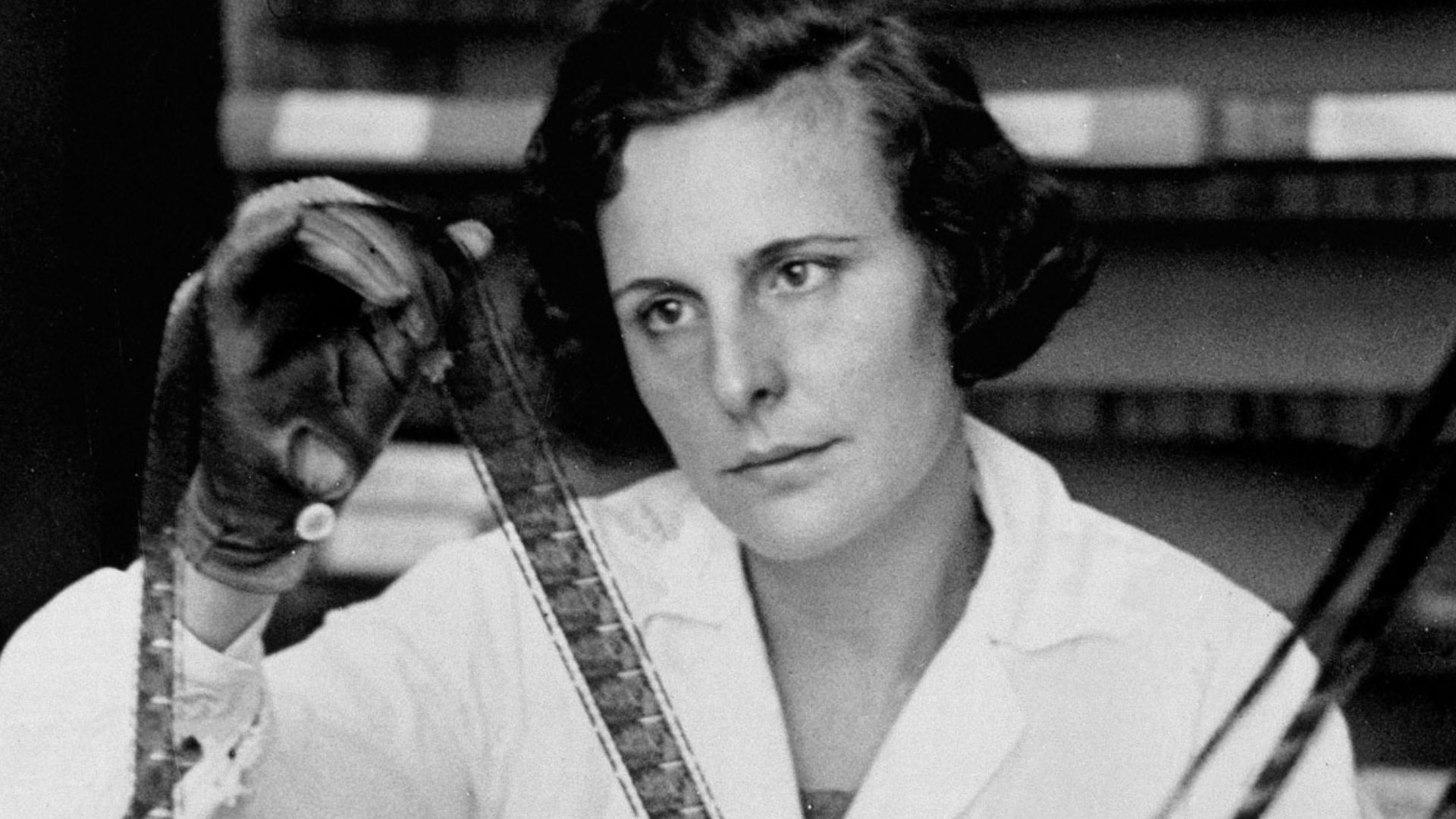 Unknown authorUnknown author, Wikimedia Commons
Leni Riefenstahl (Cont.)
Her 1935 film, Triumph of the Will, immortalized Hitler’s power. The movie turned art into propaganda. Though she denied knowledge of Nazi atrocities, her later career—marked by underwater photography—could never erase her complicity in shaping a deadly ideology’s image.
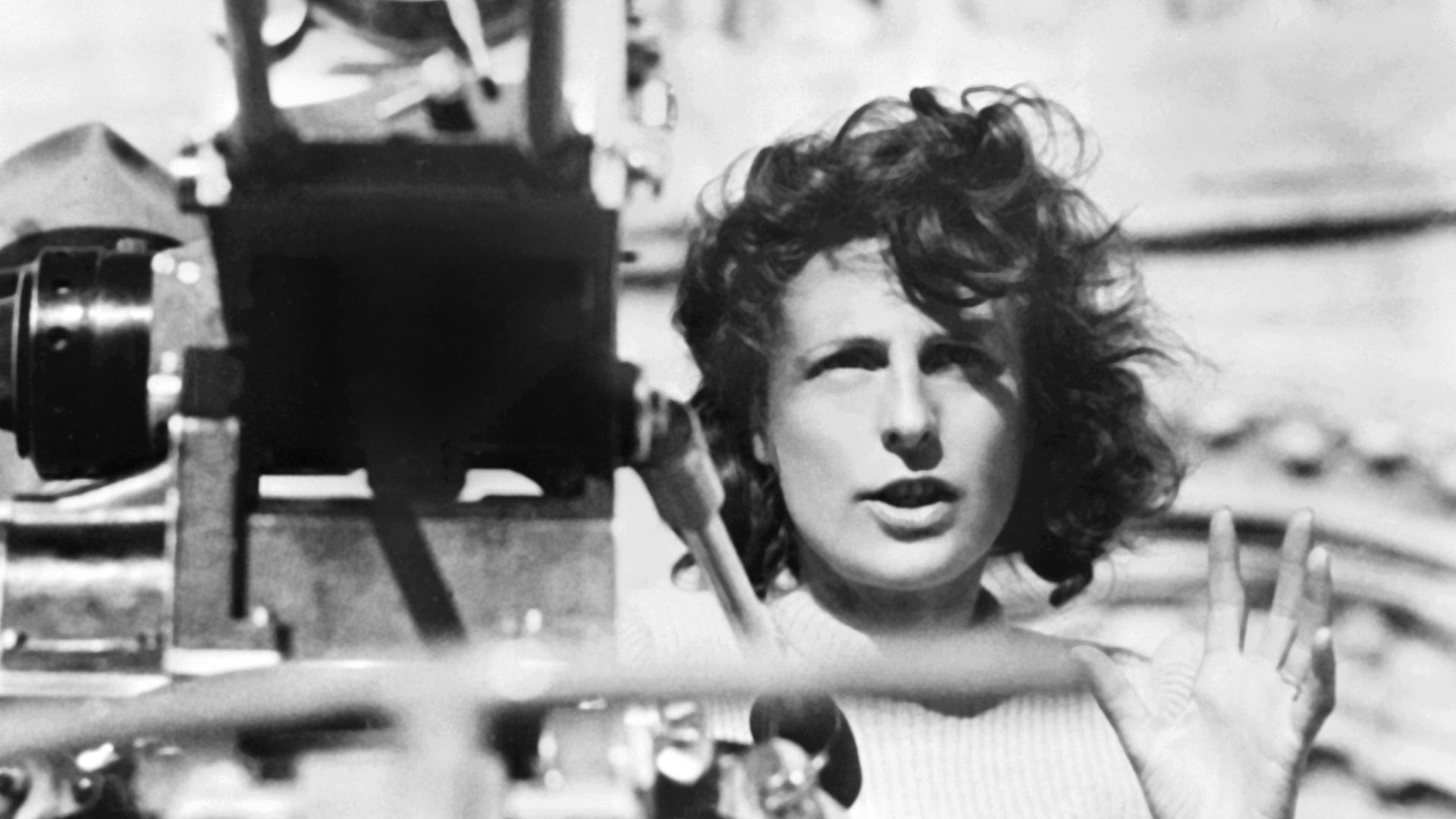 Unknown authorUnknown author, Wikimedia Commons
Cecil Rhodes
Cecil Rhodes’s name became synonymous with wealth and ambition. Through diamond monopolies and colonial expansion, he cemented British dominance in southern Africa, financing Oxford’s Rhodes Scholarships to secure his legacy of intellectual philanthropy.
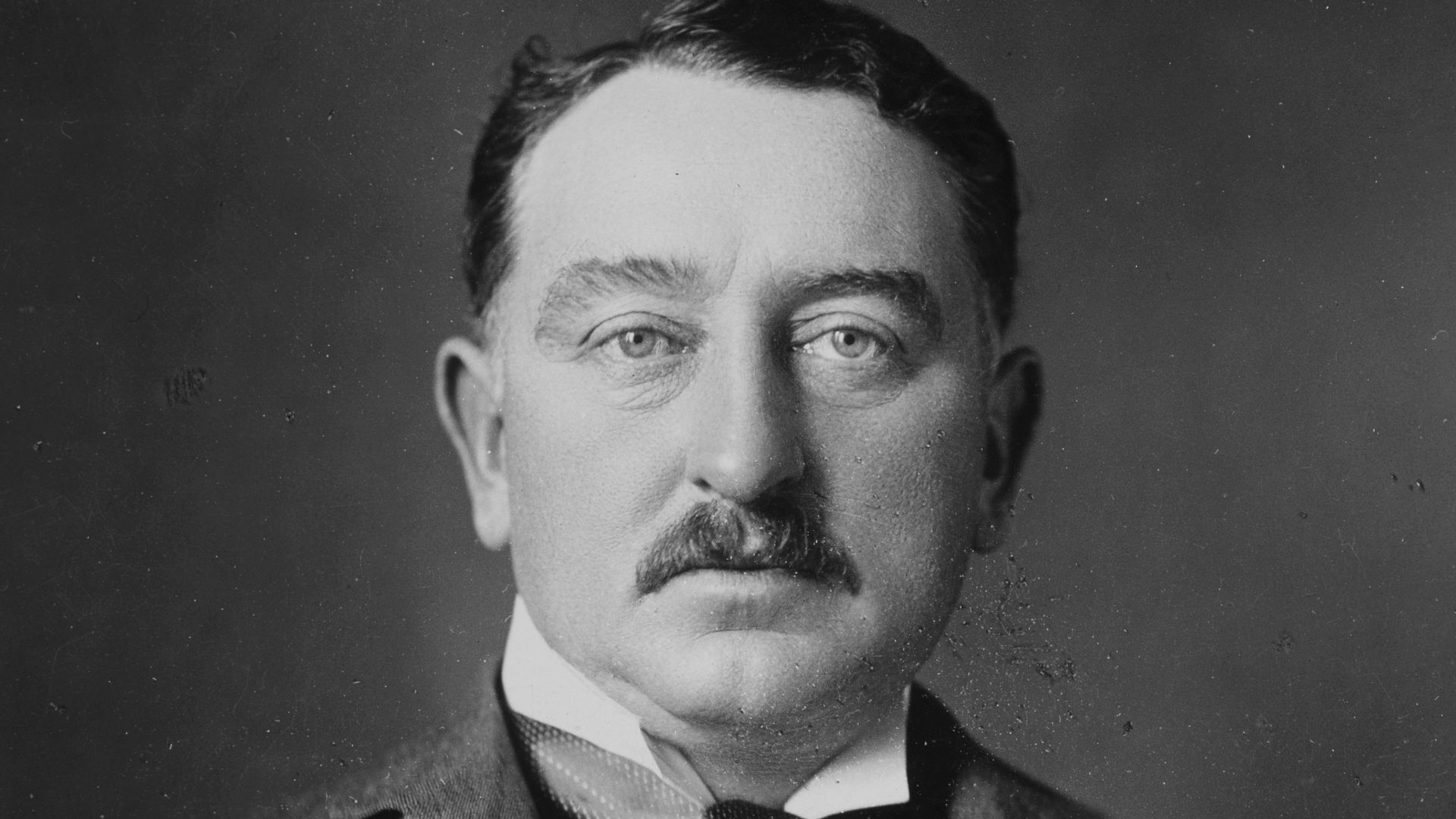 Alexander Bassano, Wikimedia Commons
Cecil Rhodes (Cont.)
Yet modern historians exposed the darker truth: dispossession of African communities, prejudiced governance in Rhodesia, and exploitation disguised as progress. His scholarships masked the suffering that financed them, leaving an empire built on subjugation beneath his celebrated name.
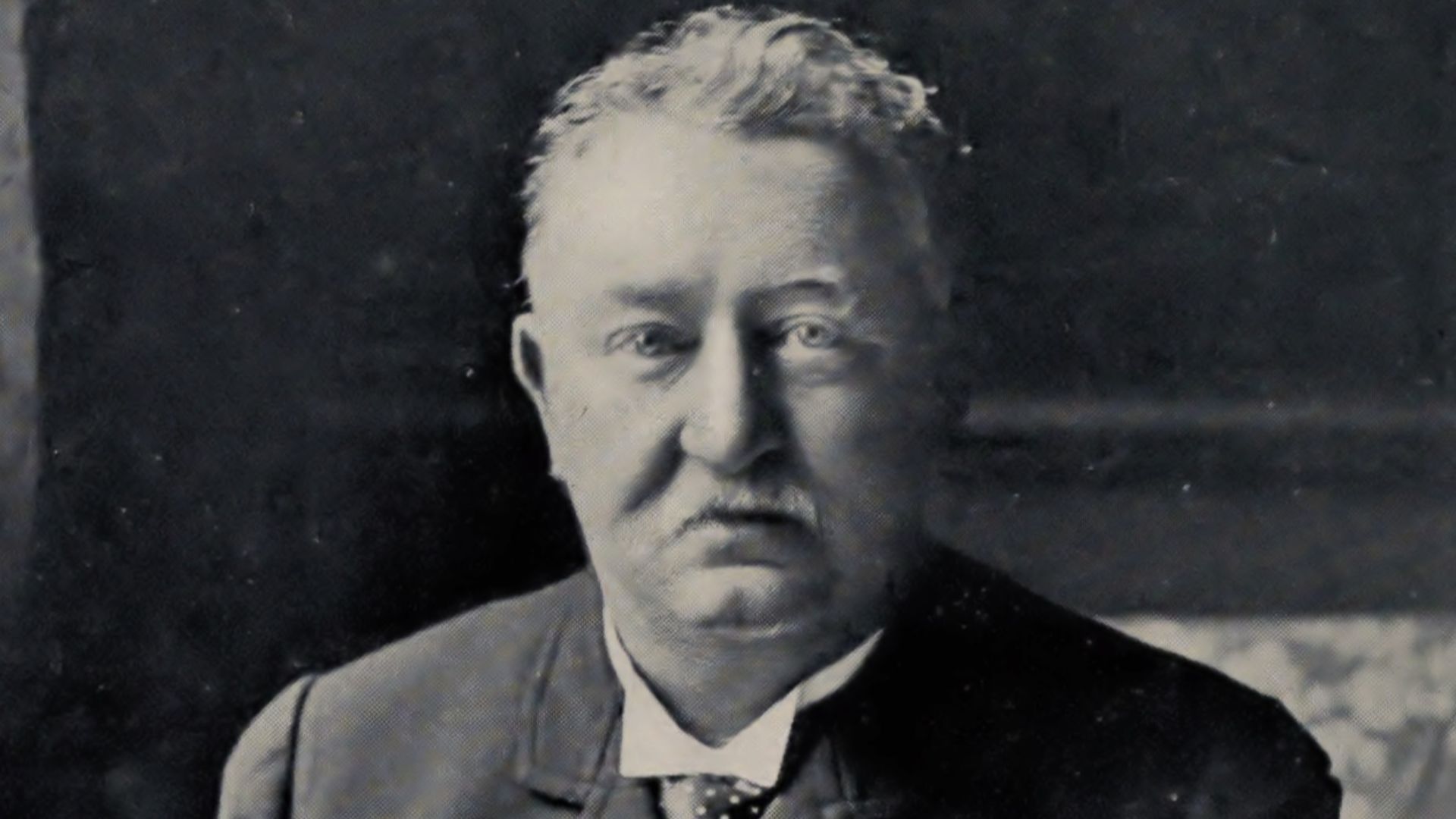 William Thomas Stead, Wikimedia Commons
Wernher Von Braun
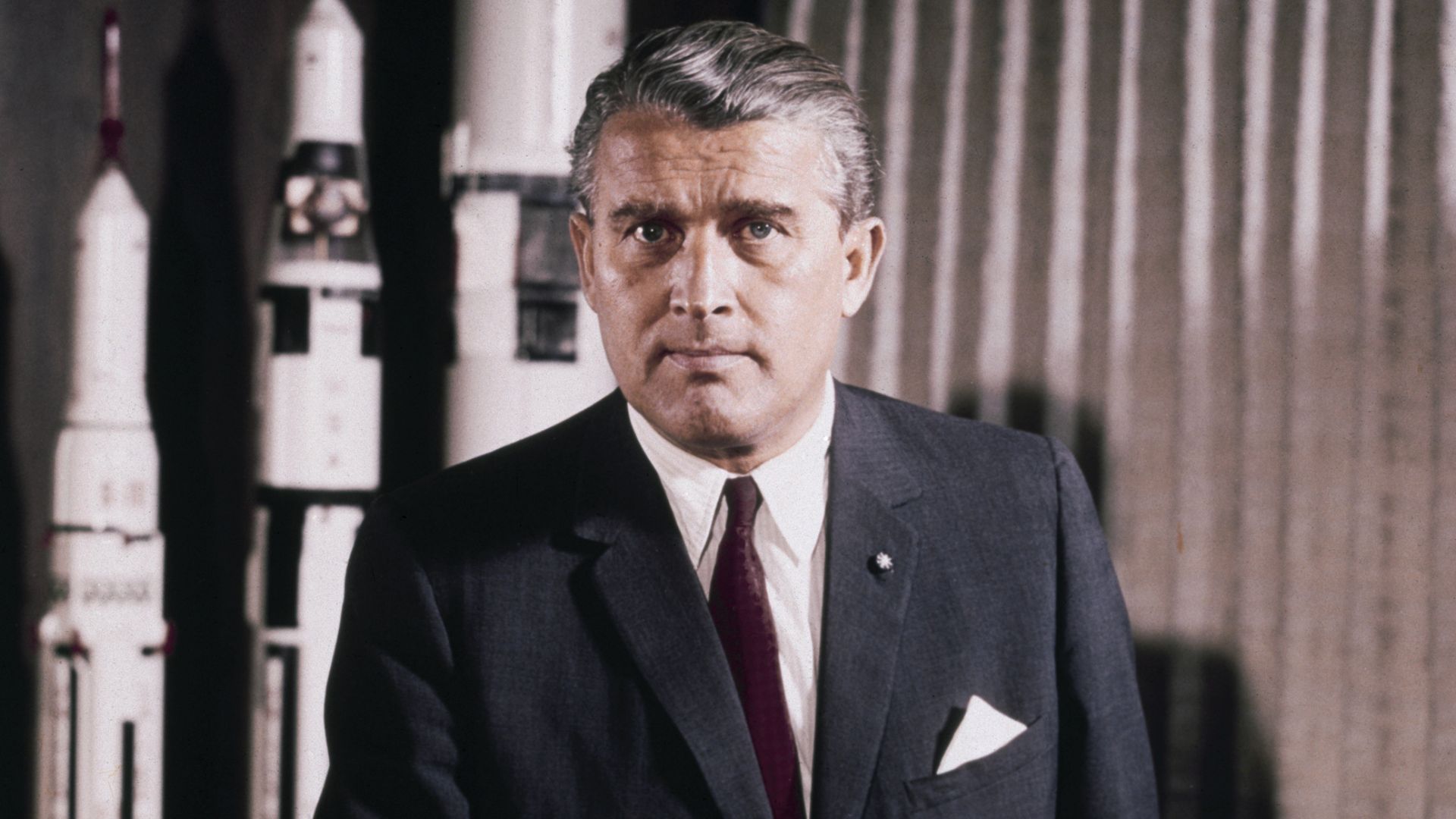
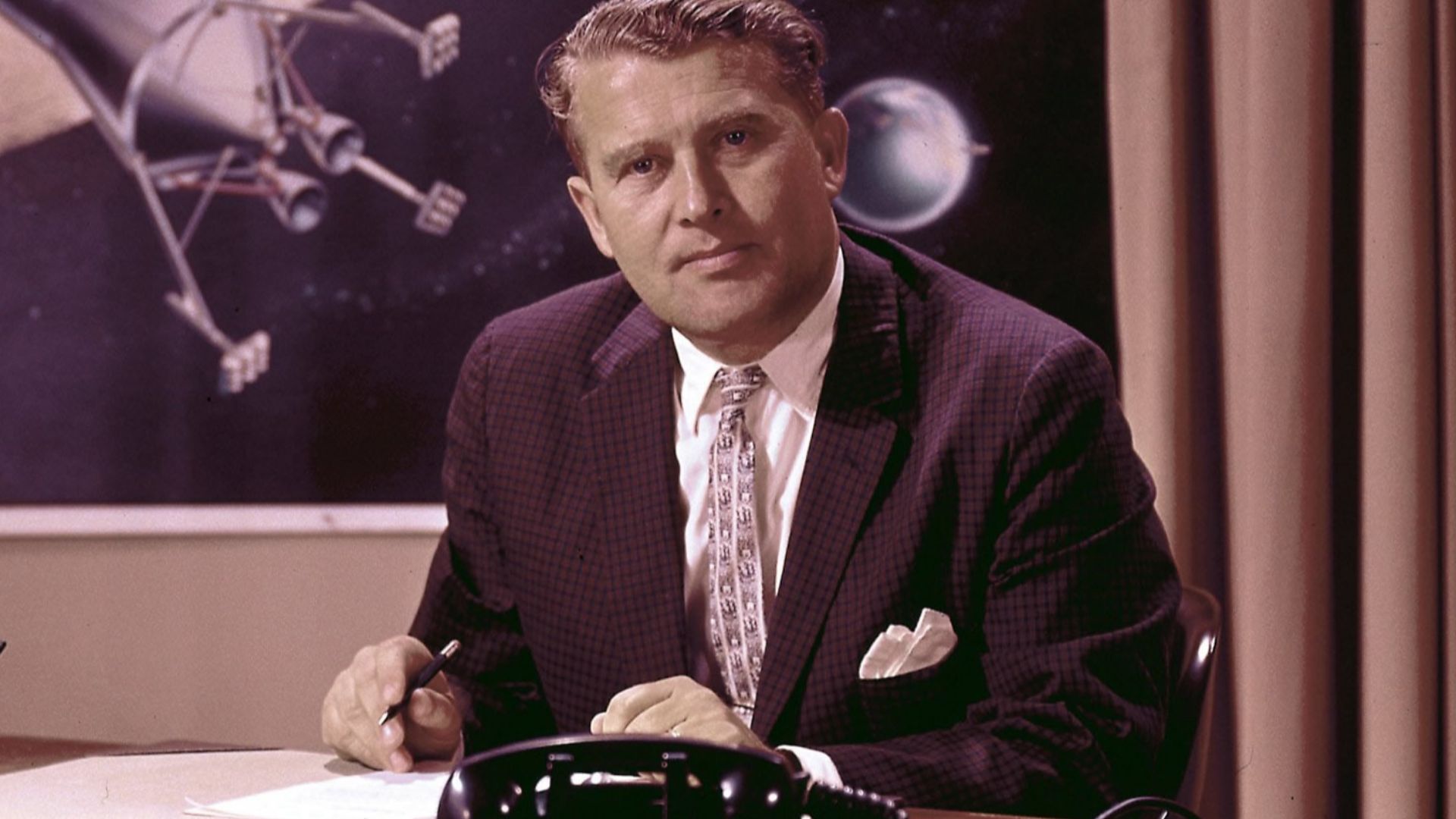
Wernher von Braun’s rocket designs improved space exploration by culminating in NASA’s Saturn V, which carried humanity to the Moon. But his early genius served a far darker cause within Nazi Germany’s V-2 rocket program.
Wernher Von Braun (Cont.)
Thousands of concentration camp prisoners perished constructing his weapons in horrific conditions. After the conflict, the US secretly relocated him under Operation Paperclip. His ascent from criminal to space hero remains one of history’s most jarring moral contradictions.
Emperor Hirohito
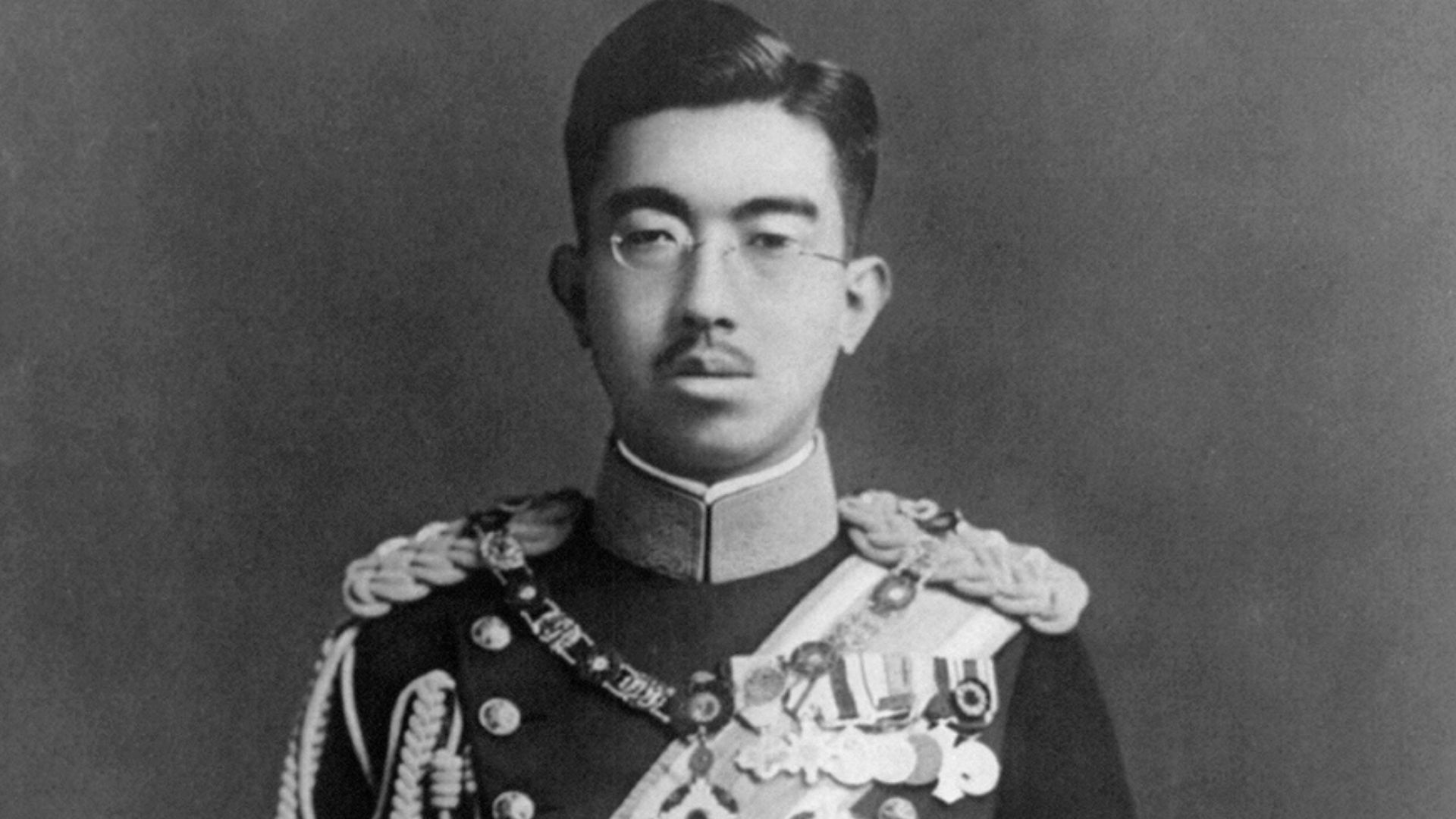
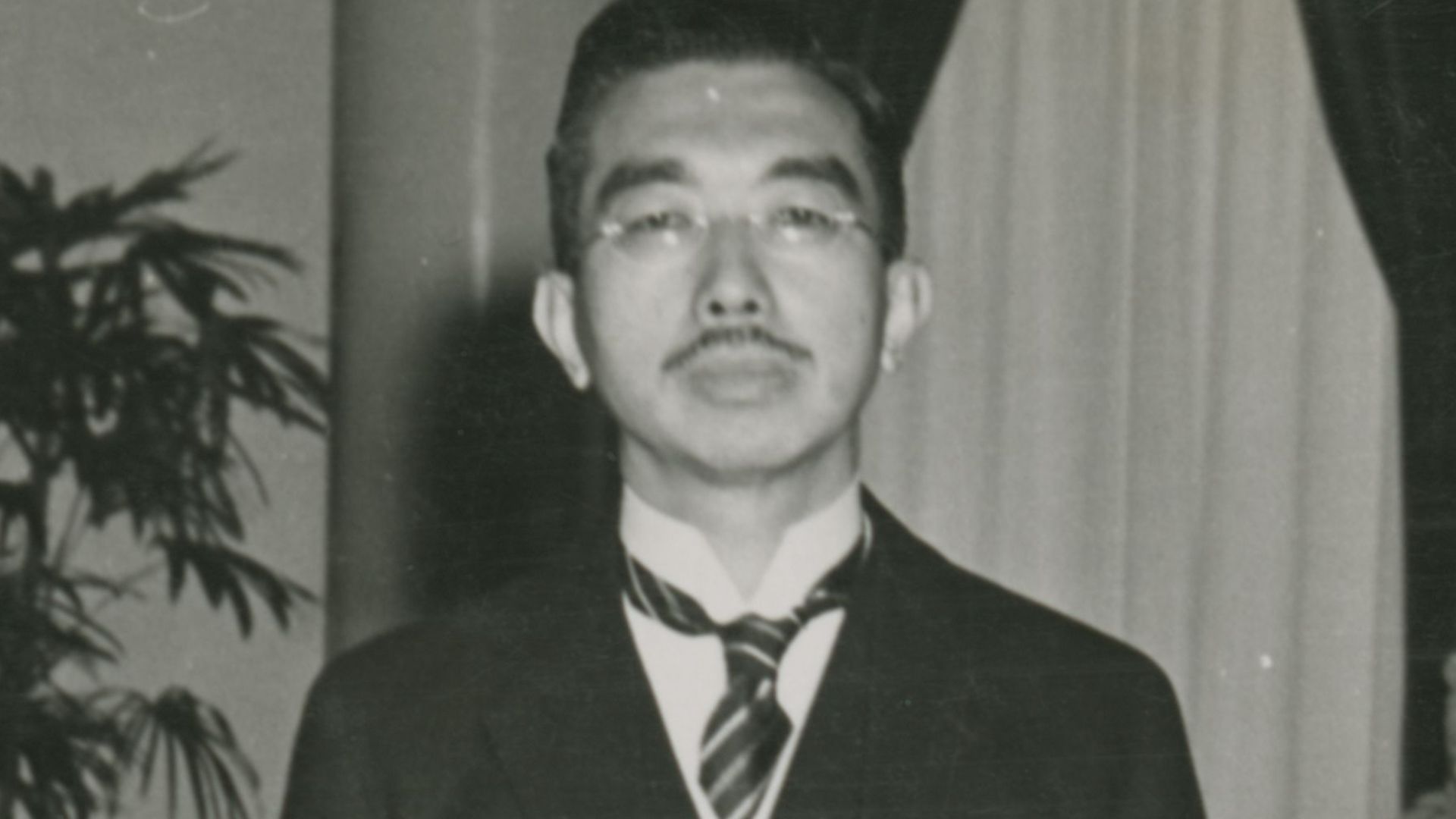
Emperor Hirohito reigned over Japan’s military expansion across Asia, his divine image shielding him from scrutiny during WWII. Official propaganda depicted him as a passive ruler while his armies waged brutal campaigns through China and the Pacific.
 Unknown authorUnknown author, Wikimedia Commons
Emperor Hirohito (Cont.)
Posthumous evidence revealed his knowledge of atrocities such as the Assault of Nanking, biological warfare, and systemic sexual slavery. Although spared prosecution to preserve political stability, Hirohito’s moral culpability later became a central question in Japan’s reckoning with its past.
 Gaetano Faillace, Wikimedia Commons
Marie Stopes
Marie Stopes broke barriers as a pioneering academic and advocate for women’s sexual health. Her book Married Love shattered early twentieth-century taboos, and her birth control clinics aimed to give women reproductive autonomy.
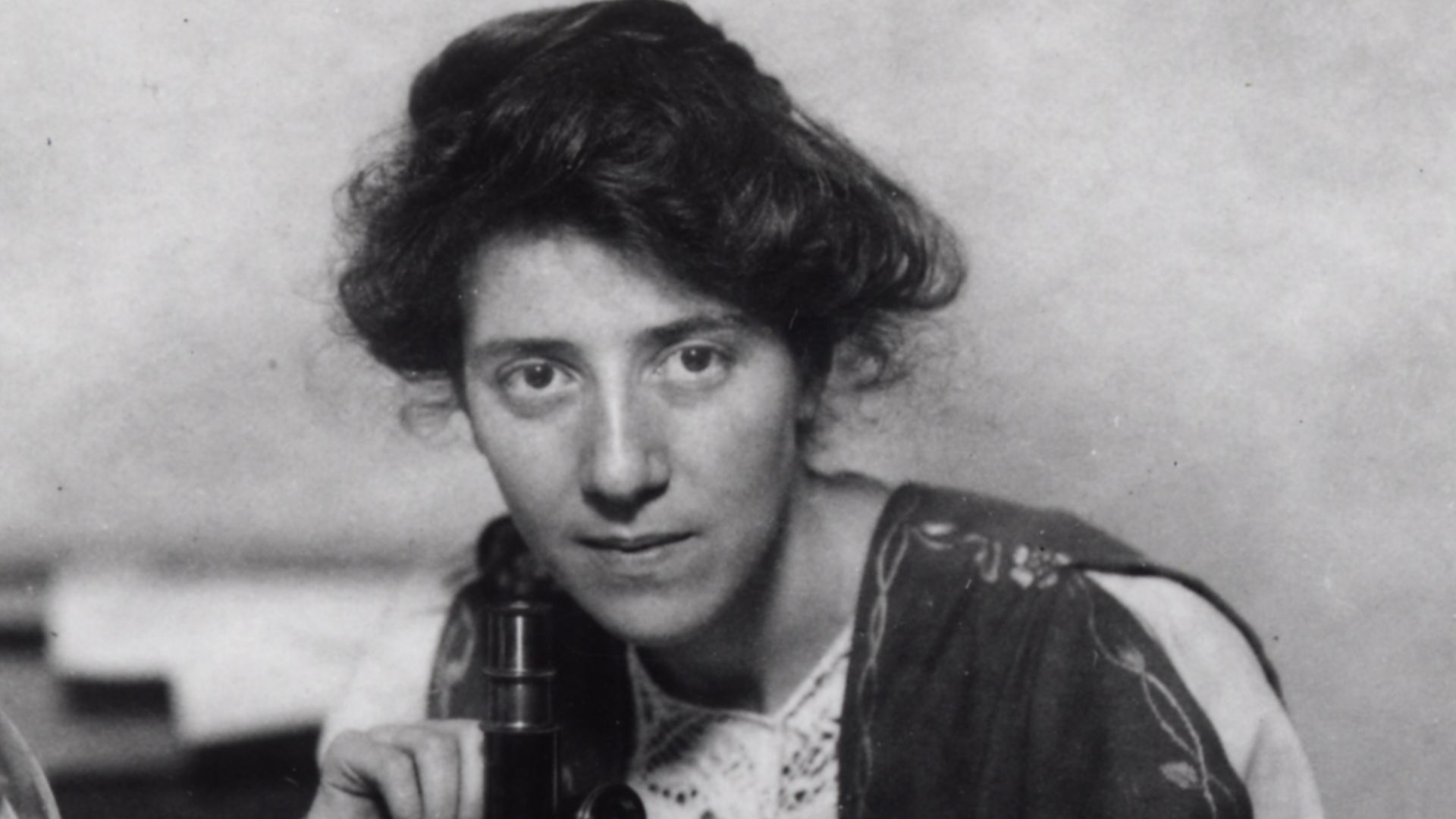 Unknown authorUnknown author, Wikimedia Commons
Marie Stopes (Cont.)
But beneath her advocacy lay disturbing convictions. Stopes became a fervent supporter of eugenics, arguing that those deemed “unfit” should be sterilized. Her scientific and social reforms, though progressive on the surface, were shadowed by deeply exclusionary beliefs.
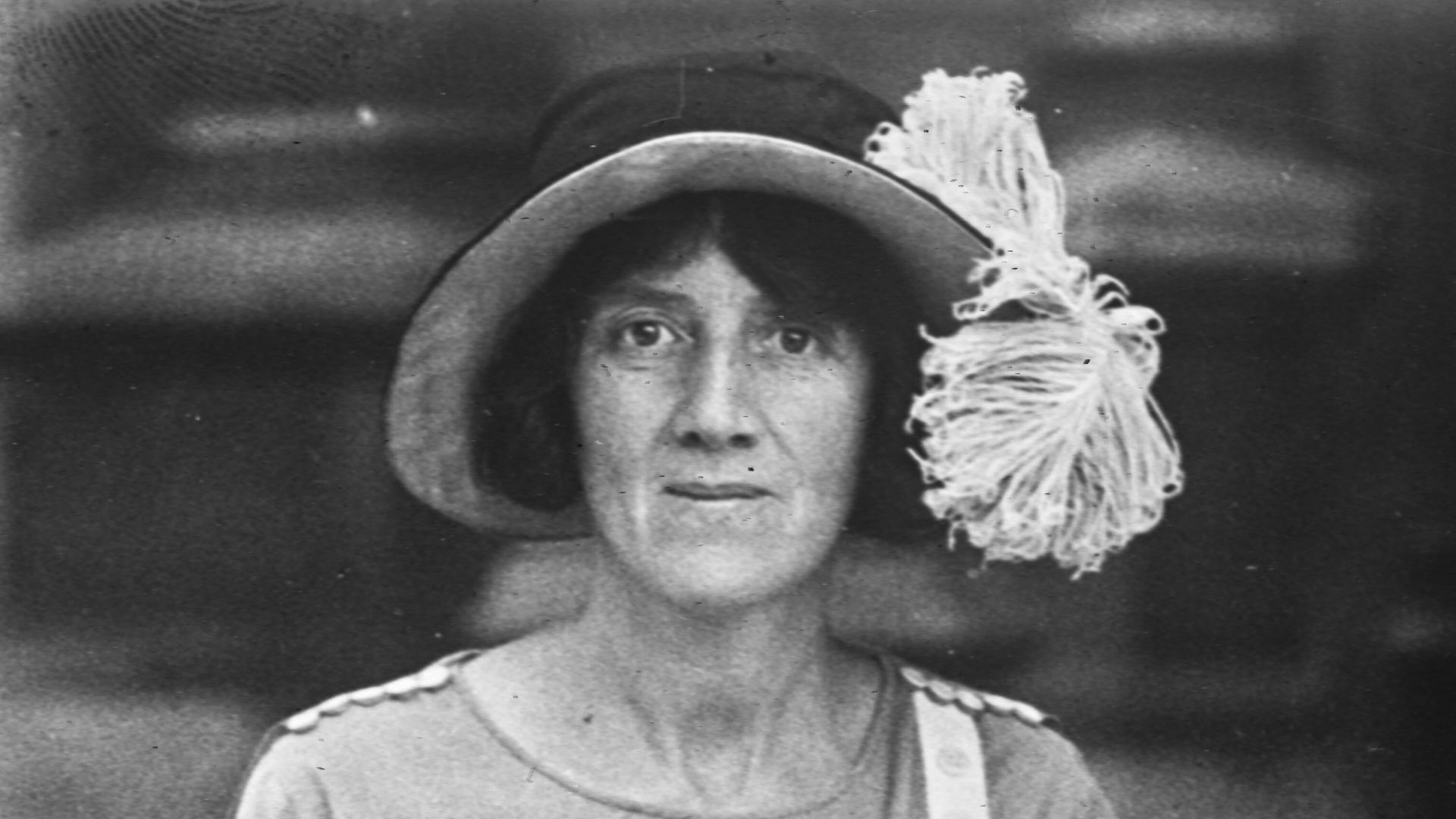 Agence Rol. Agence photographique (commanditaire), Wikimedia Commons
Emperor Shah Jahan
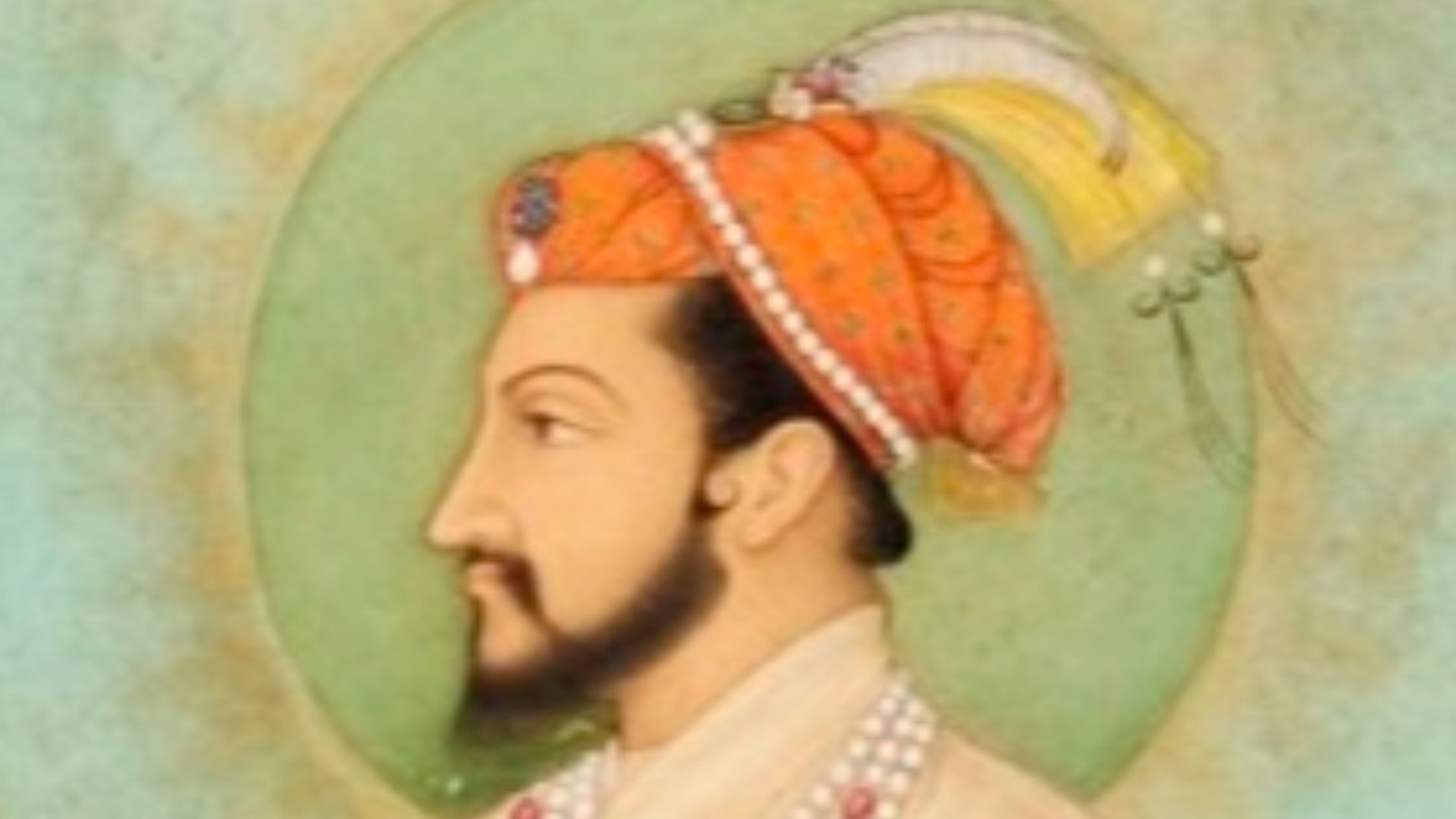
This Emperor was immortalized for the Taj Mahal’s beauty—a monument to love and artistic genius. However, his reign imposed religious oppression on Hindu and Sikh populations through coerced conversions and the destruction of temples across the Mughal Empire.
Emperor Shah Jahan (Cont.)
These actions deepened communal divides that endured for generations. Only later historical research unearthed the extent of his sectarian policies to expose how one of history’s most admired builders also presided over an era of persecution and cultural erasure.
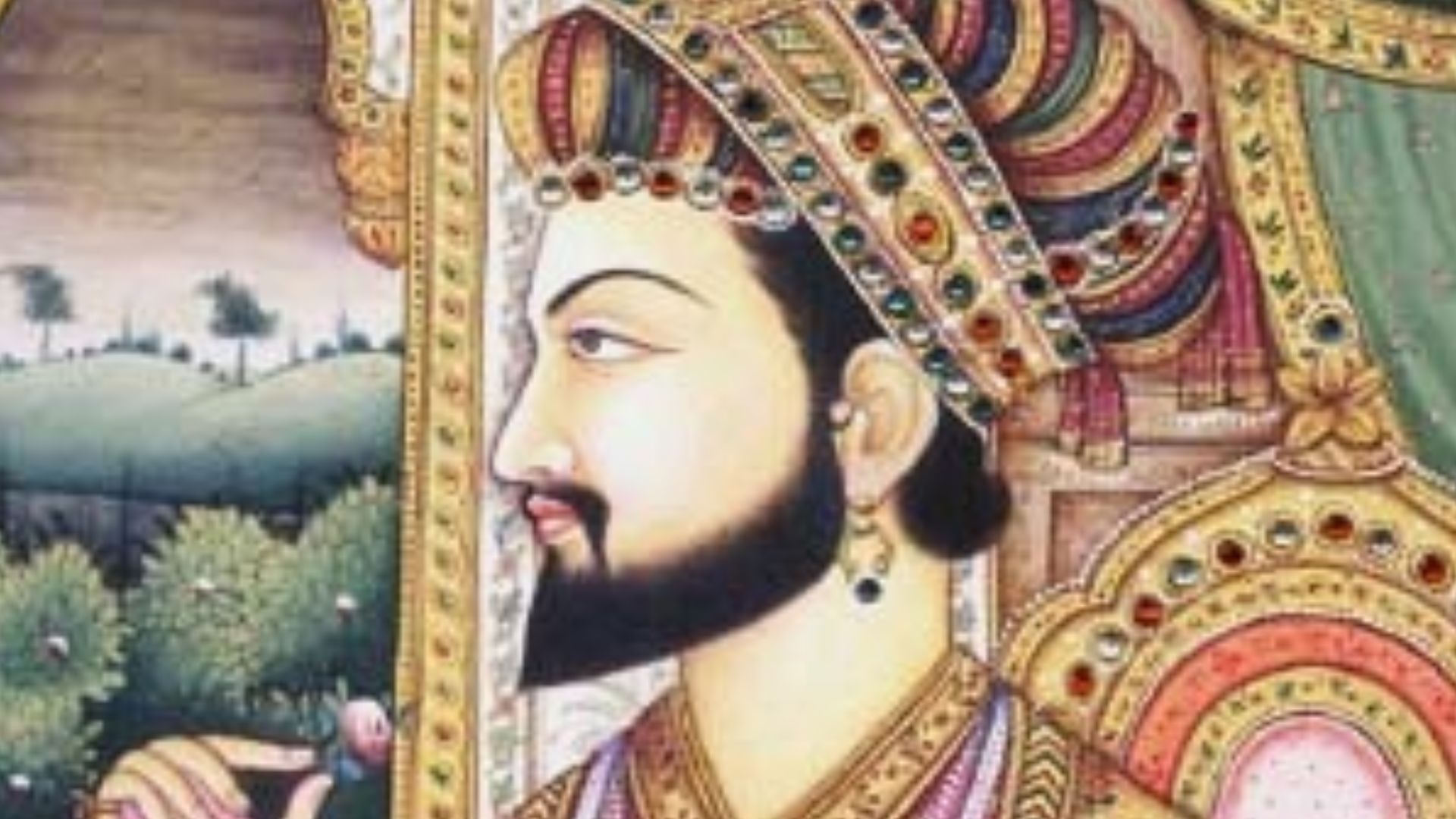 Unknown authorUnknown author, Wikimedia Commons
John Harvey Kellogg
A pioneer of wellness reform, he believed the path to purity lay through strict control of body and appetite. At his Battle Creek Sanitarium, treatments mixed faith, science, and severity—ranging from vegetarian diets to physically harsh regimens meant to suppress desire.
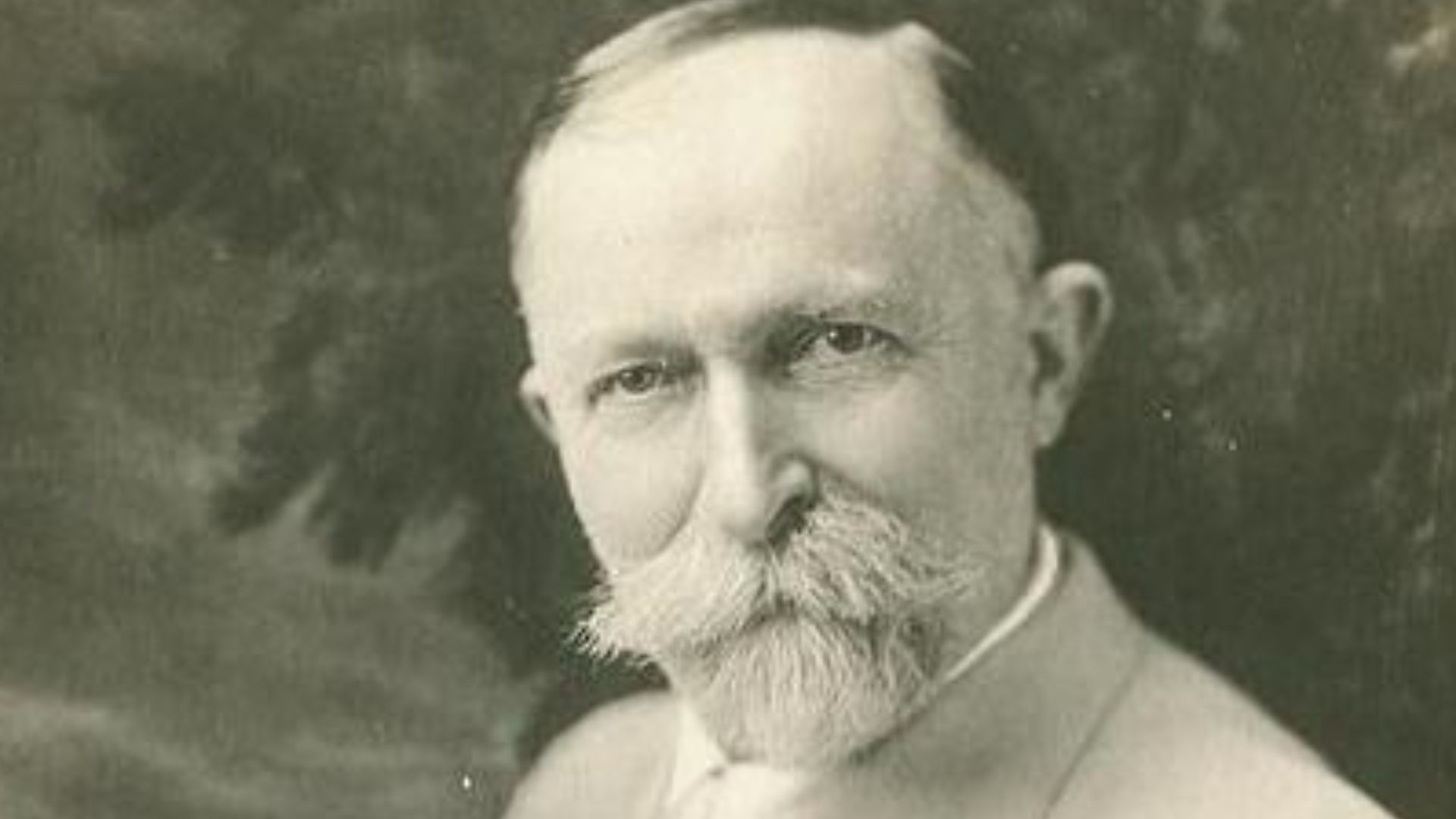
John Harvey Kellogg (Cont.)
His invention of cornflakes became a cultural staple, but the ideology behind it grew darker. Kellogg’s obsession with moral purity drove his support for eugenics and forced sterilization, merging health reform with dangerous pseudoscience that scarred countless lives.
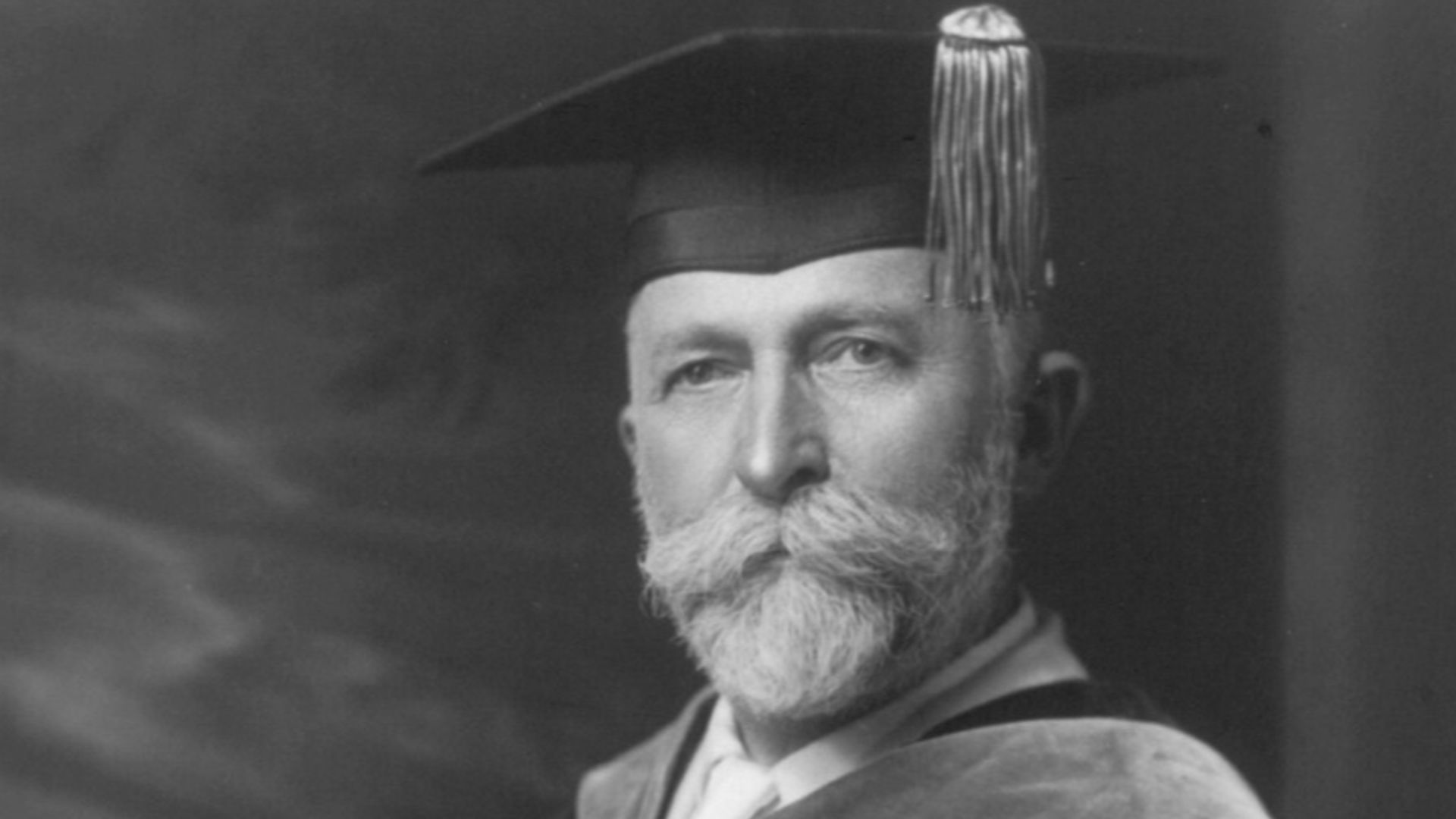 Miscellaneous Items in High Demand, PPOC, Library of Congress, Wikimedia Commons
Woodrow Wilson
Behind the dignified facade of America’s scholar-president lay deep racial prejudice disguised as policy. During his administration, federal offices were quietly resegregated, and this reversed decades of progress made by Black civil servants since Reconstruction.
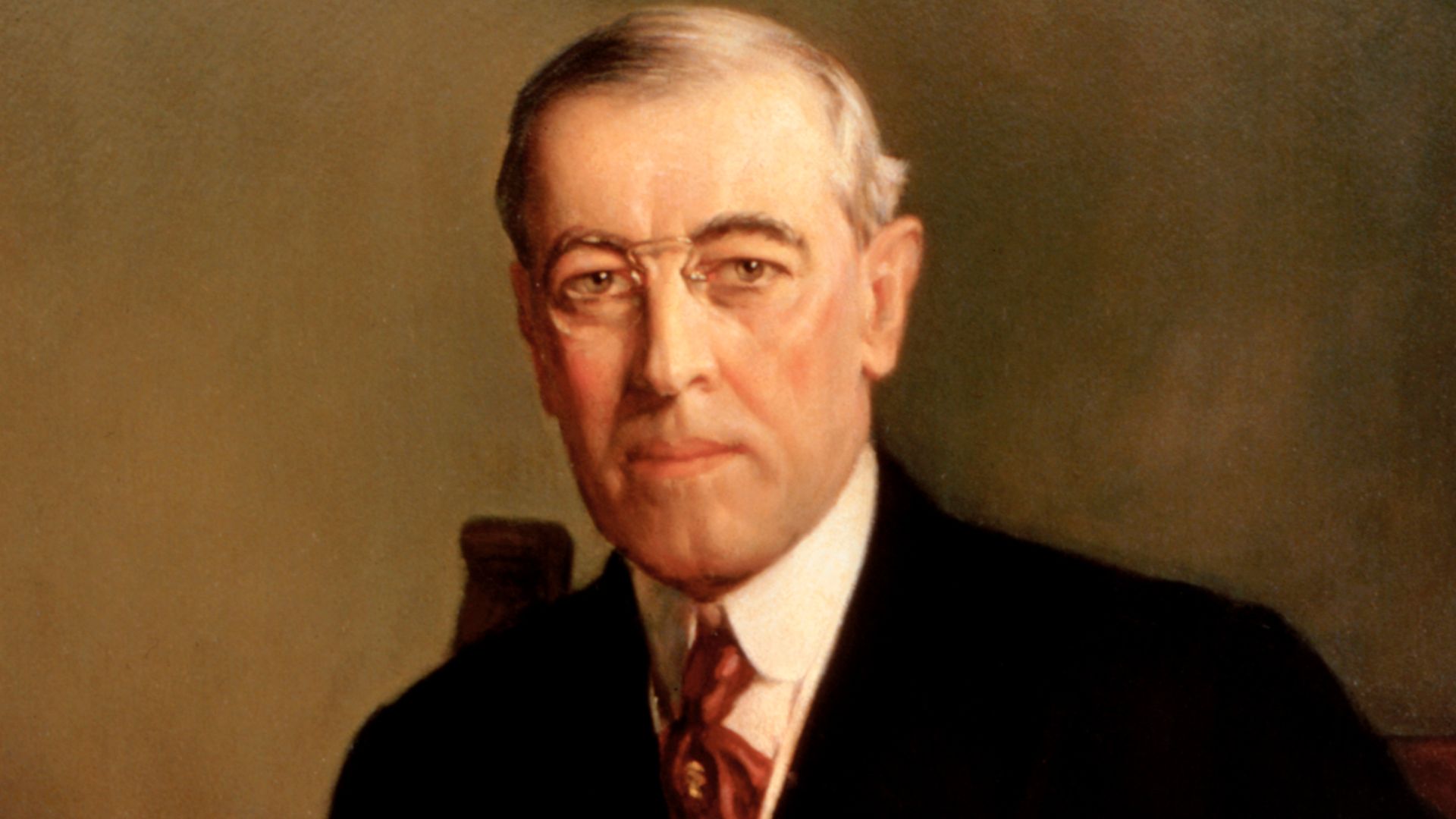 Frank Graham Cootes, Wikimedia Commons
Woodrow Wilson (Cont.)
Even as he preached global democracy after WWI, his own government hid his debilitating stroke from the public, and this left the nation effectively leaderless. His legacy now stands divided between intellectual achievement and institutionalized discrimination.
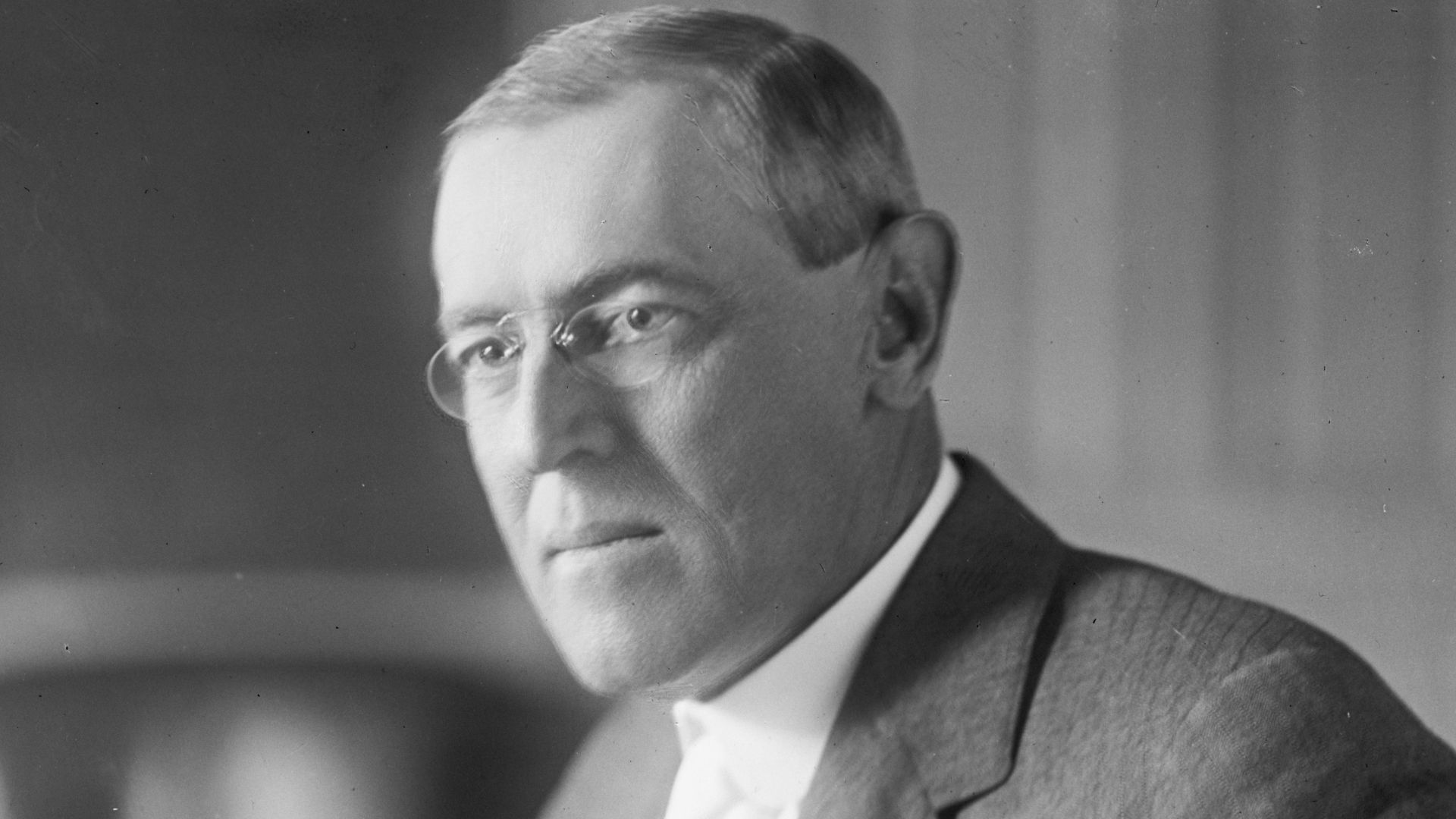 Harris & Ewing, photographer, Wikimedia Commons
J Edgar Hoover
J Edgar Hoover ruled the FBI for nearly half a century, cultivating an aura of incorruptible authority while amassing unparalleled control. Behind his polished image lay secret files on politicians, celebrities, and activists, used to manipulate and intimidate.
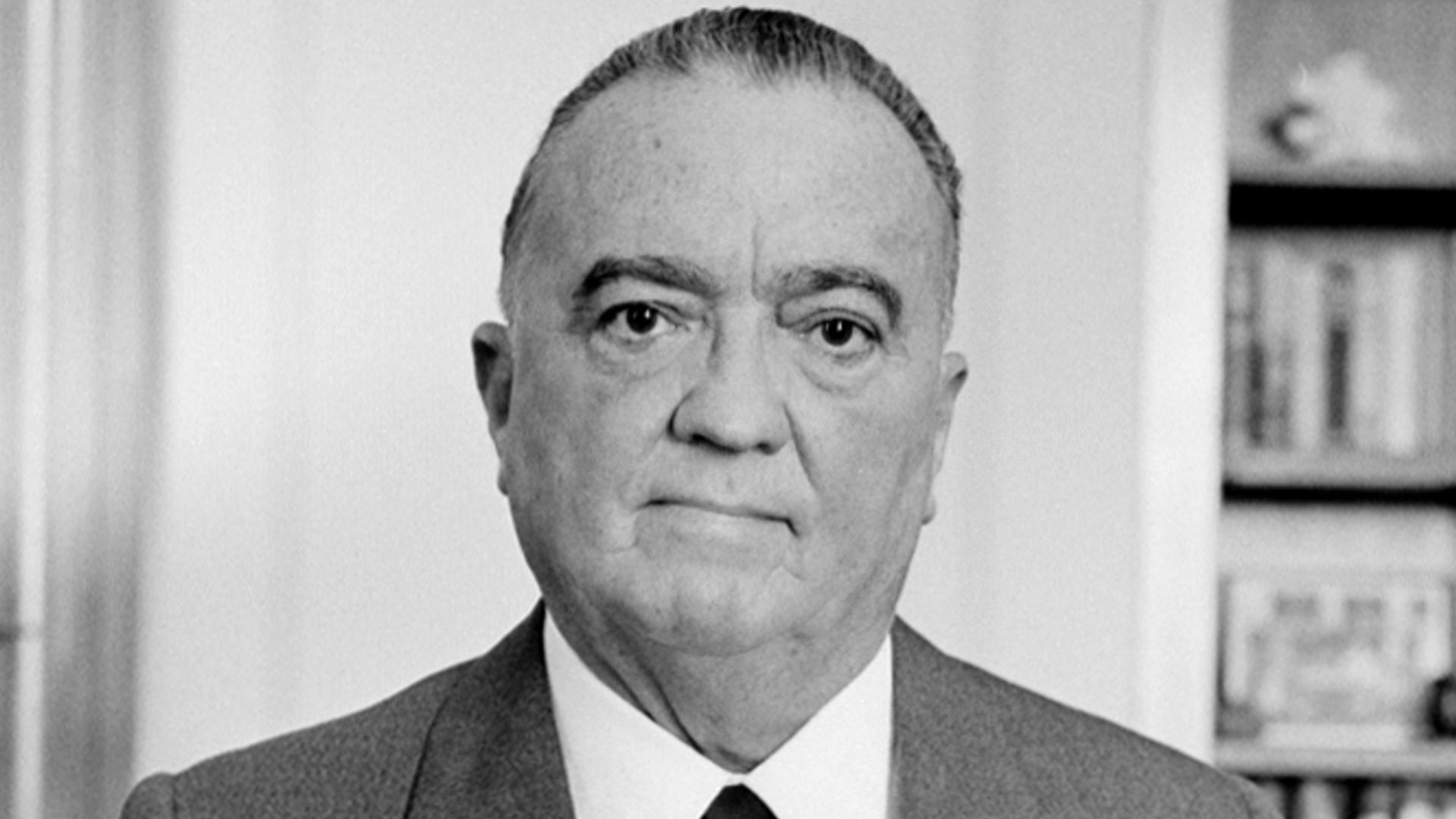 Marion S. Trikosko, Wikimedia Commons
J Edgar Hoover (Cont.)
After his passing, the truth surfaced—illegal surveillance and harassment of civil rights advocates like Martin Luther King Jr. His empire of fear blurred patriotism with paranoia, and it left a legacy that redefined the limits of governmental power.
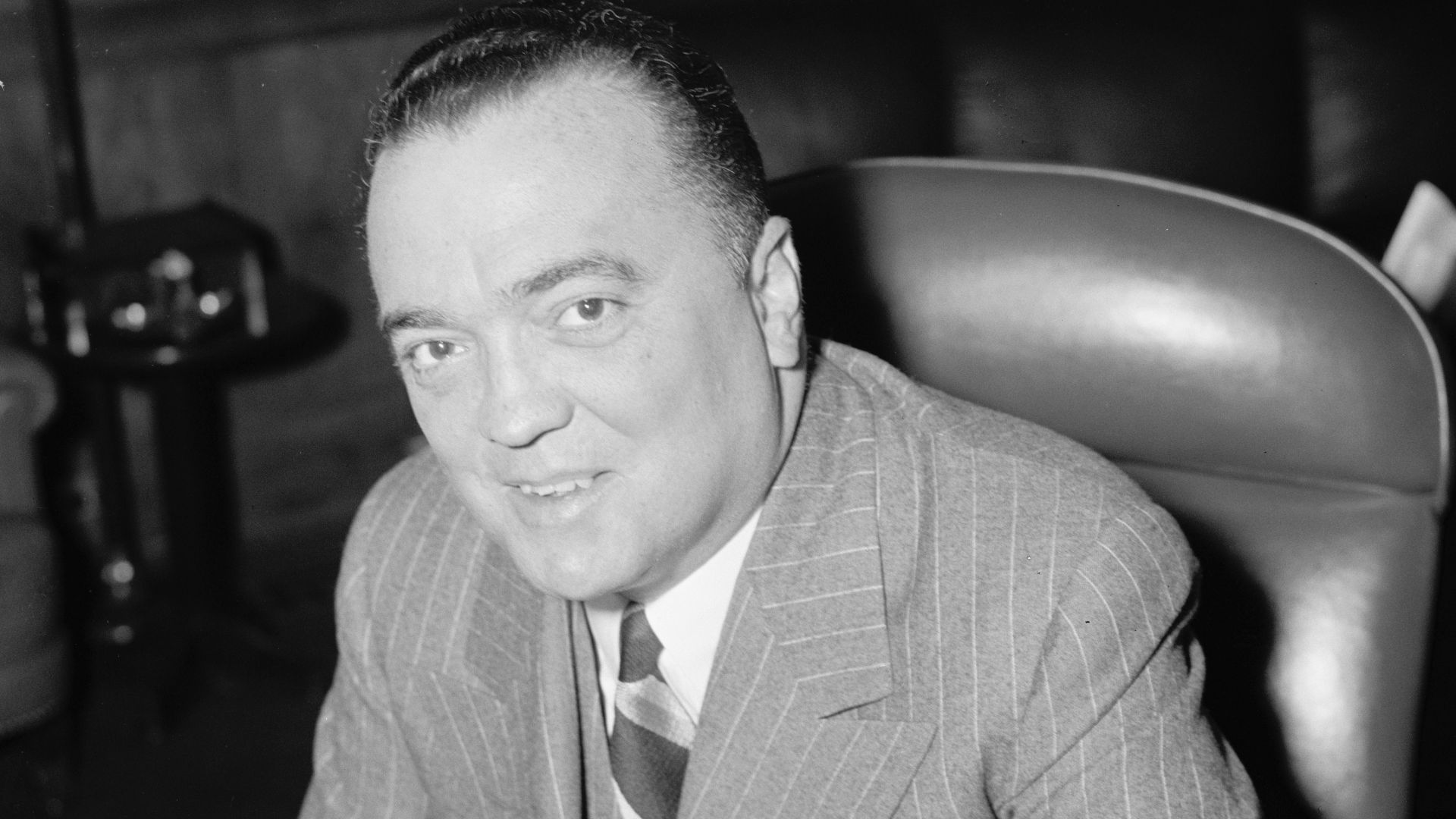 Harris & Ewing, Wikimedia Commons
Albert Speer
Albert Speer rose from Hitler’s architect to Minister of Armaments by overseeing vast networks of forced labor. His technical skill and organizational mastery prolonged Nazi Germany’s war machine, even as concentration camp prisoners died building his factories.

Albert Speer (Cont.)
At Nuremberg, his show of remorse set him apart from other officials, and this allowed him to escape execution. Later evidence exposed more profound complicity: his supposed repentance masked the careful reinvention of a man desperate to rewrite his past.
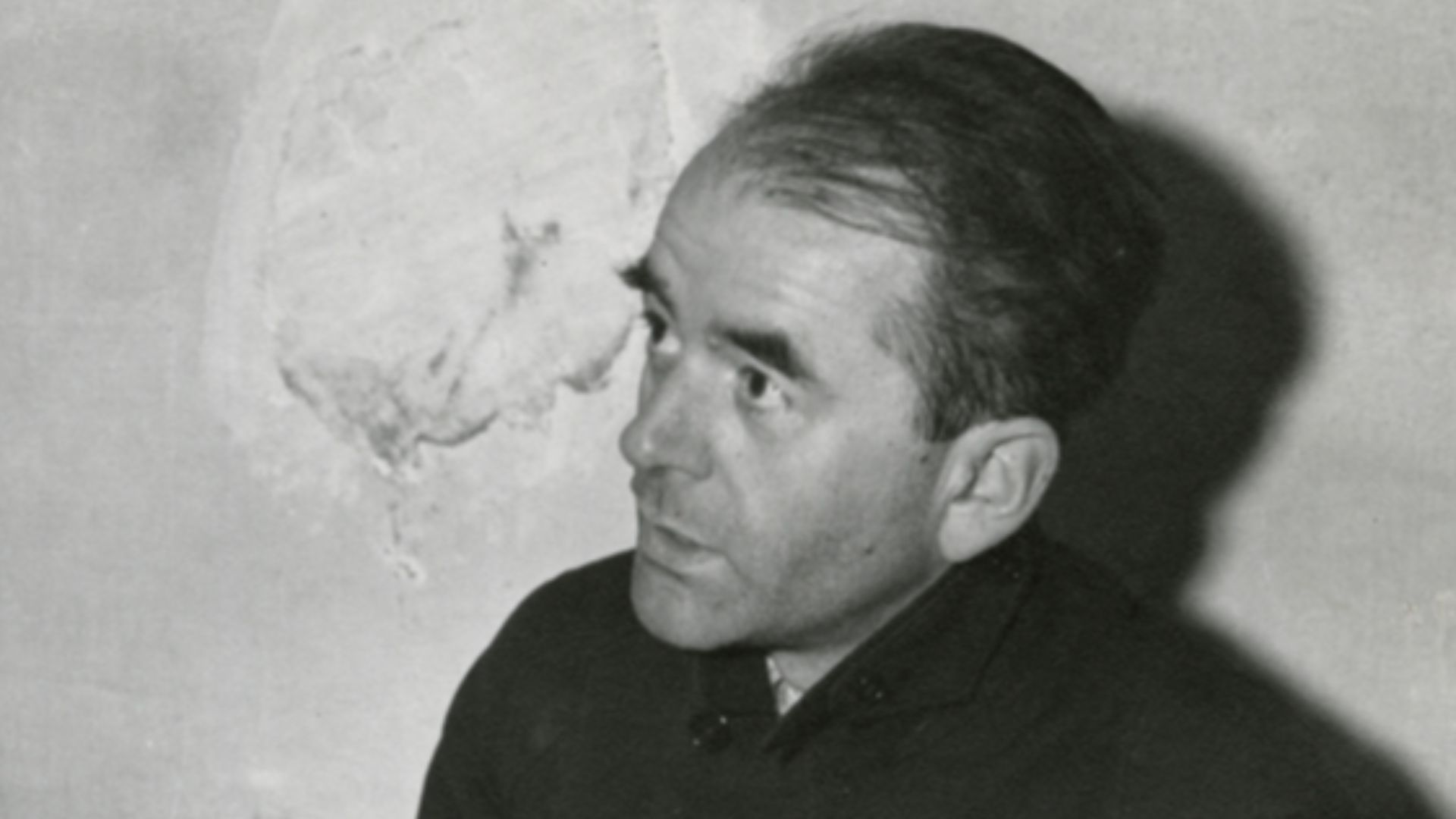 United States Army Signal Corps photographer, Wikimedia Commons
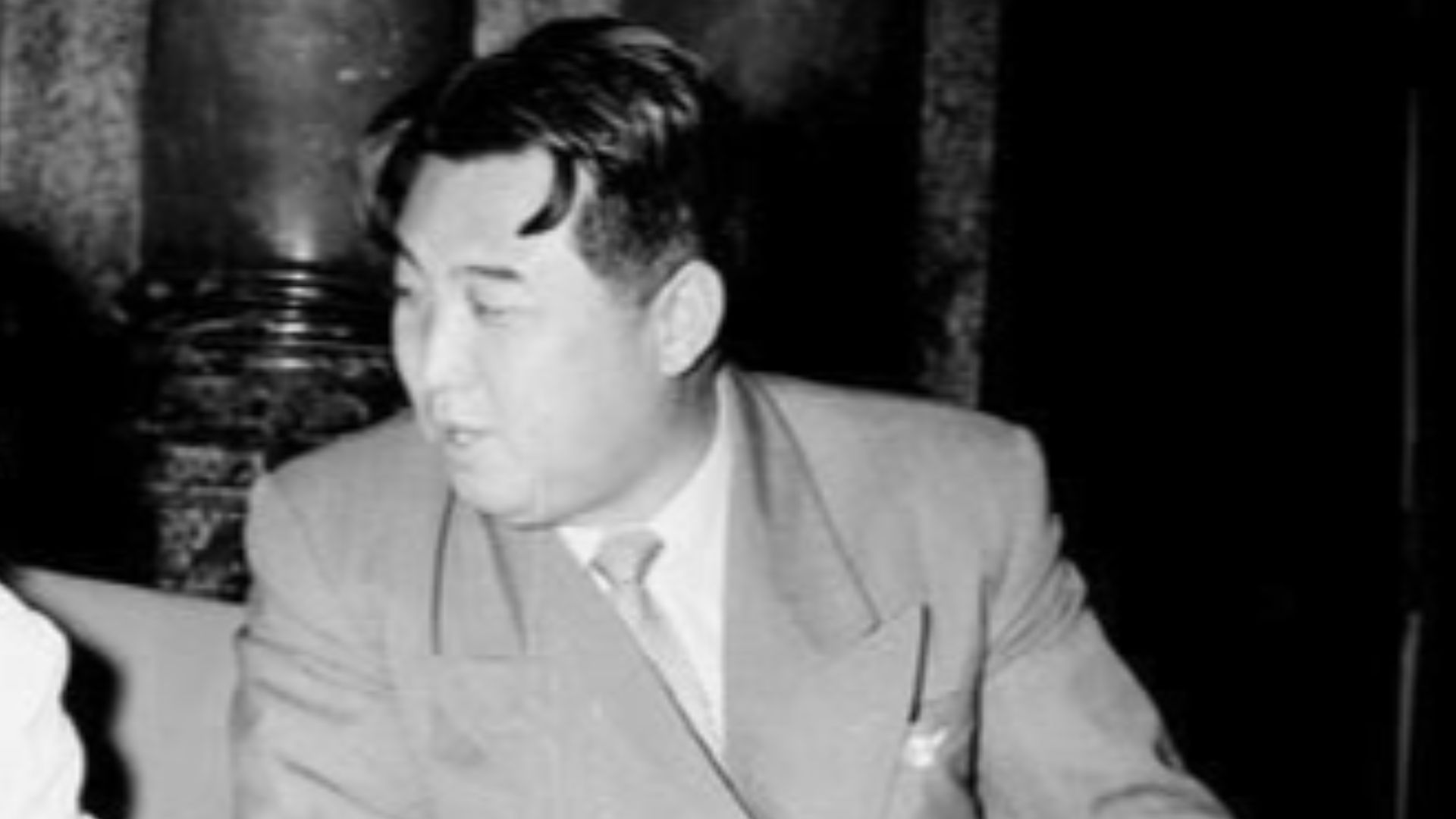
Kim Il-Sung
North Korea’s founding myth began as a carefully woven fiction. Tales of miraculous victories and divine leadership surrounded the man who would later be worshiped as the “Eternal President,” cementing his control through a lifelong campaign of propaganda.
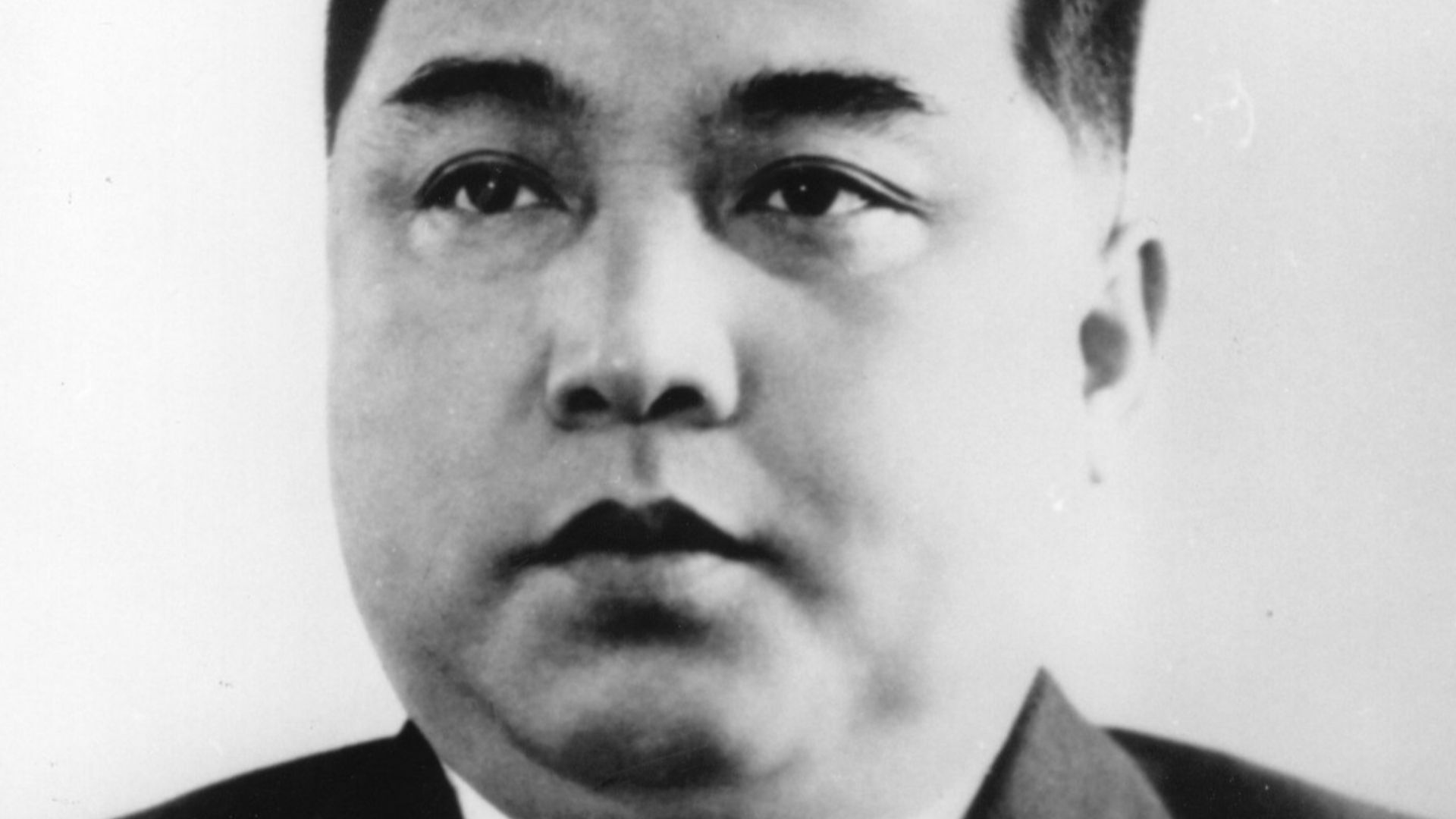 Hulton Archive/Getty Images, Wikimedia Commons
Kim Il-Sung (Cont.)
Behind the pageantry stood one of the twentieth century’s most repressive regimes. Political executions, labor camps, and purges silenced dissent. By the time of his passing, Kim had turned mythmaking into a mechanism of absolute power and generational control.
 Vietnam News Agency (VNA), Wikimedia Commons
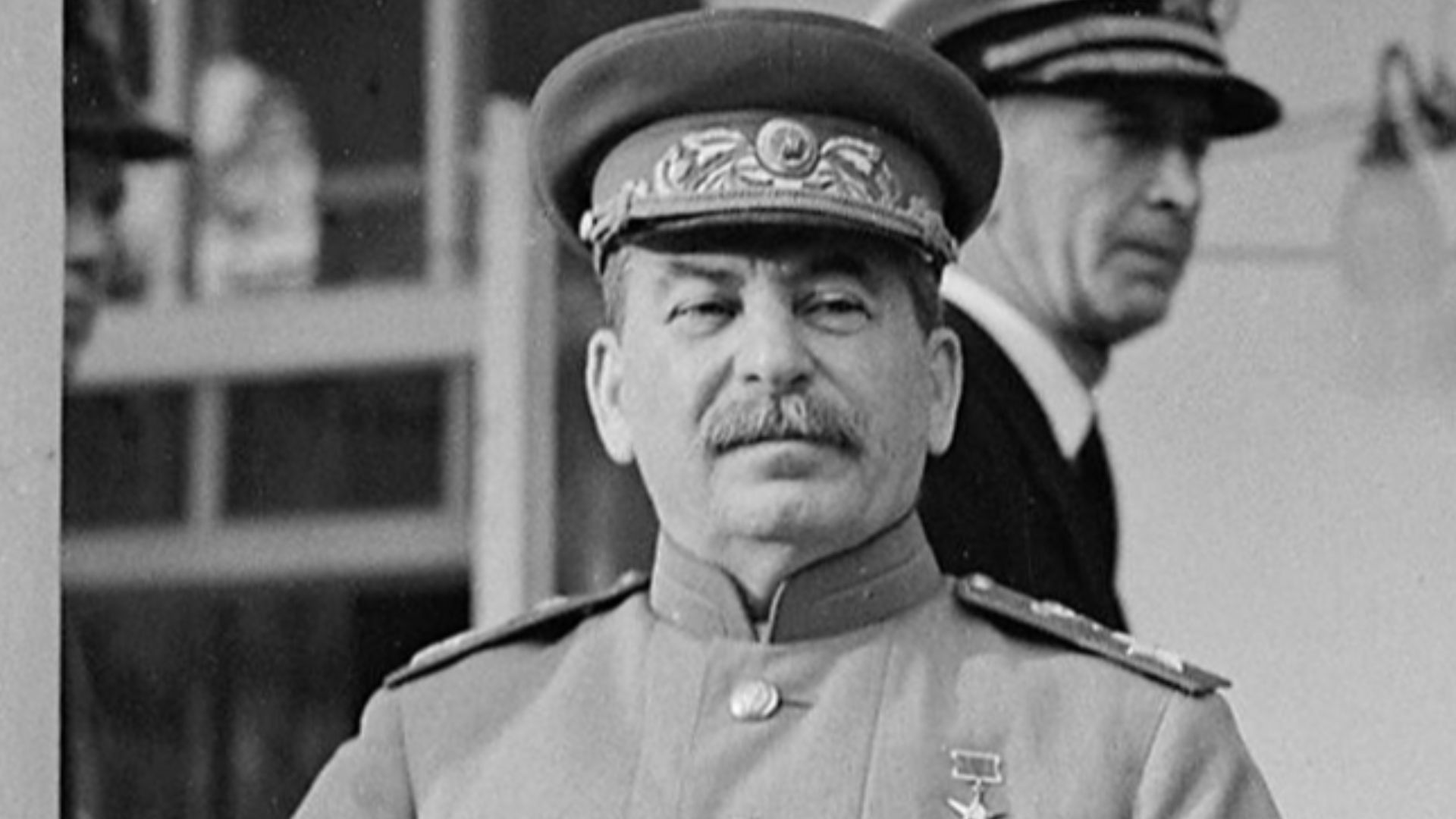
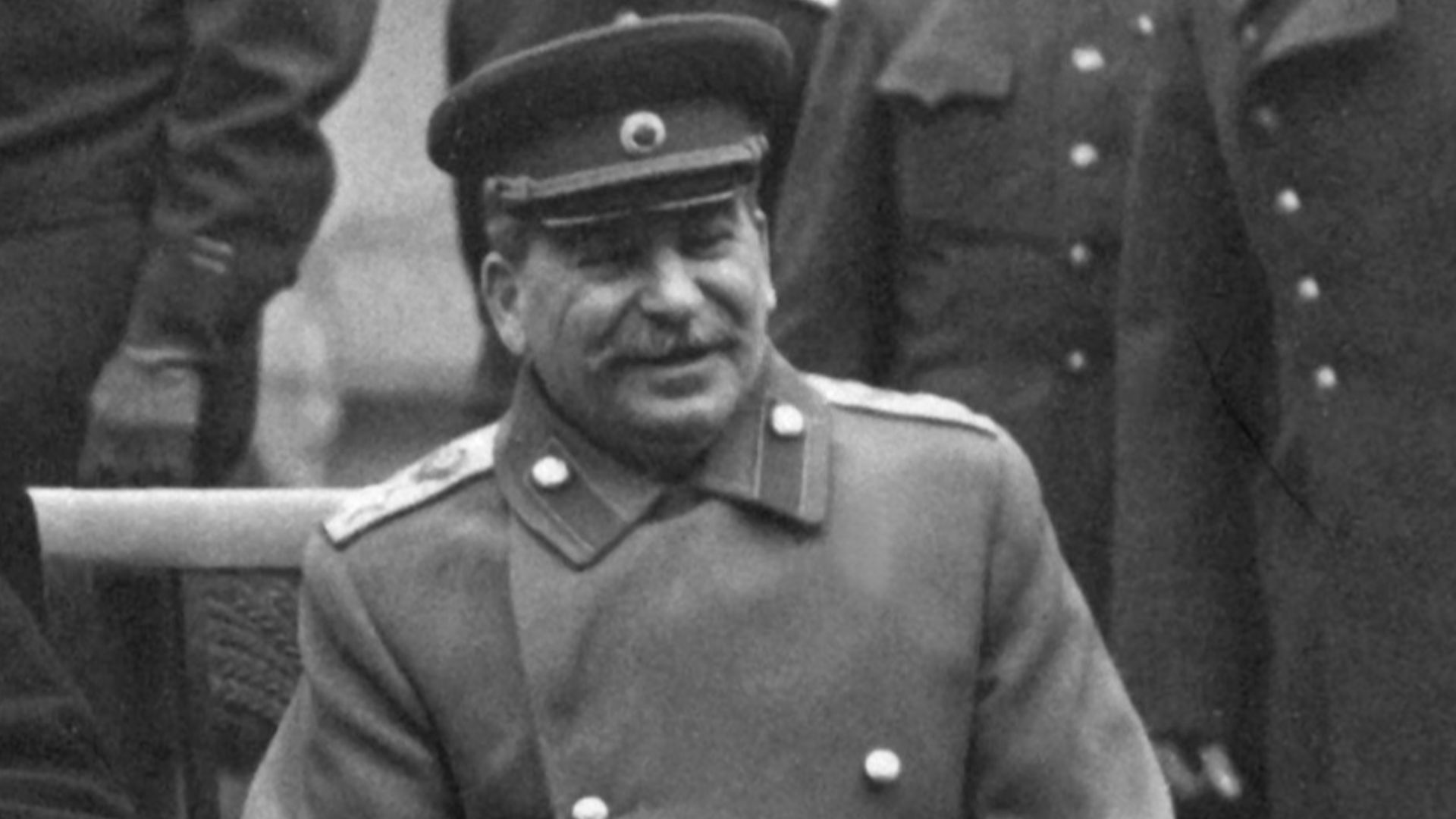
Joseph Stalin
What began as revolutionary idealism soon twisted into tyranny. Under Stalin, the Soviet Union’s drive for unity and progress was built on fear and unrelenting control. Millions were imprisoned or executed in the name of political purity.
 Dennis Charles Oulds, Wikimedia Commons
Joseph Stalin (Cont.)
The Gulag system and state-engineered famines caused untold suffering. Only after his passing did Soviet officials expose the scale of his crimes—millions dead through starvation, forced labor, and executions—forcing even his own party to confront his monstrous legacy.
 US government photographer, Wikimedia Commons