 Mentnafunangann, CC BY-SA 3.0, Wikimedia Commons, Modified
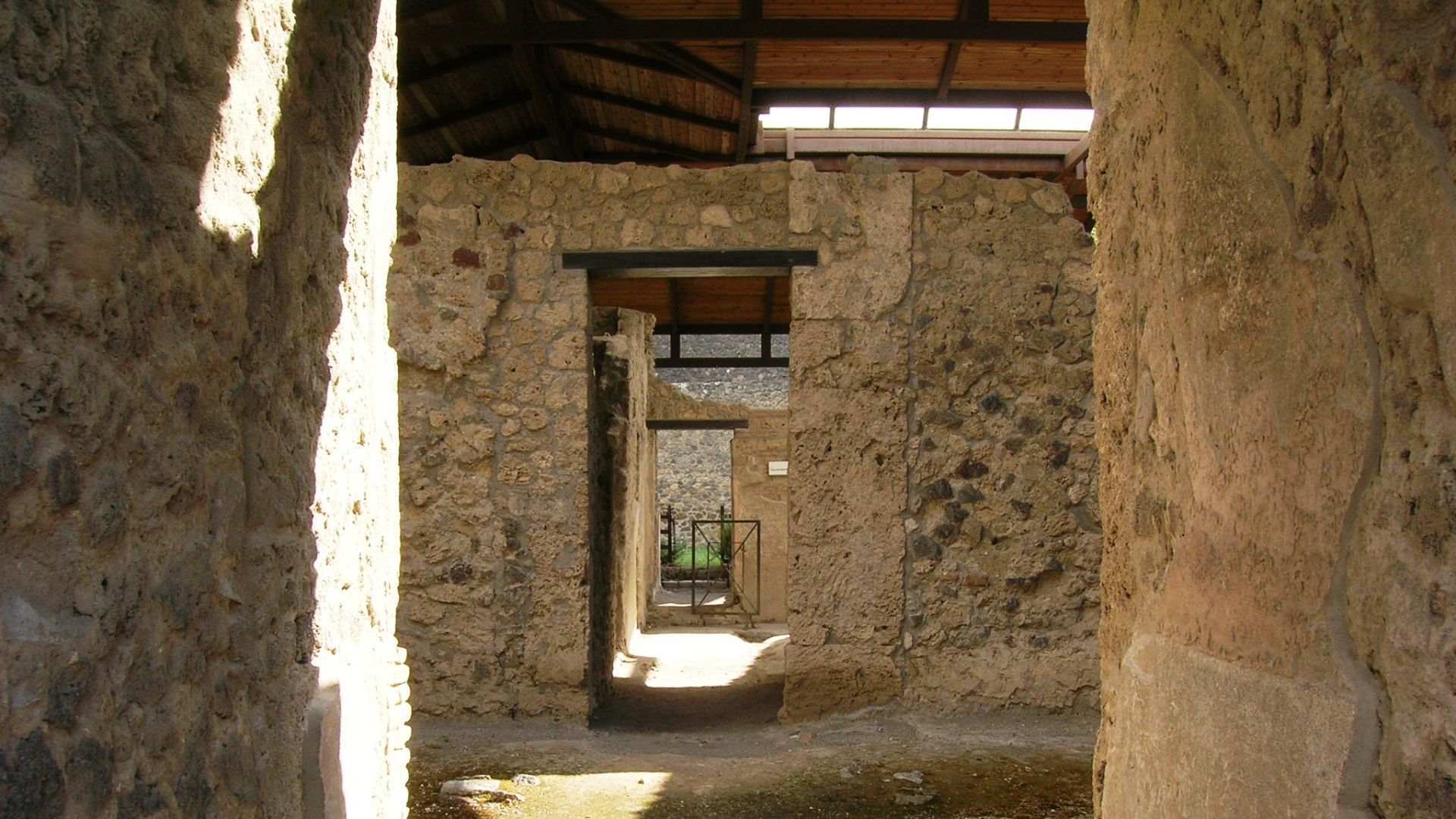
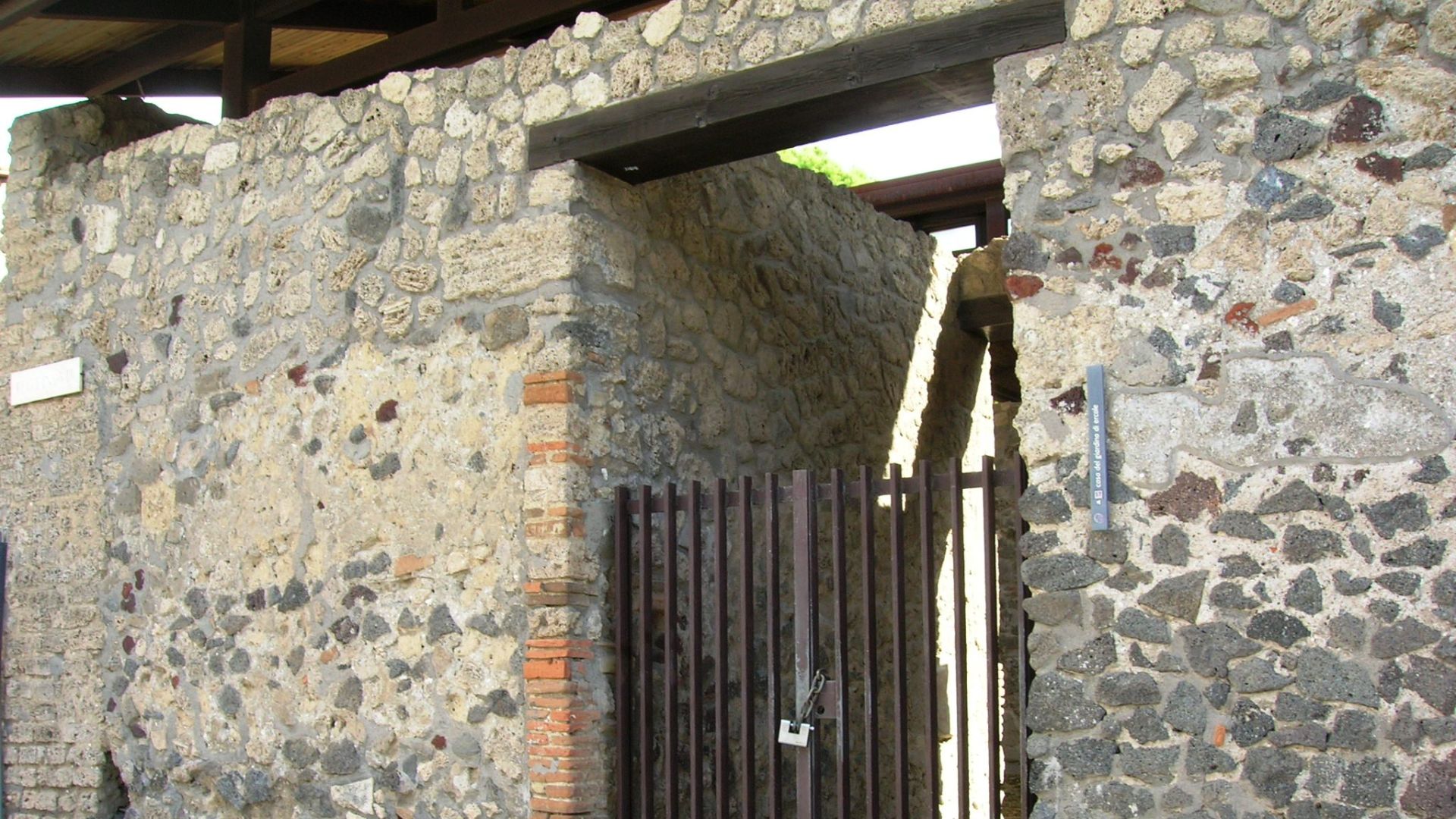
In 2021, archaeologists working in Pompeii's Regio V district made a discovery that would make any gardener weep with joy. Behind the sealed doors of what's now called the House of the Garden, they found something extraordinary. A complete ancient Roman garden frozen in time by Vesuvius's 79 AD eruption. This wasn't just another tragic snapshot of destruction. This was a beautifully intact peristyle garden, the kind wealthy Romans built at the heart of their homes, complete with the ghostly remains of pomegranate and olive trees still rooted in their original positions. The volcanic debris that buried this domus had acted like bubble wrap for nearly two millennia, preserving not just the garden's layout but actual organic evidence of what once grew there.
A Roman Garden Frozen In Ash
The peristyle garden was the soul of a Roman home. Typically surrounded by colonnaded walkways, these gardens served as private oases where families gathered, dined, and escaped the Mediterranean heat. What makes this particular discovery remarkable is the preservation level. When Vesuvius erupted, the pyroclastic surge didn't just bury the garden. It created cavities where organic matter once existed. Using modern archaeological techniques, the team poured plaster into these voids, essentially creating casts of root systems that disappeared centuries ago.
The pomegranate and olive remnants tell us this wasn't a purely ornamental space. Romans valued these plants for both beauty and practicality. Pomegranates symbolized fertility and prosperity, while olive trees represented peace and wisdom. But they also provided food, oil, and shade. Analysis of the soil showed traces of other plantings too, suggesting a carefully planned ecosystem that balanced aesthetics with utility. The garden's dimensions indicated this was a substantial property owned by someone of considerable means. The positioning of the planting beds, the placement of root systems, and even the irrigation channels remained visible, offering researchers a complete blueprint of Roman horticultural design that previously existed only in ancient texts and wall paintings.
 Mentnafunangann, Wikimedia Commons
What The Garden Reveals
The Pompeii team used laser scanning, photogrammetry, and chemical analysis to extract as much information as possible from this sealed chamber. The root casts revealed something fascinating: the trees were mature specimens, likely decades old when Vesuvius erupted. This means the garden wasn't new. It had been carefully tended for years, probably by multiple generations of the same family. Carbon dating and analysis of charred wood fragments confirmed the species identifications. The olive tree root system suggested a specimen that might have been 40 or 50 years old, a valuable asset in any Roman household.
What really excites archaeologists is that this discovery both confirms and contradicts ancient sources. Pliny the Elder wrote extensively about Roman gardens before dying in the eruption, but written accounts only tell part of the story. The physical evidence shows that the Romans were more sophisticated in their cultivation techniques than previously understood. The irrigation system was ingenious, using slight ground slopes and carefully positioned channels to distribute water efficiently. Soil analysis revealed they understood crop rotation and companion planting, grouping certain species together in ways that modern gardeners would recognize as beneficial.
Why This Garden Matters Now
Talk about a master class in sustainable urban living. The House of the Garden demonstrates how Romans maximized small spaces, created microclimates for different plant species, and integrated food production into residential architecture. Modern landscape architects and urban planners are actually studying these findings for contemporary applications. The way this peristyle balanced privacy, beauty, functionality, and food security in a compact footprint offers lessons for today's cities struggling with green space limitations. The accidental preservation of the sealed chamber also highlights why Pompeii remains archaeology's greatest gift. Every excavation season brings new revelations about daily Roman life, and this garden adds important data about environmental practices, social status, and domestic routines. As climate change threatens archaeological sites worldwide, Pompeii's ongoing discoveries remind us that the past holds practical wisdom for our future. These ancient gardens also prove that humans once lived more harmoniously with their environment.
 Mentnafunangann, Wikimedia Commons