In 2023, archaeologists from Spain and Egypt uncovered an extraordinary find at Qubbat al-Hawa, a necropolis near Aswan that has long served as a burial site for Egypt’s elite.
Inside one of its rock-cut tombs, they discovered ten crocodile mummies, preserved for more than 2,500 years. This discovery reshaped what researchers know about animal mummification and the symbolic link between ancient Egyptians and the Nile’s formidable predators.
Discovery Beneath Centuries Of Debris
Archaeologists from the University of Jaen found five nearly complete crocodile mummies and five skulls beneath a layer of Byzantine-period debris.
The tomb’s sealed condition helped preserve the reptiles’s remains exceptionally well, allowing researchers to document their natural state. These were large adult crocodiles, not juveniles—unlike the thousands of smaller examples found in other Egyptian animal cemeteries, such as Kom Ombo and Tebtunis. Their size and completeness provided a rare opportunity to examine how ancient embalmers handled full-grown Nile predators.
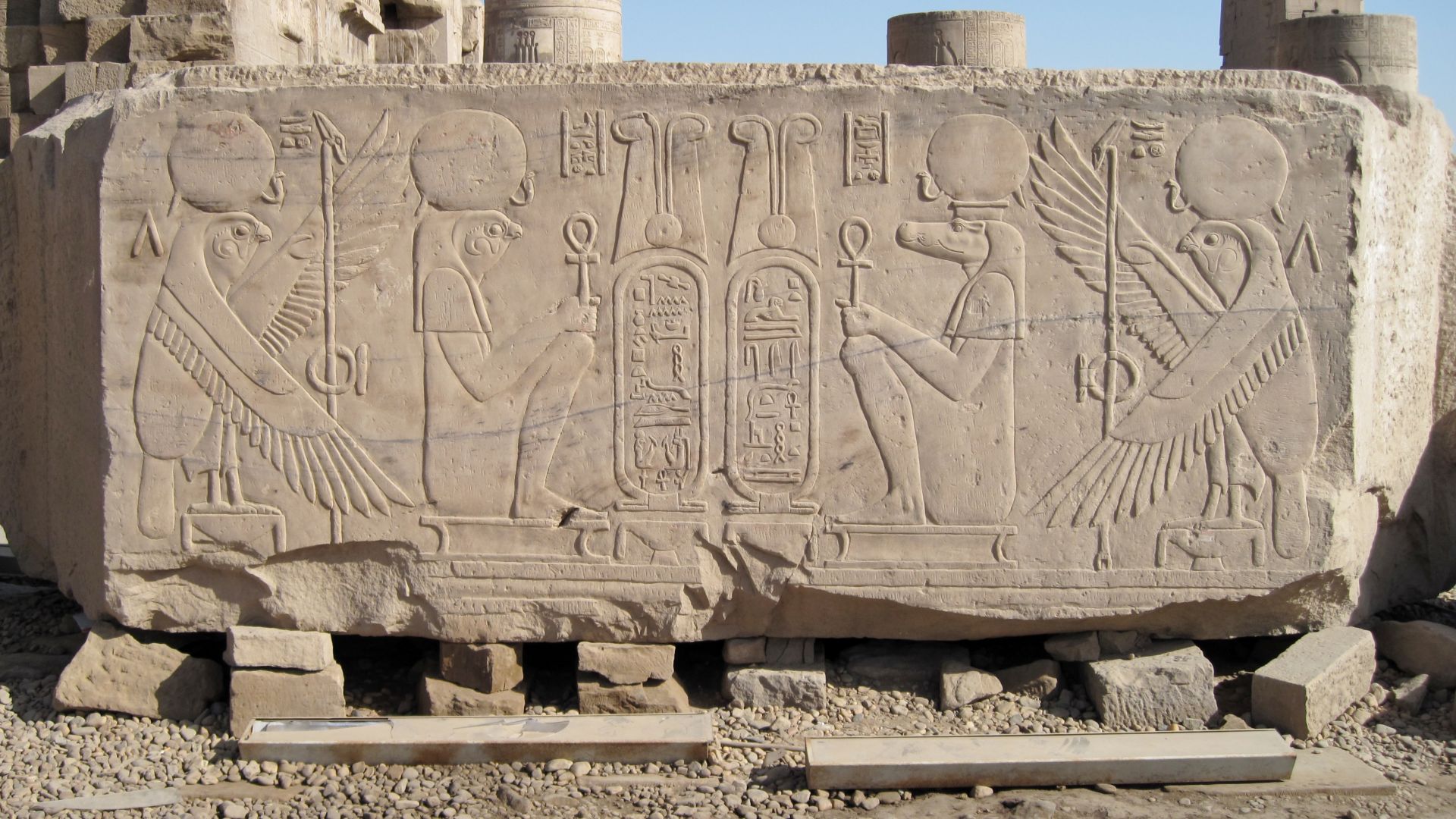 Olaf Tausch, Wikimedia Commons
A Distinct Approach To Preservation
Unlike many animal mummies discovered elsewhere, the crocodiles at Qubbat al-Hawa were not coated in resin or wrapped in dense layers of linen.
Instead, they were naturally desiccated by the dry environment before being covered in linen strips. The lack of resin or bitumen indicates a simpler, earlier mummification style—one that predated the more elaborate techniques used during the Ptolemaic and Roman periods. This suggests that ancient Egyptians experimented with various preservation methods long before standardizing their rituals.
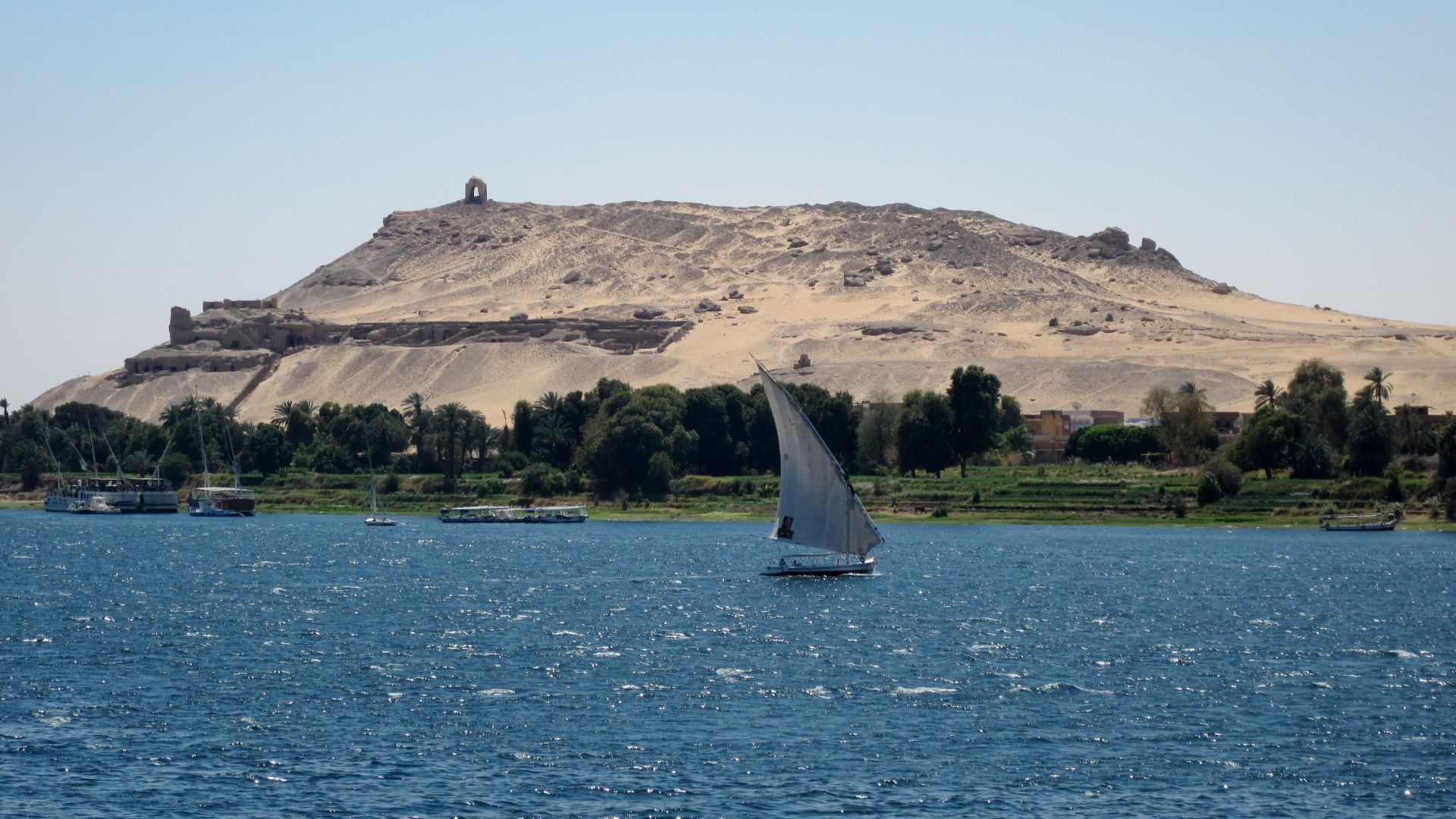 Olaf Tausch, Wikimedia Commons
Sacred Animals Of Sobek
The team identified two crocodile species among the remains—Crocodylus niloticus (the Nile crocodile) and Crocodylus suchus (the West African crocodile)—with lengths ranging from 1.5 to 3.5 meters.
These animals were likely offered to Sobek, the crocodile god associated with fertility, military power, and the life-giving floodwaters of the Nile. The discovery adds evidence that animal offerings played a major role in temple economies and local devotion, particularly in southern Egypt, where Sobek’s cult was strongest.
What This Discovery Reveals
The Qubbat al-Hawa discovery reshapes what’s known about Egypt’s ritual and ecological history. It shows that animal mummification varied over time, across locations, and for different religious purposes. The burials also point to a broader network of temple economies, where priests and craftsmen prepared offerings commissioned by everyday Egyptians.
Beyond ritual, the mummies themselves preserve biological data about the Nile crocodile species that once flourished freely along the river’s banks before hunting and habitat loss reduced their range. In one excavation, researchers gained insight into faith, economy, and environment—three forces that shaped life along the ancient Nile.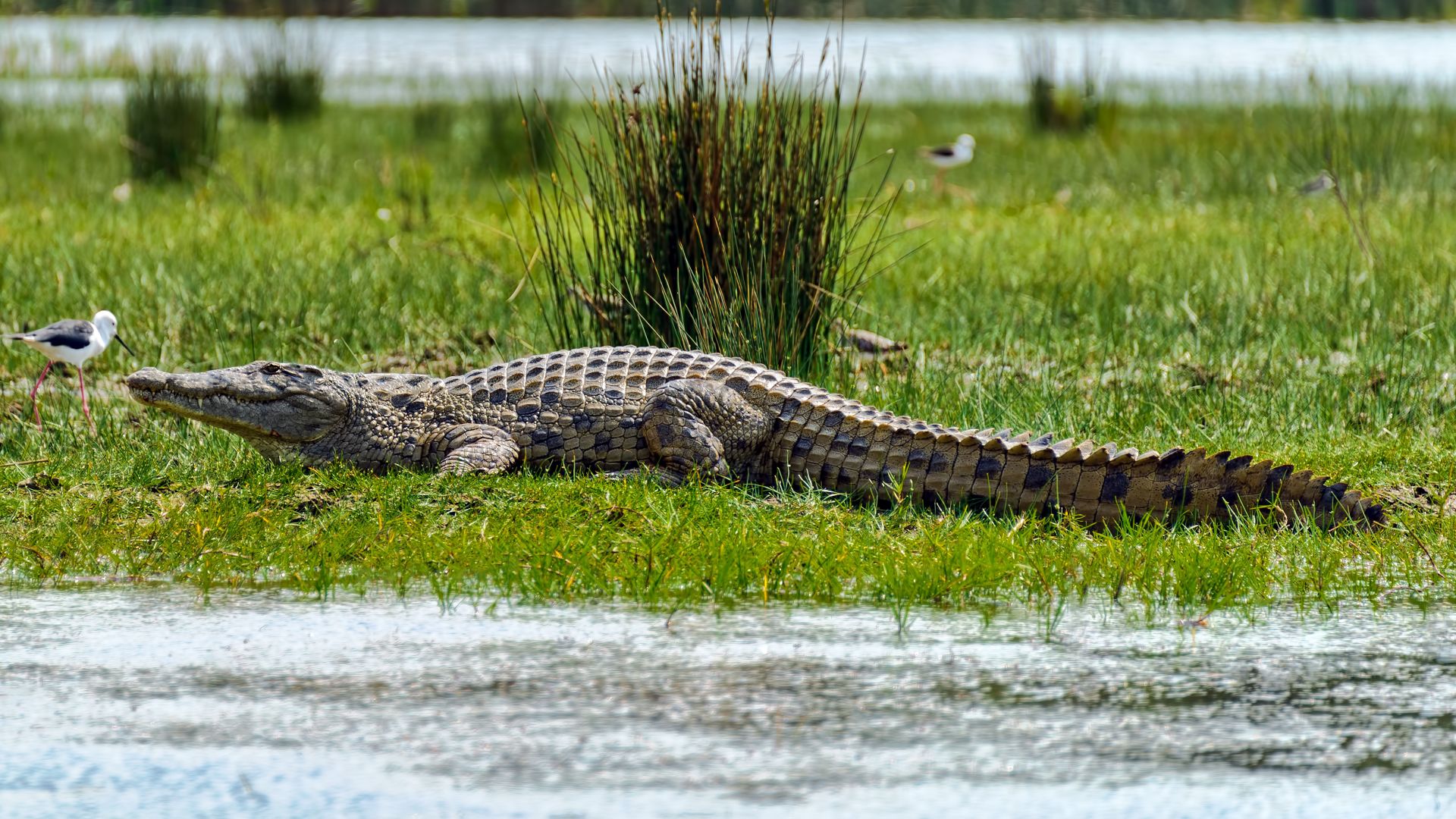 Steve Slater, Wikimedia Commons