Cosmic Drifters
Dramatic headlines about incoming rogue planets grab attention for good reason. However, scientists have made genuine discoveries about planets that actually do drift alone through space. Their stories stretch across science.

Recent Claims
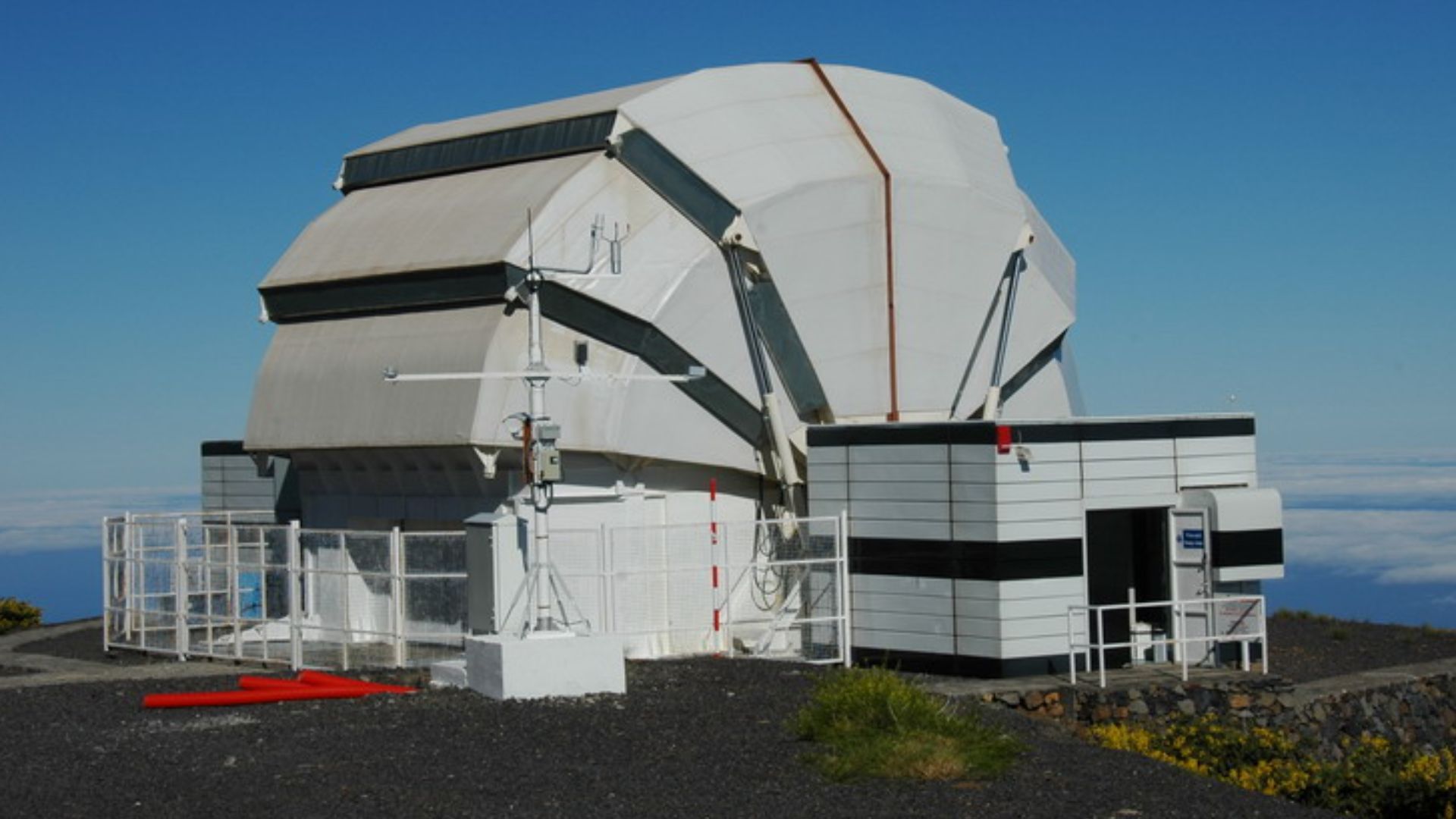
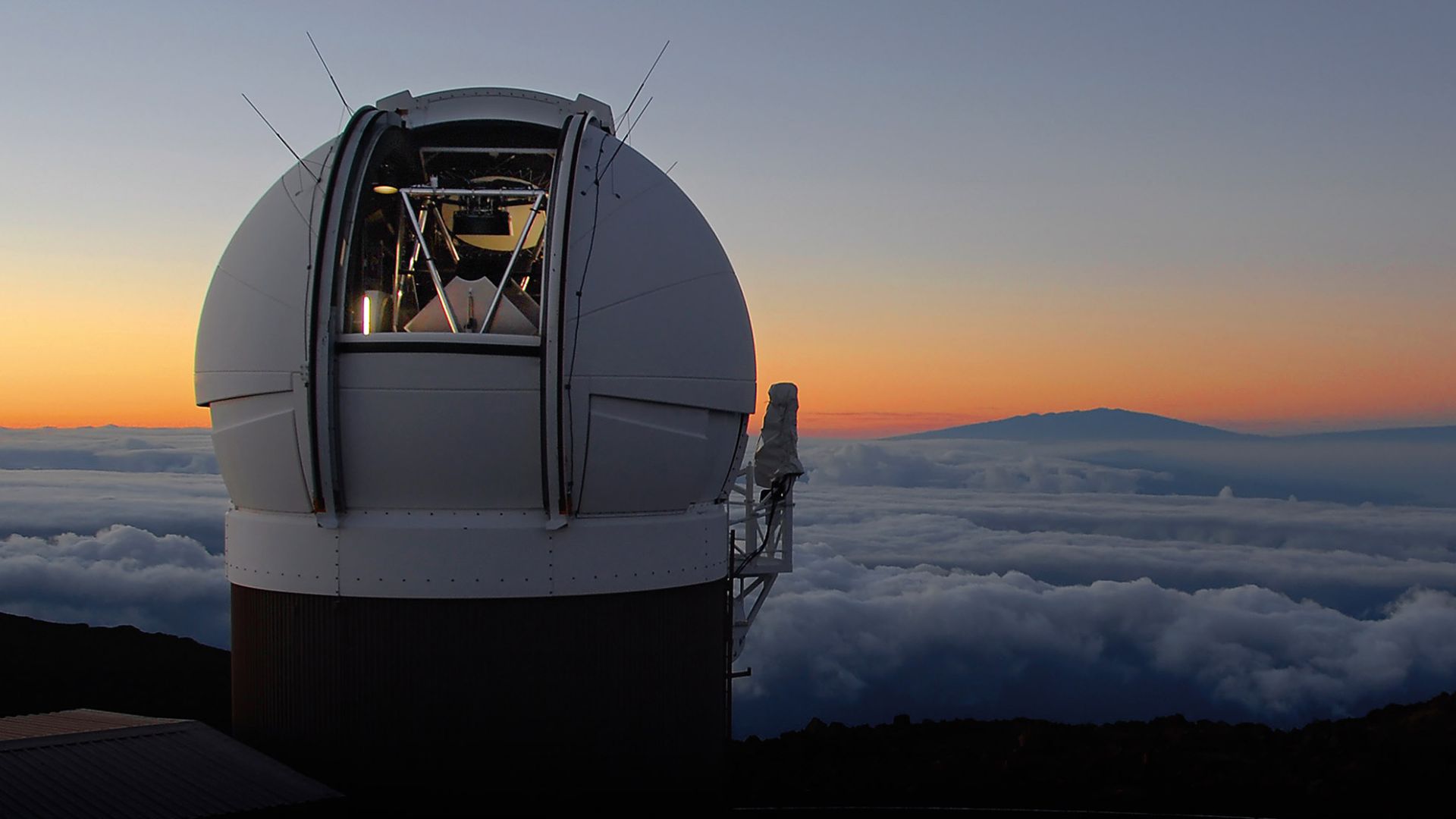
Recent online articles claim astronomers discovered a Jupiter-sized rogue planet, detected by Pan-STARRS and confirmed by the Very Large Telescope. However, these reports lack verification from major space agencies, such as NASA or ESA. The astronomical community remains skeptical.
 R. Ratkowski, Wikimedia Commons
What Are Rogues
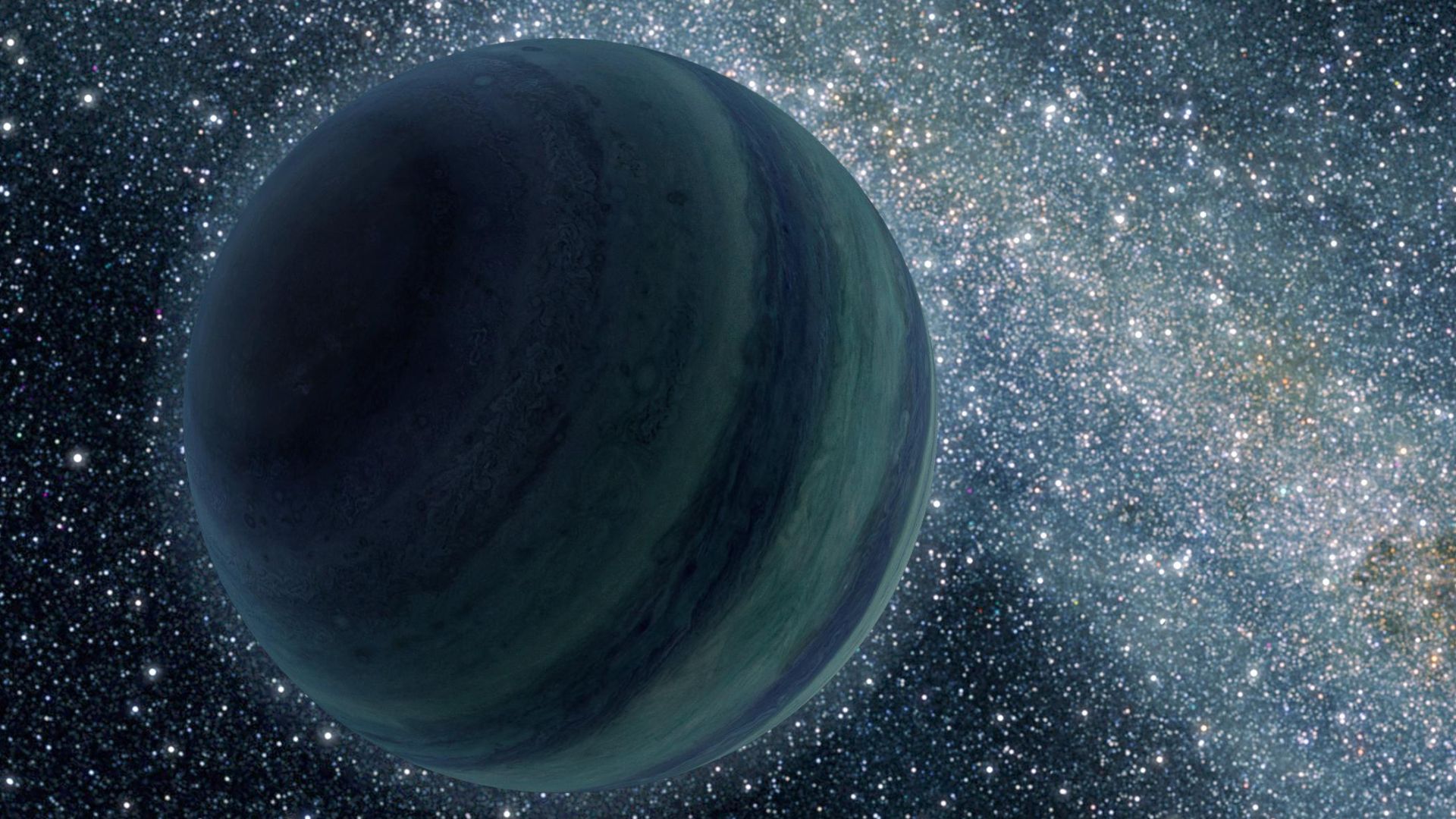
Rogue planets are real astronomical objects—massive worlds that drift through space without orbiting any star. These cosmic orphans either formed independently from collapsing gas clouds or were violently ejected from their birth solar systems. NASA acknowledges their existence, stating that many astronomers believe these planets are common.
 NASA/JPL-Caltech, Wikimedia Commons
Discovery History
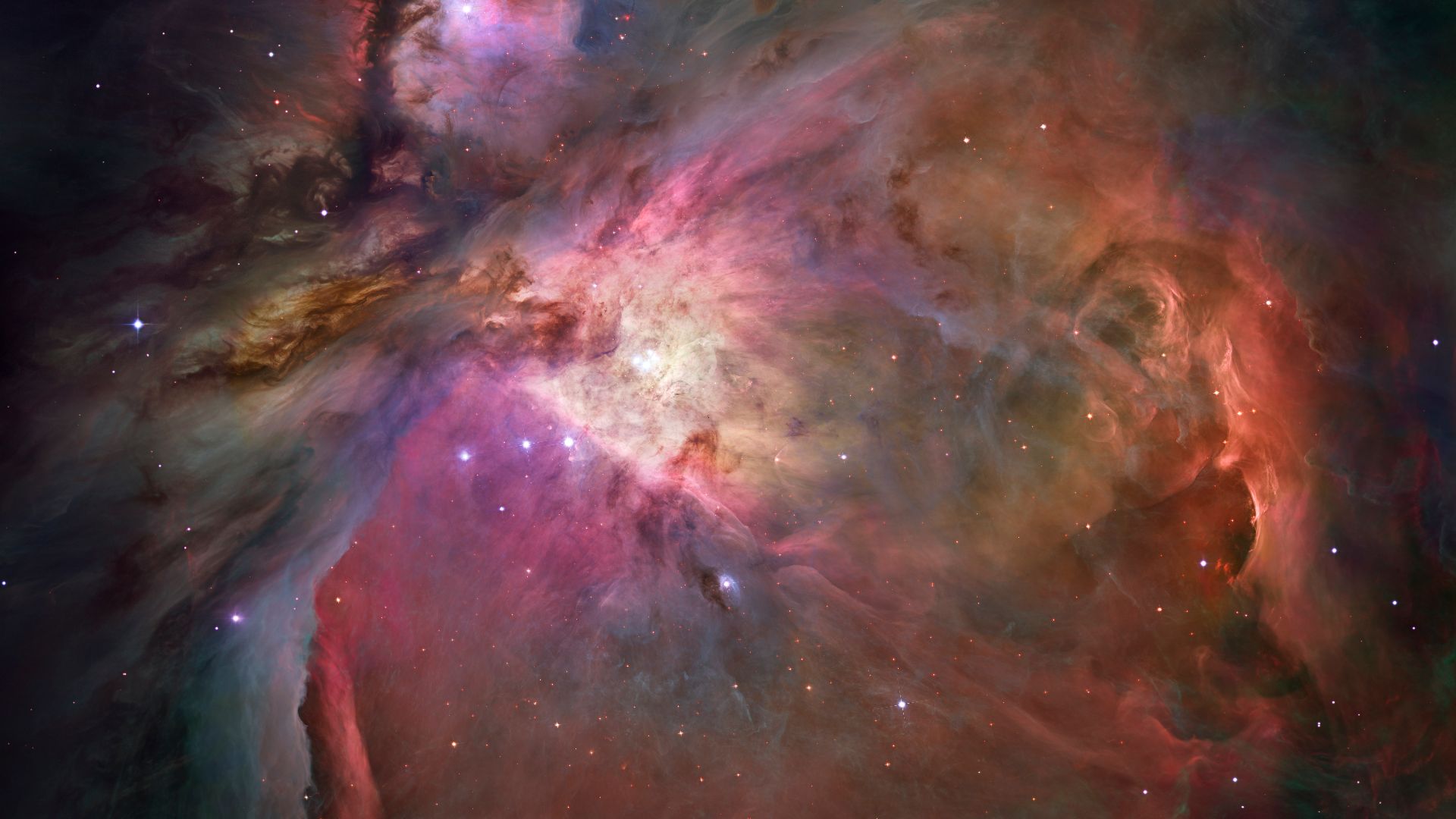
The first confirmed rogue planets were seen in 2000 by UK astronomers Lucas and Roche in the Orion Nebula using infrared telescopes. Spanish researchers Zapatero Osorio made similar discoveries that same year in the Orionis cluster. The most famous individual rogue planet was identified in 2012.
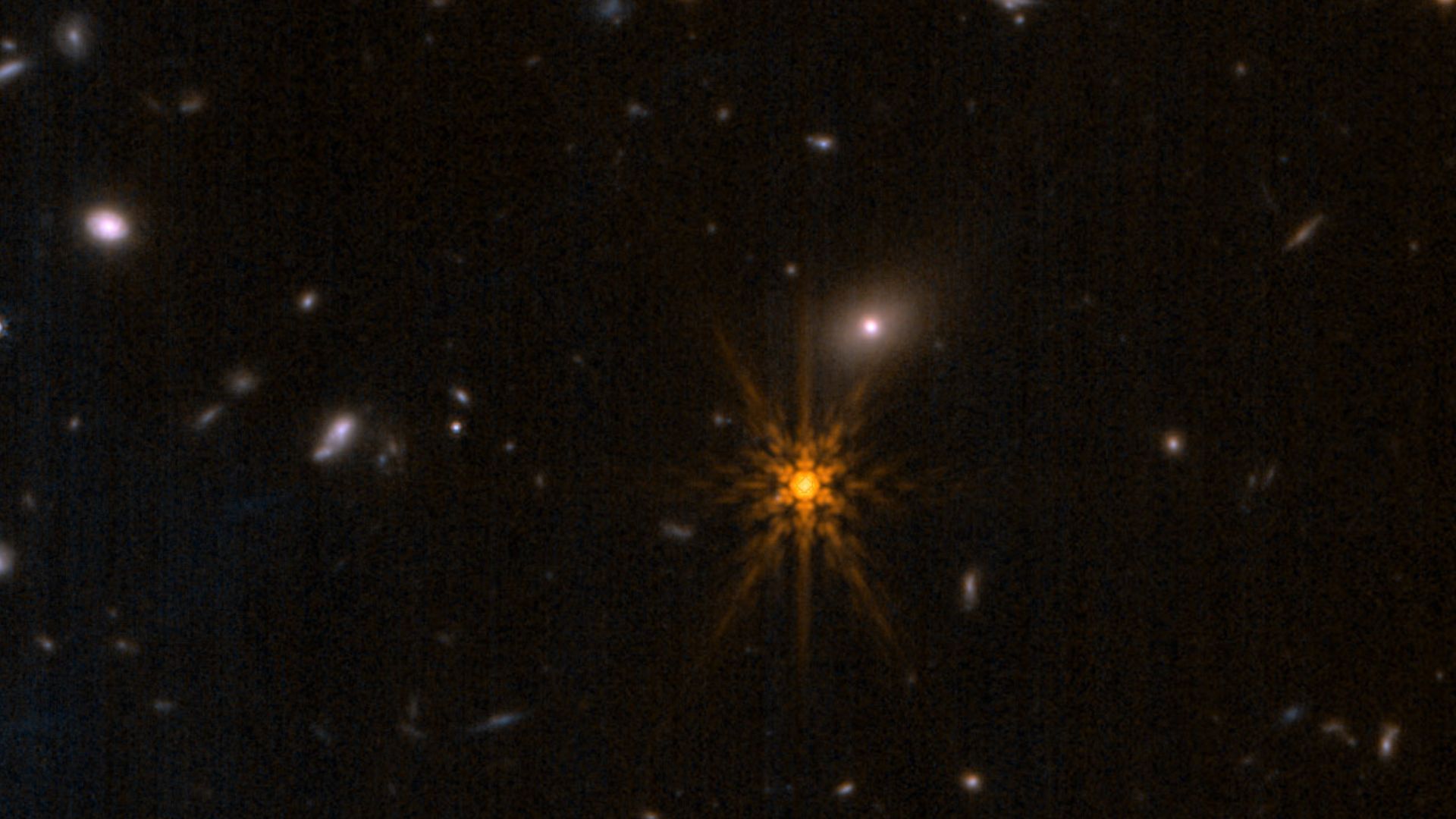
CFBDSIR2149
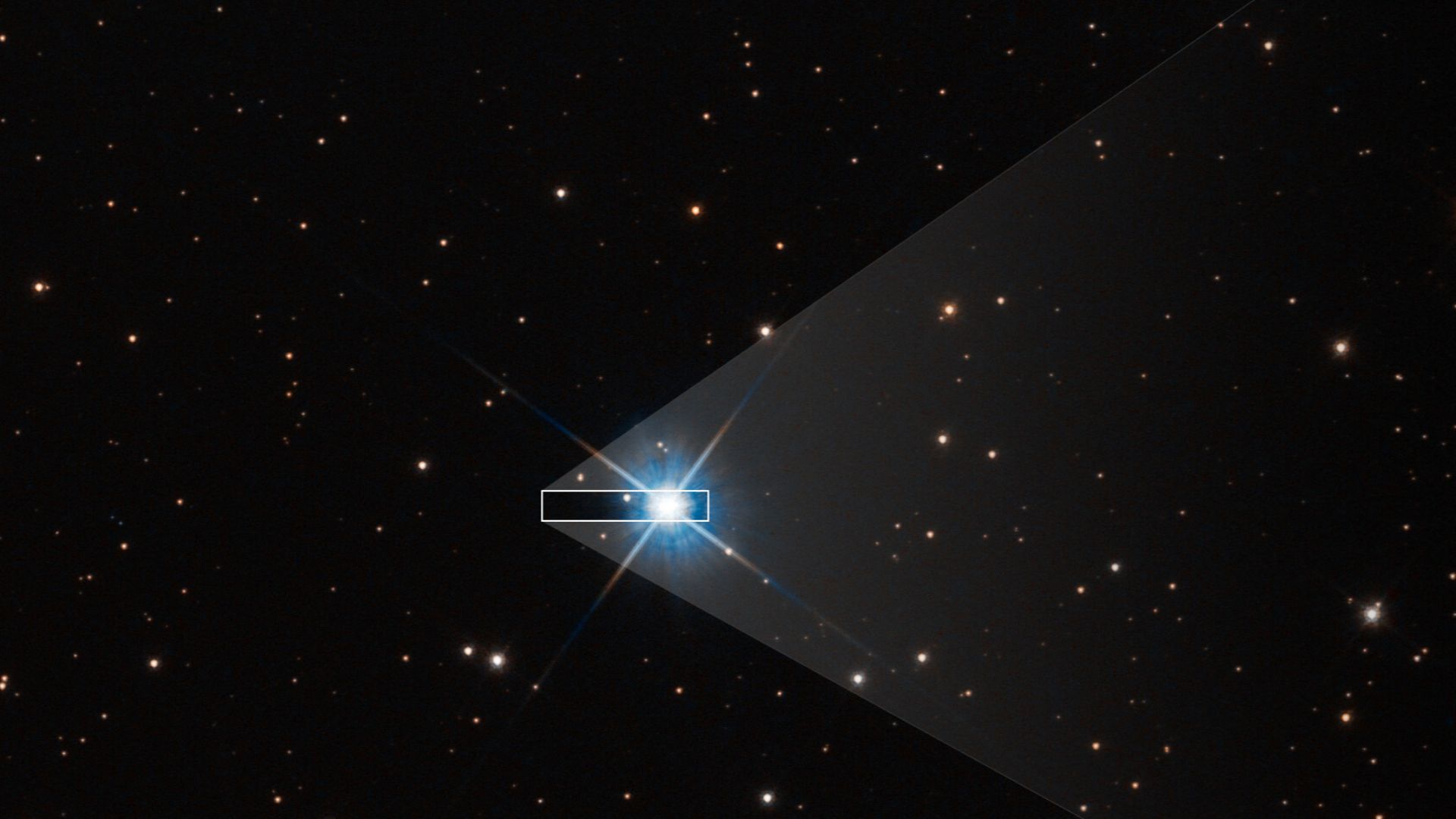
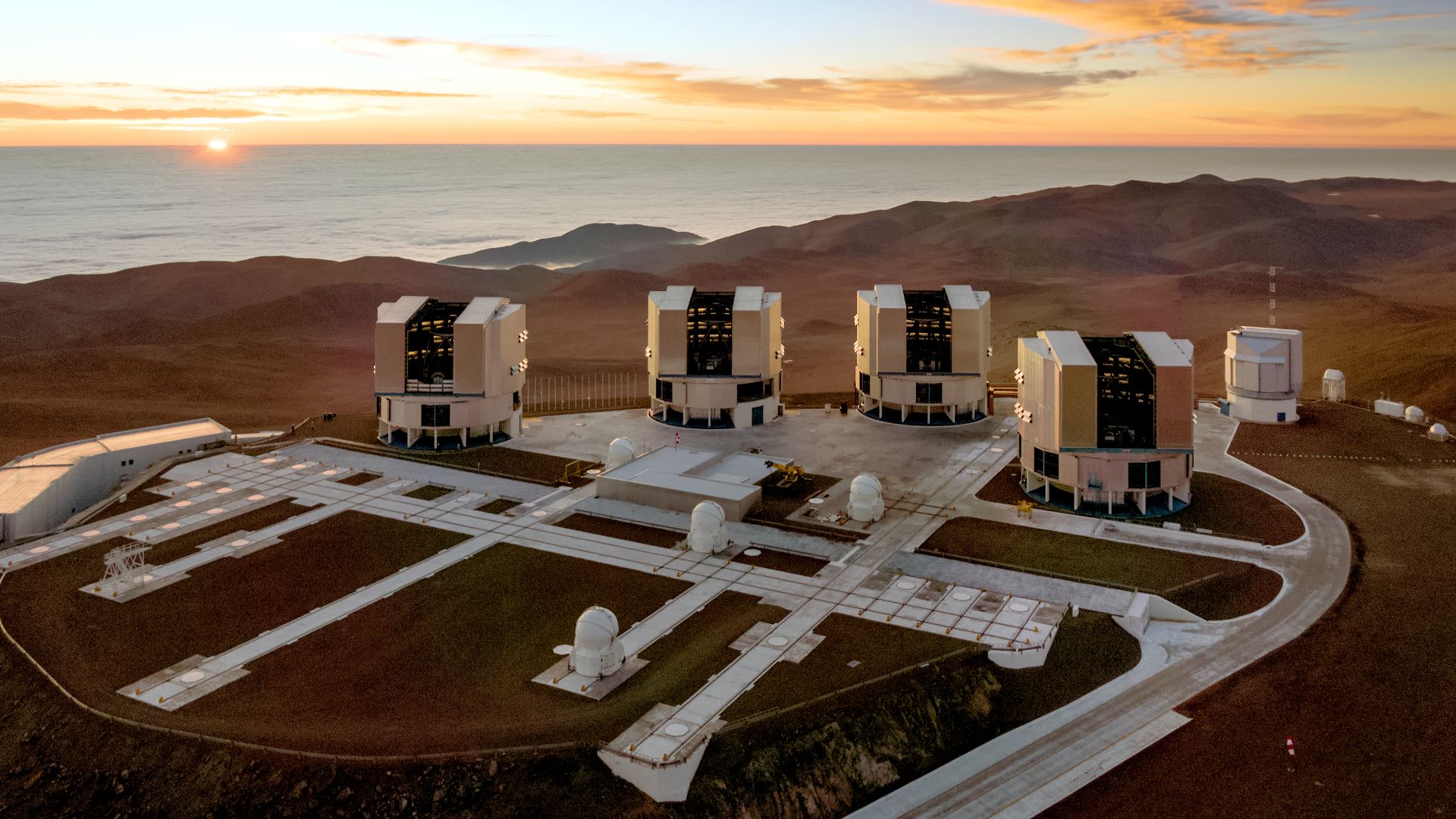
CFBDSIR2149 was detected via infrared surveys using the Canada-France-Hawaii Telescope and later confirmed with data from the European Southern Observatory's Very Large Telescope. It is located about 100–180 light-years from Earth and may have a mass approximately four to seven times that of Jupiter.
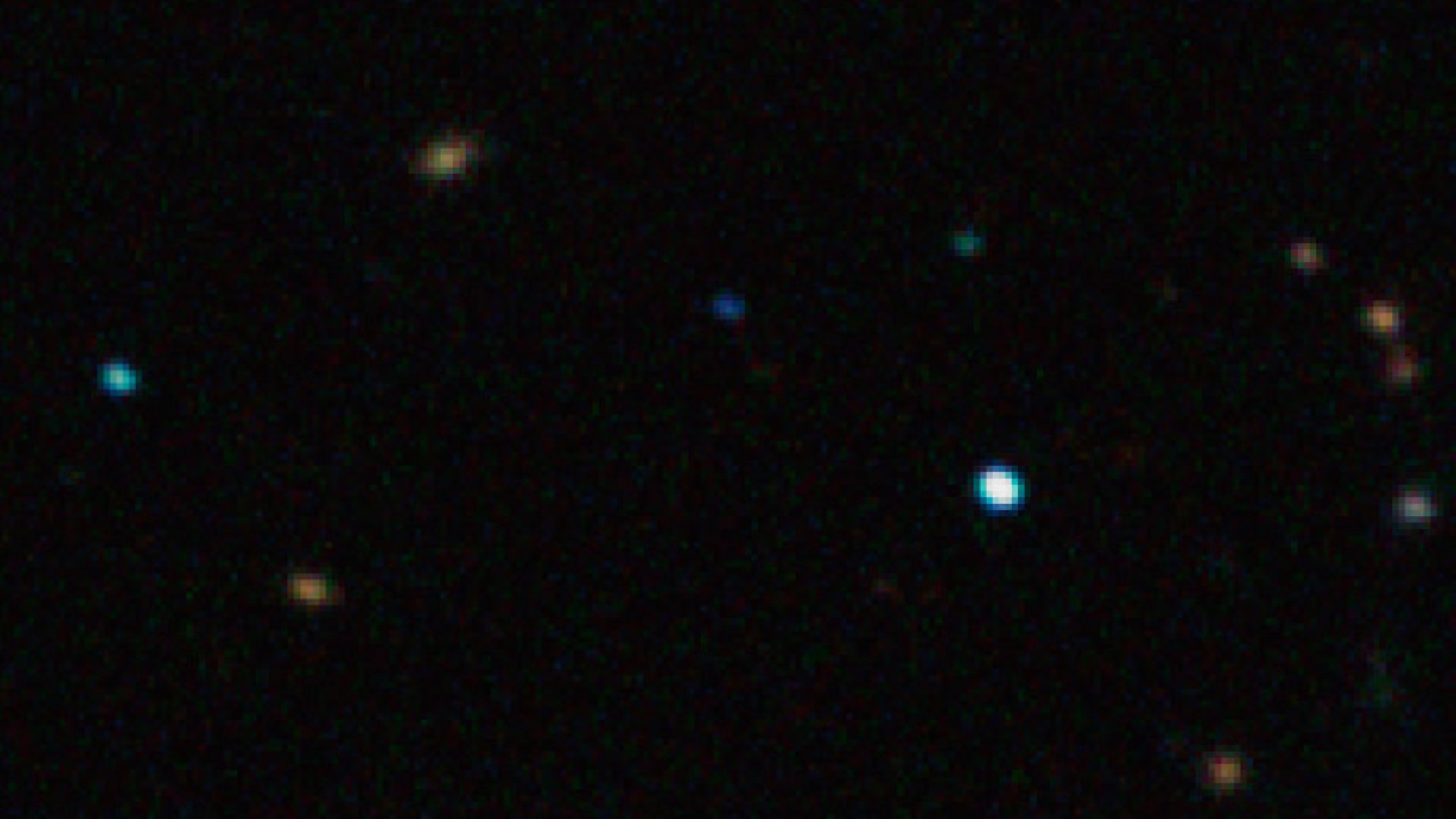 ESO/P. Delorme, Wikimedia Commons
Detection Methods
Scientists use two primary techniques to find these elusive worlds: gravitational microlensing and direct infrared imaging. Microlensing exploits Einstein's relativity. When a rogue planet passes between Earth and a distant star, its gravity acts like a lens, briefly magnifying the background star's light.
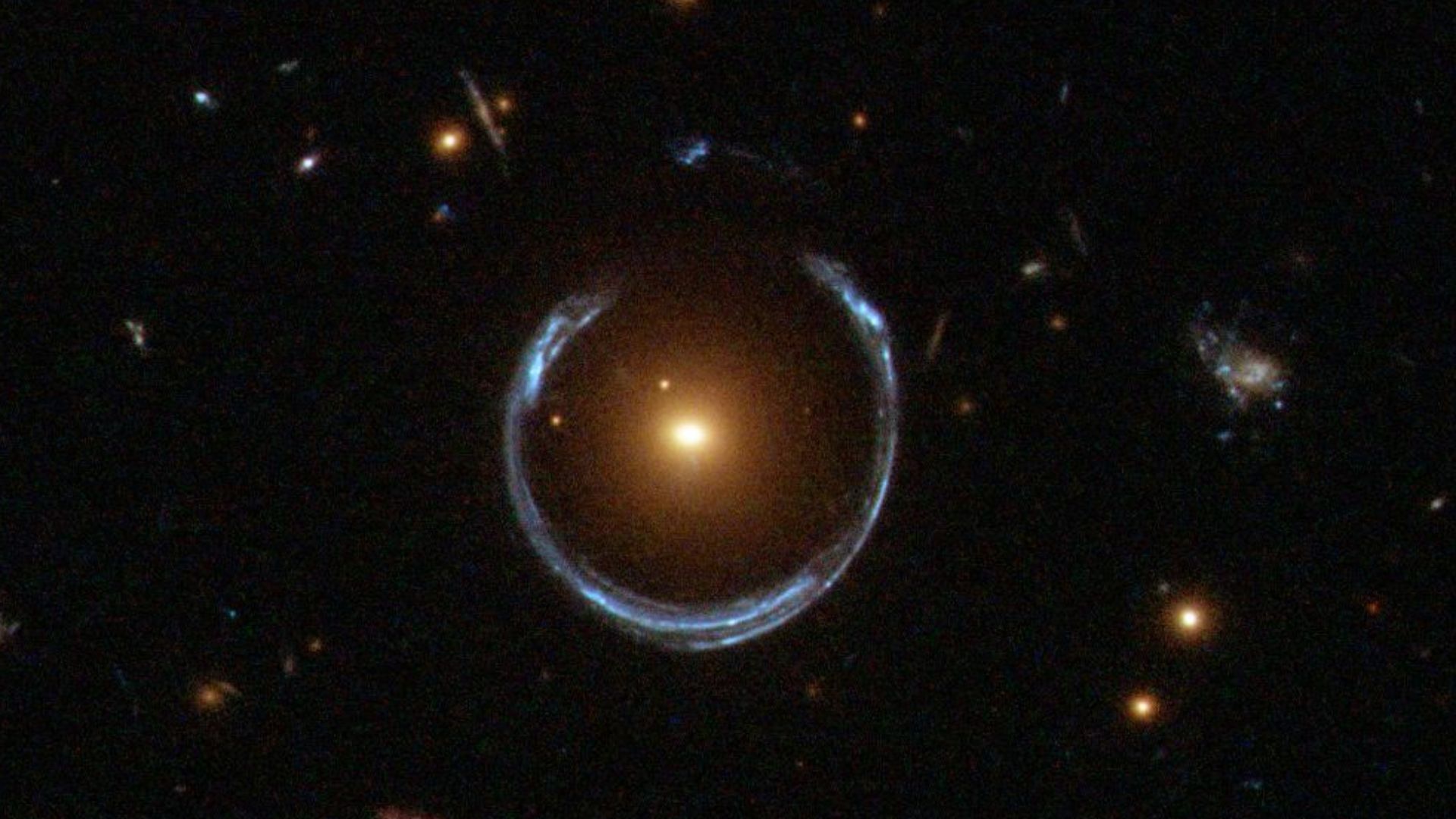 Lensshoe_hubble.jpg: ESA/Hubble & NASA derivative work: Bulwersator (talk), Wikimedia Commons
Microlensing Success
The 2011 Microlensing Observations in Astrophysics (MOA) study observed 50 million stars using telescopes in New Zealand and Chile. Researchers identified 474 microlensing events, including ten that were brief enough to suggest the presence of Jupiter-sized planets with no associated star nearby.
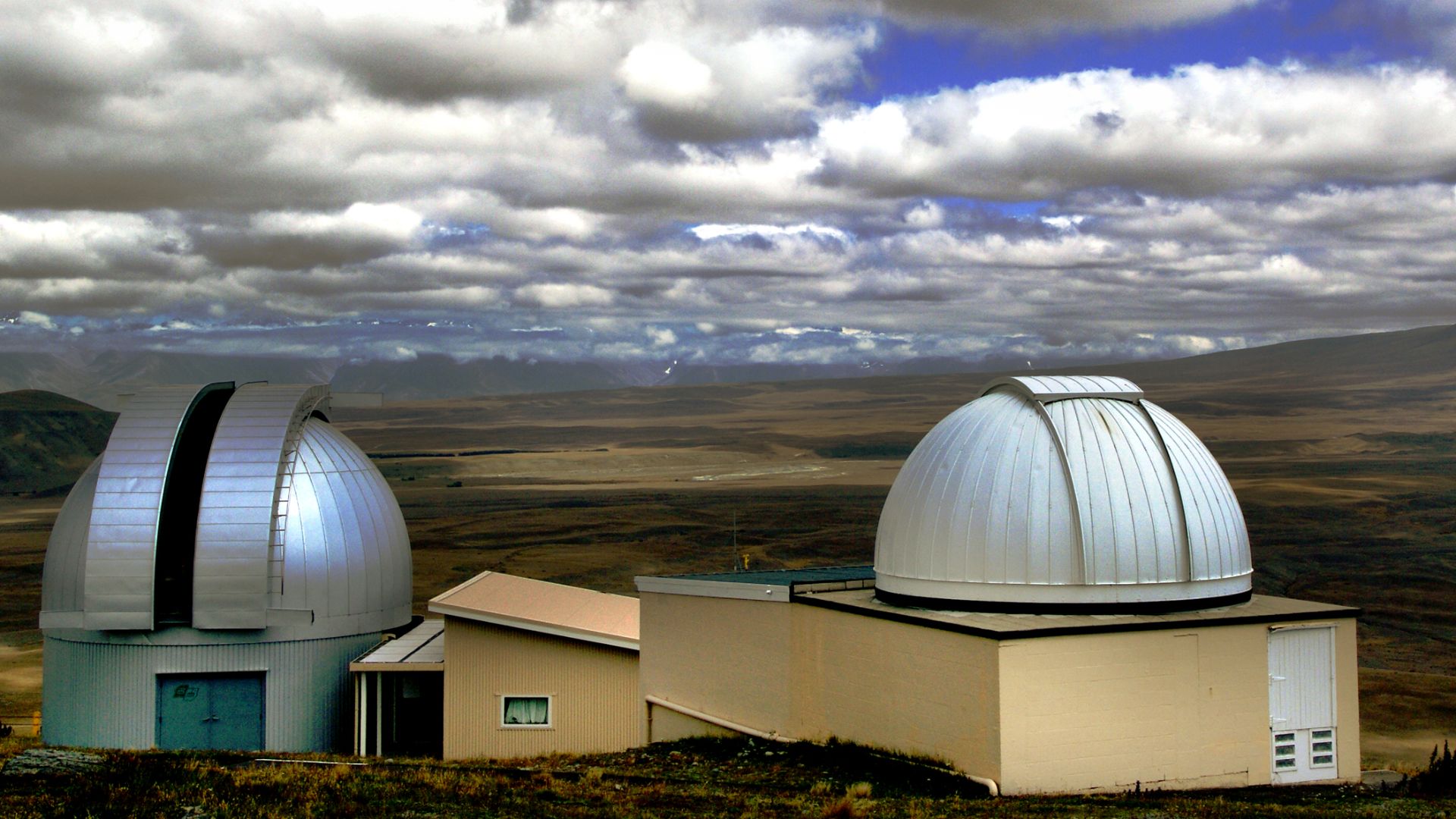 Bernard Spragg. NZ from Christchurch, New Zealand, Wikimedia Commons
Population Estimates
According to current research, our galaxy is believed to contain billions to trillions of such planets, potentially outnumbering traditional star-bound worlds. The 2017 study by Przemek Mroz indicated an upper limit of 0.25 Jupiter-mass free-floating planets per main-sequence star.
Formation Theories
Two competing theories explain the origins of rogue planets. The ejection scenario involves gravitational chaos during early planetary system formation, where close encounters between giant planets can fling one into interstellar space. Alternatively, some may form independently, like failed stars from gas clouds too small for nuclear fusion.
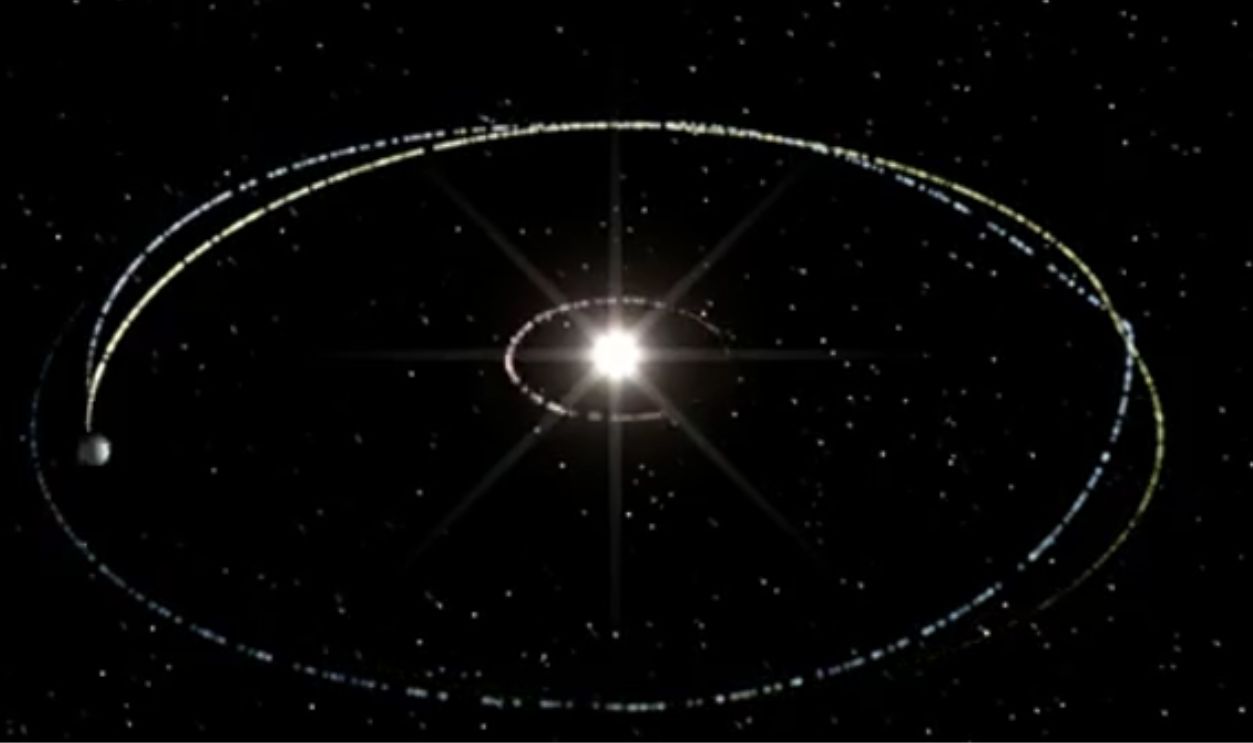 Planet-Planet Scattering Animation for the Upsilon Andromeda System by Brian Jackson

History's most fascinating stories and darkest secrets, delivered to your inbox daily.
Size Range
Rogue planets come in various sizes, from Earth-mass worlds to super-Jupiters. In 2020, astronomers detected the first Earth-mass rogue planet, OGLE-2016-BLG-1928, using microlensing techniques. This finding, marked by a microlensing event lasting just 41.5 minutes, represents the shortest-timescale gravitational lensing ever recorded.
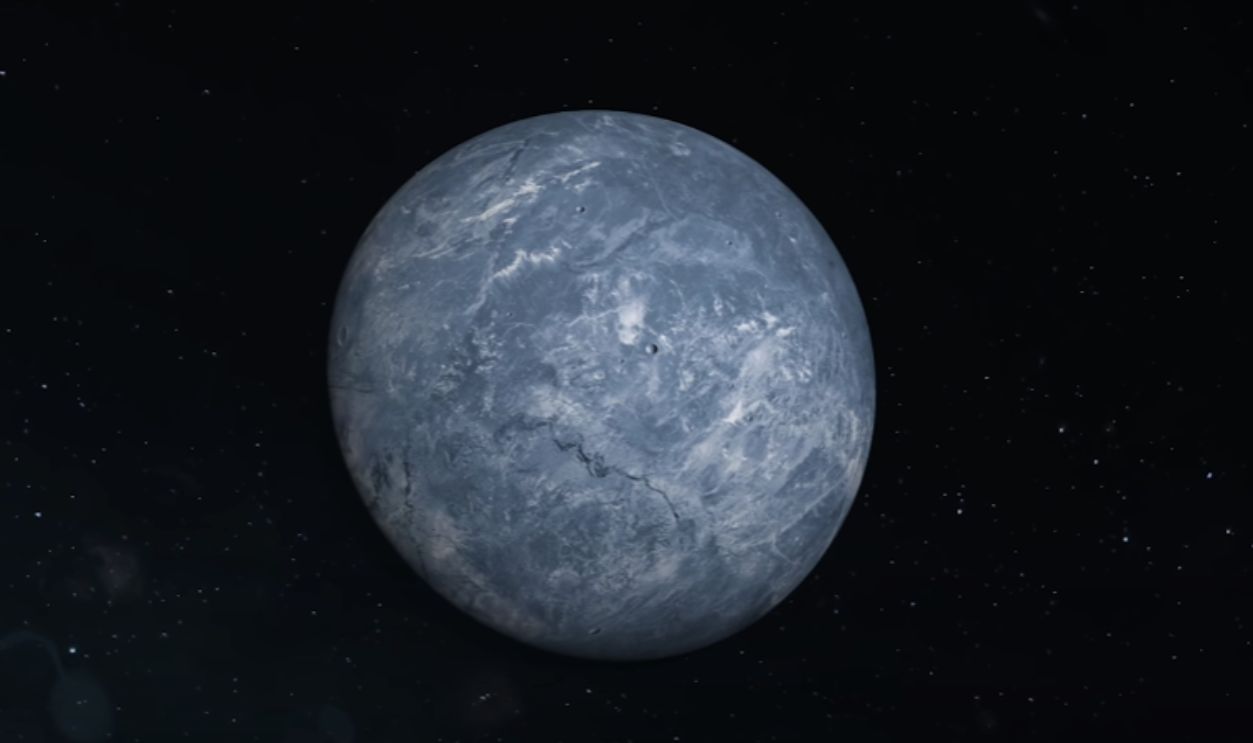 The Mysterious World of OGLE-2016-BLG. What Do We Know about Rogue Planets? by Kosmo
Temperature Extremes
Without stellar heating, rogue planets experience extreme cold, with surface temperatures potentially reaching -200°C or lower. However, larger rogue planets may retain internal heat from radioactive decay or leftover formation energy. Some Earth-sized rogues could theoretically maintain subsurface liquid water oceans through geothermal heating.
 ESO/N. Risinger (skysurvey.org), Wikimedia Commons
Survival Odds
Rogue planets face incredible challenges surviving in the harsh environment of interstellar space. They must retain their atmospheres despite the absence of stellar wind protection and gravitational heating. Surprisingly, computer simulations suggest that nearly half of a giant planet's moons can remain bound after ejection.
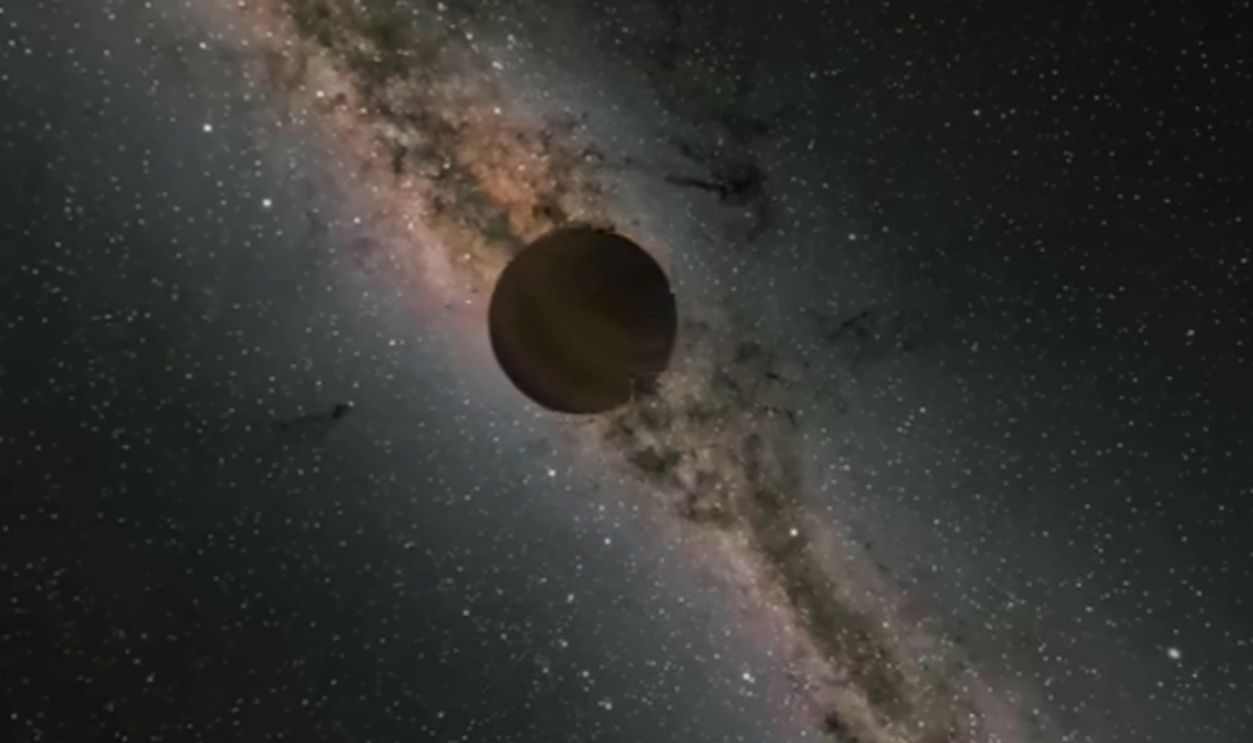
Atmospheric Retention
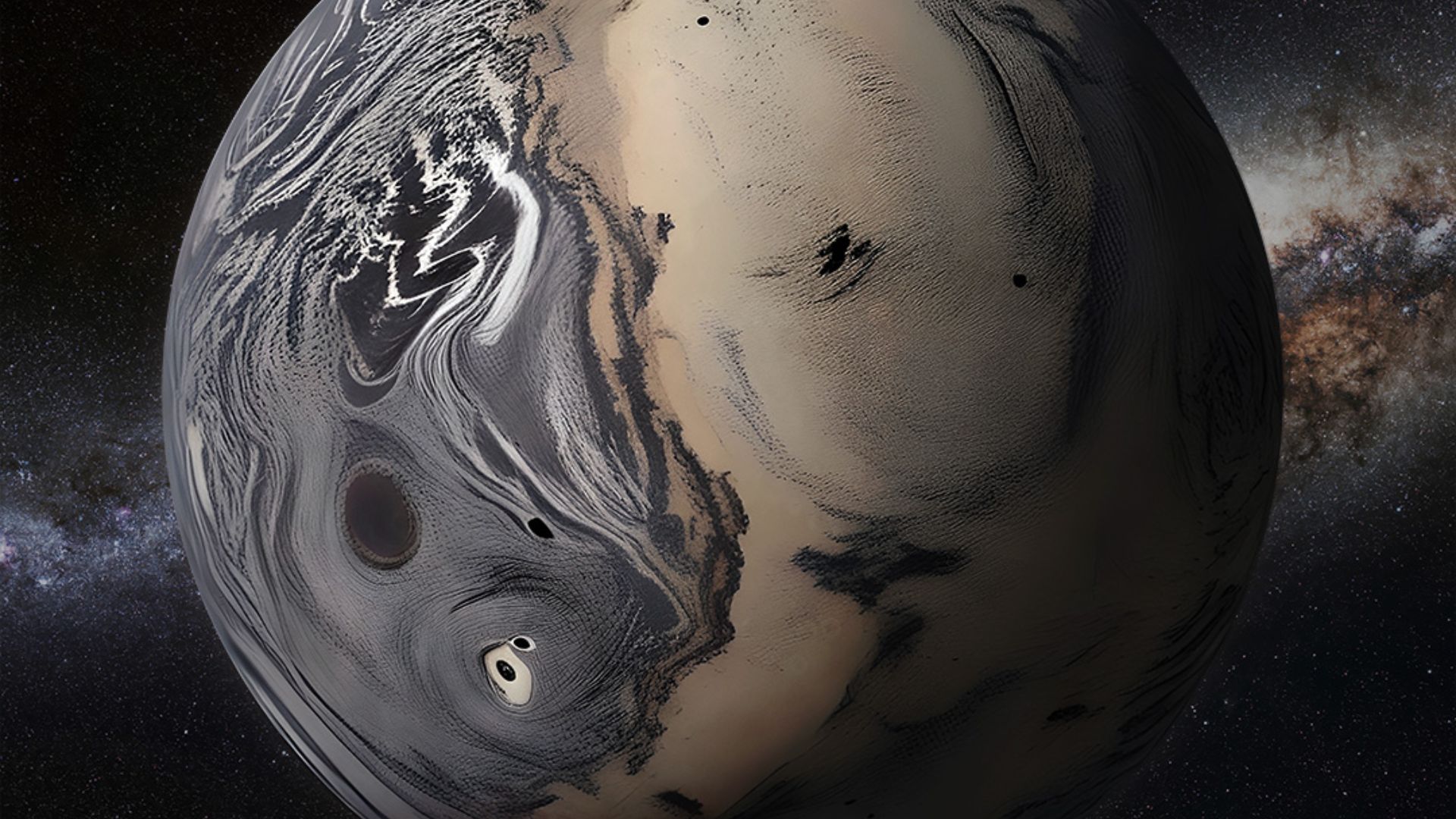
Unlike planets orbiting stars, ejected rogue planets receive less stellar-generated ultraviolet light, which strips away atmospheric elements. Even Earth-sized rogue planets possess enough gravity to prevent hydrogen and helium from escaping from their atmospheres. This atmospheric retention means such elements could maintain complex chemical compositions.
 Pablo Carlos Budassi, Wikimedia Commons
Moon Systems
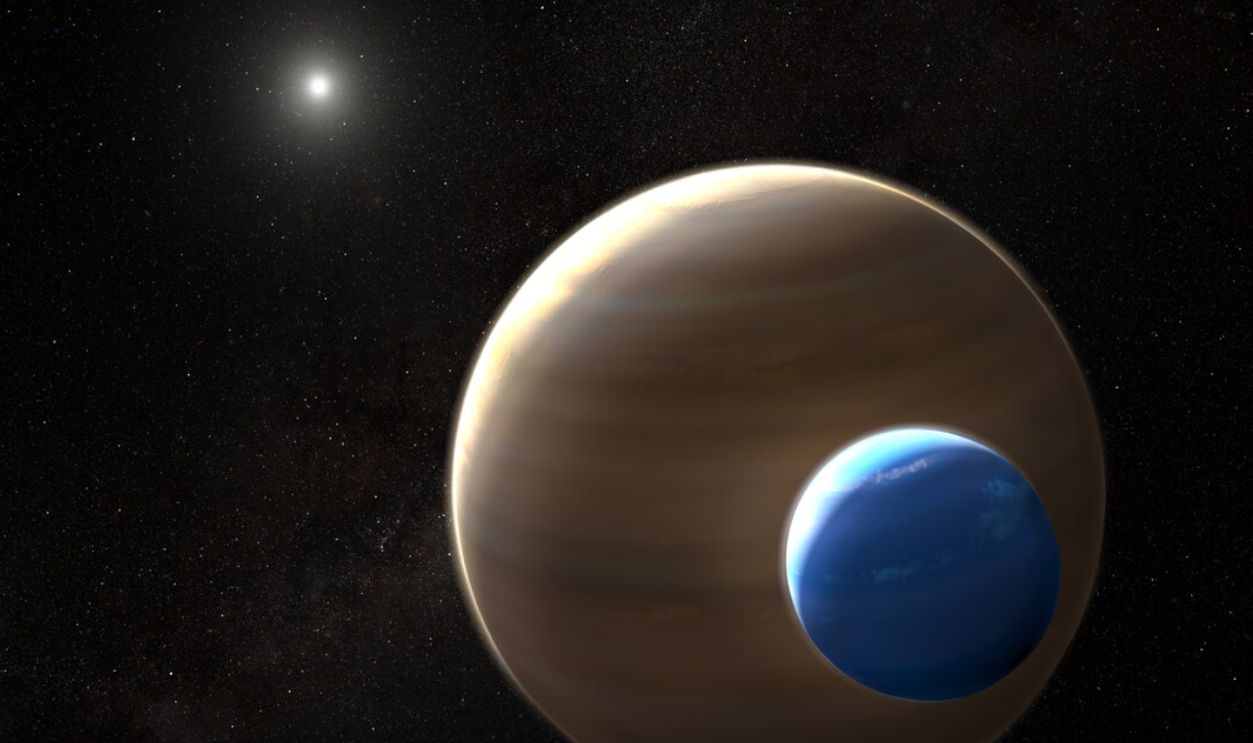
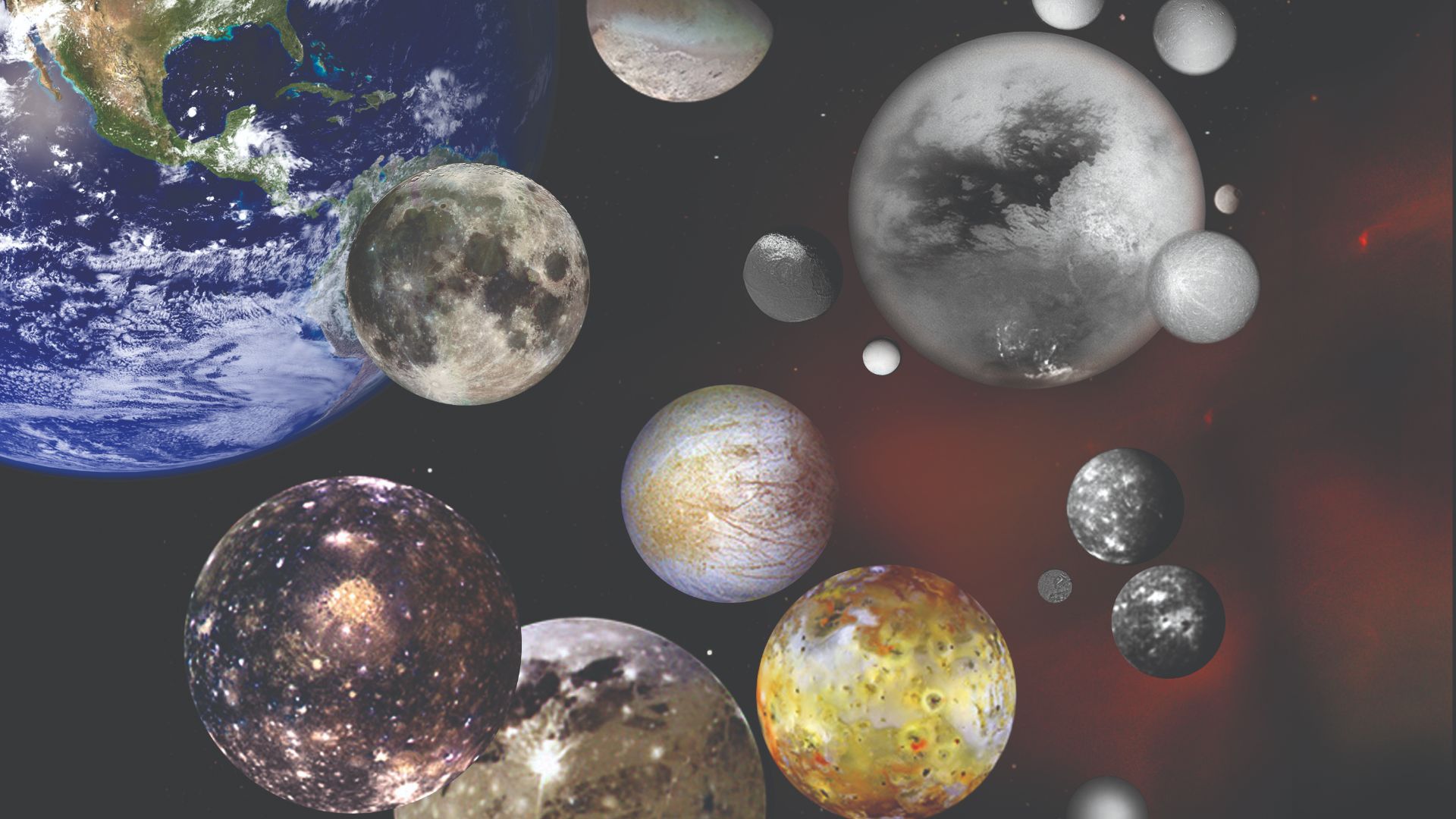
Recent studies also point out that these planets can retain entire moon systems after ejection from their birth solar systems. Numerical simulations show that resonant moon systems, like Jupiter's Galilean satellites, often survive ejection intact. These moons could experience tidal heating for several years.
 ESA/Hubble, CC BY 4.0, Wikimedia Commons
Binary Rogues
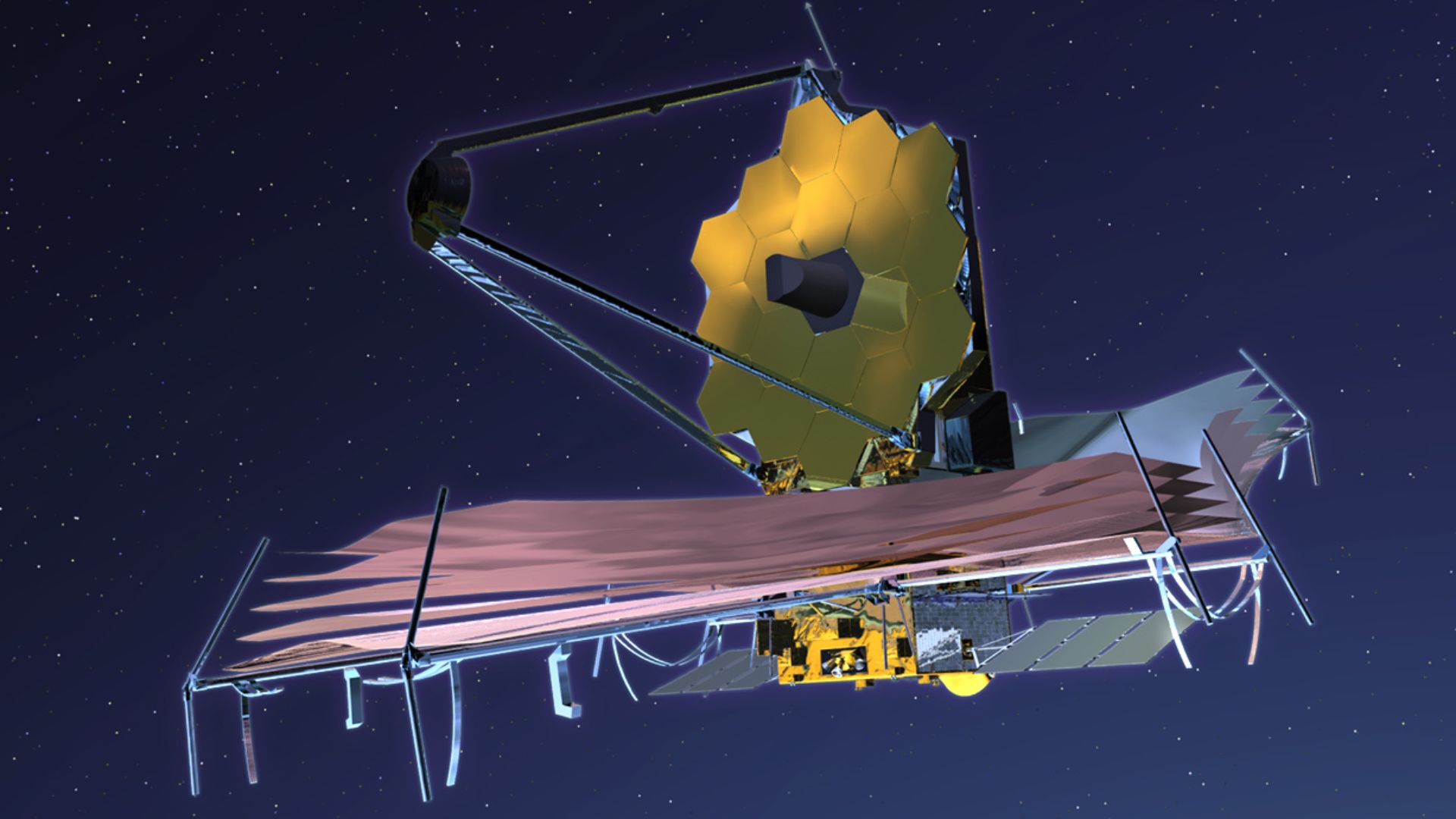
Astronomers have found such planets that travel in pairs, called Jupiter-mass Binary Objects (JuMBOs). The James Webb Space Telescope identified 40 wide binaries and two triple systems in the Orion Nebula, with separations smaller than 340 astronomical units.
Detection Challenges
Rogue planets are tough to detect because they emit virtually no visible light and move against dense stellar backgrounds. They appear as faint infrared sources that require sophisticated instruments to distinguish. The upcoming Nancy Grace Roman Space Telescope is expected to revolutionize searches for rogue planets.
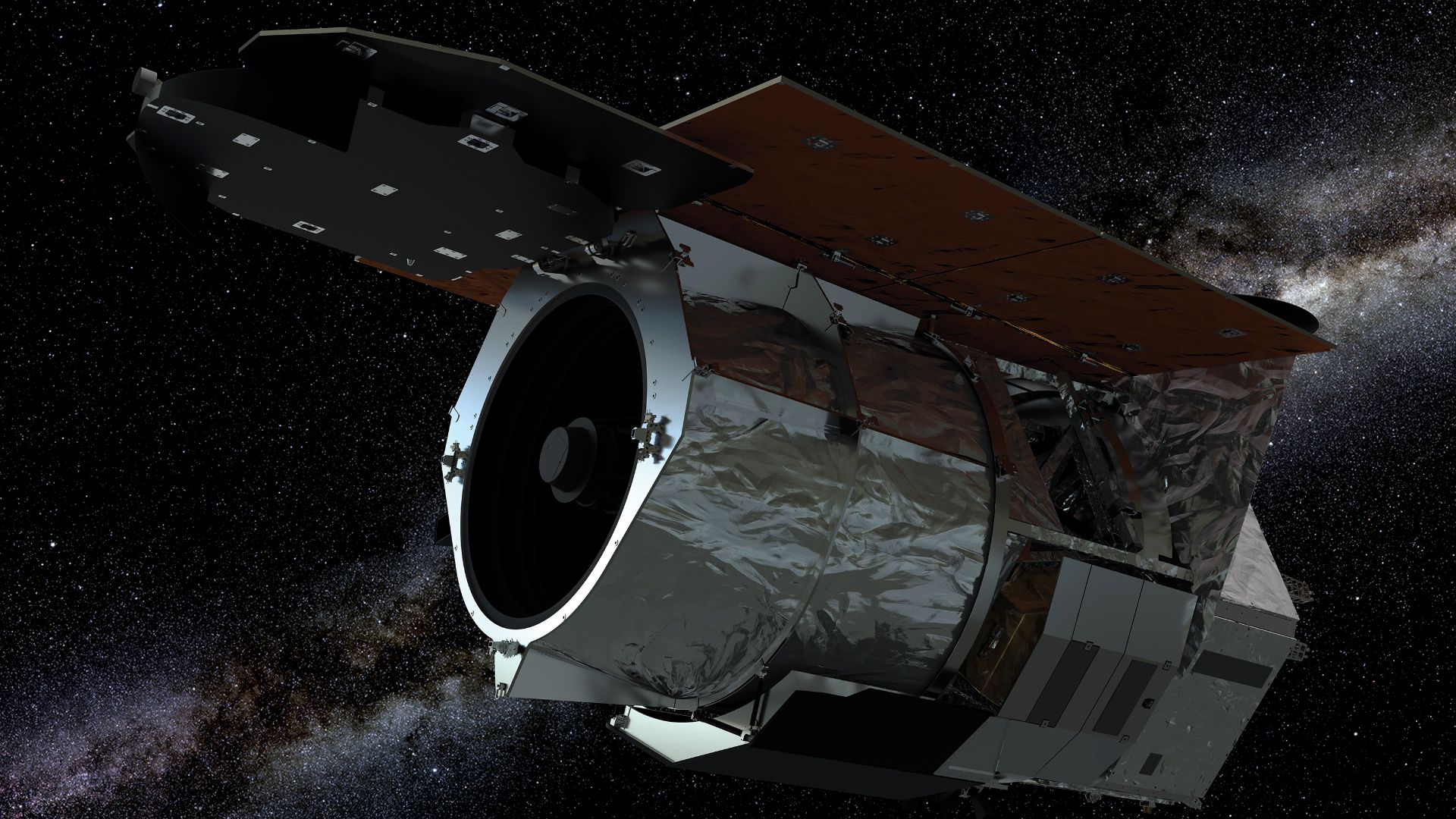 IMAGE: NASA, NASA-GSFC, Wikimedia Commons
Record Holders
The closest known rogue planet candidate, WISE 0855−0714, lies just 7.27 light-years from Earth. This Y-dwarf object represents one of the coldest known planetary-mass objects, with temperatures around -250°C. At the other extreme, some young rogue planets still glow brightly from formation heat.
ESO Survey
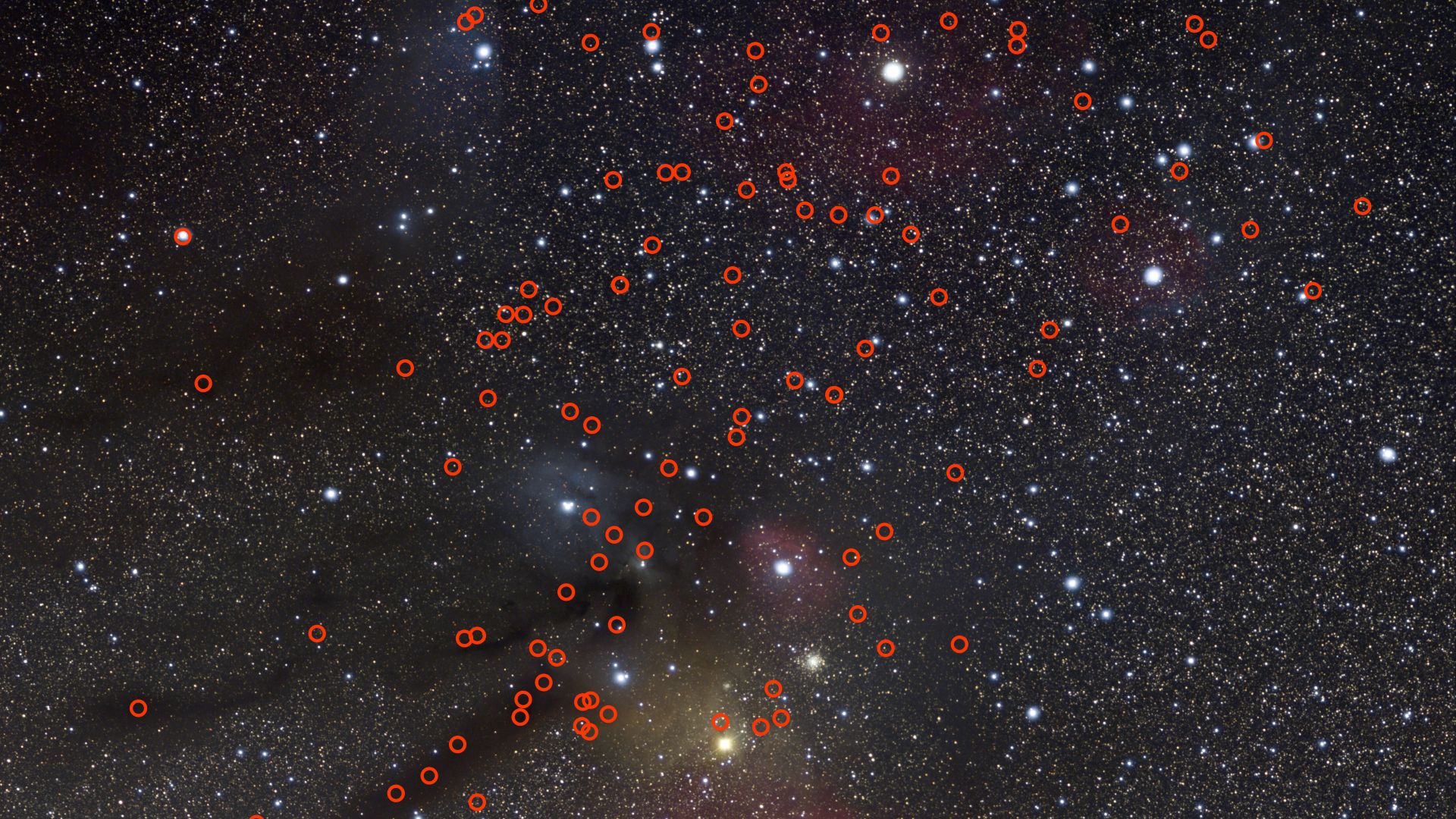
In 2021, European Southern Observatory astronomers announced the largest group of rogue planets ever discovered. At least 70 new wandering worlds were found in a single survey. Located in the Upper Scorpius and Ophiuchus star-forming regions, these objects have masses between 4 and 13 Jupiter masses.
 ESO/G. Hudepohl (atacamaphoto.com), Wikimedia Commons
Collision Probability
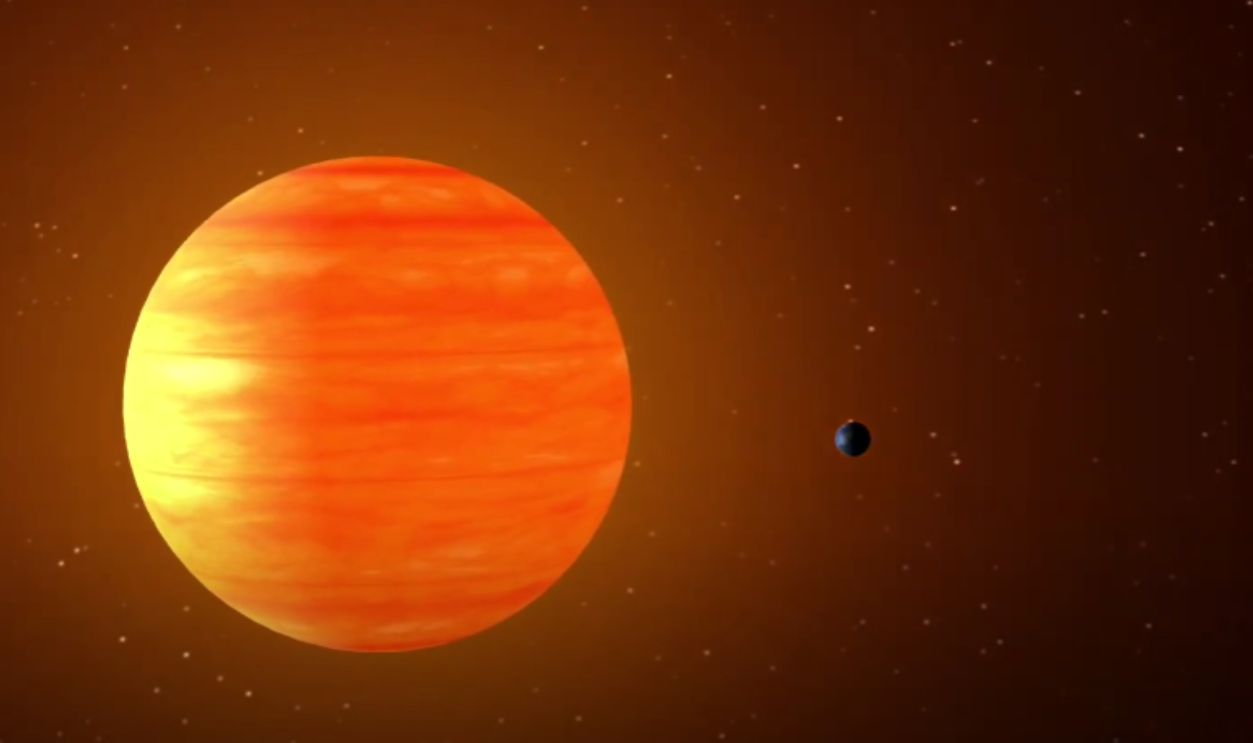
The odds of a rogue planet entering our solar system are astronomically small. That's because, according to current estimates, the probability of a rogue planet entering our solar system is about one in a billion over the next 1,000 years.
 What If a Rogue Planet Entered Our Solar System? by What If
Galactic Journey
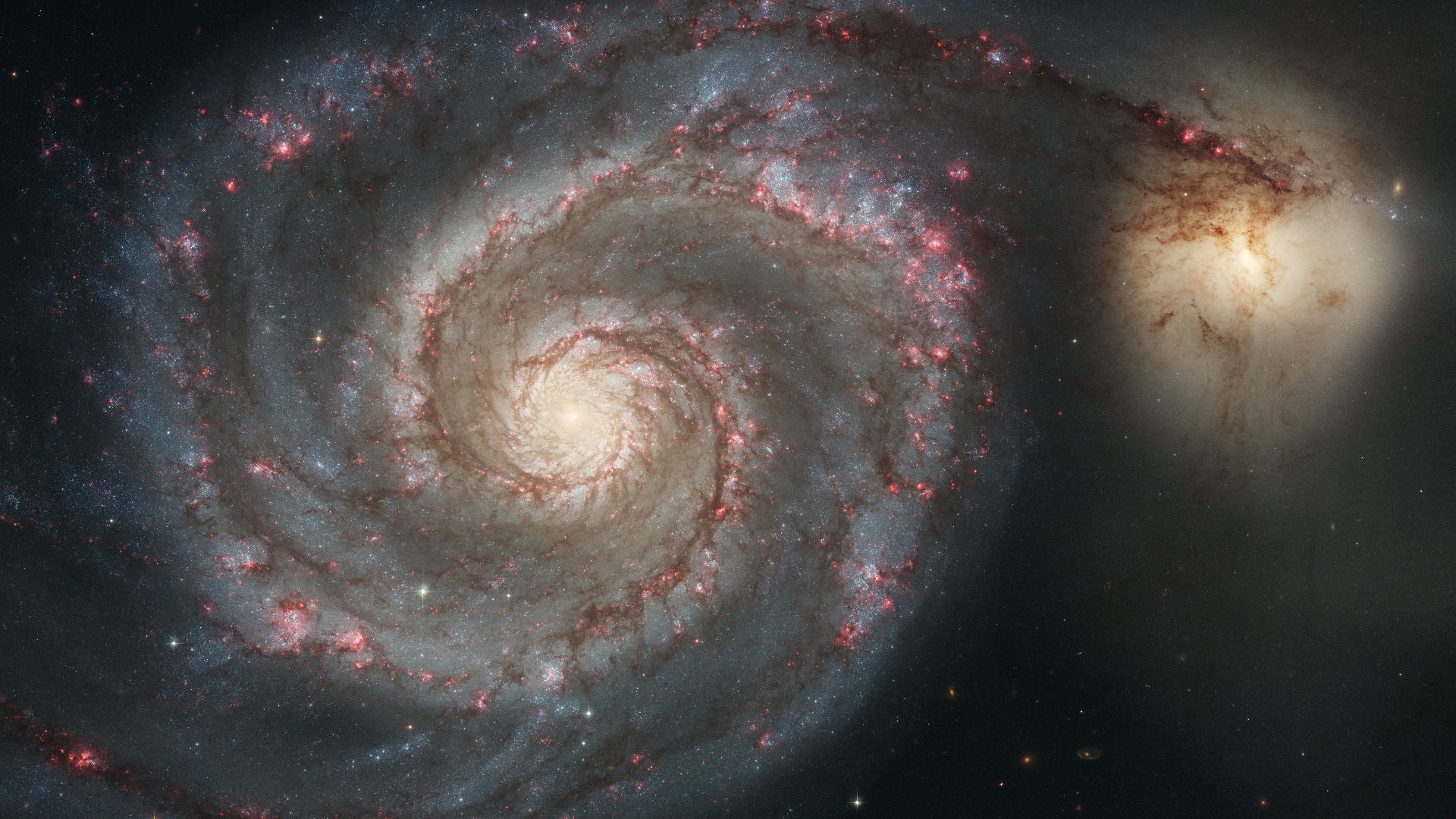
Rogue planets likely populate the entire galaxy, traveling vast distances through different stellar neighborhoods over millions of years. These cosmic nomads traverse the galactic disk, spiral arms, and may even venture into the sparse regions between galaxies. Their journeys span tens of thousands of light-years.
 NASA, ESA, S. Beckwith (STScI), and The Hubble Heritage Team STScI/AURA), Wikimedia Commons
Next-Generation Surveys
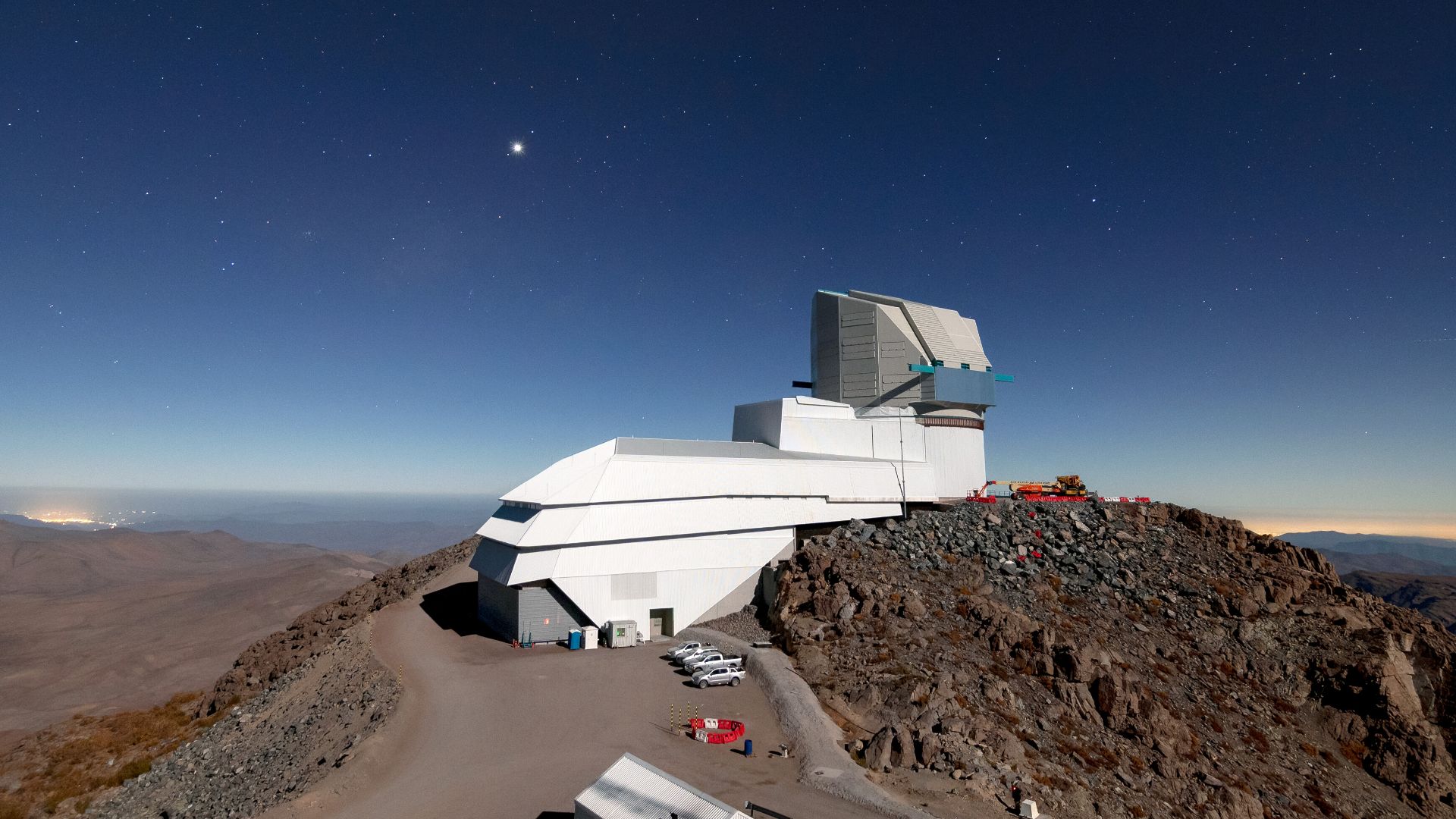
The Vera C Rubin Observatory's 3,200-megapixel camera and decade-long Legacy Survey of Space and Time will revolutionize rogue planet detection through systematic sky monitoring. Advanced data processing algorithms will identify moving objects against stellar backgrounds, potentially discovering thousands of new wandering worlds.
 Rubin Observatory/NOIRLab/NSF/AURA/B. Quint, Wikimedia Commons
Scientific Value
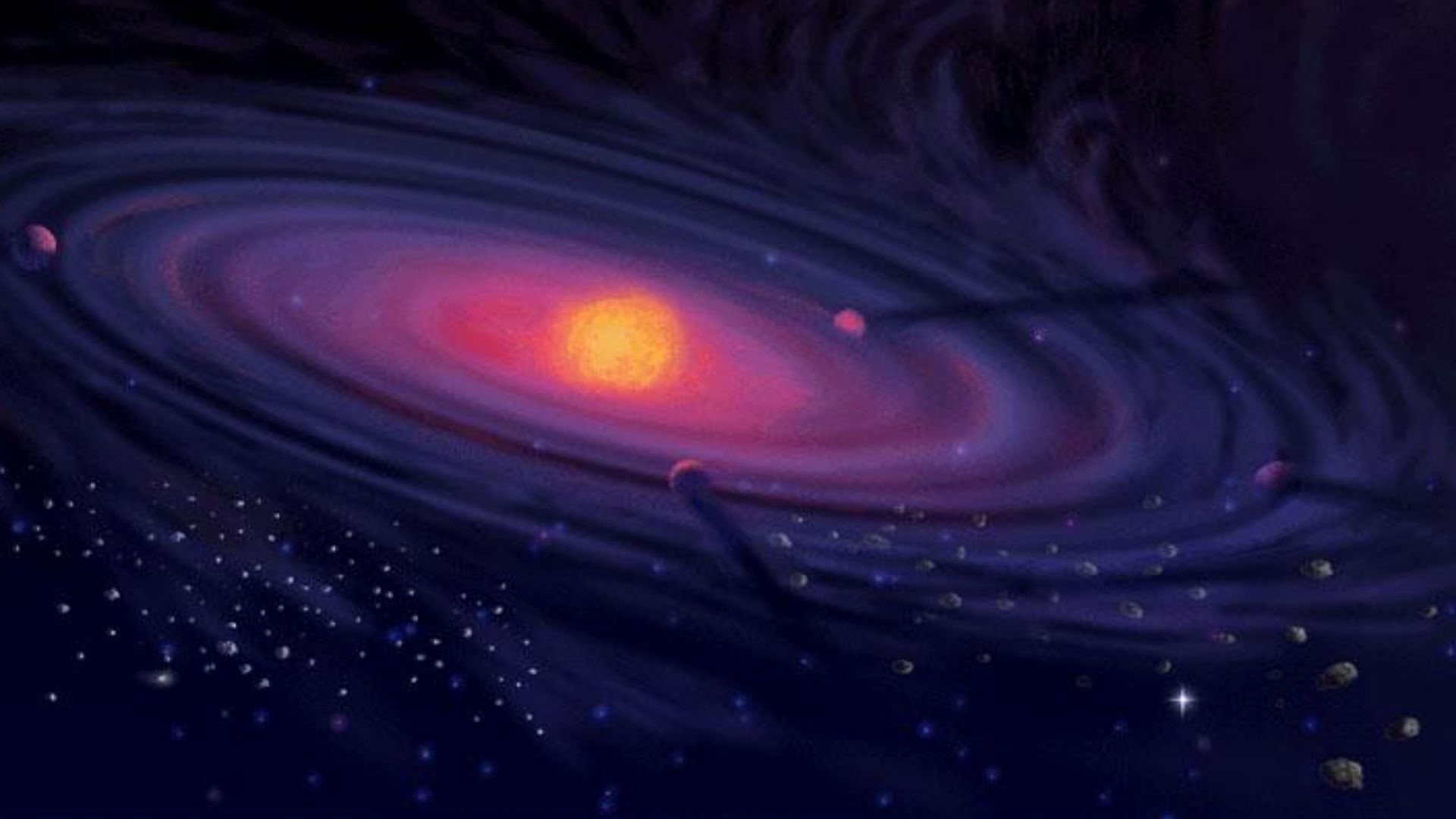
Such planets offer unique laboratories for studying planetary formation without stellar interference. Their pristine atmospheres preserve chemical signatures from their birth environments, providing clues about conditions in distant solar systems. Spectroscopic analysis helps astronomers understand how worlds form, evolve, and survive in the harsh environment of interstellar space.
 Brian Brondel, Wikimedia Commons
Astrobiology Potential
Despite their isolation, some of these elements might harbor life in subsurface oceans heated by radioactive decay or tidal forces from retained moons. These hidden biospheres could highlight entirely independent evolutionary pathways, developing without any connection to stellar energy sources.
Gravitational Archaeology
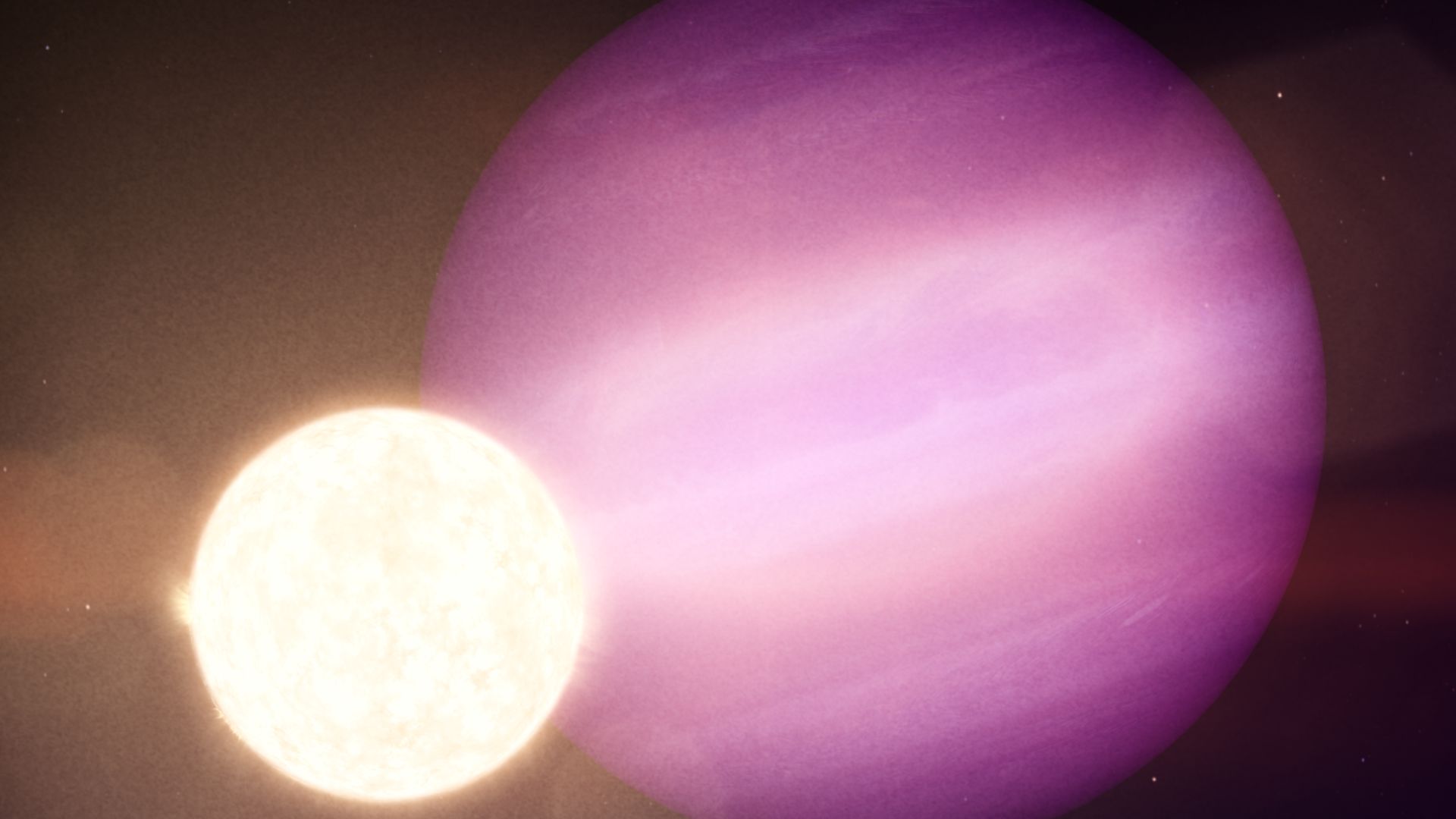
When rogue planets pass through stellar systems, their gravitational influence can reshape planetary orbits and scatter small bodies like comets and asteroids. Recent theoretical work suggests that past encounters with rogue planets might explain some of the orbital characteristics of our own solar system's giant planets.
 NASA’s Goddard Space Flight Center, Wikimedia Commons
Research Networks
International partnerships like MiNDSTEp, RoboNet, and PLANET coordinate global networks of telescopes to detect and study microlensing events caused by rogue planets. These collaborations enable 24-hour monitoring of potential events, combining data from observatories across different hemispheres to maximize detection efficiency.