

The Desert That Burned With Secrets
In the middle of Saudi Arabia’s black volcanic fields, archaeologists found something extraordinary—hundreds of mysterious stone formations stretching for miles. The locals once called this region the “Gates of Hell,” but what they uncovered might rewrite early human history.

Ancient Stone Walls Rise From Saudi Arabia's Volcanic Wasteland
Across the scorched lava plains of Harrat Khaybar, walls built from jagged black rock stand defiant. These ancient barriers twist and turn over the uneven ground, their purpose long forgotten. To researchers, they’re silent relics whispering stories from a prehistoric world.
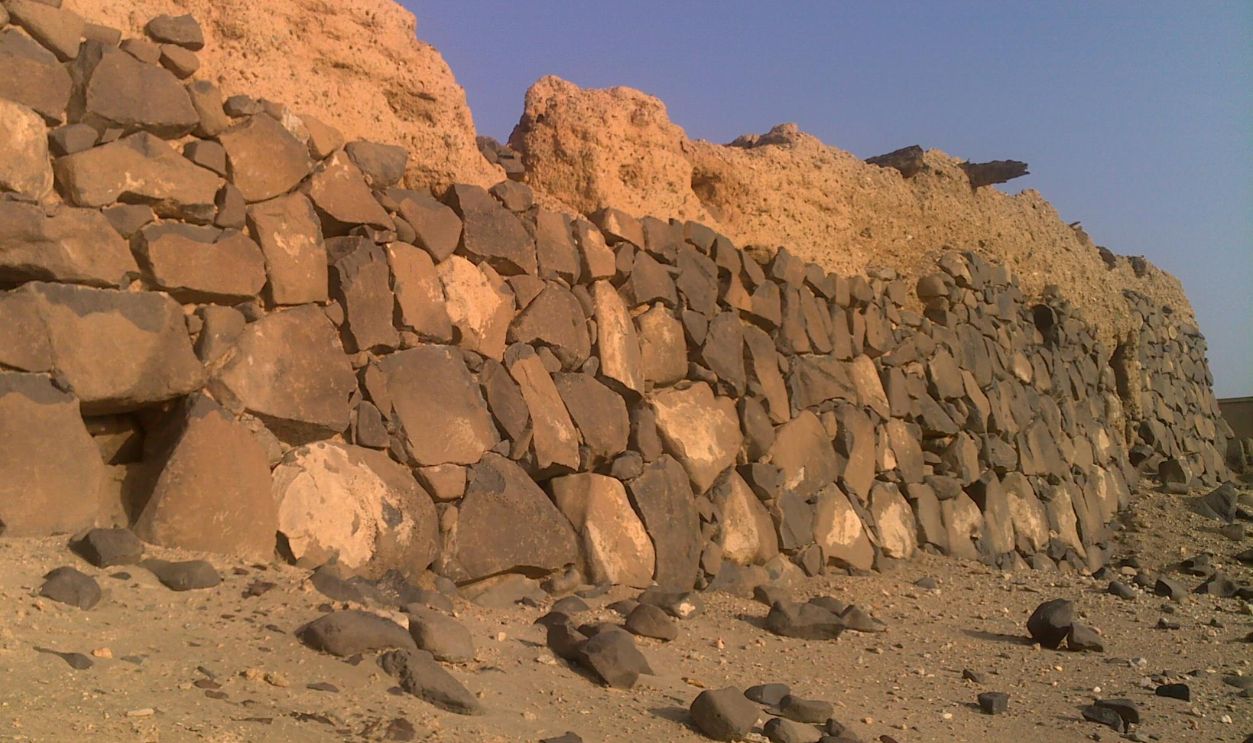 Immortal 1404, Wikimedia Commons
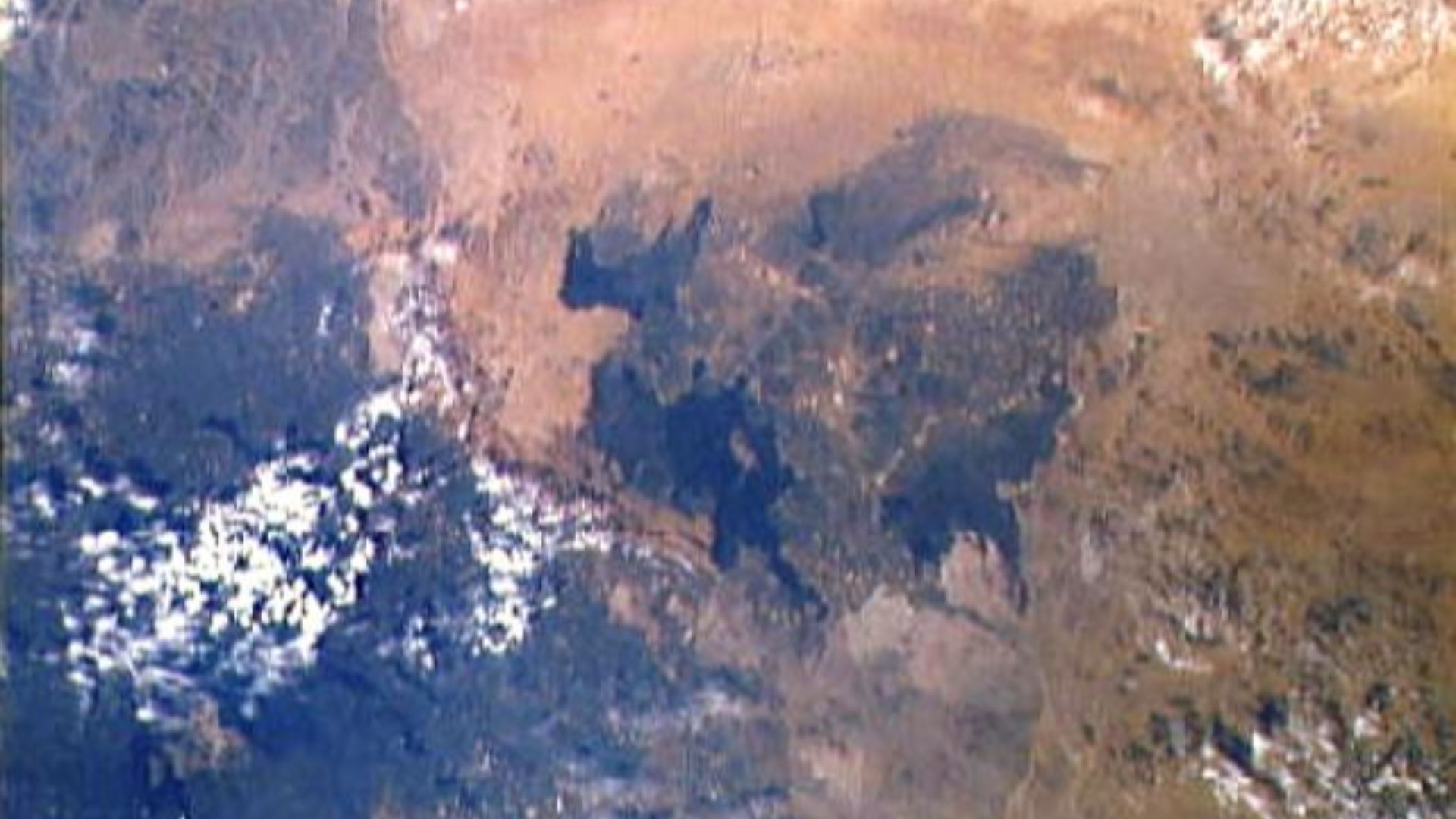
Satellite Imagery Unveils 400 Enigmatic Stone Formations
When researchers first examined the region through satellite imaging, they spotted an astonishing sight—over four hundred geometric outlines scattered across miles of volcanic plains. From the air, they formed intricate networks that suggested a deliberate, large-scale design rather than random natural patterns.
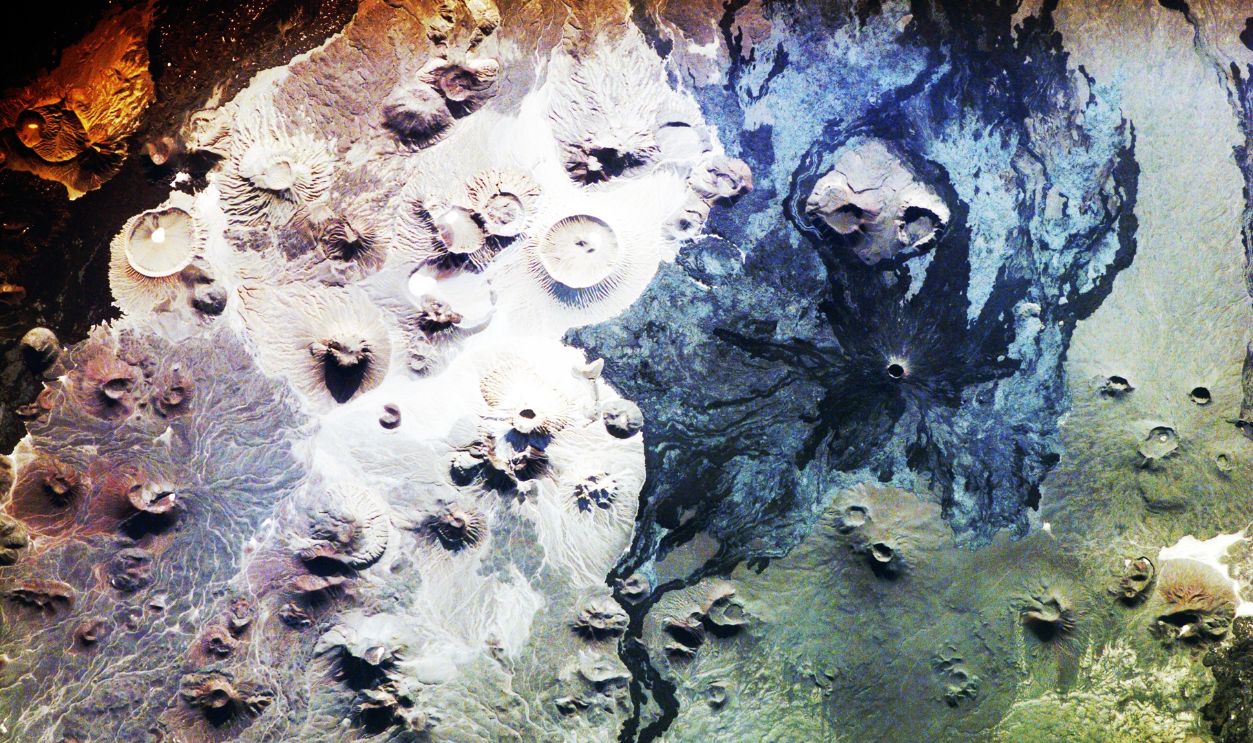 Expedition 16 Crew Member on the International Space Station, NASA, Wikimedia Commons
Next Stop? Google Earth
After spotting unusual patterns in satellite images, archaeologists zoomed in with Google Earth for a closer look. What seemed like faint scratches on the desert floor turned out to be sprawling stone structures only fully recognizable from above.
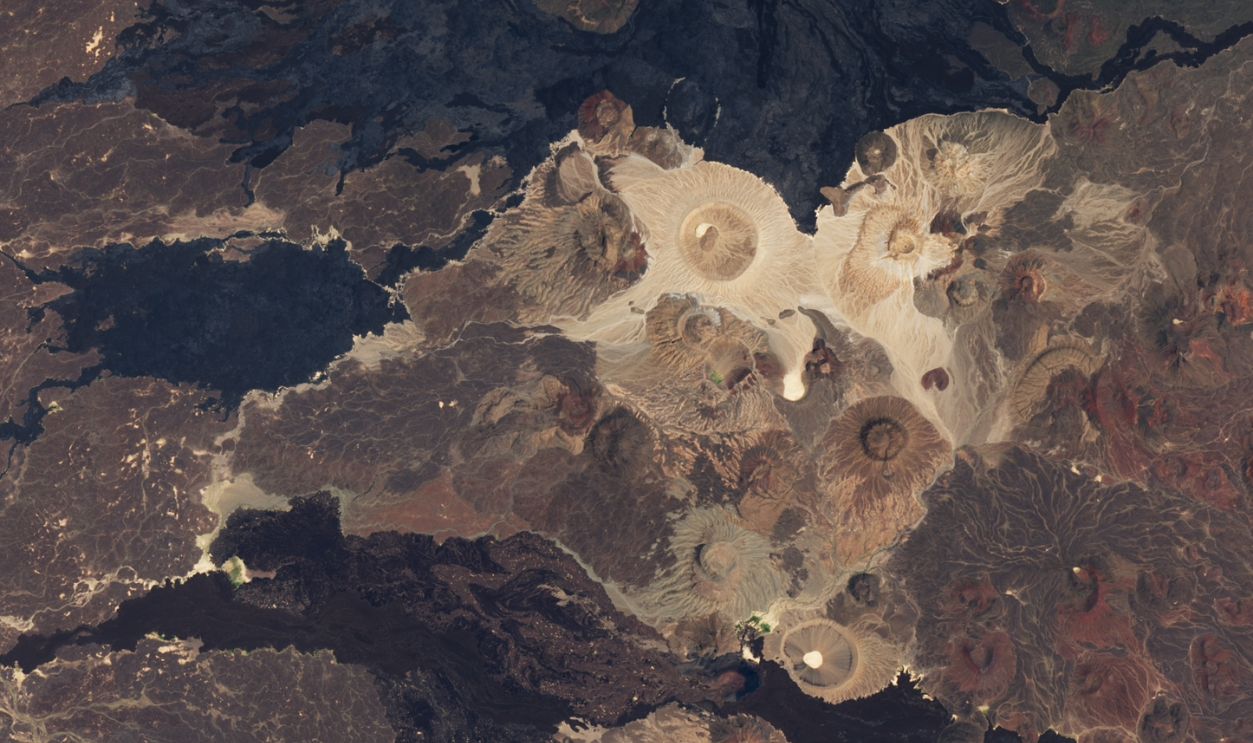
Aerial Photography Exposes The Detailed Architecture
High-resolution aerial imaging revealed artistry once invisible to the eye. Some stones were stacked in deliberate patterns to form smooth internal pathways. These details indicate careful planning and a strong architectural tradition, not random piles left by nature or chance.
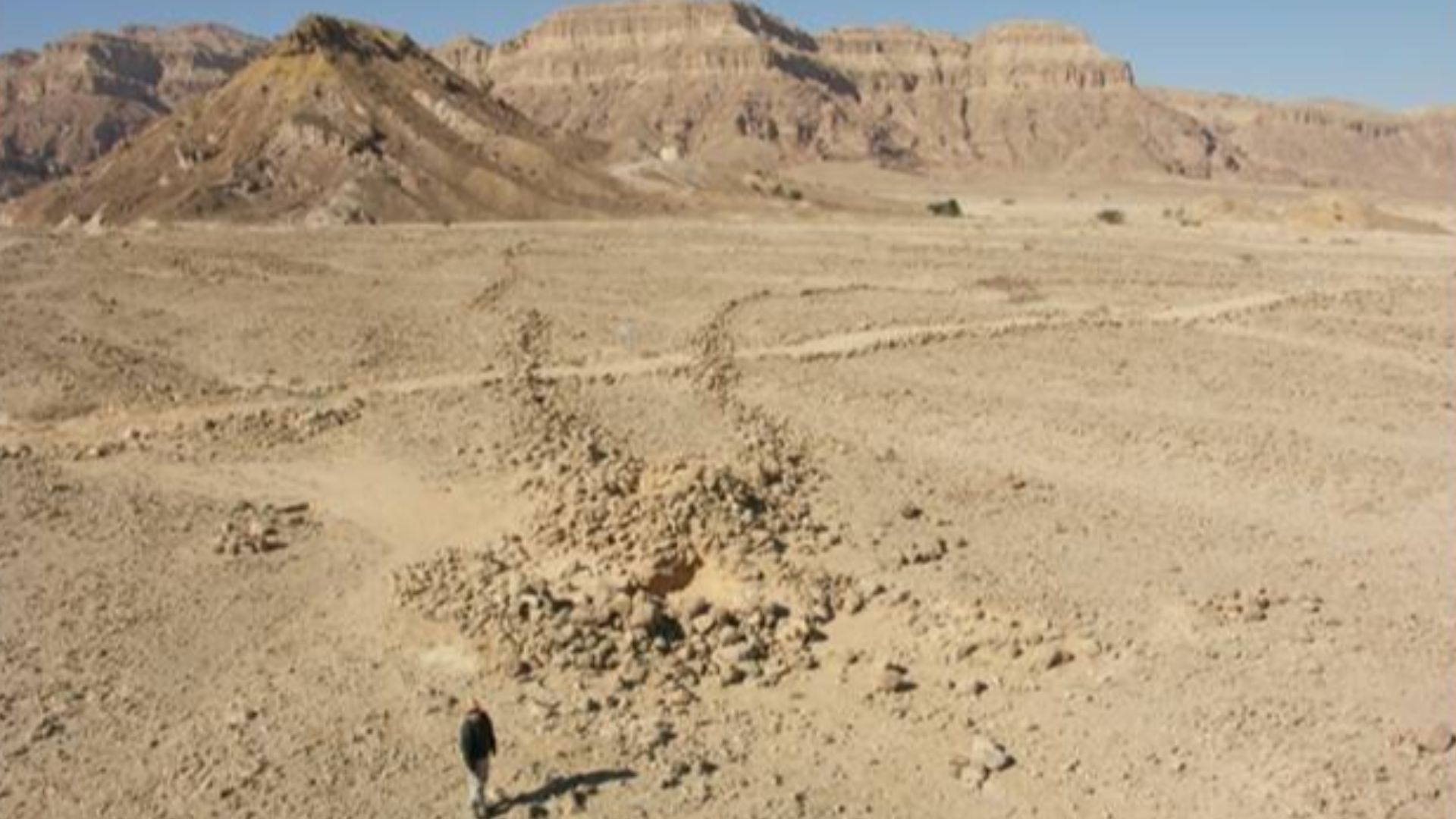
The Placement Was Highly Strategic
The positioning of these structures wasn’t accidental. Many sit along ancient animal migration routes and water channels. Archaeologists believe early inhabitants designed them to trap or perhaps even honor the creatures that sustained their survival across generations.

The Stone Lines Extend For Tens Of Miles
When traced by drone, some of the formations continued for astonishing distances. Thin stone lines snaked across the terrain like ancient boundaries or paths. Their sheer length suggested a shared purpose connecting far-flung communities across the barren expanse.
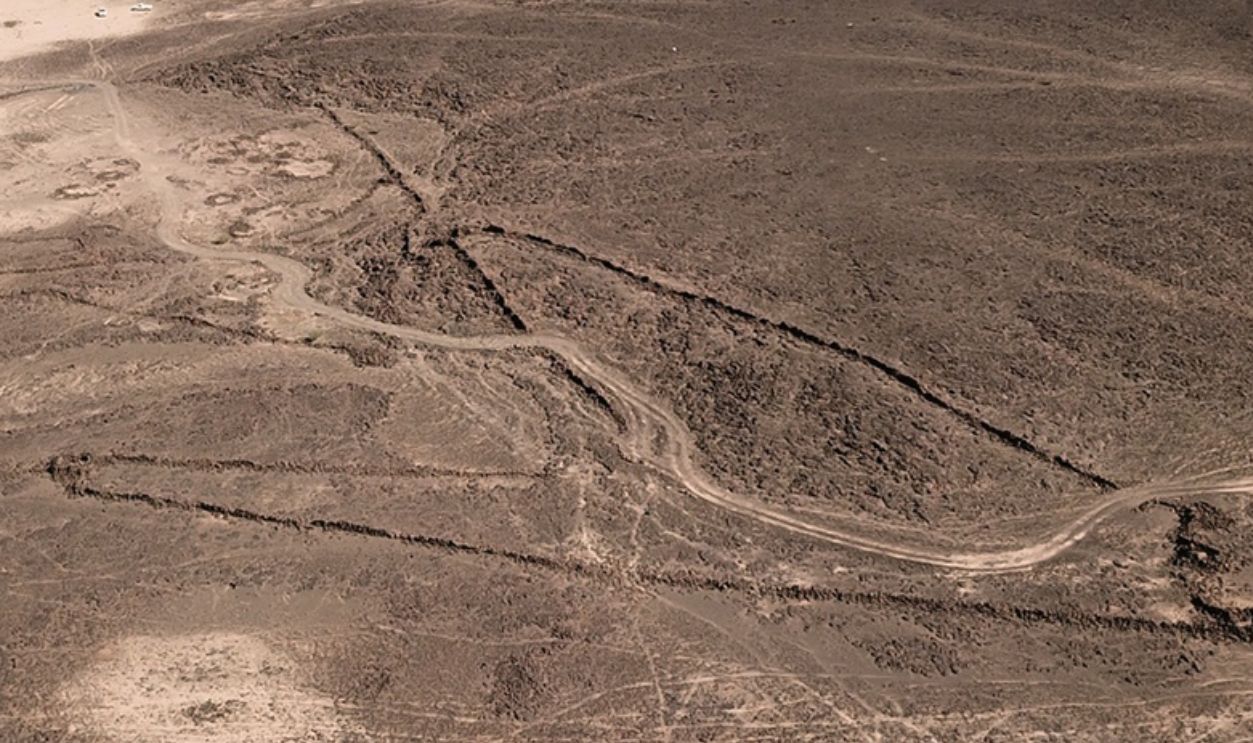
Stone Gates Measure Up To 1,600 Feet Across Desert Terrain
From the sky, some of the largest “Gates” stretch around five football fields. Their straight lines and precise construction puzzled experts. Who would build something so vast in such a barren, unforgiving region—and more importantly, why?
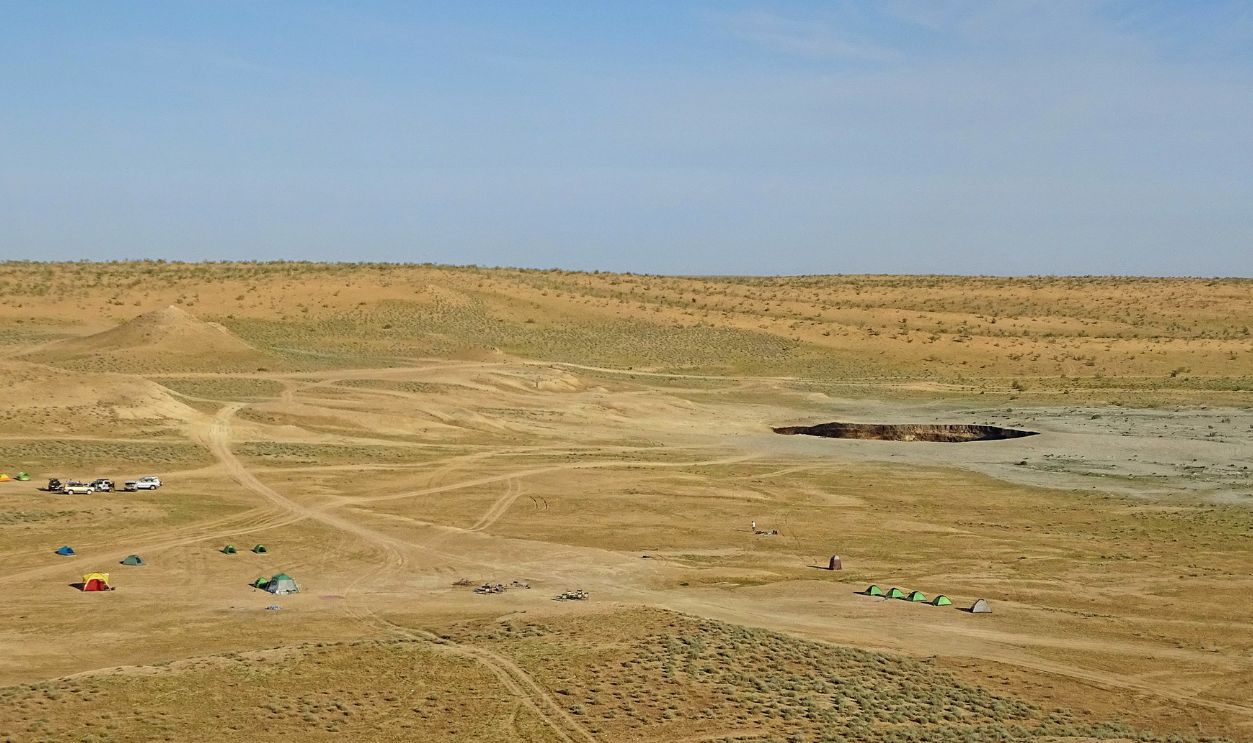 Bjorn Christian Torrissen, Wikimedia Commons
These Gates Were Constructed With Remarkable Precision
Each “Gate” followed deliberate alignments, often perfectly straight or evenly spaced. The uniformity surprised surveyors who realized the builders had achieved geometric balance without modern instruments—a feat hinting at both intelligence and shared knowledge.


History's most fascinating stories and darkest secrets, delivered to your inbox daily.
Stone Circles Cover 5,400 Square Miles
Across an area roughly the size of Connecticut, researchers documented hundreds of stone circles and gates. Their density suggests a large, interconnected network of Neolithic settlements. What seems like wilderness today may once have been a bustling region of trade and ceremony.
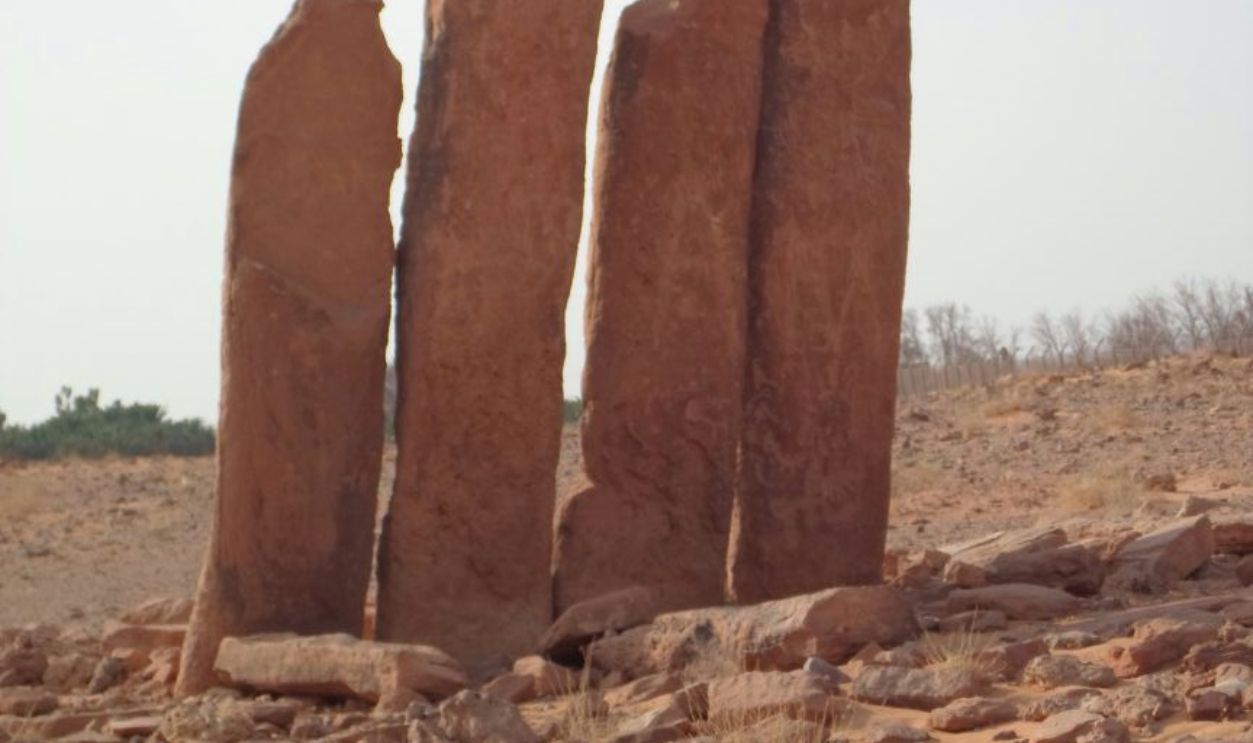 Imam Khairul Annas, Wikimedia Commons
All These Mysterious Structures Date Back 9,000 Years
Dating samples from the stone surfaces revealed that these structures were built around 9,000 years ago. That pushes human activity in the Arabian Peninsula much further back than previously believed. The revelation? Advanced societies thrived here long before recorded history.
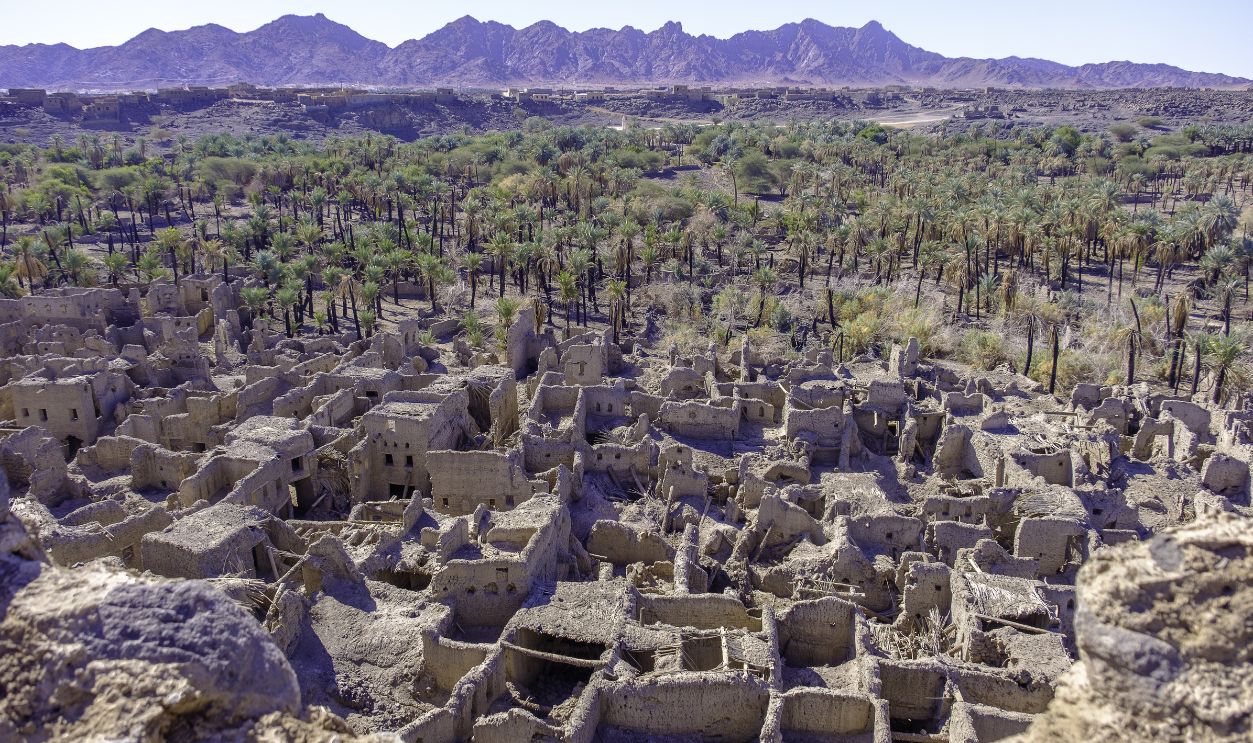
Harrat Khaybar Volcanic Field Yields More Archaeological Treasures
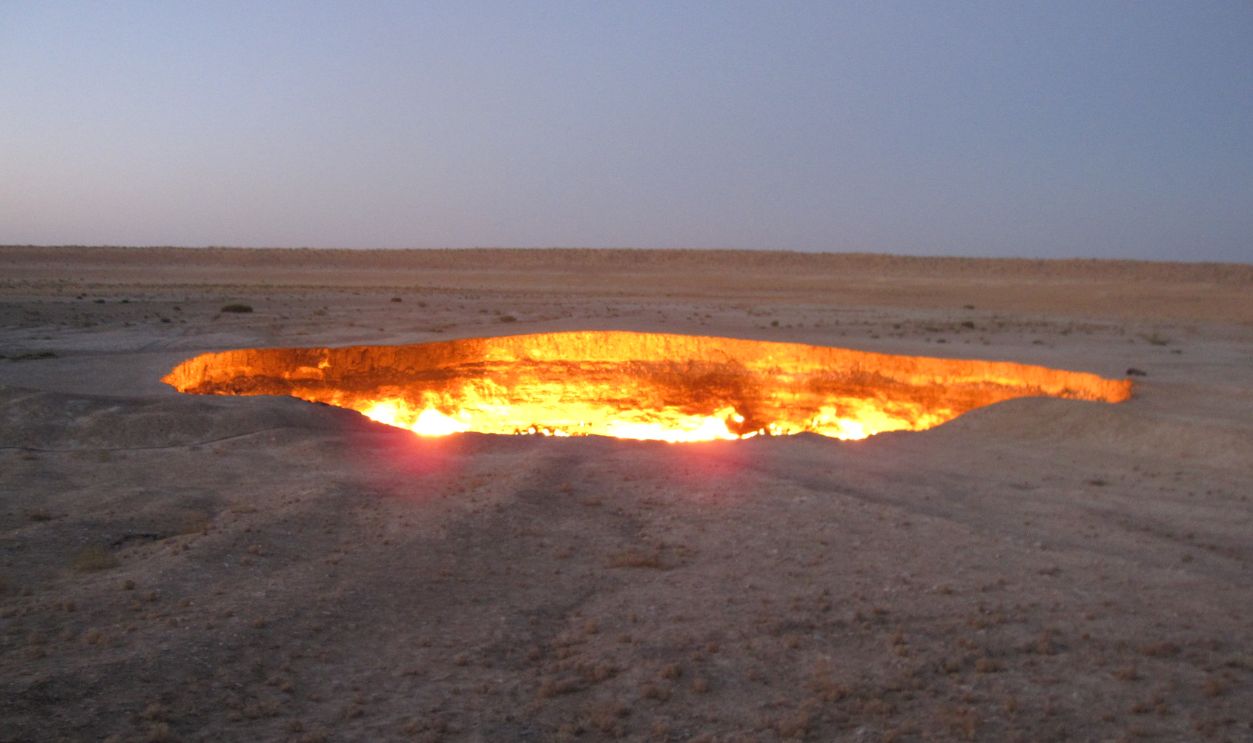
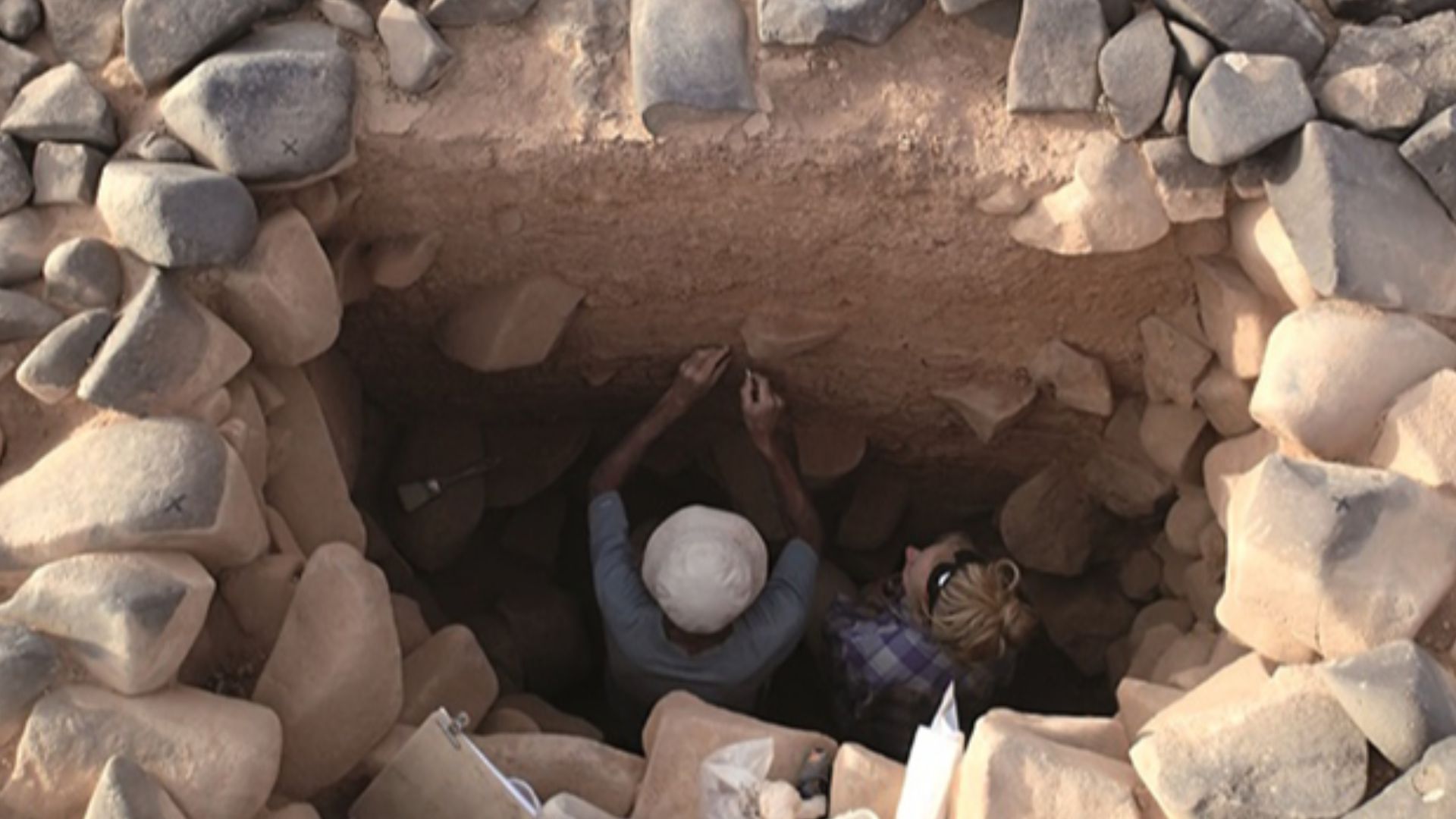
Excavations across the lava fields of Harrat Khaybar revealed more than desolate rock. Hidden beneath layers of volcanic debris were tools and fragments of ancient settlements. Each find added depth to the story of a place once teeming with life and human innovation.
 Stefan Krasowski from New York, NY, USA, Wikimedia Commons
Desert Kites Reveal Sophisticated Hunting Strategies
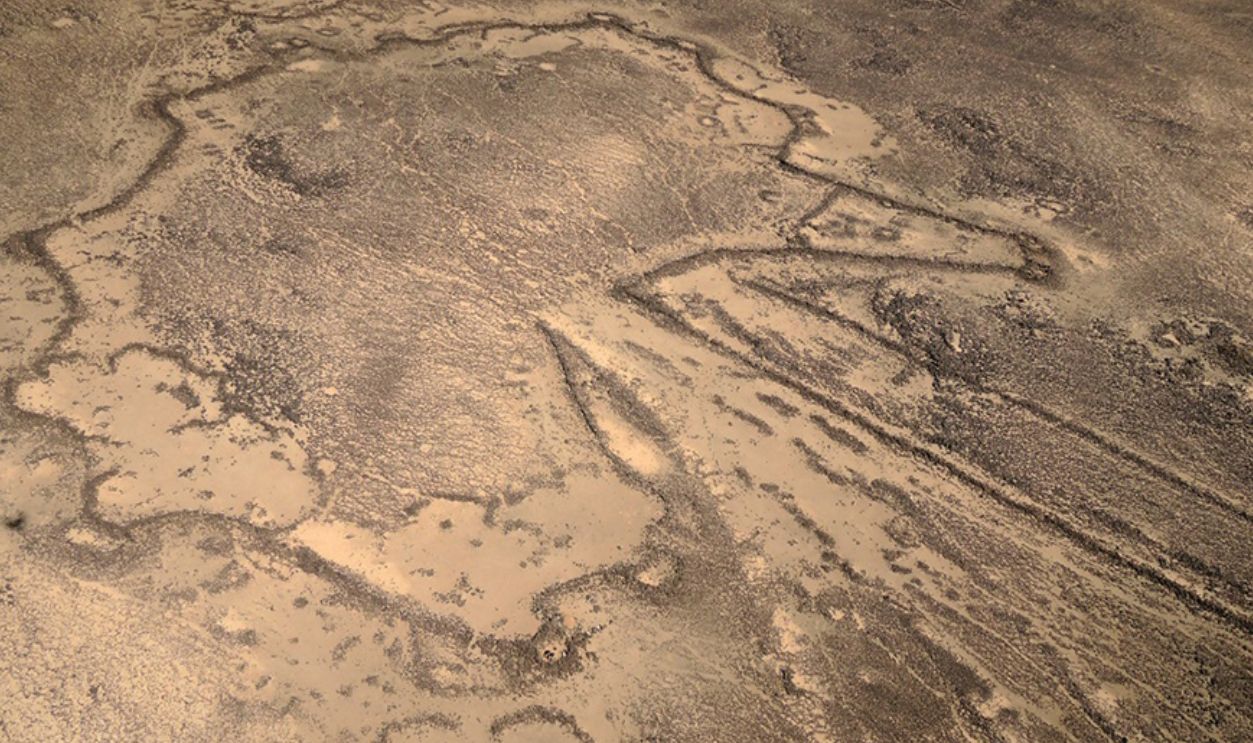
Nearby, long funnel-shaped stone patterns, known as “desert kites,” were found. These were probably used in an ancient hunting technique. Early communities likely used these traps to herd gazelles into enclosures.
The Funnels Suggest Complex Animal Management
These vast funnel-shaped gates were believed to be part of early animal management systems—an organized way to handle herds during seasonal migrations, long before formal domestication began.

Bullseye Patterns Puzzle Modern Researchers
Among the gates and kites, circular “bullseye” shapes drew particular fascination. Perfectly rounded and centered, they didn’t match hunting layouts or dwellings. Some researchers believe they may have served ritual or astronomical purposes tied to seasonal changes or migration cycles.
Rectangular Mustatils Scattered Across Lava Flows
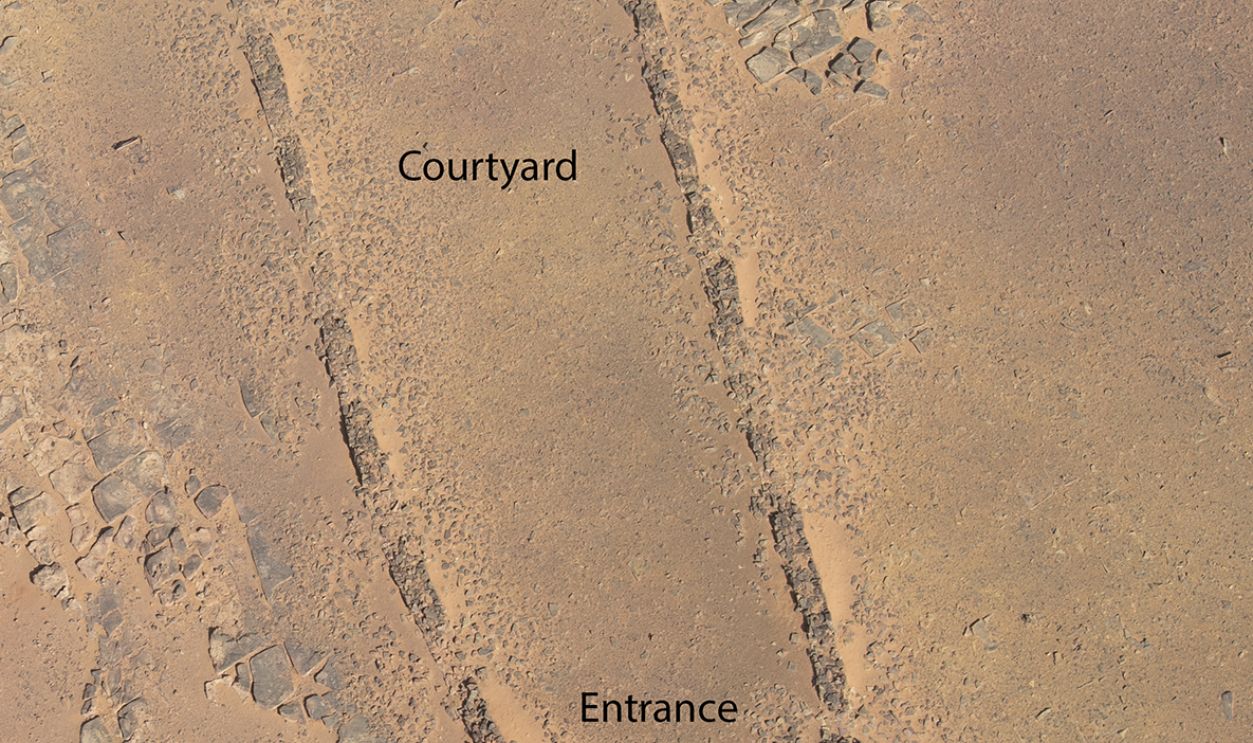
Dozens of rectangular enclosures called “mustatils” emerged in aerial photographs. Stretching hundreds of feet, these stone rectangles appear throughout northern Arabia. Their consistent dimensions meant these people shared a cultural tradition spanning generations of builders who left no written explanations behind.
 Kennedy et al.,Wikimedia Commons
Neolithic Communities Thrived In A Hostile Environment
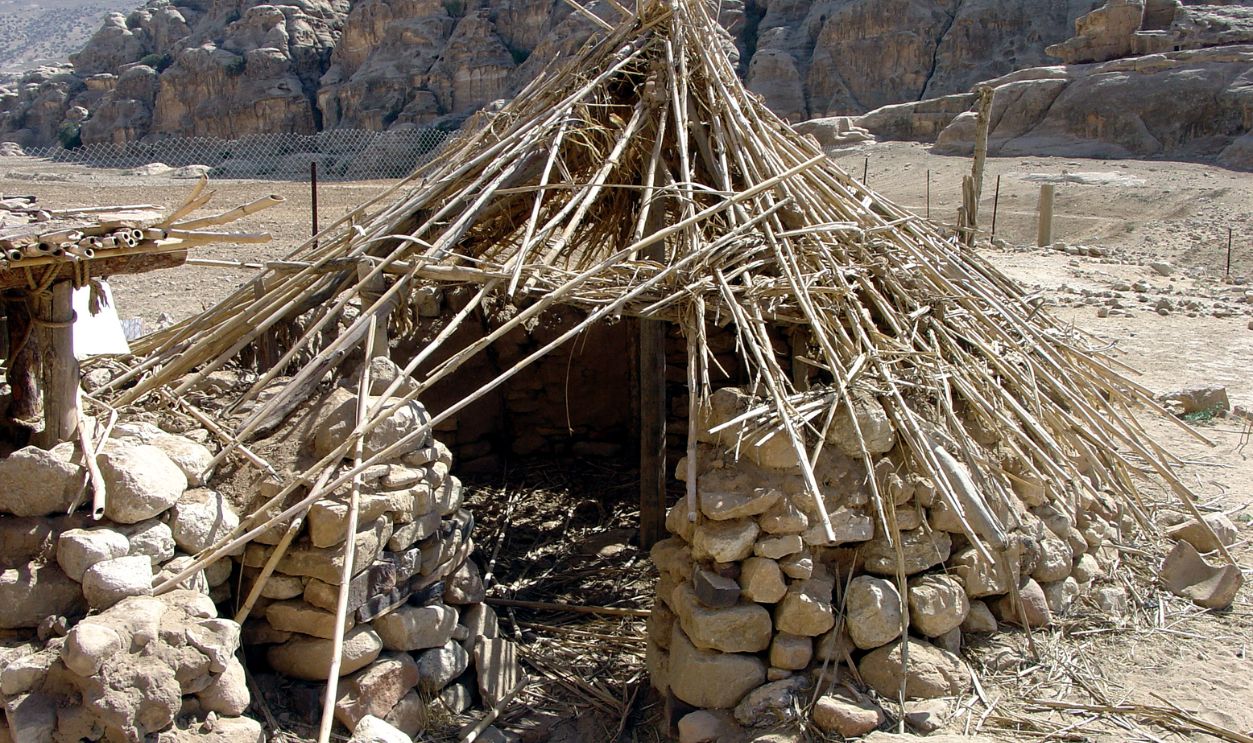
Thousands of years ago, this harsh volcanic plain was home to communities that mastered survival. They built homes, hunted herds, and engineered complex stone formations in the scorching heat. The endurance of their work highlights that they were quite resourceful.
 Michael Gunther, Wikimedia Commons
Volcanic Rock Preserved Structures For Millennia
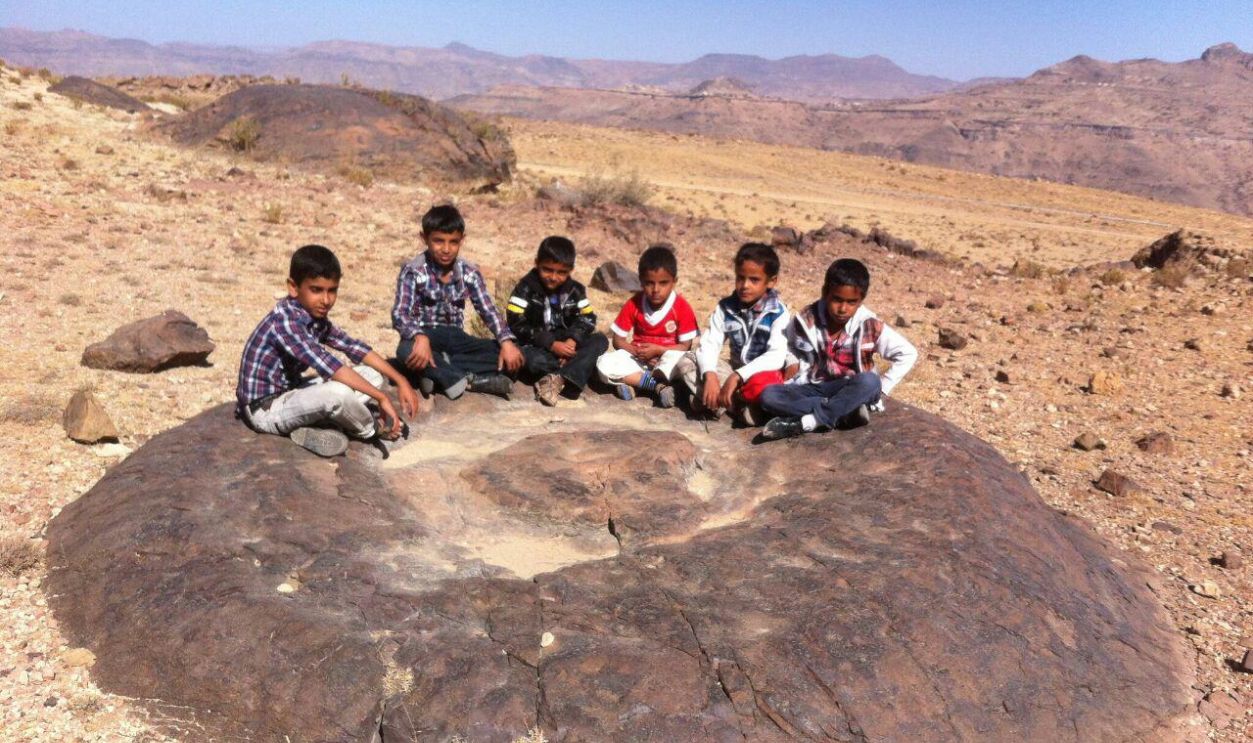
Centuries of volcanic activity turned out to be an unlikely ally to archaeology. As molten basalt cooled, it hardened into a natural vault around the stone gates, locking them in place. This shield preserved walls and pathways that would’ve eroded elsewhere long ago.
 MOHSEN ALSHAGHDARI, Wikimedia Commons
Arid Climate Ensures Pristine Preservation
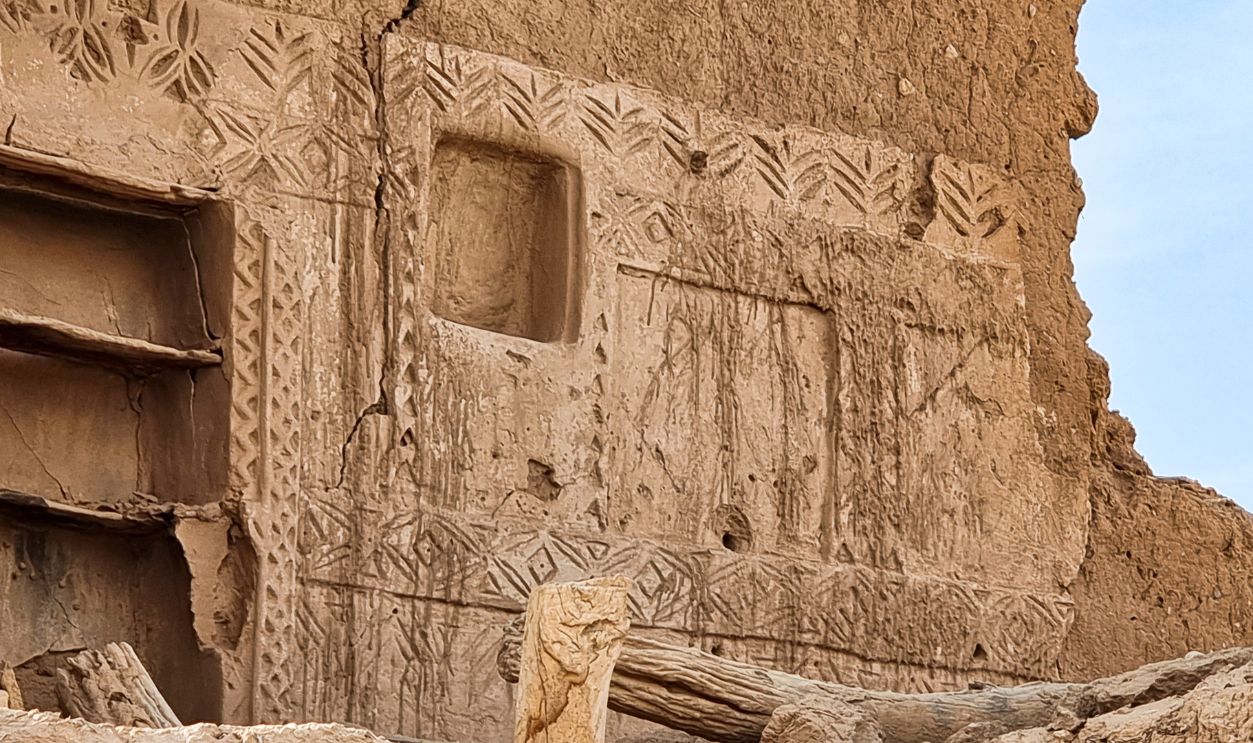
Beyond volcanic protection, the desert itself served as a guardian. With almost no rainfall or vegetation to disrupt the terrain, the structures remained untouched for thousands of years. The arid stillness allowed modern researchers to view the ancient site nearly as its builders left it.
 Prof. Mortel, Wikimedia Commons
Remote Location Challenges Ground Expeditions
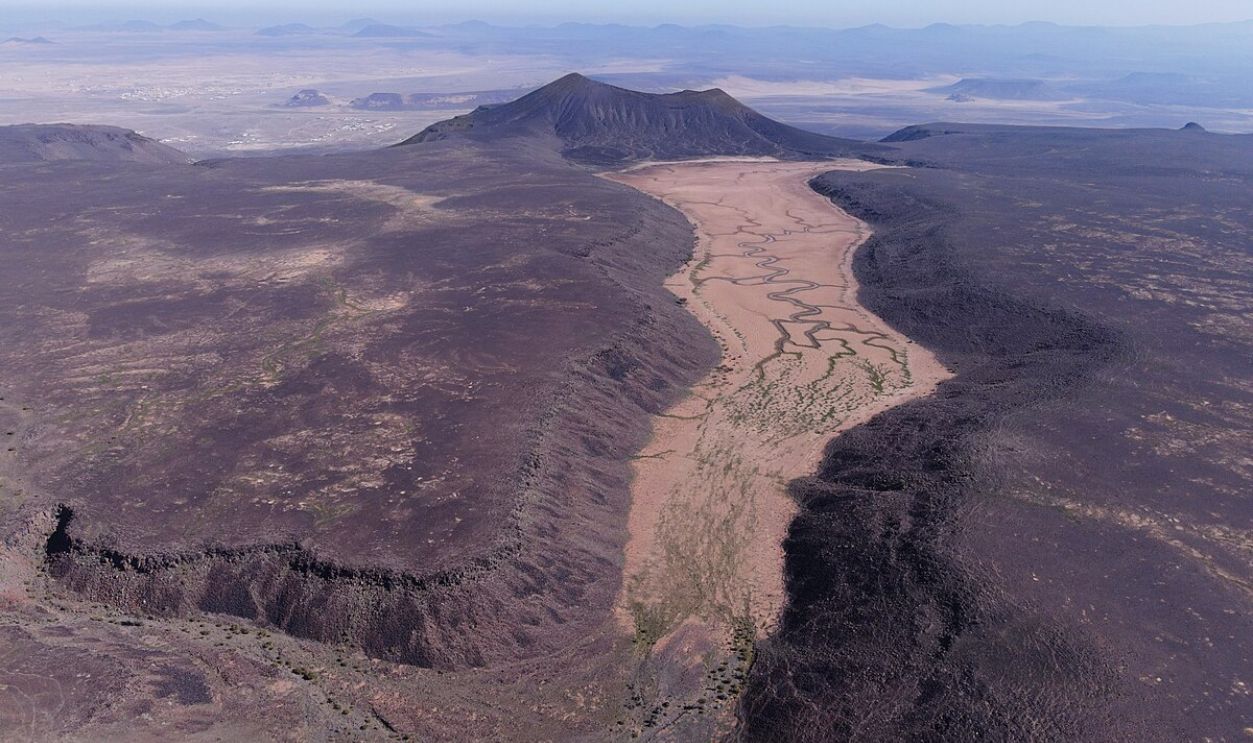
This discovery had its fair share of challenges, and this meant more devices were used. For instance, where surface surveys missed, remote sensing took over. These instruments picked up faint thermal traces and circular depressions that once held fires.
 CaravanNomad, Wikimedia Commons
Researchers Map Hundreds Of Unexplained Formations
After initial discoveries, a broader mapping effort revealed hundreds more enigmatic designs. Using digital elevation models, scientists categorized circles and polygonal structures that hinted at regional planning. Each new coordinate added another puzzle piece to Arabia’s forgotten architectural network.
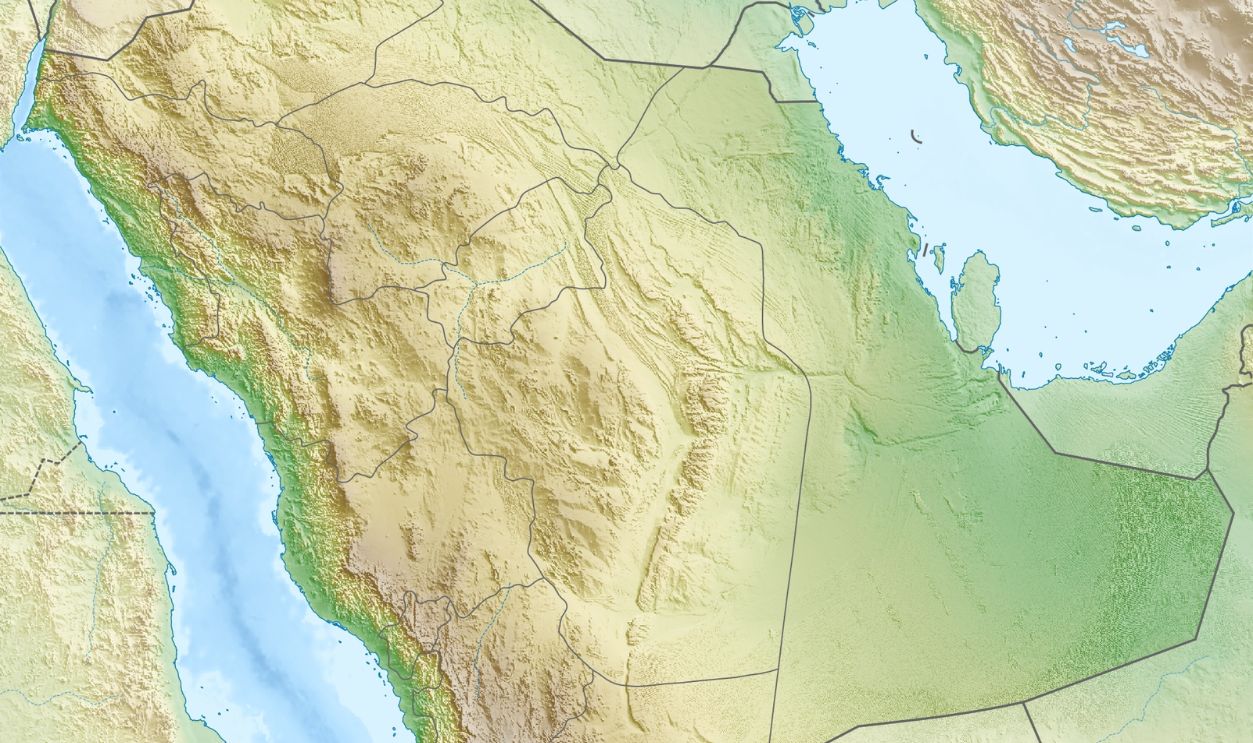
Black Lava Crust Bears Marks Of Human Activity
Close inspection of the hardened lava revealed telltale signs of human interaction. There were several tool marks and chipped edges, along with aligned stones that were placed intentionally. These details offered proof that people shaped this region long after volcanic eruptions had cooled.
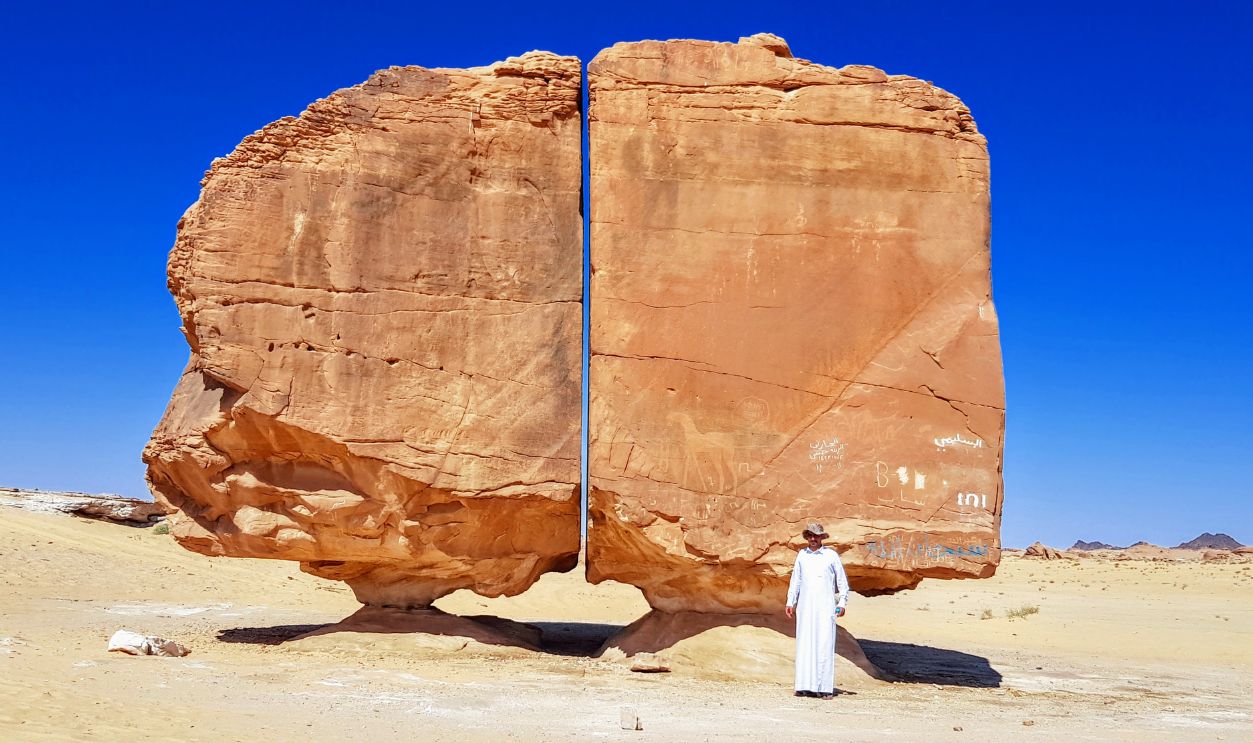
Open-Air Museum Transforms Archaeological Understanding
Harrat Khaybar now feels like a massive open-air museum frozen in time. Every ridge and wall contributes to a growing understanding of early human organization in Arabia, revealing sophistication few thought possible in such early societies.
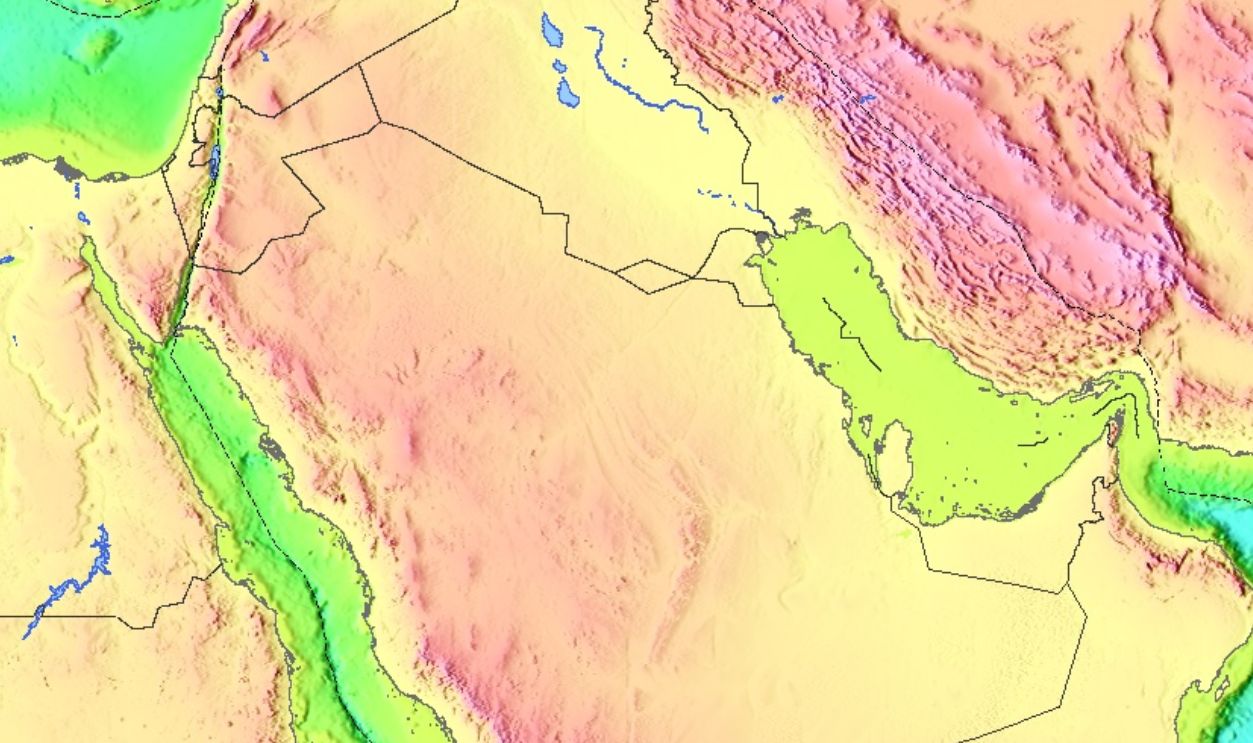
Purpose Of Structures Remains Unknown
Despite years of research, the true purpose behind these gates continues to evade explanation. Were they ceremonial spaces or early territorial markers? Each new discovery deepens the mystery instead of solving it, which keeps the curiosity alive.
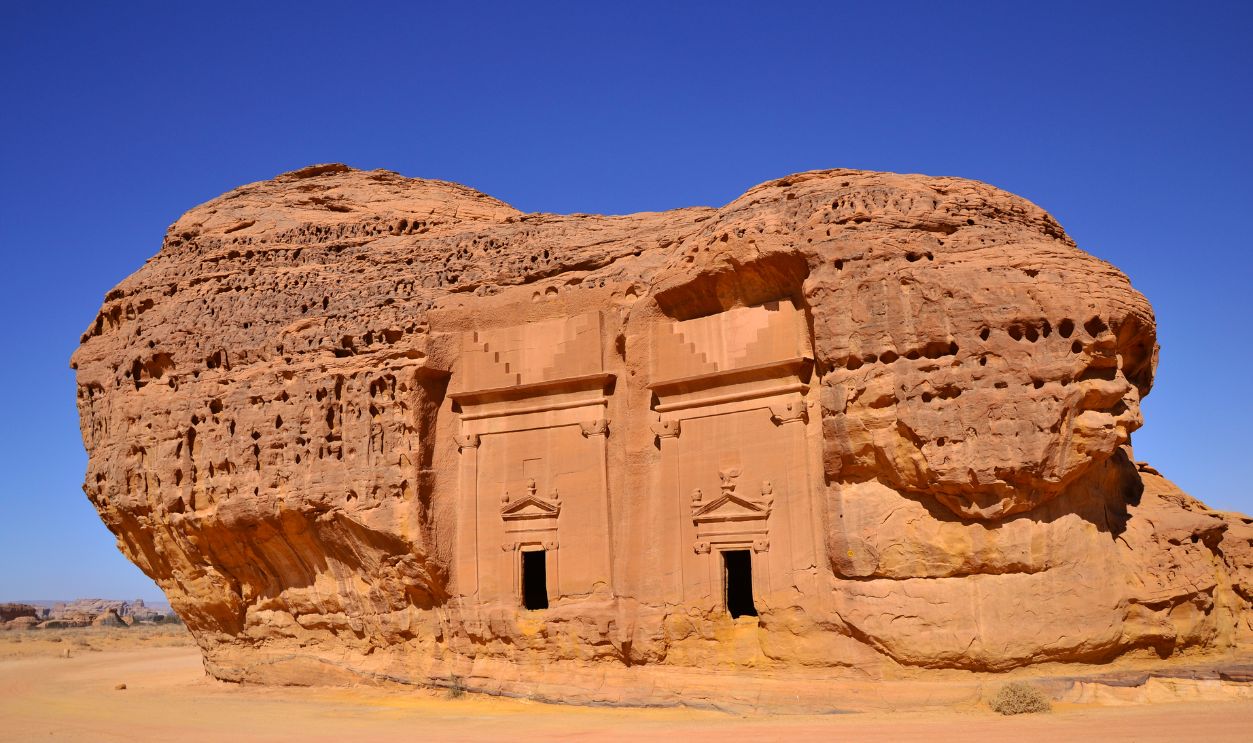
From Empty Desert To Archaeological Goldmine
What once appeared to be an endless wasteland has become one of archaeology’s richest terrains. Every new structure uncovered adds to a story of resilience and mystery to a forgotten chapter of human history, rising from black volcanic stone.
 NASA Space Shuttle image (http://eol.jsc.nasa.gov/), Wikimedia Commons
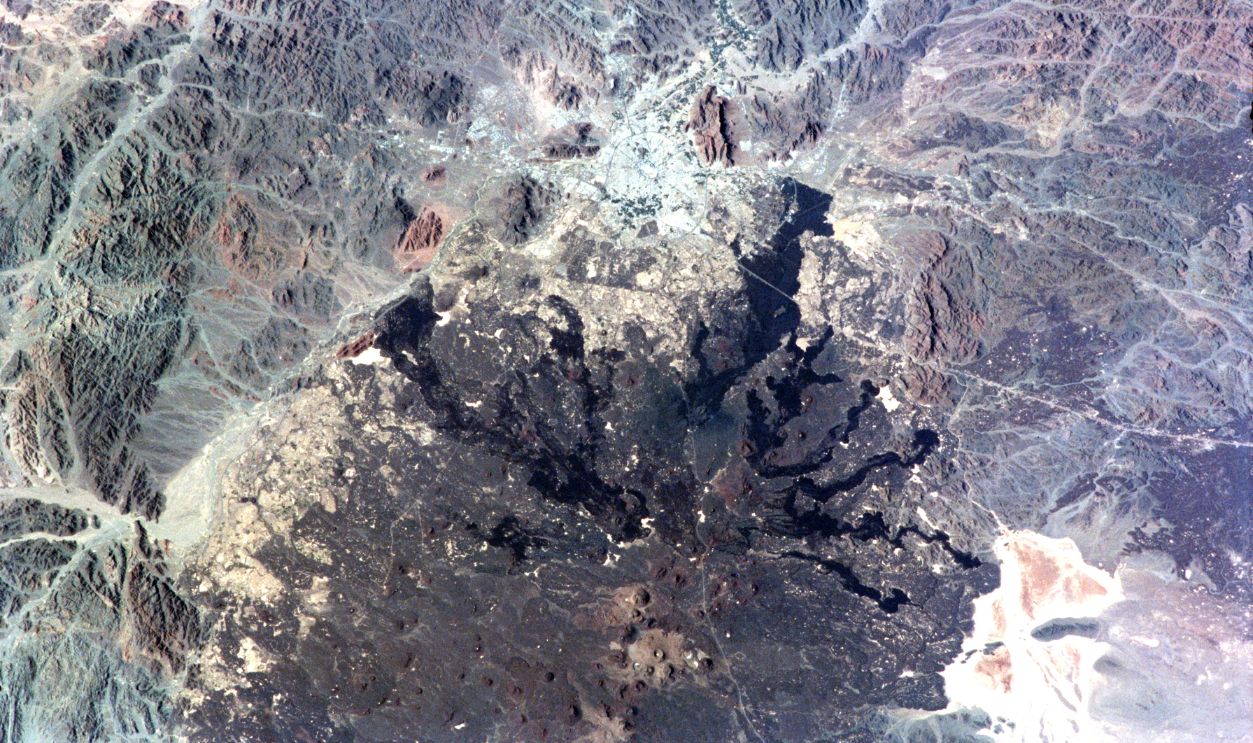
Volcanic Eruptions Buried Some Ancient Sites
Several formations lay partially hidden beneath cooled lava flows, which suggested that later eruptions buried earlier settlements. These layers created a natural timeline, allowing scientists to trace waves of construction and habitation across thousands of years of shifting terrain.
 NASA Space Shuttle image (http://eol.jsc.nasa.gov/), Wikimedia Commons












.jpg)
