
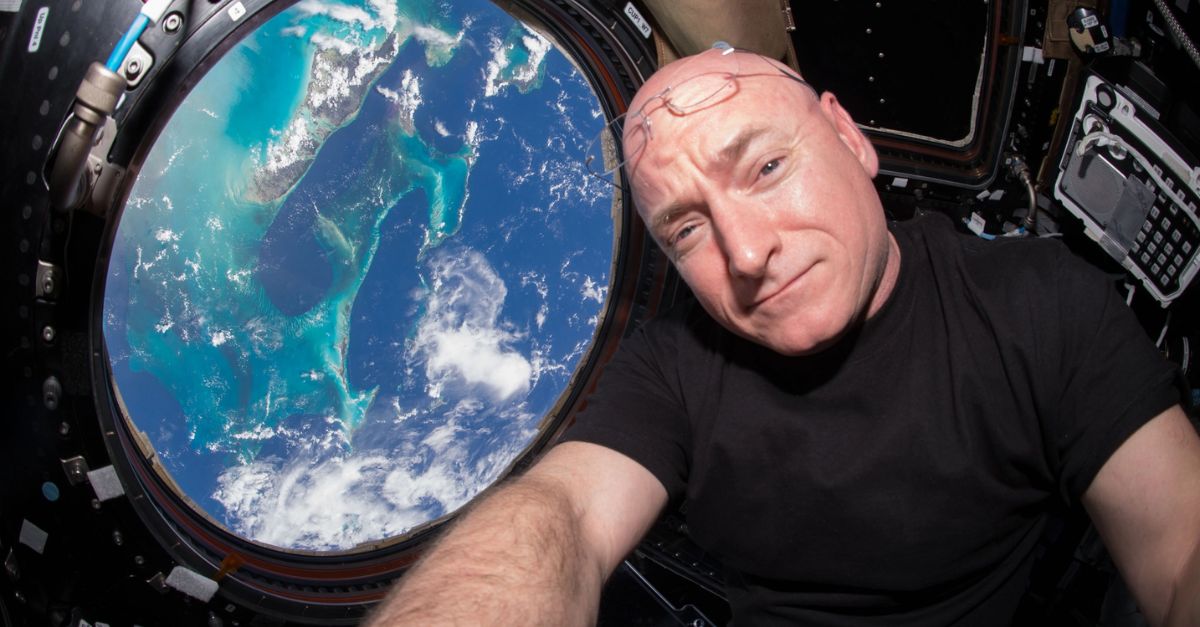
Beyond Spacewalks And Perfect Landings
Astronauts may train for space like heroes, but their days also hold unpredictable mishaps and strangely human moments. NASA’s missions have many quirks, and some are as unforgettable as the view from orbit.
Vomit Comet Training
Before astronauts get the thrill of space, they get the thrill of the “Vomit Comet”. This stunt plane dives and climbs to create real weightlessness for 25 seconds at a time. Most trainees feel intense nausea during the flight, which is where the airplane earned its unfortunate nickname.
Restraining Astronauts In Crisis
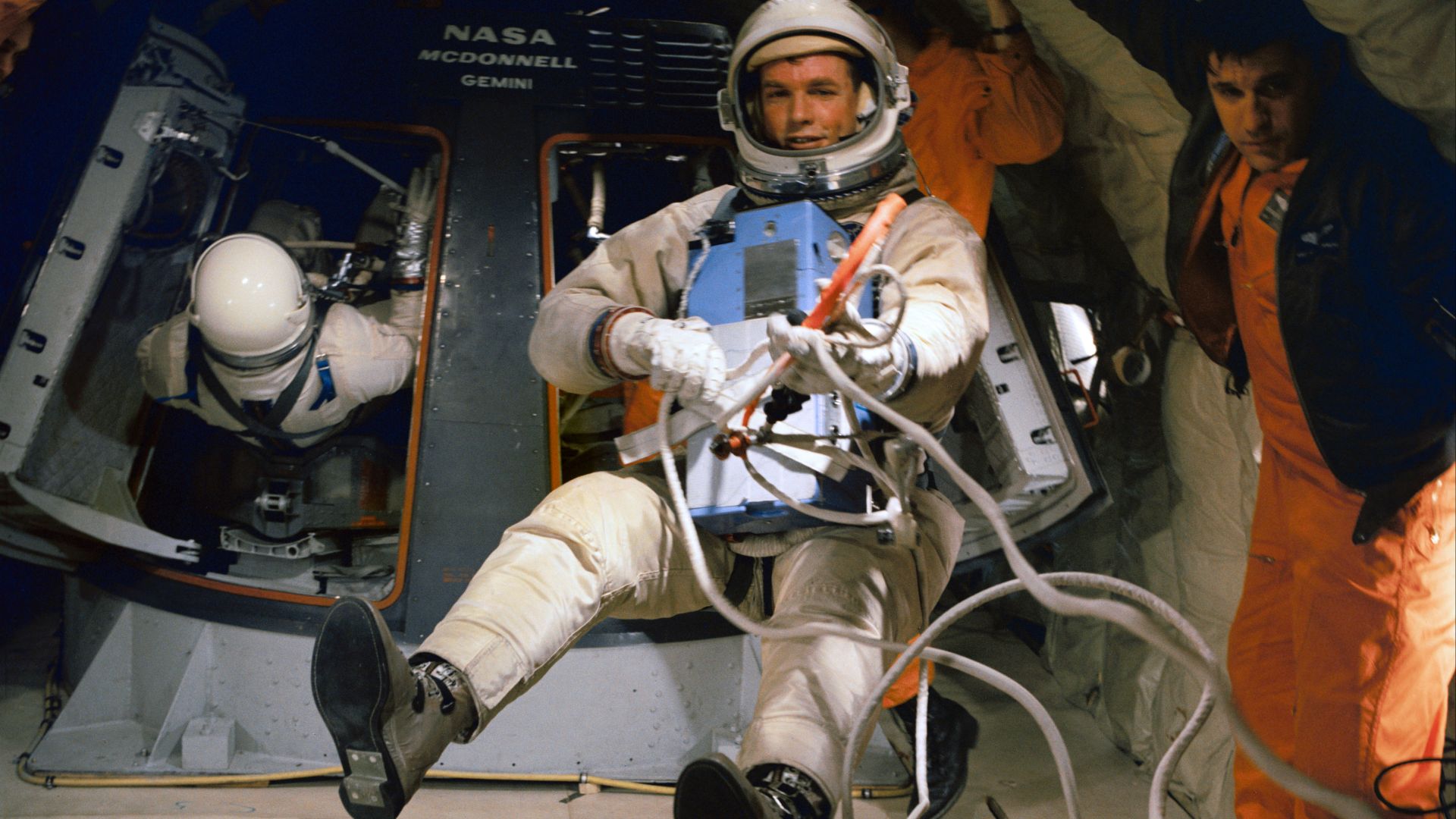
NASA trains crews for every emergency, including a mental breakdown in orbit. The protocol calls for using duct tape, bungee cords, and tranquilizers to keep a distressed astronaut from harming themselves or the crew. It’s a plan no one hopes to use.
Dead Stick Landing Training
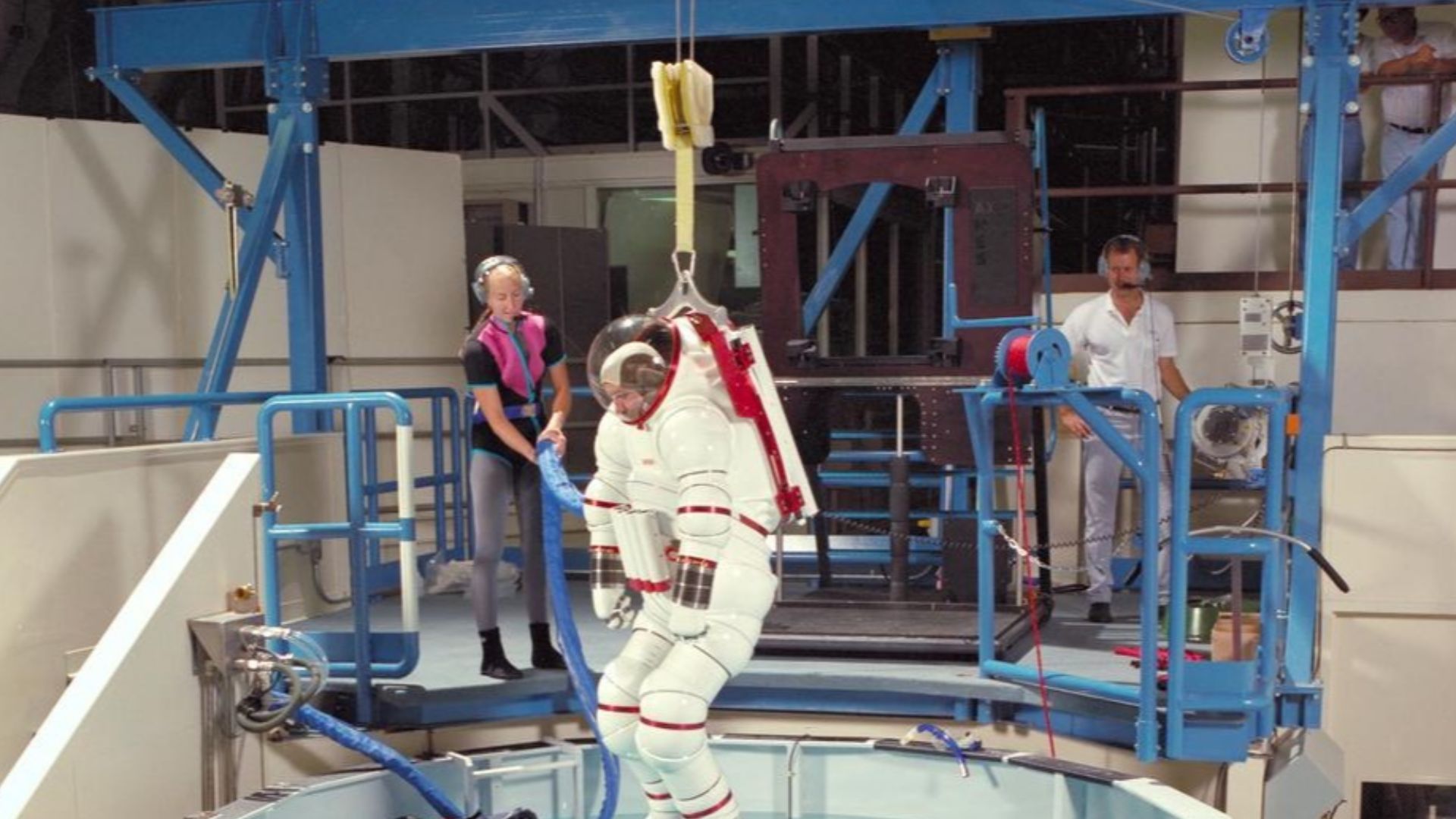
Astronaut pilots practice landing spacecraft without engine power. These “dead stick” drills simulate scenarios where systems fail and the glide must be perfect. On Earth, trainers use jets that mimic the steep, irreversible descent of a real space vehicle.
Secret Quarantine After Moon Landing
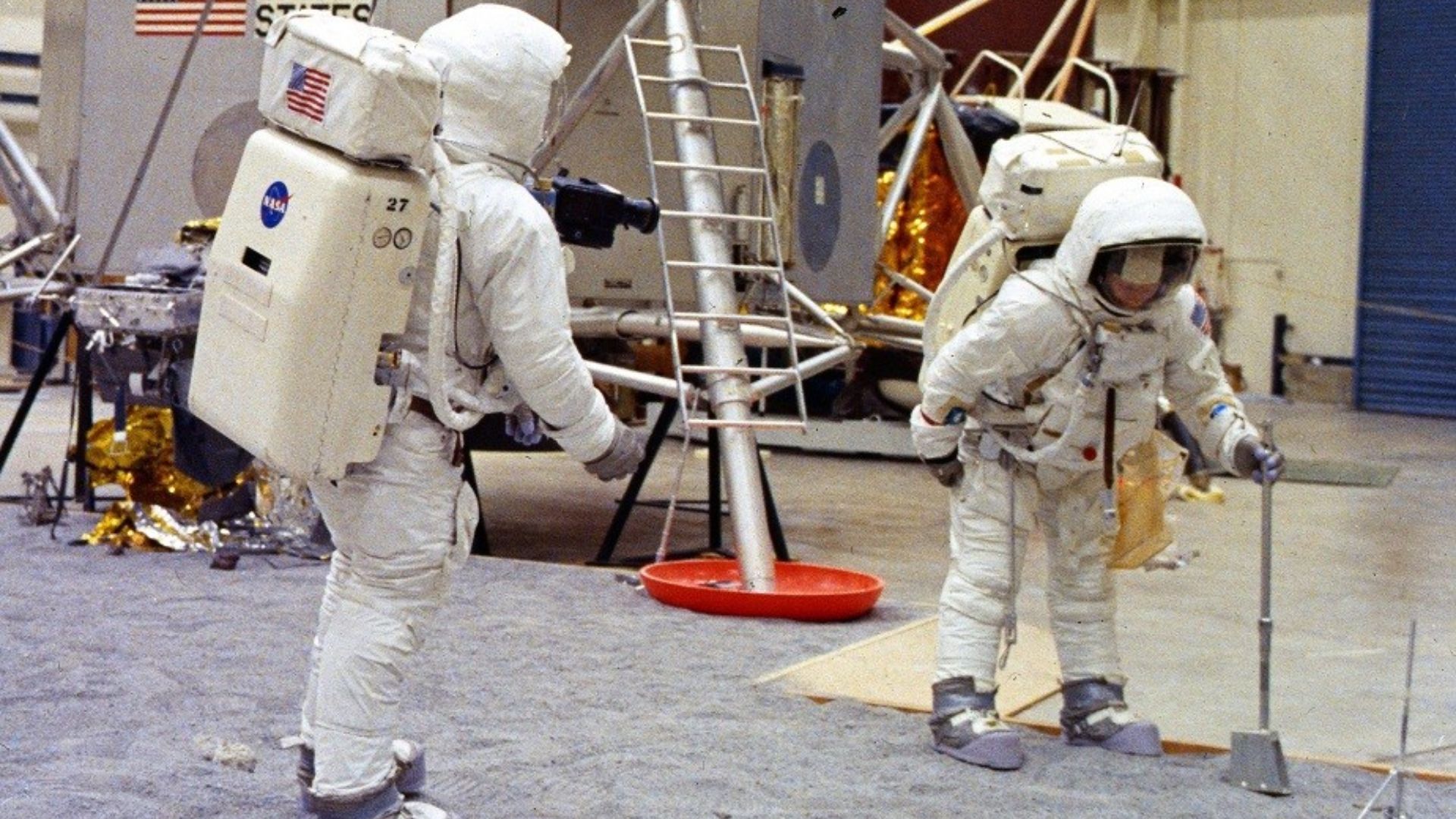
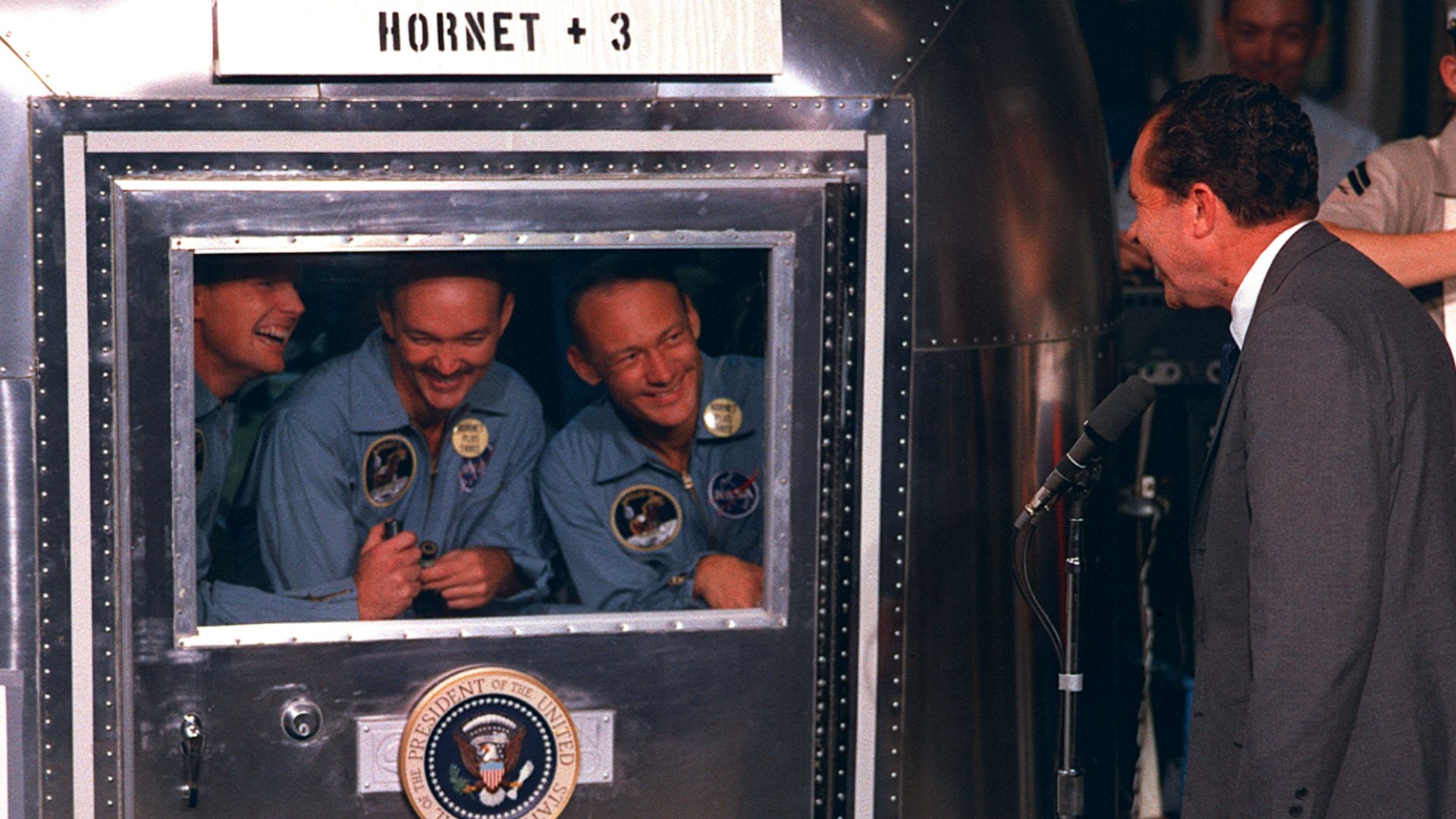
Imagine returning from the Moon only to be locked inside a shiny trailer. Apollo 11, 12, and 14 crews spent 21 days in quarantine suits and sealed rooms until tests proved no lunar microbes threatened Earth, after which NASA ended the practice entirely.
The Space Sickness Scale
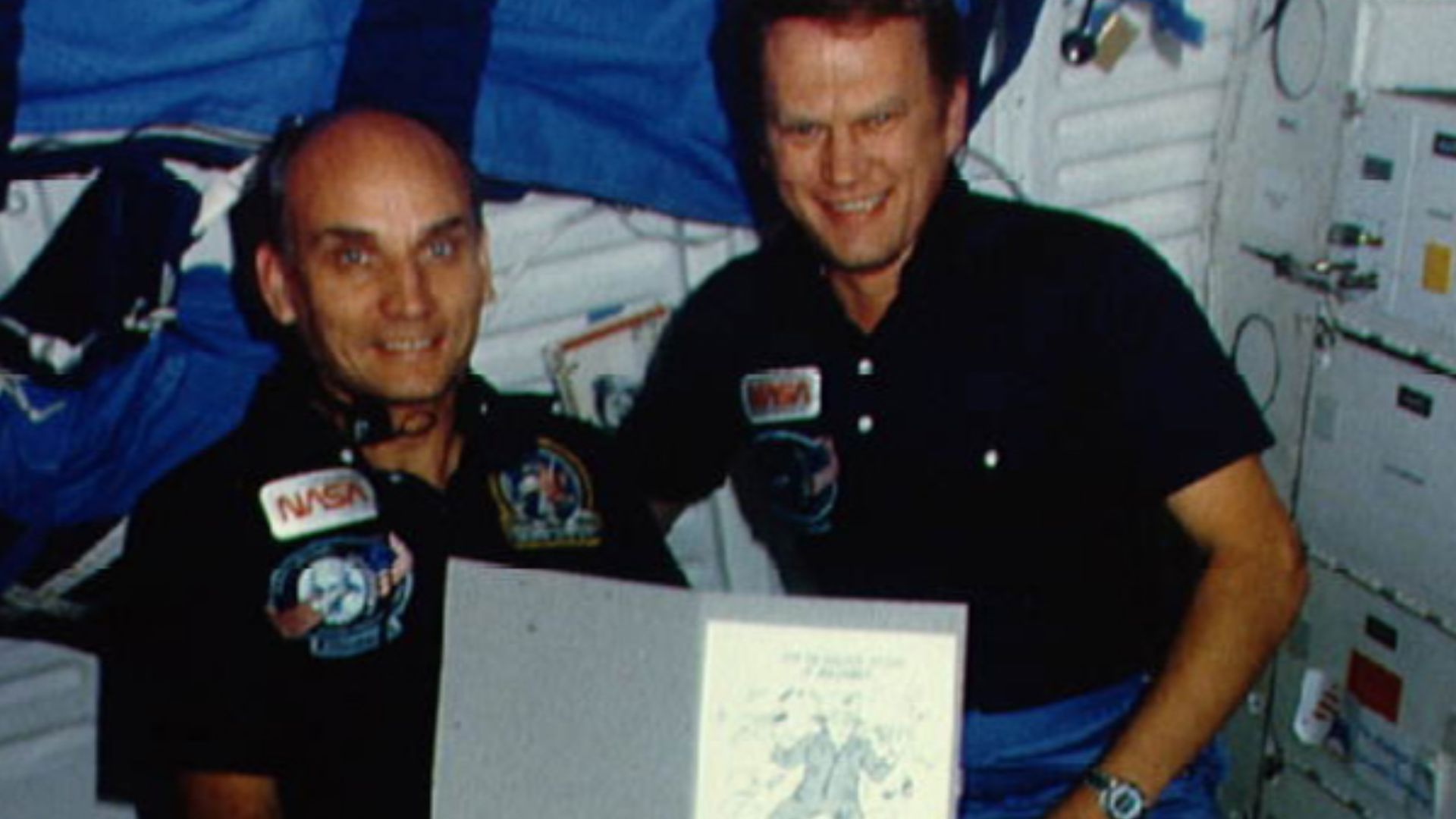
NASA measures extreme space motion sickness with the “Garn Scale”, named after Senator Jake Garn. He famously suffered the worst space nausea ever recorded. This internal scale helps doctors track and manage astronauts’ vomiting and dizziness during flights.
Astronaut Training: Years Of Preparation
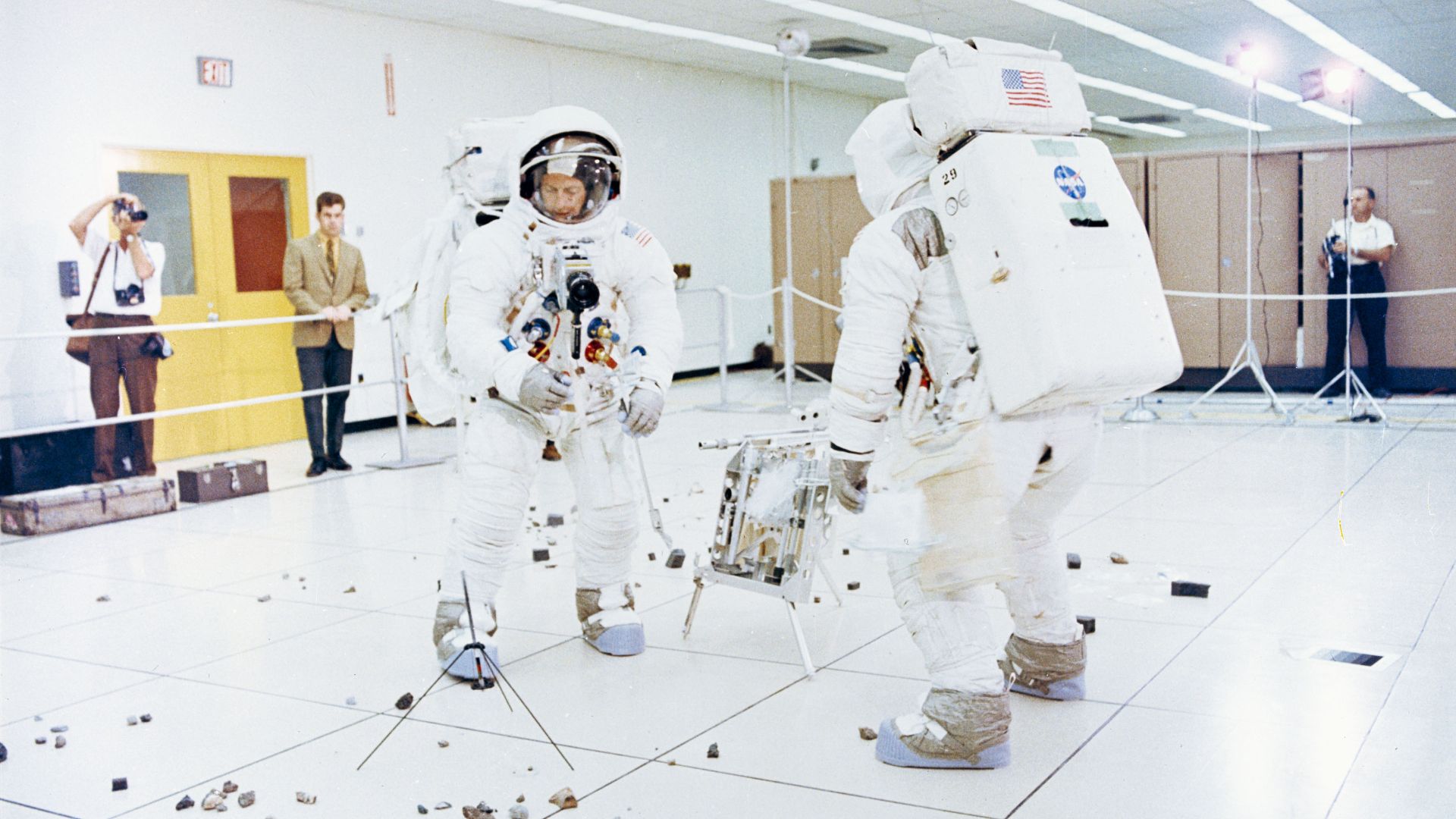
NASA astronauts undergo about two years of intense training covering technical skills and specific mission tasks. Neil Armstrong joined NASA’s predecessor, NACA (National Advisory Committee for Aeronautics), in 1955, building 14 years of expertise as an engineer, test pilot, and astronaut before his historic moonwalk in 1969.
Space Fungus Problem
Moisture trapped inside the station’s closed environment allows fungal growth to thrive, which is why the International Space Station (ISS) can even develop a mold problem caused by sweat and skin oils. NASA crews need to clean and monitor surfaces regularly because space fungus could threaten both health and equipment.
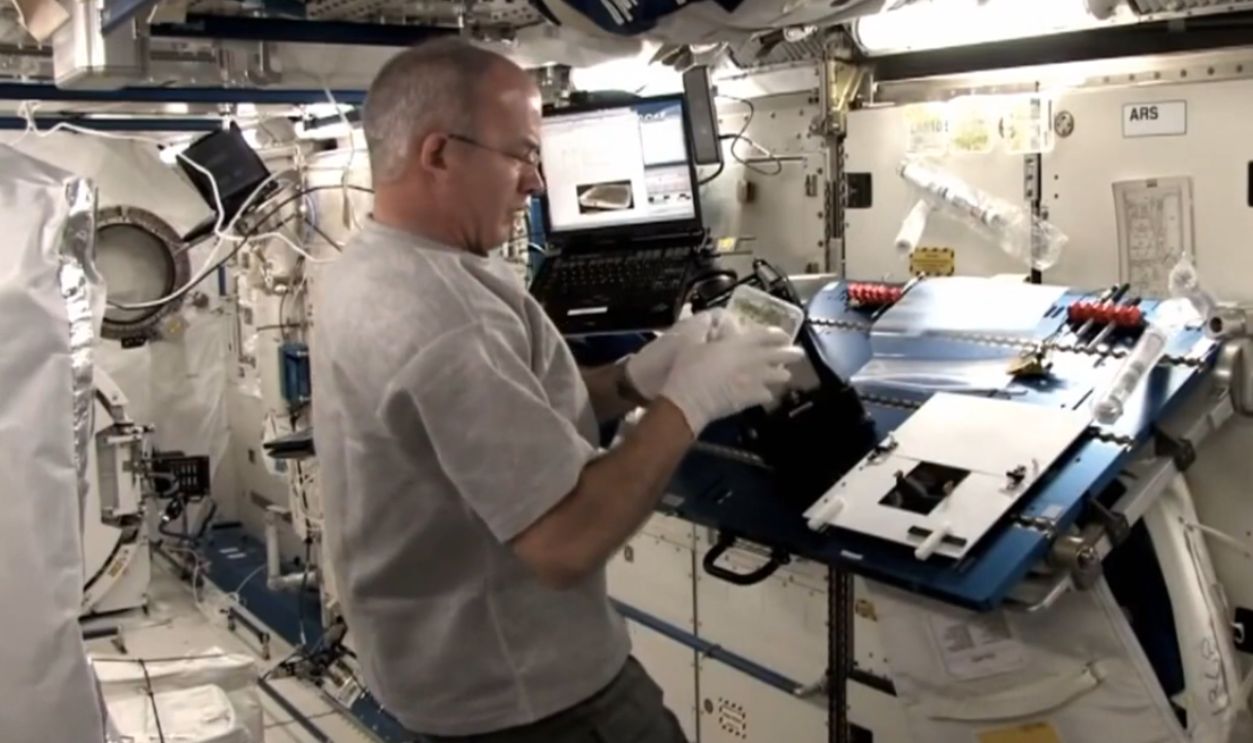 International Space Station's Fungus Problem At Center Of CU Student Research by CBS Colorado
Survival In The Russian Tundra
Astronauts prepare for emergencies by training in the freezing Russian wilderness. If their spacecraft lands off-course, they must survive harsh cold and isolation until rescue arrives. The rugged training tests their endurance beyond the limits of spaceflight.
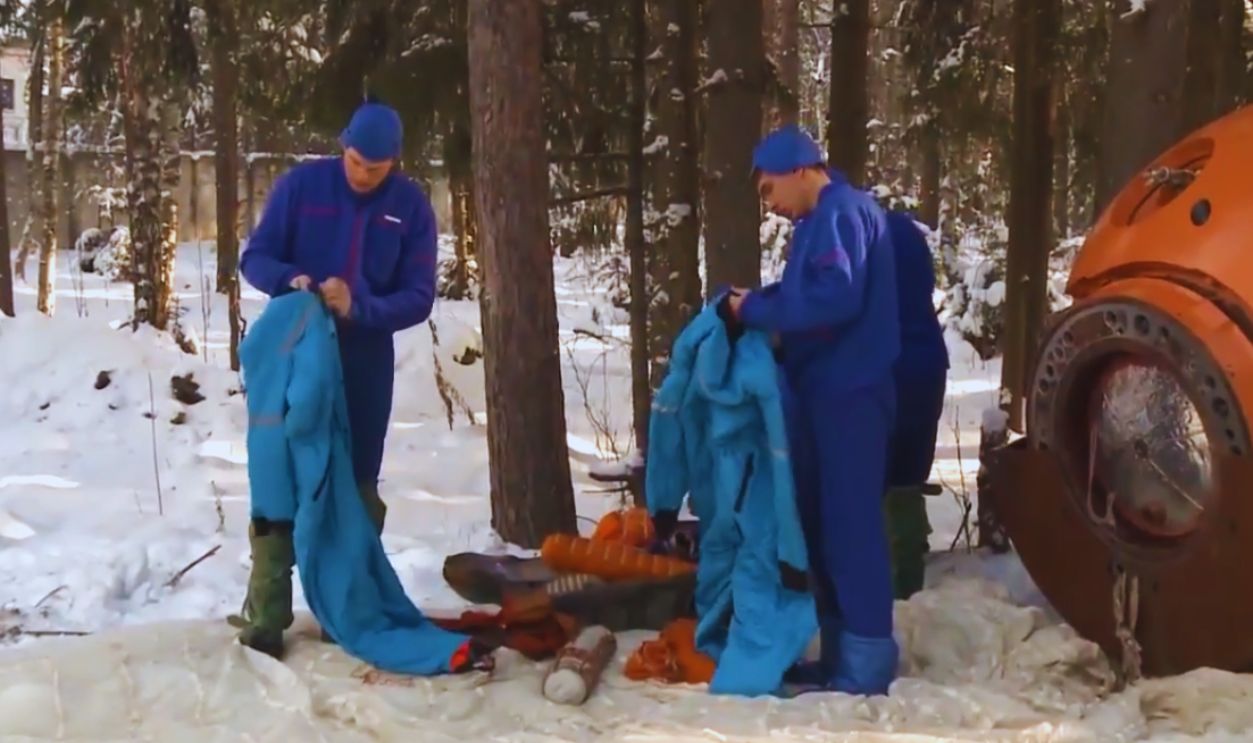 Astronauts Spend 3 Days In Below Freezing Temps For Survival Training | Video VideoFromSpace
Learning Russian For The ISS
Working aboard the International Space Station requires more than scientific skills. Astronauts study Russian to operate Soyuz spacecraft, read manuals, and communicate with cosmonaut crewmates. Many spend months in language immersion before ever heading to the launch pad.
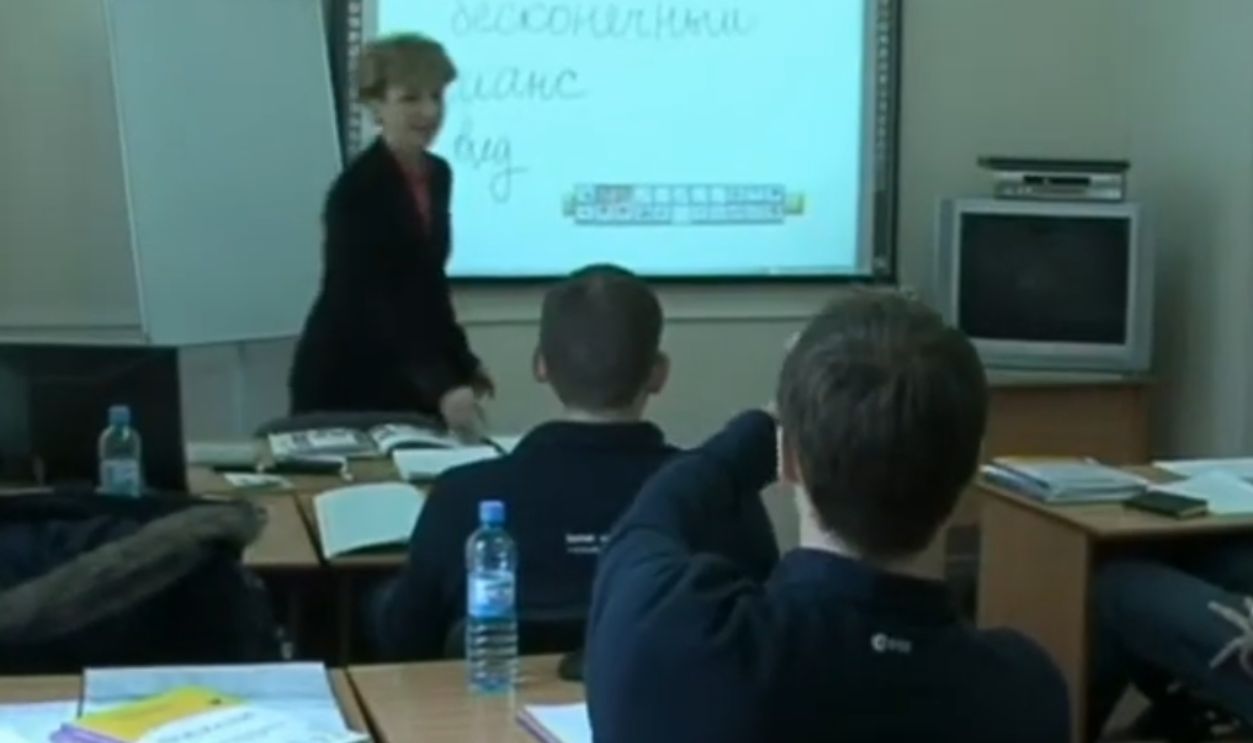 ESA astronauts at Russian Language and Culture Institute (film 1) by Svetlana Nikolaeva
Golf On The Moon
In 1971, Apollo 14’s Alan Shepard swung a custom six‑iron on the Moon, hitting two balls one‑handed in a stiff spacesuit. One fell into a crater (~24 yards), the other bounced about 40 yards. Both still rest in lunar dust today.
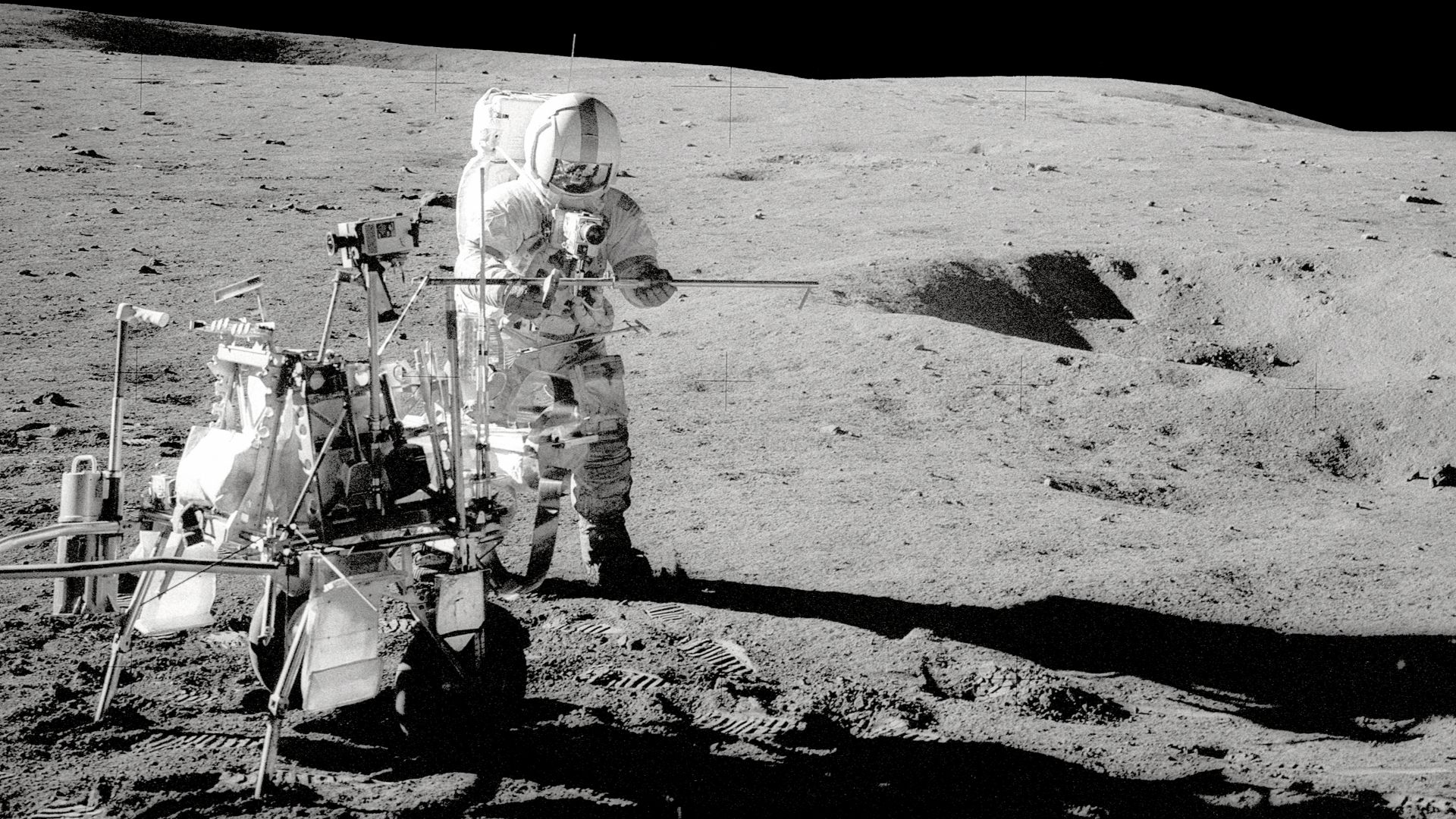 NASA Edgar Mitchell, Wikimedia Commons
Heavy Suits, Lighter Moon
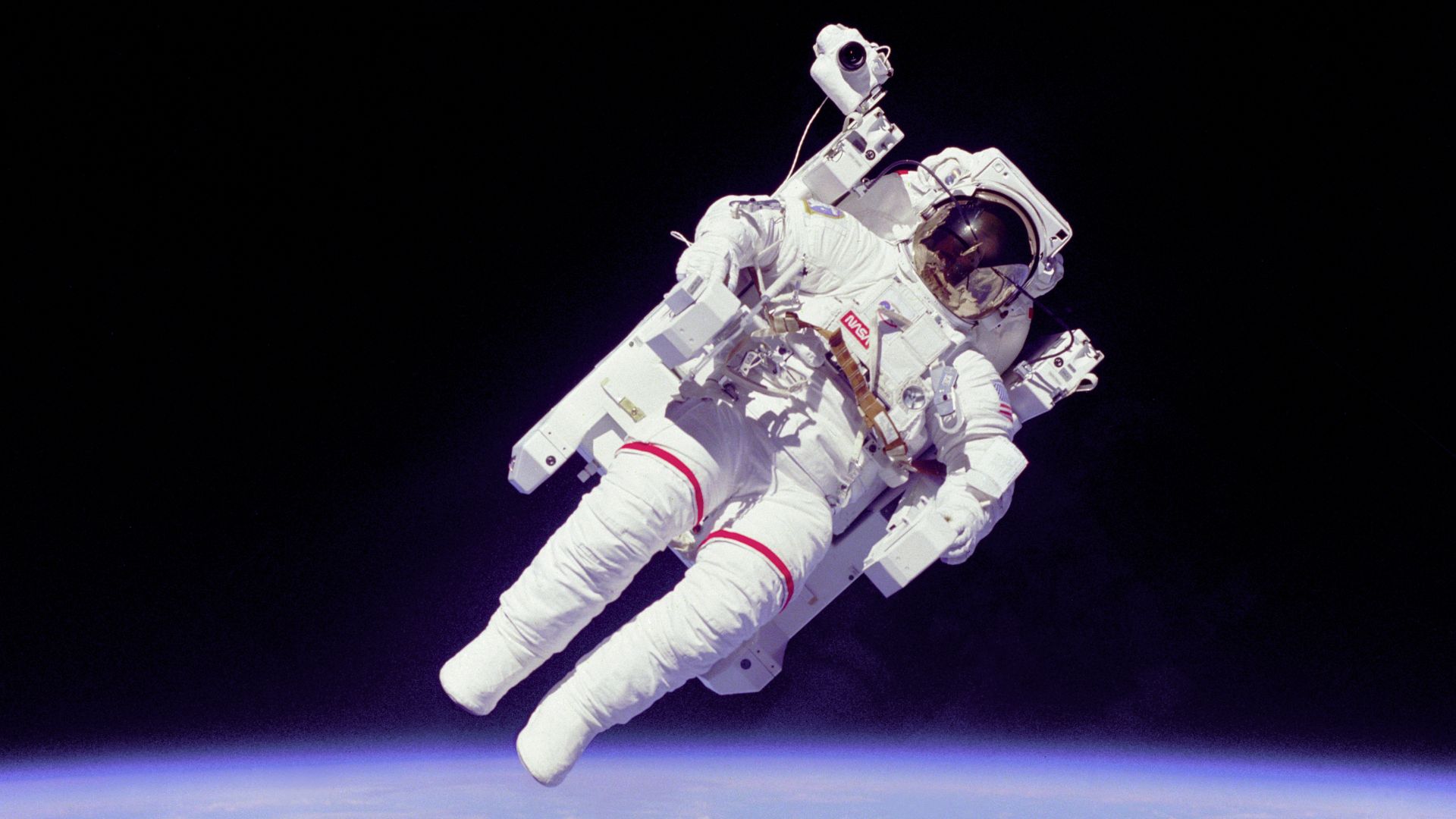
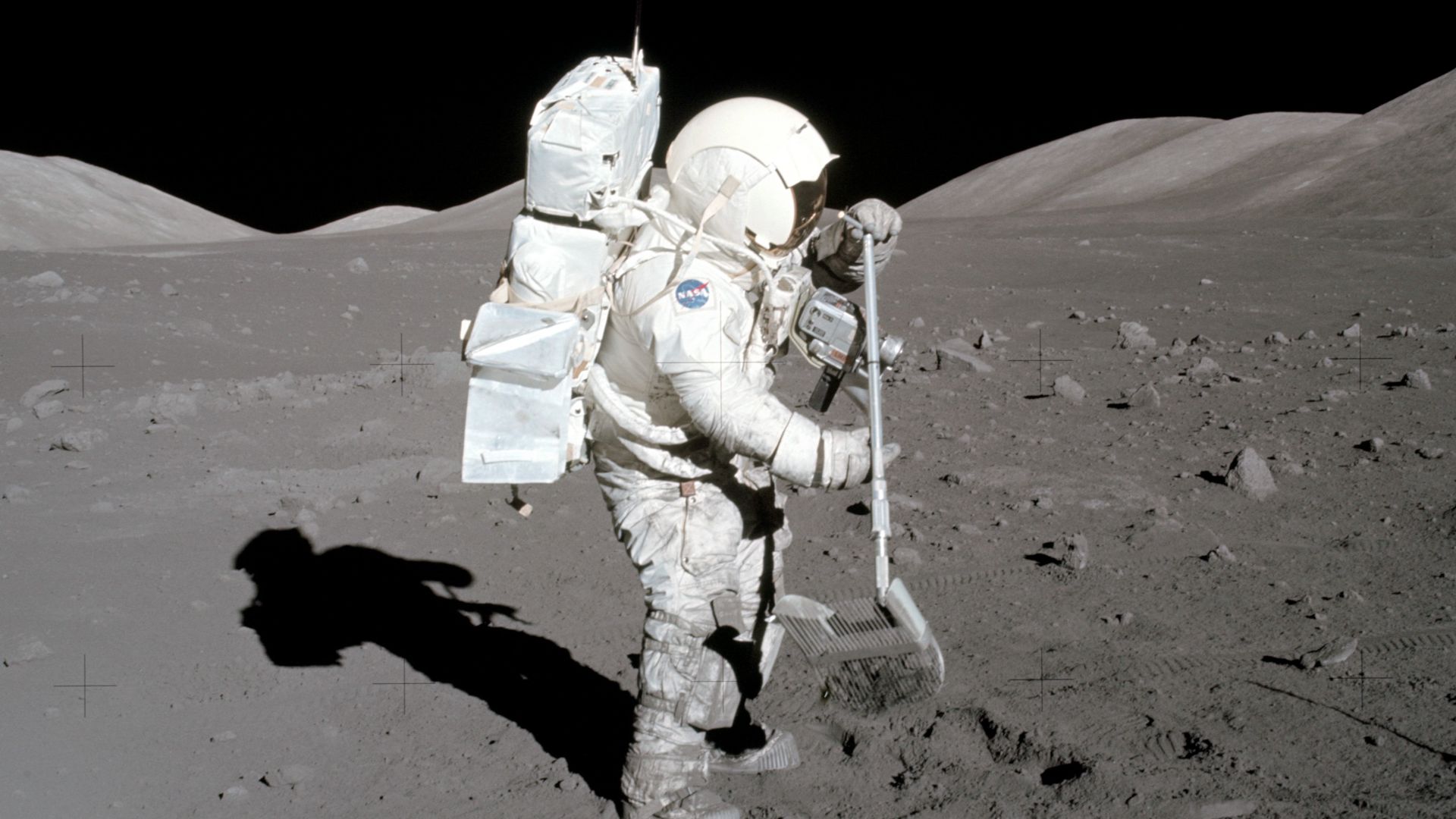
On Earth, Apollo spacesuits tip the scales at 180 lbs (80 kgs), enough to crush your feet. On the Moon, they feel lighter, but are still stiff, like inflated balloons around the body. Astronauts adapt by bouncing in slow motion and looking like clumsy superheroes on a strange stage.
Declaring Moon Rocks At Customs
Apollo 11 astronauts faced an unexpected task after returning from the Moon: filling out US customs forms for lunar rocks they collected. These Moon samples are counted as imported natural souvenirs. This strange mix of space discovery and Earth bureaucracy surprised many and showed a grounded side of exploration.
12‑Minute First Spacewalk
In 1965, Alexei Leonov left his spacecraft to perform the first spacewalk. His suit expanded so much in the vacuum that he barely fit back through the hatch. The entire excursion lasted only twelve minutes but changed human spaceflight forever.
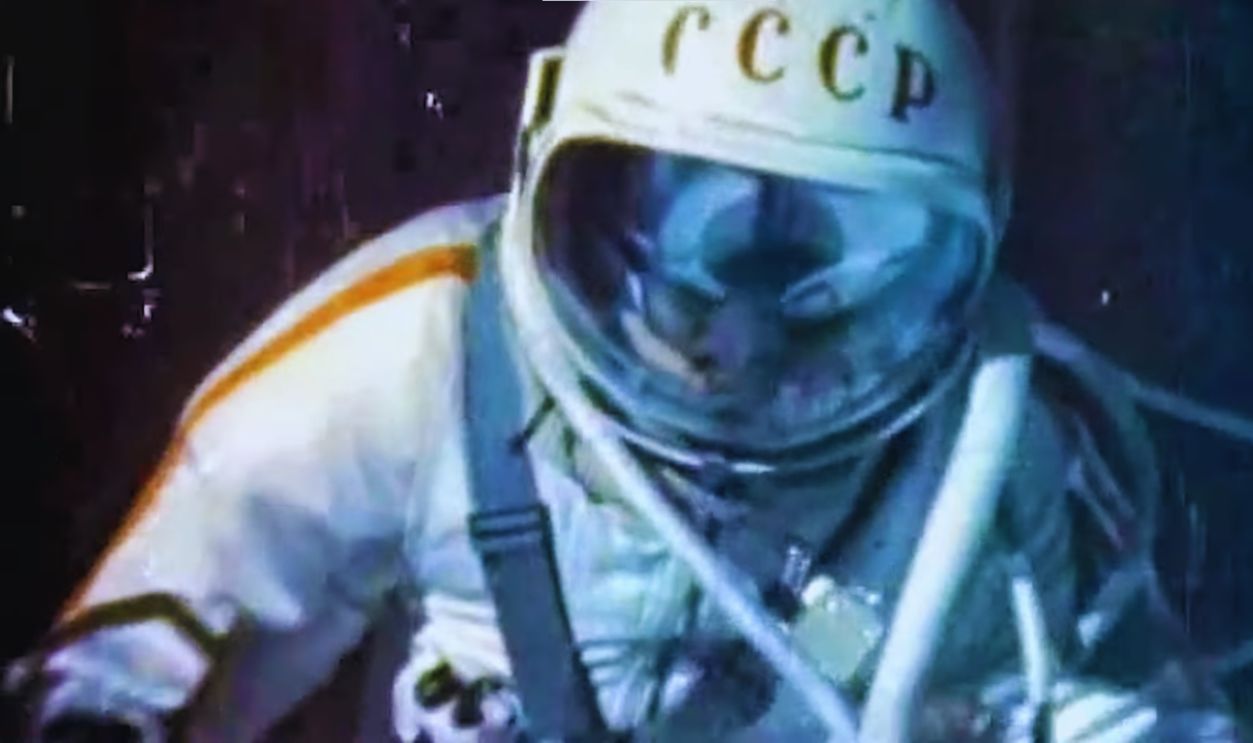 How the First Spacewalk Nearly Ended in Disaster - Alexei Leonov Voskhod 2 by Curious Droid
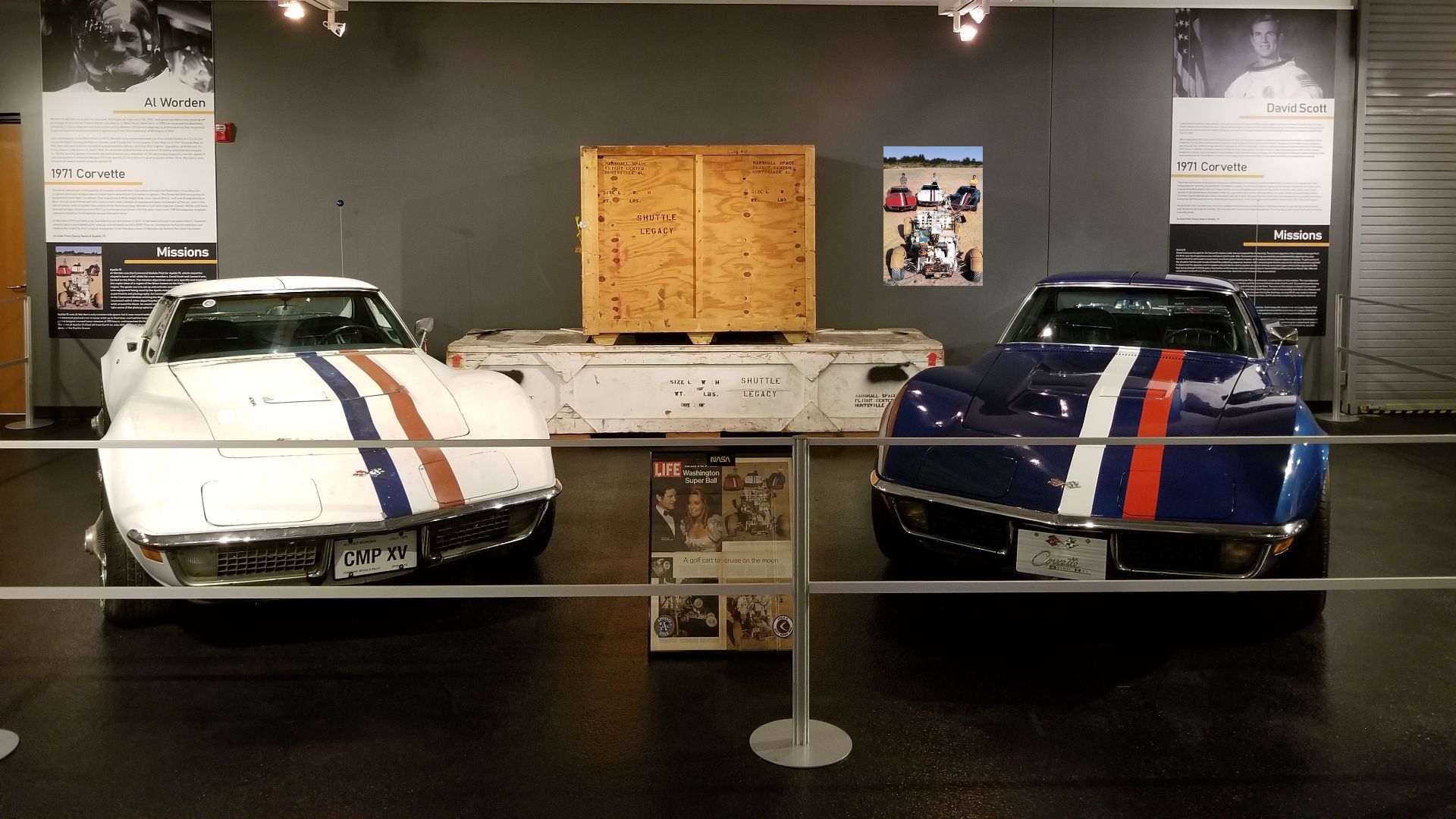
Corvettes For Astronauts
In the 1960s, NASA astronauts drove special edition Corvettes supplied through a deal with General Motors. Painted in bold colors and often customized, these cars turned heads on the streets and added to the astronauts’ larger-than-life public image.
Tang And Space Flight
Tang became a household name after John Glenn drank it during an early NASA mission. Although General Foods developed the drink years earlier, its link to astronauts gave it legendary status in pop culture and made it a lasting symbol of the space age.
 Chris Radcliff from San Diego, CA, USA, Wikimedia Commons
Velcro Everywhere On The ISS
Inside the space station, astronauts use Velcro on nearly every surface. This sticky fabric helps keep tools, food packets, and even notes from floating away in zero gravity. Velcro turns the floating chaos of space into a manageable workspace.
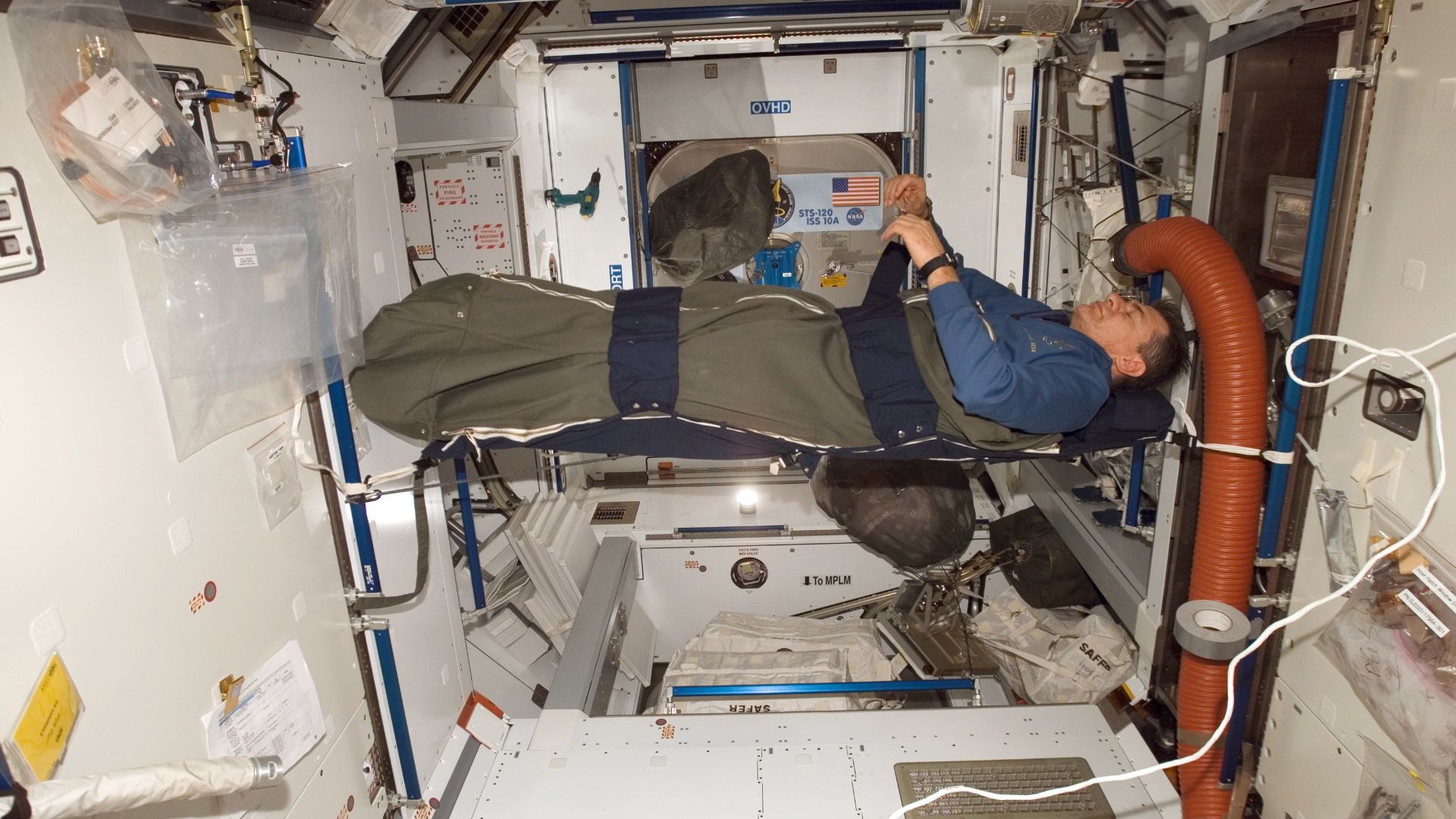
Hair And Beard Care In Microgravity
On the ISS, loose hair can block vision or clog equipment, so astronauts usually cut it short or tie it back. Some even choose to grow beards instead of using vacuum razors or wipes to manage facial hair when gravity no longer keeps whiskers under control.
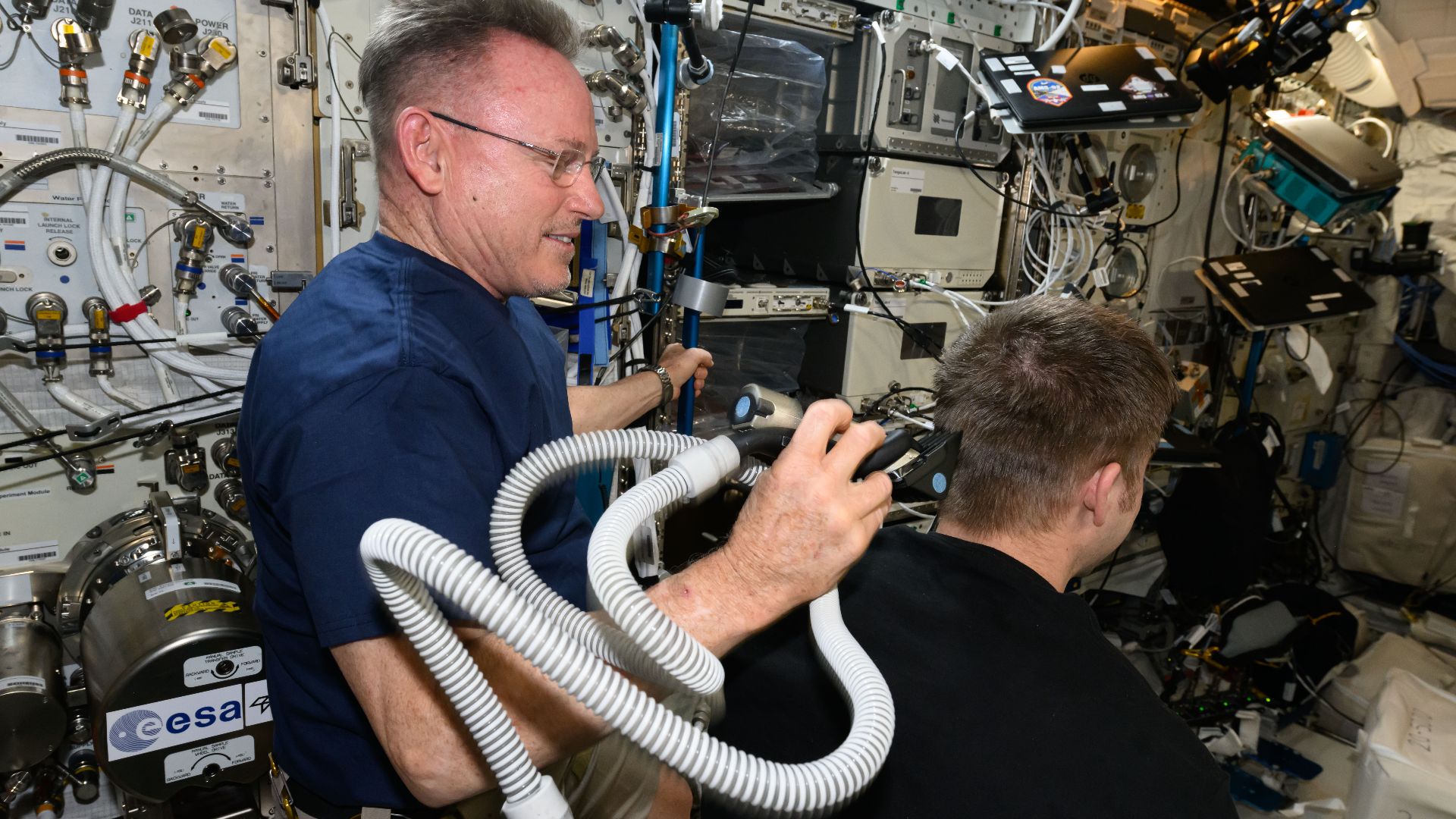 NASA Johnson Space Center, Wikimedia Commons
Scratching An Itch In A Spacesuit
Inside a sealed helmet, an itchy nose can feel unbearable. NASA suits hide a small foam pad inside the helmet build so astronauts can press their noses against it. The same pad also helps them equalize ear pressure during missions.
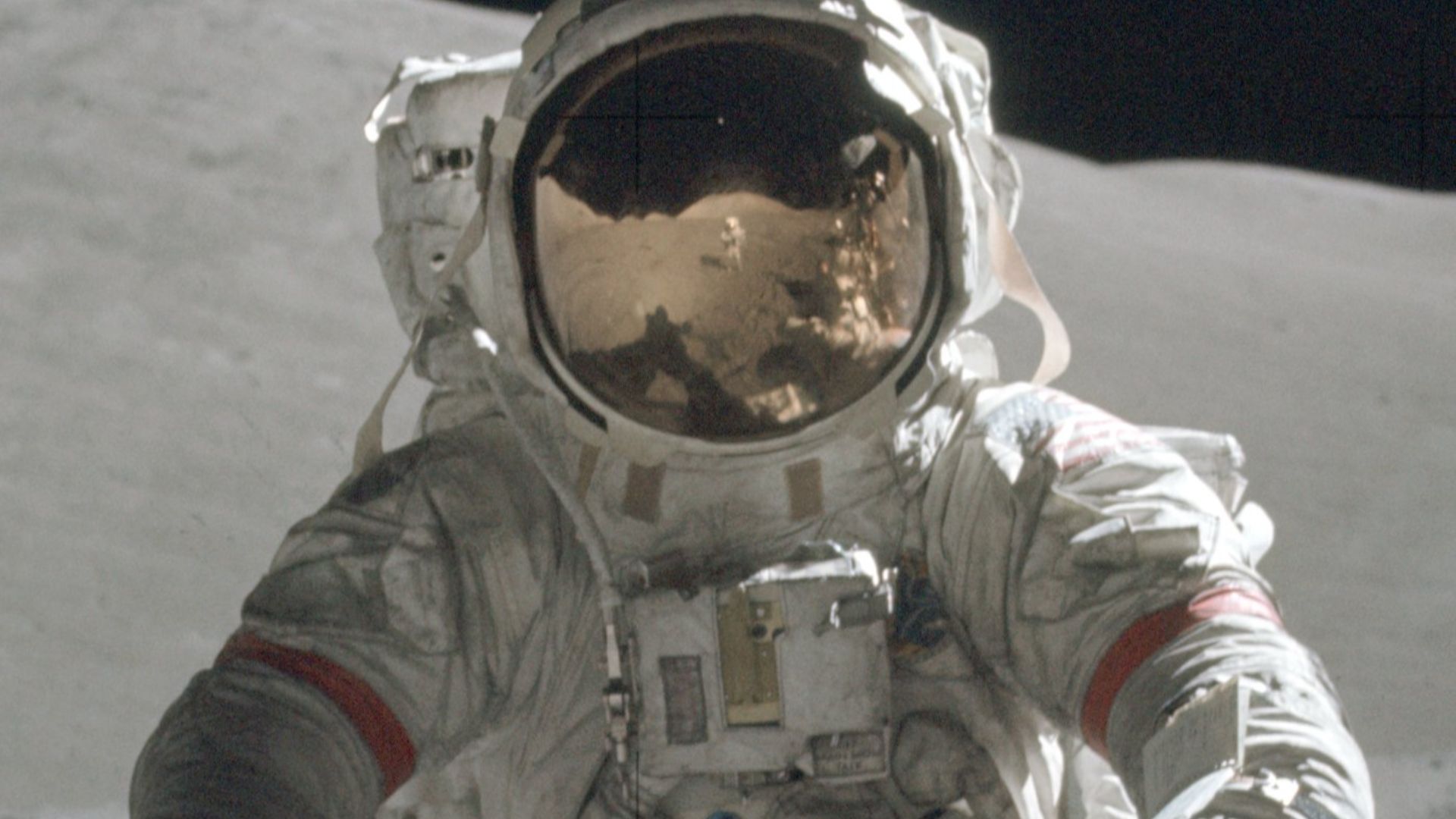 NASA / Harrison H. Schmitt, Wikimedia Commons
Spicy Food Cravings In Space
In microgravity, fluid shifts in the body make food taste bland. To liven up meals, astronauts reach for hot sauce or chili powder. Bold flavors cut through the dullness and turn everyday freeze‑dried or rehydrated dishes into something worth looking forward to.
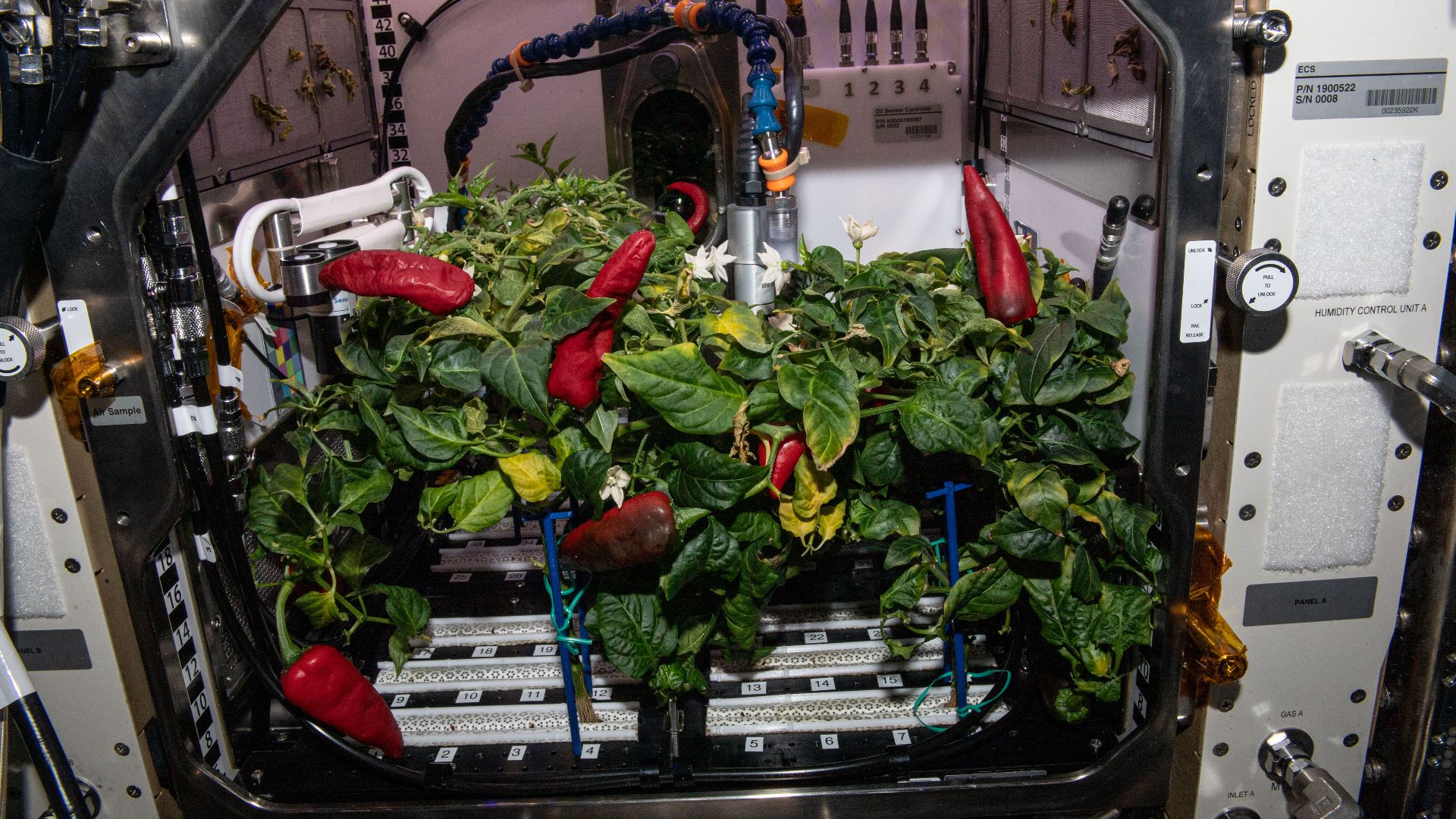 NASA/Mark Vande Hei, Wikimedia Commons
Spacewalking In Silence
Spacewalks can last for hours with constant chatter in the headset. Some astronauts briefly switch off non‑essential communication, enjoying the stillness of space. In those moments, they float above Earth with only the sound of their own breath in their helmet.
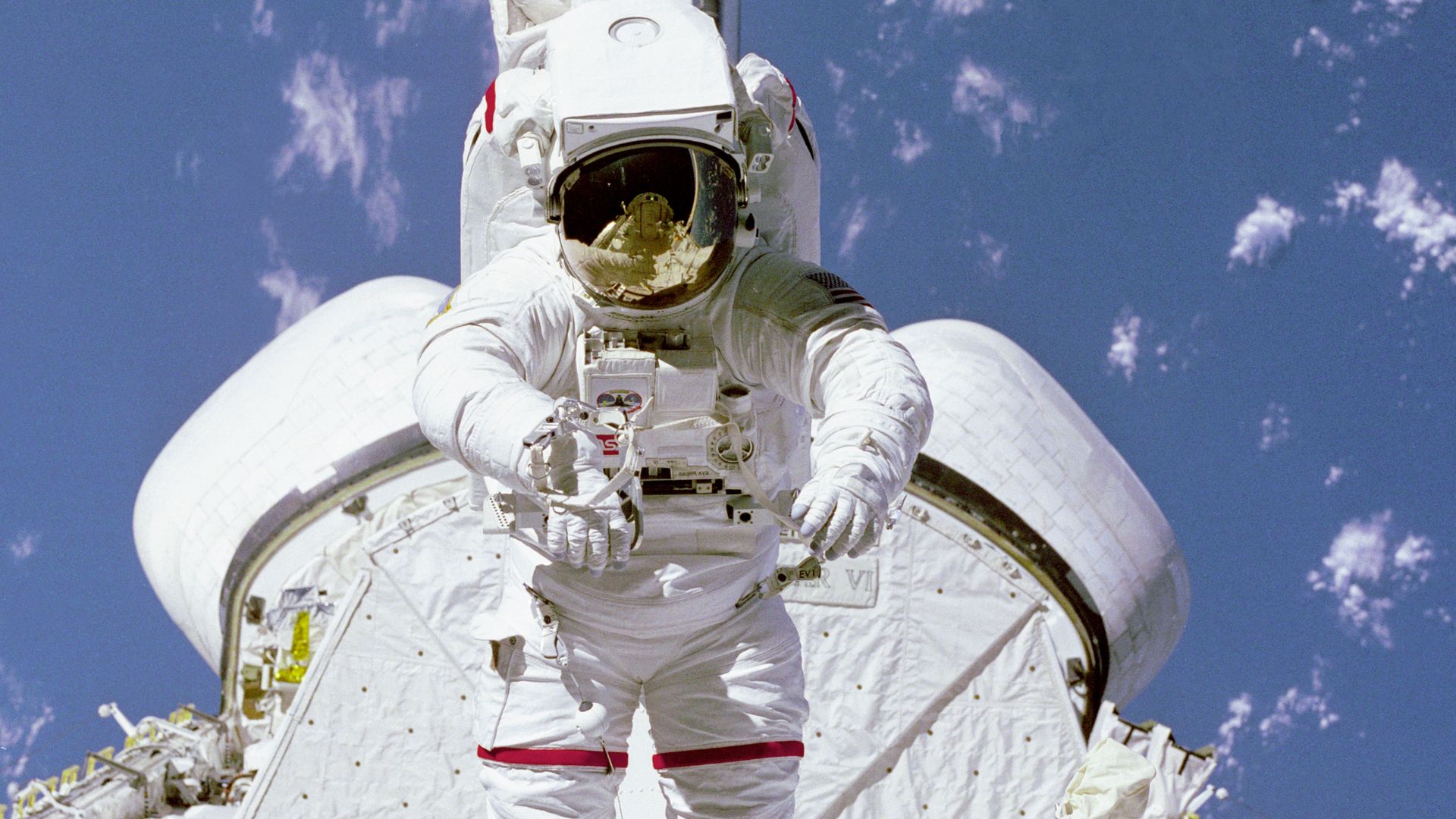
Spacesuit Drink Tubes
During lengthy spacewalks, astronauts can’t remove their helmets to drink. This is why each suit holds a sealed pouch of water connected to a bite valve near the chin. A quick sip through the tube keeps them hydrated while they work miles above Earth’s surface.
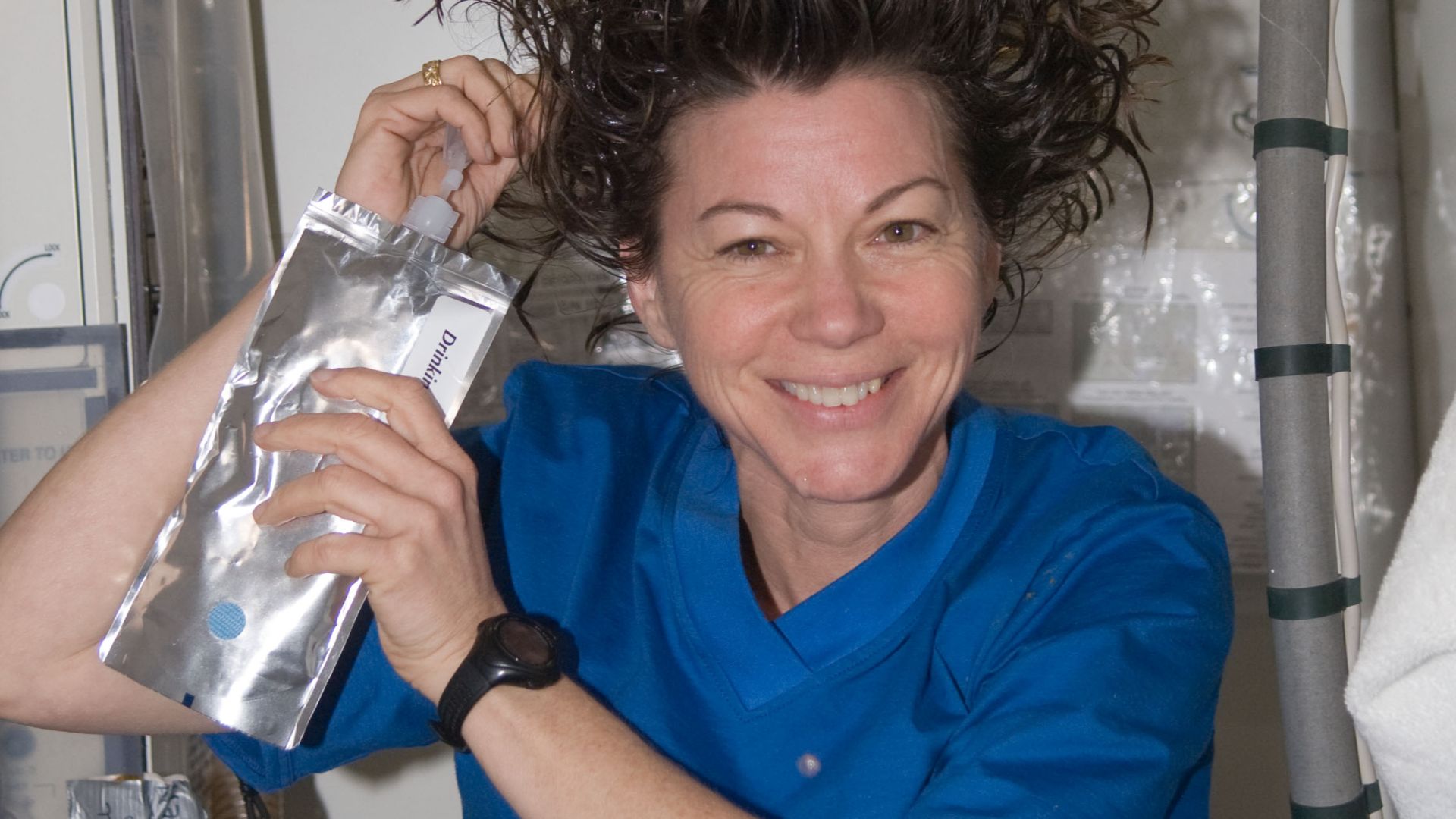
Recycling All Water
On the ISS, almost every drop of liquid gets reused—including moisture from breath, sweat, and even urine. Advanced filtration turns it back into clean drinking water. The closed‑loop system keeps supplies sustainable hundreds of kilometers above the planet.
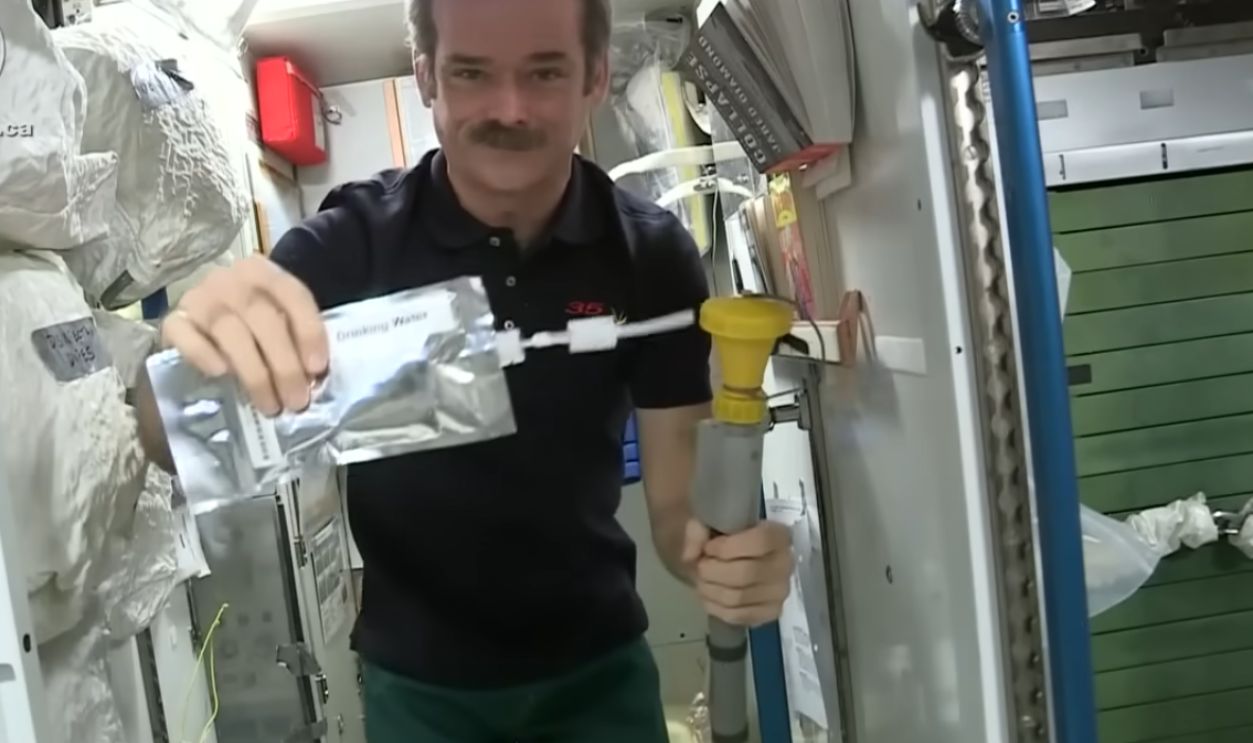 Astronauts Drink Urine and Other Waste Water | Video by VideoFromSpace
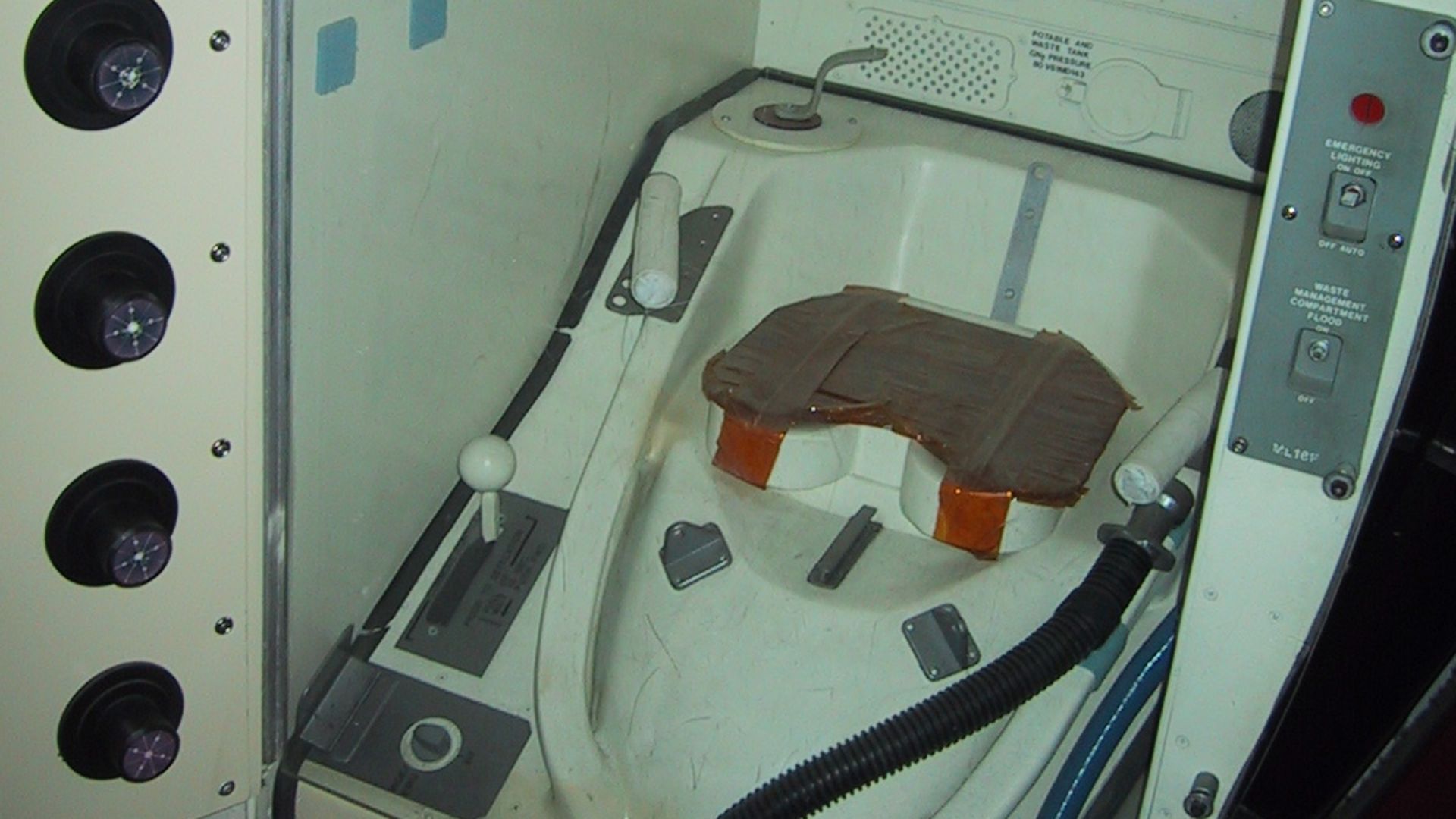
Air‑Powered Space Toilets
Toilets on the ISS operate with airflow, not water. Fans pull waste away to prevent it from floating in the cabin. Additionally, astronauts spend hours training on Earth to master this necessary but often overlooked part of life in microgravity.
Hand Signals Inside The Station
Radio communication inside the station gets drowned out by noisy equipment. So, astronauts often rely on hand signals to talk face-to-face. These silent gestures keep teamwork smooth during busy operations without relying on radios for every instruction.
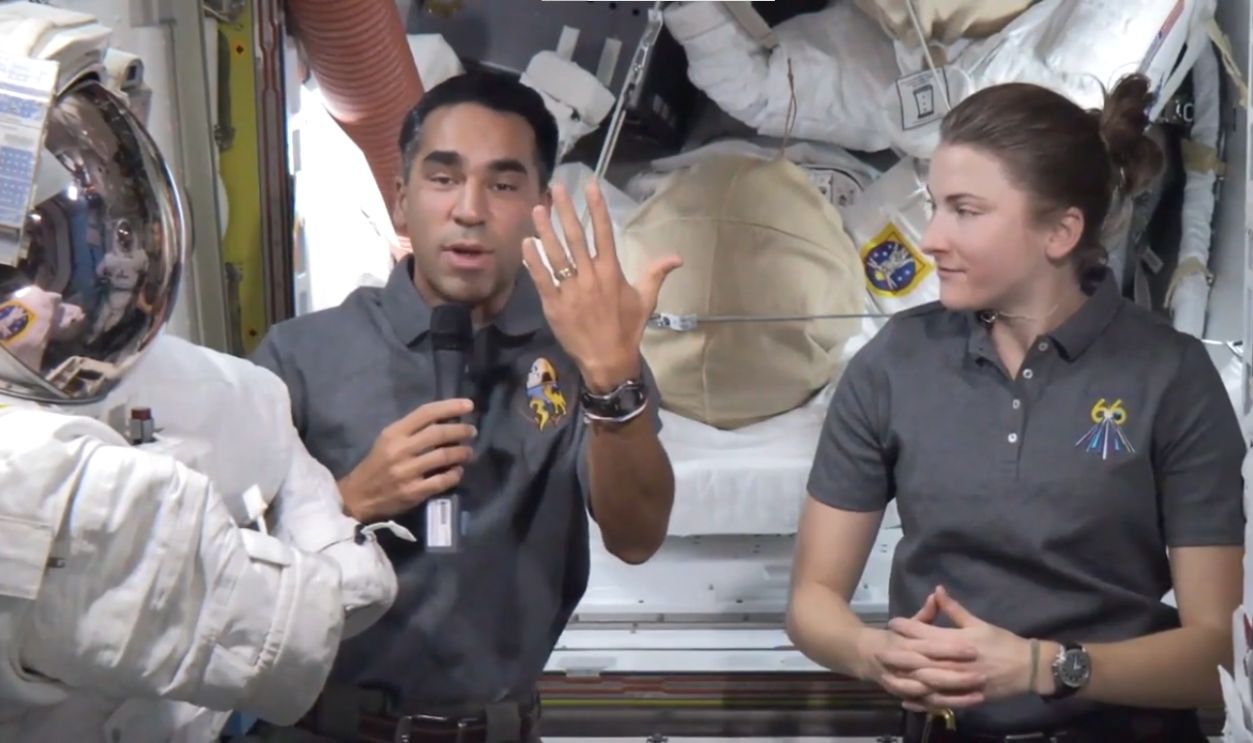 NASA astronauts explain nonverbal communication in space by VideoFromSpace
Growing Taller In Space
Astronauts often return home up to two inches taller than when they left. Without gravity pressing on the spine, the vertebrae expand and stretch the body. The extra height vanishes within weeks on Earth, often replaced by aches from readjusting to gravity.
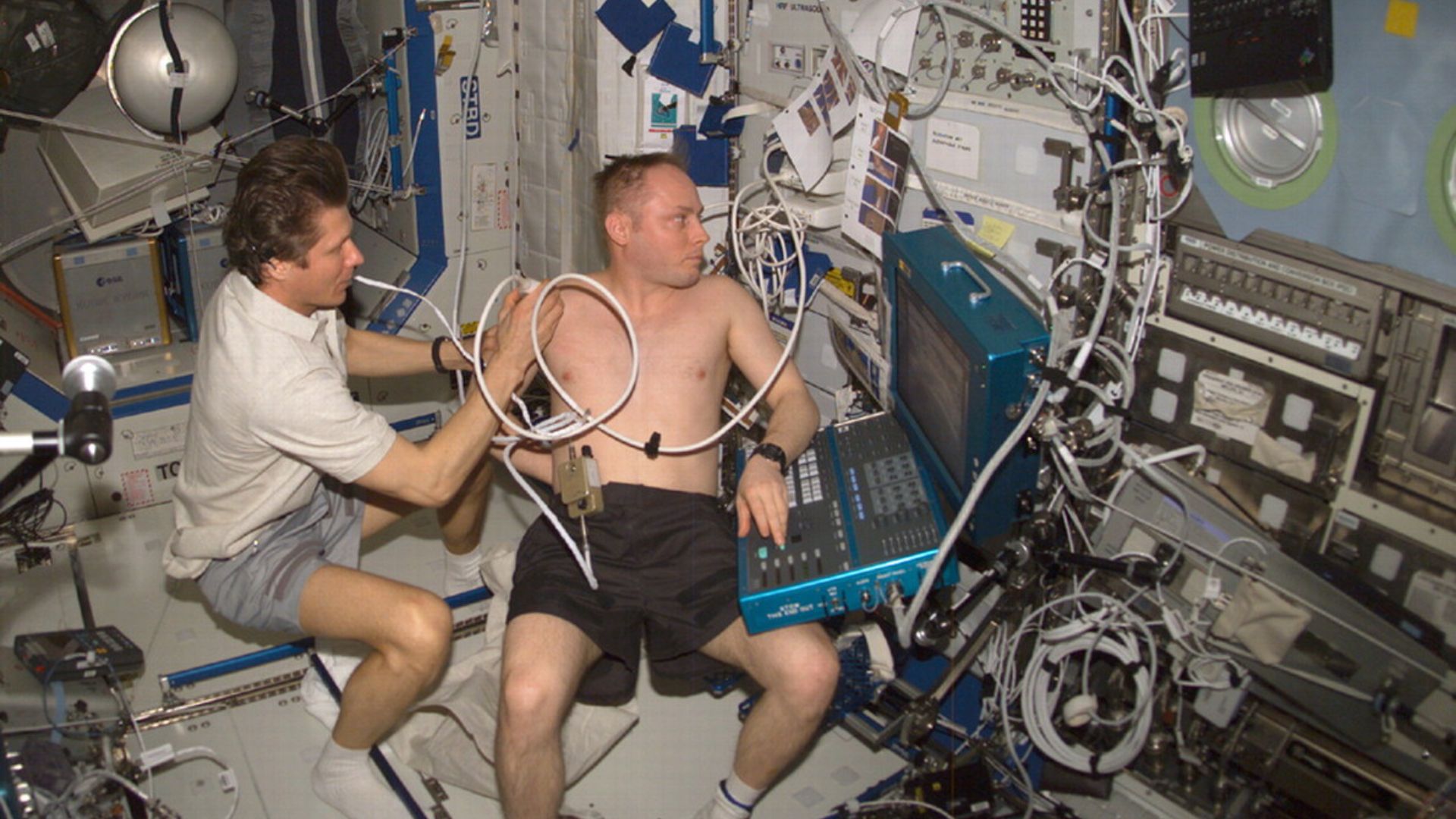
Bone Calcium’s Side Effects—Kidney Stones
Aches aren’t the only bone problem in space. Calcium, leaving bones, drifts into the bloodstream and can harden into kidney stones. Long spacewalks and dehydration increase the risk, so astronauts counter it with strict hydration and supplements to prevent painful emergencies millions of miles away.
Space Skin Woes
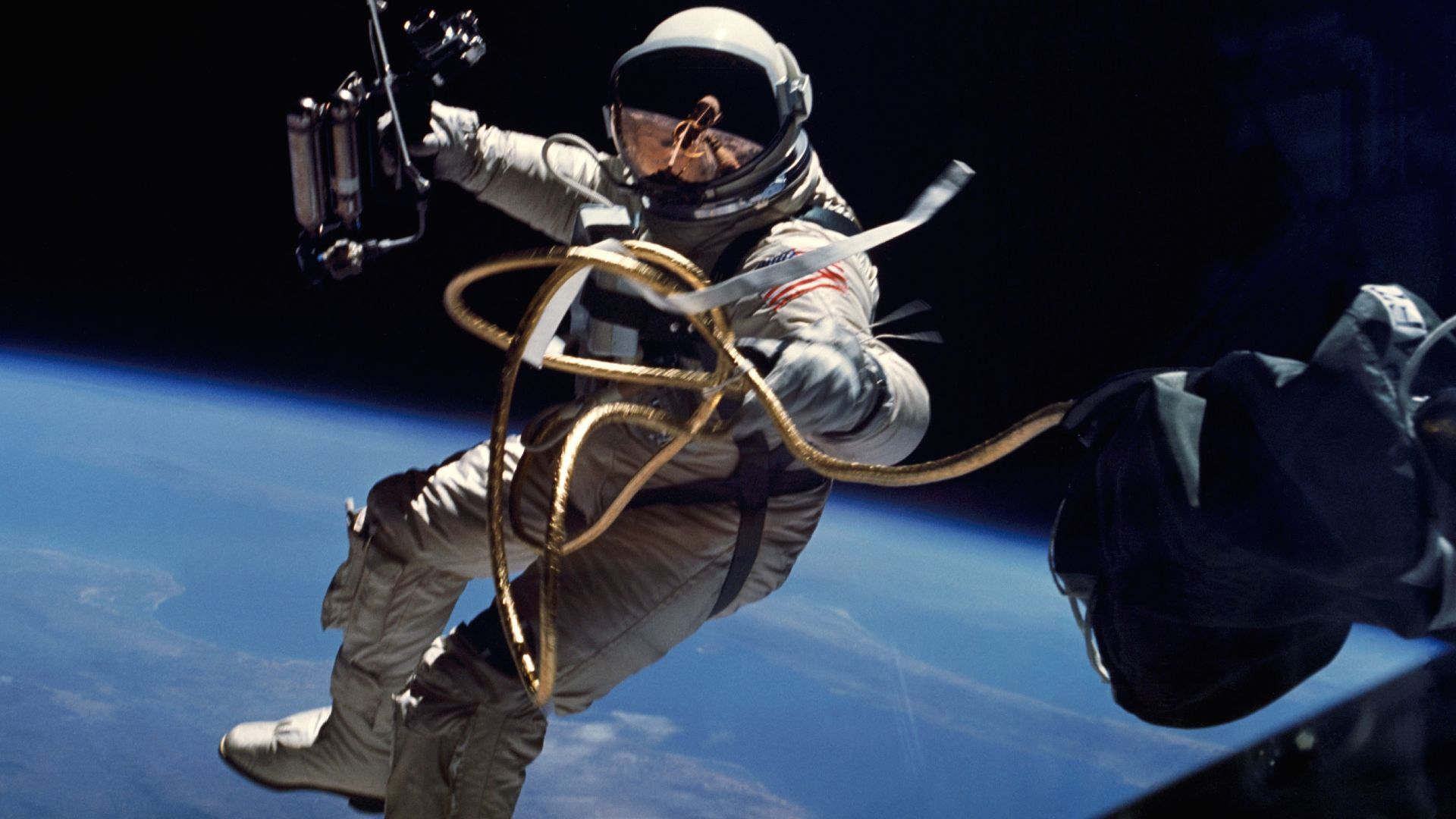
Living where the air never changes and is sealed and recycled can be unkind to the body. On the ISS, that environment quickly saps moisture from skin, while spacesuit friction can trigger rashes. Astronauts always need to keep creams handy to avoid becoming an itchy mess.
Eye Troubles In Zero‑G
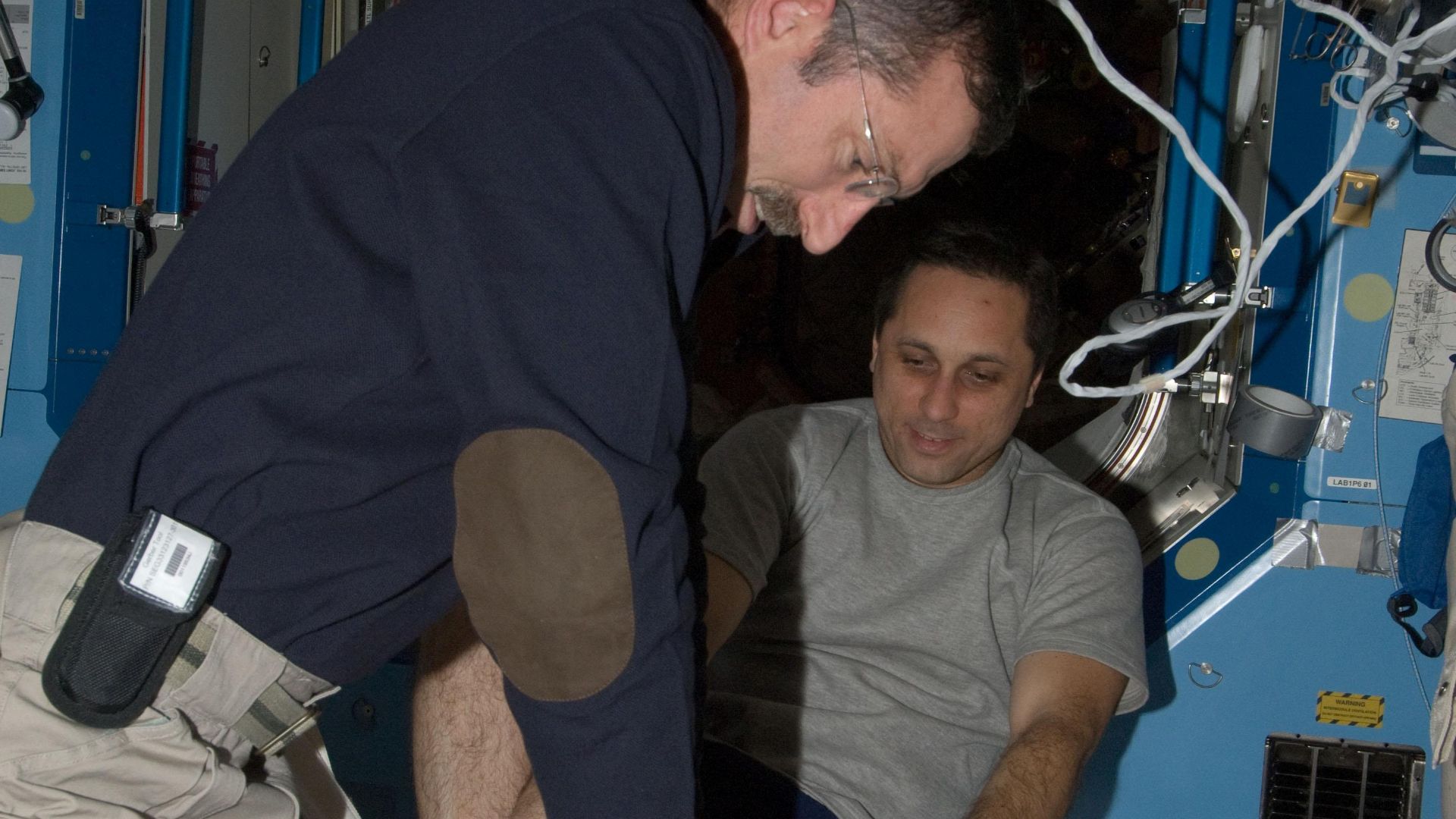
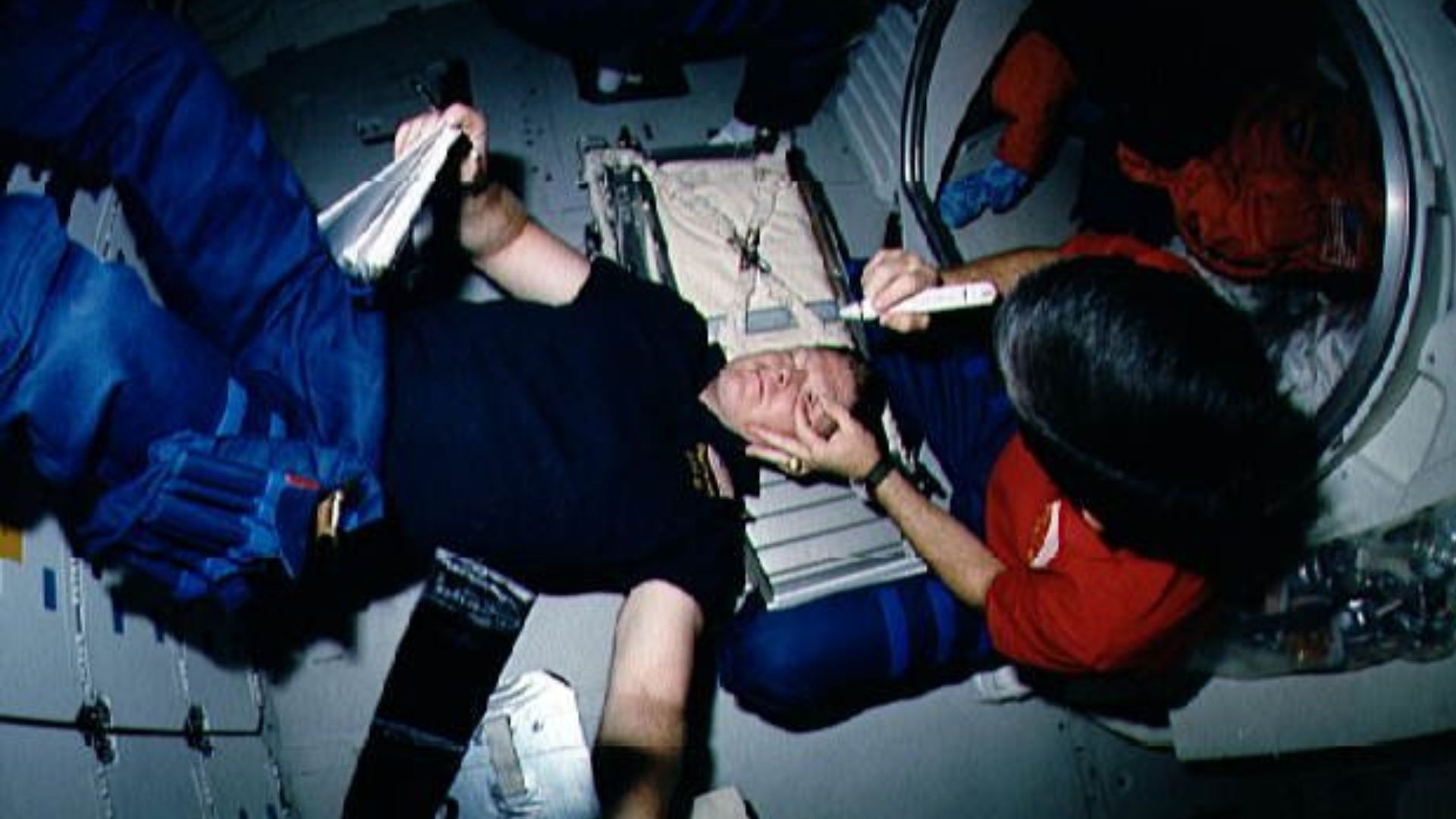
A speck of dust in your eye on Earth is annoying—in space, it’s trickier. With no gravity to let tears wash it out, astronauts grab saline rinses or eyewash to stop the irritation before it can interfere with vital tasks.
Fragile Bones After Space
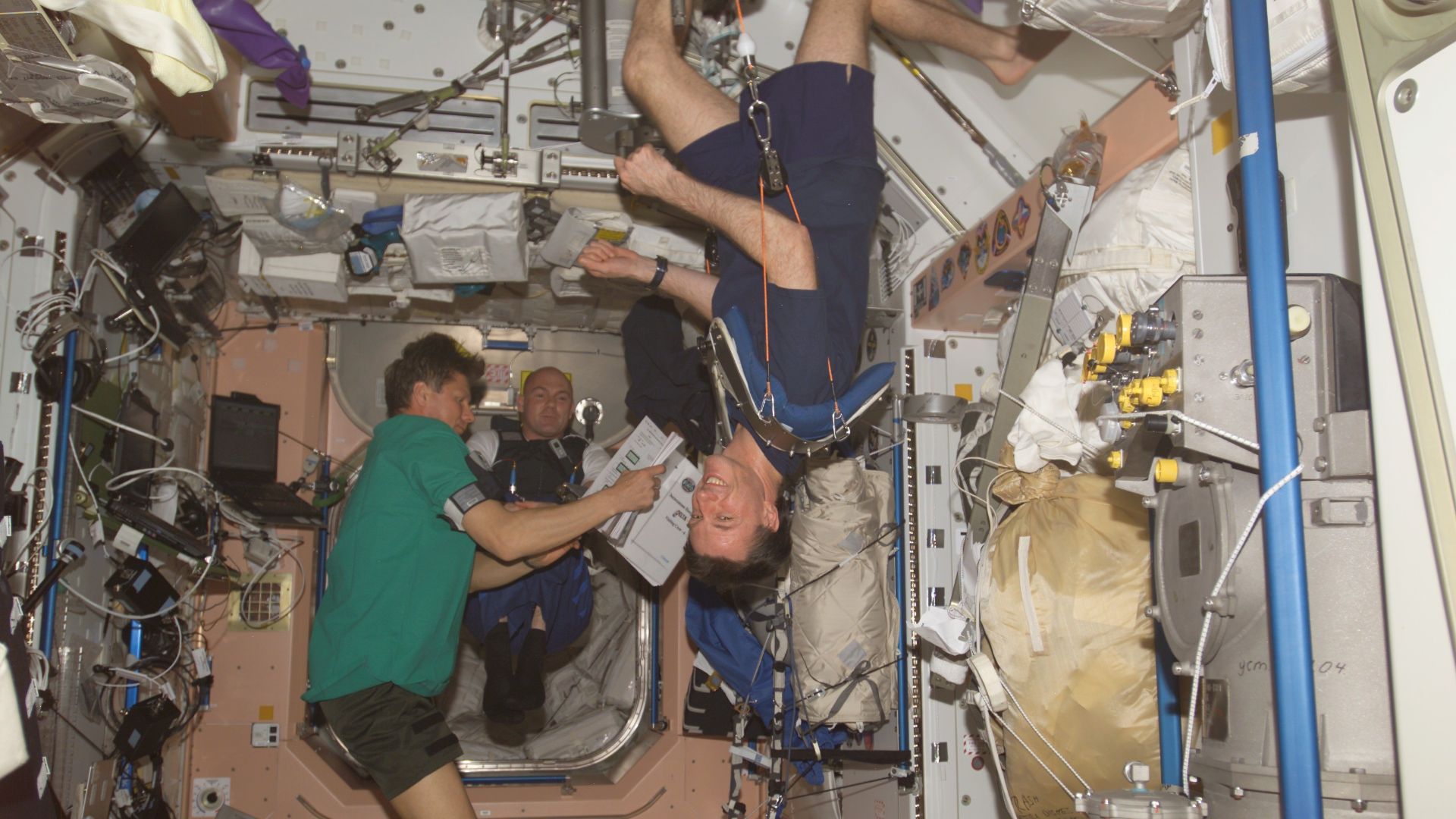
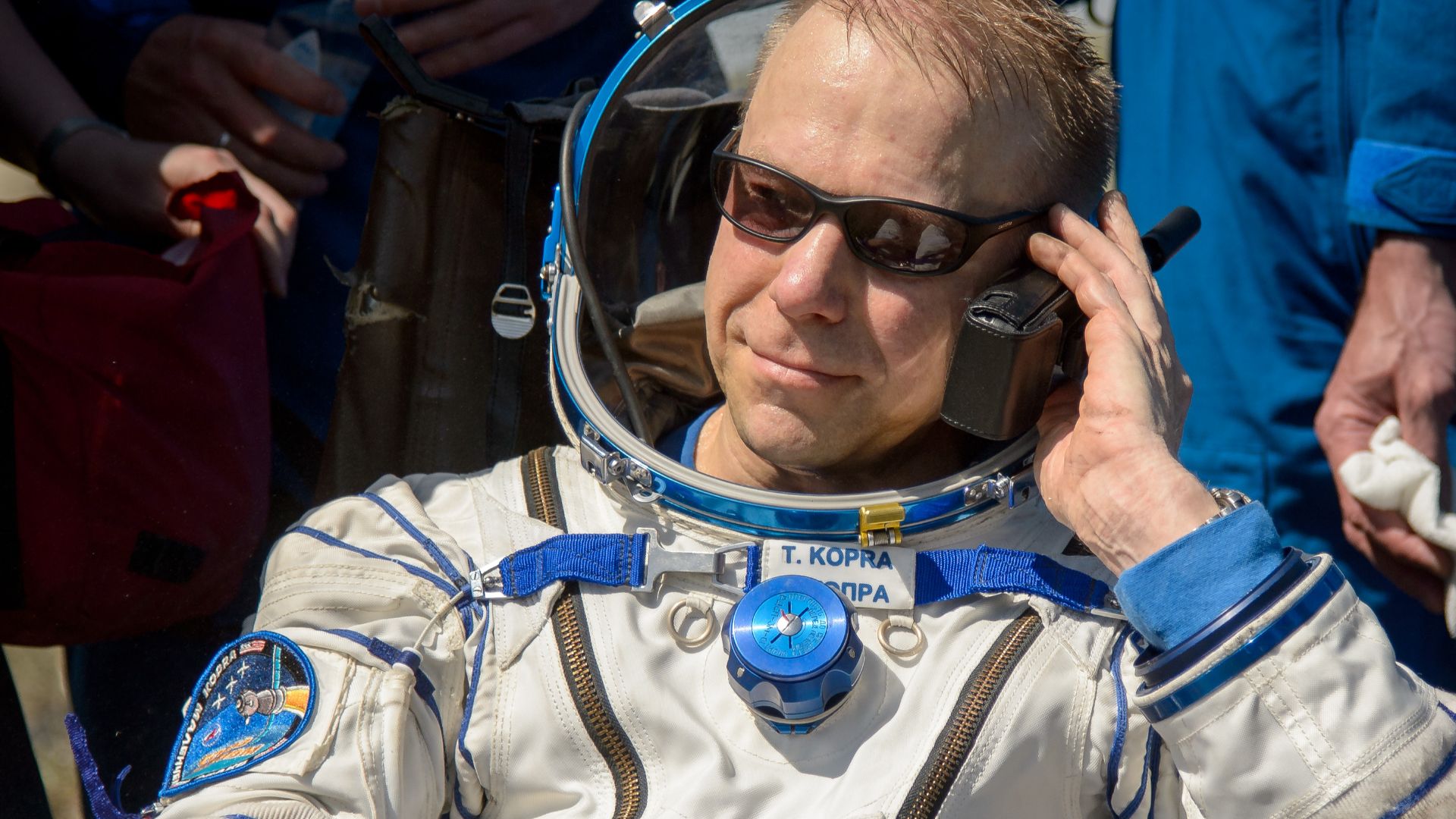
Months without weight-bearing work weaken bone tissue. Astronauts can lose 1% of bone mass each month, mostly from their hips and spines. Back on Earth, recovery takes months, so crews spend hours each day training on special exercise machines to slow the loss.
 Bill Ingalls, Wikimedia Commons
Immune Systems On Pause
The ultra-clean spacecraft environment reduces microbial diversity, which can weaken astronauts’ immune systems and cause skin issues. NASA studies blood samples before, during, and after missions to track changes and adjust care, because in space, even a minor cold can get complicated.
Brain And Vision Puzzles
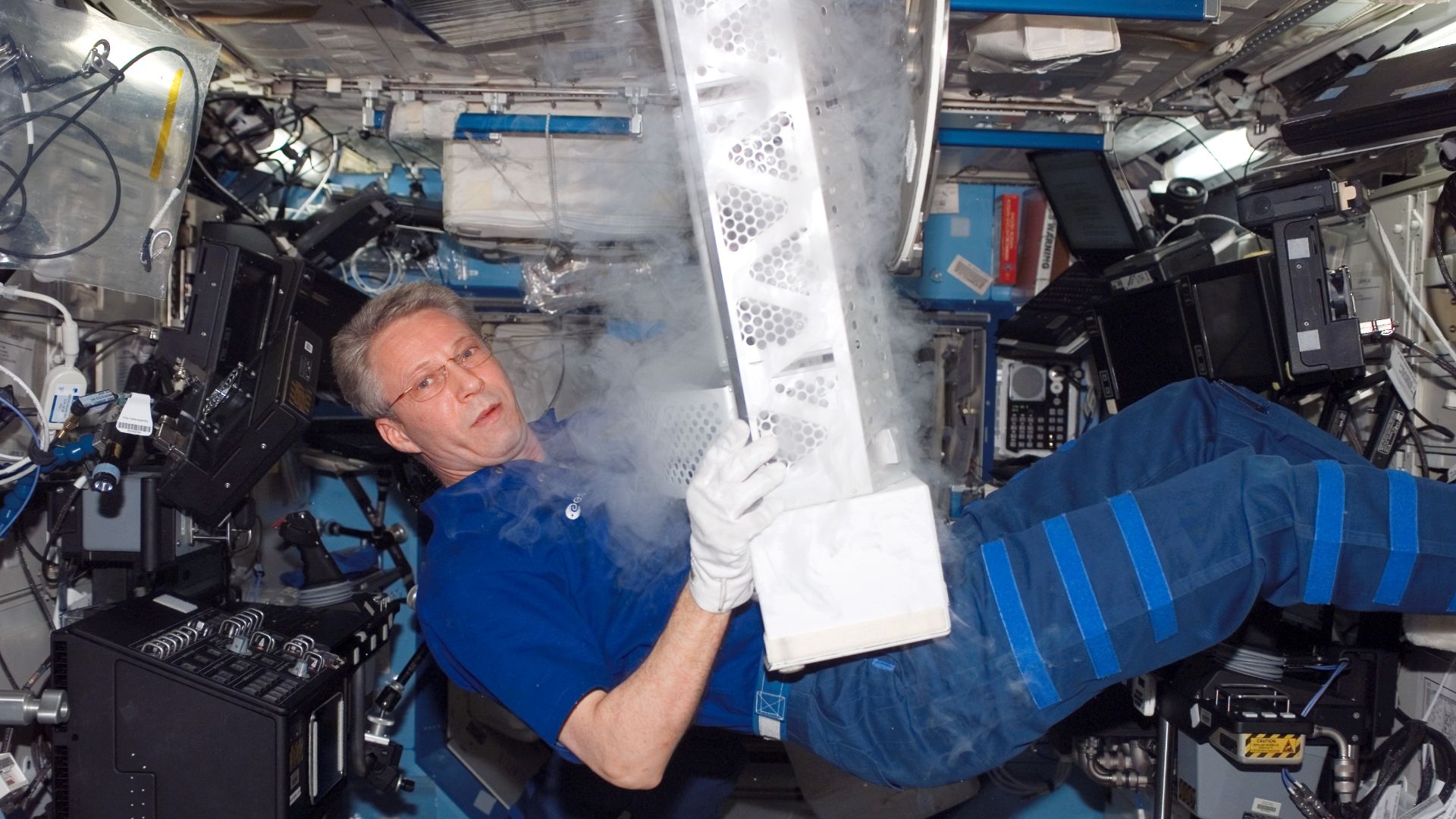
Some astronauts return to Earth with altered eyesight and slightly compressed brains. NASA calls it Spaceflight-Associated Neuro-Ocular Syndrome, or SANS. The culprit appears to be fluid pooling in the skull, and scientists are urgently searching for ways to protect future explorers.
Radiation Danger
In space, astronauts face constant exposure to cosmic rays and solar particles. Without Earth’s magnetic field overhead, a single mission can match the radiation from hundreds of chest X‑rays. Every astronaut wears dosimeters that record their radiation intake from launch to landing.
 NASA (Crew of STS-39)(The original uploader was Seth Ilys at English Wikipedia.), Wikimedia Commons
Nutritional Challenges On Long Missions
Some astronauts lose weight unexpectedly in space. Microgravity alters metabolism and nutrient absorption, and appetite often declines. This is why NASA plans precise menus and adds bold flavors with high‑calorie foods to maintain strength and health during months of living far from Earth.
Insomnia In Orbit
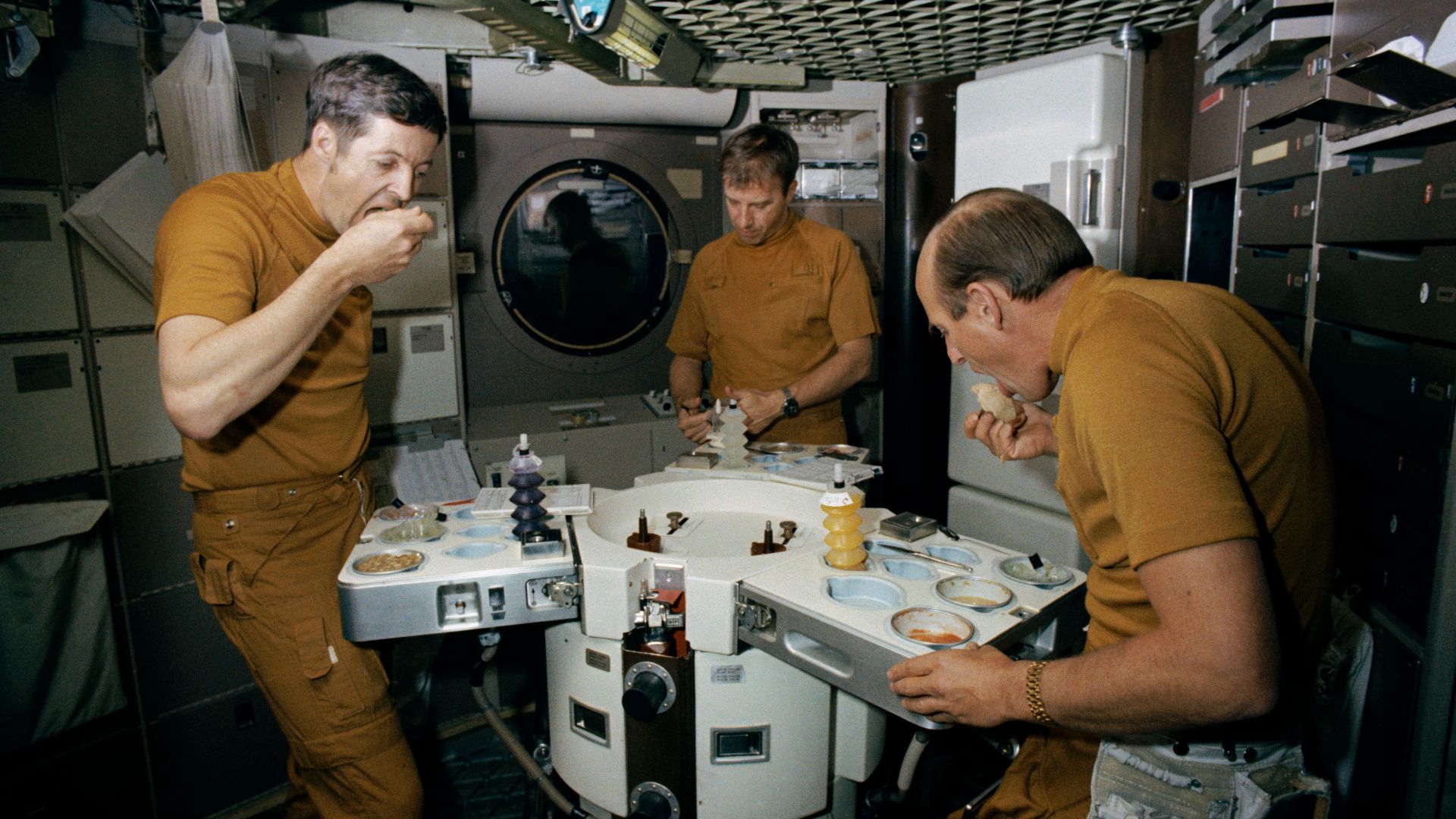
Aboard the ISS, astronauts see sixteen sunrises and sunsets every 24 hours. The constant light changes scramble their body clocks, making deep rest elusive. They rely on strict sleep schedules, blackout masks, as well as carefully tuned lighting to coax their minds into nighttime mode.
Heartbeats Offbeat In Space
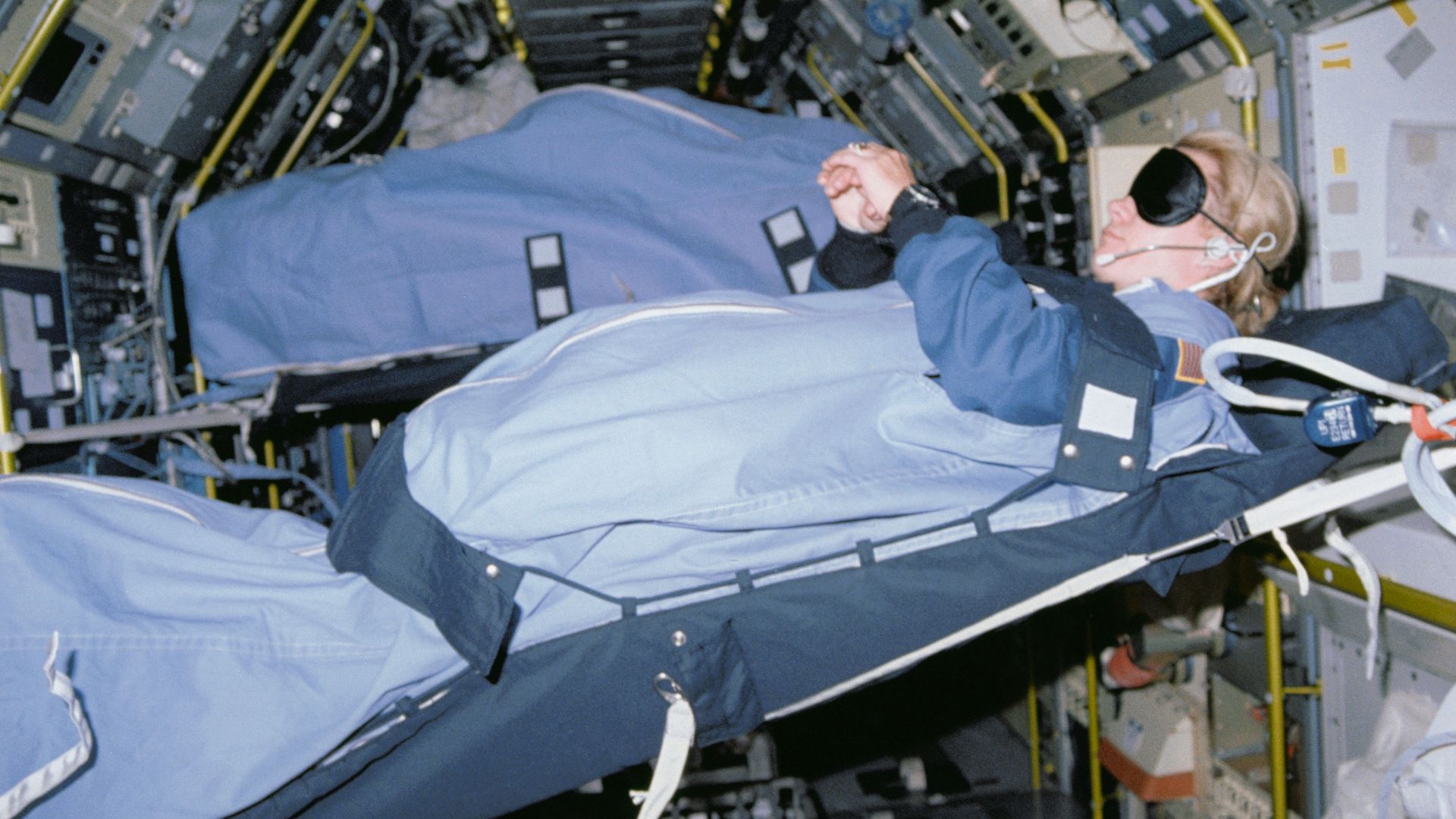
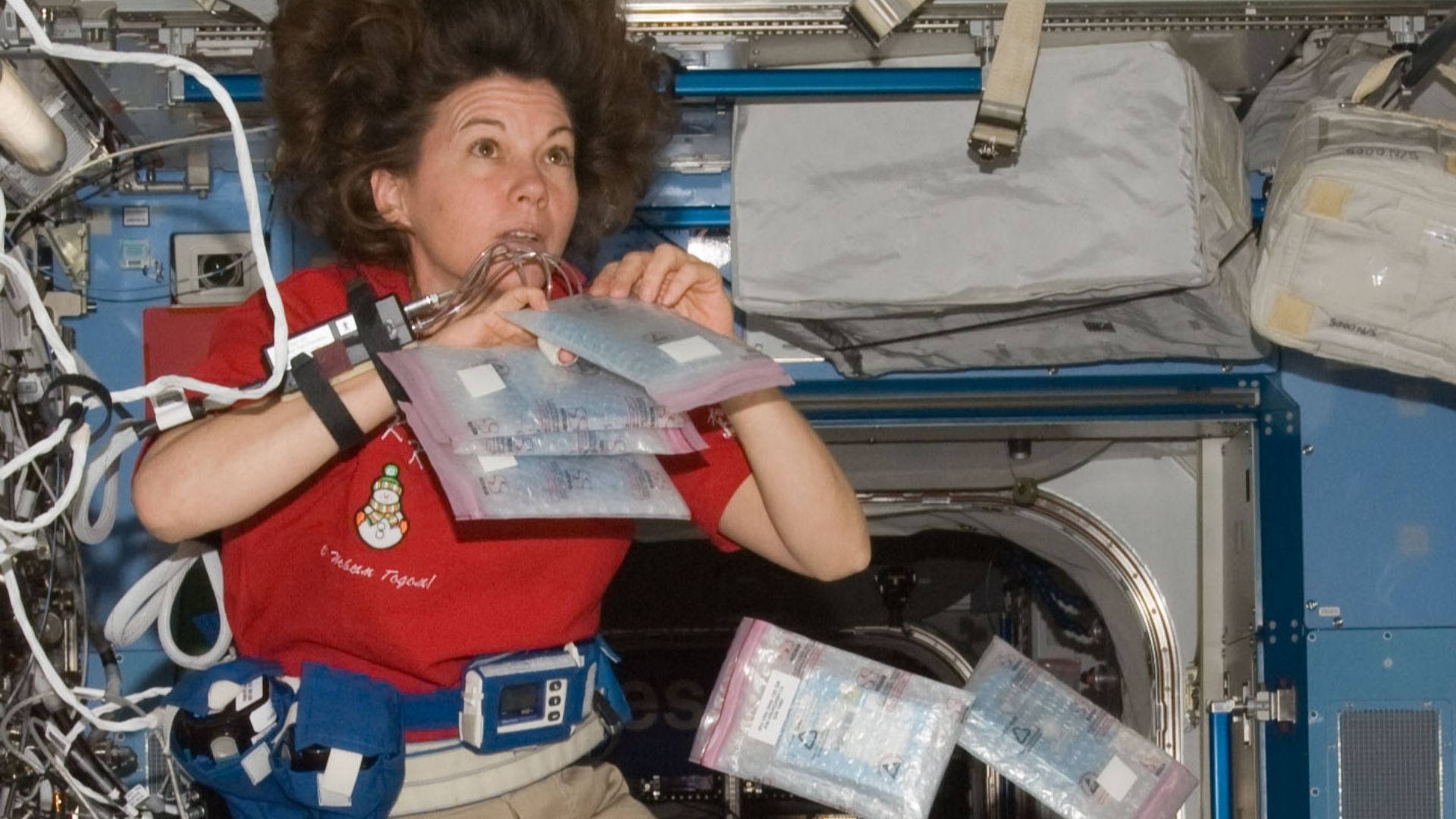
Far from Earth, even the heart can change its rhythm, skipping beats or adding sudden flutters. Astronauts wear constant ECG monitors to let doctors track every pulse. Most cases cause no harm, but each arrhythmia teaches NASA more about how the human heart handles life away from Earth.
 NASA (National Aeronautics and Space Administration), Wikimedia Commons
Cosmic Ray Light Flashes
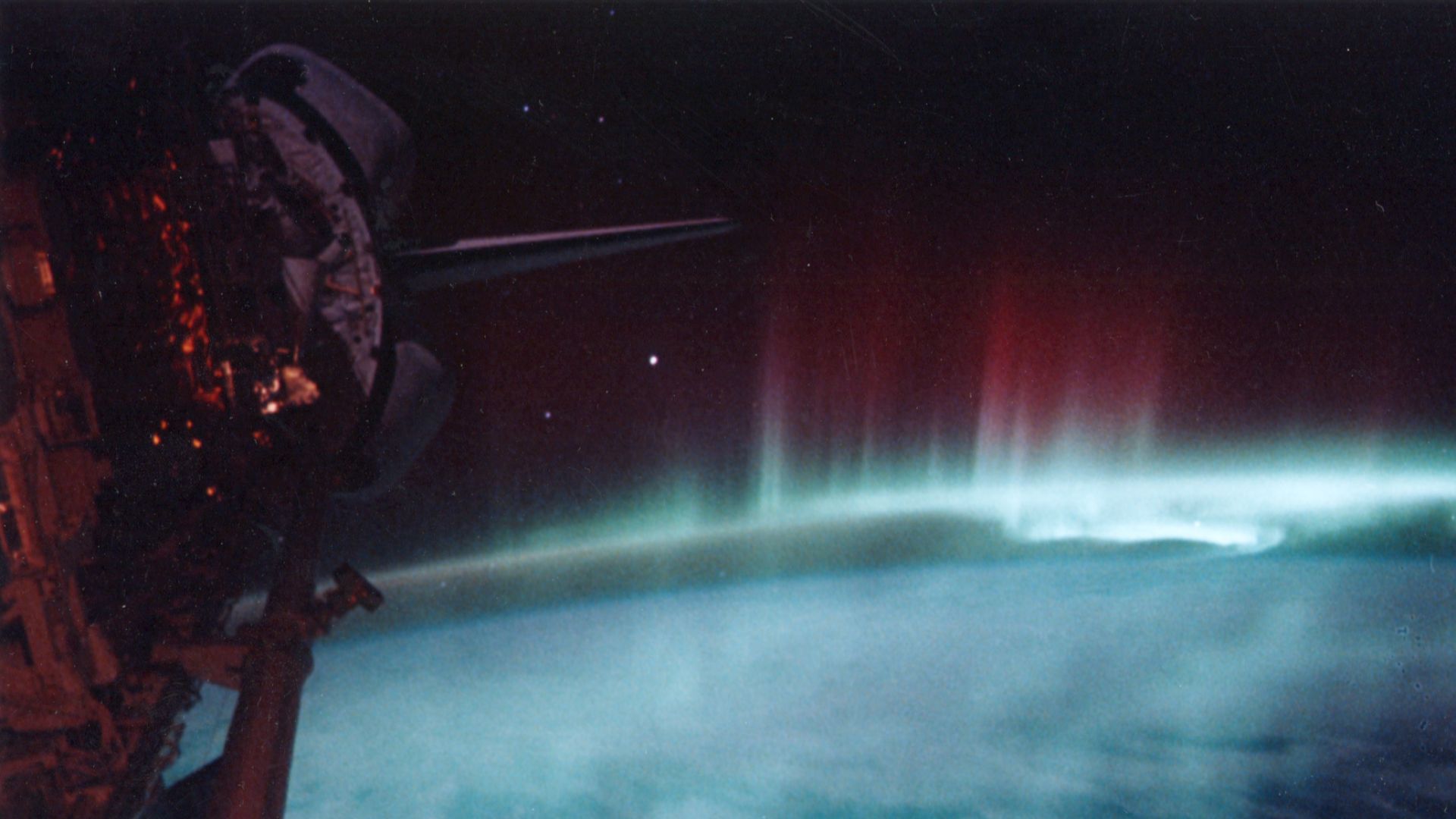
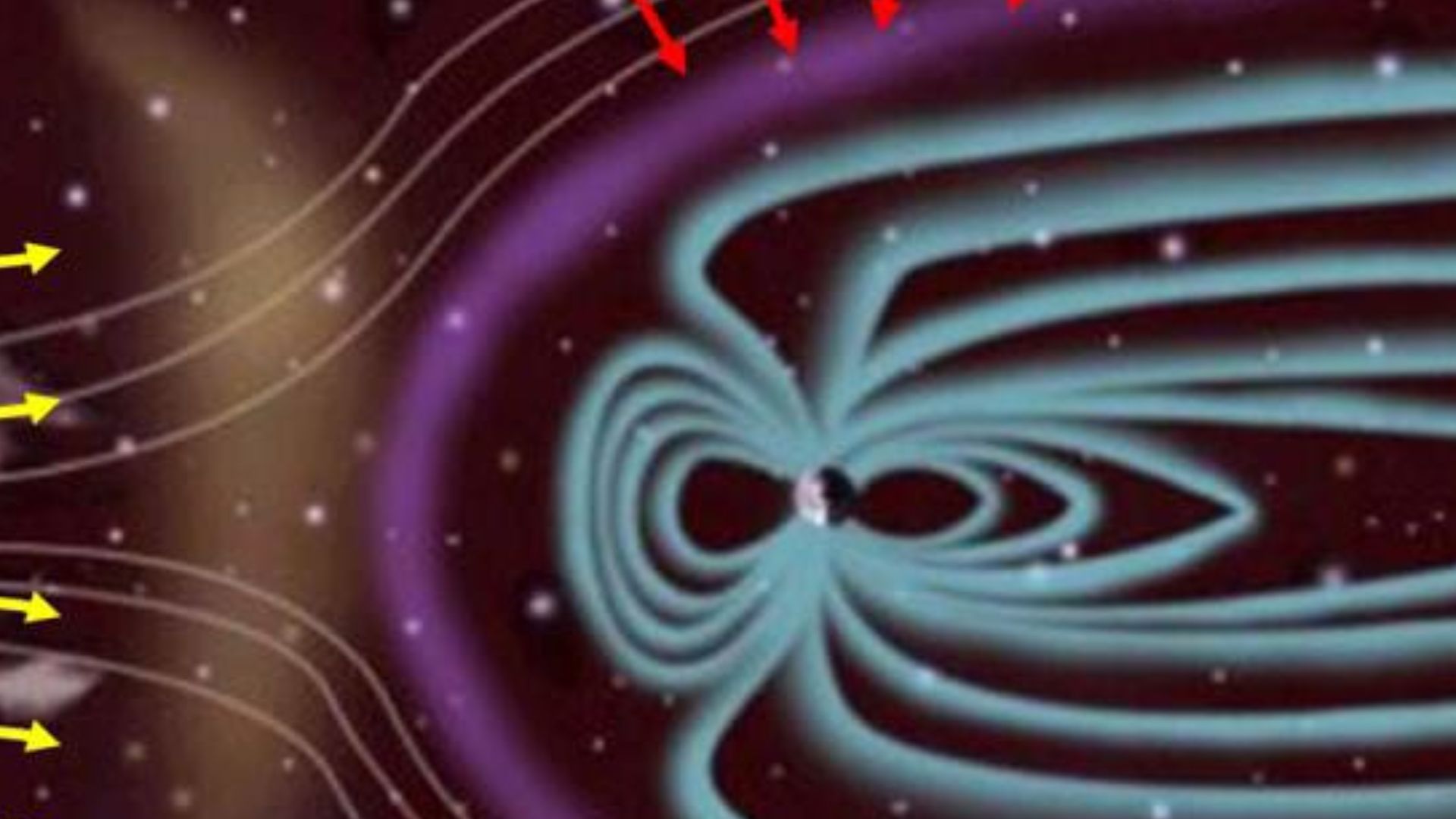
Astronauts sometimes see bright streaks or flashes of light even with their eyes closed. These are cosmic rays—high‑energy particles zipping through space and passing through the retina. The silent, sudden bursts create a strange light and reveal that no one can escape in orbit.
 NASA/JPL-Caltech/SwRI, Wikimedia Commons
The NASA Twins Study
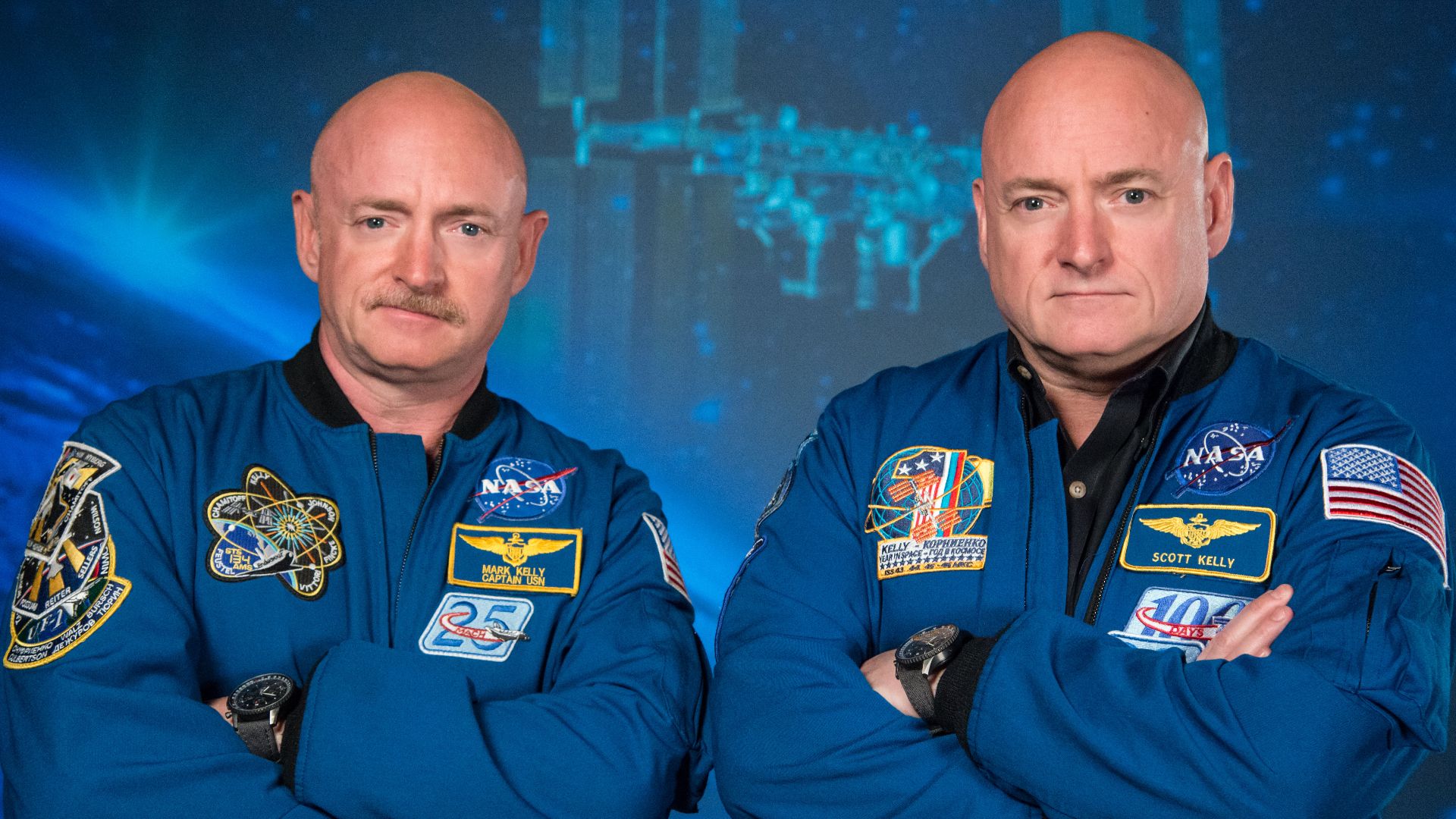
Scott Kelly spent almost a year on the ISS while his identical twin, Mark, stayed on Earth. NASA compared their health throughout the mission to discover changes in gene activity, immunity, and biology that could shape how astronauts prepare for long Mars missions.
 Robert Markowitz, Wikimedia Commons
Lost Tools And Gloves In Space
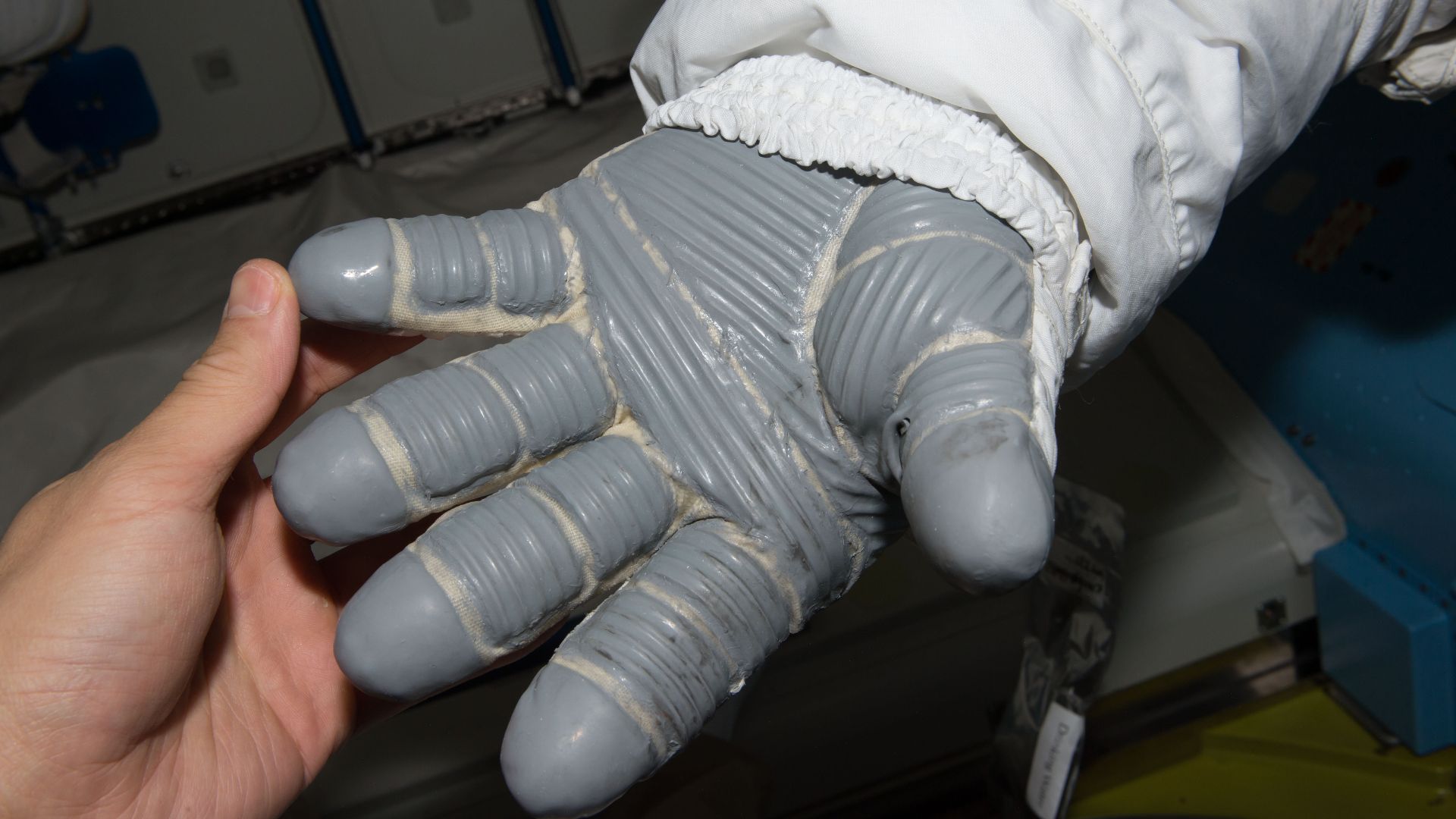
During spacewalks, even small slips can send gear drifting away forever. Ed White’s spare glove floated off during the first US spacewalk in 1965. Then in 2008, a tool bag escaped an astronaut’s grasp, turning into space junk that orbited Earth before burning up.
The Smell Of Space
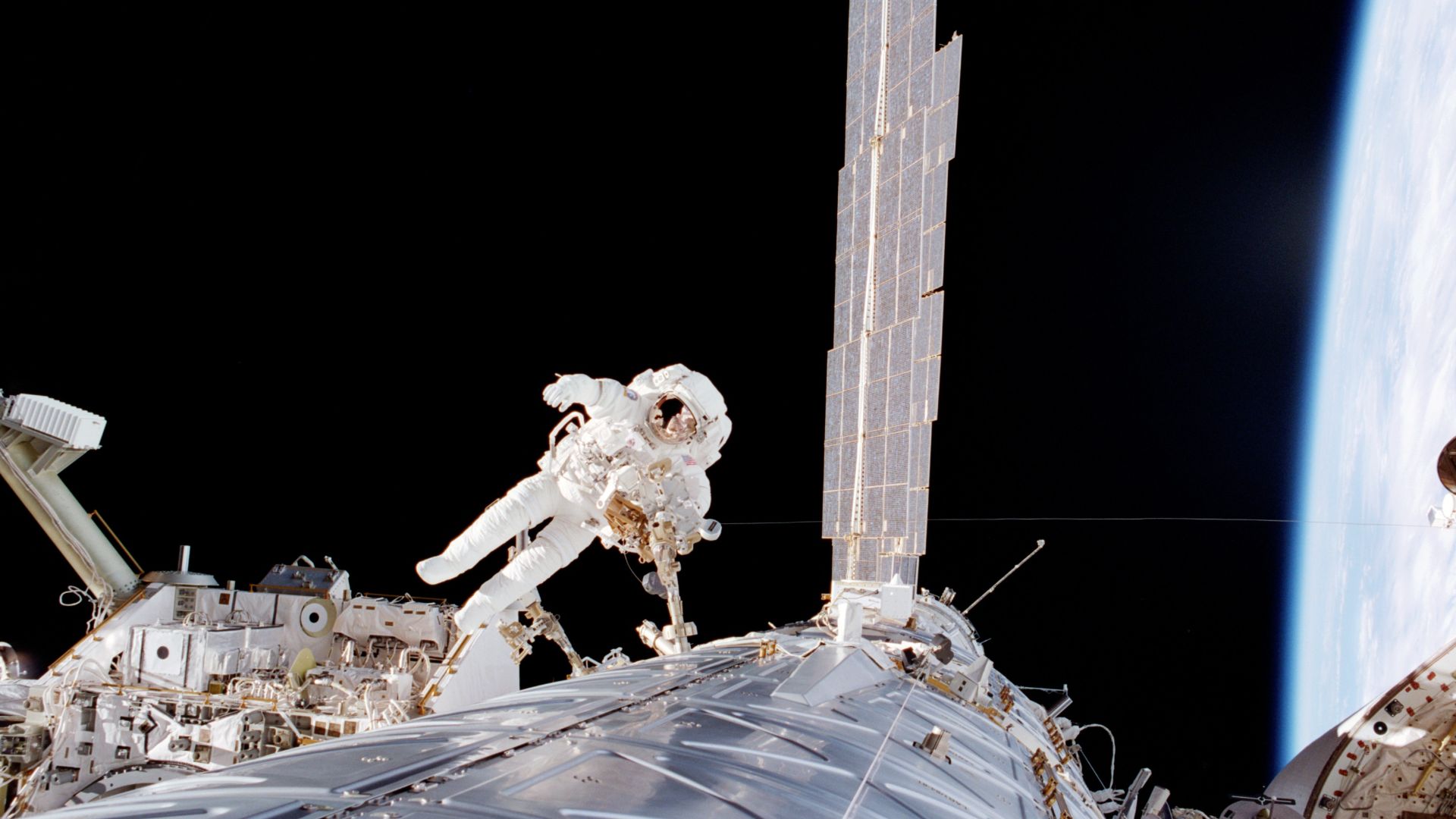
Astronauts say their suits carry a distinct scent after spacewalks—like burnt steak or welding fumes. The aroma comes from high‑energy atomic oxygen clinging to the gear in a vacuum. Back inside, that strange “space smell” lingers briefly before fading away.
Oxygen Purge System In Spacesuits
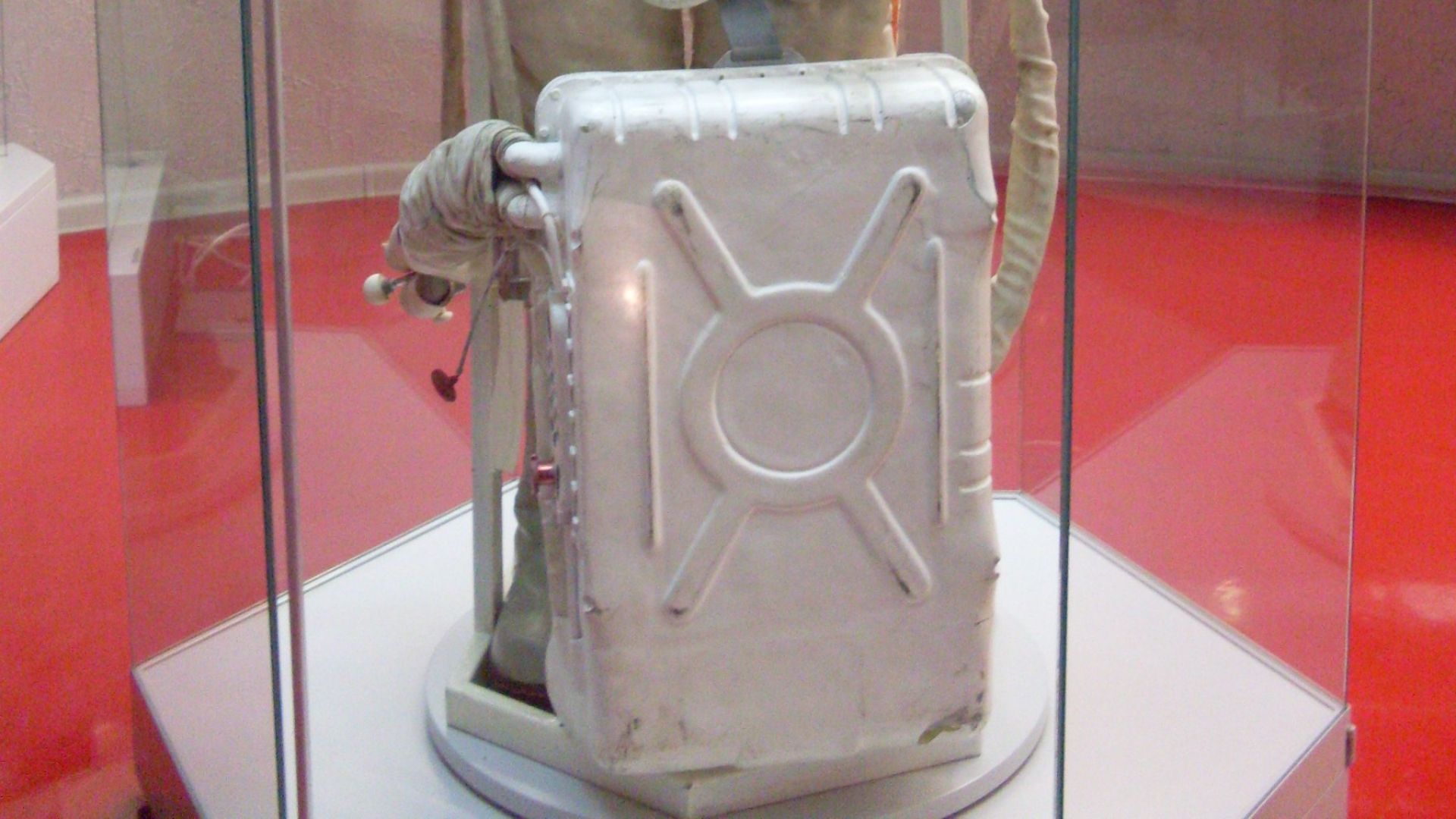
Every Extravehicular Activity (EVA) suit carries a backup oxygen purge unit. If the main life-support system fails, this device feeds emergency oxygen straight to the helmet and buys precious minutes for the astronaut to get back to safety.
Space Squirts Incident
High gravity during launch or reentry can overwhelm the body’s control over fluids. A few astronauts have experienced accidental urine leakage inside their suits during these phases, creating an awkward and very personal challenge to handle in cramped conditions.
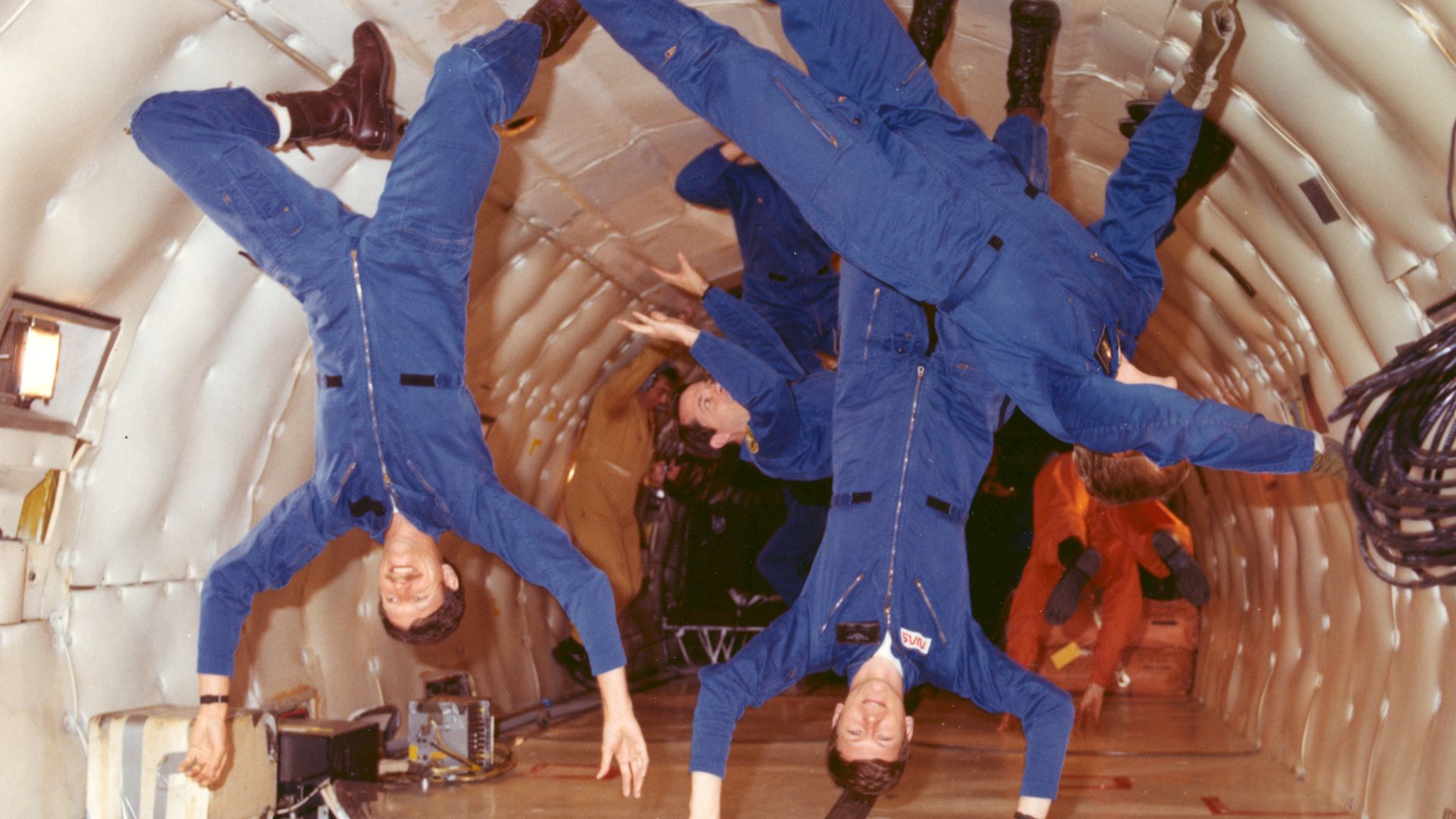
Forced Exercise Regimen
Weightlessness slowly weakens muscles and bones, so astronauts train like athletes in orbit. For over two hours a day, they run on a bungee‑tethered treadmill, cycle a stationary bike, and “lift” on resistance machines—staying strong enough to handle Earth’s gravity again.
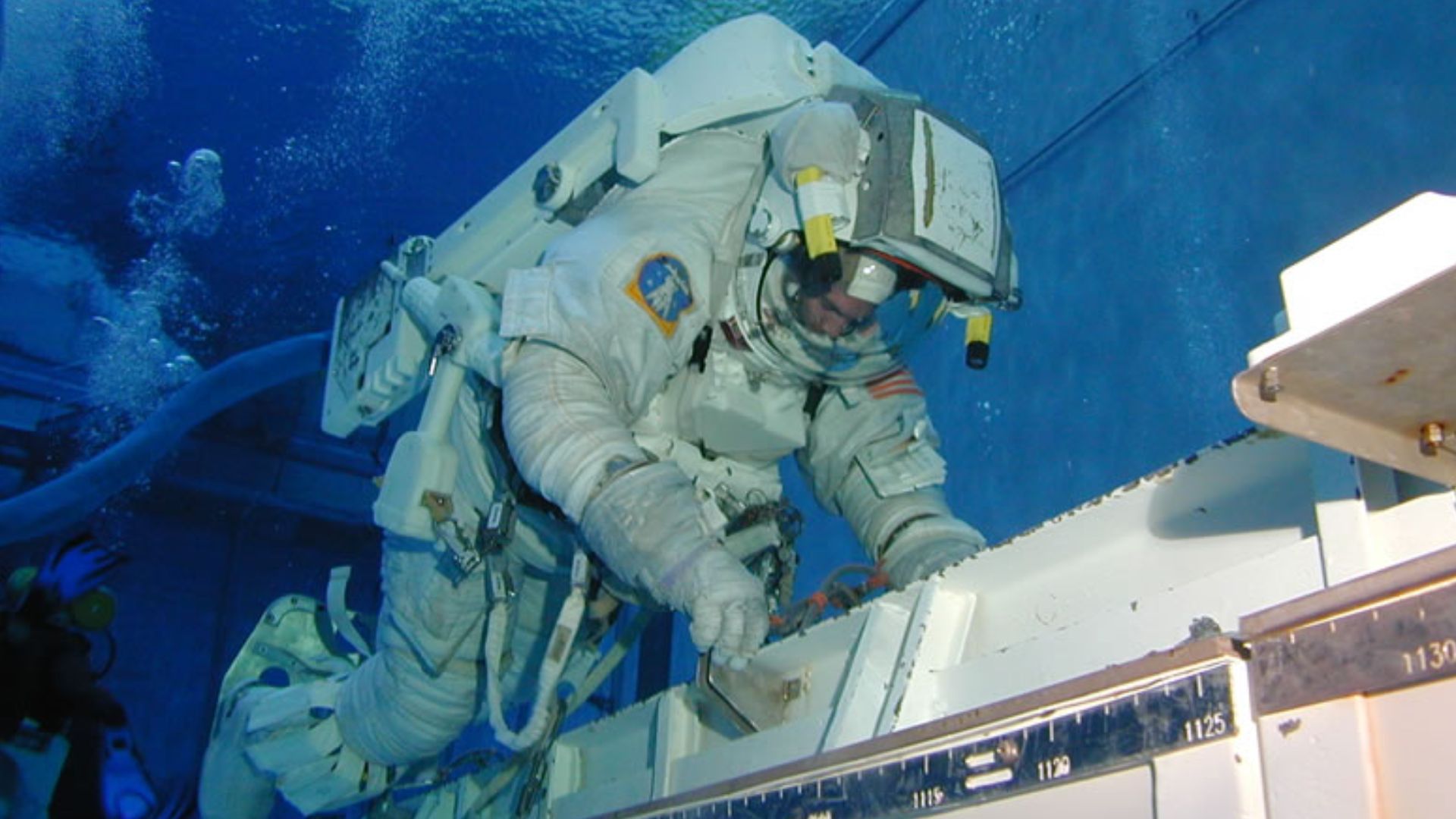
Life Aboard A Noisy Space Station
Life on the ISS comes with a constant mechanical hum from fans and different machines, as loud as city traffic. The noise keeps astronauts awake at first, but eventually it becomes part of the station’s background, kind of like its “heartbeat”.
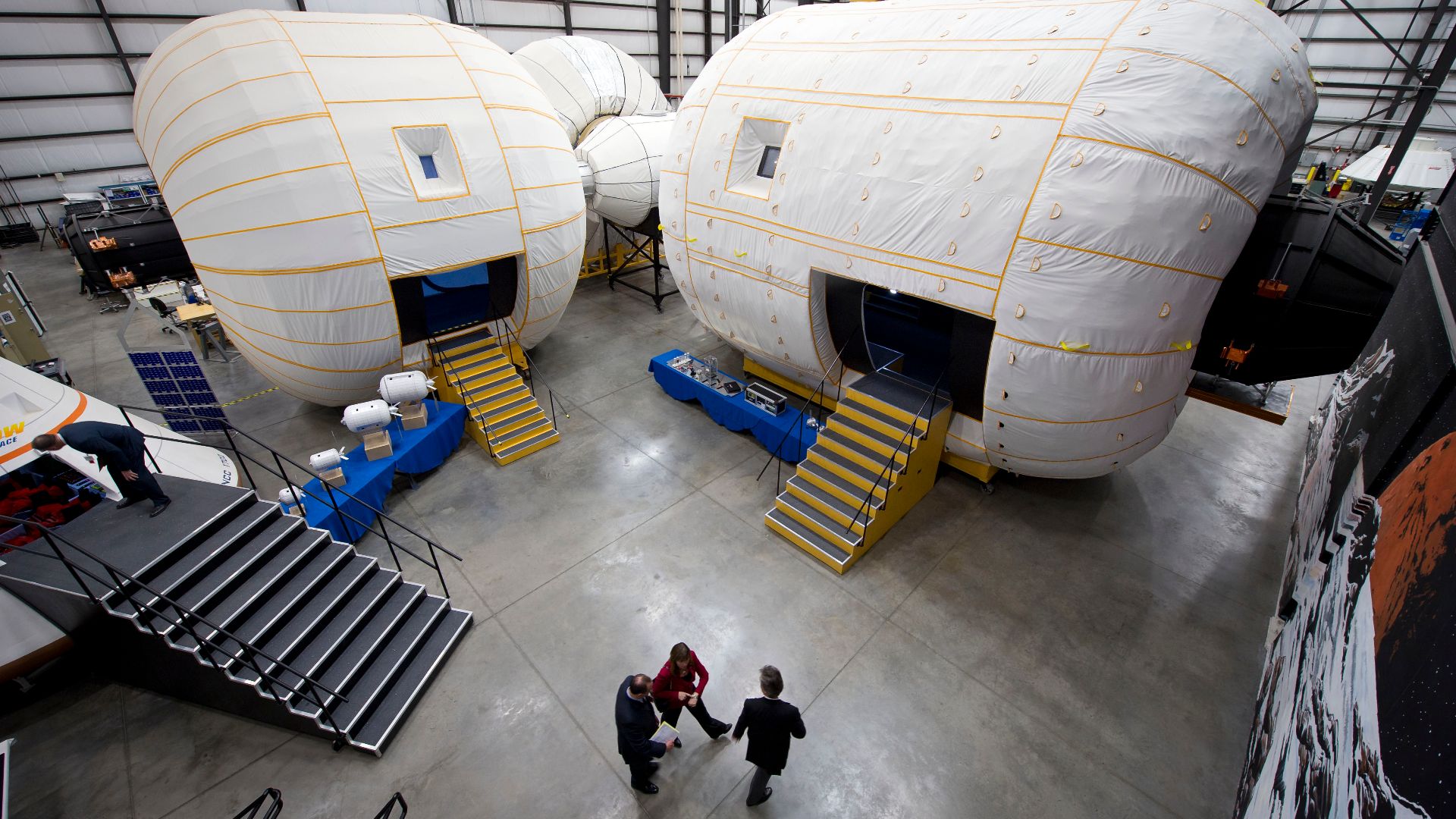 Bill Ingalls, Wikimedia Commons
Astronauts Under Reprimand
NASA sometimes disciplines astronauts who break rules, like selling mission memorabilia without permission. These reprimands remain mostly behind closed doors, and range from suspensions to criminal charges. Even astronauts who seem like heroes face serious consequences for missteps during or after missions.
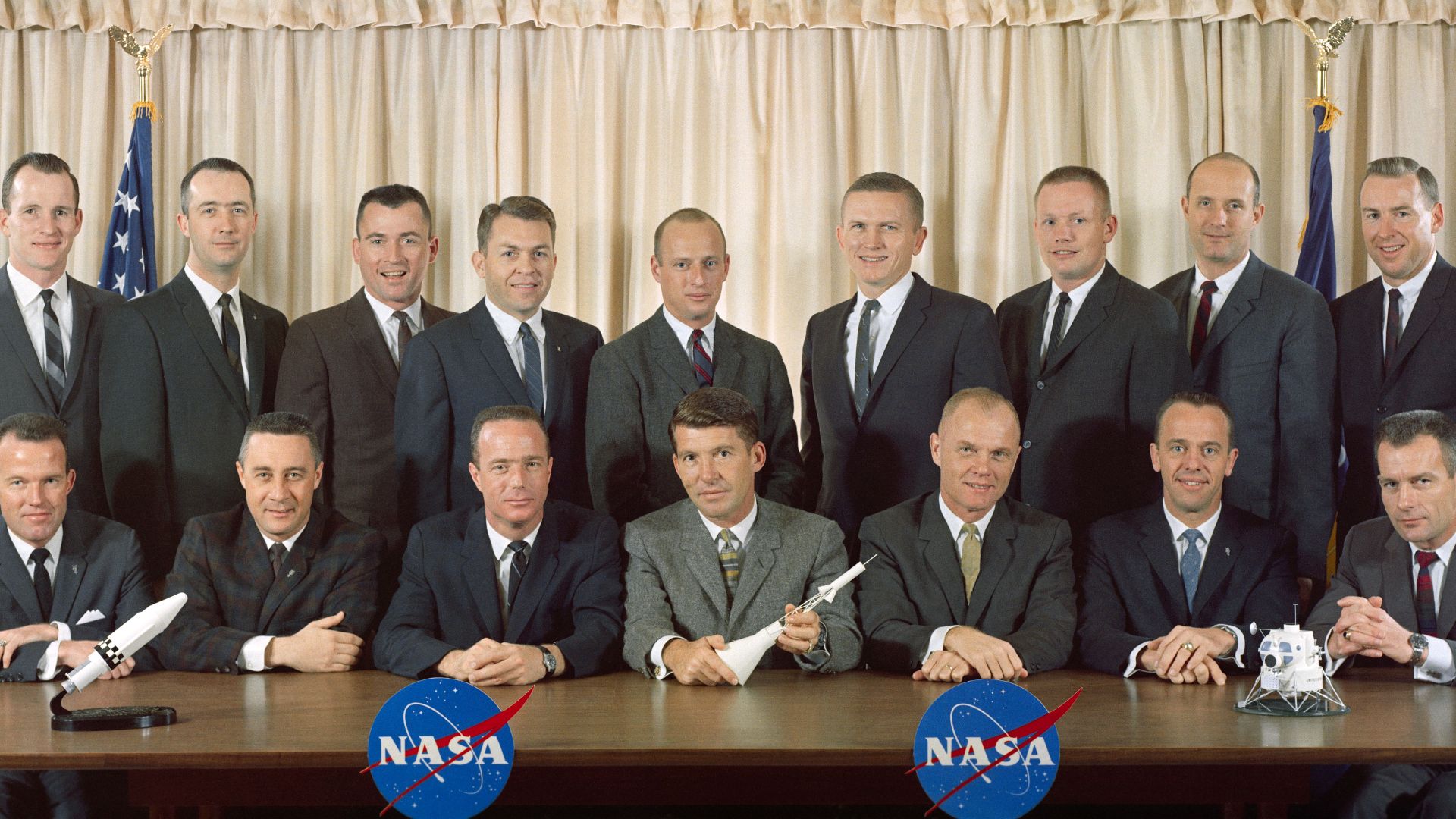
Nearly 25 Years In Space
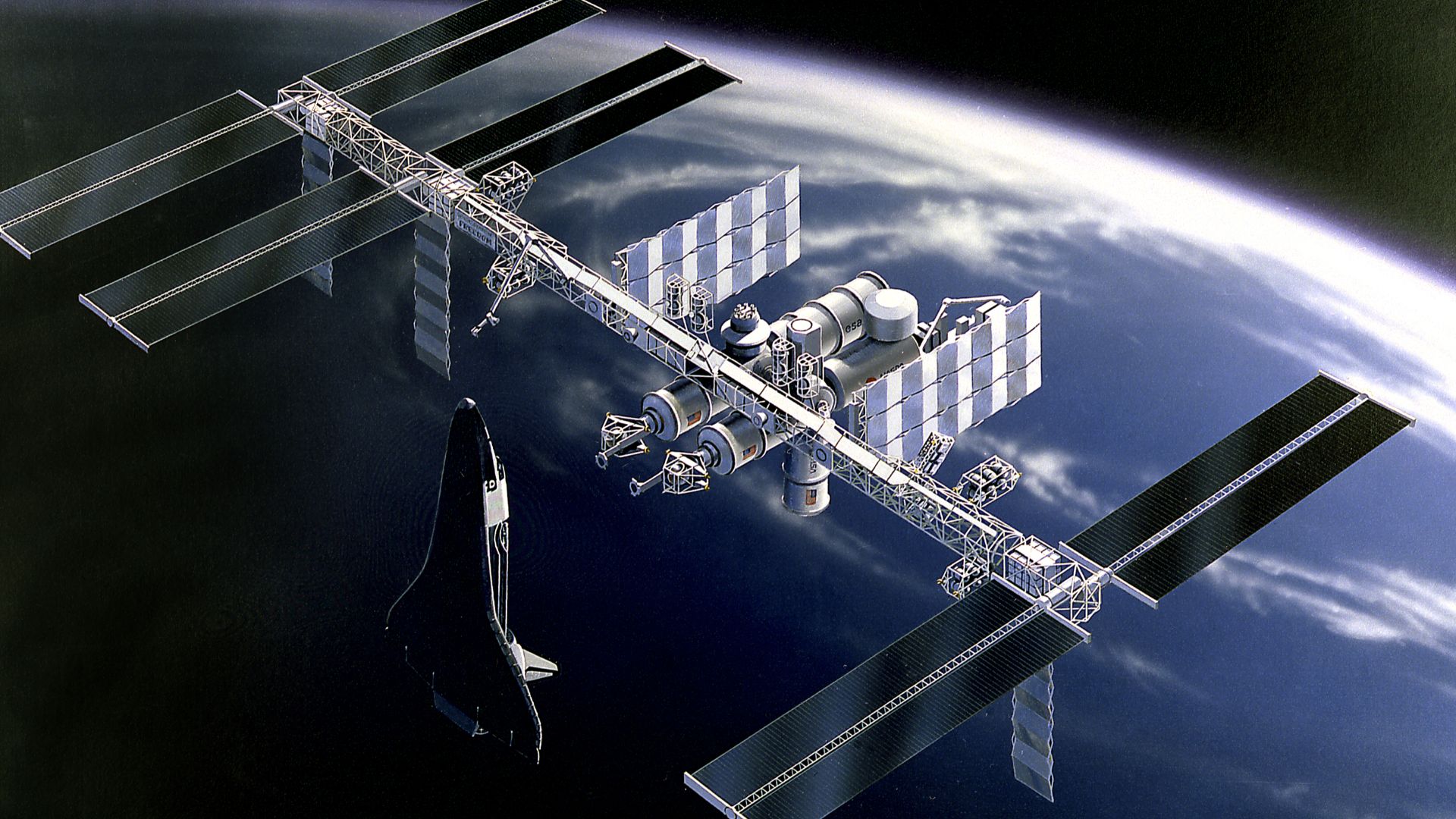
Since November 2000, humans have lived continuously aboard the ISS for almost 25 years. Astronauts and cosmonauts rotate in long missions, handing over the station like a relay team. Every crew adds experiments, maintenance, and stories to humanity’s longest-running home away from Earth.
 NASA/Tom Buzbee, Wikimedia Commons









