History Hidden Inside The Vatican
Amid the world’s most renowned center of Christianity, the Vatican holds a startling secret. Within its sacred halls rests an ancient mummy—an artifact that unsettles notions of heritage, cultural identity, and ownership far beyond Christian tradition.
An Unexpected Treasure
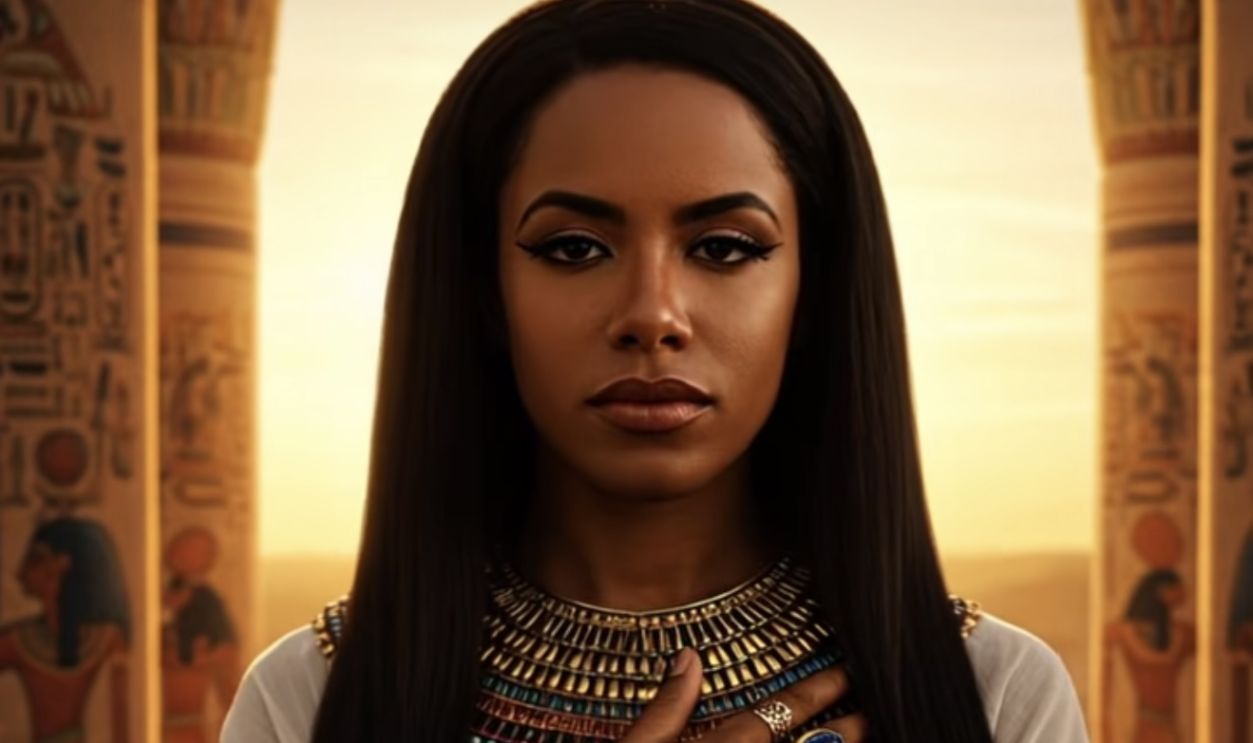
The Vatican's Egyptian Museum houses one of the most unexpected treasures: a Nubian princess preserved in linen wrappings. Few visitors expect to find an ancient African royal resting within the heart of Catholicism's headquarters.
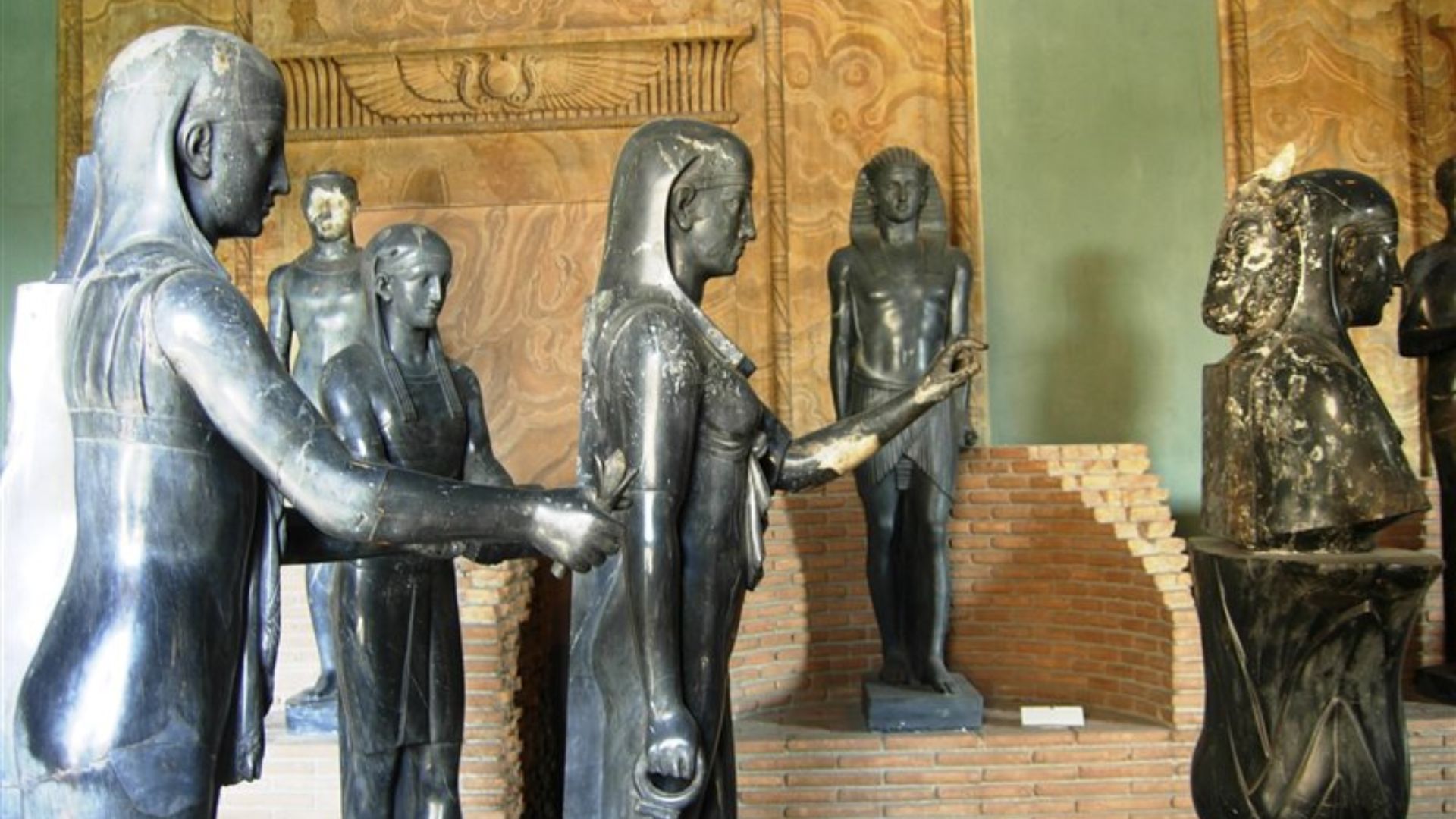 xiquinhosilva, Wikimedia Commons
Royal Lineage
Her name, Amenirdis, connects her to the Kushite dynasty that once ruled Egypt, blending Nubian and Egyptian traditions. Through this heritage, she stood at the crossroads of two cultures during a transformative era in the Nile valley.
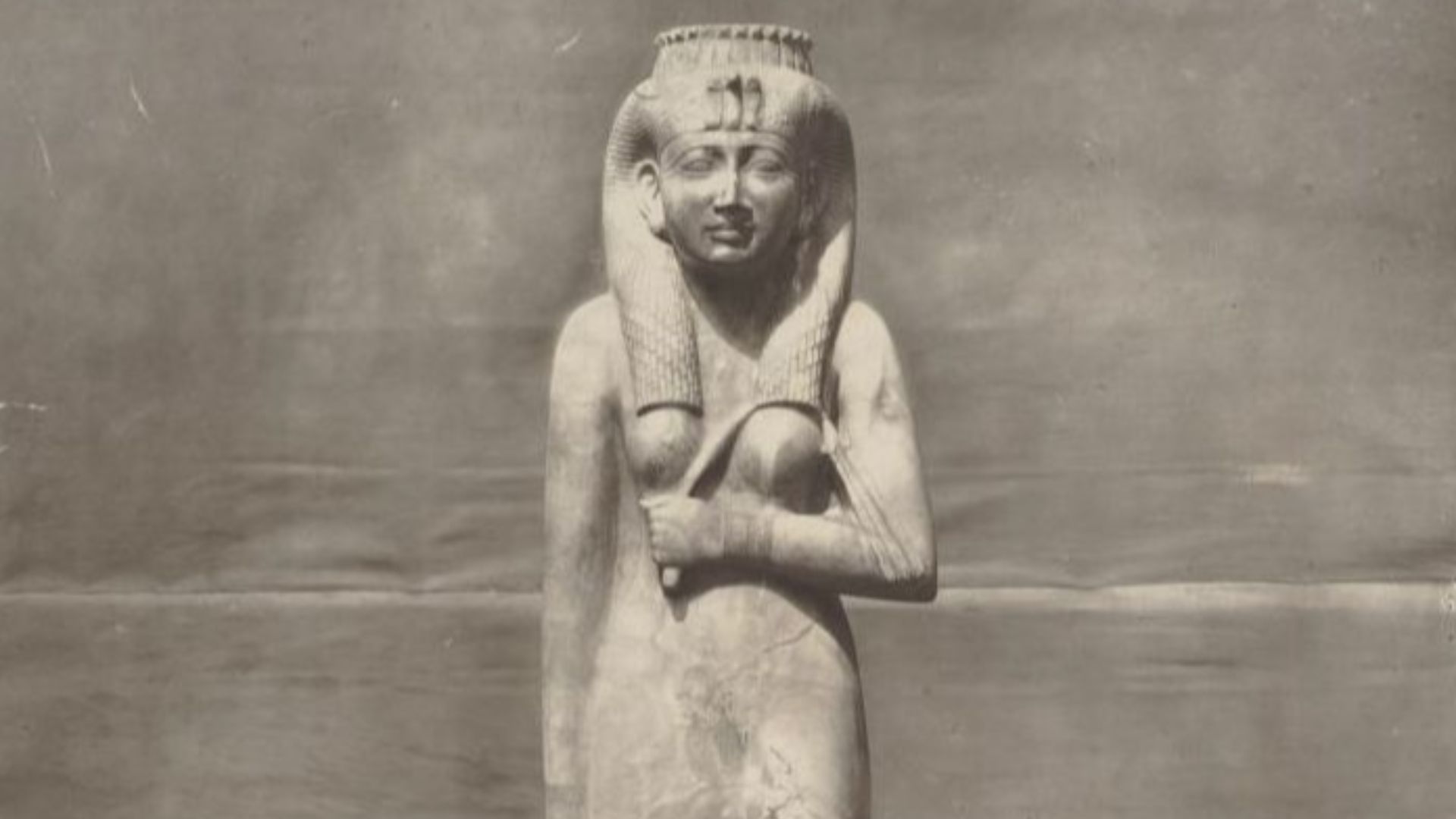 Delie, Hippolyte and Emile Bechard, Wikimedia Commons
Family And Dynasty
Amenirdis was the daughter of Pharaoh Kashta and Queen Pebatjma. She was also the sister of pharaohs Piye and Shabaka, firmly anchoring her within the dynasty’s royal bloodline, a lineage that defined her place in history.
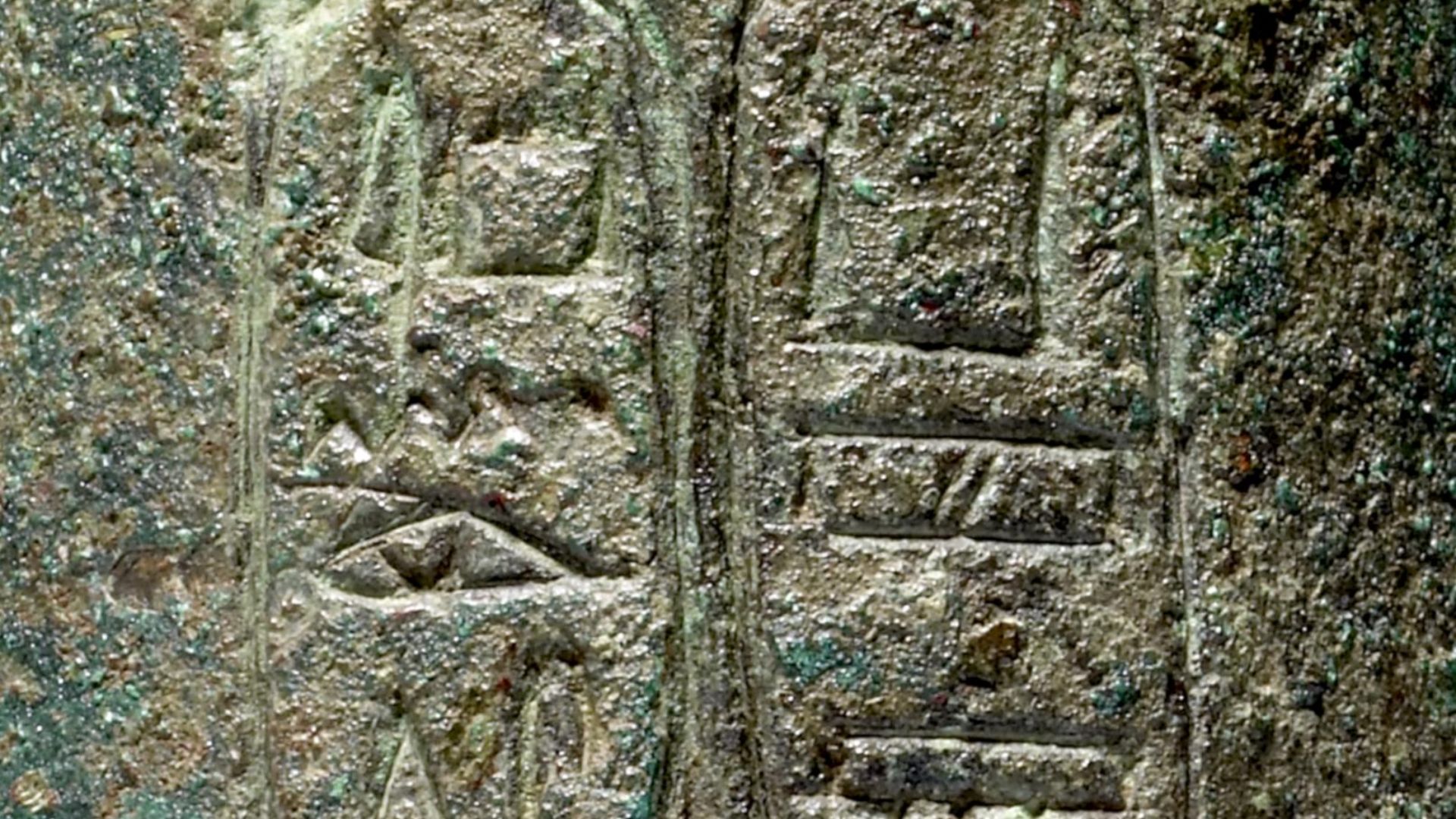 Anonymous (Egypt)Unknown author, Wikimedia Commons
Kushite Dynasty Influence
The Kushite rulers who claimed Egypt brought profound changes to the kingdom's identity and governance. They introduced Nubian customs and carefully preserved pharaonic rituals. Their reign unified diverse cultures across the Nile valley.
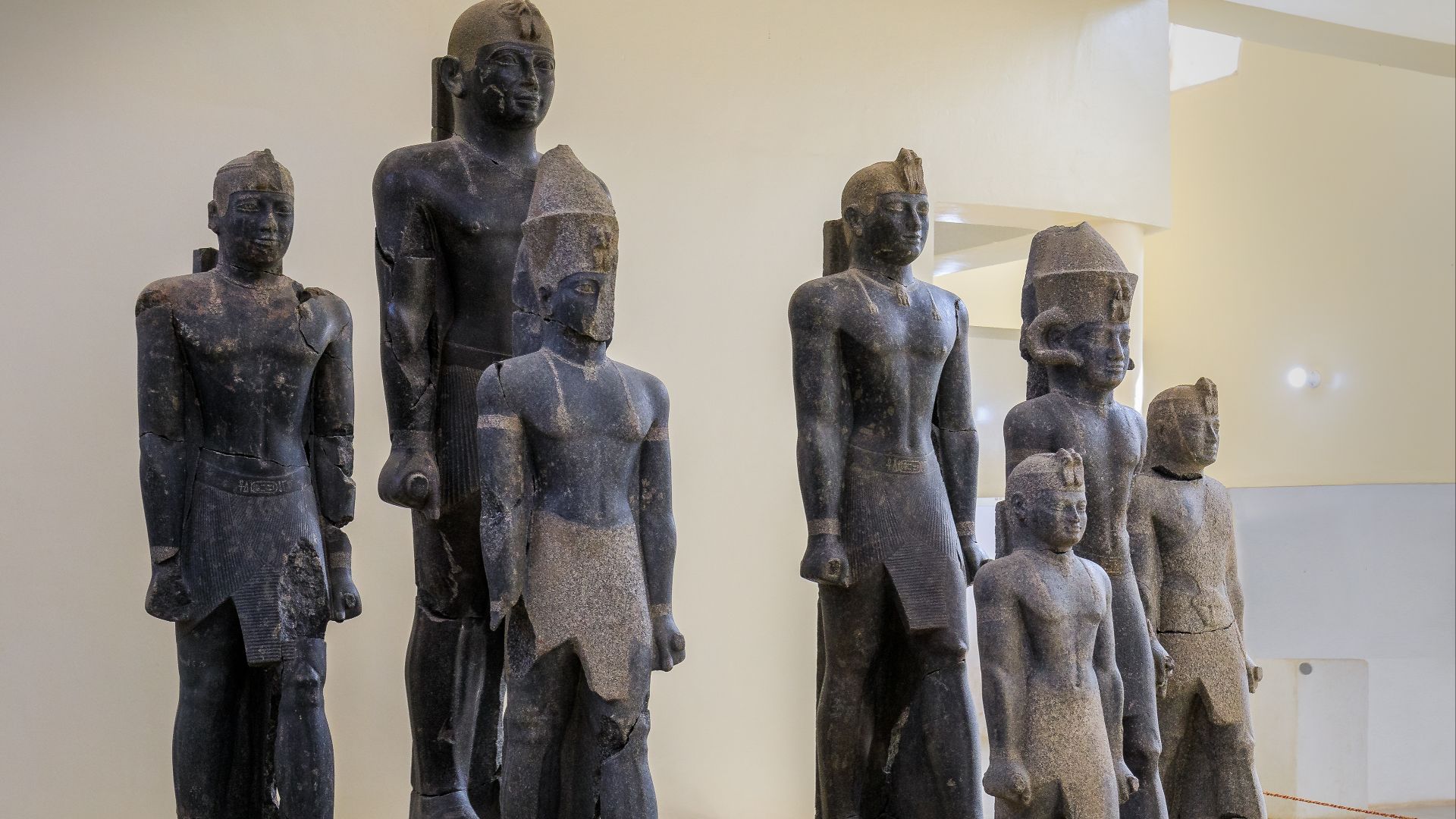 Matthias Gehricke, Wikimedia Commons
Succession Strategy
Kashta strengthened Nubian authority in Thebes by arranging Amenirdis’s adoption by Divine Adoratrice Shepenupet I. Later, Amenirdis adopted her niece Shepenupet II, daughter of Piye, ensuring dynastic continuity and reinforcing Kushite influence over both religious and political life in the region.
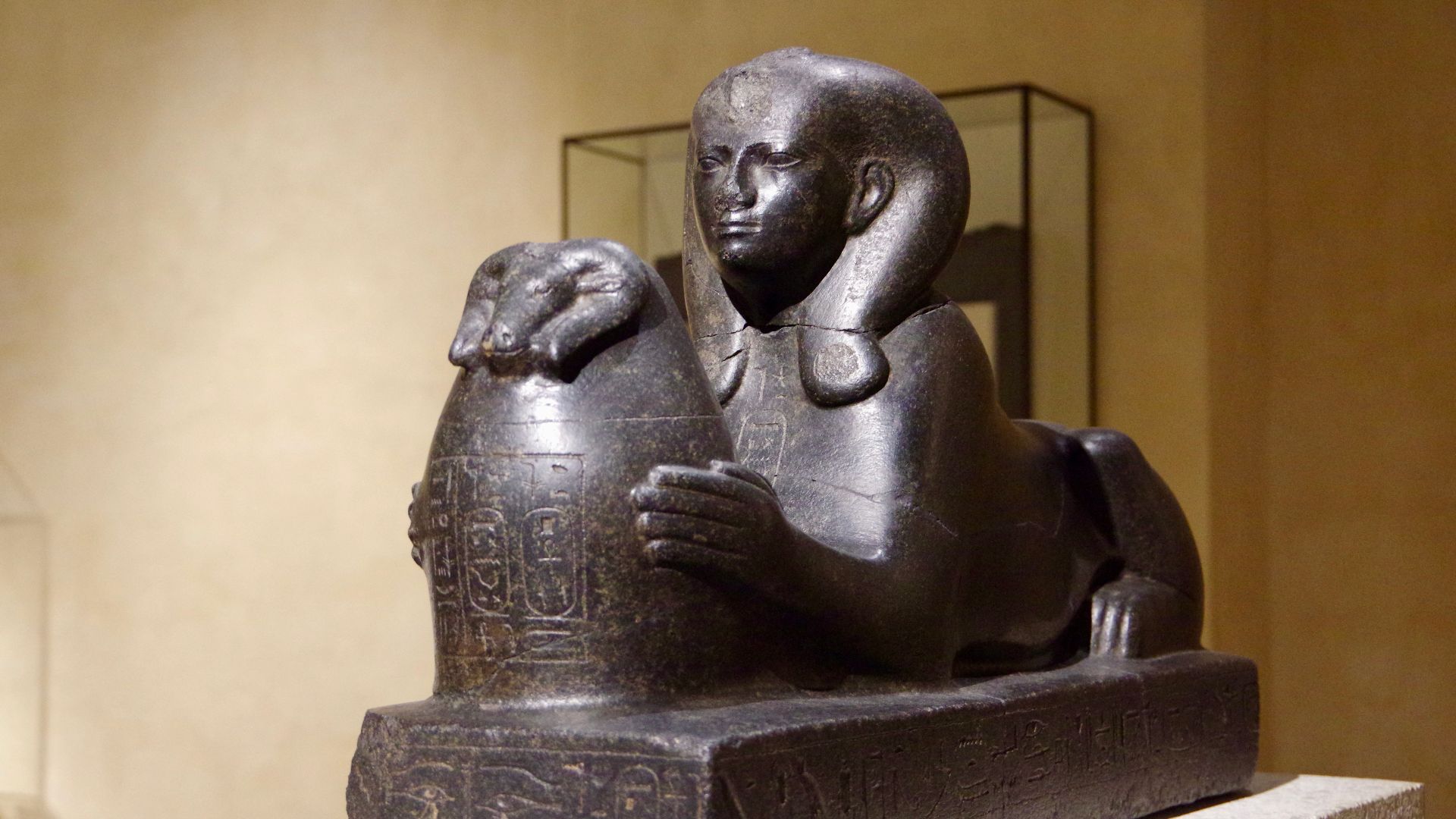 David Merrett, Wikimedia Commons
Nubian Dynasty Power
Her Nubian heritage highlights Egypt's multicultural dynasties, where African queens held immense religious power. These women controlled temple lands and directed rituals for Amun. They elevated women's roles in religion far beyond contemporary cultures.
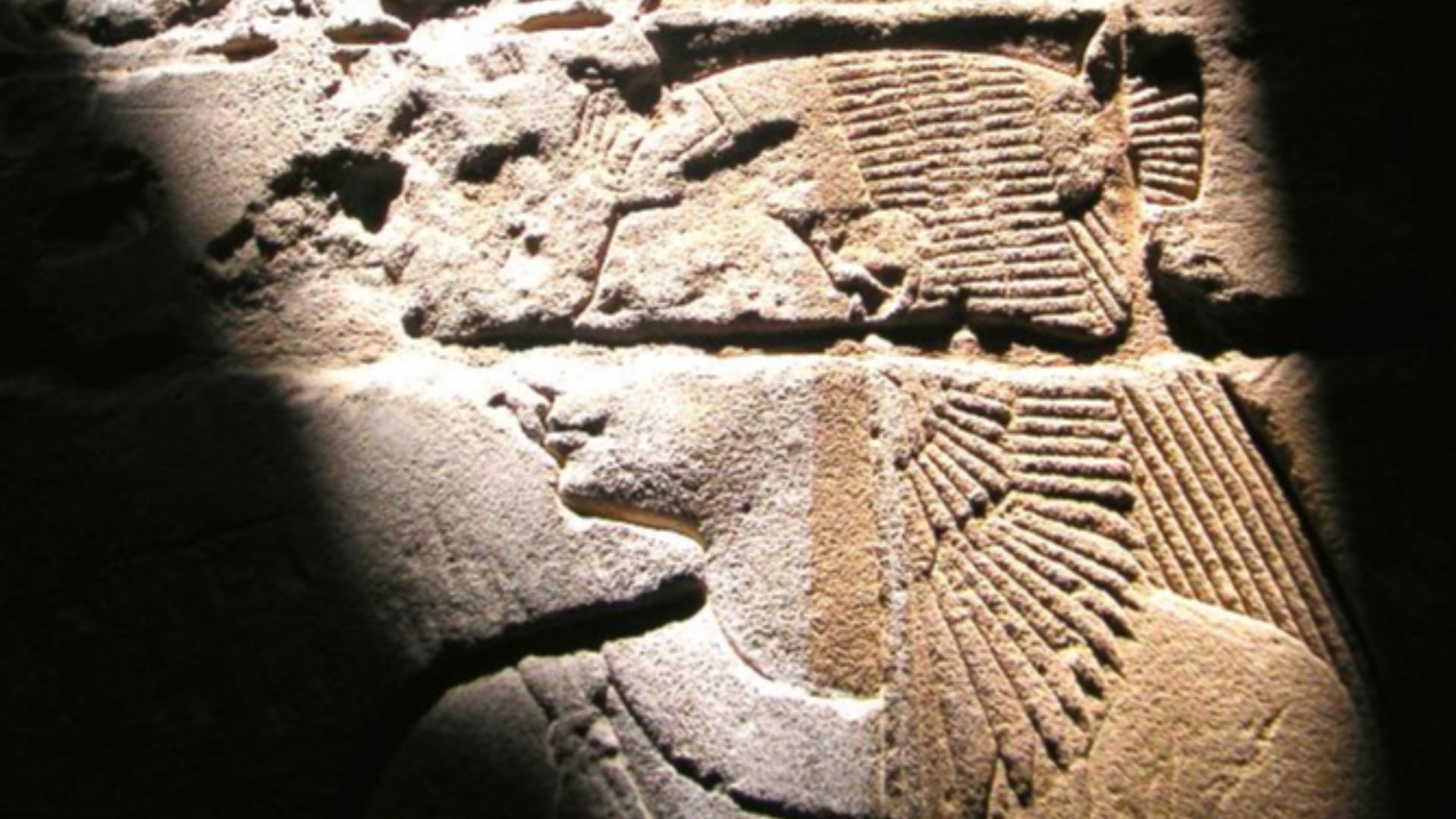
High Priestess Of Amun
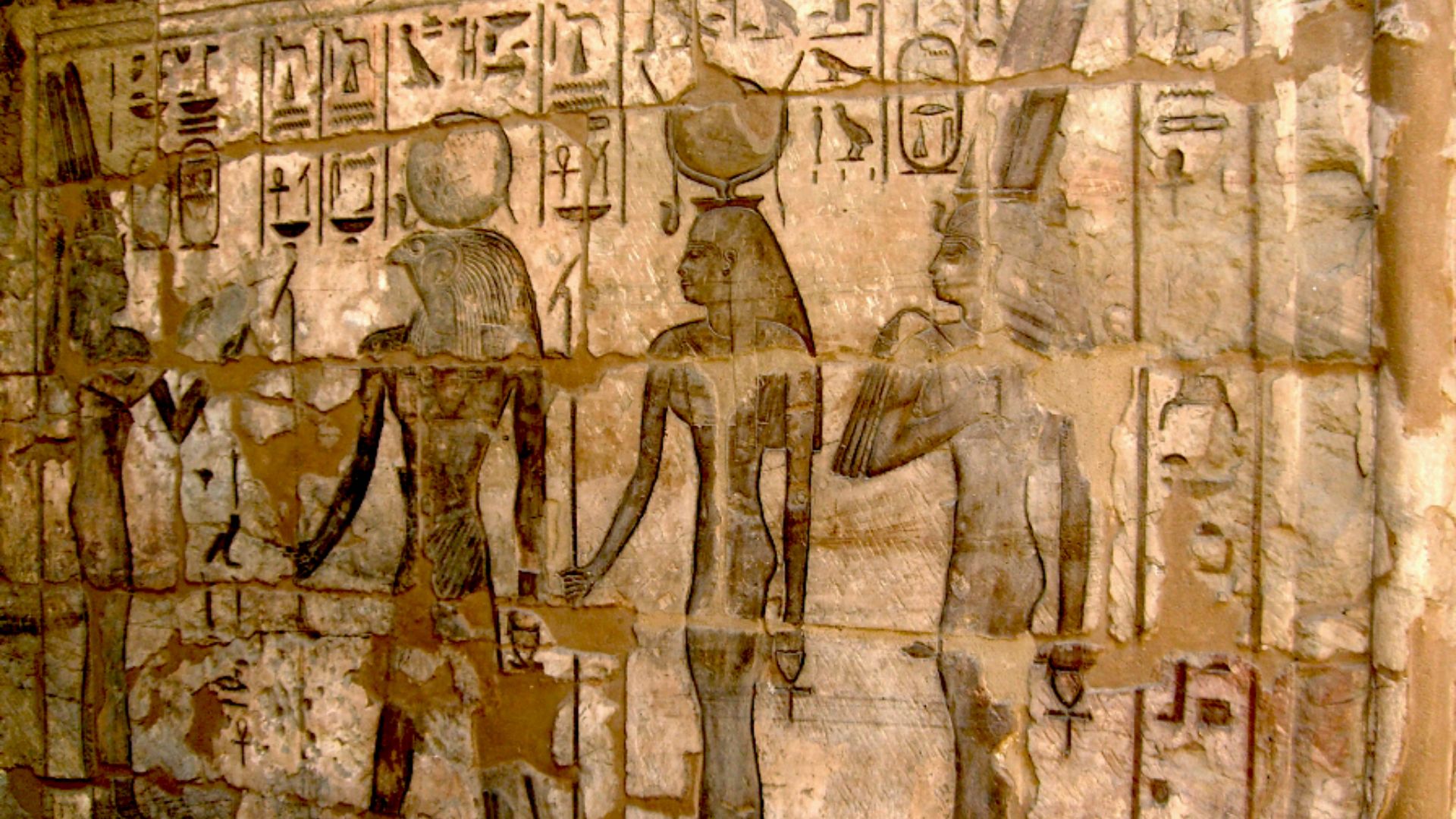
She rose to prominence as a High Priestess of Amun, a role that gave women extraordinary spiritual authority in Thebes. That position granted her control over temple wealth, ceremonies, and religious practices throughout the region.
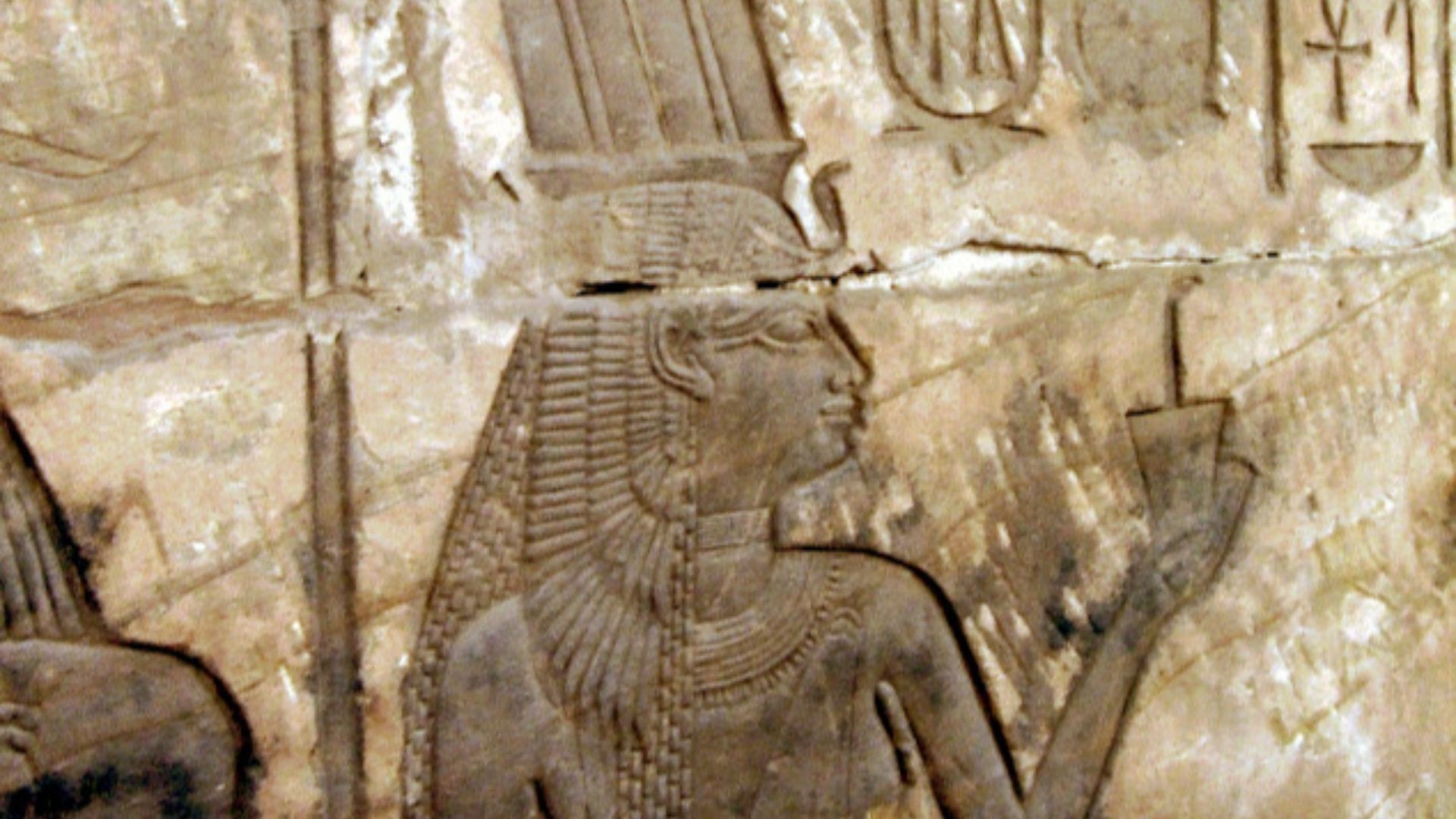 Amenirdis_Med_Habou_1.jpg: Neithsabes derivative work: JMCC1 (talk), Wikimedia Commons
Historical Significance
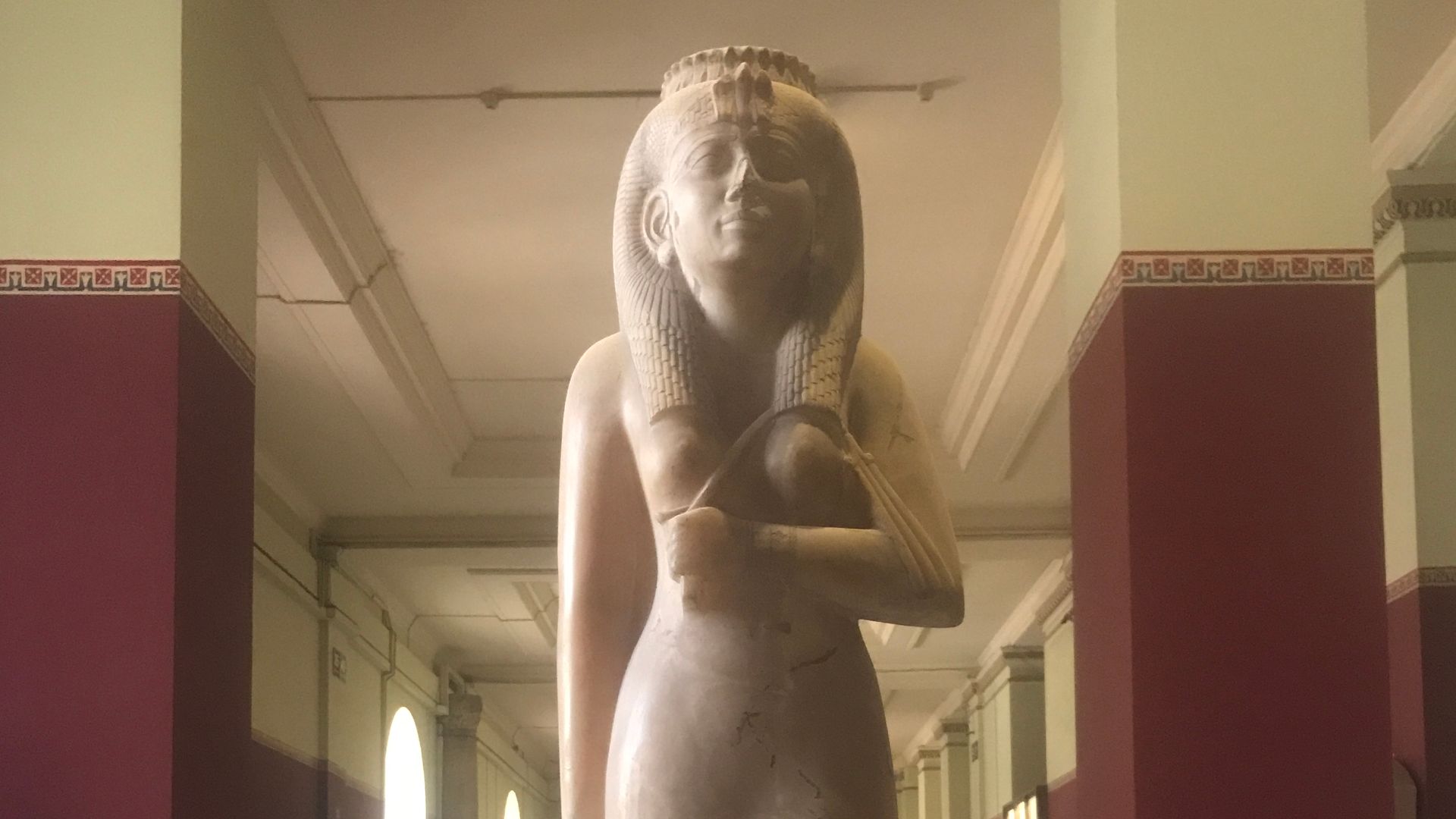
Amenirdis’s tenure, roughly 714–700 BCE, marked the height of the Nubian 25th Dynasty’s rule over Kush and Egypt. Her leadership embodied a transformative era where Nubian queens shaped politics and religion, bridging African heritage with Egyptian traditions during unified governance.

History's most fascinating stories and darkest secrets, delivered to your inbox daily.
The Embalming Ritual
The embalming process she underwent reflects Dynasty XXI practices, with specific steps followed carefully. Workers performed evisceration to remove internal organs, and then dried the body completely using natron salts over several weeks to prepare it for preservation.
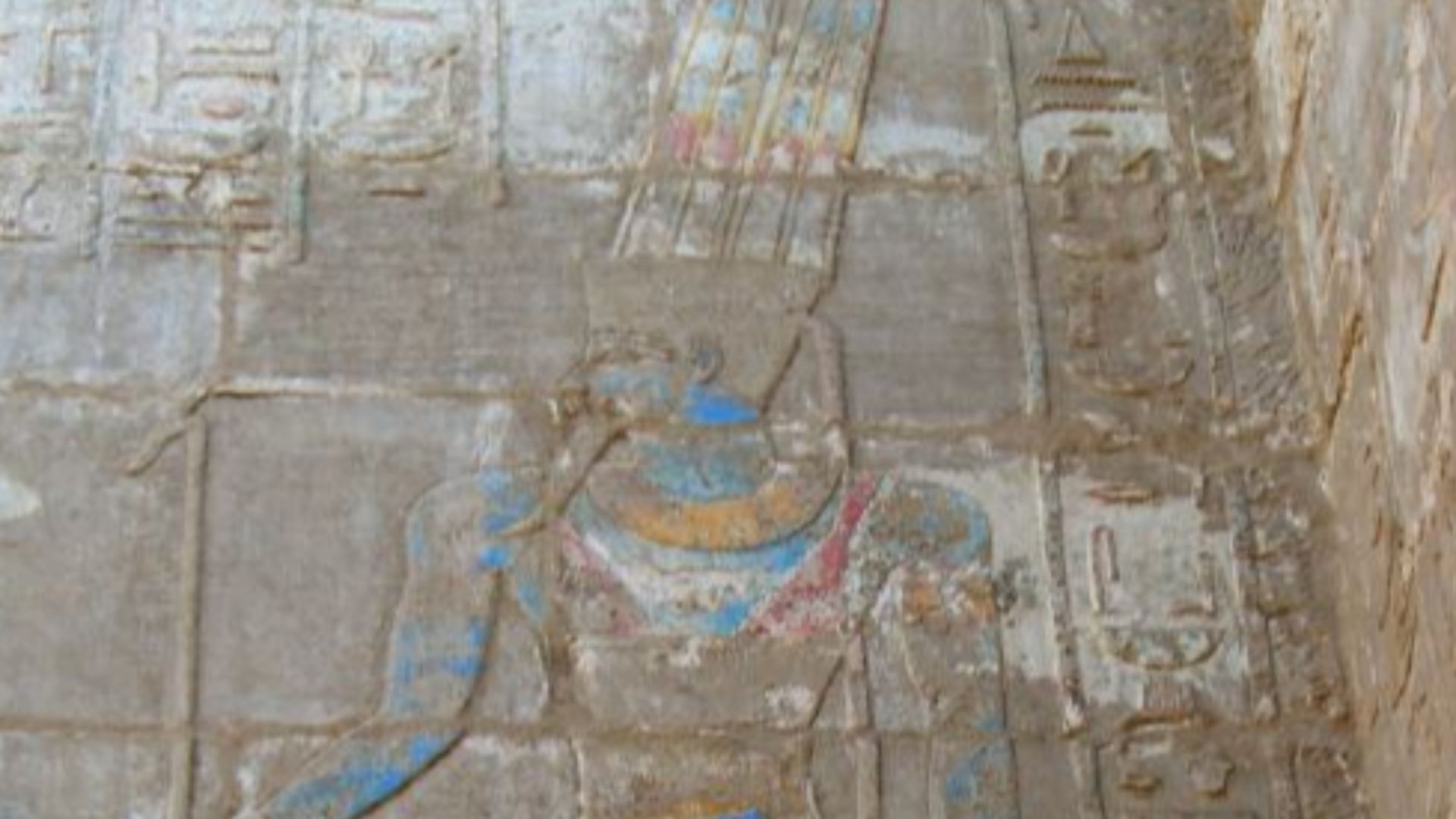
Preservation Techniques
Skilled embalmers applied precious resins to seal and protect her remains from decay. The careful wrapping process took weeks to complete with precision. These meticulous techniques ensured her body would survive through eternity and reach the afterlife intact.
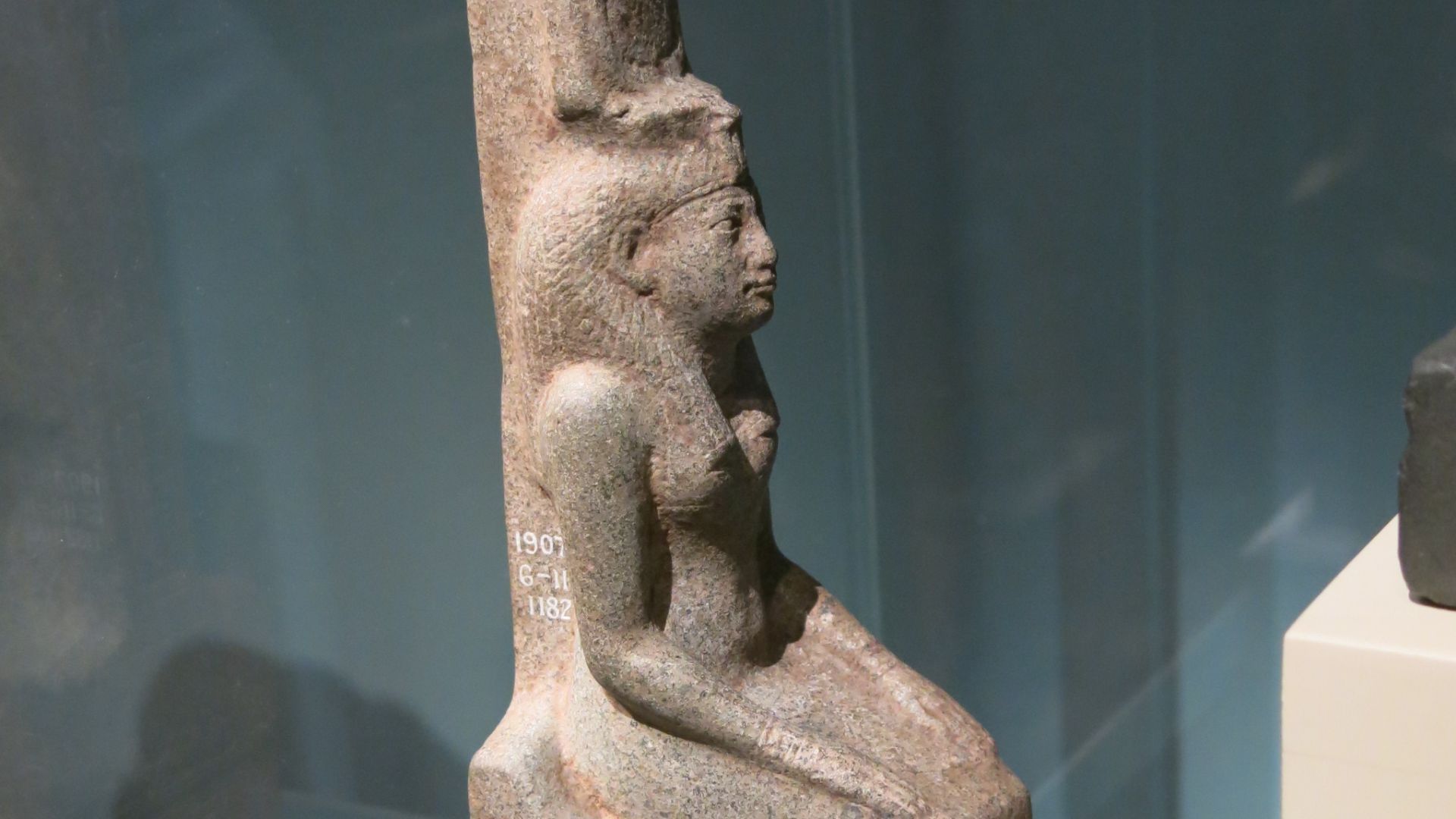
Protective Amulets
Amulets were placed among her bindings, each symbolizing protection, healing, or even substitution for damaged body parts. The sacred objects included scarabs near the heart and the Eye of Horus on her chest for divine safeguarding.
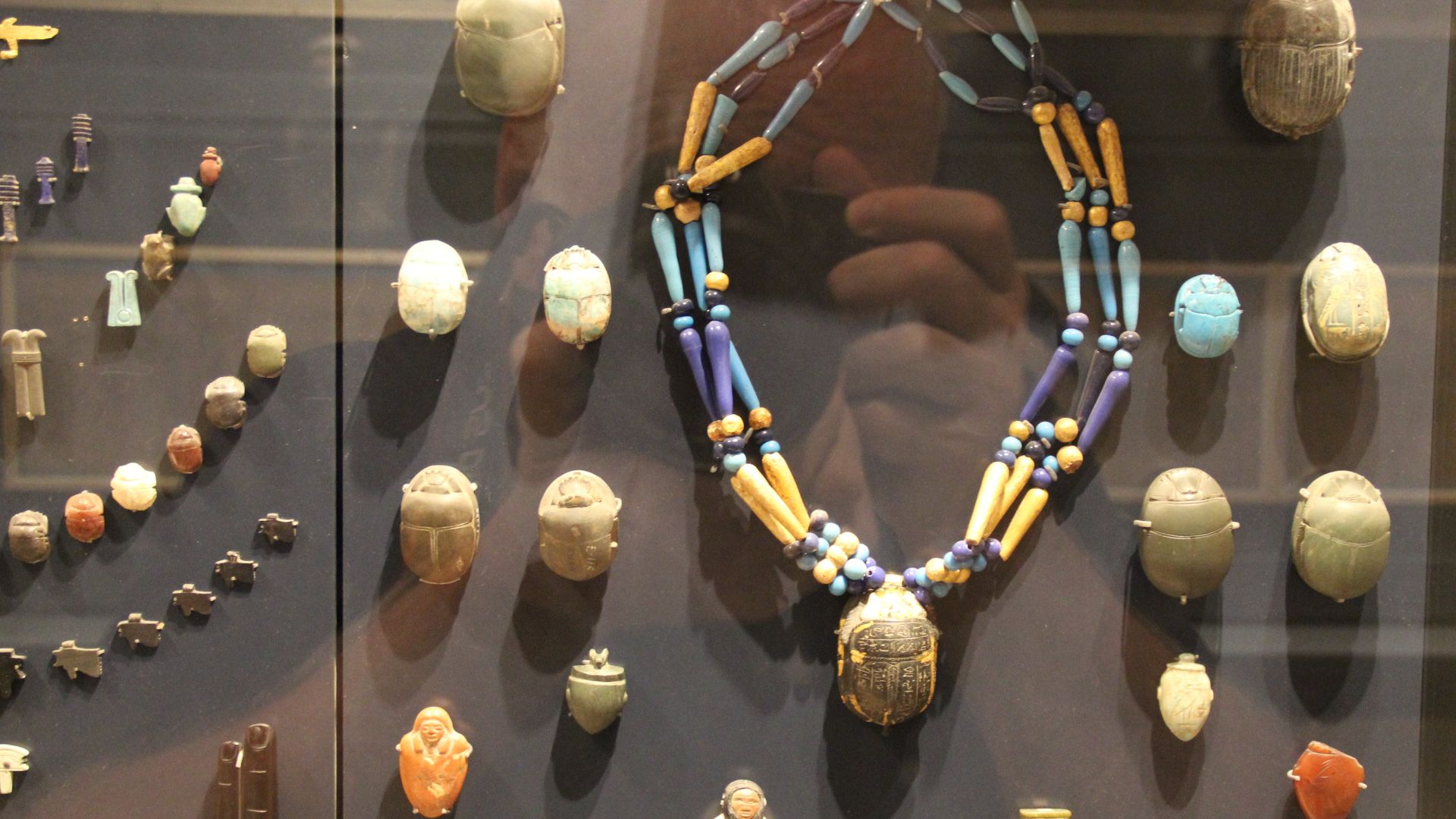 Gary Todd from Xinzheng, China, Wikimedia Commons
Faience Bead Net
A faience bead net was laid across her shroud, a decorative but non-functional addition, showing ritual artistry. The blue-green beads signified rebirth and renewal, crafted by skilled artisans specifically for her burial ceremony.
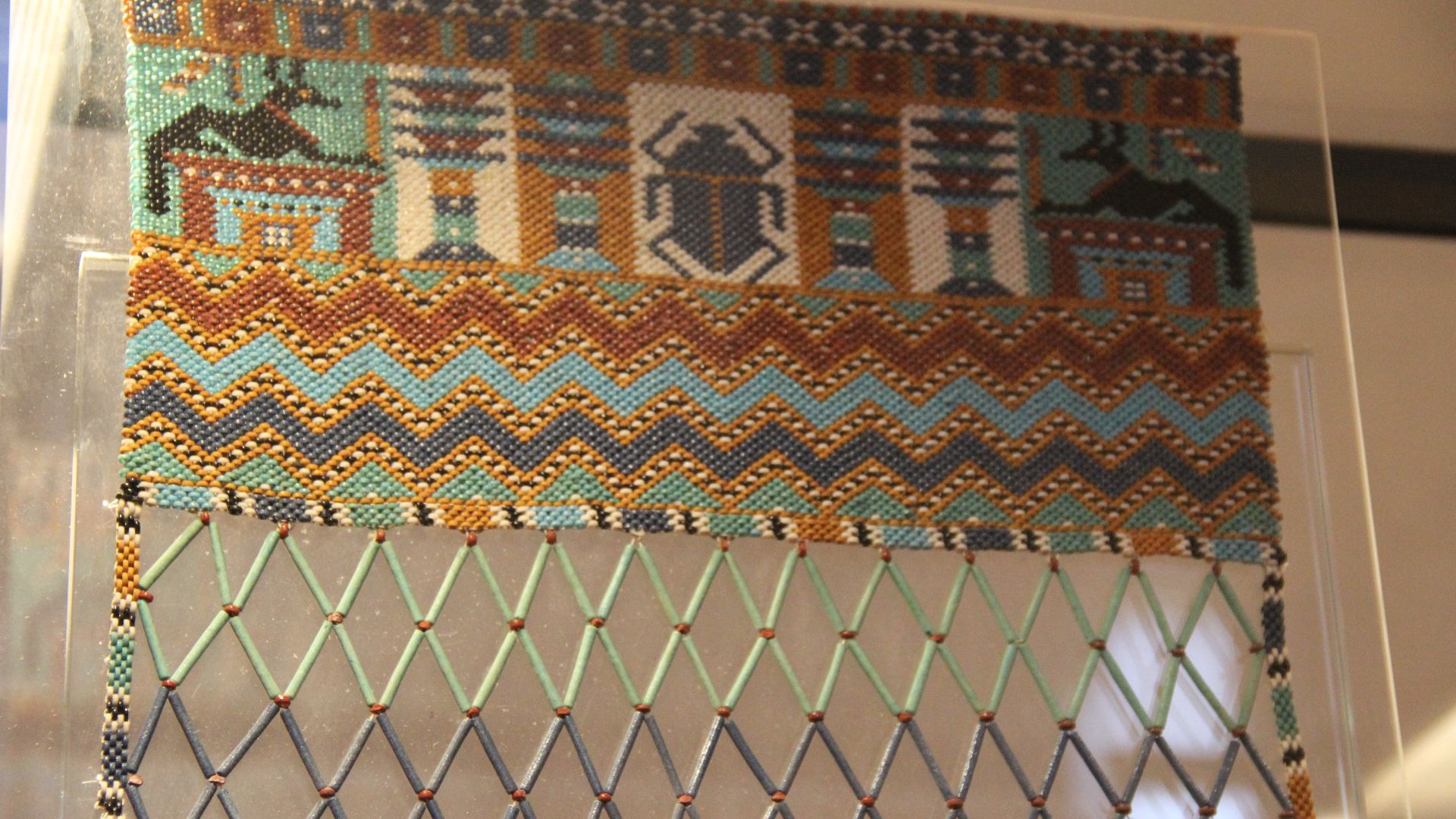 Gary Todd from Xinzheng, China, Wikimedia Commons
Origins Of The Collection
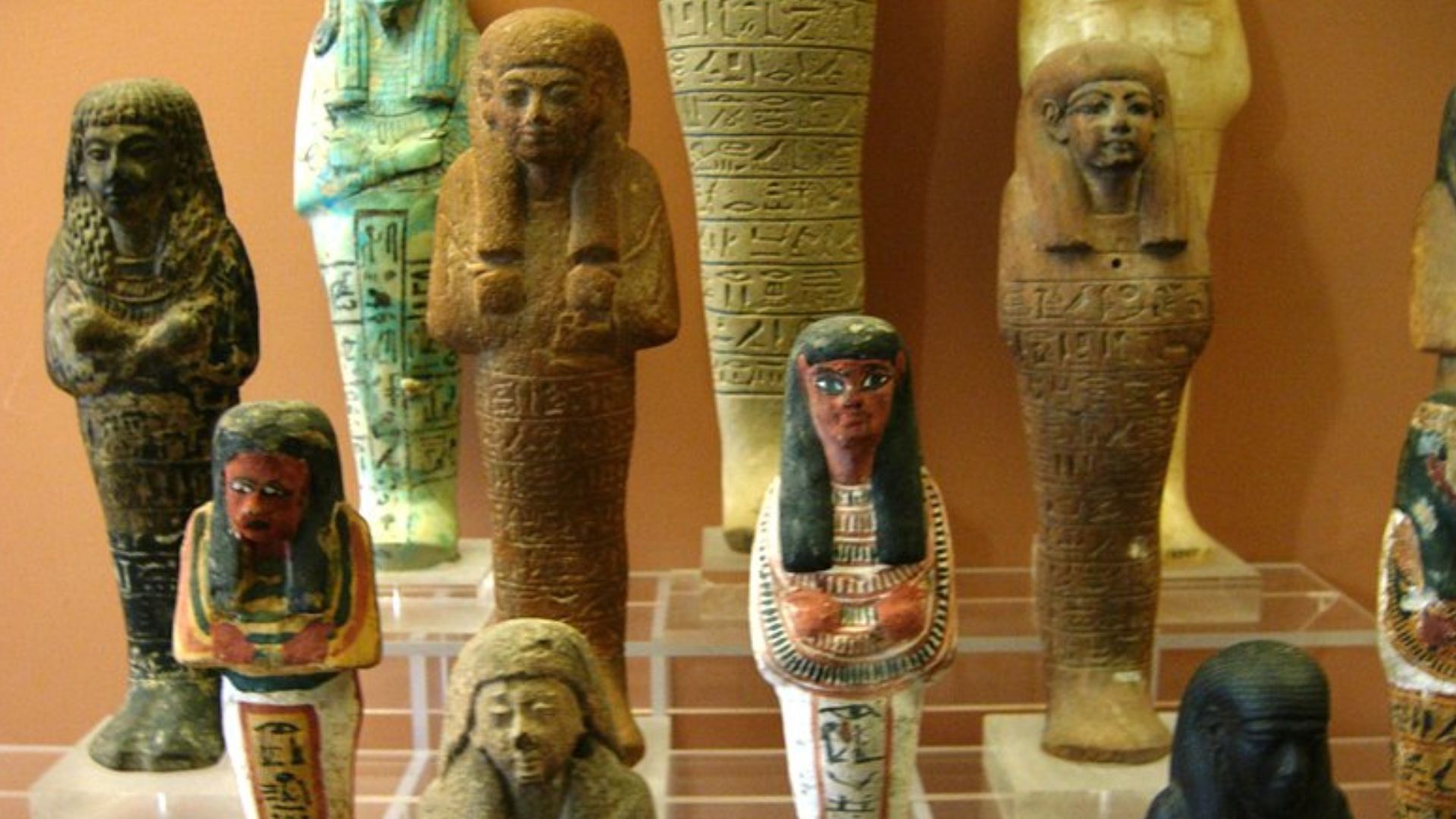
The Vatican’s Egyptian collection began with artifacts arriving in Rome under emperors like Augustus and Hadrian, and was later supplemented by local Roman finds. These early imports laid the groundwork for a repository that popes gradually expanded in the late 18th and early 19th centuries.
 xiquinhosilva, Wikimedia Commons
Papal Acquisitions
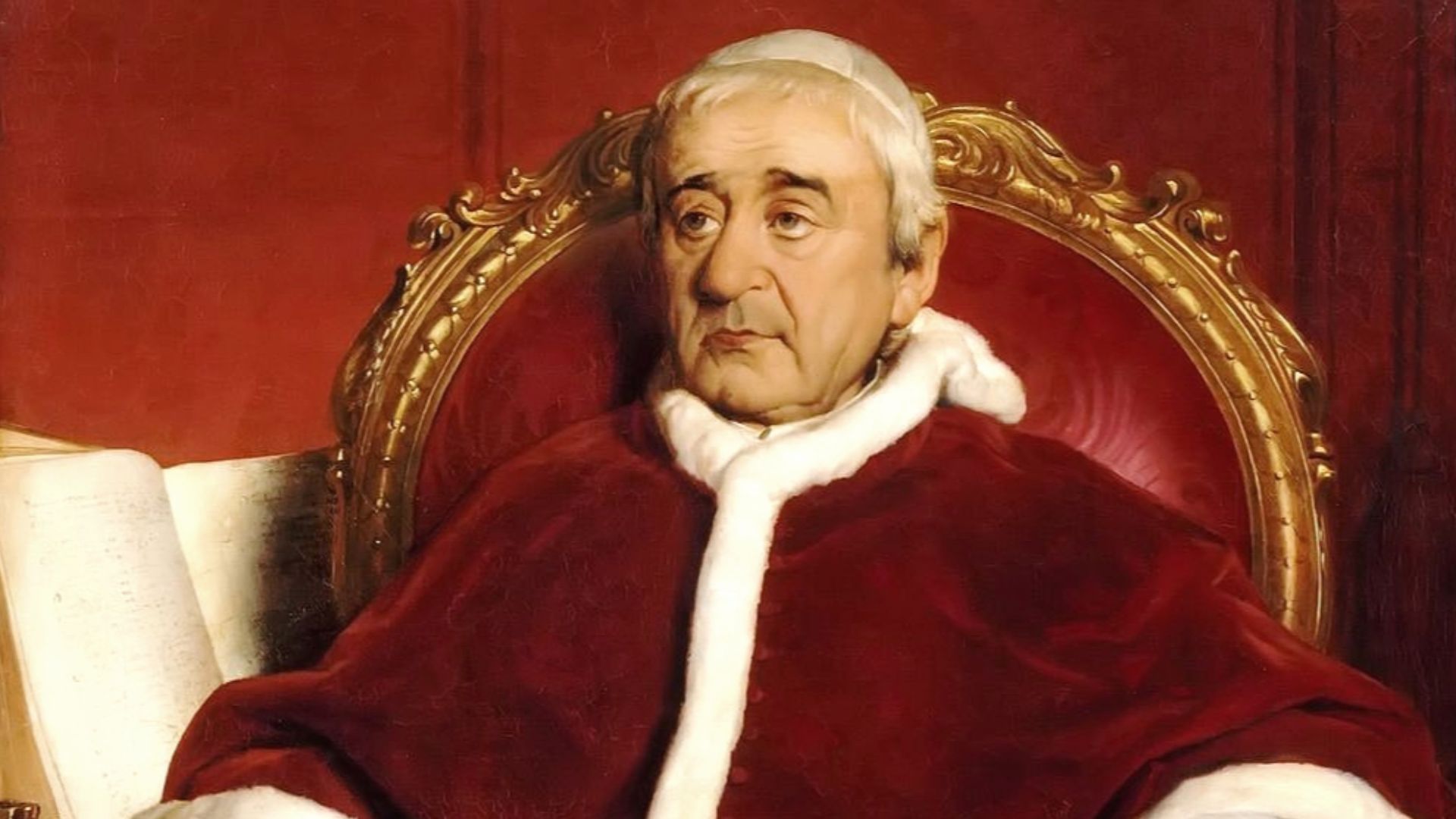
Gregory XVI’s initiatives in the 1830s–1840s marked a turning point for the Vatican’s Egyptian holdings. Rather than relying on Grand Tour travelers, the papacy expanded its collection through targeted purchases, transfers from Roman sites, and a carefully organized expedition to Egypt.
 Paul Delaroche, Wikimedia Commons
Amenirdis In The Vatican
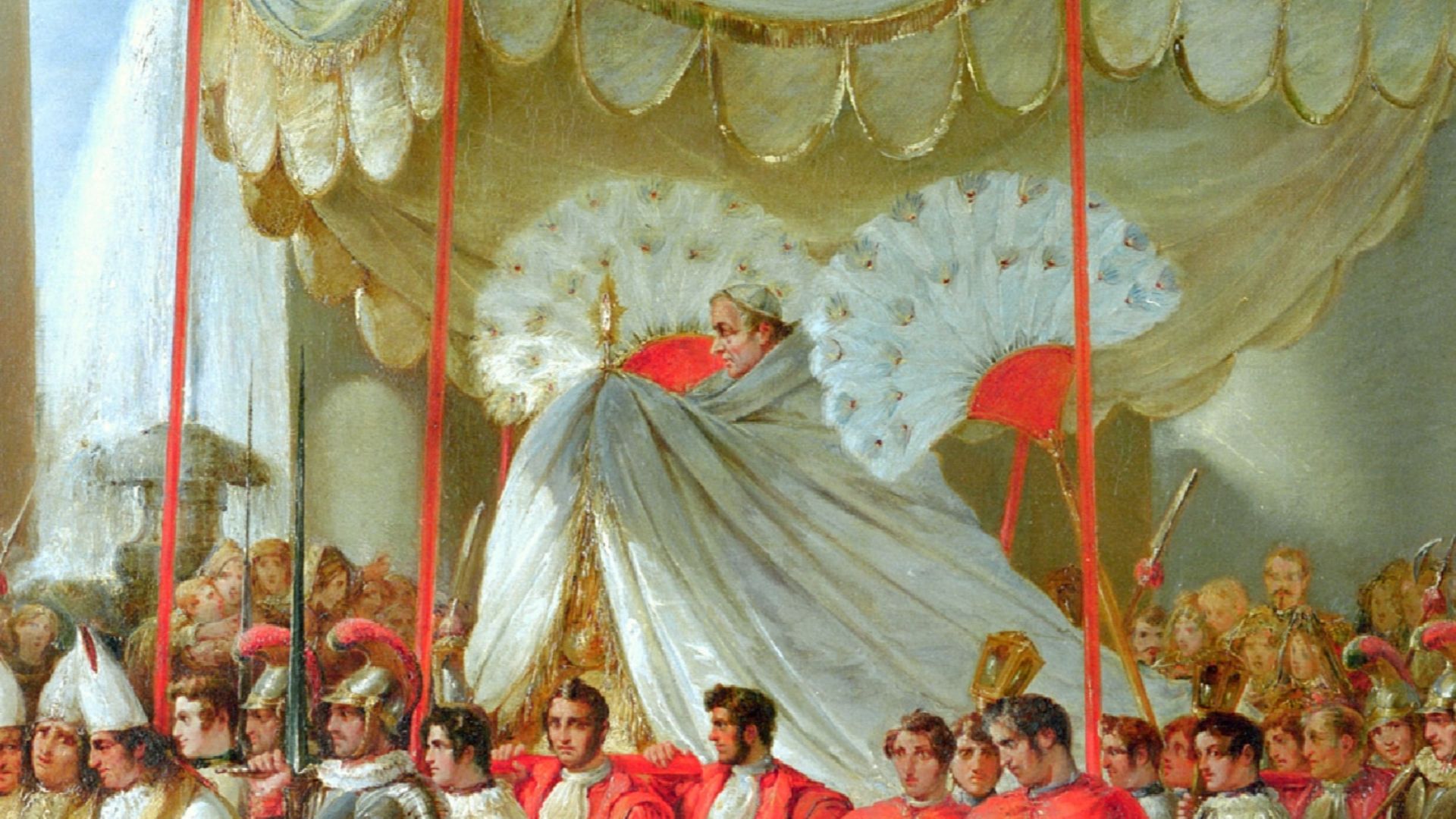
Amenirdis’s mummy, secured during Gregory XVI’s expansion, brought a Nubian queen into the Vatican’s halls. Her presence reshaped the museum’s scope, symbolizing papal ambition to preserve non‑European heritage and embed African dynastic history within Rome’s sacred collections.
 Ferdinando Cavalleri, Wikimedia Commons
European Egyptomania
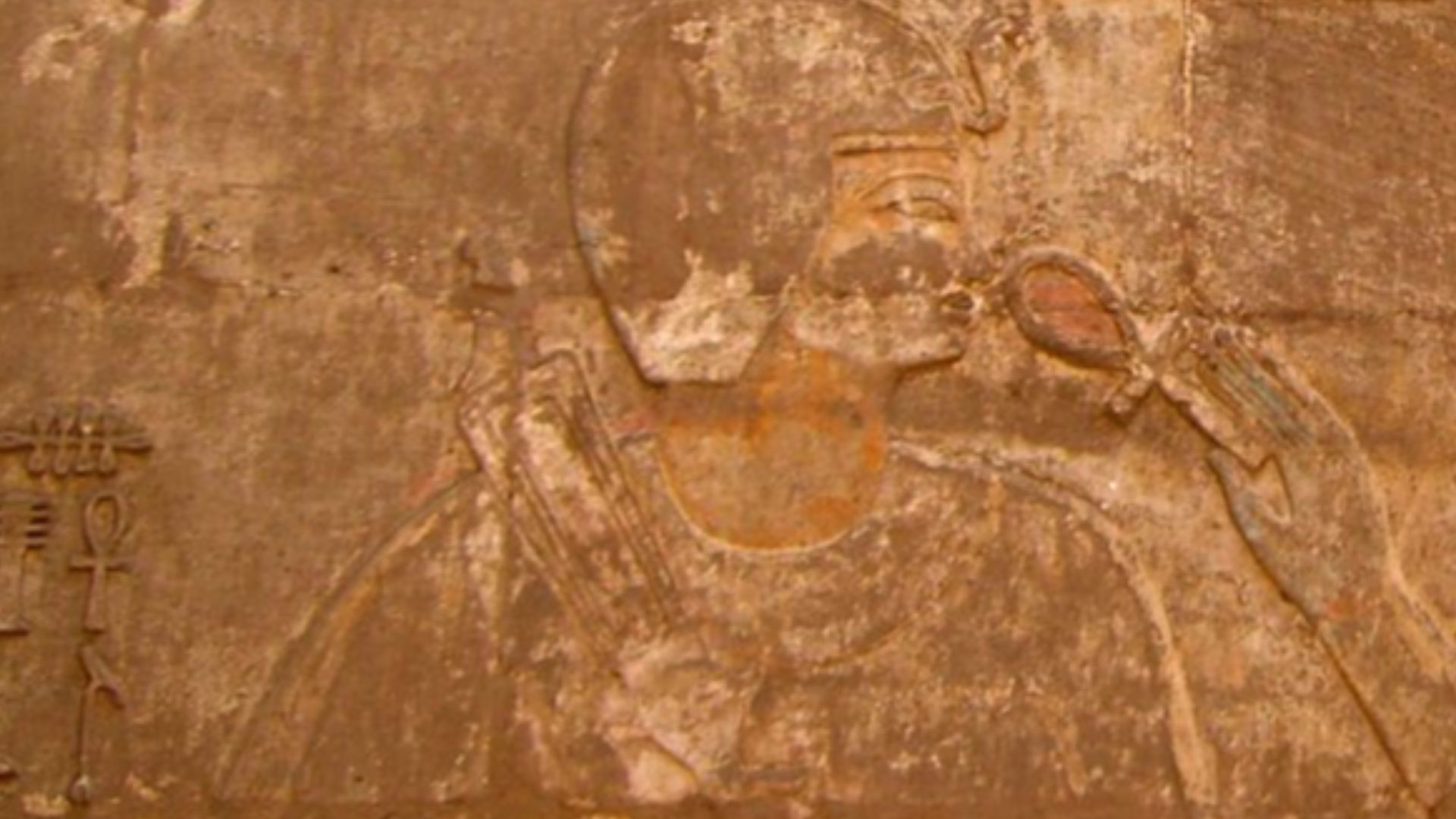
The Vatican's acquisition of her mummy was part of a wider European trend of collecting Egyptian relics. The 19th century saw widespread fascination with ancient Egypt, with wealthy collectors displaying mummies in salons as exotic treasures.
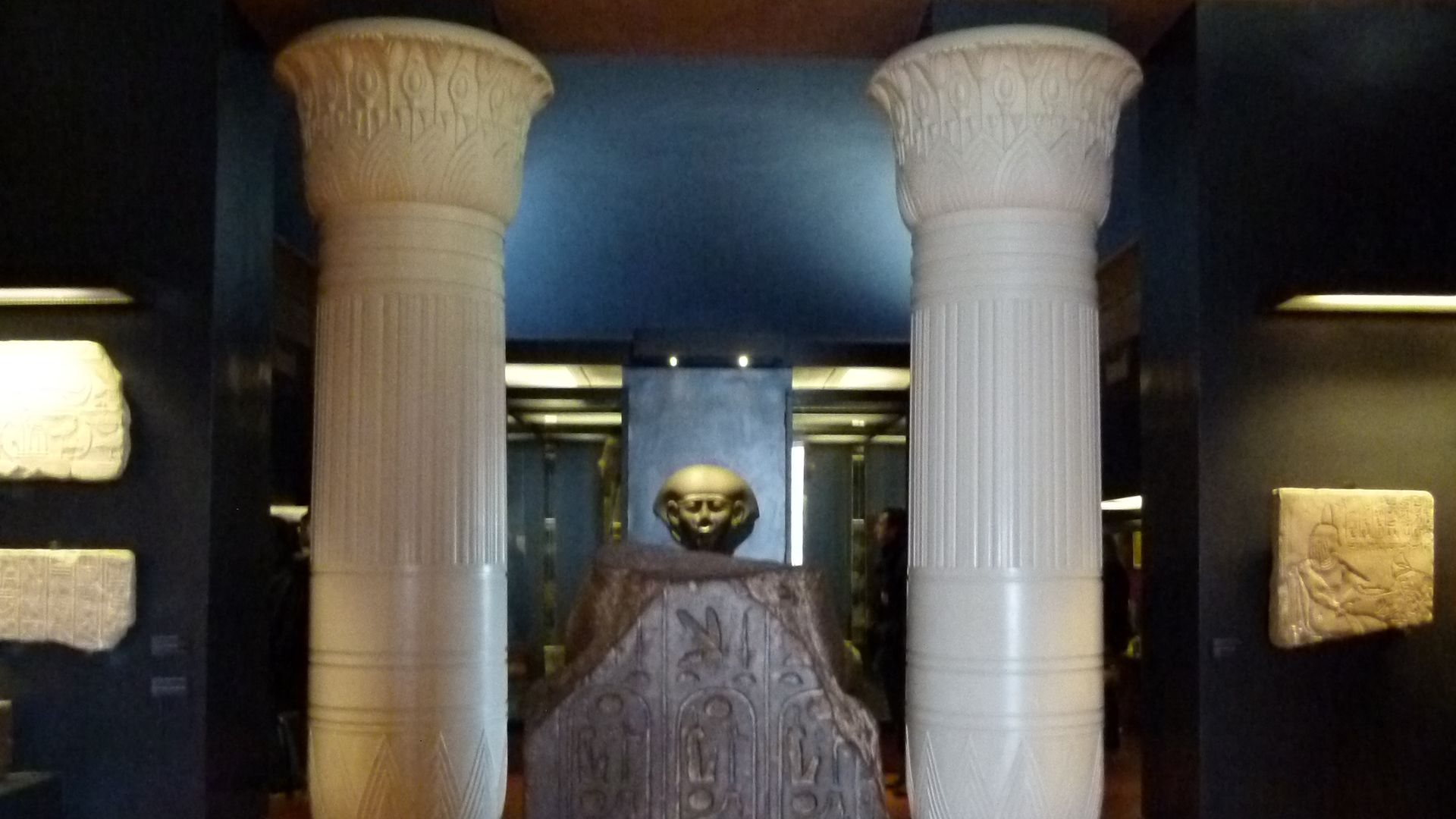
Room II Display
The Vatican curators placed her in Room II of the Gregorian Egyptian Museum, dedicated to funerary customs. Here she rests alongside other sarcophagi, which allows visitors to explore ancient Egyptian beliefs about death and the afterlife journey.
 Dawid Skalec, Wikimedia Commons
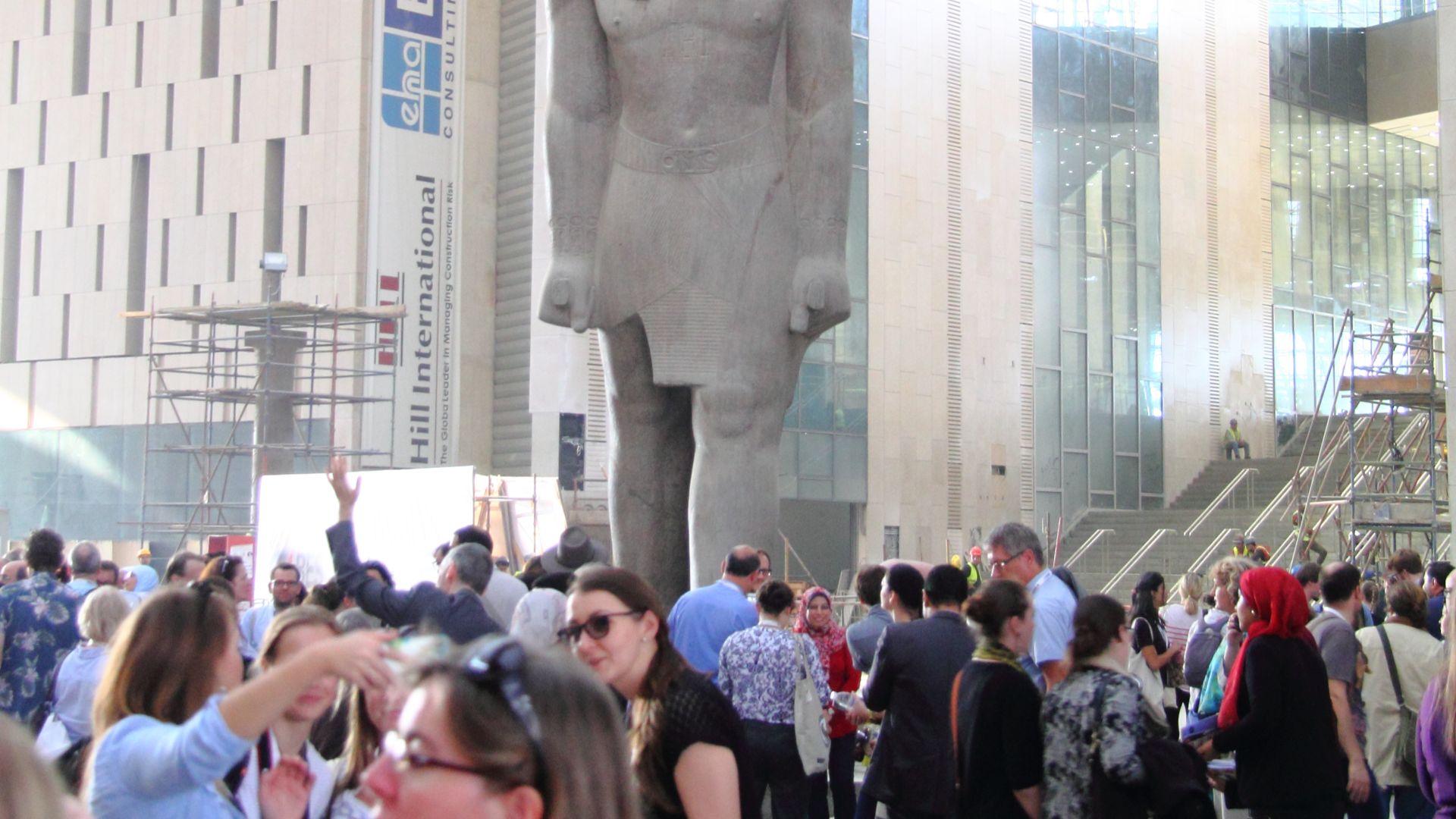
Remarkable Preservation
Visitors are struck by the clarity of her preservation—not exposed features, but the tight, structured linen wrappings that define the body’s form. This intact covering, maintained for centuries, makes her a rare priestess, offering invaluable insights into ancient burial practices and ritual care.
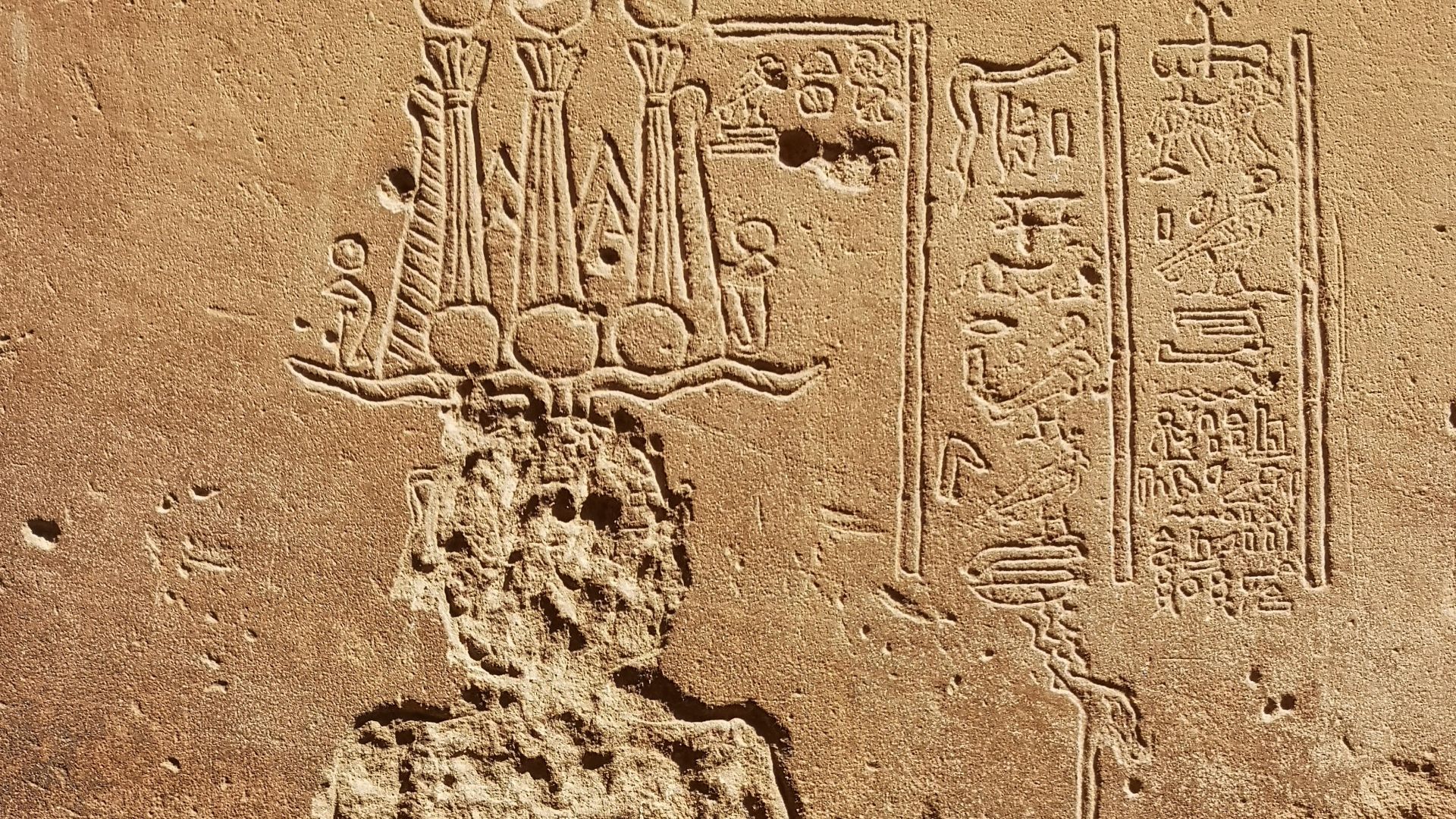
Papal Hieroglyph Studies
The papal inscriptions in hieroglyphs nearby reveal how deeply the Vatican engaged with Egyptian symbolism. Vatican scholars spent countless hours comparing these ancient symbols with Christian imagery through intense cross-cultural curiosity and dedicated study.
 Carole Raddato from FRANKFURT, Germany, Wikimedia Commons
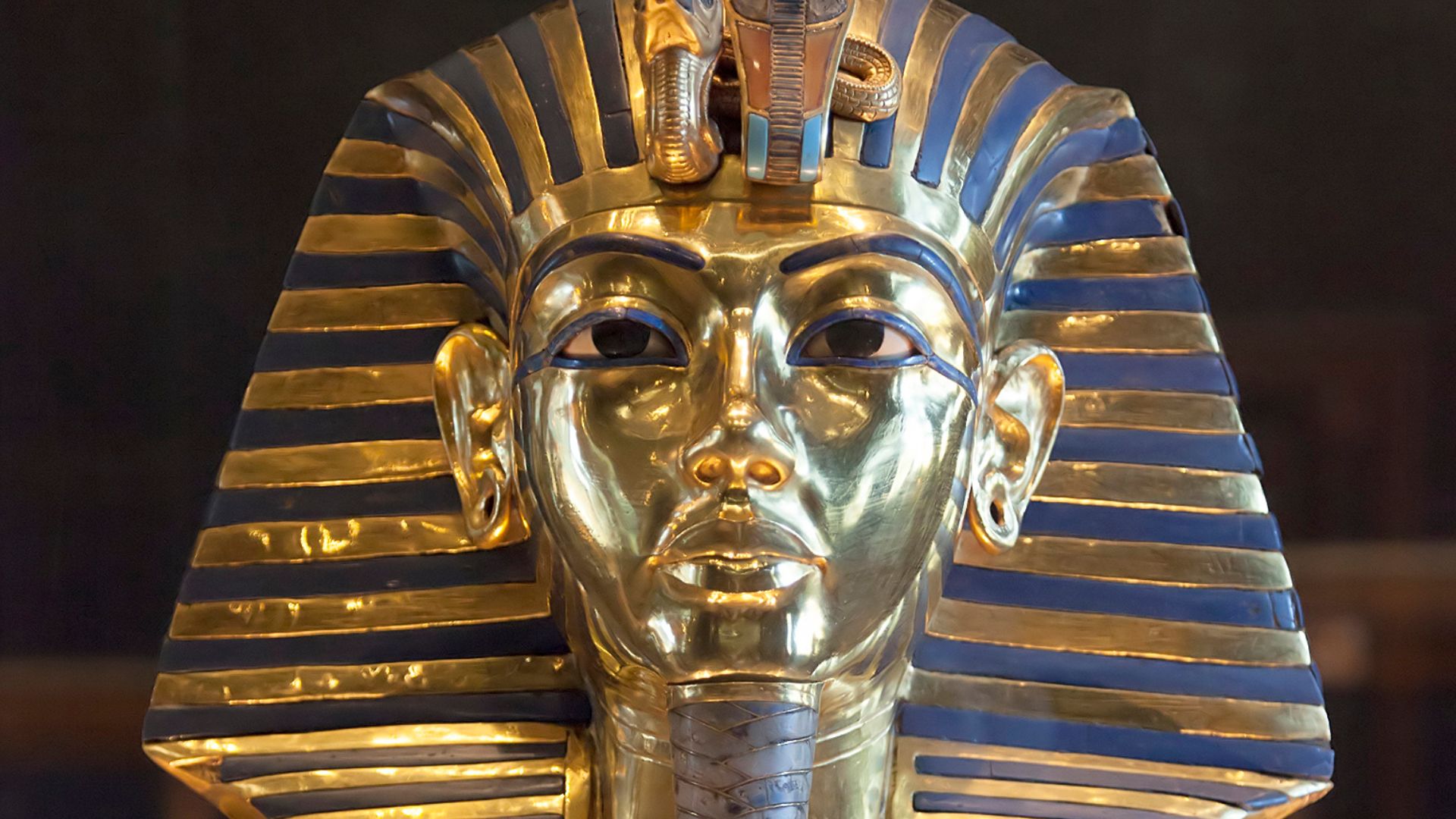
Bridge Between Worlds
Egyptian artifacts were seen as a bridge between pagan antiquity and Christian Rome for theological reflection. The Church viewed these ancient objects as opportunities to understand humanity's eternal search for meaning and immortality across cultures.
 Roland Unger, Wikimedia Commons
Global Collection Reach
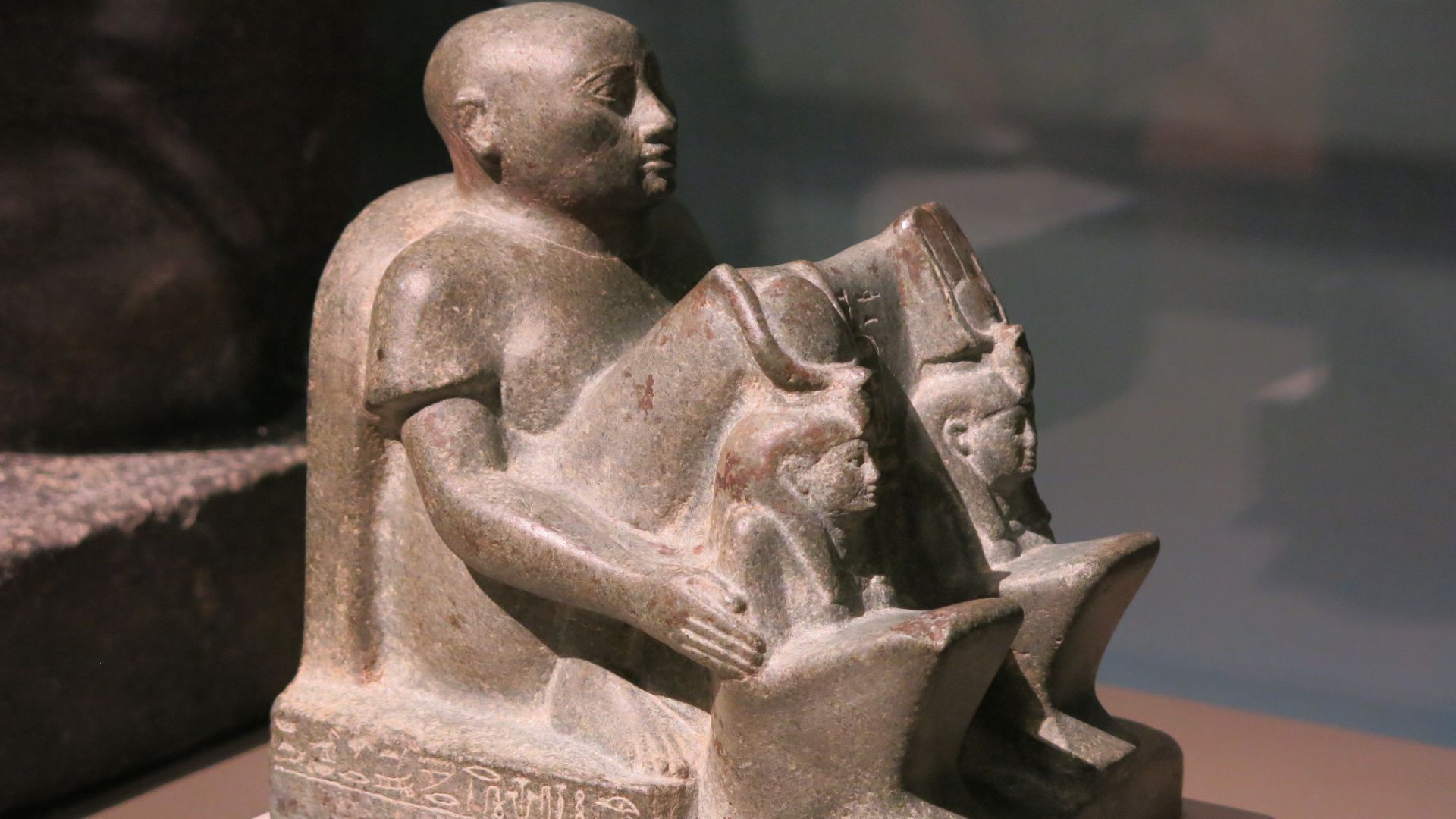
Amenirdis's presence in the Vatican underscores the global reach of papal collections beyond Europe. The museum's holdings span Egypt, Mesopotamia, and Greece to create a truly international repository of ancient civilizations under one roof.
Respectful Stewardship
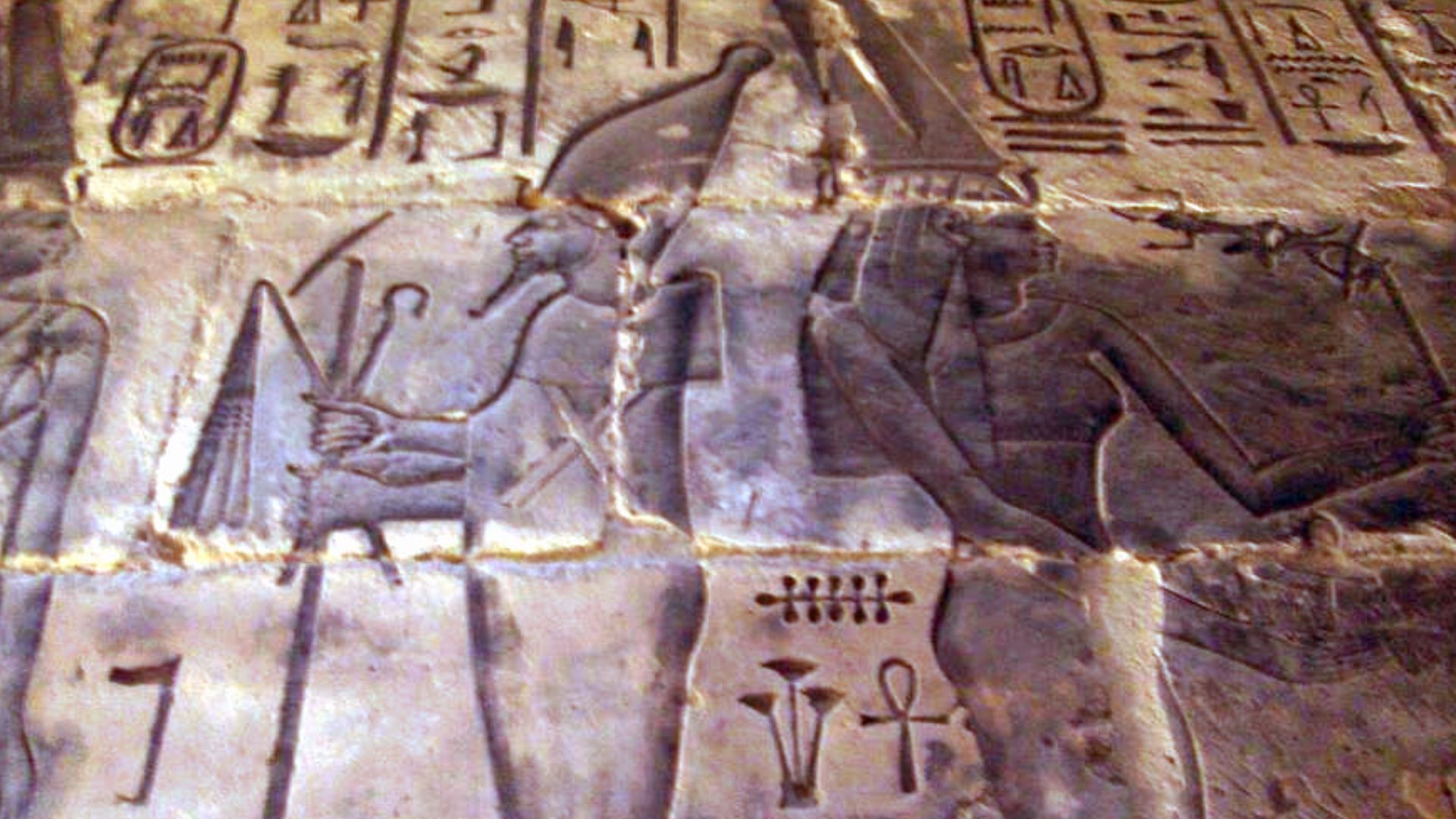
Unlike many mummies looted or damaged, her remains were carefully preserved and displayed with respect. The Vatican avoided destructive unwrapping practices popular in that era, choosing instead to emphasize dignity while allowing scholarly study without harm.
Modern Controversy
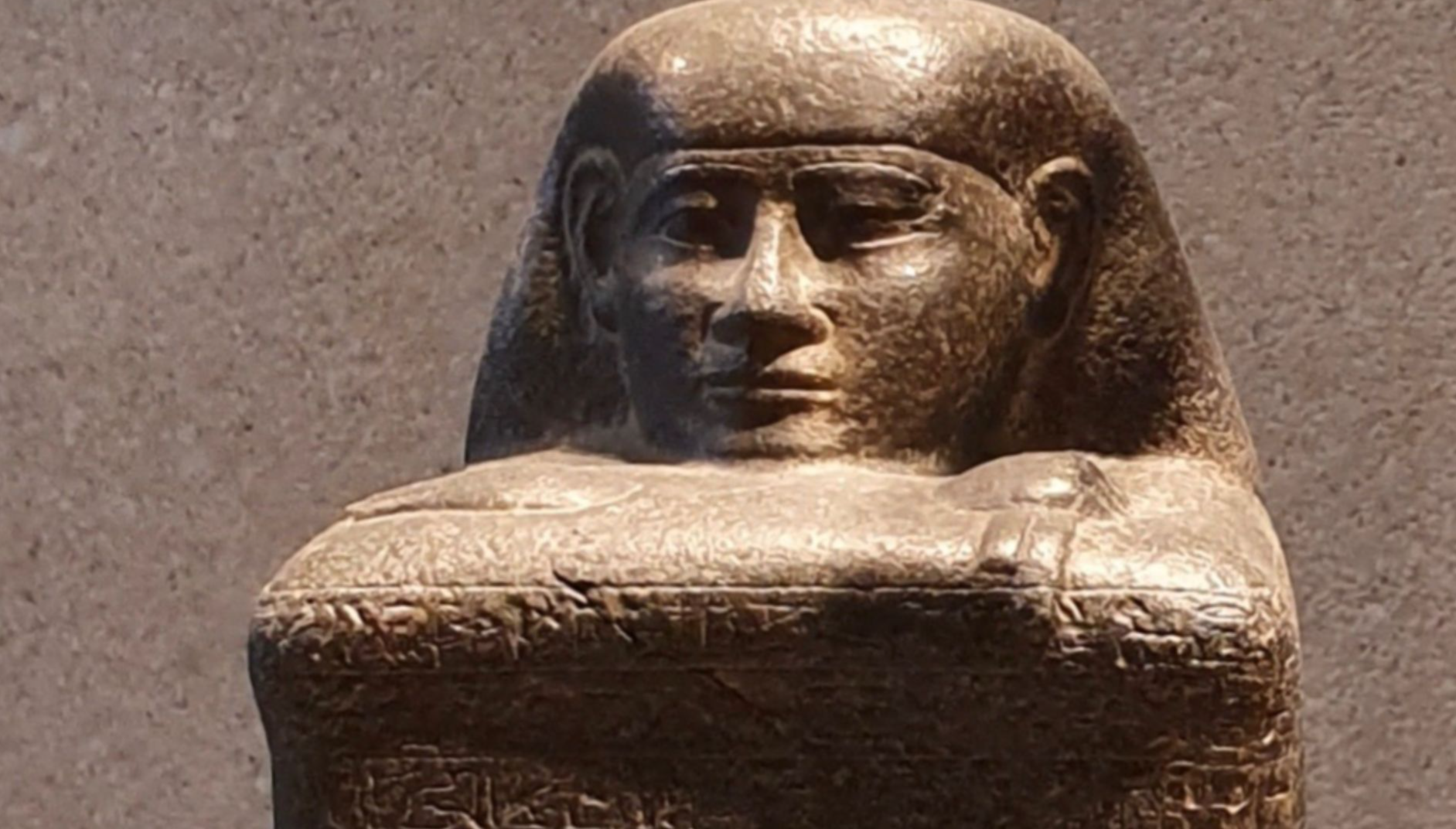
Sudanese activists launched campaigns demanding her return to African soil, where she belongs. The hashtag "Return_Mummy_Amenirdis" gained traction online and sparked international debate. Critics argue that her presence in Rome erases Nubian cultural ownership and disconnects her from her heritage.
 Yair Haklai, Wikimedia Commons
Hidden In Plain Sight
Today, Amenirdis rests in the Vatican, embodying a paradox: an Egyptian princess hidden in plain sight at the heart of Catholicism. Her presence creates an unexpected bridge connecting ancient African heritage with European religious tradition across thousands of years.