Overlooked Details
Early American money reflects deliberate choices shaped by politics and identity. Symbols and structural patterns were added with clear intent, yet time blurred their purpose. As verified history mixed with rumor, some meanings became misunderstood.

The Pyramid And Eye
Introduced on the one-dollar bill in 1935 under President Roosevelt, the reverse of the Great Seal often attracts curiosity, but its symbolism is well documented. The unfinished pyramid represents strength and endurance, while its incomplete top signals that the nation was, and remains, a work in progress.
 Leon Perskie, Wikimedia Commons
The Pyramid And Eye (Cont.)
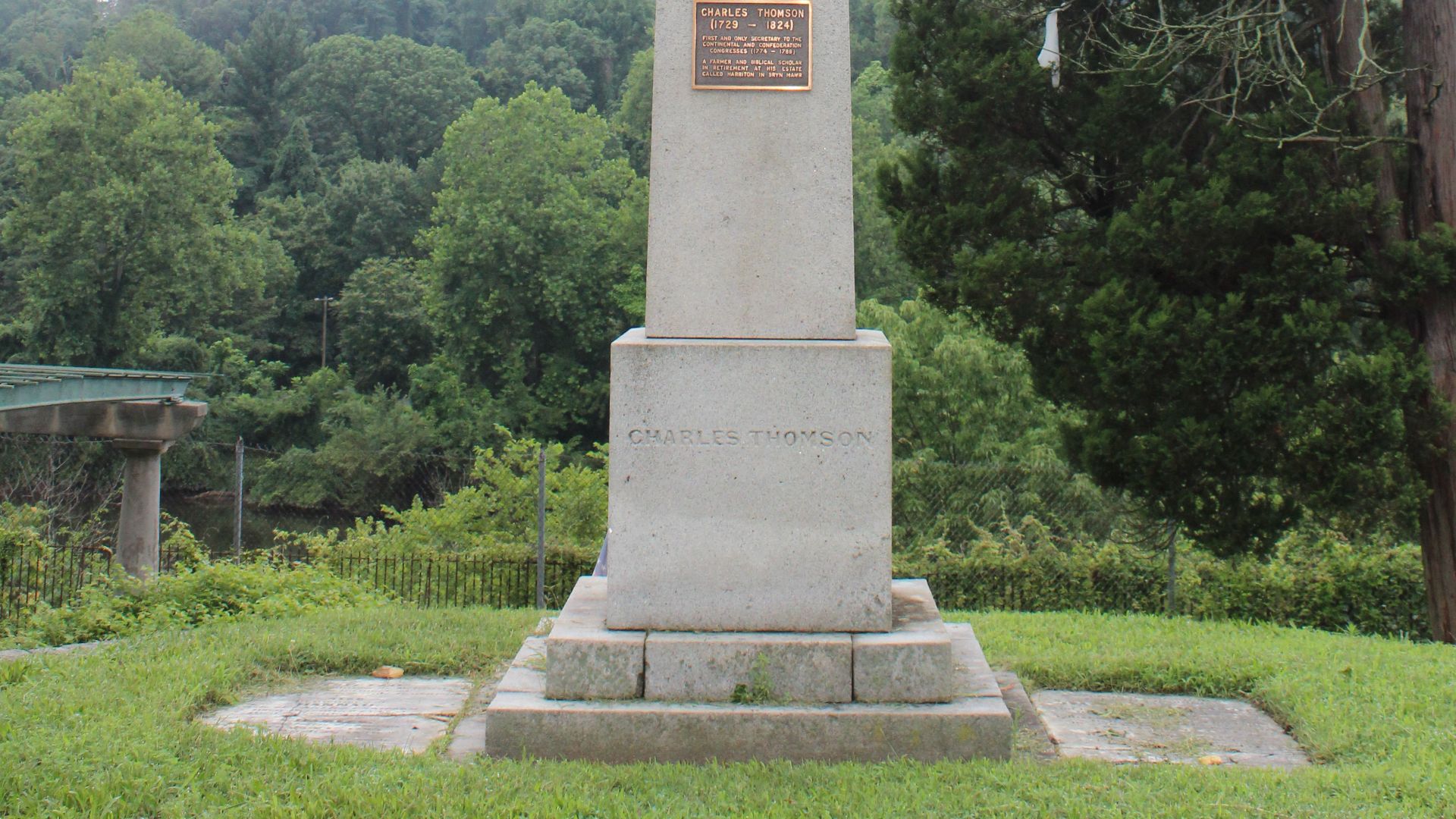
Above it sits the Eye of Providence, a widely used Christian symbol in 18th-century Europe to represent divine guidance. The design traces back to 1782, when Congress officially adopted the Great Seal after years of debate and revisions. Charles Thomson, the Continental Congress secretary, explained the imagery in detailed notes, leaving little ambiguity about intent.
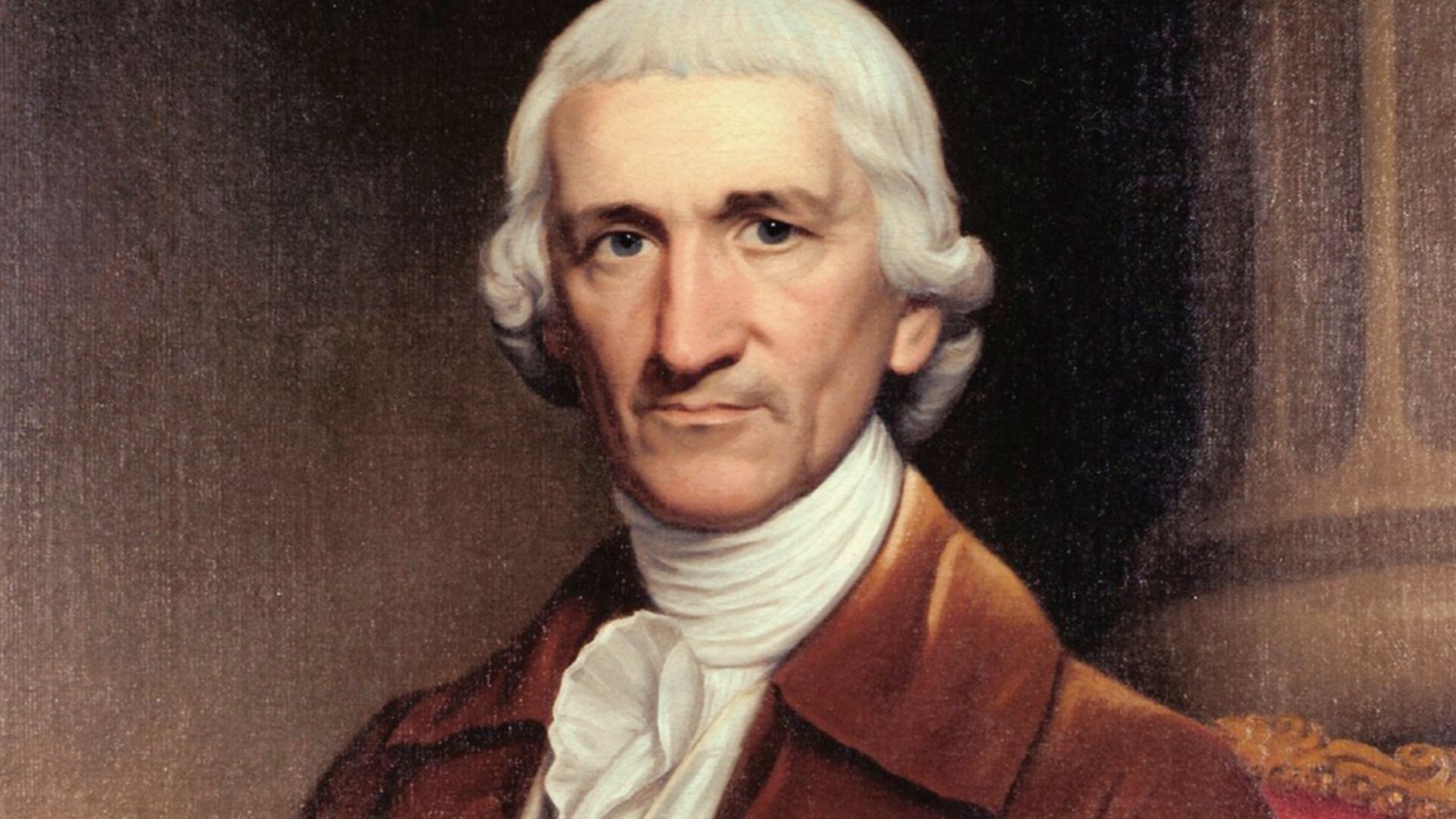 Joseph Wright / Formerly attributed to Matthew Pratt, Wikimedia Commons
The Pyramid And Eye (Cont.)
The seal’s inclusion during the Great Depression was deliberate, as it reflected resilience and faith in national recovery. Although later interpretations added intrigue, historians and Treasury records consistently confirm that the imagery was meant to inspire confidence and moral accountability during uncertain times.
 Bureau of Engraving and Printing (work for hire), Wikimedia Commons
E Pluribus Unum
Long before it became a familiar phrase on American coins, E Pluribus Unum was chosen in 1776 by the first Great Seal committee. Meaning “Out of many, one,” the Latin motto captured a central challenge facing the new nation: uniting 13 fiercely independent colonies into a single republic.
 Richard Huber, Wikimedia Commons
E Pluribus Unum (Cont.)
It first appeared on US coinage in 1786 and later became a standard feature on federal currency. The phrase was not meant to be decorative or mysterious. Instead, it reflected Enlightenment thinking and classical influences popular among the Founders, who believed republics thrived through shared purpose rather than monarchy.
 United States Mint, Wikimedia Commons
E Pluribus Unum (Cont.)
During periods of national strain, including the Civil War and post-Reconstruction era, its continued presence served as a quiet reminder of unity. While no longer the official motto, its legacy remains deeply embedded in American symbolism.

The Great Seal Split In Two
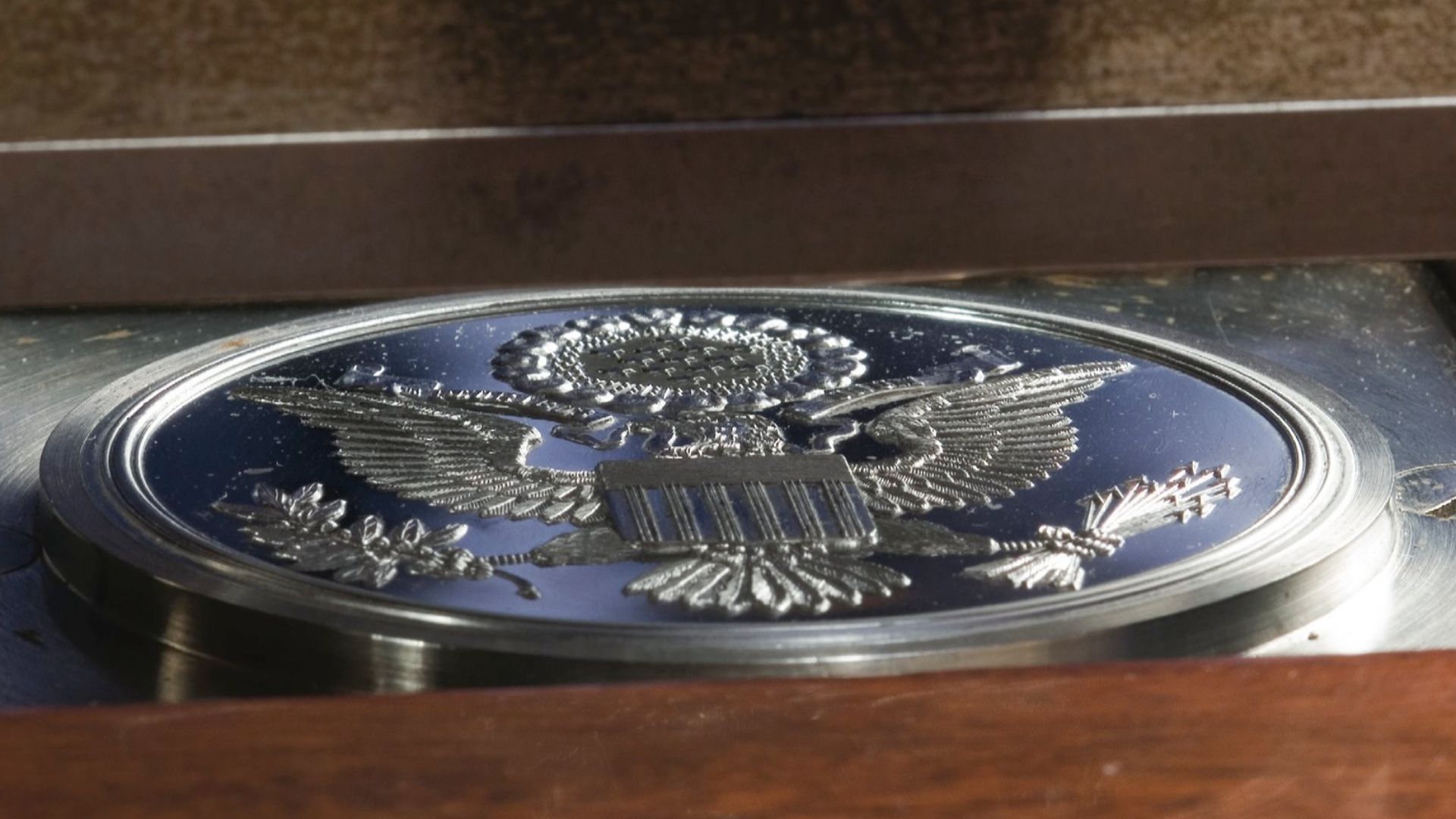
One of the most noticeable features of American paper currency is that the Great Seal does not appear as a single image. Instead, its obverse and reverse are shown separately, most famously on the one-dollar bill. This was not accidental or symbolic secrecy.
 U.S. Government, Wikimedia Commons
The Great Seal Split In Two (Cont.)
When Congress approved the Great Seal in 1782, both sides were considered equally official but rarely displayed together due to space and design limits. It was not until 1935, during Franklin D Roosevelt’s presidency, that both sides appeared on currency.
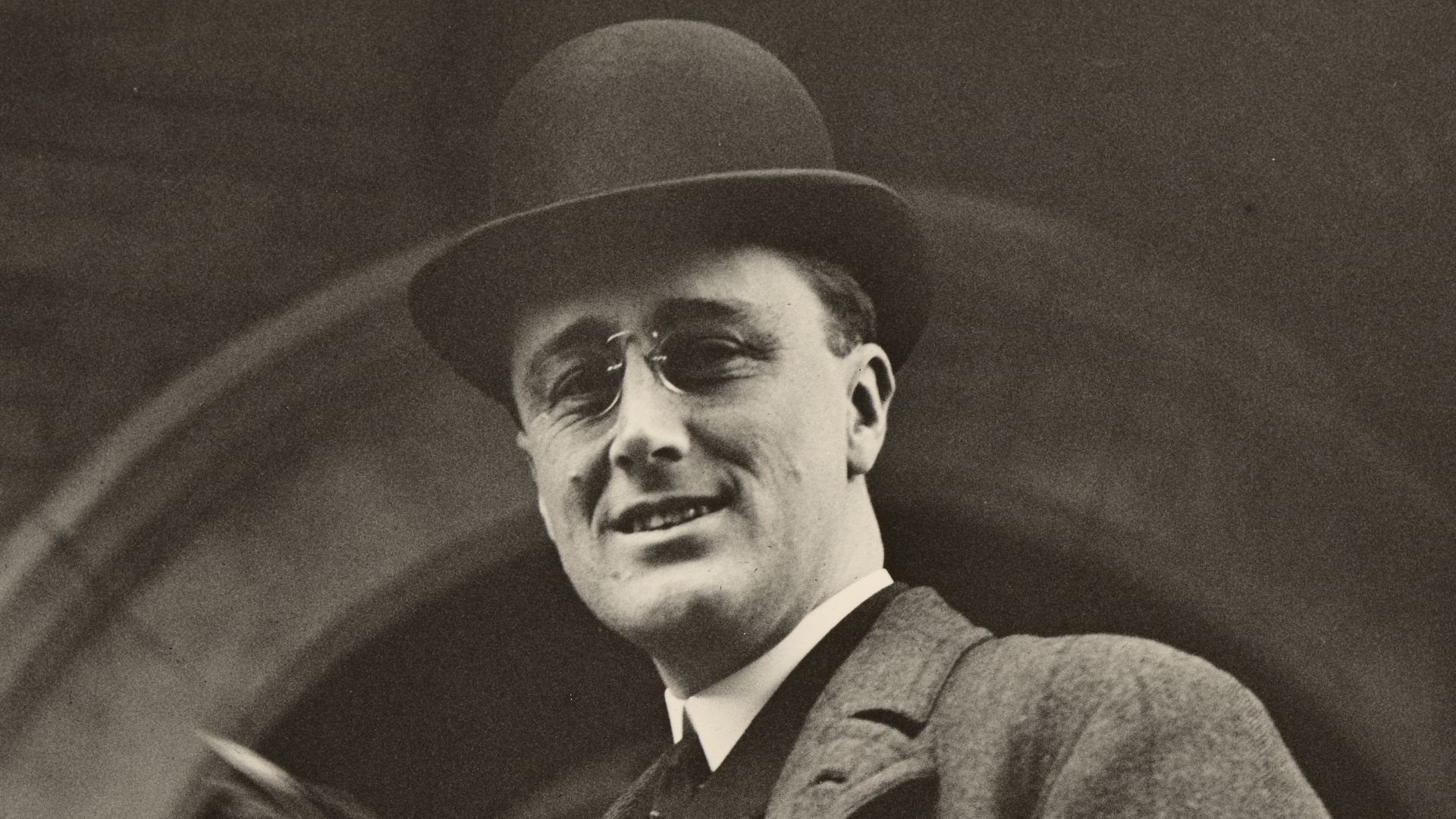 Underwood & Underwood, Wikimedia Commons

History's most fascinating stories and darkest secrets, delivered to your inbox daily.
Annuit Coeptis
Placed above the pyramid on the reverse of the Great Seal, Annuit Coeptis translates to “He has favored our undertakings”. The phrase comes from the Roman poet Virgil and reflects 18th-century language familiar to educated Americans of the Revolutionary era.
 de:Benutzer:Verwüstung, Wikimedia Commons
Annuit Coeptis (Cont.)
Charles Thomson, who finalized the seal’s design in 1782, explained that the motto expressed confidence that the nation’s efforts had moral justification and favorable fortune. It was not intended as a declaration of divine rule, but as reassurance during a period of political uncertainty.
 Pierre Eugene du Simitiere, Wikimedia Commons
Roman Numerals MDCCLXXVI
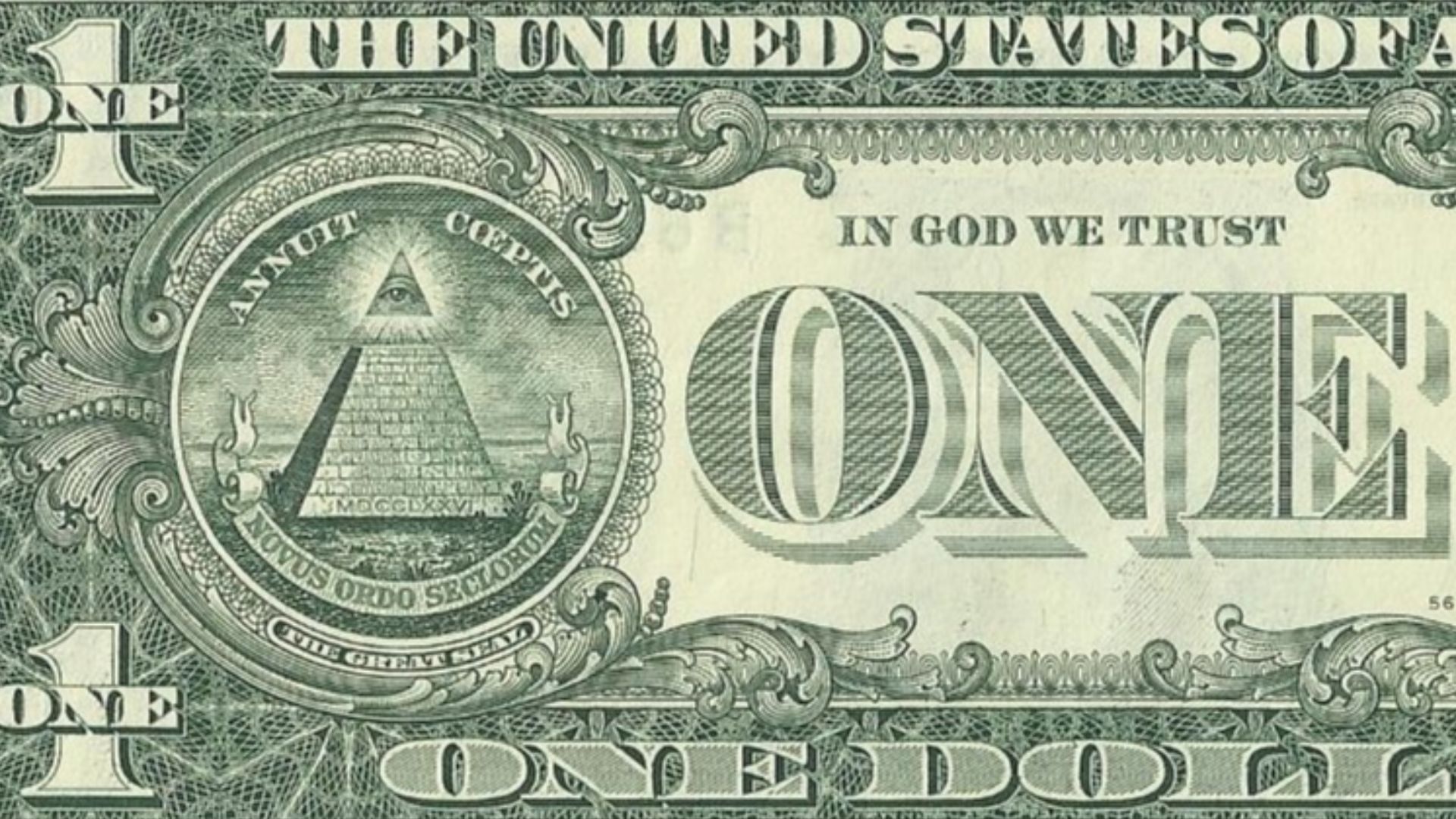
At the base of the pyramid on the one-dollar bill lies a detail many people overlook: the Roman numerals MDCCLXXVI. Translated, they mark the year 1776, when the Declaration of Independence was adopted in Philadelphia. This reference anchors the Great Seal’s imagery firmly in a specific historical moment rather than abstract symbolism.

Roman Numerals MDCCLXXVI (Cont.)
Roman numerals were commonly used in the 18th century to convey permanence and classical authority by drawing inspiration from ancient republics admired by America’s founders. Their inclusion highlights the idea that the nation’s legitimacy stems from its founding ideals, not inherited power.
Roman Numerals MDCCLXXVI (Cont.)
When the seal appeared on currency in the 20th century, the numerals quietly connected modern Americans to the revolutionary generation. During times of rapid change, such as the New Deal era, this subtle design choice emphasized continuity with foundational principles.
 Unknown author, Wikimedia Commons
Novus Ordo Seclorum
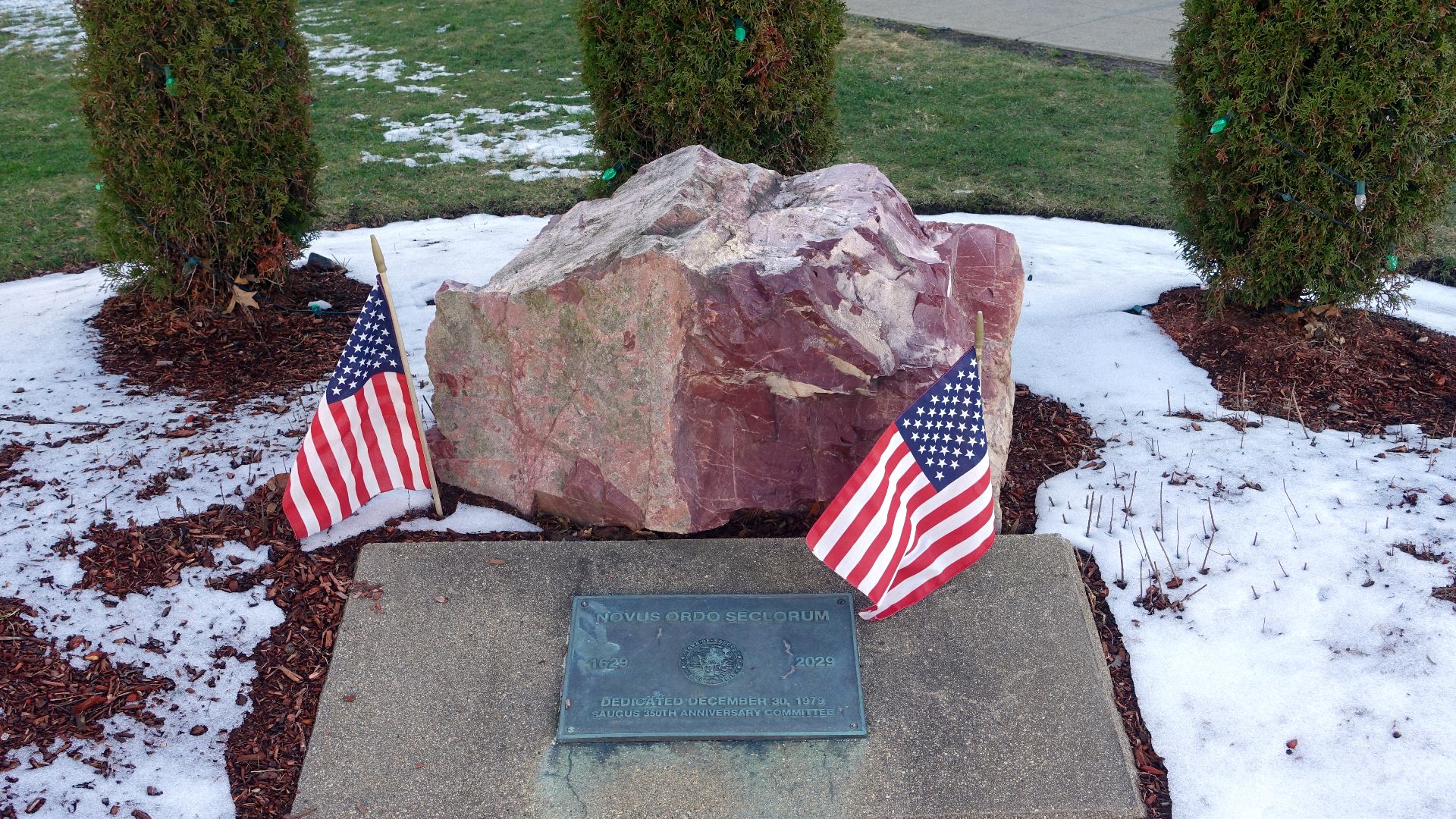
Below the pyramid appears Novus Ordo Seclorum, meaning “A new order of the ages”. Like its companion motto, the phrase originates from Virgil and was carefully selected by Charles Thomson. It signified the beginning of a new historical era marked by self-government rather than monarchy.
Novus Ordo Seclorum (Cont.)
Contrary to modern speculation, the phrase referred specifically to the political break from European rule following independence. Adopted in 1782, it emphasized that the United States represented a lasting shift in governance, and not a temporary experiment.
 Benson John Lossing, Wikimedia Commons
Tiny Initials Of Engravers
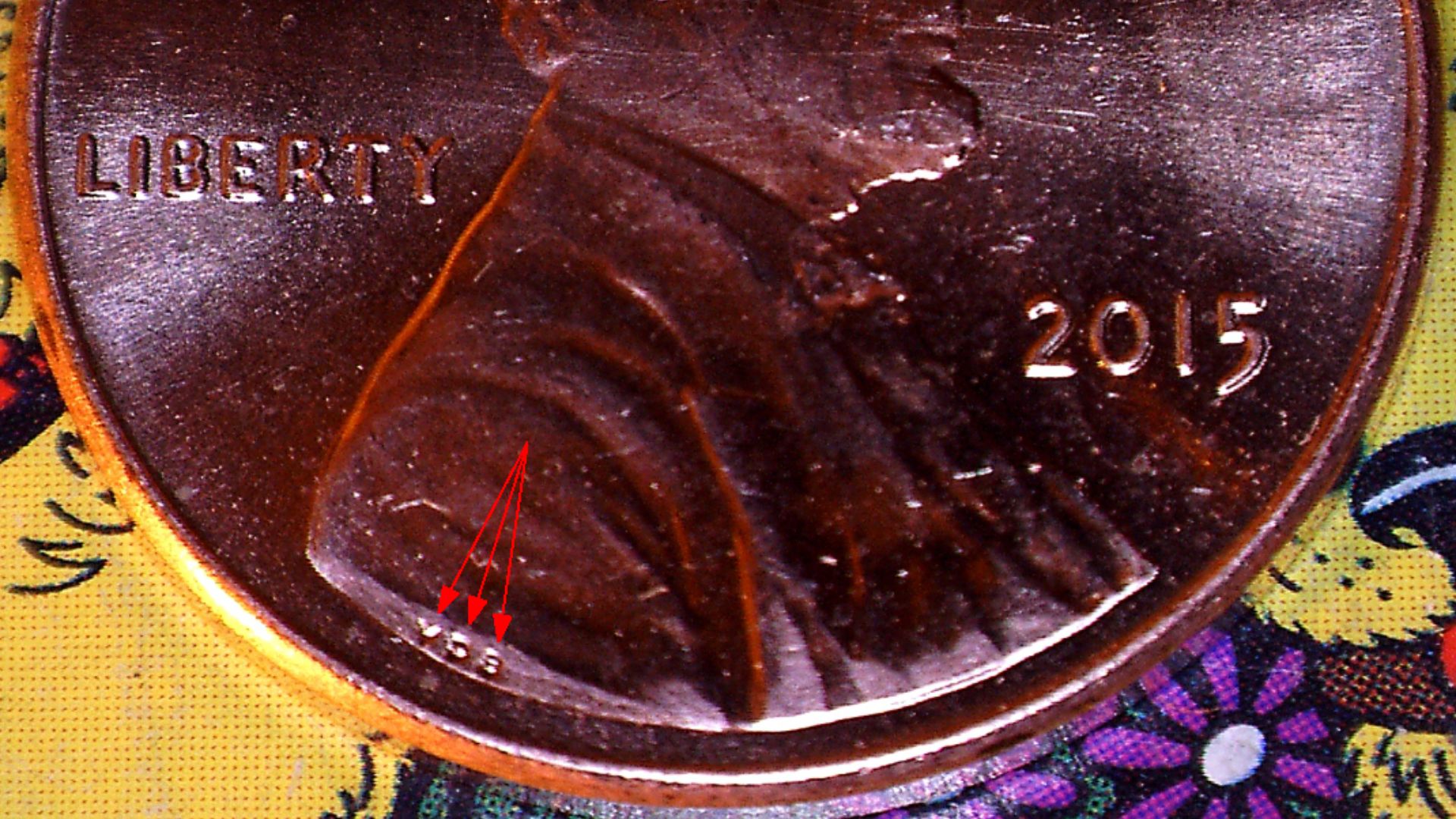
Hidden in plain sight, the tiny initials of engravers appear on many historic US coins and banknotes. These signatures were standard practice at the US Mint and Bureau of Engraving and Printing, as they allowed accountability and professional recognition.
 Coin: Victor David Brenner, Image by Lost Dutchman Rare Coins, Wikimedia Commons
Tiny Initials Of Engravers (Cont.)
For example, Victor David Brenner placed his initials “V D B” on the 1909 Lincoln cent, a detail that sparked public debate and was temporarily removed before returning in smaller form. On paper currency, engravers such as Charles Burt and George Smillie often included discreet initials within borders or portraits.
 Unknown author, Wikimedia Commons
Tiny Initials Of Engravers (Cont.)
These markings helped track design responsibility and quality control. Far from hidden messages, engraver initials reflect the human labor behind American money and offer historians valuable insight into how currency was designed and refined over time.
13 Repeated Symbols
Across early American currency and the Great Seal, the number “13” appears with deliberate consistency. 13 stars, arrows, olive leaves, stripes, and even pyramid steps all reference the original thirteen colonies.
 Jean Leon Gerome Ferris, Wikimedia Commons
13 Repeated Symbols (Cont.)
This repetition was approved by Congress as a unifying visual language that sheds light on shared origins at a time when national identity was still fragile. Apart from subtle messaging, these symbols acted as reminders of cooperation and collective sacrifice during the Revolutionary War.
 University of Notre Dame, Wikimedia Commons
13 Repeated Symbols (Cont.)
Their continued use well into the 19th century reflected respect for the founding states while encouraging newer generations to view themselves as part of a single republic. The symbolism was straightforward and deeply rooted in early federal design philosophy.
 Alex Jamieson, Wikimedia Commons
Fasces On The Mercury Dime
Issued between 1916 and 1945, the Mercury dime features one of the most historically misunderstood symbols in American currency: the fasces. Shown on the reverse as wooden rods bound together with an axe, the image dates back to ancient Rome, where it represented lawful authority and collective strength.
 Bobby131313 at English Wikipedia, Wikimedia Commons
Fasces On The Mercury Dime (Cont.)
In the American context, the fasces symbolized unity—individual elements bound together to create resilience—an idea deeply rooted in republican ideals. Sculptor Adolph A Weinman intentionally paired the fasces with an olive branch to balance strength with peace.

Fasces On The Mercury Dime (Cont.)
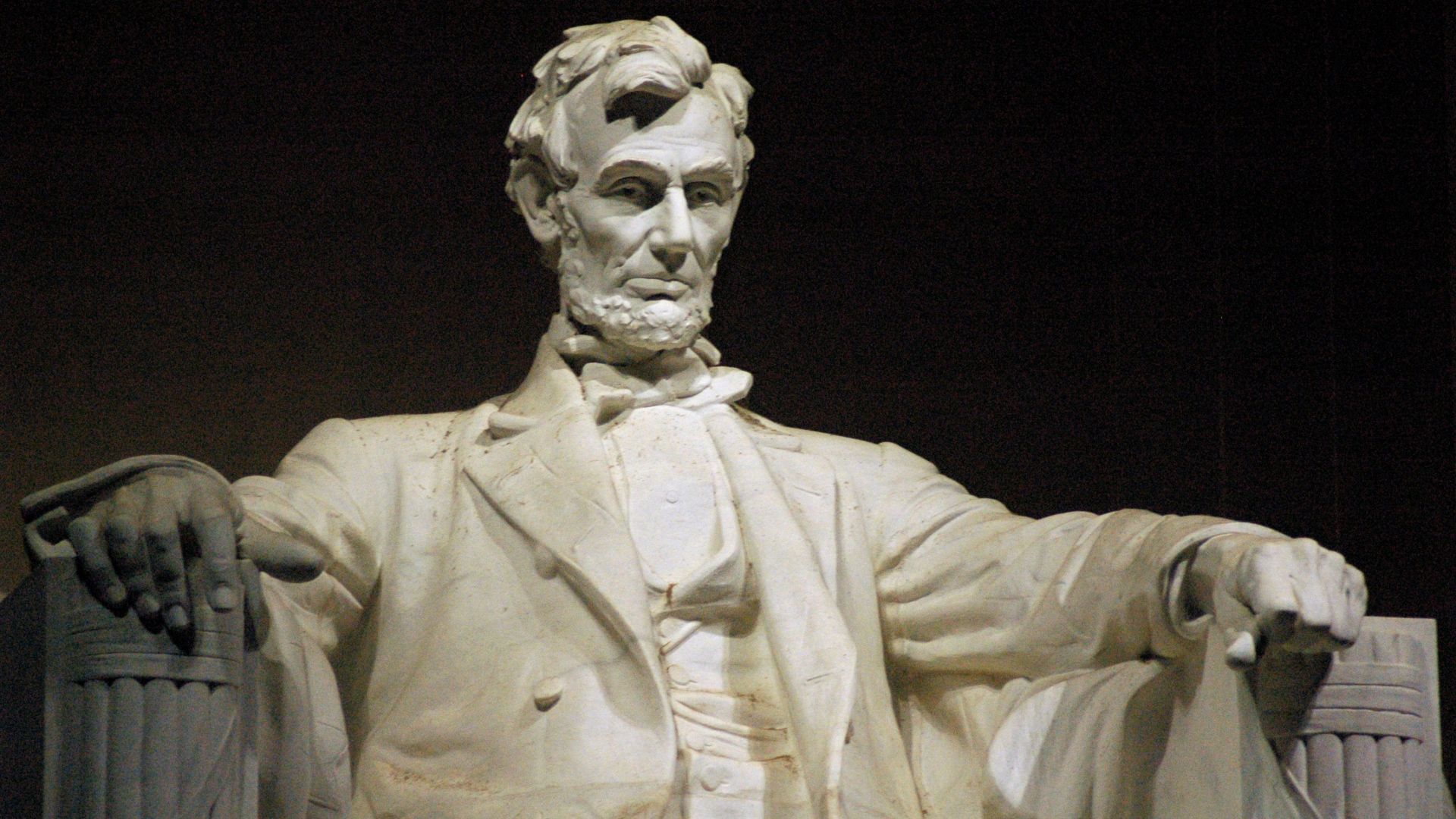
Long before its later association with European fascism, the fasces appeared widely in American architecture, including the Lincoln Memorial and the House of Representatives chamber. Its presence on the dime during WWI and WWII reminded people of civic order and democratic authority.
 Jeff Kubina, Wikimedia Commons
Web Like Patterns
The intricate, web-like patterns seen on old American currency are intentional security features rooted in 19th-century printing innovation. Known as guilloche patterns, these interlaced geometric designs were adopted to combat counterfeiting at a time when photographic reproduction was improving.
 National Museum of American History , Wikimedia Commons
Web Like Patterns (Cont.)
Created using complex machinery and hand-engraved plates, the patterns were nearly impossible to duplicate accurately. The Bureau of Engraving and Printing expanded its use after its founding in 1862, especially on high-value notes.
 National Museum of American History , Wikimedia Commons
Web Like Patterns (Cont.)
Although some viewers interpret these designs as hidden imagery, official records consistently describe them as functional ornamentation. Their visual complexity served a practical purpose: protecting public trust in paper money. Today, these patterns also reveal how art and security met during America’s rapid financial expansion.
 Benjamin Franklin, Wikimedia Commons
The Trapezoid Shield
Often described as trapezoidal, the shield on US currency is more accurately a stylized heraldic escutcheon derived from the Great Seal, approved by Congress in 1782. Featuring 13 vertical stripes beneath a blue chief, the shield represented unity among the original states without external support.

The Trapezoid Shield (Cont.)
Its simplified geometry has led to modern speculation, but period explanations by Charles Thomson clearly define its meaning using classical heraldry. The shape was chosen for clarity and balance in engraving rather than symbolism tied to mathematics or architecture. Its consistent use reflects early American reliance on familiar European design traditions.
Liberty As A Woman
From the nation’s earliest coins to 20th-century banknotes, Liberty has consistently appeared as a female figure, which reflects classical traditions. Early American designers drew heavily from Greek and Roman art, where abstract ideals such as freedom and virtue were commonly personified as women.
 Coin: Charles E. Barbe, Image by Lost Dutchman Rare Coins, Wikimedia Commons
Liberty As A Woman (Cont.)
Figures like Lady Liberty appeared on large cents, silver dollars, and gold coins throughout the 18th and 19th centuries to celebrate the Enlightenment values embraced by the Founders. These depictions emphasized restraint, dignity, strength, civic responsibility, and other traits associated with a functioning republic.

Liberty As A Woman (Cont.)
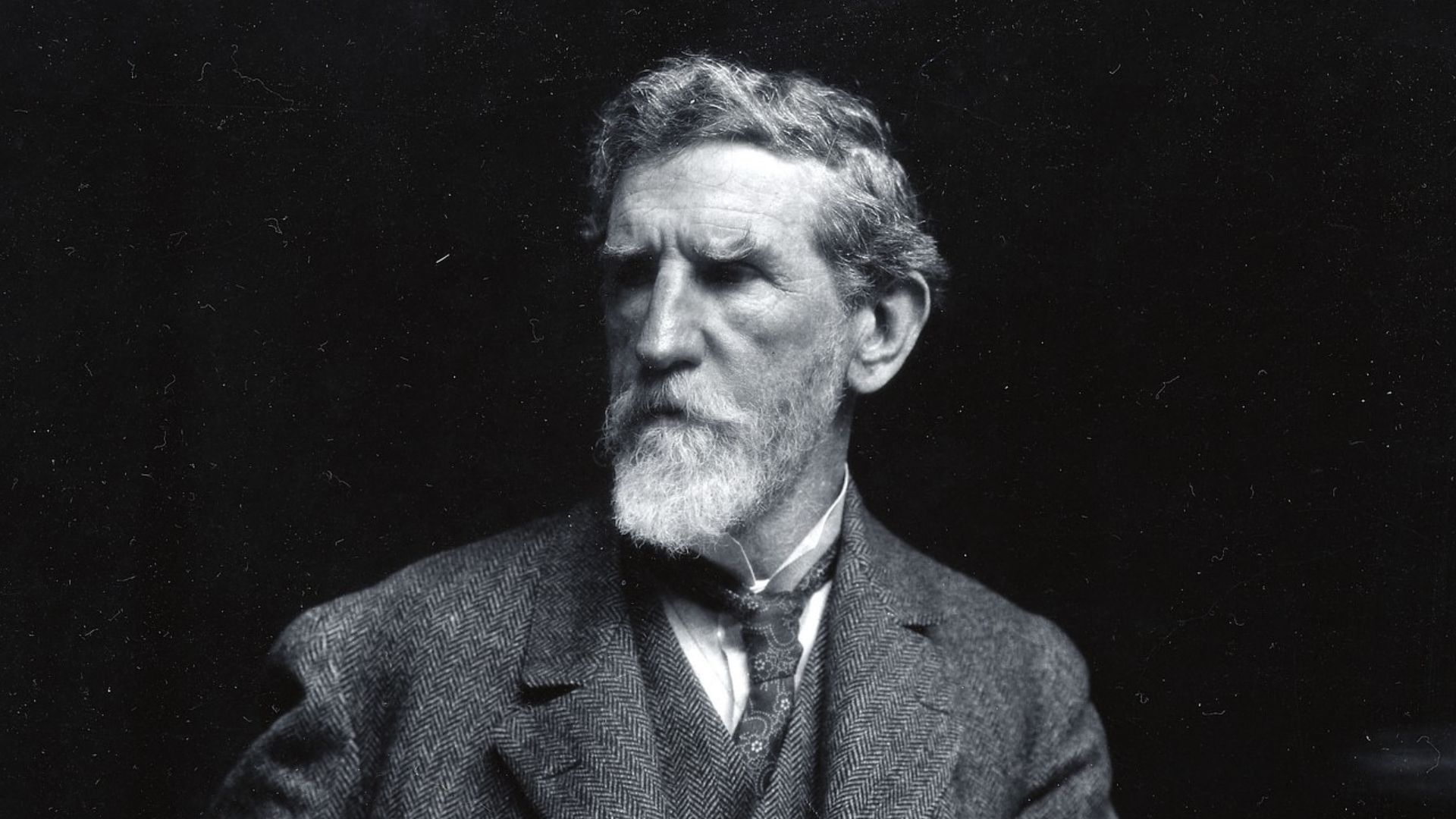
During times of national transition, including westward expansion and industrialization, Liberty’s evolving appearance mirrored changing ideas about the nation itself. Sculptors such as Augustus Saint-Gaudens later refined her image to convey confidence and permanence.
 De Witt Ward, Wikimedia Commons
Eagle Facing Direction Pre 1945 Currency
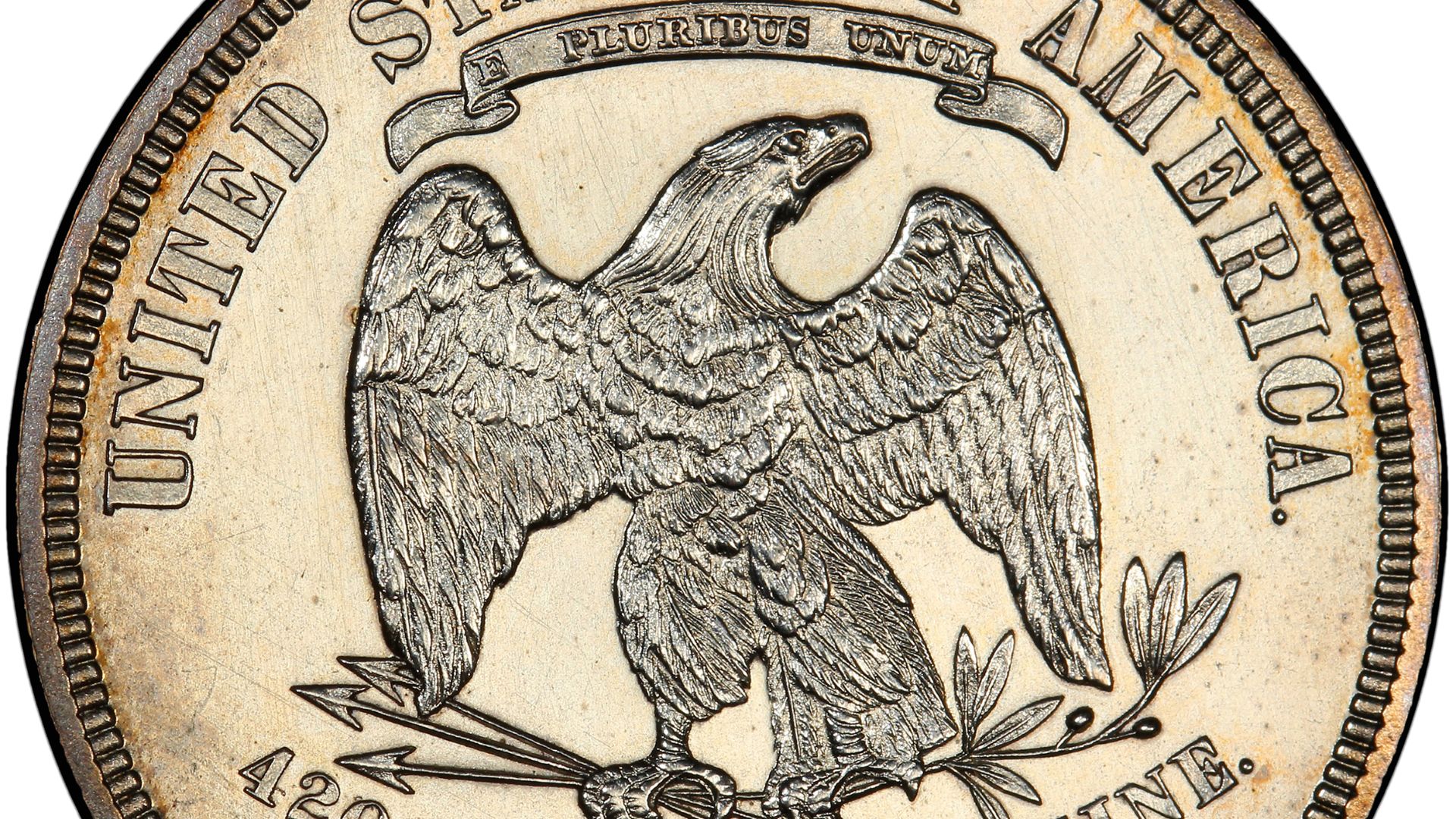
The American bald eagle has appeared on US currency since the late 18th century, but its orientation carries intentional meaning. On early depictions of the Great Seal, approved in 1782, the eagle clutches an olive branch in its talon and arrows in the other to represent peace and military readiness.
 United States Mint (coin),NNC (image), Wikimedia Commons
Eagle Facing Direction Pre 1945 Currency (Cont.)
For much of the 19th and early 20th centuries, artistic variations sometimes showed the eagle’s head turned toward the arrows. During WWII, this detail drew attention as the nation reassessed how it projected power. In 1945, Harry S Truman approved a redesign of the President’s Seal that permanently turned the eagle’s head to face the olive branch.

Eagle Facing Direction Pre 1945 Currency (Cont.)
This change was meant to emphasize peace over conflict and reflect America’s postwar priorities with its emerging role in global diplomacy. On currency, the eagle’s direction quietly communicates policy values and shows how even small design choices were used to express national intent during pivotal moments.
 Unknown author, Wikimedia Commons
Hidden Owl Or Spider On The $1 Bill
Claims of a hidden owl or spider on the one-dollar bill circulate widely, yet no verified record supports them. Historians state the design contains only approved Great Seal elements. The supposed “owl” near the upper right shield border is a coincidence created by ornamental line work, a common effect in intaglio engraving.
 US government, Wikimedia Commons
Hidden Owl Or Spider On The $1 Bill (Cont.)
Likewise, the “spider” reading relies on pareidolia or the human tendency to see familiar shapes in complex patterns. Charles Thomson’s 1782 explanations list no such figures, and original dies show no intentional animal imagery. The myth gained traction online decades later.
 GreyStork (talk), Wikimedia Commons
Microtext And Hidden Lettering
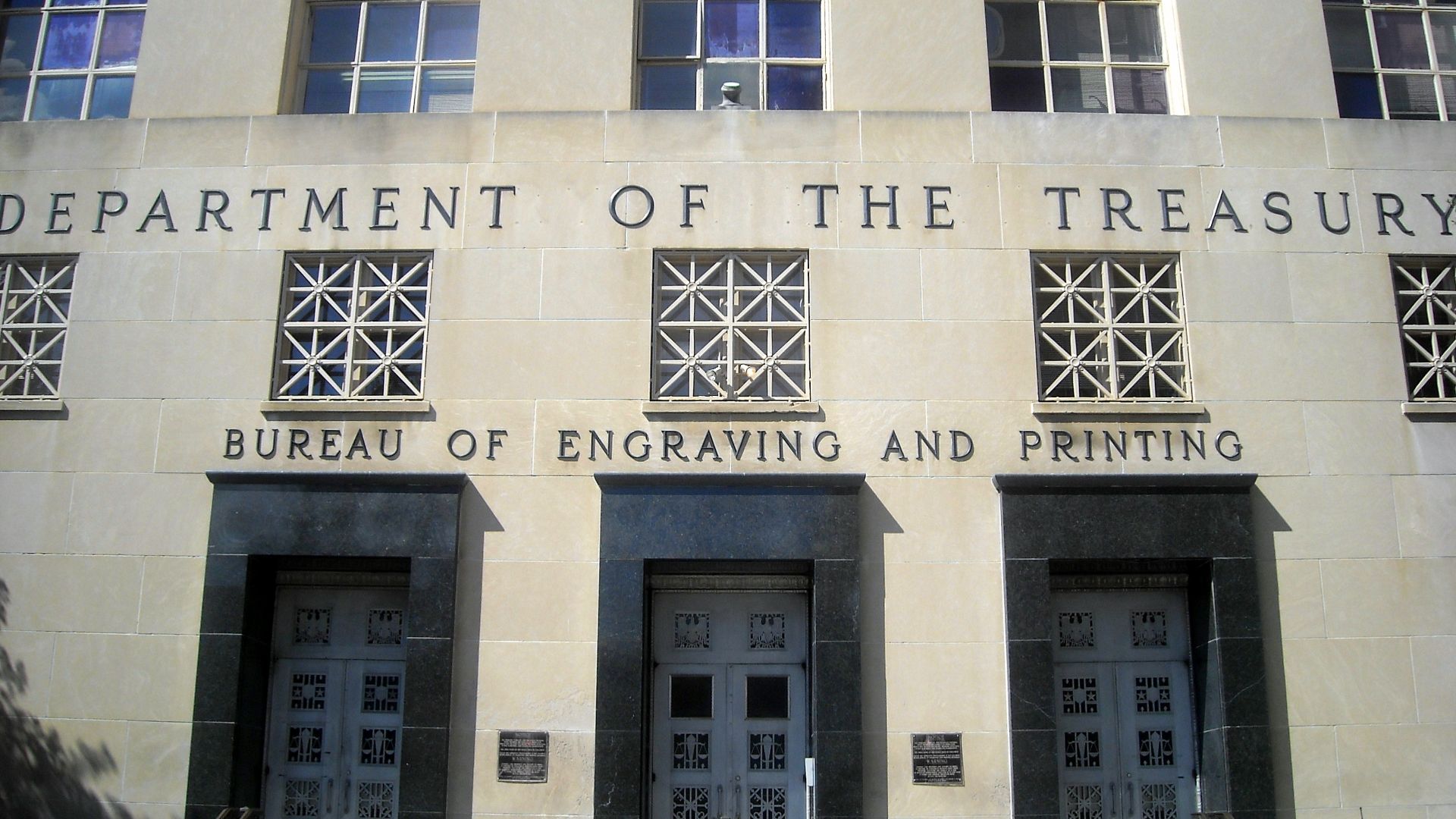
As counterfeiting became a serious threat in the late 1800s, the US Bureau of Engraving and Printing introduced increasingly sophisticated security features. Among the most effective was using fine engraving until microtext was introduced in the 1990s.
 National Photo Company, Wikimedia Commons
Microtext And Hidden Lettering (Cont.)
Such details were intentionally difficult to reproduce using the printing technology of the era. High-denomination notes, such as the 1896 Silver Certificates and early Federal Reserve Notes, contained intricate line work and fine lettering visible only under magnification.
 APK is not a Womanizer, Wikimedia Commons
Microtext And Hidden Lettering (Cont.)
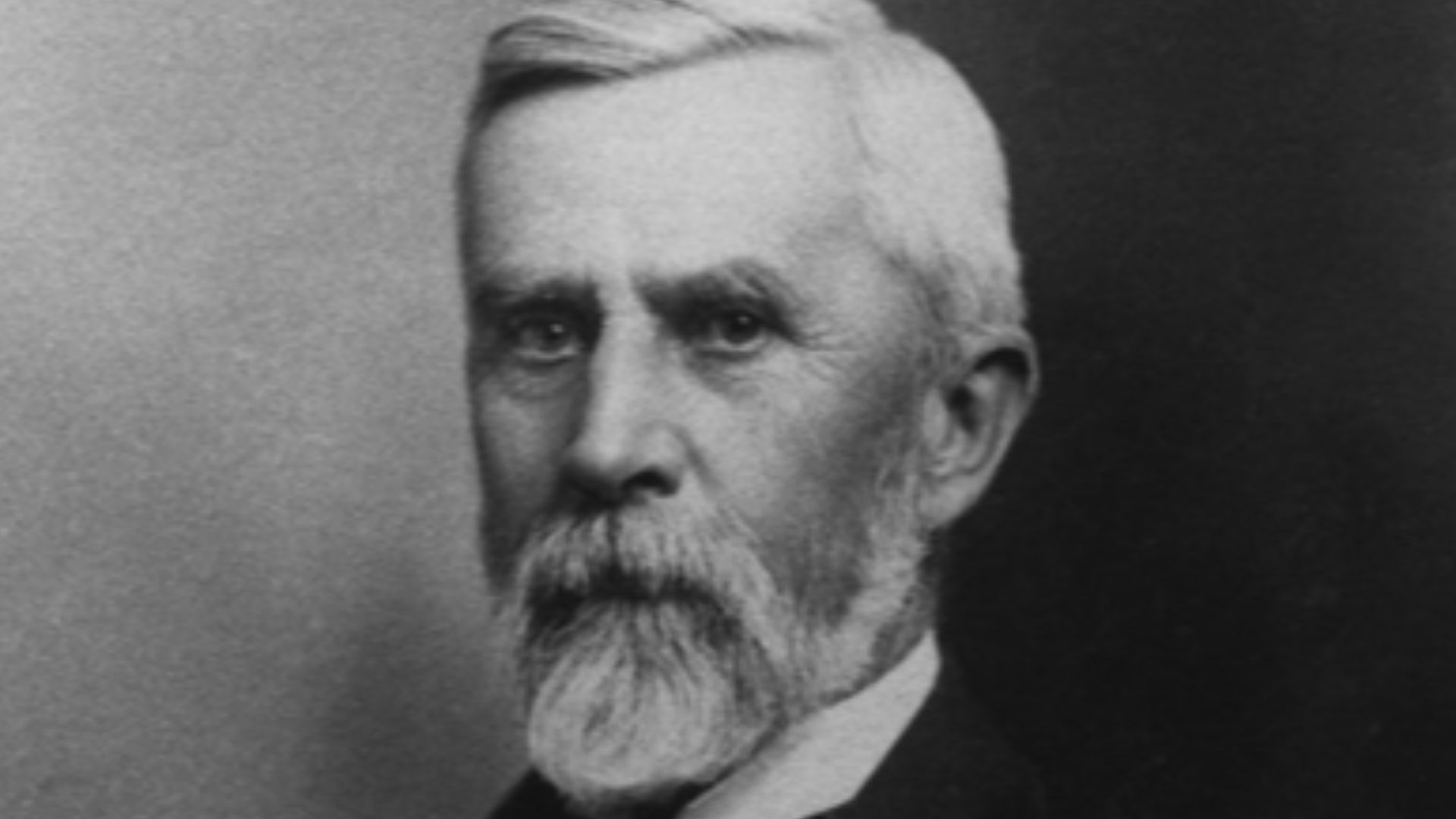
Designers like Charles Burt and other master engravers spent years perfecting these techniques. Using microtext by the late 20th century reflected the government’s growing awareness of financial security and technological advancement. Rather than symbolism, these details show how currency evolved into a tool of trust.
 Unknown authorUnknown author, Wikimedia Commons
National Motto Changes Over Time
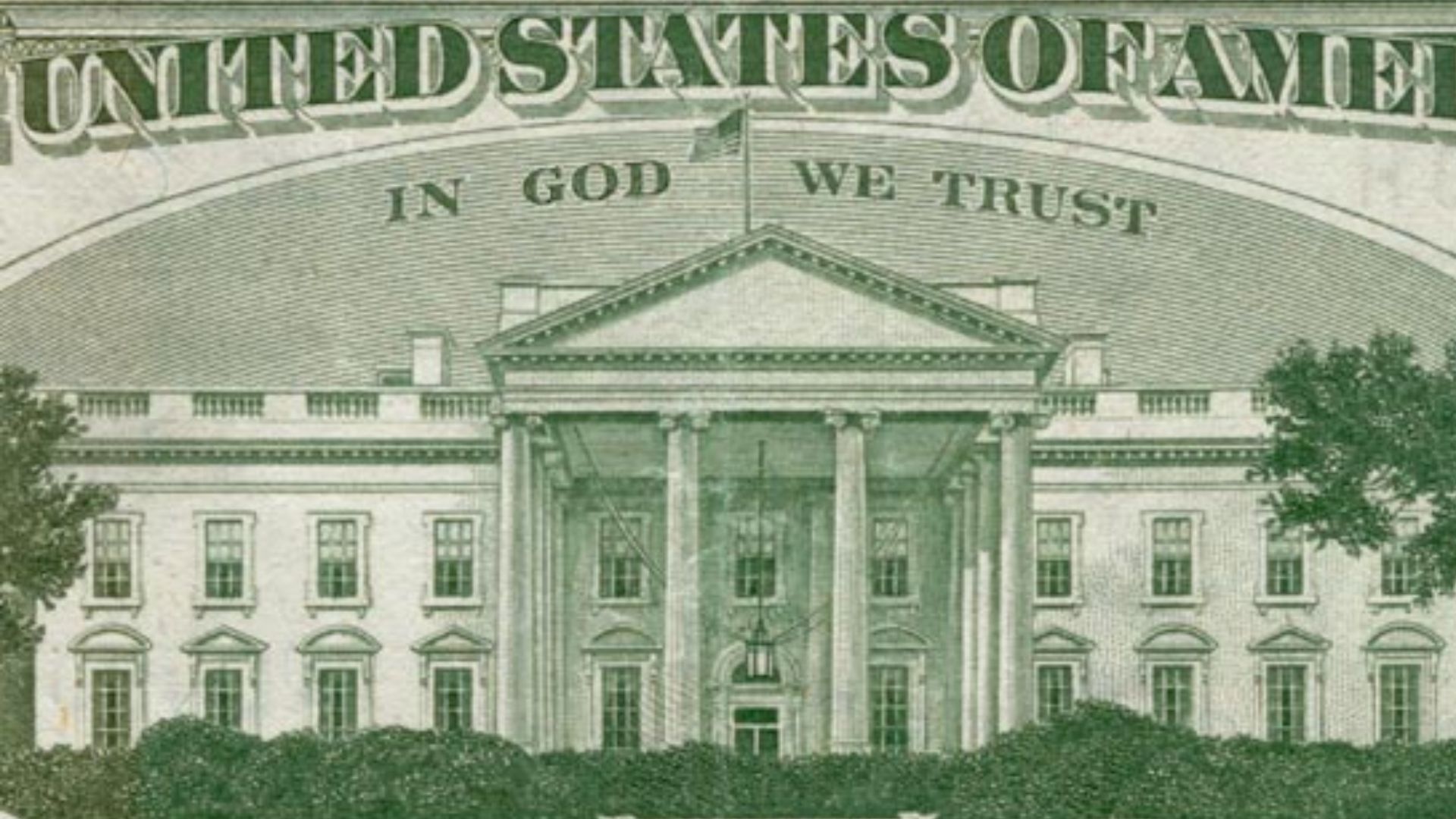
The mottos appearing on American currency have shifted alongside cultural and political priorities. For much of the nation’s early history, no religious language appeared on coins or paper money. That changed during the Civil War, when public anxiety and rising religious sentiment influenced policy.
 The original uploader was Themanwithoutapast at English Wikipedia., Wikimedia Commons
National Motto Changes Over Time (Cont.)
In 1864, Congress authorized the use of “In God We Trust” on certain coins, following appeals from clergy who believed the nation should acknowledge faith during crisis. The motto expanded gradually, appearing on more denominations over the decades. It was not until 1956, amid Cold War tensions, that “In God We Trust” was officially adopted as the national motto.

Absence Of Living People
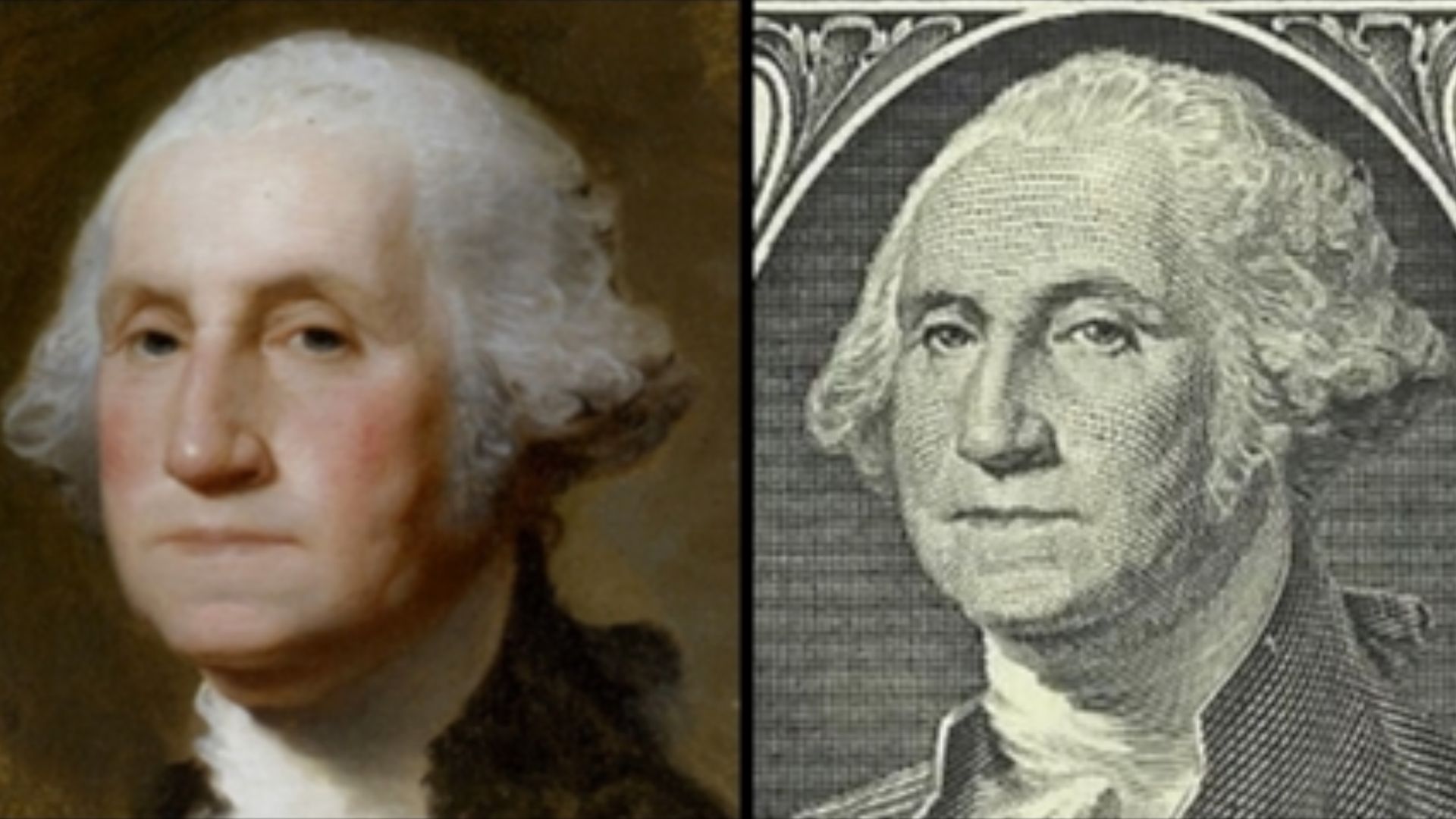
One of the most consistent yet often overlooked rules in American currency design is the prohibition against depicting living individuals. This principle dates back to the nation’s founding, when leaders sought to avoid the monarchic traditions, as early Americans associated images of living rulers on money with tyranny and personality cults.
 Anna Frodesiak, Wikimedia Commons
Absence Of Living People (Cont.)
By the mid-19th century, this unwritten norm became formalized through Treasury policy. The decision ensured that currency honored historical contributions rather than current power. Figures such as George Washington were placed on money only after their deaths, and even during periods of political dominance, exceptions were avoided.
 Gilbert Stuart, Wikimedia Commons