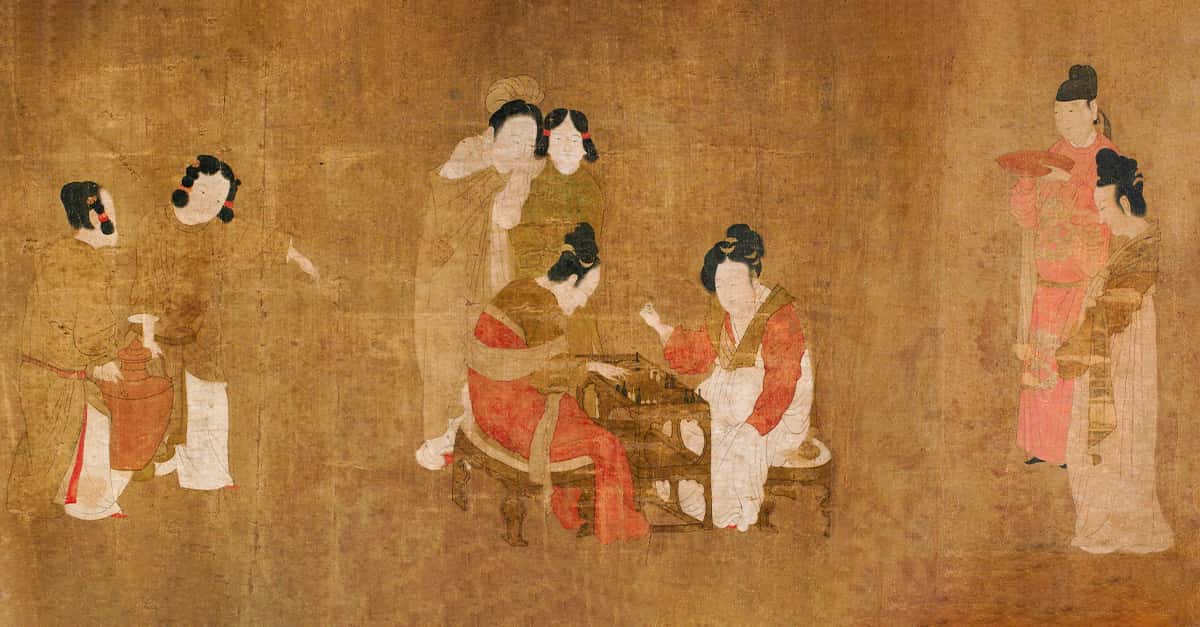
A Legend Too Wild To Believe
Ancient stories from across the world tell of skies on fire and oceans rising. For centuries, scholars dismissed them as allegory. But modern archaeology and geology are uncovering startling clues suggesting those “myths” may describe an actual event about 12,900 years ago.

A Strange Layer Beneath The Earth
Archaeologists uncovered a thin black layer buried in North American soil. It contained heavy soot and carbon, unlike anything seen in nearby layers. Tests dated it to about 12,800 BCE, a time when widespread burning left a continent-wide scar scientists later called the “black mat”.

The Younger Dryas Begins
That dark layer matched the start of a sudden global freeze known as the Younger Dryas. Temperatures dropped, glaciers expanded, and ecosystems changed. The link between this cooling and the burn layer raised new questions about what force could shift the planet so abruptly.

Clues Hidden In Microscopic Debris
When the soil was studied under microscopes, researchers found nanodiamonds and rare metals like platinum. Those materials form only under extreme heat, not from volcanoes or simple fires. Their presence suggested that something explosive and extraterrestrial may have reached Earth at that moment.

The Sky That Burned
Some scientists believed a large comet broke apart in Earth’s atmosphere. The fragments released immense heat, setting forests alight across continents. This theory explains why ash layers appear worldwide and why the planet’s temperature dropped immediately afterward, blocking sunlight with dust and smoke.

Firestorms Across Continents
Charcoal collected from several regions dates to the same period. Entire forests burned, which released smoke that dimmed the sky for years. The simultaneous timing across continents implied that a single event, not random local fires, caused an environmental crisis on a global scale.

When The Mammoths Disappeared
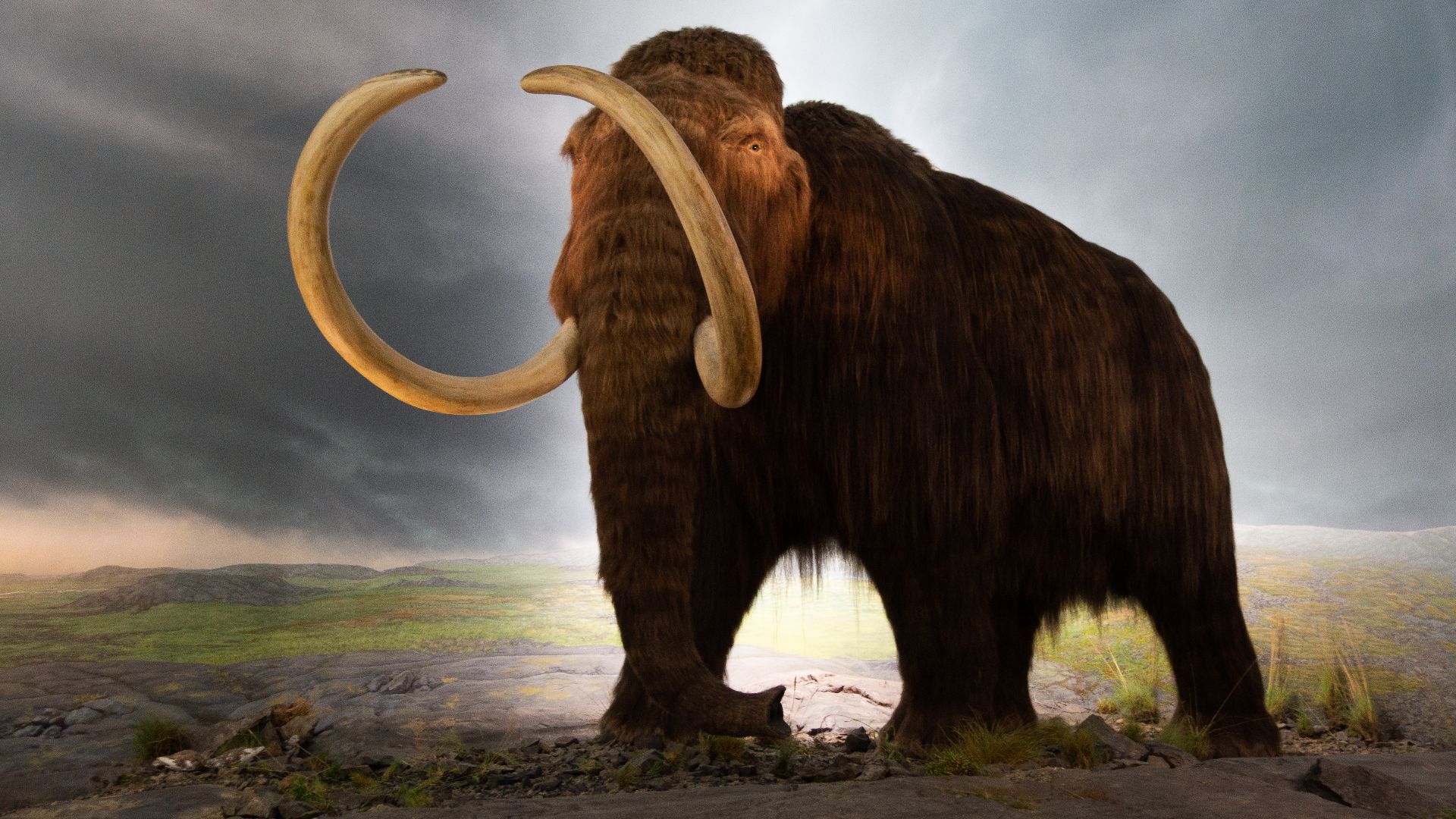
Around this time, giant Ice Age animals such as mammoths and saber-toothed cats vanished. Some fossils showed burn marks, while others indicated starvation. The evidence pointed to a chain reaction: sudden climate cooling destroyed habitats, and the loss of food pushed these species to extinction.
 Thomas Quine, Wikimedia Commons
Humanity On The Brink
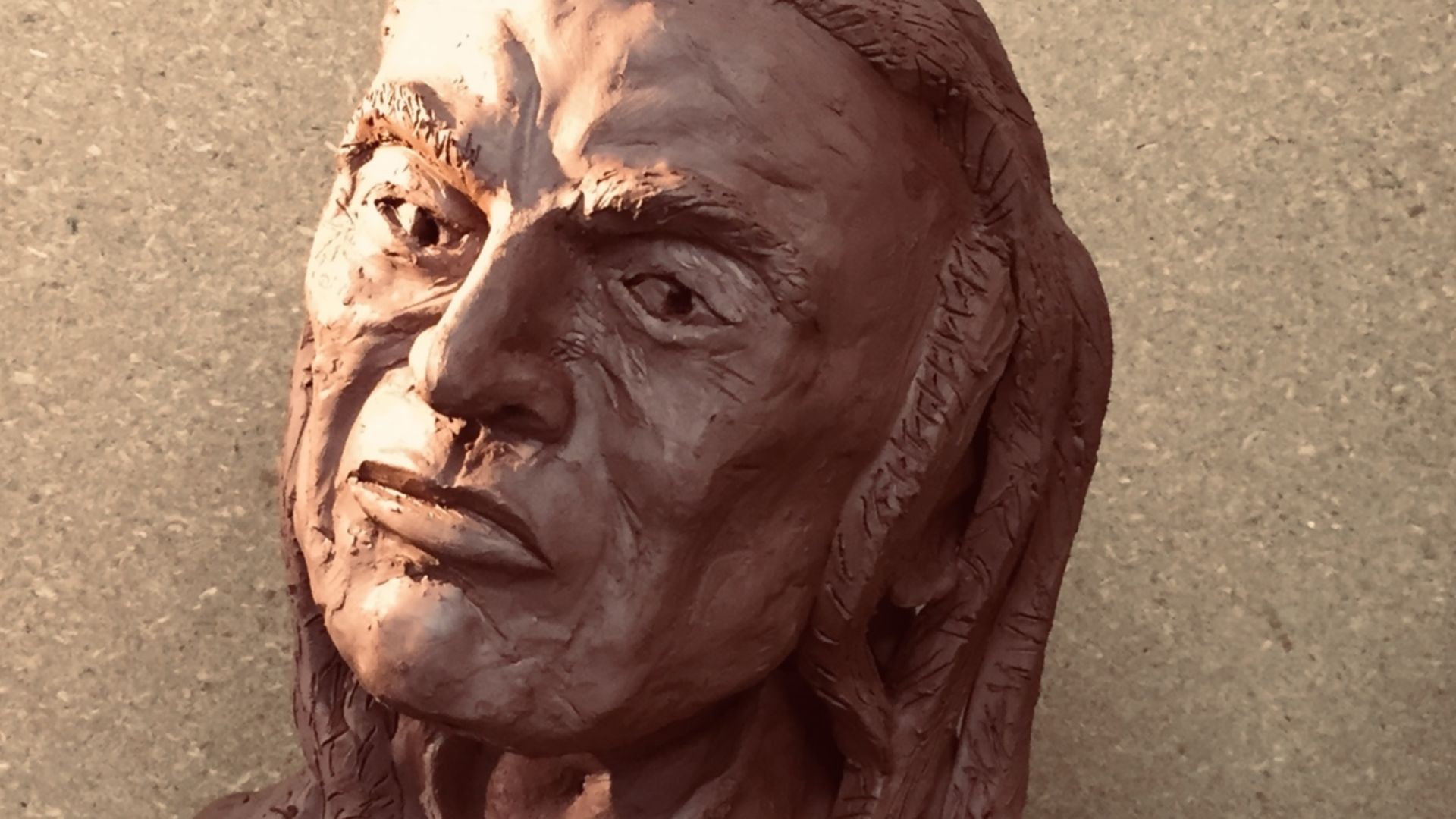
The Clovis people once spread across North America by hunting mammoths and other large animals. As the world cooled, those animals disappeared. Food grew scarce, which forced families to move south or abandon the hunt. Archaeologists later found fewer tools, proof that survival became much harder.
 Anthonywpark, Wikimedia Commons
The Sea That Swallowed Lands
As glaciers melted, sea levels surged by more than 300 feet, drowning lowlands like Doggerland between Britain and Europe. For coastal peoples, it must have felt like the end of the world—a flood that reshaped continents.

Gobekli Tepe And The Aftermath
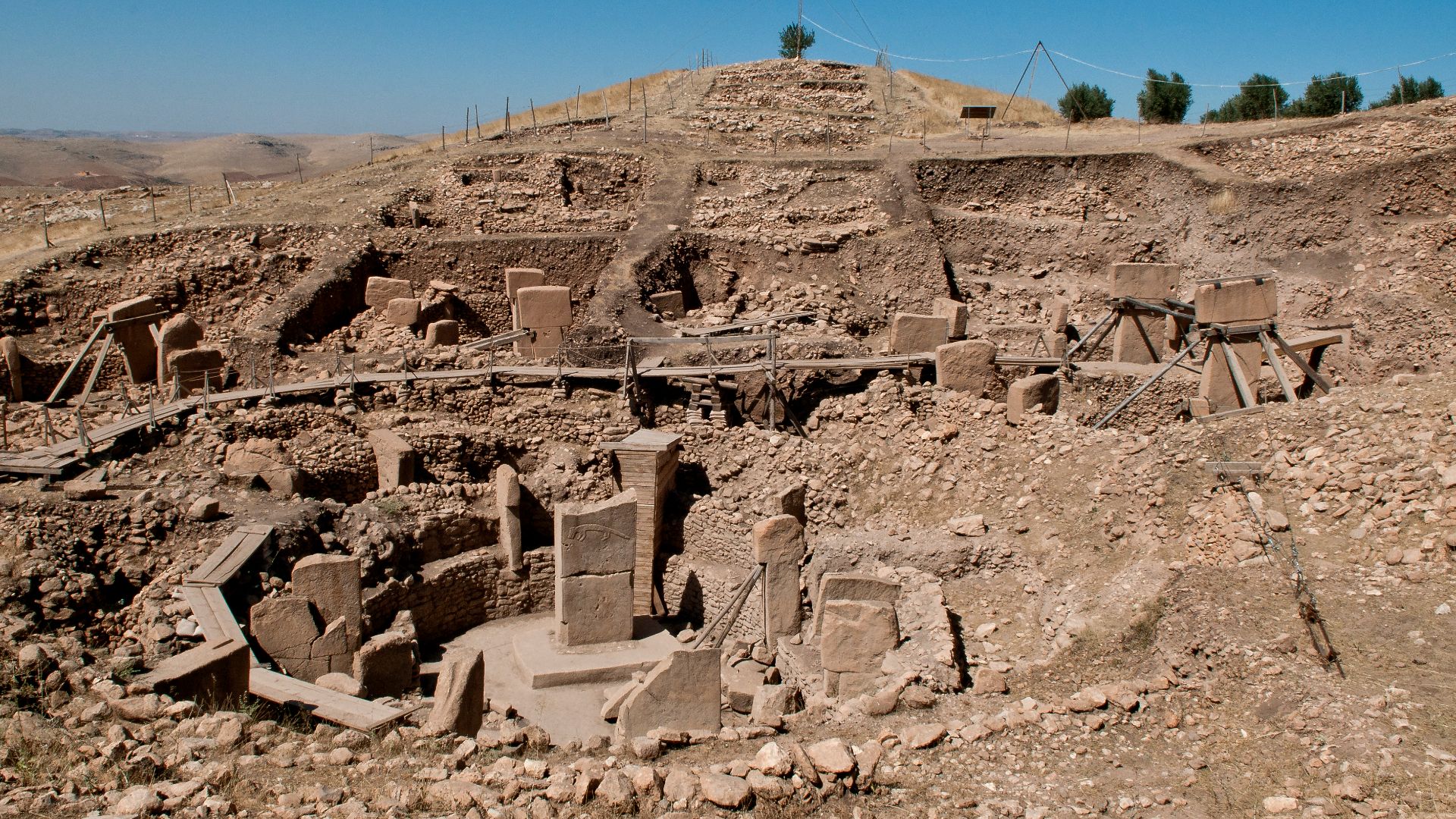
In Turkey, humanity’s first known temple complex arose soon after the Younger Dryas. Some archaeologists propose it was built by survivors seeking to honor lost worlds or mark celestial events that changed everything.
 Teomancimit, Wikimedia Commons
Carvings That Tell Of Stars And Fire
Some scholars believe ancient builders tried to document a disaster rather than decorate a temple. At Gobekli Tepe, animal carvings on one pillar mirror constellations visible around 10,950 BCE—the same time Earth’s climate abruptly cooled. The alignment implies memory carved directly into stone.

A Planet In Shock
The chemistry of Greenland’s ice changed without warning. Layers from roughly 12,900 years ago show sudden surges of platinum and iridium, metals carried to Earth by objects from space. The pattern fits a scenario where fragments struck the atmosphere and altered the planet’s balance.
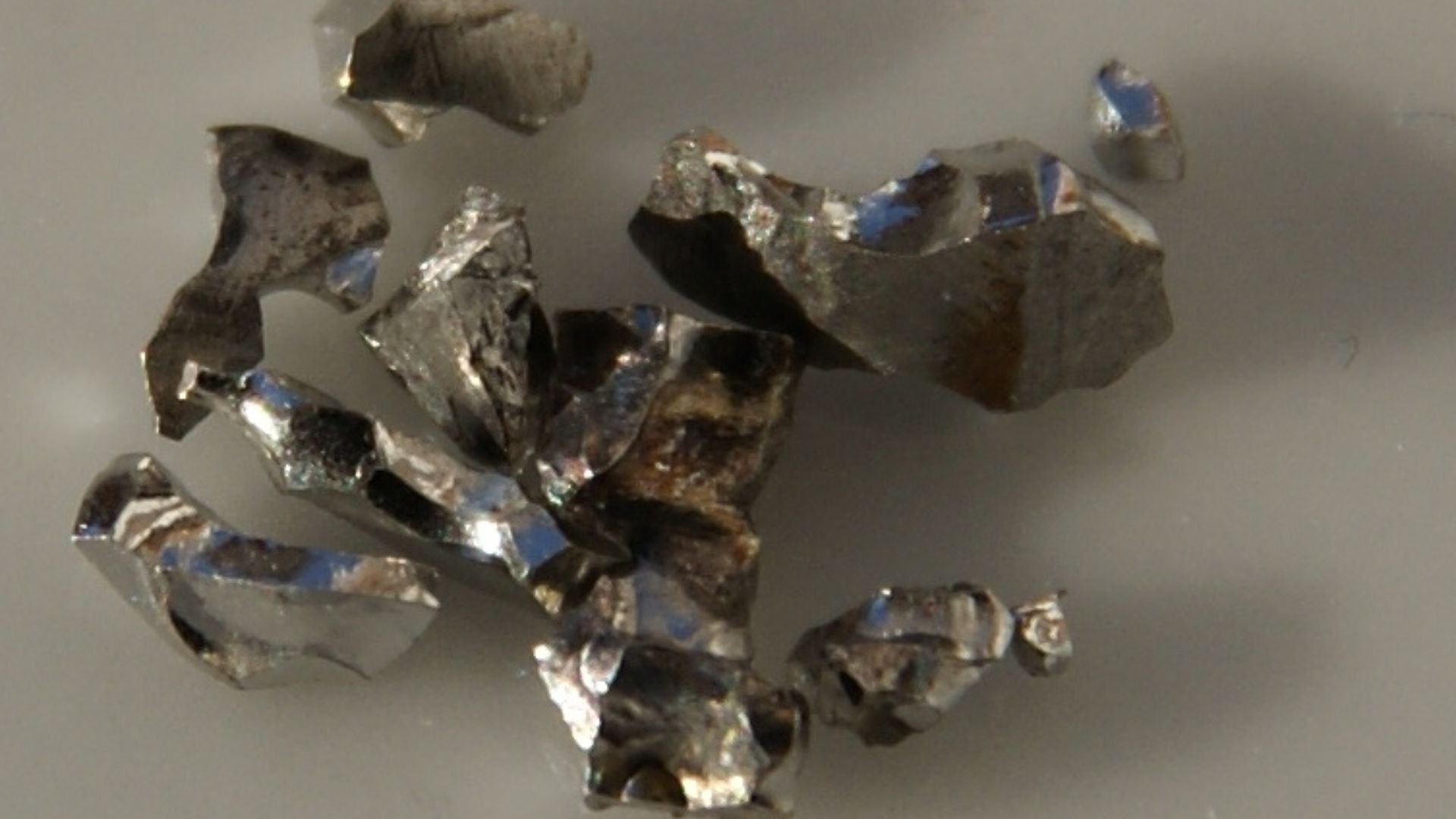 Hi-Res Images of Chemical Elements, Wikimedia Commons
Oceans That Carried The Evidence
Deep below the Atlantic, scientists drilled into sediment that held clues to the same catastrophe. Each layer contained soot and glassy particles melted by extreme heat. Unlike land, the ocean floor preserved those traces perfectly, turning waterlogged silt into an accidental archive of destruction.

Survivors Who Adapted
Human life didn’t vanish when the climate turned harsh—it changed course. Communities sought safer ground, switched to smaller prey, and relied more on gathered plants. Over time, their steady adjustments led to early farming, which eventually gave rise to the first settled societies.
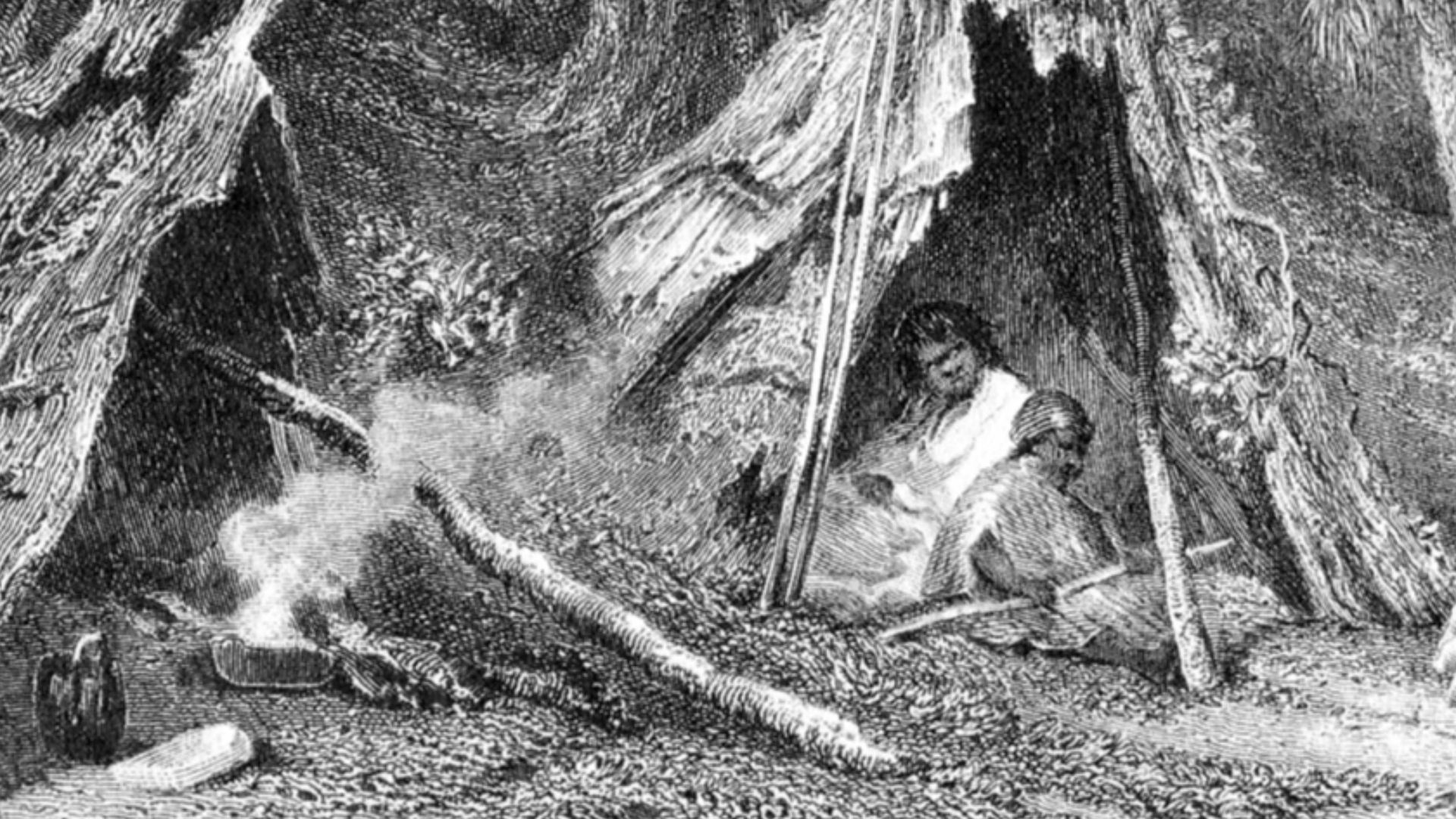 Skinner Prout., Wikimedia Commons
A Silent Century Of Recovery
For years after the disaster, the planet seemed quiet. As sunlight returned, plants crept back across burned ground and animals followed the thawing rivers north. Archaeologists describe this period as almost empty in the record—a slow and fragile restart for life on Earth.

Agriculture Takes Root
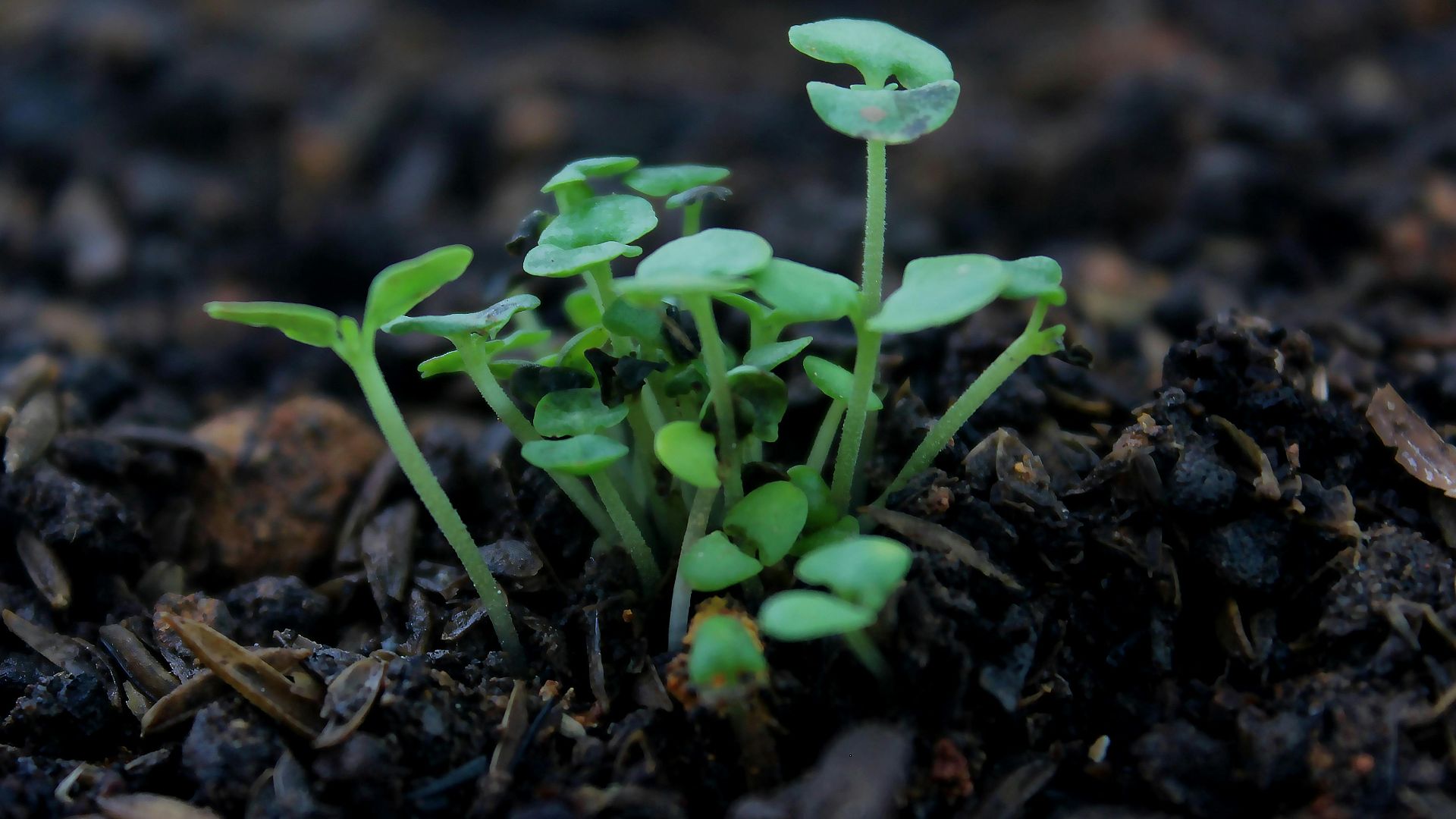
Food scarcity forced early communities to think differently. Instead of chasing herds, people began planting seeds in the Fertile Crescent, where the soil stayed rich despite the changing climate. This shift toward farming didn’t come from comfort—it came from the need to control survival itself.

The Debate Among Scientists
Researchers still argue over what caused the Younger Dryas. Some see physical evidence of an impact in the soil, while others point to gaps in the data and missing craters. The disagreement continues because each discovery seems to answer one question but opens another.

Why No Crater?
Critics ask where the impact site should be if a comet truly struck. Supporters reply that the object may have disintegrated in the air, much like the Tunguska explosion in 1908. That scenario explains the devastation without leaving behind a traditional crater.

The Trouble With Ancient Proof
Over thousands of years, wind and water reshaped the land, erasing many traces of the event. What remains are fragments—burned carbon, melted glass, and chemical residues. Scientists can date them only roughly, which leaves the full story scattered across continents and incomplete.

The Danger Of Forgetting
Ancient societies turned disaster into a story because memory was their only defense. Myths carried instructions on how to survive floods or famine. When such stories fade, the knowledge within them disappears too. It leaves each new generation to relearn the same painful lessons.

Ancient Stories That Match The Science
Long before written history, people described skies filled with fire and lands drowned by water. Archaeologists later noticed that those accounts aligned with evidence from the Younger Dryas cooling around 12,900 years ago. Oral traditions, once thought symbolic, may have recorded what early humans actually witnessed.

Echoes In Religion And Myth
When those events faded into deep time, new religions gave them meaning. Sacred texts across continents reimagined natural catastrophe as divine judgment. By turning cosmic destruction into spiritual teaching, early civilizations preserved both the fear of the disaster and the moral lessons they drew from it.

What The Ice Still Hides
Deep layers of Greenland’s ice preserve the atmosphere of ancient times. Each core sample acts like a frozen timeline. Scientists still search those layers for traces of impact debris that could finally confirm how the world changed at the end of the Ice Age.

Lessons For The Modern World
Scientists know that the kind of cosmic impact suspected in the Ice Age could happen again. That’s why telescopes now scan the sky for near-Earth objects. Understanding ancient disasters isn’t just curiosity—it helps humanity prepare for threats that once reshaped the planet.

The Day The World Changed Forever
What began as myth now rests on evidence buried in ice and soil. Those traces reveal a world rebuilt from ruin. The first chapters of civilization were written not in triumph, but in recovery, and that resilience still defines who we are today.
 Crusenho Agus Hennihuno, Pexels