You might imagine an ancient port city bustling with ship horns, wooden oars, and salt-tinged air—but imagine it lying silent beneath the sea, its canals filled with sediment, its temples shattered. That’s what happened to the port town of Thonis-Heracleion, and the new ritual deposits and temple fragments being raised from its depths are shifting how we view Egypt’s Mediterranean gateway.
Read on to discover how underwater archaeologists are piecing together a story once lost beneath the waves, and why it matters to you and to all who care about ancient culture.
Sacred Gateways To Power
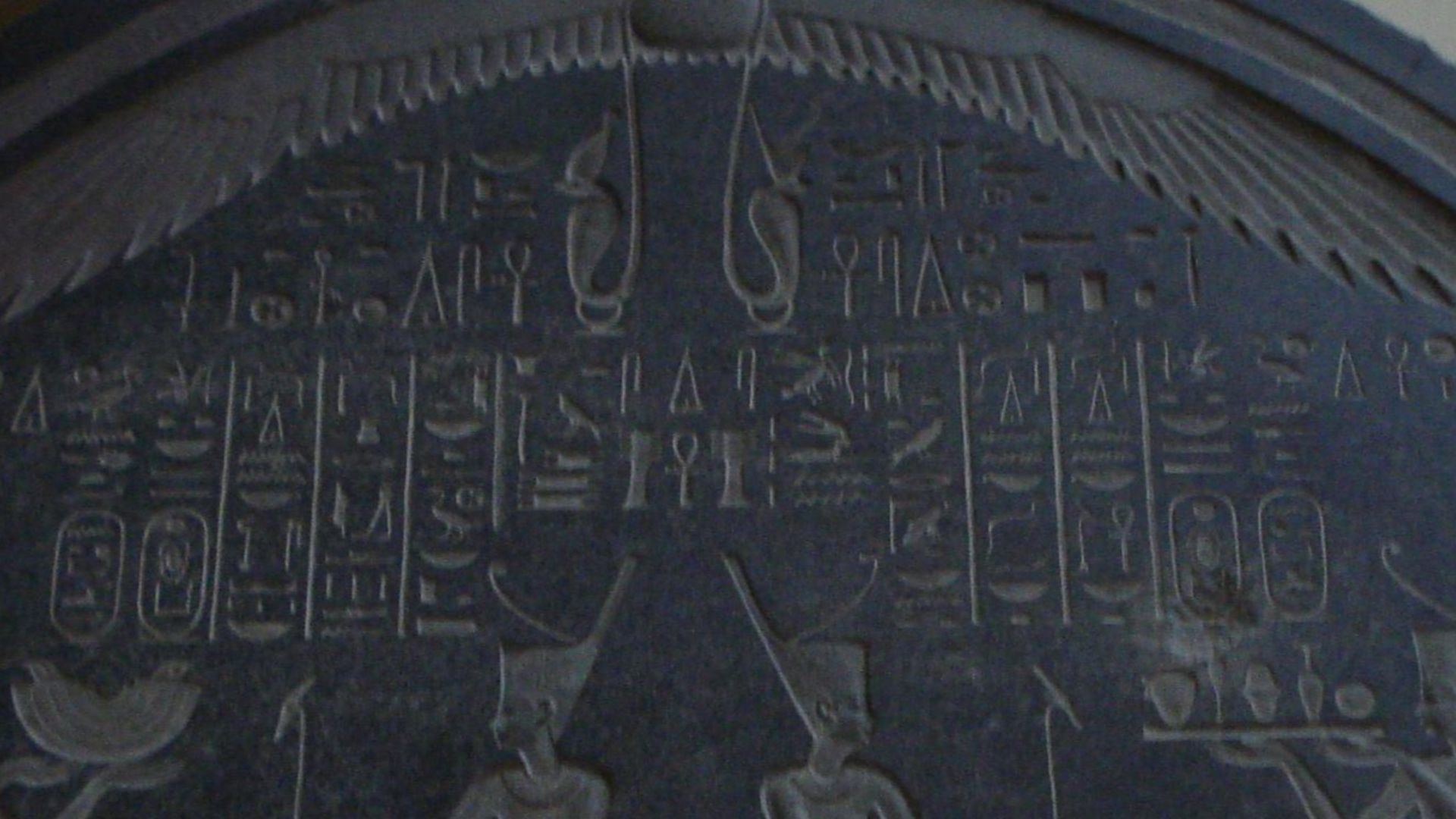
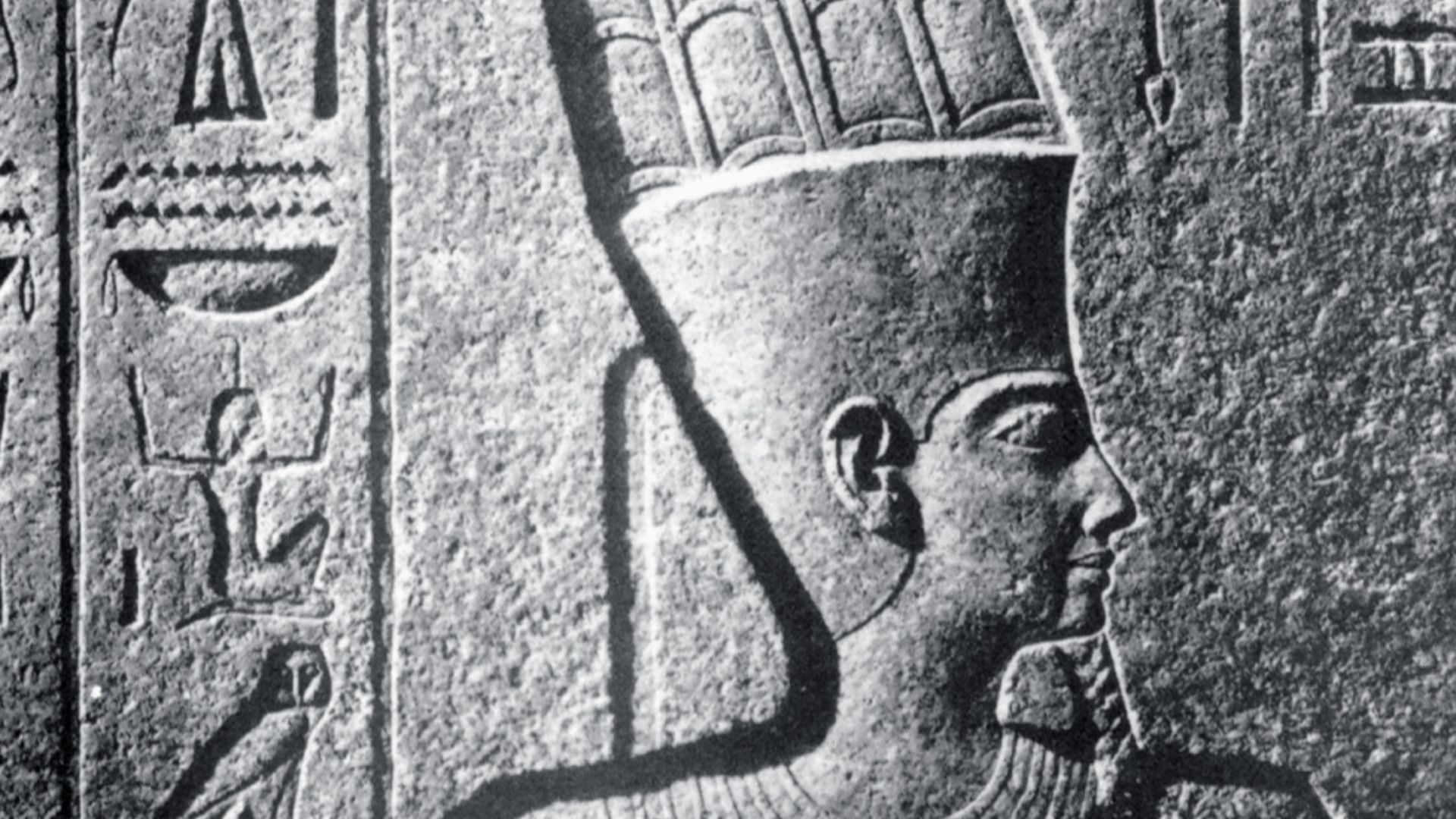
Deep underwater, near where the Nile emptied into the Mediterranean, the temple dedicated to the god Amun stood as more than just stone. It was the place pharaohs came to claim the mantle of universal kingship. In the south canal of Thonis-Heracleion, massive blocks from that temple collapsed in a dramatic event around the mid-2nd century BCE.
The temple’s watery ruin now yields silver ritual dishes, gold jewelry, and alabaster containers, all objects that were once used in sacred rites. These finds change our understanding of how ritual and state power were quite literally underwater in ancient Egypt.
 AnonymousUnknown author, Wikimedia Commons
Cross-Cultural Sanctuaries
Alongside Egyptian rites, the site also revealed a Greek sanctuary dedicated to Aphrodite, with bronze and ceramic objects that attest to a fusion of cultures in this port city.
Greek settlers and mercenaries lived, traded, and worshiped here, sharing space with Egyptian religious life and tapping into the same economic lifeline of the Canopic branch of the Nile. This blending of peoples and belief systems shows you how dynamic and interconnected the ancient Mediterranean really was.
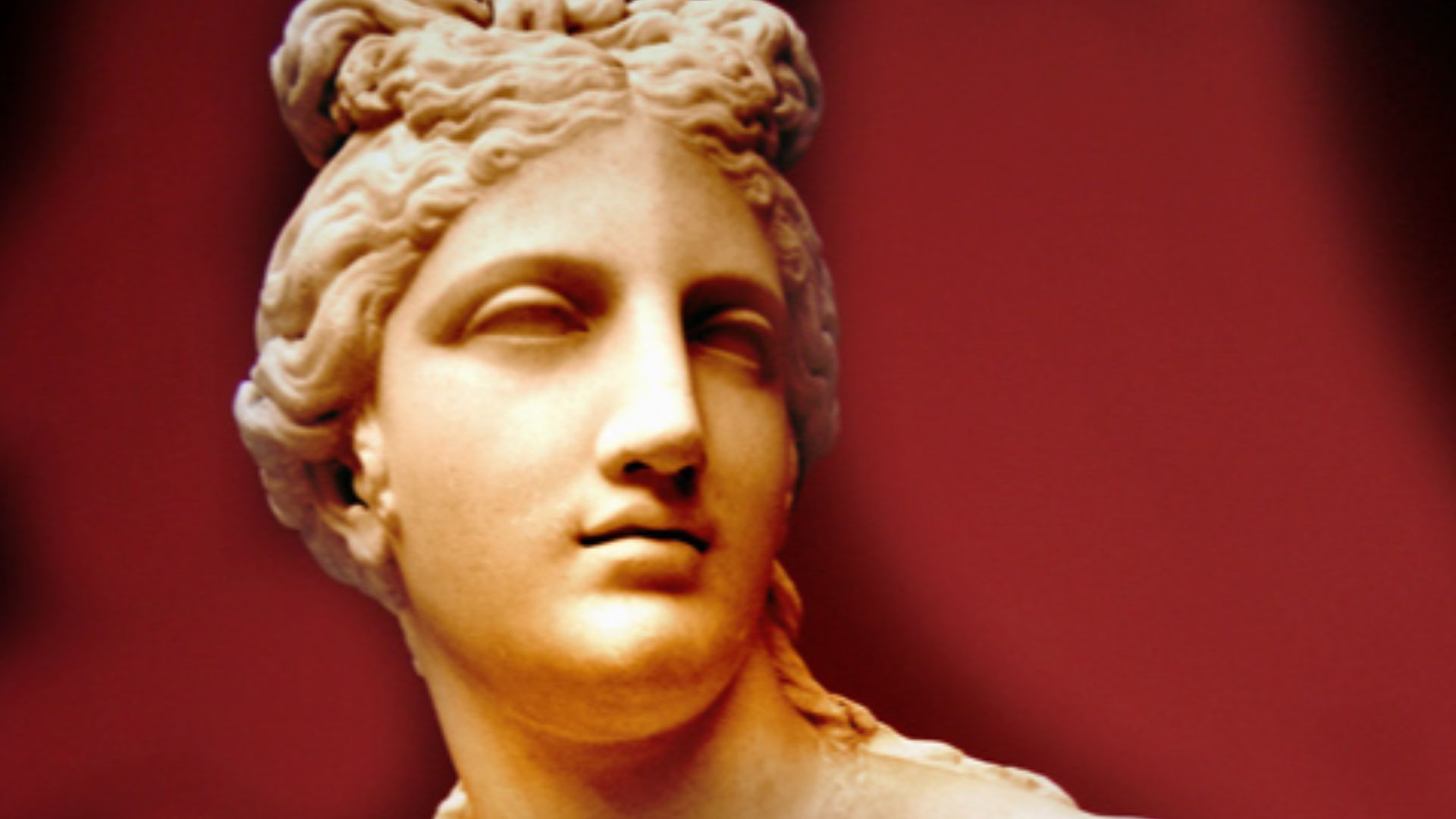 Ricardo Andre Frantz (User:Tetraktys), Wikimedia Commons
The Sunken City And Its Layered Secrets
The city of Thonis-Heracleion once stood as Egypt’s main Mediterranean port before Alexandria rose to prominence. Over time, a series of natural disasters—including earthquakes, tsunamis, rising sea levels, and land liquefaction—pulled the city beneath the sea.
Since its rediscovery around 2000, only a fraction of the site has been explored, yet the artifacts and ruins unearthed already challenge long-held historical narratives.
Mysteries Keep Unfolding
The underwater finds at Thonis-Heracleion carry more than aesthetic value. They demand that we rethink how ports, faith, and politics intertwined in ancient Egypt. As you reflect on carved gods and sunken stone, understand that this isn’t about relics alone. It’s about rewriting a chapter of civilization submerged in time, and you’re part of the audience now.