

Rules Bend Under Ancient Weight
One discovery made lab conversations weirdly quiet. Clues locked inside an enormous organism keep clashing with familiar evolutionary rules, nudging scientists toward older, messier explanations.
 National Eye Institute, CC BY 2.0, Wikimedia Commons, Modified
Meet Prototaxites, A Real Biological Organism
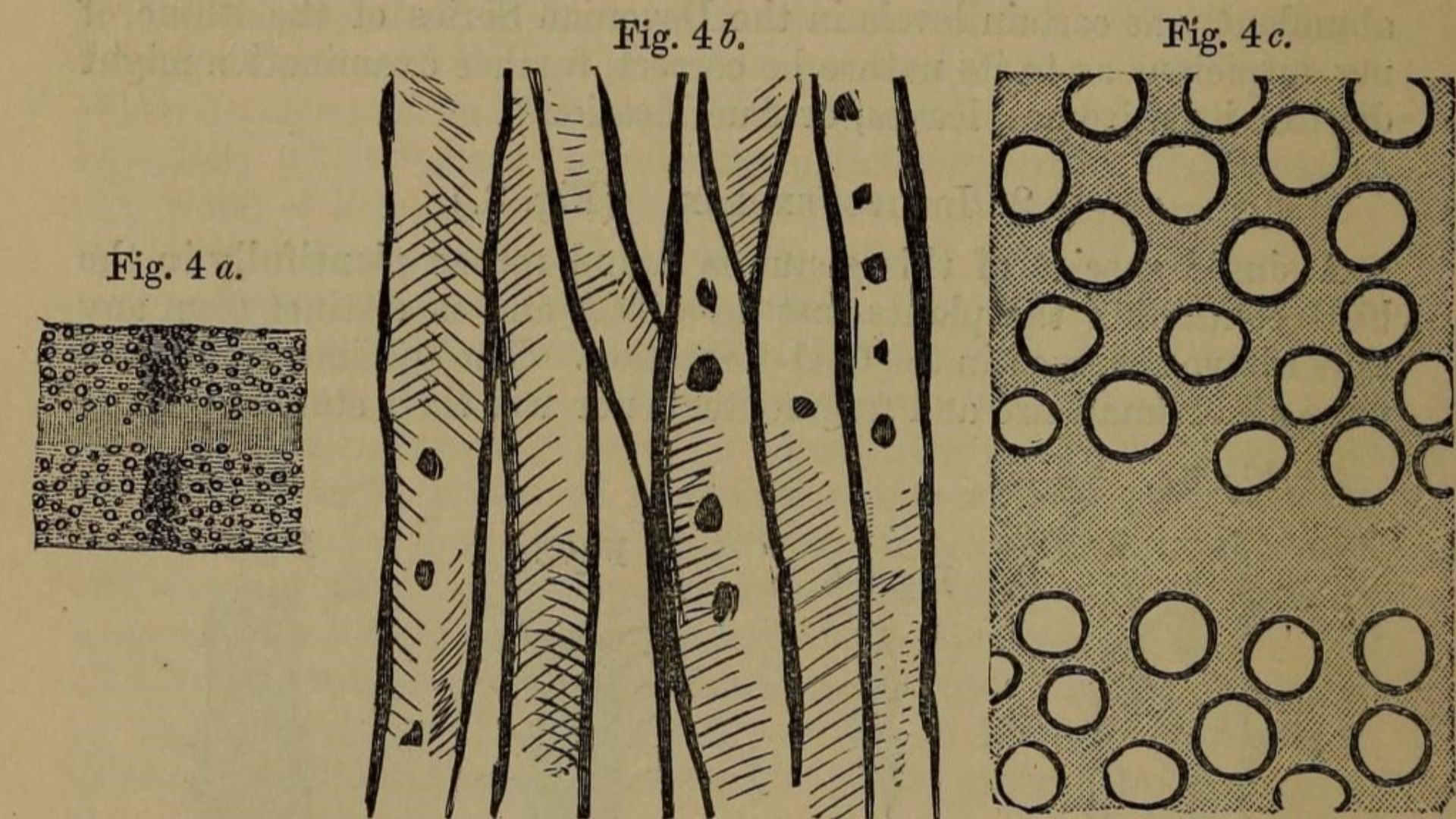
Biology textbooks once struggled with Prototaxites, yet fossilized tissues confirm a living structure, not mineral trickery. Picture towering columns rooted in ancient soil, built from organized cells that followed biological growth patterns recognized across life sciences.
 Geological Society of London, Wikimedia Commons
Fossils Were First Identified In The 1800s
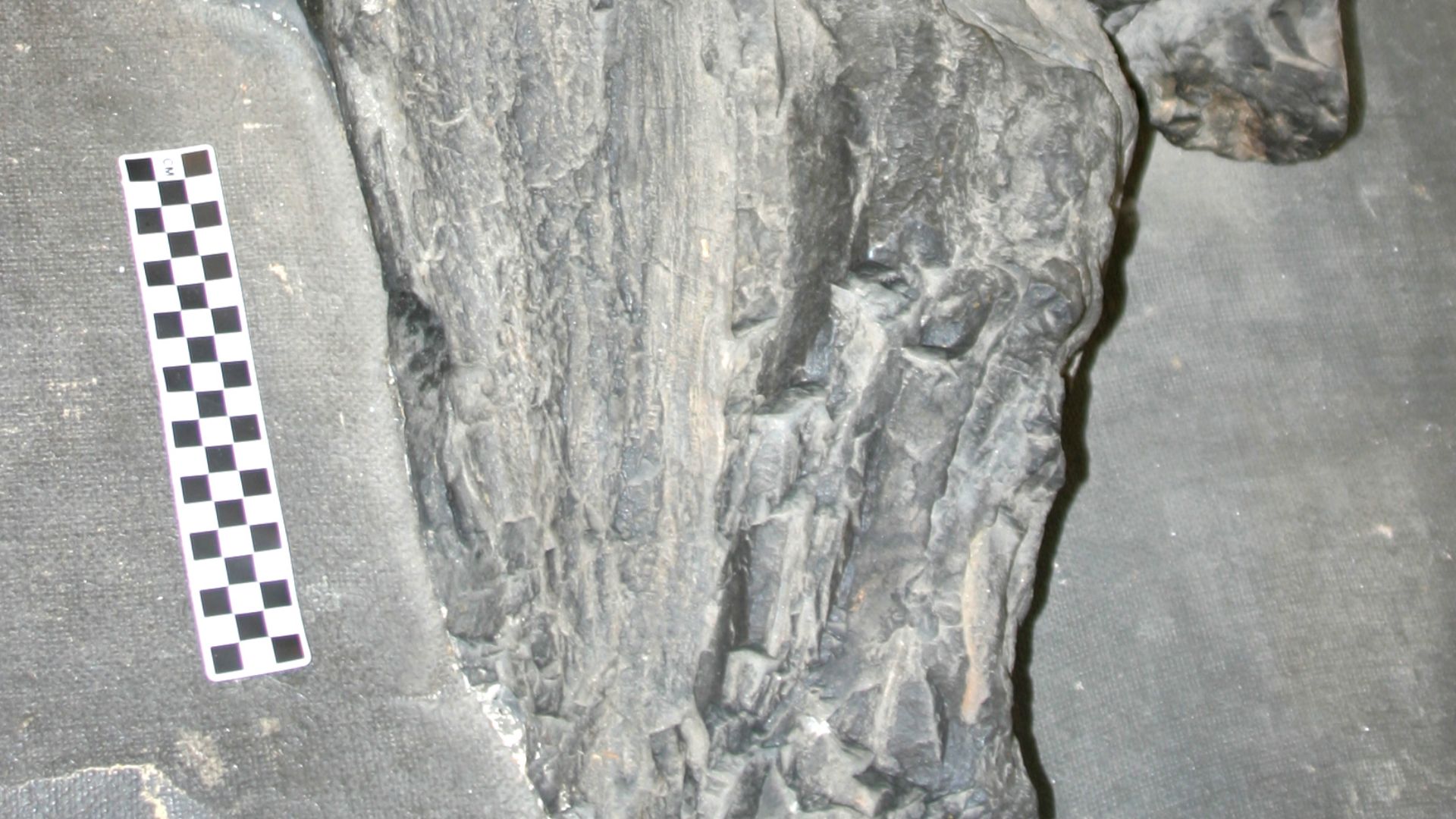
Victorian-era geologists stumbled upon strange stone trunks and argued fiercely over them. Museums labeled samples as primitive trees, then fungi, then something stranger, locking Prototaxites into science’s longest-running identity debate.
 G.J. Retallack, Wikimedia Commons
Early Researchers Thought It Was A Tree
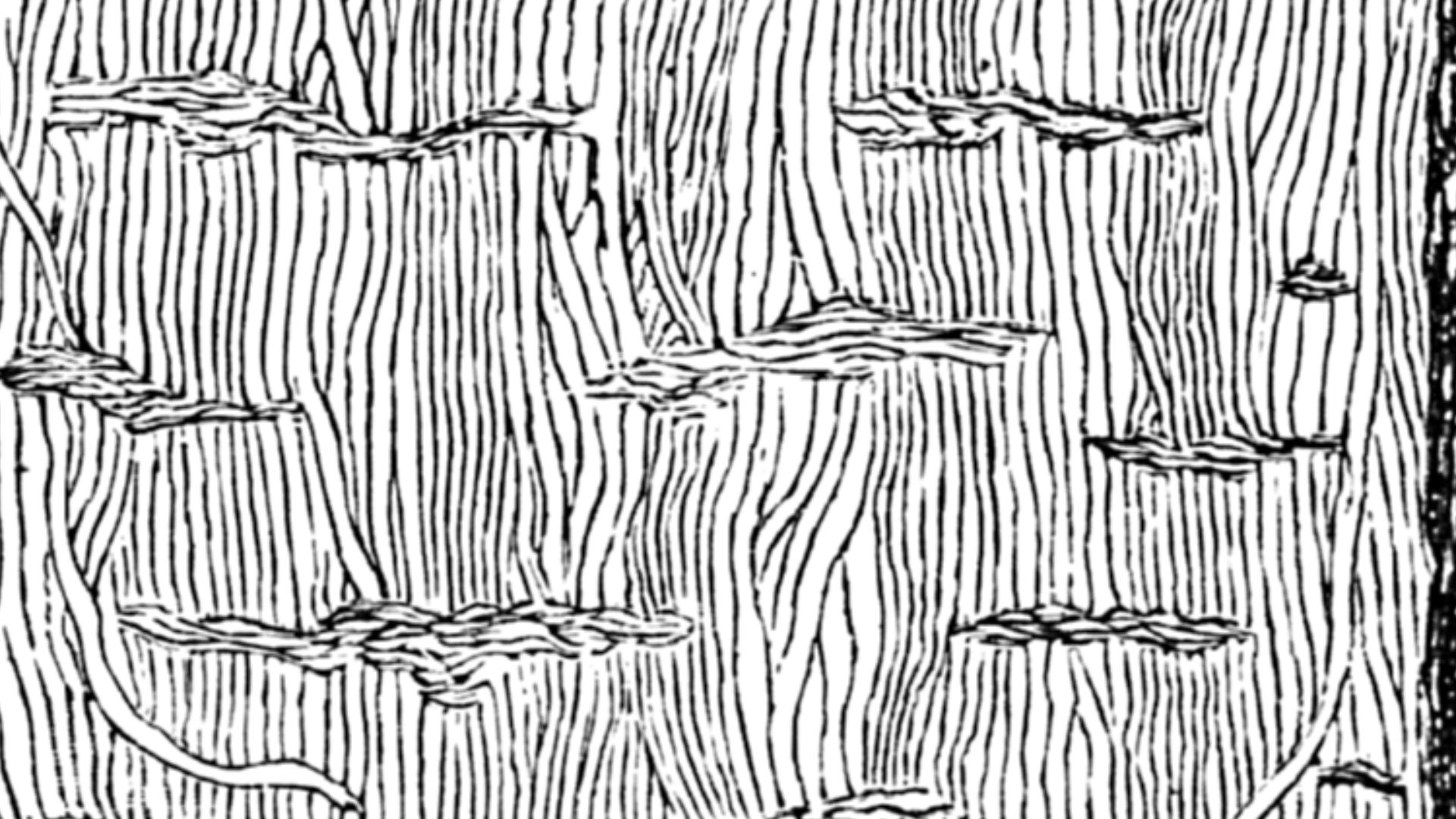
Tall, trunk-like fossils fooled early observers. Height alone suggested wood and branches by default. That assumption shaped decades of interpretation before closer inspection showed no true tree anatomy anywhere inside those towering remains.
 Penhallow, for Dawson 1888, Wikimedia Commons
Modern Analysis Revived Scientific Interest
Advanced imaging reopened dusty drawers, and fresh eyes followed. Researchers mapped internal structures in great detail to reveal a layered organization that refused every existing biological category scientists tried to apply.
 Ioanna Chernova, Wikimedia Commons
New Studies Reopened The Debate
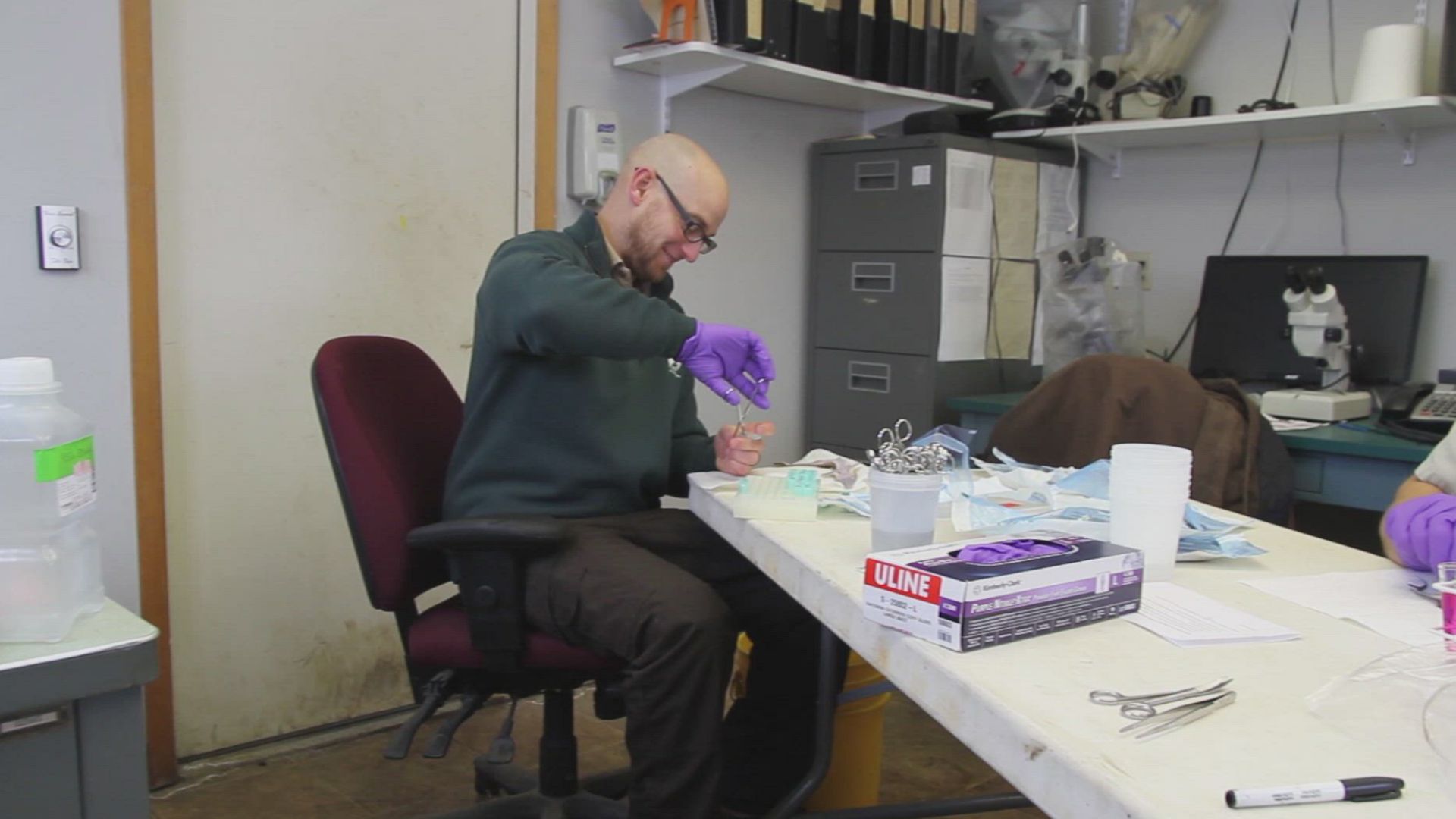
Modern imaging tools gave forgotten fossils a second act. Internal mapping revealed complexity overlooked for generations. Old conclusions lost their footing, which turned Prototaxites into a headline-maker once again rather than a settled footnote.
 USFWS Mountain Prairie, Wikimedia Commons
It Lived Hundreds Of Millions Of Years Ago
Prototaxites thrived when Earth’s land felt experimental. Soil was barely formed, animals huddled along waterlines, and this organism rose over terrains that looked more alien than familiar to modern eyes.
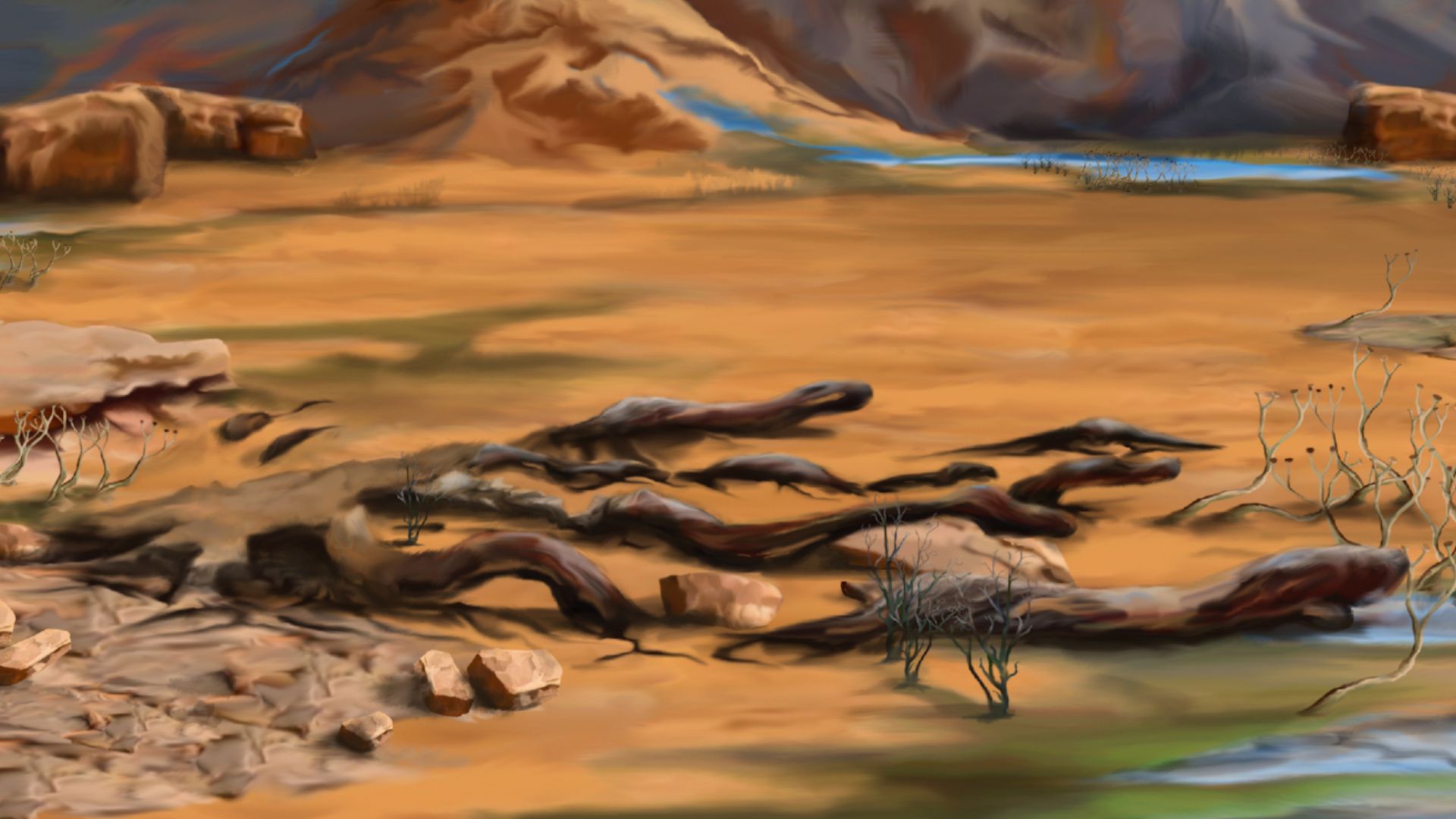 Unknown authorUnknown author, Wikimedia Commons
It Lived During Land Colonization
Life on land barely had traction when Prototaxites appeared. Soils stayed thin, and stability came later. This organism emerged during that experimental phase to demonstrate that complex structures could succeed before ecosystems had settled.
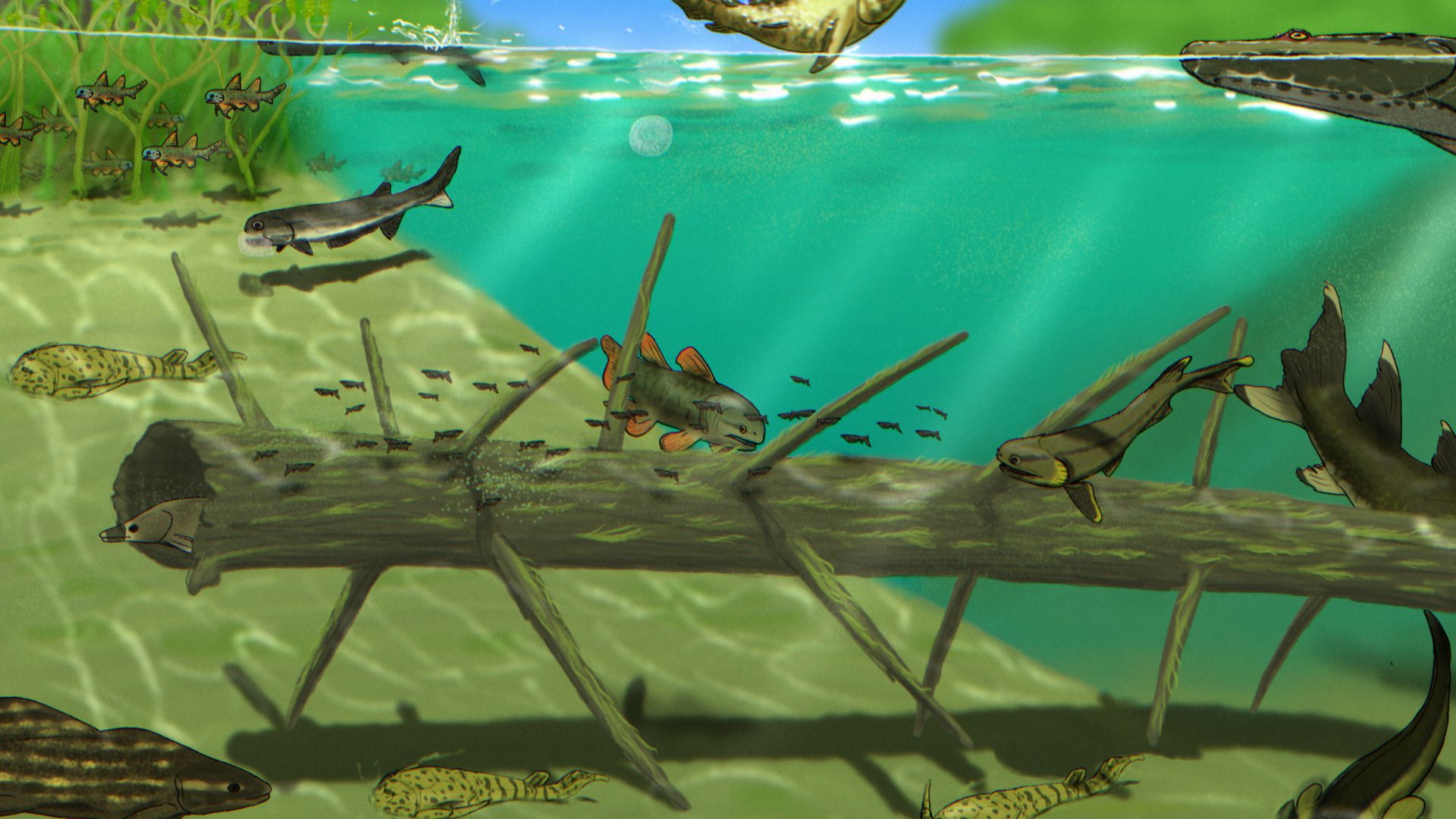 He who needs to be silenced, Wikimedia Commons
It Appeared Before Forests Existed
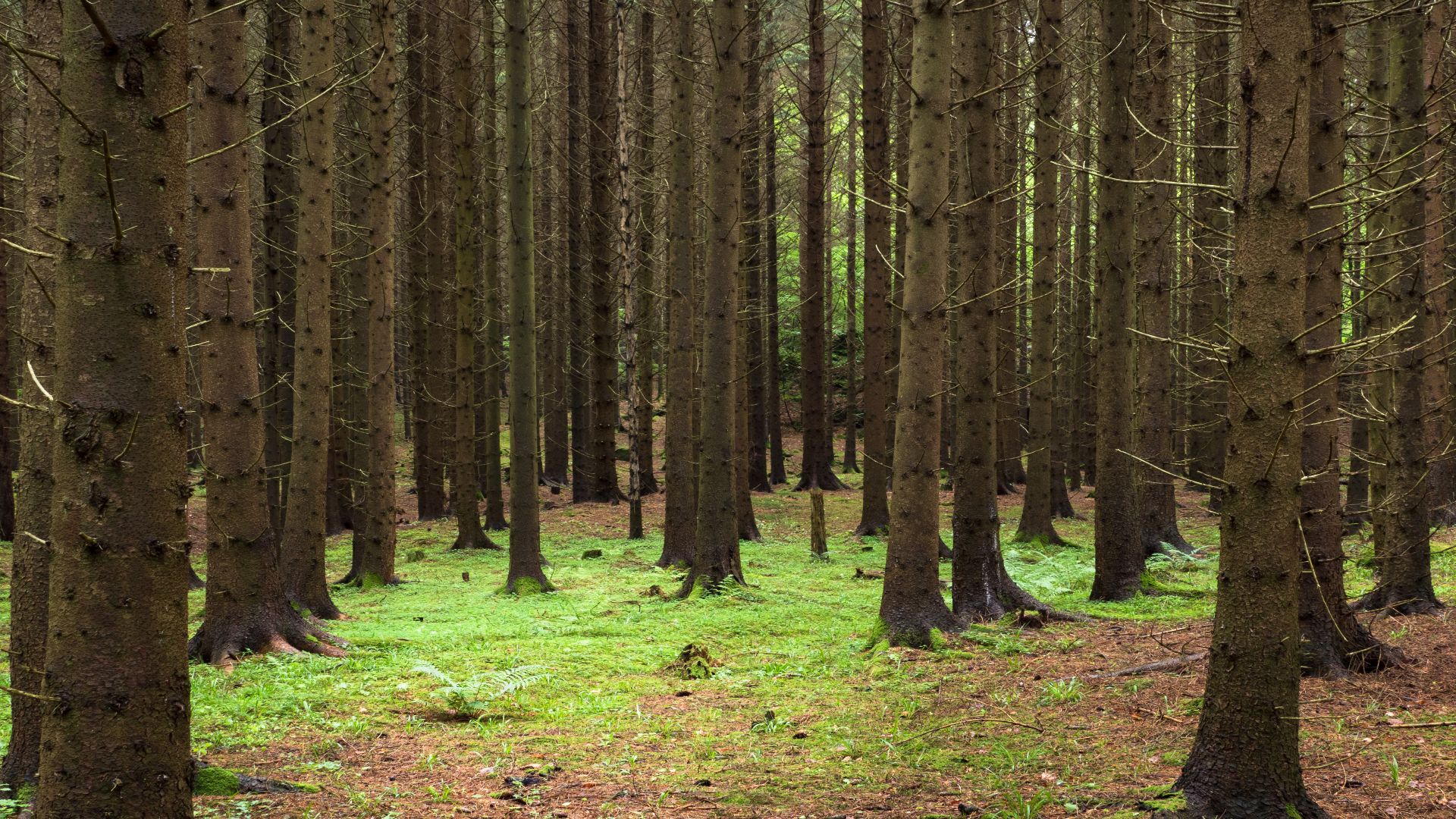
Before branches cast shade, Prototaxites claimed vertical space. Nothing competed for height, and this allowed towering growth that dominated flat terrain where mosses and early plants stayed ankle-high.

History's most fascinating stories and darkest secrets, delivered to your inbox daily.
Some Specimens Towered Above The Terrain
Imagine walking through a barren plain and encountering pillars taller than buildings. Fossil measurements confirm these structures rose dramatically, and just this detail reshapes how scale worked in Earth’s earliest land environments.
It Was The Tallest Land Organism Of Its Era
No tree, shrub, or plant rivaled Prototaxites in height during its reign. This vertical dominance offered unmatched access to sunlight and dispersal advantages in ecosystems still finding their footing.
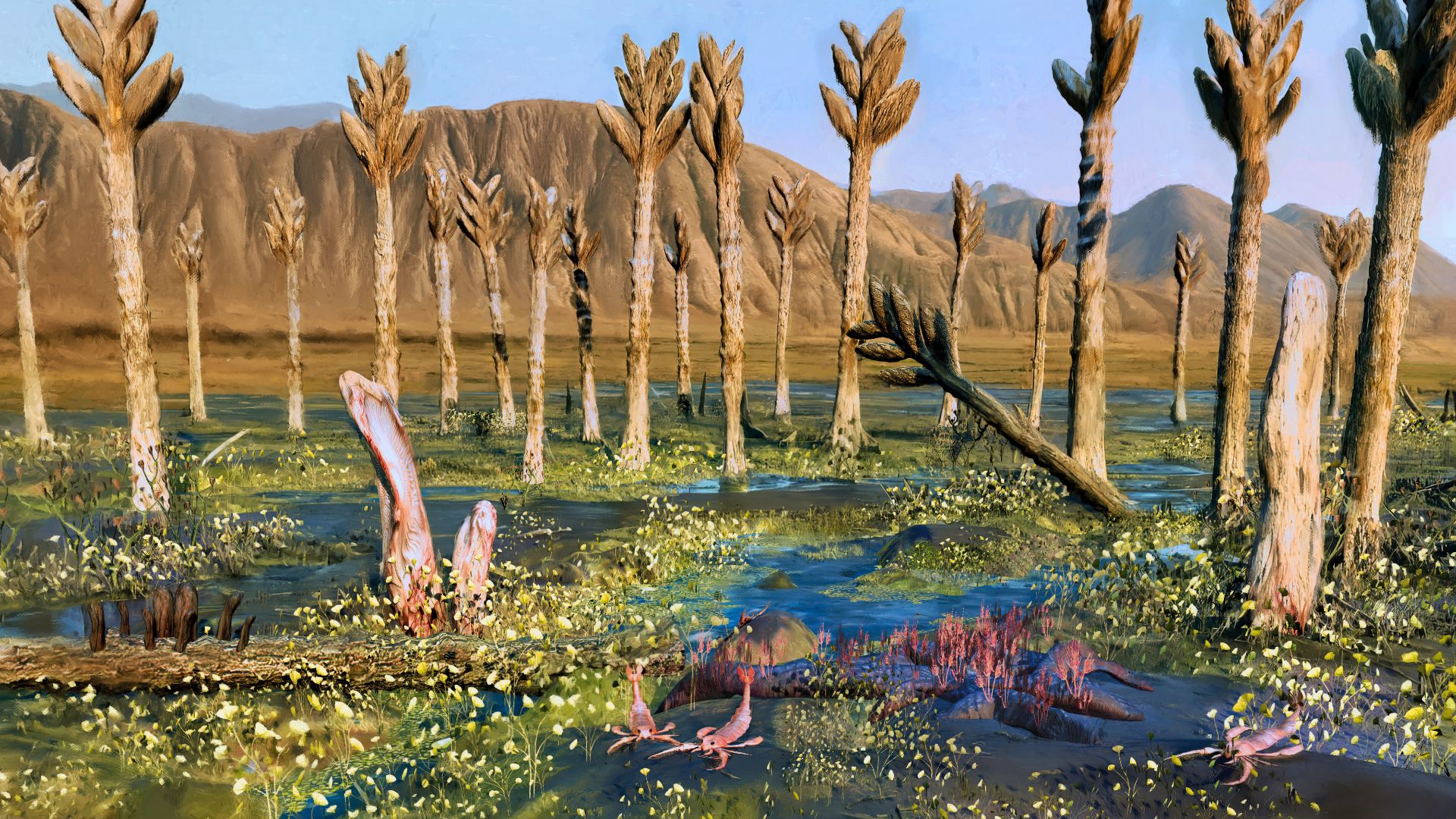
Chemical Makeup Ruled Out Plants
Plant life leaves a familiar chemical paper trail tied to photosynthesis and rigid cellular systems. This organism broke that expectation entirely. Its preserved chemistry reads like a wrong answer on a biology exam, which makes you pause and think, what exactly was thriving out there?
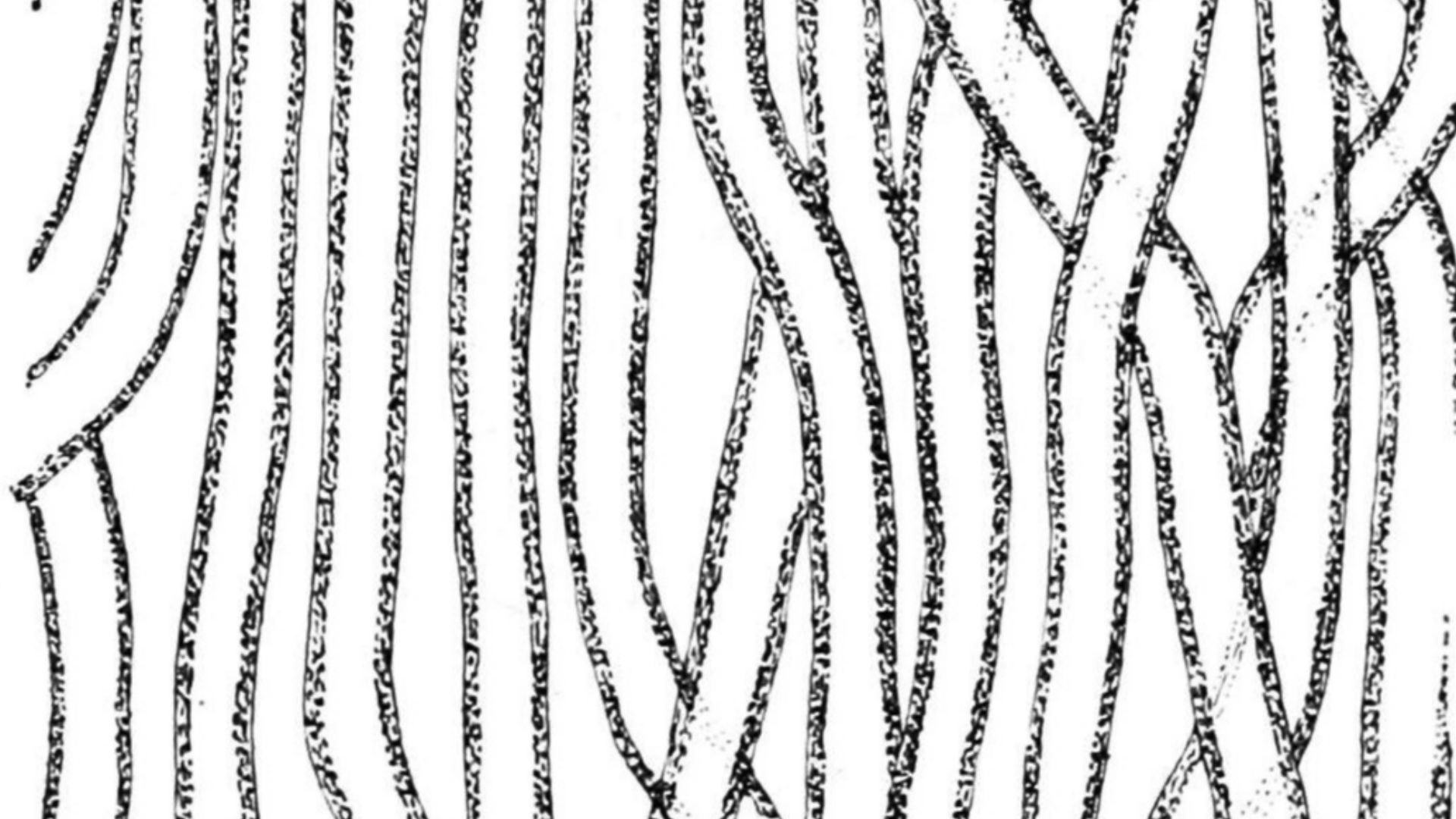 drawn from nature by Professor Penhallow, of McGill College, Wikimedia Commons
Plants? No Animals? Also No
Prototaxites fossils show no leaves or vascular tissue anywhere inside. Internal structures defy standard botany lessons. Familiar plant anatomy never appears. Classification stalls. Textbooks offer no match. Old categories fail here. Entirely alone. Still, they had to check.
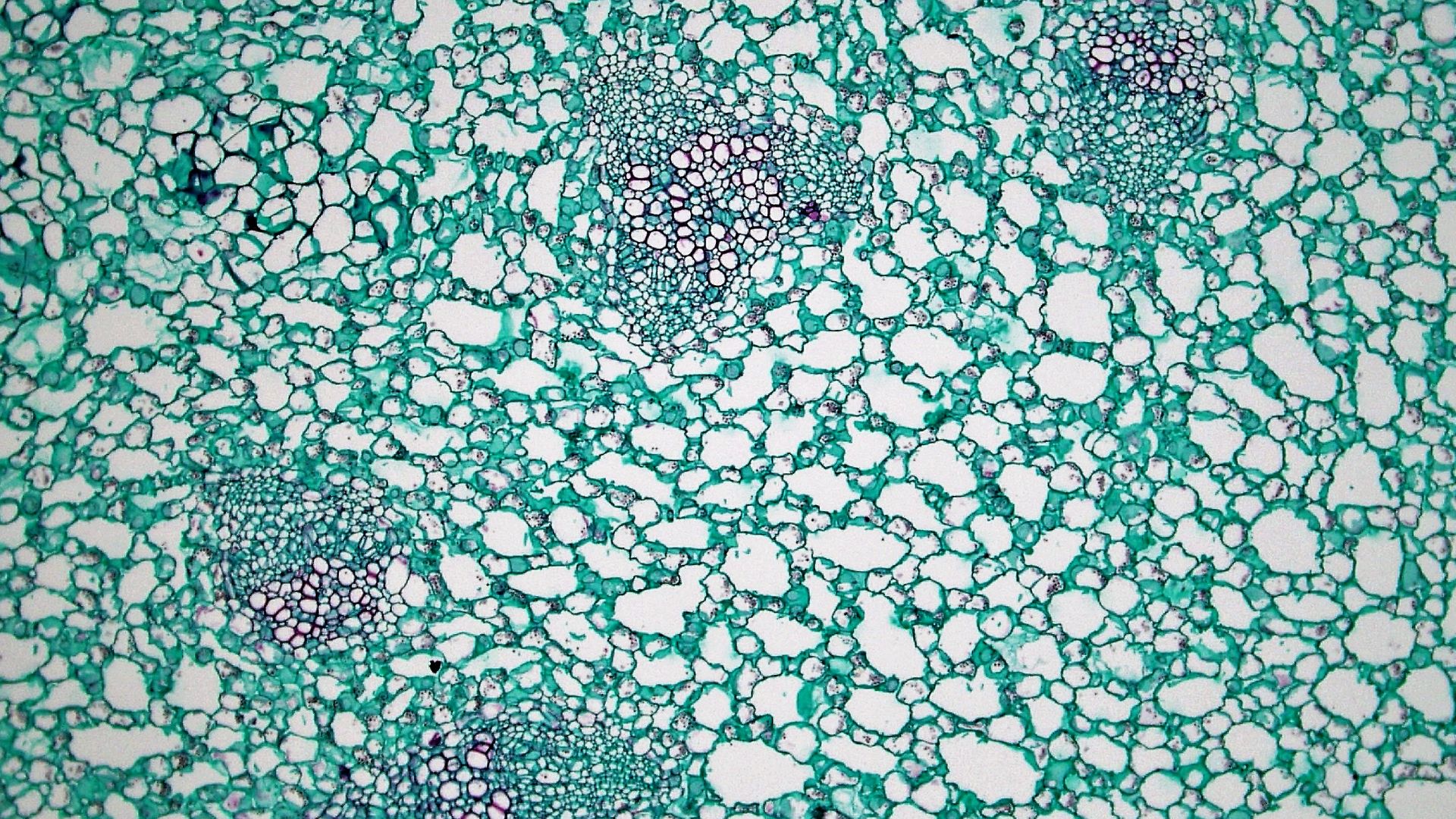 Berkshire Community College Bioscience Image Library, Wikimedia Commons
Its Structure Does Not Resemble Fungi
The first check was fungi. Fungi rely on filament networks and chitin-based walls. These ones show neither in a recognizable form. Here, mycologists were left puzzled and without a clear biological match.
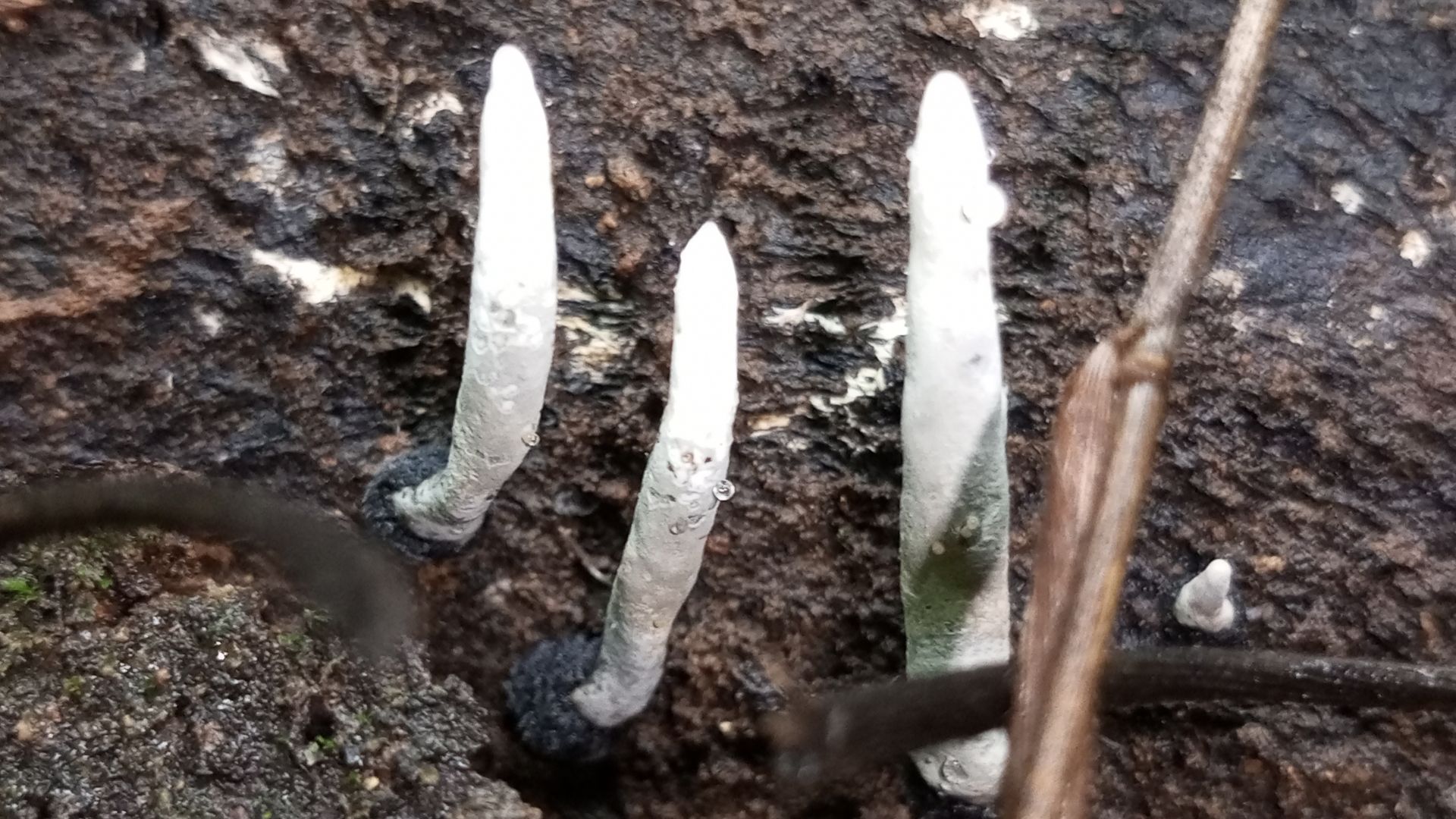 Nativeplants garden, Wikimedia Commons
It Lacked True Wood Tissue
Wood depends on specialized cells arranged for strength and water flow. But Prototaxites grew tall without that system. From this, we could deduce that ancient life experimented with engineering solutions long before modern trees arrived.
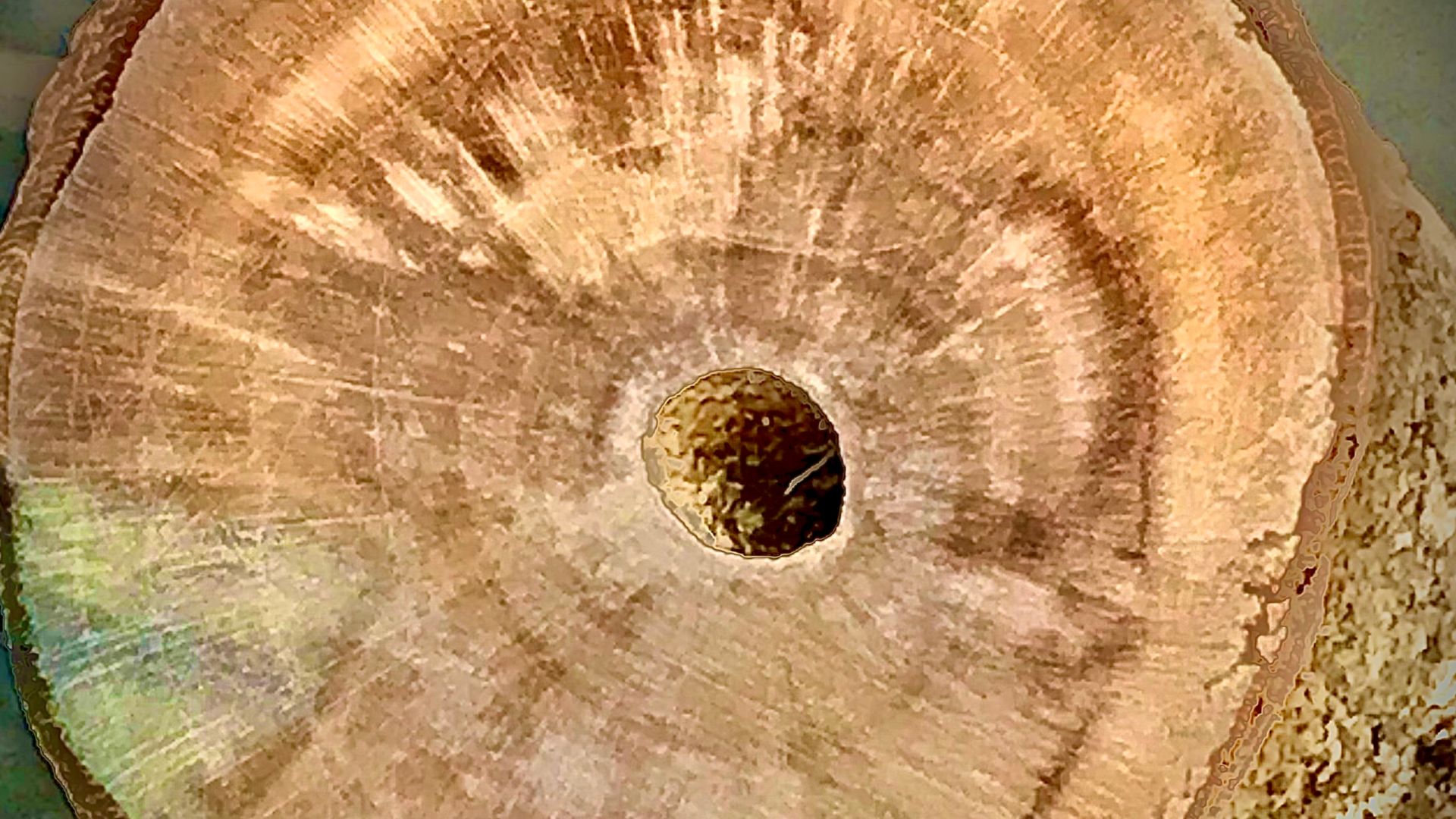
Scientists Debate How It Fed
Here’s where debates heat up. Fossils lock in shape but keep behavior secret, which leaves room for multiple interpretations. Was it decomposing nearby material or absorbing nutrients directly from its environment? That unanswered question keeps conversations lively.
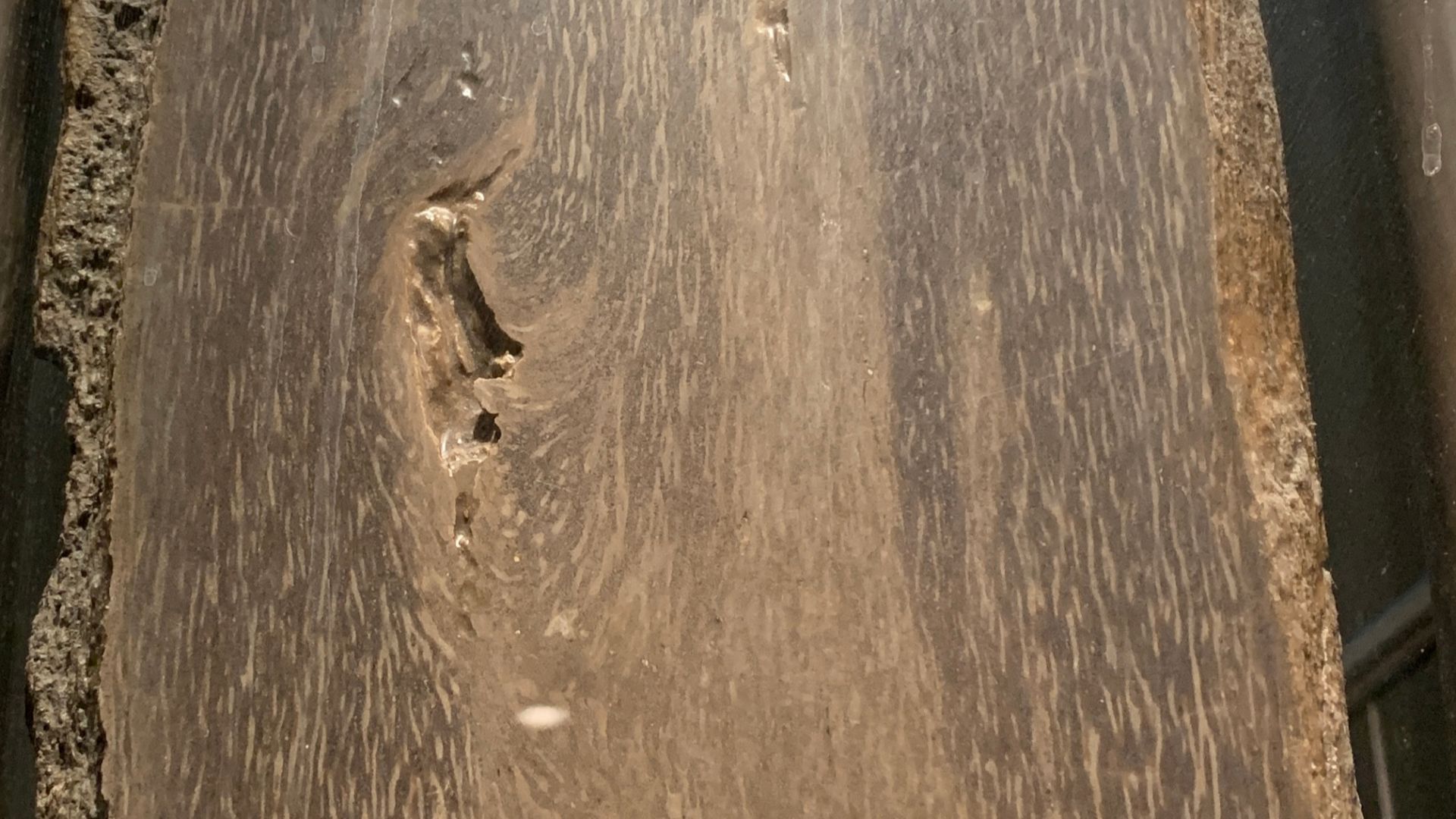 Bloopityboop, Wikimedia Commons
It Likely Absorbed Nutrients Externally
Instead of sipping sunlight like plants, Prototaxites appears to have relied on surrounding organic matter for nourishment. Think of a towering structure quietly feeding from the soil itself. No leaves, no roots, just a very different survival playbook.
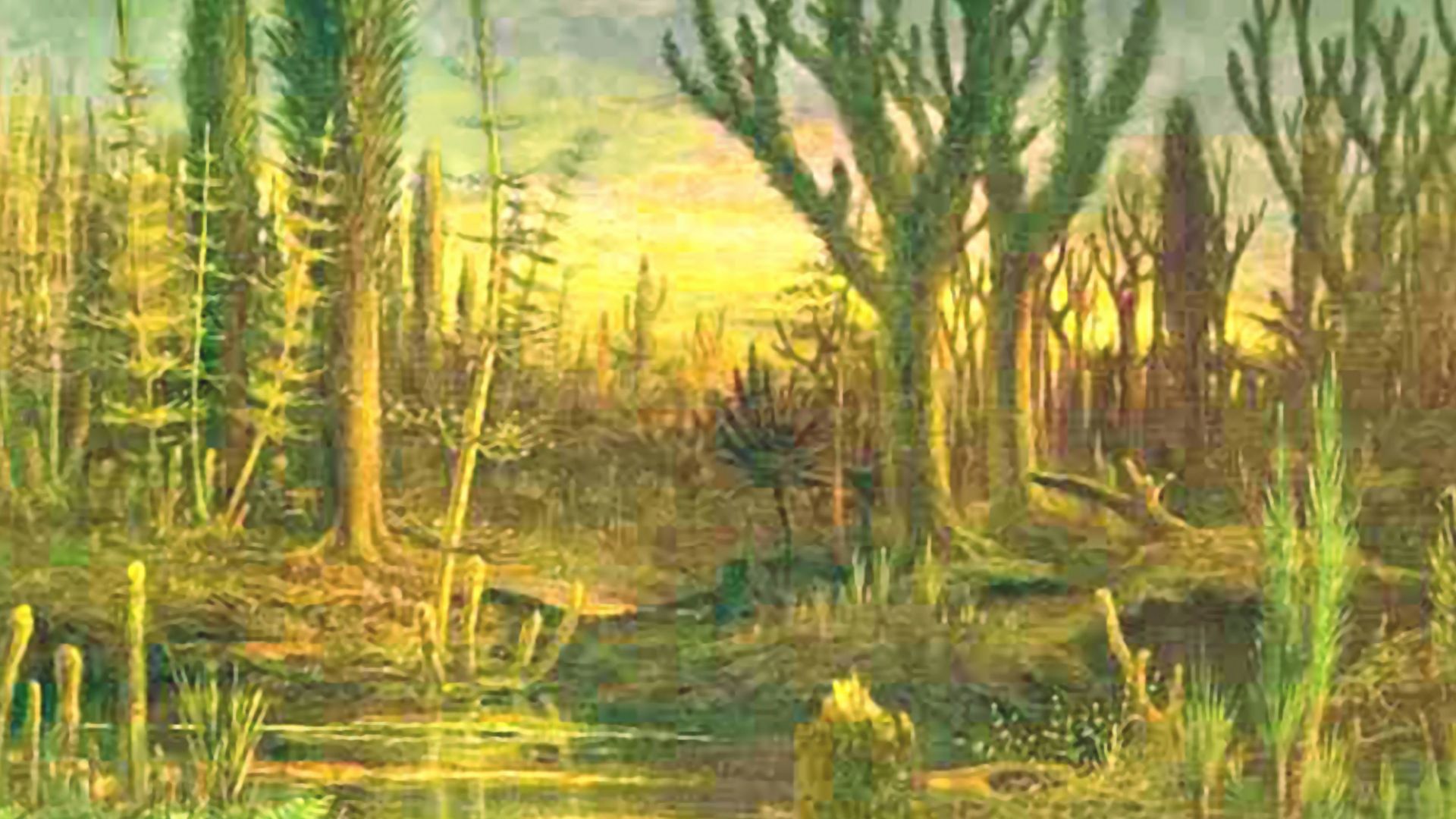
Fossils Appear Across North America
Remains uncovered across Canada and the United States tell a broader story than a single lucky discovery. It clearly knew how to survive under diverse conditions, which suggests resilience rather than rarity during the early chapters of land life.
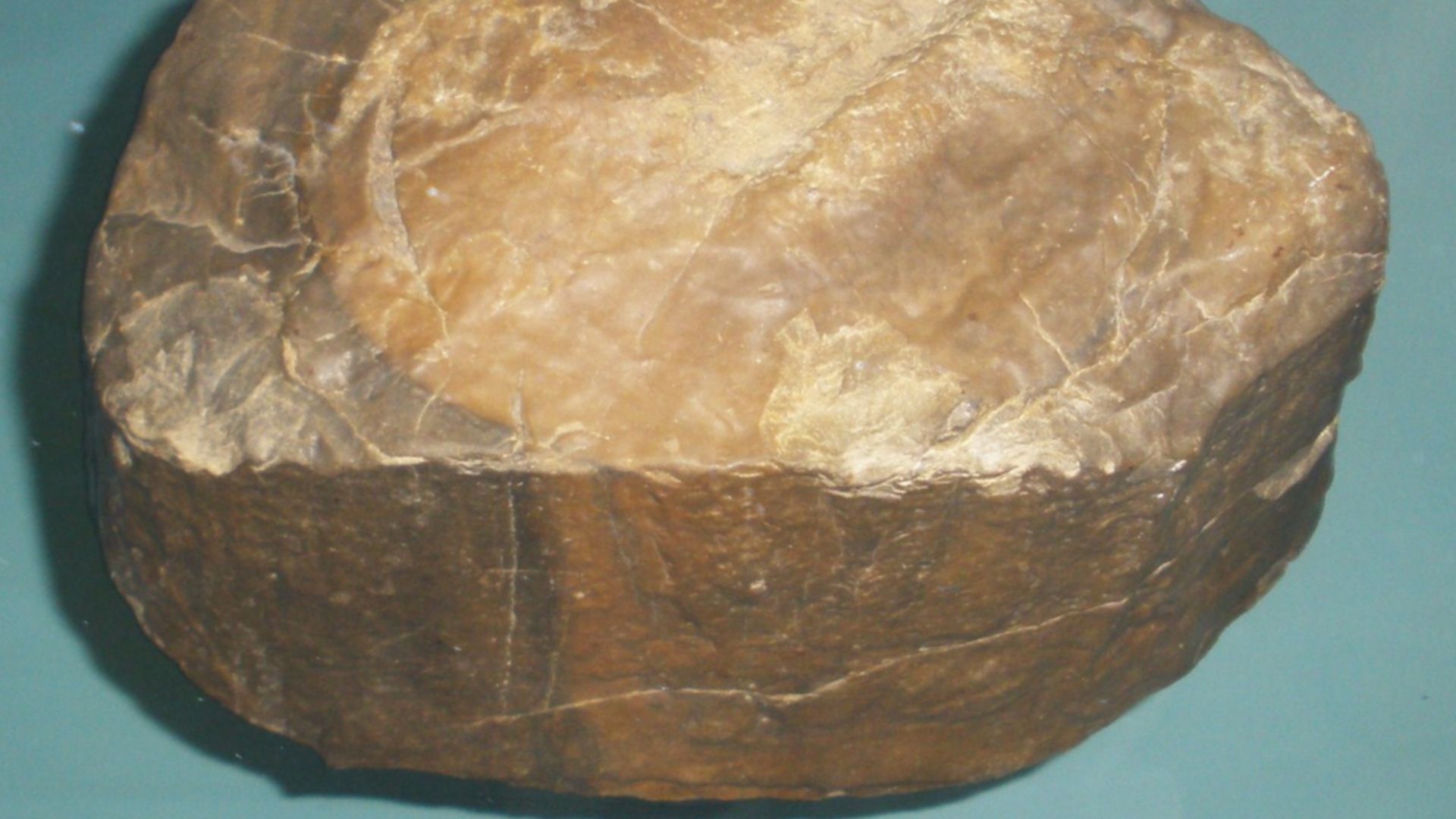
Fossils Also Appear Across Europe
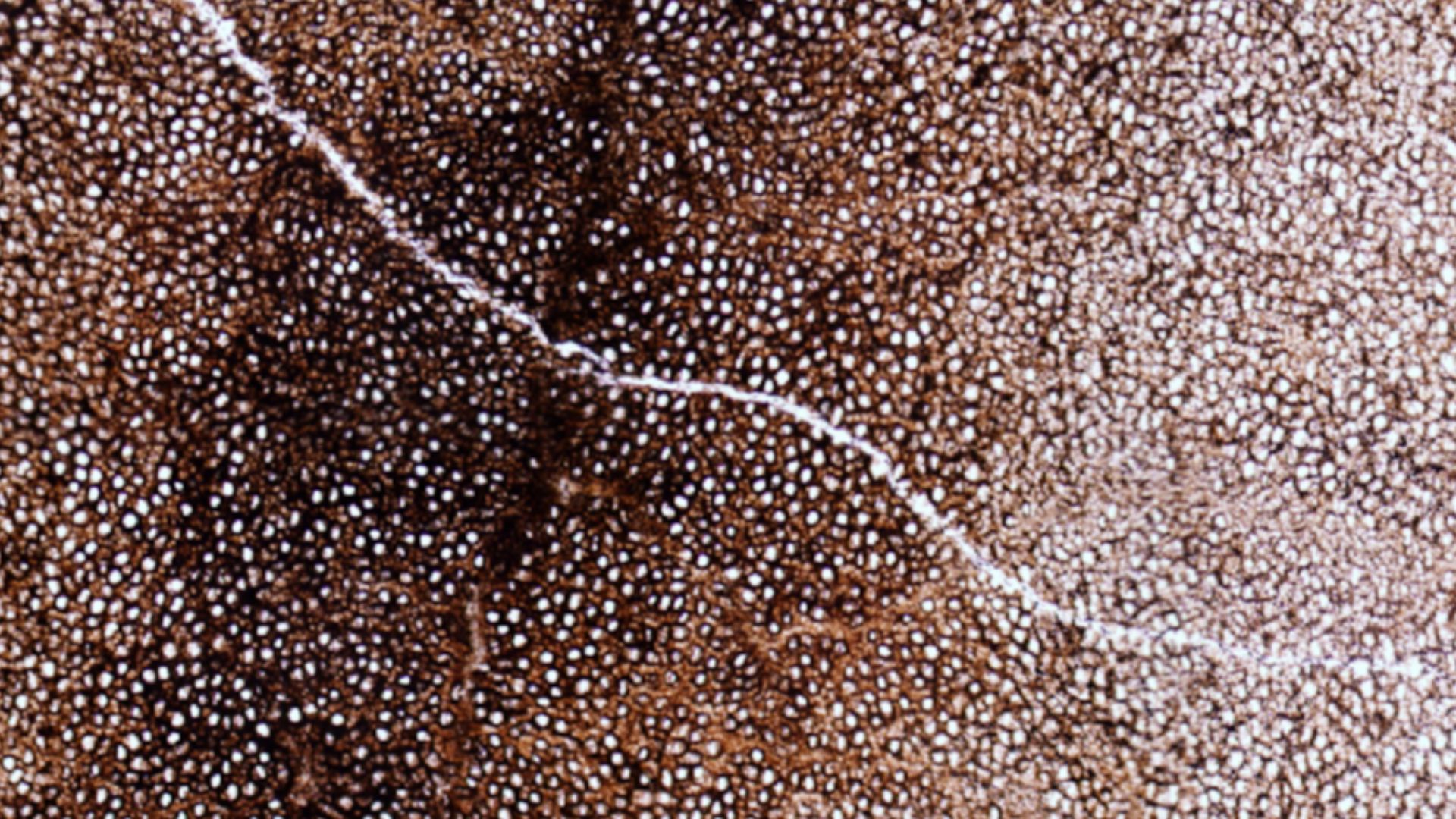
Scotland’s Rhynie Chert preserves Prototaxites in remarkable detail, down to internal textures rarely seen at this age. Such clarity turns speculation into close observation, giving researchers a clearer window into anatomy that usually vanishes with time.
 Unknown authorUnknown author, Wikimedia Commons
Fossils Also Appear In The Middle East
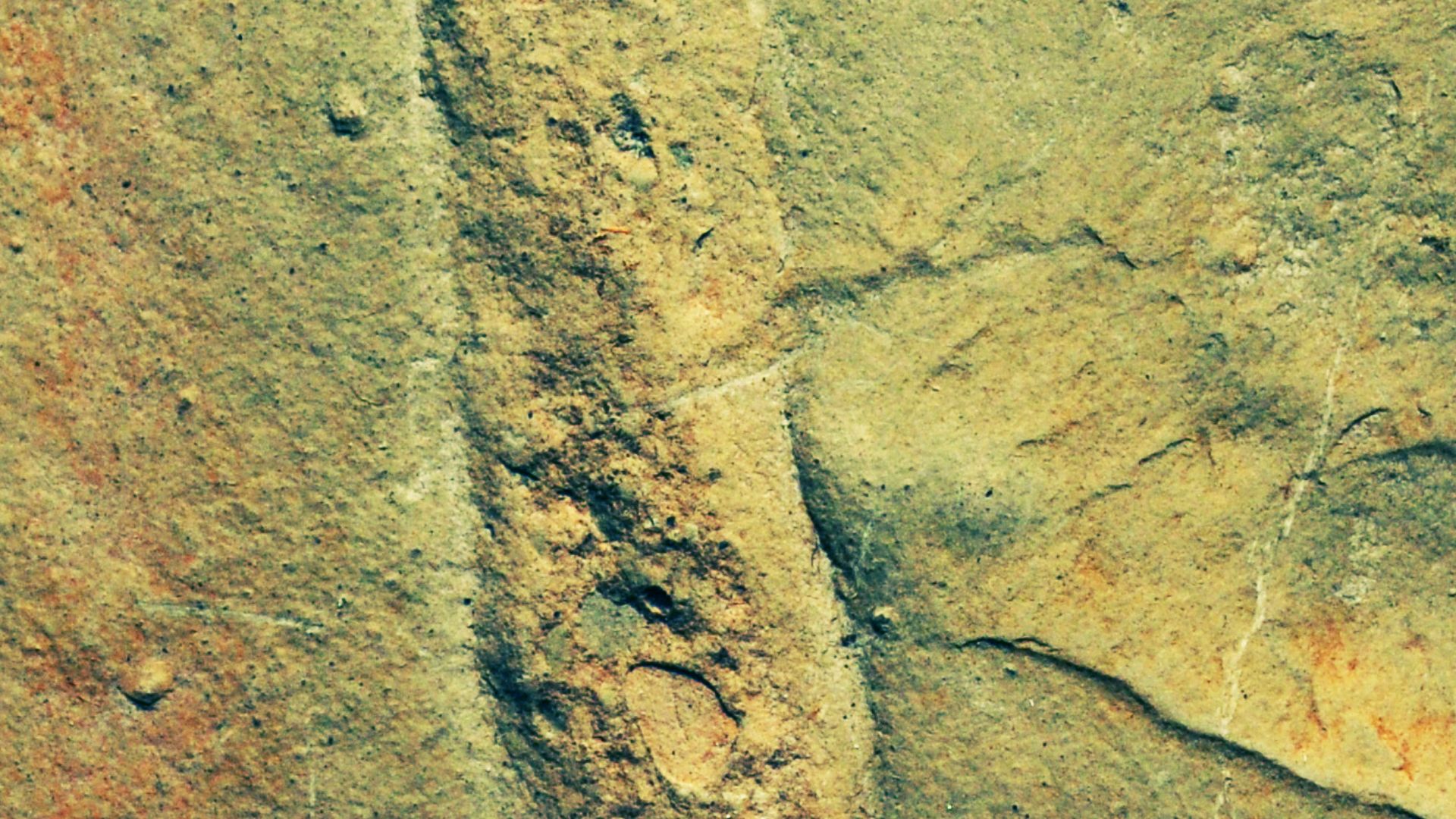
Finds in Saudi Arabia changed the game. The same organism showing up so far from earlier discoveries suggests global reach. When something thrives across continents, that usually signals adaptability, not coincidence.
It Coexisted With Early Plants
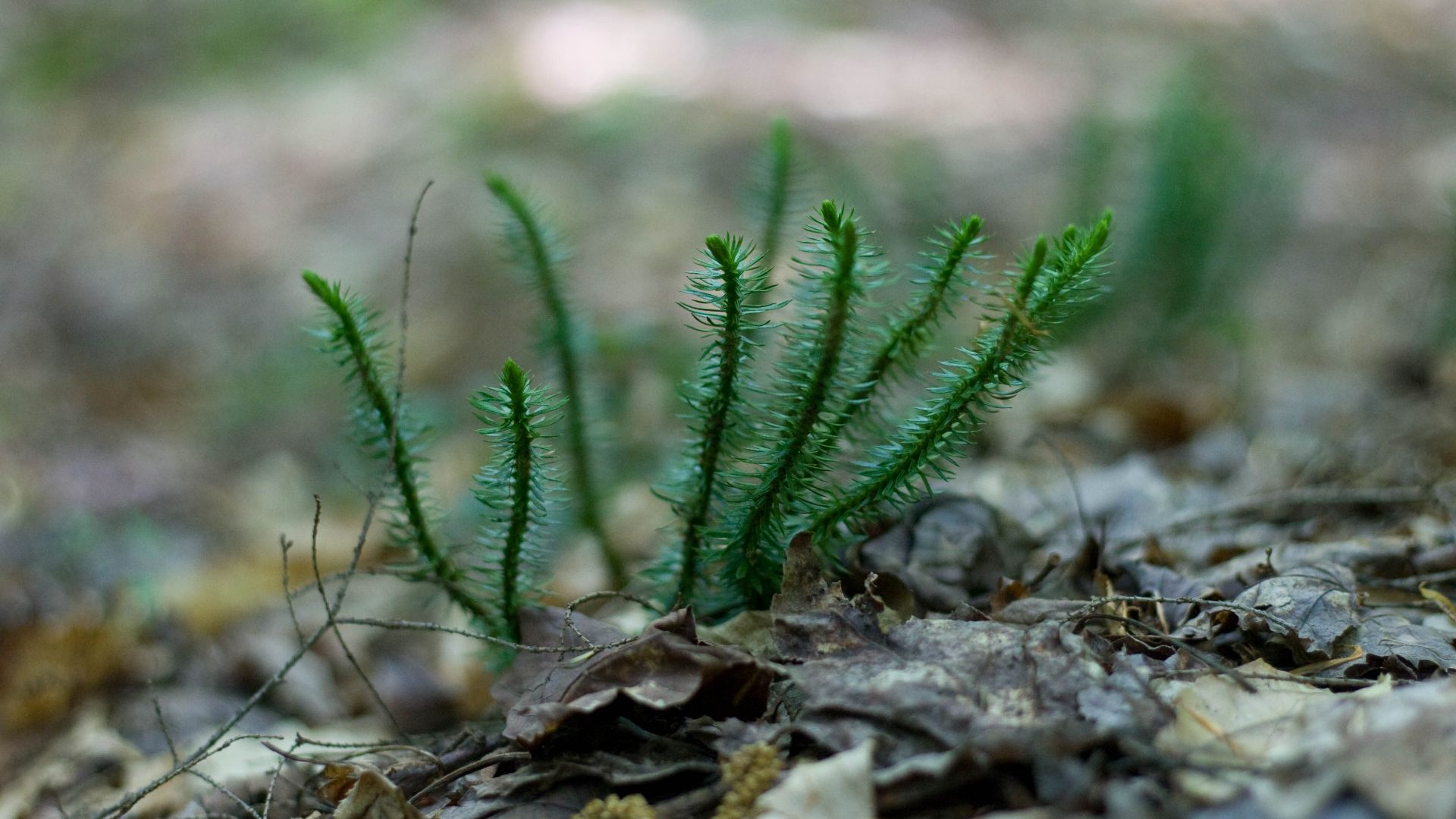
Primitive plants crept along the ground while Prototaxites soared overhead. That contrast shaped early land scenes in unexpected ways. Height created microenvironments beneath these giants to offer shelter and altered conditions for smaller neighbors.
Scientists Propose An Extinct Branch Of Life
Classification charts struggle with Prototaxites for good reason. Its traits align with none of the living kingdoms, leading experts to place it on a separate, extinct branch of life. Evolution once explored paths that left no survivors behind.
 California Department of Fish and Wildlife from Sacramento, CA, USA, Wikimedia Commons
It Challenges Modern Classification Systems
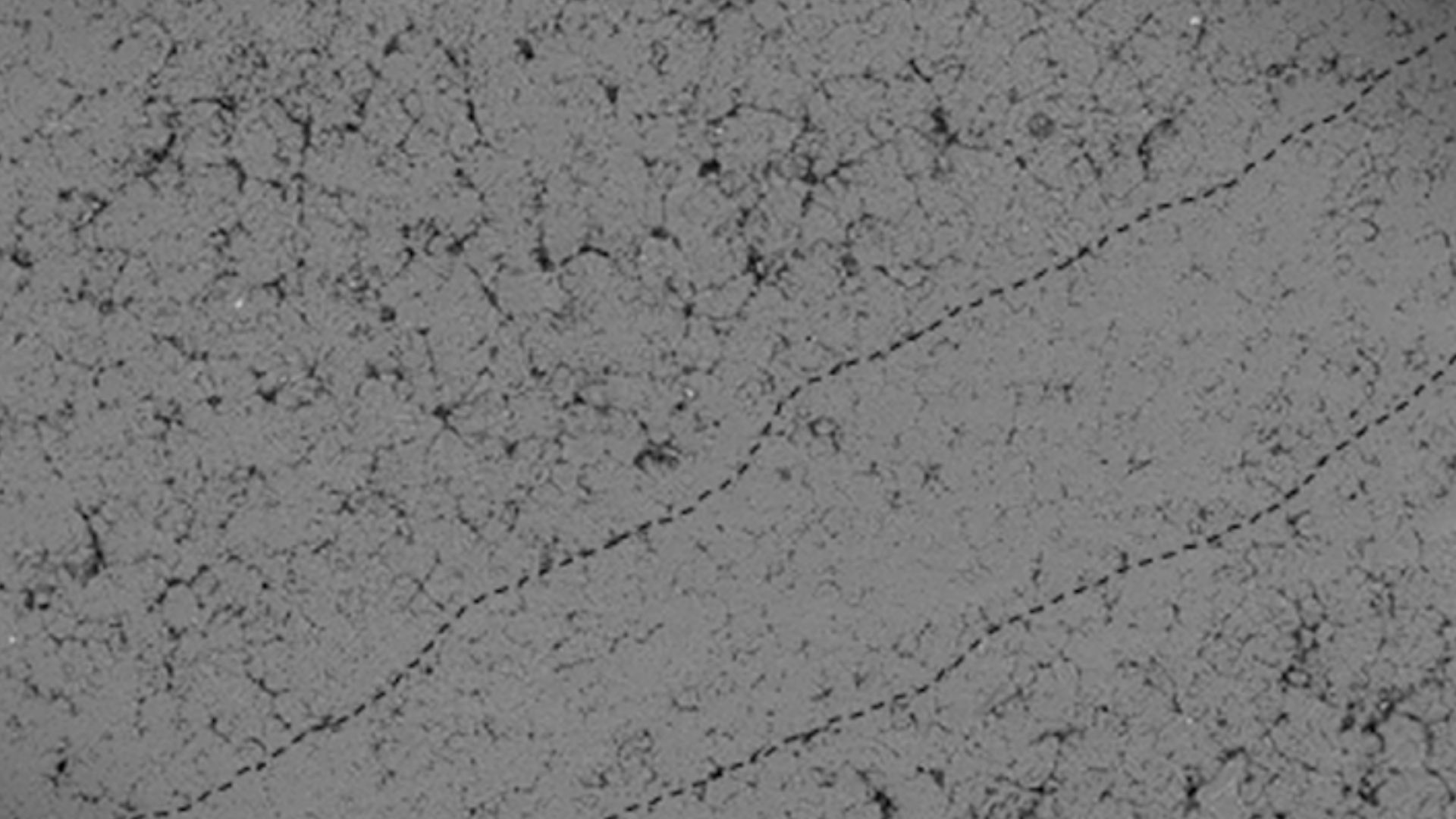
Biology loves neat boxes, but Prototaxites refuses to fit any of them. Plants, fungi, animals, and protists all fall short. Ever try forcing a square peg into a round hole? This organism makes taxonomy feel exactly like that.
 Unknown authorUnknown author, Wikimedia Commons
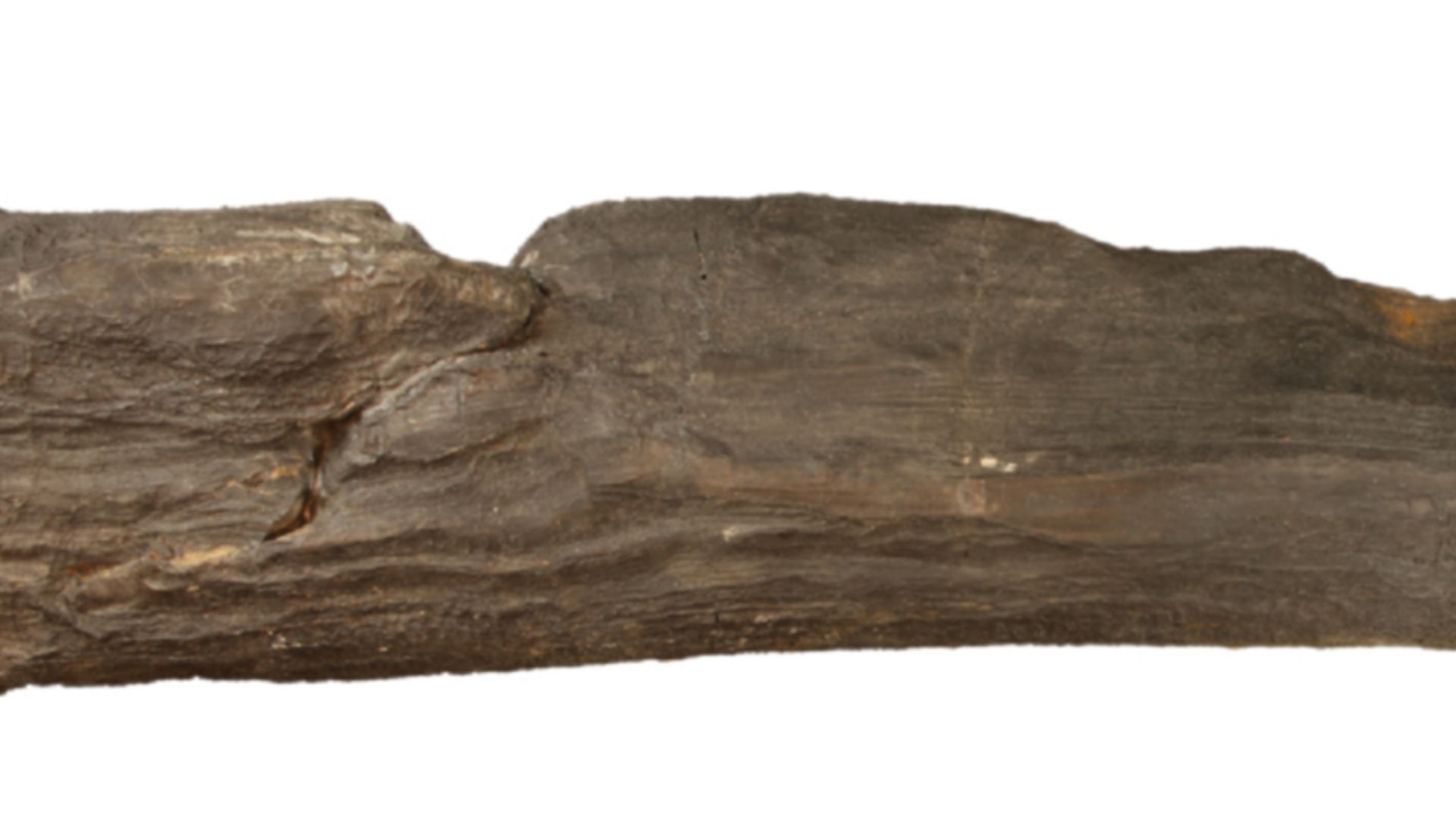
No Living Relatives Exist Today
Search the modern world, and you’ll find nothing comparable. No close cousins, no descendants. They stand alone in the fossil record, a reminder that evolution experiments freely and does not keep every prototype.
 Unknown authorUnknown author, Wikimedia Commons
Its Biology Remains Partly Mysterious
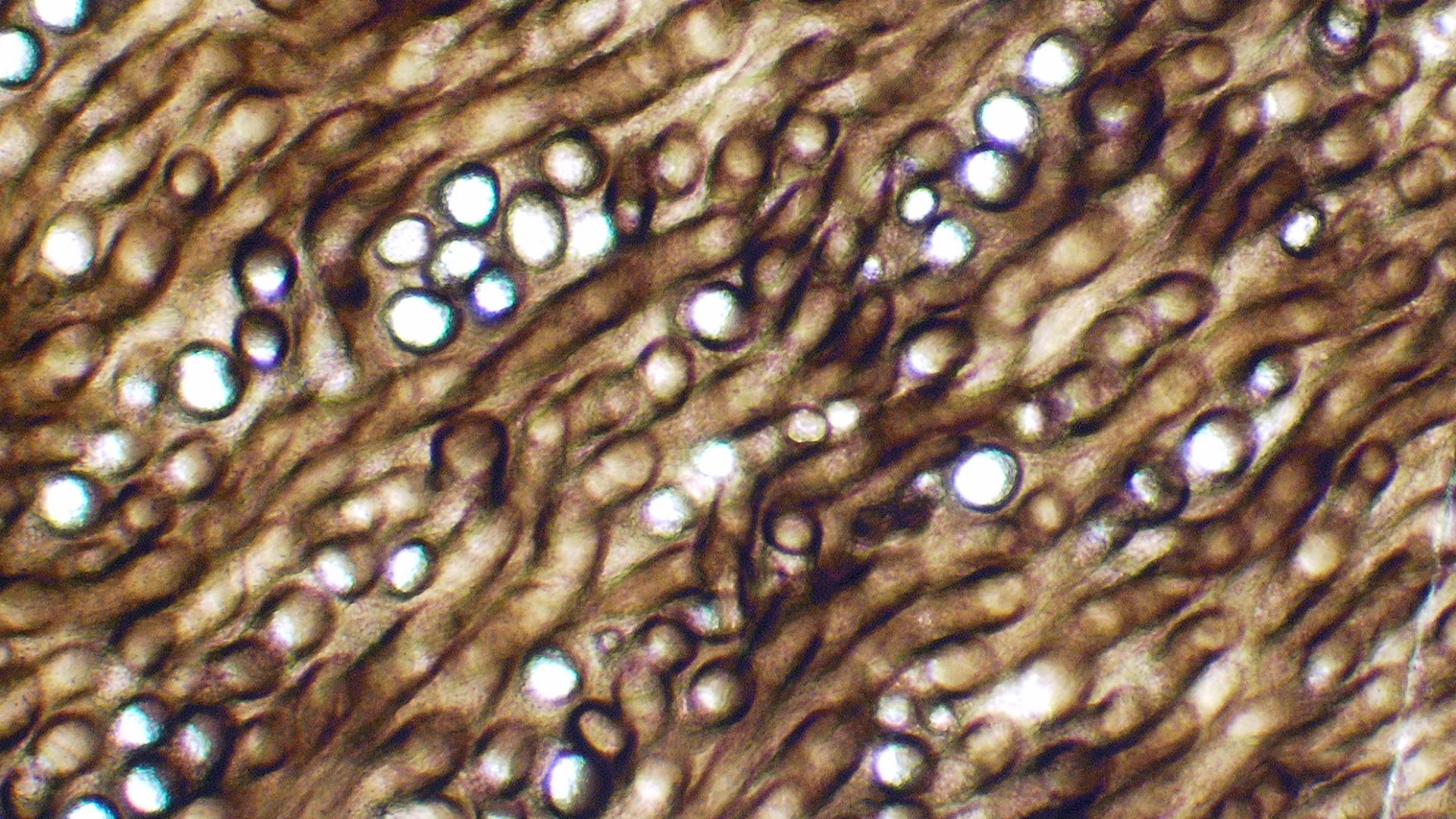
Fossils preserve form better than function. Internal structures reveal organization, and metabolism and reproduction stay hidden. Such a gap keeps curiosity alive and textbooks cautious. Such puzzles survive centuries without losing their grip on scientific imagination.
It Reflects Early Evolutionary Experimentation
Think of Prototaxites as a prototype Earth never refined. Evolution tested extreme size, unusual feeding, and unfamiliar structure all at once. Some experiments vanish, and their fossils still tell stories worth hearing.










.jpg)