Two Boys Walked Into The Tower
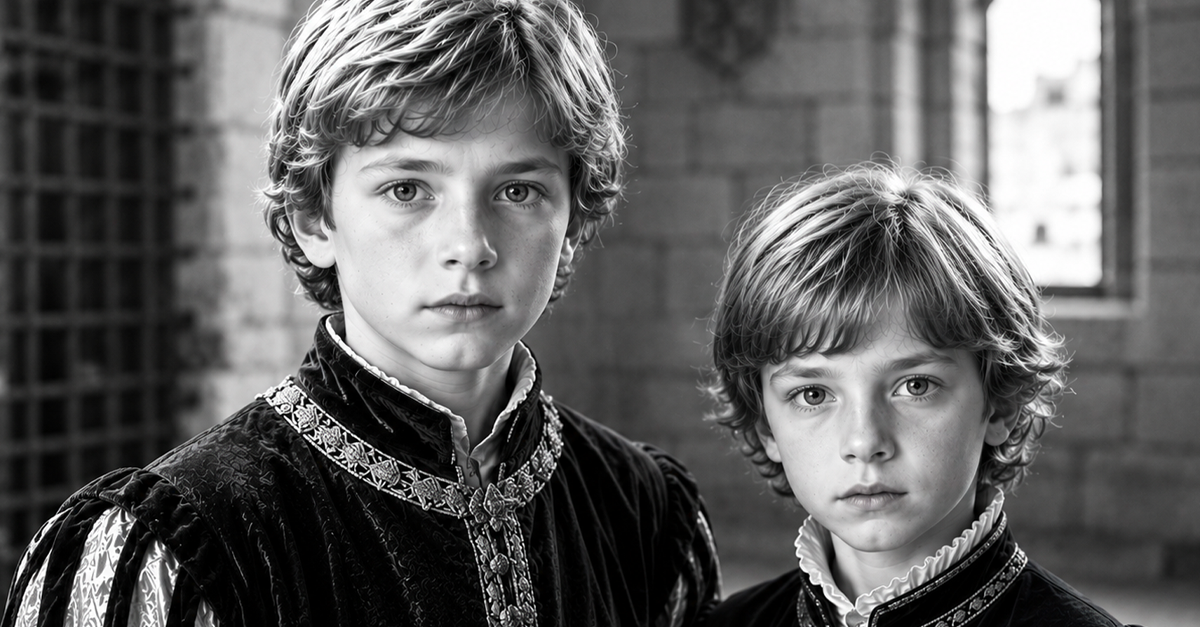
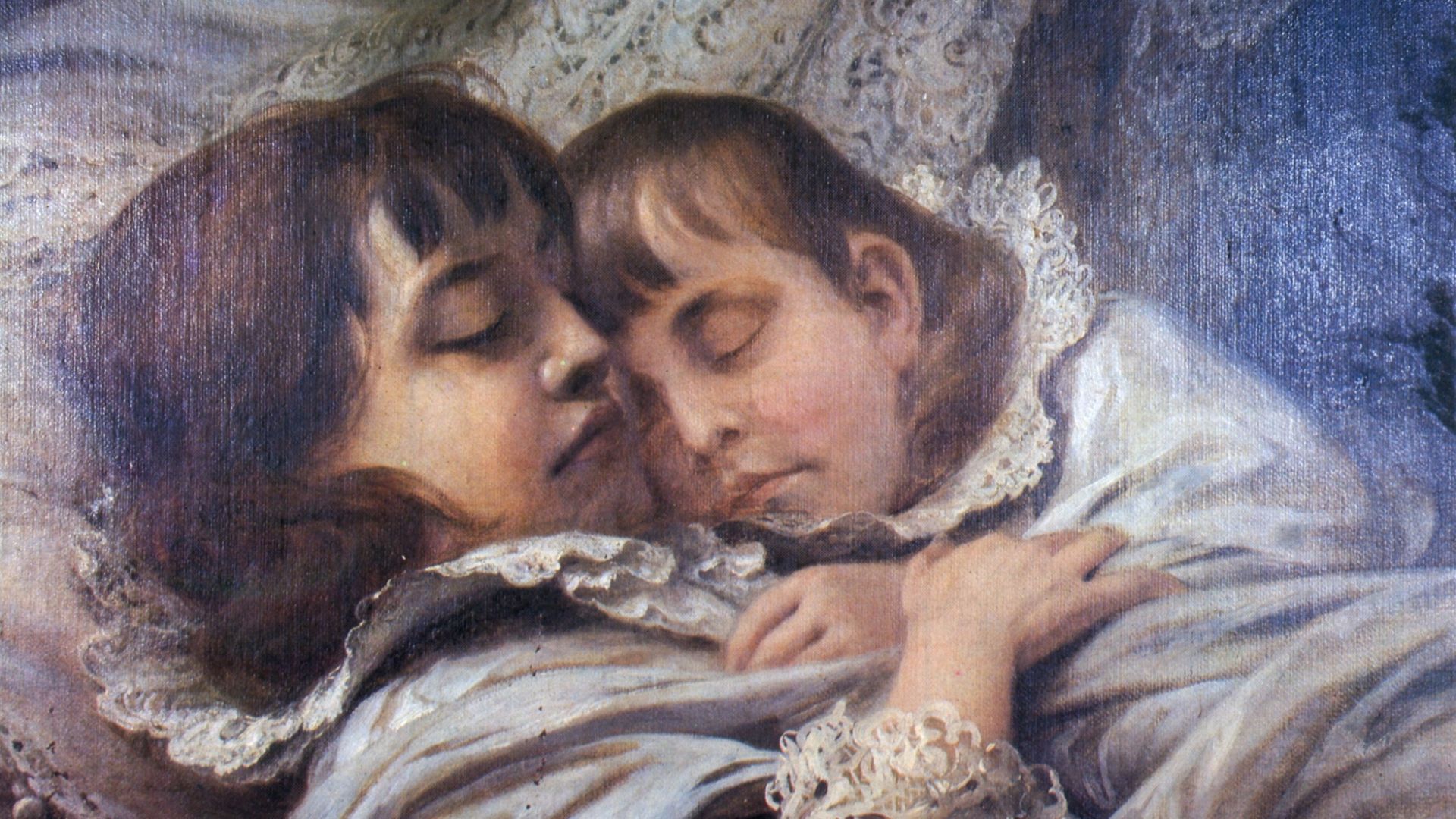
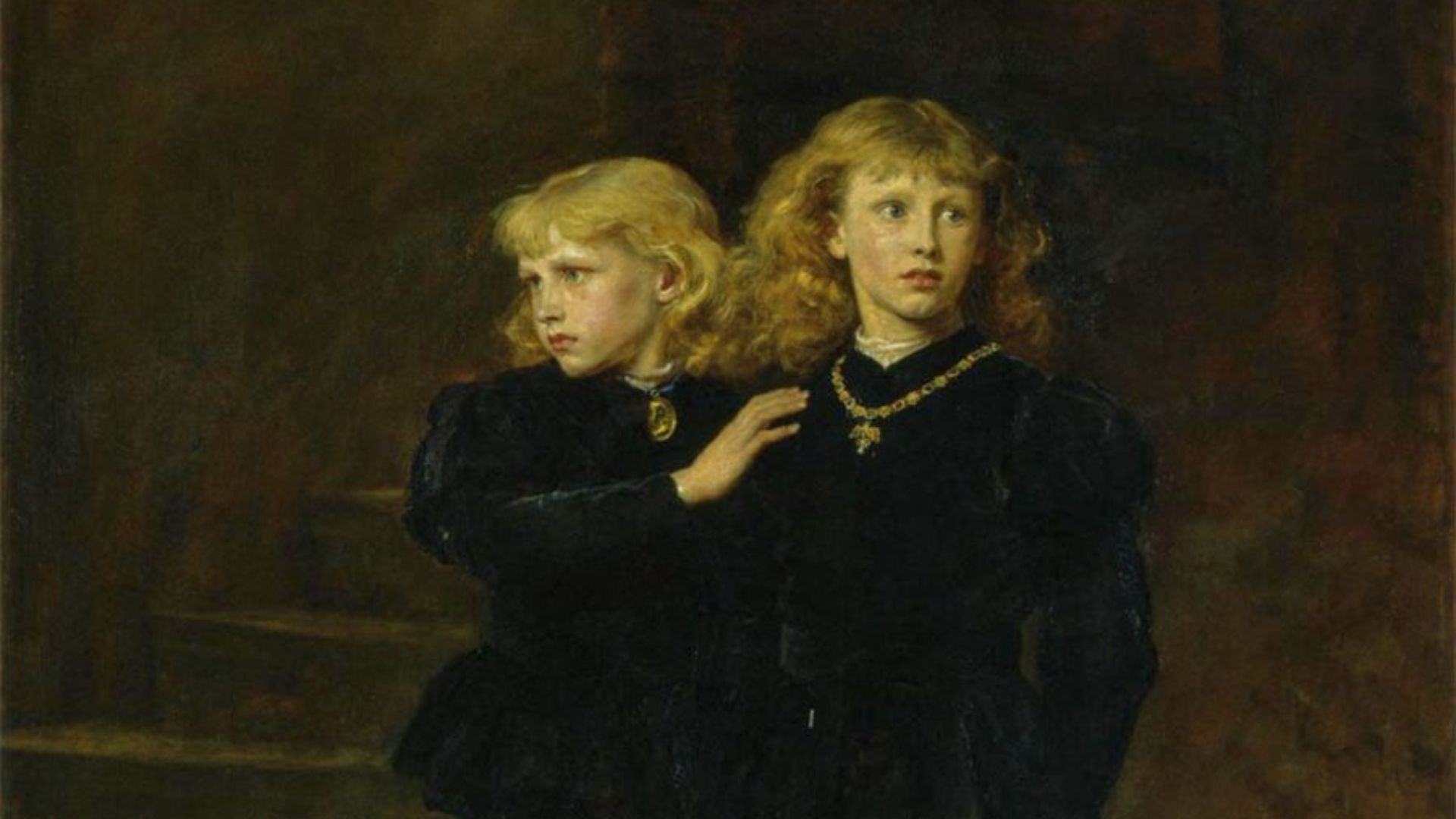
In 1483, Edward V and his younger brother Richard entered the Tower of London. Edward was 12, and Richard was about nine. They were royal children, but they were also political threats in a kingdom already scarred by civil war. At first, it didn't seem like anything out of the ordinary.
But few yet realized that the two young princes would never leave the Tower alive.
Their Father Left A Dangerous Throne Behind
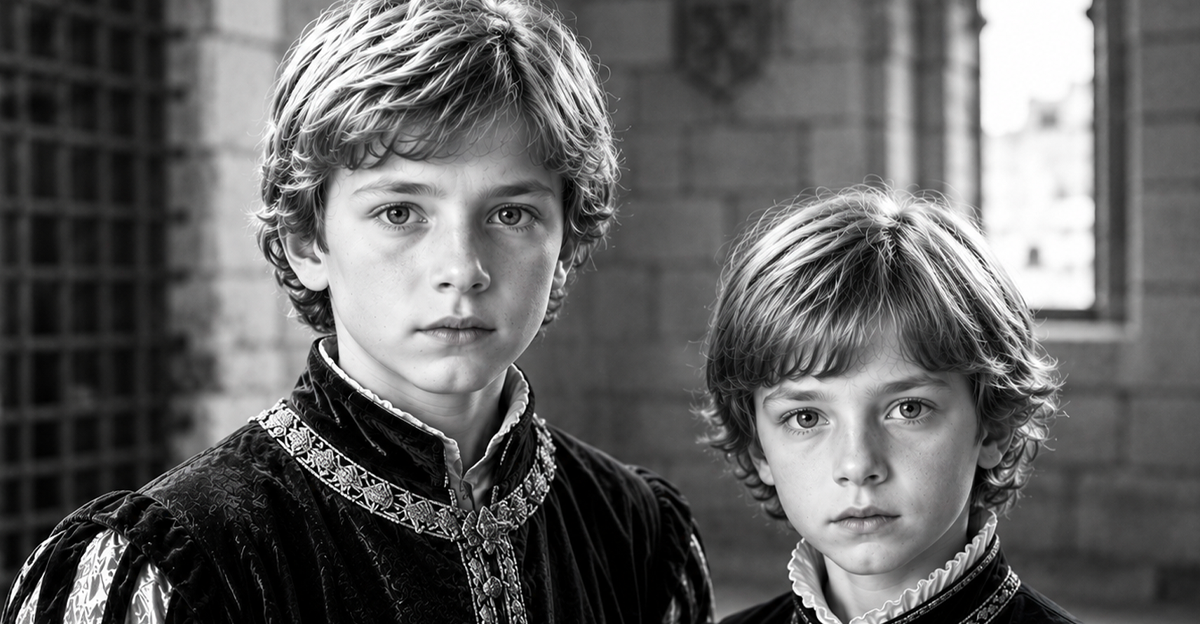
Their father, Edward IV, died on April 9, 1483. His death made young Edward V king of England. The problem was that a child king needed powerful adults around him, and those adults did not trust one another.
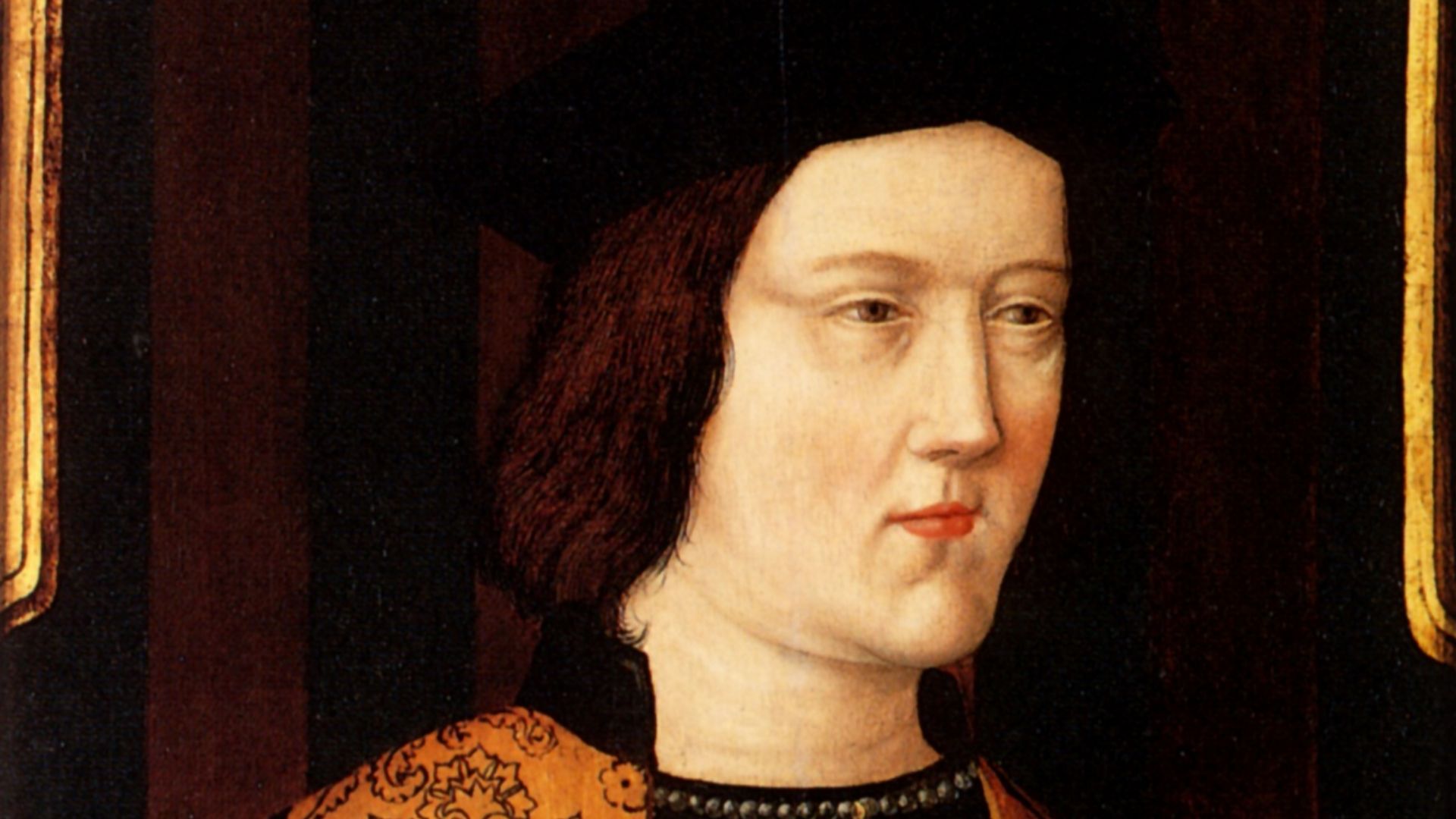 Lucas Horenbout, Wikimedia Commons
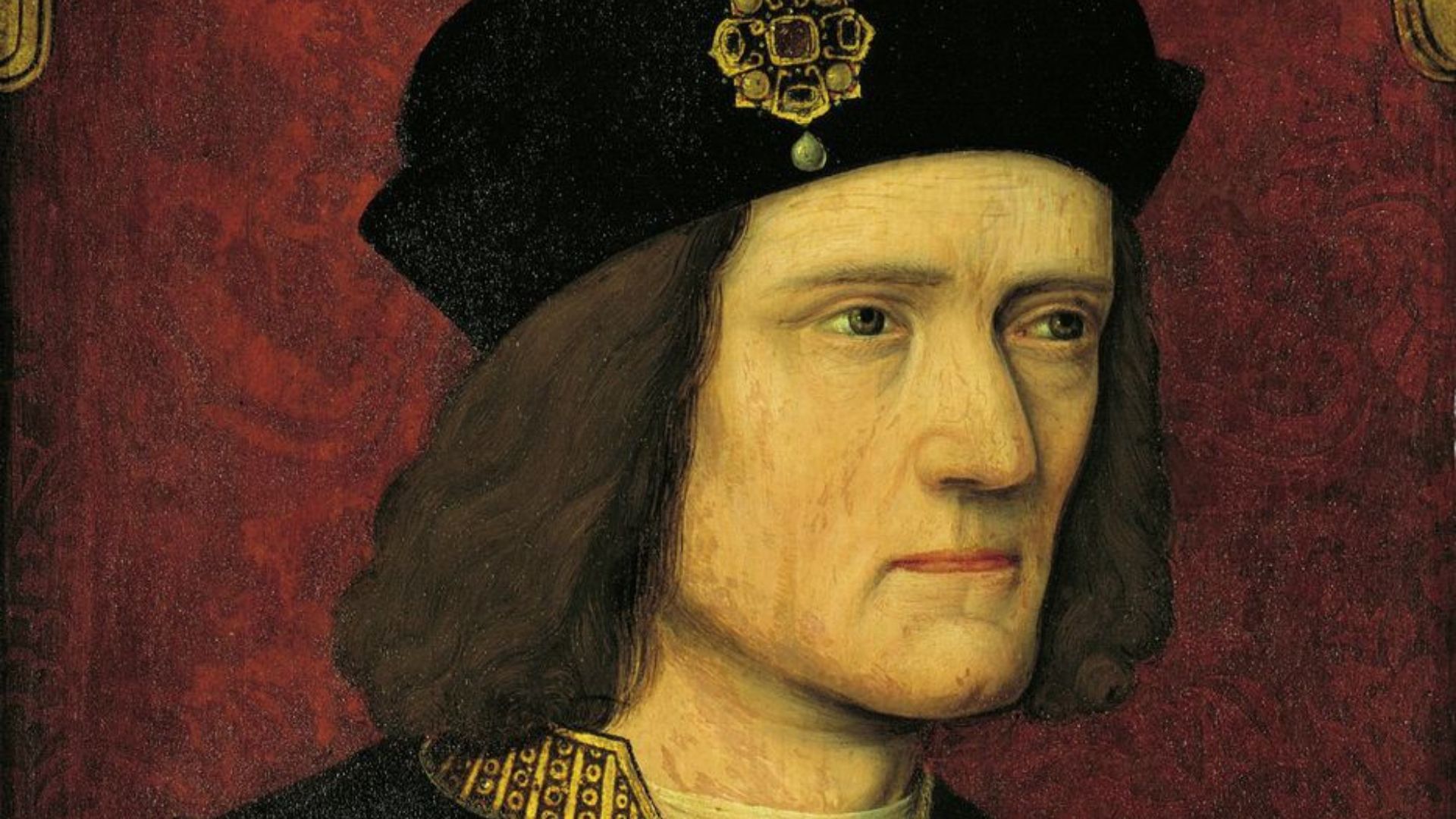
Richard Became The Protector
Edward IV’s brother Richard, Duke of Gloucester, became Lord Protector. On paper, that meant he would safeguard Edward until the boy’s coronation. In practice, it placed Richard at the center of a fight for control of the crown.
 British School, Wikimedia Commons
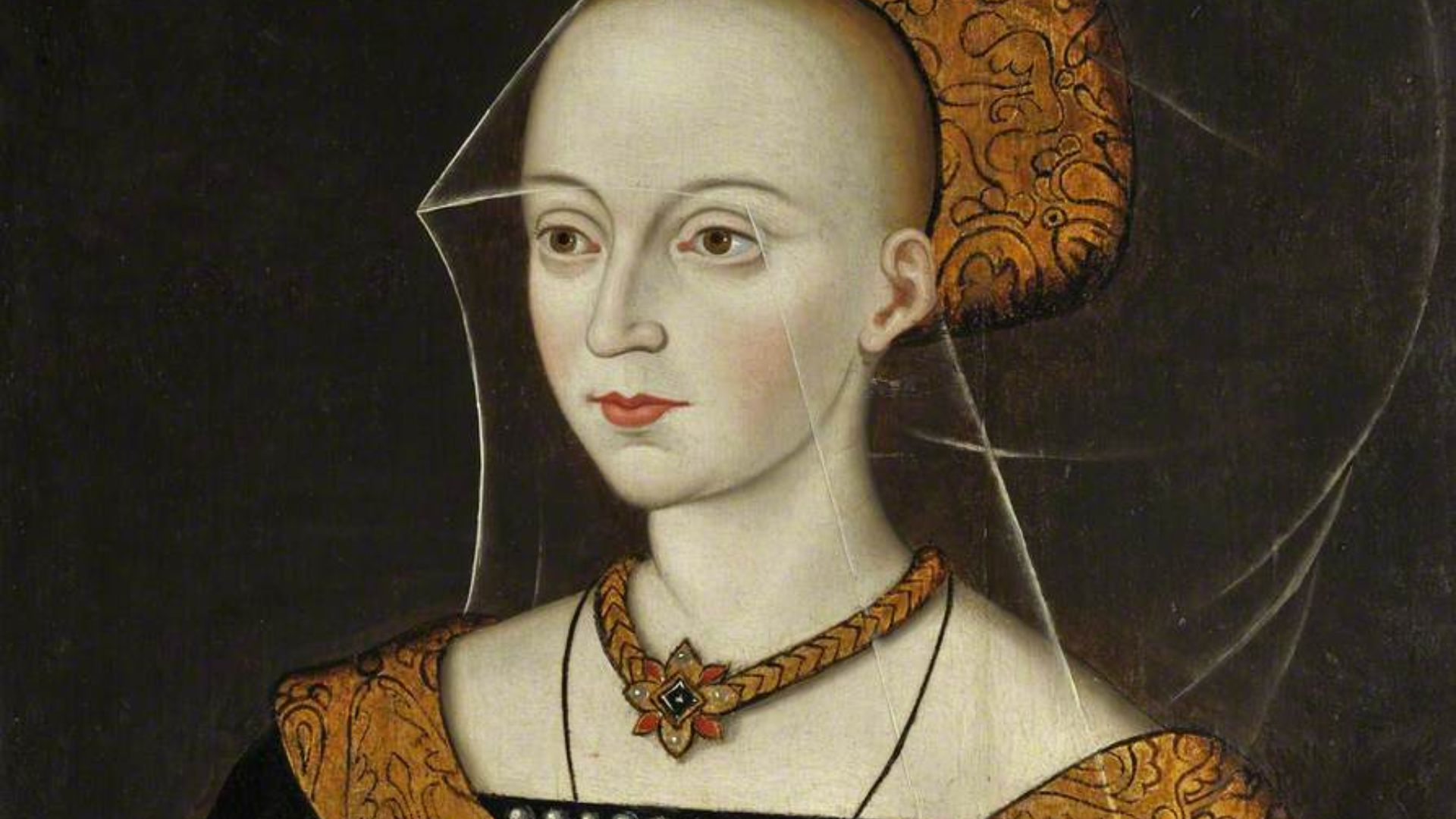
The Woodvilles Made Richard Nervous
Edward V’s mother, Elizabeth Woodville, came from a family with real influence at court. Richard and his allies feared the Woodvilles might dominate the young king. That fear helped turn a royal succession into a crisis.
 Kaho Mitsuki, Wikimedia Commons
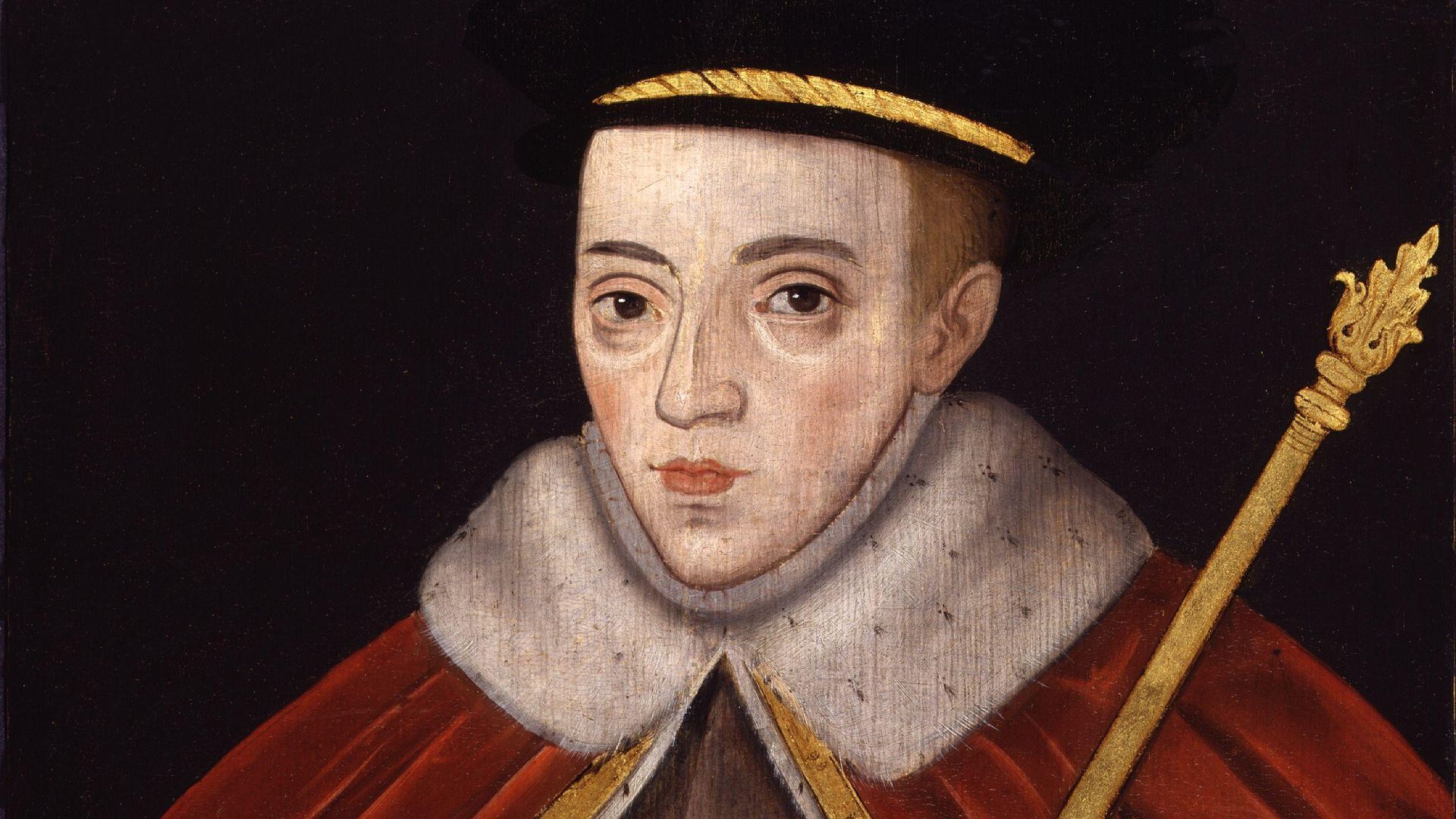
The Journey To London Went Wrong
Edward V was traveling toward London when Richard intercepted his party at Stony Stratford. Richard arrested several Woodville allies, including Anthony Woodville and Richard Grey. Edward continued toward the capital, but now he was in his uncle’s hands.
 Unknown authorUnknown author, Wikimedia Commons
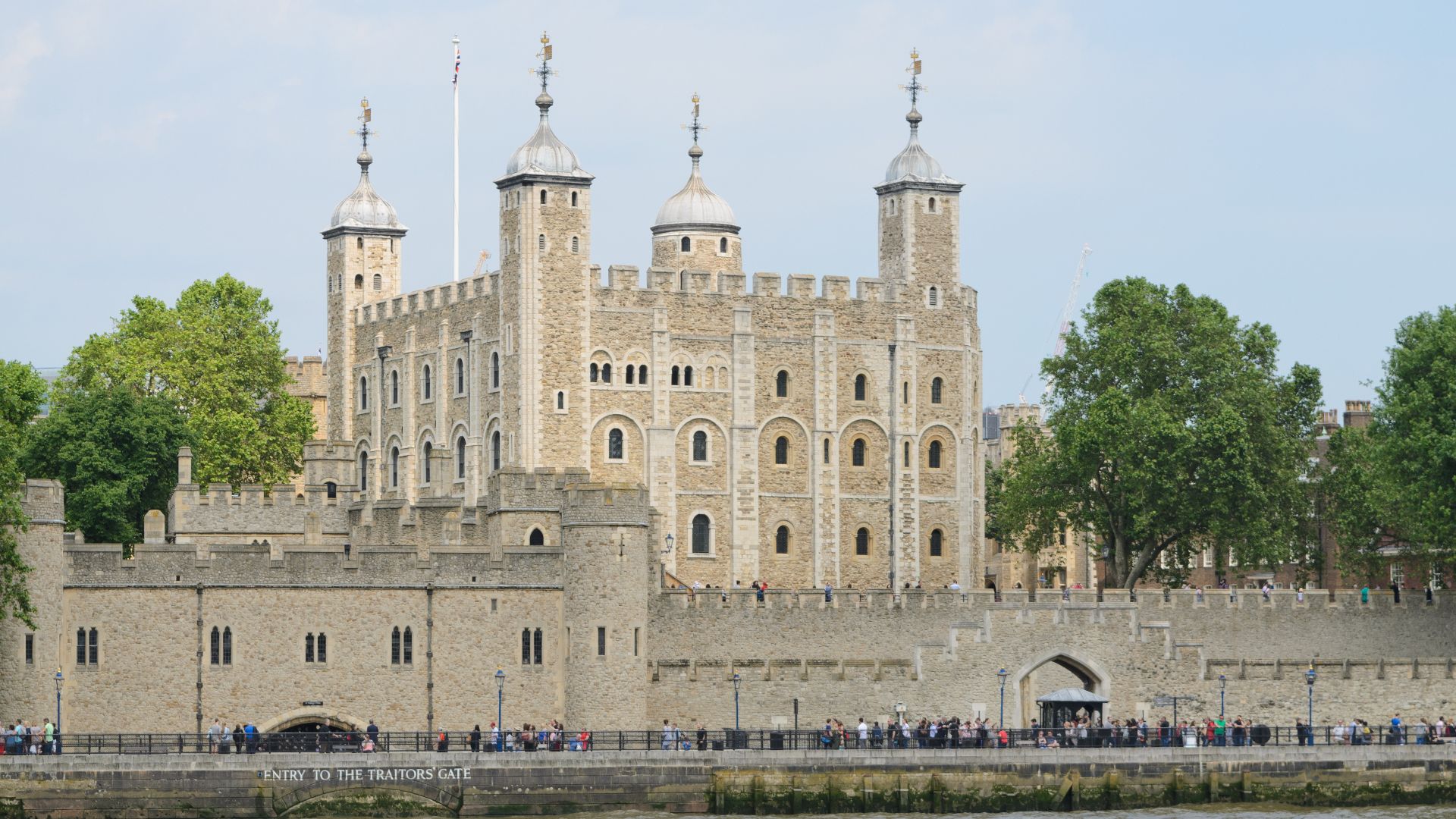
The Tower Was Not Just A Prison
The Tower of London had a grim reputation, but it was also a royal residence. Kings traditionally stayed there before coronations. At first, placing Edward there could be explained as normal preparation for becoming king.
 King of Hearts, Wikimedia Commons
Then His Brother Joined Him
Richard, Duke of York, had taken sanctuary with his mother at Westminster Abbey. In June 1483, he was brought to the Tower to join Edward. The official logic was protection, but the optics were chilling.
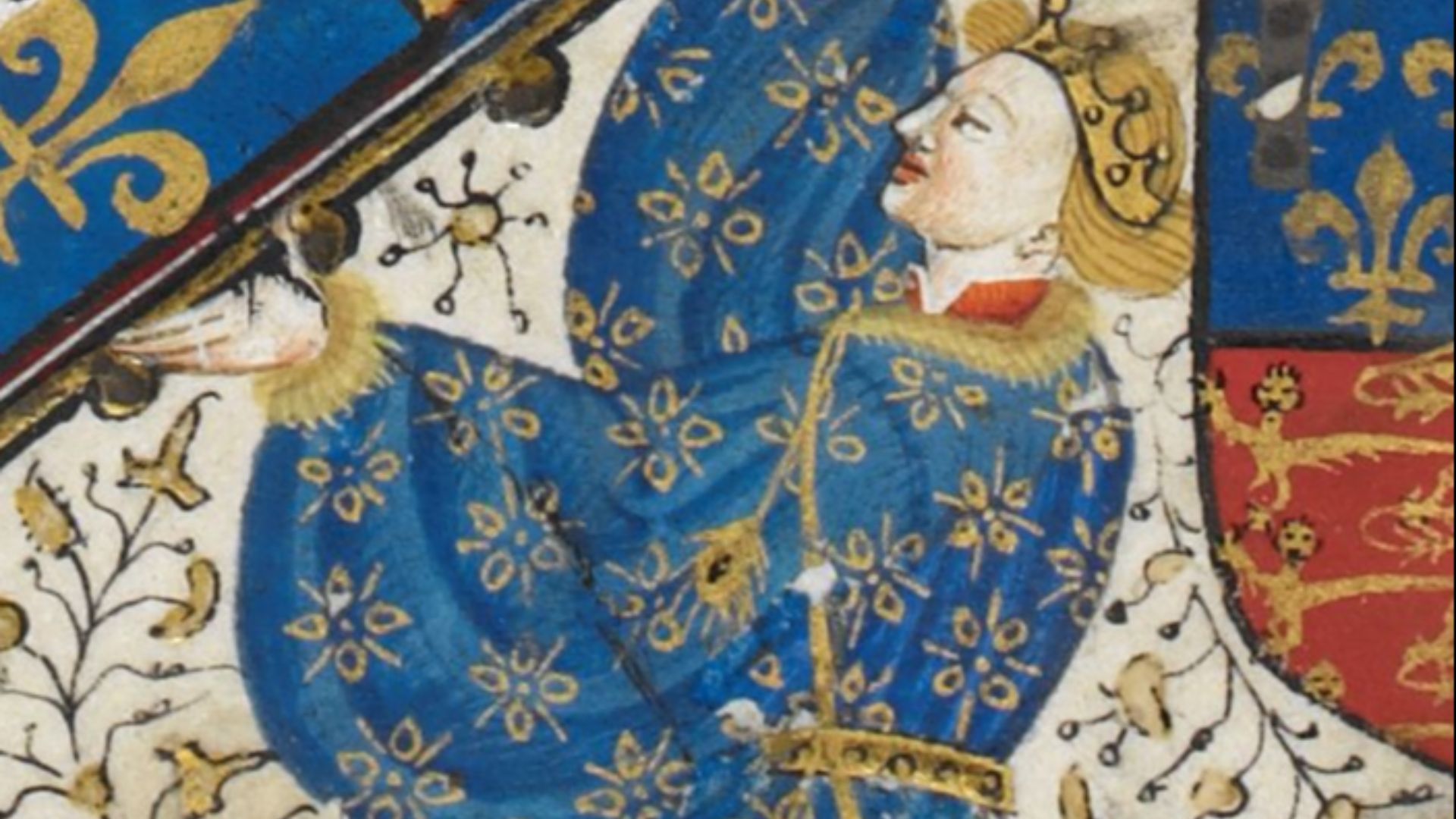 Talbot Master, Wikimedia Commons
The Coronation Kept Moving
Edward V’s coronation was supposed to happen in 1483. Instead, it was postponed. Each delay made it clearer that something had changed behind the scenes.
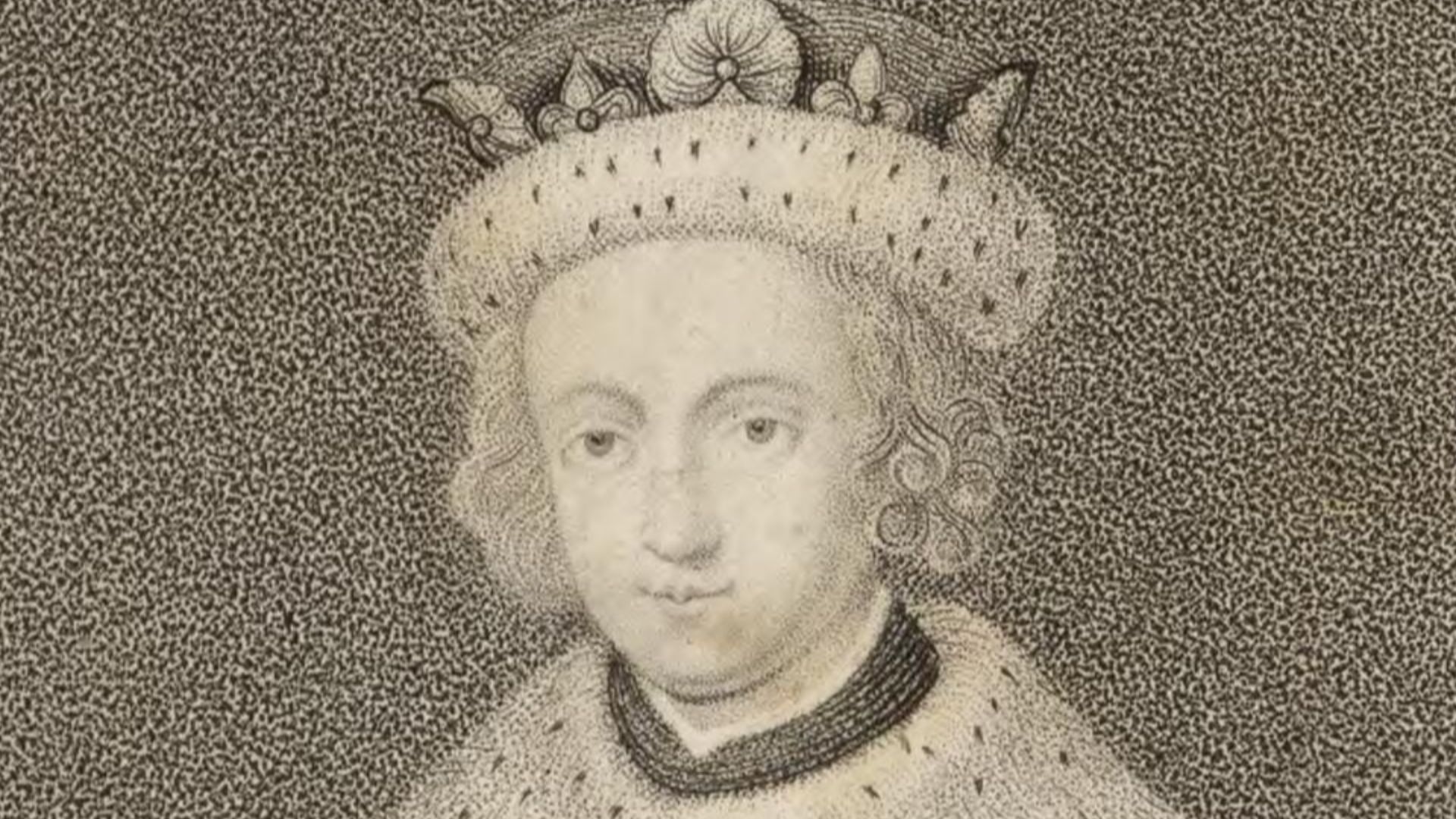 Silvester Harding, Wikimedia Commons
A Shocking Claim Changed Everything
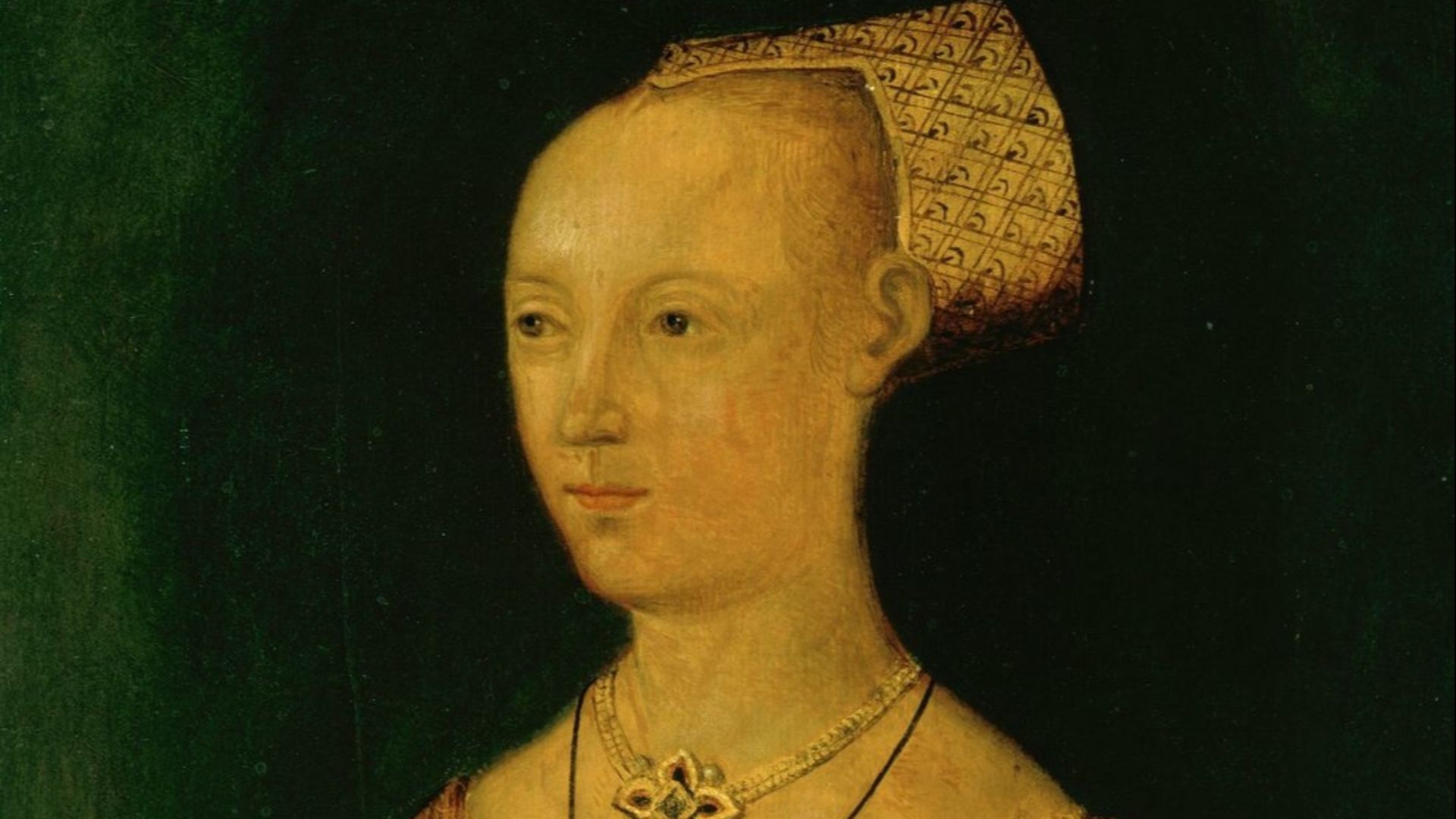
Richard’s supporters advanced a claim that Edward IV’s marriage to Elizabeth Woodville was invalid. If that was true, their children were illegitimate. That argument removed Edward V and his brother from the succession.

History's most fascinating stories and darkest secrets, delivered to your inbox daily.
Richard Took The Crown
In late June 1483, Richard was accepted as king. He was crowned Richard III on July 6. The boys who had stood between him and the throne were no longer treated as rightful heirs.
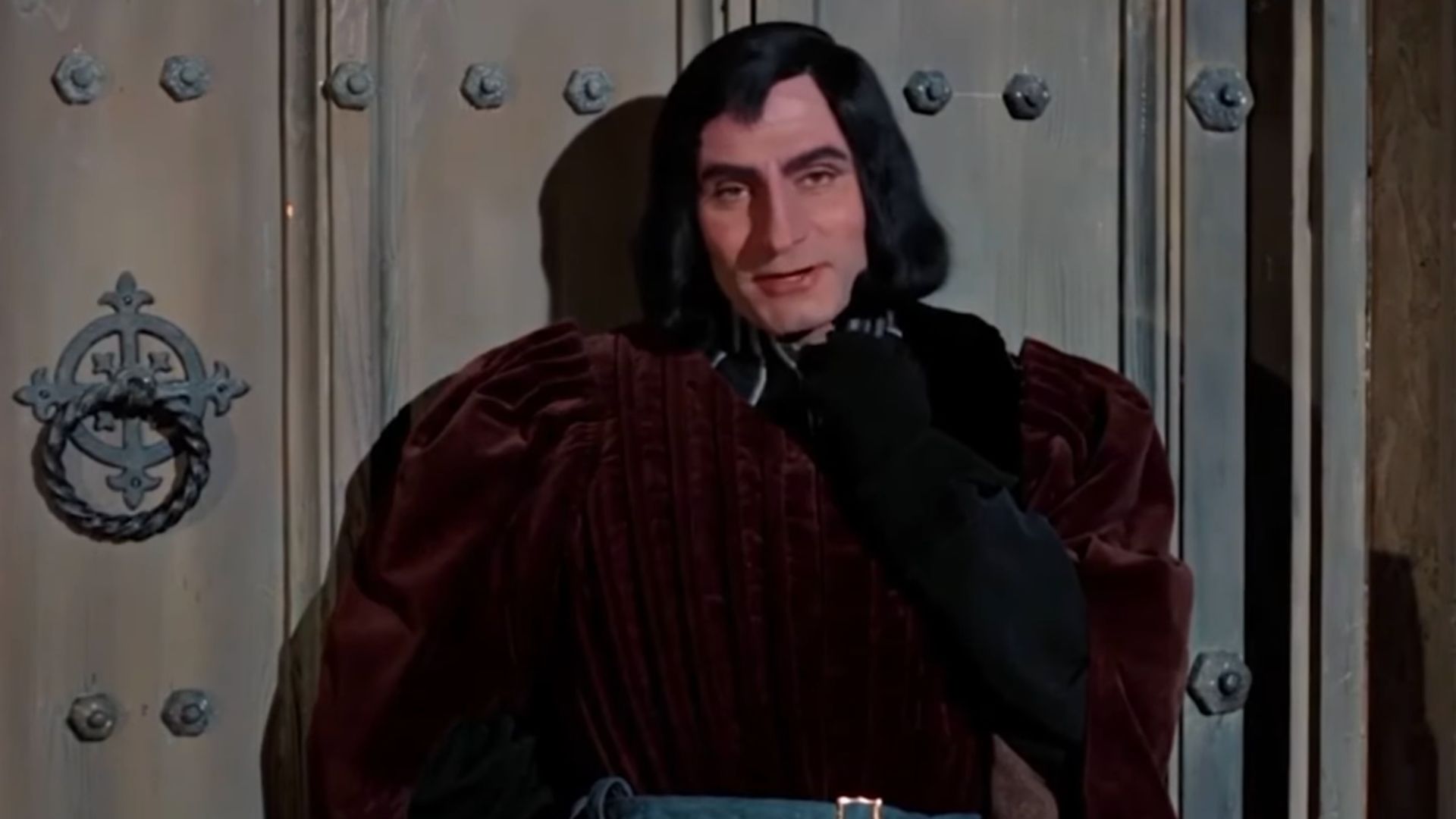 London Films, Wikimedia Commons
The Princes Started To Vanish
Reports from the time suggest the boys were seen less and less inside the Tower. The Italian observer Dominic Mancini wrote that they eventually disappeared from public view. After that, no confirmed sighting of them exists.
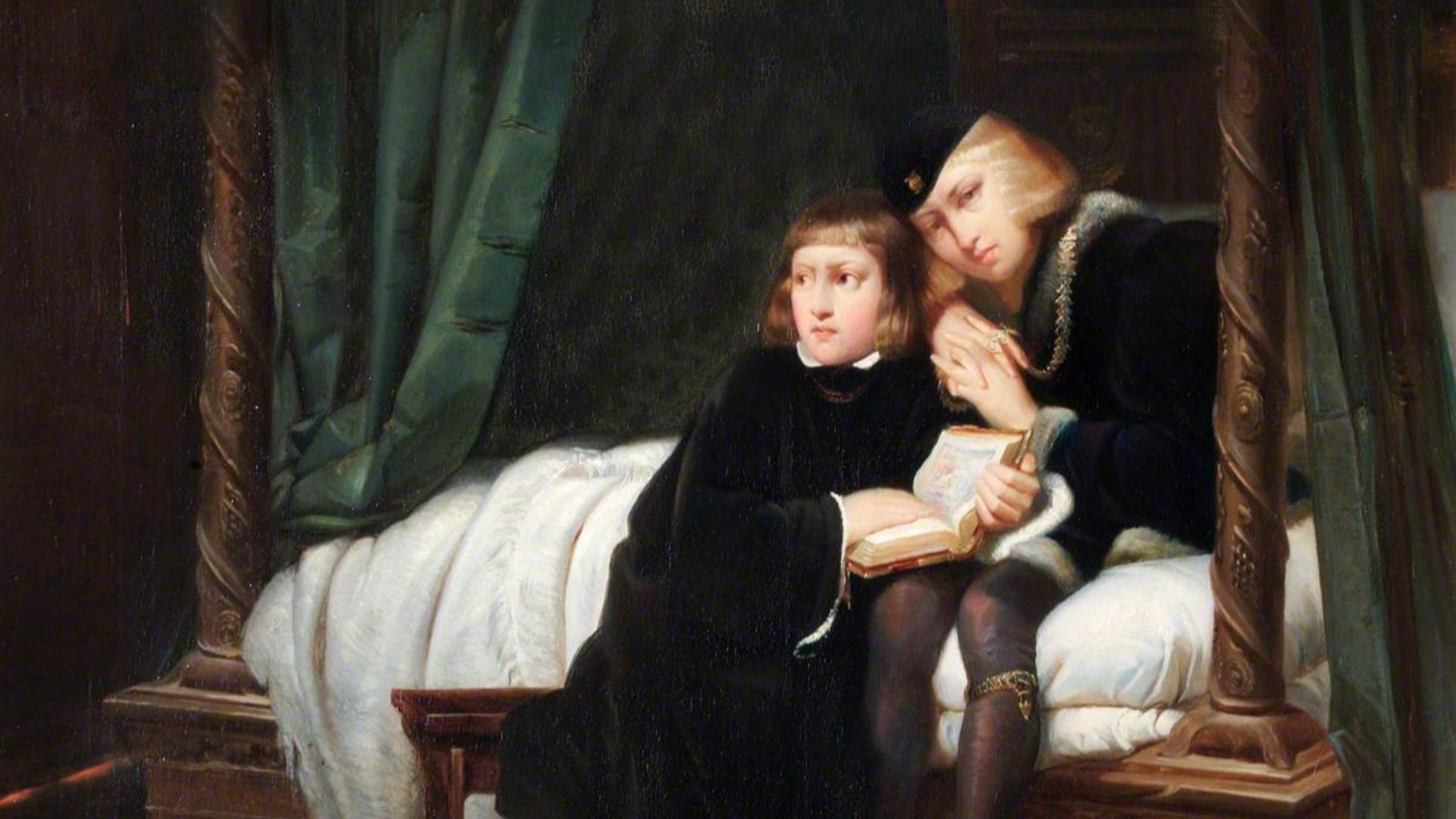 Paul Delaroche, Wikimedia Commons
The Silence Was The Scariest Part
If the princes had died naturally, Richard could have announced it. If they were alive, he could have shown them. Instead, the record goes dark, and that silence became one of history’s most suspicious gaps.
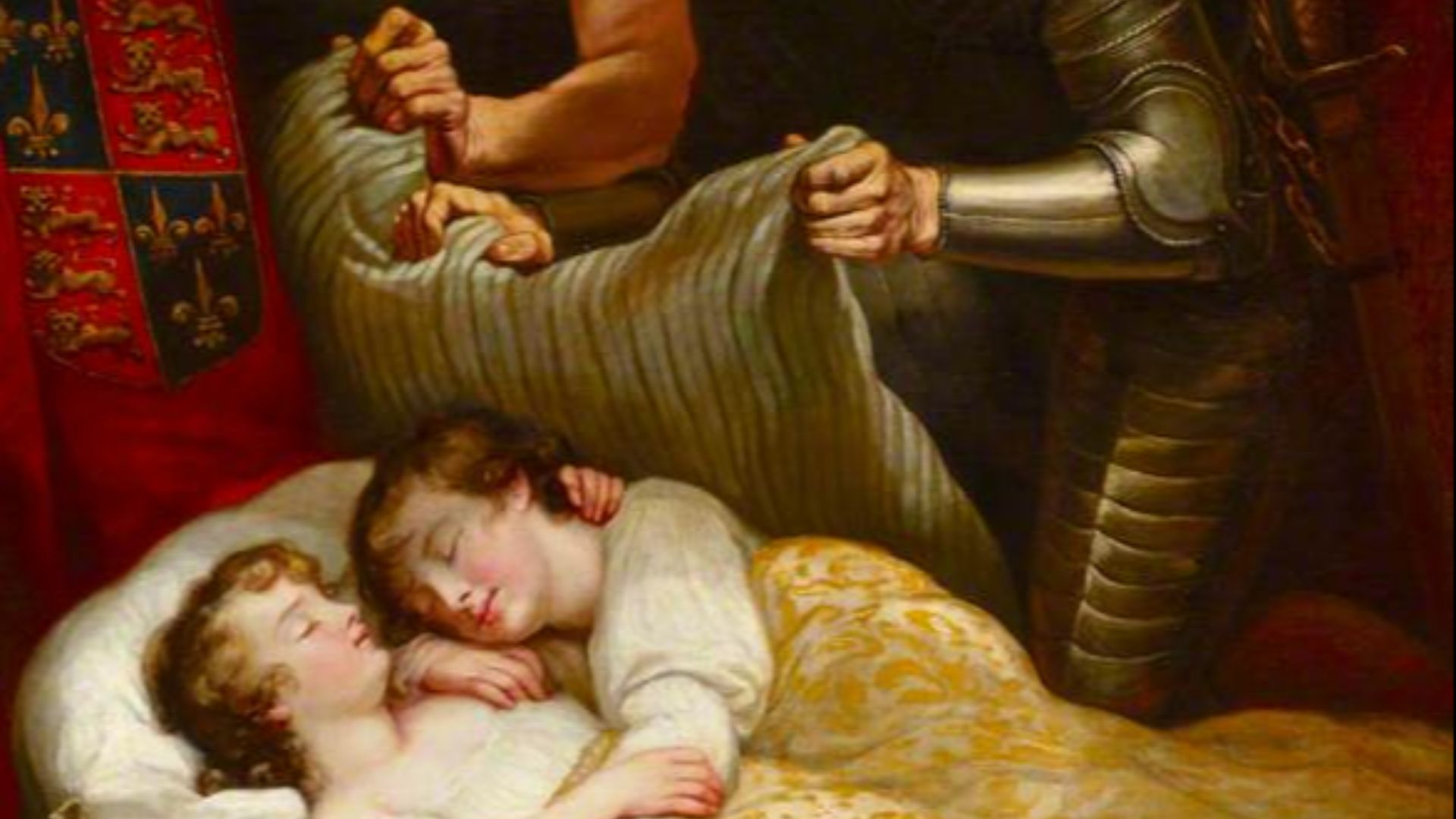 James Northcote, Wikimedia Commons
Rumors Spread Quickly
By late 1483 and 1484, rumors circulated that the boys had been killed. Richard’s enemies had every reason to spread damaging stories. Even so, the rumors stuck because the princes never reappeared.
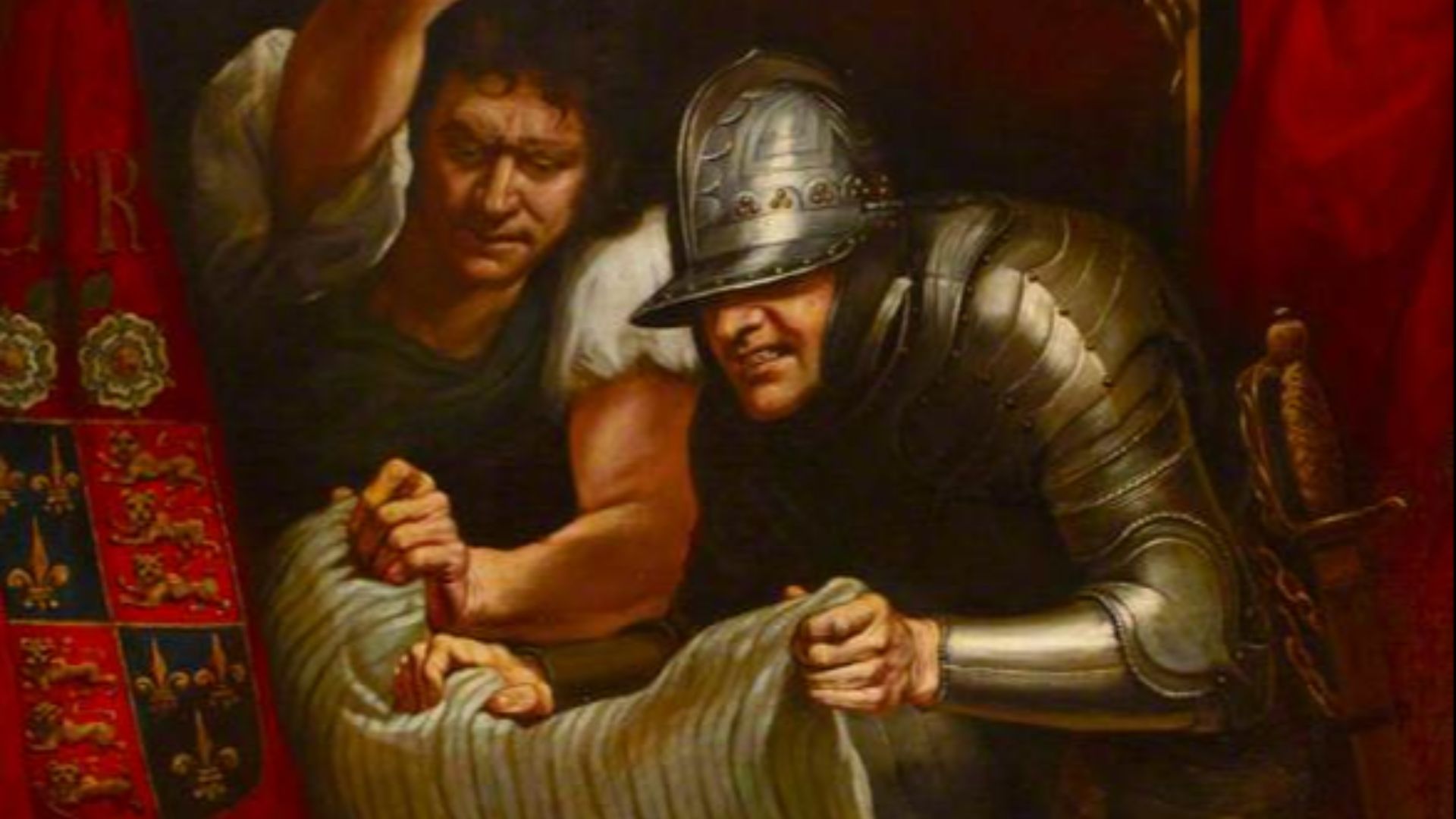 James Northcote, Wikimedia Commons
Richard Had The Clearest Motive
Many historians still see Richard III as the most likely culprit. The princes were living threats to his rule, even after they were declared illegitimate. If rebels could use the boys as figureheads, Richard’s throne would never be secure.
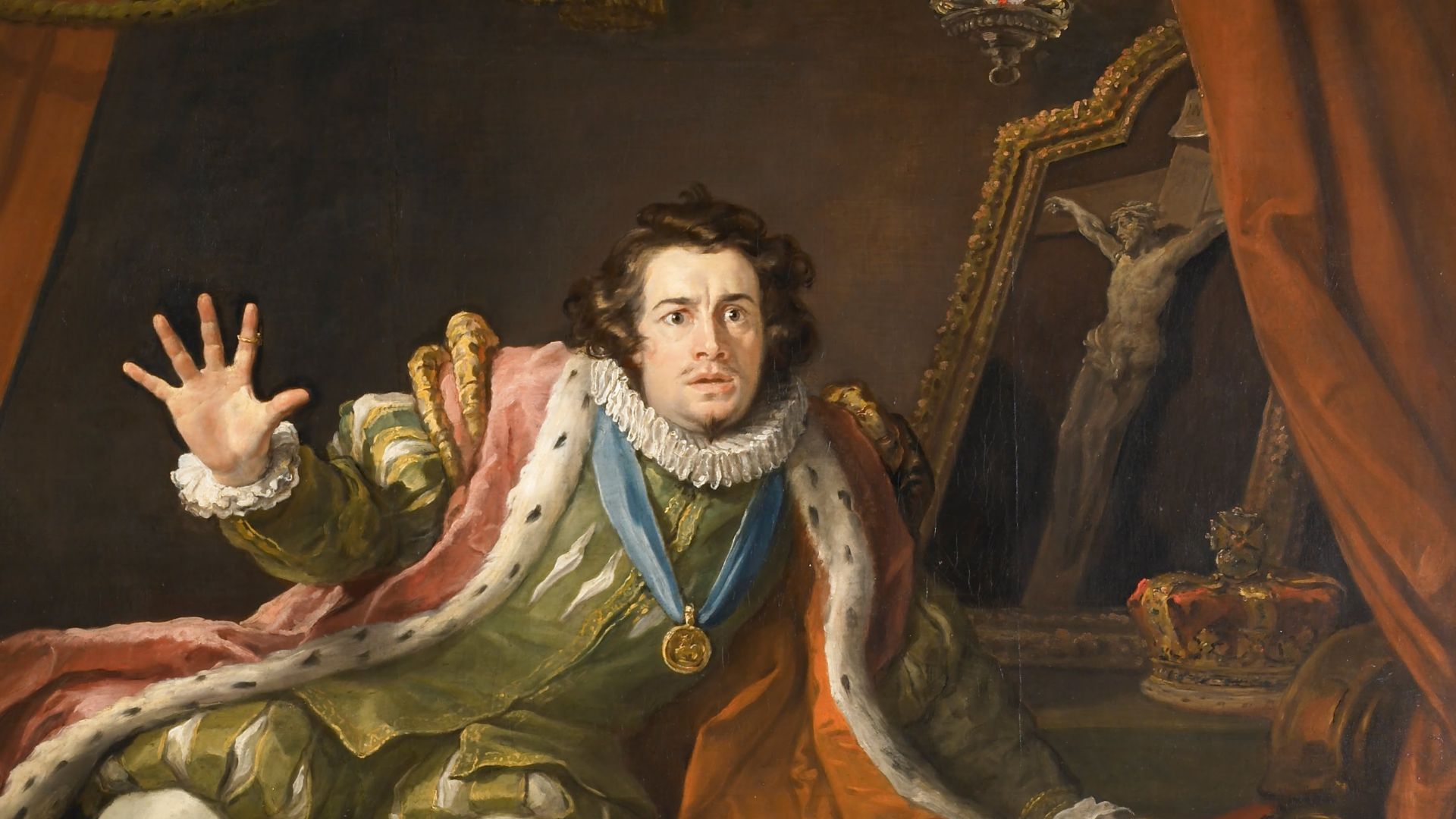 William Hogarth, Wikimedia Commons
But The Case Is Not Closed
Richard III was never tried for murdering the princes. No surviving contemporary English document from his reign gives a full confession or direct proof of the killings. That is why the mystery still attracts defenders, skeptics, and new theories.
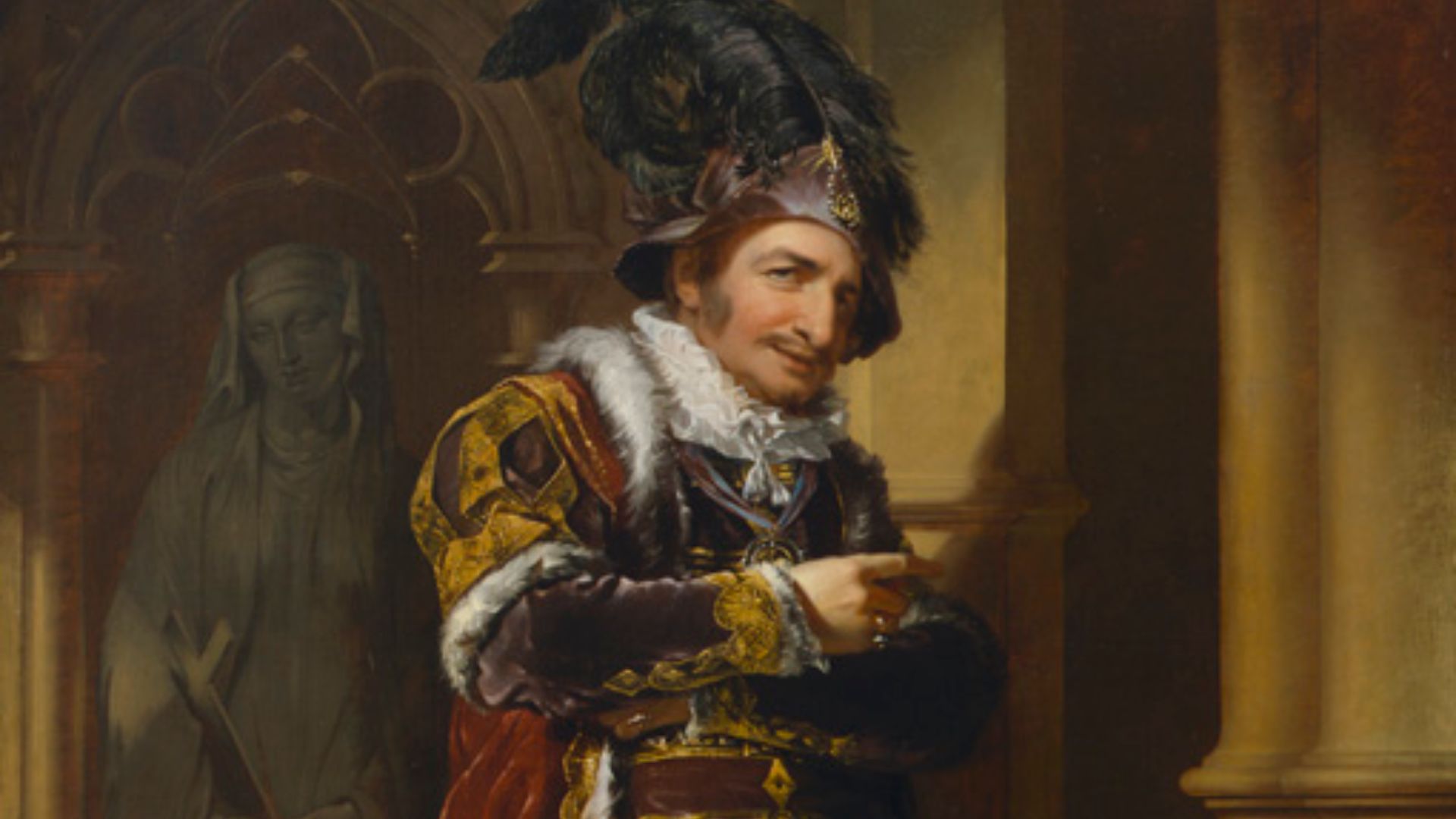 Thomas Sully, Wikimedia Commons
Thomas More Gave The Famous Version
Sir Thomas More later wrote that the princes were murdered on Richard’s orders. In More’s account, Sir James Tyrell arranged the killing, and the boys were smothered in their beds. More was writing years later under the Tudors, so historians treat him carefully.]
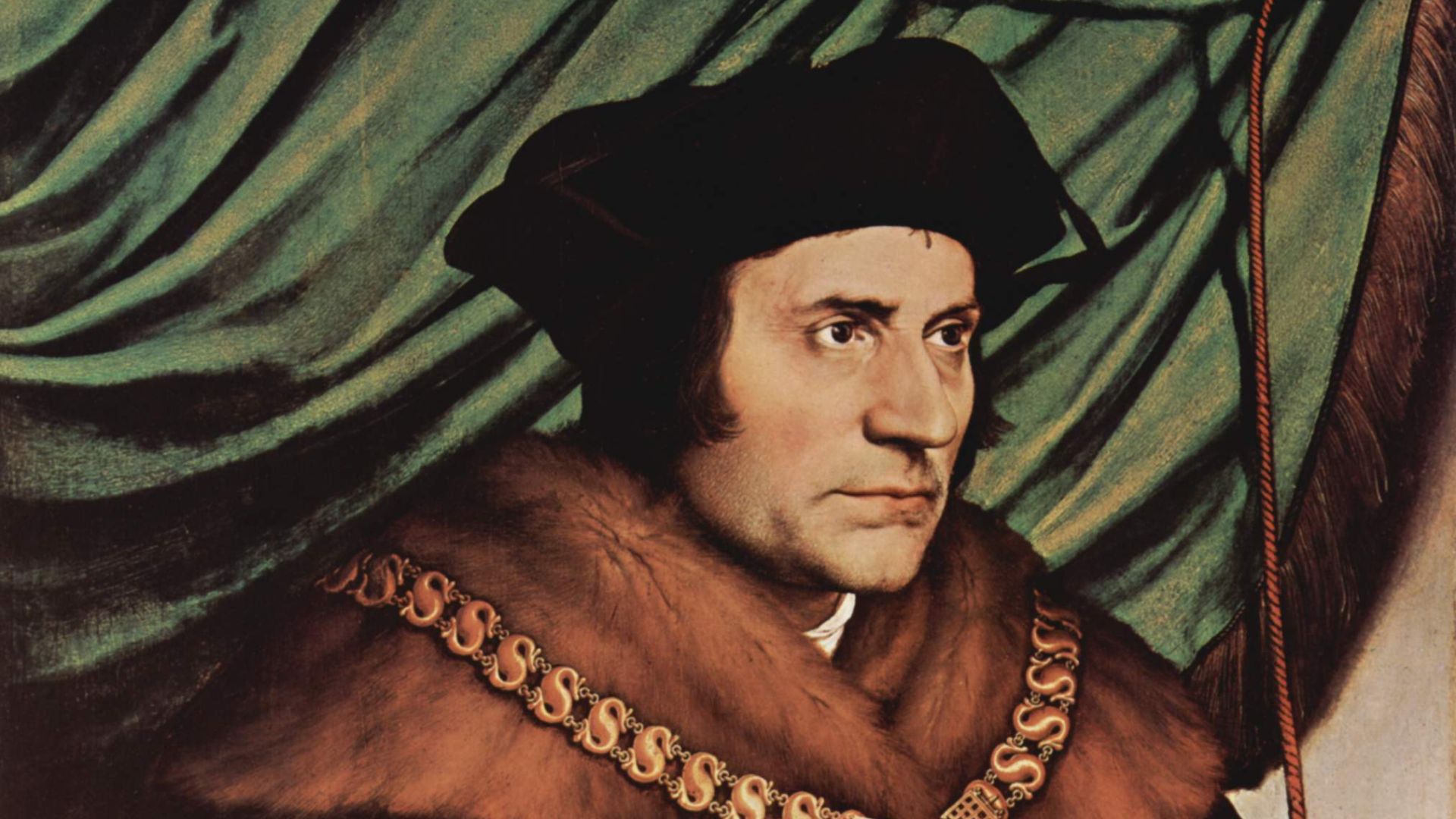 Hans Holbein the Younger, Wikimedia Commons
Shakespeare Made Richard A Monster
William Shakespeare helped cement the dark image of Richard III. His play portrays Richard as ruthless, ambitious, and willing to murder children. The drama was powerful, but it was not neutral history.
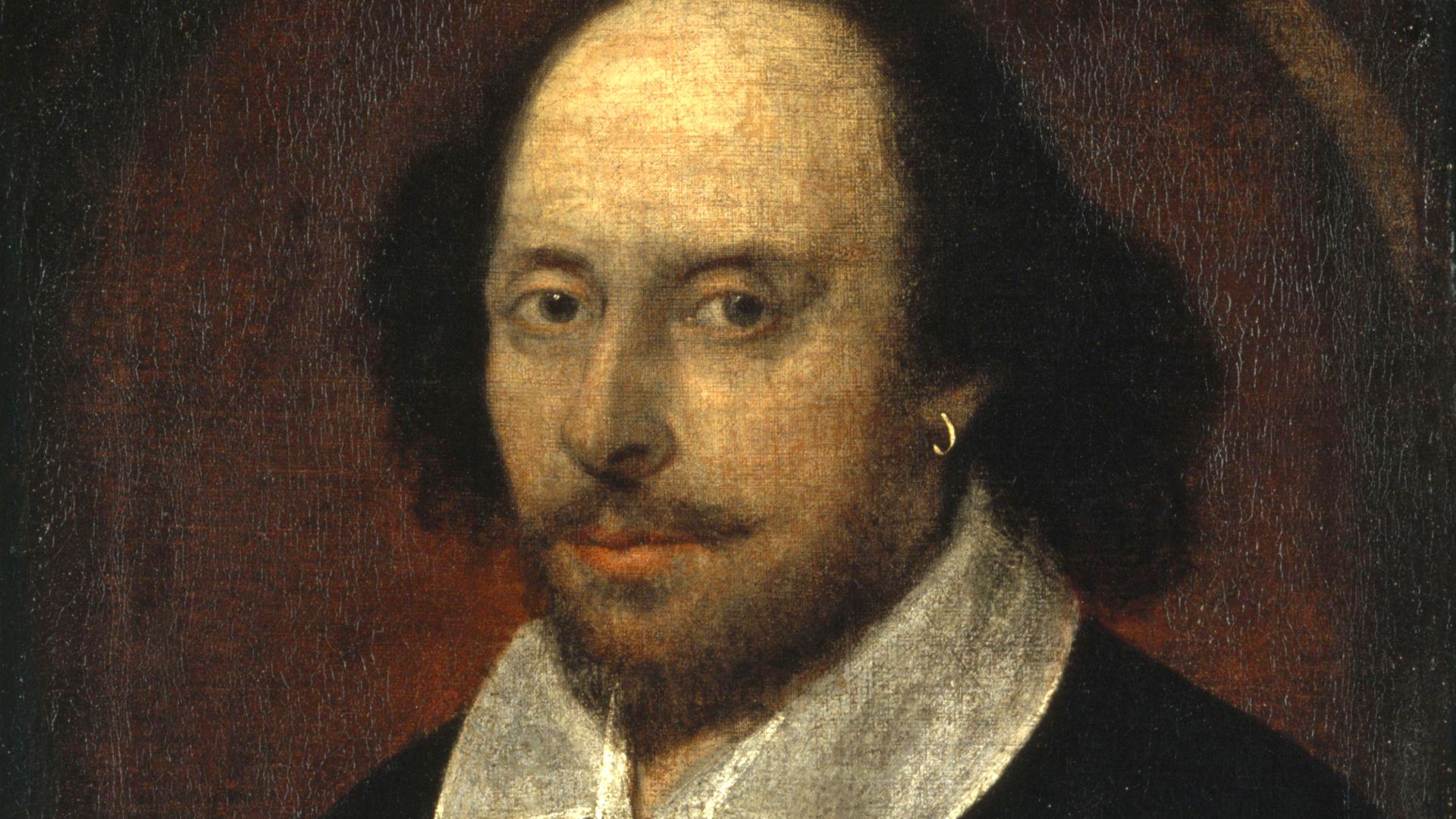 Attributed to John Taylor, Wikimedia Commons
Henry Tudor Benefited Too
Richard III died fighting Henry Tudor at Bosworth in 1485. Henry then became Henry VII and founded the Tudor dynasty. A story that painted Richard as a child-killer helped make Henry’s victory look like justice.
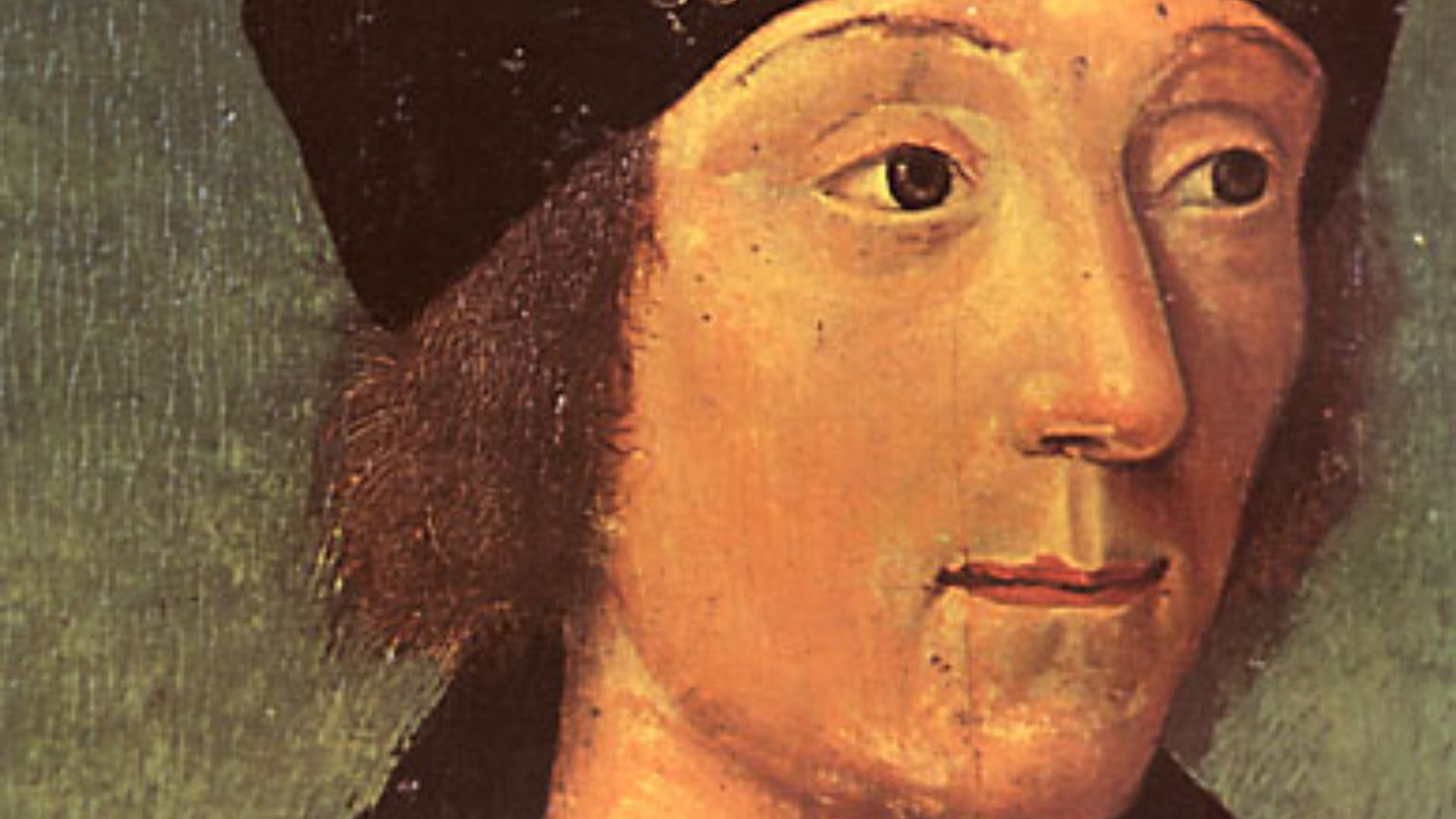
The Pretenders Complicated Everything
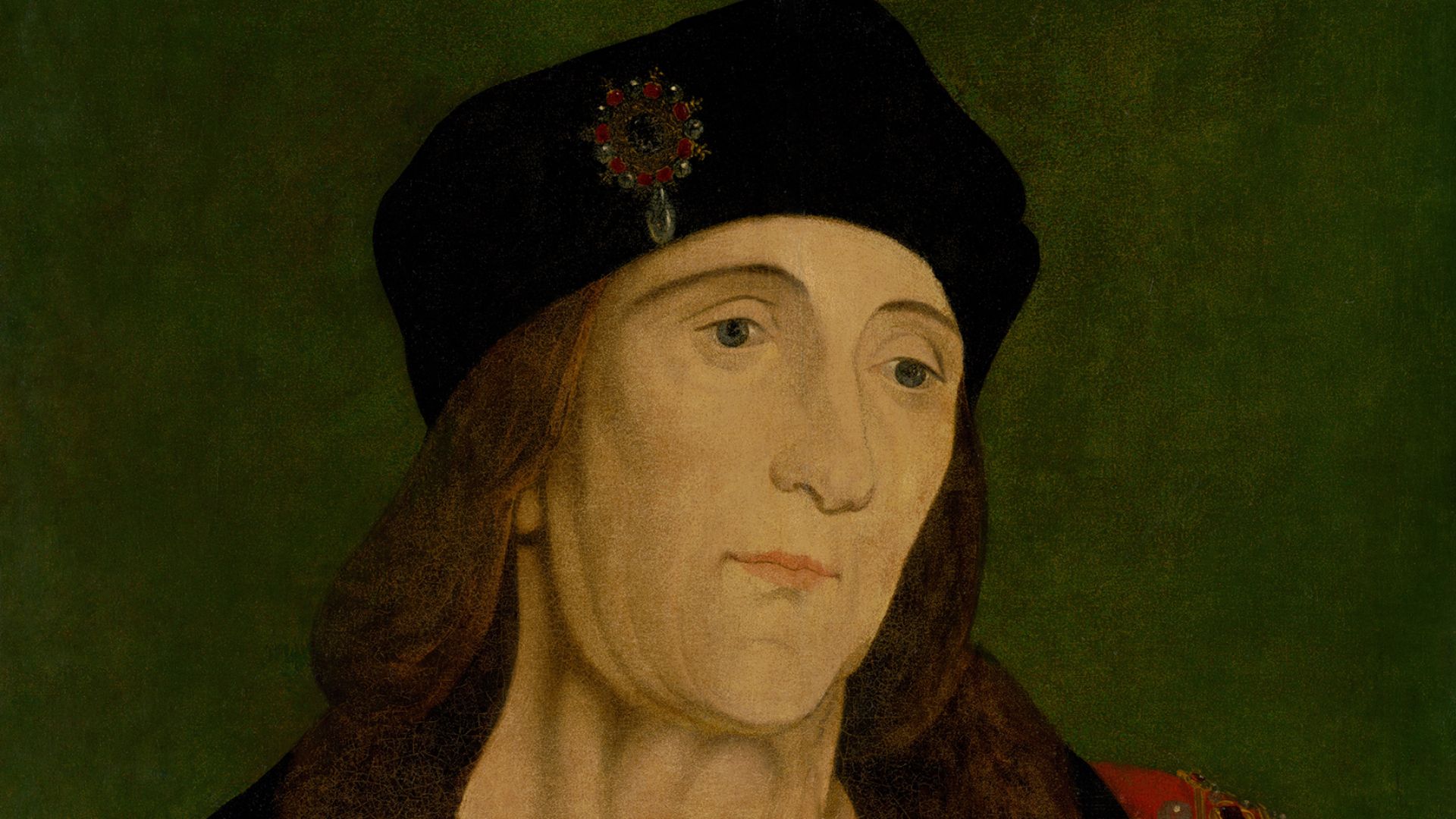
During Henry VII’s reign, claimants emerged who challenged Tudor rule. Lambert Simnel and Perkin Warbeck became tied to Yorkist hopes, and Warbeck claimed to be Richard, Duke of York. Their stories show how dangerous the missing princes remained, whether dead or alive.
 Not stated., Wikimedia Commons
Bones Appeared Nearly Two Centuries Later
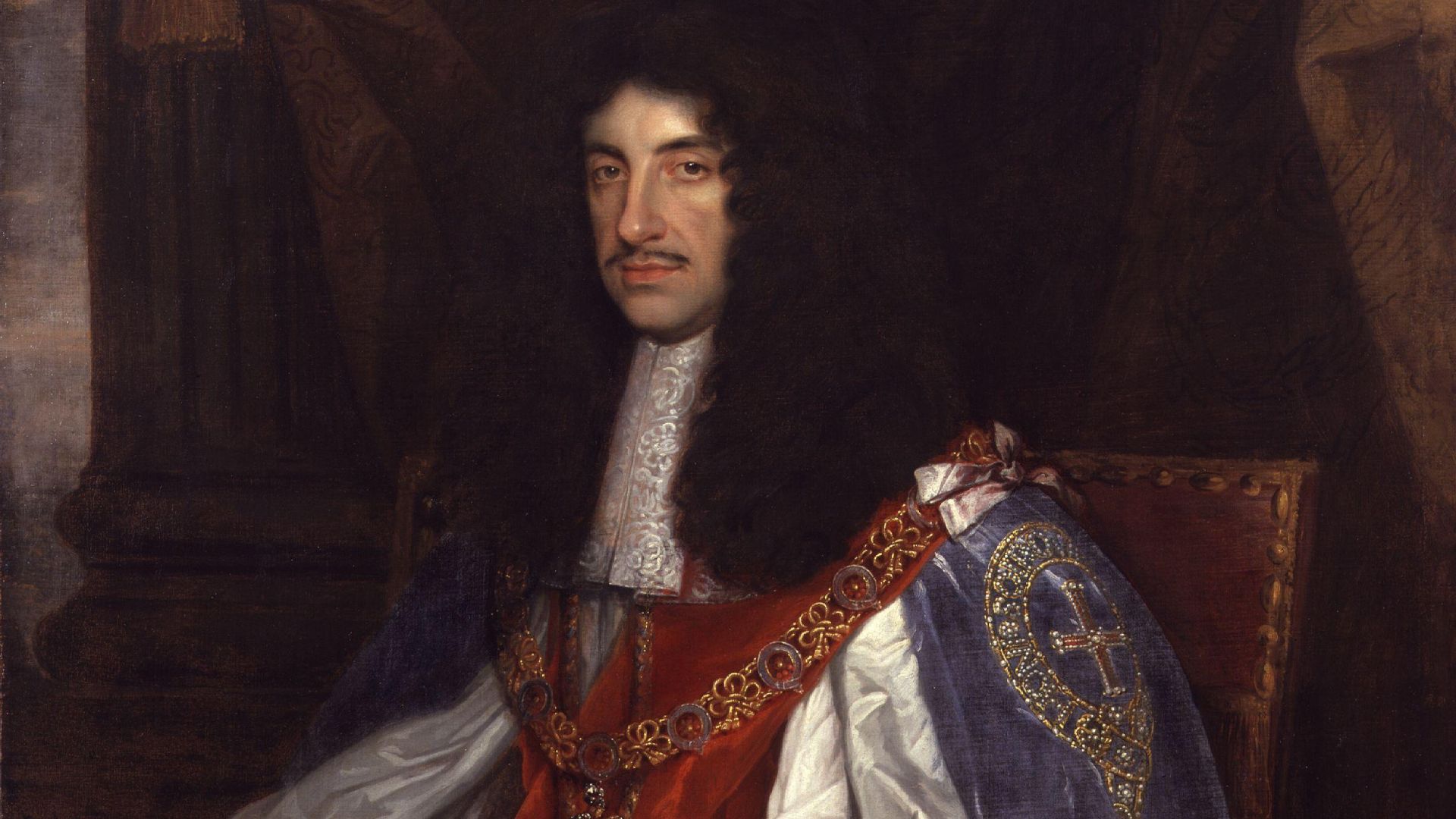
In 1674, workers at the Tower found two child skeletons. Many people believed they were the remains of Edward V and Richard. King Charles II later had the bones reburied at Westminster Abbey.
 John Michael Wright, Wikimedia Commons
The Westminster Urn Raised New Questions
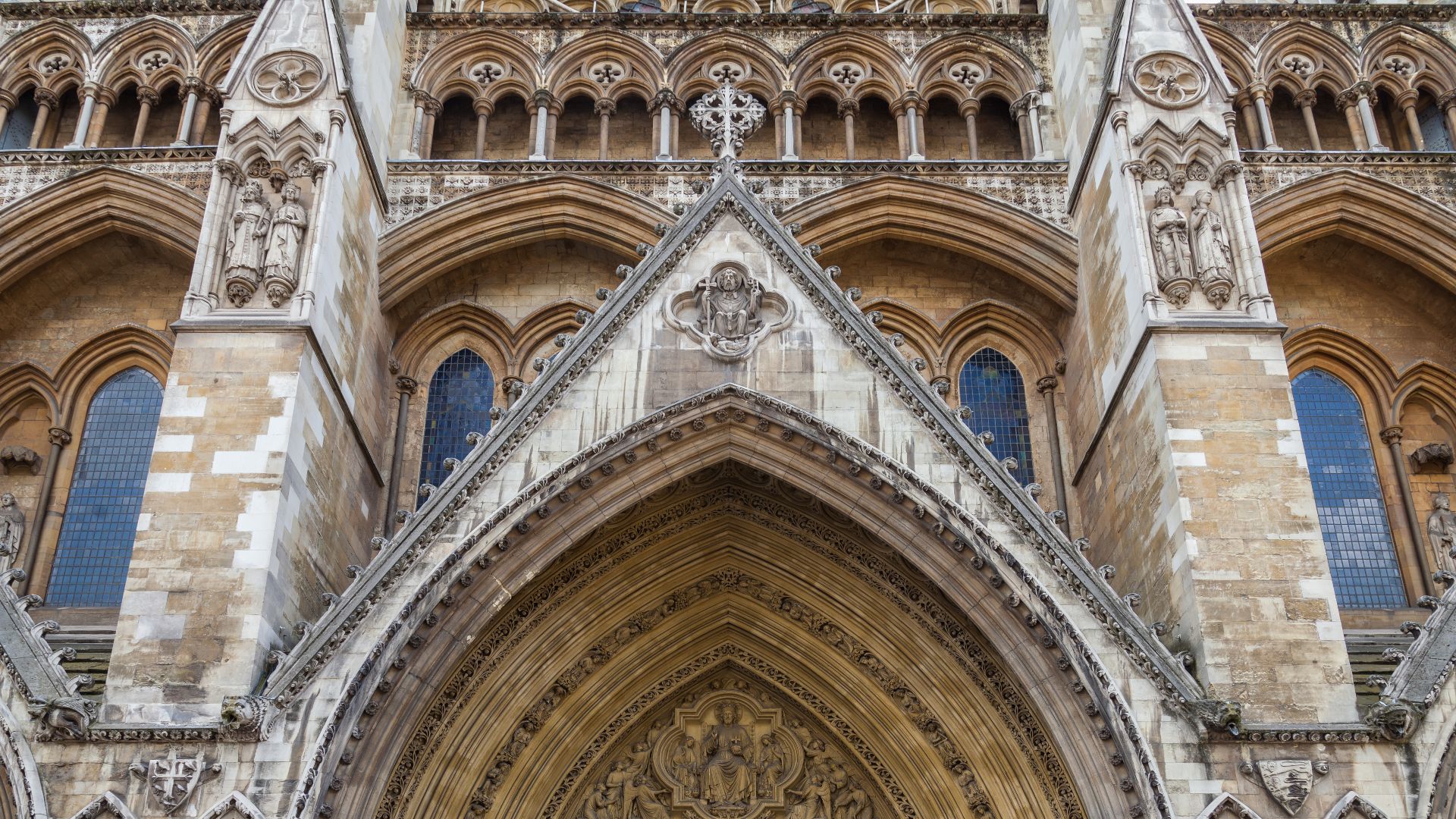
The presumed remains now rest in a white marble sarcophagus at Westminster Abbey. Christopher Wren designed the monument. We use the word “presumed” because the bones have never been conclusively identified with modern DNA testing.
 Diego Delso, Wikimedia Commons
A 1933 Examination Did Not Solve It
The bones were examined in 1933. The examiners concluded that they belonged to two children of roughly the right ages. That finding was suggestive, but it did not prove the remains were the princes.
 user:omarshehab, Wikimedia Commons
Modern Science Could Help
DNA testing might answer whether the bones belong to Edward V and Richard. It could also raise ethical questions about disturbing royal remains. For now, the mystery remains protected by both history and caution.
 Pedro Américo, Wikimedia Commons
New Evidence Keeps Appearing
In 2024, Professor Tim Thornton publicized research involving a chain associated with Edward V. The chain appeared in the will of Margaret Capell, who was connected by marriage to Sir James Tyrell’s family. Thornton argued that the find strengthens the traditional murder theory, though it does not close the case.
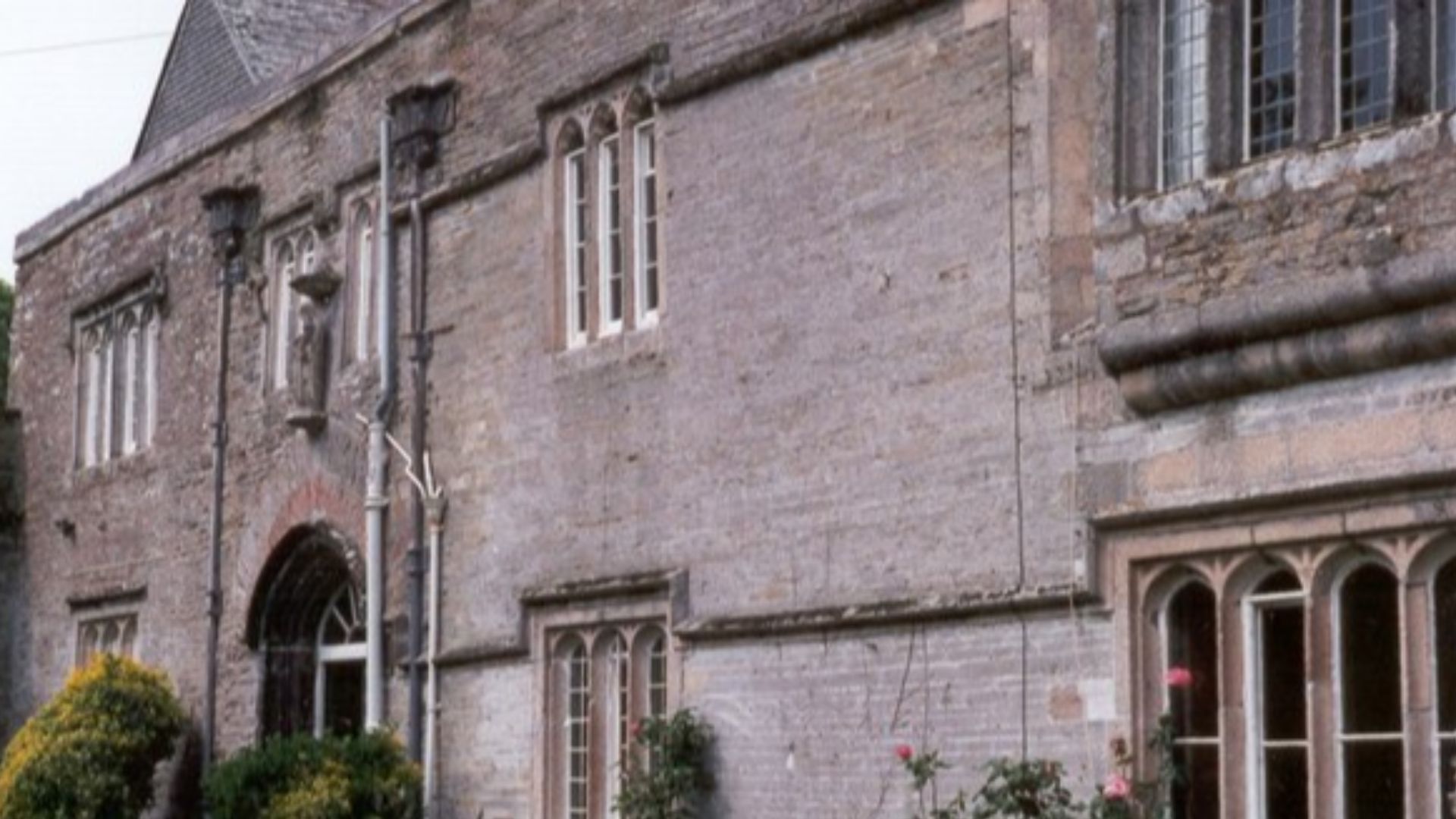
Survival Theories Still Have Supporters
Some researchers argue that one or both princes may have survived. Philippa Langley’s Missing Princes Project has promoted new archival research and a cold-case approach. Many historians remain cautious, but the survival theory keeps the debate alive.
 John Everett Millais, Wikimedia Commons
The Tower Still Holds Its Secret
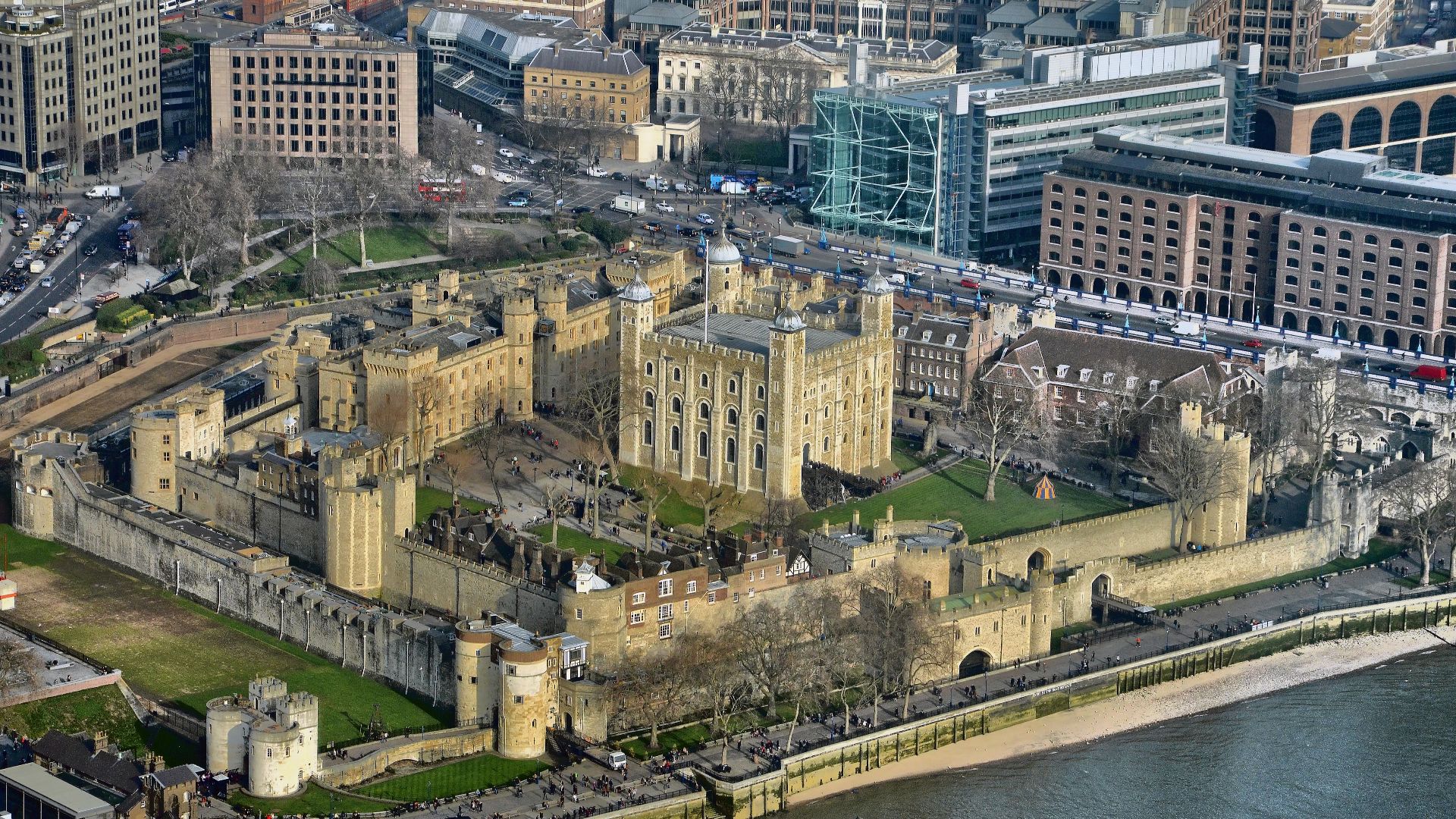
The Princes in the Tower remain famous because the story has everything. There is a child king, a ruthless power struggle, a suspicious uncle, missing bodies, and a fortress full of shadows. Historians may think Richard III is the likeliest answer, but the Tower has never handed over proof.
 [Duncan] from Nottingham, UK, Wikimedia Commons