A Discovery That Spans Dynasties
Beneath Saqqara’s surface, one chamber managed to escape time. No looting, no collapse—only centuries of belief sealed in clay and stone. As each layer came to light, it told a story of Egypt adapting without forgetting its roots.
Saqqara’s Enduring Importance
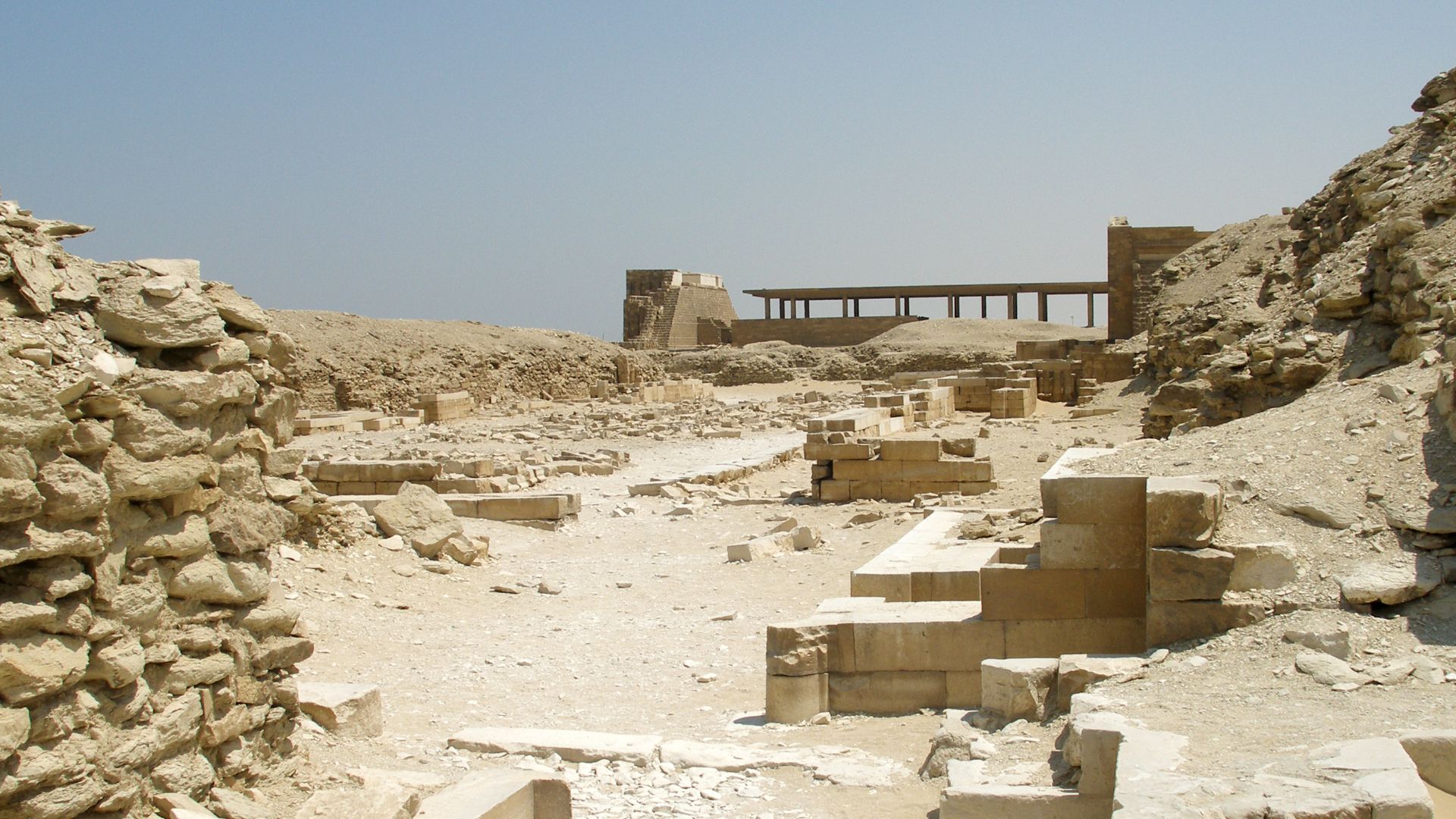
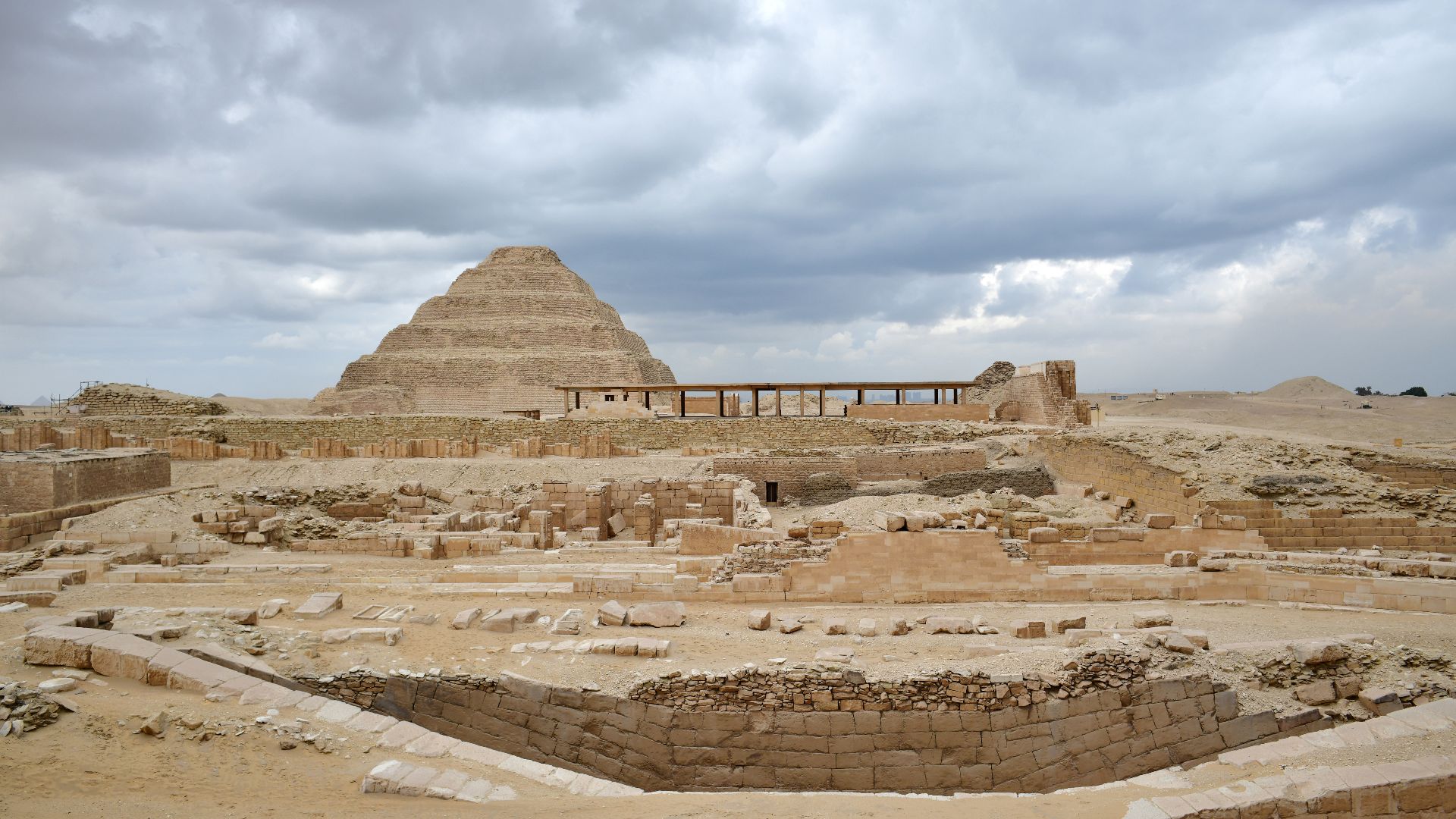
For a long time, Memphis, Egypt's first capital, was buried in Saqqara. Pyramids such as the oldest known Step Pyramid of Djoser can be found there. We get closer to comprehending the profound ties to Egypt's ancient dynasties with every new discovery.
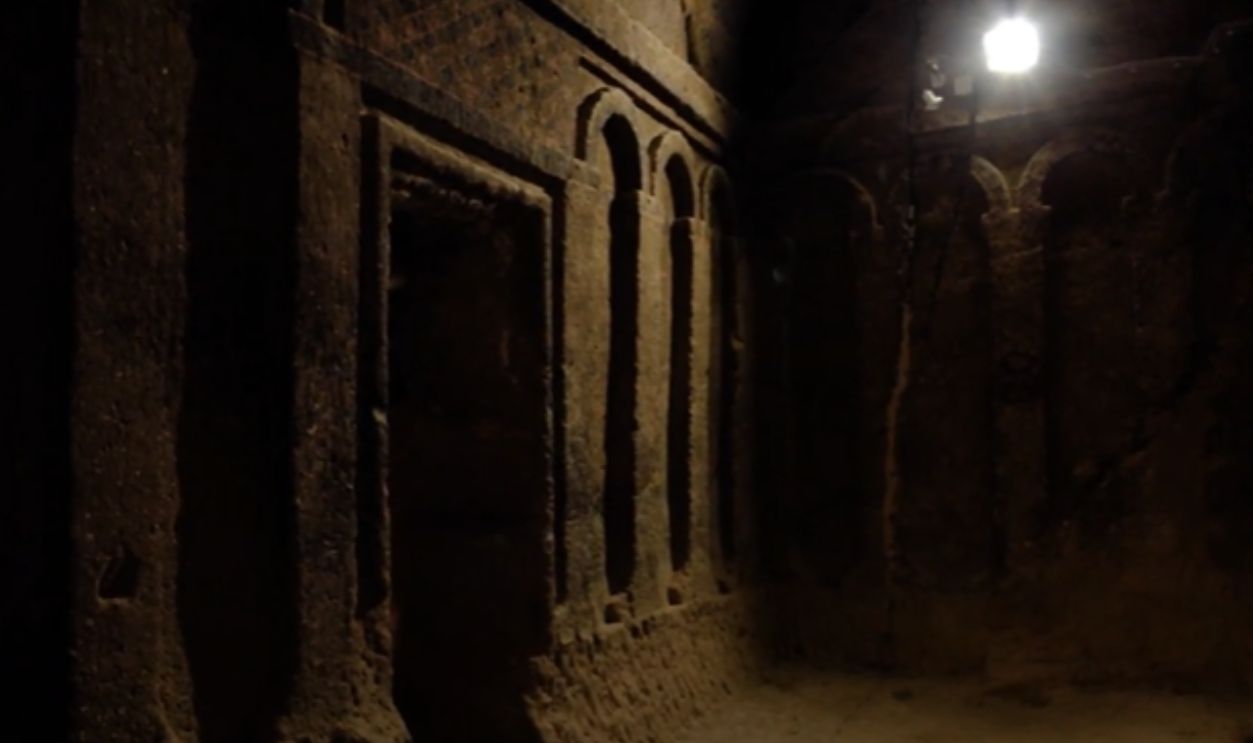 The Ancient Tomb of Kings: A 4,000 Year Old Discovery that Will Shock You by Ancient Finds
Hidden Chambers Below The Plateau
These underground discoveries are truly remarkable and could indicate that the necropolis was far grander and more intricate than anyone had previously imagined. How do we know this? Well, beneath Saqqara’s sandy veil, state-of-the-art radar and mapping have told us so. The hidden world underneath is a network of forgotten chambers.
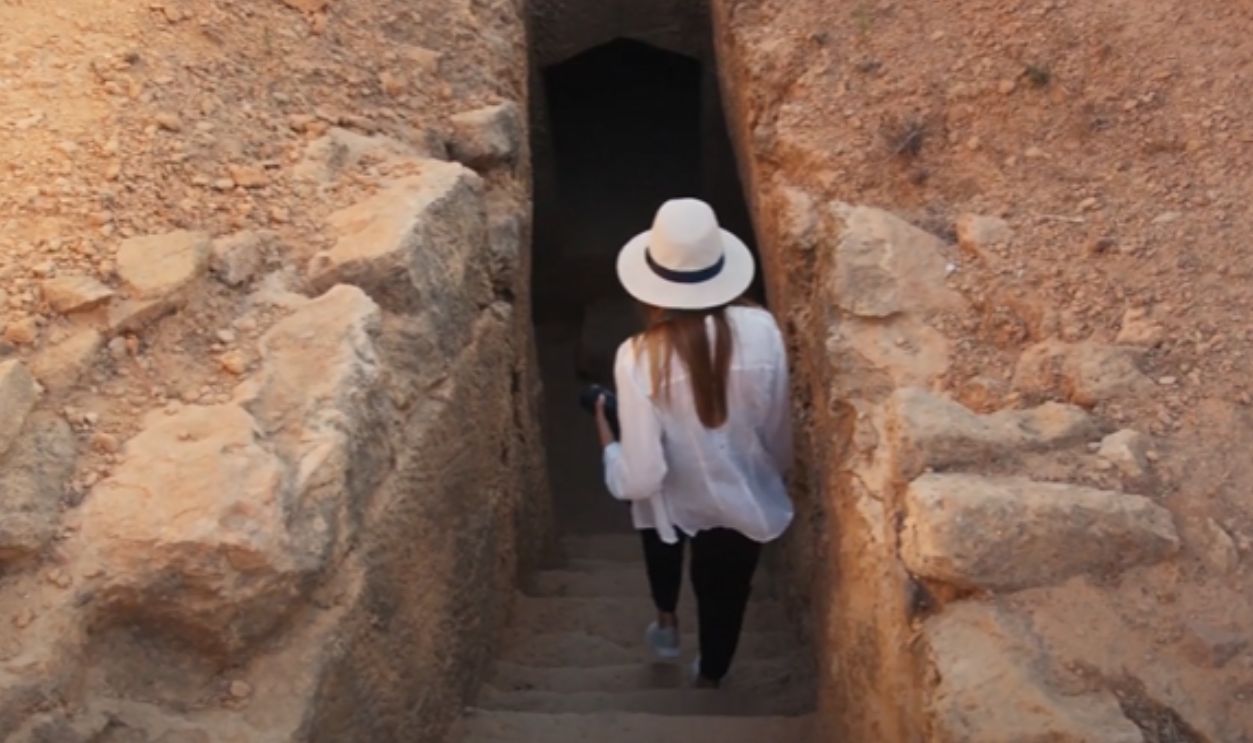 The Ancient Tomb of Kings: A 4,000 Year Old Discovery that Will Shock You by Ancient Finds
Excavation Began In 2024
In January 2024, a joint effort by Egyptian and Japanese archaeologists uncovered new ground at Saqqara. They focused on a mysterious shaft in the southern sector, one that had never been documented before. What lay hidden inside? A world waiting to open up like a time capsule from the past.
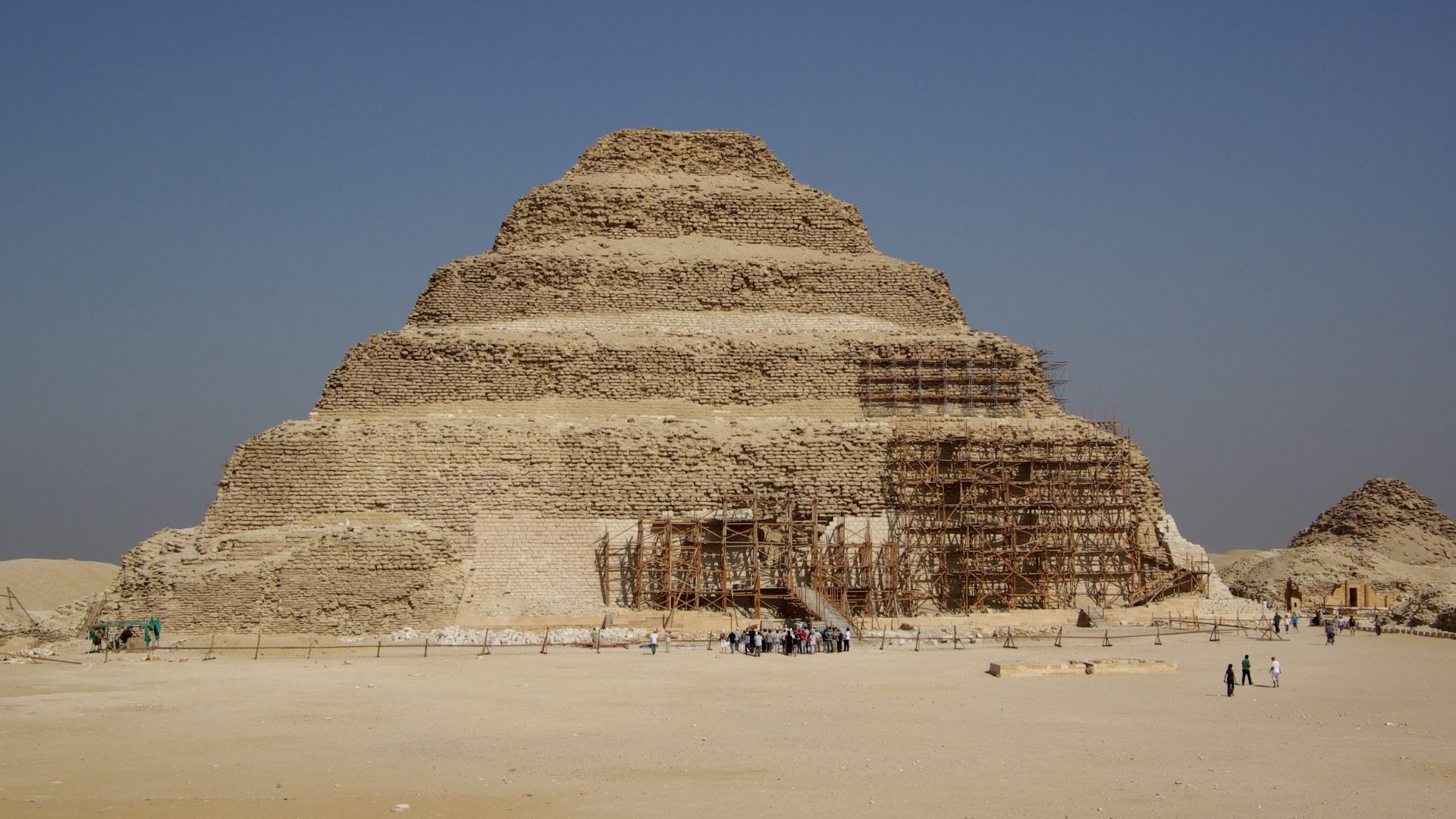 Berthold Werner, Wikimedia Commons
Egypt And Japan Join Forces
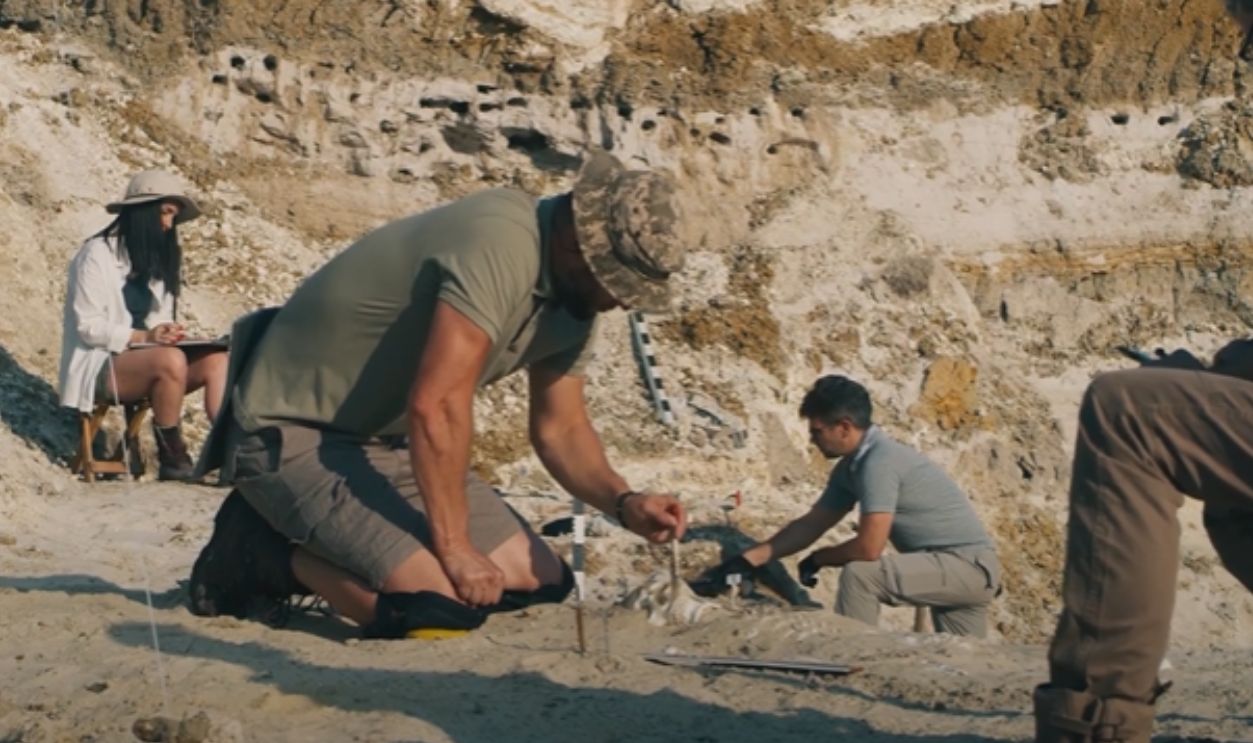
Building upon decades of collaborative research in Saqqara, the endeavor brought together the archaeology department of Waseda University and Egypt's Supreme Council of Antiquities. For all retrieved antiquities, Egypt supplied essential contextual information and legal oversight, while the Japanese team offered innovative imaging equipment and conservation techniques.
 The Ancient Tomb of Kings: A 4,000 Year Old Discovery that Will Shock You by Ancient Finds
A Sealed Shaft Is Found
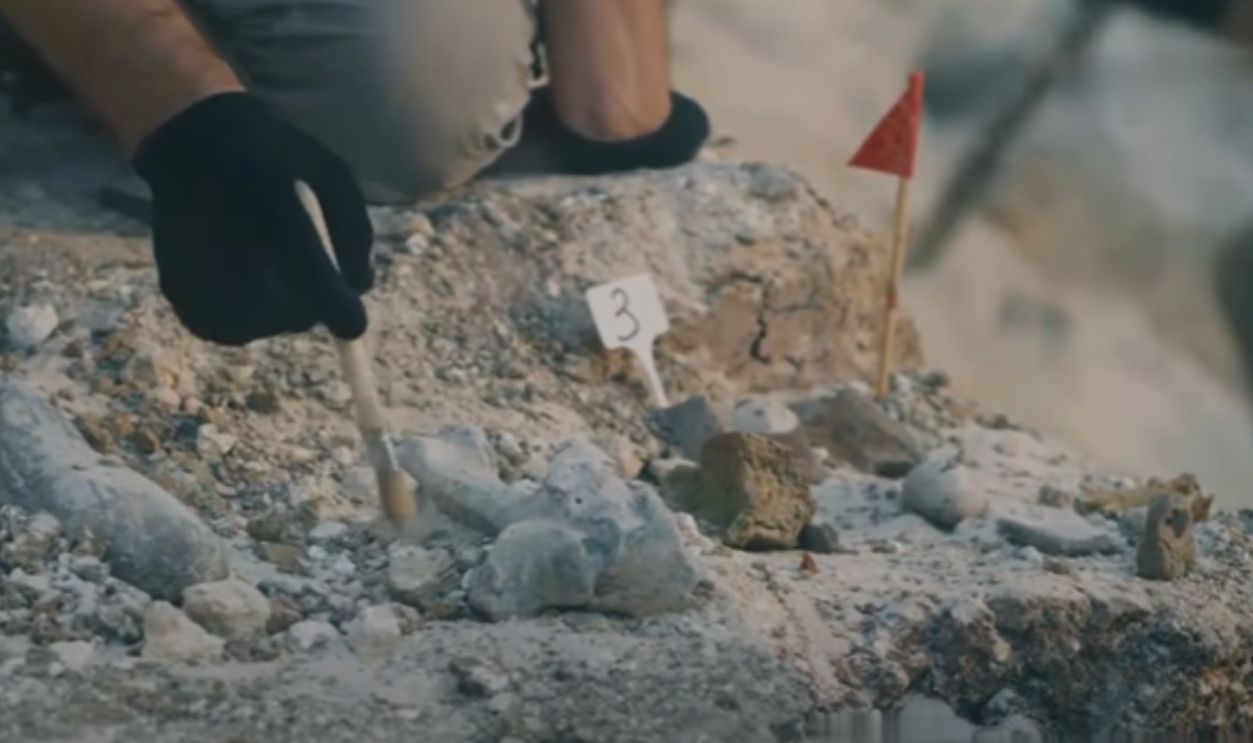
In their quest, archaeologists uncovered a narrow, rock-hewn shaft, huddled beneath centuries of debris. It had no labels or inscriptions. When the team finally opened it, they were greeted by a pristine chamber carved deep into the bedrock—a rare gift from the past, untouched by the hands of looters.
 Unveiling the Secrets: 4500-Year-Old Egyptian Tomb Discovered! by ARH Explorers
Clues In The Tomb Layout
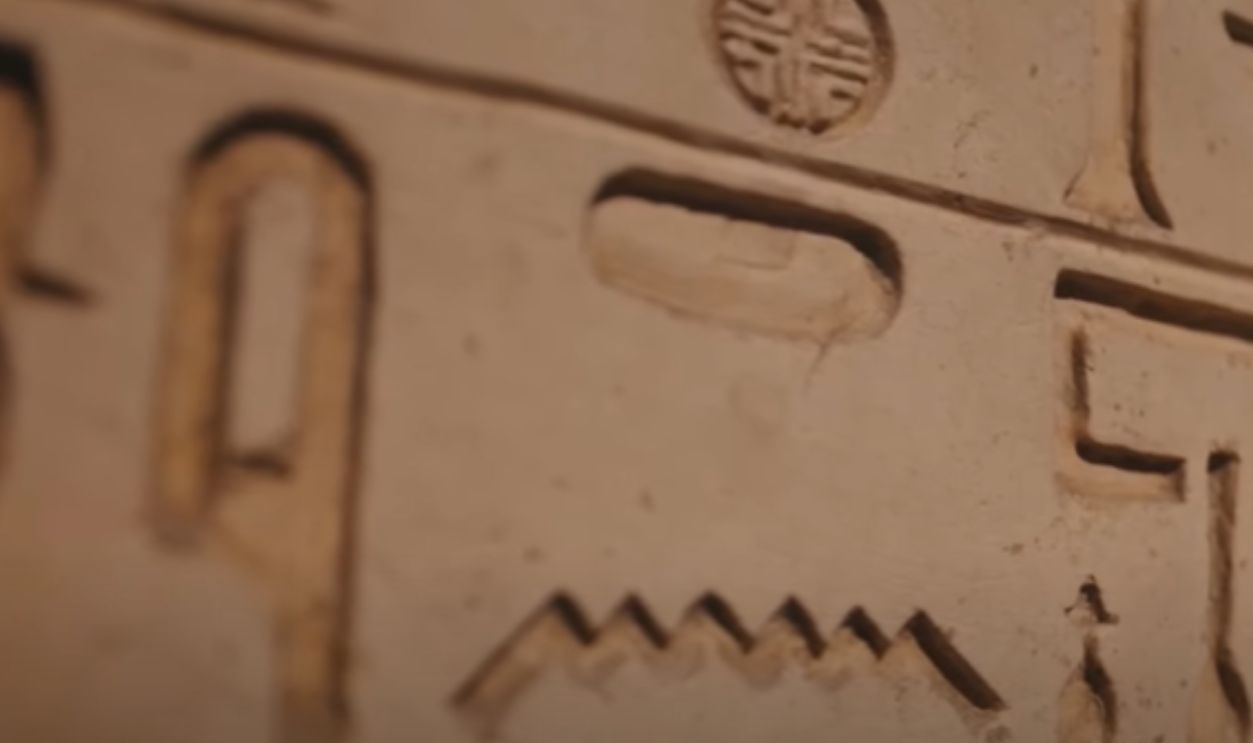
There were nooks and crannies in the tomb's design; it wasn't a perfect rectangle. Uneven niches and overlapping architectural elements indicated that several dynasties had influenced the area. It was a patchwork of time, with each generation adding its own layer.
 Unveiling the Secrets: 4500-Year-Old Egyptian Tomb Discovered! by ARH Explorers
Remains From The Second Dynasty
At the chamber’s lowest level, archaeologists uncovered skeletal remains believed to date back over 4,500 years to Egypt’s Second Dynasty. Inside, the bones were arranged in a crouched burial pose, consistent with customs that predated the widespread use of sarcophagi (designed coffins) in royal tombs.
 Santabiblia, Wikimedia Commons
A Painted Mask Emerges
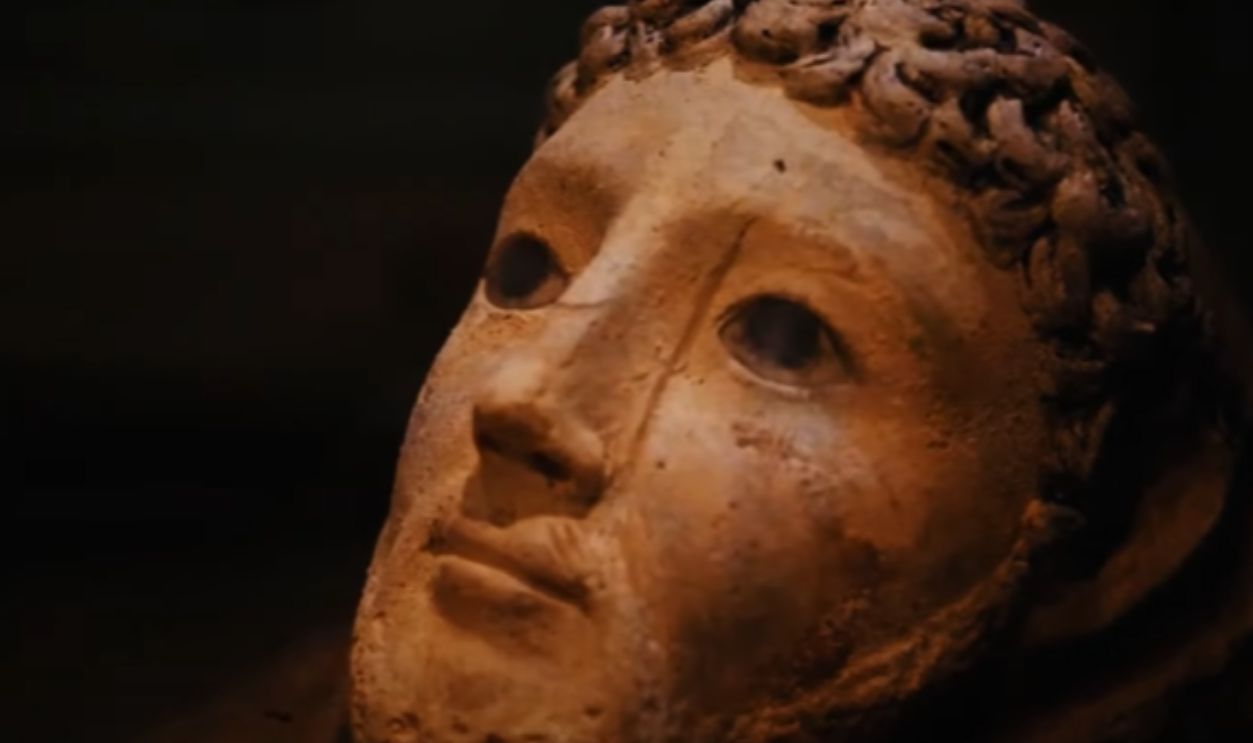
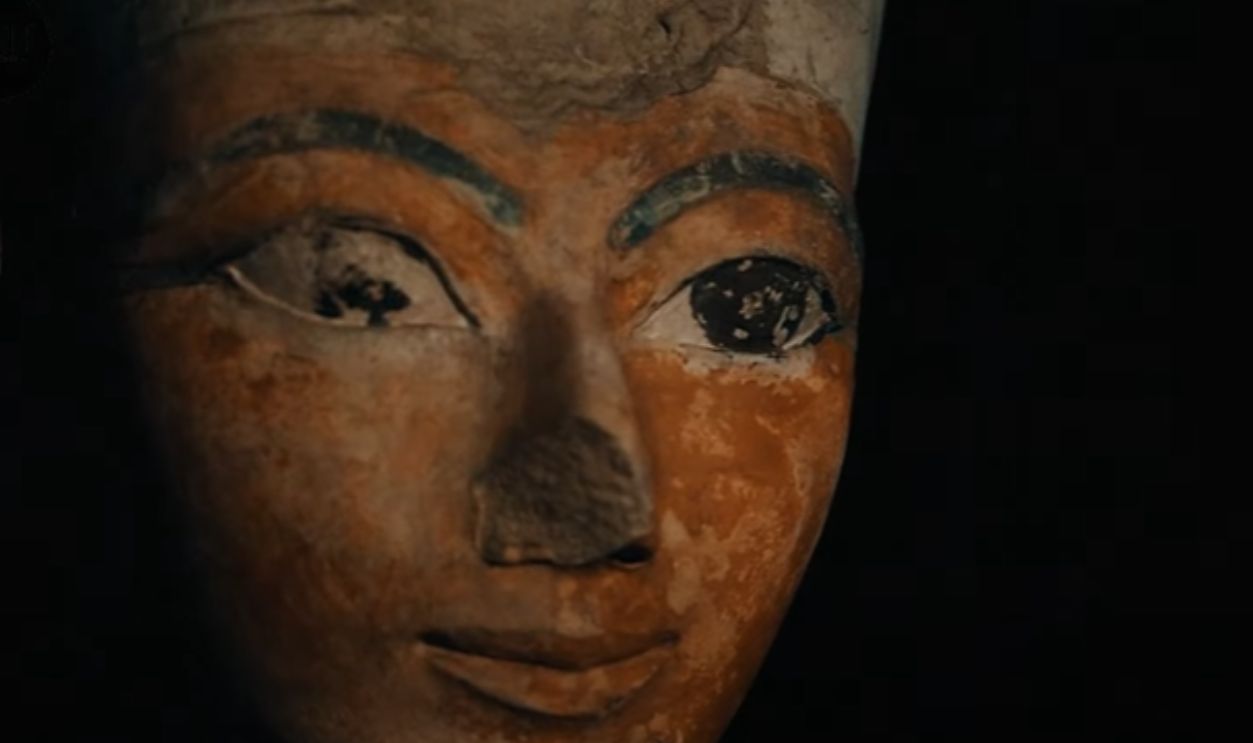
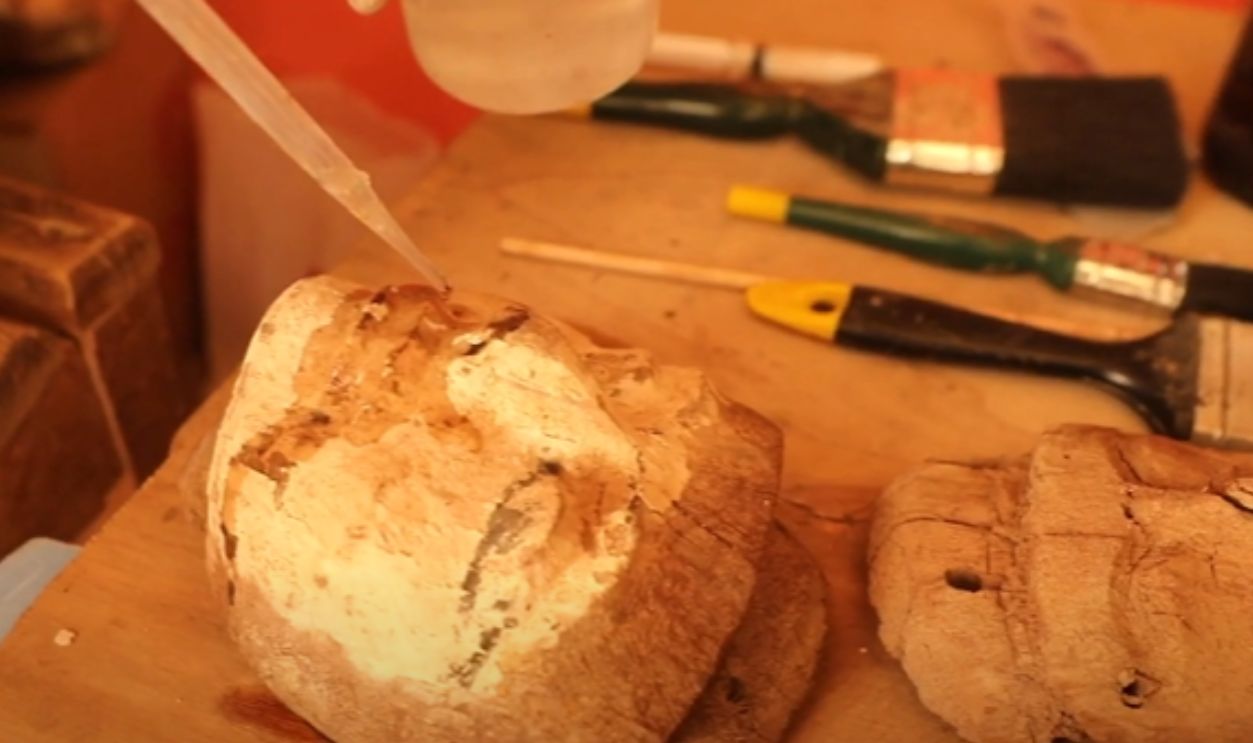
Slightly higher in the sequence, a skull appeared partially covered by a painted mask. Traces of red and yellow pigment remained visible, likely made from cartonnage. It may have offered spiritual protection while preserving identity, which could, in fact, mean that the tomb served evolving ritual needs over generations.
 Unveiling the Secrets: 4500-Year-Old Egyptian Tomb Discovered! by ARH Explorers

History's most fascinating stories and darkest secrets, delivered to your inbox daily.
Sarcophagus (Tomb With Coffin) From The New Kingdom
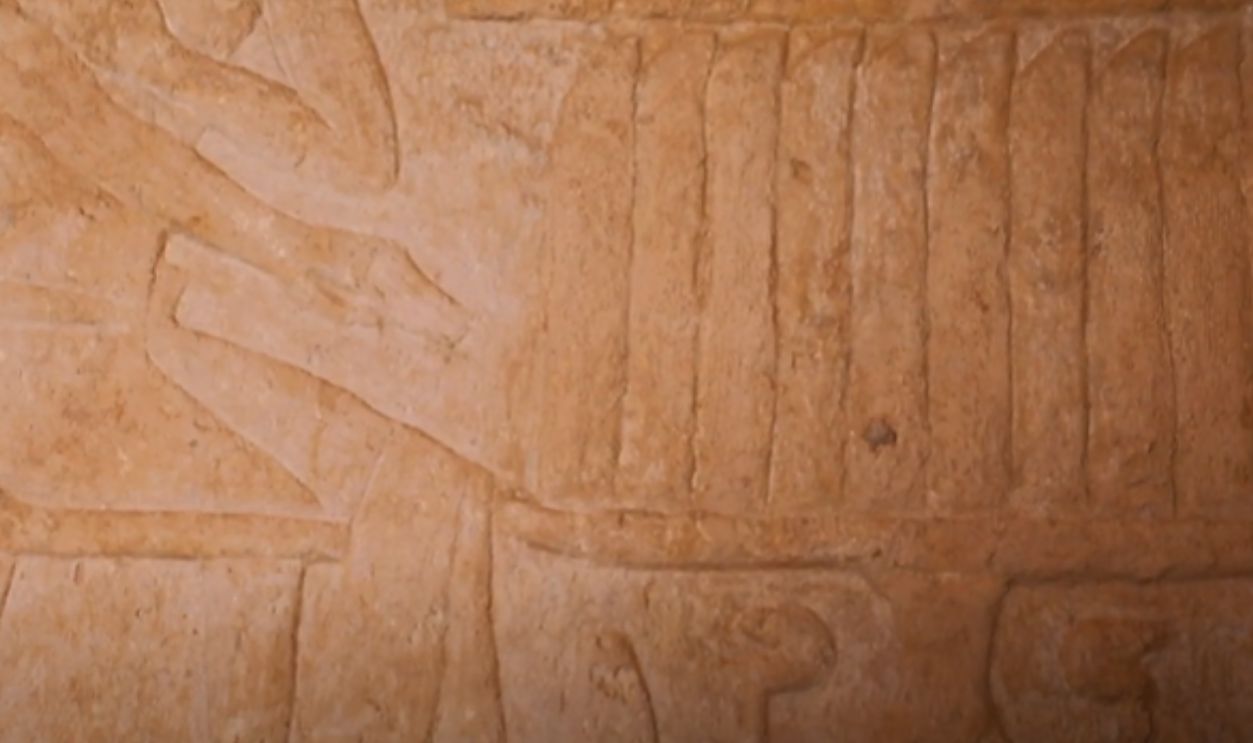
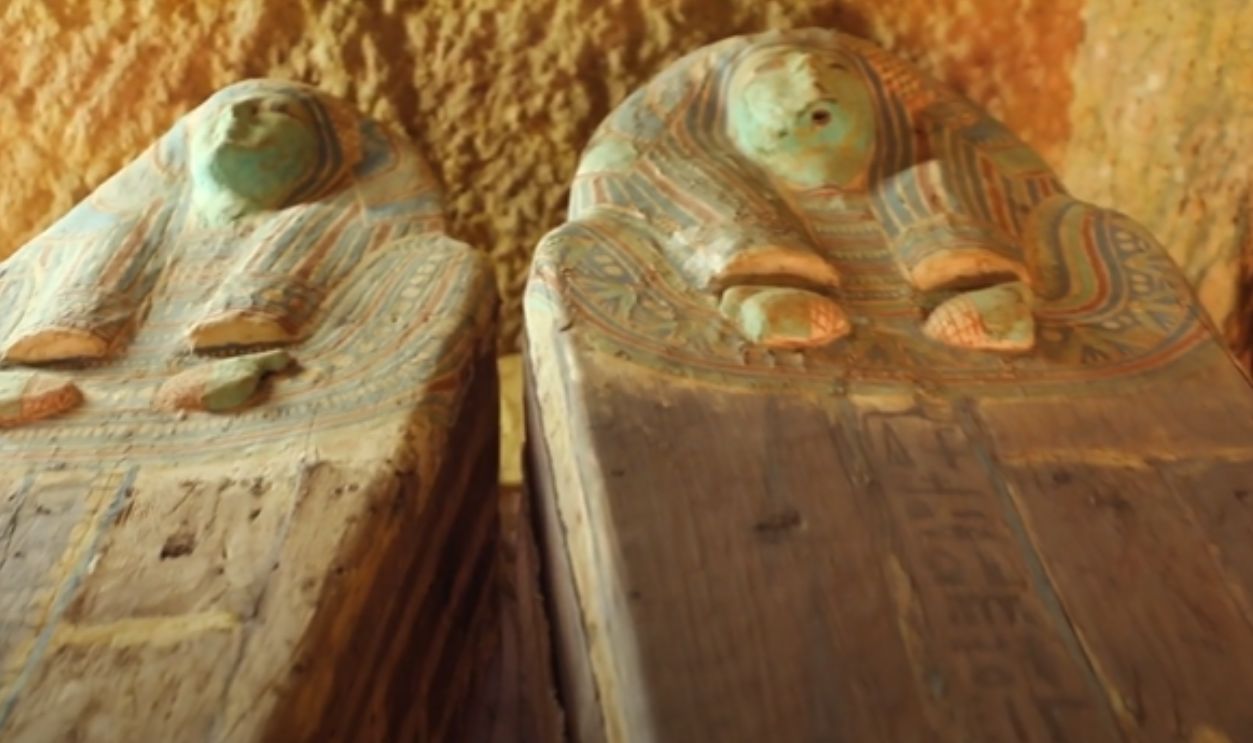
High above the tomb’s original layers, archaeologists unearthed a wooden sarcophagus. The artifacts it contained, specifically the faint hieroglyphs on its rim. This was a possible New Kingdom possession. The New Kingdom (c. 1570–1069 BCE) was ancient Egypt’s golden age, marked by powerful pharaohs, vast empire-building, and monumental temples.
 Unveiling the Secrets: 4500-Year-Old Egyptian Tomb Discovered! by ARH Explorers
Alabaster Vessel Inside The Coffin
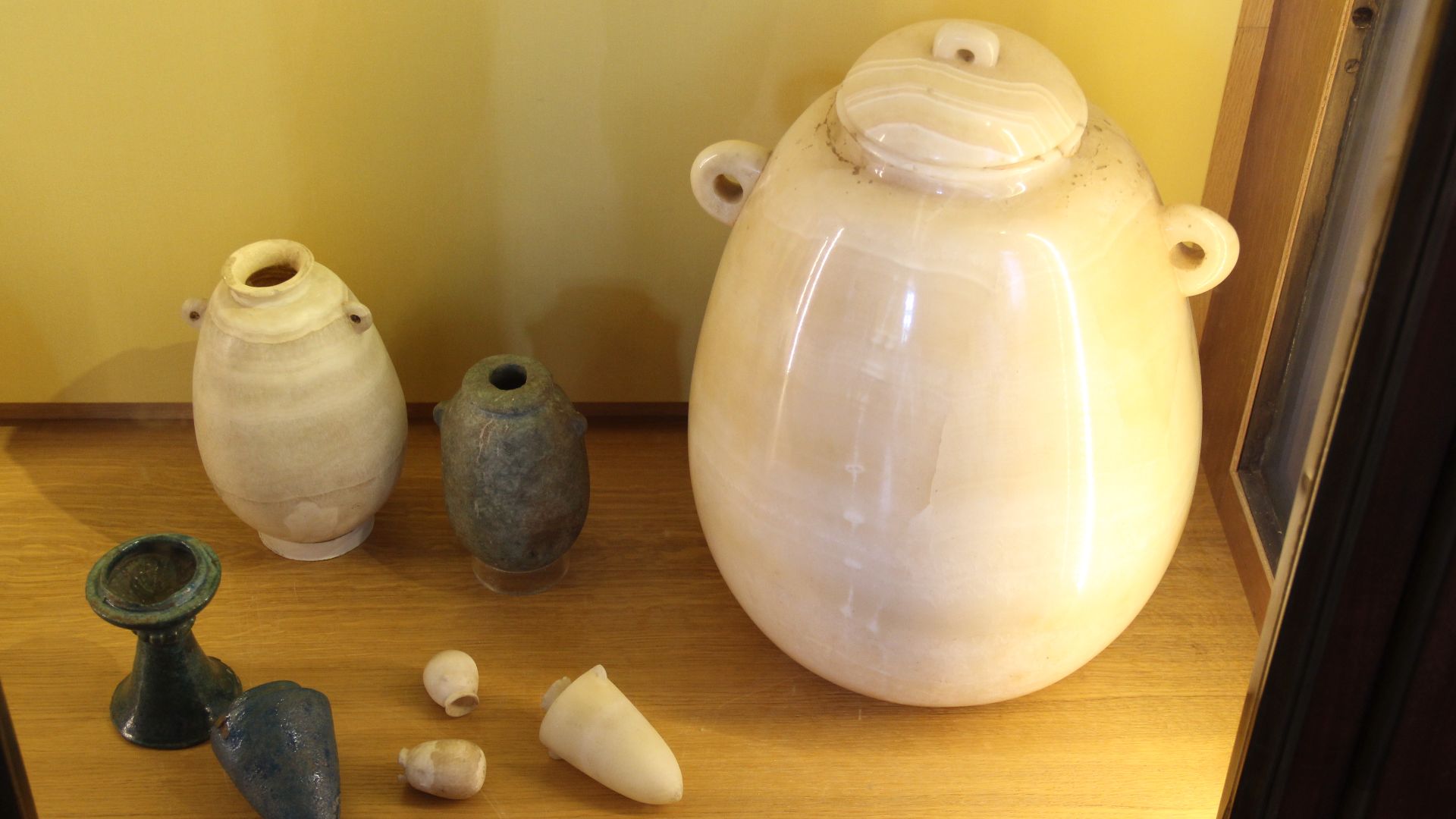
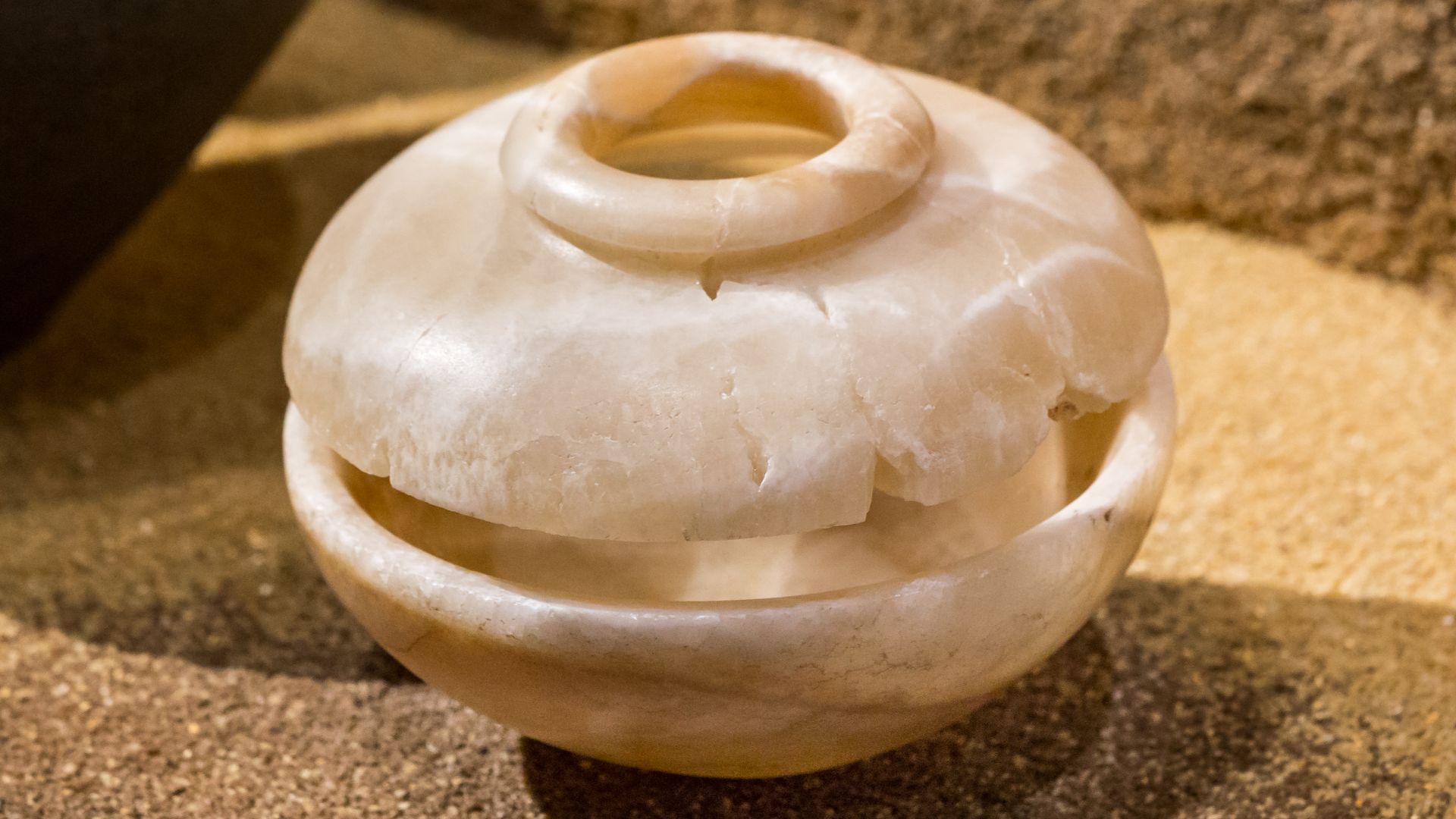
Inside the New Kingdom sarcophagus, a sealed alabaster vessel lay undisturbed near the feet of the deceased. Shaped to hold ritual oils, its near-perfect preservation seemed almost deliberate. It was as though the vessel had been set there not only as an offering but as a marker of sacred time.
 Gary Todd from Xinzheng, China, Wikimedia Commons
Ritual Use Of Alabaster
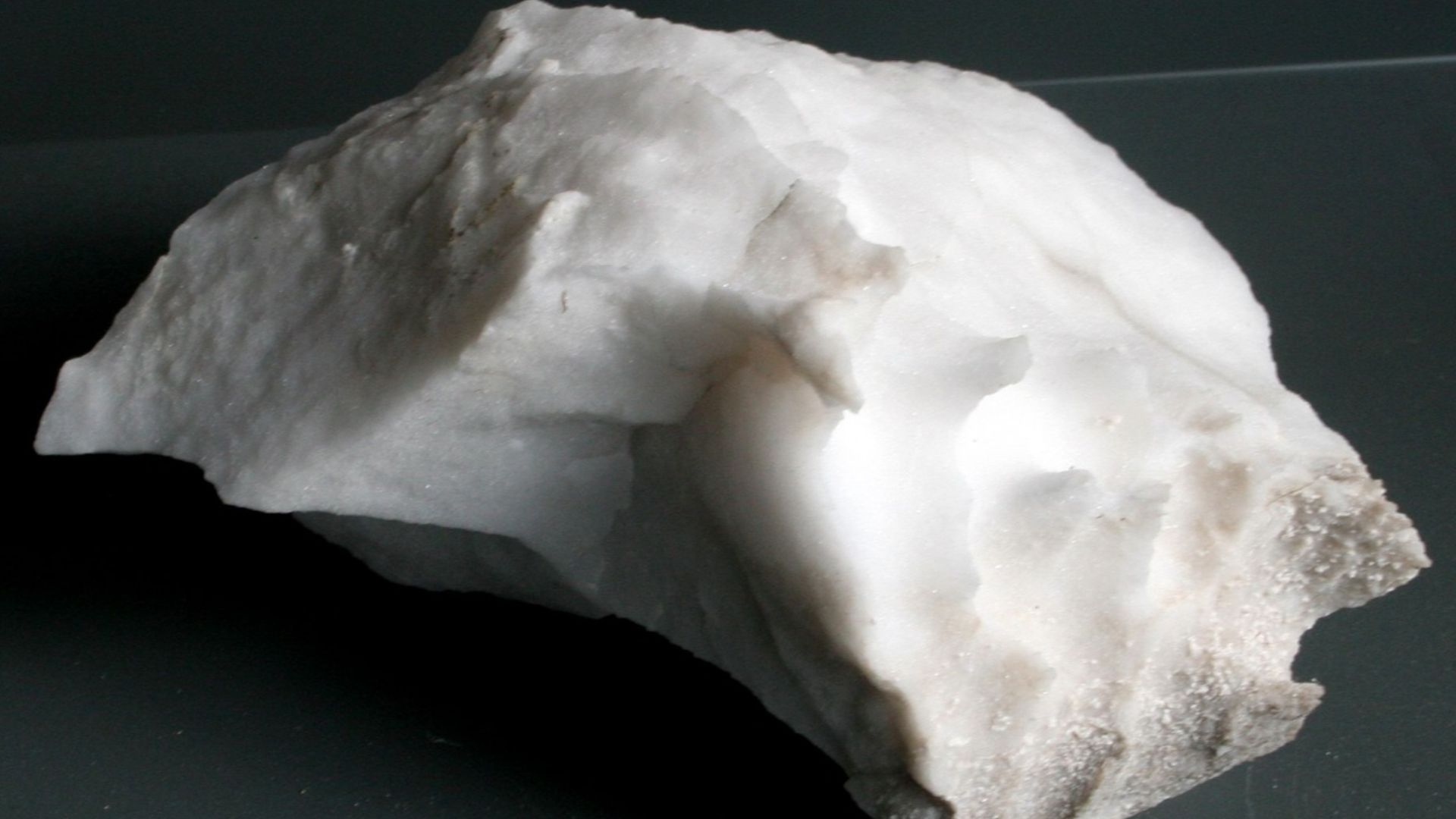
Alabaster’s translucent beauty made it highly prized for both functional and ceremonial purposes. It was often used to hold perfumes or embalming fluids in the tombs of the elite. Here, it was confirmation of high-status rituals—perhaps for a priest, a noble, or someone deeply connected to Egypt’s temples and royal service.
 uploaded with permission from User Lanzi by Ra'ike on de.wikipedia, Wikimedia Commons
Organic Residue Discovered
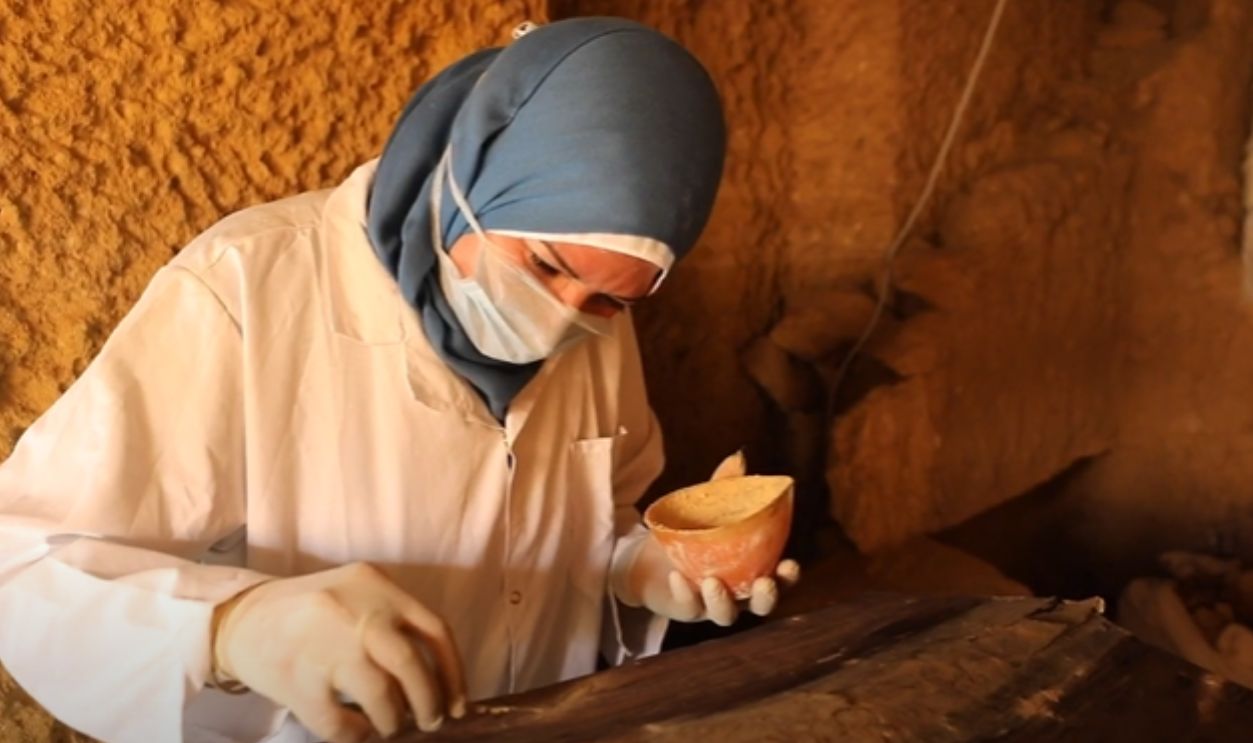
Chemical testing revealed traces of myrrh and cedar resin inside the alabaster vessel—substances essential to Egyptian embalming rituals. These weren’t just remnants of any period, but of an era when funerary customs were deeply rooted, linking the tomb to Egypt’s enduring cultural foundations.
 Magnificent 4,500 Year-old Tomb Discovered by the Great Pyramids by CairoScene
Figurines In A Wall Niche
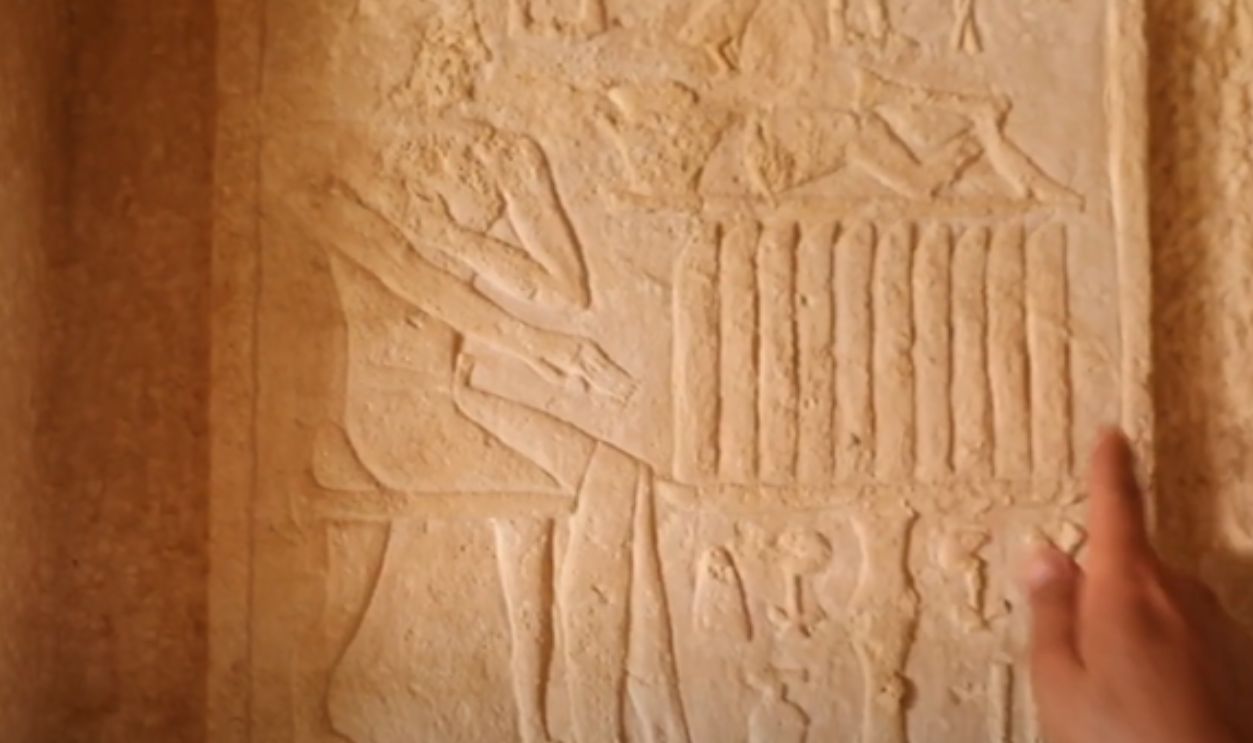
In a quiet corner of the tomb, two terracotta figurines lay within a wall niche. These figurines, though small, stood as quiet witnesses to the tomb’s use, possibly even guarding memories that transcended generations. Their simple yet striking design seemed out of place, off even, amidst the grander treasures.
 Magnificent 4,500 Year-old Tomb Discovered by the Great Pyramids by CairoScene
Harpocrates On A Goose
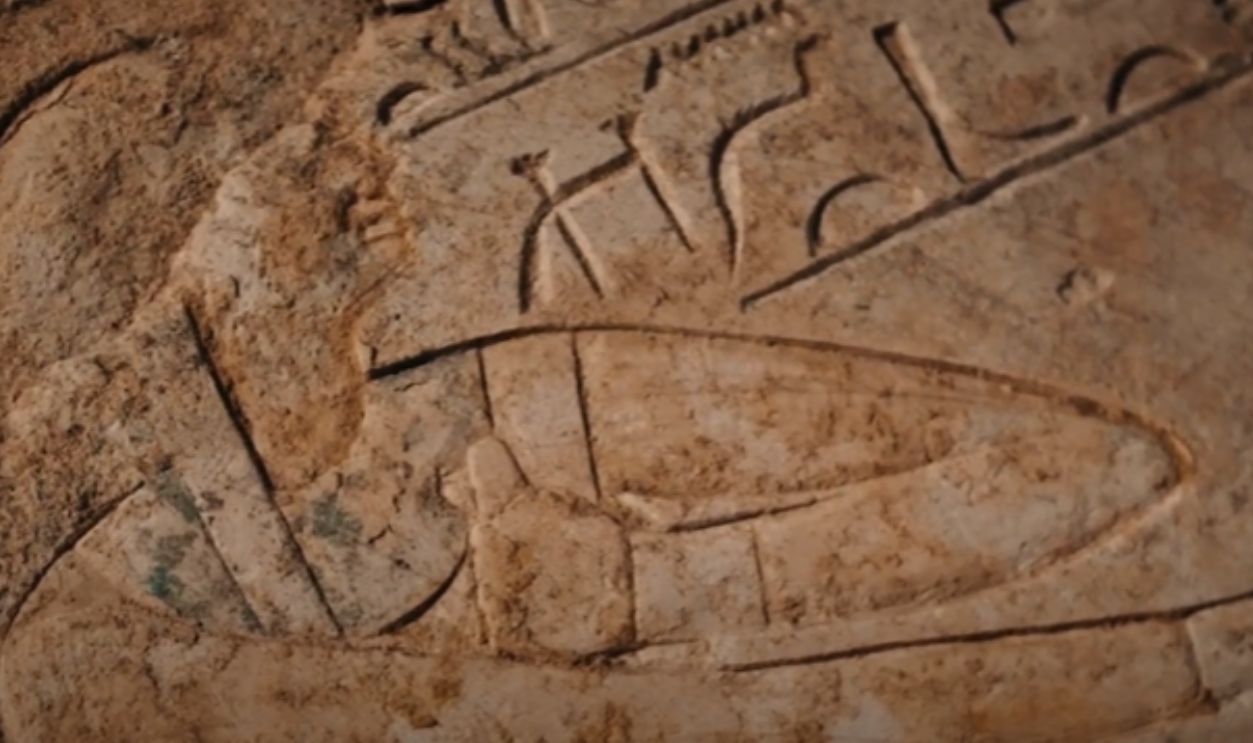
The list of finds went on. Next up, another figurine showed Harpocrates, the child form of Horus, seated atop a goose. In later Egyptian belief, this image was a symbol of rebirth and protection. Some would call that balance, perhaps, to guide the deceased gently into a new beginning.
 The Ancient Tomb of Kings: A 4,000 Year Old Discovery that Will Shock You by Ancient Finds
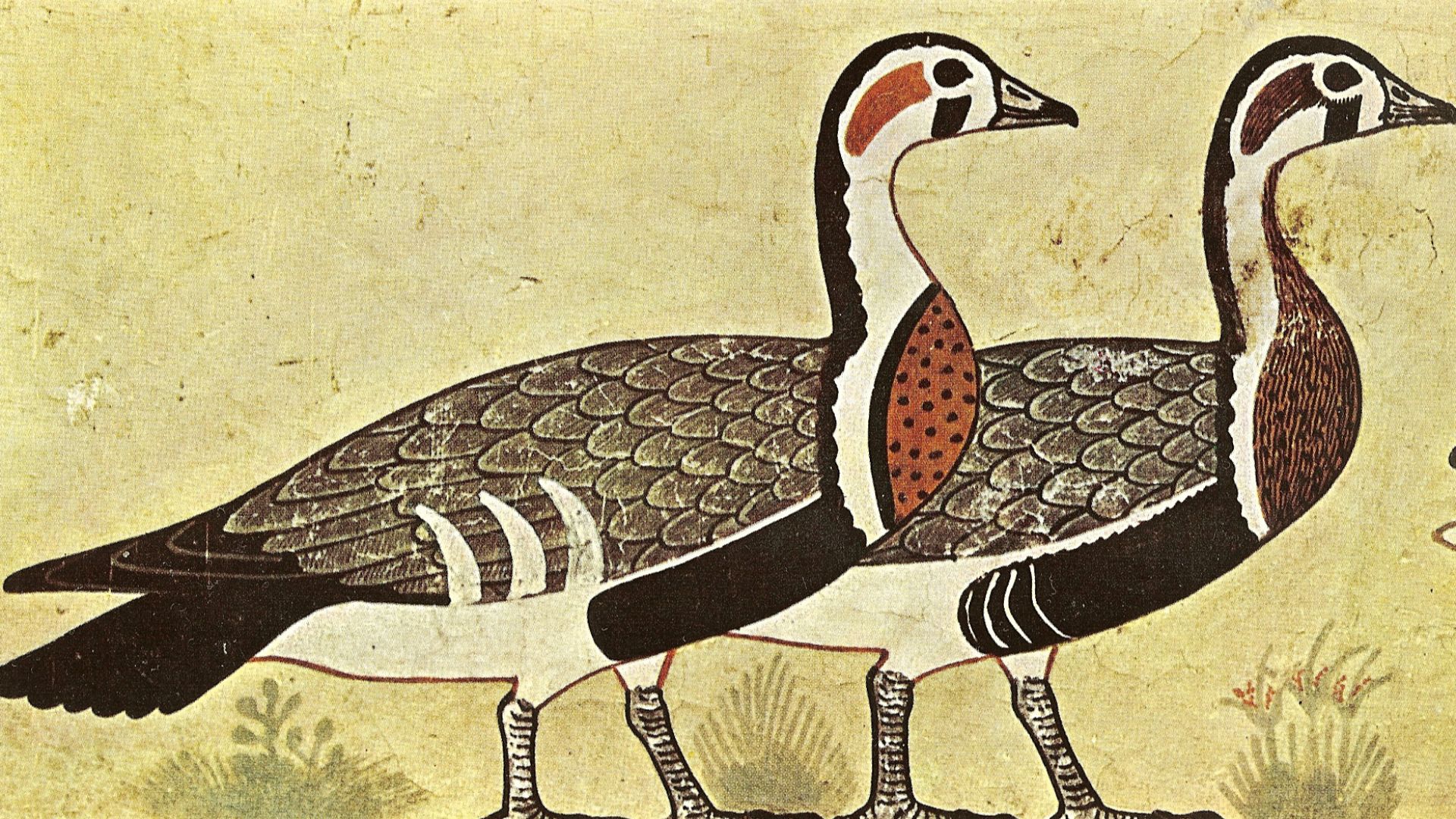
The Meaning Behind The Goose
In Egypt and Greece, geese symbolized creation, protection, and divine connection. Egyptians saw them as soul-guides and cosmic egg layers linked to gods like Geb and Amun. Greeks revered them for fertility and vigilance, sacred to Aphrodite, Hera, and Artemis—guardians of love, life, and sacred thresholds.
 Maler der Grabkammer des Itet, Wikimedia Commons
Isis In Terracotta
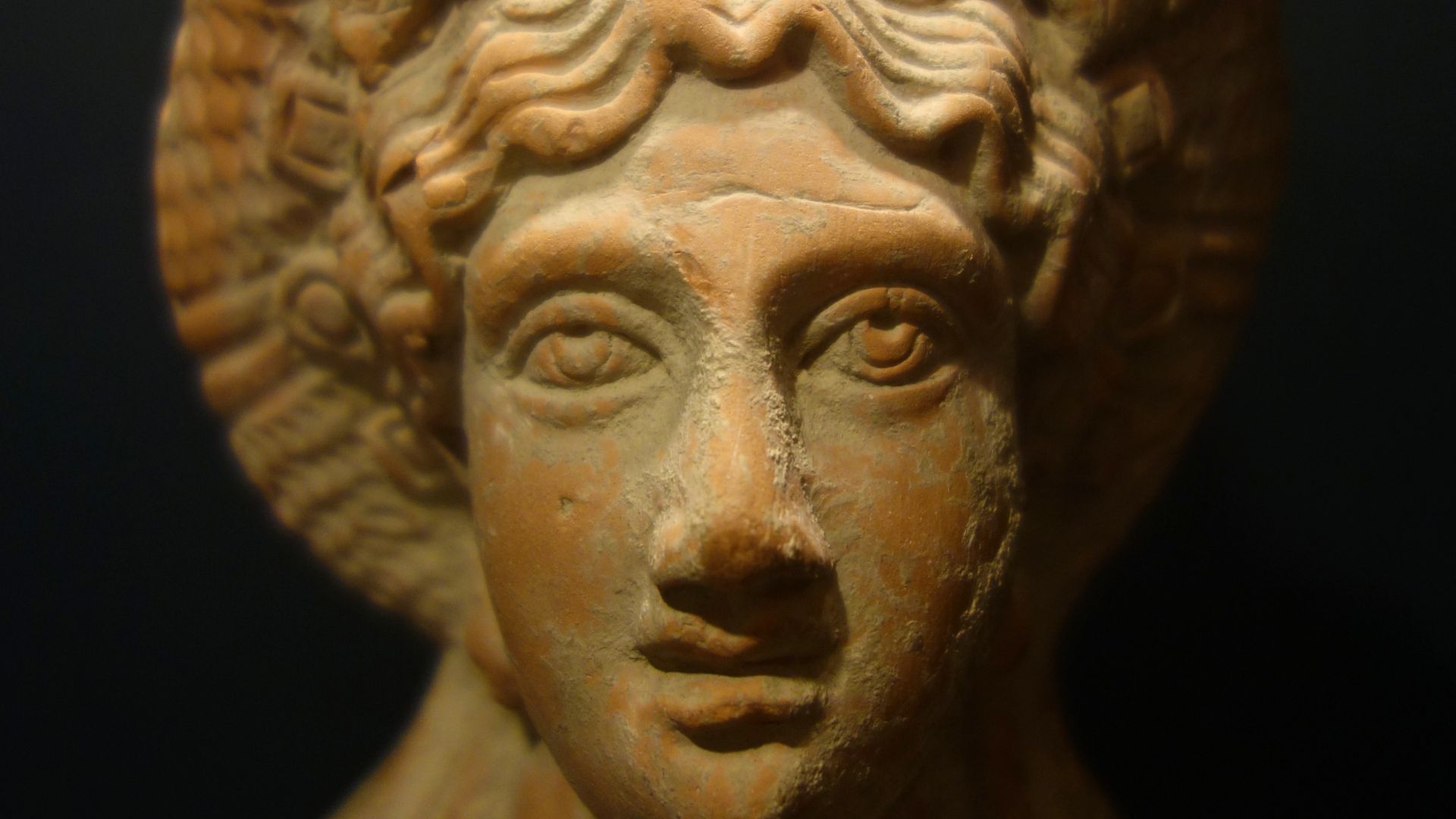
There was even a terracotta figurine of Isis, crowned with her emblem. This one was found nestled beside the Harpocrates. Its humble appearance, size, and material belied the goddess’s immense spiritual significance. Hmm, but why would they place them (Isis and Harpocrates) side-by-side? There had to be a reason, right?
Then, A Child’s Burial Appears
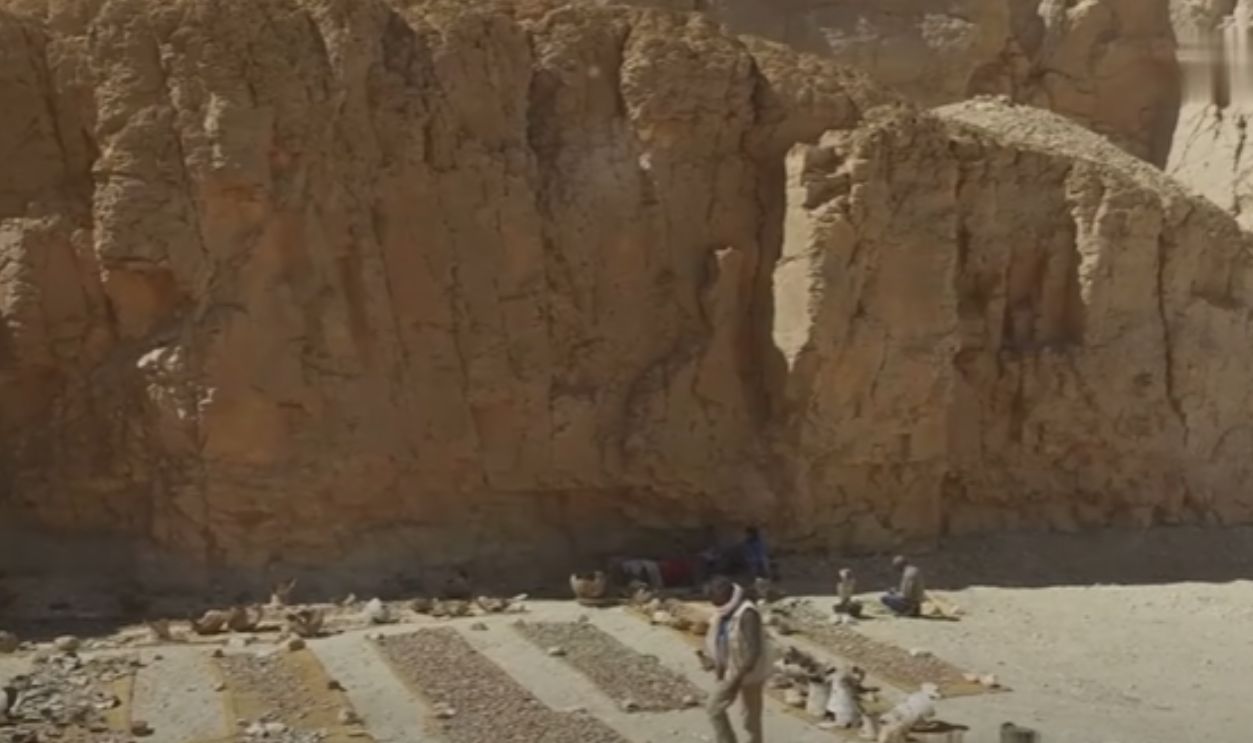
Nearby, a child’s remains were discovered in a recessed niche, with no coffin or amulets. This discovery sparked questions, primarily about how different age groups were treated within the same sacred space. While the simplicity of the burial stood out, the care with which the body was positioned was unmistakable.
 Unveiling the Secrets: 4500-Year-Old Egyptian Tomb Discovered! by ARH Explorers
The Child Burial Pattern Revealed A Lot
This child’s burial site was an anomaly—alone with nothing but air. Carefully placed, yet without amulets or goods. Perhaps a laborer’s child, buried in haste or hardship. The simplicity: was it poverty, tomb reuse, a laborer’s child, or a quiet belief in presence over possession?
 Magnificent 4,500 Year-old Tomb Discovered by the Great Pyramids by CairoScene
The Typical High-Status Child Burial
In contrast, a high-status child’s burial featured a range of carefully arranged items. If they belonged to the elite class, this was typical. Were it a laborer, only modest items would have been found—perhaps a charm or linen wrap, but rarely divine imagery.
 Magnificent 4,500 Year-old Tomb Discovered by the Great Pyramids by CairoScene
Symbols Of Evolving Belief
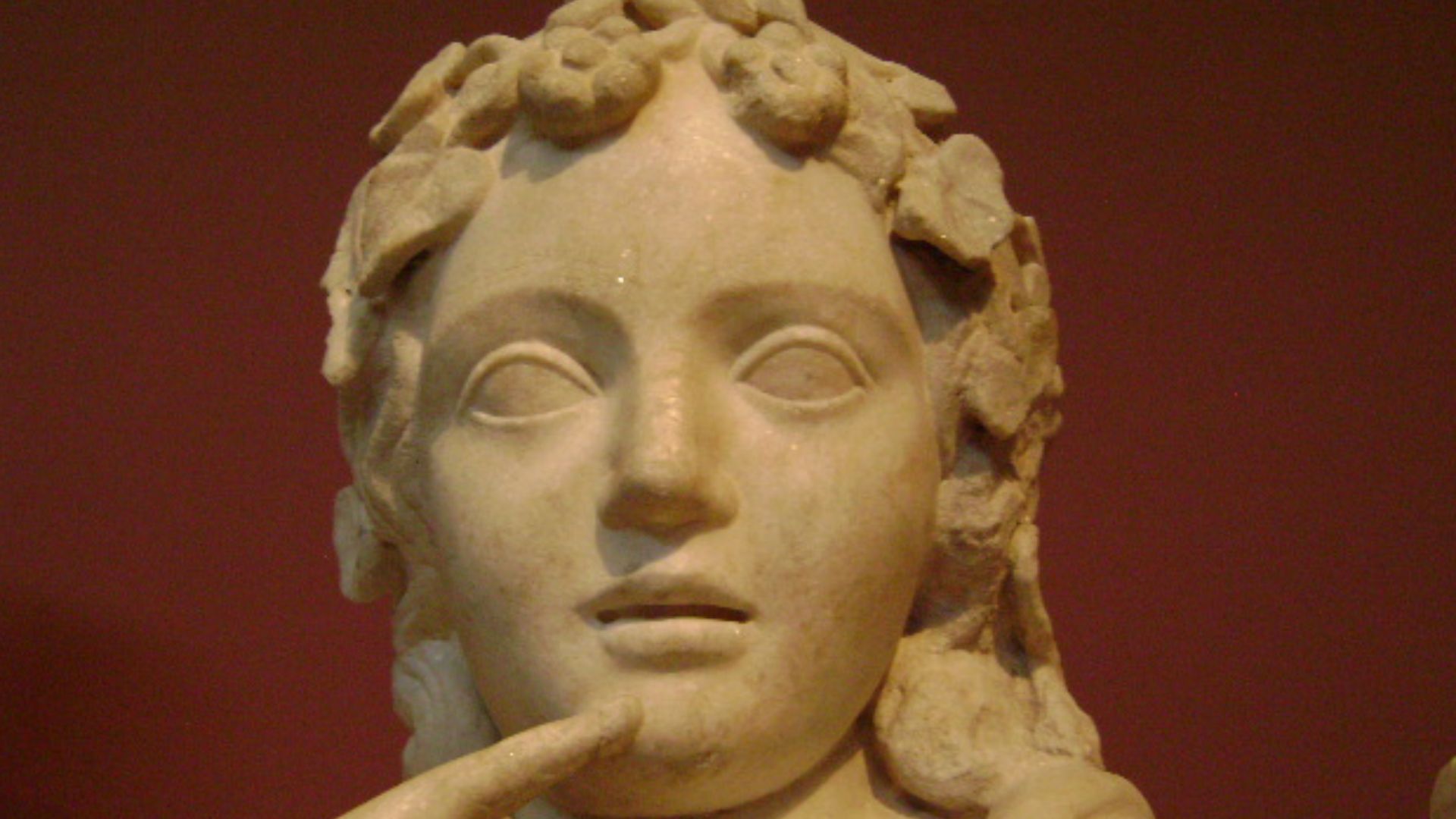
During the Hellenistic period, Greek and Egyptian beliefs intertwined. Harpocrates, a Greek version of Horus the Child, symbolized silence. Isis, though Egyptian, was widely adopted. Their presence in a dynastic tomb demonstrates how new gods were incorporated into existing ones, basically how Egyptian religion evolved under Greek rule.
 Deiadameian, Wikimedia Commons
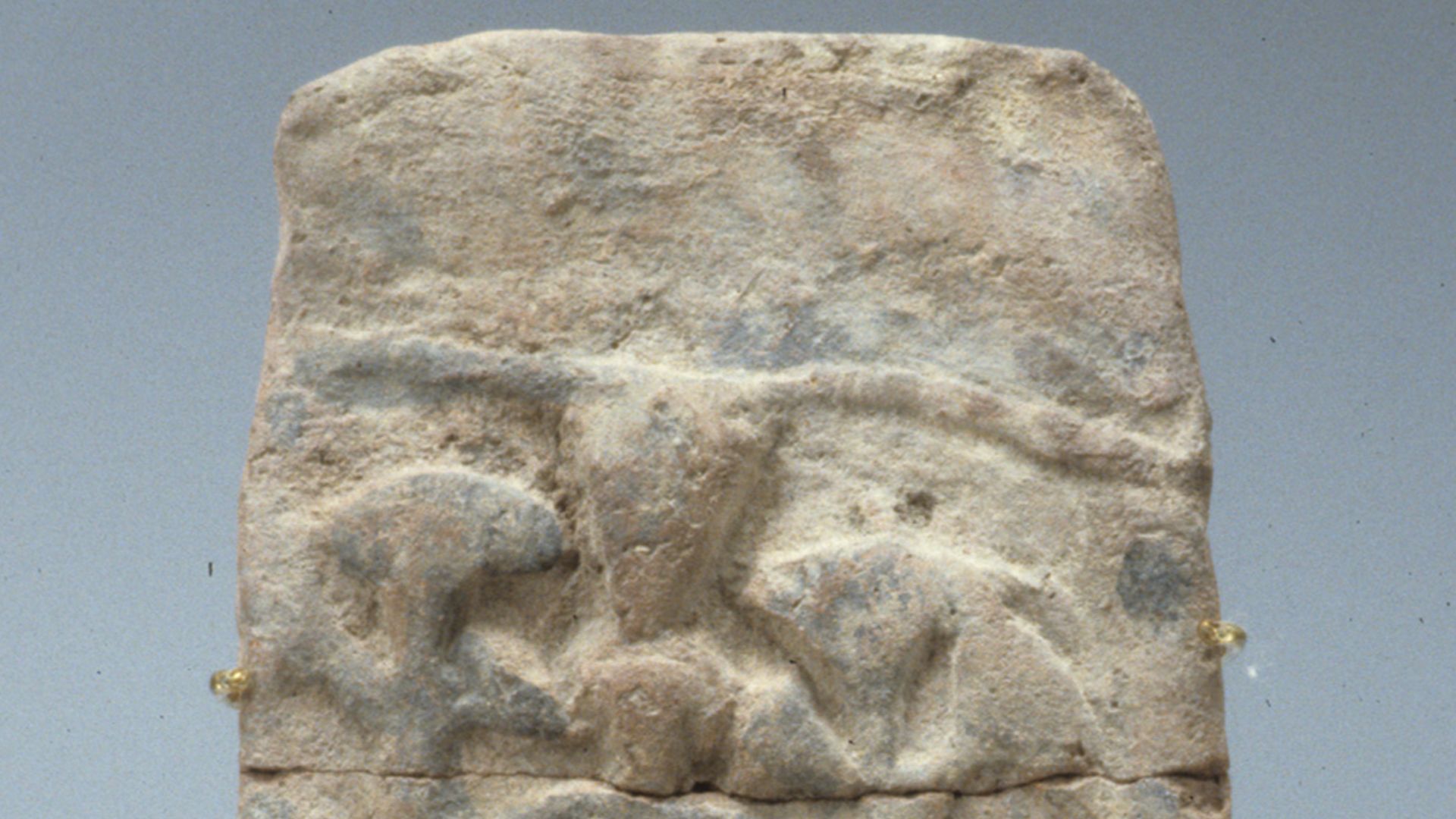
The Stela Had The Greek Name “Heroides”
Near the niche, a carved stela—an upright stone slab for marking graves—bore the Greek name Heroides in Ptolemaic script. Unlike older Egyptian hieroglyphic stelae, this version blended Egyptian purpose with Greek form. It was apparent that the Greco-Egyptian tradition was firmly established by that time.
The Greek Link Literally Written In Stone
Heroides wasn’t an Egyptian name—it carried Greek roots. This would mean that the tomb had been revisited by Hellenized Egyptians or even Greek settlers. They brought with them their own beliefs, yet the tomb remained sacred, a fusion of two cultures woven together over centuries of change.
 Unveiling the Secrets: 4500-Year-Old Egyptian Tomb Discovered! by ARH Explorers
Amulets Scattered In Fill
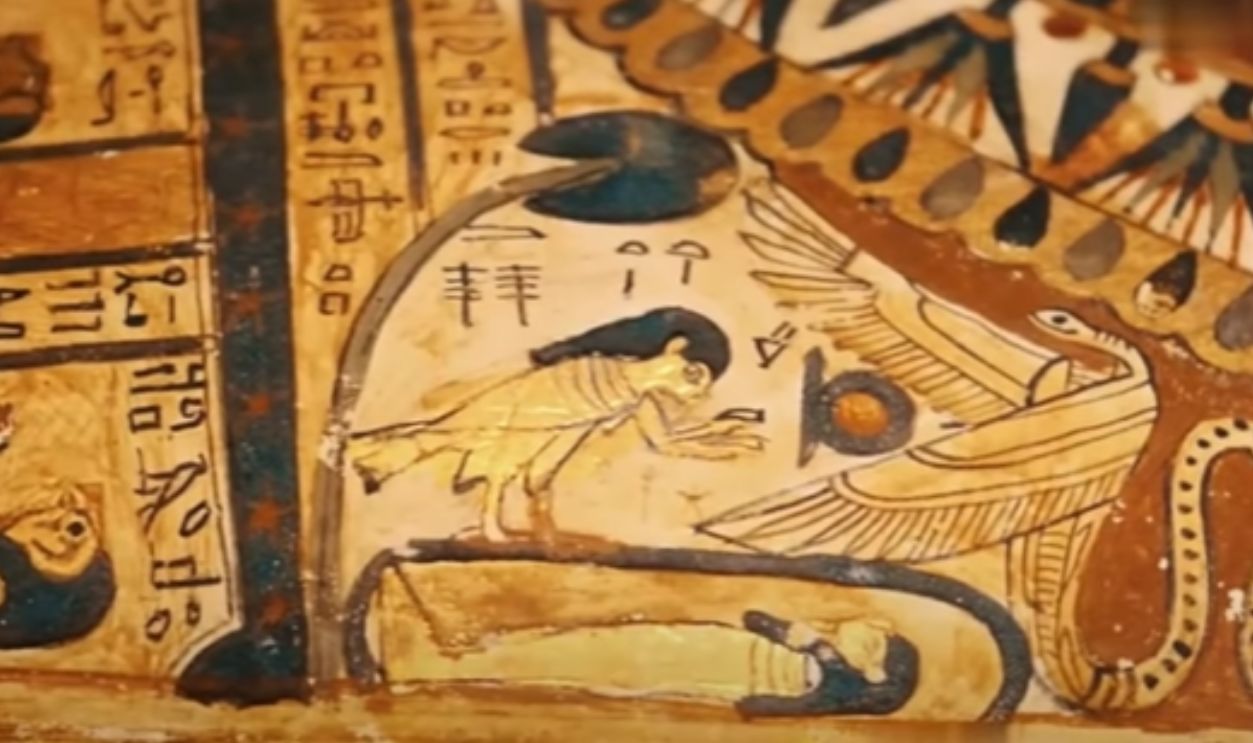
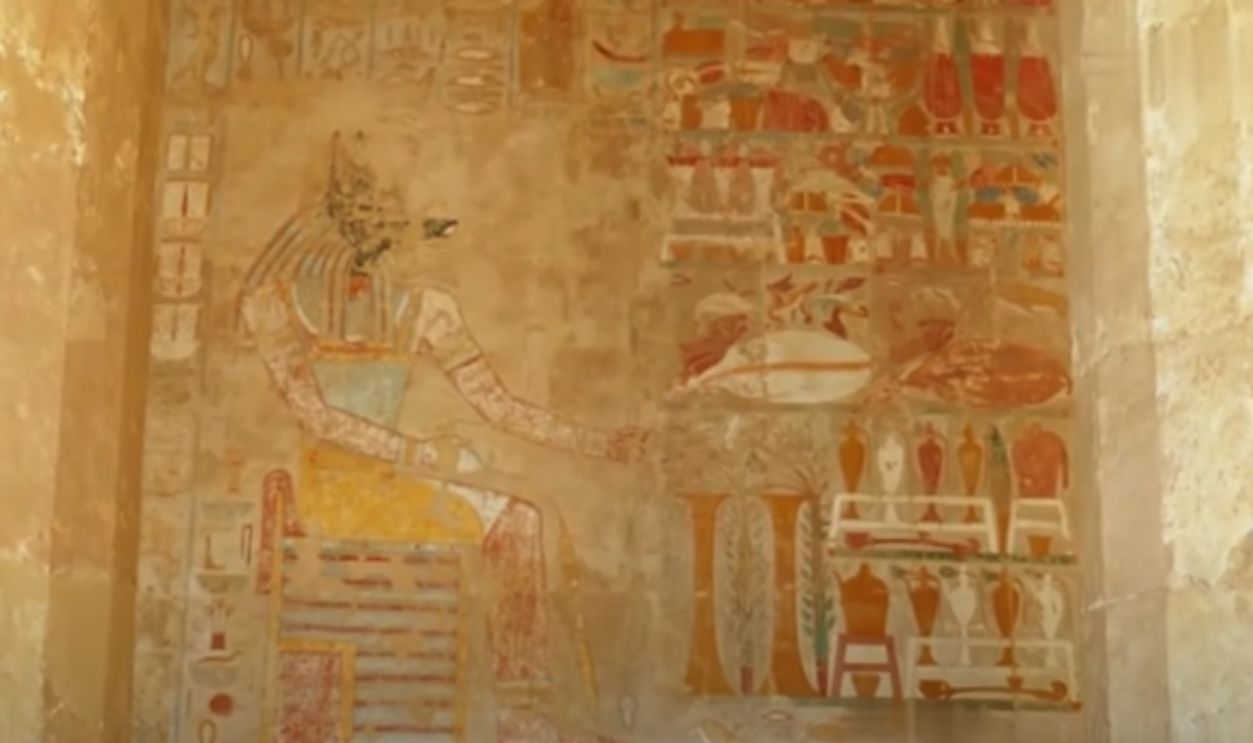
Across the layers of burial fill, dozens of amulets—scarabs, djed pillars, and wadjet eyes—were scattered, almost like forgotten relics of an ancient ritual. Each tiny charm seemed to have slipped out of the hands of time, quietly slipping into history’s grasp without fanfare or ceremony.
 Unveiling the Secrets: 4500-Year-Old Egyptian Tomb Discovered! by ARH Explorers
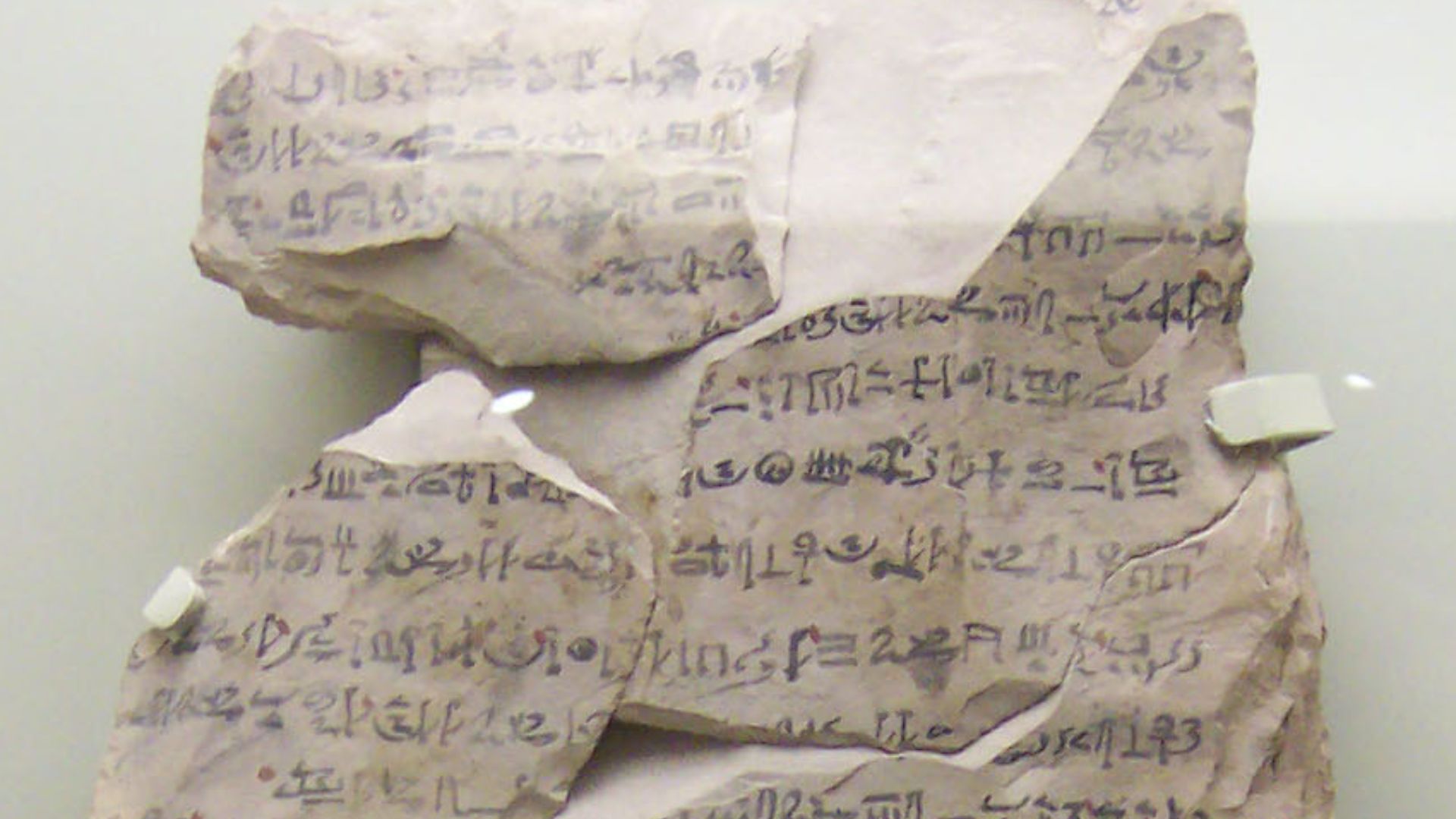
Pottery With Hieratic Text
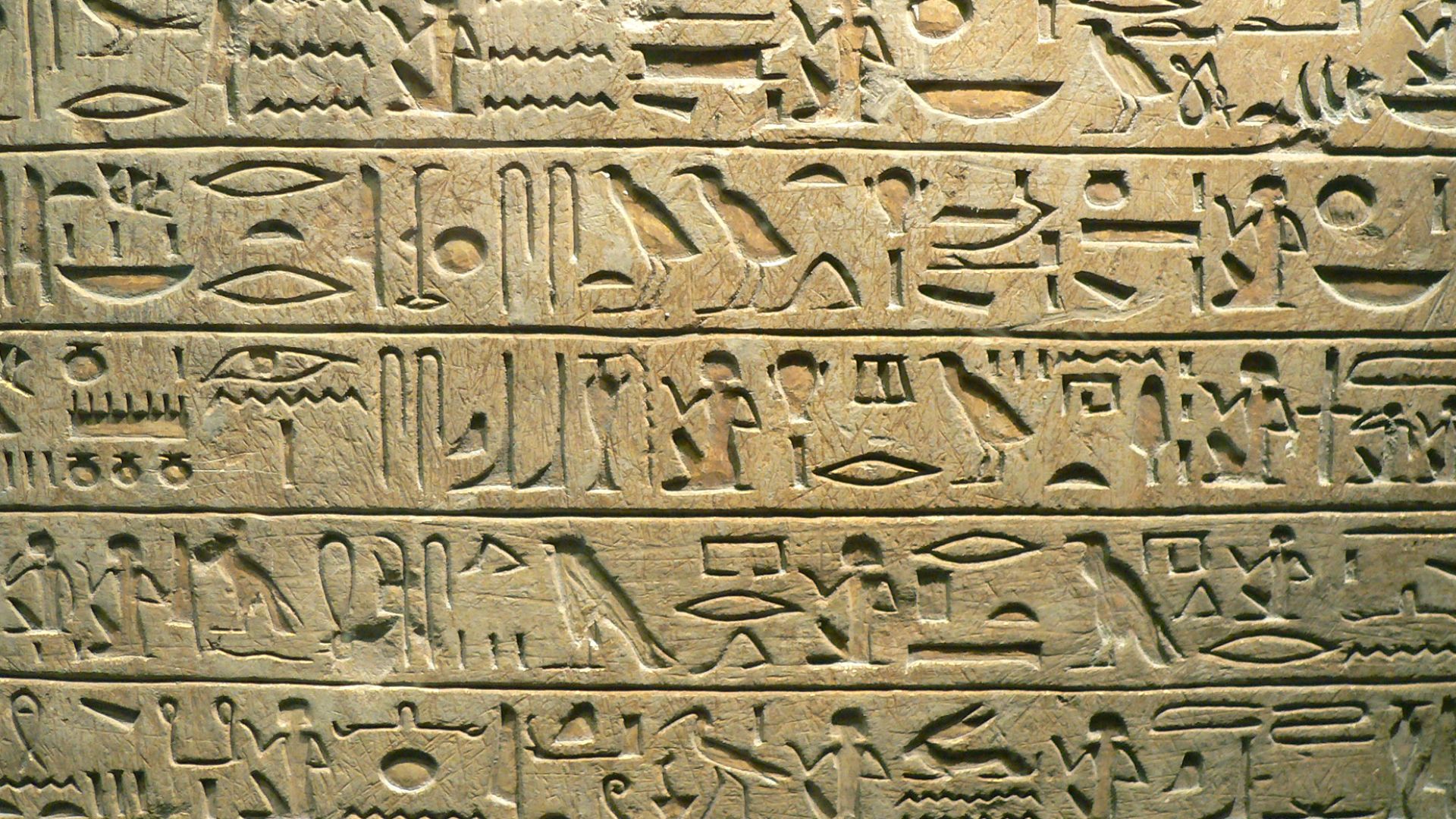
Among the fragments of pottery, inscriptions in hieratic script were discovered, some faded with age, others still legible. These pieces were definitely once part of everyday life, now whispered long-lost conversations, their markings a silent dialogue between the living and the dead, between then and now.
 en:User:Wafulz, Wikimedia Commons
Inscriptions From Multiple Eras
The pottery shards had some peculiarities that painted a vivid picture of change: some were inscribed with the ancient, flowing hieratic script, while others bore the more formal strokes of the New Kingdom. The patchwork quilt of eras was evident without a doubt.
Shared Tomb Across Cultures
Those inscriptions were just one part of the puzzle of continuity. Over and over, we saw objects from both Egyptian and Hellenistic traditions appear side by side, like strangers who had learned to coexist. It’s true; across centuries, it remained a sacred space for whoever buried their dead there.
 Unveiling the Secrets: 4500-Year-Old Egyptian Tomb Discovered! by ARH Explorers
Dynasties Overlap In One Site
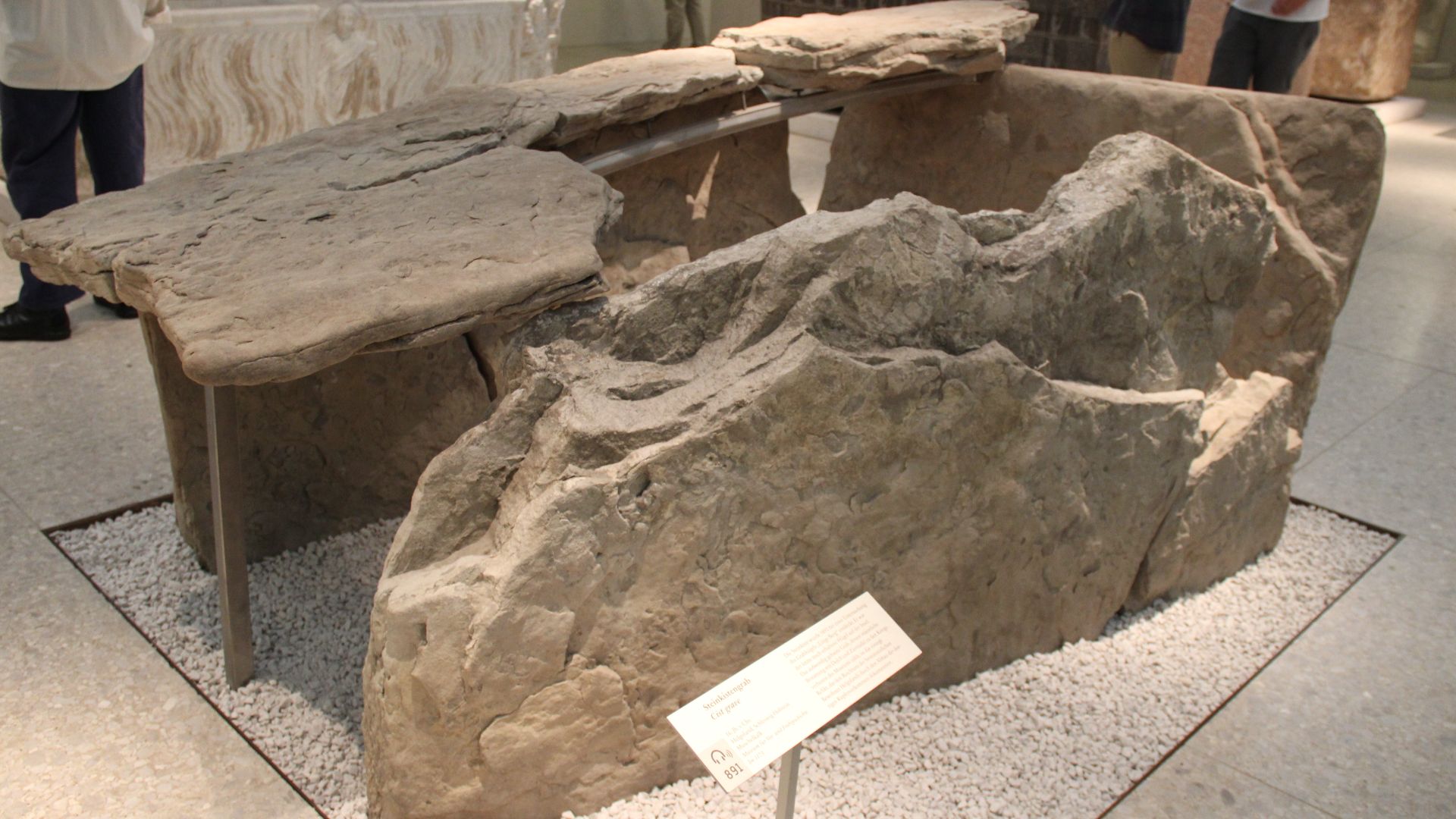
Material evidence from distinct dynasties revealed a layered history—two very different civilizations sharing the same sacred space. Yet these additions weren’t random intrusions. They followed long-standing Egyptian burial customs, even as new cultural influences emerged. Across time, dynasties didn’t erase each other—they adapted, embraced, and coexisted.
 Gary Todd from Xinzheng, China, Wikimedia Commons
No Signs Of Looting
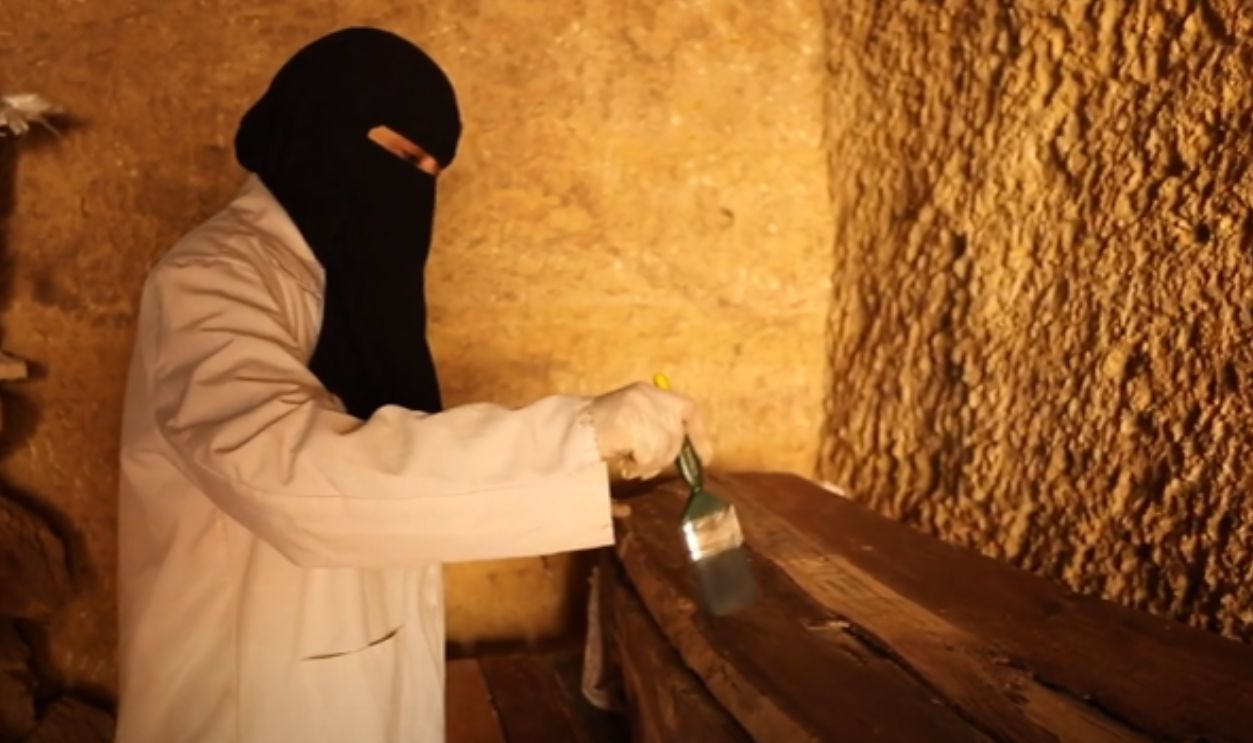
Despite its age, the tomb showed no signs of disturbance. Entryways were sealed, and valuable items, such as the alabaster vessel, remained in place. Its burial layers appeared intact, a sign of natural concealment, rather than isolation. This site had been spared from the widespread looting common across Saqqara.
 Magnificent 4,500 Year-old Tomb Discovered by the Great Pyramids by CairoScene
Modifications In Stonework
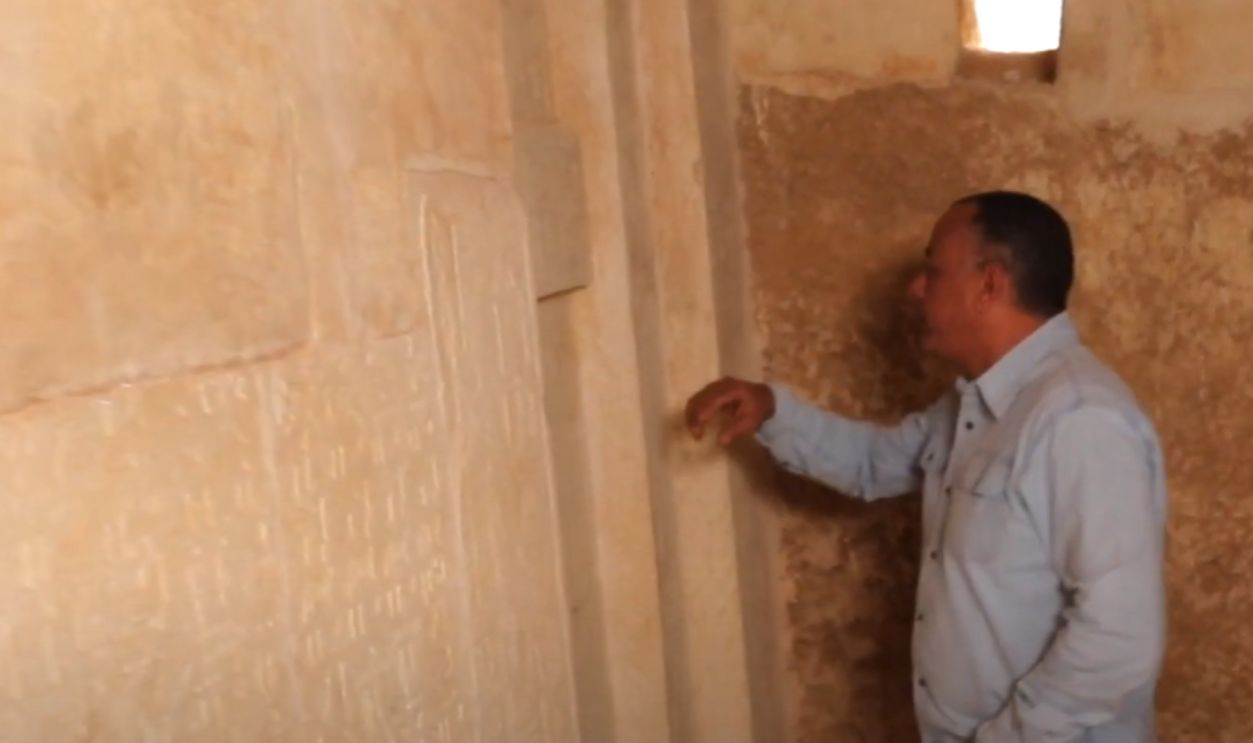
Upon close inspection, the tomb’s walls also showed changes, with some niches having been widened and others newly carved. These were echoes of the tomb’s evolution, like a tree that grows new branches while maintaining the shape of its trunk, adapting yet staying rooted in its original form.
 Magnificent 4,500 Year-old Tomb Discovered by the Great Pyramids by CairoScene
Traces Of Ancient Paint
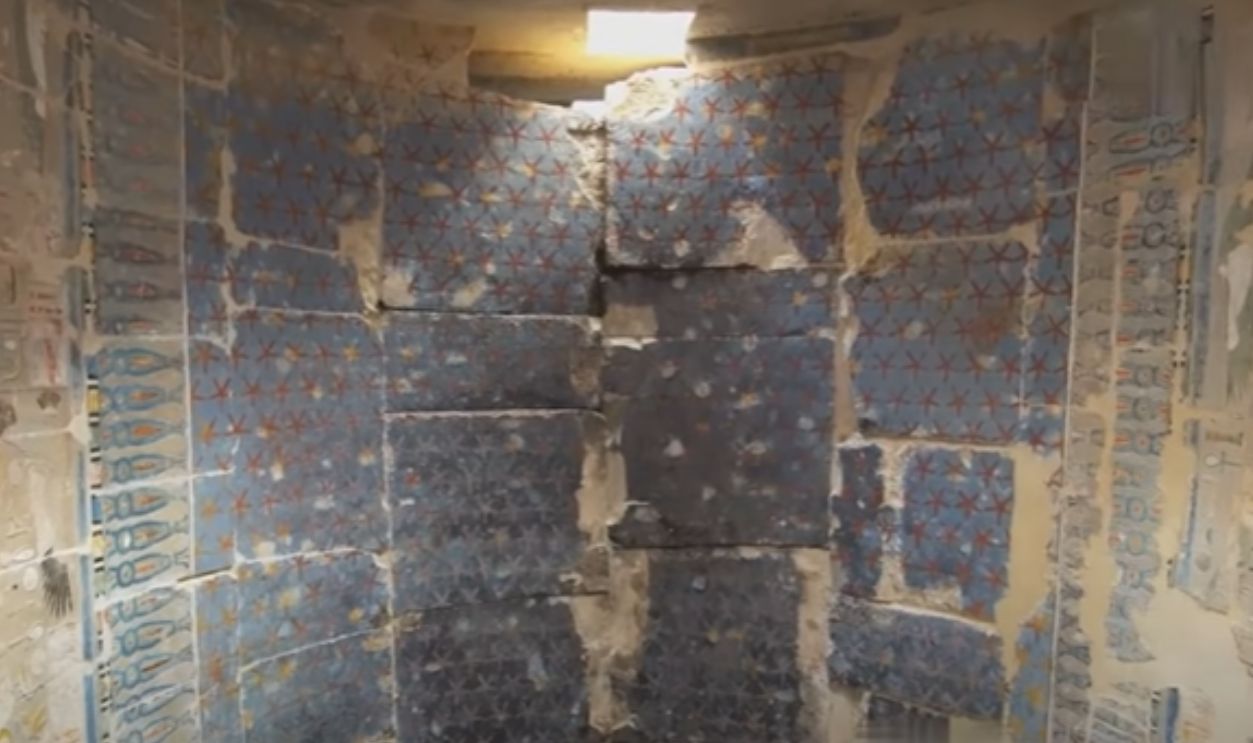
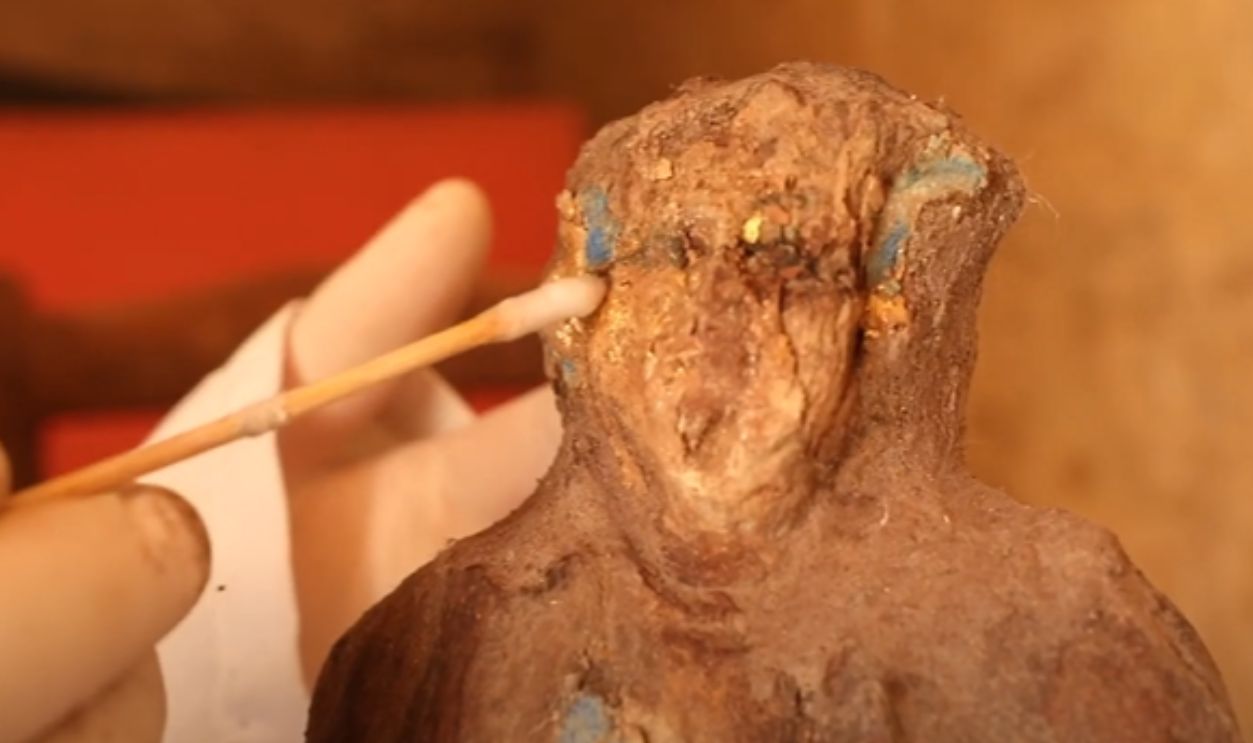
Do you think your red or yellow wall paint is recent? Think again. Back then, wall paint was also a thing, and this site had evidence. Here, faded colors of red, yellow, and black clung to the walls of the tomb, remnants of a once-vibrant scene.
 Magnificent 4,500 Year-old Tomb Discovered by the Great Pyramids by CairoScene
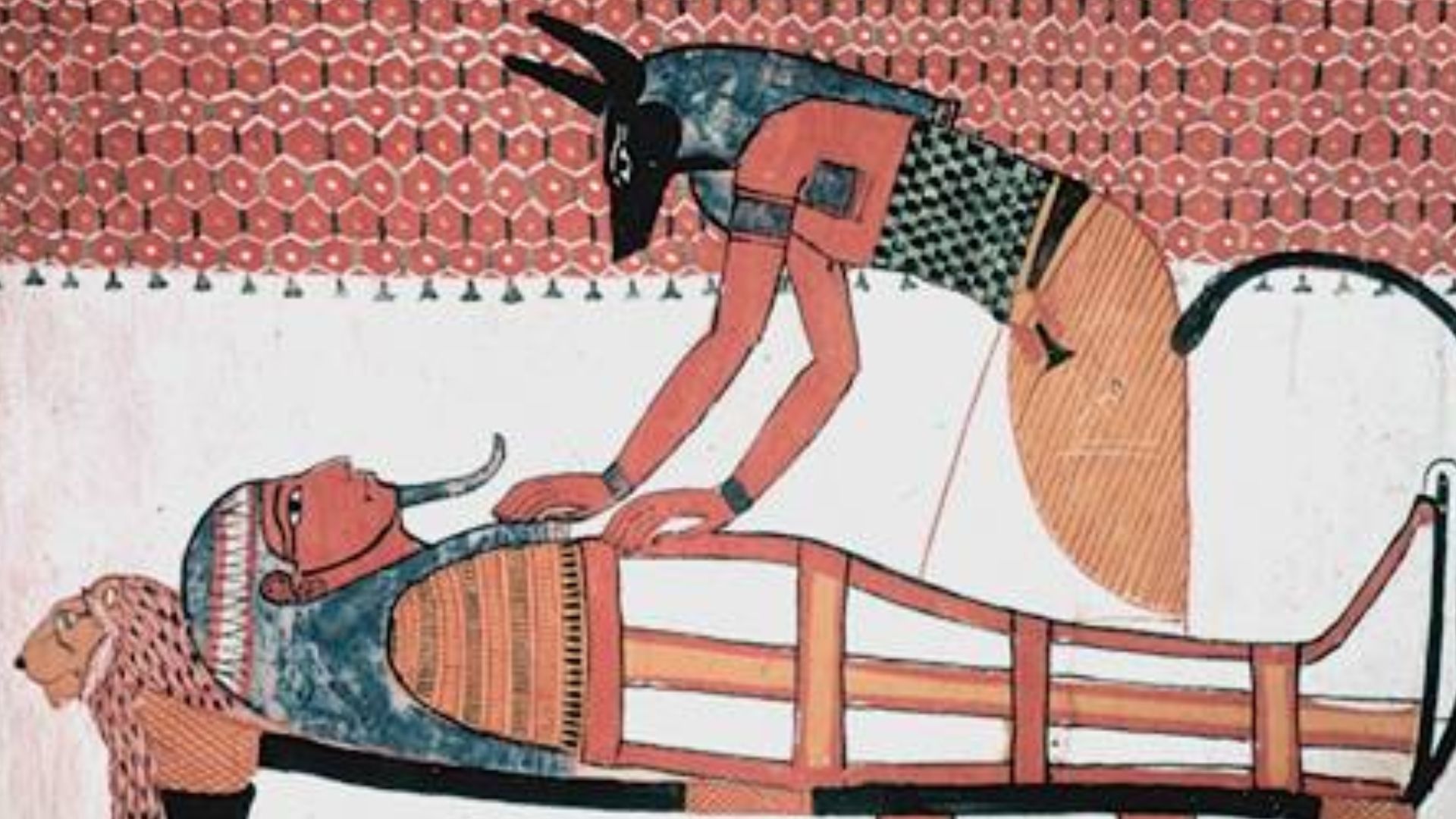
Purpose Of Funerary Masks
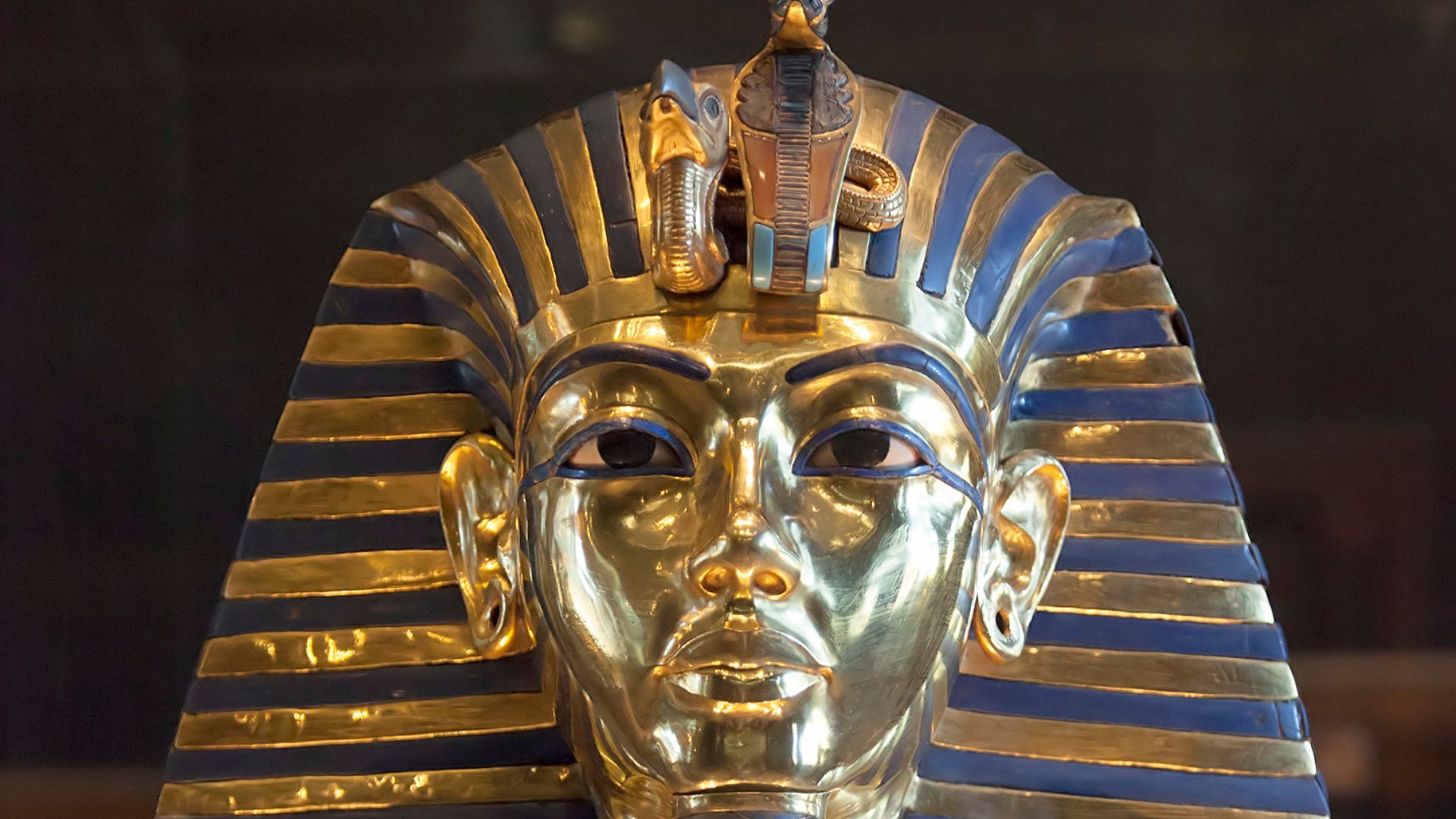
Building on the traces of paint, the funerary mask offered deeper insight. Its watchful eyes asked, “Who will remember me?” Crafted from cartonnage, it preserved identity, guided the soul, and invoked divine protection, ensuring memory endured and the journey into the afterlife remained unbroken.
 Roland Unger, Wikimedia Commons
Why The Greeks and Egyptians Blended Religious Symbols
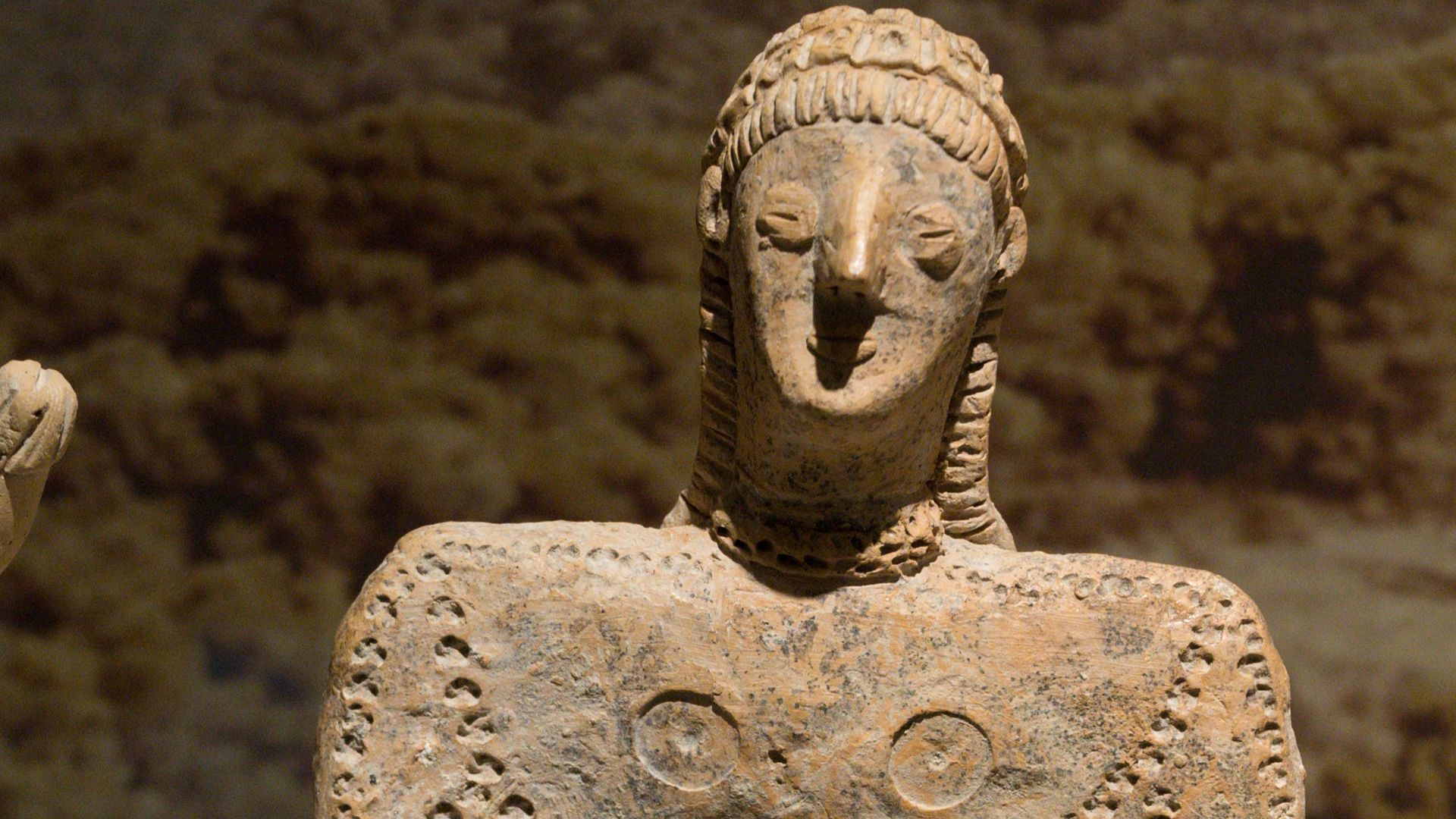
Greek and Egyptian religious practices merged through cultural blending under Ptolemaic rule, in this case for burials. Greeks adopted mummification; Egyptians embraced Greek portraiture and inscriptions. Shared beliefs in the afterlife fostered fusion—mummies with lifelike faces, Greek names, and Egyptian prayers—where linen met laurel, and gods whispered in two tongues.
Fusion Of Greek And Egyptian Art
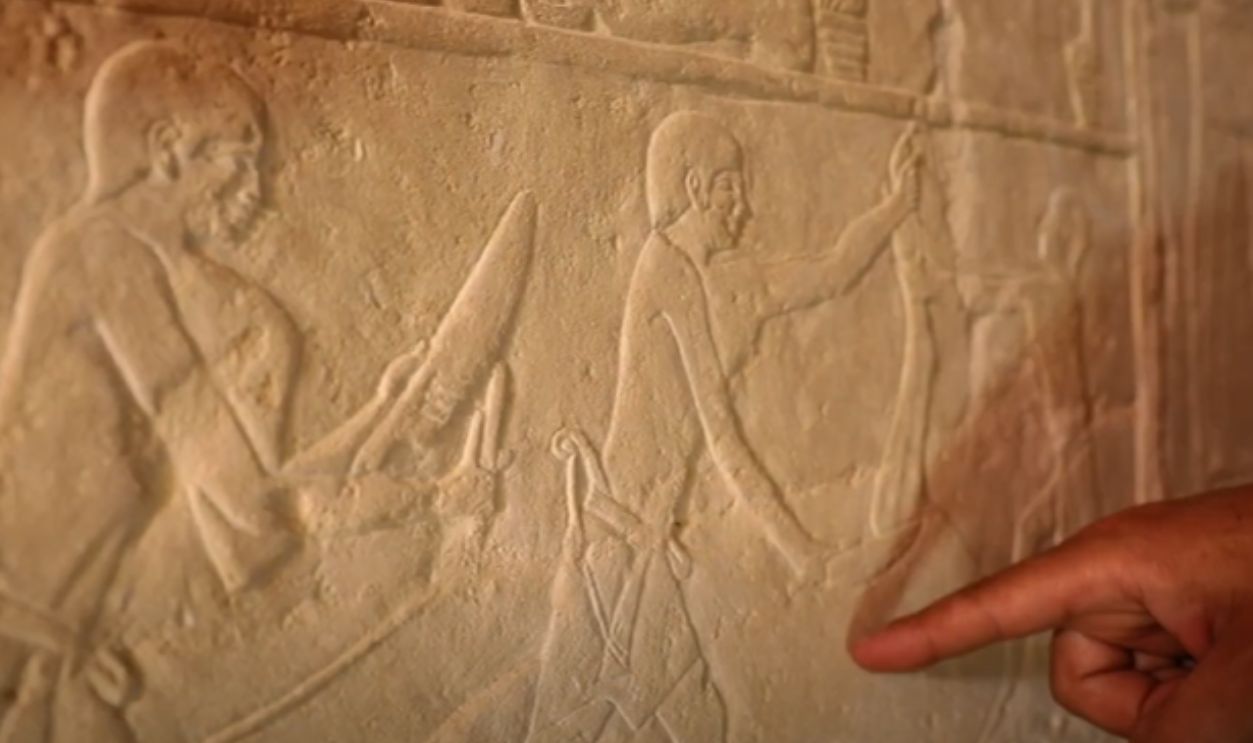
This artistic fusion shaped deity depictions: Harpocrates bore Greek naturalism yet kept Egyptian gestures. Such hybrids, like Serapis or lifelike mummy portraits, reflected a Ptolemaic era where power and belief merged. Shared imagery became a sacred mirror, negotiating identity through form, faith, and cultural convergence.
 Magnificent 4,500 Year-old Tomb Discovered by the Great Pyramids by CairoScene
Changing Tomb Architecture
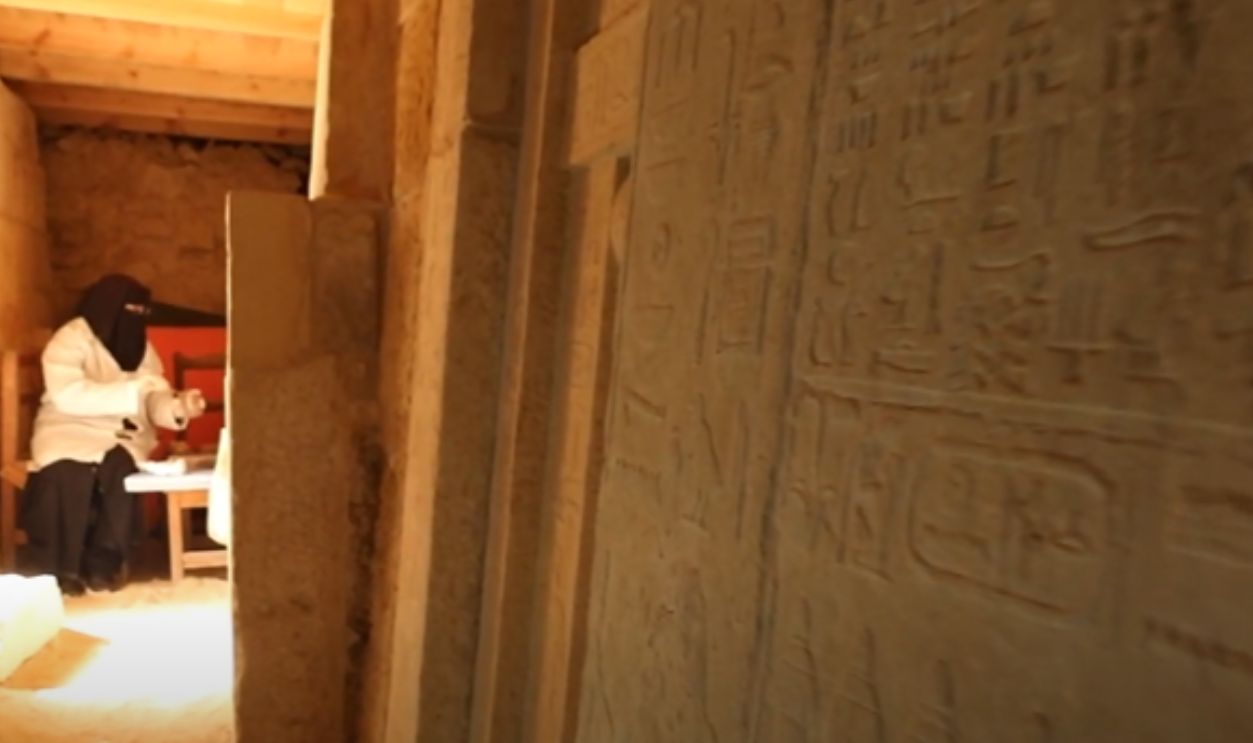
Alongside shifts in art, the tomb’s architecture also evolved. Later recesses broke the original symmetry, carved into existing walls to accommodate new burials. These changes had to happen as adjustments made by later communities to maintain sacred functions within inherited spaces.
 Magnificent 4,500 Year-old Tomb Discovered by the Great Pyramids by CairoScene
Local And Imported Materials
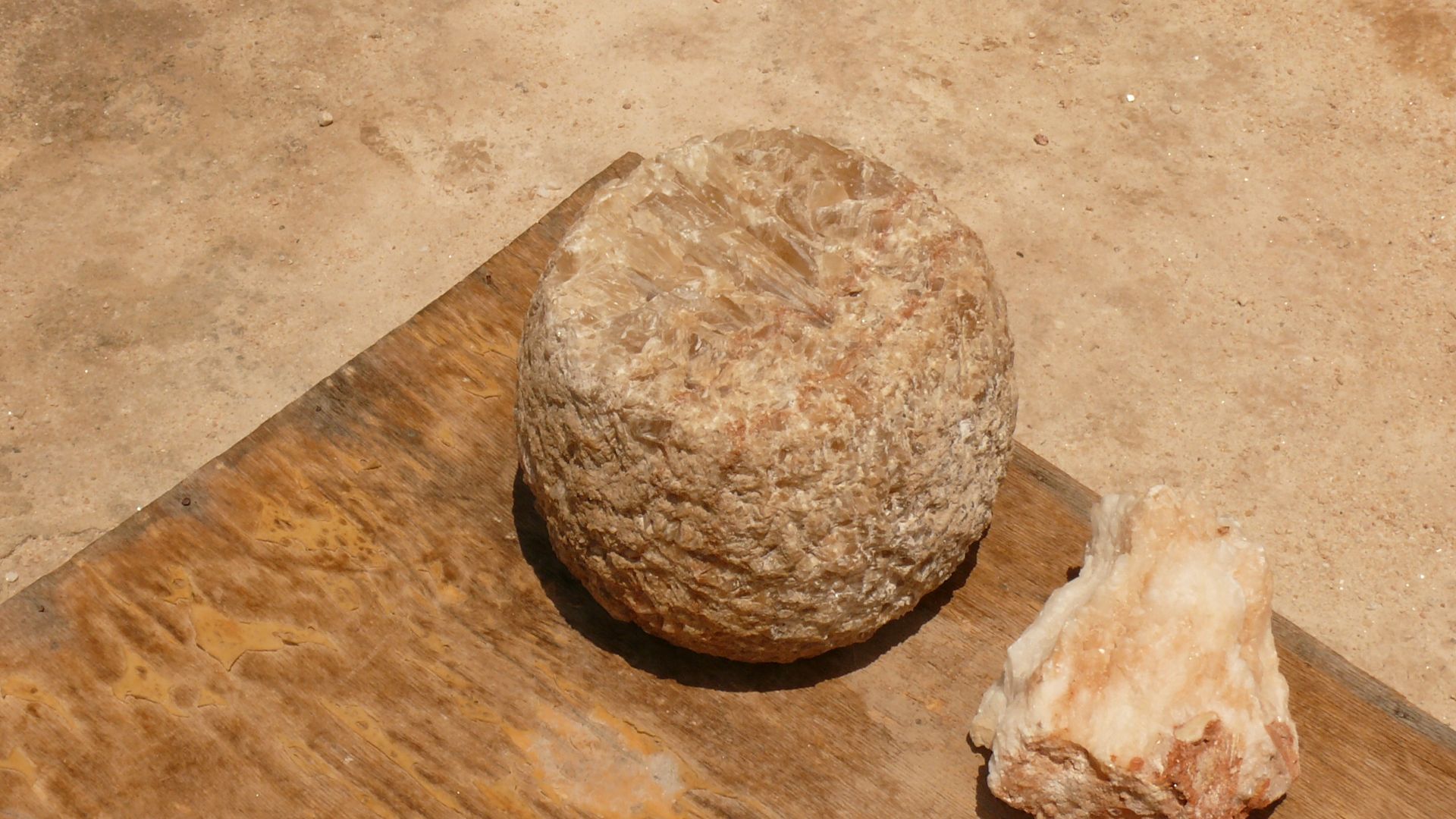
On another note, material analysis confirmed the site’s broader connections. Alabaster is traced back to quarries in Middle Egypt, while certain clays likely came from coastal regions. Even in reuse, those preparing the tomb sourced from wide networks.
Why This Tomb Was Preserved
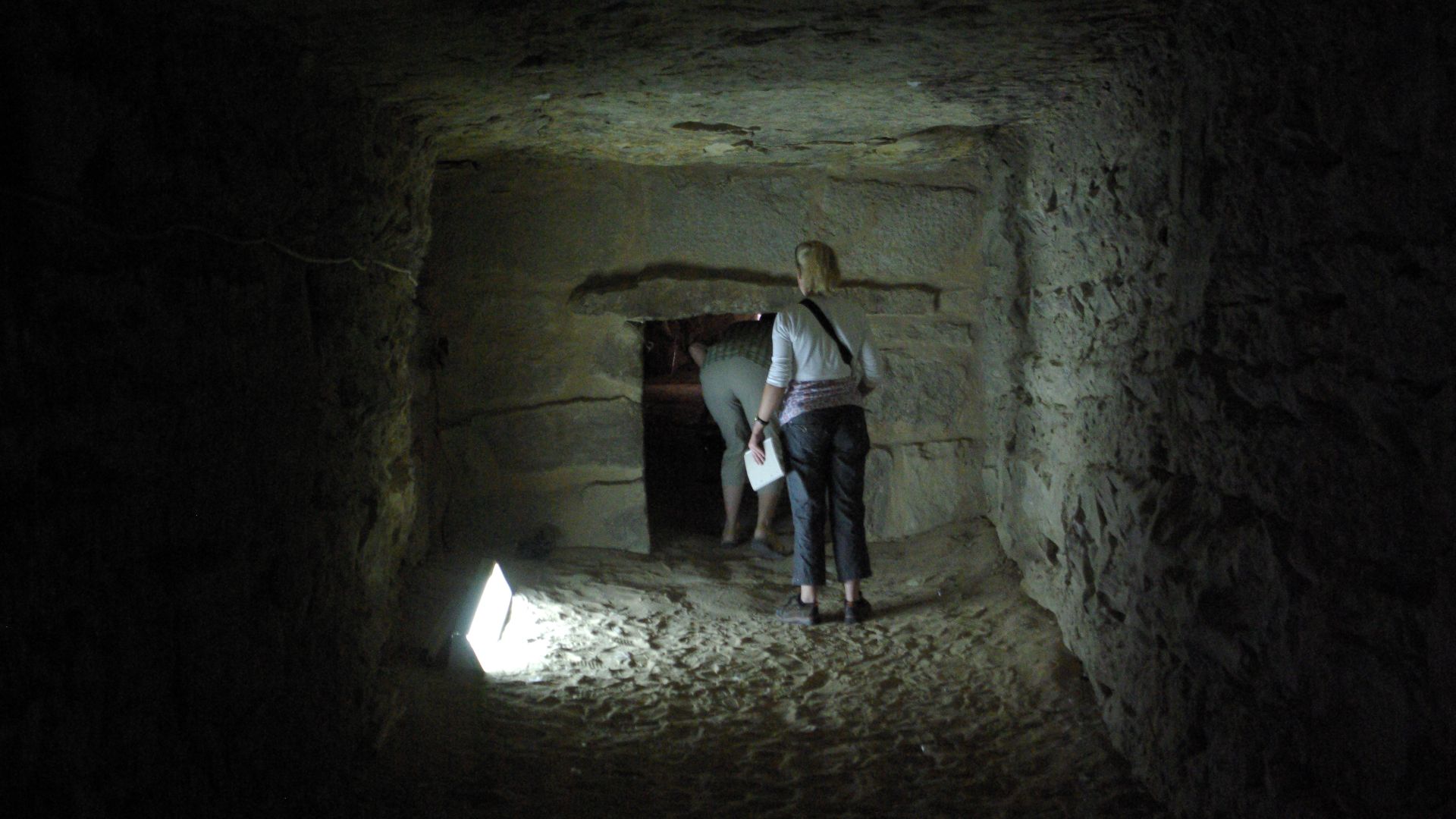
Also, the tomb’s survival wasn’t by chance. Collapsed sediment sealed the chamber, shielding it from moisture, looters, and erosion. As a result, delicate finds like painted funerary masks were recovered intact—an outcome rarely possible in tombs exposed to centuries of human and environmental disturbance.
 Berthold Werner, Wikimedia Commons
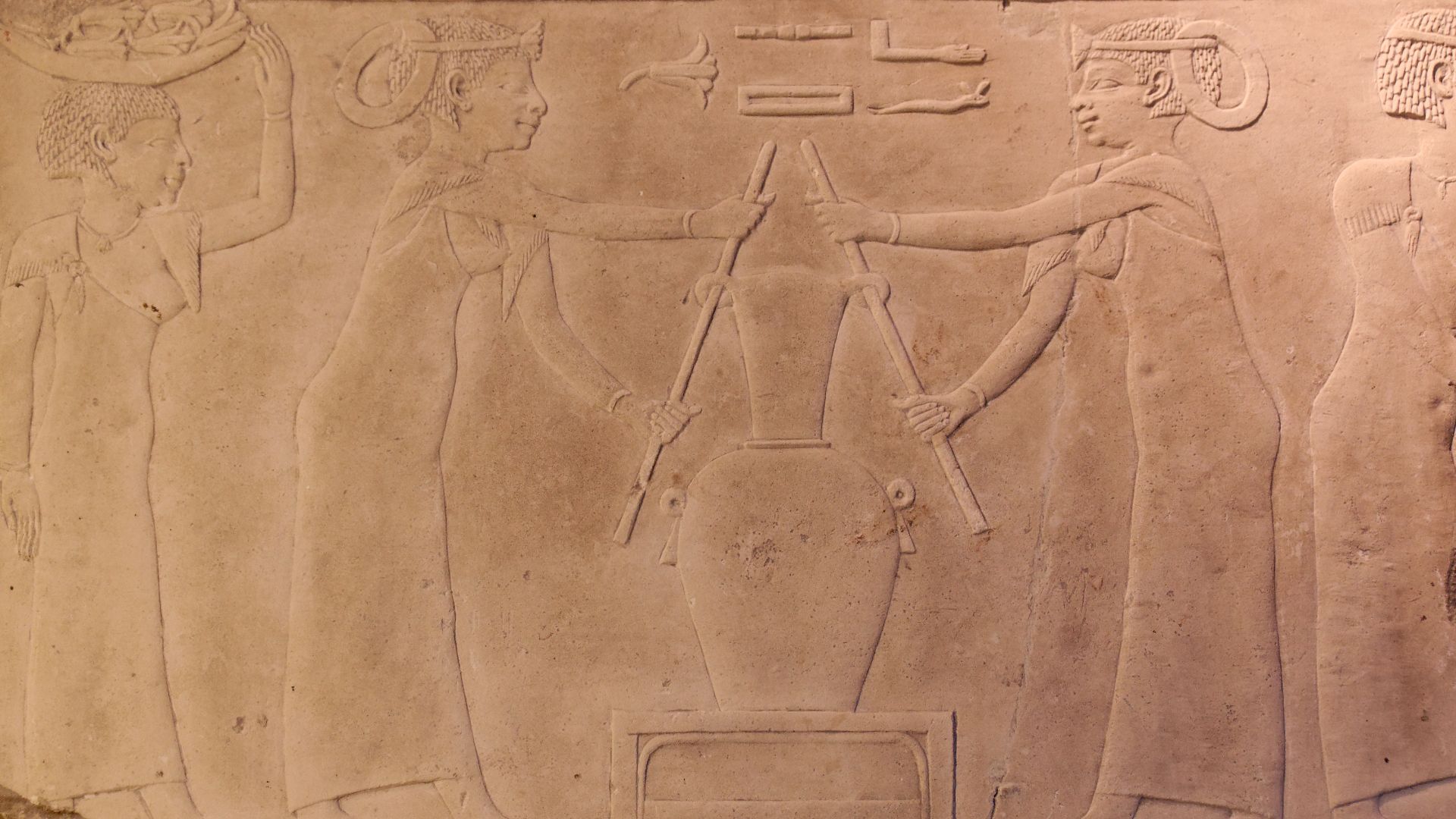
Perfume In Burial Rituals: Egyptian Or Greek?
Answer: Both. Egyptians used myrrh, frankincense, and kyphi to purify, preserve, and please the gods. Greeks offered rose and scented oils in lekythoi to honor memory and soothe grief. Cedar resin? That was Egyptian, probably imported from Lebanon.
 Unknown artistUnknown artist, Wikimedia Commons
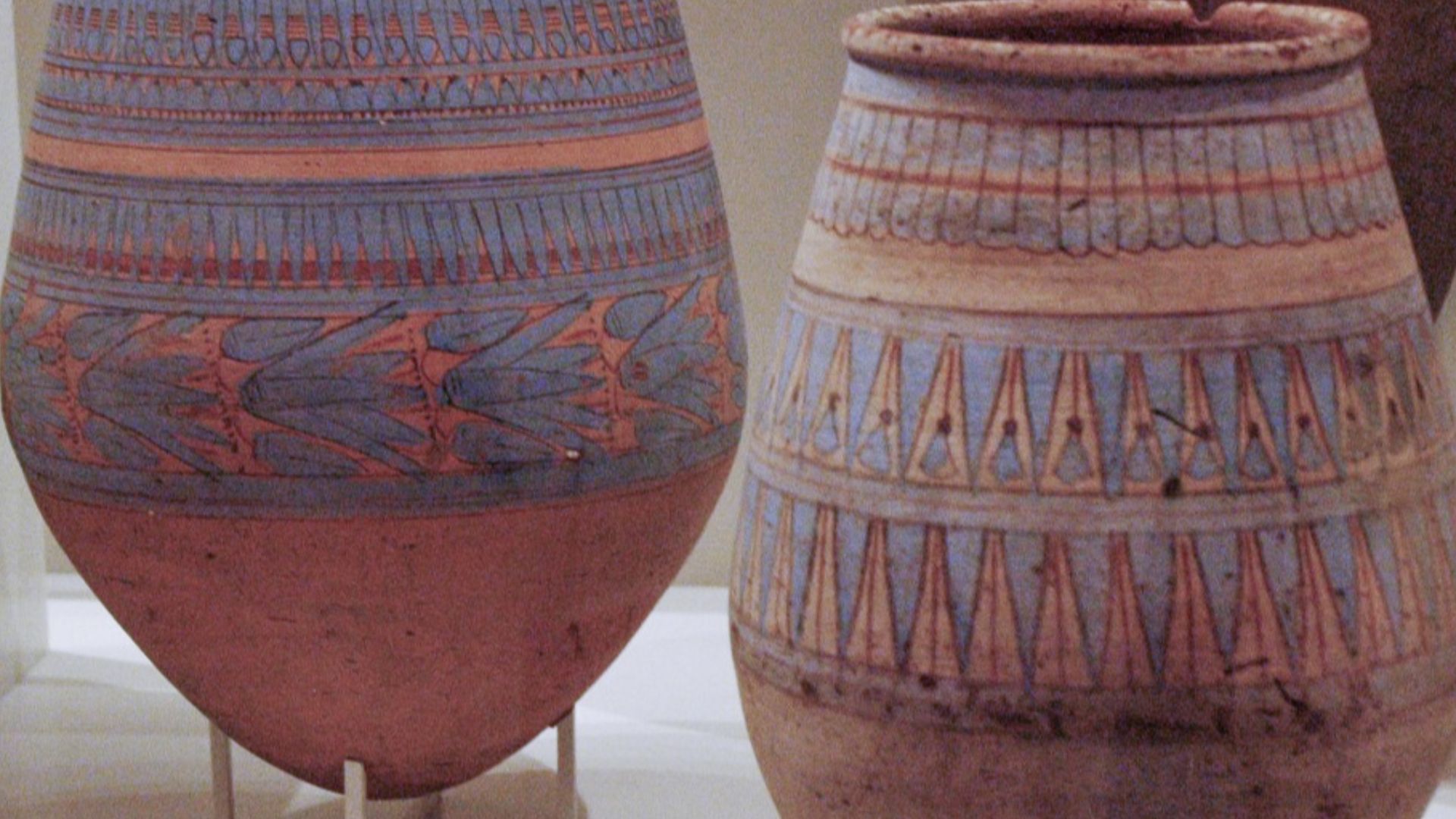
Tools Turned Into Offerings
As burial customs adapted, so did the meaning of objects. Some pigment trays and jars showed signs of daily use before being placed in the tomb. Instead of discarding them, later mourners reclassified these tools as sacred provisions, which bridged everyday life with the symbolic needs of the afterlife.
Burial Customs Evolved Gradually
These object choices reflect a larger trend. Stratigraphic evidence showed gradual shifts in how space was used—early burials followed central layouts, while later ones adapted side niches. Rather than abandon the tomb, each generation reconfigured it to fit their beliefs at the time.
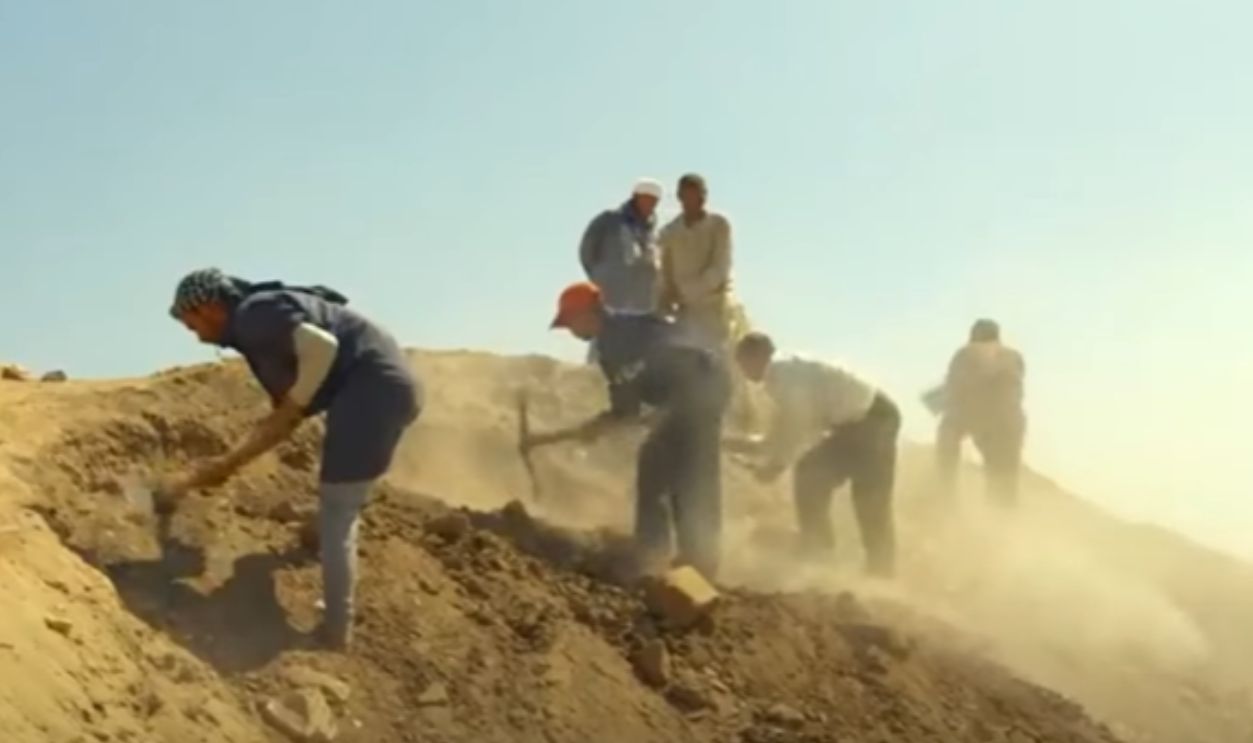
A Model For Collaboration
This ongoing evolution was also mirrored in the excavation itself. The project combined Egypt’s archaeological authority with Japan’s technical expertise. By pairing advanced analysis with local context, the team preserved both artifacts and meaning, setting a precedent for how long-used tombs can be studied without disrupting their cultural integrity.
 Unveiling the Secrets: 4500-Year-Old Egyptian Tomb Discovered! by ARH Explorers
Reuse Challenges Old Theories
As findings accumulated, earlier assumptions came into question. Tomb reuse was once seen as disorderly or disrespectful. Here, however, every addition showed spatial awareness and ritual intent. These patterns suggest continuity, not chaos, where later burials honored the site’s past instead of overwriting it.
 Vyacheslav Argenberg, Wikimedia Commons
One Tomb Two Millennia
By the end of the excavation, a clear arc had emerged. From Second Dynasty origins to Ptolemaic adaptations, the tomb recorded nearly 2,000 years of ritual history. Each layer preserved more than remains—it preserved decisions and beliefs that allowed the sacred to persist through time.
 Magnificent 4,500 Year-old Tomb Discovered by the Great Pyramids by CairoScene
Artifacts Set For Study
To extend that record, key artifacts were selected for deeper analysis. The alabaster vessel, painted mask, and terracotta figurines are now undergoing material testing. These studies may reveal production origins and ritual functions. What do we expect? More layers of insight into how this tomb was continually reimagined.
 ArchaiOptix, Wikimedia Commons
Saqqara’s Legacy Grows
What began as a sealed shaft became a window into sacred continuity. Through pigment, pottery, architecture, and belief, this tomb reflects Saqqara’s unique ability to hold memories across centuries. Its discovery doesn’t just close a gap in the timeline—it deepens our understanding of Egypt’s evolving ritual life.
 Panegyrics of Granovetter, Wikimedia Commons