Fear Runs Deep
Every creature has its limits, but some were built without mercy in mind. Hidden behind calm eyes and graceful moves are instincts honed for dominance. One wrong step, and curiosity turns into a fatal mistake.
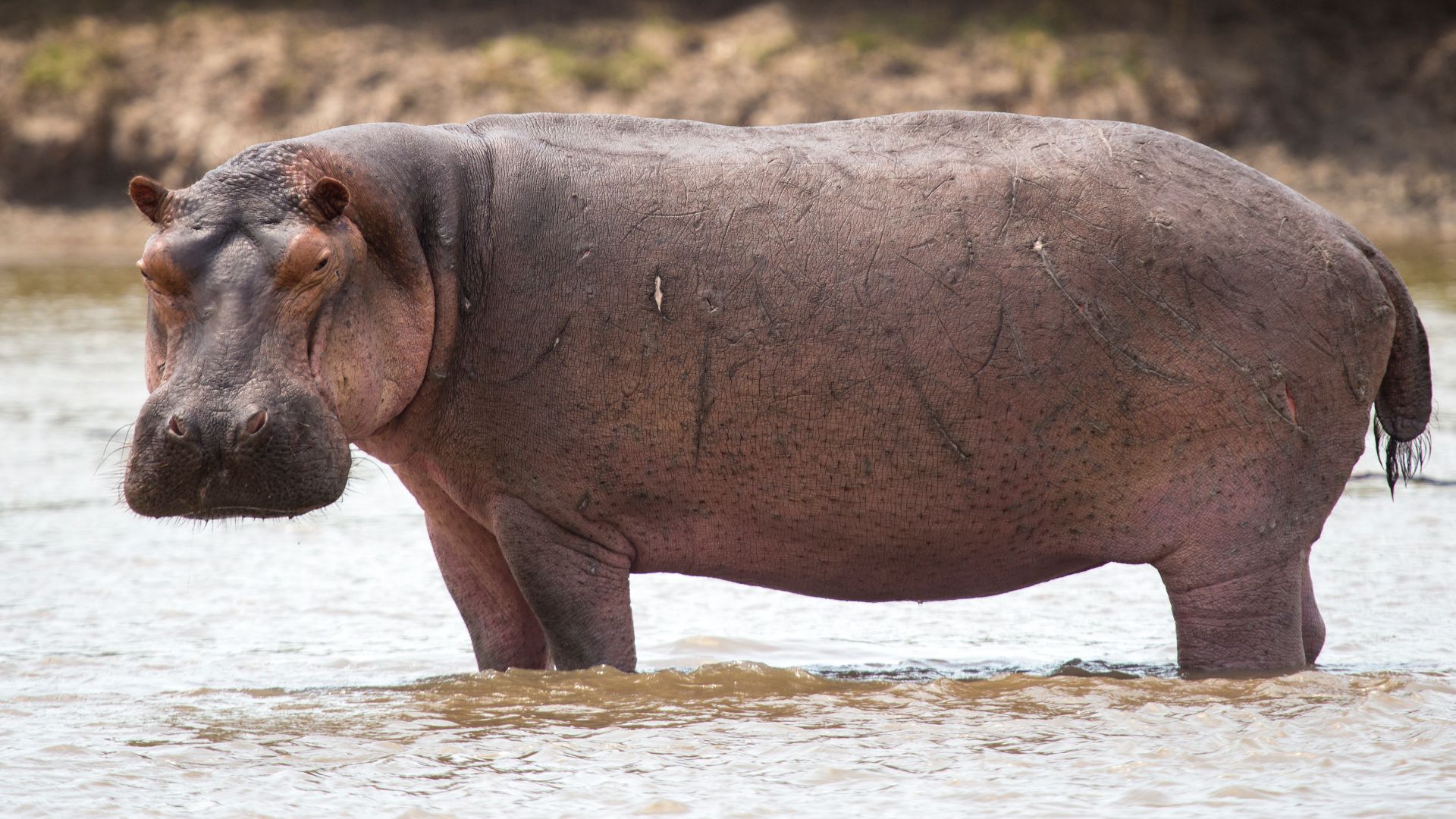
Hippopotamus
Many view the rotund hippopotamus as Africa's gentle river giant. Still, this dangerously misguided perception masks a lethal reality: these mammals are actually the continent's deadliest large land animals, claiming 500 human lives annually. Their two-ton bulls can charge at 32 km/h.
 Muhammad Mahdi Karim, Wikimedia Commons
Cape Buffalo
The "Black Death" moniker proves chillingly apt for Africa's Cape buffalo, as these unpredictable giants vindicate their fearsome reputation through deadly efficiency. Weighing up to 900 kg and charging at 56 km/h, often in coordinated herds, these members of the "Big Five" claim approximately 200 human lives annually.
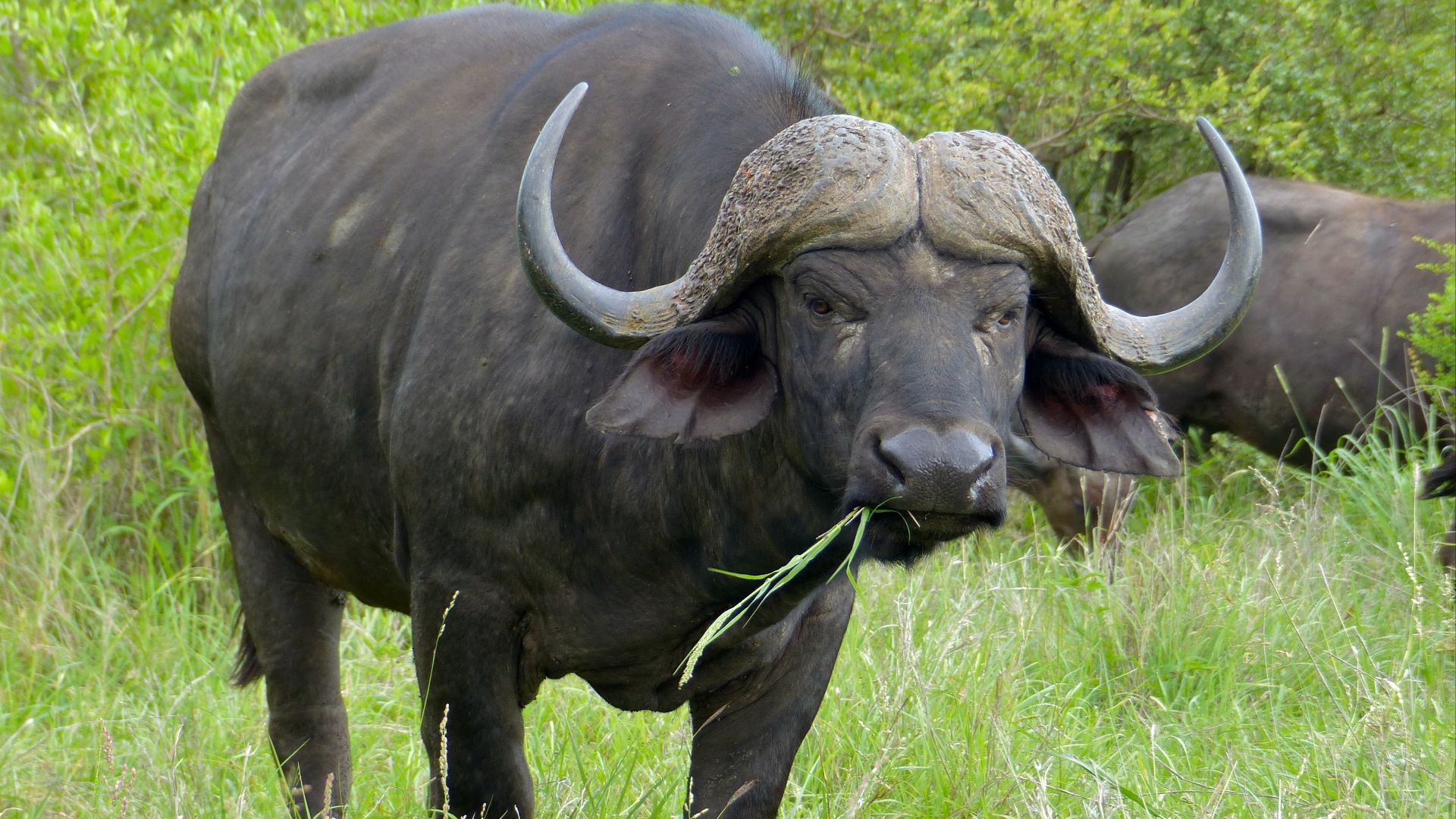 Bernard DUPONT from FRANCE, Wikimedia Commons
Bengal Tiger
For villagers living alongside Bengal tigers, dusk brings a primal tension as these apex predators begin their nightly hunts. Communities have learned harsh lessons through generations of conflict, with hundreds of historical fatalities making daily life a careful dance of survival.
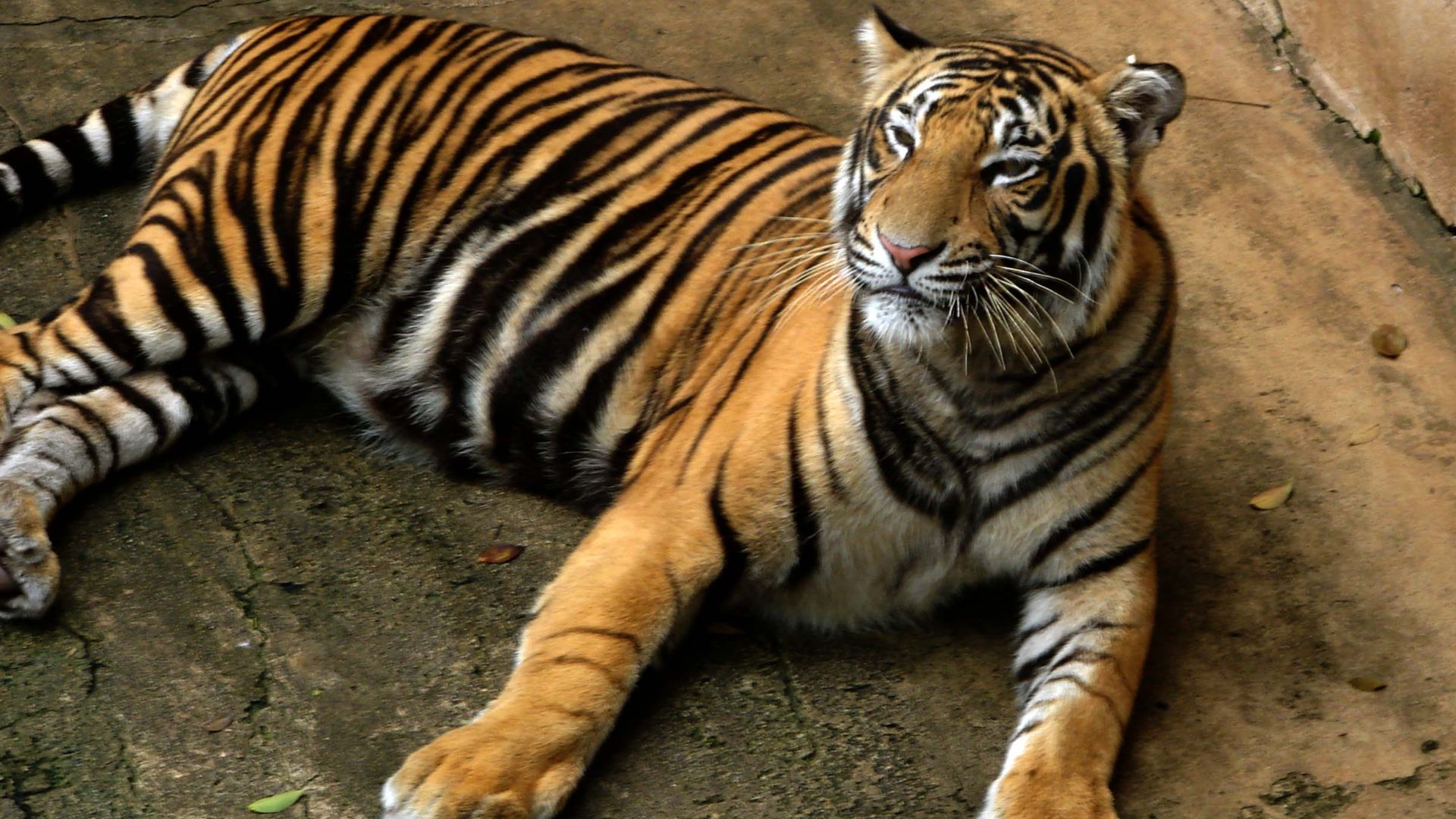 Hafiz Issadeen, from Dharga town, Sri Lanka, Wikimedia Commons
Polar Bear
At a staggering 1,500 pounds and ten feet tall when reared up, polar bears dominate the Arctic as the planet's largest terrestrial carnivores. These marine mammals prowl vast stretches of sea ice with a dangerous purpose, their status as apex predators earned through ruthless efficiency.
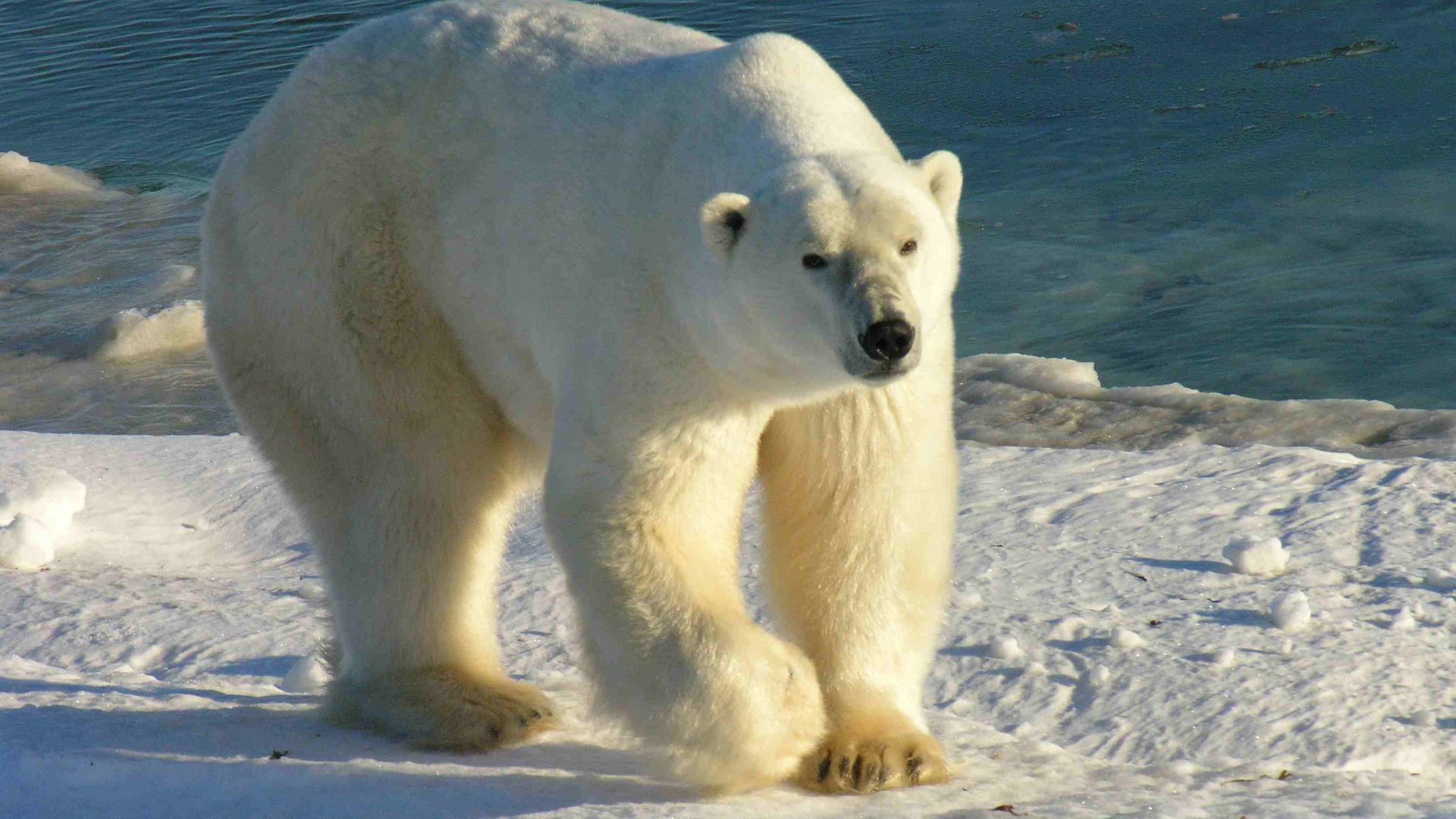 Ansgar Walk, Wikimedia Commons
Grizzly Bear
While many imagine grizzly bears claiming several lives annually across North America, fatal attacks are actually quite rare. Yet these statistics mask the actual danger: an 800-pound predator capable of sprinting at 35 mph, armed with claws and teeth, driven by unpredictable aggression.
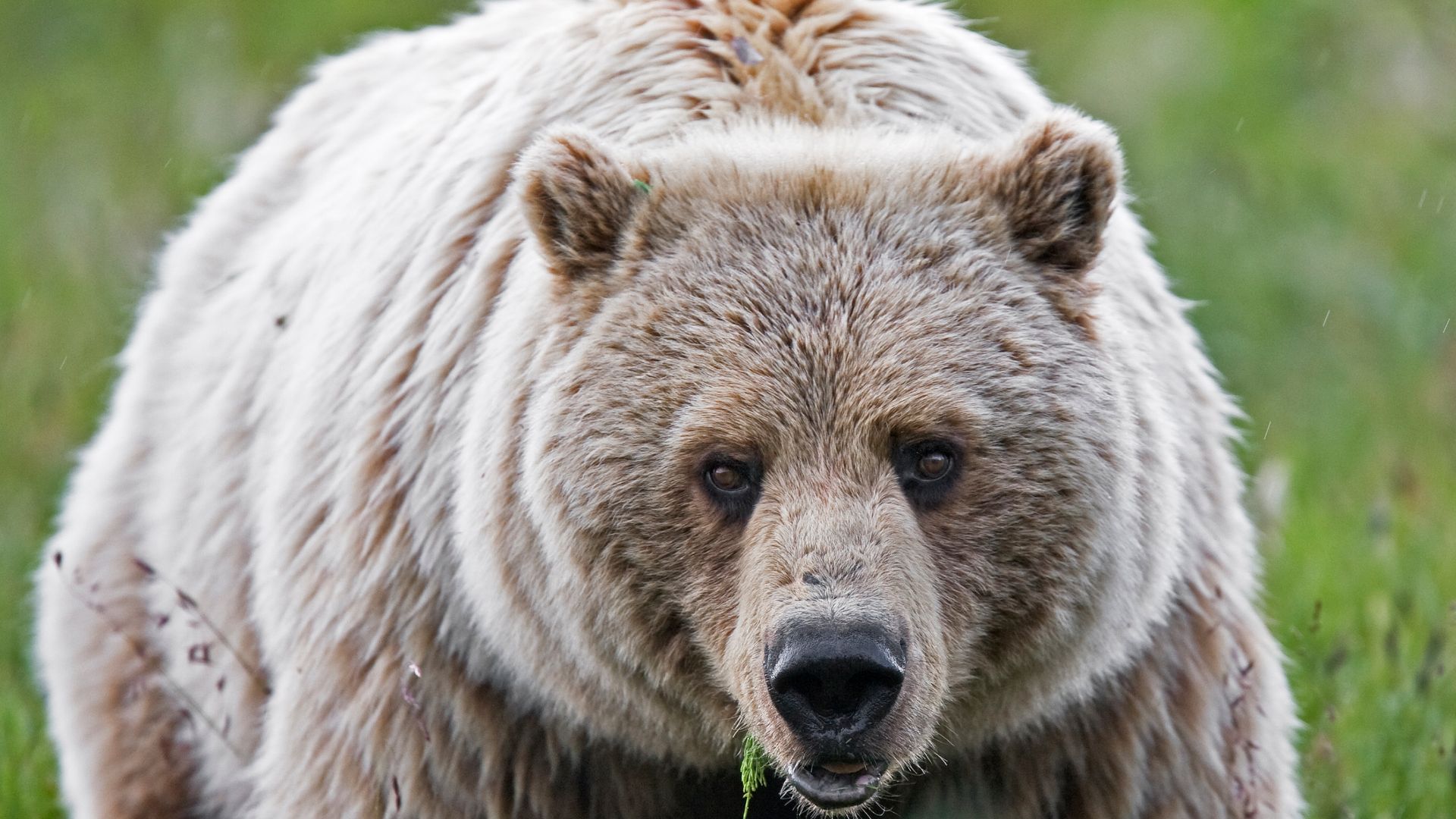 Denali National Park and Preserve, Wikimedia Commons
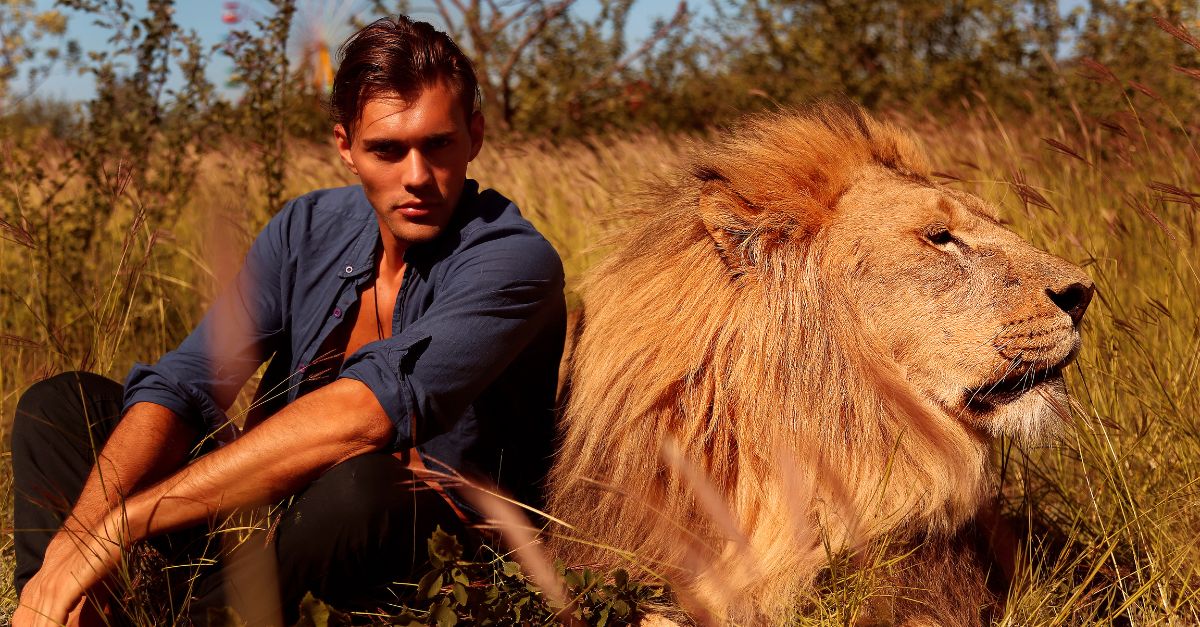
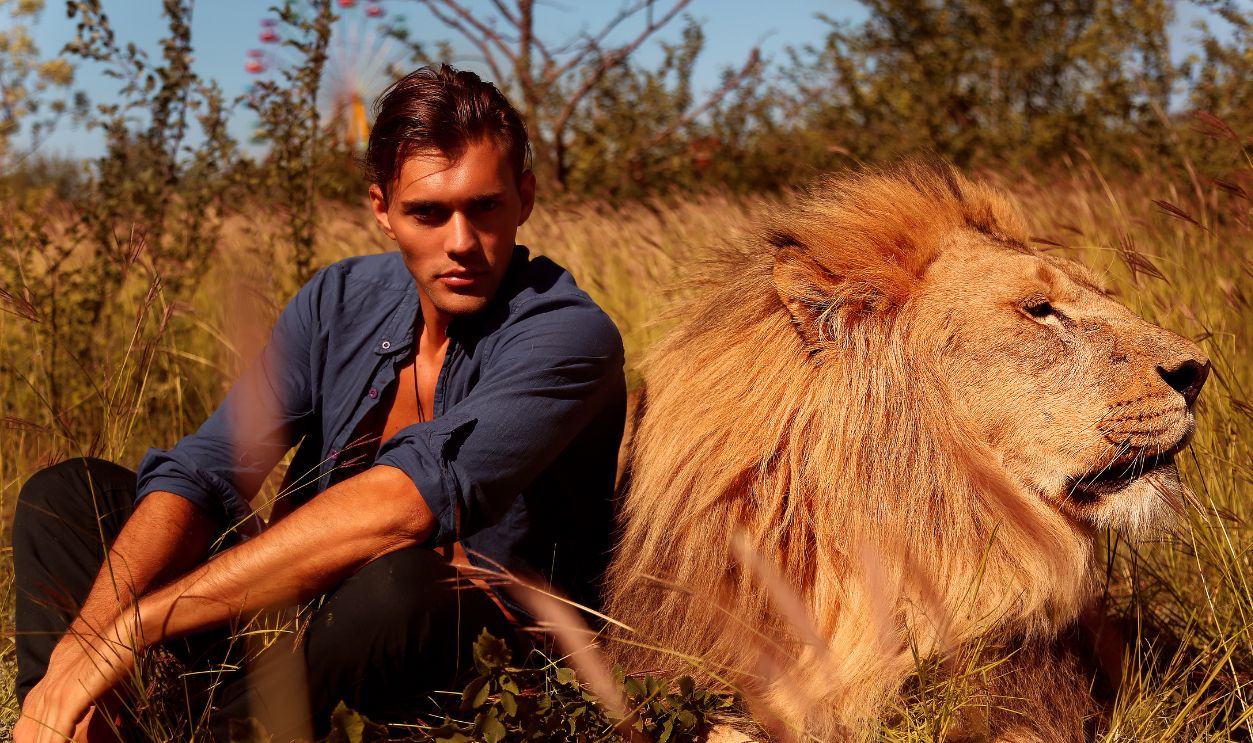
Lion
The lion (Panthera leo) is both a symbol of strength and one of the most dangerous terrestrial carnivores to humans when provoked or approached within its range. Their attacks often occur in rural parts of sub-Saharan Africa, particularly in Tanzania and Mozambique, where human settlements overlap natural habitats.
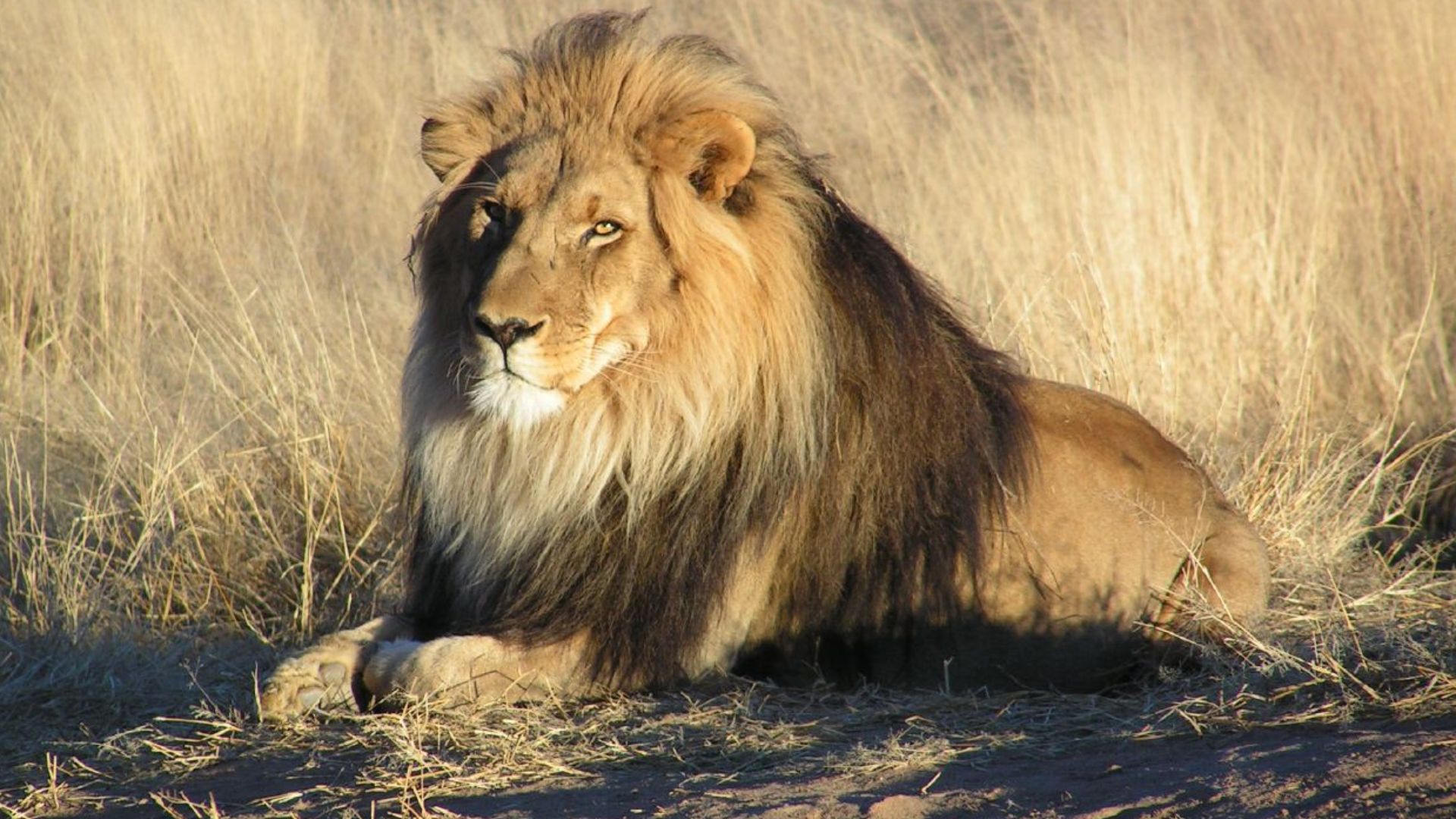 Kevin Pluck, Wikimedia Commons
Elephant
Those famously intelligent elephants with their remarkable memories might seem like gentle creatures, but don't let their reputation fool you. As eight-tonne behemoths, the species tend to harm approximately 100 people yearly across Africa and Asia, using their mighty trunks to toss humans aside.
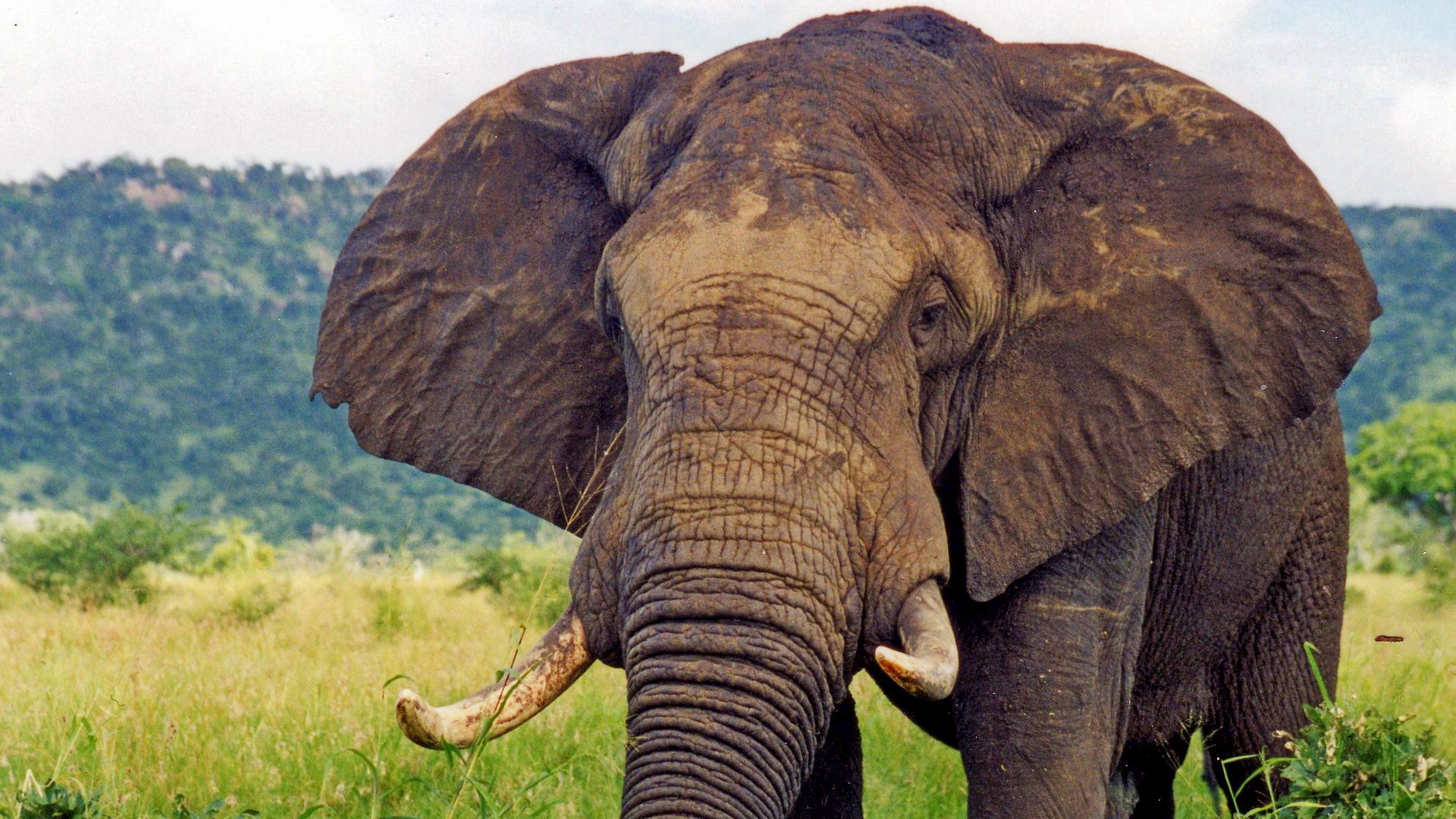 Caitlin from Hertfordshire, UK derivative work: Andrzej 22 (talk), Wikimedia Commons
African Leopard
In a superb display of physics-defying strength, African leopards routinely hoist prey heavier than themselves into treetops—a feat that puzzles researchers who hardly glimpse these elusive cats. This extraordinary power, combined with lightning-fast stealth and fierce territorial instincts, makes them particularly dangerous when cornered.
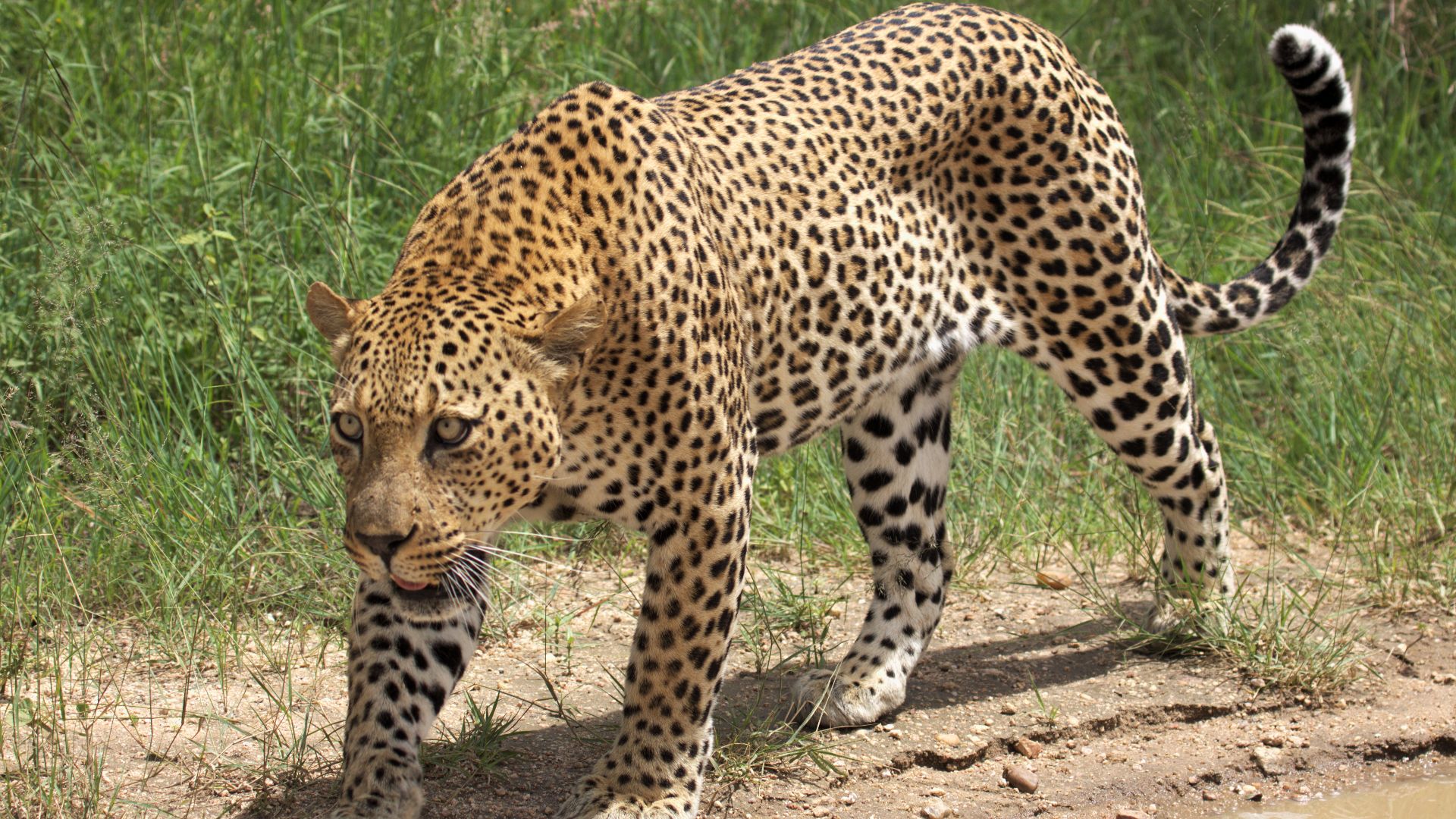 Derek Keats from Johannesburg, South Africa, Wikimedia Commons

History's most fascinating stories and darkest secrets, delivered to your inbox daily.
Hyena
Think hyenas are just nature's cleanup crew? As apex predators, these species possess a bone-shattering 1,100 PSI bite force that unlocks marrow other carnivores can't touch. Operating in sophisticated matriarchal societies where females outrank and outsize males, Hyena’s command profound respect.
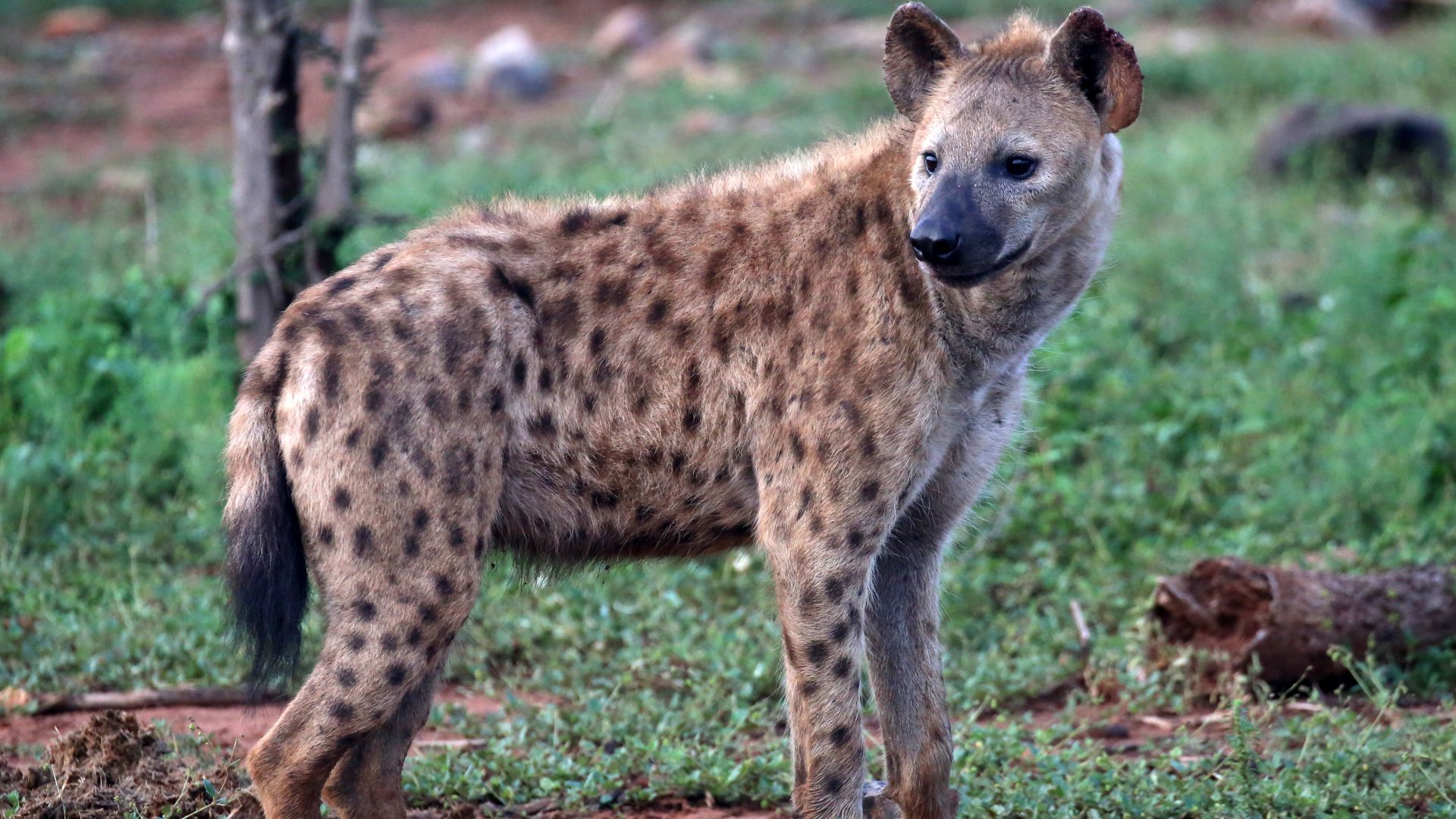
Rhinoceros
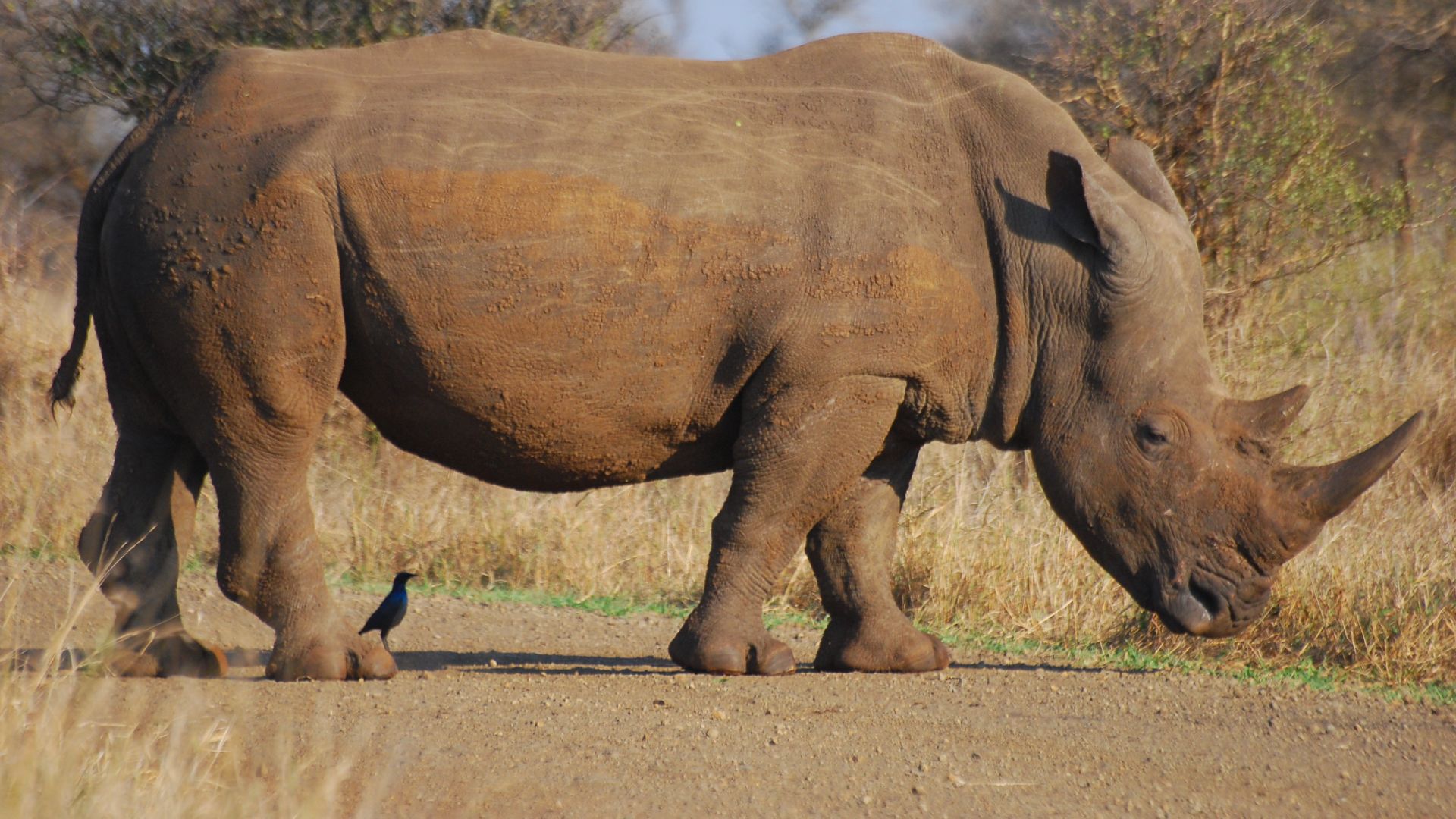
The rhinoceros's massive two-ton frame belies its hair-trigger temperament, where even slight provocations can give rise to a devastating chain reaction. When startled or threatened, these powerful creatures accelerate to 30 mph, turning their horn into a scary weapon.
Wild Boar
At their calmest, wild boars tackle diverse habitats from forests to urban zones with surprising adaptability. But trigger their defensive instincts—whether by cornering these 400-pound giants or approaching their young—and they release high-speed charges with gore-capable tusks that regularly inflict serious injuries.
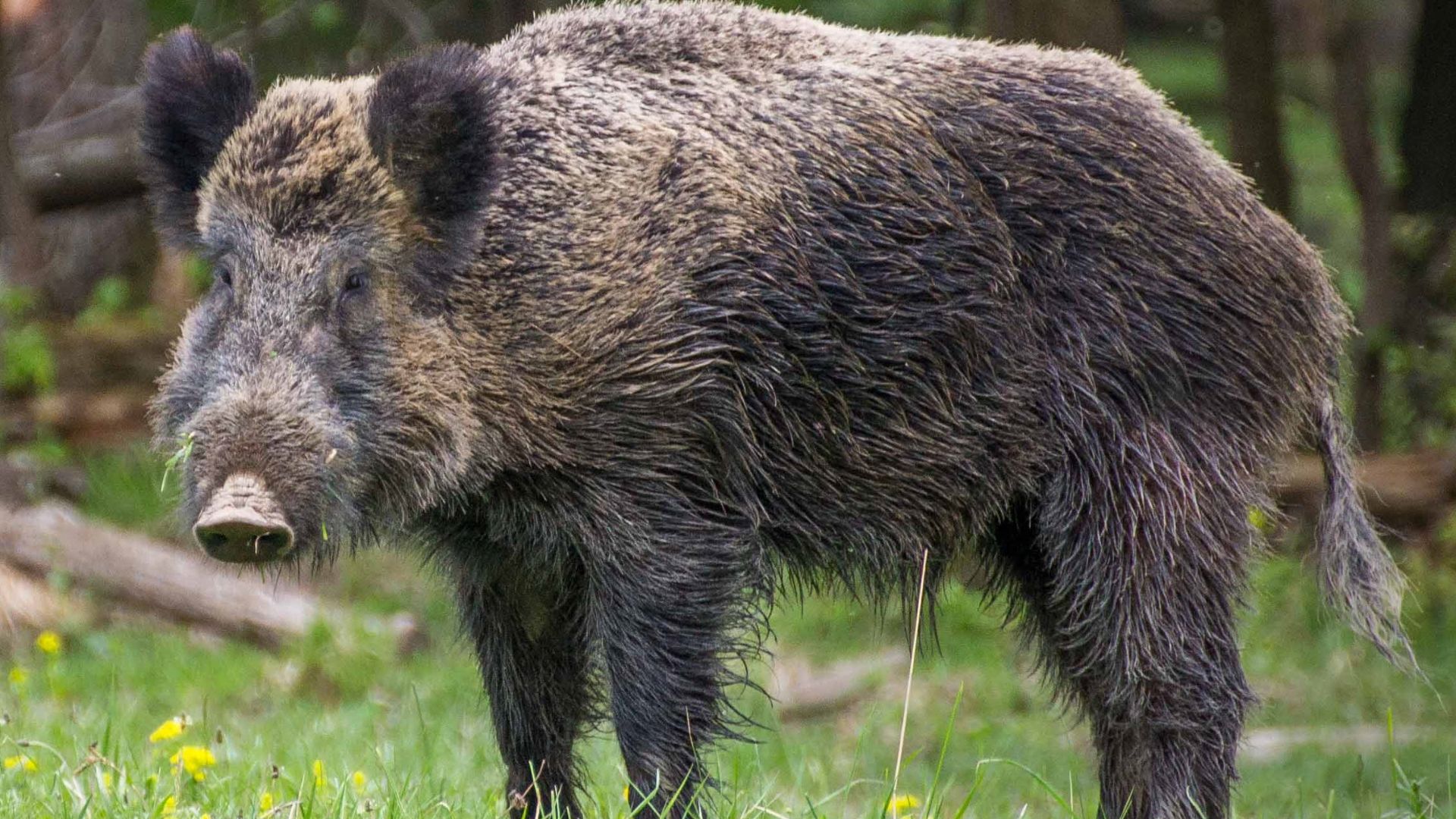 Valentin Panzirsch, Wikimedia Commons
Wolverine
From scavenger to apex challenger, the wolverine defies conventional food chain dynamics through sheer force of nature. These powerful mustelids leverage their extraordinary strength, crushing bite, and razor-sharp claws to not only hunt small prey and take down caribou, but also fearlessly defend territories.
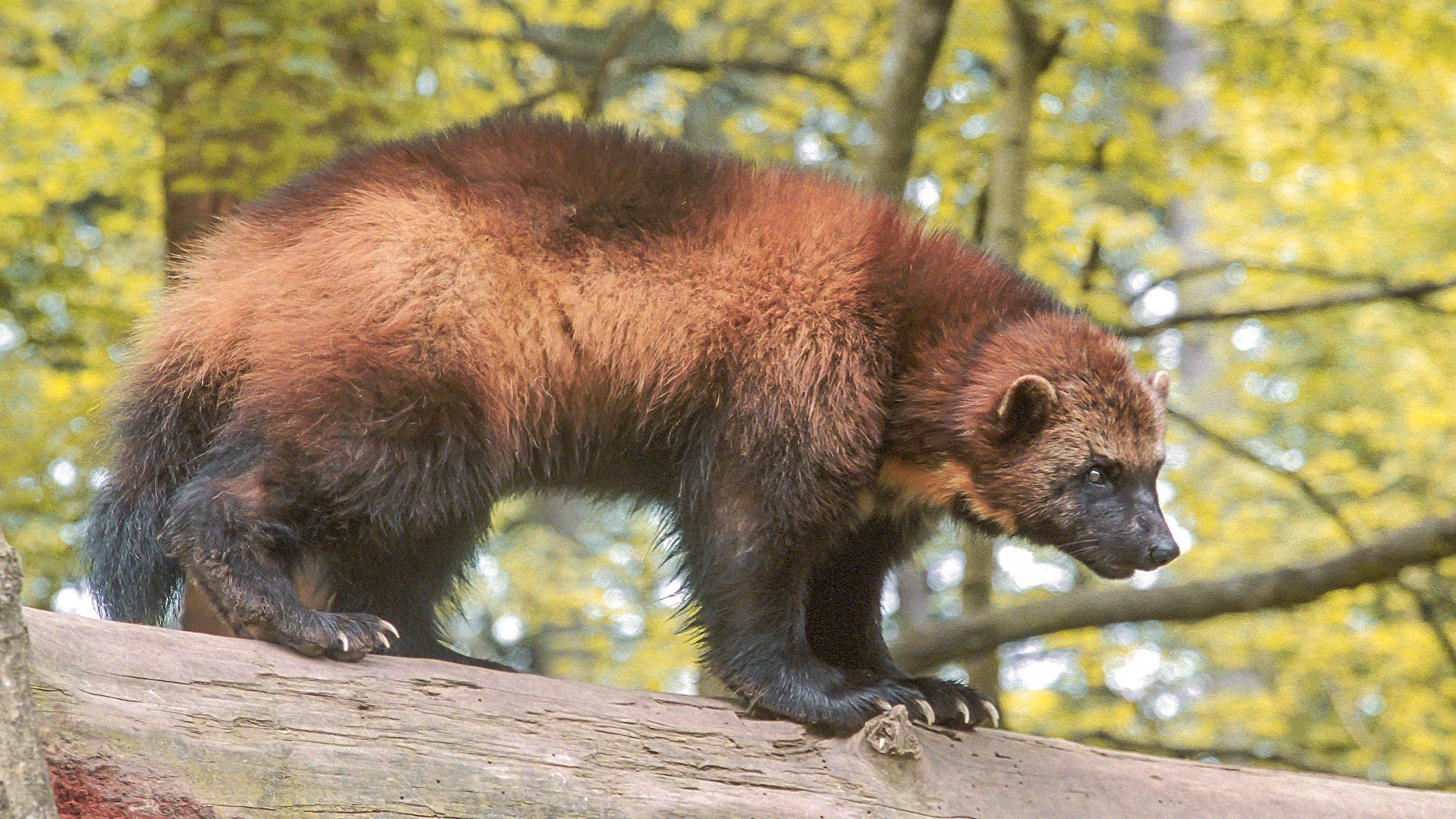 William F. Wood, Wikimedia Commons
Jaguar
Among apex predators, the jaguar stands apart with its record-breaking bite force. It is unmatched by any other big cat and capable of shattering turtle shells and crushing skulls. These accomplished swimmers patrol both land and water as solitary hunters, employing stealth and ambush tactics.
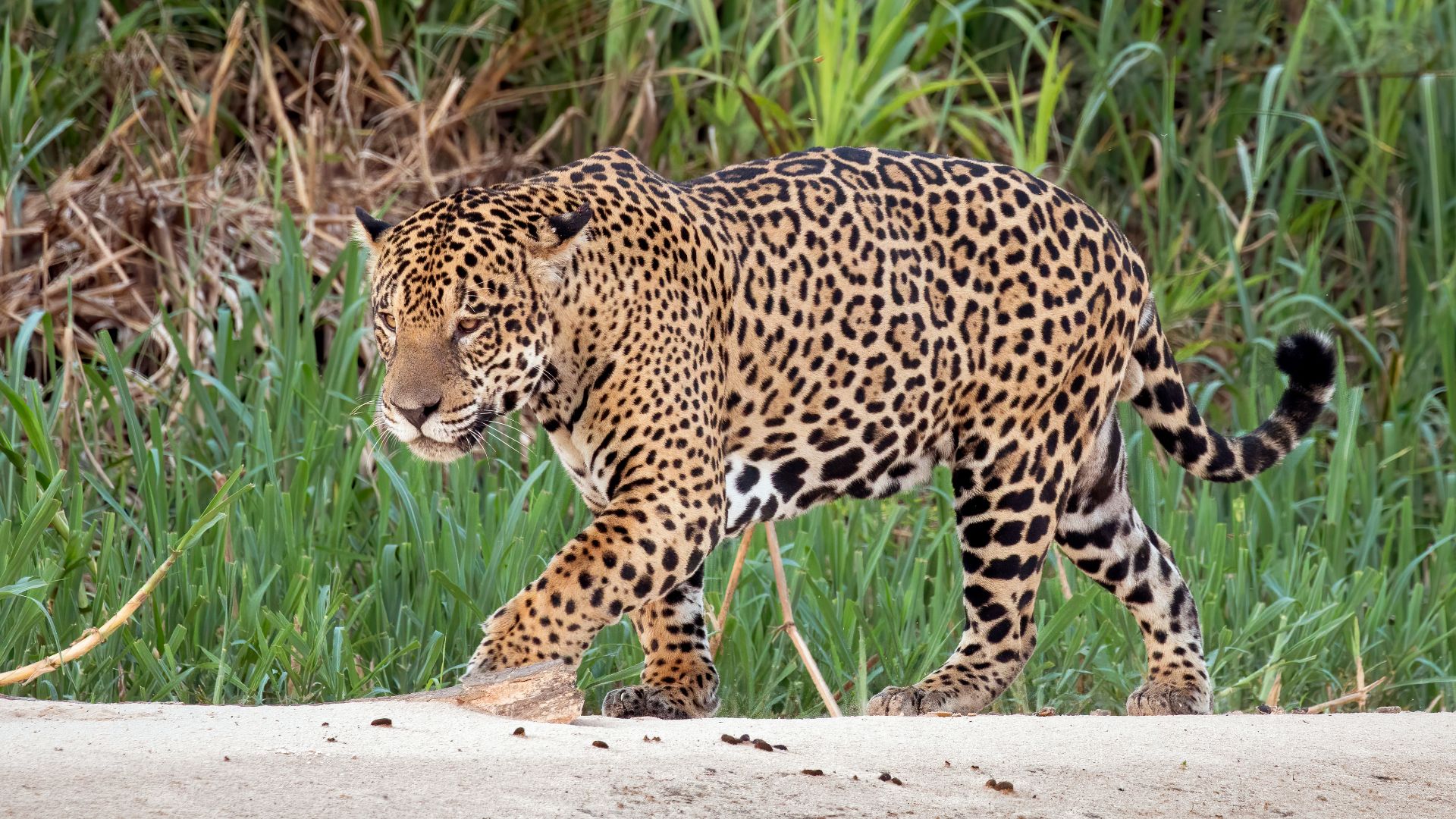 Charles J. Sharp, Wikimedia Commons
Honey Badger
Small mammals typically survive through evasion and caution, but the honey badger demolishes such assumptions with extraordinary defiance. Its loose, impenetrable skin neutralizes predator attacks, while bone-crushing jaws and lethal claws enable it to challenge lions and hyenas directly.
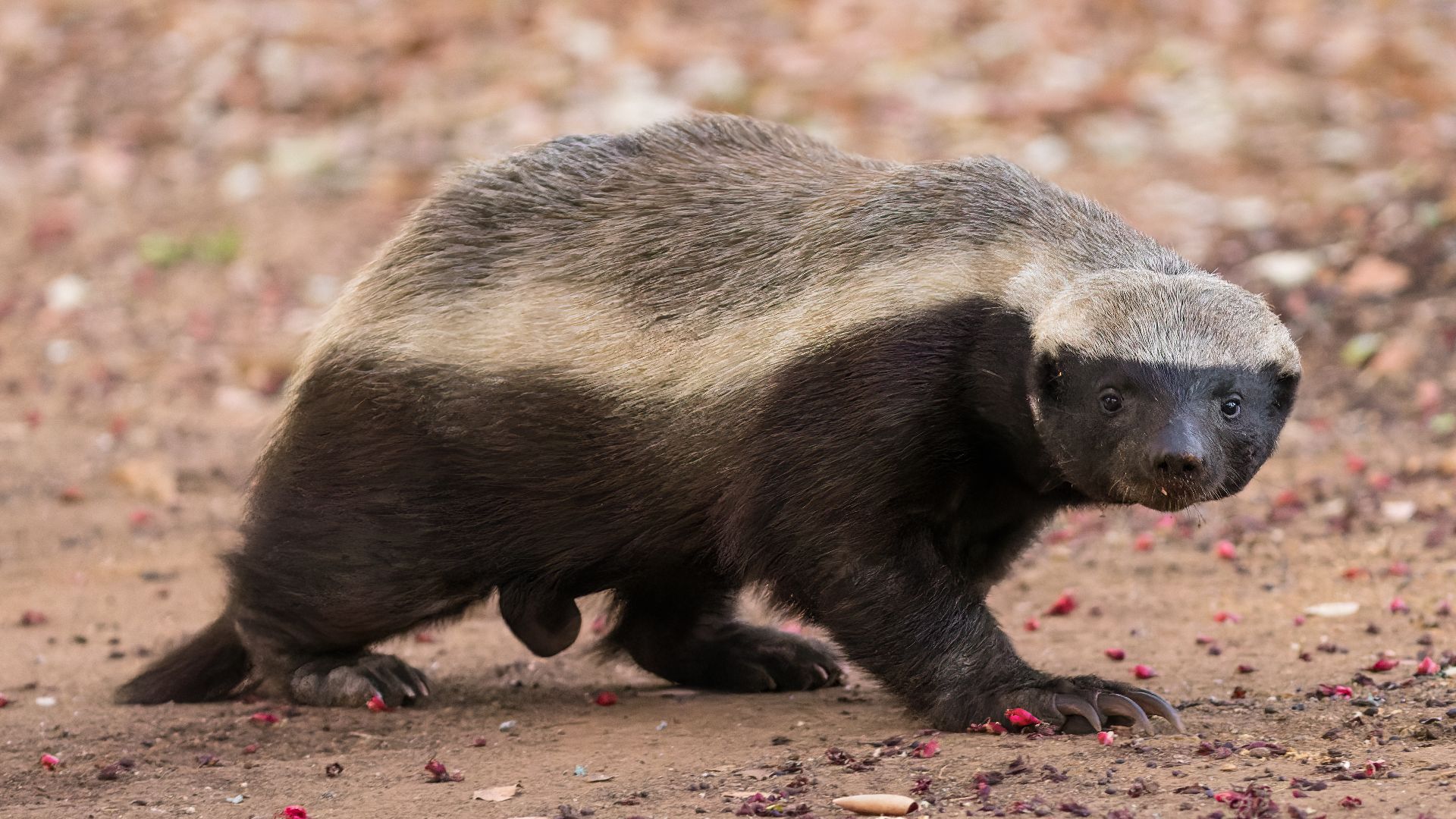 Sumeet Moghe, Wikimedia Commons
Chimpanzee
Professional risk assessments classify chimpanzees among the most dangerous captive animals, combining physical capabilities with unpredictable behavioral patterns. Their documented attacks have resulted in severe injuries and fatalities, particularly in confined settings, while their sophisticated tool use belies their primal strength.
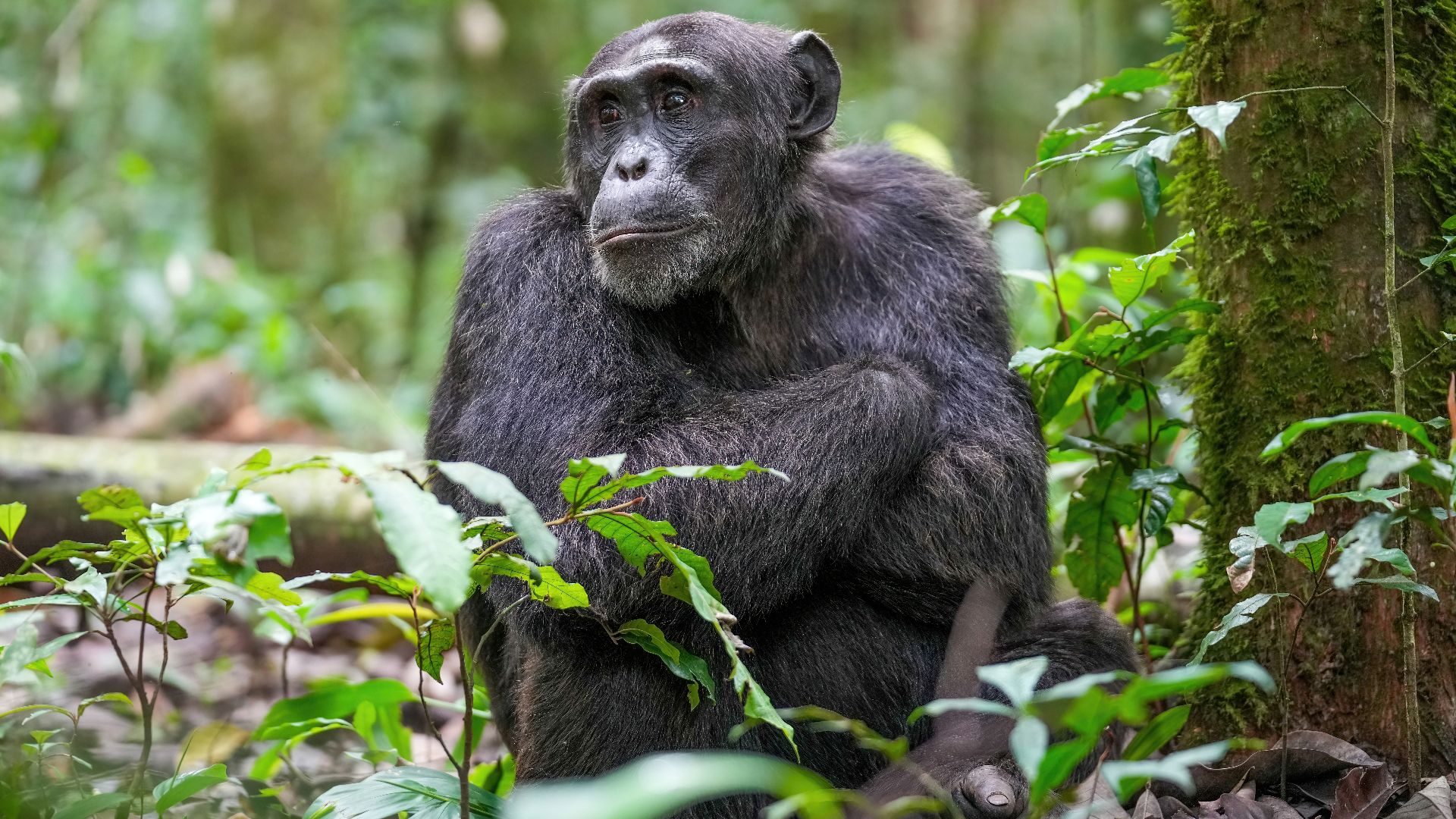 Giles Laurent, Wikimedia Commons
Inland Taipan (Fierce Snake)
Statistical threat assessment places the inland taipan in a class of its own: one bite carries enough neurotoxin to eliminate a hundred adults within sixty minutes, making it Earth's most venomous serpent. However, this ultra-lethal species actively avoids human contact through notably reclusive behavior.
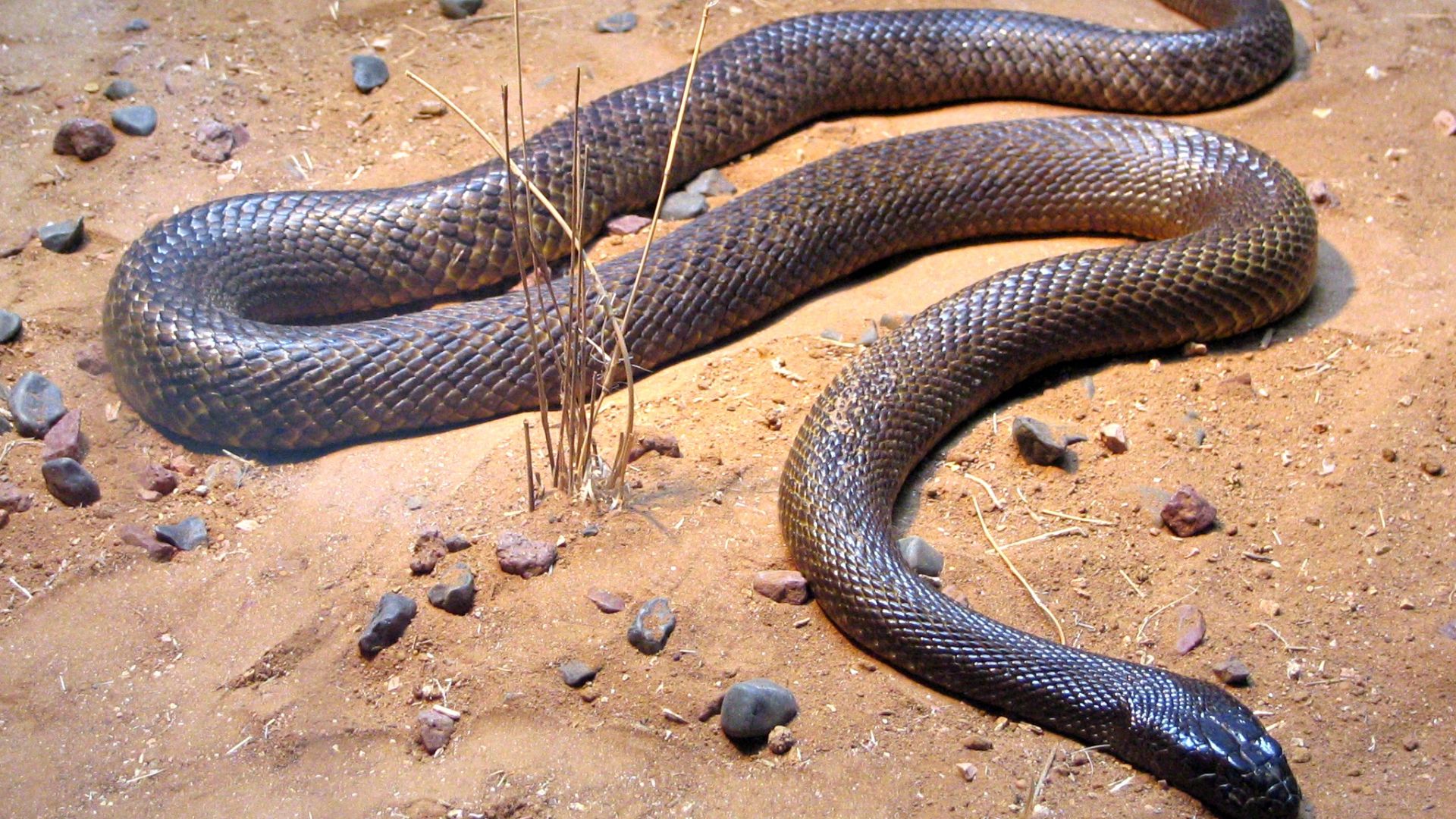 Photo by XLerate, Wikimedia Commons
King Cobra
Among serpents, the king cobra is an evolutionary pioneer, uniquely crafting nests for its offspring. This sophisticated behavior pairs with remarkable defensive adaptations—the ability to rear up a third of its length while spreading an intimidating hood. It is up to 18 feet long and has potentially dangerous venom.
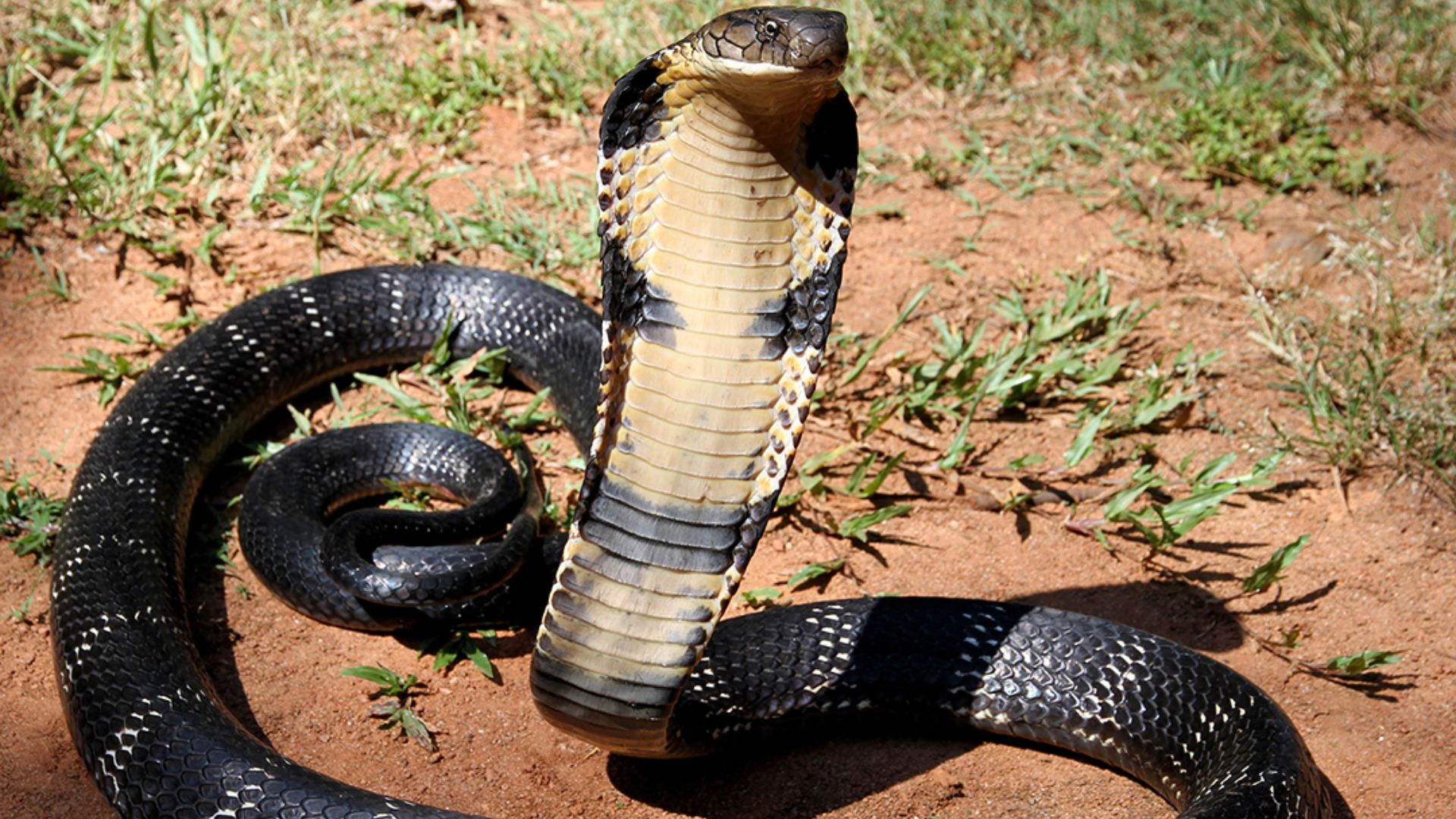 Michael Allen Smith from Seattle, USA, Wikimedia Commons
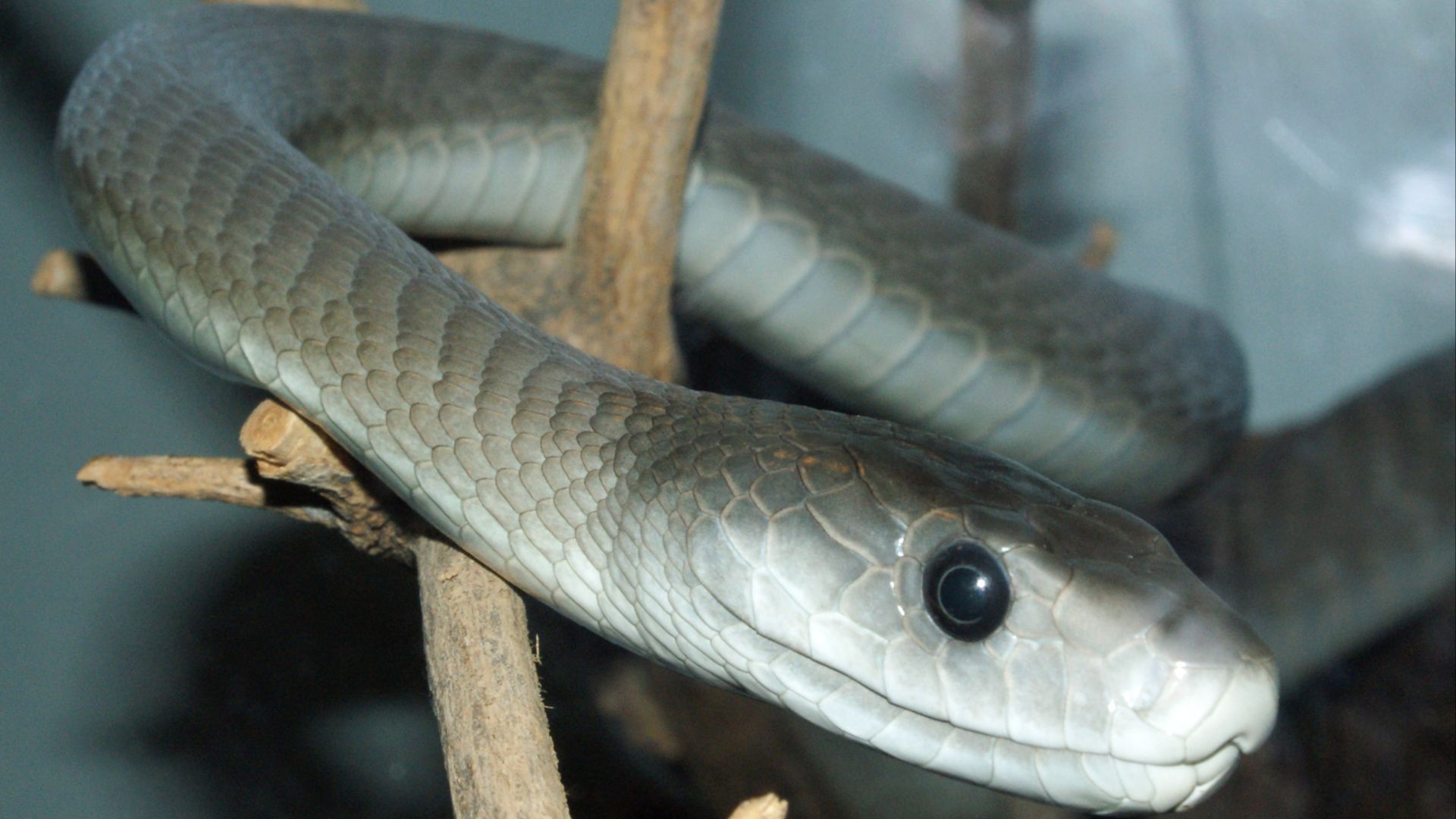
Black Mamba
When a black mamba launches its attack at a blistering 12 mph, precious seconds remain. Multiple lightning-fast strikes deliver potent neurotoxic venom, leaving just 20 minutes to secure life-saving antivenom before death becomes nearly certain. Ironically, this African serpent's name comes not from its dark mouth interior.
Saw-scaled Viper
Despite its modest proportions, the saw-scaled viper ranks among nature's deadliest serpents through a risky pair of adaptations. Its signature defense begins with scales that create an ominous sizzling warning, followed by unpredictable strikes delivering venom that ravages tissue and triggers severe bleeding.
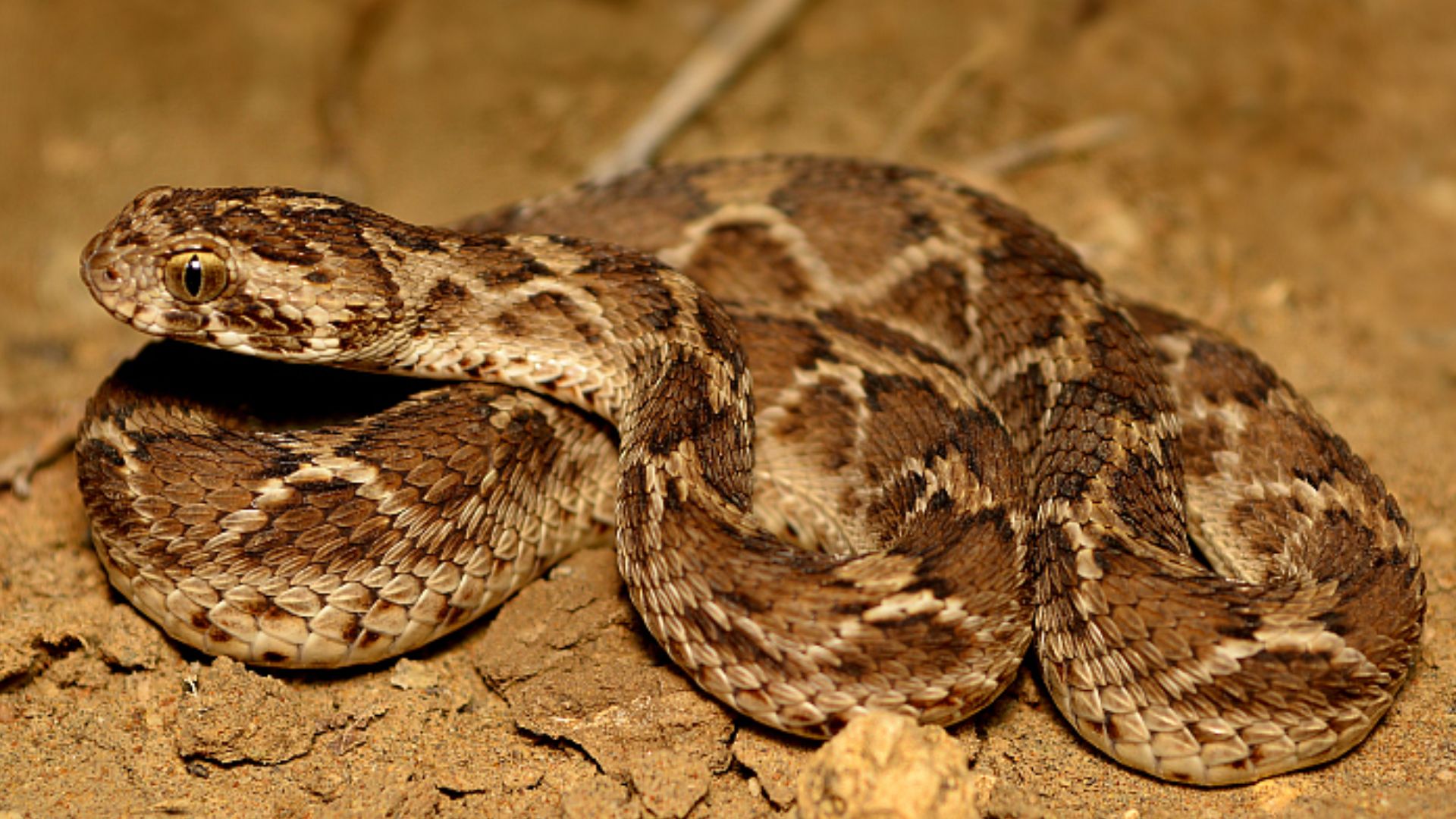 Ashahar alias Krishna Khan, Wikimedia Commons
Komodo Dragon
Forget what you think you know about Komodo dragons' deadly bacteria-laden bite. Their true weapon is potent venom that triggers shock and massive bleeding. These apex predators dominate Indonesia's Lesser Sunda Islands, growing to a huge 150 pounds and sensing carrion from six miles with their forked tongues.
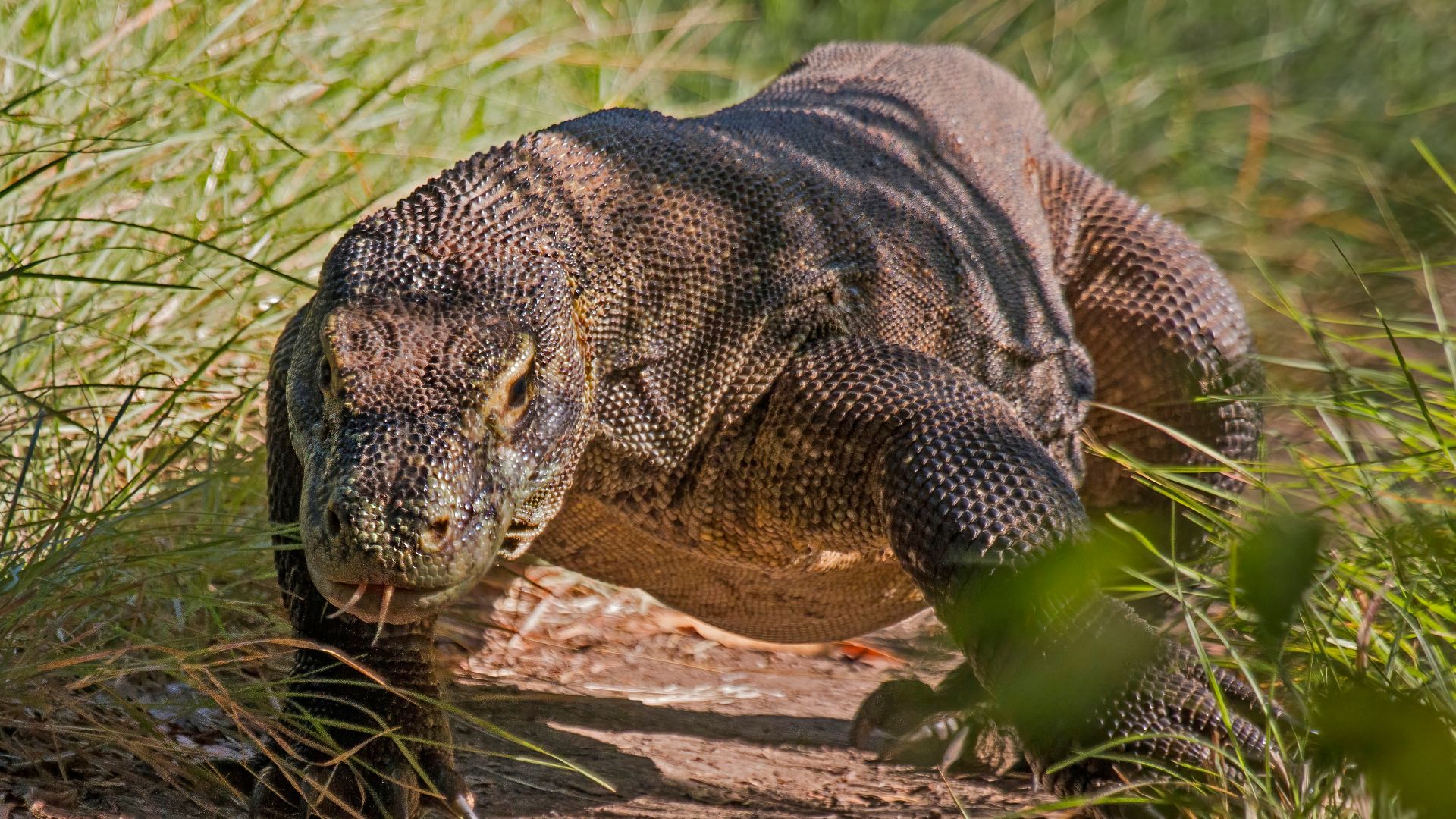 Charles J. Sharp, Wikimedia Commons
Golden Poison Frog
For generations, Colombia's indigenous hunters have turned one of nature's scariest defenses into a powerful hunting tool, carefully harvesting toxins from the golden poison frog. The bright-colored amphibian's skin secretes batrachotoxin, a paralyzing compound so potent that a single frog carries enough venom to kill ten adults.
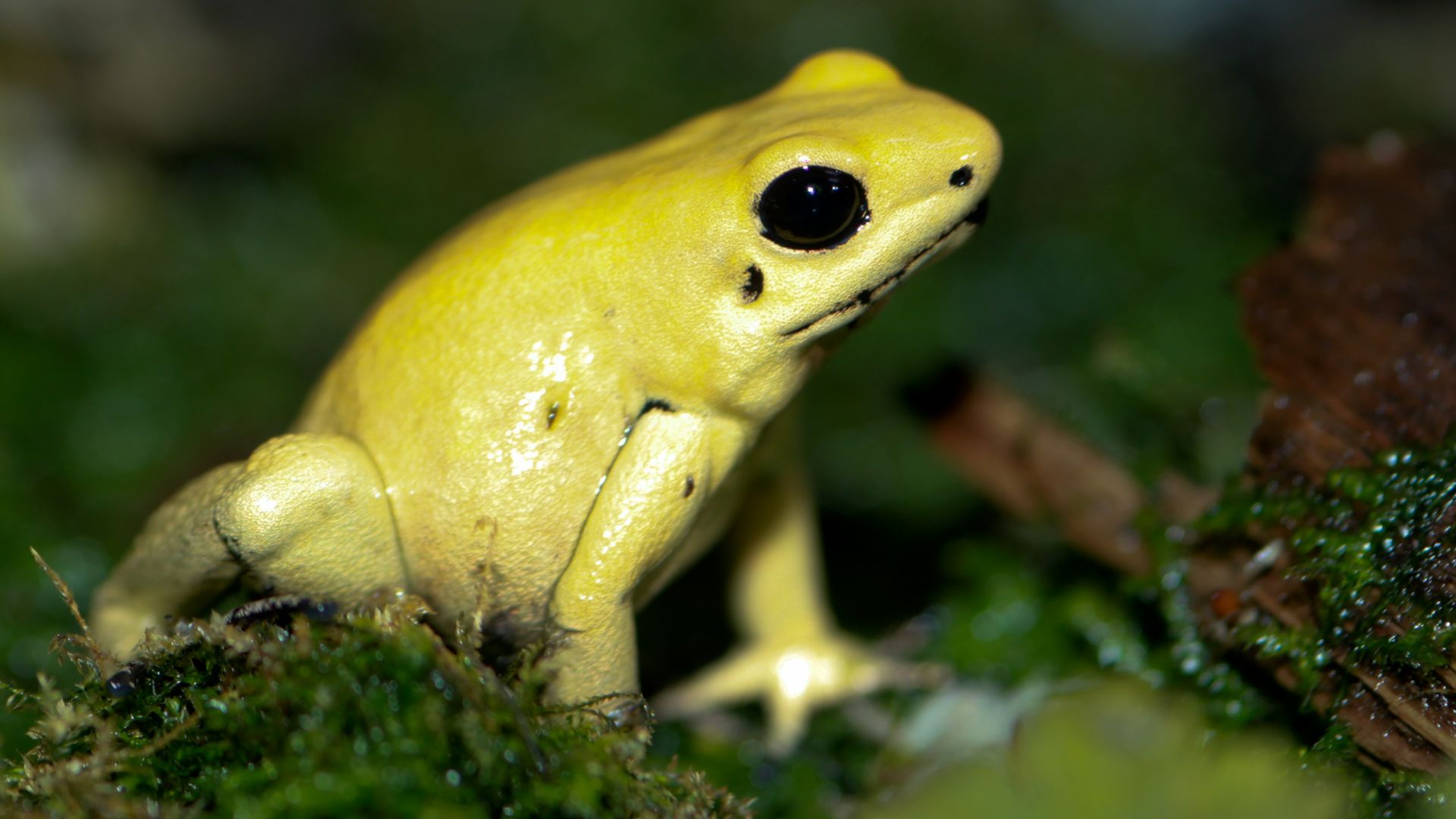 Brian Gratwicke, Wikimedia Commons
Saltwater Crocodile
Meet nature's undisputed heavyweight champion: the saltwater crocodile, a living dinosaur that stretches up to 20 feet and tips the scales at over 1,000 kg. Armed with bone-crushing 3,700 psi jaws, these dual-habitat hunters claim up to 1,000 human lives annually.
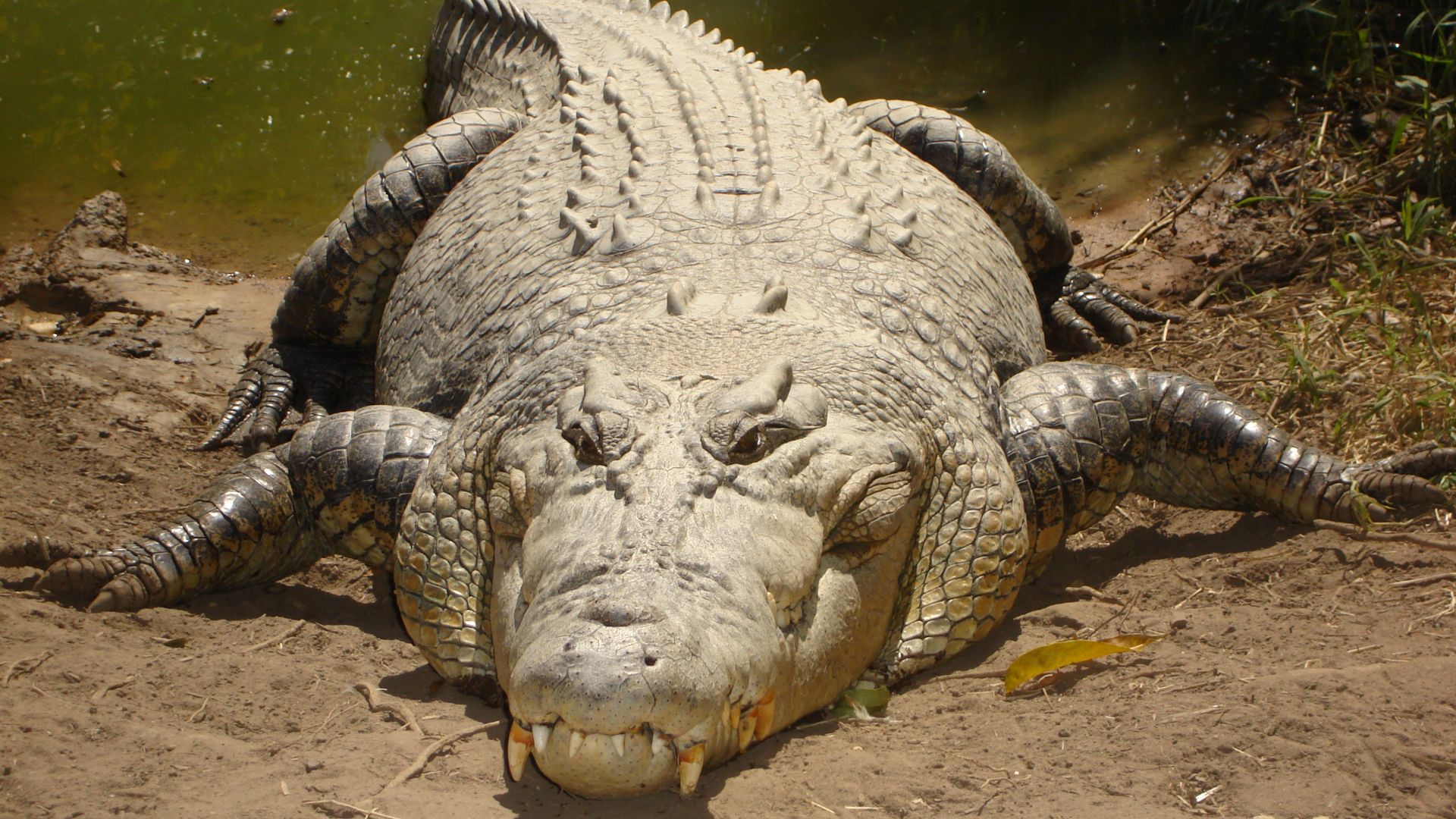 fvanrenterghem, Wikimedia Commons
Great White Shark
Talk about a 4,000-pound bite force and an animal that stretches up to six meters in length. Great white sharks rank among the ocean's most formidable predators. Well, most encounters are classified as exploratory "test bites" rather than predatory attacks, despite their keen sensory capabilities.
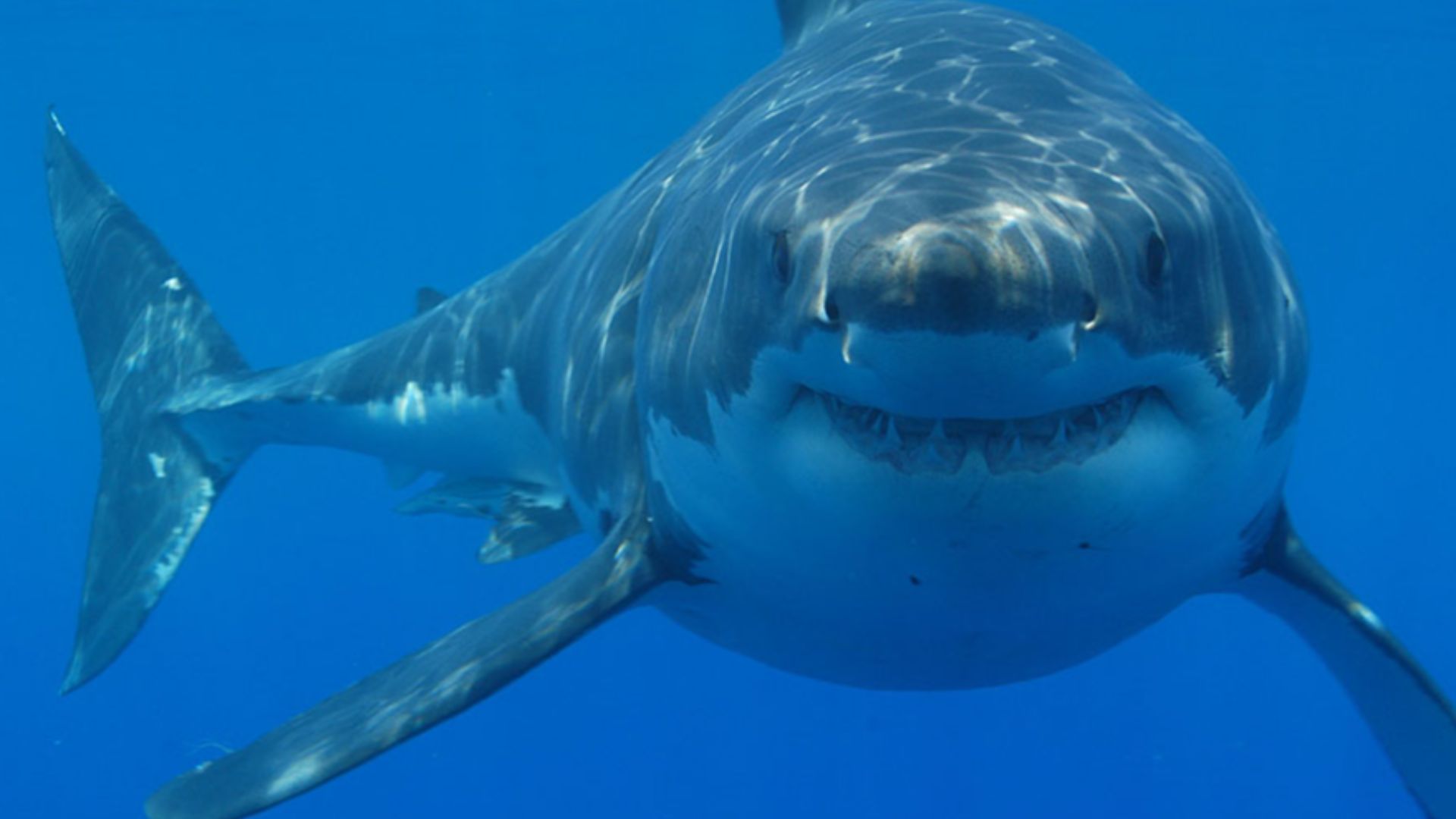 Hermanus Backpackers, Wikimedia Commons
Box Jellyfish
Initial contact with a box jellyfish's nearly transparent form triggers an acute progression of symptoms, beginning with intense pain and nausea. The venom, delivered through thousands of microscopic stingers along ten-foot tentacles, rapidly advances to respiratory complications. Cases frequently escalate to cardiac arrest.
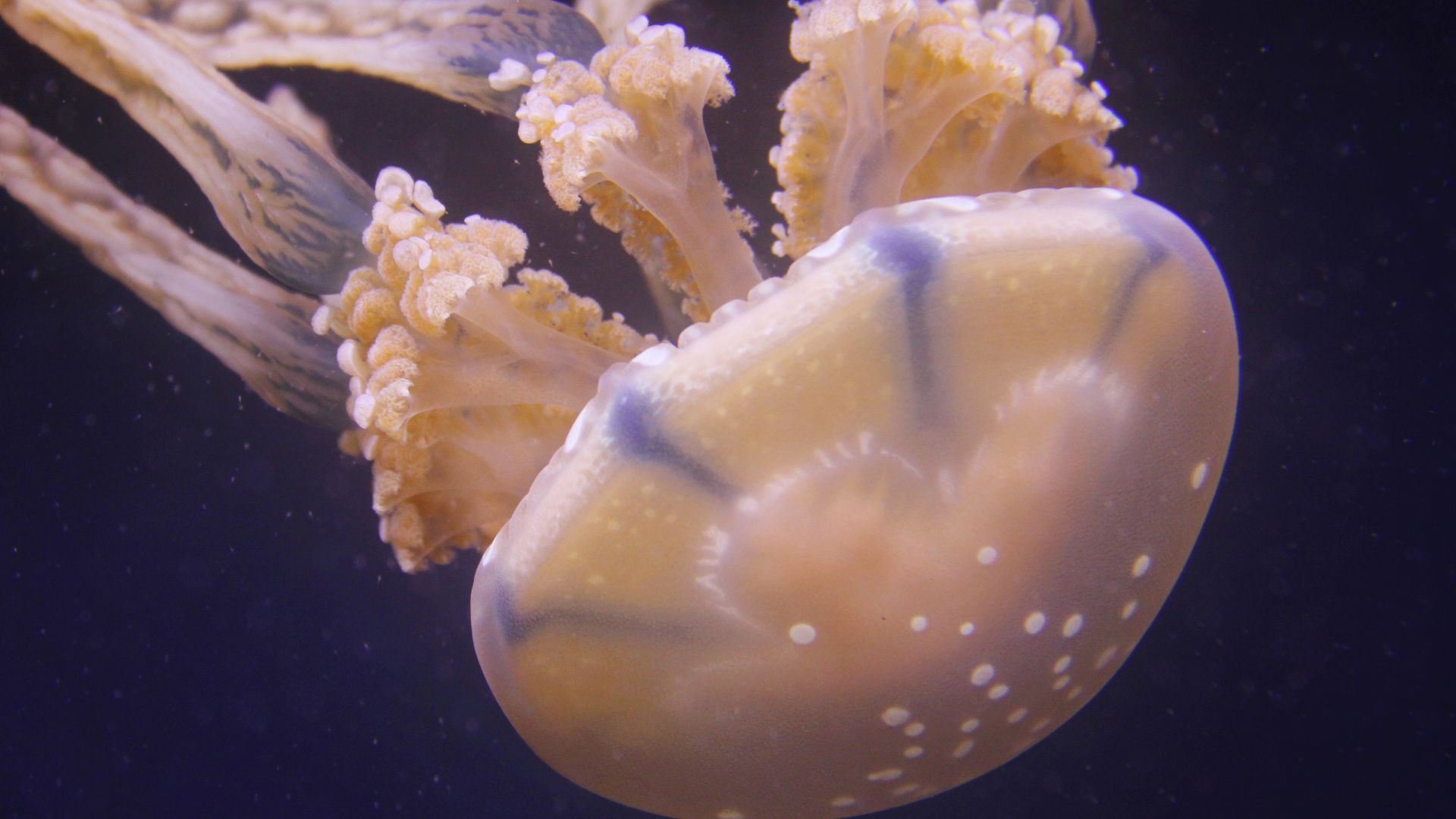 Will Fisher from Richmond, VA, United States, Wikimedia Commons
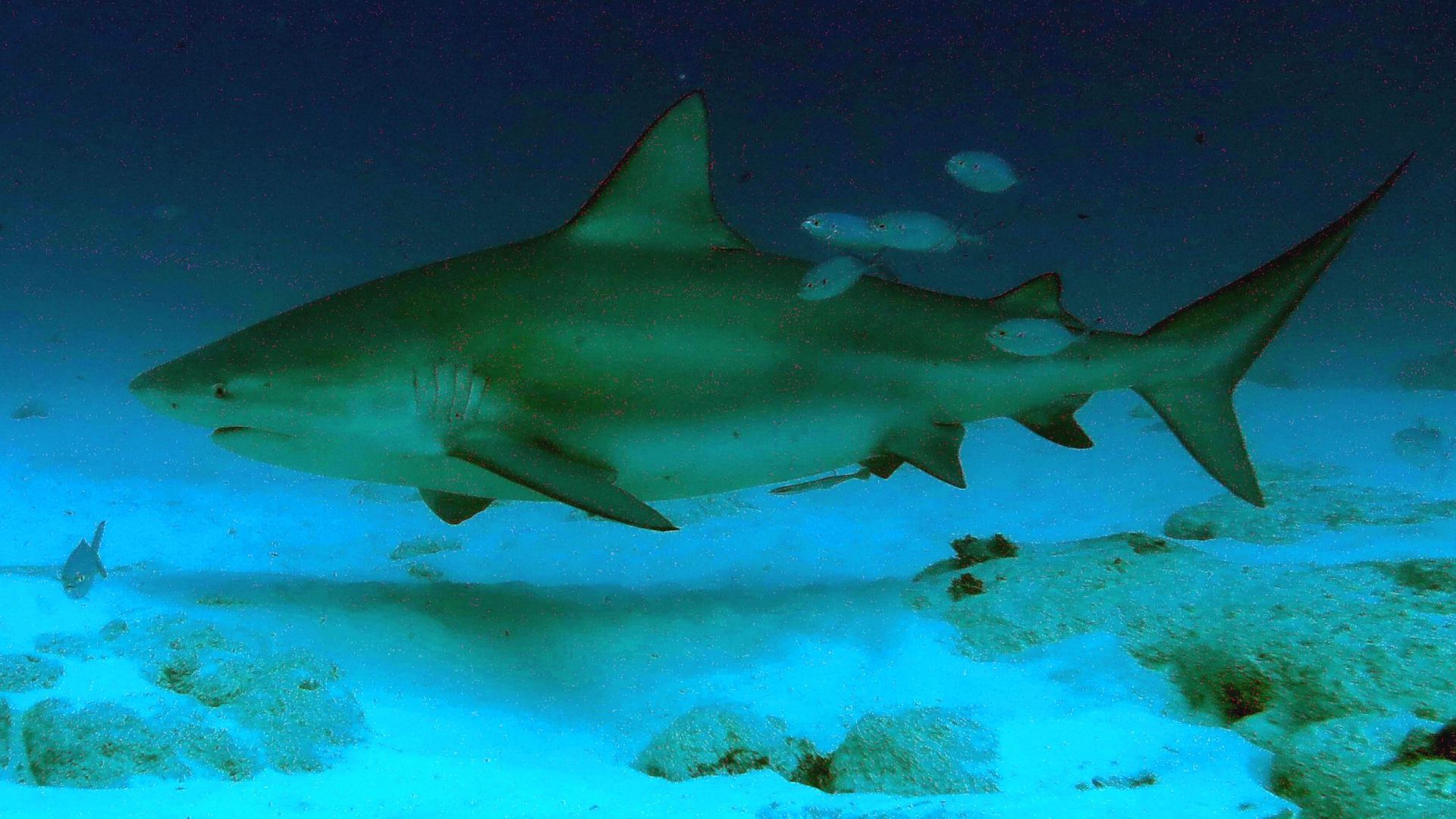
Bull Shark
What makes the bull shark a true biological marvel is its fantastic ability to regulate internal salt levels, enabling it to thrive in both ocean and freshwater environments. This evolutionary advantage has allowed these aggressive predators to venture thousands of miles up the Amazon River.