
Your brain is wrinkled like a walnut, and those wrinkles aren't just for show. Each fold increases the amount of surface area your brain can pack into your skull, allowing millions more neurons to connect and communicate. But hidden among all those creases is one particular fold that appears to be uniquely human. No dolphin, elephant, or any other intelligent animal carries this specific anatomical feature. Scientists are now discovering that these unusual brain folds might be the key to understanding why humans can imagine entire worlds that don't exist, plan for distant futures, and create art, stories, and inventions in ways more advanced than other animals. While other animals show impressive intelligence and even basic problem-solving skills, the human capacity for imagination stands apart. Neuroscience has connected aspects of these brain folds to our extraordinary creative abilities.
The Brain Fold That Sets Humans Apart
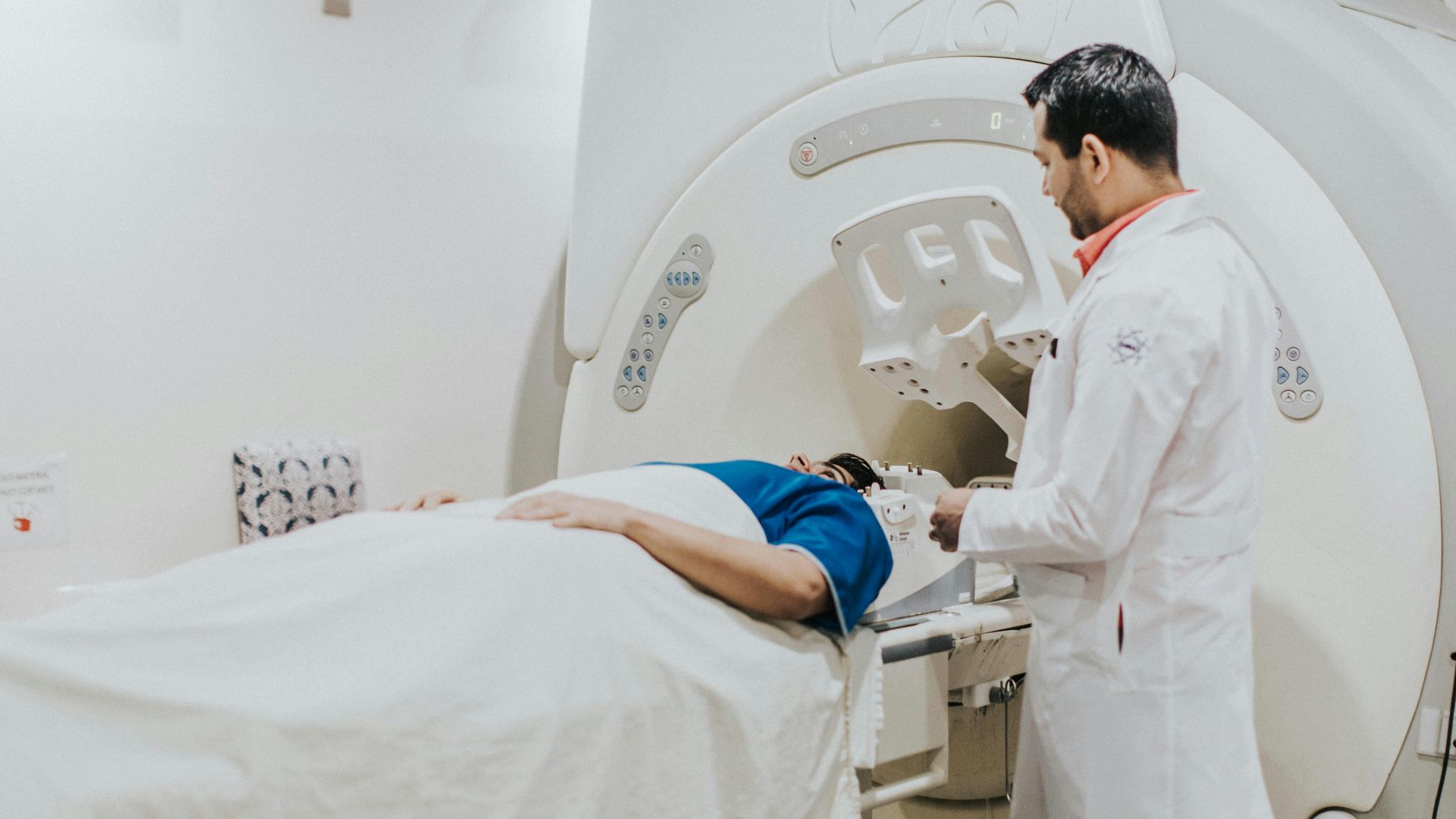
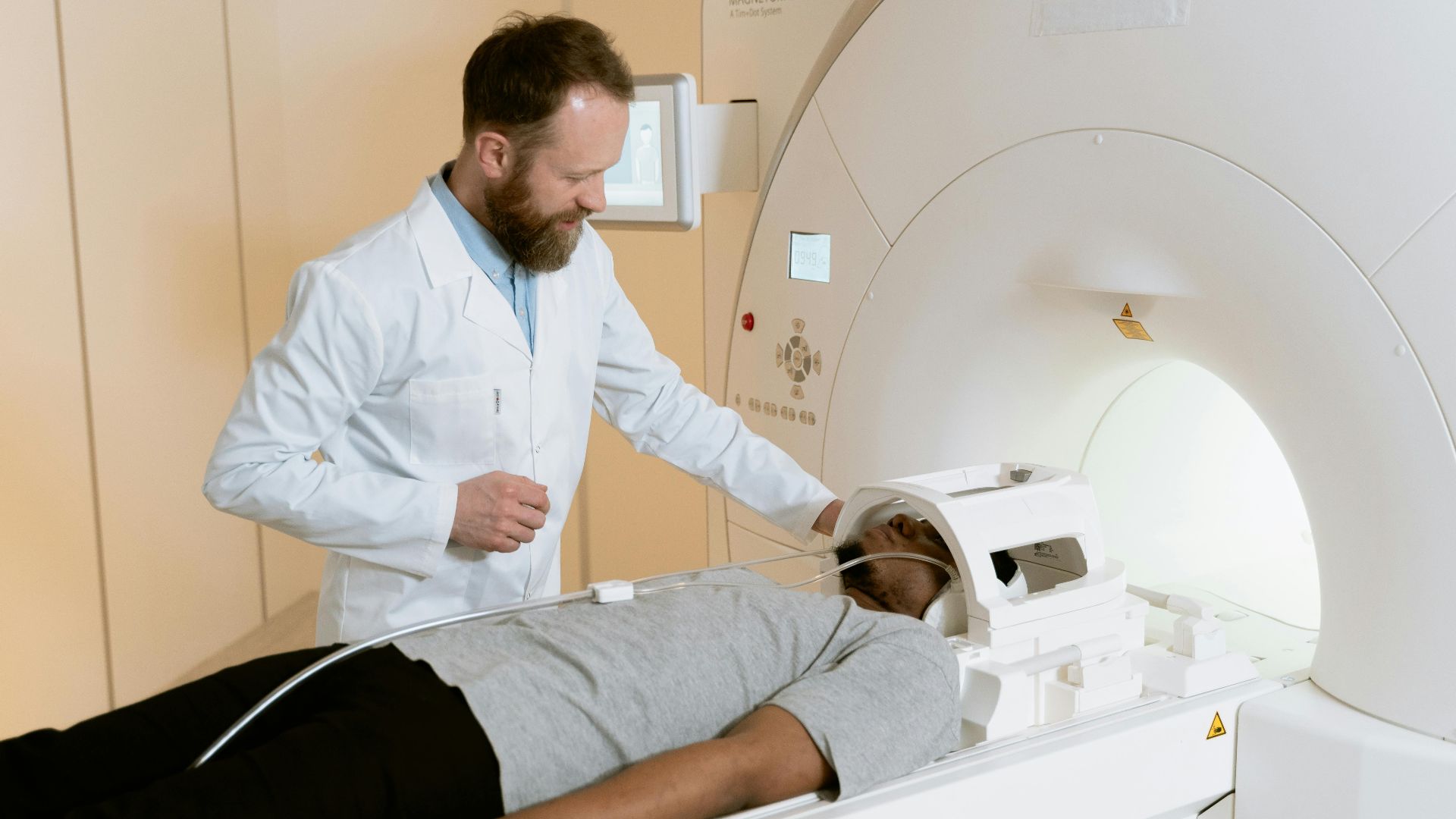
The folds in question include tertiary sulci in the lateral prefrontal cortex, located in the frontal lobe just behind your forehead. During fetal development, the human brain undergoes a complex folding process as the cortex expands rapidly within the limited space of the skull. Most of these folds follow similar patterns across mammals, creating grooves and ridges that appear in species ranging from dogs to primates. However, these particular sulci are more developed in human brains and have distinctive patterns that researchers can identify clearly on MRI scans. Comparative neuroscience studies examining brain structure across dozens of species have confirmed that even our closest evolutionary relatives, including bonobos and gorillas, have simpler or less frequent versions of these sulcal patterns. What makes it structurally different is not just its presence but its depth, position, and the way it organizes surrounding brain tissue. Even though the lateral prefrontal cortex itself exists in other primates, the enhanced folding pattern changes how that region is organized. It also affects how densely packed the neurons within it can become, which creates a biological foundation that is particularly advanced in humans.
Beyond Imagination: Planning, Storytelling, And Culture
While imagination grabs headlines, the fold's influence stretches further. It contributes to the ability to plan ahead and to weigh options before acting. Humans can rehearse outcomes mentally, testing different scenarios without real-world consequences. That's why we can build cities and organize communities that span generations. We don't just react to our environment—we shape it according to visions we hold in our minds. This capacity for foresight transforms how we navigate the world. We prepare for seasons that haven't arrived. We save resources for future needs. We invest time in projects that won't pay off for years, all because these folds support networks that allow us to see beyond the present moment. Storytelling also benefits from the cognitive enhancements supported by these folds. When we craft narratives, we transmit knowledge across time and embed values in memorable tales.
The Bigger Picture
Knowing that a single fold could shape imagination and culture changes how we think about ourselves. It raises questions about mental health, education, and even technology. Could differences in these folds' morphology explain variations in cognitive abilities? The possibility opens new avenues for understanding cognitive diversity. It might help explain conditions that affect abstract thought, like schizophrenia or dementia, where sulcal patterns have been implicated. The structure could become a target for therapeutic interventions or educational strategies designed to enhance creative thinking. Medical science may eventually map variations in this fold to predict or treat disorders that disrupt our ability to imagine and plan.
There's also a technological angle worth considering. If advanced imagination is tied to specific brain structures, then artificial intelligence may struggle to fully replicate it without mimicking those architectures. Computers can process information at incredible speeds and recognize patterns. They can generate text and solve equations. But they don't daydream or wonder. They can generate novel outputs but don't create meaning in the human sense. The fold becomes more than anatomy; it's a symbol of human uniqueness, a reminder that our ability to dream and plan is literally built into the brain's design. Understanding this structure means understanding what makes human consciousness special, what allows us to be more than sophisticated problem-solvers.