Hidden Echoes Of Our Ancient Past
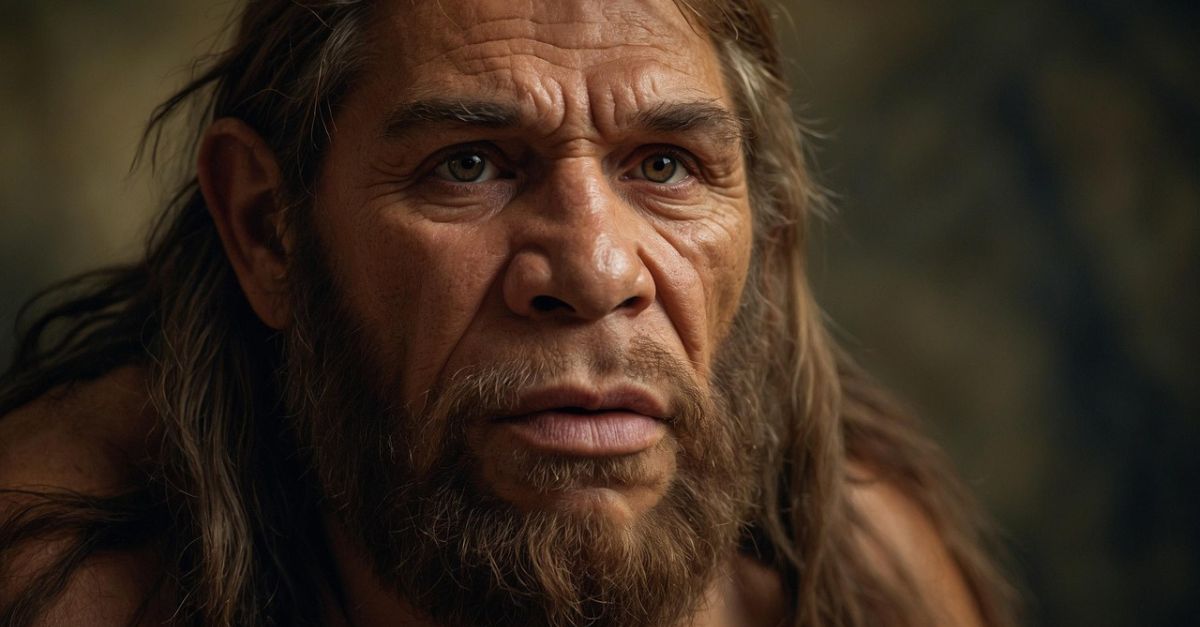
Look closely at your body, and you might spot secrets written thousands of years ago. Tiny hints in your bones reveal connections to humans who walked the Earth long before us and left traces that still shape who we are today.
Who Were The Neanderthals
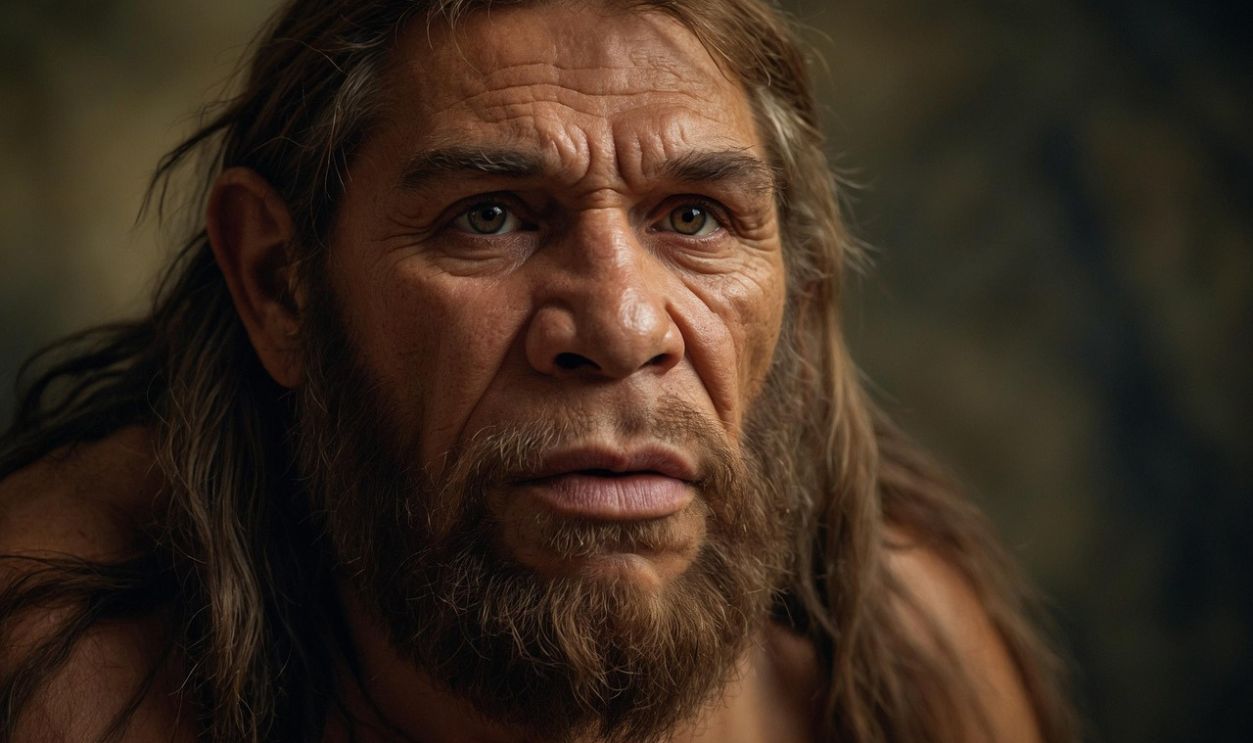
Neanderthals were an ancient human species that inhabited much of Europe and parts of Asia, thriving for thousands of years before disappearing around 40,000 years ago. They hunted, made tools, and survived harsh climates, leaving bones and artifacts that reveal their daily lives and strength.
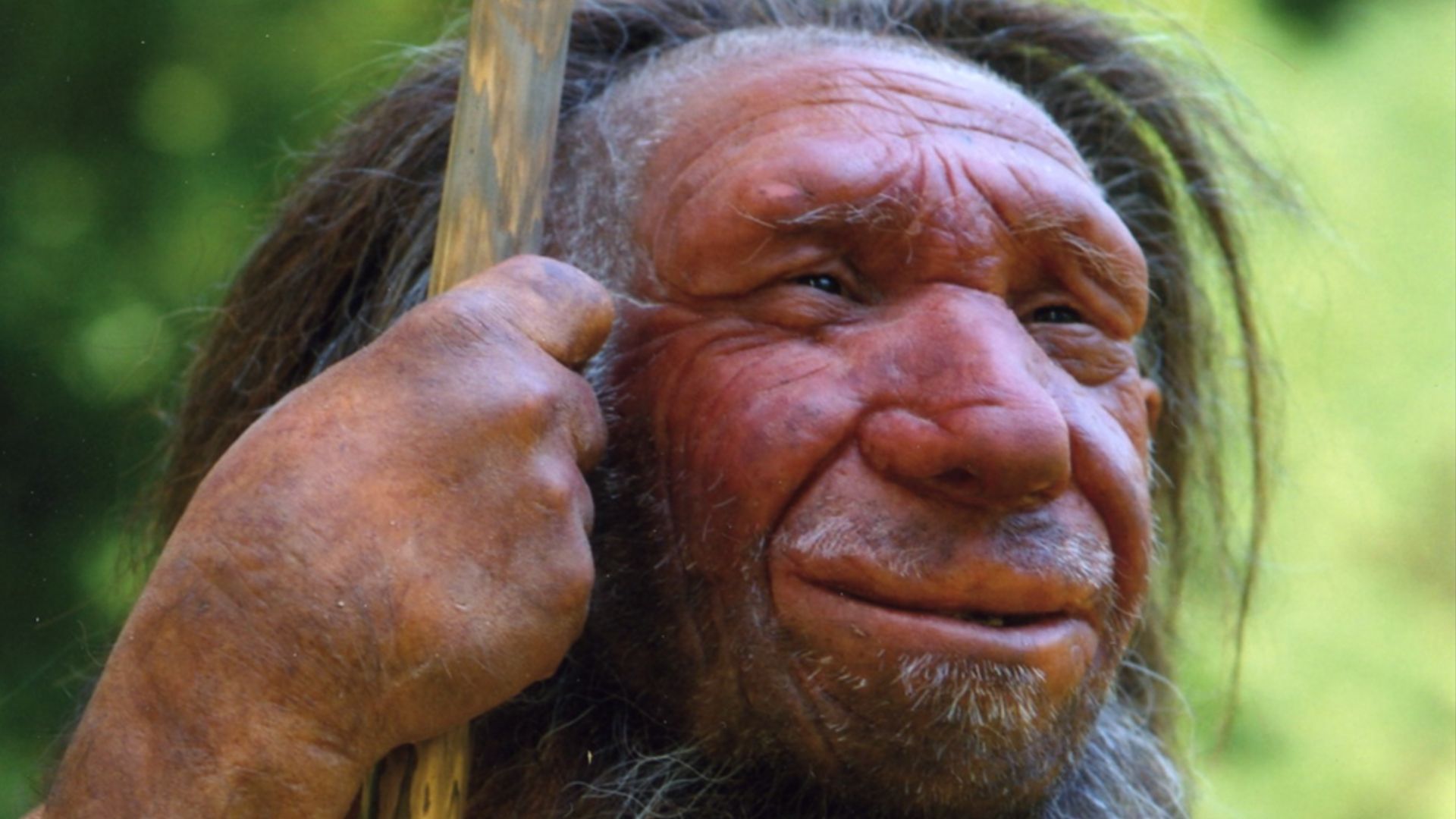 Neanderthal-Museum, Mettmann, CC BY-SA 4.0, Wikimedia Commons
Why Scientists Studied Neanderthals
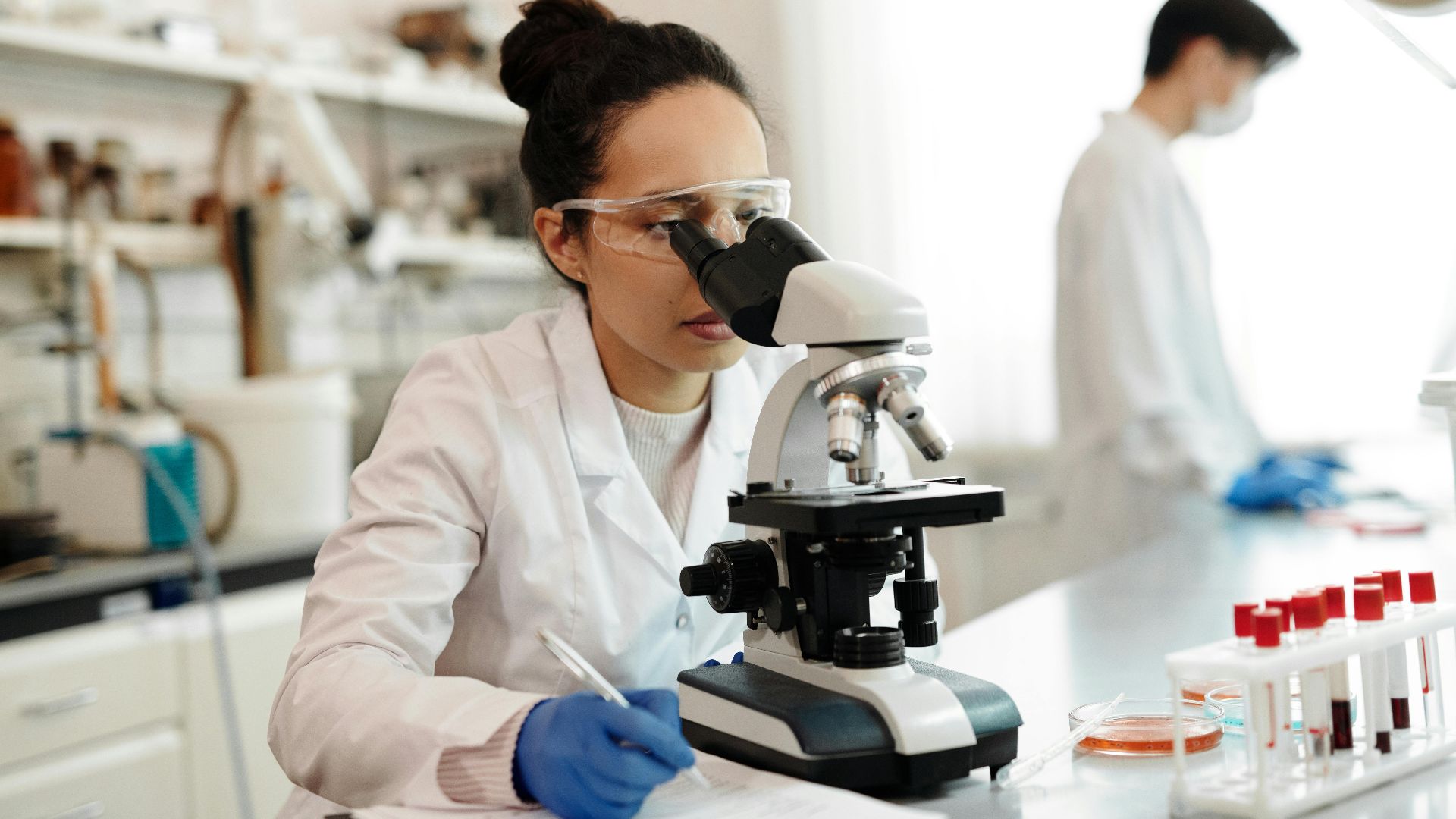
Scientists examine Neanderthal bones to read the story written in their genes. Sequencing ancient DNA shows how small fragments entered the modern human genome and reveals the ways our ancestors adapted and left subtle traces in our biology today.
How Neanderthals And Modern Humans Met
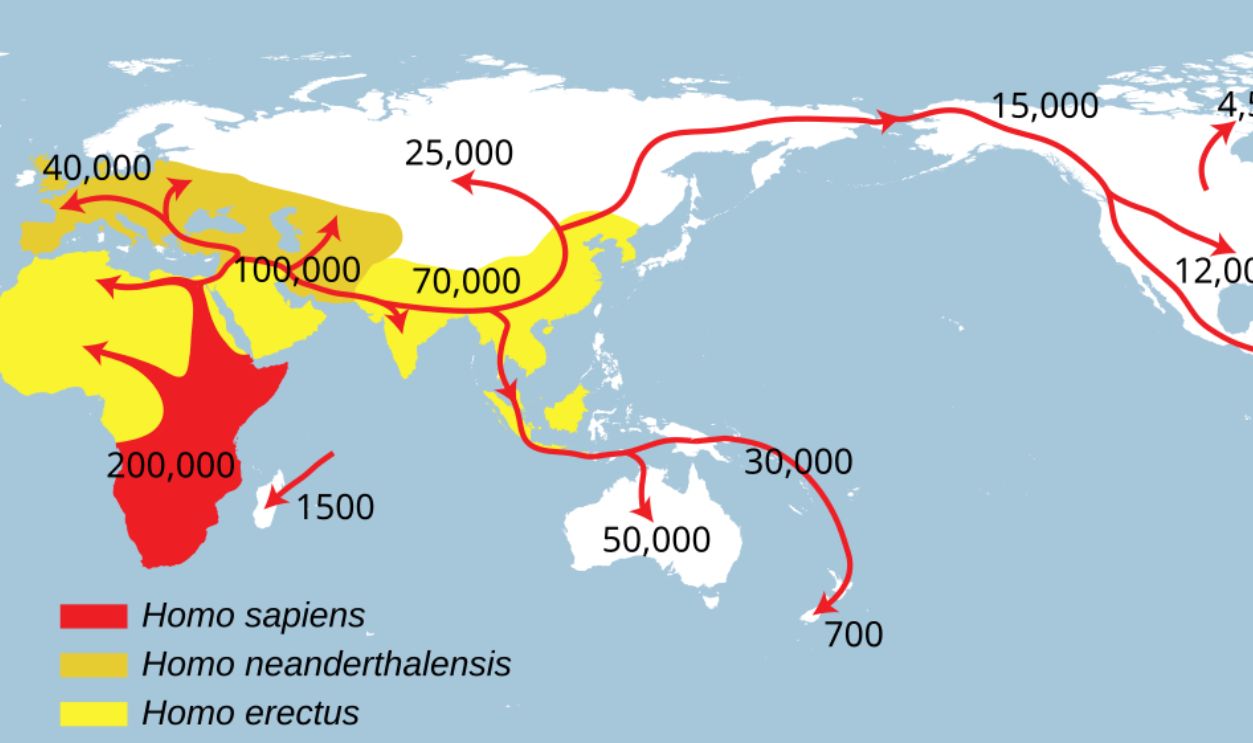
Modern humans evolved in Africa and began spreading across the world around 50,000 to 70,000 years ago. When they reached Europe and Asia, they met Neanderthals already living there. These encounters were not just conflicts; some groups formed families together over time, and generations passed.
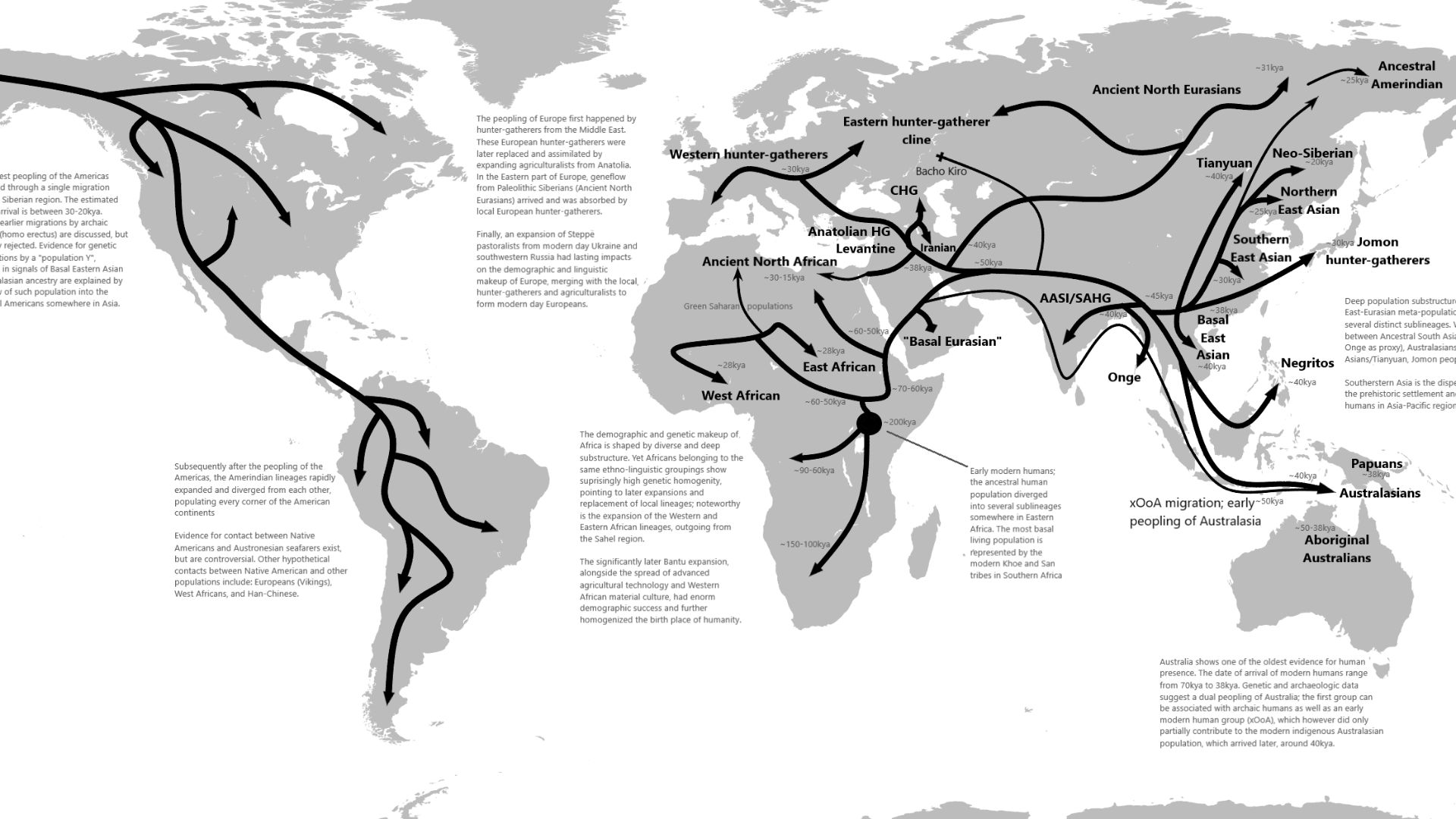 Jayasinghe23, Wikimedia Commons
Genetic Interbreeding And Legacy
Because of this interbreeding, many people today carry small amounts of Neanderthal DNA. Scientists discovered this in 2010 by sequencing ancient genomes. On average, people outside Africa have about 1-2% Neanderthal genetic material, still influencing certain traits today.
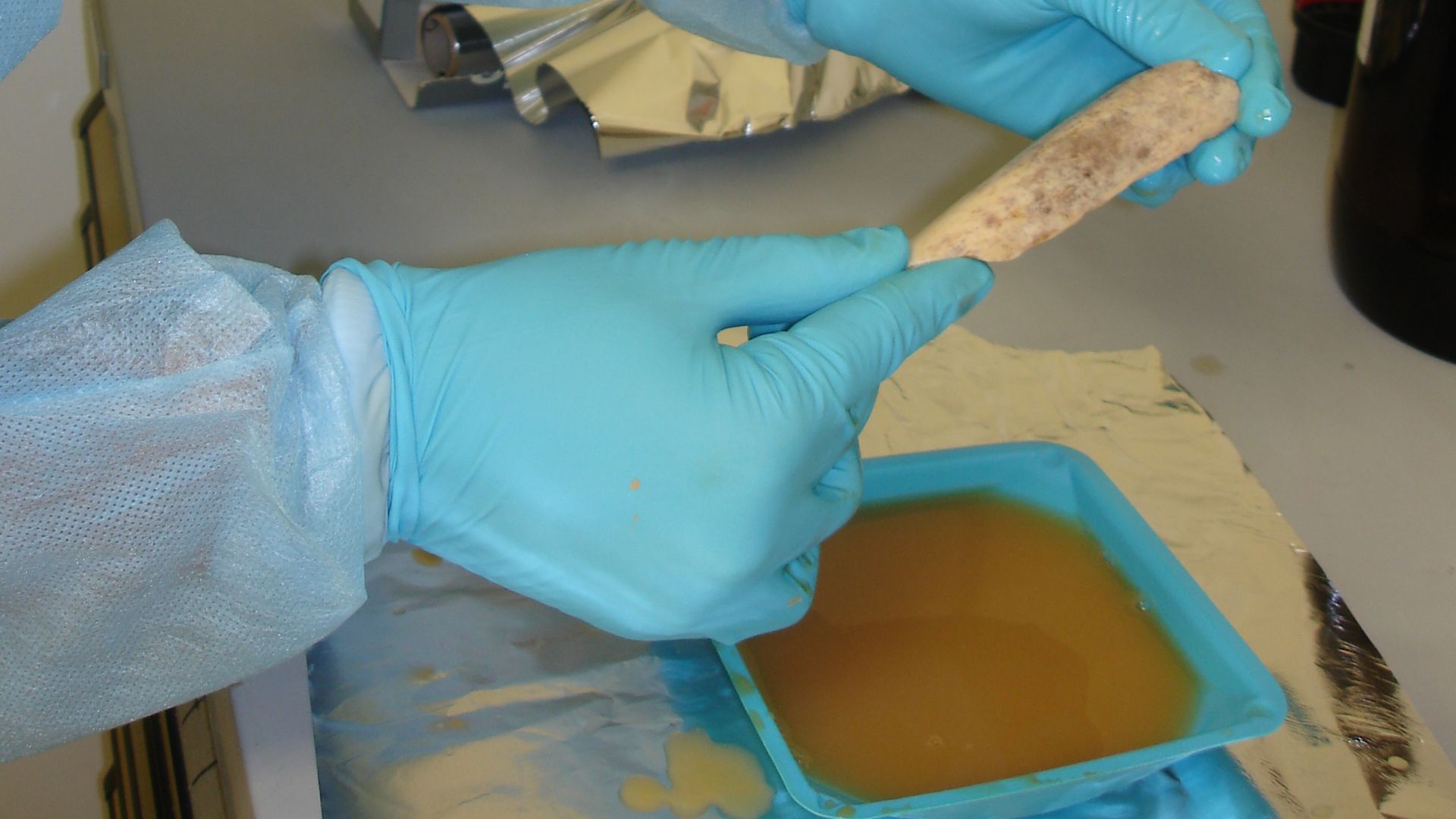 Max Planck Institute for Evolutionary Anthropology, Wikimedia Commons
What DNA Tells Us About Our Bodies
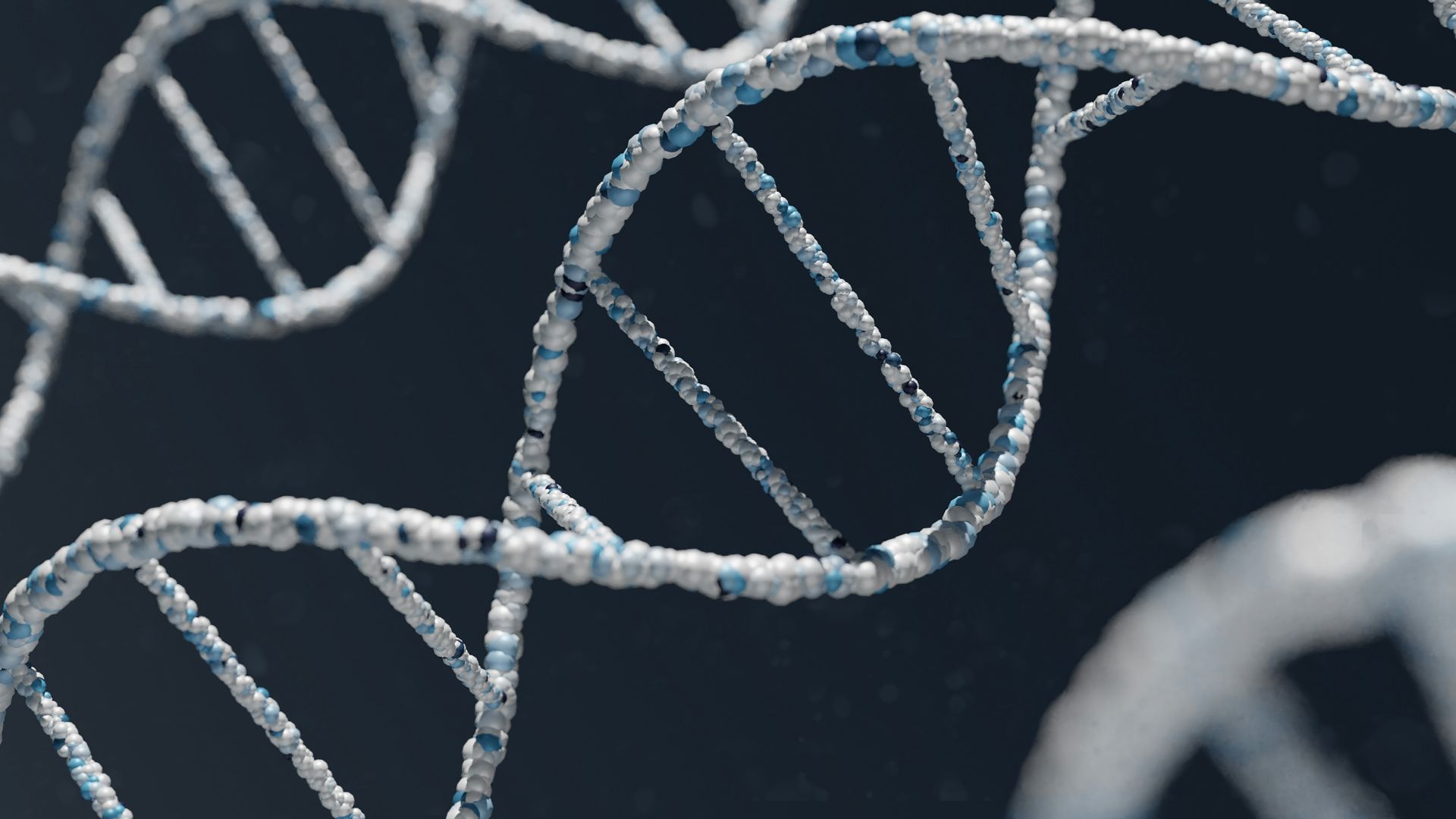
DNA is the instruction manual inside every cell. It shapes how our bodies function and respond to the world. When ancient DNA entered the human gene pool, some of those instructions stayed, quietly shaping traits we still see today.
Evolutionary Adaptation Explained
Evolution works through survival. Traits that helped ancient humans endure cold, disease, or food shortages were more likely to be passed on. Over thousands of years, helpful features became common, even if the original environments that shaped them no longer exist.
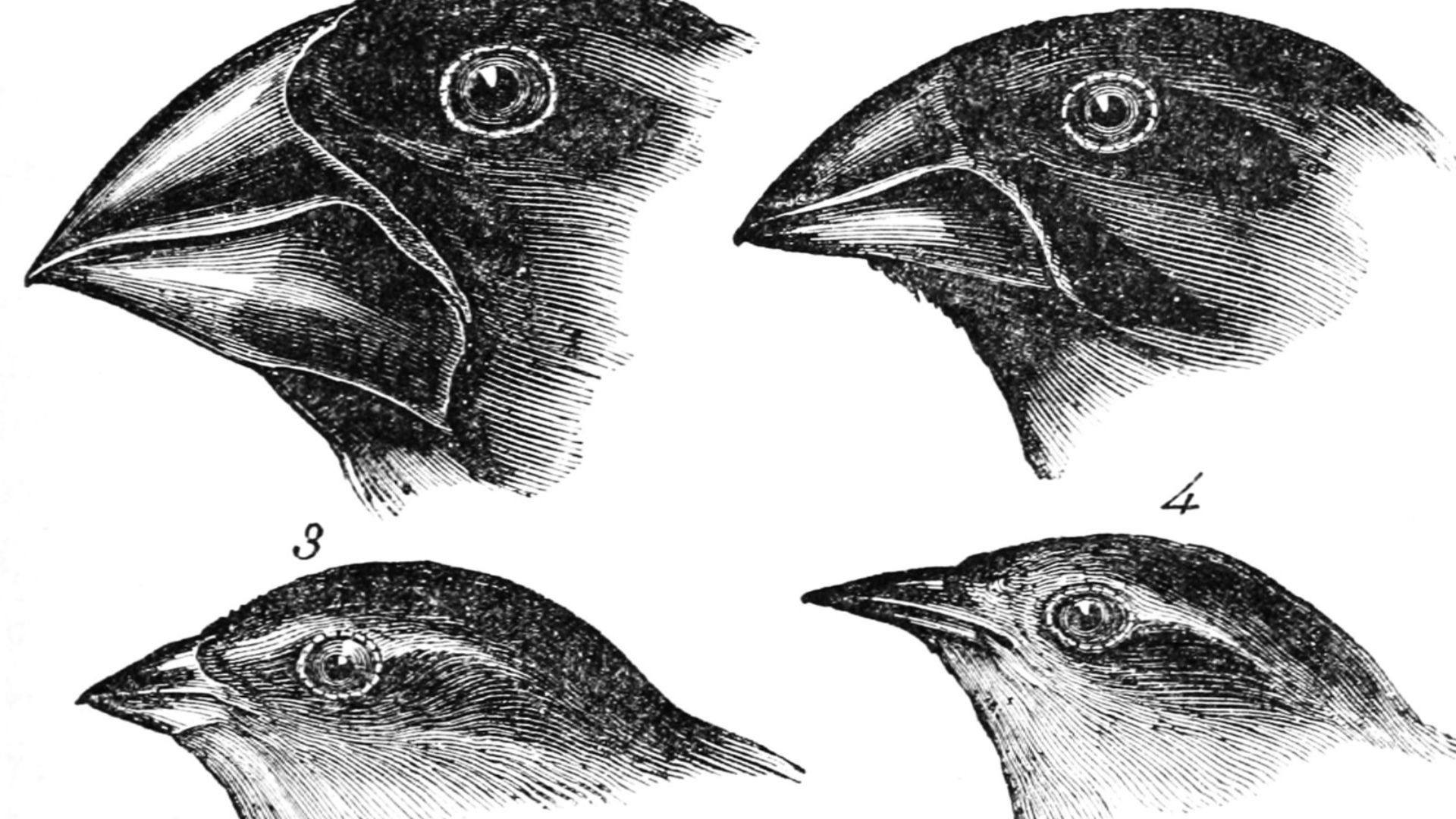 John Gould (14.Sep.1804 - 3.Feb.1881), Wikimedia Commons
How Traits Are Passed Down
Not every inherited trait is visible. Some genes are dominant, others stay hidden unless combined the right way. This is why two people can carry ancient DNA but show different features, or none at all. Genetics is a mix of chance and inheritance.
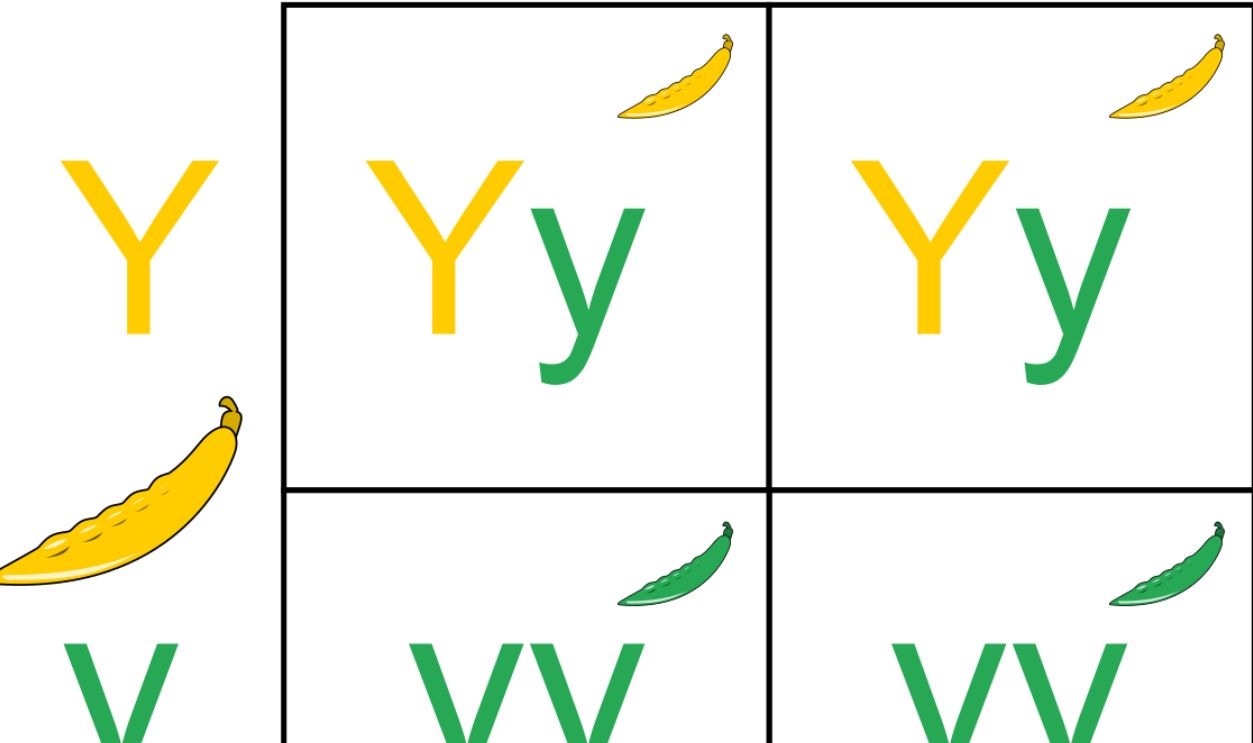 Pbroks13, CC BY-SA 3.0, Wikimedia Commons.
How Neanderthal Traits Show Up Today
Neanderthal DNA did not arrive as a complete package of traits. Small gene fragments blended into modern humans over time. Each one adds a slight influence, shaping how certain physical systems behave rather than creating clear, easily recognizable features.
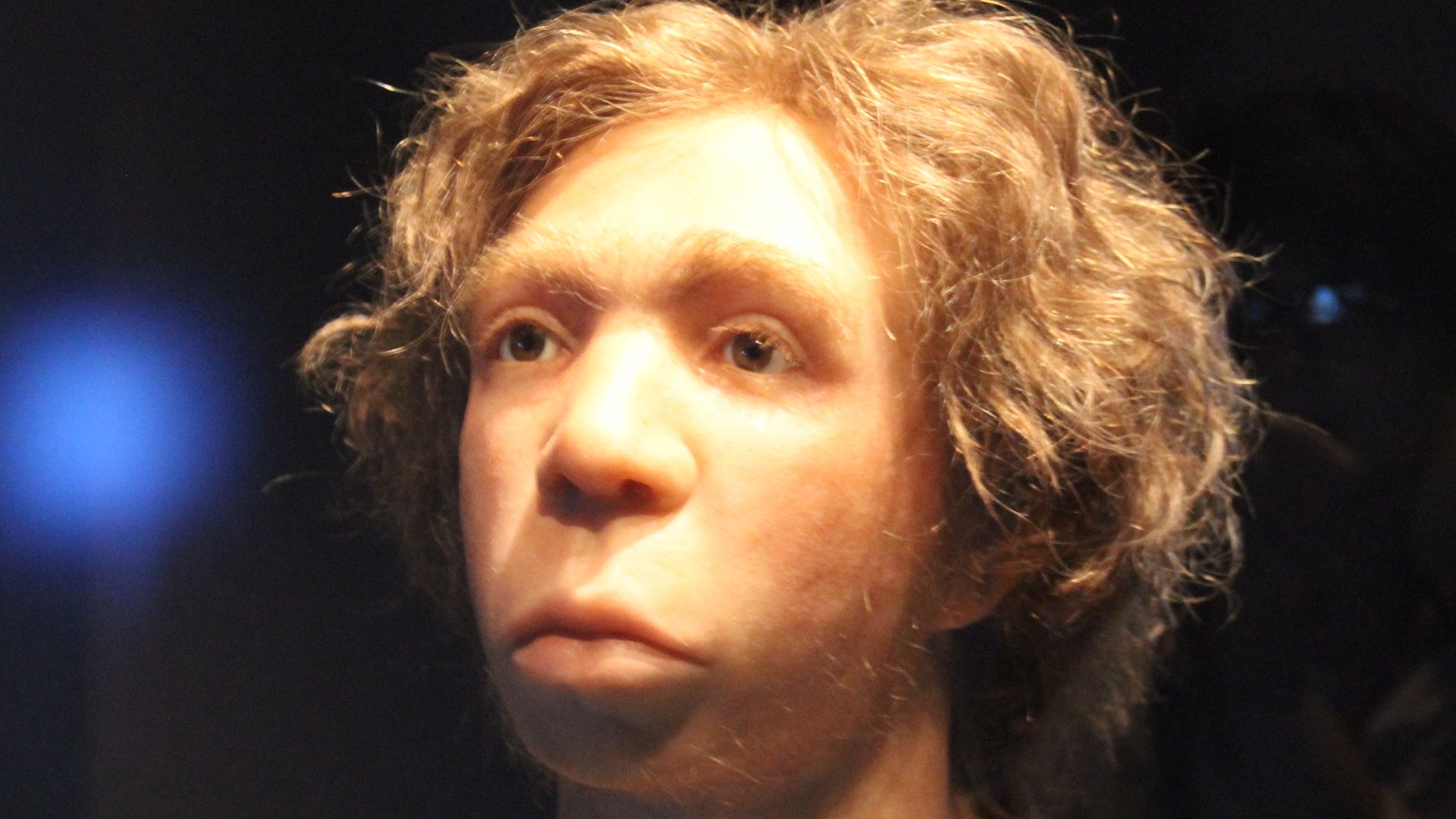

History's most fascinating stories and darkest secrets, delivered to your inbox daily.
Stronger Immune Responses
Long ago, humans faced unfamiliar viruses and bacteria as they moved into new lands. Neanderthals had immune genes suited for those threats. Some of those genes remain today and shape how strongly certain bodies recognize and fight infections when exposed to new germs.
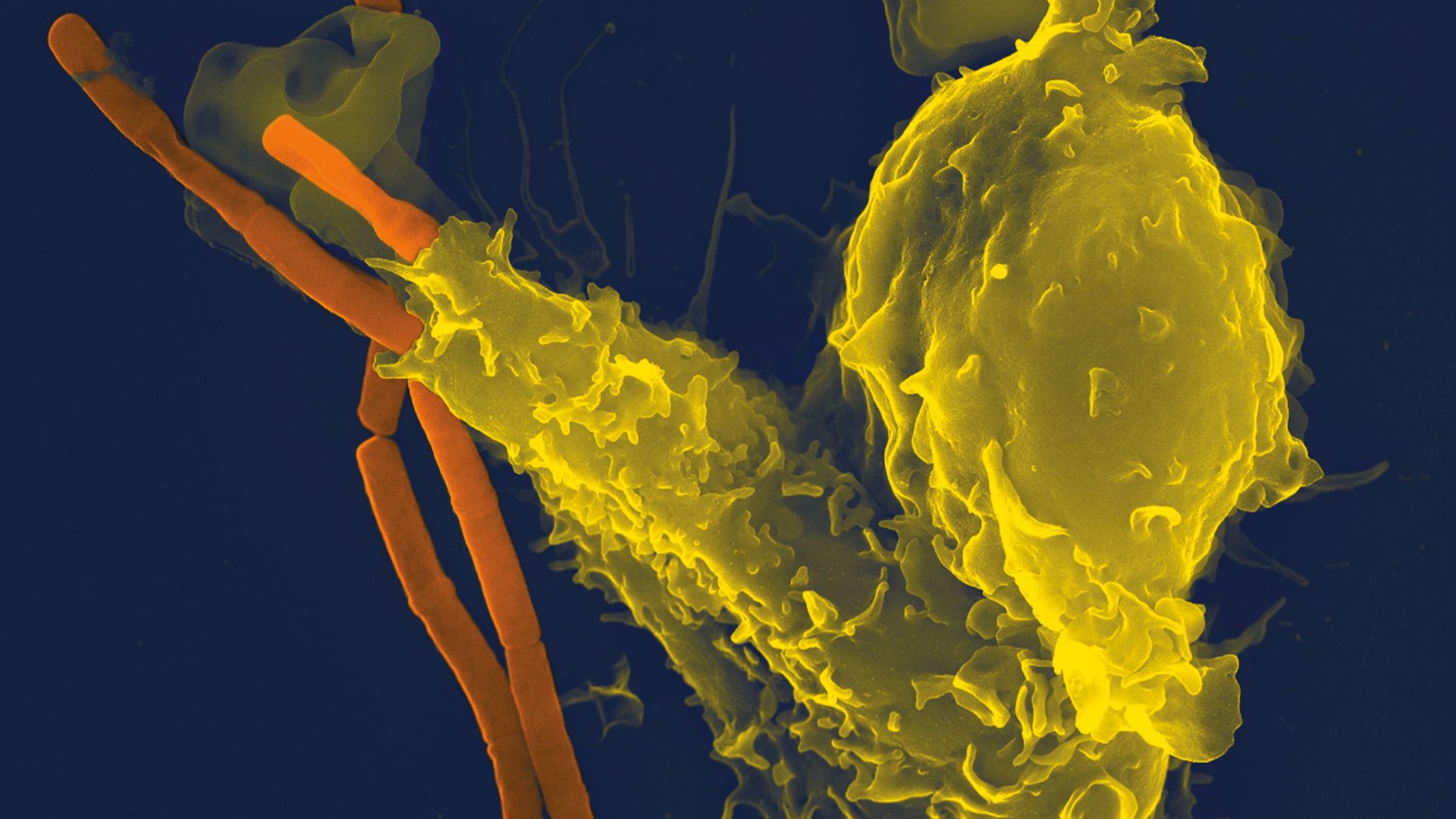 Volker Brinkmann, Wikimedia Commons
Higher Allergy Sensitivity
A fast-reacting immune system once helped people survive dangerous environments. Today, that same alertness can misfire. Some inherited traits cause the body to overreact to harmless things like pollen or dust, leading to allergies that are common in modern, cleaner environments.
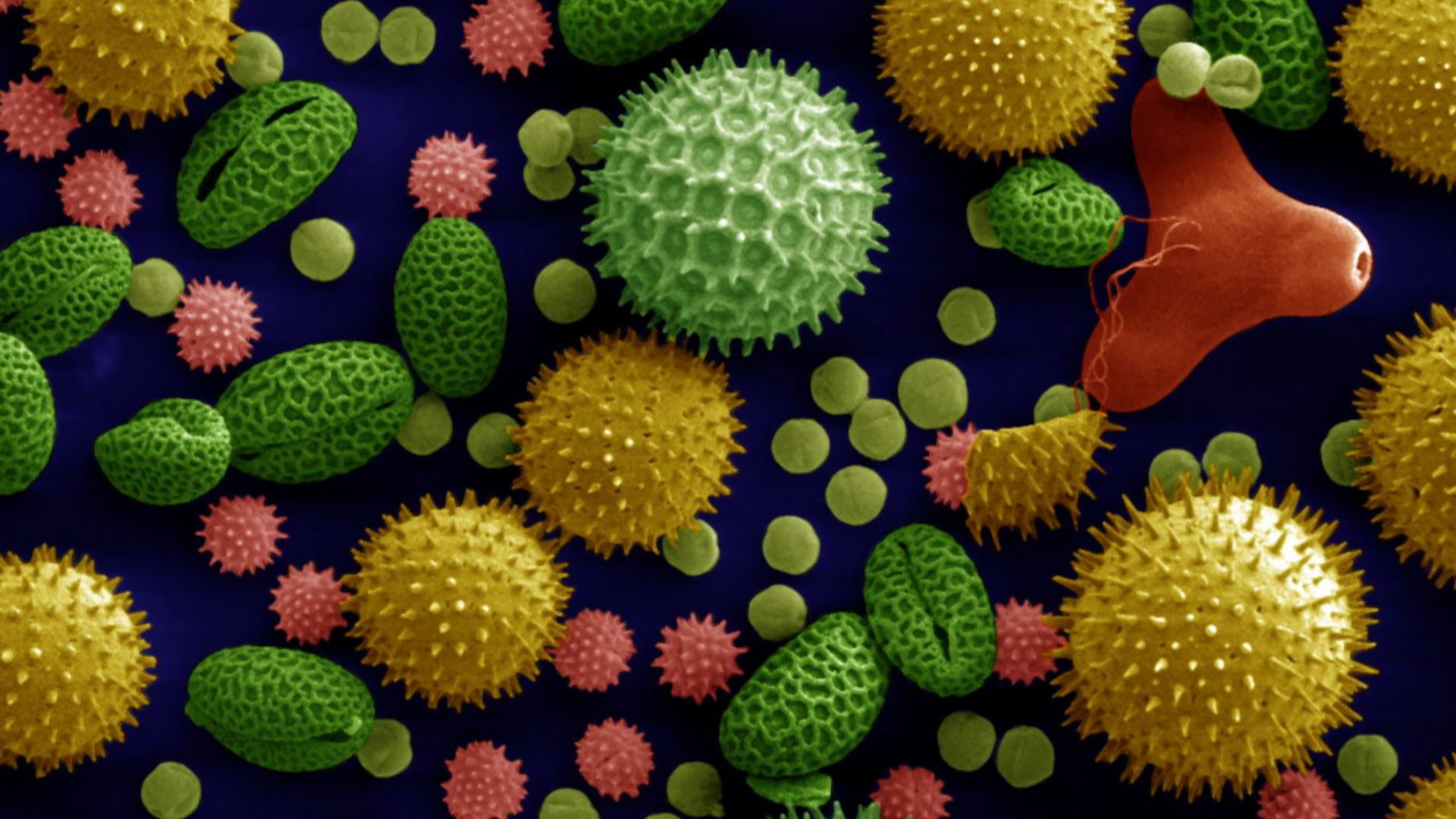 Dartmouth Electron Microscope Facility, Dartmouth College , Wikimedia Commons
Differences In Pain Sensitivity
Pain doesn’t feel the same for everyone. Certain inherited traits influence how nerve signals travel through the body. These differences affect how strongly pain is felt, how quickly discomfort fades, and how the body physically responds to injury or prolonged physical stress.
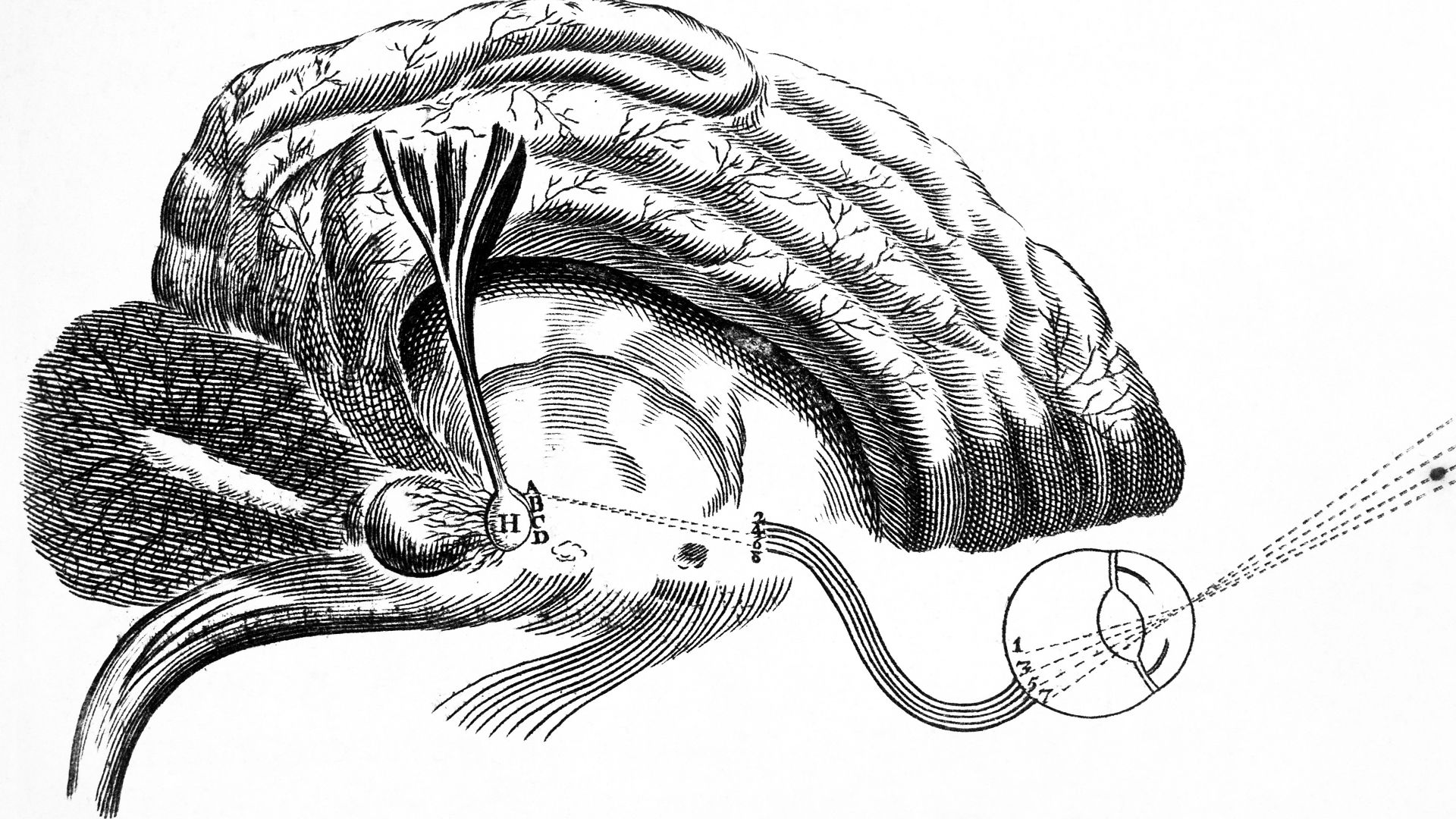
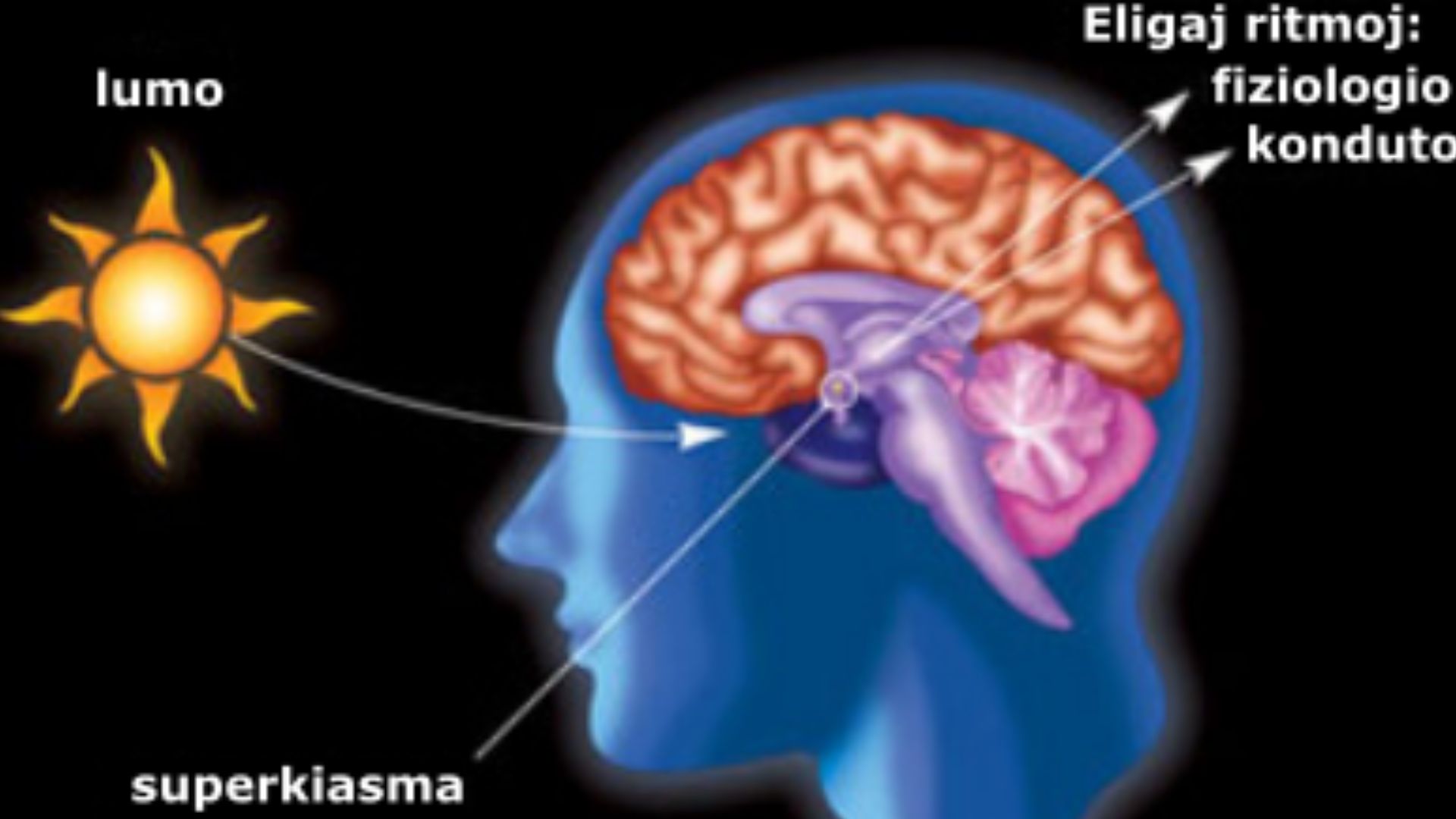
Sleep Timing Preferences
Some people feel awake before sunrise, while others think best late at night. These natural sleep tendencies reflect how bodies respond to light and darkness. Ancient environments shaped these rhythms, and those patterns still influence when the body feels alert or ready to rest.
 National Institute of General Medical Sciences, Wikimedia Commons
Skin Thickness And Repair
Skin isn’t just a covering—it’s a working shield. Some inherited traits influence how thick skin is, how well it resists cold and friction, and how quickly it heals. These features once offered protection in harsh climates and still affect skin behavior today.
 https://www.scientificanimations.com/, Wikimedia Commons
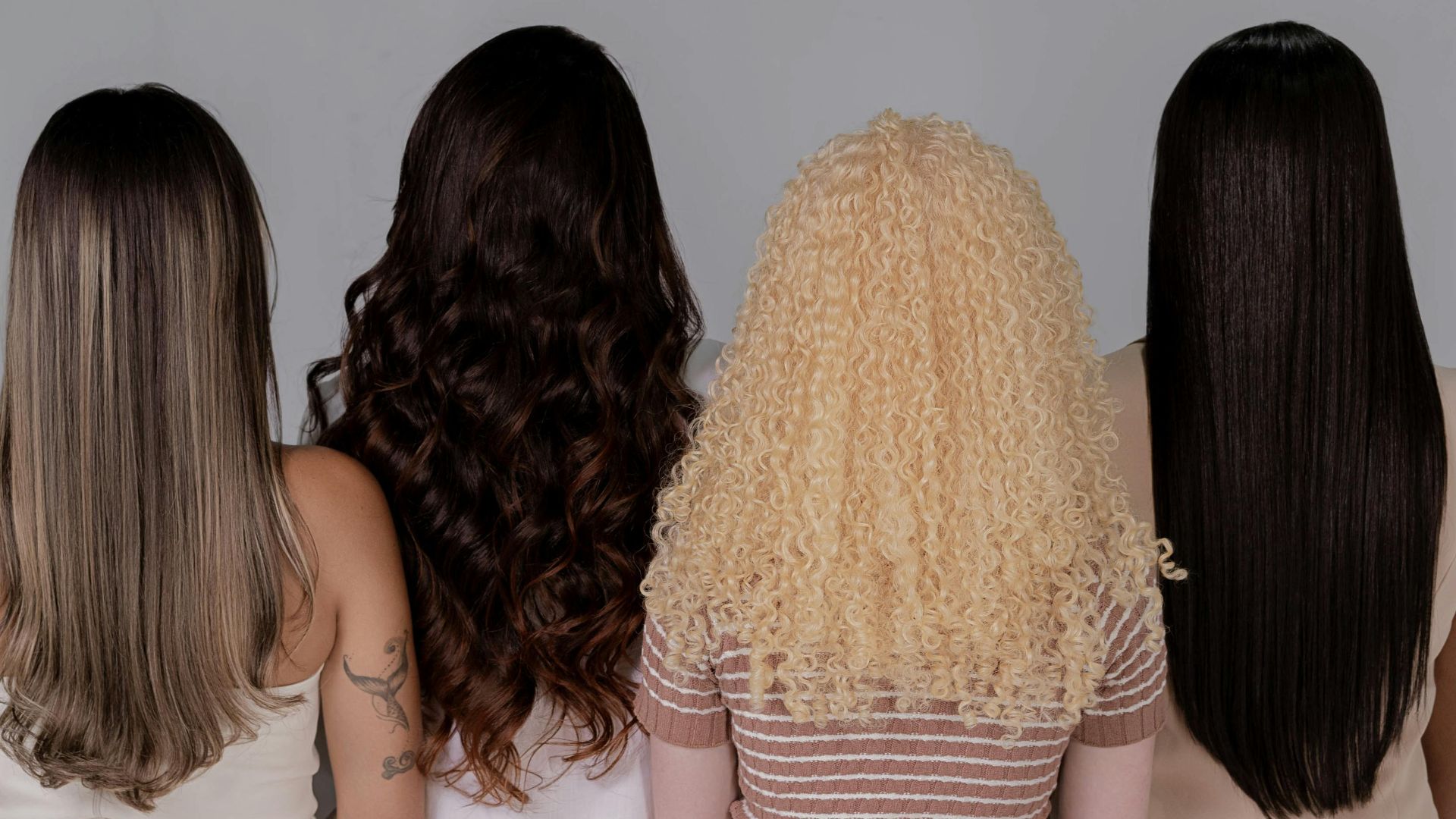
Hair Growth And Texture
Run your fingers through someone’s hair, and differences are easy to feel. Strand thickness and texture vary widely from person to person. Inherited traits shaped how hair helped retain warmth and protect skin, which explains why visible variety remains common today.
Skin Pigmentation Differences
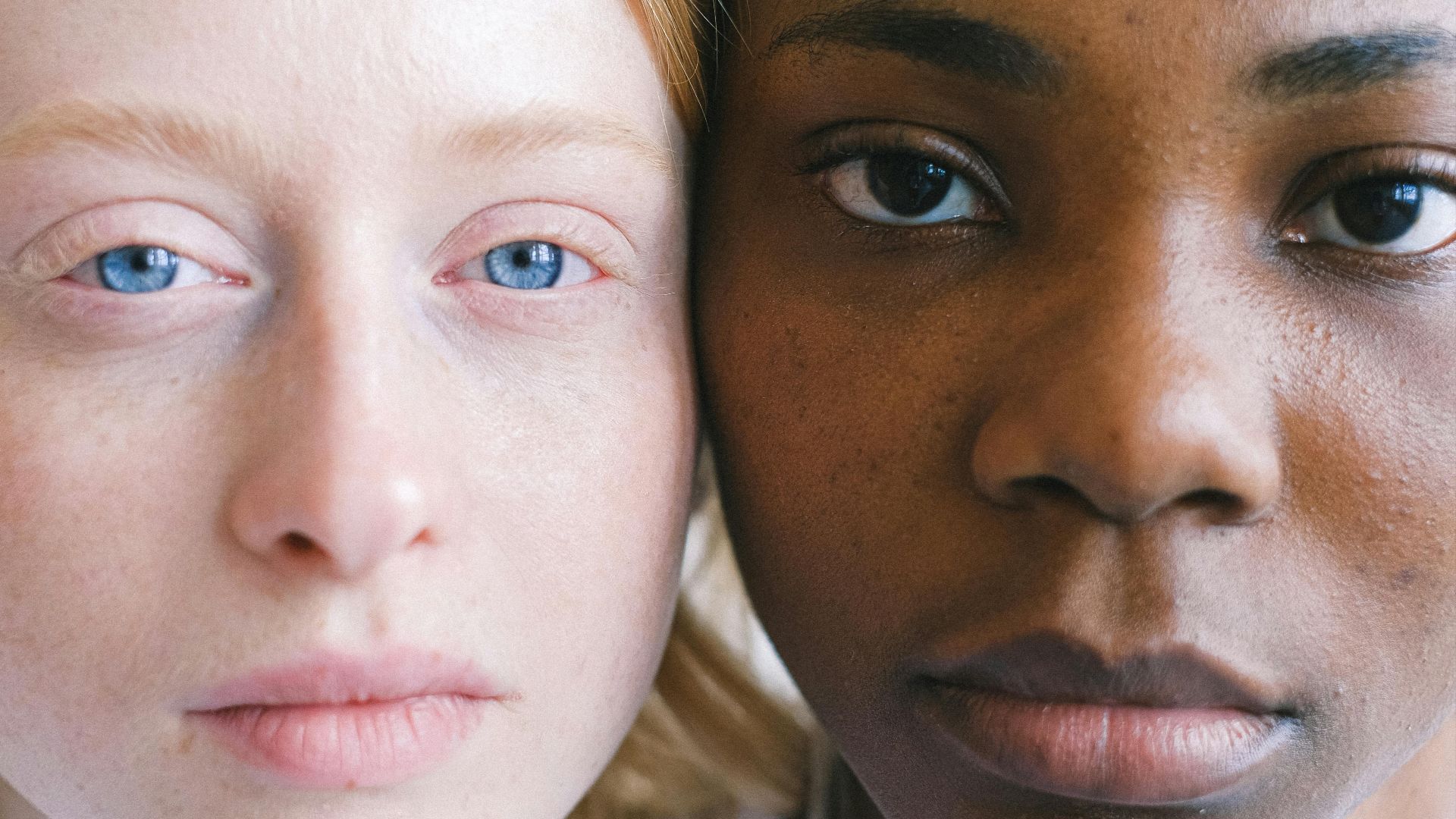
Sunlight does not affect everybody the same way. Some skin darkens quickly, while other skin burns more easily. Melanin levels determine this response, and inherited adaptations shaped skin color as humans settled in regions with different amounts of sun exposure.
Height And Growth Variation
Stand a group of people together, and no two heights are exactly alike. Growth depends on many inherited factors that influence bone length and timing. Together, they create the wide range of statures commonly seen across families and populations worldwide.
Nose Shape And Internal Structure
Cold or dry air can feel harsher for some people when breathing. The shape and internal design of the nose affect how incoming air is heated and cleaned before it enters the lungs. Adaptations to colder environments shaped this feature, which still affects breathing comfort today.

Fat Storage Patterns
Weight appears in different places on different bodies. Some people gain it around the waist, while others carry it in the hips or thighs. Energy storage patterns developed over time to support survival during cold seasons and periods when food was harder to find.

Temperature Sensitivity
Cold weather feels comfortable to some people and unbearable to others. Physical differences affect how bodies retain heat and regulate energy. Adaptations formed in colder climates shaped this response, which still influences how quickly someone feels chilled or overheated during daily activities.

Sleep And Daily Rhythms
Morning energy levels vary widely. Some people wake up alert at dawn, while others feel focused much later. Physical responses to light influence sleep timing, and inherited traits shaped how bodies adjusted to long days and nights in ancient environments.

Ancient Influences On Incisor Shape
Front teeth—especially incisors—show subtle genetic variation across people today. Researchers have identified a gene variant inherited from Neanderthals that is linked with thinner incisors in some groups and reveals how ancient DNA continues to shape aspects of our dental traits.

Tracing Ancient Connections
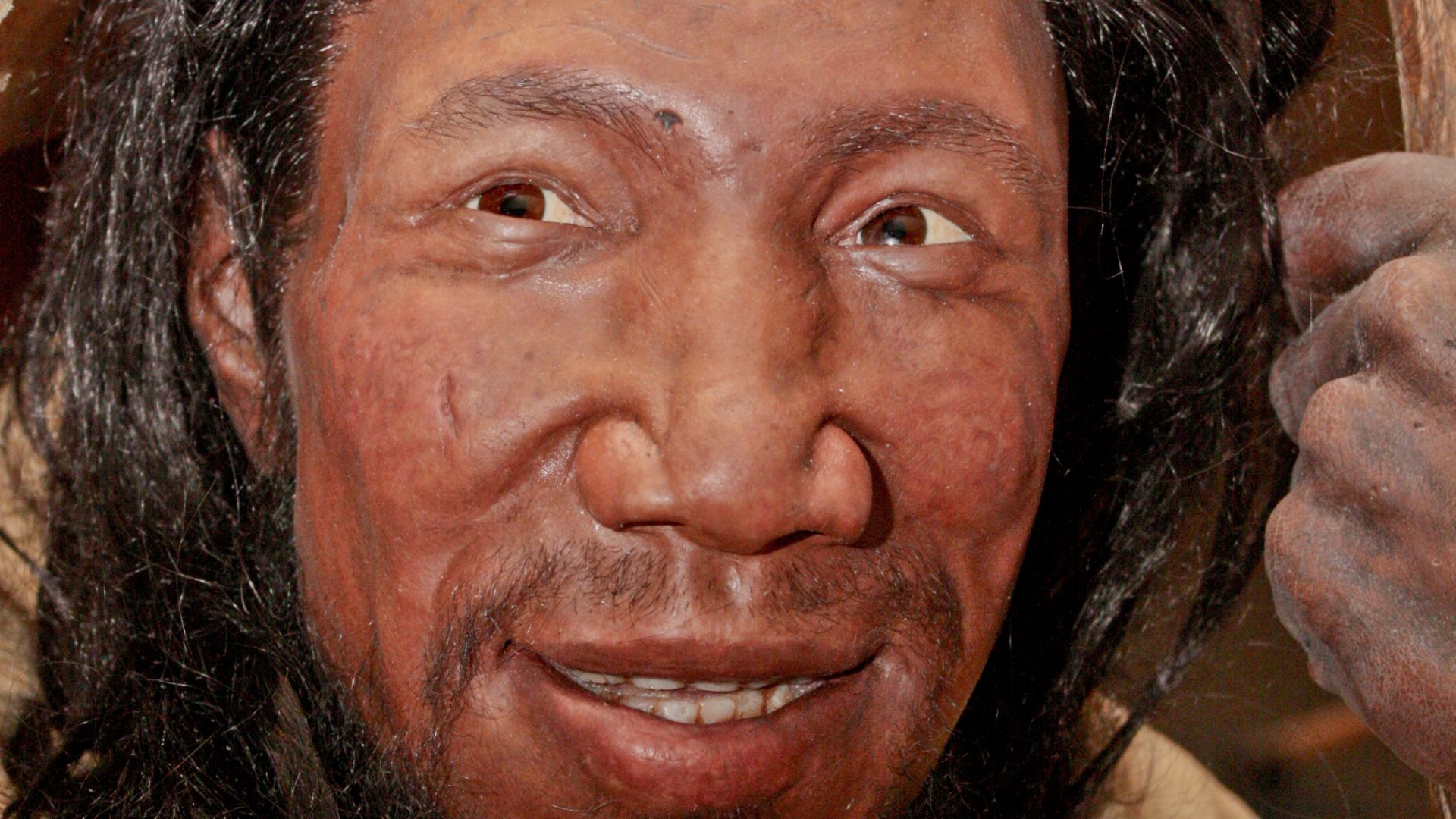
By comparing modern human genomes with Neanderthal DNA, scientists can map where our species intermingled. These discoveries reveal unexpected family links across continents and time, showing that encounters tens of thousands of years ago still ripple through human populations today.
 Daniela Hitzemann (photograph), Wikimedia Commons
Other Ancient Relatives Beyond Neanderthals
Neanderthals were not the only ancient humans. Denisovans, another extinct group, also interbred with modern humans. Their genetic influence, up to 6% in some groups, is strongest in people from Oceania and parts of Asia, adding more layers to human ancestry.
 NordNordWest, Wikimedia Commons
What This Tells Us About Human Diversity
Modern humans are not separate from the past. Our bodies reflect millions of years of adaptation, movement, and connection. Ancient traits remind us that human history is shared and still visible in the diversity we see today.