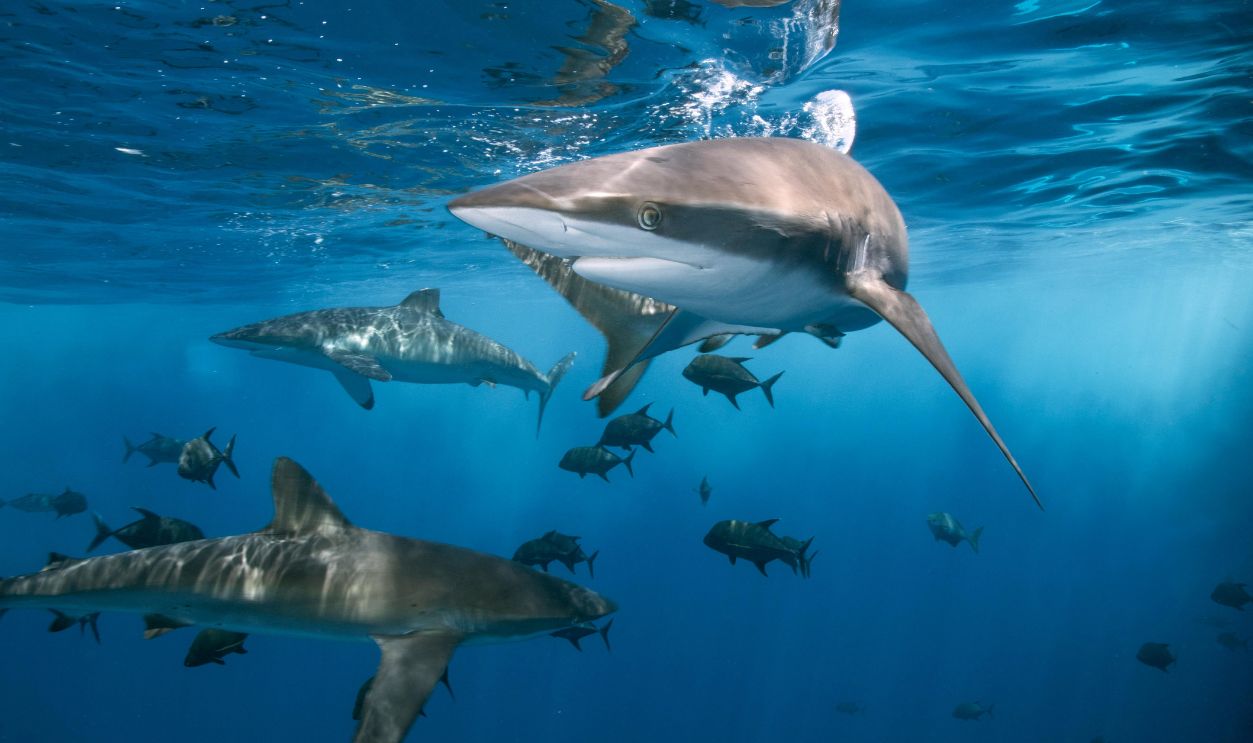
You’ve seen the scene probably in a movie: a dorsal fin slicing through water, panic erupting onshore. But here’s the truth—sharks aren’t hunting humans. Most species are indifferent to us. Their real targets are usually other fish and creatures rich in oils and nutrients. The ocean is their pantry.
So before you picture Jaws, take a breath. Sharks are far more fascinating than fearsome.
Mistaken Identity, Not Malice
According to the Florida Museum of Natural History, the odds of being attacked by a shark in the US are about 1 in 11.5 million—far lower than the risk of being struck by lightning. On average, over 23 people die from lightning strikes each year in coastal states, while fewer than one person annually is killed by a shark in Florida. Most incidents happen when sharks mistake humans for prey, such as seals, especially in murky water. Once they realize the mistake, they usually swim away.
Sharks rely on a suite of senses—smell, hearing, and electroreception—to locate prey. But vision can be limited in murky waters. That’s why some species perform “test bites” to investigate unfamiliar objects. Unfortunately, human skin isn’t built for those tests, which fuels the myth of man-eating sharks.

What’s Really On The Menu
A big chunk of a shark’s diet consists of fish and marine animals, not humans. Species like the great white and tiger sharks may hunt seals or rays, while smaller sharks, such as blacktip and lemon sharks, prefer fish and squid. Even the formidable great white favors fatty sea mammals for energy.
Many sharks are selective eaters. The whale shark, for example, filters plankton and tiny fish, earning its reputation as the ocean’s gentle giant. Hammerheads use their wide heads to pin stingrays to the seafloor with surgical precision. These are specialized predators.
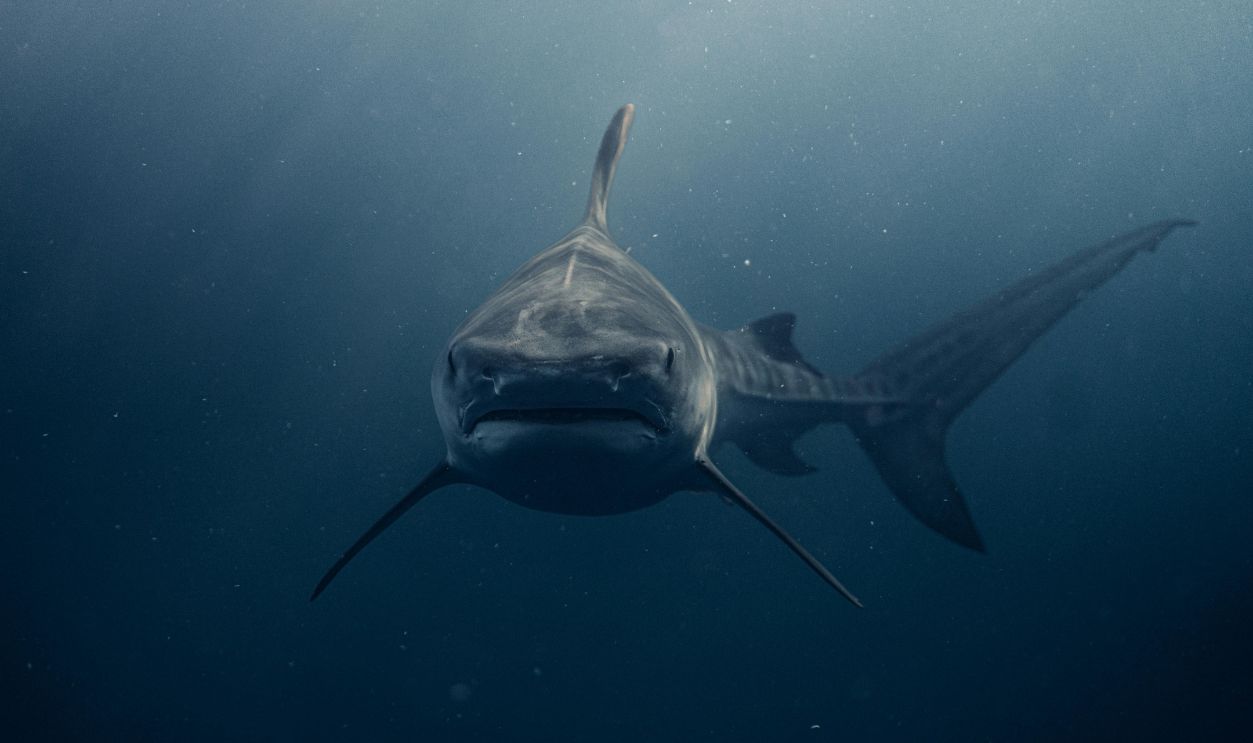
Why Sharks Deserve Respect, Not Fear
Here’s the real twist—humans pose a far greater threat. Each year, we kill an estimated 100 million sharks, often for their fins or as bycatch in commercial fishing. This imbalance is devastating marine ecosystems, where sharks play an important part in regulating prey populations and maintaining biodiversity.
Next time you spot a fin offshore, remember: it’s not a villain—it’s a keystone species that’s been shaping ocean life for over 400 million years. Sharks are essential to the health of our seas, and they deserve protection, not panic.
Keep learning, stay curious, and help rewrite the narrative—because sharks aren’t monsters. They’re misunderstood marvels of evolution that rarely harm humans, and when they do, it’s typically by mistake or in rare defensive situations. It’s not about fear—it’s about respect and understanding.