 FactinateOff the coast of Shanghai, near Hengsha, archaeologists recovered Yangtze No. 2, a wooden trading vessel that sank around 150 years ago. River silt sealed the ship for generations. Inside lay beautifully preserved Jingdezhen porcelain intended for everyday markets. The find matters for its ordinariness. River trade kept households supplied and workshops active during the nineteenth century. It shaped daily life more than grand ocean voyages ever did. Therefore, studying this wreck anchors written history in physical remains. Cargo placement shows planning. Hull design shows efficiency. And preservation conditions show luck and timing. Yangtze No. 2 reframes maritime history as routine labor where commerce moved steadily through inland waterways. Economic life depended on familiarity, repetition, and trust rather than spectacle or exceptional moments. Keep reading to see how an ordinary ship changed what historians thought they knew.
The Discovery of Yangtze No. 2
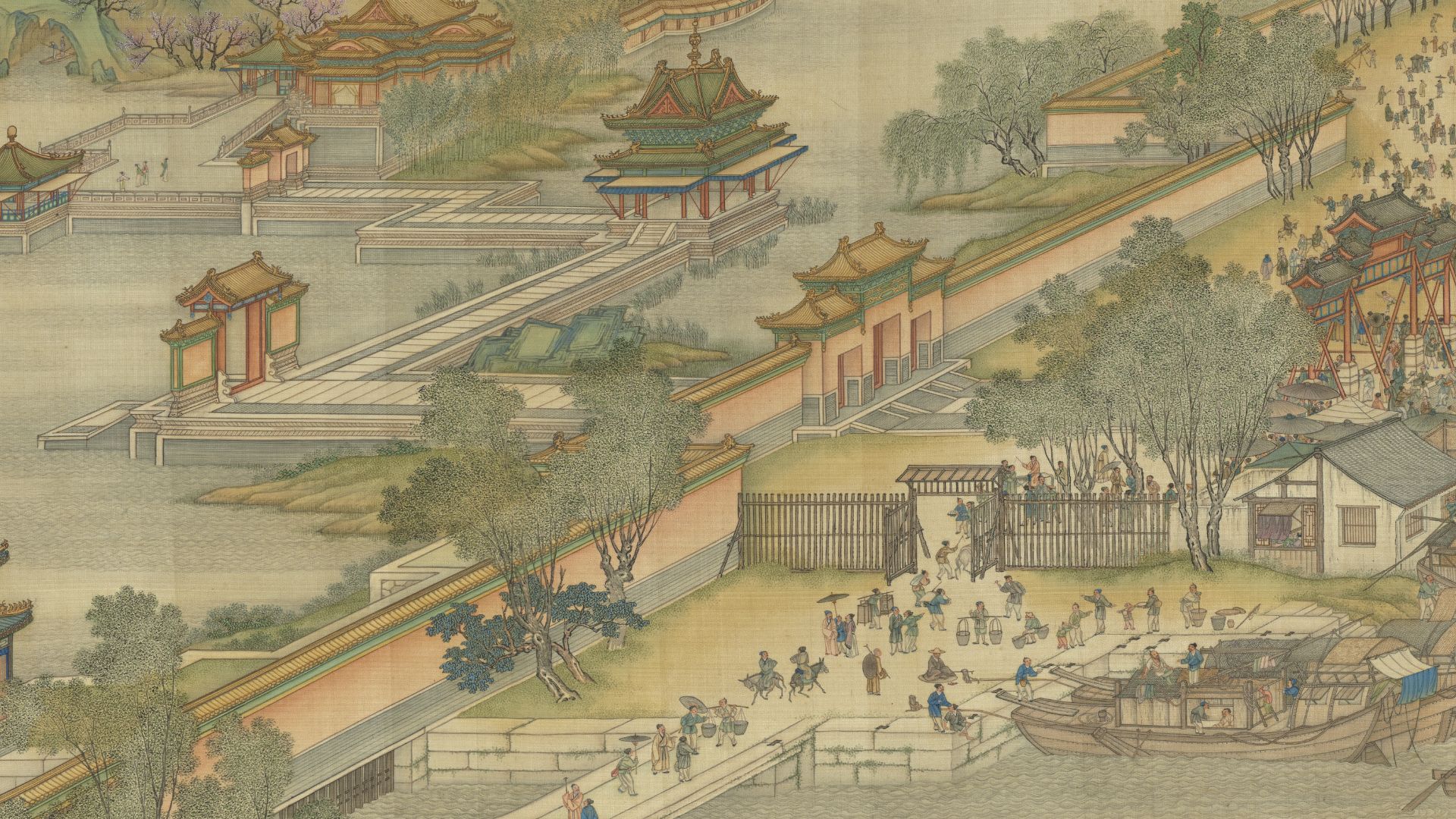
Finding Yangtze No. 2 took patience. Researchers did not stumble onto it by accident. Survey teams mapped the riverbed near Hengsha using sonar over multiple seasons, yet visibility remained poor. Currents shifted the silt constantly, where progress slowed further. Still, the location made sense. Hengsha once sat along busy river routes feeding Shanghai. Barges passed daily with goods from inland workshops. The wreck’s position also matched written shipping records. Even river traffic followed predictable paths. Therefore, trade depended on reliability, not risk. Archaeologists read the river as infrastructure. The discovery confirmed how inland waterways functioned as working corridors. Commerce moved steadily despite floods and seasonal change. Yangtze No. 2 fit within that system, not outside it, reinforcing how ordinary transport sustained regional exchange for generations.
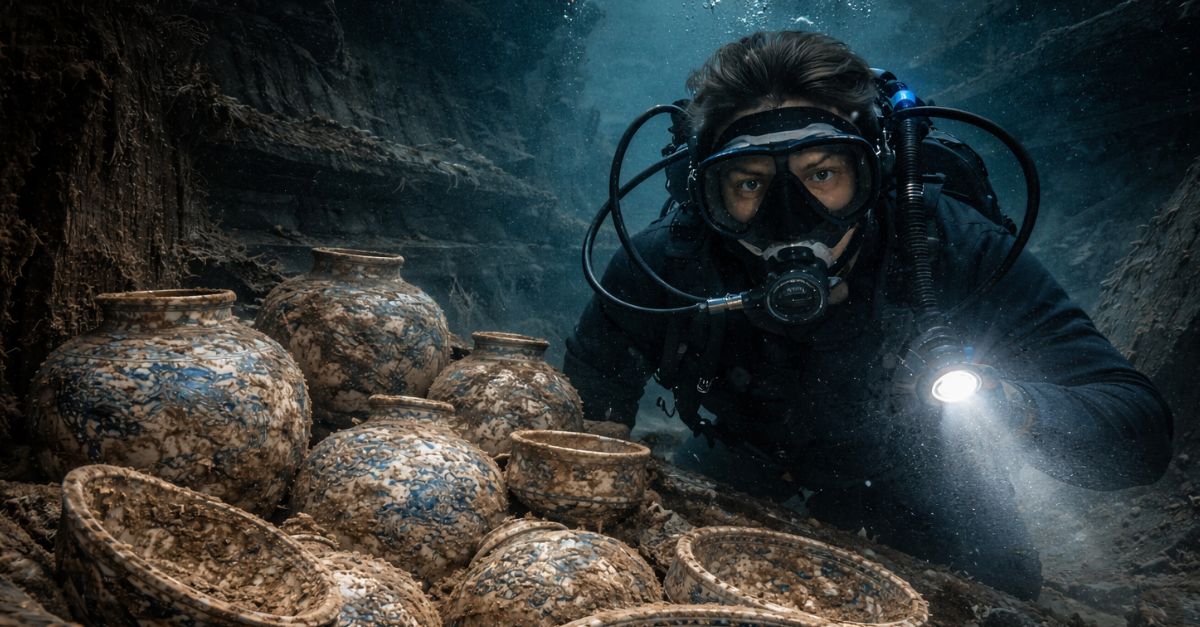
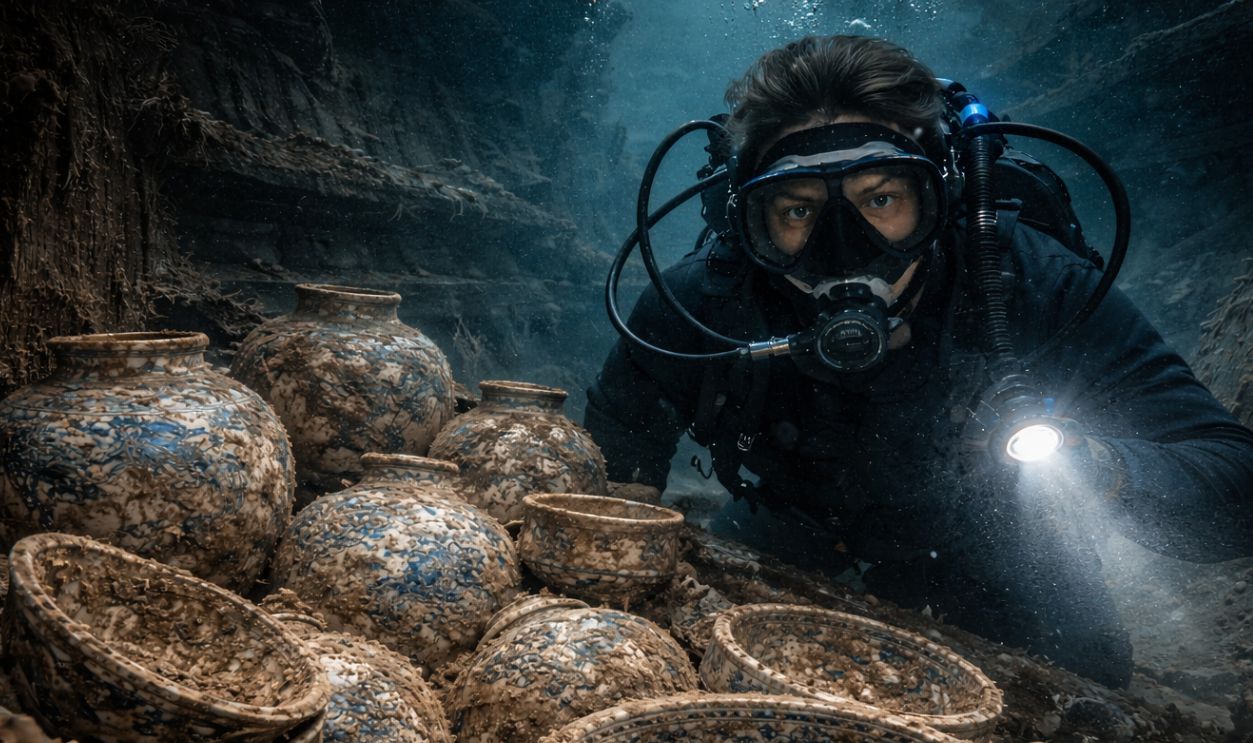
When excavation reached the hull, conditions surprised the team. Thick mud had sealed the wooden structure tightly, which limited oxygen exposure and slowed decay over time. Salvage crews moved deliberately and relied on arc-shaped beams and a caisson to support the vessel during lifting. Enclosed chambers maintained stable pressure and humidity throughout recovery. Digital imaging also documented each object before removal, preserving spatial context. Conservation followed immediately. Specialists stabilized surfaces and managed drying with care. Earlier underwater recoveries often sacrificed information for speed. Here, patience reshaped the outcome by allowing researchers to reconstruct transport methods and packing practices through evidence rather than assumption.
 Rod Waddington, Wikimedia Commons
Jingdezhen Porcelains and Cultural Meaning
Jingdezhen became China’s porcelain center through gradual refinement rather than sudden change. Artisans focused on reliable clay preparation, stable glazes, and careful kiln control, which favored consistency over novelty. Merchants depended on that predictability, and the cargo aboard Yangtze No. 2 reflects it clearly. Forms also repeat for practical reasons, and decoration stays restrained. These wares were meant for everyday households. Workshops adjusted output to meet demand, trusting river transport to move goods efficiently at scale. Studying this cargo shows how craft economies adapted to distribution realities, where usefulness outweighed visual excess across regional markets.
The cargo also reveals how culture moved alongside goods. Bowls, plates, jars, and cups entered daily routines, shaping meals and domestic practices through repeated use. Painted motifs tied to prosperity and order became familiar over time, not through instruction but through presence. Trade spread habits quietly as objects circulated along river routes. Many remained linked by routine exchange. As these wares reached new households, styles normalized gradually across provinces. Material culture traveled without ceremony, allowing shared visual language to form naturally. The find reveals how everyday objects linked regions as a shared culture formed through use instead of organized direction.
The Legacy Beneath the River
Yangtze No. 2 offers direct insight into Qing-era river commerce by revealing how standardized vessel design supported volume and stability. Shanghai appears as a coordinating hub where inland goods meet wider routes. Physical remains align closely with written records, showing river exchange as essential infrastructure rather than spectacle. Trade also depended on repetition and reliability, not dramatic voyages. The wreck explains how economic life sustained itself quietly through familiar systems. Beyond numbers, the find preserves human stories, since porcelains retain traces of labor and care. Their survival links present audiences with past lives, while continued research and future recoveries strengthen the protection of waterways as cultural archives shaped by shared material experience within Chinese river history today broadly.