A Growing Space Hazard Emerges
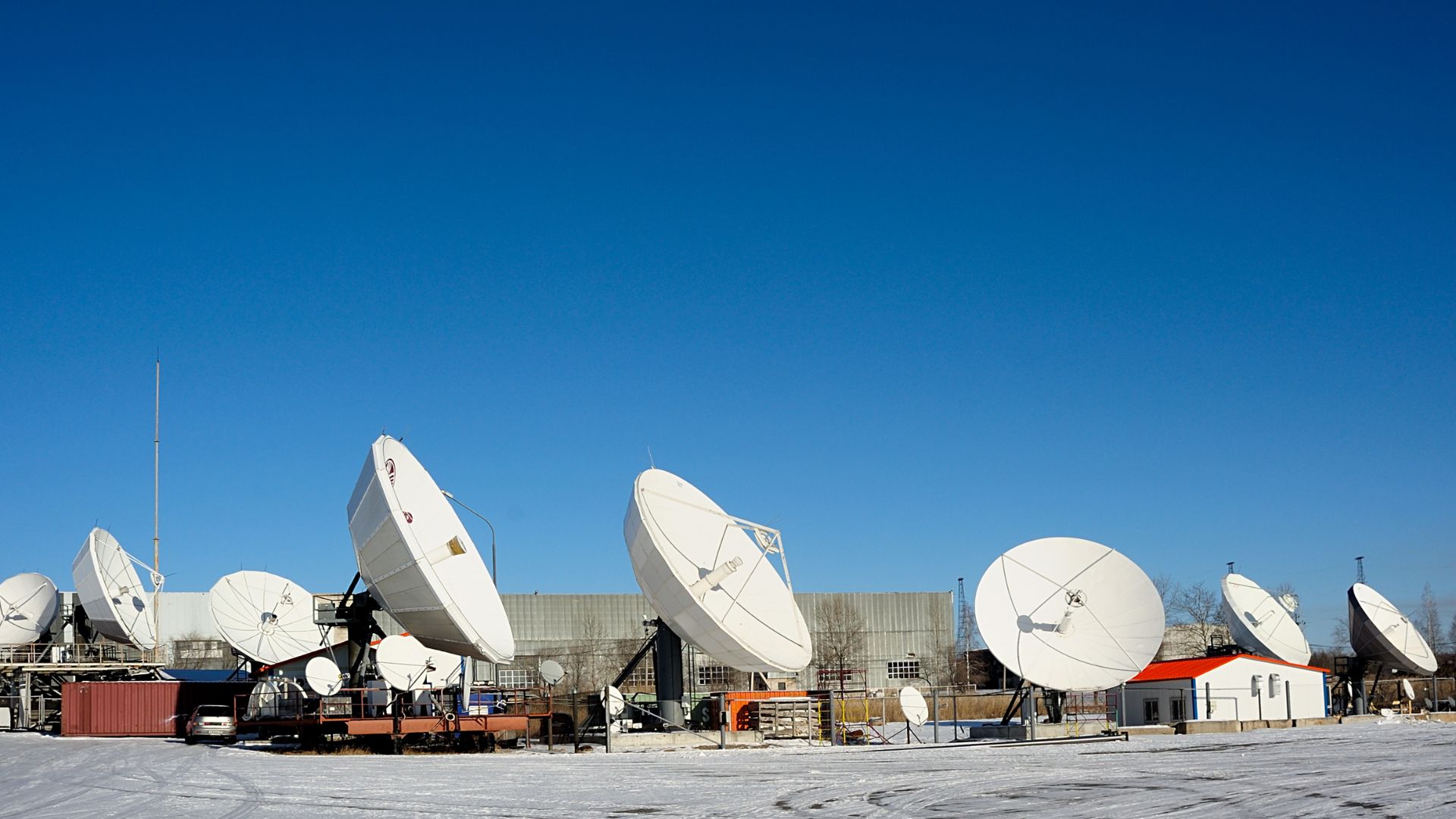
Across millions of square miles above the South Atlantic, Earth’s magnetic field grows alarmingly weak. This dent, twice the size of Florida, is steadily drifting. Satellites passing overhead face radiation surges, and researchers race to understand what this anomaly means for the planet’s magnetic future.

A Mysterious Dent In Earth’s Shield
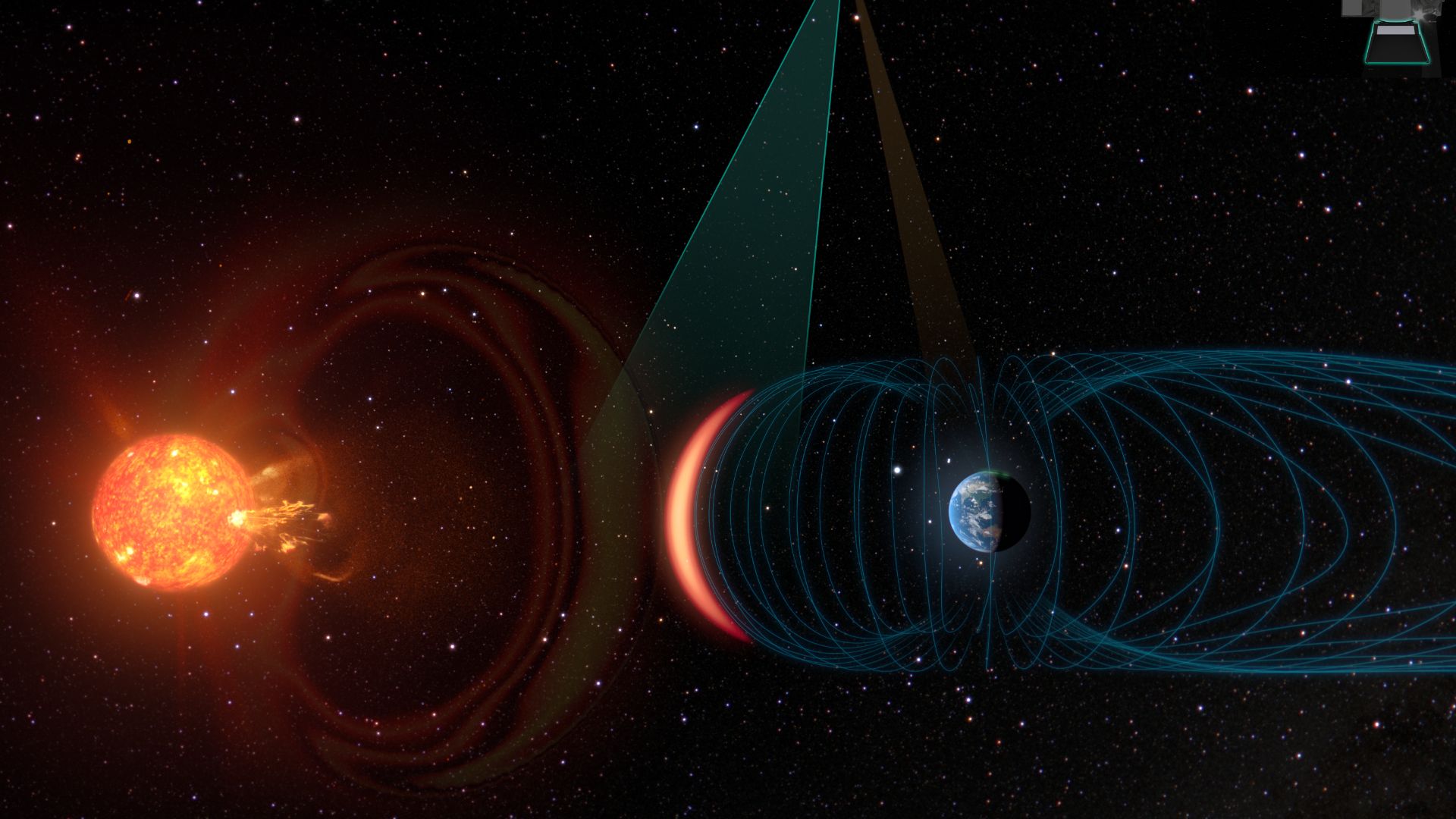
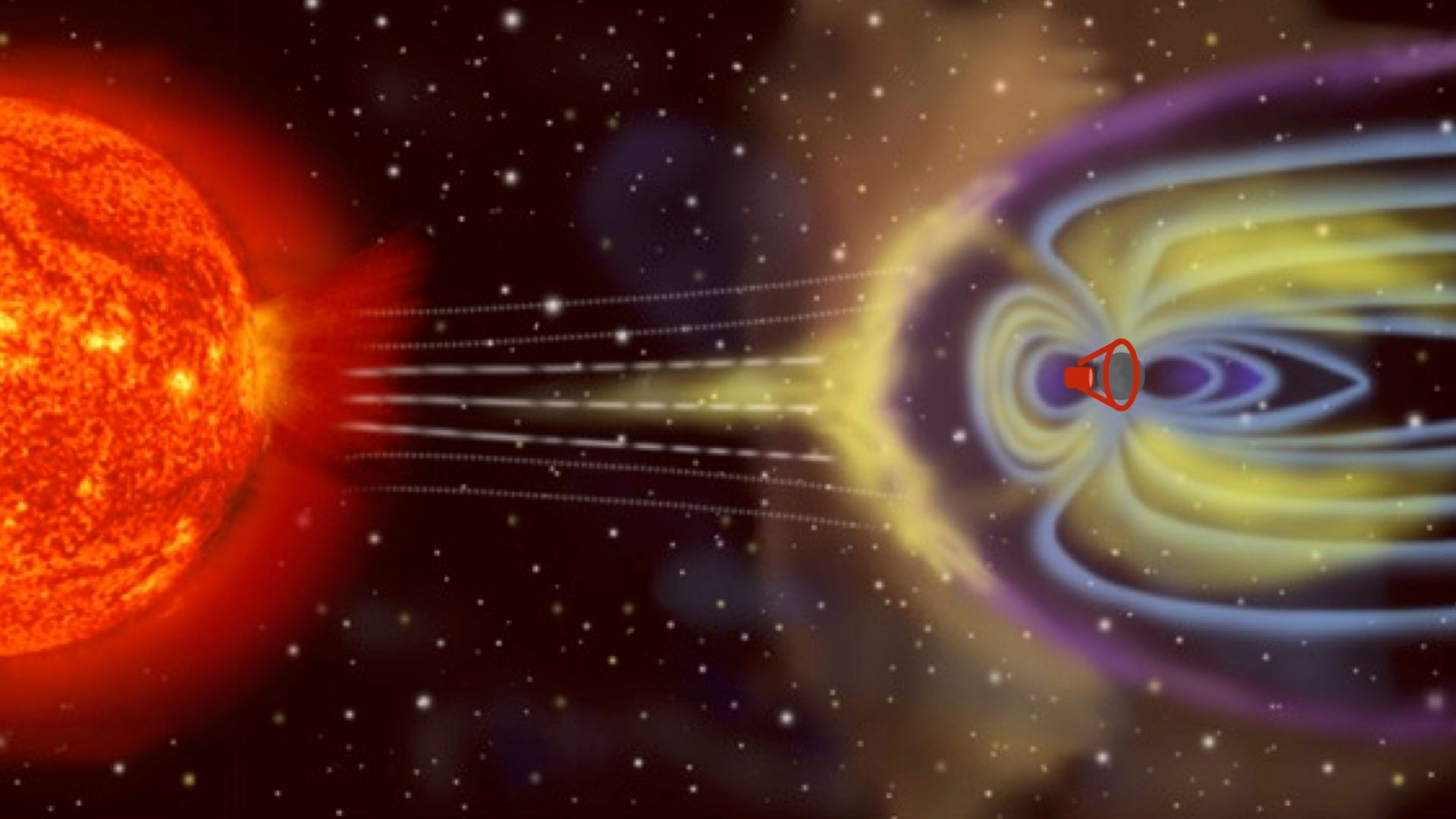
Earth’s magnetic field normally acts as a powerful shield, deflecting harmful cosmic rays and solar particles. Yet over the South Atlantic, a curious weakness has appeared. Known as the South Atlantic Anomaly, this “dent” allows higher levels of radiation to creep closer to Earth.
 European Space Agency, Wikimedia Commons
Called The South Atlantic Anomaly
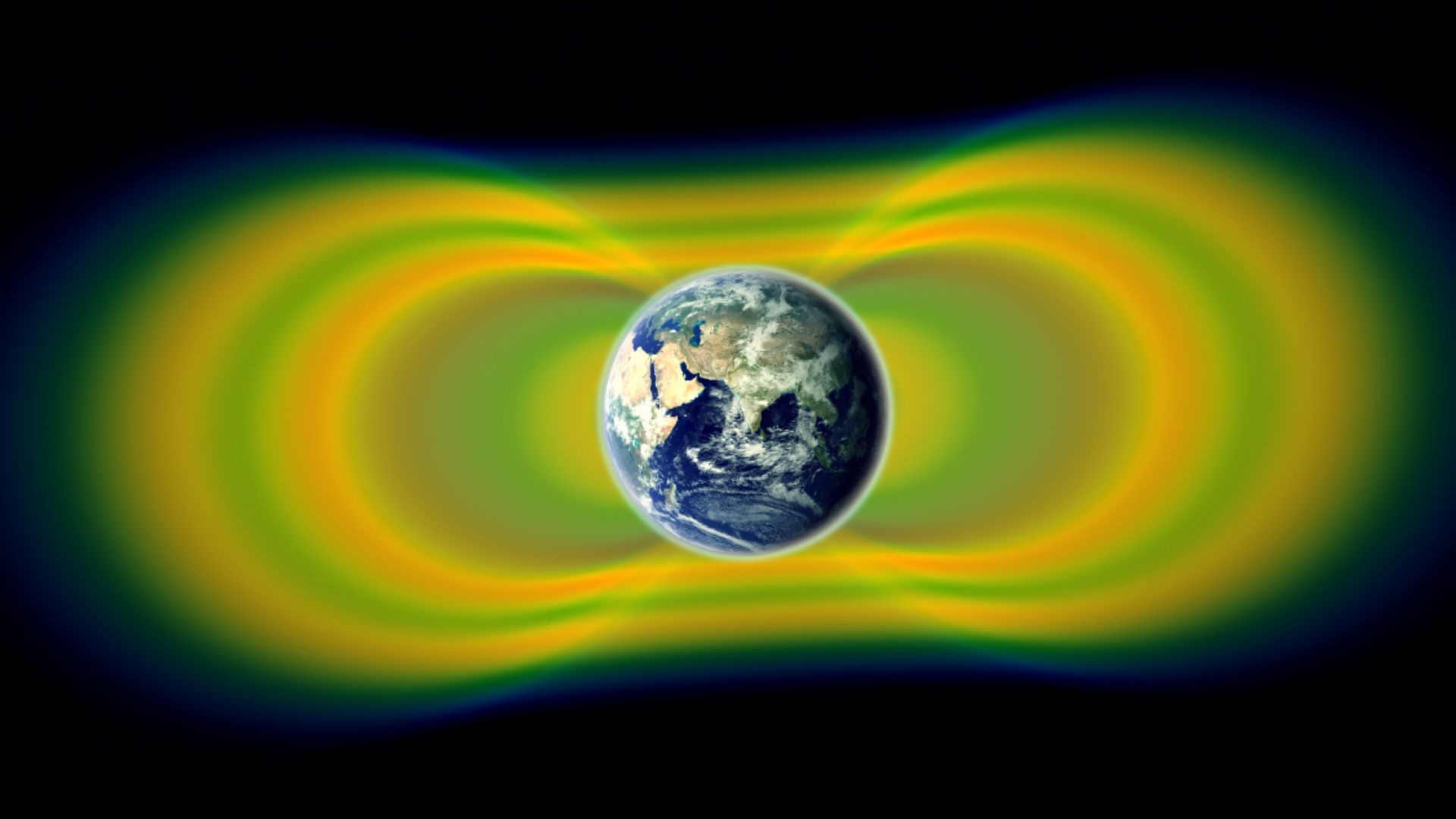
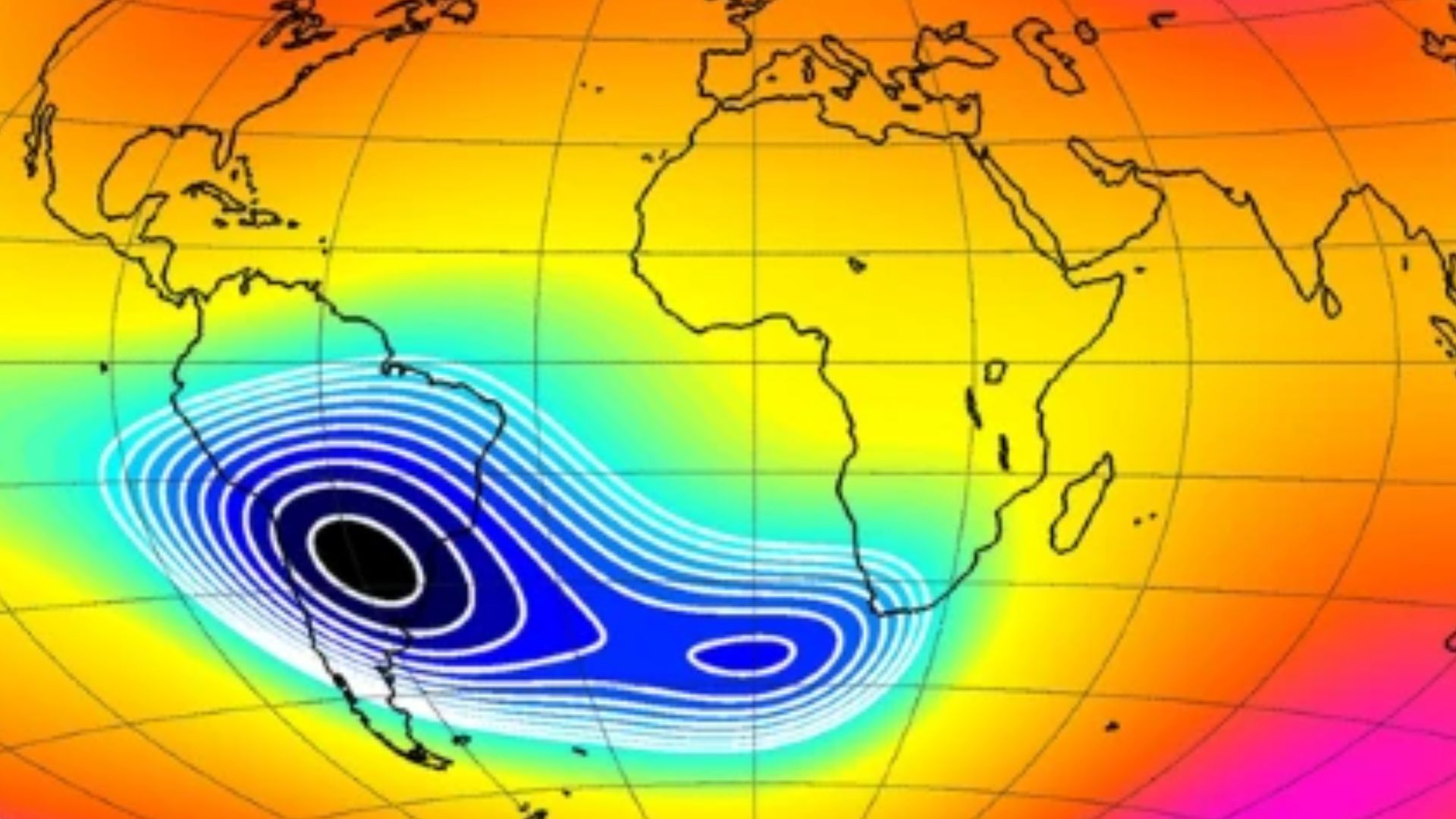
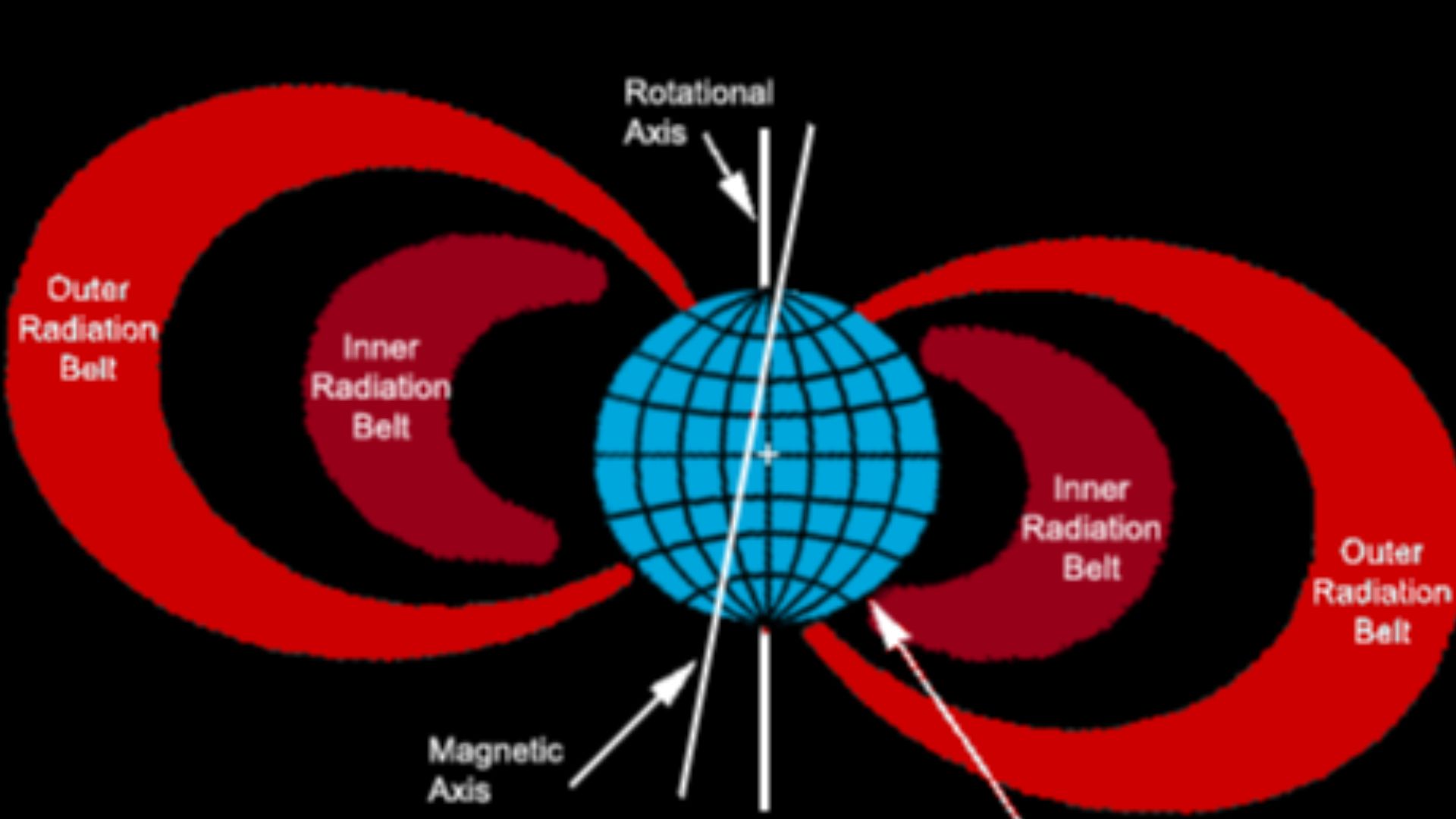
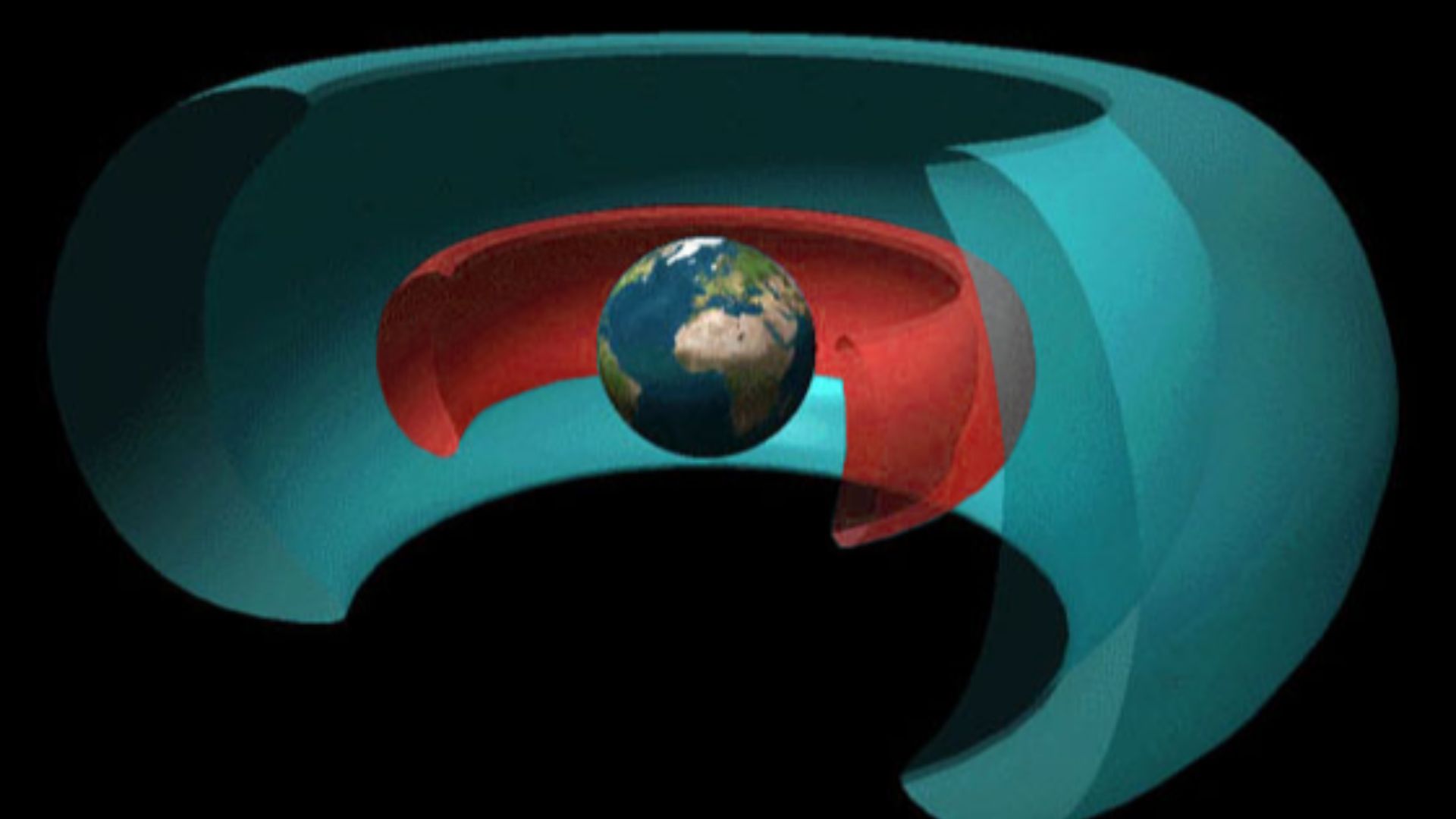
The South Atlantic Anomaly, often abbreviated SAA, is a region where the planet’s magnetic field is significantly weaker than elsewhere. This weakness lets the inner Van Allen radiation belt dip closer to Earth’s surface, exposing satellites to unusual particle bombardment.
 NASA/Van Allen Probes/Goddard Space Flight Center, Wikimedia Commons
Where On Earth Is It Found?
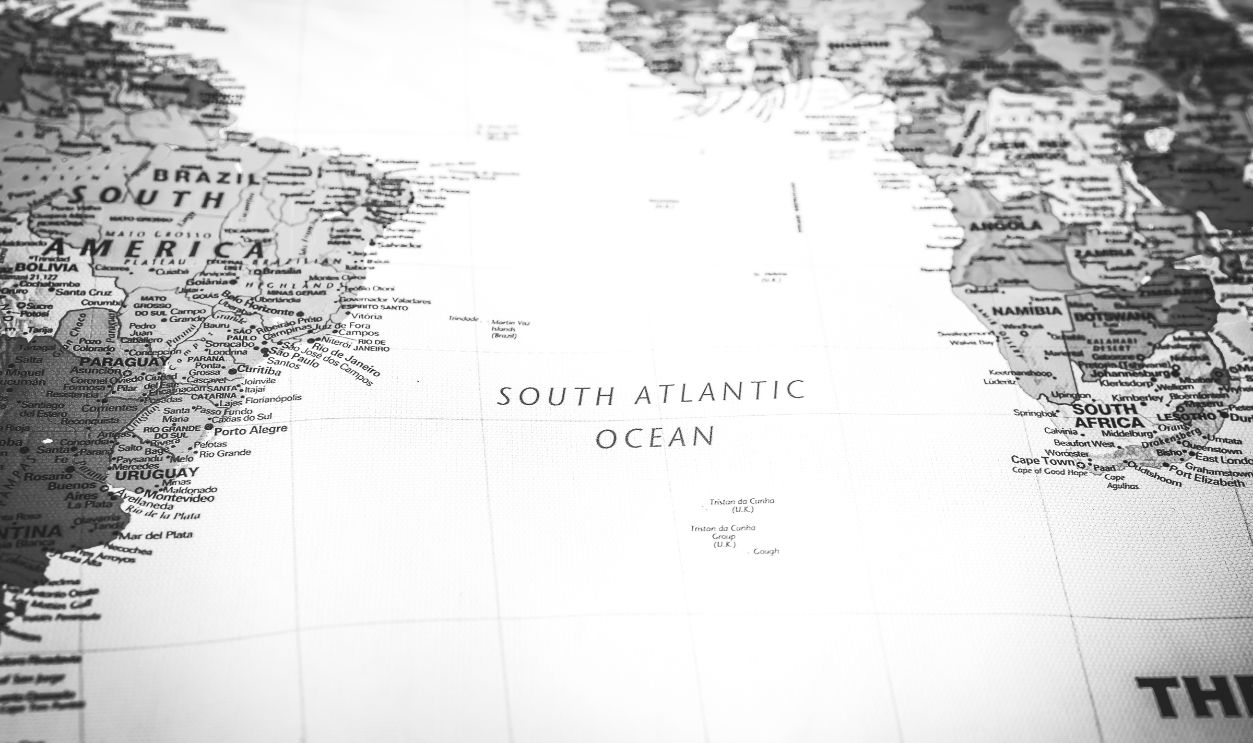
This anomaly stretches across a vast area of the South Atlantic Ocean and extends over parts of South America and even touches southern Africa. Its shifting boundaries cover millions of square miles, making it one of the most distinctive irregularities in Earth’s magnetic field.
 Alexander Lukatskiy, Shutterstorck
Bigger Than Florida
To visualize its scale, scientists often compare the anomaly to US states. At present, the SAA spans an area more than twice the size of Florida, and is still growing. This immense footprint means that satellites in low Earth orbit frequently cross through it.

Why Does This Anomaly Keep Growing?
Measurements from satellites show that its magnetic field strength has been steadily weakening for centuries, with rapid changes observed in recent decades. Core dynamics deep beneath South America and Africa appear to drive this ongoing expansion and evolution.

The Slow Westward Drift Of A Moving Mystery
Over time, the South Atlantic Anomaly has not remained fixed. Data from satellites show it is drifting slowly westward across the Atlantic at a rate of several miles per year. This steady migration suggests deep changes in Earth’s outer core, where molten iron currents continually reshape the magnetic field’s structure.
A Split Into Two
Recent research suggests that the anomaly may be dividing into two separate “valleys” of weakened magnetism. These lobes, one near South America and another closer to Africa, complicate predictions. Their existence shows that the anomaly is a complex, evolving system shaped by dynamic forces within Earth.
What Lies Beneath This Odd Region?
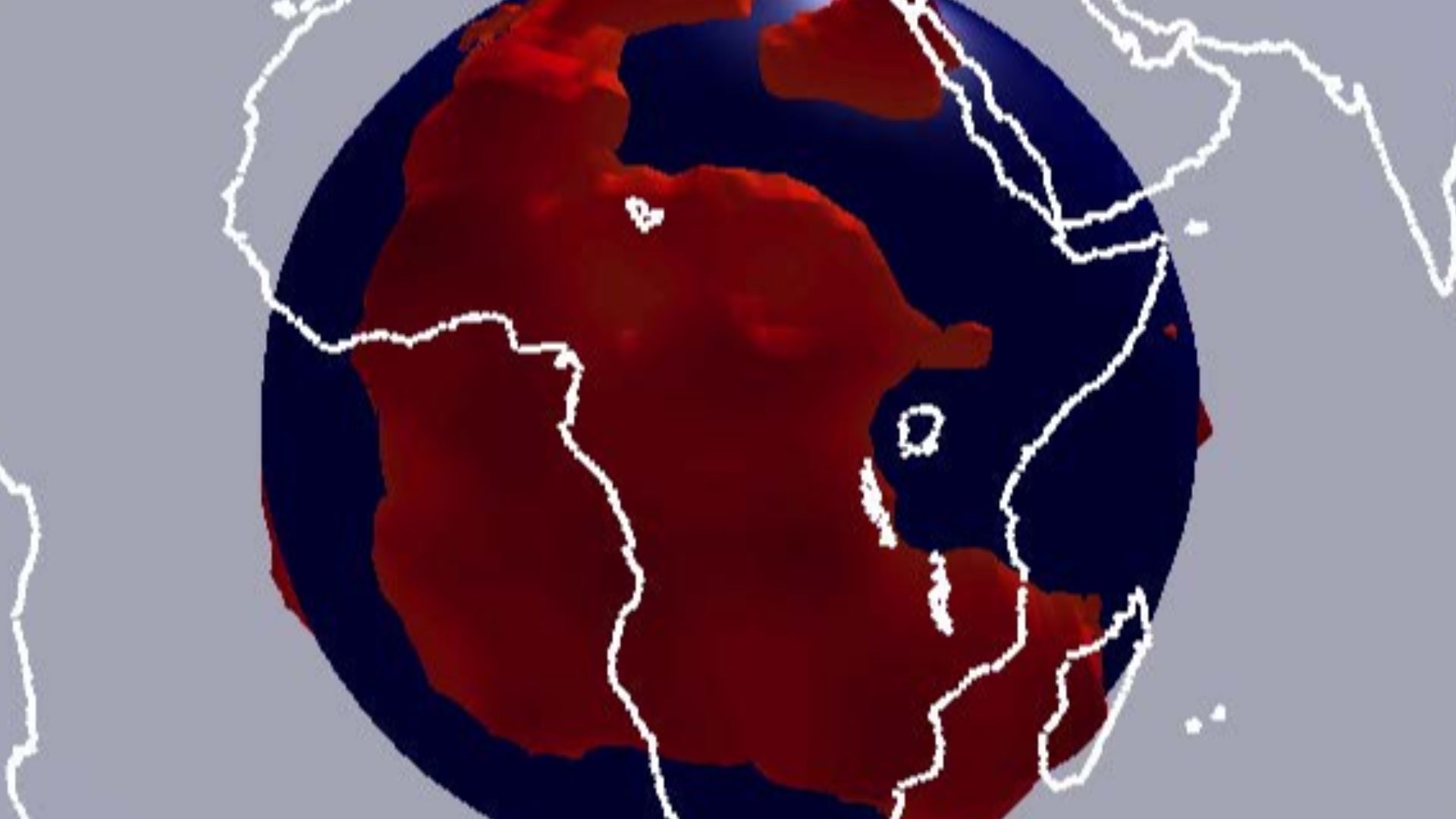
Beneath the anomaly sits one of Earth’s most intriguing geological structures: the African Large Low Shear Velocity Province. This vast mass deep in the mantle disrupts how magnetic field lines rise from the core. Scientists believe its influence distorts field intensity above, which helps explain the persistence of the anomaly overhead.
 Sanne.cottaar, Wikimedia Commons

History's most fascinating stories and darkest secrets, delivered to your inbox daily.
The Restless Molten Iron Of Earth’s Core
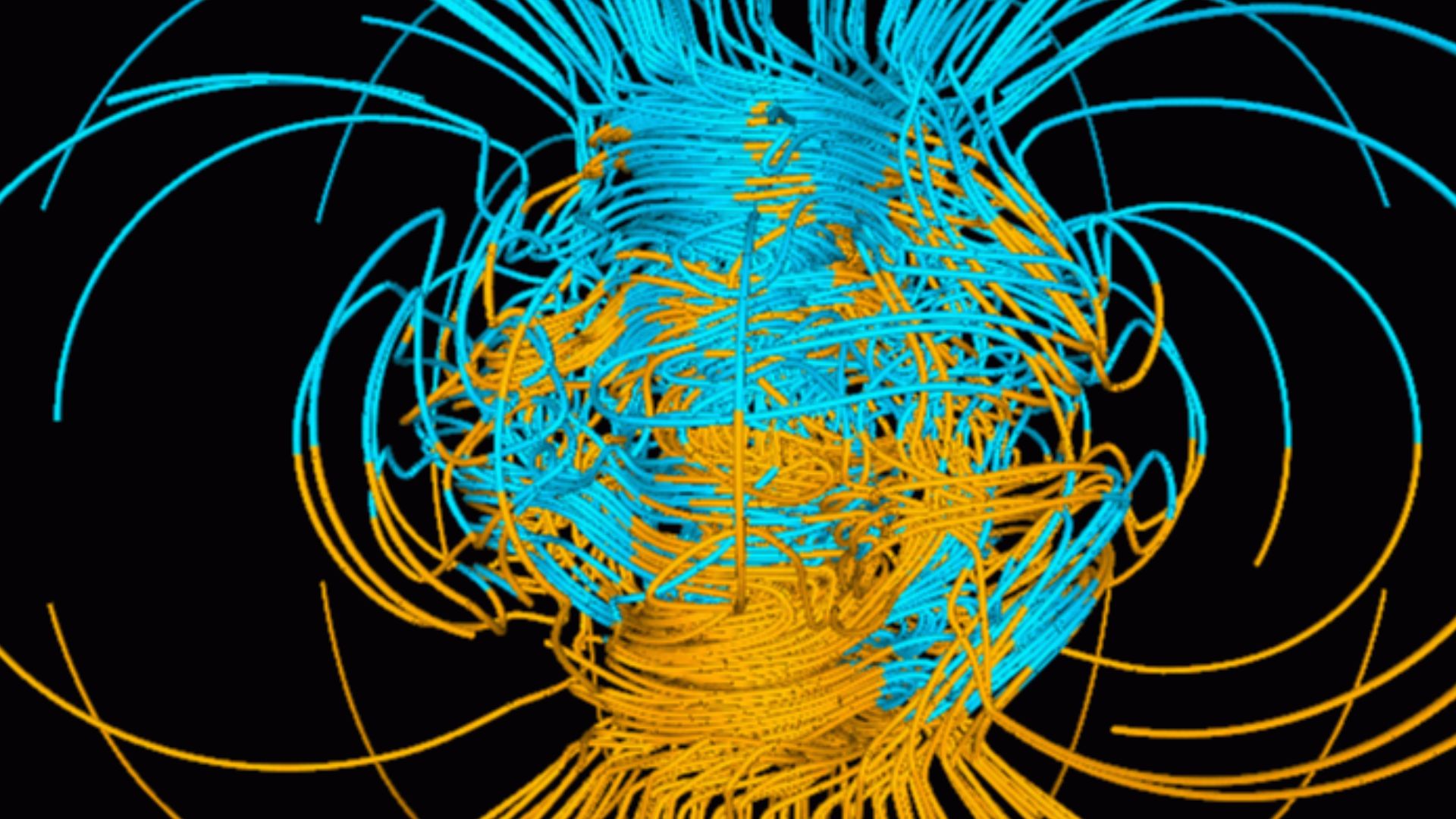
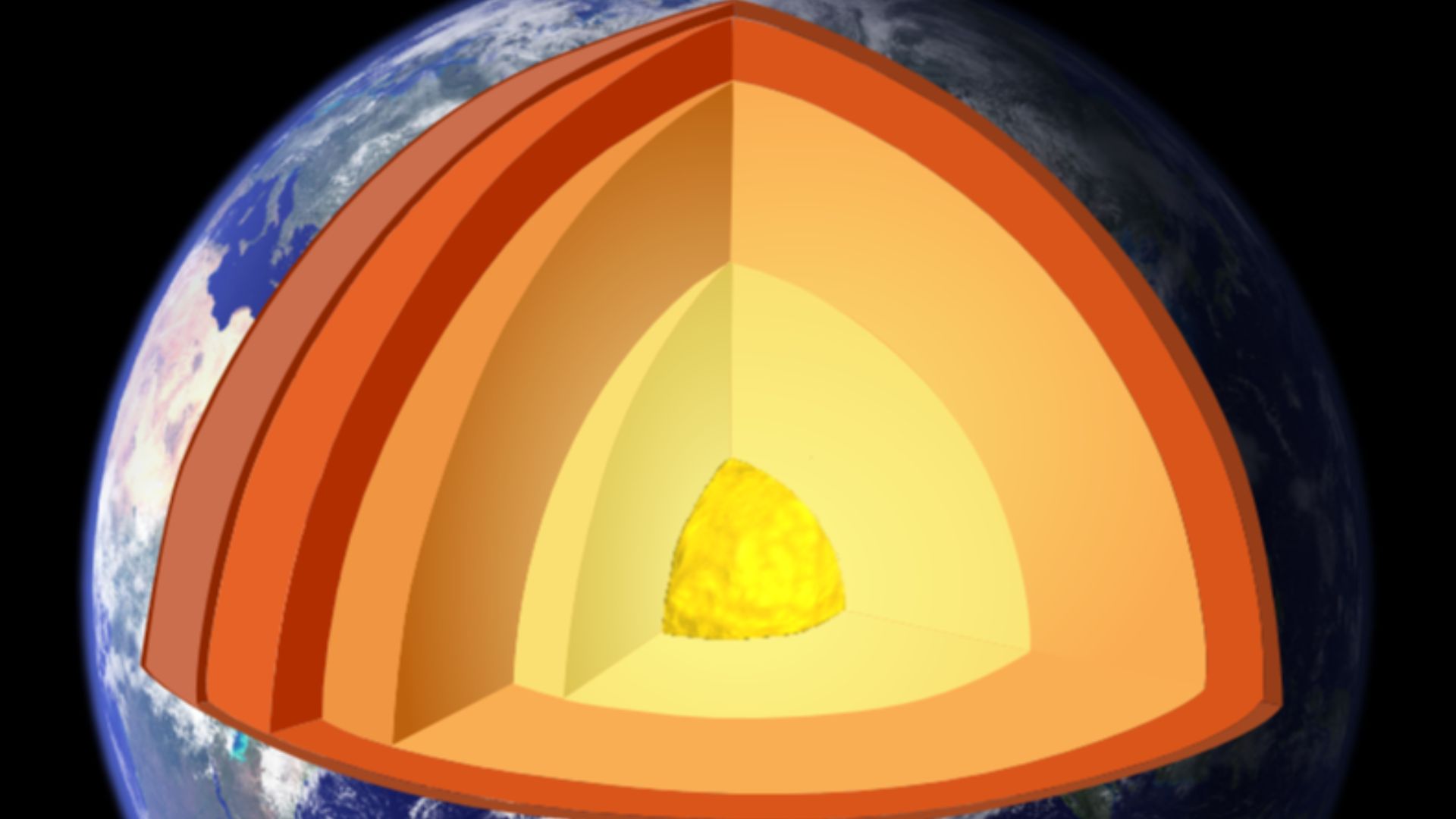
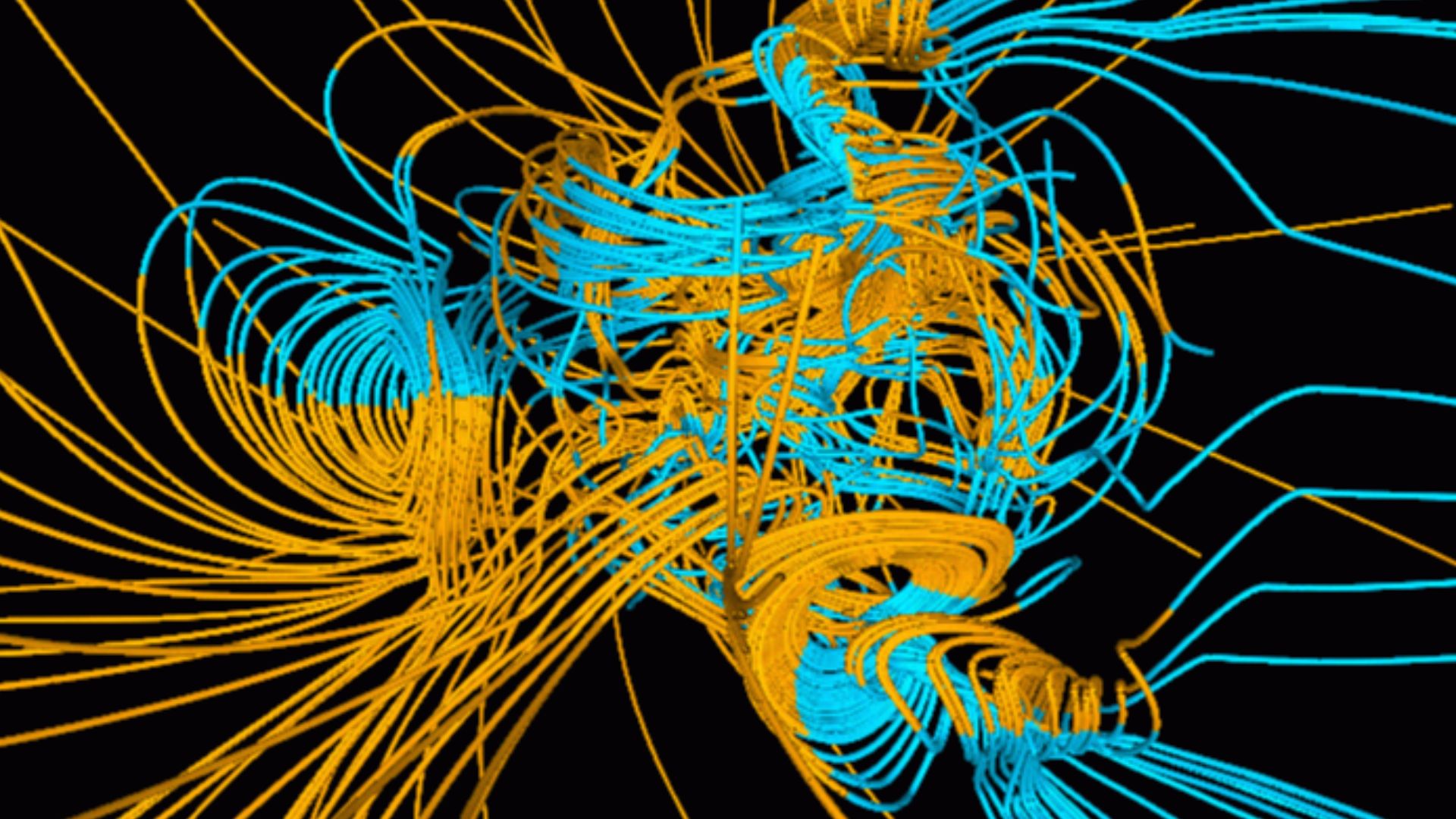
Earth’s magnetic field arises from the restless churn of molten iron in the outer core, a process known as the geodynamo. These turbulent flows generate electric currents, which produce the field. Shifts in circulation patterns can weaken or strengthen regions above.
Deep Mantle Forces Shaping The Field
Beyond the core, the mantle exerts its own influence. Variations in density, heat, and composition can channel energy differently, subtly altering magnetic activity. In the South Atlantic, mantle structures beneath Africa appear linked to the anomaly’s presence.
How The Geodynamo Sculpts Our Protection
The geodynamo, driven by heat escaping Earth’s core, powers the magnetic field that shields our planet. As molten metal moves, it generates electric currents. These currents form loops and twists that shape magnetic lines of force. The South Atlantic Anomaly highlights what happens when this protective mechanism weakens in localized regions.
When Magnetic Belts Dip Closer To Earth
Normally, the Van Allen radiation belts remain high above Earth, trapping charged particles far from daily life. In the anomaly zone, however, the weakened field pulls the inner belt closer. Satellites passing through encounter intense radiation bursts that force operators to account for this unusual and hazardous environmental condition.
 JHUAPL, NASA, recoloured by cmglee, Wikimedia Commons
Satellites On The Front Line Of Radiation
Every low-Earth-orbit satellite crossing the anomaly faces heightened radiation. Electronics are vulnerable to disruptions, known as single-event upsets, which flip data bits or crash onboard systems. Over time, this exposure can degrade instruments and increase costs for space missions.

Stories From Orbit
Historical records show the anomaly has disrupted missions. NASA’s Hubble Space Telescope powers down its sensitive instruments when passing through it. Other satellites, including communications and weather systems, report random malfunctions in this region. These glitches show the tangible influence of the anomaly.

How Engineers Safeguard Their Spacecraft
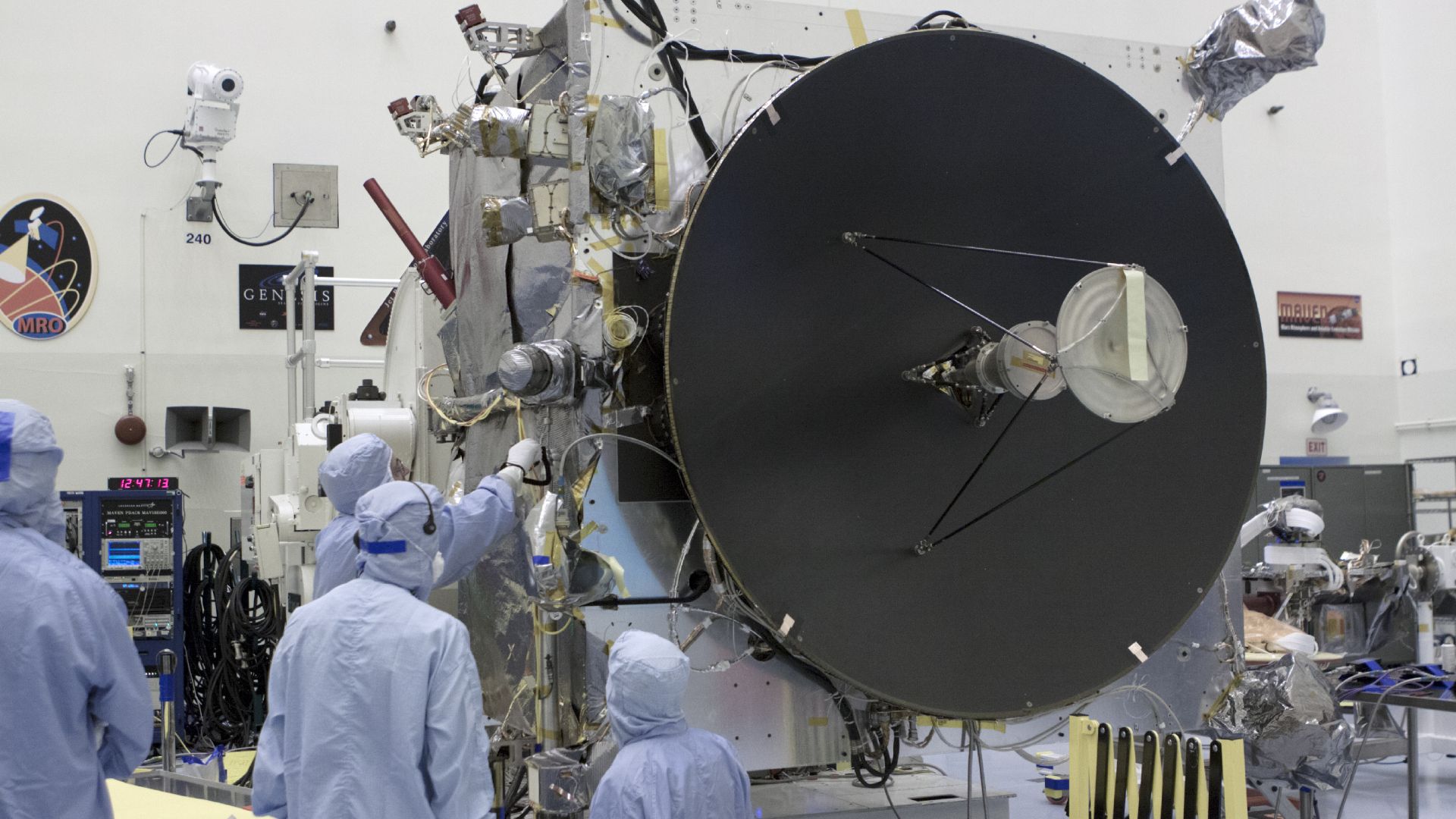
To protect spacecraft, engineers design shielding and build radiation-hardened electronics during anomaly crossings. Satellites may store data temporarily and resume operations afterward. These precautions minimize lasting damage, but they also add cost and complexity.
Astronauts And The Risks Aboard The ISS
The International Space Station frequently passes through the South Atlantic Anomaly. Instruments onboard often register spikes in radiation. Astronauts are exposed to slightly higher doses during crossings, but carefully monitored limits and operational safeguards ensure safety. The greater concern lies with sensitive scientific equipment aboard.

What This Means For Flights And Passengers
Commercial aircraft generally fly well below the radiation levels affected by the anomaly. Routine flights over South America or the South Atlantic remain safe for passengers. However, researchers track potential long-term effects on avionics, since high-altitude polar flights already encounter similar risks.

Why Life On The Ground Stays Safe
Despite the anomaly’s presence, Earth’s atmosphere provides an additional protective layer that blocks most harmful radiation before it reaches the surface. People living in South America or Africa do not experience health risks from this phenomenon.

Echoes Of Past Magnetic Anomalies
Geological records reveal that magnetic anomalies have occurred throughout Earth’s history. Ancient lava flows preserve directions of past magnetic fields, showing that localized weak zones existed before. These patterns demonstrate that anomalies like the South Atlantic are not unprecedented, but part of a recurring process.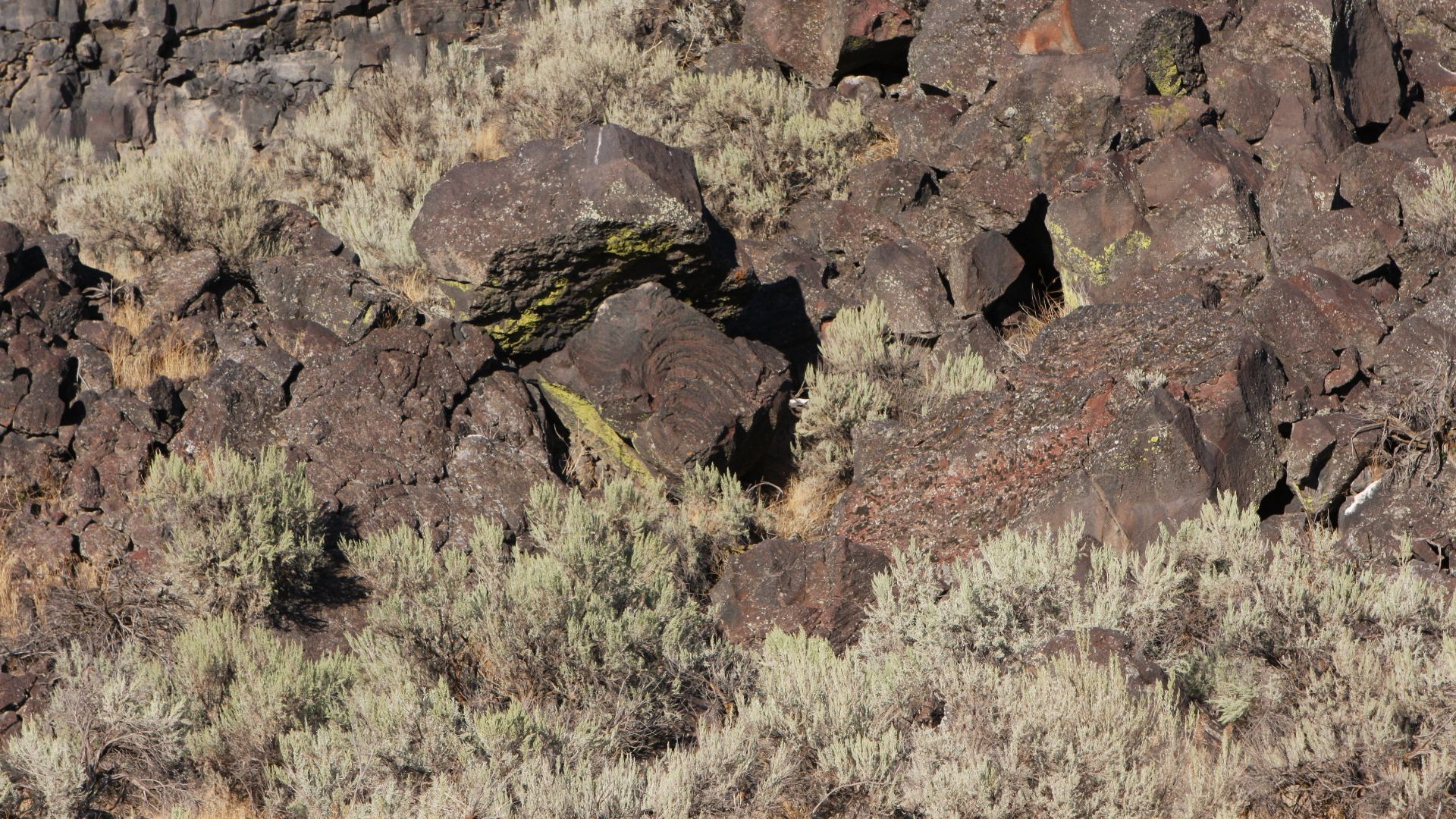 brewbooks from near Seattle, USA, Wikimedia Commons
Could This Herald A Pole Reversal?
Some wonder if the South Atlantic Anomaly signals an approaching magnetic pole reversal. While the field is weakening globally, scientists caution against premature conclusions. Past reversals unfolded over thousands of years, and localized anomalies do not guarantee one is imminent.
What Ancient Rocks Tell About Earth’s Magnetism
Rocks containing magnetic minerals act as time capsules, recording field directions when they solidify. Samples from around the world reveal times when Earth’s field weakened, shifted, or even reversed. These paleomagnetic records show that anomalies similar to today’s South Atlantic feature have appeared before
 Andrew Shannon , Wikimedia Commons
Forecasting The Anomaly’s Future Path
Scientists use satellite observations and computer models to project the anomaly’s evolution. Current forecasts suggest continued westward drift and possible deepening of the weak zone. While predictions remain uncertain, mapping these changes helps operators anticipate risks for spacecraft.

NASA’s Satellites Tracking The Invisible Dent
Missions like the European Space Agency’s Swarm constellation and NASA’s ICON satellite collect precise measurements of magnetic strength and particle flux. These instruments track the anomaly’s boundaries in real time. Continuous monitoring provides geophysicists with invaluable data about Earth’s magnetic field dynamics.
 NASA Goddard's Conceptual Image Lab/B. Monroe, Wikimedia Commons
Resolving Secrets Of Earth’s Hidden Interior
The South Atlantic Anomaly offers a rare glimpse into processes otherwise invisible. By studying its shifts, scientists infer details about the turbulent flows of Earth’s liquid core and the vast mantle structures above. This knowledge deepens our understanding of the geodynamo and the forces shaping our planet’s protective shield.

Why The Anomaly Matters To Everyone
Though its effects are most obvious in orbit, the South Atlantic Anomaly concerns us all. Satellites enable communication and weather forecasting. Understanding and mitigating this anomaly ensures those services remain reliable. Beyond technology, it reminds us of the dynamic, living planet beneath our feet, constantly reshaping its invisible defenses.