

Hundreds of naturally mummified bodies buried in wooden boat-shaped coffins have been emerging from China's Tarim Basin since the 1990s. Their tall stature and cattle‑centric culture convinced researchers for decades that these Bronze Age people were Indo‑European migrants. Scholars believed they had traveled from the western steppes or Central Asian oases to introduce farming practices to this remote desert region around 2,000 BCE. A comprehensive genomic analysis published in Nature in 2021 has completely overturned that century-old theory. An international team extracted and sequenced DNA from thirteen of the oldest mummies dating between 2,100 and 1,700 BCE, discovering something nobody expected—these weren't foreigners at all but direct descendants of an ancient population that had lived in the area since the Ice Age ended.
The Ancient North Eurasian Connection
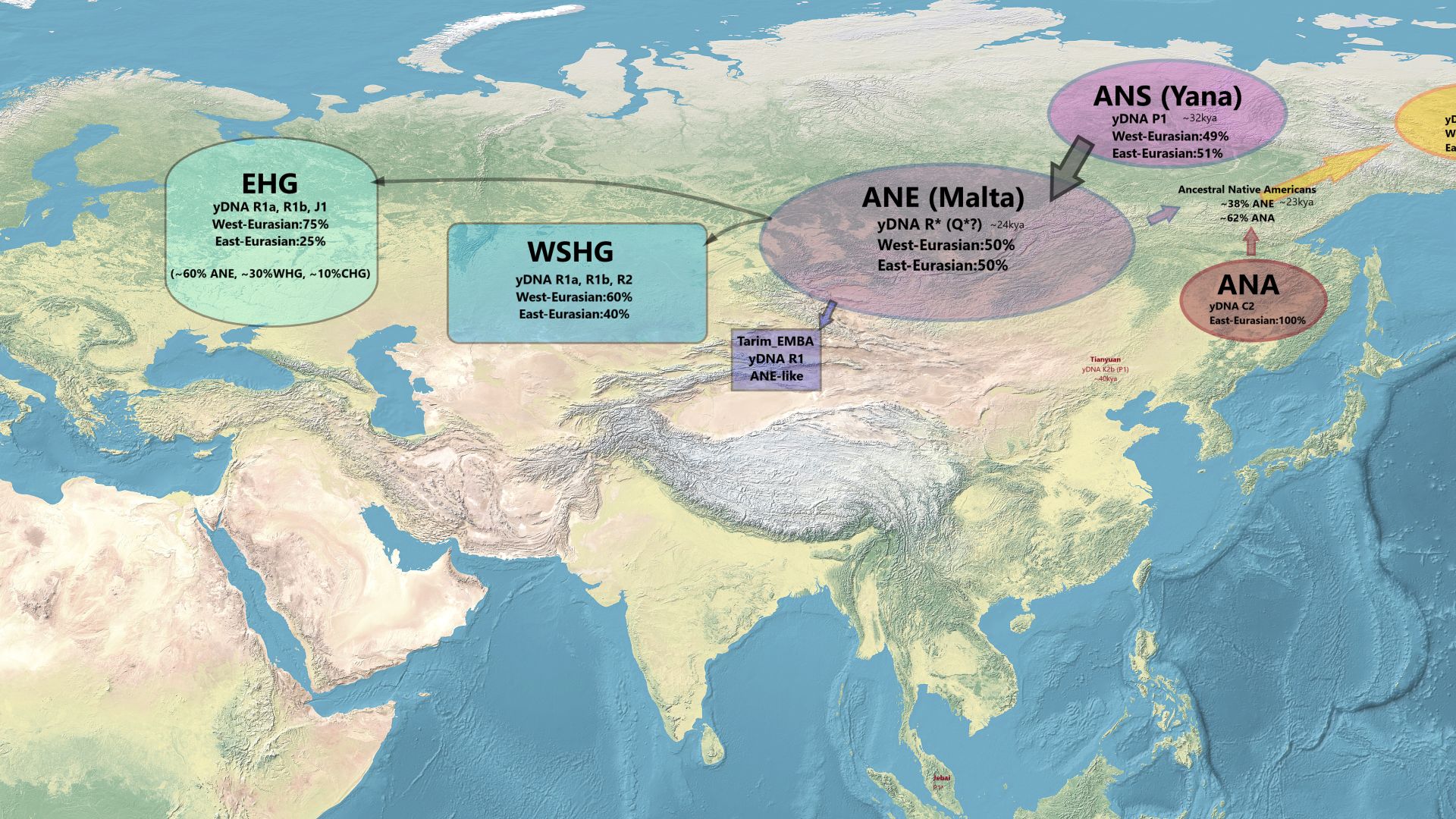
The genetic analysis revealed that the Tarim Basin mummies descended primarily from Ancient North Eurasians (about 72%), with additional ancestry from ancient Northeast Asians (about 28%). Ancient North Eurasians spread widely across northern Eurasia during the Pleistocene era but largely disappeared after the last Ice Age ended roughly 10,000 years ago. Today, this genetic lineage survives only fractionally in modern populations, with Indigenous groups in Siberia and the Americas carrying the highest proportions at about 40%. What shocked researchers most was the complete genetic isolation of the Tarim people—DNA from individuals buried over 370 miles apart across the basin showed remarkably low genetic diversity, indicative of a tight-knit population. Moreover, Choongwon Jeong, a population geneticist at Seoul National University who co-authored the study, explained that the Tarim people likely underwent an extreme and prolonged genetic bottleneck before settling along the Taklamakan Desert's shifting riverine oases, creating a previously unknown genetic isolate that persisted for over a thousand years.
Molecular anthropologist Yinqiu Cui from Jilin University organized the international research team specifically to test competing theories about where these mysterious people originated. Previous hypotheses suggested they descended from Yamnaya and Afanasievo nomadic herders who migrated from Russia's Black Sea region, or from farmers who traveled from desert oases in what is now Afghanistan, Turkmenistan, and Uzbekistan. Both ideas assumed these migrants brought Tocharian—an extinct branch of Indo-European languages—to the region along with their agricultural knowledge. The DNA evidence decisively rejected both theories. Instead of showing mixed ancestry from distant populations, the Tarim mummies' genomes matched most closely with Middle Holocene hunter-gatherers from the Altai Mountains dating to 5,500–3,500 BCE. The team also analyzed five individuals from the neighboring Dzungarian Basin north of the Tianshan mountain range, dating even earlier to 3,000–2,800 BCE. They became the oldest human remains ever discovered in the entire Xinjiang region.
Cultural Exchange Without Genetic Mixing
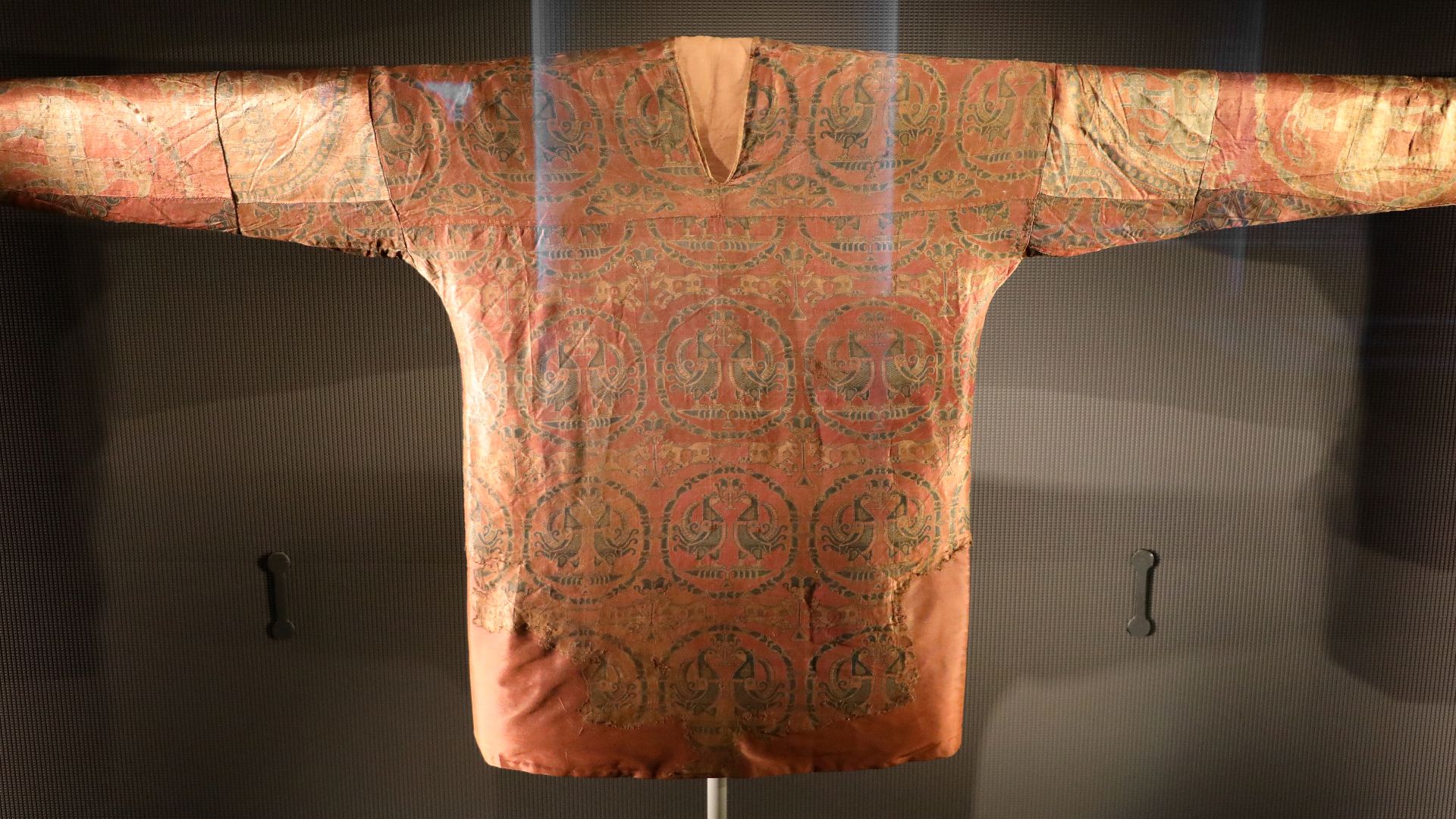
Despite their genetic isolation, the Tarim Basin people weren't culturally isolated whatsoever. By 4,000 years ago, they had already adopted innovations from surrounding groups, including woven woolen clothing, domesticated wheat and millet originally from West Asia, and herds of sheep, goats, and cattle, enabling cultivation in the desert oases. Protein analysis of dental calculus from individuals at the Xiaohe cemetery site revealed milk proteins, which proves these people practiced dairy pastoralism despite never genetically mixing with the steppe herders who first domesticated these animals. They were buried in wooden boats covered with cowhides and adorned with horned cow skulls, suggesting cattle held profound cultural or religious significance. Their graves contained locally made felt hats, leather boots, and sophisticated textiles that required advanced weaving techniques, yet their DNA remained primarily Ancient North Eurasian without influence from the textile-producing cultures to the west.
This pattern reveals something fascinating about Bronze Age interactions—cultural ideas and technologies could spread rapidly across vast distances through trade networks and observation without requiring mass migration or intermarriage. The Tarim people selectively adopted agricultural practices, animal husbandry techniques, and material culture that helped them thrive in a challenging desert environment while maintaining complete genetic separation from their neighbors. When environmental changes shifted the riverine oases during the late Bronze Age, stranding villages far from water sources, this unique population that had survived in isolation since the early Holocene finally disappeared.
 Francesco Bini, Wikimedia Commons