
The ancient Roman puzzle
A small geometric artifact has forced historians to reconsider how much of Rome’s world disappeared without record. Despite scientific testing and decades of theories, the questions about its true purpose linger.

When A Curious Bronze Shape First Emerged From The Soil
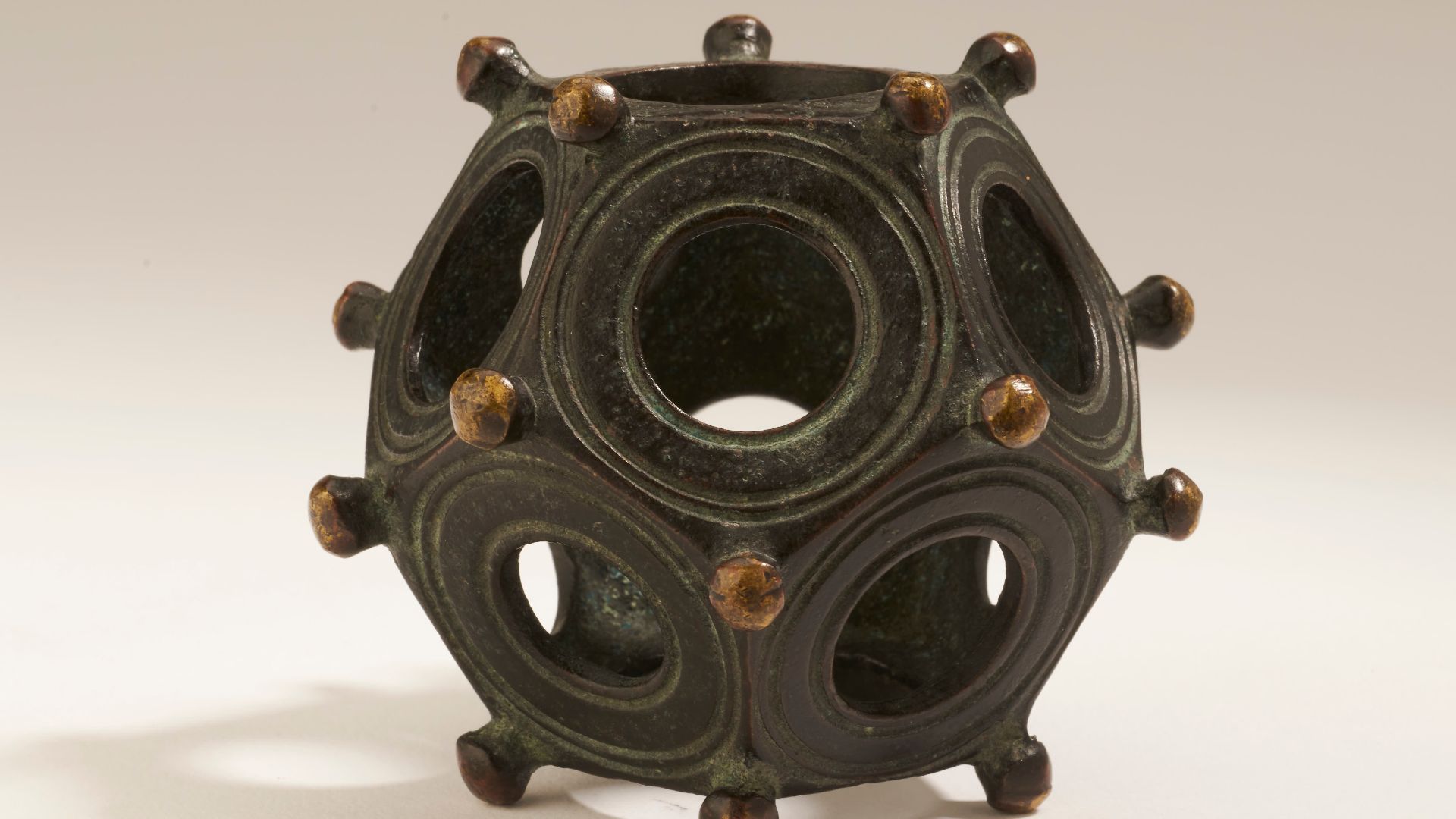
Archaeologists uncovered the first recorded Roman dodecahedron in 1739, sparking questions that the field still can’t settle. Its geometric precision, hollow interior, and raised knobs distinguished it from recognizable Roman tools. Nothing else from the period resembled it.

An Empire Known For Its Records Left No Mention Of It
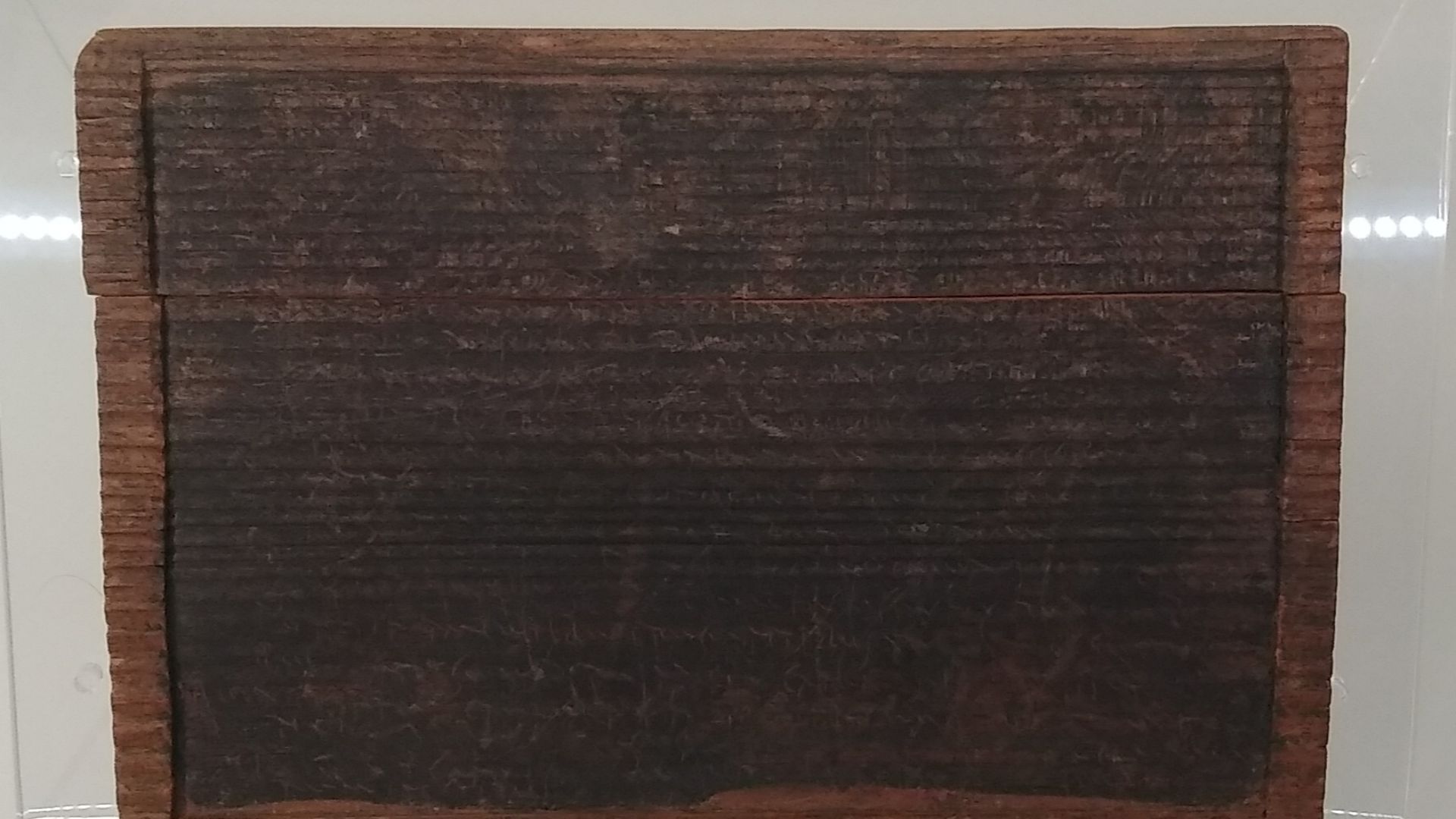
Rome documented military equipment, household tools, ceremonial objects, and regional customs with remarkable thoroughness, yet no surviving text acknowledges the dodecahedron. That silence troubles researchers because it suggests the object circulated outside official channels or belonged to local practices the central empire didn’t record or fully understand.
 Mx. Granger, Wikimedia Commons
What The Object’s Twelve Faces Reveal At First Glance
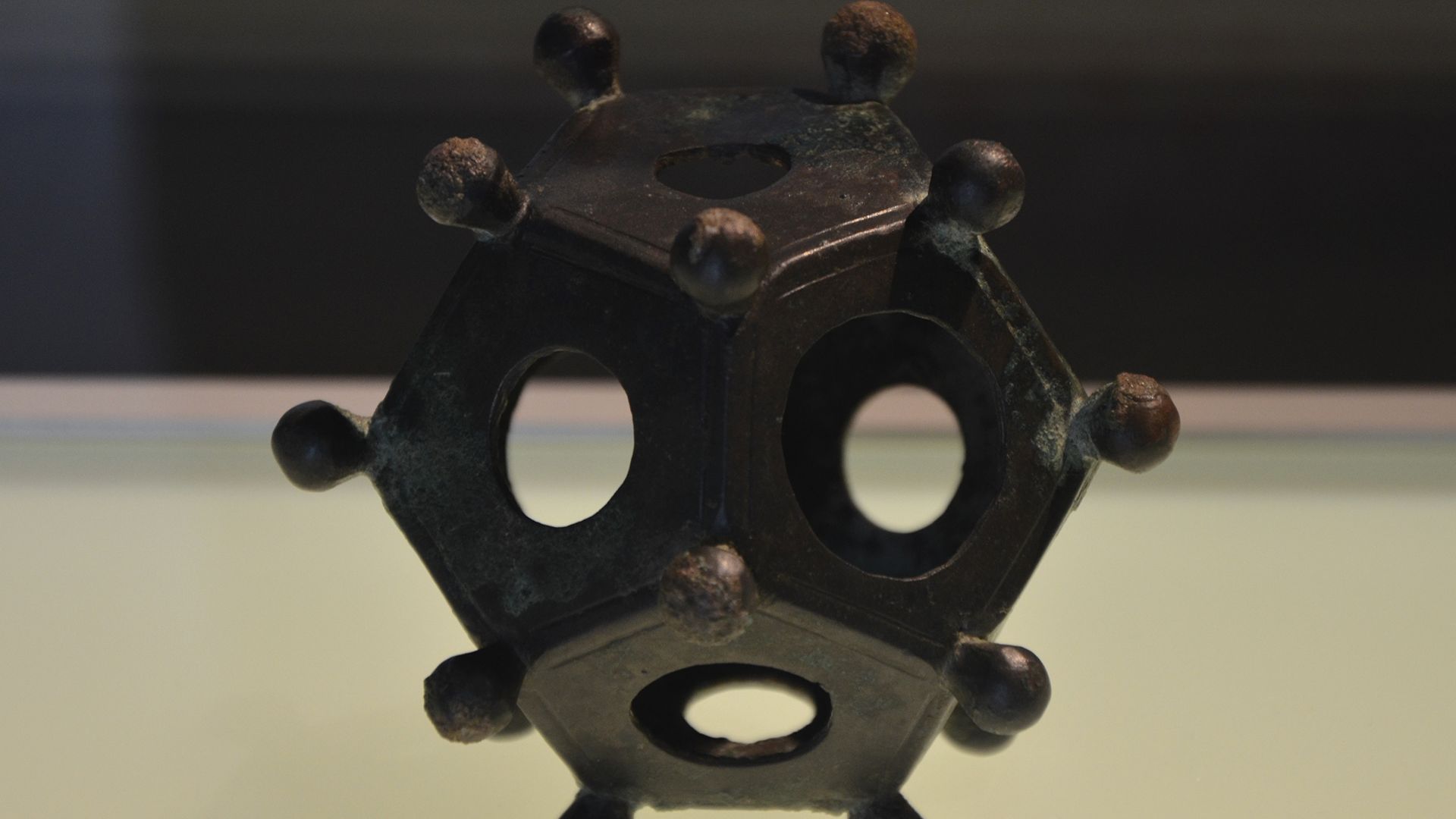
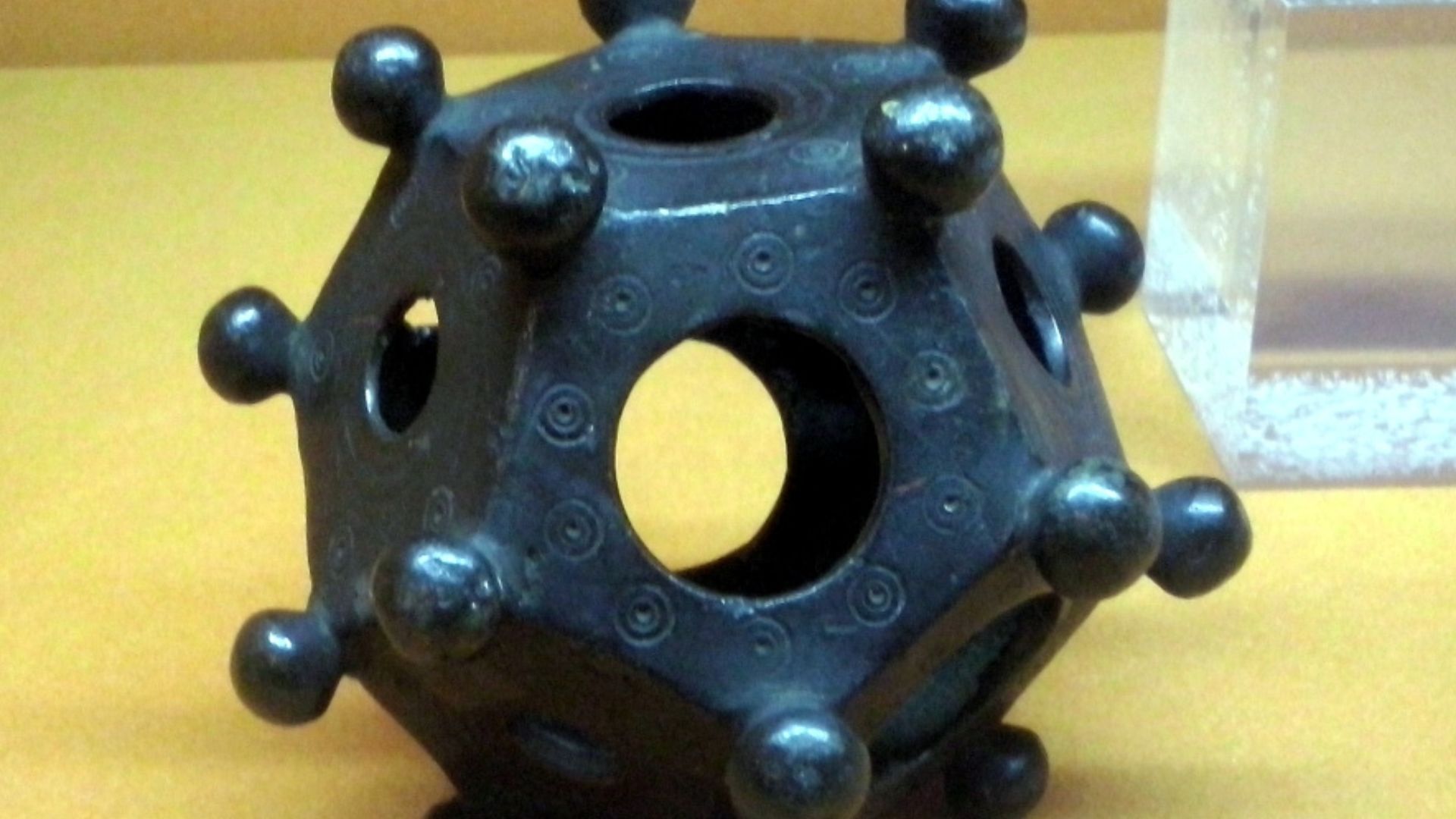
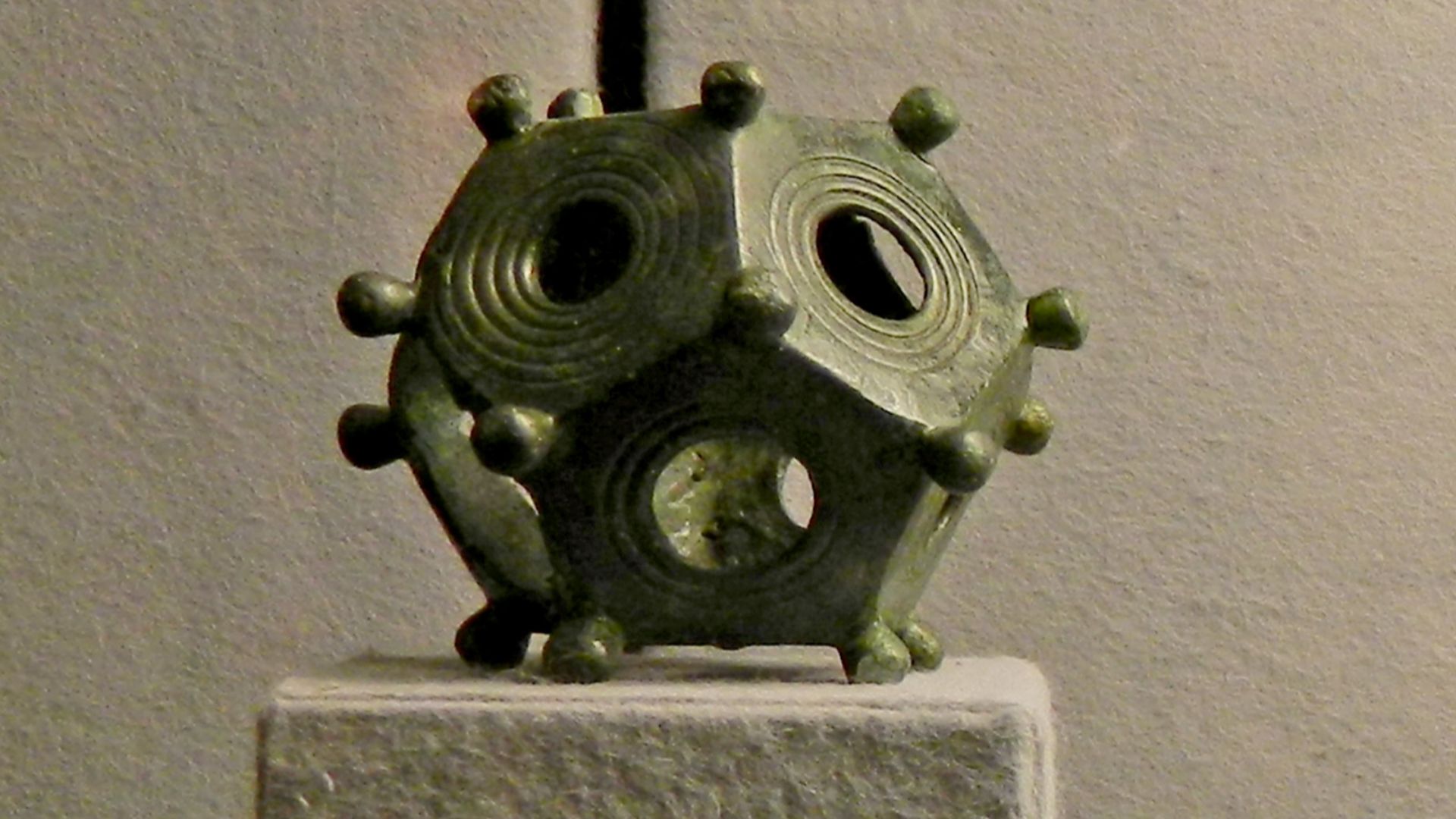
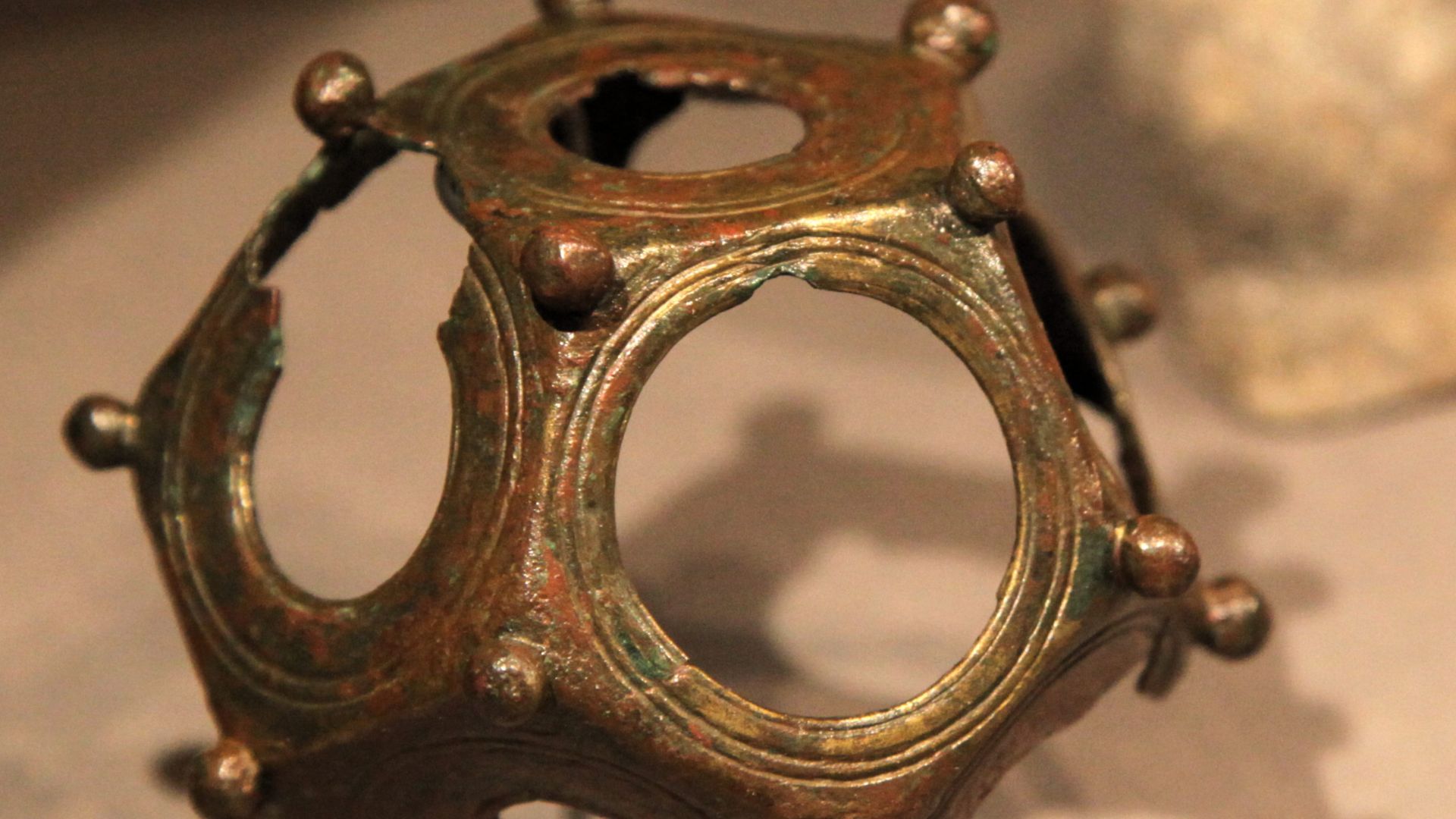
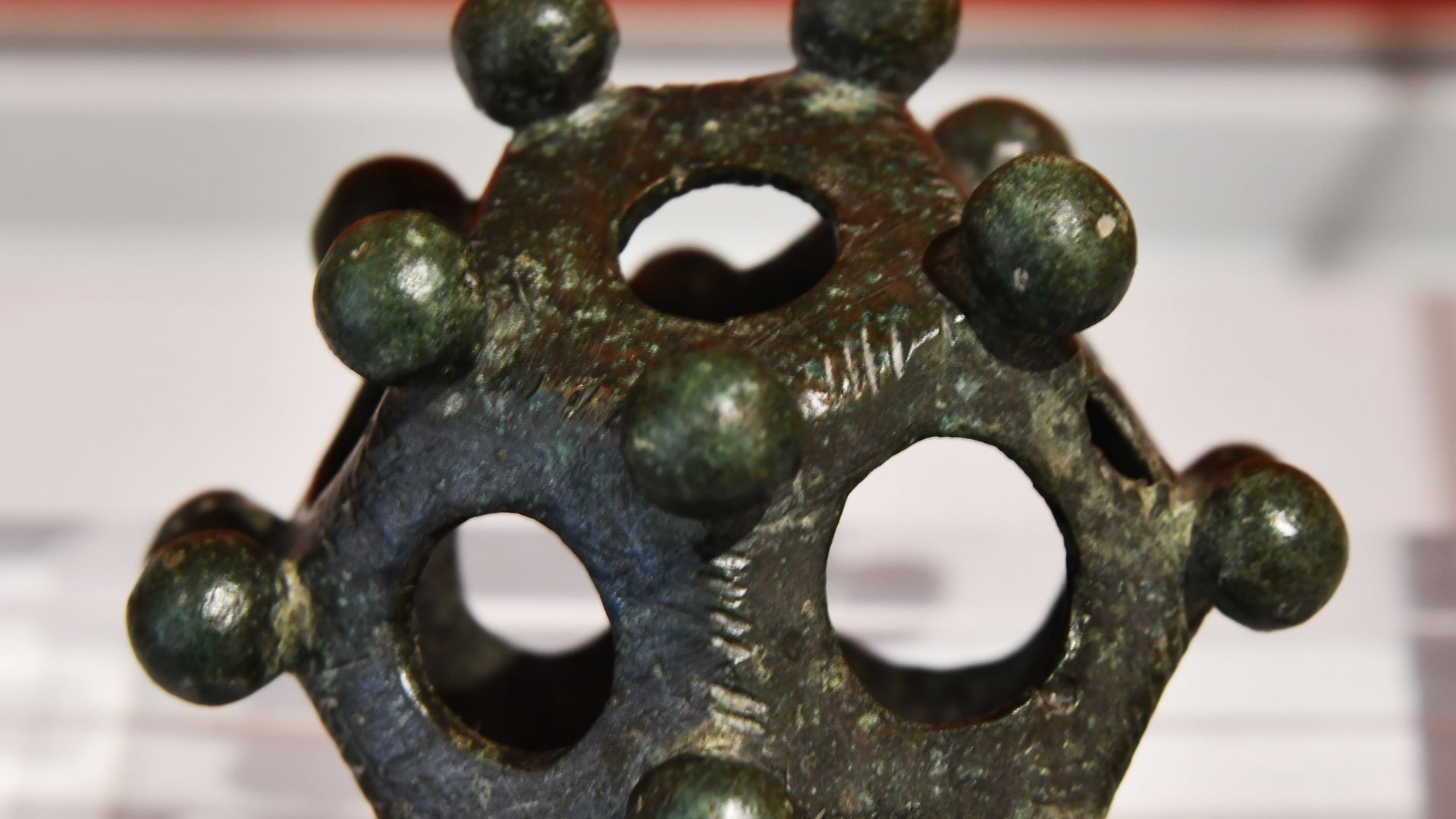
Each artifact displays twelve pentagonal faces pierced by circular openings of varying diameters. The holes don’t form a standardized pattern, complicating attempts to identify a shared function. Despite these variations, craftsmanship remains consistently careful, suggesting the shape carried meaning rather than serving as an improvised or utilitarian device.
 Carole Raddato from Frankfurt, Germany, Wikimedia Commons
No Two Examples Share The Same Design
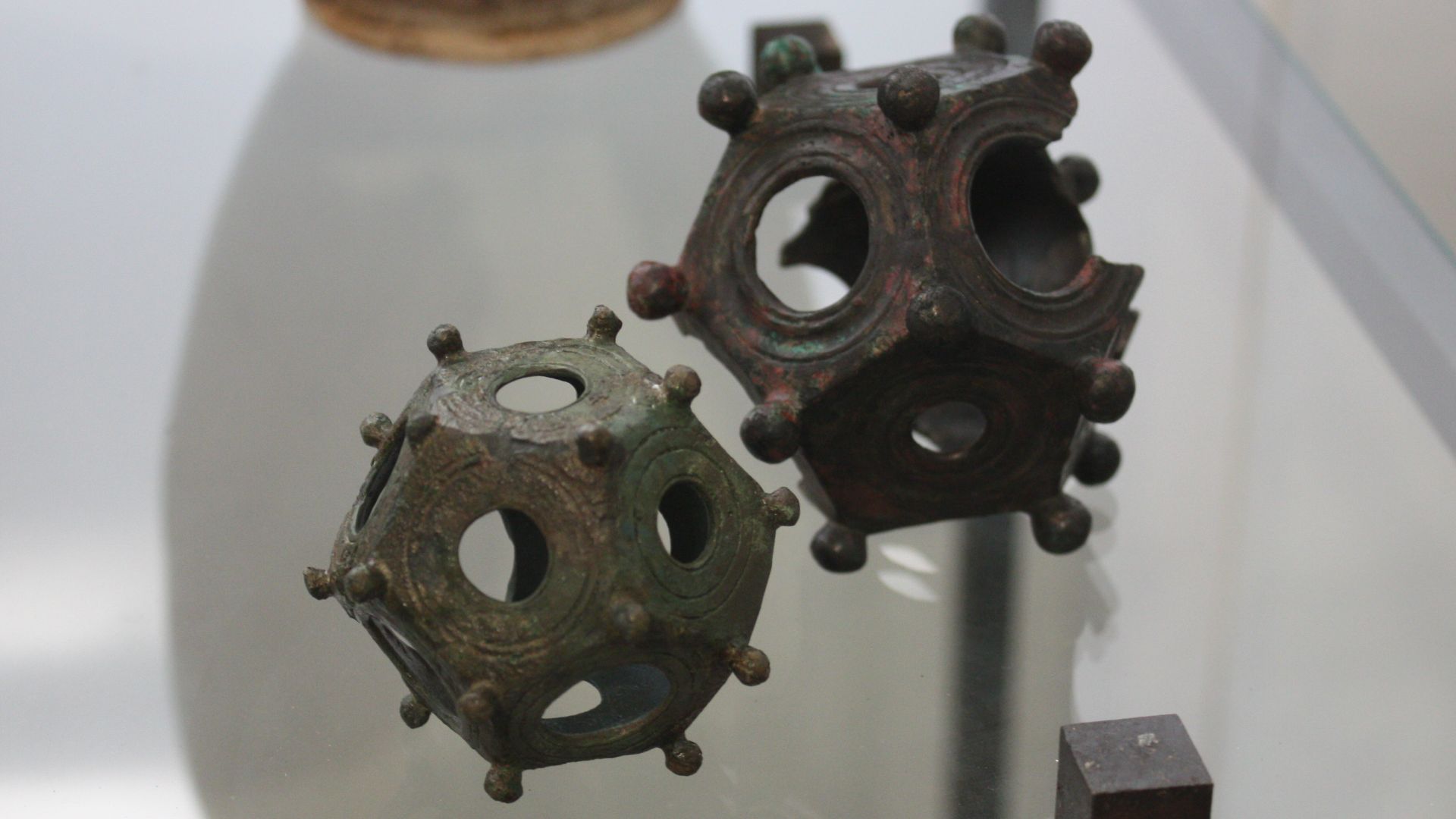
Across more than a hundred known specimens, every dodecahedron differs in size, hole arrangement, and decorative detail. Such inconsistency challenges theories proposing measurement, textile work, or surveying functions. If precision mattered, designs would align. Instead, variation hints at personal or symbolic intentions rather than practical uniformity.
The Mystery Appeared Across Rome’s Northern Frontier
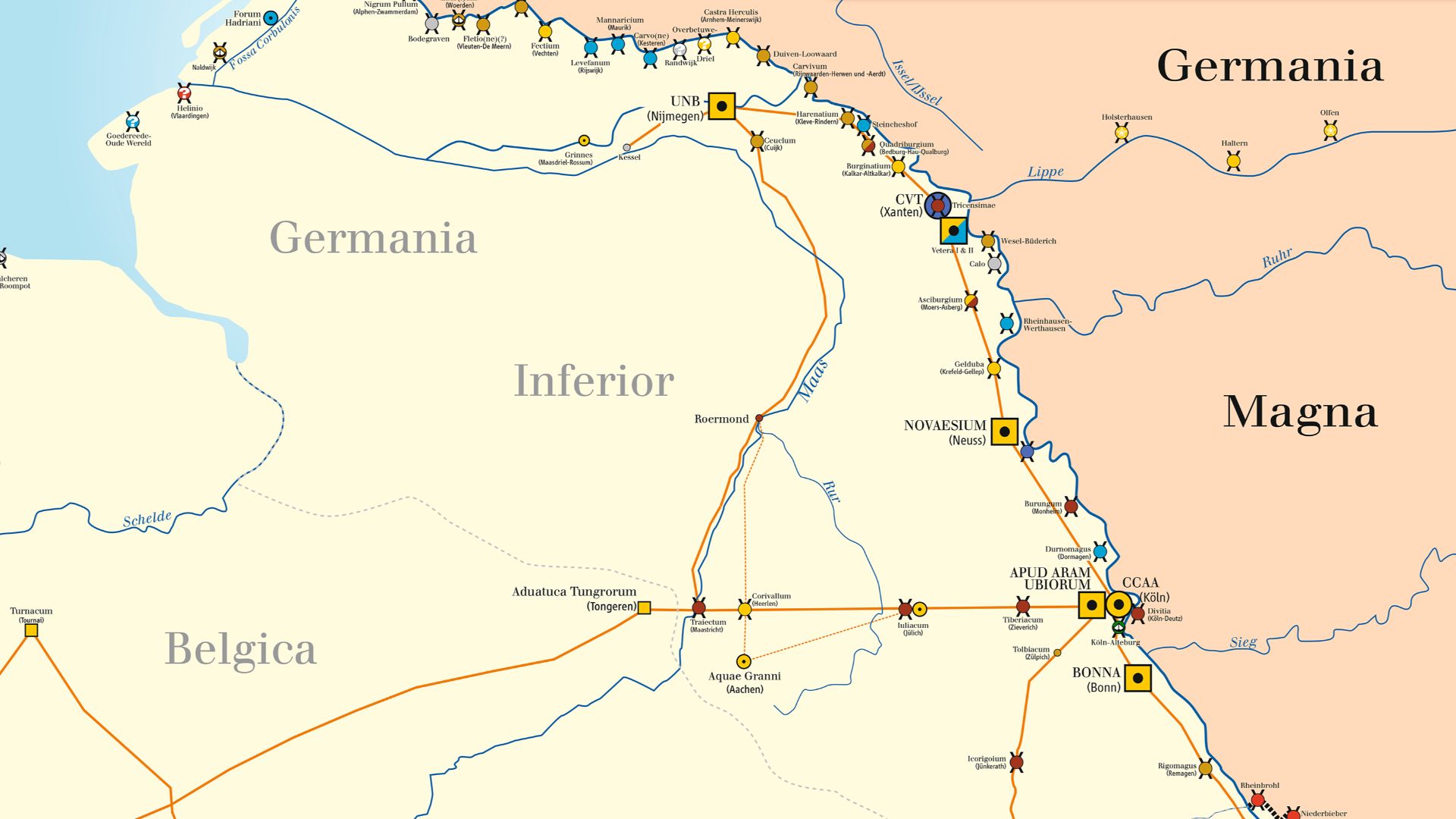
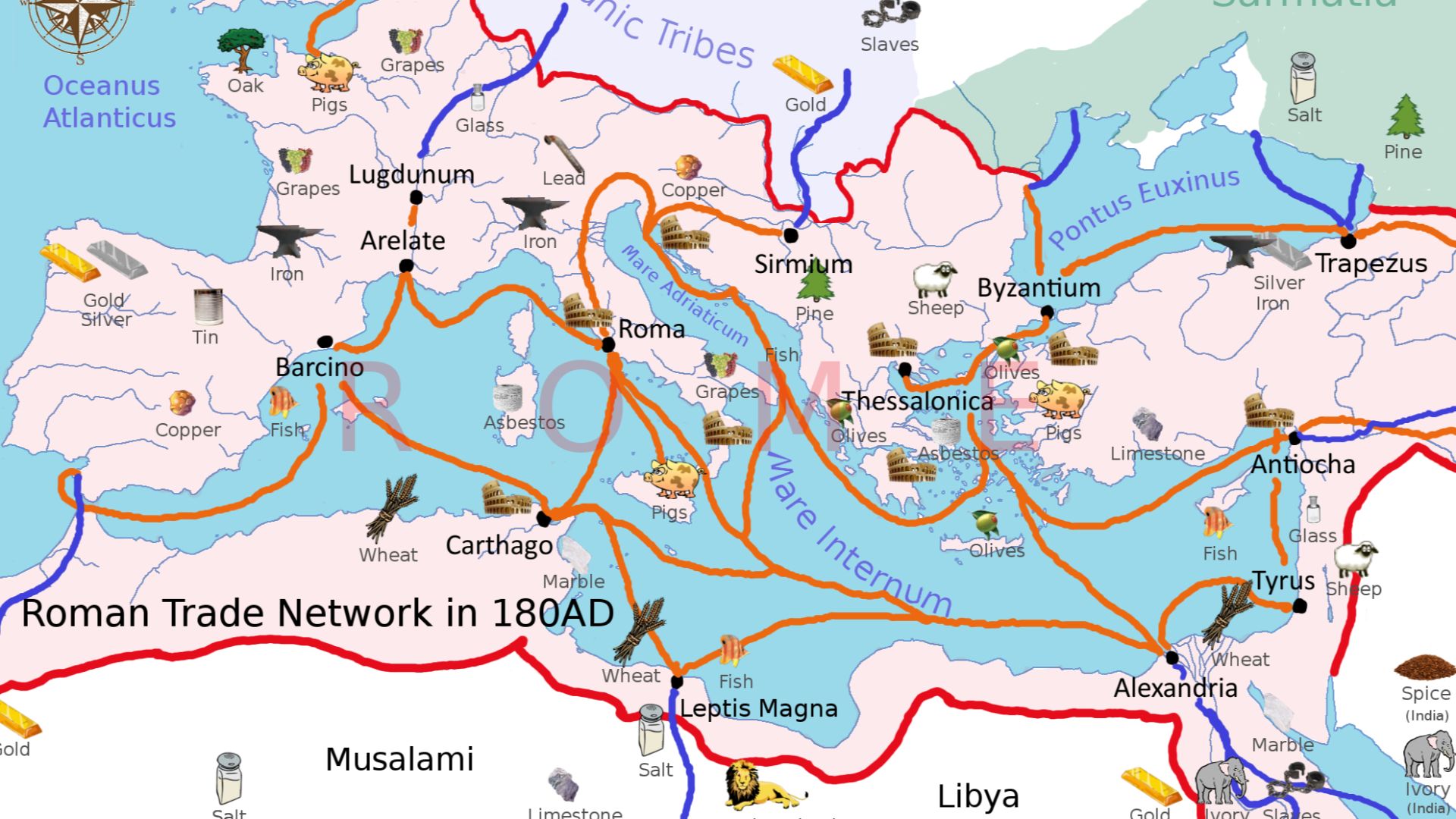
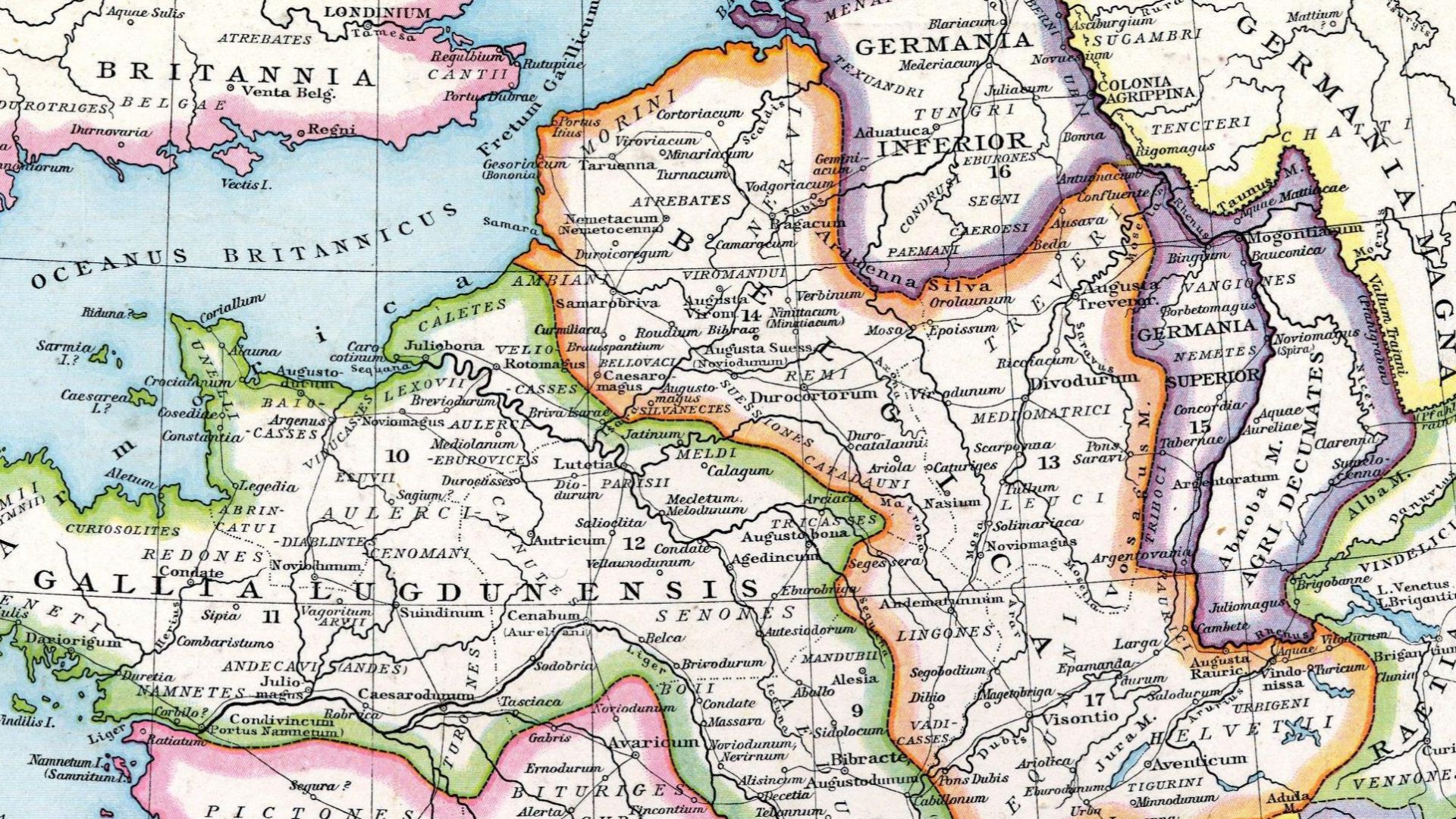
Finds cluster in Britain, Gaul, and Germanic regions rather than in Rome’s heartland. This distribution indicates the objects circulated primarily within frontier communities shaped by both Roman authority and local traditions. Their absence elsewhere raises questions about whether they reflect regional spiritual practices or specialized provincial networks.

Frontier Cultures May Have Shaped The Story Behind It
Many discoveries appear in regions where Roman and local Celtic or Germanic communities overlapped. That cultural blending created practices not always reflected in Roman writing. The dodecahedron may represent beliefs or rituals preserved within provincial groups whose traditions remained partly independent.
 Ziegelbrenner, Wikimedia Commons
Did Trade Networks Impact How These Objects Circulated?
Distribution patterns suggest movement along established Roman trade routes linking military zones and frontier settlements. The concentration in northern provinces hints at exchange systems shaped by regional needs rather than empire-wide demand. Such clustering raises questions about whether merchants transported these objects intentionally or as secondary goods.
The Details Suggest A Lot About Its Significance
Bronze analyses reveal careful casting and smooth edges, which indicate that skilled artisans devoted real resources to each piece. Such attention implies these objects mattered to their makers. They weren’t tossed-off novelties but intentionally produced items, possibly tied to status or knowledge preserved within select provincial circles.
 Eamonn O'Mahony, Wikimedia Commons

History's most fascinating stories and darkest secrets, delivered to your inbox daily.
An Object Without Wear Raises More Questions
Most examples show almost no abrasion or polishing marks, which weakens theories proposing daily use. Their preserved condition suggests they weren’t handled routinely. Instead, they may have been carried occasionally and brought out only for situations tied to ritual, seasonal events, or specific ceremonial moments.
 Romainbehar, Wikimedia Commons
Ritual Pits Introduced A New Layer Of Intrigue
One dodecahedron surfaced in a context containing animal bones, burned offerings, and intentionally broken pottery. Such deposits usually signal ritual activity rather than household disposal. That association encouraged scholars to consider whether the object served a ceremonial purpose linked to community rites.
 Takver from Australia, Wikimedia Commons
Could These Artifacts Belong To A Lost Spiritual System?
Because no text explains them, researchers consider the possibility that the objects belonged to provincial spiritual traditions transmitted orally. Some regions followed hybrid belief systems that blended Roman practices with older customs. If the dodecahedron played a role there, written references would be unlikely to survive or exist.

Light Experiments Hinted At A Ceremonial Purpose
Modern replicas lit with candles cast shifting patterns through their differently sized holes. The effect is striking in dark settings, creating controlled beams and moving silhouettes. Although not definitive, these experiments show how the design could enhance ritual atmospheres or serve roles involving light or symbolic presentation.
Was It Crafted As A Miniature Model Of The Cosmos?
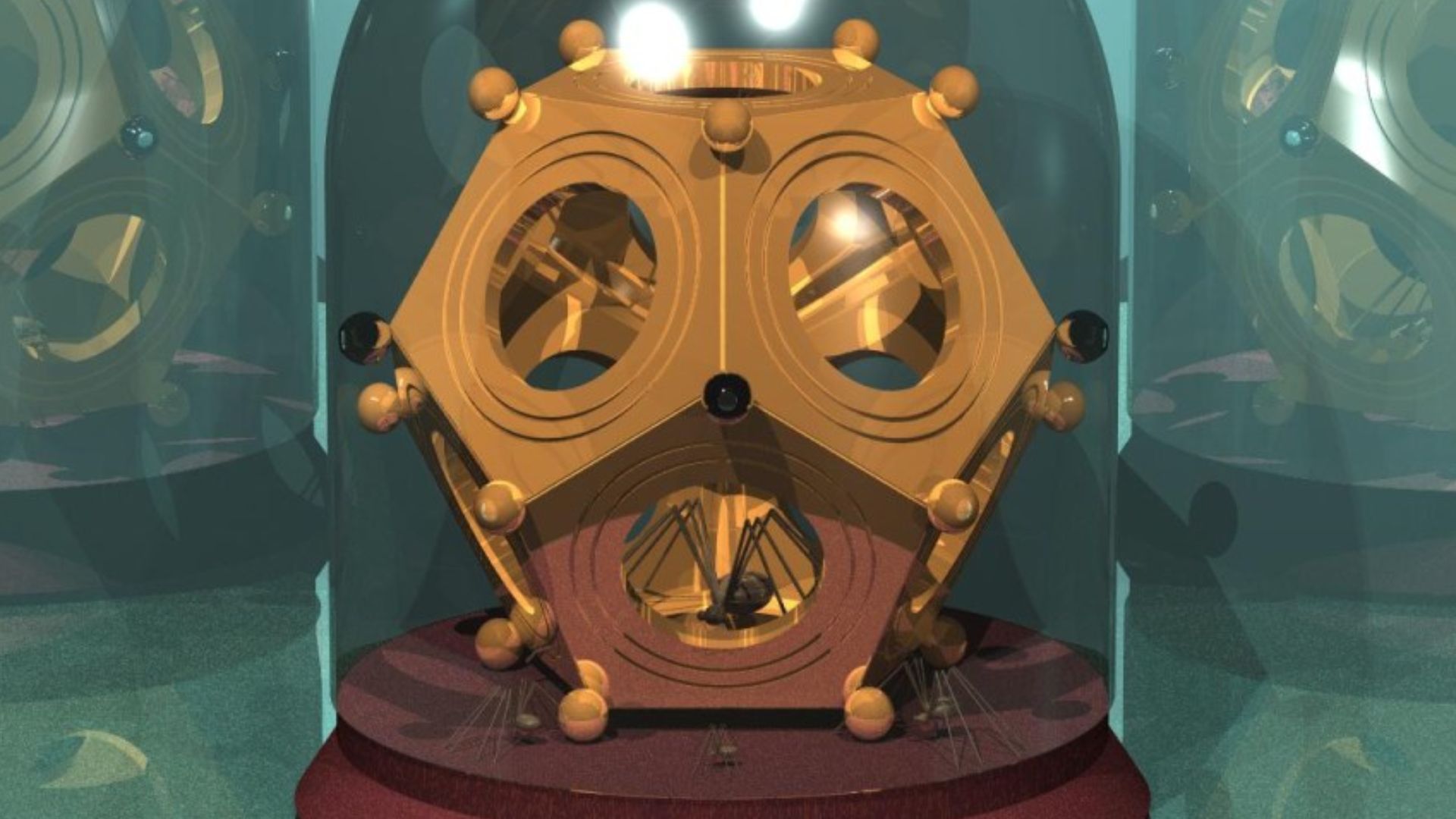
Classical ideas linked dodecahedrons to cosmic order, and the shape carried philosophical weight in Greek and Roman thought. Some scholars argue that the objects may represent a small-scale cosmic model used symbolically rather than scientifically. This interpretation fits their geometry and the absence of practical wear.
 Jordan Condon, Wikimedia Commons
Do The Changing Hole Sizes Encode Seasonal Knowledge?
Some researchers note that opposite holes occasionally align to frame narrow fields of view. Such alignments could track shifting sunlight during parts of the year. Although evidence remains limited, the possibility suggests communities may have used these objects to observe seasonal markers important for agriculture or ceremonial timing.
Practical Explanations Fail To Solve The Puzzle
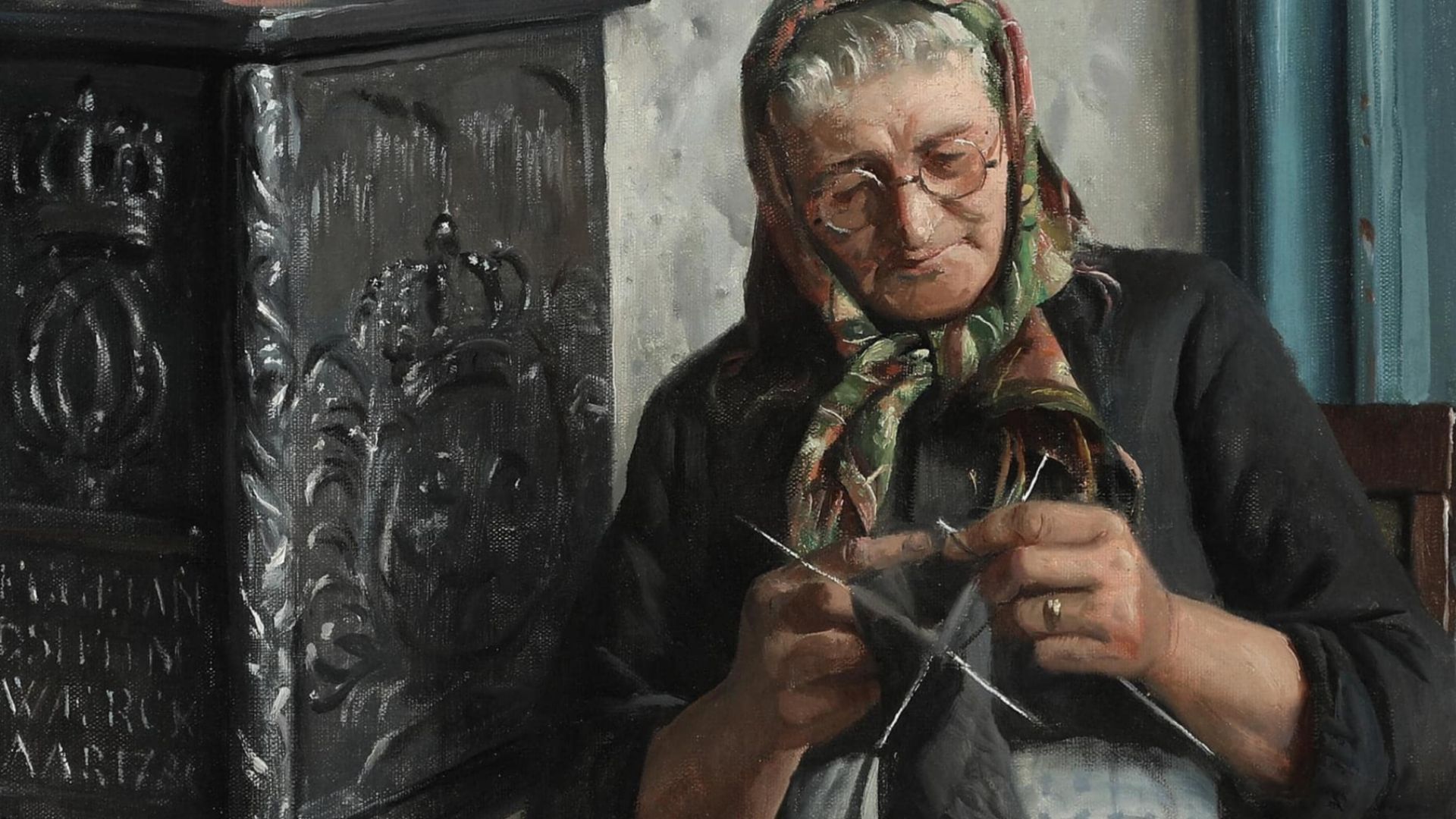
Proposed uses involving knitting, measuring distances, or calibrating weapons falter under scrutiny. None accounts for irregular hole sizes or the absence of wear. Functional tools usually follow consistent standards, but these objects defy uniformity, reinforcing the sense that their purpose was symbolic, ceremonial, or context-specific.
 Peder Mork Monsted (1859-1941), Wikimedia Commons
Did These Objects Function As Symbols Of Elite Authority?
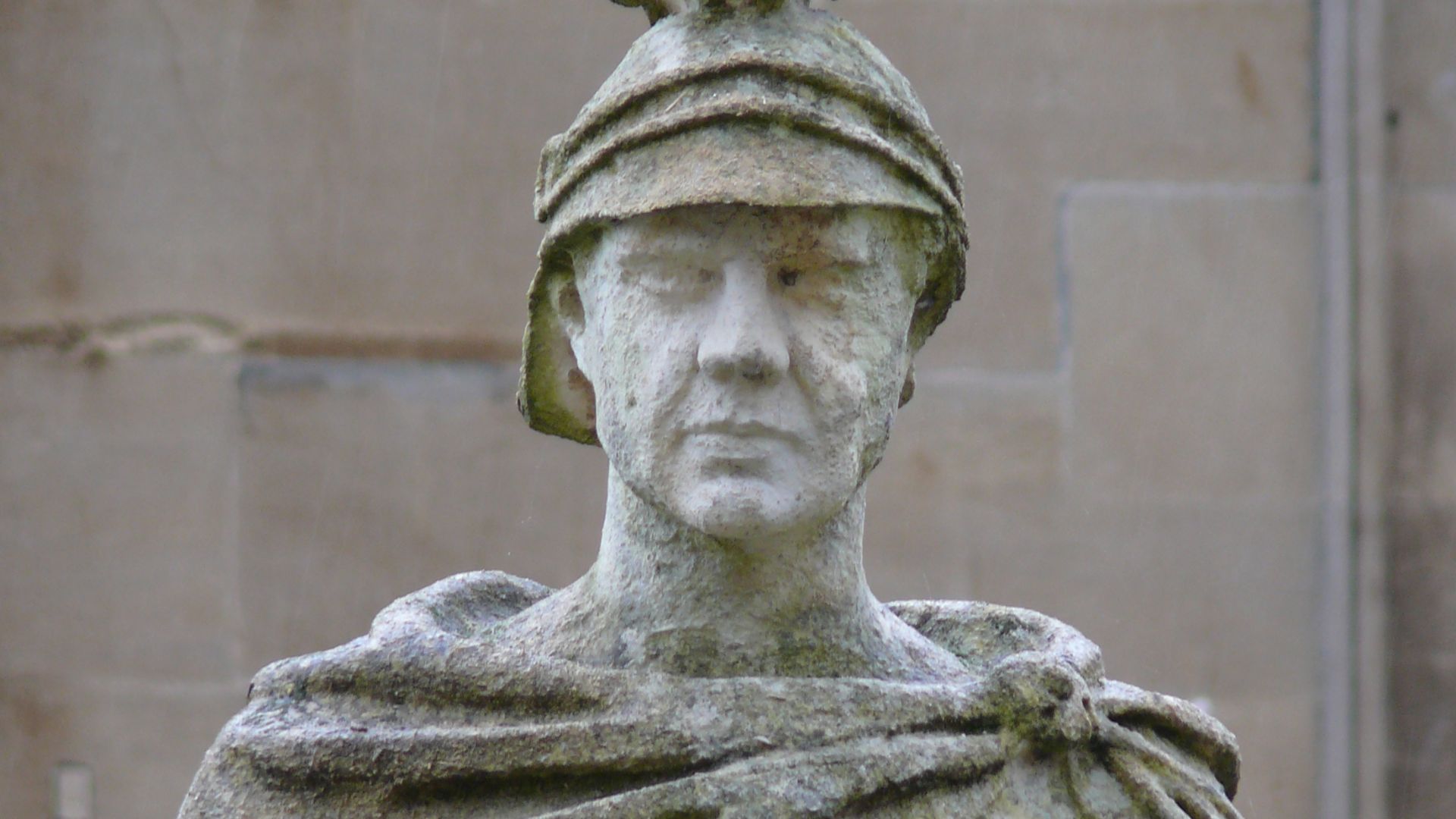
Their careful casting and limited distribution hint at controlled ownership. Some archaeologists believe local leaders may have used them as markers of status or spiritual responsibility. That interpretation fits with ritual deposits, suggesting they were items carried by individuals holding specialized community roles.
What A Rare Mounted Example Suggests About Its Use
One discovery in Germany appeared alongside a rod-shaped piece, prompting speculation that the dodecahedron once sat atop a staff. If accurate, the object may have been displayed during ceremonies or processions. Such a configuration strengthens ideas linking it to leadership or symbolic representation rather than daily tasks.
Organic Traces Point Toward Hidden Ritual Actions
Studies on select finds detected traces of wax and plant oils. These materials imply limited contact with lighting elements or organic offerings. Although the evidence varies, the residues support interpretations connecting some dodecahedrons to controlled illumination or activities involving natural substances used during ceremonies.
 Smiley.toerist, Wikimedia Commons
When Cultural Blending Along The Frontier Becomes A Clue
Frontier regions mixed Roman administration with local traditions shaped by older cosmologies. Objects emerging from these environments often reflect hybrid meanings unrecorded in imperial texts. The dodecahedron may represent one such fusion, created within communities that integrated Roman culture while preserving beliefs the empire didn’t formally document.
 Robert Murray , Wikimedia Commons
Why Rome May Have Misunderstood Its Own Provinces
Archaeologists increasingly believe provincial communities maintained traditions that Rome neither controlled nor fully recognized. The dodecahedron reflects that gap. Its absence from written records suggests administrators overlooked or undervalued practices continuing beyond official religion, leaving modern scholars with artifacts that reveal cultural depth the empire didn’t meaningfully document.
 Gustav Droysen, Wikimedia Commons
Scientific Experiments Still Can’t Crack The Code
Replicas tested for sighting, measuring, weaving, or gaming functions produce inconsistent results. None explains the wide variation between specimens or their frontier distribution. Scientific methods help eliminate weaker theories, yet no experiment provides a definitive purpose.

New Discoveries Keep Reviving The Debate
Recent finds, including the well-preserved example from Norton Disney, renew interest because each offers untouched archaeological context. Every discovery provides soil data, nearby artifacts, and placement clues that refine interpretations. Although no single find resolves the mystery, accumulating evidence gradually narrows how these objects may have been understood.

Why Does This Ancient Object Capture Modern Imagination?
Its blend of mathematical beauty and missing explanation resonates today. People recognize the precision but have no confirmed purpose to anchor it. That combination invites speculation without drifting into fantasy and encourages readers to imagine how communities interpreted symbolic objects before written frameworks shaped historical understanding.

Its Lost Meaning And The Fragility Of Human Memory
The dodecahedron shows how knowledge can disappear even within literate societies. Objects made with skill and intention can outlast the explanations attached to them. Its survival without context highlights how easily cultural meaning fades when traditions shift or localized practices never enter official historical accounts.
 Michael Garlick , Wikimedia Commons