Carbonation Conundrum
People used to travel miles just to taste naturally carbonated springs. Then someone figured out how to make bubbles in a lab. Fast forward, and we're drinking billions of cans annually, and we're still figuring out its advantages.
Ancient Springs
Long before Instagram influencers made sparkling water trendy, ancient civilizations were obsessed with naturally fizzy waters. Greeks and Romans revered effervescent mineral springs, believing they possessed magical healing properties. Natural carbonation occurs when underground volcanic activity forces carbon dioxide through water-rich rock layers.
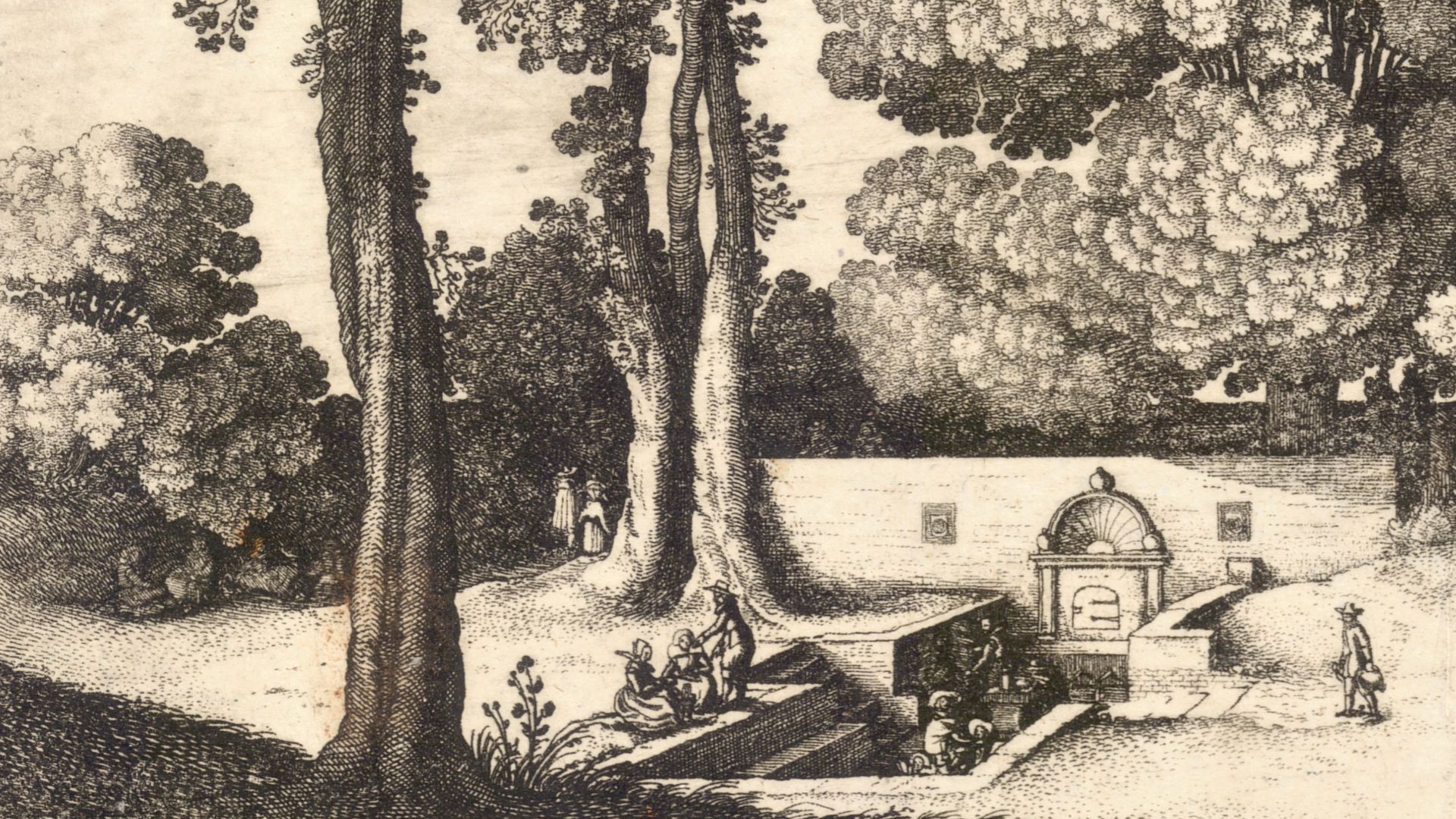 Wenceslaus Hollar, Wikimedia Commons
German Selters
The German village of Niederselters became the sparkling water epicenter in the 18th century. This tiny town possessed a natural spring producing perfectly carbonated mineral water. By the 1700s, bottled "Selters water" was shipped across Europe and worldwide, becoming one of the first global beverage brands.
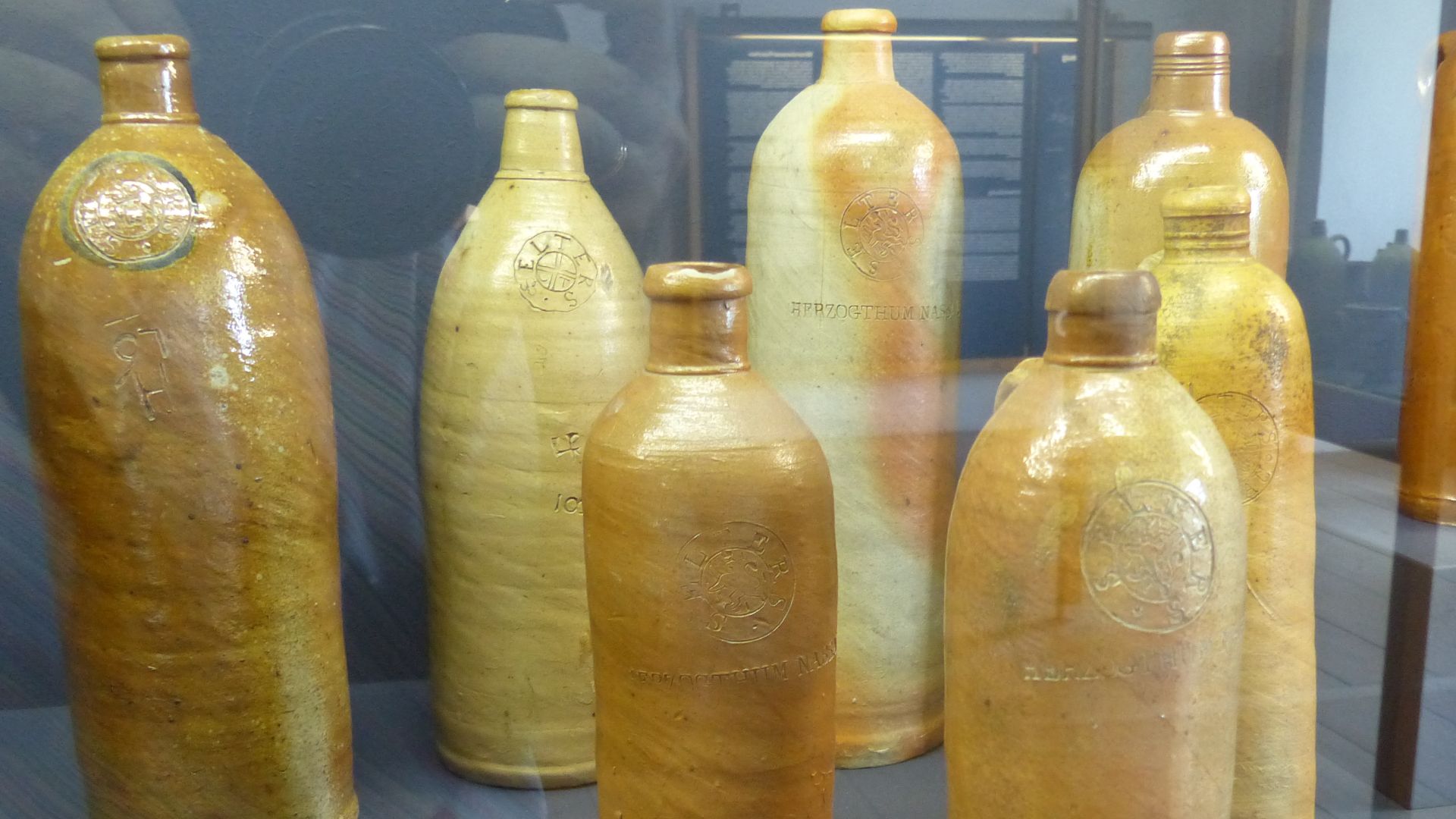 Wolfgang Sauber, Wikimedia Commons
Priestley's Invention
In 1767, English scientist Joseph Priestley accidentally created artificial carbonated water while living next to a Leeds brewery. He suspended a water bowl above fermenting beer vats, discovering that the carbon dioxide gas infused the water with bubbles. Priestley combined sulfuric acid with chalk to generate CO2.
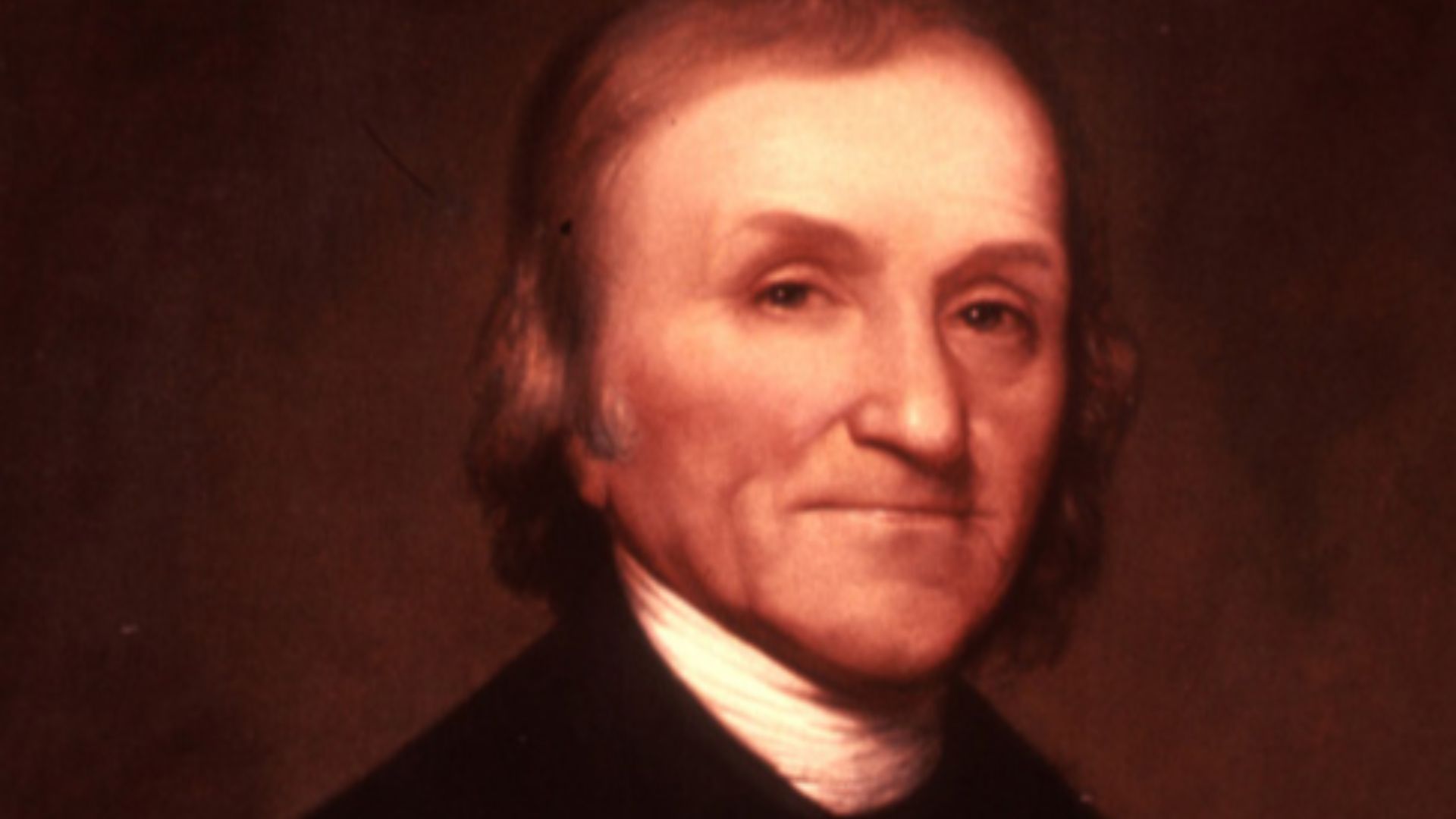 Rembrandt Peale, Wikimedia Commons
Commercial Production
Thomas Henry built the first large-scale carbonated water factory in Manchester, England, in 1781, turning seltzer from laboratory curiosity to commercial product. Swiss amateur scientist Johann Jacob Schweppe perfected mass manufacturing in 1783, founding the Schweppes Company in Geneva. His process became a sensation.
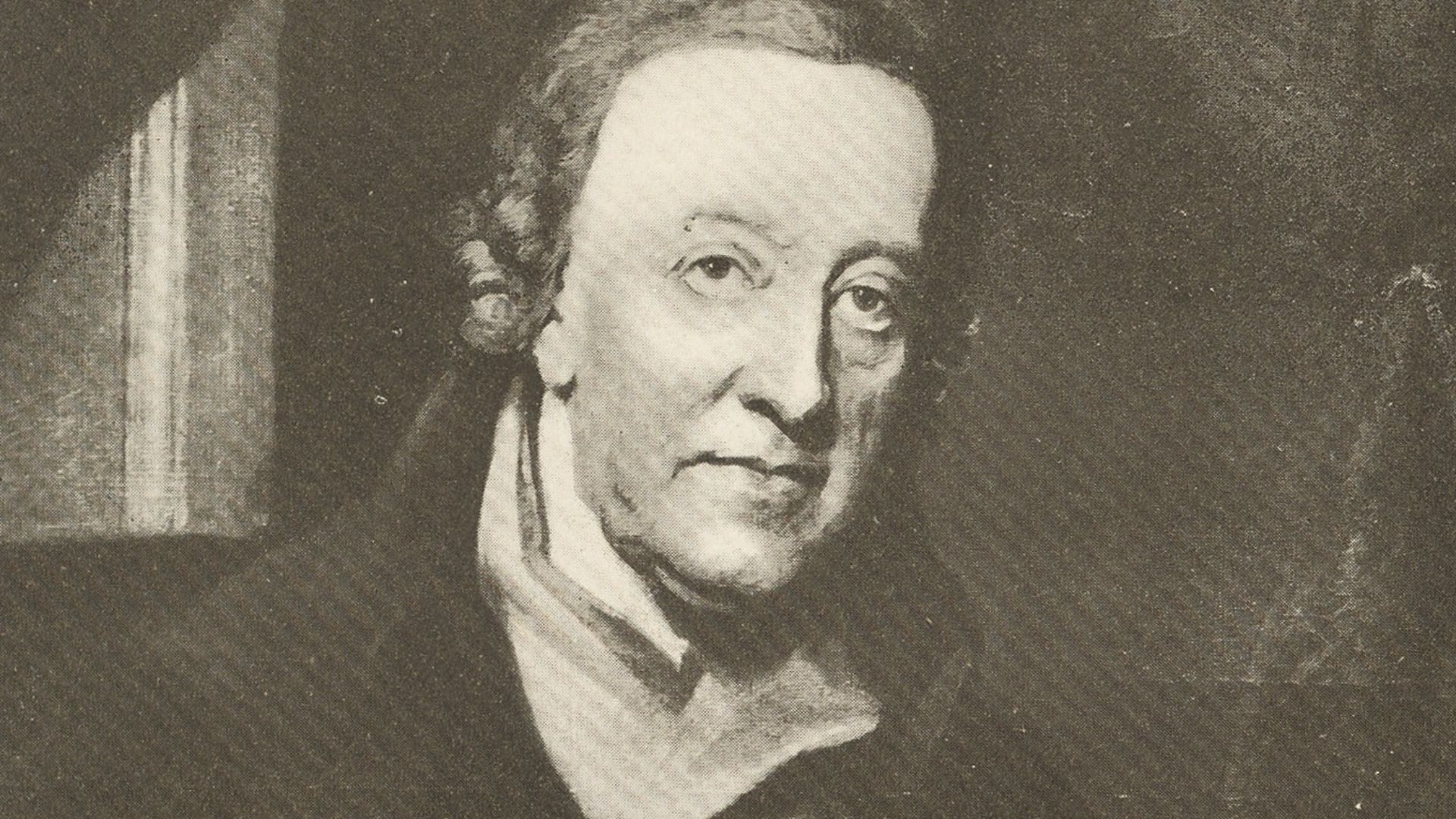 Unknown authorUnknown author, Wikimedia Commons
Soda Fountains
The drugstore soda fountain emerged as America's social hub during the 1800s, where pharmacists mixed carbonated water with flavored syrups. These establishments became meeting places for all ages, gaining even more popularity during Prohibition in the 1920s when alcohol was banned.
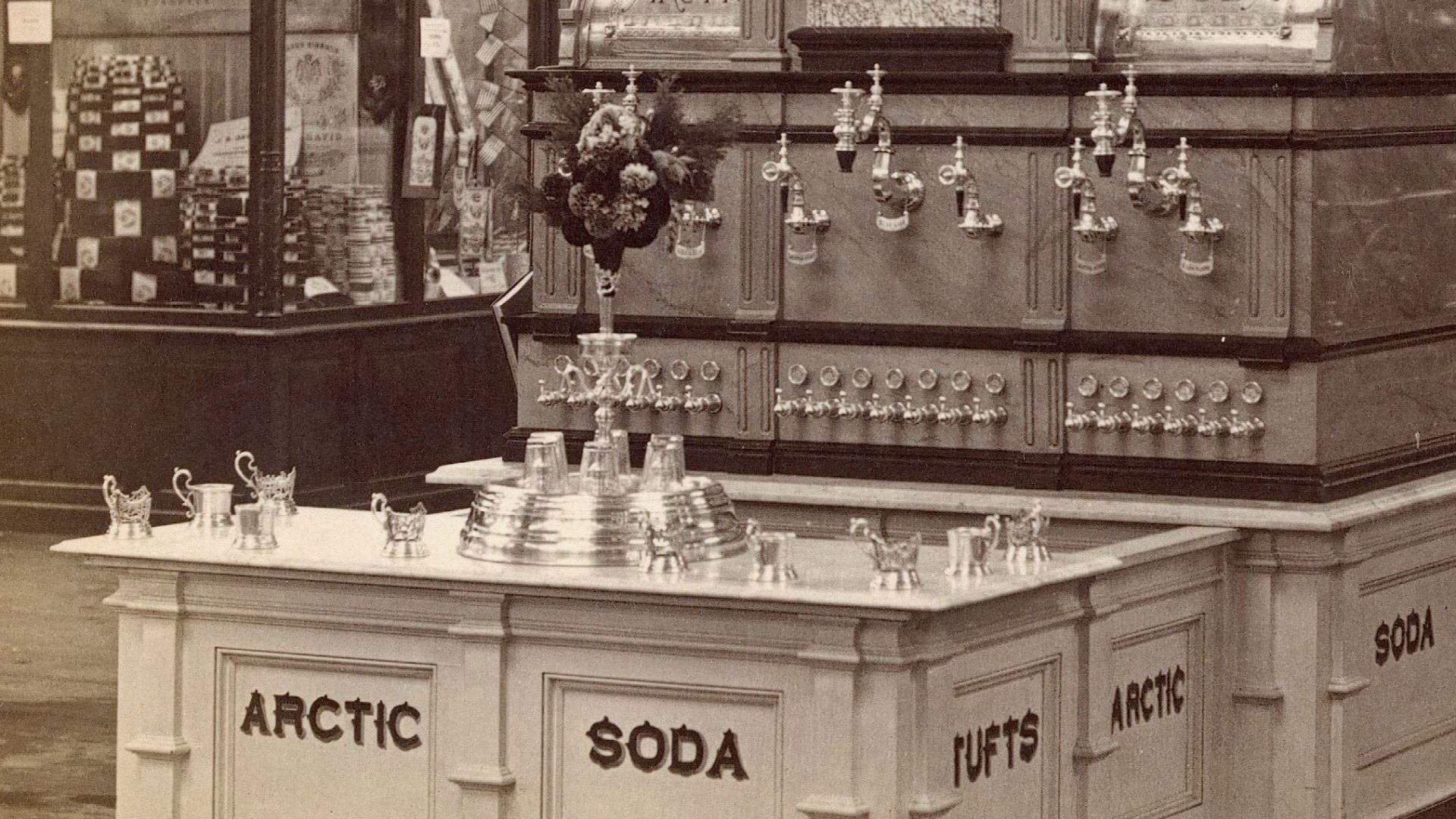 Centennial Photographic Company, Wikimedia Commons
What's Seltzer
Seltzer is simply plain water infused with carbon dioxide gas under pressure, forming carbonic acid that produces the characteristic fizz and bubbles. It contains no added minerals, salts, sodium, or sweeteners—just water and carbonation. The pH level drops from neutral 7 to approximately 3–5.
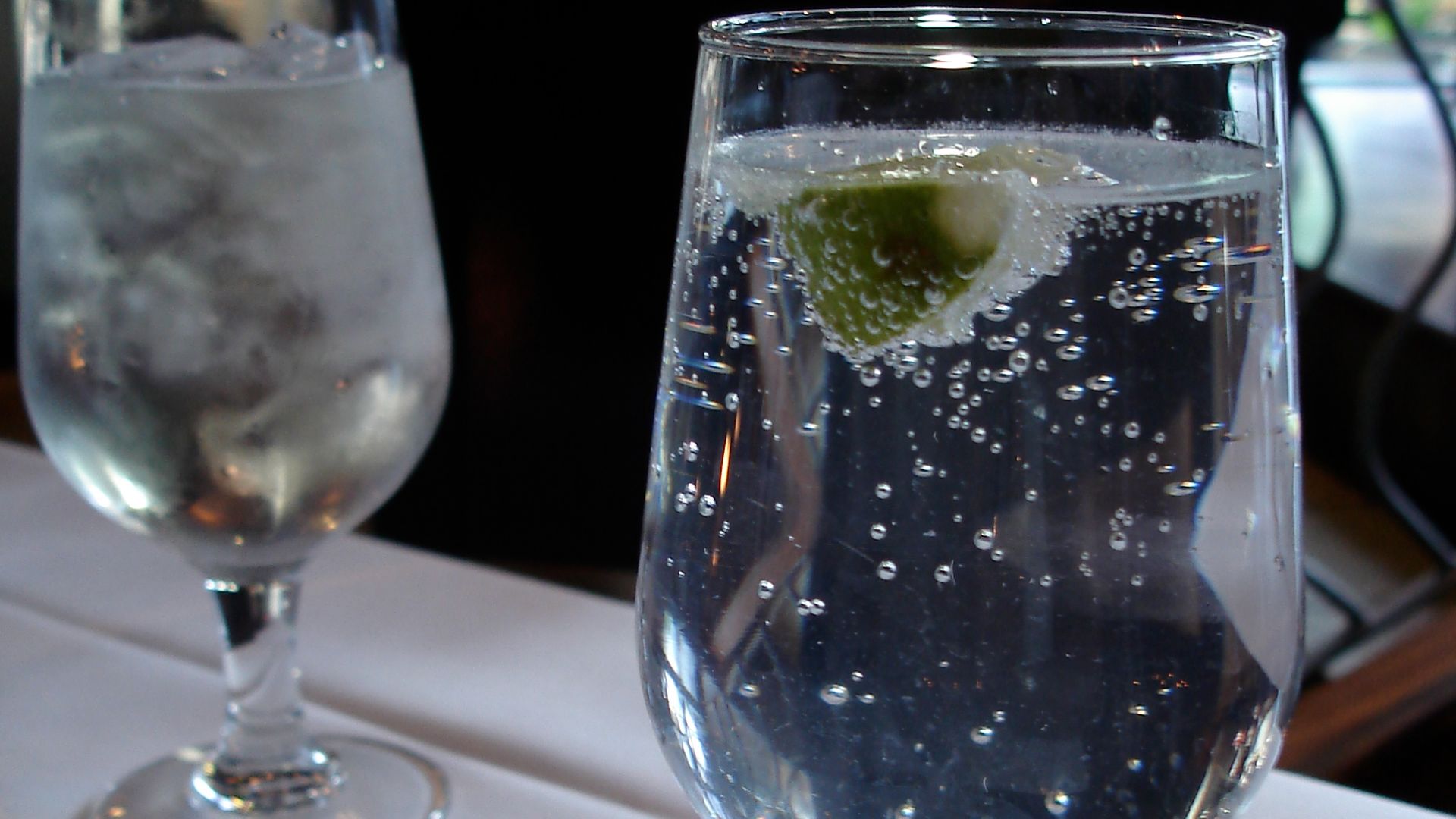 Vancouver Bites! from Vancouver, Canada, Wikimedia Commons
Club Soda
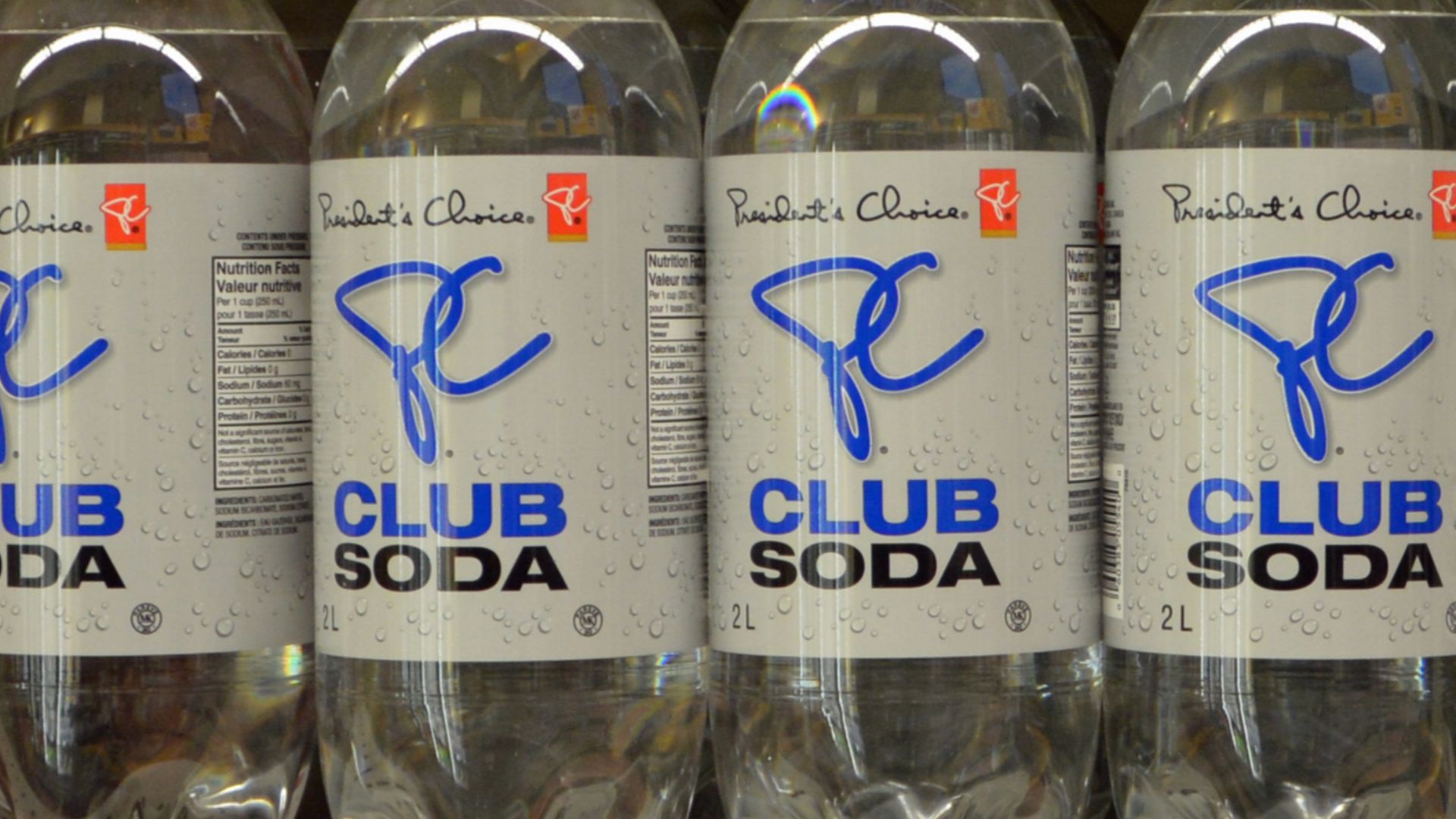
Club soda differs from plain seltzer through added minerals like sodium bicarbonate, potassium sulfate, sodium citrate, and disodium phosphate during manufacturing. These minerals mimic the natural taste of mineral spring waters and slightly offset carbonation's acidity. The term "club soda" gained popularity in the 1950s.
Mineral Water
Natural sparkling mineral waters, such as Perrier and San Pellegrino, originate from underground mineral springs where carbonation occurs naturally through geological processes. Unlike artificially carbonated seltzer, these waters contain naturally occurring minerals, including calcium, magnesium, and sulfur compounds from their source.
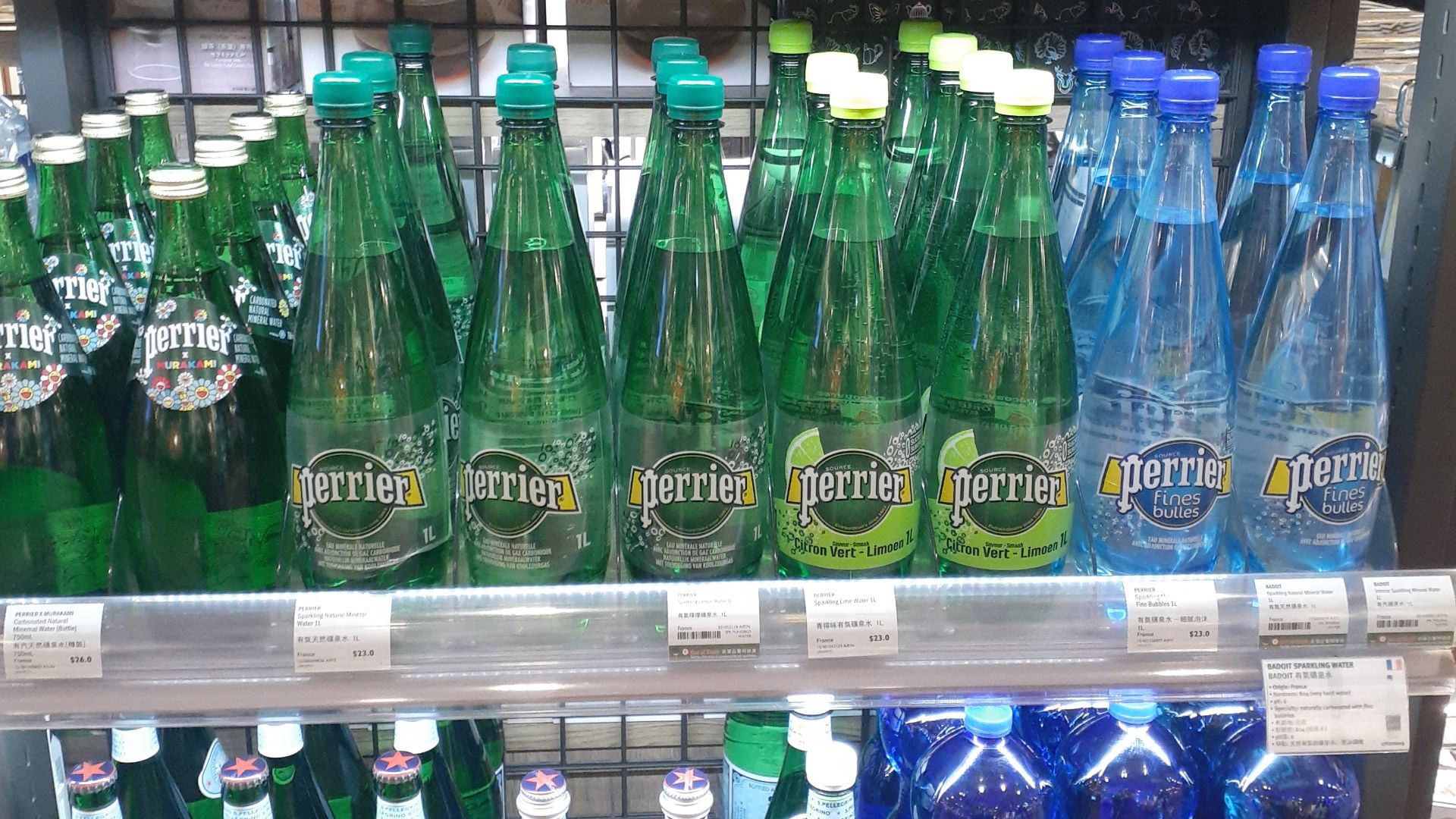 Weizshaum KIAMZOU 300, Wikimedia Commons

History's most fascinating stories and darkest secrets, delivered to your inbox daily.
Hydration Power
It is said that carbonated water hydrates your body identically to still water, with no difference in hydration status after consumption. A study measuring participants' urine output after four hours found that carbonated and regular water performed equally. Your body absorbs sparkling water the same way.
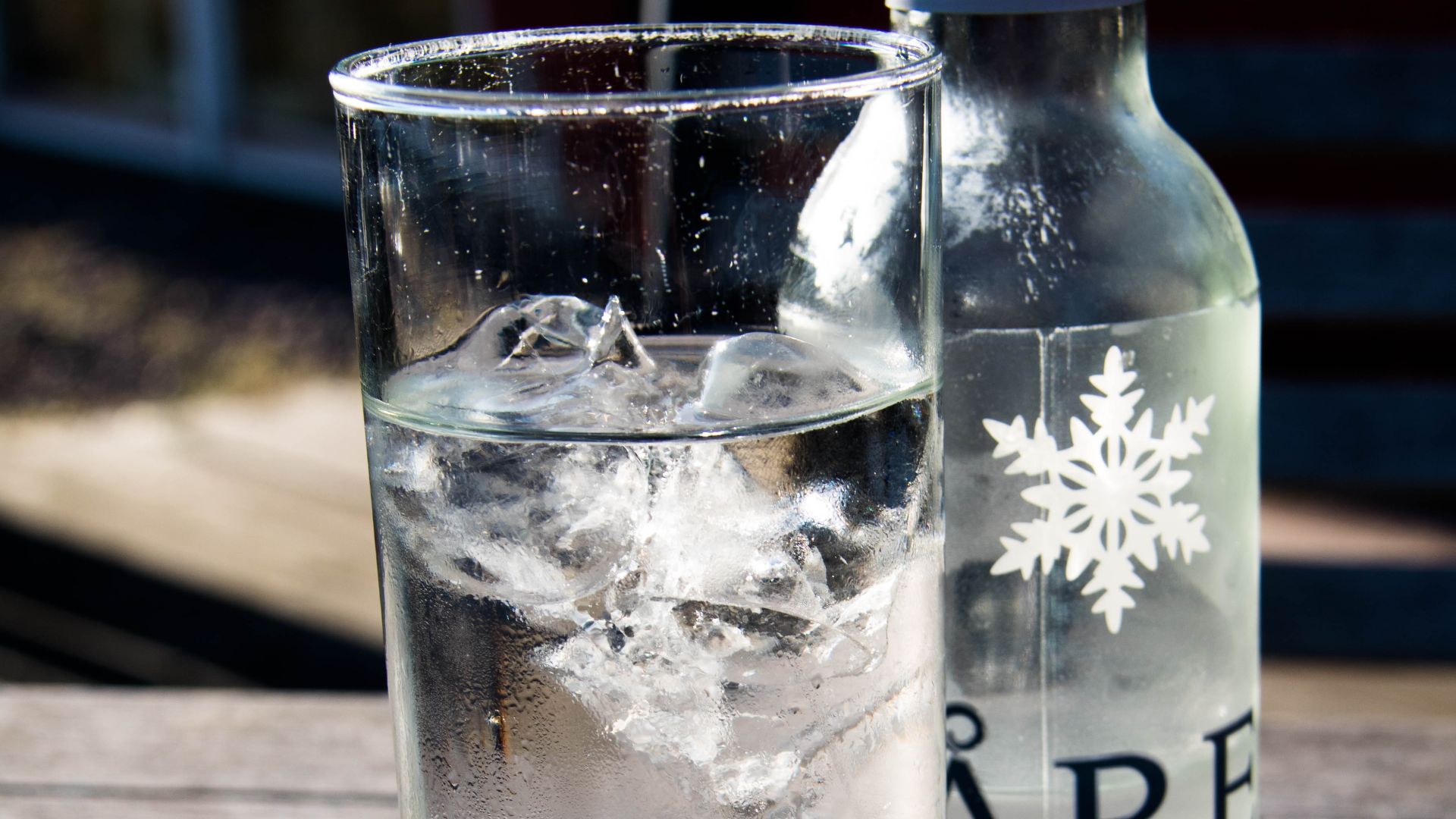 Susanne Nilsson, Wikimedia Commons
Digestive Aid
Apparently, carbonated water stimulates nerves responsible for digestion, making the entire process more efficient and comfortable. People experiencing constipation after strokes reported significant relief after just two weeks of drinking sparkling water regularly. Research also found that carbonated water brought relief to chronic indigestion sufferers.

Swallowing Improvement
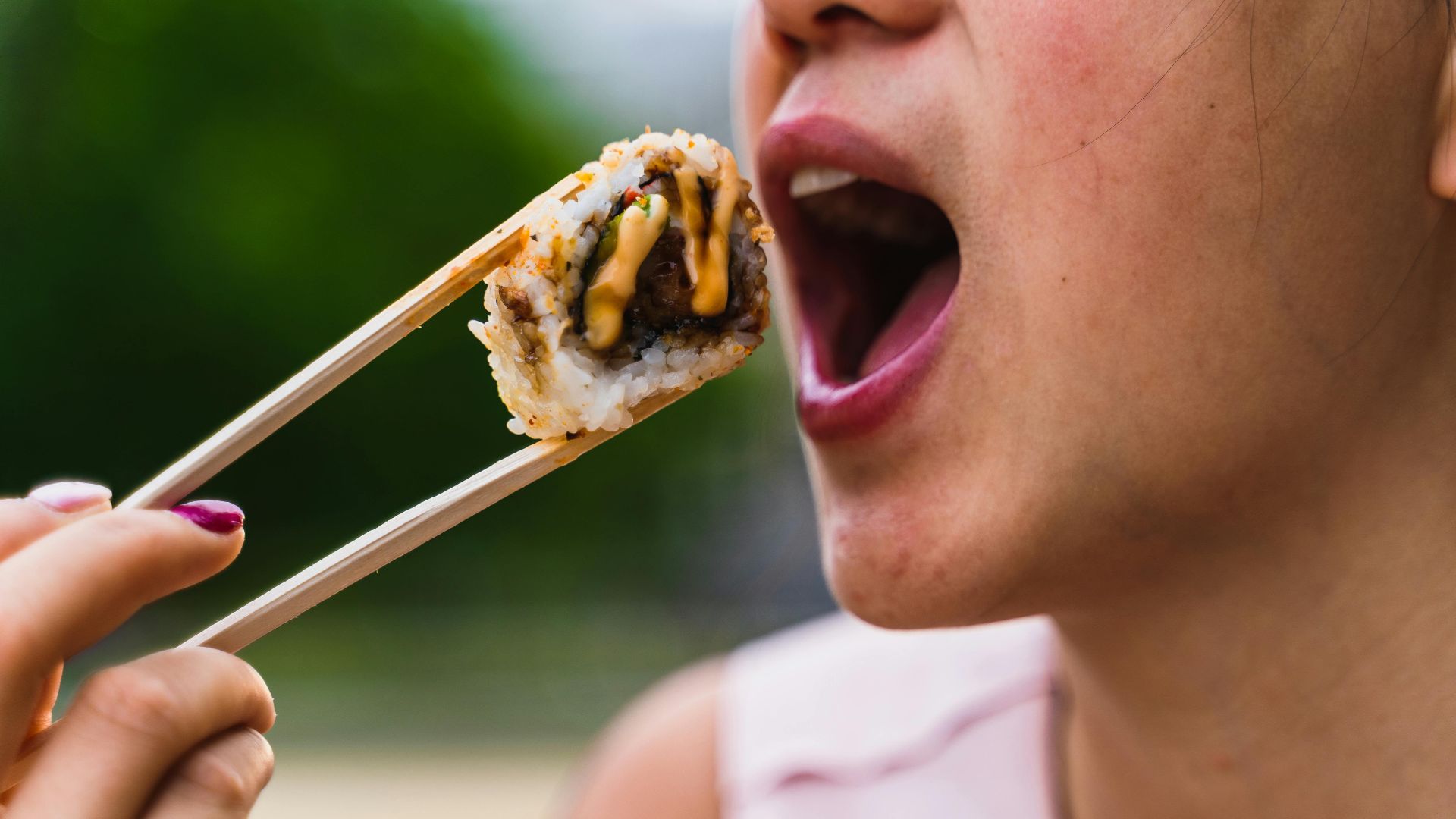
Did you know that this water can improve swallowing ability in young and older adults? This occurs particularly in those hospitalized with dysphagia. Three million Americans struggle with the swallowing condition, making everyday eating and drinking challenging. The carbonation helps clear the throat.
 Utopix Pictures Pictures, Pexels
Fullness Factor
Carbonated water may increase satiety sensations more effectively than still water, potentially helping control appetite throughout the day. A Japanese study found that drinking carbonated water produced stronger short-term fullness feelings compared to regular water. Sparkling water helps food remain in your stomach longer.

Heart Health
A 2023 study discovered drinking carbonated water could increase blood flow to the heart, specifically in the middle cerebral artery, though research remains limited. Postmenopausal women drinking sodium-rich sparkling water exhibited decreased LDL "bad" cholesterol and increased HDL "good" cholesterol levels.

Tooth Enamel
Carbonated water's pH ranges between 3–5, slightly acidic but far less damaging than cola's 2.4 pH or citrus juice's extreme acidity. Investigation using donated extracted teeth found sparkling water attacked enamel no more aggressively than regular lab water. Plain, unflavored carbonated water ranks as “minimally erosive”.

Bone Myths
Multiple studies confirm plain carbonated water doesn't weaken bones or cause calcium loss—only dark colas containing phosphoric acid affect bone density. The Framingham Osteoporosis Study of 2,500 adults found non-cola carbonated drinks weren't associated with low bone mineral density whatsoever.

Bloating Issues
Well, the carbon dioxide in sparkling water can increase intra-abdominal pressure, potentially triggering or worsening symptoms for people with acid reflux, GERD, or irritable bowel syndrome. Those excess bubbles must escape somewhere, commonly causing burping or flatulence after consumption.

Alcoholic Evolution
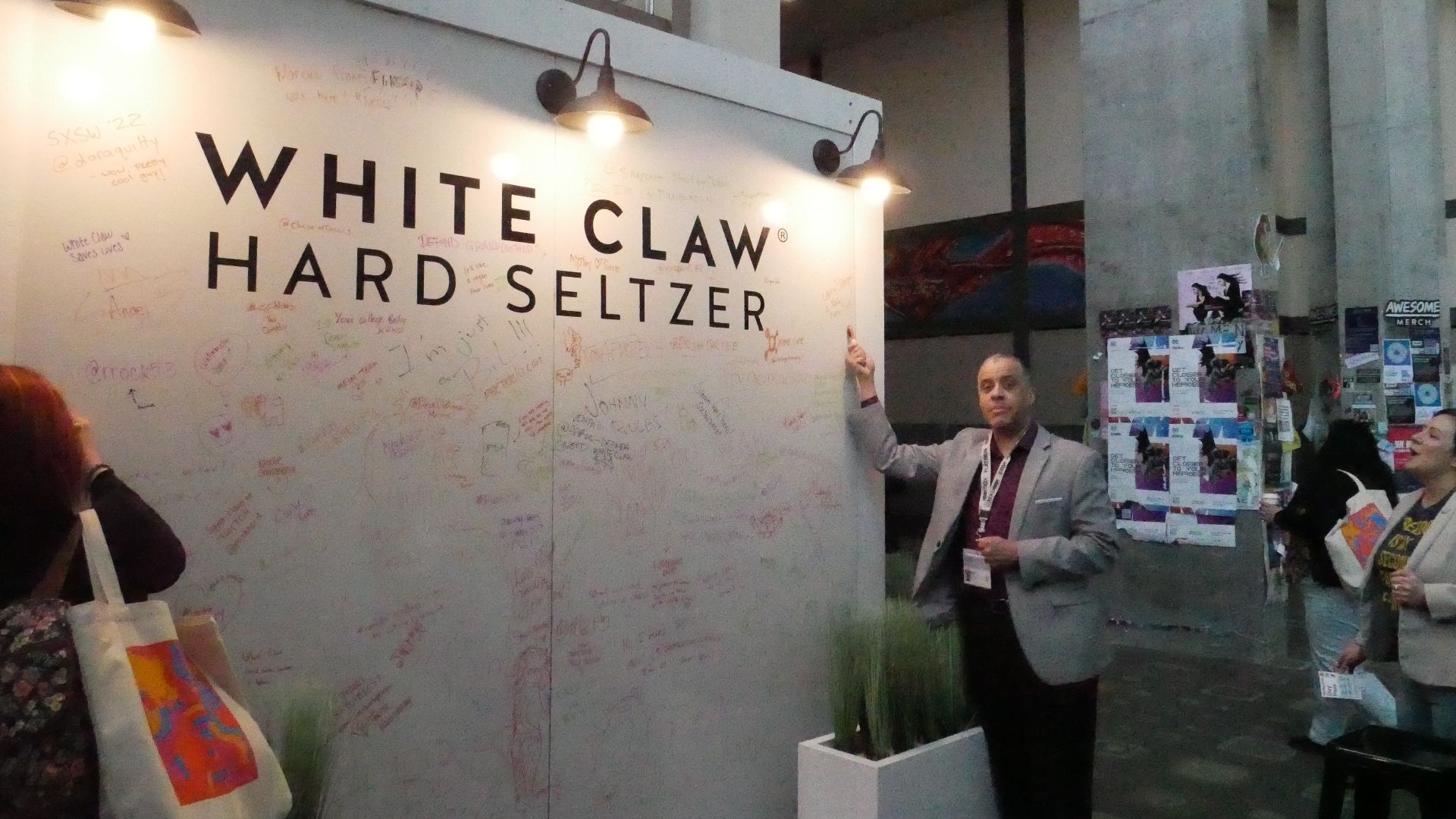
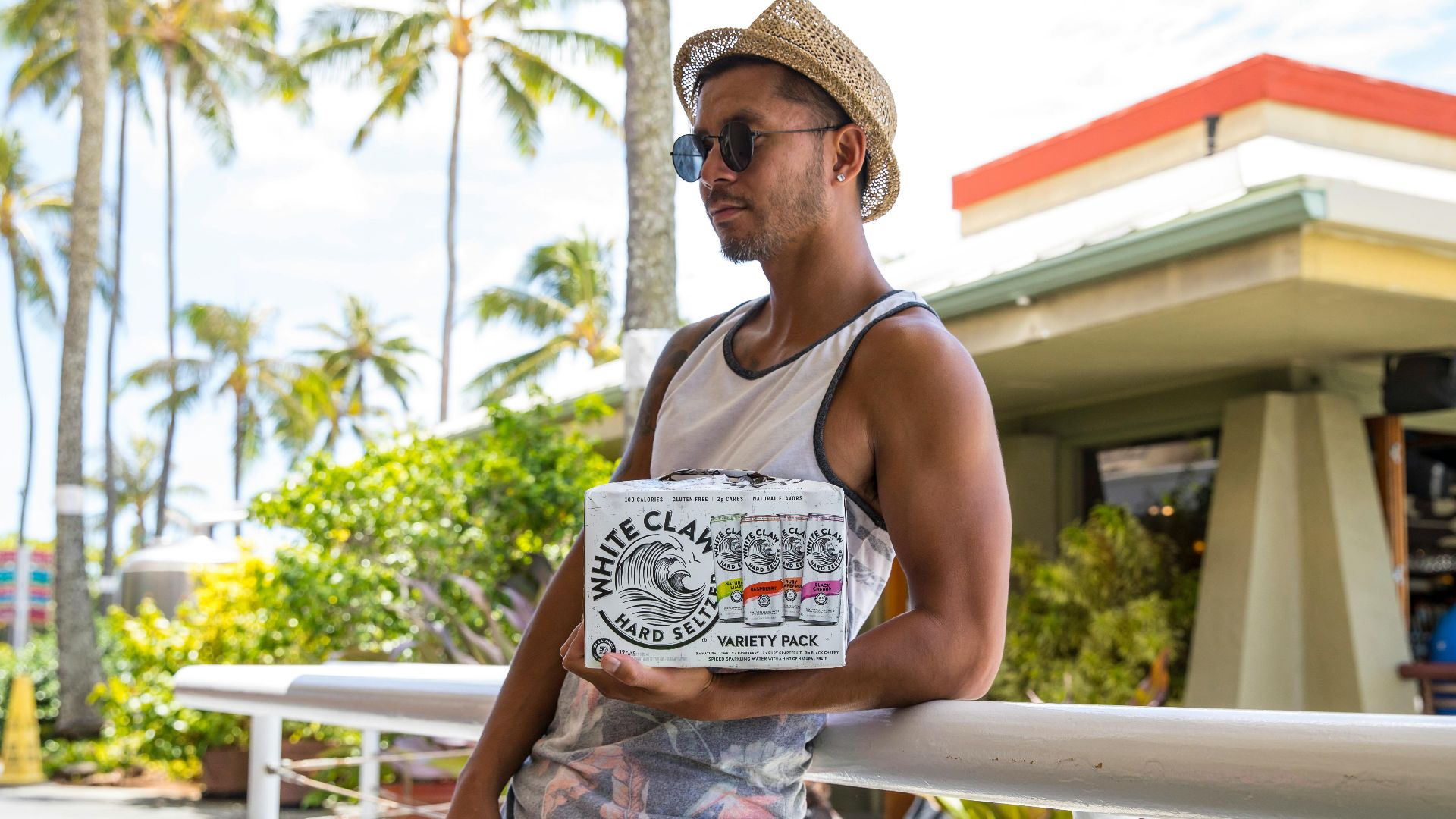
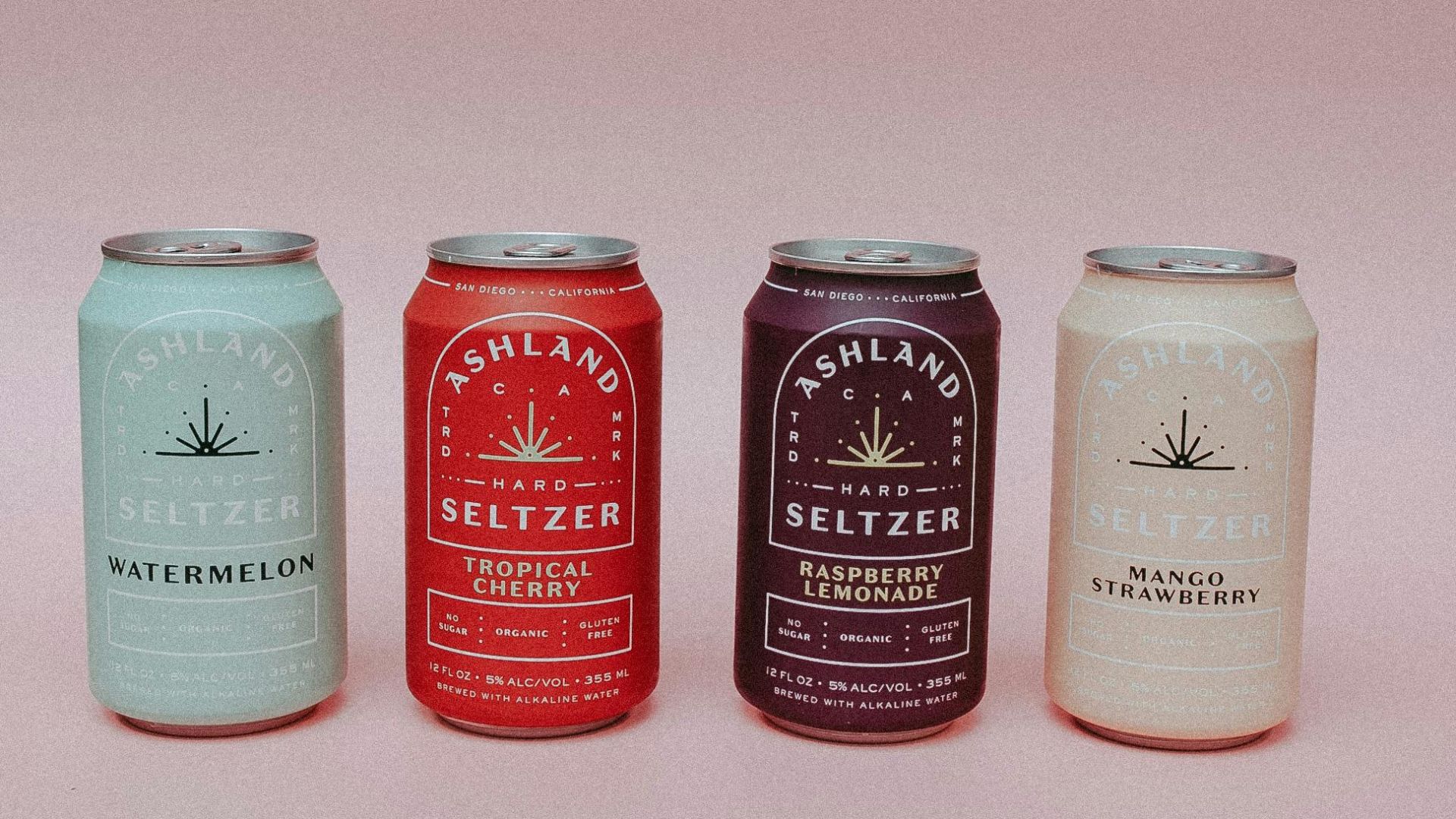
Hard seltzers combine carbonated water with alcohol, ranging from 4–6% ABV, while creating a low-calorie alternative to beer and wine. White Claw and Truly became household names after exploding onto the market around 2016, driven by health-conscious millennials seeking lighter drinking options.
 Dennis Consorte, Wikimedia Commons
Hard Seltzer
The global hard seltzer market reached $7.9 billion in 2024 and is projected to hit $20.6 billion by 2033 at an 11.16% growth rate. These beverages appeal to consumers wanting refreshing alcoholic drinks without excessive calories, sugar, or gluten content.
Market Boom
North America dominates the hard seltzer market with over 81.5% market share in 2024, fueled by creative social media marketing and celebrity endorsements. The US market specifically is projected to grow at 13.6% annually from 2024 to 2030, reflecting massive consumer demand.
Seltzer Dawn
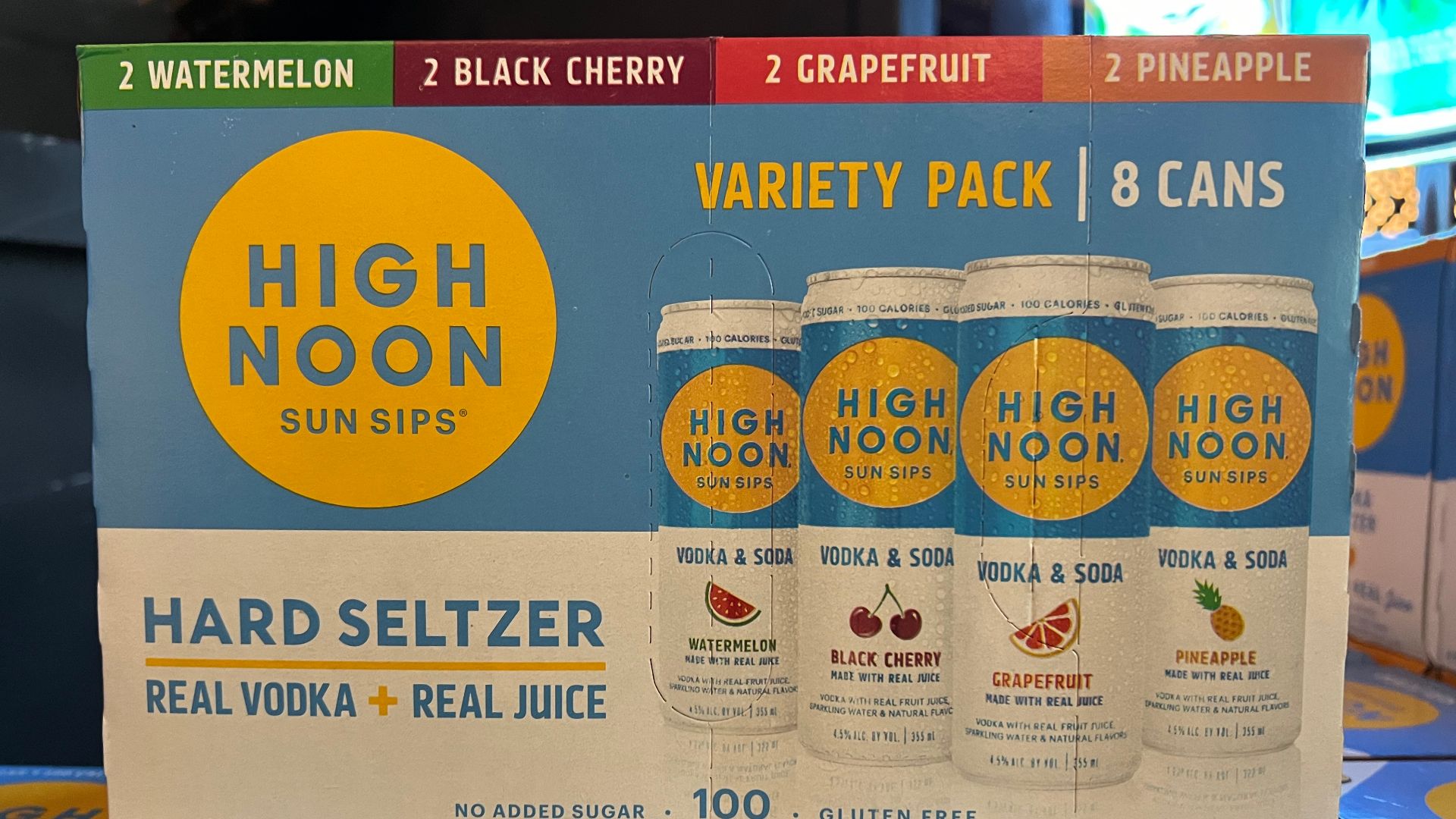
Summer 2019 marked "the dawn of the seltzer era," according to the New York Times, attracting millions in venture capital investments. Flavored hard seltzers account for approximately 80% of global revenues, with endless varieties from classic lime to exotic combinations like melon basil and cucumber peach.
PFAS Contamination
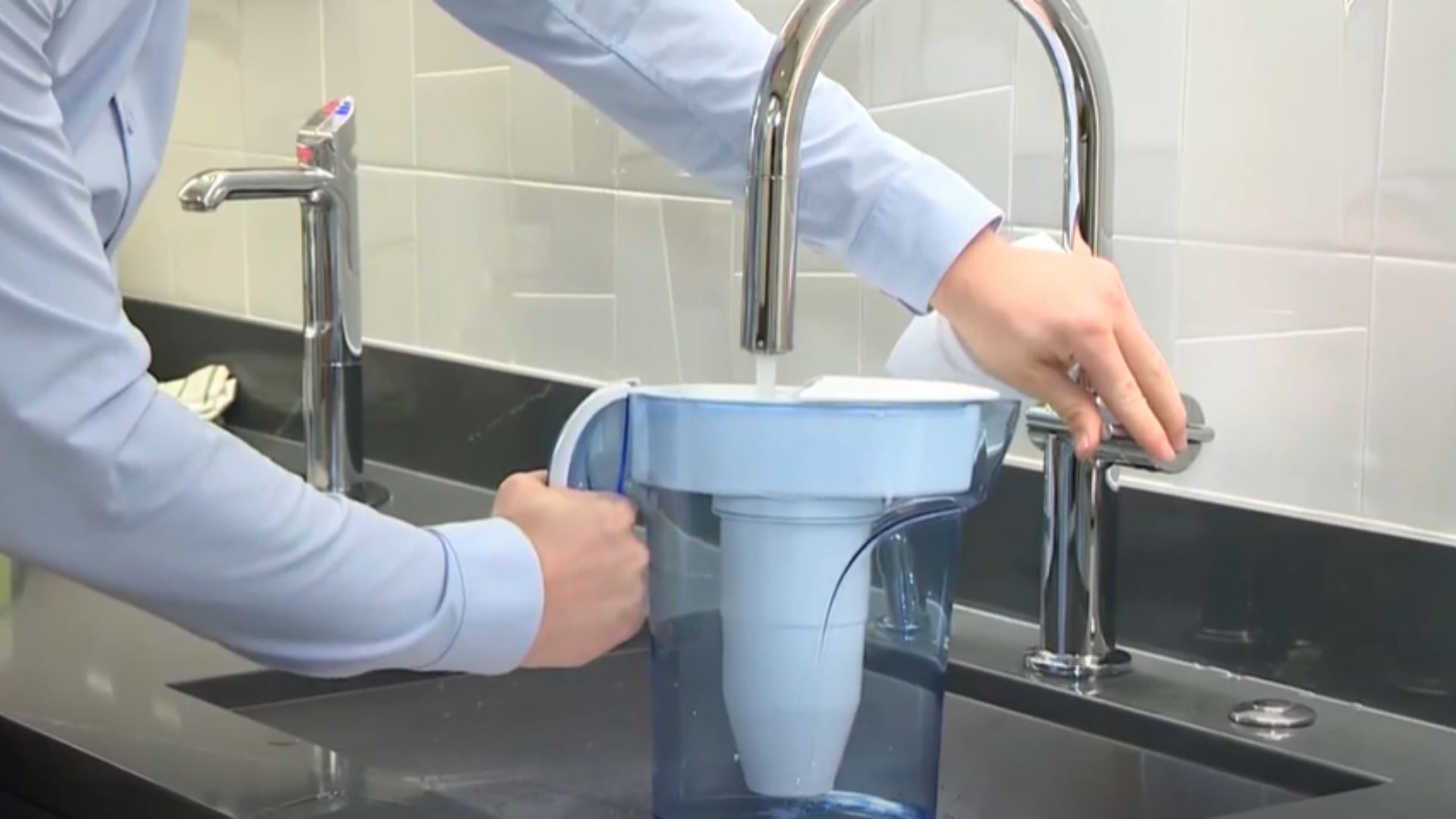
"Forever chemicals" called PFAS have been detected in some popular seltzer brands, raising serious health concerns about fertility issues, thyroid problems, cancer, and liver damage. These perfluoroalkyl substances don't break down in the environment or human body, bioaccumulating over time with repeated exposure.
 What water filter is best for removing PFAS? by CBS Philadelphia
PFAS Contamination (Cont.)
Testing in 2021 showed varying PFAS levels across brands, with some exceeding safe thresholds while others remained below one ppt. The EPA only began requiring utility companies to filter PFAS in March 2024, but sparkling water brands still lack strict federal regulations.

Packaging Impact
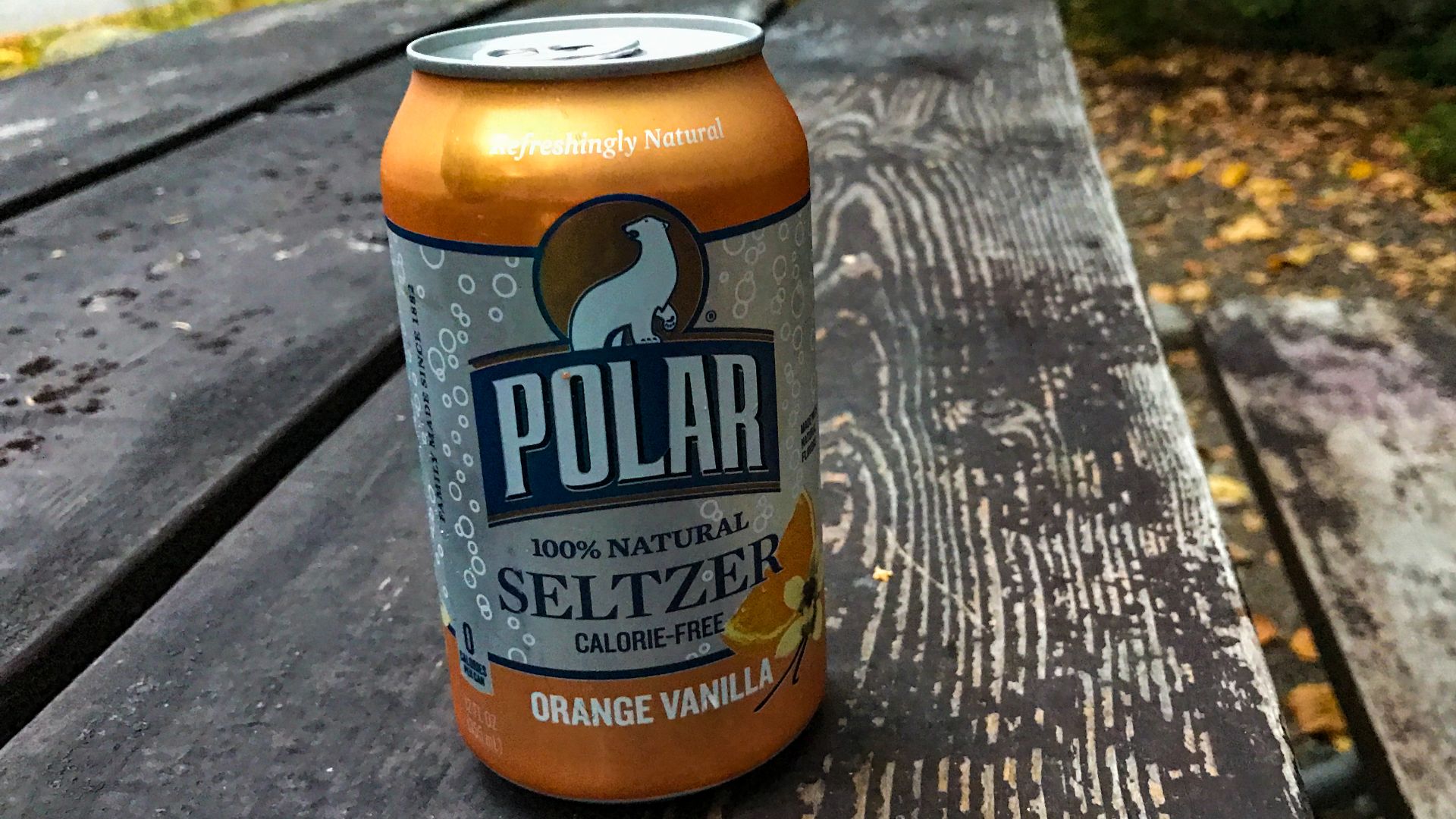
Aluminum cans dominate seltzer packaging. It is infinitely recyclable, with about 75% of all aluminum ever produced still in use today, making it the most sustainable single-use container option. Recycling aluminum saves 95% of energy compared to producing new cans from raw bauxite ore.
 Tony Webster, Wikimedia Commons
Home Carbonators
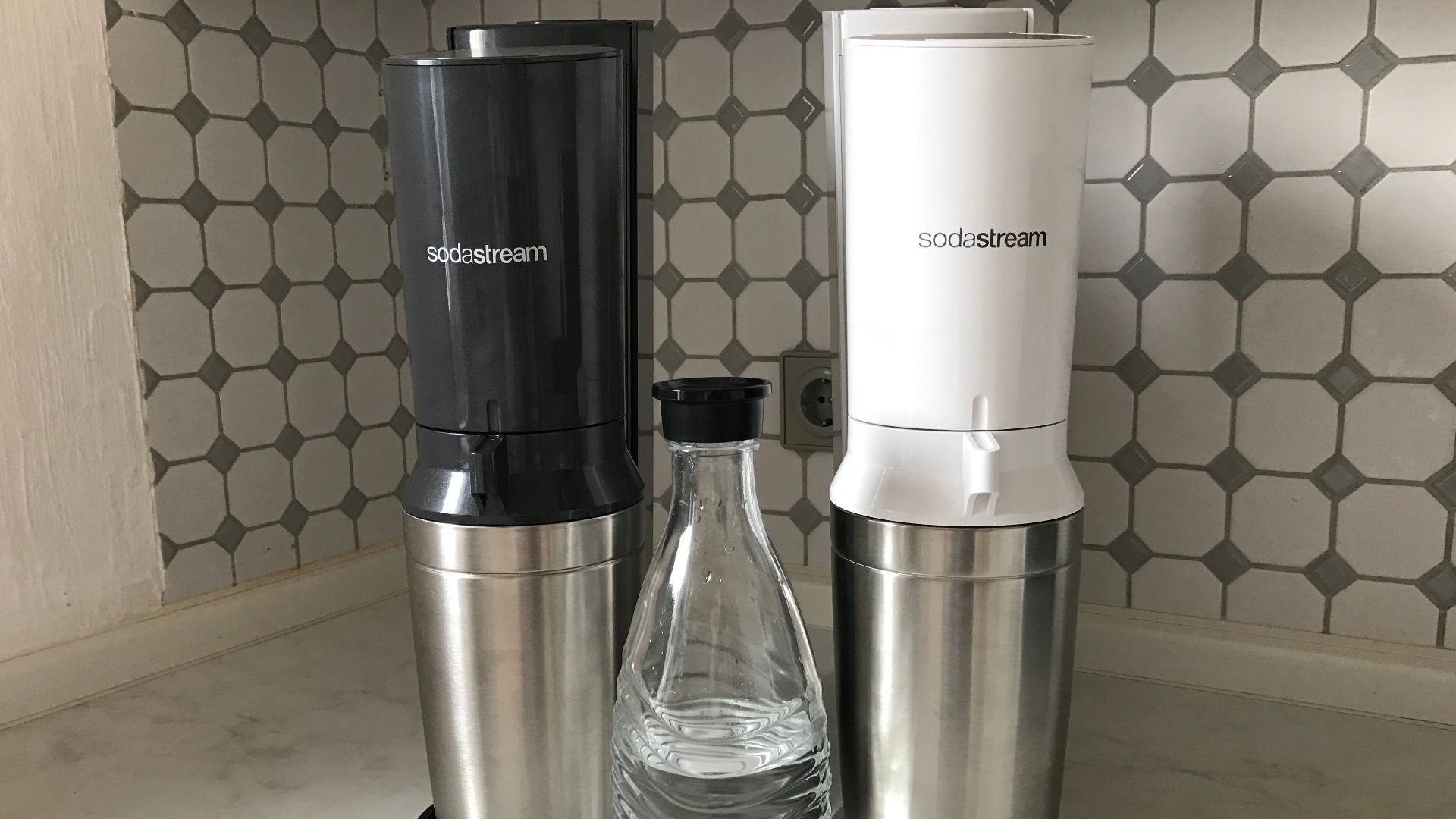
SodaStream and similar home carbonation machines reduce single-use plastic bottle waste while providing an unlimited supply of fresh, sparkling water from tap water. These devices use replaceable CO2 cartridges that carbonate hundreds of liters before needing exchange. These weigh far less than equivalent bottled water during transportation.
 Wassersprudler.de, Wikimedia Commons