The Concrete That Wouldn’t Quit
Roman concrete keeps surprising everyone who studies it. Buildings poured under emperors still hold their shape while younger structures collapse. Something inside that ancient mix behaves in a way modern materials don’t, and solving that puzzle became a scientific obsession.

Roman History And Construction Boom
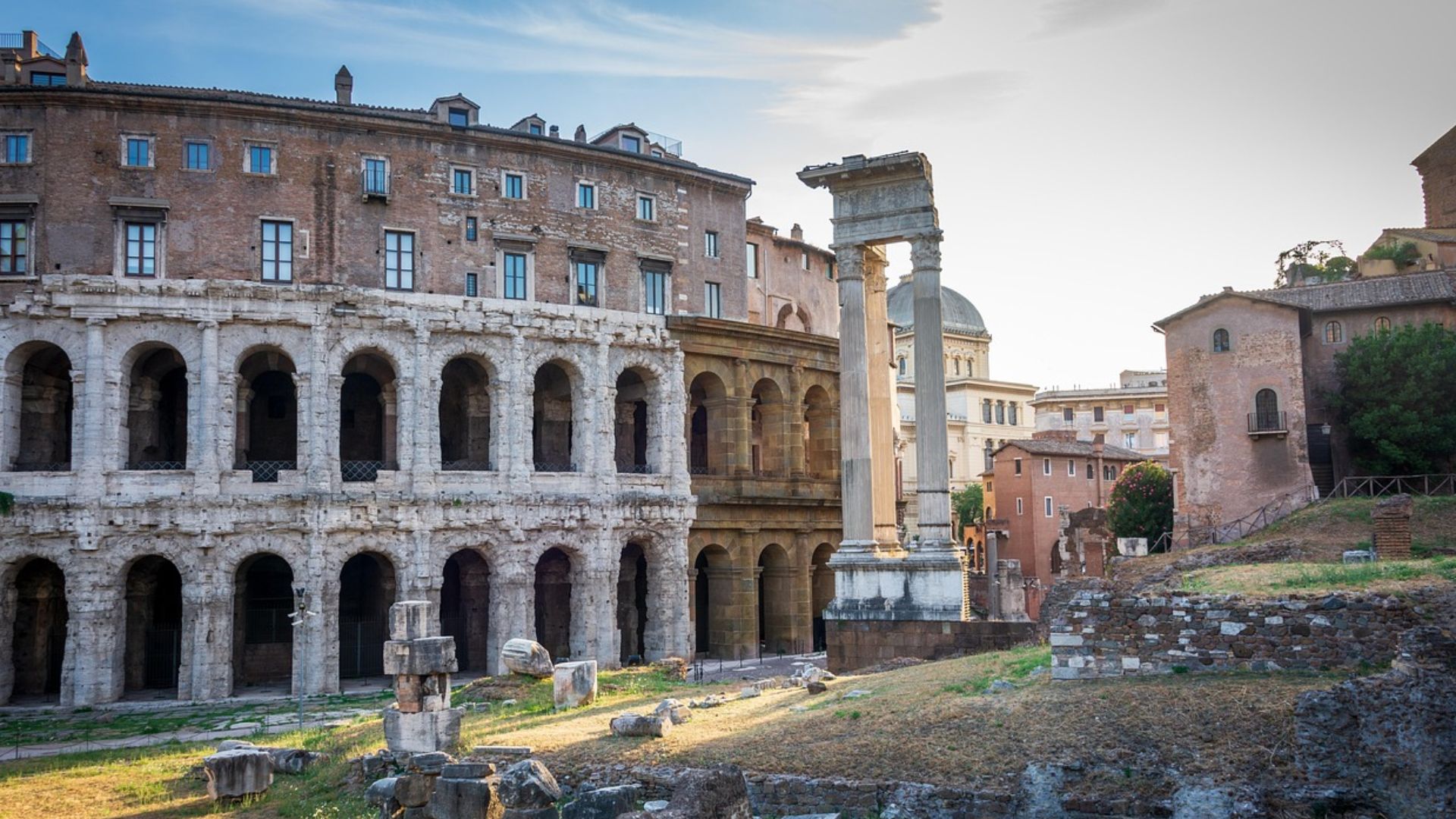
When Rome expanded across continents, everything needed to be built at once. Roads, markets, bathhouses, you name it. Builders raced to keep cities functioning, and concrete became their quiet advantage. It handled unpredictable climates and allowed architects to push ideas far bigger than carved stone ever allowed.
 Marek Ślusarczyk (Tupungato) Photo gallery, Wikimedia Commons
What Concrete Is And Why It Matters
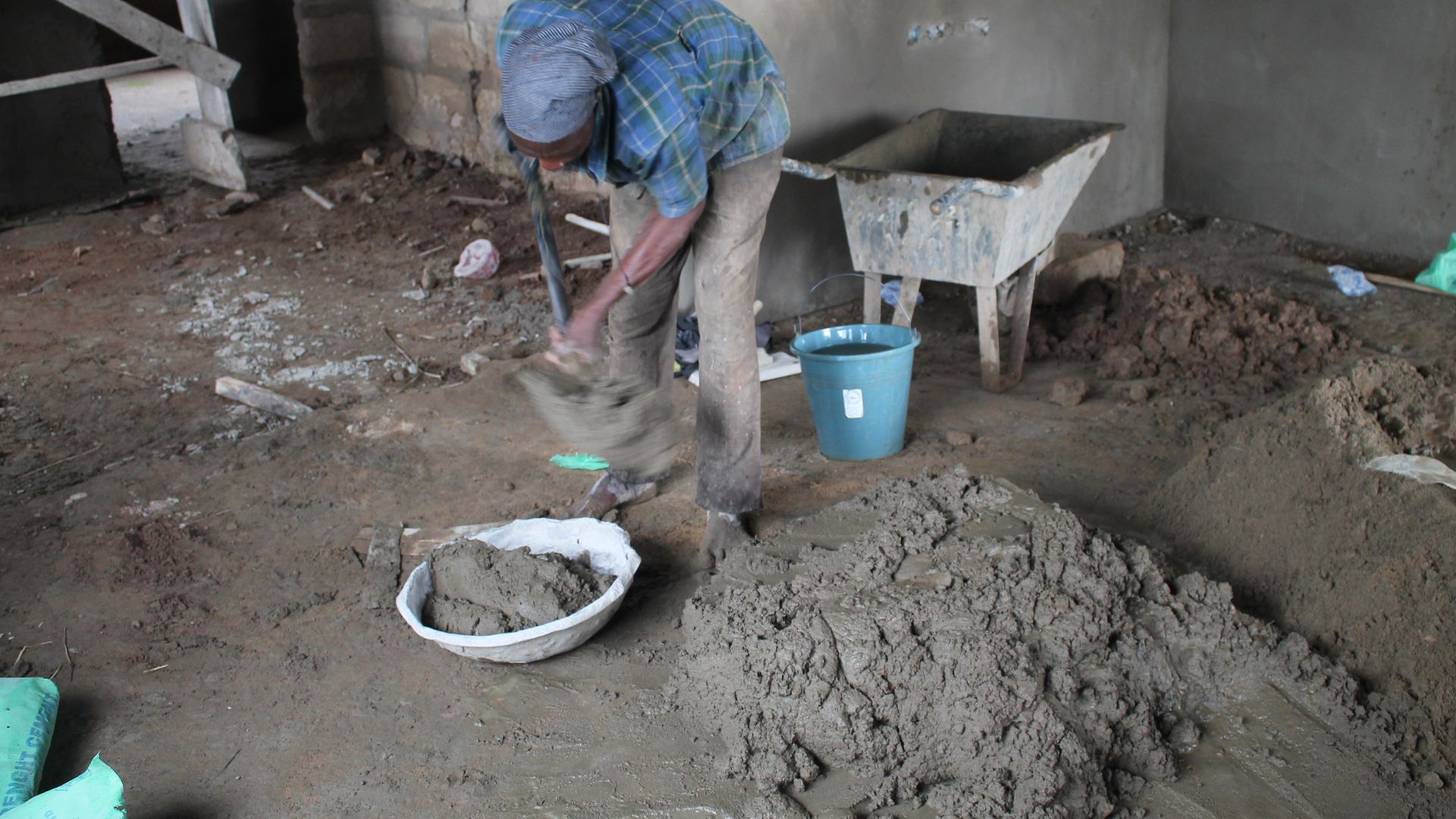
Concrete begins as a wet mix that slowly becomes strong enough to hold cities together. Romans loved that they could pour it into frames and watch walls rise without carving stone. It saved time and opened the door to shapes no earlier method could easily create.
The Origins Of Roman Concrete
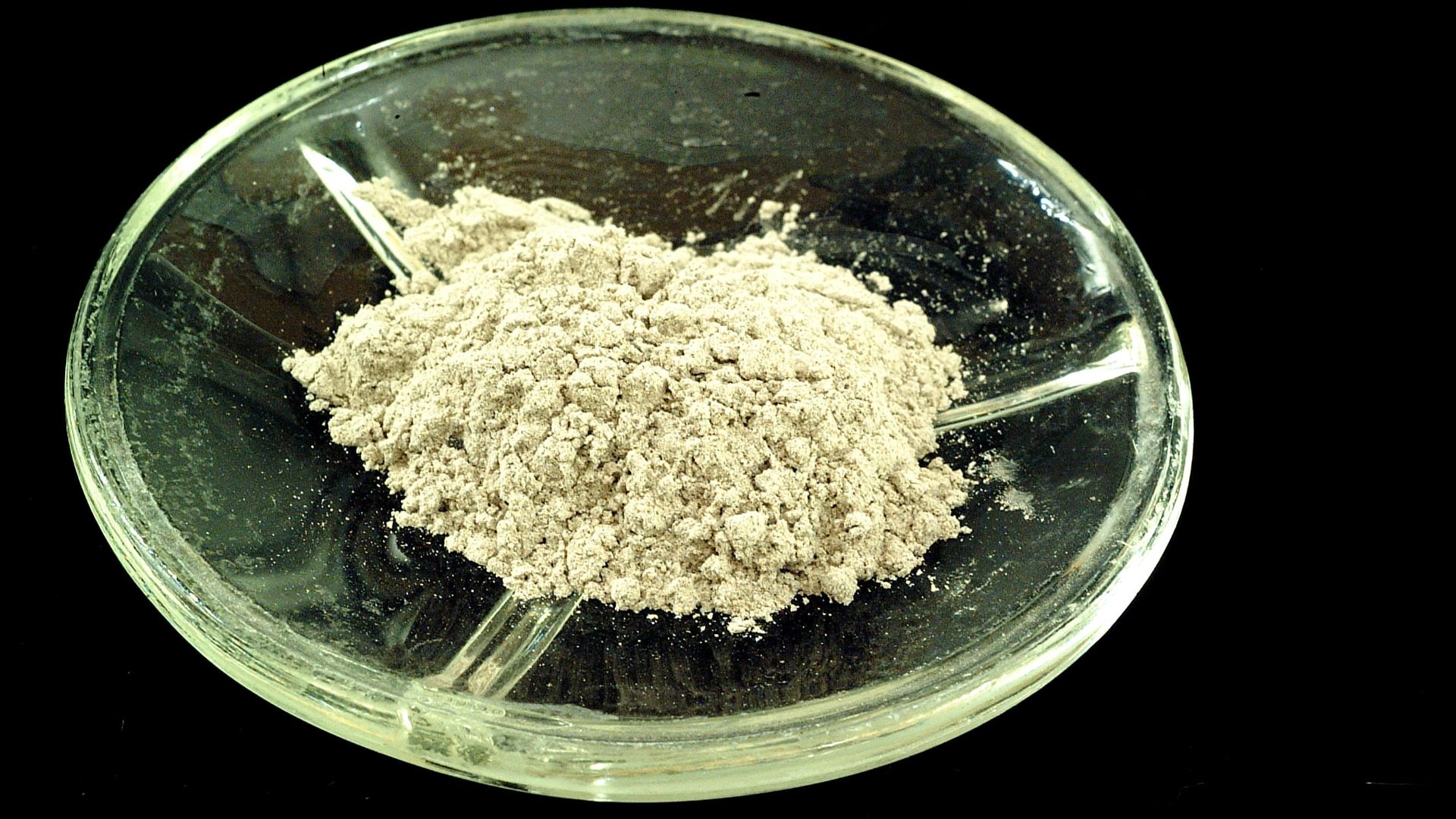
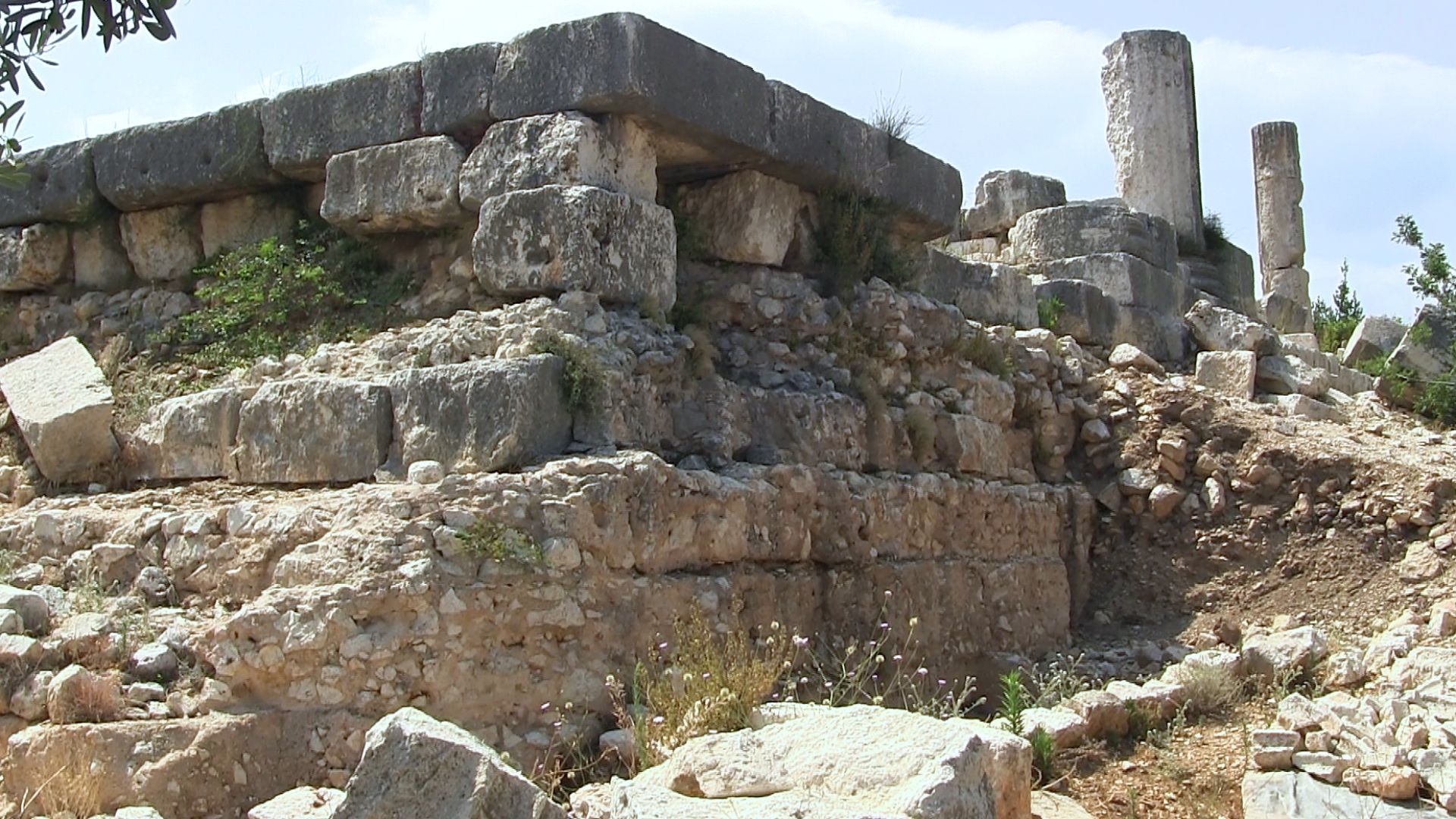
Roman builders learned that mixing lime with volcanic ash produced a blend that hardened beautifully on land and underwater. That single discovery changed everything. Harbors stretched larger, domes grew wider, and projects once dismissed as impossible suddenly felt realistic for an empire hungry for expansion.
Key Roman Structures That Survive Today
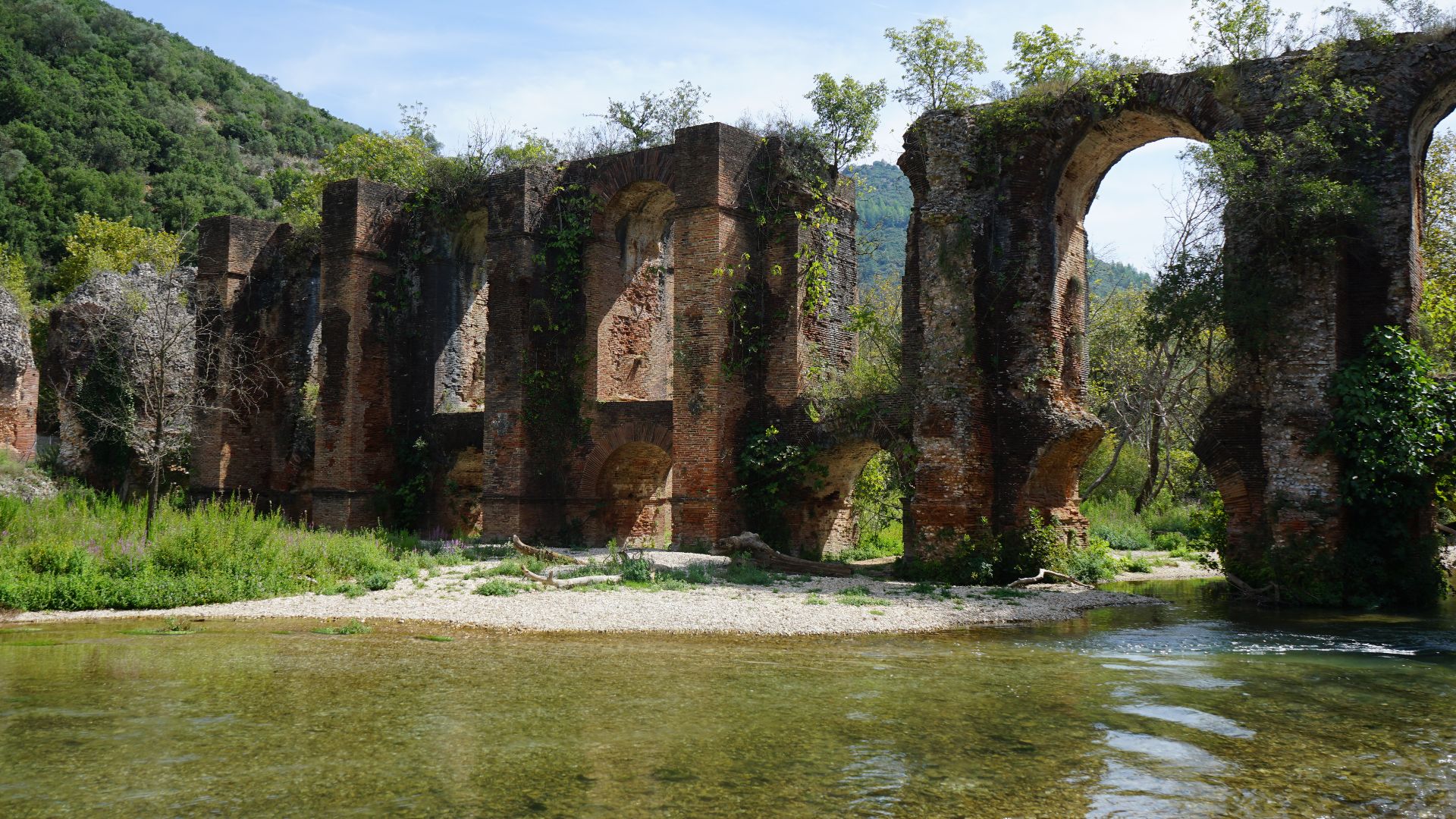
Step inside the Pantheon and you stand under a dome poured nearly two thousand years ago. Aqueducts still cross valleys with effortless confidence, while ancient seawalls still absorb wave after wave. These survivors whisper a simple truth. Roman concrete didn’t fade with age. It grew stronger.
Roman Concrete Versus Modern Concrete
Modern concrete depends on steel inside it, which can rust and weaken the whole structure. Roman concrete used no metal at all, yet it stayed solid for centuries. That difference puzzled researchers because it suggested the ancient mix behaved in ways our modern recipes simply do not.
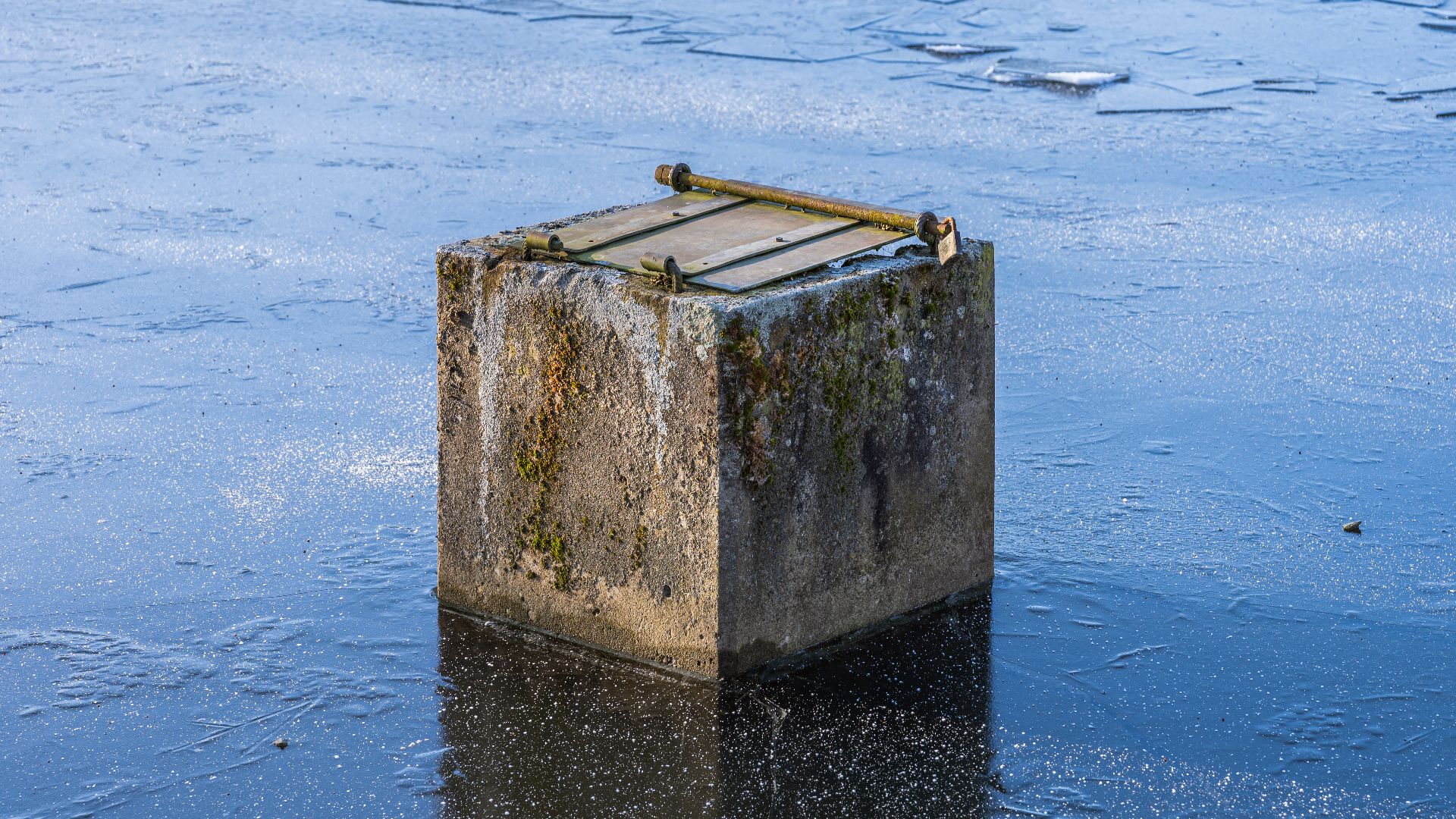 PantheraLeo1359531, Wikimedia Commons
Traditional Understanding Of Roman Ingredients
For years, experts believed the secret came from volcanic ash mixed with lime. Writers from the ancient world mentioned it, so the idea stuck. The belief made sense for a while, but it never fully matched what scientists saw inside surviving Roman walls.
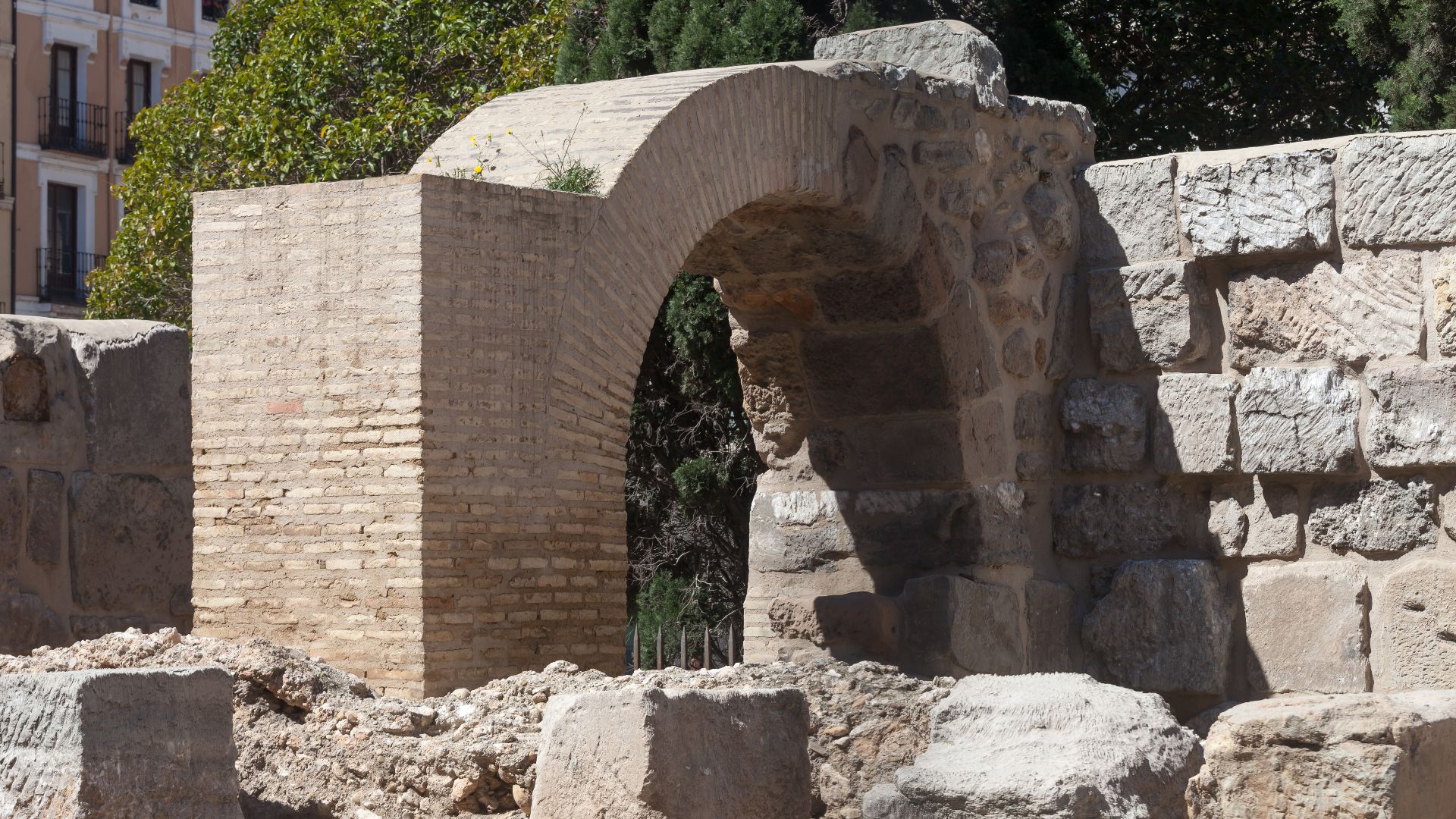 Luis Miguel Bugallo Sánchez (Lmbuga), Wikimedia Commons
Pozzolana And Its Ancient Importance
Pozzolana is volcanic ash found in regions near Naples. Romans prized it because it reacted well with lime and created a strong bond. Ships carried it across the empire since builders wanted its unusual strength anywhere major projects needed dependable, long-lasting foundations.
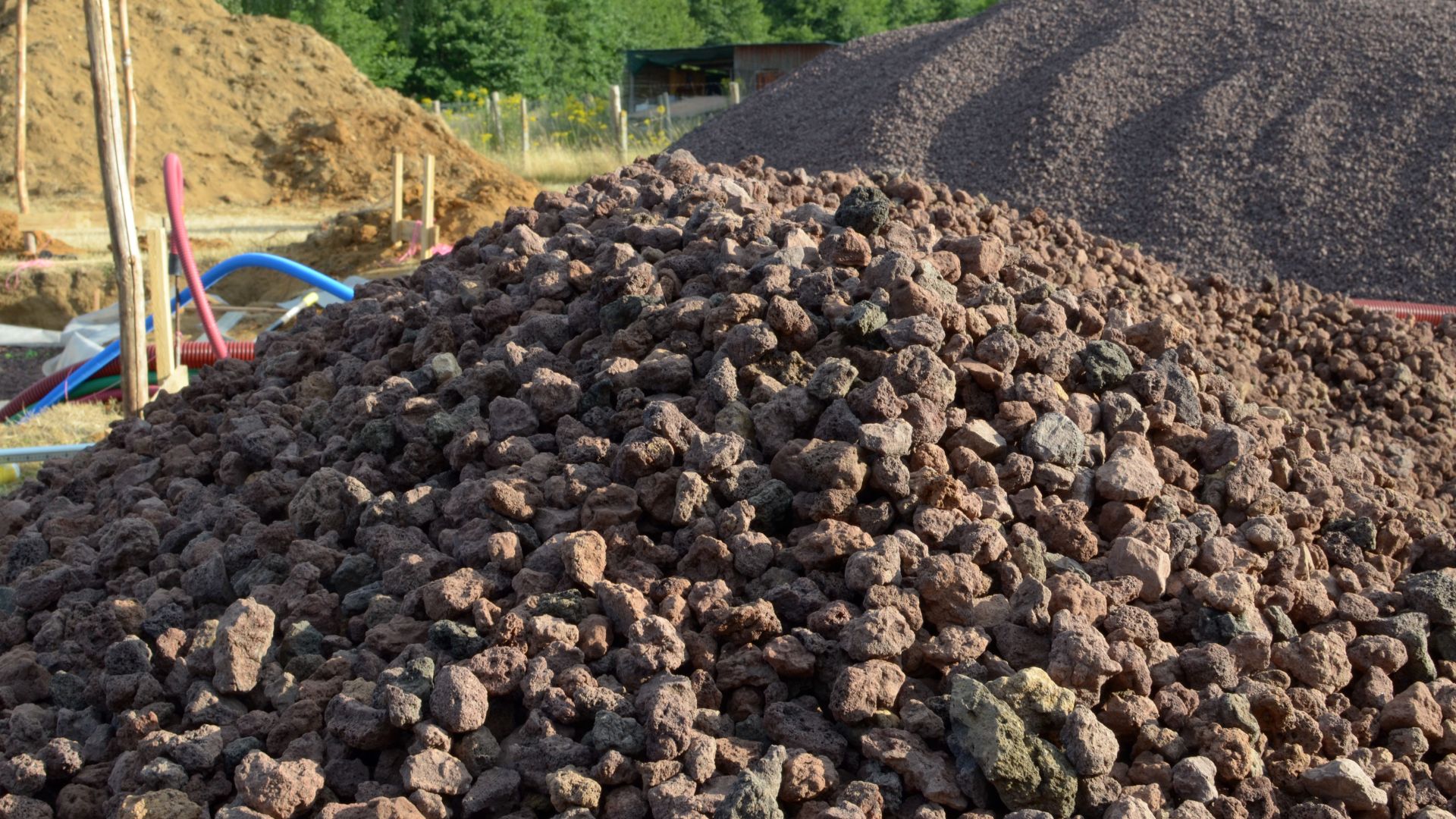 Luk~commonswiki, Wikimedia Commons
Roman Building Techniques Before Concrete Mastery
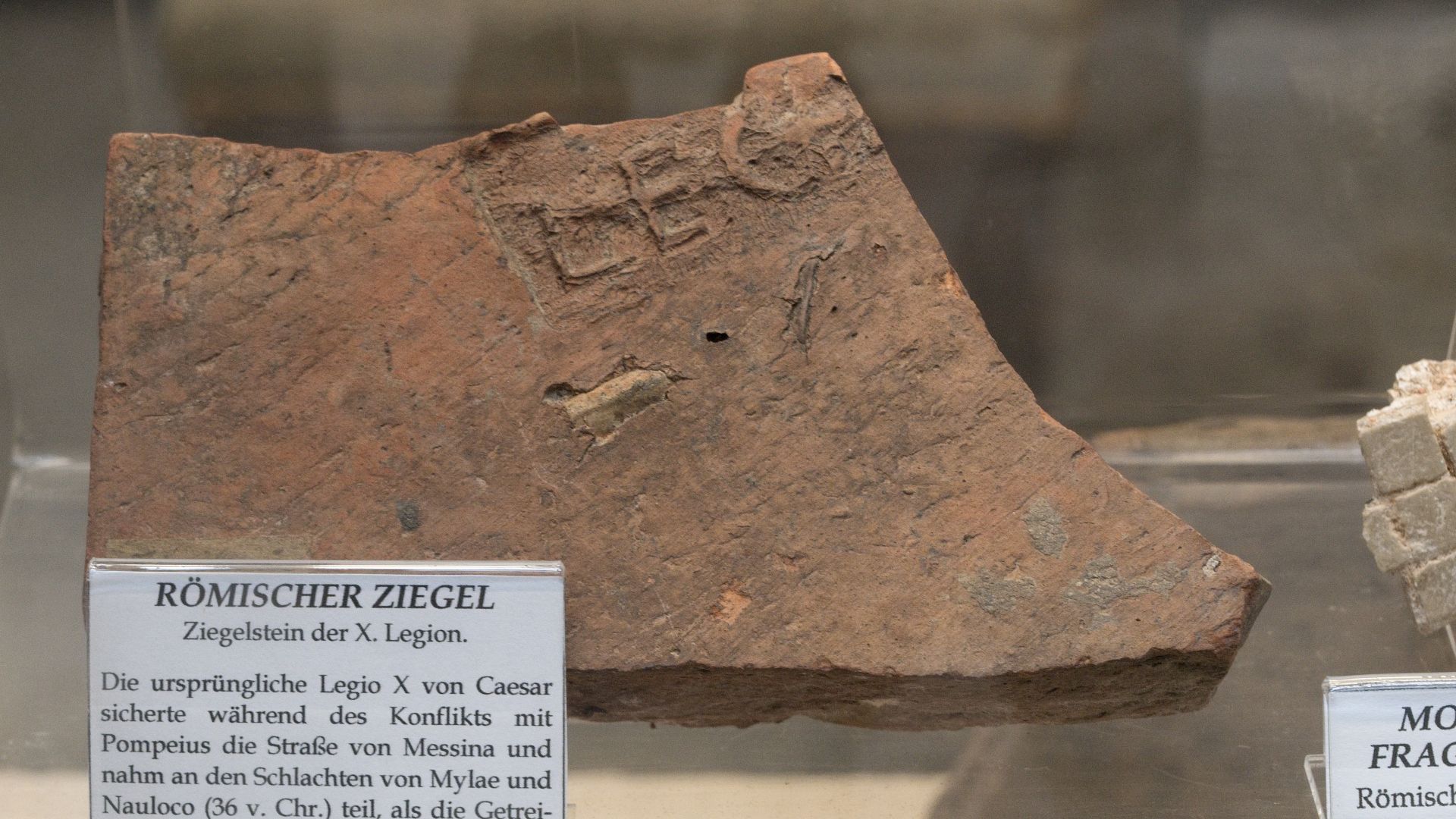
Before concrete shaped their world, the Romans relied on carved stone and brick. Those materials worked, but they slowed construction and limited design. Once builders realized concrete could support heavier loads with far less effort, the shift toward new forms began, and older methods gradually faded.

History's most fascinating stories and darkest secrets, delivered to your inbox daily.
Vitruvius And Roman Building Knowledge
Vitruvius, a Roman engineer, wrote detailed books on architecture that revealed how builders thought about materials. His descriptions guided later historians, yet his notes never captured the full story behind the concrete’s strength. That gap encouraged modern teams to search for clues inside the material itself.
 Dimitris Kamaras from Athens, Greece, Wikimedia Commons
The Pompeii Excavation Breakthrough
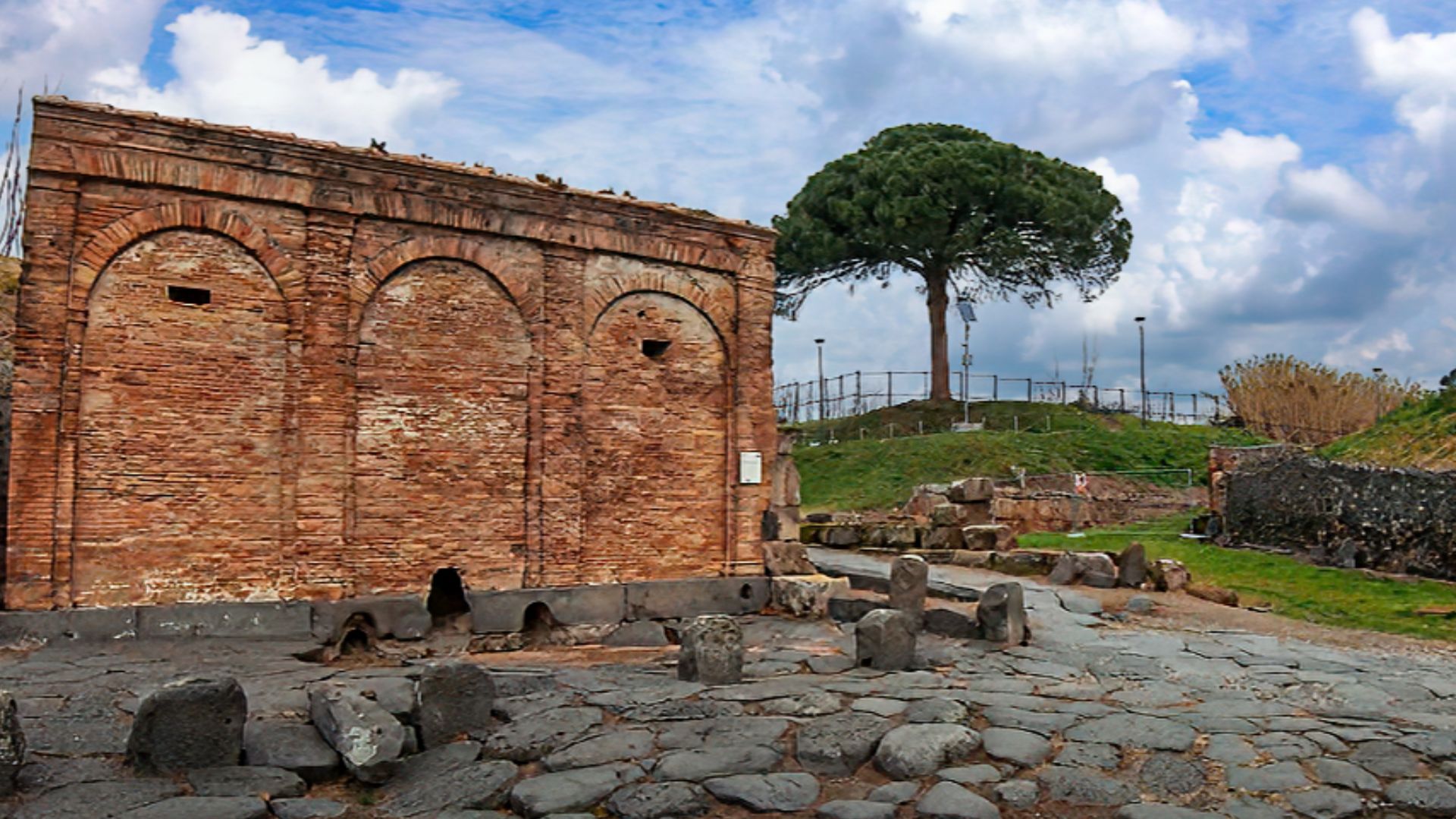
Archaeologists studying a construction site buried by Vesuvius found something rare. Tools and half-finished walls were still in place, almost like the workers had stepped away moments earlier. This untouched scene gave researchers a chance to see exactly how Roman concrete was prepared.
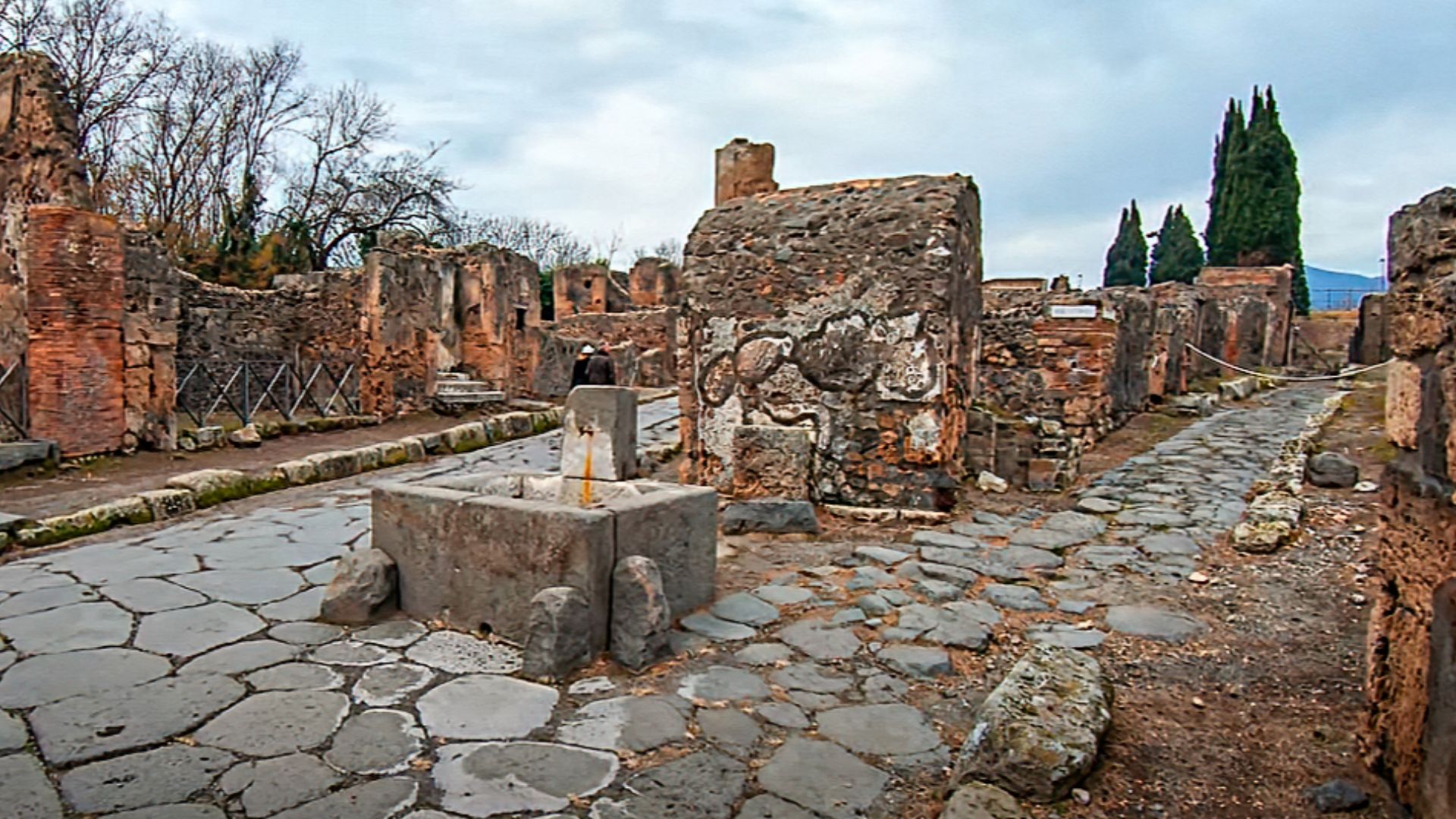 Isaac Harjo of Prowalk Tours, Wikimedia Commons
What The Pompeii Site Revealed About Mixing
Inside that frozen workspace, researchers noticed piles of lime, volcanic ash, and stones arranged in ways that didn’t match earlier theories. The layout hinted at a more active mixing process than anyone expected, which suggested Roman builders used techniques far more deliberate than once assumed.
 Mary Harrsch, Wikimedia Commons
The Hot Mixing Technique
Evidence showed builders added quicklime directly into the mixture, which created intense heat as it reacted. This wasn’t accidental. The heat changed how the materials bonded, leaving a matrix far tougher than cooler blends. The discovery marked a major shift in understanding Roman workmanship.
What Quicklime Is And How It Reacts
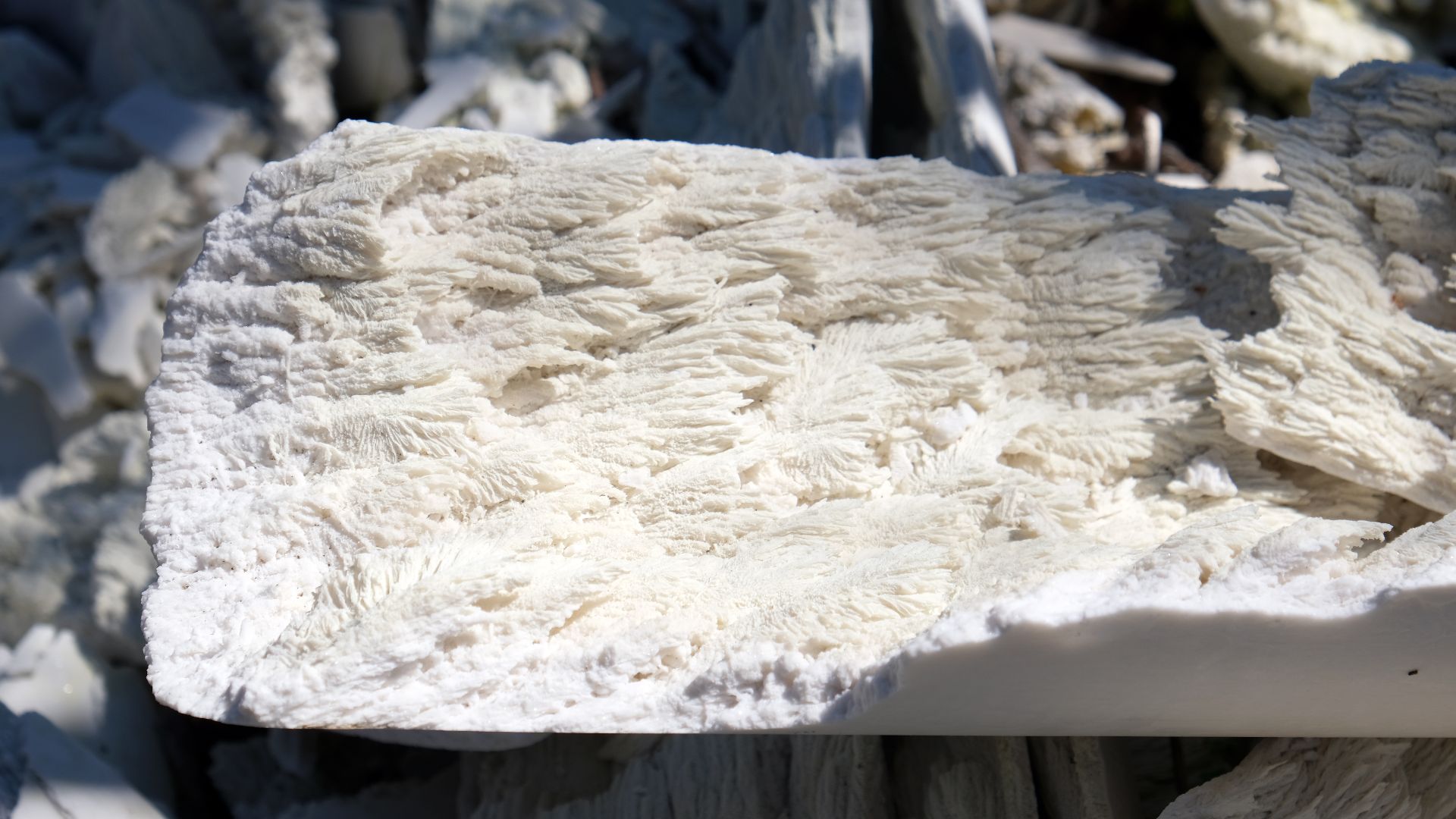
Quicklime forms when limestone is heated. When it touches water, it releases heat and expands to create a lively chemical reaction. Romans used this behavior to their advantage. The expanding material filled tiny gaps inside the mix to strengthen the concrete from within as it settled.
How Lime Clasts Supported Hidden Repairs
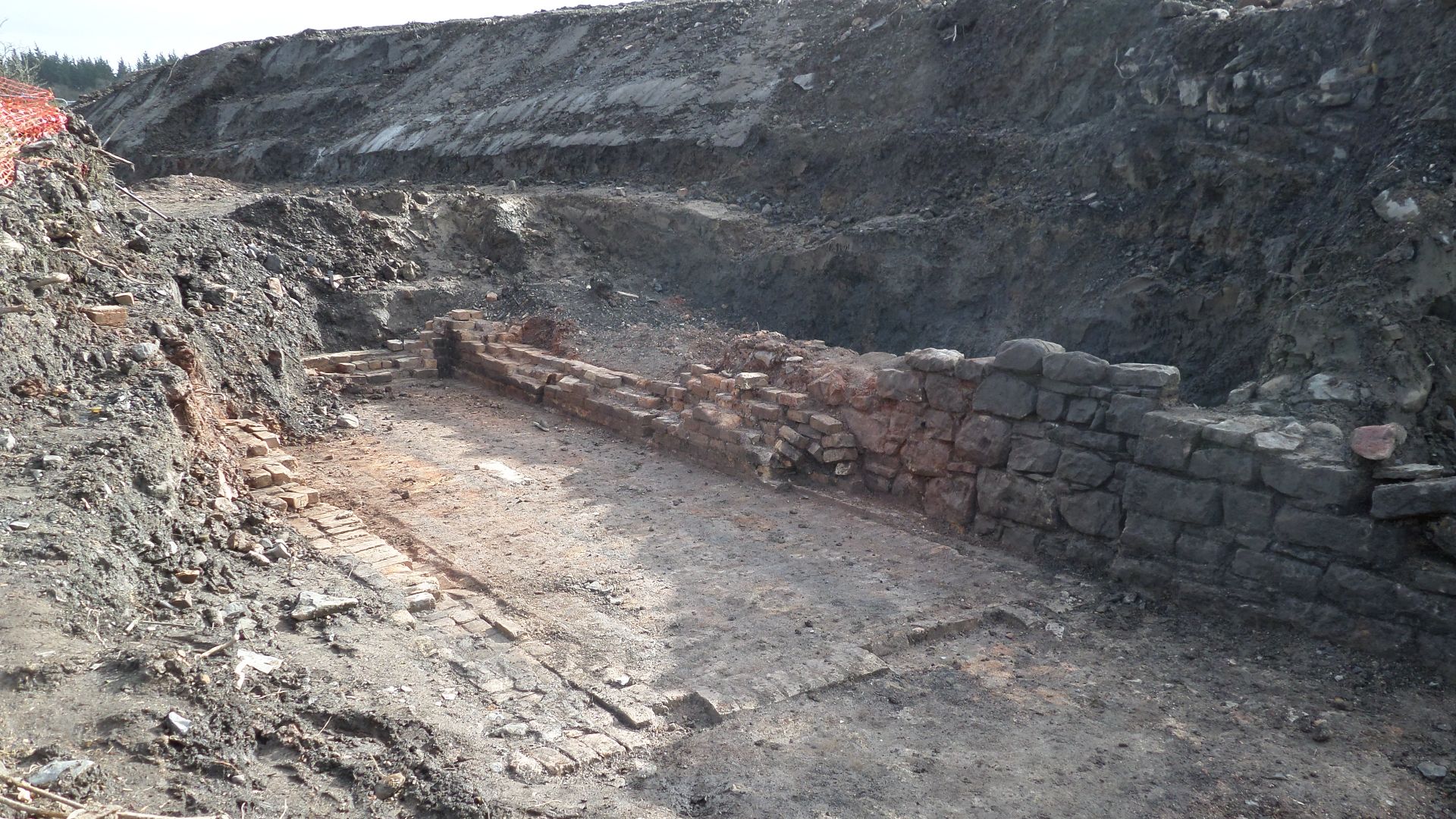
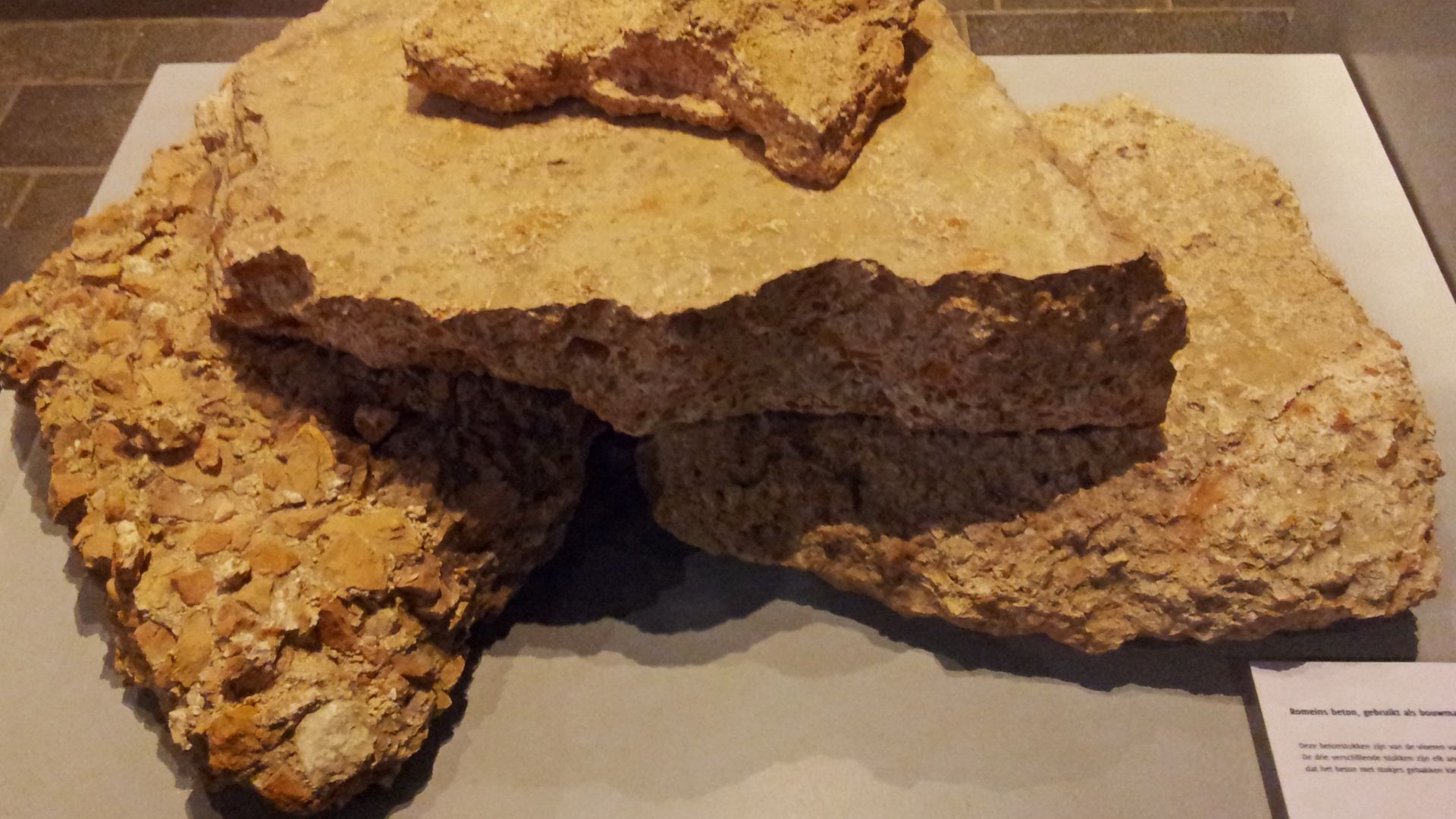
Tiny white pieces found inside Roman concrete turned out to be important. These fragments held unfinished material that stayed reactive. When a crack opened, water reached those pockets and set off a fresh mineral buildup that tightened the damaged spot without any help from builders.
How Long-Term Chemistry Strengthened The Mix
Roman concrete kept changing long after construction ended. Minerals inside the blend reacted with seawater and volcanic ash, slowly forming new crystals that locked the structure together. The material gained strength over time, which reversed what researchers expected from a substance exposed to centuries of stress.
 Klaus-Peter Simon, Wikimedia Commons
Why Modern Concrete Fails Sooner
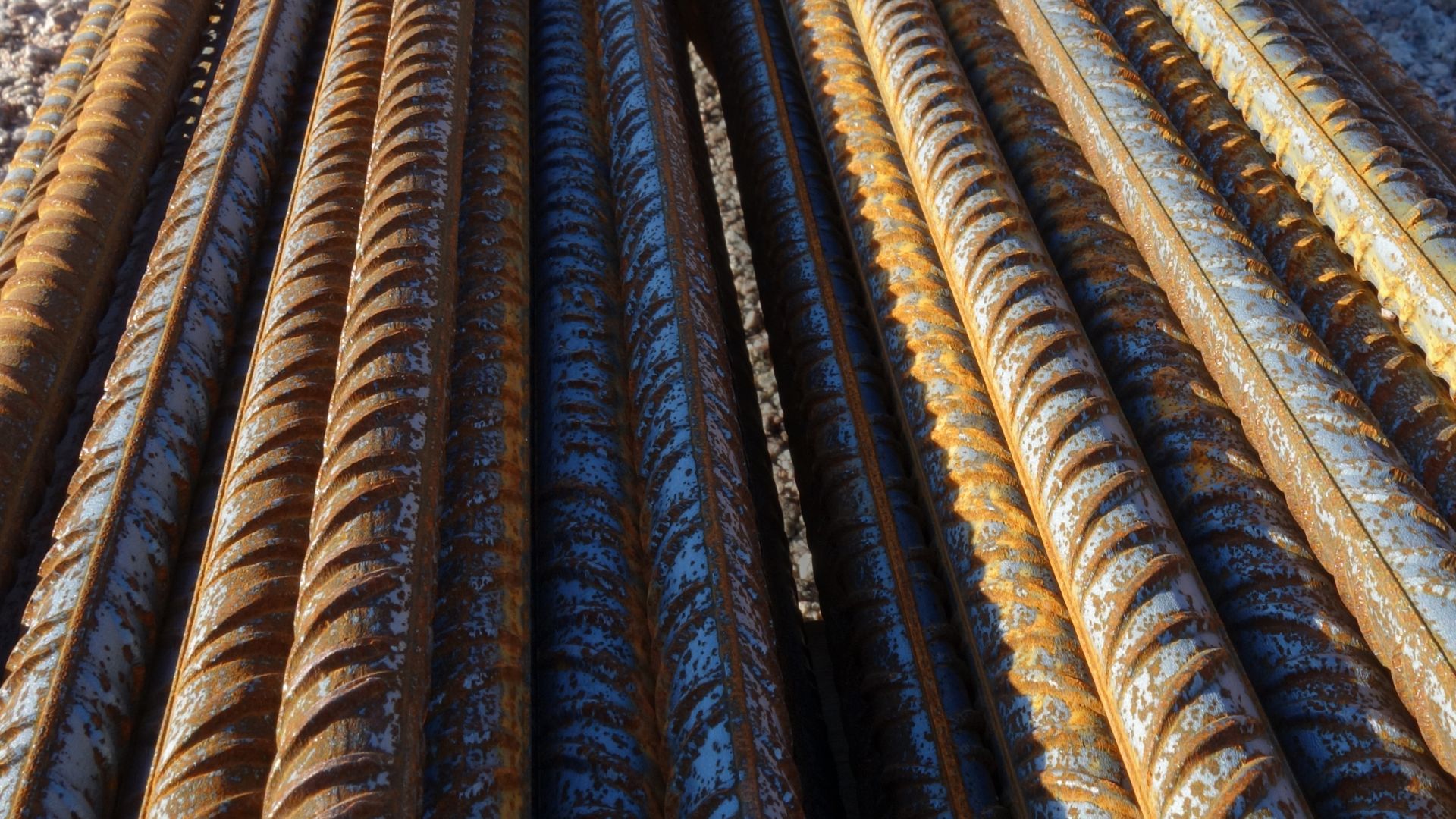
Modern concrete relies on steel inside it for strength. Moisture eventually reaches the metal, causing rust that expands and cracks the surrounding material. Once that cycle begins, damage spreads quickly. Roman concrete avoided this problem entirely because its strength came from chemistry rather than metal supports.
Variations In Roman Concrete Formulas
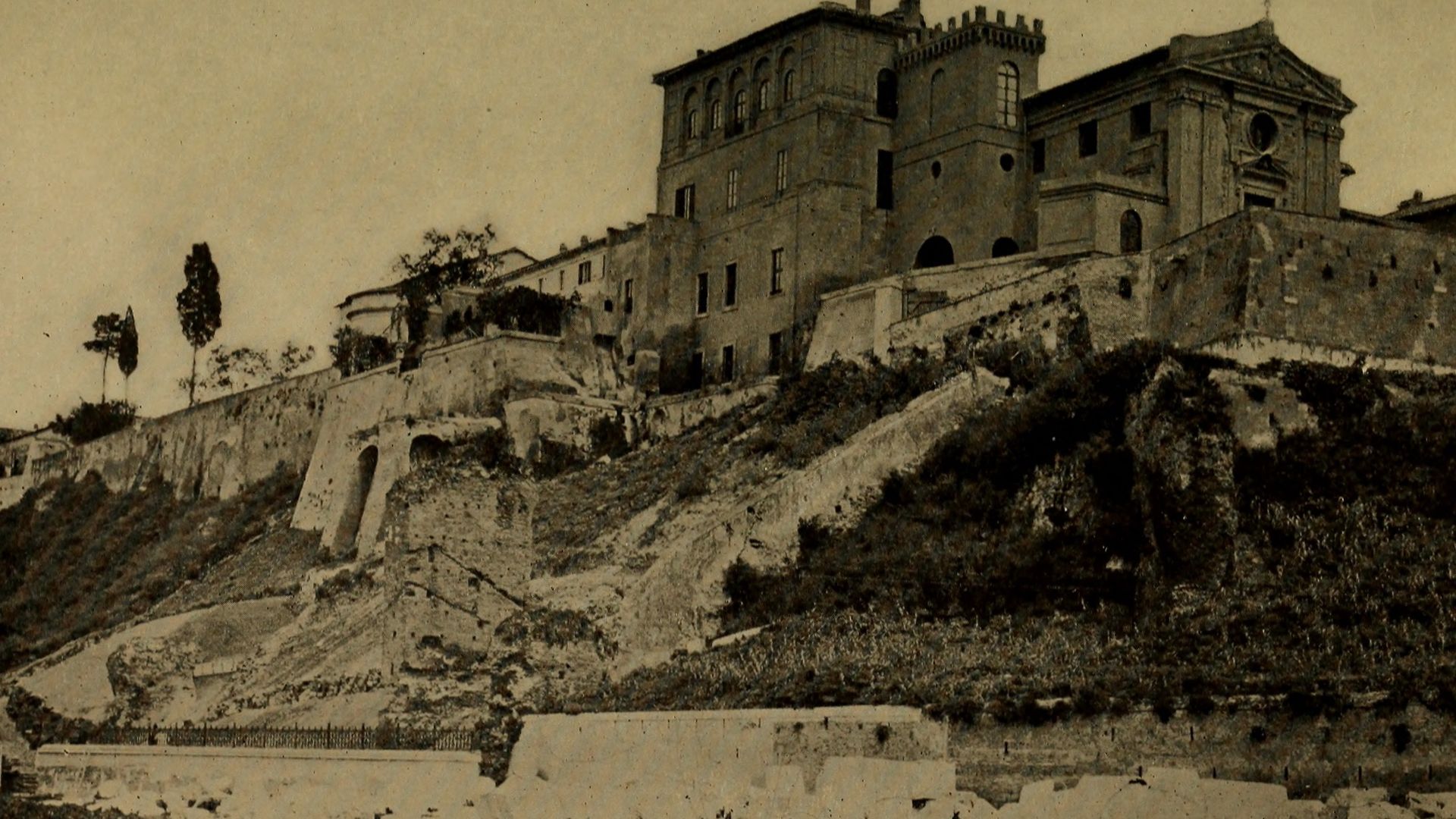
Romans didn’t follow one recipe. Builders adjusted the mix depending on where the structure stood. Coastal projects used formulas that resisted seawater. Inland projects needed blends suited for heavy roofs or tall walls. This flexibility let engineers match each mix to the demands of its environment.
 Internet Archive Book Images, Wikimedia Commons
Examples Of Surviving Roman Infrastructure
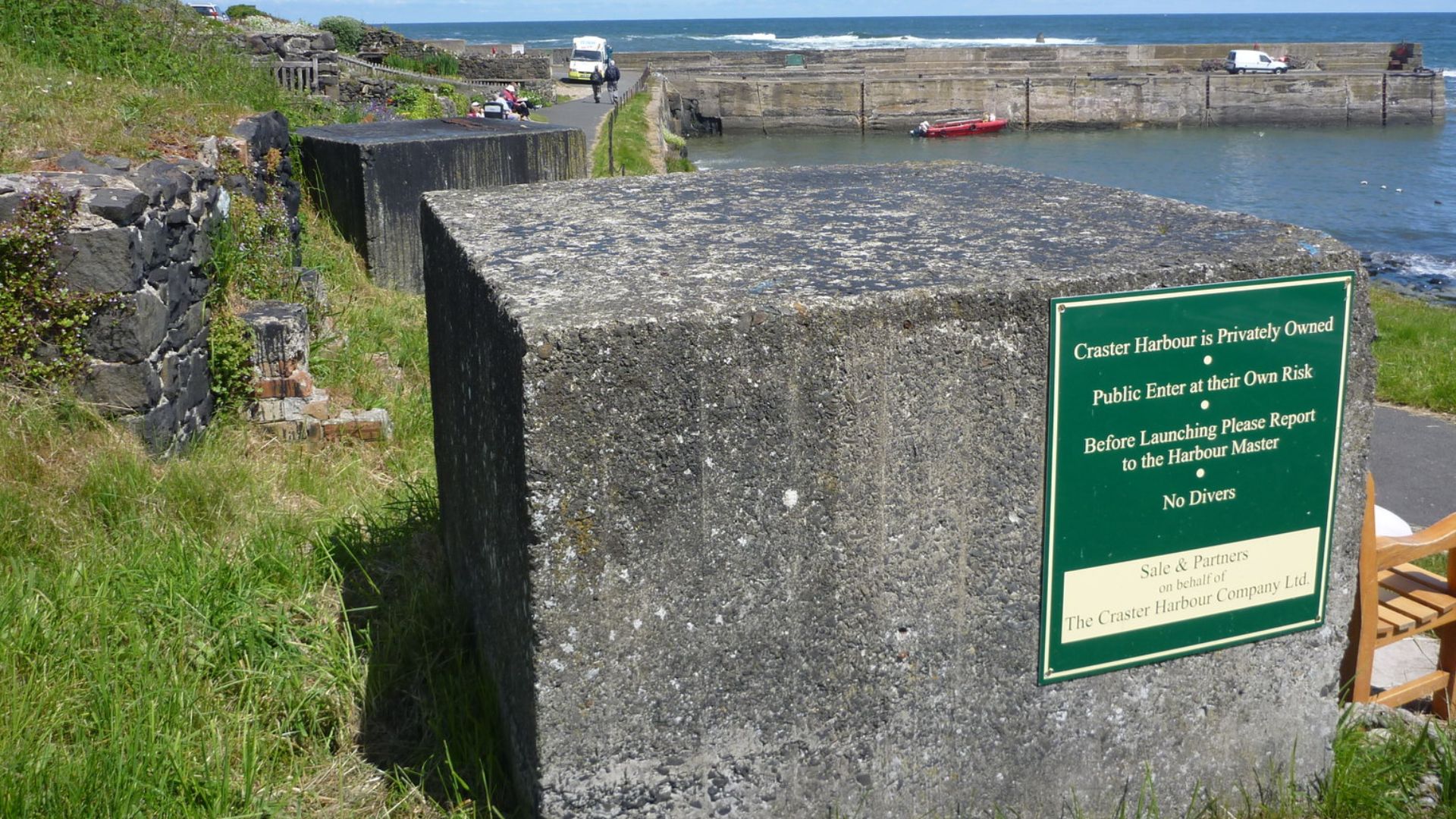
Some structures still working today include long aqueducts that once carried water to crowded cities and harbor blocks that continue holding back waves. Their steady condition shows how well the material adapted to different tasks. Each surviving piece offers a new clue about the concrete’s unusual stability.
 Richard West , Wikimedia Commons
Scientific Methods Used To Study The Concrete
Researchers used microscopes, chemical scans, and tiny core samples to study the ancient mix. These tools revealed patterns invisible to the eye. Each test uncovered clues about temperature and long-term reactions, helping scientists rebuild the story of how the concrete gained its strength.

Modern Research Inspired By Roman Concrete
Scientists today study the ancient mix to design new materials with longer lifespans. Some labs test blends that mimic lime clasts. Others explore volcanic ash as a low-carbon alternative. Each experiment aims to capture the durability that allowed Roman structures to survive for centuries.

Potential Benefits For Future Construction
Buildings that last longer need fewer repairs, which reduces costs and environmental impact. Roads or seawalls made with improved mixes could resist cracking for far longer. Roman-style chemistry might help cities handle extreme weather and heavy use without constant rebuilding.

Challenges To Replicating Roman Methods Today
Recreating Roman concrete isn’t simple. Some of the volcanic materials they used come from specific regions that no longer supply large quantities. Modern building codes also expect different performance standards. Researchers must balance ancient chemistry with today’s needs, which makes direct replication more complex than it first appears.

What This Reveals About Roman Engineering Culture
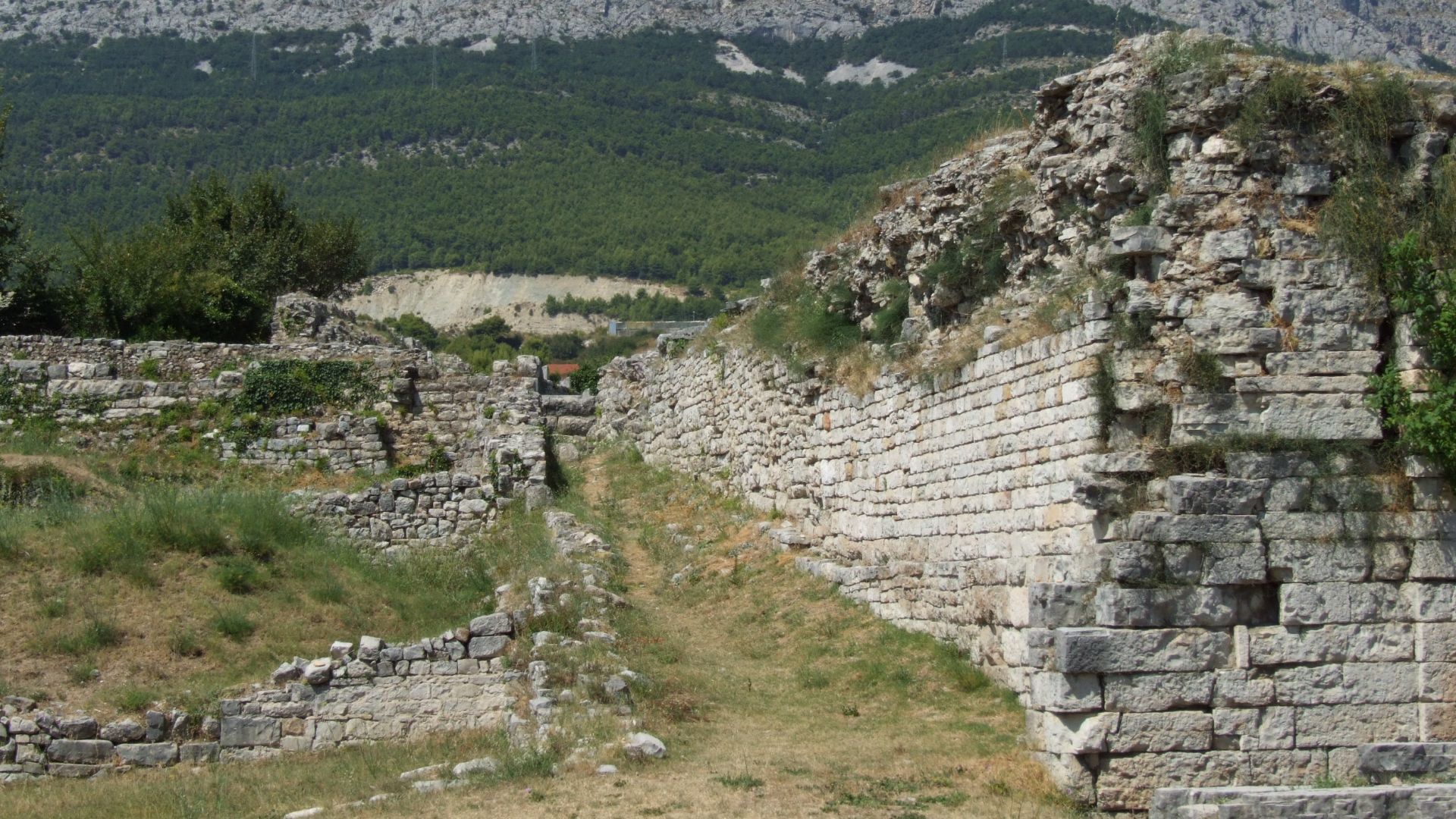
Roman builders valued practical results. They watched how materials behaved and adjusted their approach on the spot. That mindset created innovations that lasted far beyond their era. The concrete’s strength reflects a culture that treated construction as both craft and science.
 Pudelek (Marcin Szala), Wikimedia Commons
What We Have Learned
After centuries of guesses, the secret behind Roman concrete finally feels clear. The mix healed itself, adapted to its environment, and kept growing stronger. Those discoveries show how much old knowledge still waits to be understood and how ideas from the past connect to surprising ancient achievements.