

For generations, people have passed around the comforting idea that lightning never strikes the same place twice. But nature doesn’t follow our sayings. In reality, lightning plays favorites, and those favorites are usually the tallest things around: skyscrapers, trees, mountain peaks, and even television towers.
Lightning is not random chaos. It’s the product of invisible physics happening miles above our heads. So let’s break down how lightning actually works, and why some places get hit more times than anyone can count.
How Lightning Forms
Lightning starts long before that bright flash we see. Inside a storm cloud, air currents toss tiny ice particles up and down, rubbing them together and building up an electric charge. Small ice crystals pick up a positive charge and drift upward, while heavier hailstones become negatively charged and sink toward the bottom. This process, called charge separation, is what makes lightning possible.
As the imbalance grows, the cloud’s negative charge looks for a way to connect with the positive charge on the ground. The Earth’s surface—especially tall things like buildings, trees, and mountains—responds by building up an opposite charge. When the difference gets too strong for the air to block, that’s when lightning strikes.
What we see as one flash is really several quick bursts of energy traveling the same path in milliseconds. The biggest burst, known as the return stroke, can heat the air to more than 50,000°F. That’s five times hotter than the surface of the Sun, as stated by the National Weather Service.
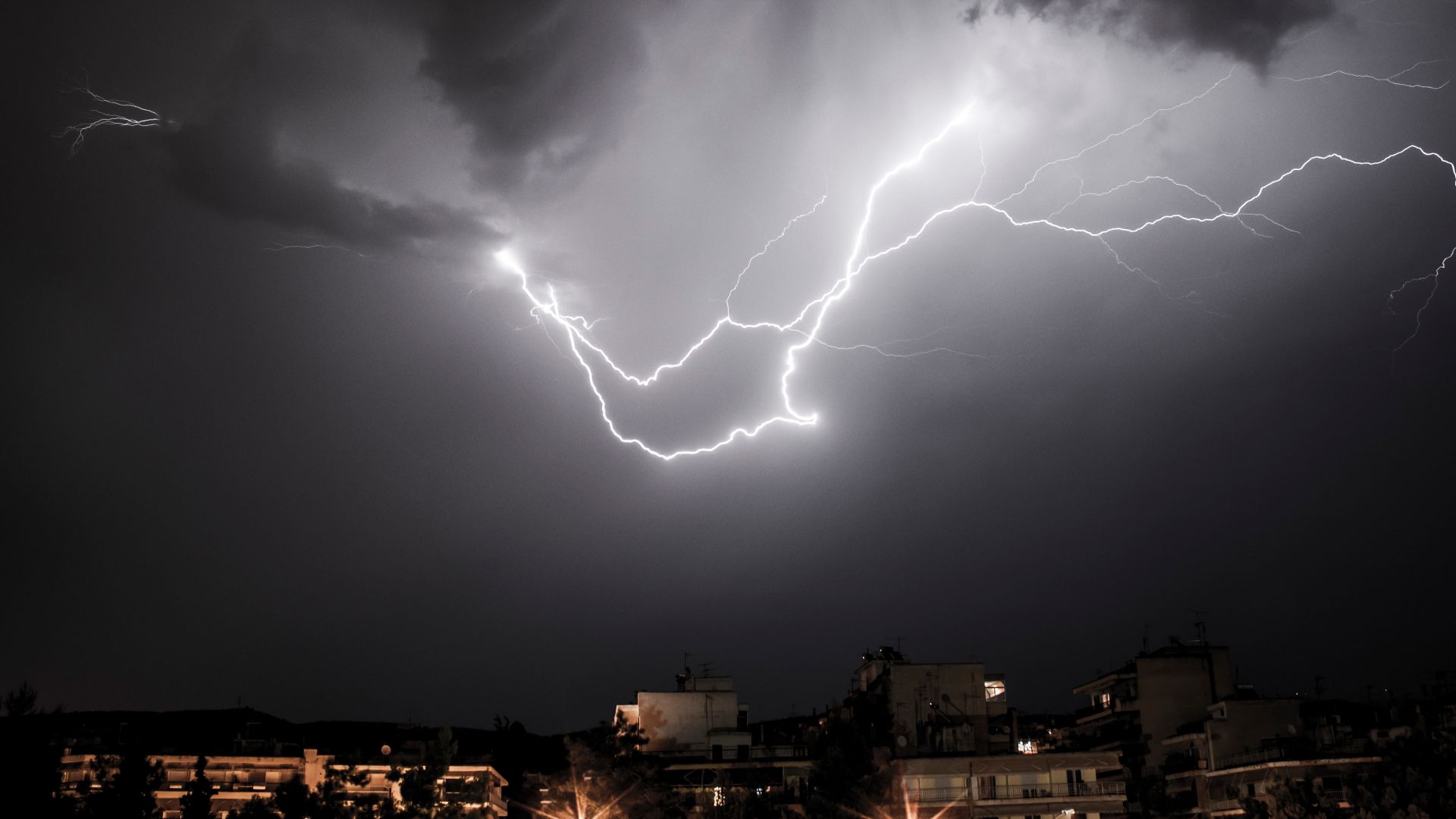 ThaliaTraianou, Wikimedia Commons
Why Some Places Get Hit Over And Over
This natural phenomenon might look random, yet it follows rules. It doesn’t “remember” where it’s been; it just keeps choosing the easiest path. Tall, open, or metal structures keep creating the same conditions that attract lightning again and again.
Take New York’s Empire State Building, for example. The National Weather Service says it gets struck about 20 to 25 times a year. That’s why it’s equipped with lightning rods that lead the energy safely into the ground. High peaks like Mount Everest or Mount Rainier in Washington also take frequent hits. Their altitude means thinner air, shorter distances to clouds, and stronger electrical buildup, which are all things lightning loves.
Even a lone tree in a wide-open field can become a perfect target. The simplest route between a storm cloud and the ground usually wins, no matter how many times it’s been hit before.
Myths, Safety, And Human Curiosity
The old saying about lightning never striking twice might stick around because it sounds comforting. It makes danger feel like it moves on. But nature doesn’t work that way. If the setup repeats, lightning will too.
To stay safe, it’s recommended to follow the 30-30 rule: if thunder follows a flash in less than 30 seconds, go inside, and wait at least 30 minutes after the last rumble before heading back out. Indoors is safer, but not foolproof. Therefore, you should also stay away from wires and anything plugged in. Lightning can travel through metal pipes and electrical systems as easily as through open air.
Lightning is one of nature’s most fascinating sights despite its risks. Each strike is a massive discharge of energy that helps balance the planet’s electrical field. It’s a reminder that our atmosphere is constantly moving and connecting—using the same forces that power the devices we depend on every day.

The Real Lesson Behind The Saying
So yes, lightning really does strike the same place twice. And it’ll do it a thousand times if the setup is right. The Empire State Building, the CN Tower, or even a single pine on a hill all prove it. Nature doesn’t care about sayings; it cares about physics.
Although understanding how lightning works doesn’t make storms less dramatic, it makes them easier to respect. Maybe that’s why people keep repeating the myth, as it keeps a bit of wonder alive in something science already explains. Meanwhile, the truth is just as striking: lightning isn’t picky. It’s the sky’s way of resetting the balance, one brilliant flash at a time.
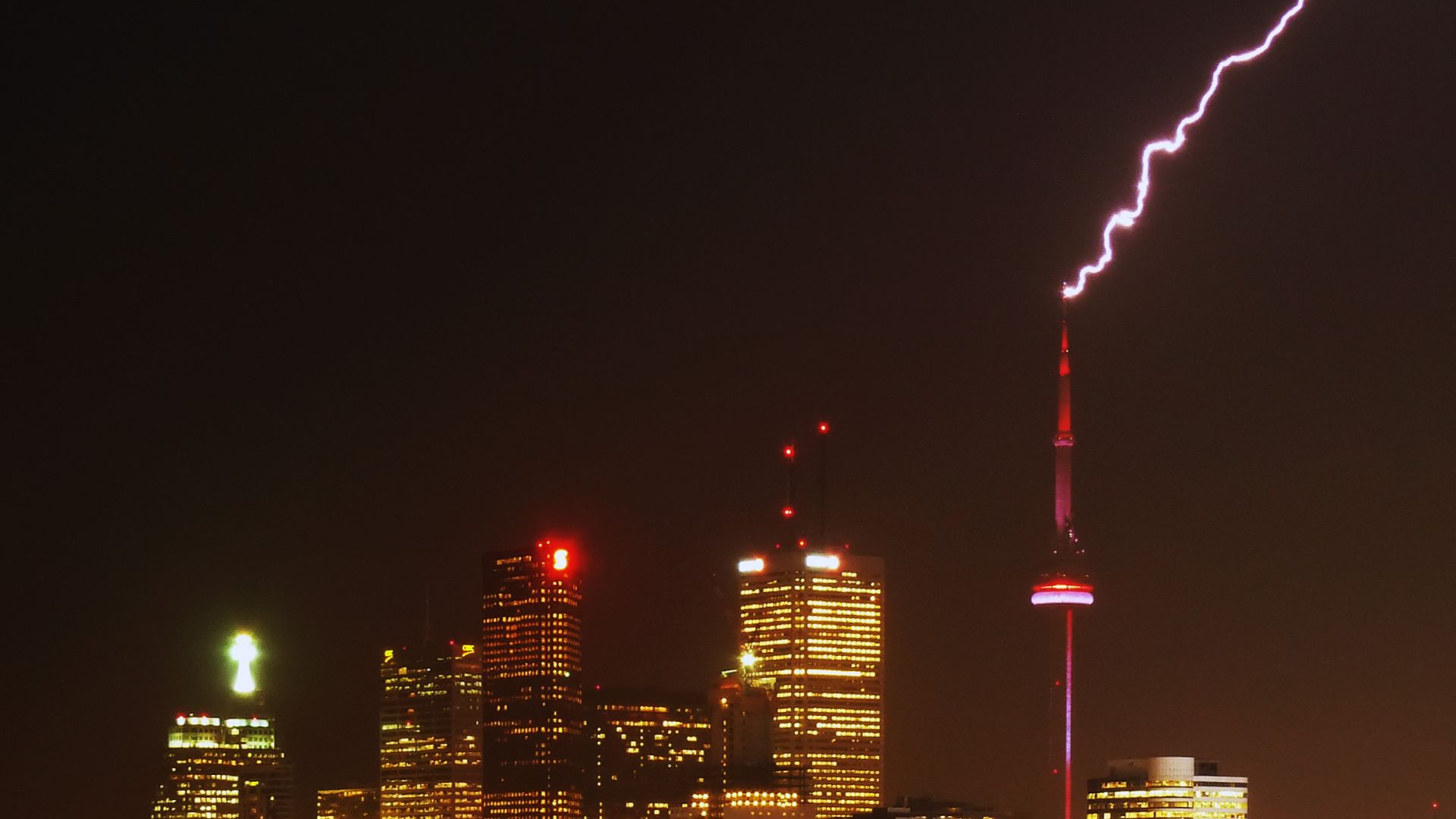 Raul Heinrich, Wikimedia Commons