When The World Took An Unexpected Turn
The world stepped into that year carrying a strange heaviness, as if the seasons had turned against everyone at once. Conversations felt sharper and entire communities sensed they were moving through a moment history wouldn’t easily forget.
Icelandic Volcanic Eruption
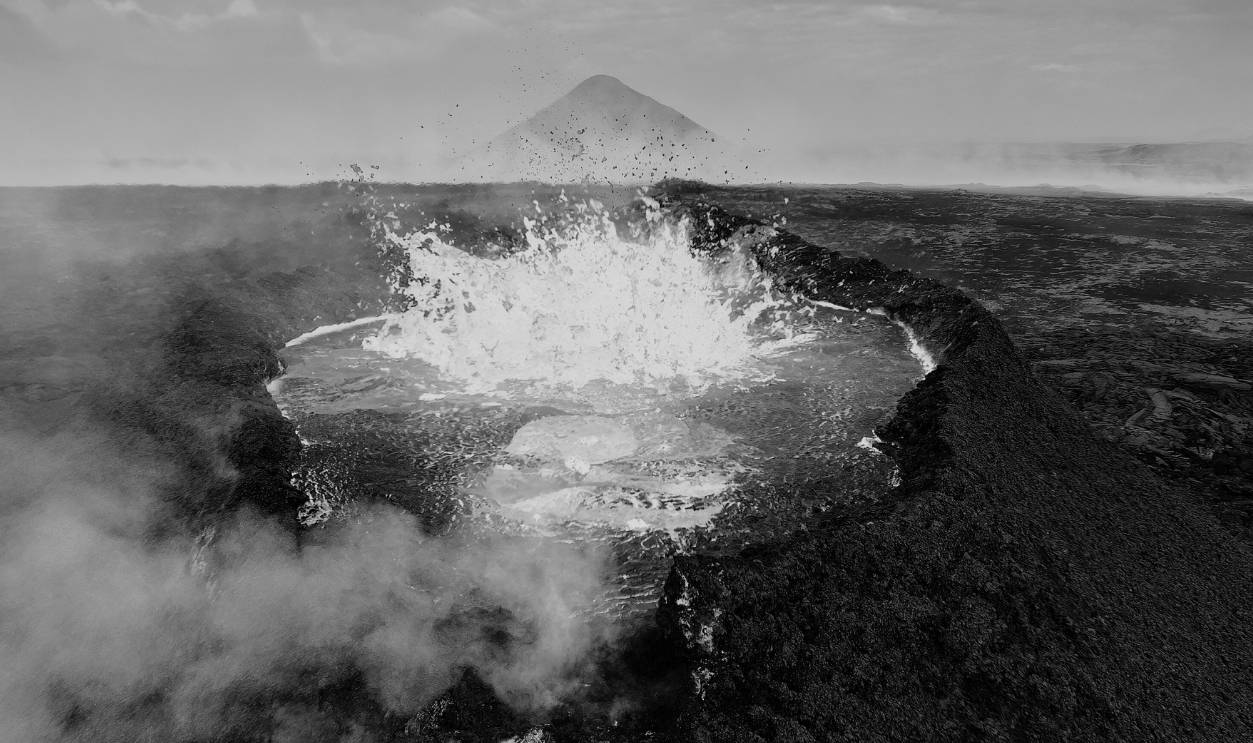
Imagine waking to a sky that suddenly looks dim and muted. That strange shift traces back to a massive Icelandic eruption in 536 AD that spread ash across the Northern Hemisphere. Experts confirmed the source through modern ice-core studies, which also revealed two later eruptions.
 Giles Laurent, Wikimedia Commons
Dust Veil Albedo Increase
Volcanic particles spread through the upper atmosphere and thickened the planet’s cloud cover, which boosted Earth’s albedo—the amount of sunlight reflected back into space. The brighter sky layer cut down the sun’s strength, matching historical descriptions of daylight that felt strangely muted and moon-like.
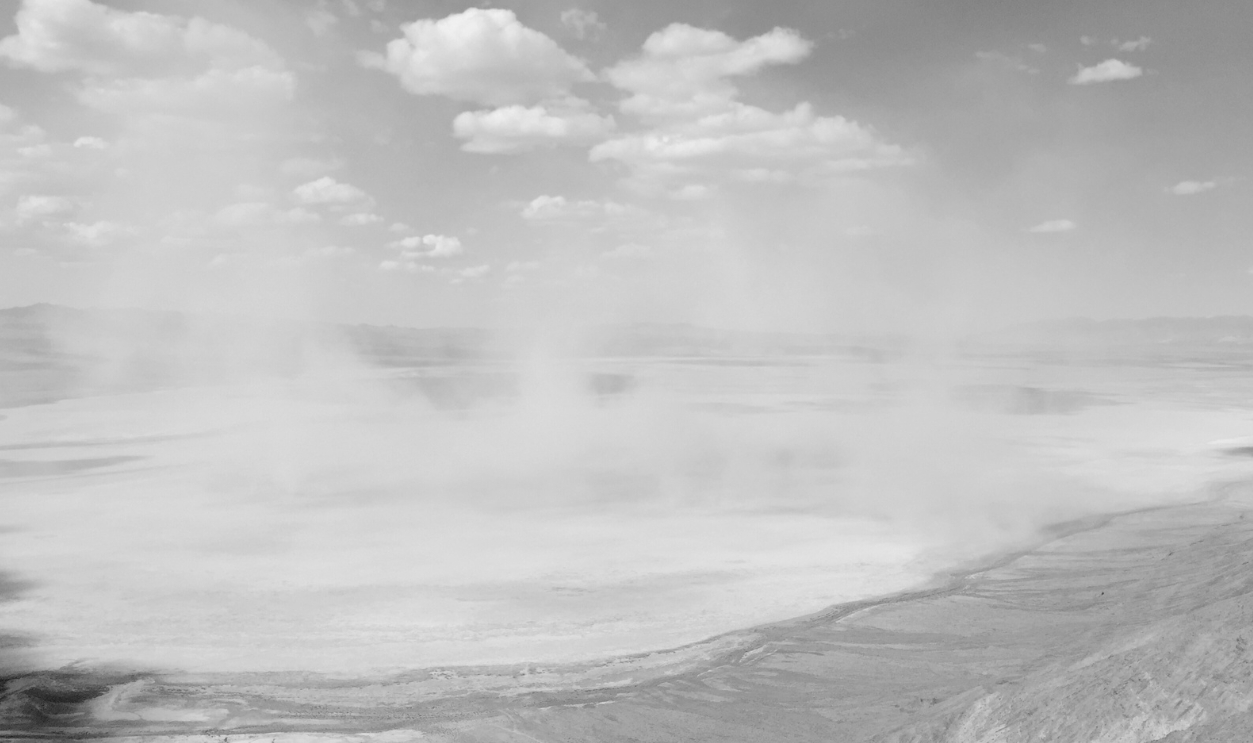
18-Month Atmospheric Fog
People across Europe, Asia, and the Middle East stepped into daylight that looked strangely dim—then watched it stay that way for 18 months. The fog appeared suddenly and was recorded by chroniclers everywhere, each sensing something deeply unusual was unfolding. And first came the…
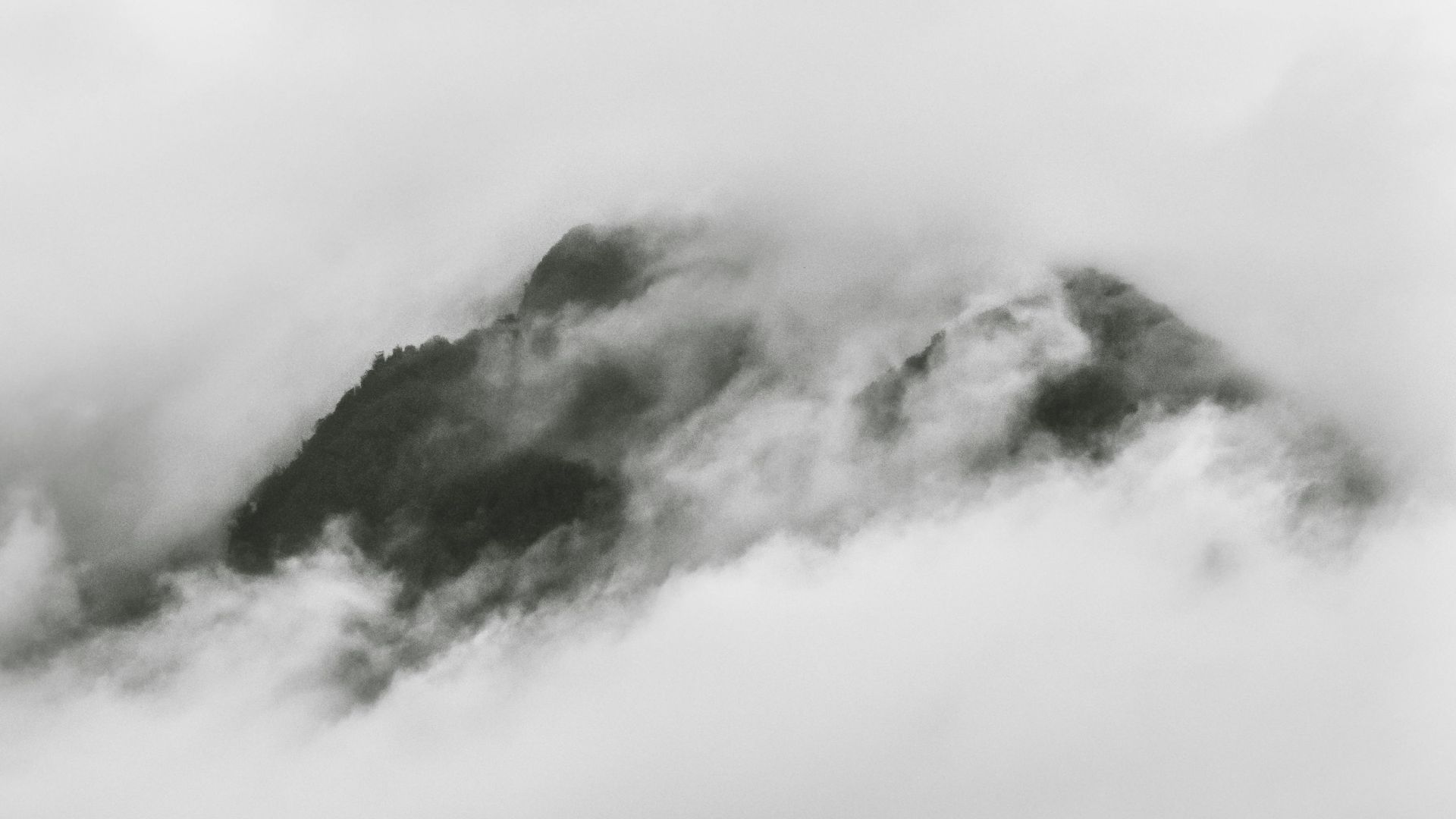
European Summer Temperature Drop
Europe’s summers abruptly cooled when it dropped by as much as 36.5°F. The change launched the coldest decade in over 2,000 years. This caused an unprecedented string of events that the world was not ready for. And it affected each region differently.
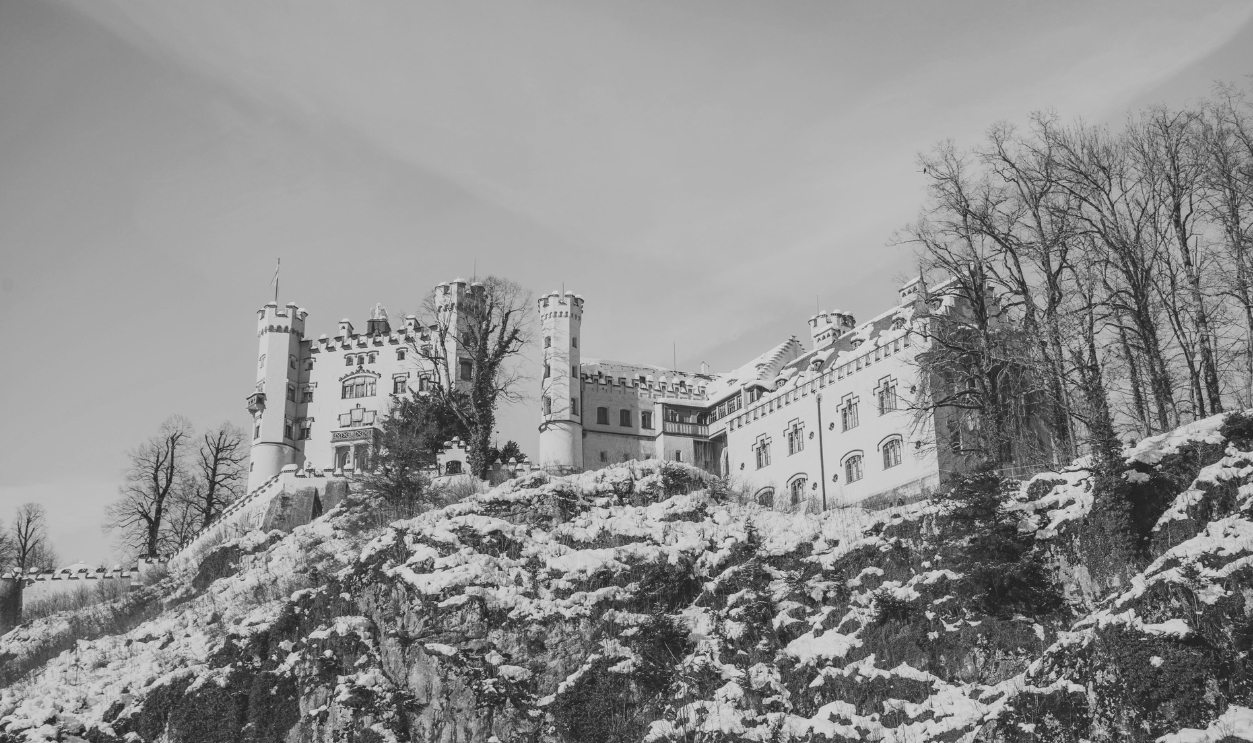
Chinese Summer Snowfalls
Back in China, the country experienced something even more startling: snow and frost falling in midsummer. Historical records describe how the unseasonal freeze damaged crops and significantly reduced national output.
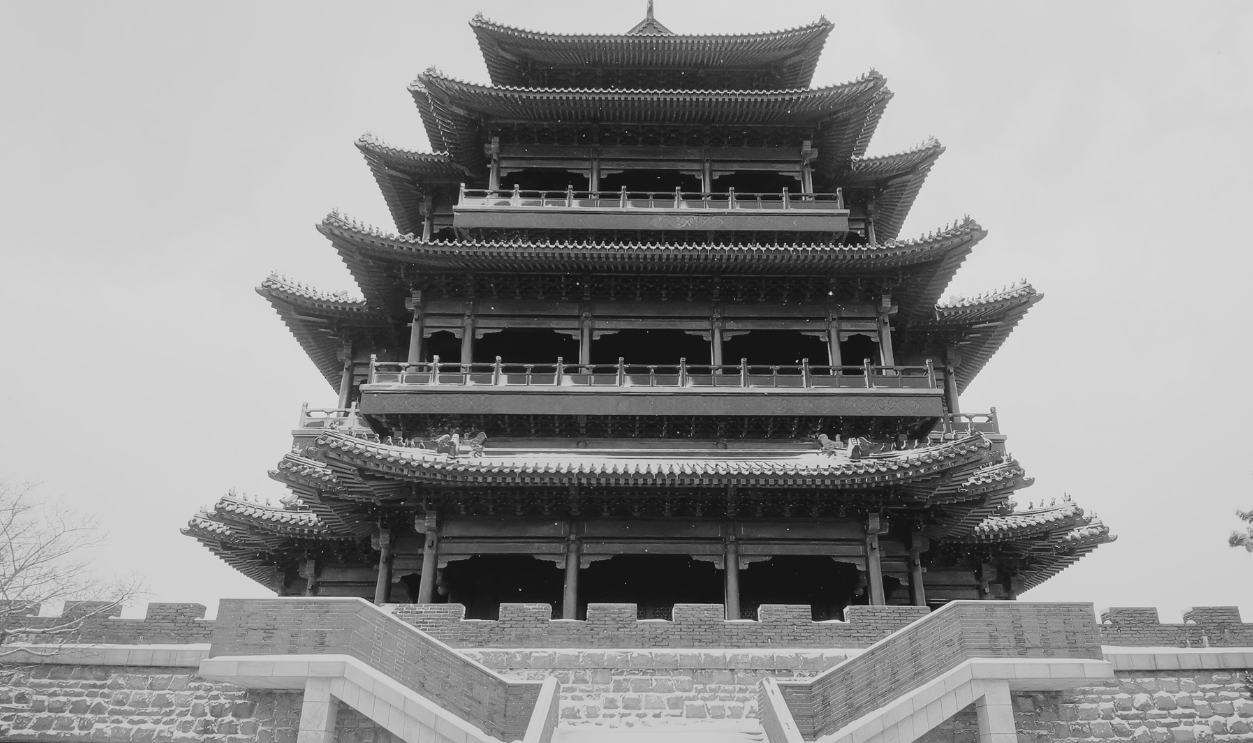
Irish Bread Supply Failure
In Ireland, the crisis showed up on kitchen tables. Chronicles mention a “failure of bread” lasting from 536 to 539, a clear sign of crops collapsing in the cold. This catastrophe changed everyday life in Ireland because the food shortages stretched into years.

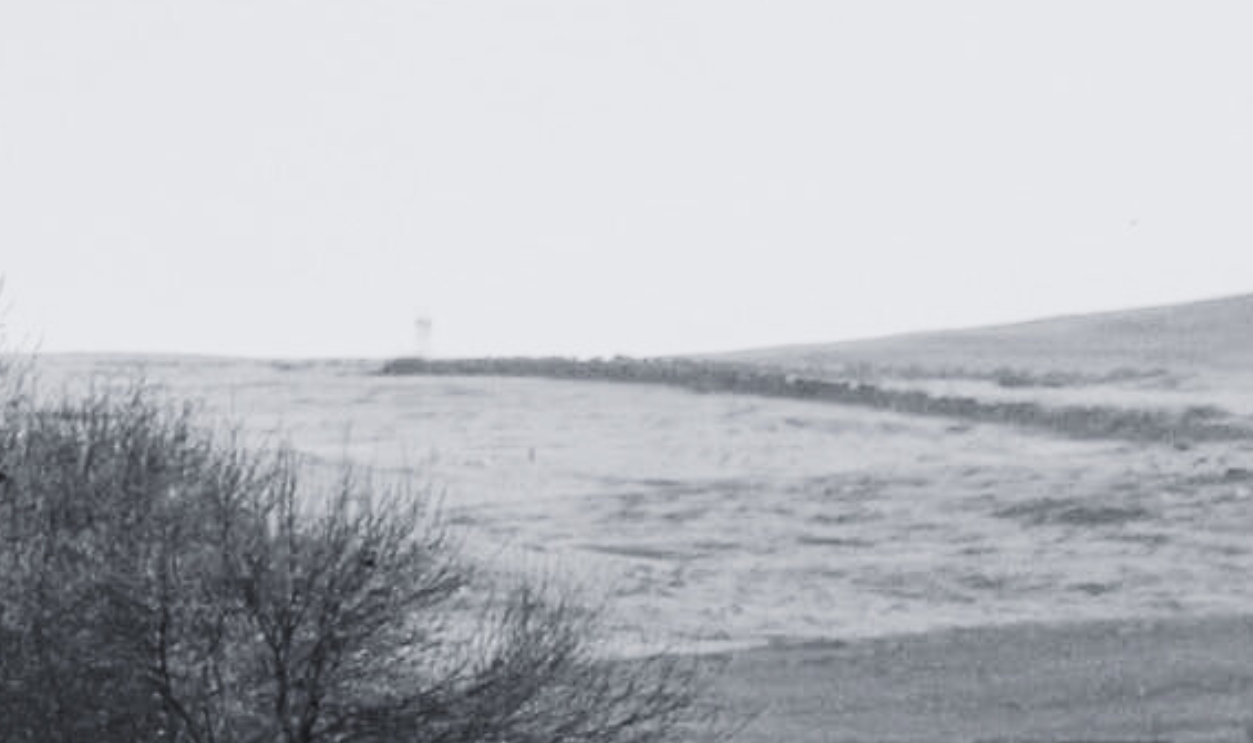
Mesopotamian Fruit Spoilage
Here, farmers watched crops fail and stored food that spoiled far too quickly. The sudden cooling and weaker sunlight disrupted growing seasons, which left households with dwindling supplies. Records describe a region struggling to keep food on the table as harvest after harvest fell short.
 Duha masood, Wikimedia Commons
Famine-Induced Starvation
As fields failed, famine tightened its grip. Starvation spread across continents and continued long after the dim skies cleared. Accounts from the time describe people struggling to get through each season with shrinking supplies and little hope for recovery.
 Patrick Alexander, Wikimedia Commons

History's most fascinating stories and darkest secrets, delivered to your inbox daily.
Weakened Population Immunity
Months of poor harvests left people malnourished and vulnerable. That weakened state became critical just a few years later when the first bubonic plague outbreak hit. Many communities faced the disease with bodies already exhausted from years of hunger.
 Fathi Nezam, Wikimedia Commons
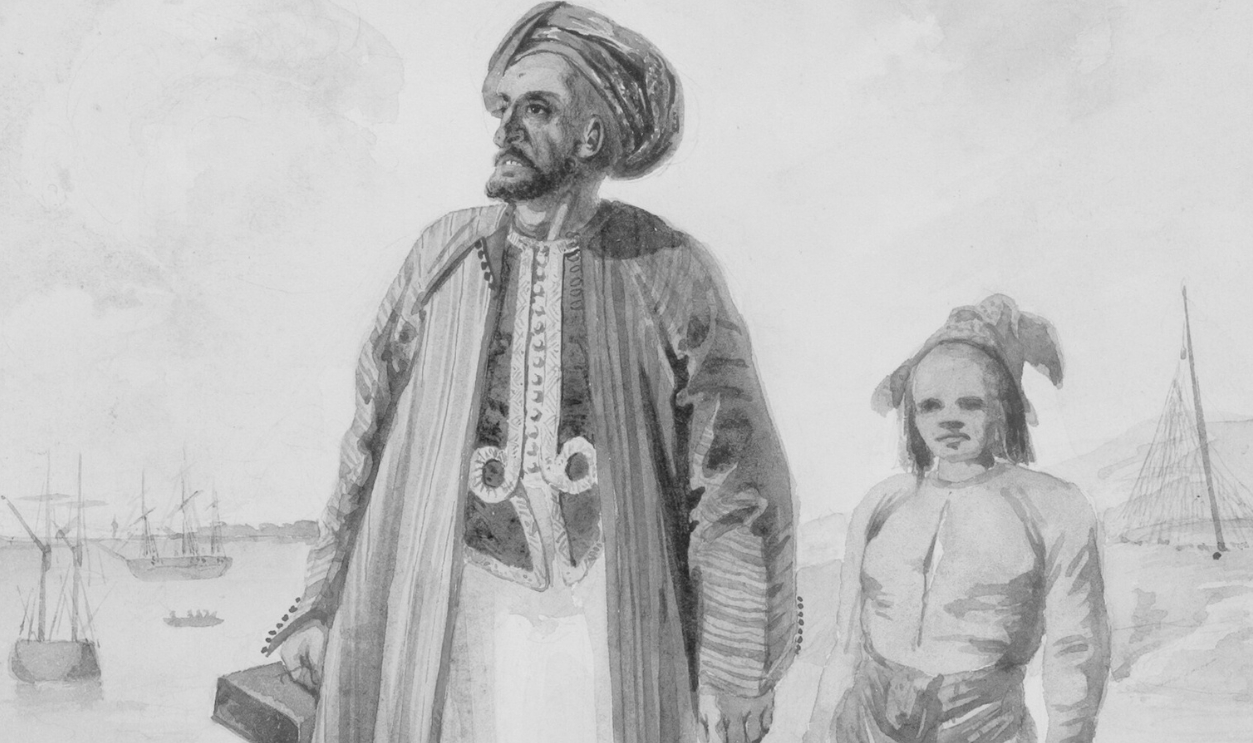
Asian Migration Waves
Over time, across parts of Asia, years of poor harvests and growing strain encouraged communities to move. Groups in already fragile regions began leaving in search of steadier conditions. Given the pressures they faced, the decision followed a clear logic. Soon after, literature descriptions surfaced.
 Ernest Hardouin, Wikimedia Commons
John Of Ephesus’s Description
John of Ephesus described the sun as dim and the air thick to note how famine and suffering spread through his region. His account—one of the earliest Christian sources—details 18 months of weakened sunlight and helps historians understand just how severe the darkness truly felt.

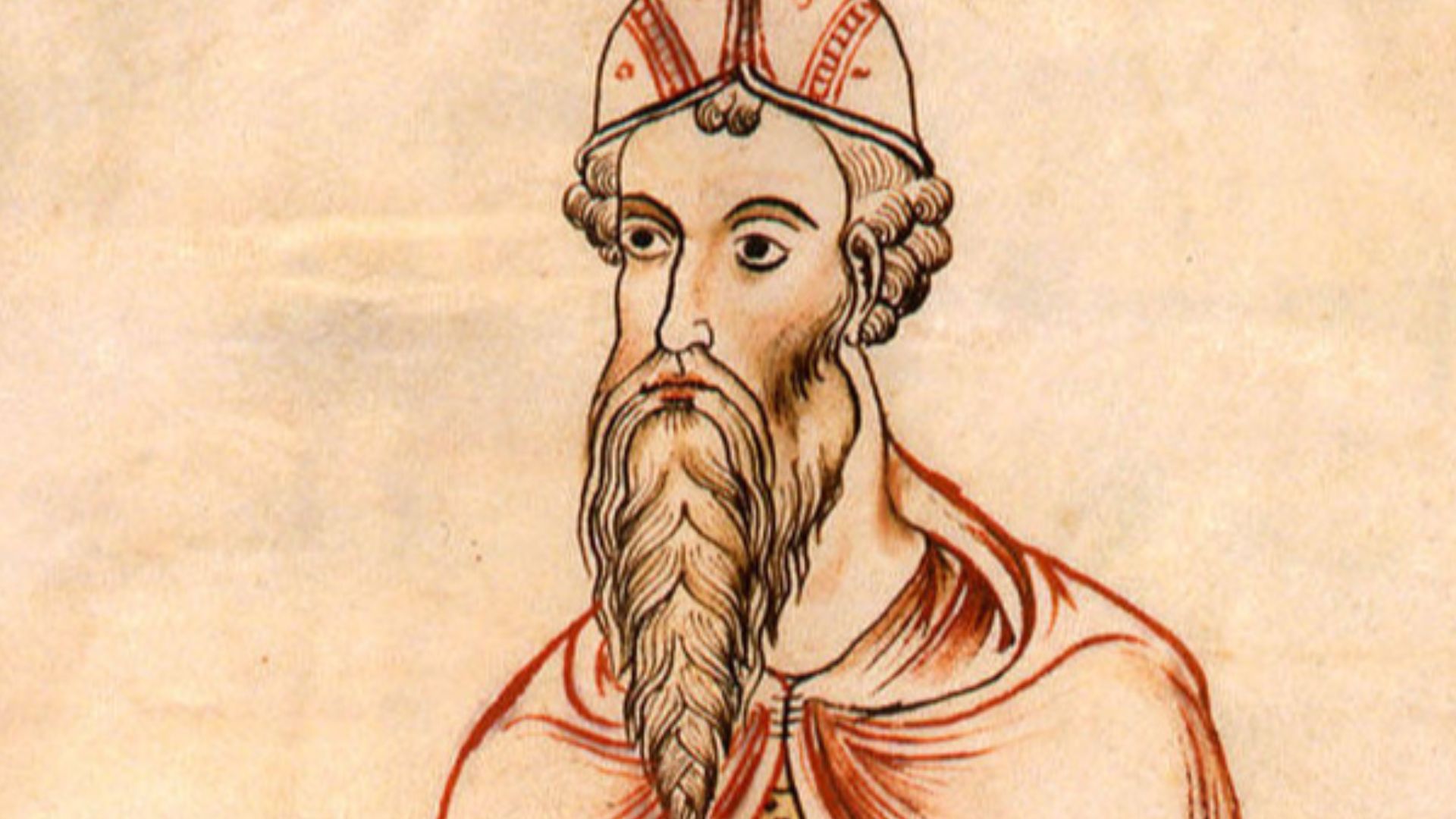
Cassiodorus’s Roman Correspondence
In Italy, Cassiodorus wrote letters describing days when sunlight looked weak, and crops struggled. His words capture how unsettling the atmosphere felt and offer a rare Western political voice observing the crisis firsthand from within the Roman world.
 Fulda workshop, Wikimedia Commons
Michael The Syrian’s Record
Centuries after the event, Michael the Syrian wrote of darkness and famine that echoed memories of 536. The chronicles he wrote were one of the few Middle Eastern references to the event. It was clear that the crisis had lingered in regional memory long after the year itself had passed.
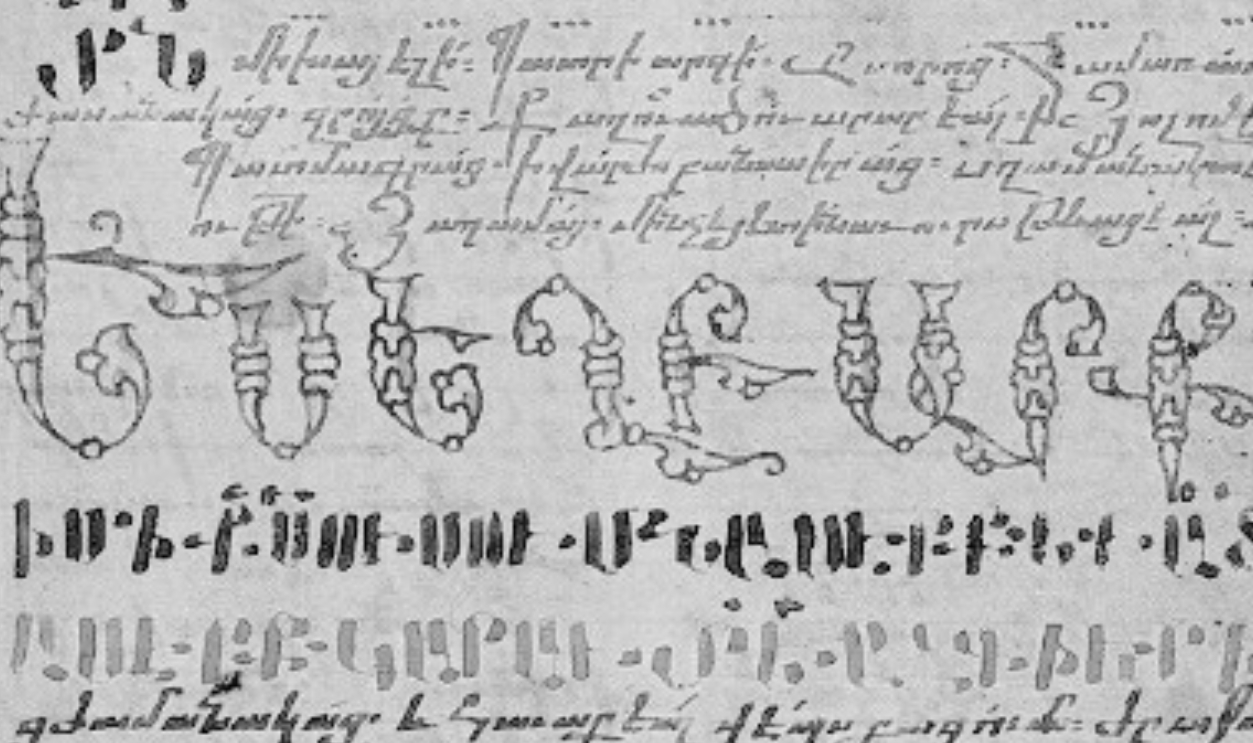
Zizhi Tongjian Cold Record
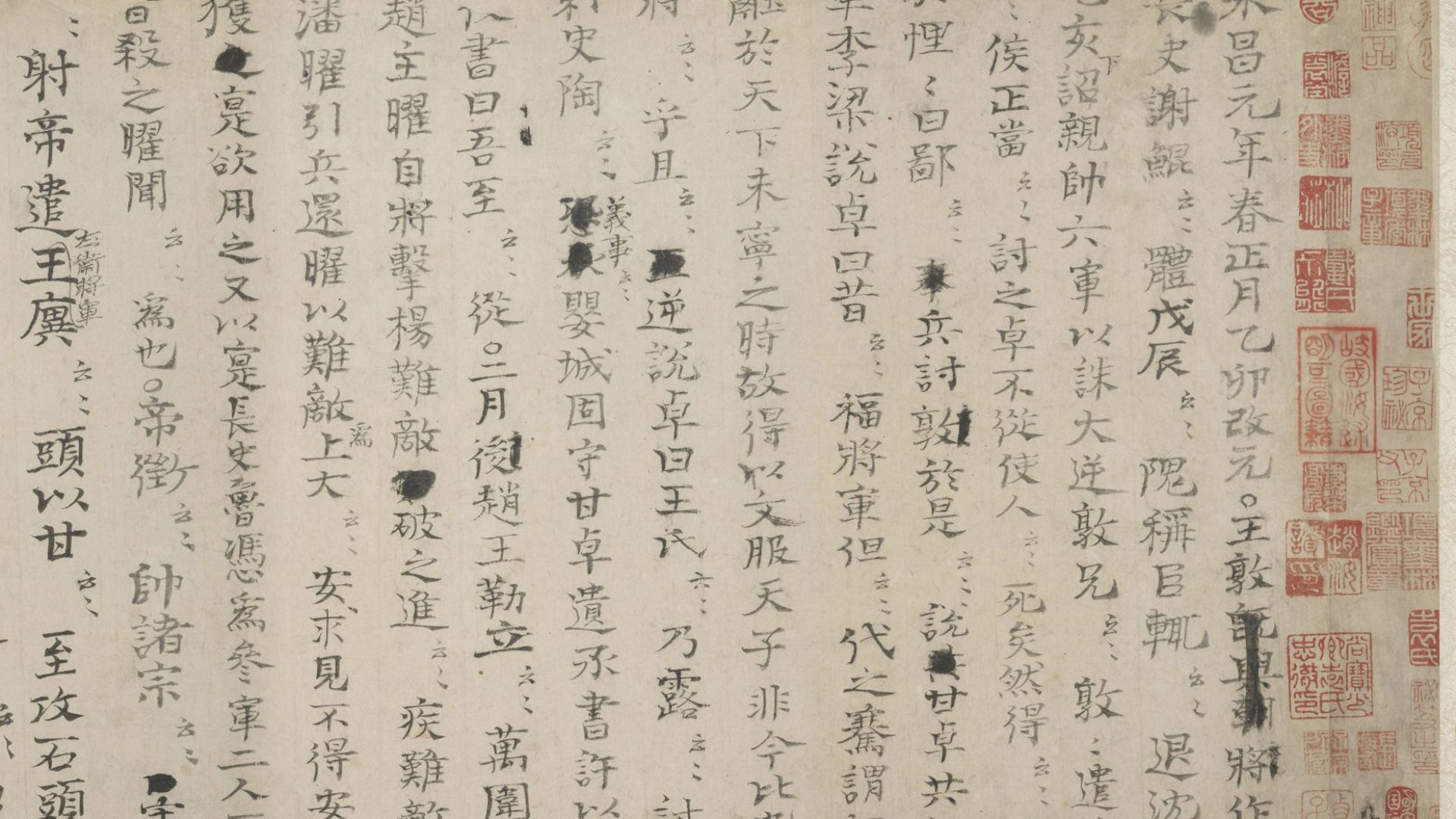
Chinese chronicles, including entries in the Zizhi Tongjian, describe summer snow and failing crops in the region and their effects. These notes sit among centuries of recorded history, and they stand out for their detail.
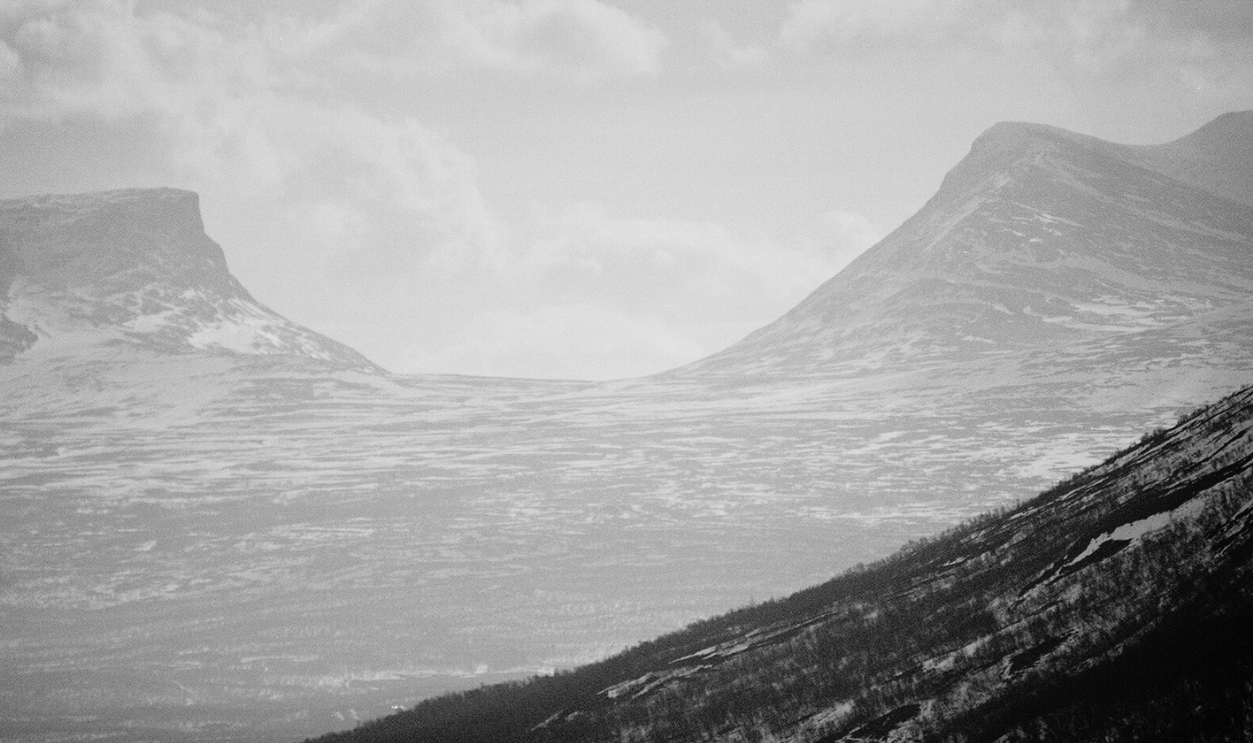
Fimbulwinter Mythological Inspiration
Norse storytellers later spoke of Fimbulwinter—a long, brutal winter before Ragnarok. Some scholars think memories of real climate turmoil helped shape that legend. The idea of endless cold and failing seasons echoes the kind of hardship Northern communities faced during this era.
 oskar karlin, Wikimedia Commons
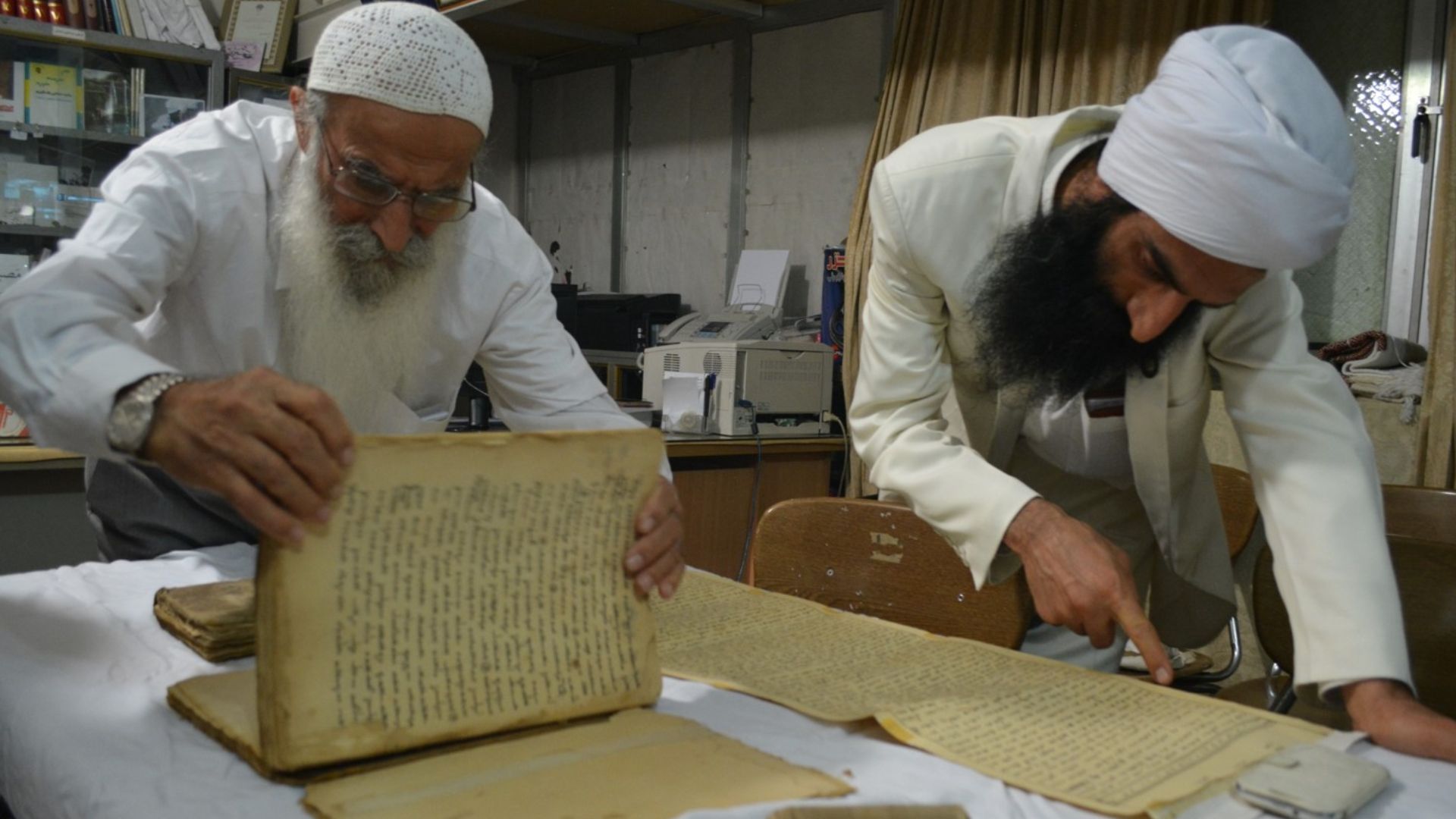
Mandaean Book Of Kings
The account adds a rare local perspective from a small religious group with deep roots in the region’s history. The Mandaean Book of Kings mentions a severe grain shortage in Mesopotamia around this period. As harvests collapsed, communities faced rising hardship.
 Yuhana Nashmi (The Worlds of Mandaean Priests), Wikimedia Commons
Gupta Empire Acceleration Decline
The Gupta Empire in India was already in decline, and the climate shock of 536 added more strain. Crop failures and instability likely intensified existing problems. An era once marked by cultural and scientific achievements was suddenly working through growing pressures on every front.

Eastern Roman Military Strains
The Eastern Roman Empire entered a period where hunger and disease started dismantling its stability. Famine weakened communities, and the later plague cut deeply into the population. With fewer resources and shrinking manpower, the empire’s ability to defend its borders grew increasingly fragile.
 Marcok - it.wikipedia.org, Wikimedia Commons
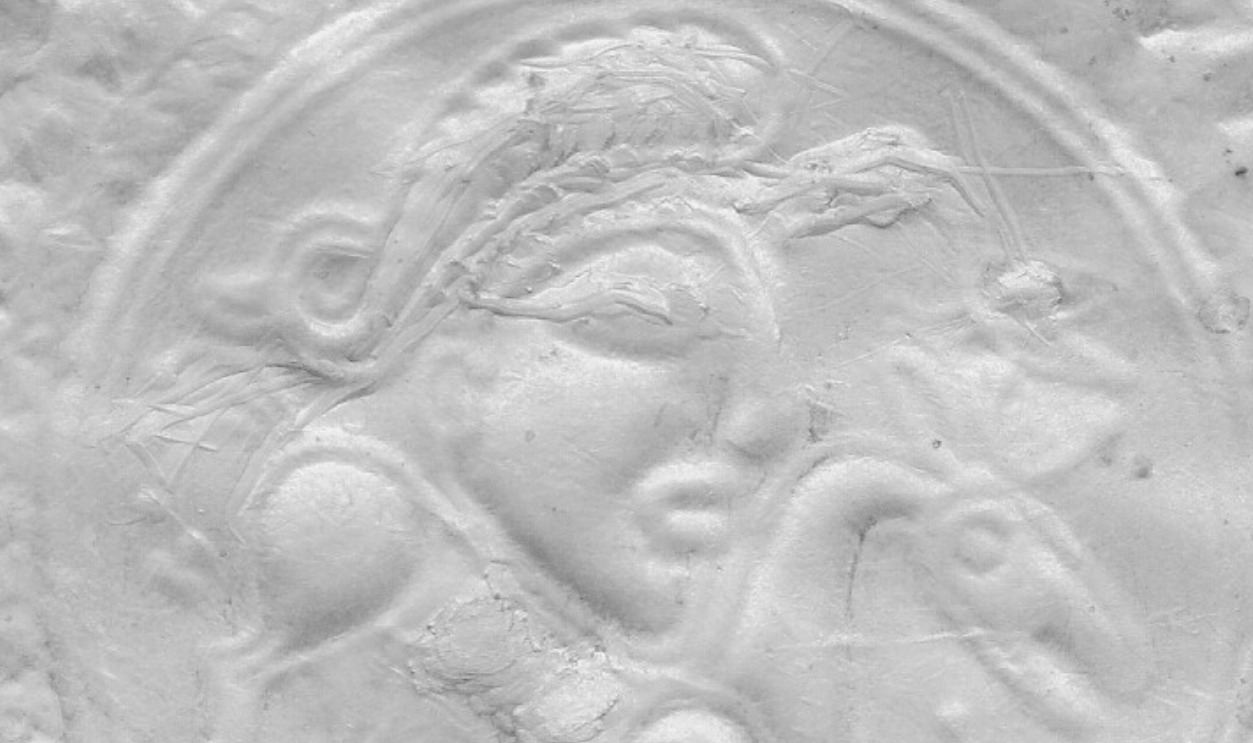
Scandinavian Gold Hoards
In Scandinavia, people began burying large gold hoards during the dark, cold years of 536–540. Many interpret these deposits as ritual offerings intended to secure protection or stability during a time when the natural world felt unpredictable and everyday life had become harder to manage.
 Metropolitan Museum of Art, Wikimedia Commons
Helgo Settlement Shadow
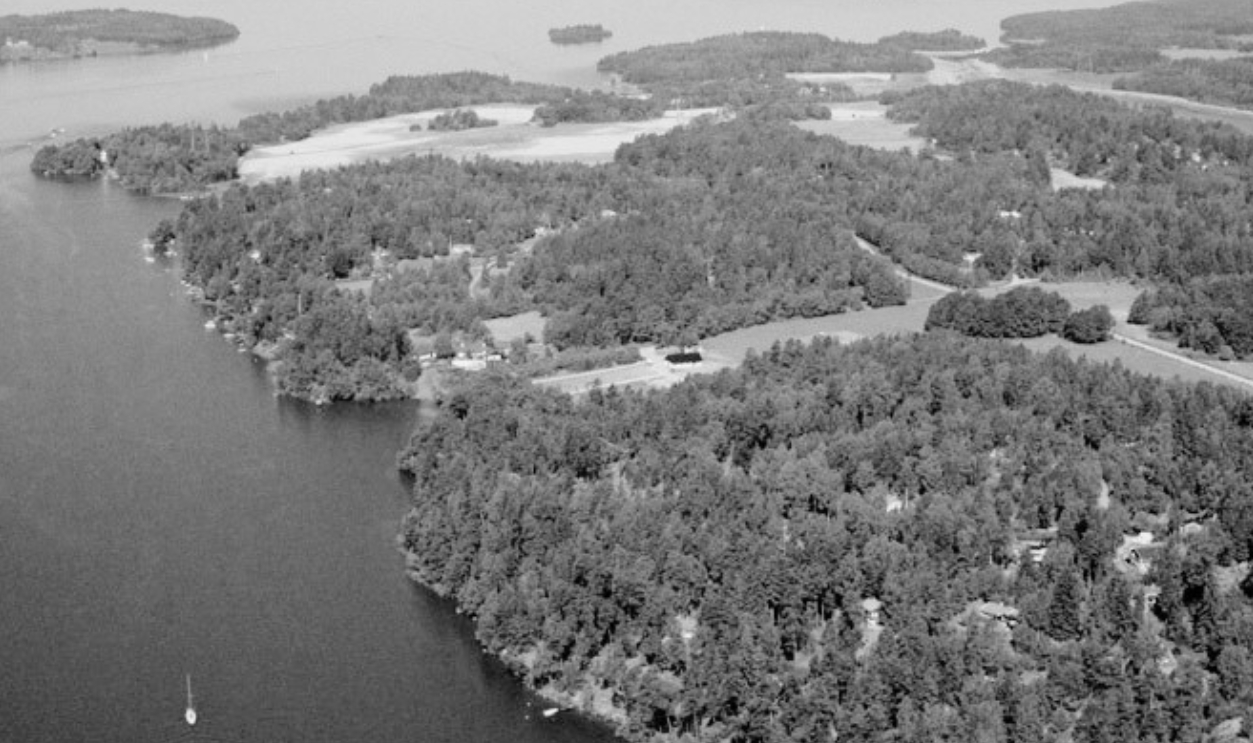
Life at the Helgo settlement shifted dramatically when the mid-6th-century skies dimmed, and crops faltered. Even as conditions worsened, the community continued producing and trading. Over time, though, signs of strain appeared, hinting at how hard it was to stay resilient in those years.
 Jan Norrman, Wikimedia Commons
Tree-Ring Growth Anomalies
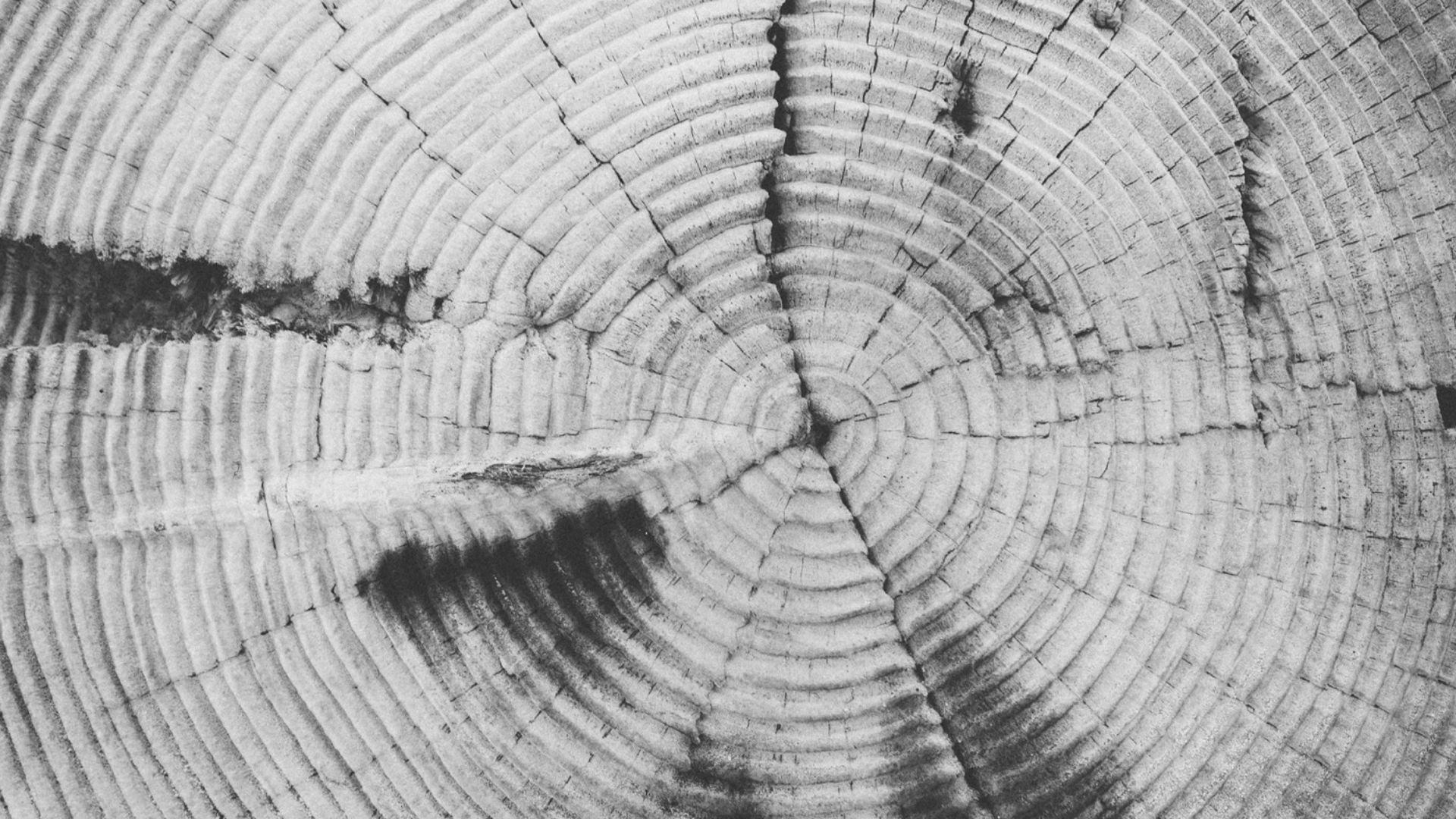
When it came to living, breathing proof, the Irish and other regional trees showed unusually stunted growth, which proved temperatures had plunged. These rings became crucial evidence, and the first major studies in the late 80s and early 90s pieced the story together.
 www.Pixel.la Free Stock Photos, Wikimedia Commons
Siberian Larch Frost Rings
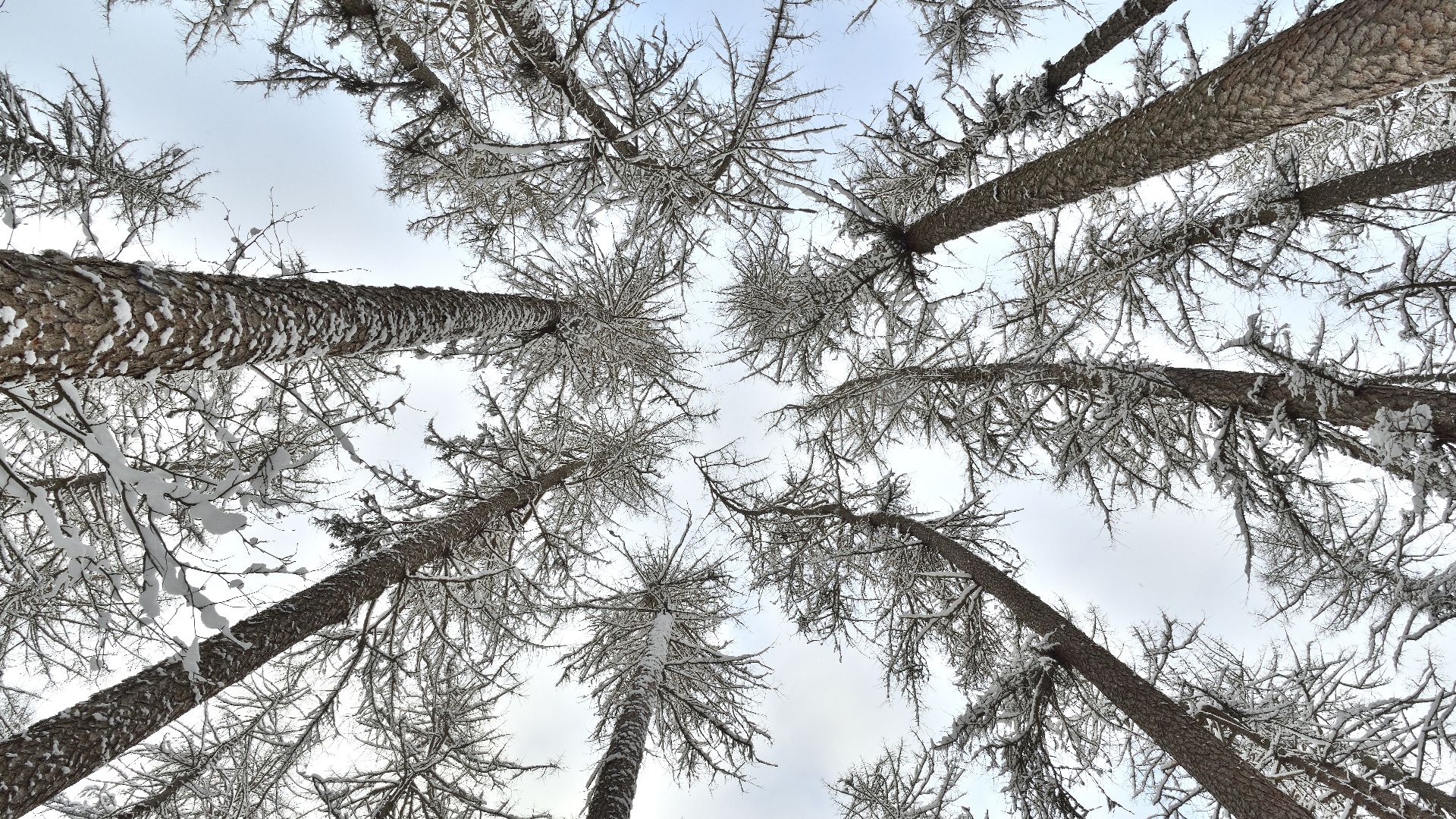
Trees in Siberia kept their own record of the crisis. Larch trunks developed frost rings—marks created when sudden cold hits during the growing season. These damaged growth layers remain some of the clearest physical traces of how harsh the temperatures became.
 Alexander Baidukov, Wikimedia Commons
Swiss Ice Core Evidence
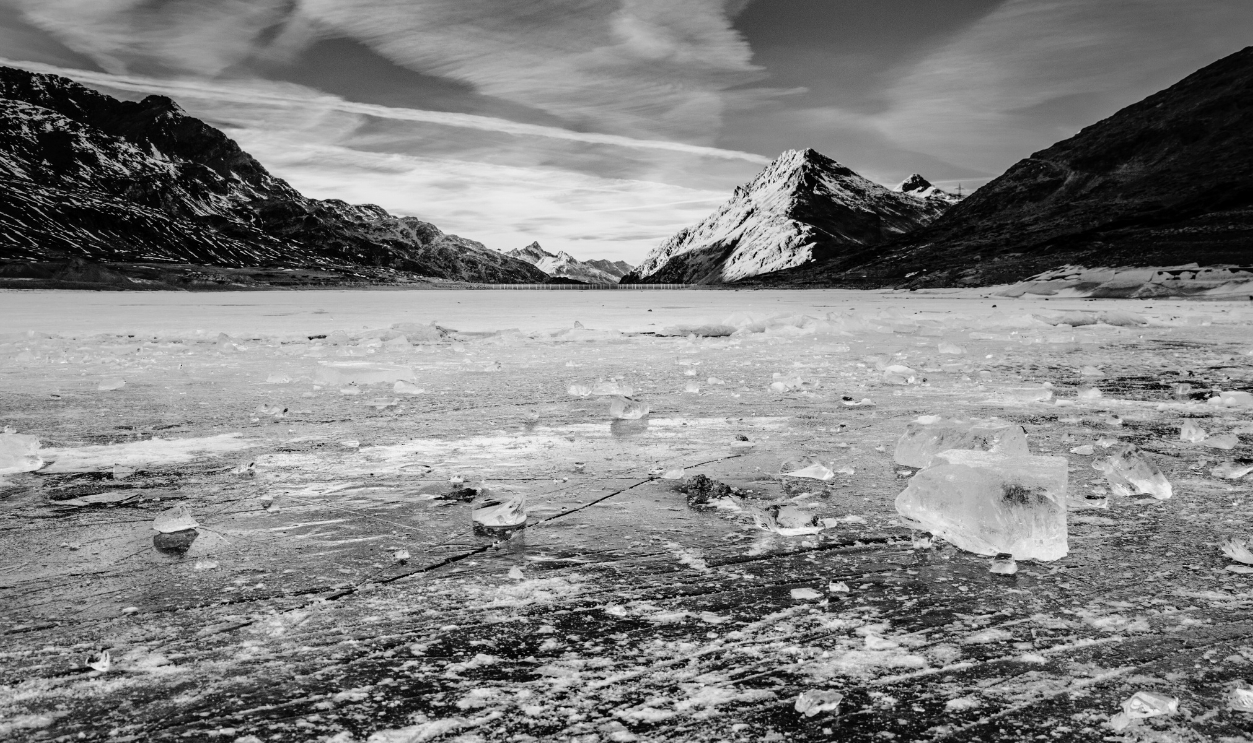
Deep in Swiss ice, researchers found a sharp sulphate spike dating to 536—clear proof of a massive volcanic eruption. The 2018 analysis was a breakthrough, which showed exactly when the fallout occurred. Ice cores also captured tiny ash and chemical traces.
Sulphate Spike In Greenland Cores
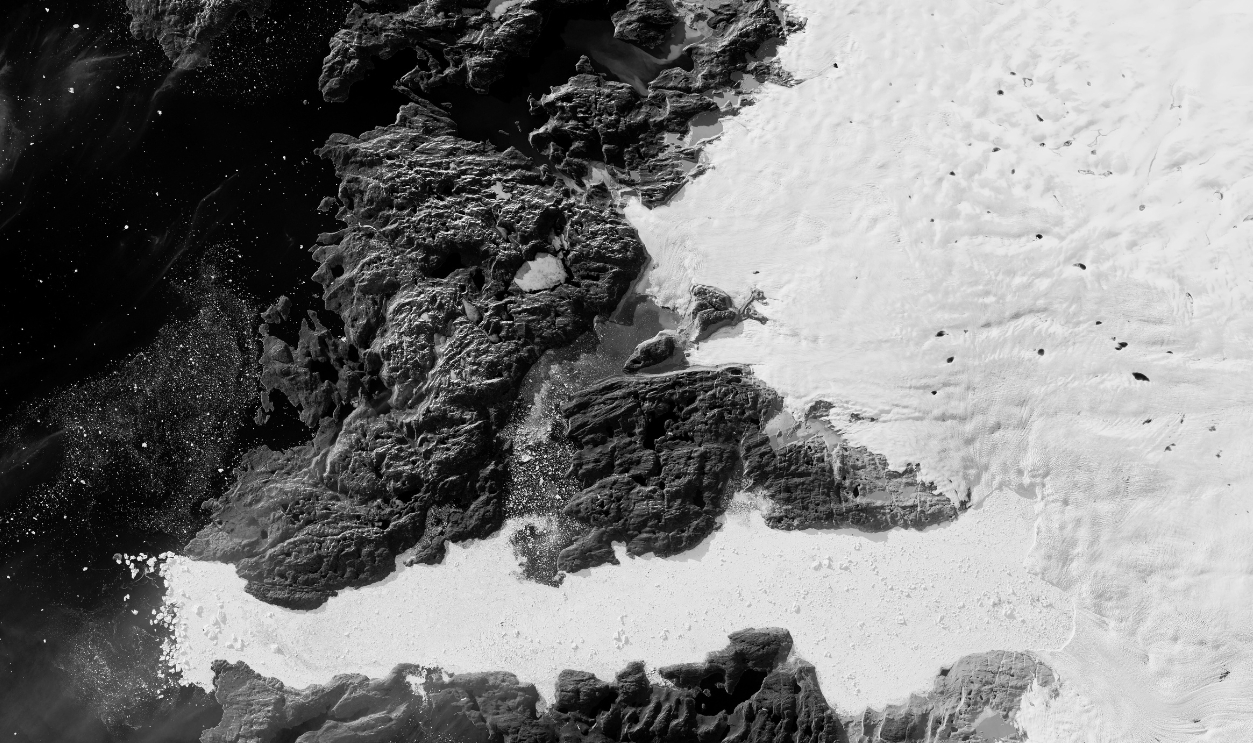
Deep inside Greenland’s ice, researchers found a thick sulphate layer marking a powerful volcanic eruption. The chemistry matches the timing of the global haze and cooling. From this, scientists uncovered just how abruptly the atmosphere transformed.
Cryptotephra Layer Detection
Other researchers later identified microscopic volcanic ash particles—cryptotephra—preserved in ancient ice. Their presence provided a precise volcanic signature such that paleoclimatologists now had a clearer way to trace atmospheric disturbances back to a specific eruption.
 User:Bizzarle, Wikimedia Commons