

Global Extinction Unfolds
A rock from space, ten kilometers wide, slammed into Earth and triggered the worst day in prehistoric history. Scientists have spent decades piecing together what actually happened next. The story keeps getting clearer.

Discovery History
A thin layer of clay in Italy's Gubbio region caught geologist Walter Alvarez's attention in the late 1970s. This unremarkable-looking sediment sat precisely between limestone layers marking when dinosaurs thrived and when they vanished. His father, Nobel Prize-winning physicist Luis Alvarez, suggested analyzing this mysterious boundary using neutron activation techniques.
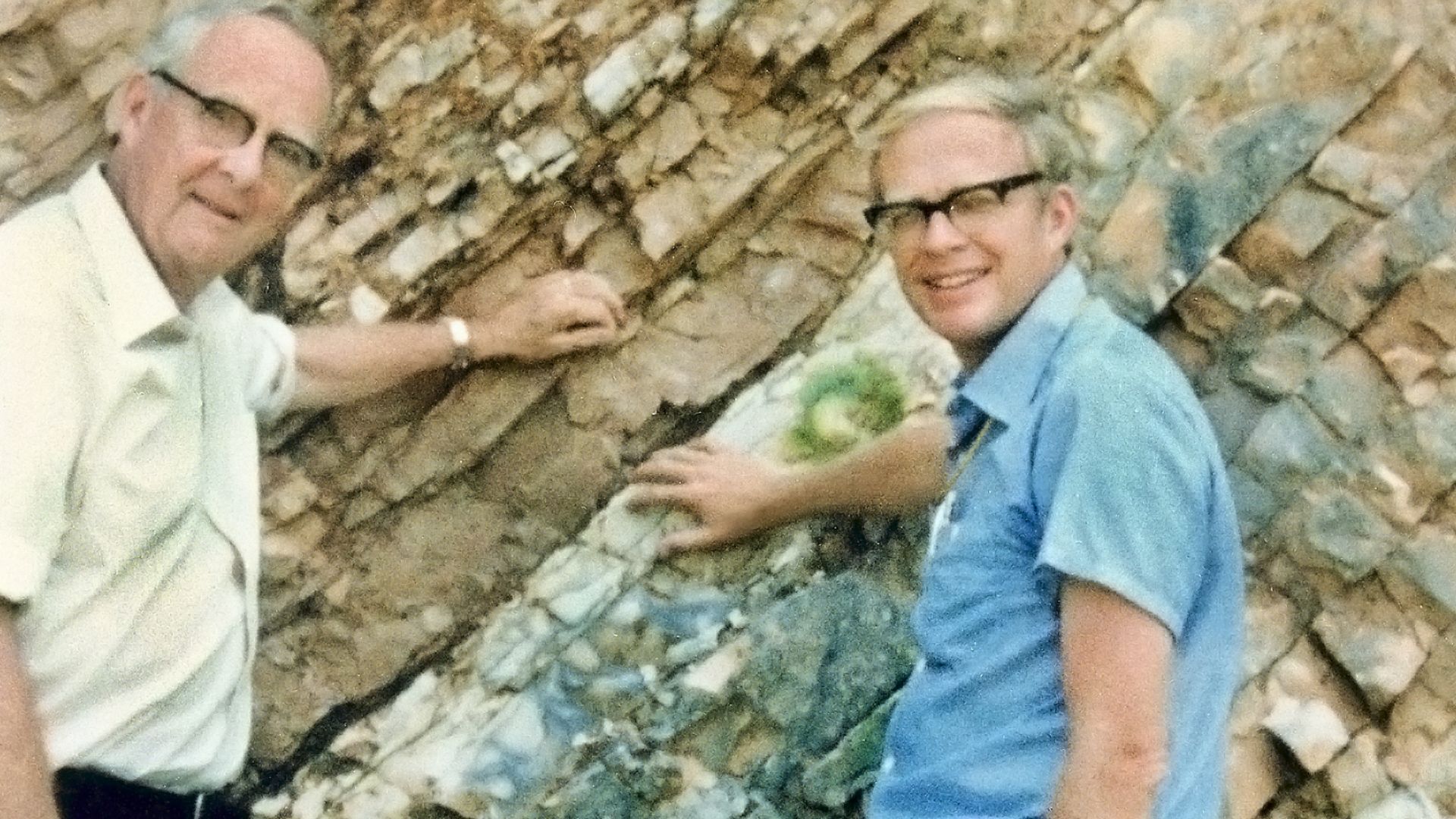 U S Government, Wikimedia Commons
Iridium Anomaly
Iridium rarely appears in Earth's crust because this platinum-family metal sank into our planet's core during formation. Space rocks, however, contain abundant iridium since they never underwent planetary differentiation. When Alvarez's team found the same iridium spike in clay layers from Denmark and New Zealand of the same period, a pattern emerged.
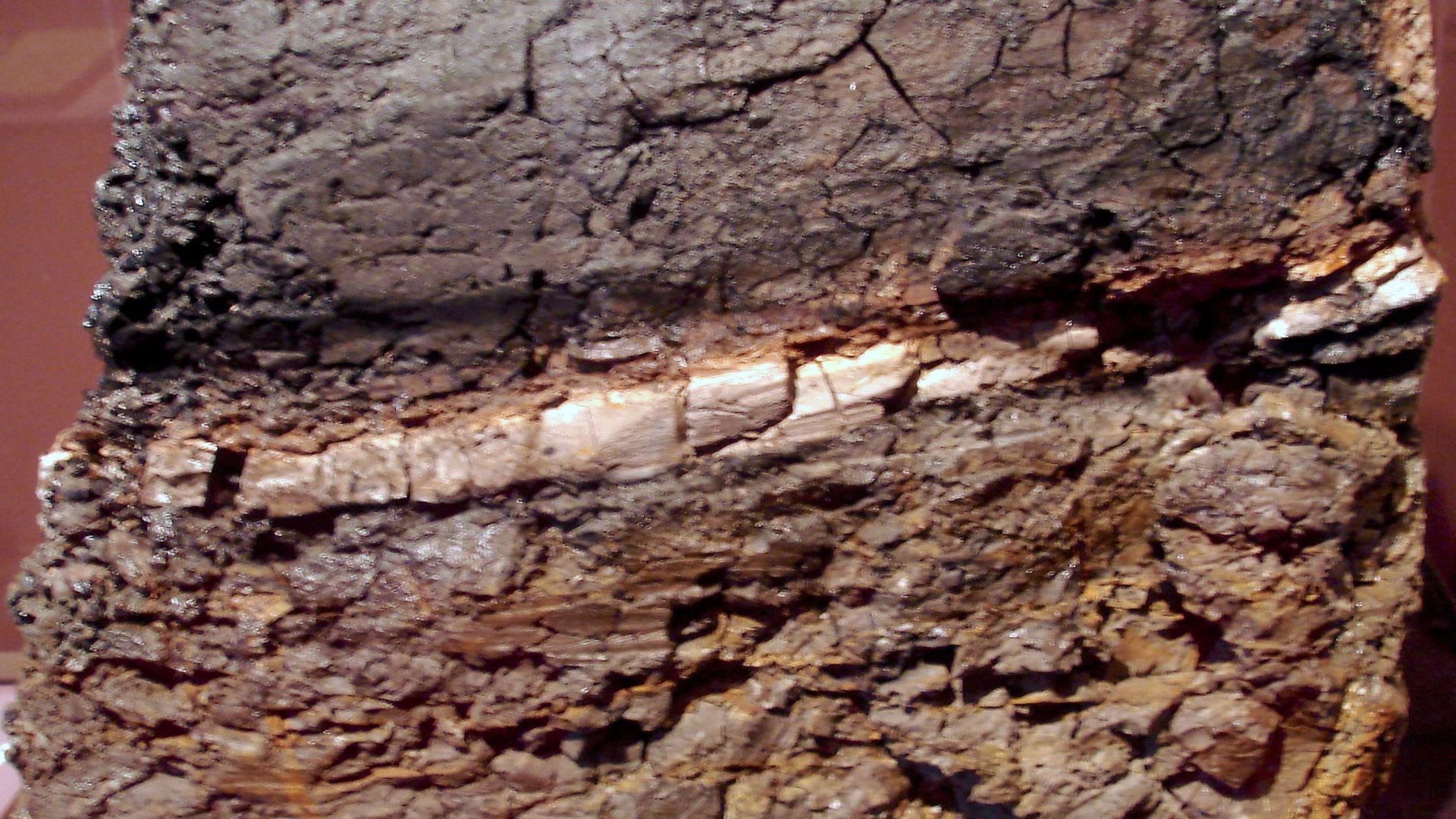 Zimbres - Attribute it to Eurico Zimbres, Wikimedia Commons
Crater Identification
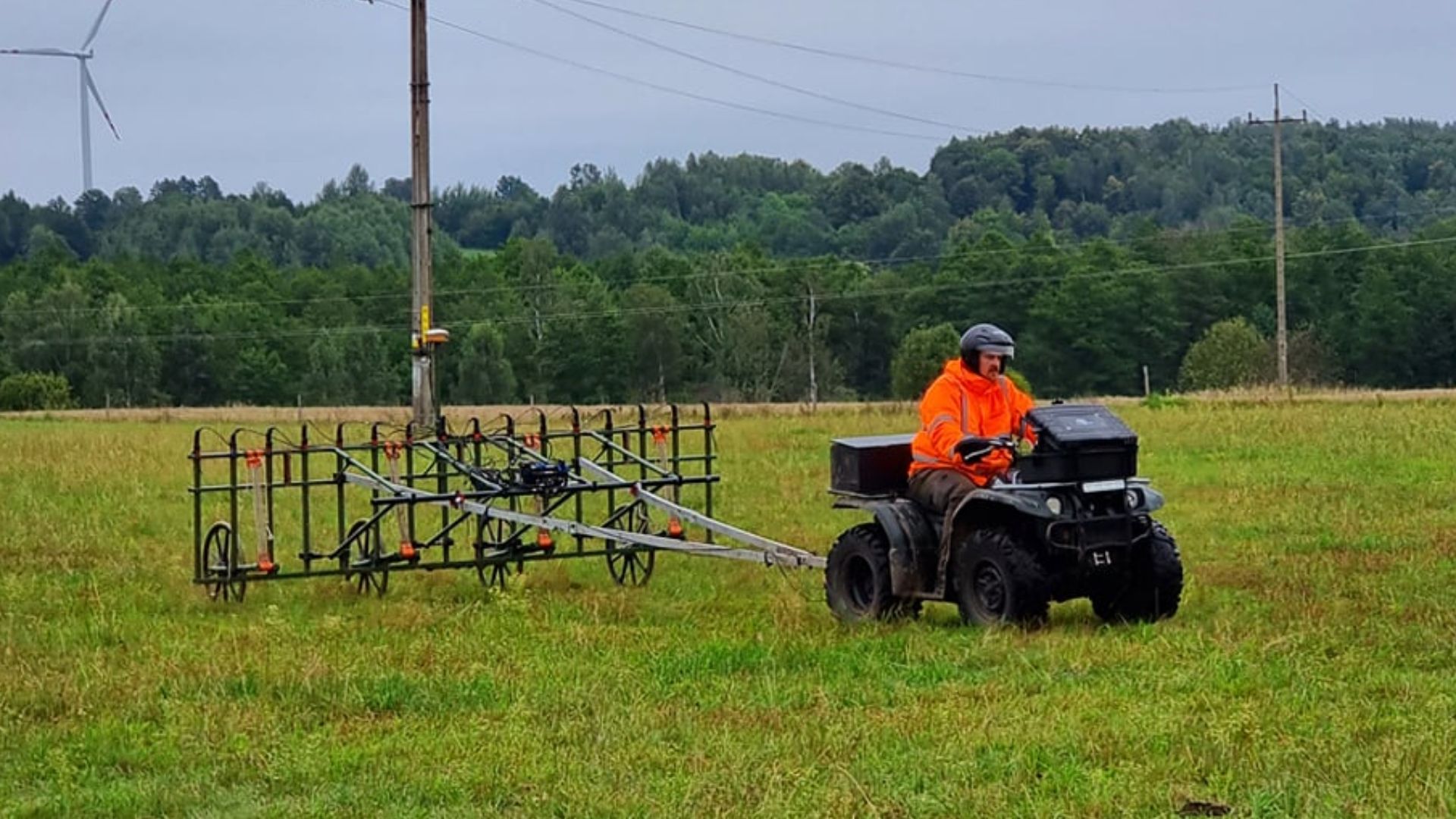
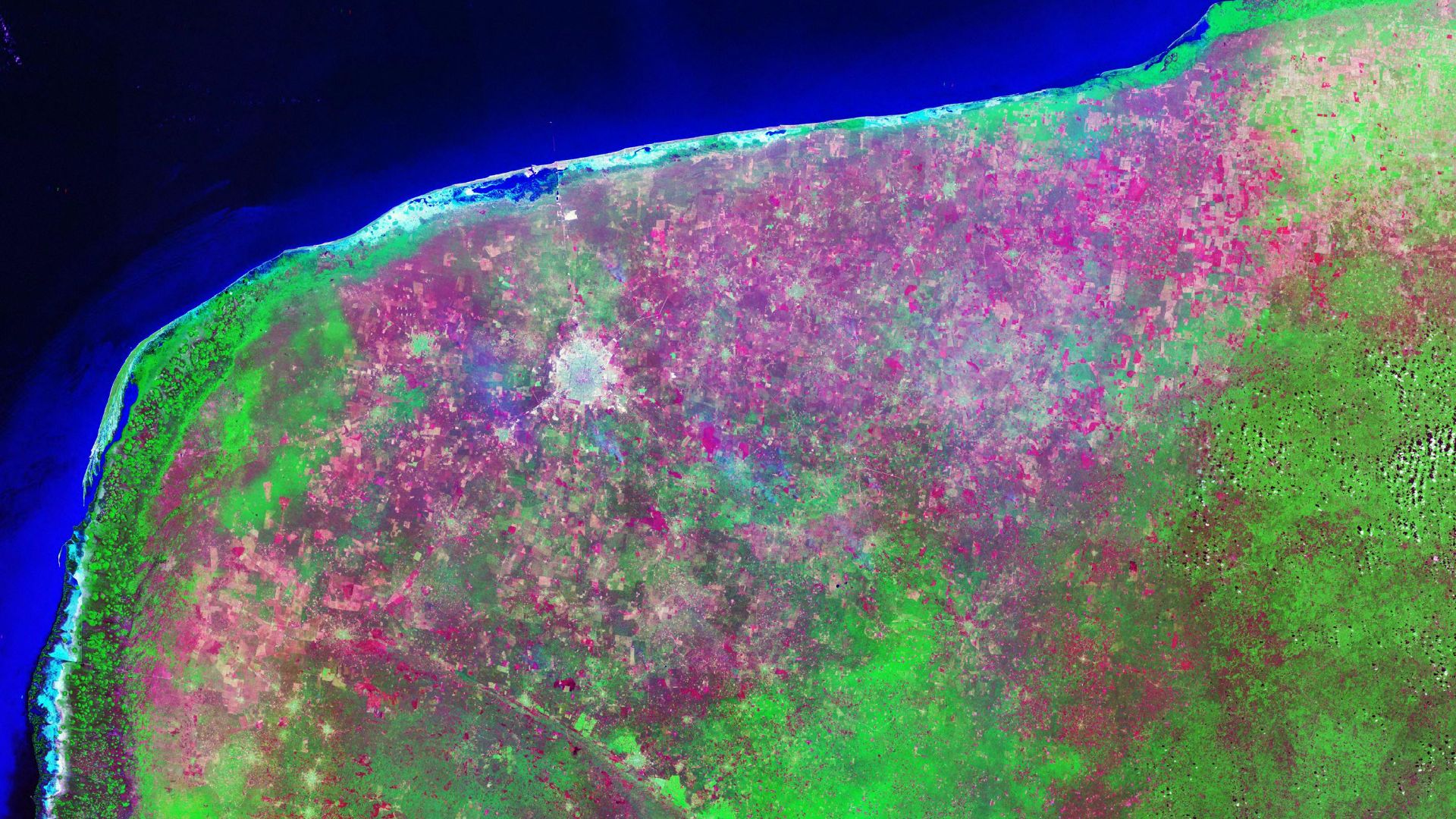
Glen Penfield was hunting for oil deposits in 1978 when his magnetometer revealed something peculiar beneath Mexico's Yucatan Peninsula. The instrument detected a perfect semicircular magnetic anomaly spanning 110–120 miles. His colleague, Antonio Camargo, agreed this symmetrical feature couldn't be volcanic.
Impact Timing
The breakthrough came in 1990 when graduate student Alan Hildebrand, studying Haiti's geological formations, discovered shocked quartz and glass spheres called tektites. Houston Chronicle reporter Carlos Byars connected Hildebrand with Penfield's forgotten work. Miraculously, a few drill core samples from the Yucatan structure had survived.
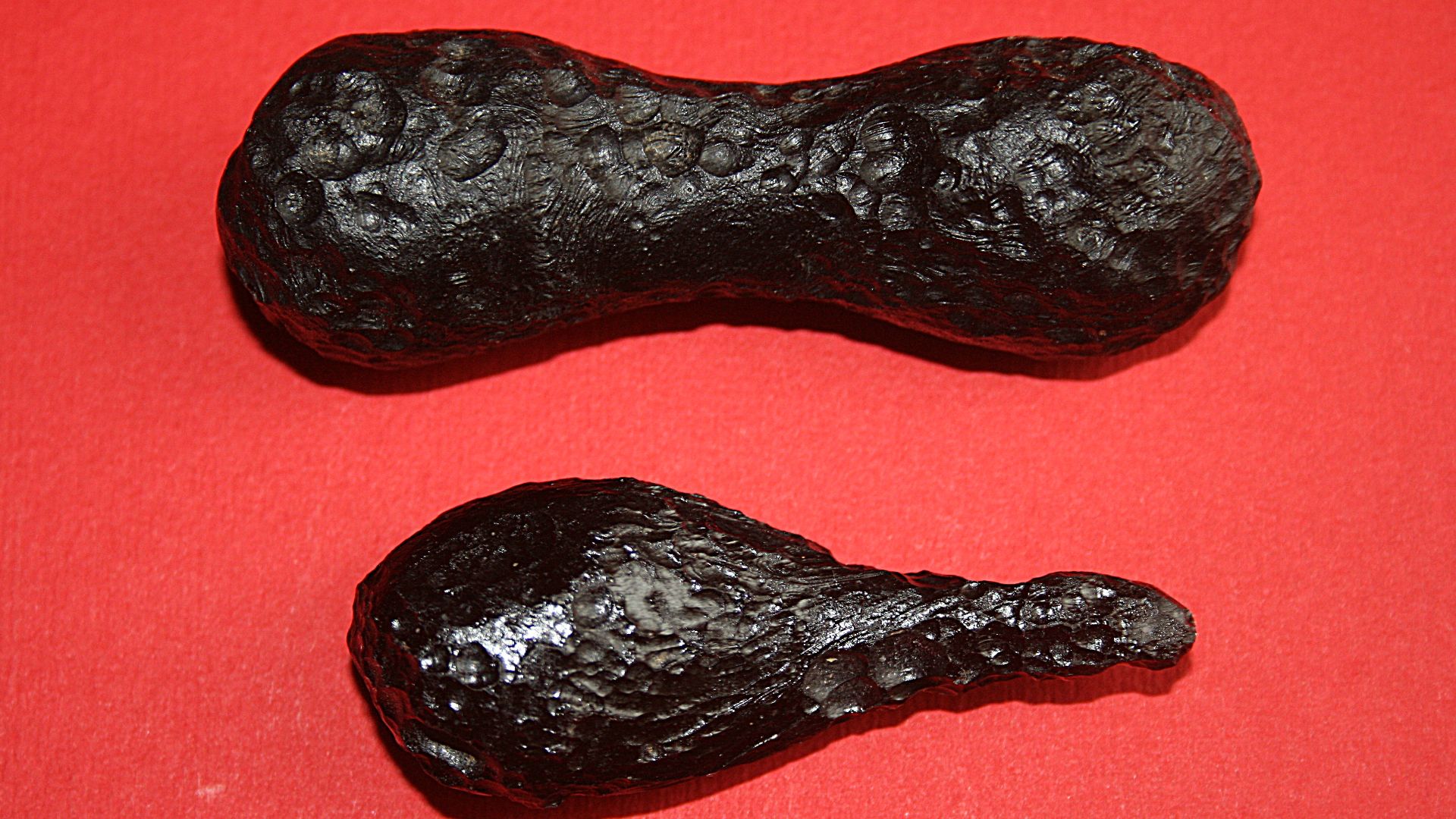 Brocken Inaglory, Wikimedia Commons
Asteroid Origins
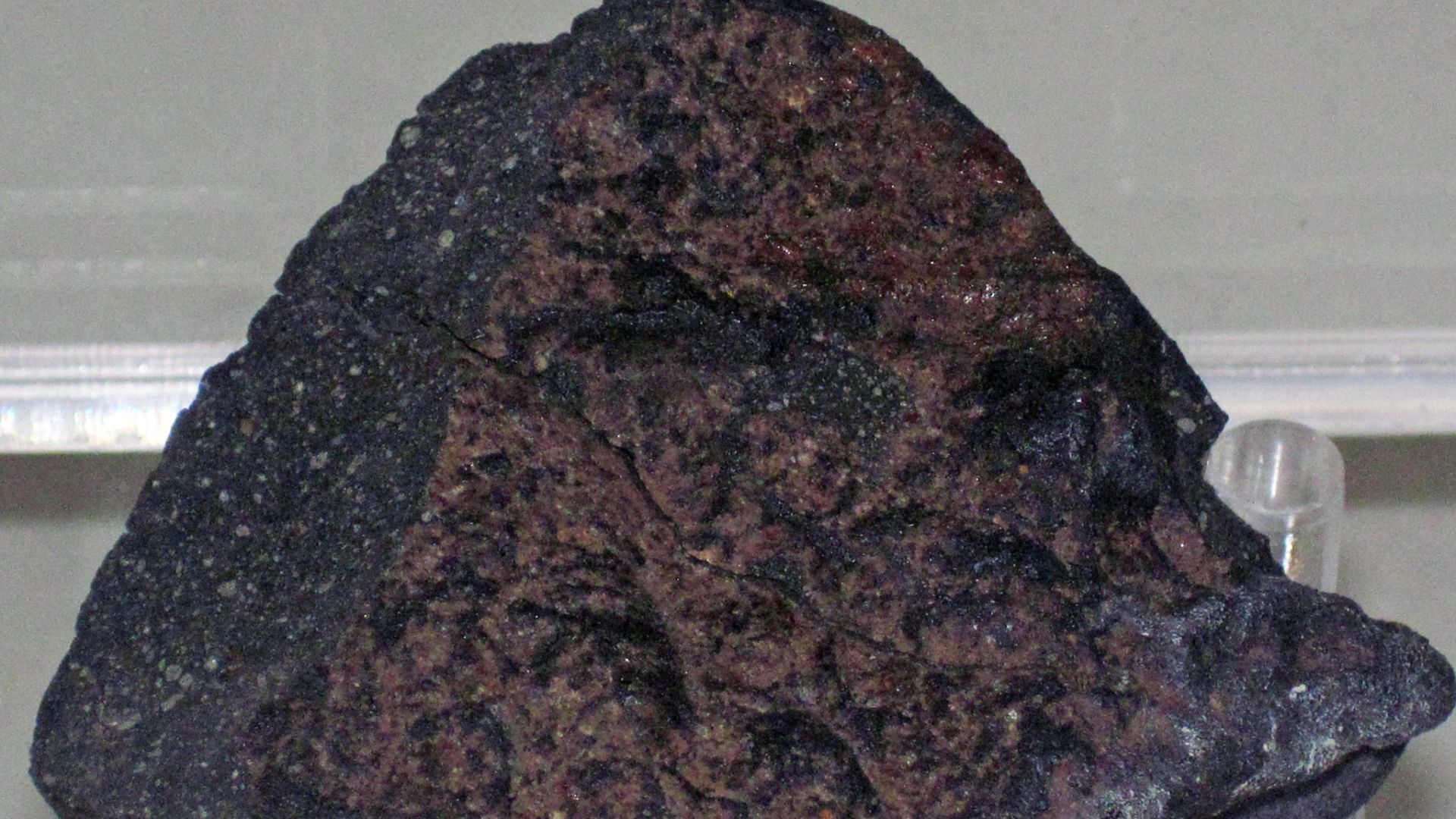
Scientists analyzing ruthenium isotopes in rocks from the extinction boundary have traced the Chicxulub impactor's birthplace. The asteroid was a carbonaceous chondrite, an ancient rock that formed billions of years ago when our solar system was young. These primitive asteroids exist only beyond Jupiter's orbit.
 James St. John, Wikimedia Commons
Collision Mechanics
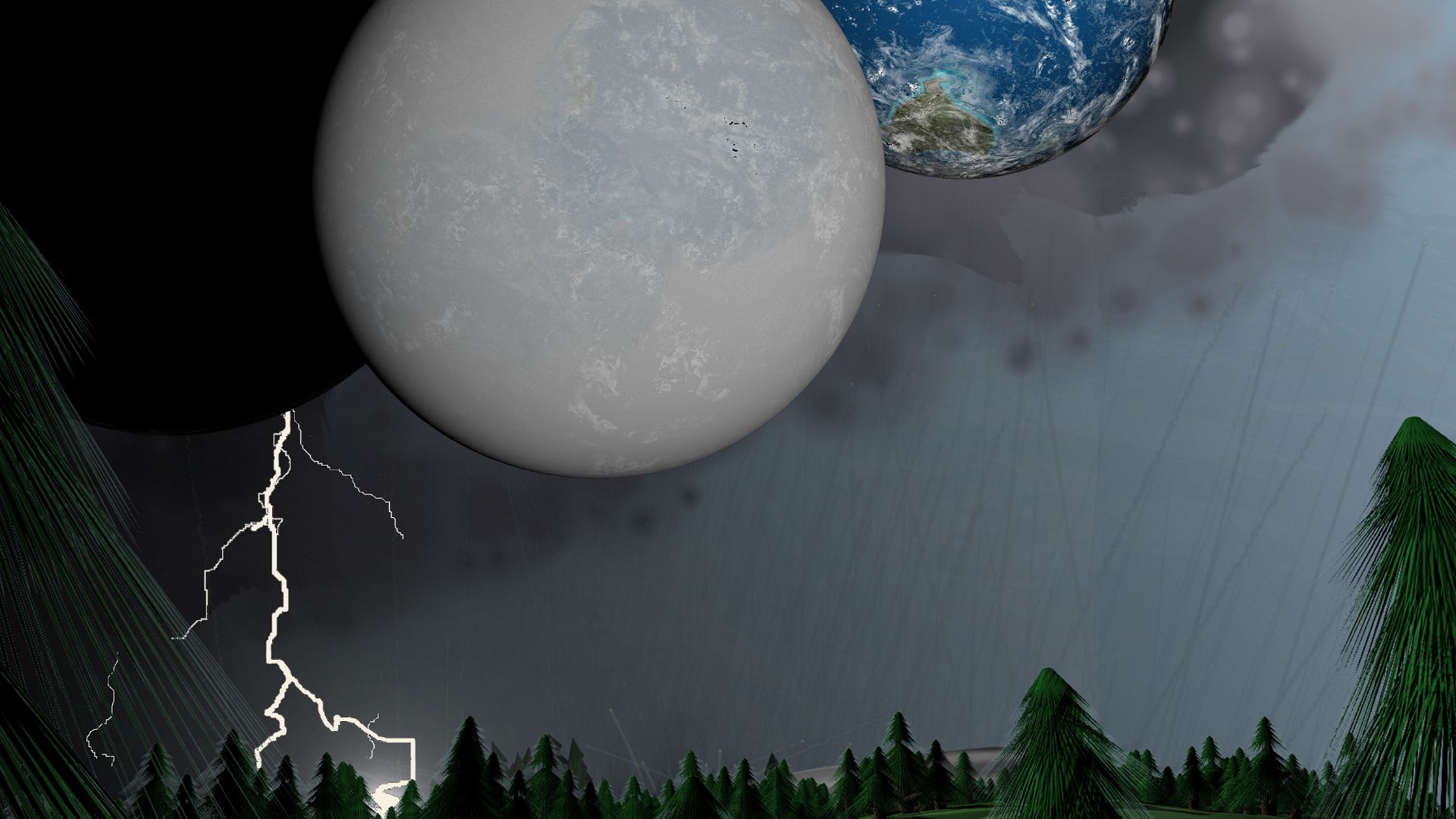
The asteroid measured roughly 10 kilometers in diameter. It approached Earth at 20 kilometers per second. The impact angle was steep, between 45 and 60 degrees, maximizing the catastrophic effects. Upon striking the Yucatan Peninsula's carbonate and sulfate-rich sediments, the asteroid released energy equivalent to 72–100 teratonnes of TNT.
Initial Blast
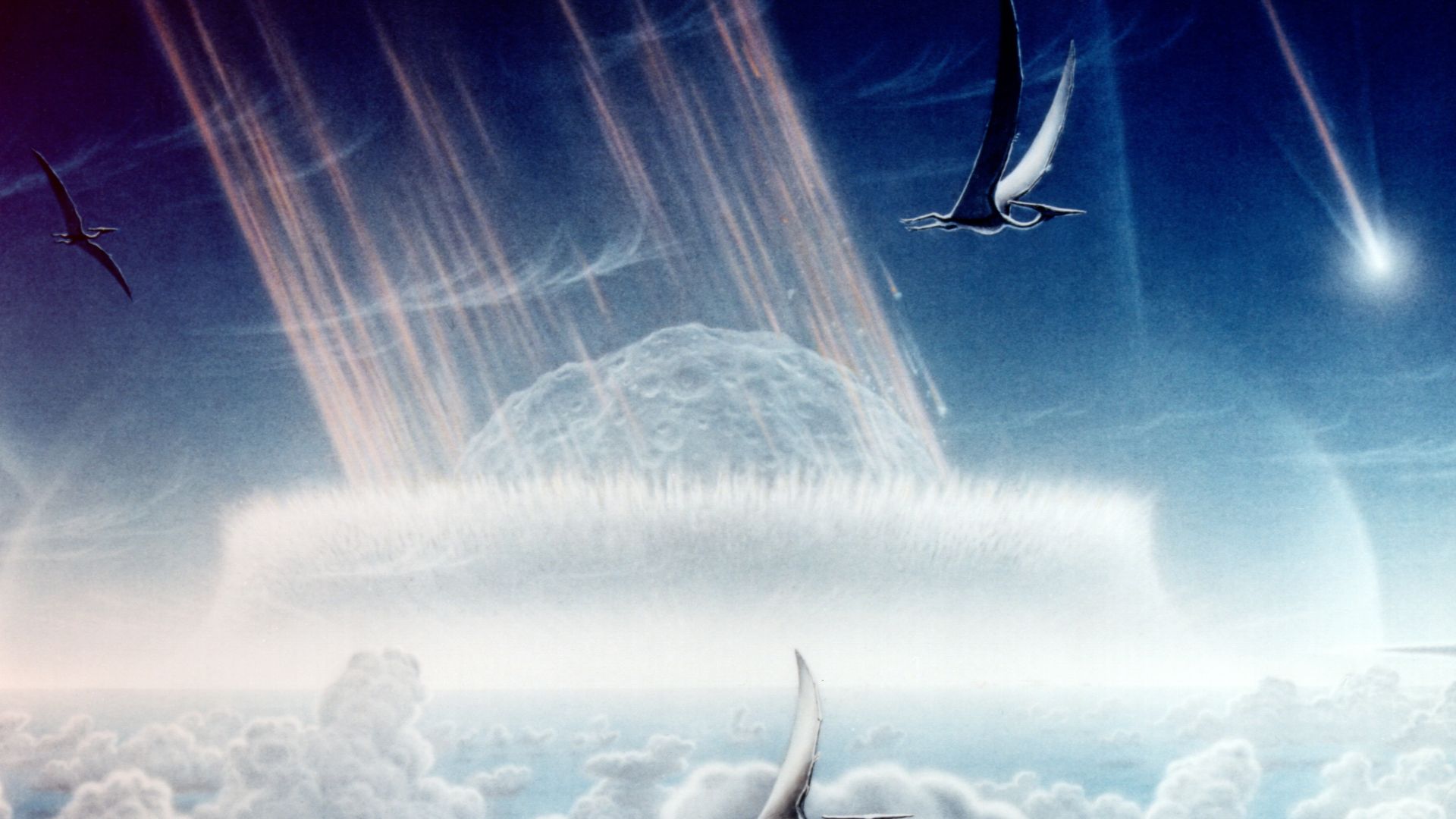
It is said that the first seconds after impact resembled conditions inside a star. Temperatures reached tens of thousands of degrees as shock waves radiated outward at supersonic speeds. Granite from Earth's deep crust was ejected upward and melted within minutes, forming the crater's distinctive peak ring.
 Donald E. Davis, Wikimedia Commons
Debris Ejection
Several thousand gigatonnes of pulverized rock, asteroid fragments, and vaporized material shot into Earth's atmosphere at velocities exceeding 5 kilometers per second. This debris cloud formed a fast-moving curtain that transported dust, soot, and sulfate aerosols around the entire planet within hours.
 Sneha G Gupta, Wikimedia Commons

History's most fascinating stories and darkest secrets, delivered to your inbox daily.
Wildfire Ignition
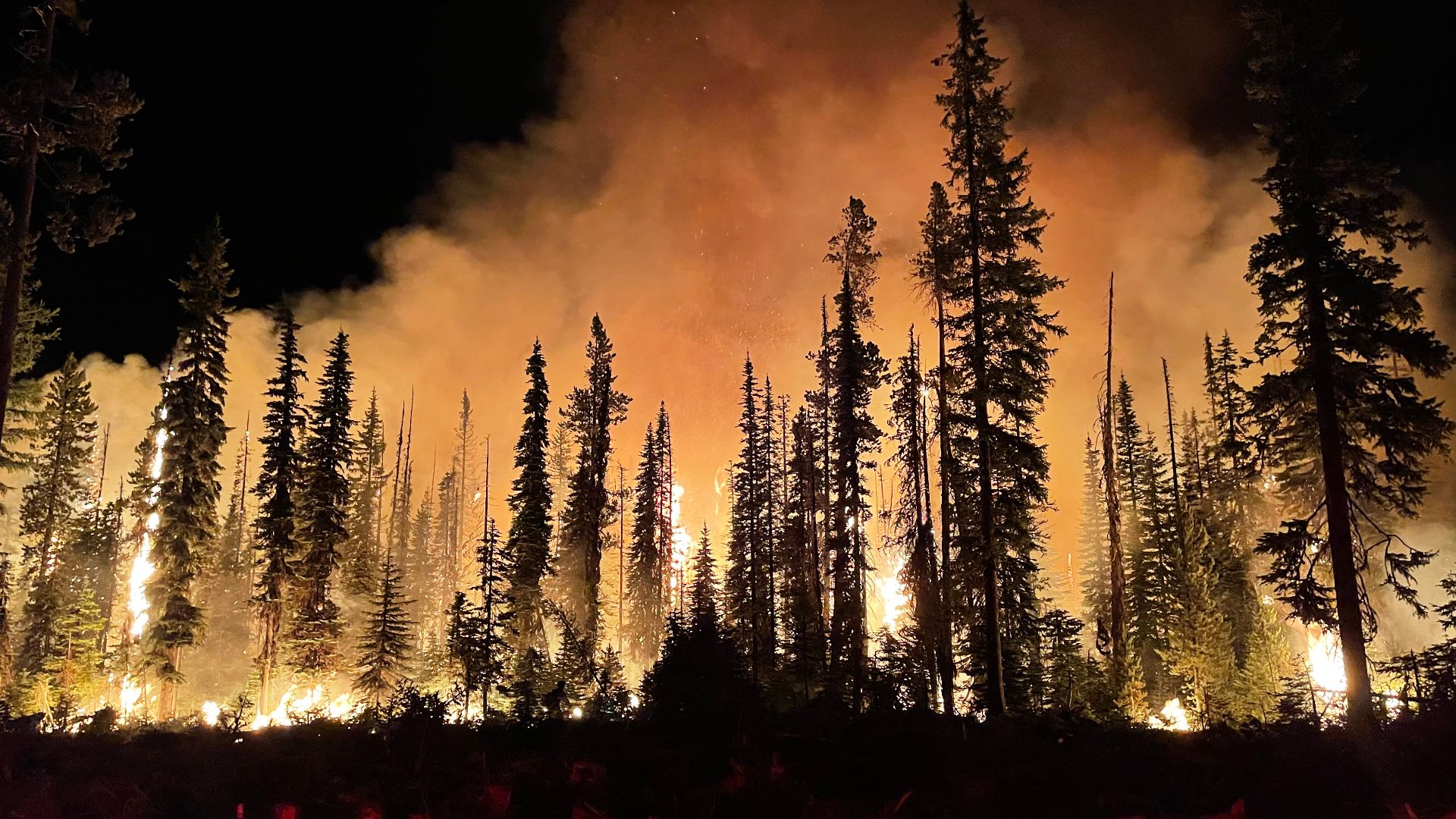
As superheated debris rained back through the atmosphere, friction heated the air to temperatures that spontaneously ignited vegetation across continents. Massive wildfires erupted globally, producing vast quantities of soot that compounded the atmospheric darkness. The Tanis fossil site in North Dakota preserves amber containing tektites.
 U.S. Forest Service- Pacific Northwest Region, Wikimedia Commons
Atmospheric Dust
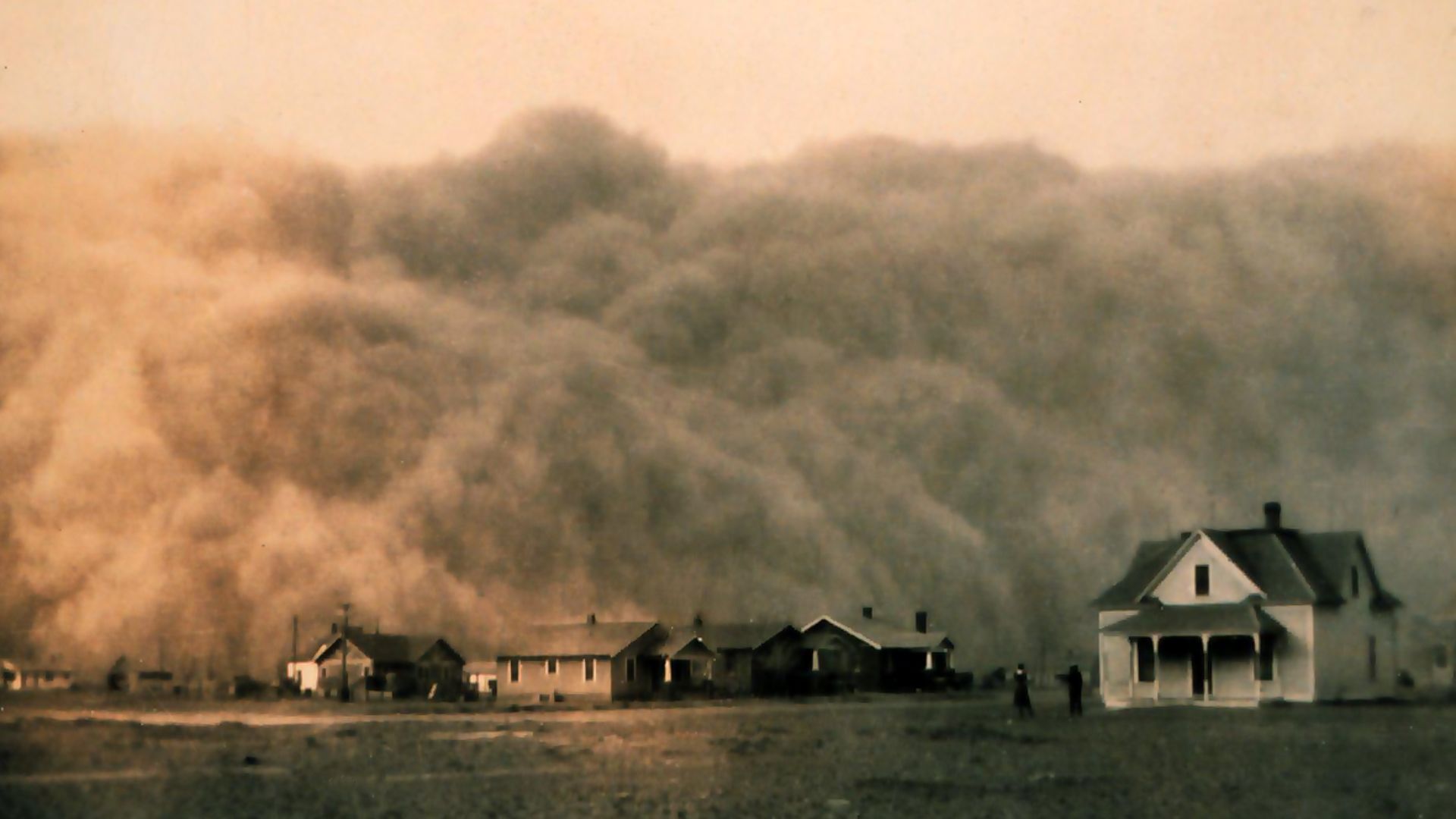
Recent 2024 research analyzing North Dakota sediments highlighted that fine silicate dust contributed far more to the extinction than previously understood. These microscopic granite particles, produced when the asteroid pulverized Yucatan bedrock, created an impenetrable atmospheric shield. Previous studies had focused on sulfur and soot.
 George Everett Marsh Jr., Wikimedia Commons
Sulfur Release
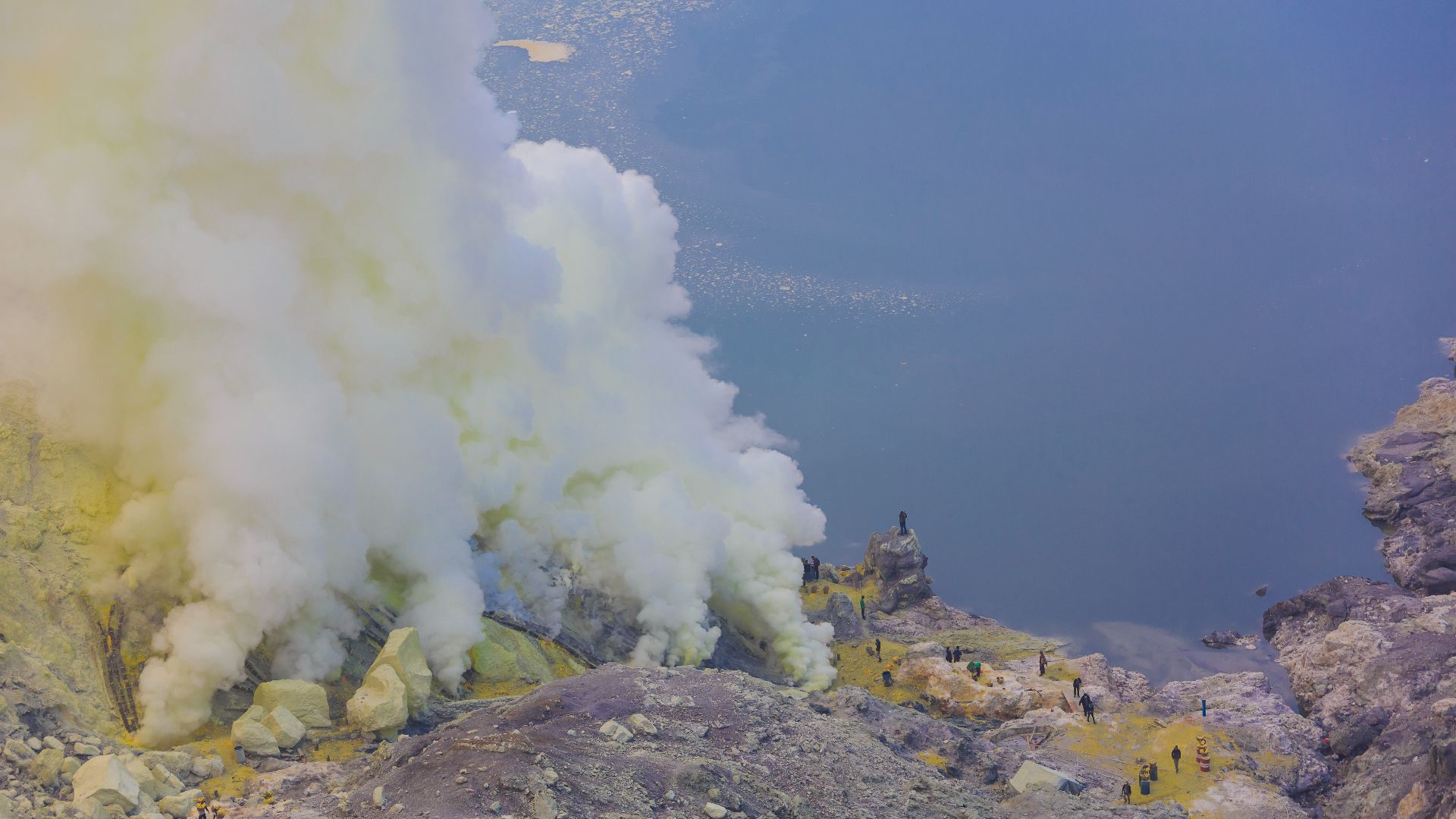
A 2025 study revised our understanding of sulfur's role in the extinction. Scientists analyzed drill cores from within the Chicxulub crater alongside boundary sediments worldwide, measuring sulfur concentrations and isotopic fingerprints. Their empirical calculations revealed approximately 67 billion tons of sulfur entered the atmosphere.
 CEphoto, Uwe Aranas, Wikimedia Commons
Sunlight Blockage
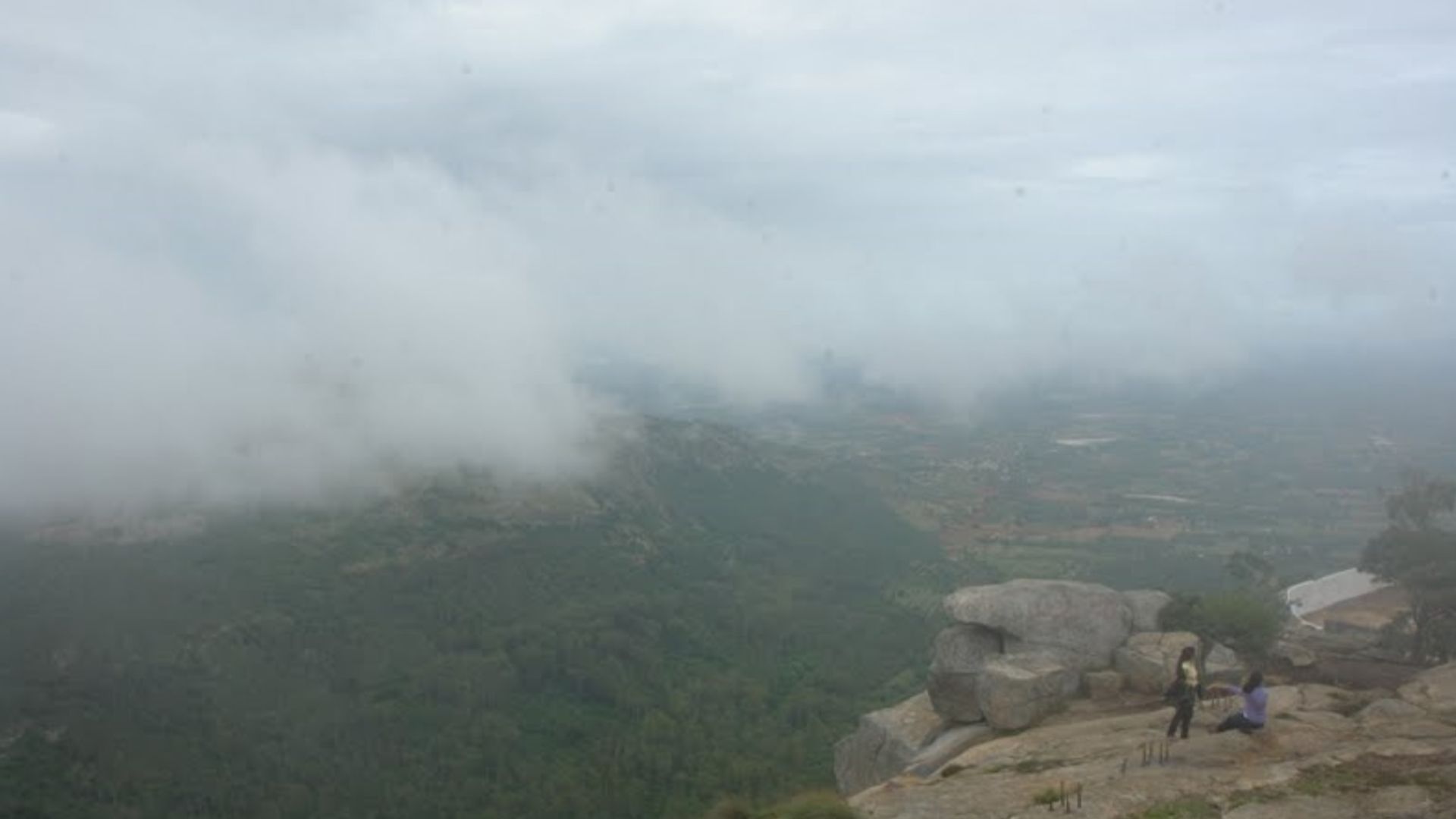
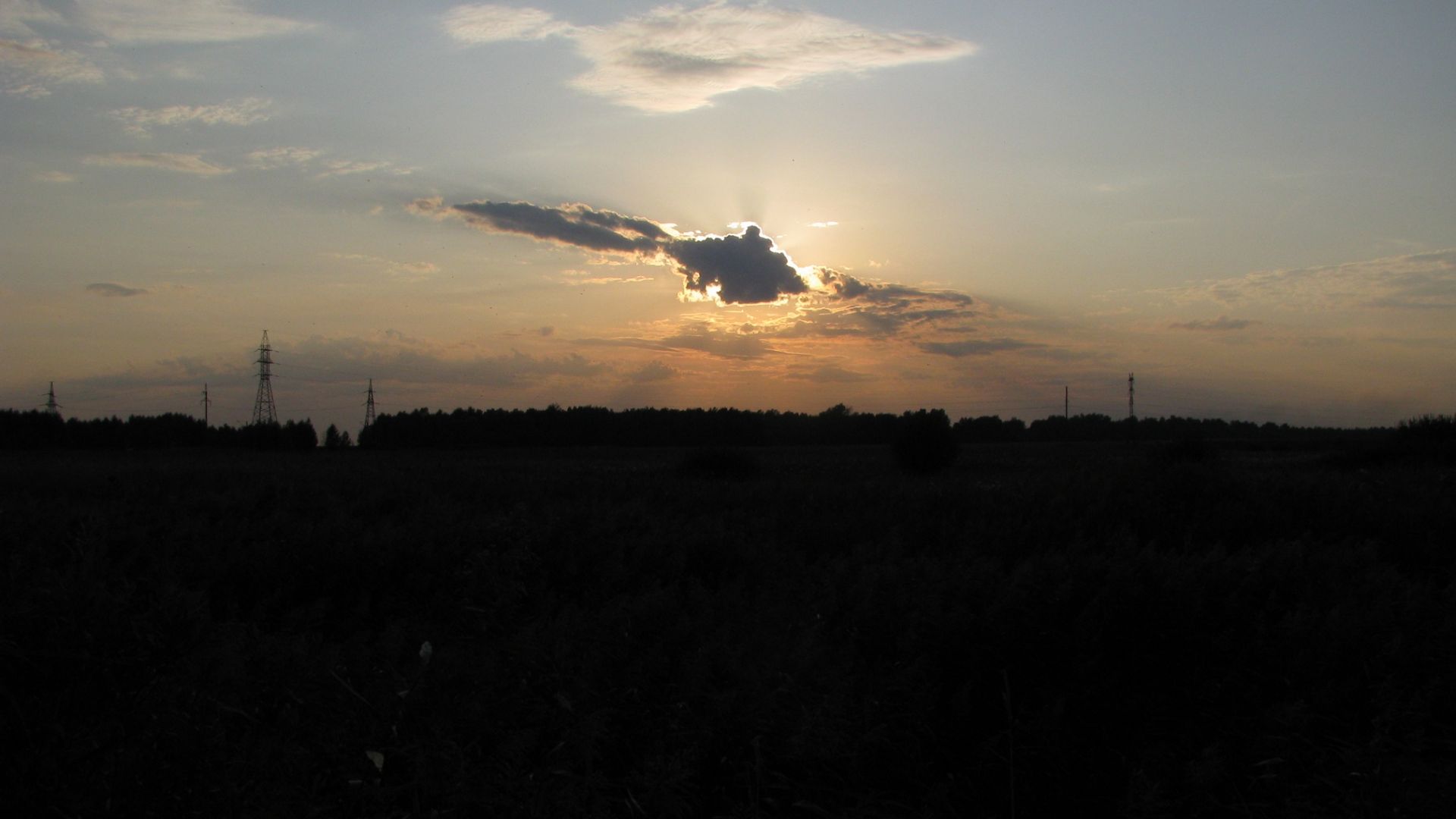
Computer simulations show this barrier scattered incoming solar radiation back into space with devastating efficiency. Photosynthesis requires specific wavelengths of light to function, and the atmosphere blocks precisely those wavelengths. Even locations at Earth's equator, normally bathed in intense sunlight, experienced light levels comparable to deep dusk.
Temperature Plunge
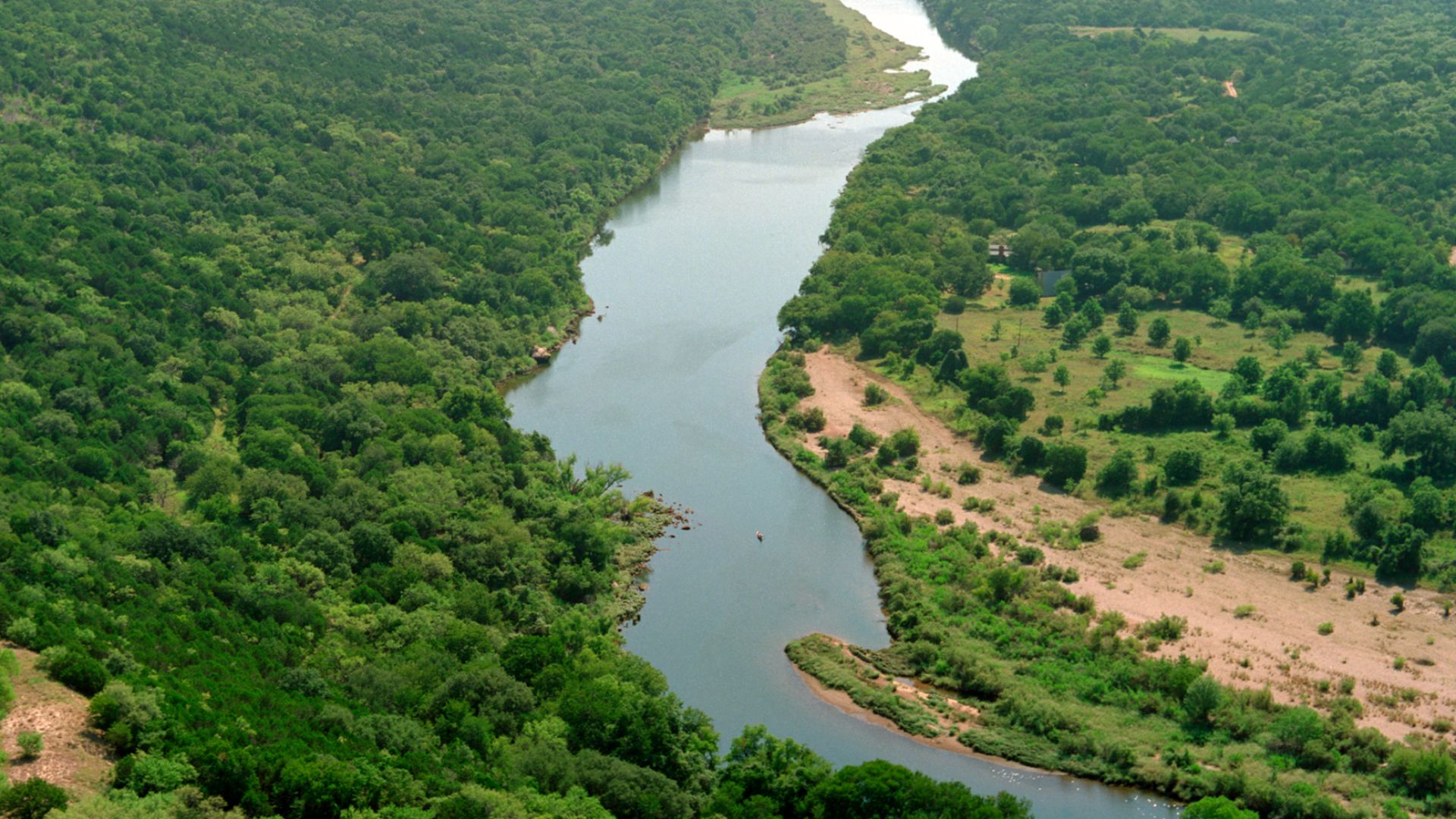
Within weeks of impact, global temperatures dropped catastrophically. Surface temperatures plummeted by up to 25 degrees Celsius in some regions, with the most severe cooling lasting five to eight years. At Brazos River geological sites, researchers found evidence that sea surface temperatures dropped 7 degrees Celsius.
Impact Winter
The term "impact winter" describes the prolonged period of darkness and cold that followed the asteroid strike. Recent research suggests this winter extended for roughly 15 to 20 years. Fine silicate dust particles proved particularly deadly because they remained suspended in the stratosphere far longer than expected.
 Dietmar Rabich, Wikimedia Commons
Photosynthesis Collapse
Plants worldwide stopped producing energy almost overnight when sunlight vanished. Photosynthesis requires consistent light to convert carbon dioxide and water into glucose, and the impact of winter eliminates this fundamental biological process across the planet.

Food Chain
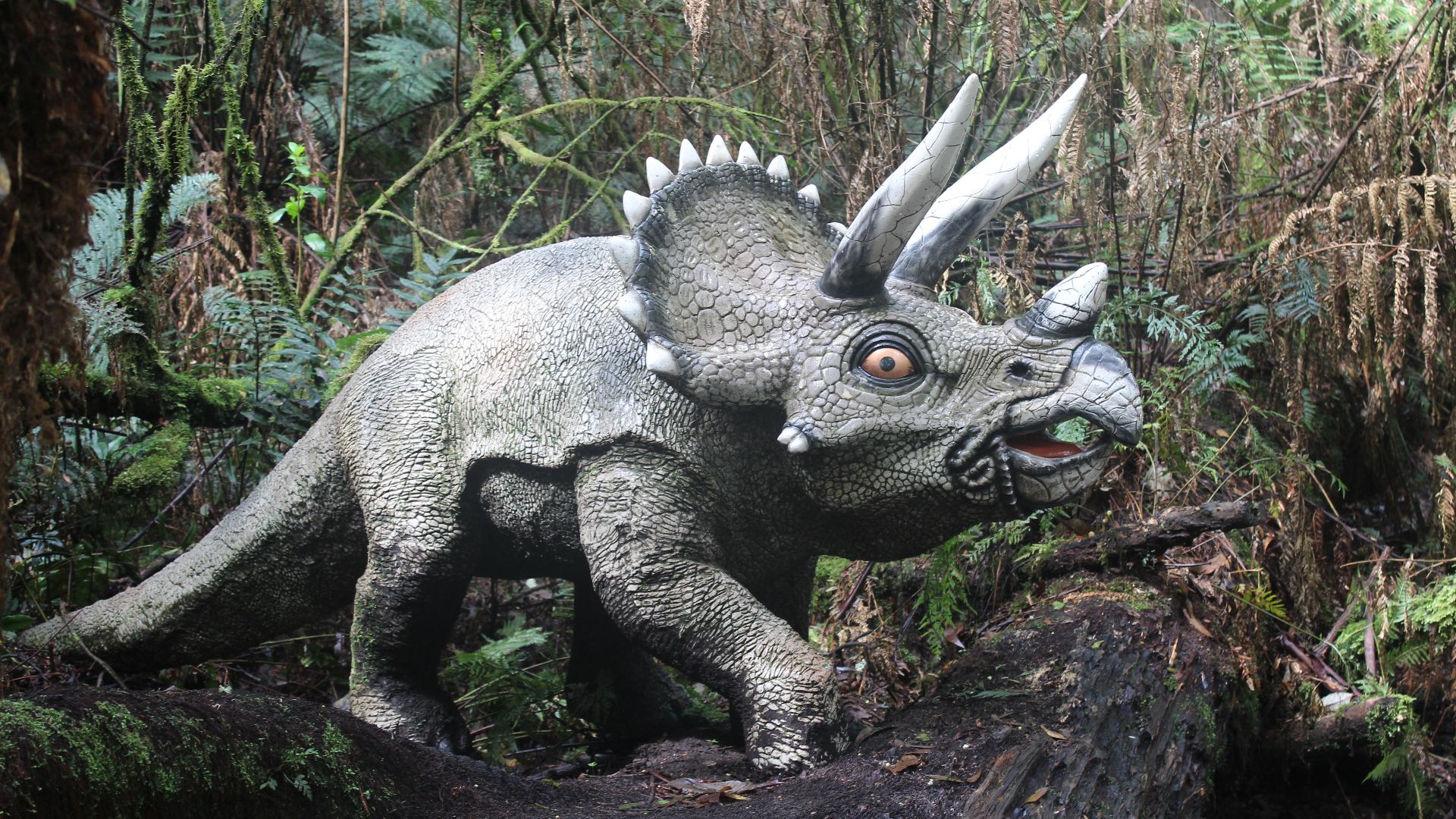
With plant life gone, herbivorous dinosaurs faced immediate starvation. Large herbivores like Triceratops and hadrosaurs required massive daily food intake to sustain their enormous bodies, and they had no fat reserves sufficient for years of famine. Their deaths triggered cascading failures up the food chain.
Deccan Volcanism
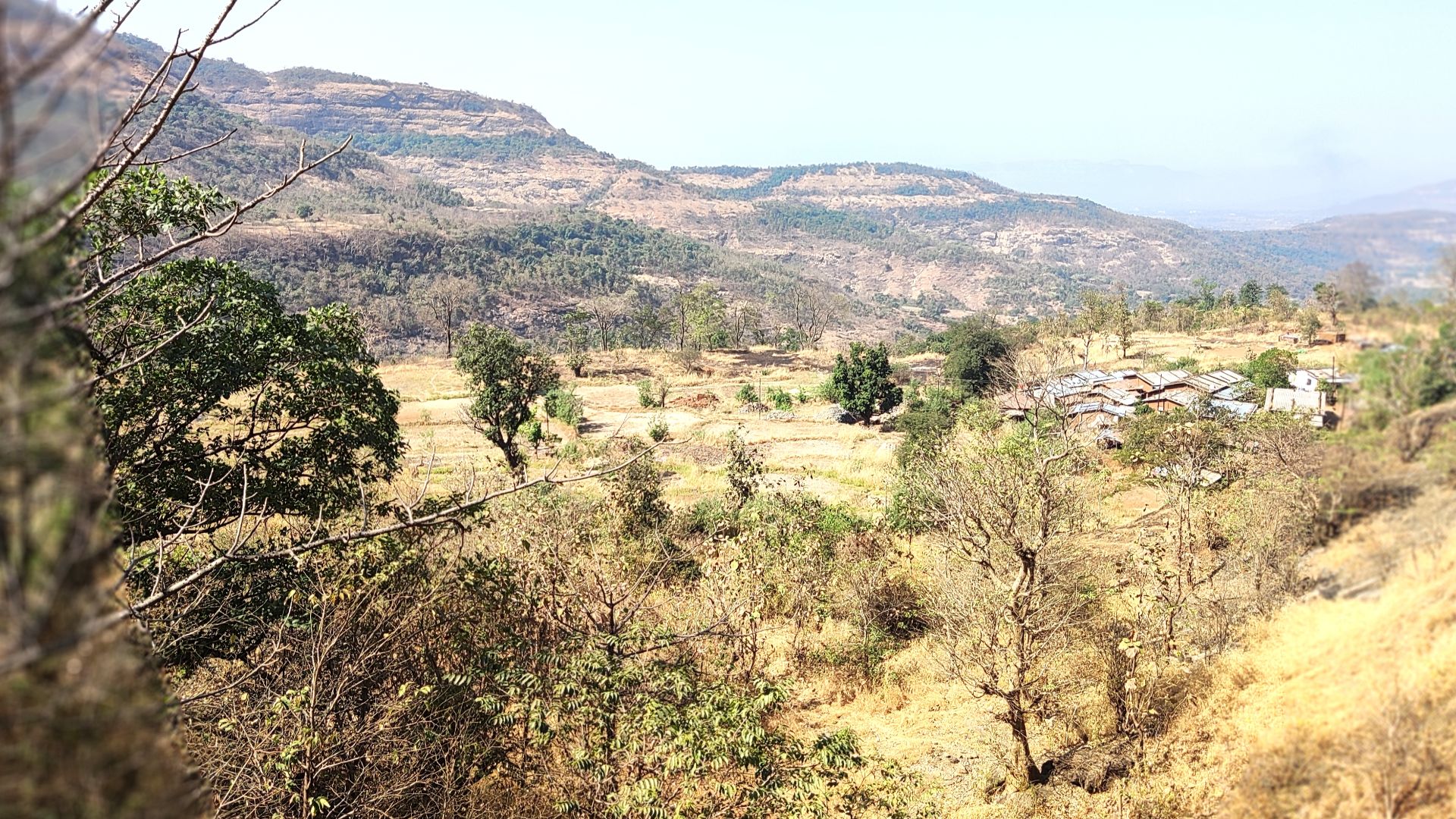
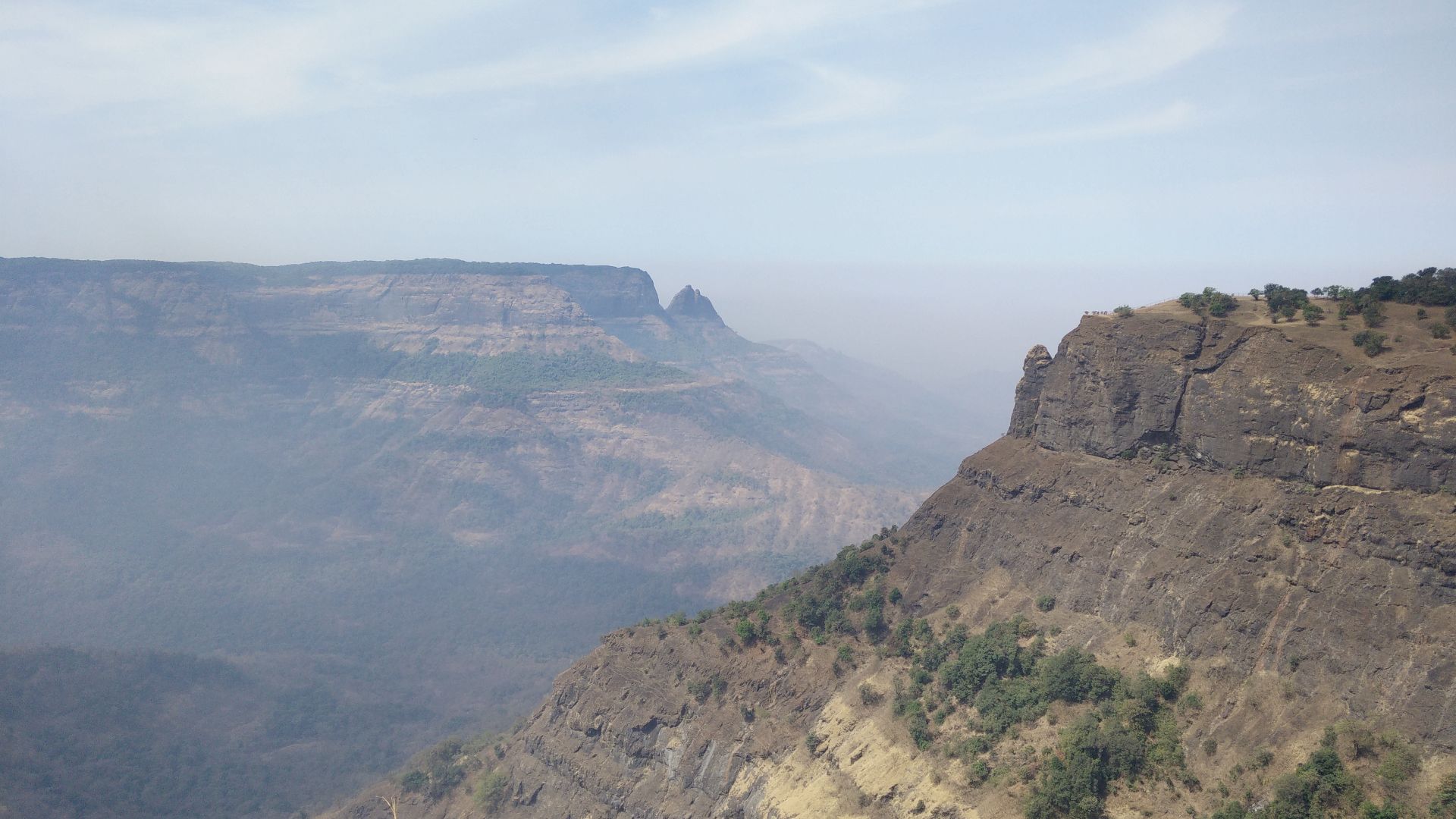
While the asteroid struck, massive volcanic eruptions were occurring in what is now India's Deccan Traps region. These eruptions began approximately 400,000 years before the impact and continued for 600,000 years afterward, spewing 1.5 million square kilometers of lava.
Volcanic Timing
New 2024 research using uranium-lead dating and climate proxies has clarified the Deccan Traps' relationship to the extinction. The volcanism caused a gradual warming of approximately 3 degrees Celsius over the final 100,000 years before impact. However, a brief cold snap occurred about 30,000 years before the extinction.

Climate Effects
The Deccan eruptions released gases over hundreds of thousands of years, allowing ecosystems time to adapt to changing conditions. The asteroid impact, conversely, released comparable or greater amounts of climate-altering materials almost instantaneously. This speed proved critical—organisms can adapt to gradual change but not catastrophic shifts.
 KartikMistry, Wikimedia Commons
Thriving Populations
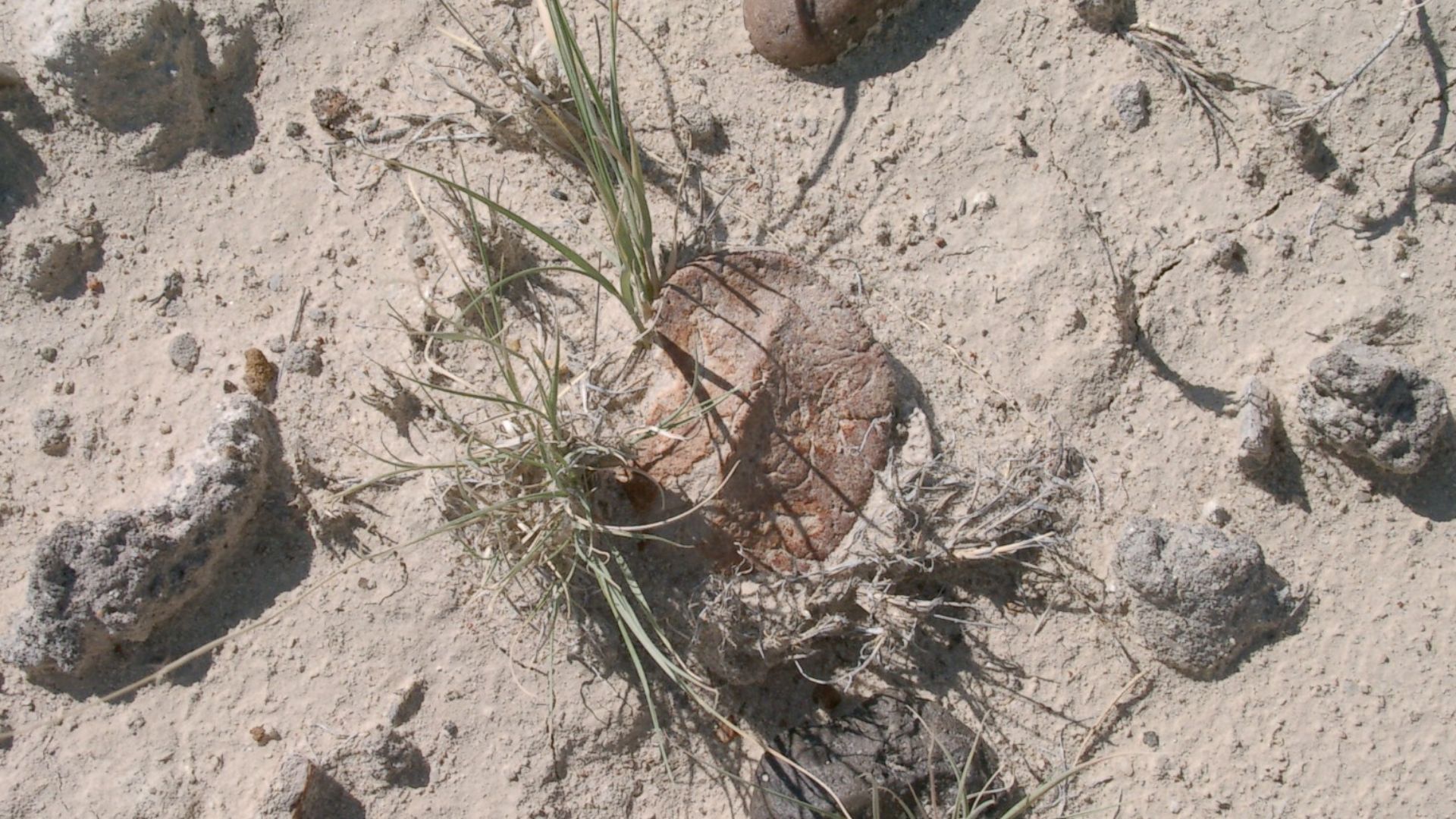
Contrary to old theories suggesting dinosaurs were already declining, 2025 evidence from New Mexico's Naashoibito Member brings to light vibrant ecosystems right until the end. Fossils dated between 66.4 and 66 million years ago show diverse dinosaur communities with distinct northern and southern "bioprovinces" across North America.
 Df9465 (Denver Fowler), Wikimedia Commons
Extinction Selectivity
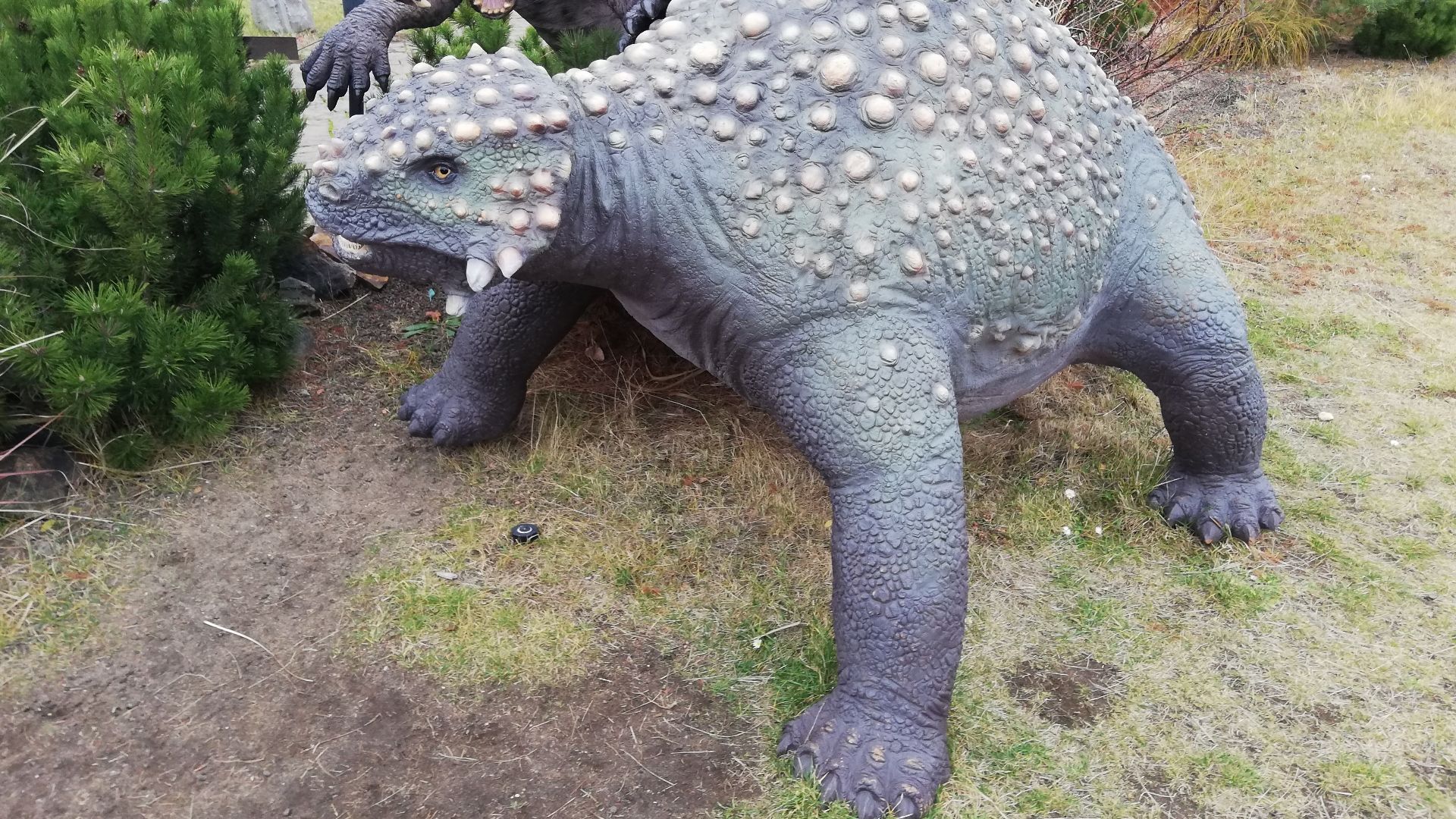
Body size proved critical to survival, as no land animal heavier than 25 kilograms survived. Large herbivorous dinosaurs needed enormous daily food intake that simply wasn't available once plants died off, while massive carnivores required thriving prey populations. Meanwhile, organisms with alternative survival strategies fared remarkably better.
 Mojmir Churavy, Wikimedia Commons
Survivor Species
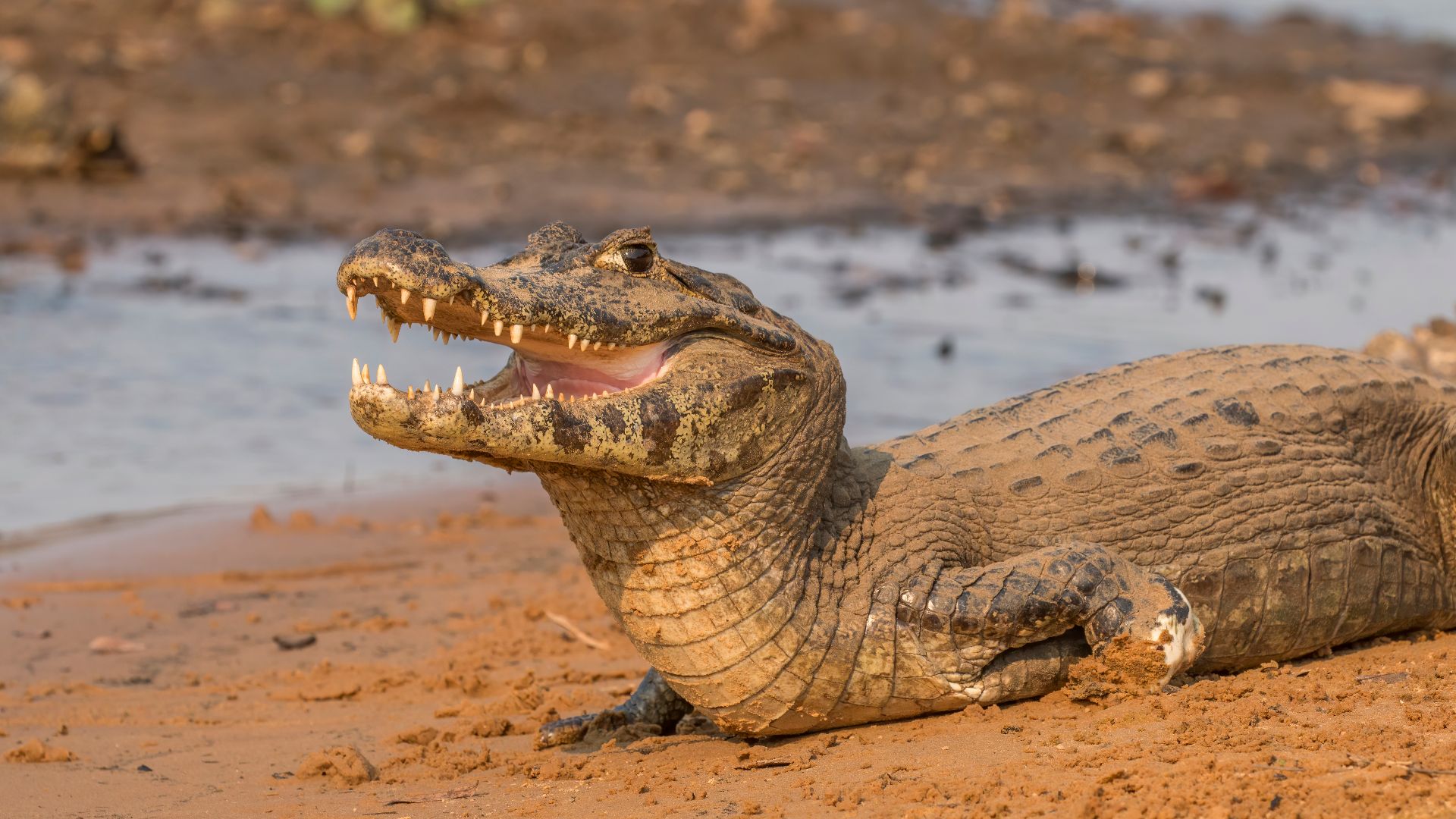
Crocodilians survived through remarkable physiological advantages. They can endure months without food, consume almost anything for sustenance, and their young grow slowly while feeding on invertebrates. Over 80% of turtle species crossed the boundary, possibly because many inhabited freshwater ecosystems less dependent on photosynthesis-based food chains.
 Charles J. Sharp, Wikimedia Commons
Recovery Timeline
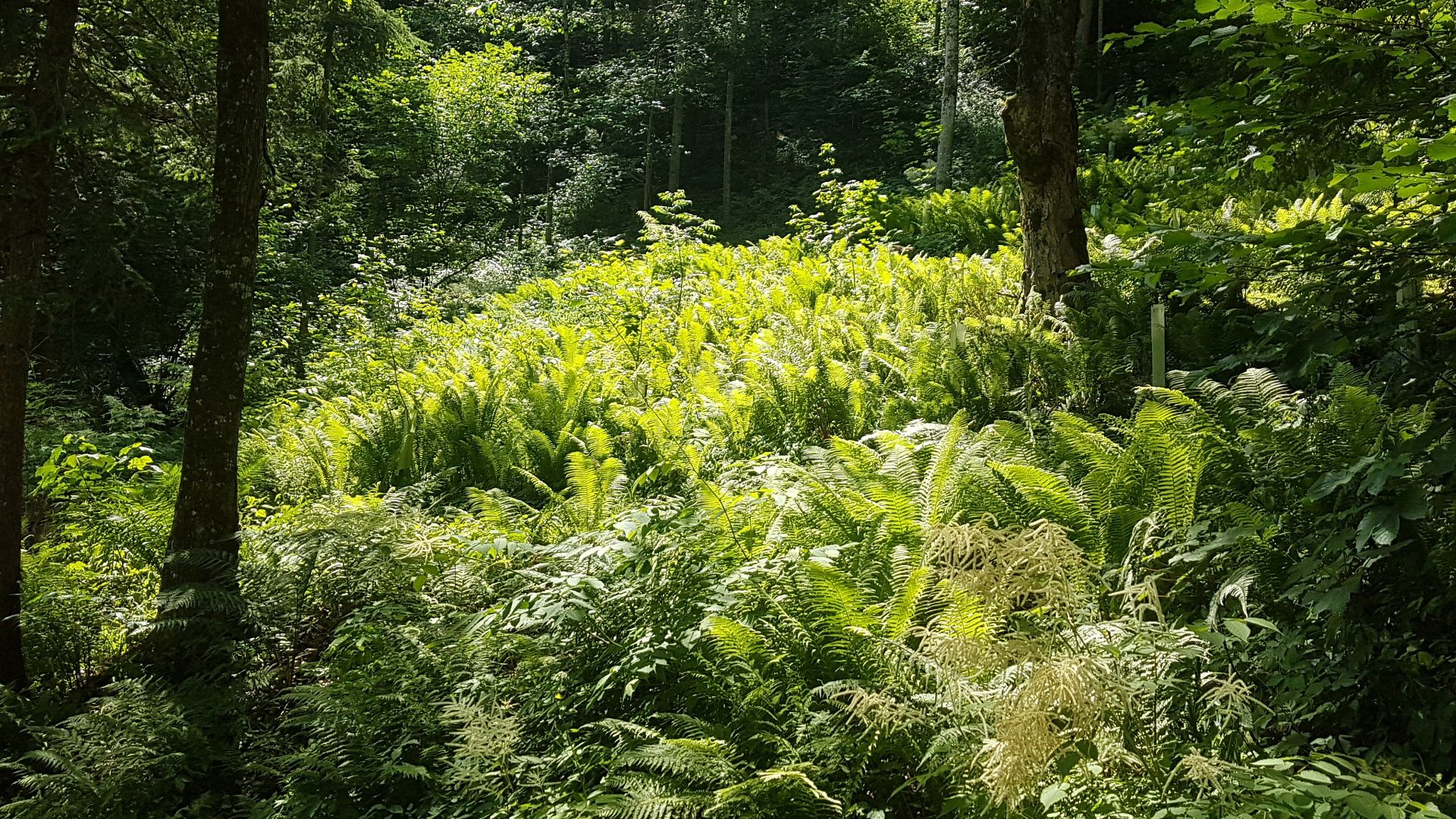
Colorado's Corral Bluffs site reveals recovery occurred in distinct phases over the first million years. "Disaster" ecosystems dominated for less than 100,000 years, characterized by ferns replacing forests and tiny mammal populations. Ecosystem recovery began between 100,000 and 300,000 years post-impact.
Current Consensus
Multiple independent dating methods confirm the Chicxulub crater formed exactly at the extinction boundary, 66.043 million years ago. The Chicxulub impact remains the only mechanism capable of producing the instantaneous, global, selective extinction pattern preserved in rocks worldwide.
 Shuttle Radar Topography Mission, Wikimedia Commons









