Archaeologists on Egyptian land have uncovered the tomb of Prince Waser-If-Re, son of King Userkaf, founder of the Fifth Dynasty (circa 2465–2458 BCE). The discovery, made at Saqqara’s necropolis southwest of Cairo, includes the pink-granite “false door” ever found in Egypt.
This architectural feature, central to ancient Egyptian tomb design, was believed to allow the deceased’s soul to move between life and the afterlife. The find adds significant evidence about royal burials during the Old Kingdom and reinforces Saqqara’s long-standing role as a burial site for Egypt’s elite.
Discovery Of A Fifth-Dynasty Royal Tomb
The excavation, announced by Egypt’s Supreme Council of Antiquities in April 2025, identified the tomb as belonging to Prince Waser-If-Re, also known as Userefre. His name and titles were inscribed on the tomb’s false door, confirming his lineage as King Userkaf’s son. This is one of the first substantial archaeological records linking Waser-If-Re to the royal family. It expands knowledge of Userkaf’s descendants and their burial customs.
Such a discovery confirms that high-ranking royals continued to be buried in Saqqara even as pyramid construction expanded elsewhere. This demonstrated the necropolis’s continued importance beyond earlier dynastic reigns.
The Monumental Pink-Granite False Door
The tomb’s centerpiece is a massive false door made of pink granite measuring about 14.7 by 3.8 feet (4.5 meters high and 1.15 meters wide). It is the first false door in Saqqara constructed from this material and one of its kind found in Egypt. Granite of this color was transported from Aswan, around 500 miles away, to indicate exceptional resources and status.
Inscriptions on the door list his titles, including “Hereditary Prince,” “Royal Scribe,” “Vizier,” and “Chanting Priest”. These roles illustrate the combination of administrative and religious authority held by royal family members in the Fifth Dynasty. The false door served a religious purpose—serving as a symbolic portal through which the soul received offerings from the living.
Statues And Evidence Of Later Reuse
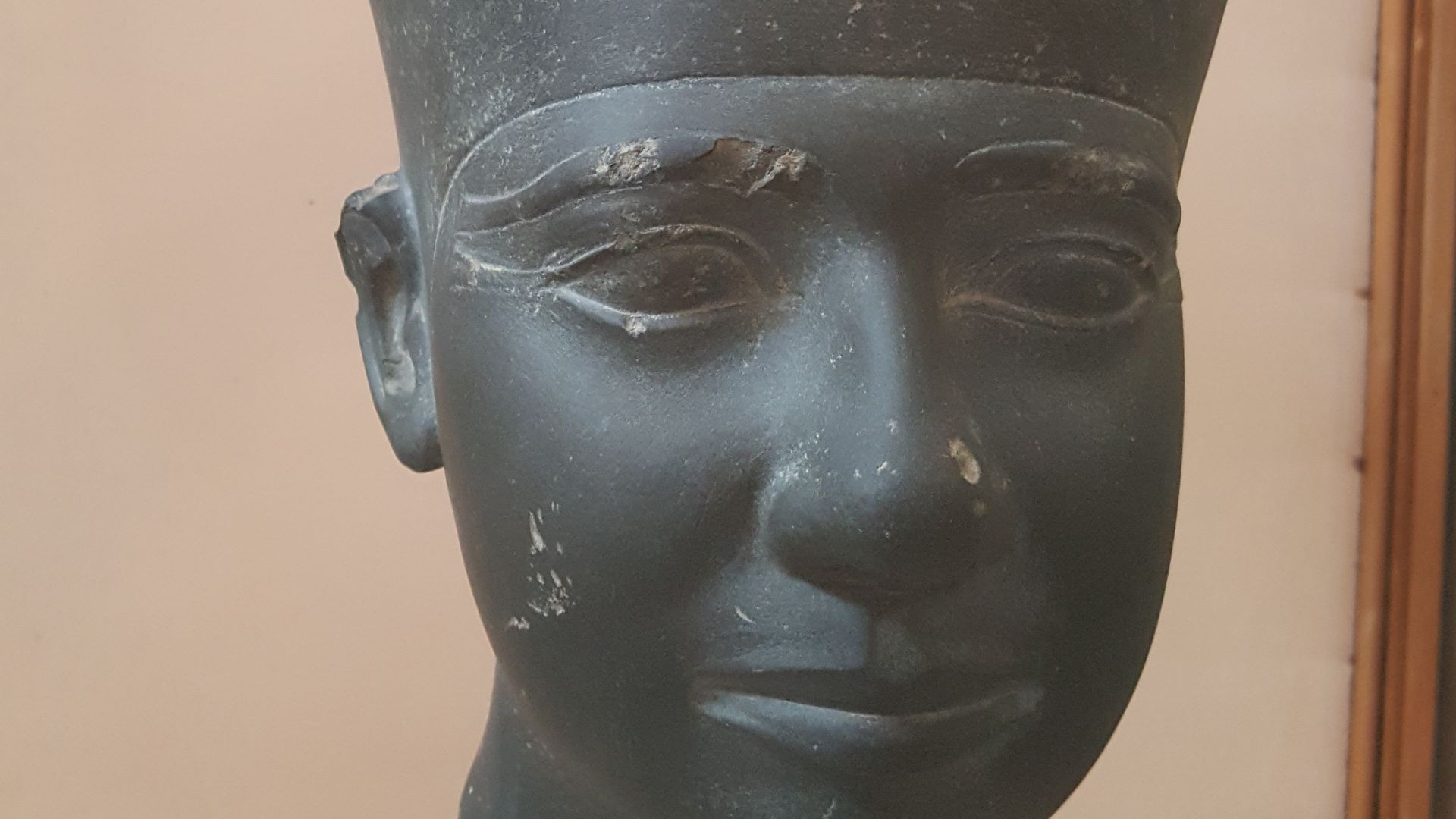
Archaeologists discovered 13 pink-granite seated statues inside the tomb, believed to represent the prince’s wives. These also came along with a red-granite offering table carved with ritual lists. Two of the statues had lost their heads—damage likely caused in antiquity.
They also uncovered a black-granite statue from the 26th Dynasty (688–525 BCE), showing the tomb was reused nearly 1,800 years after it was first built.
Interestingly, statues of King Djoser and his family from the Third Dynasty were also found inside, and this hints that older monuments had been moved here or repurposed for later burials.
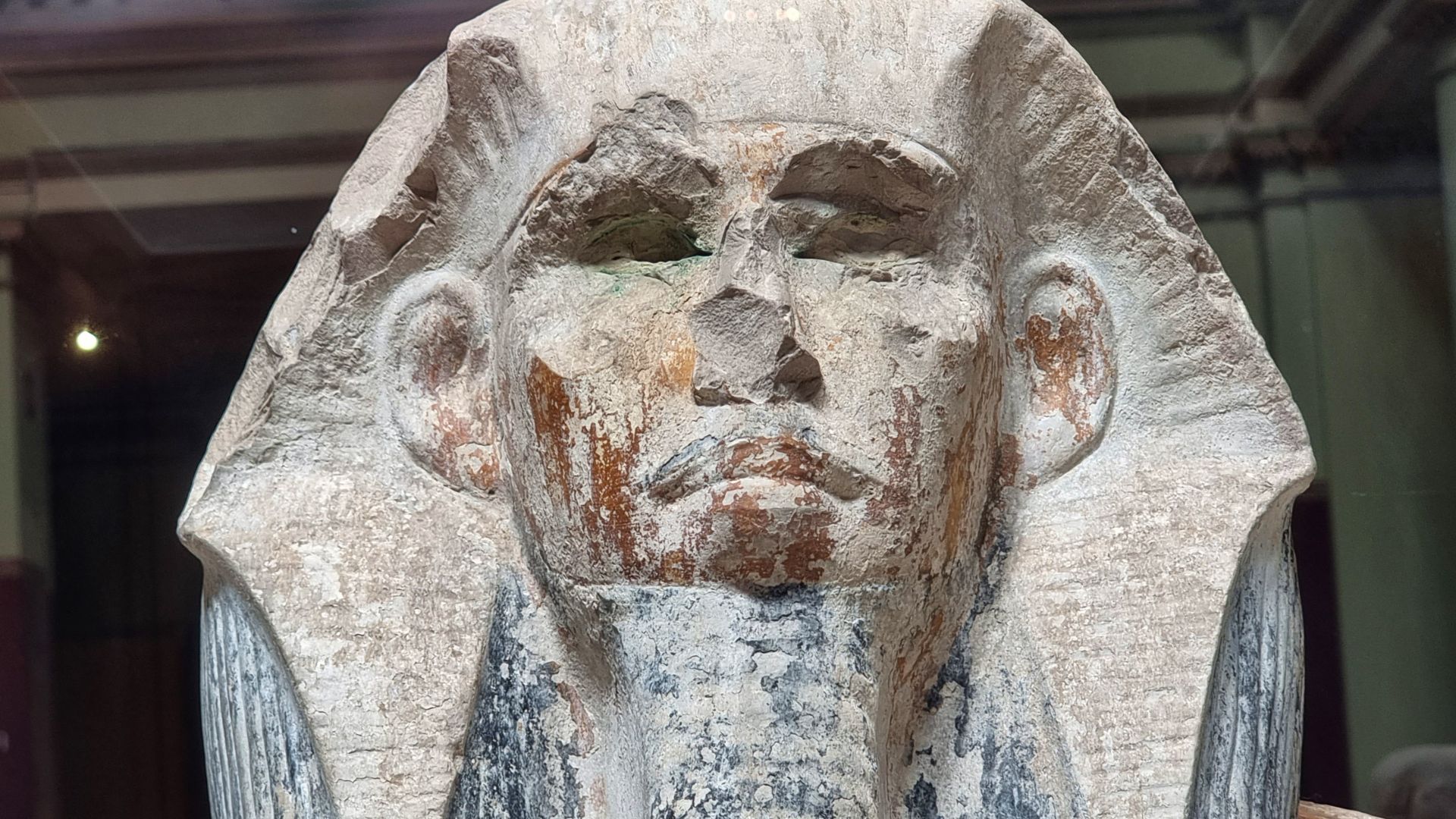 Prof. Mortel, Wikimedia Commons
Continuing Importance Of Saqqara
The tomb of Prince Waser-If-Re offers new insight into Old Kingdom funerary architecture and royal burial practices. Its scale, materials, and inscriptions reflect the political prominence of Userkaf’s line and Saqqara’s long-term status as a royal necropolis. Future excavations in the area may reveal additional links between royal family members and the priests who managed their mortuary cults.
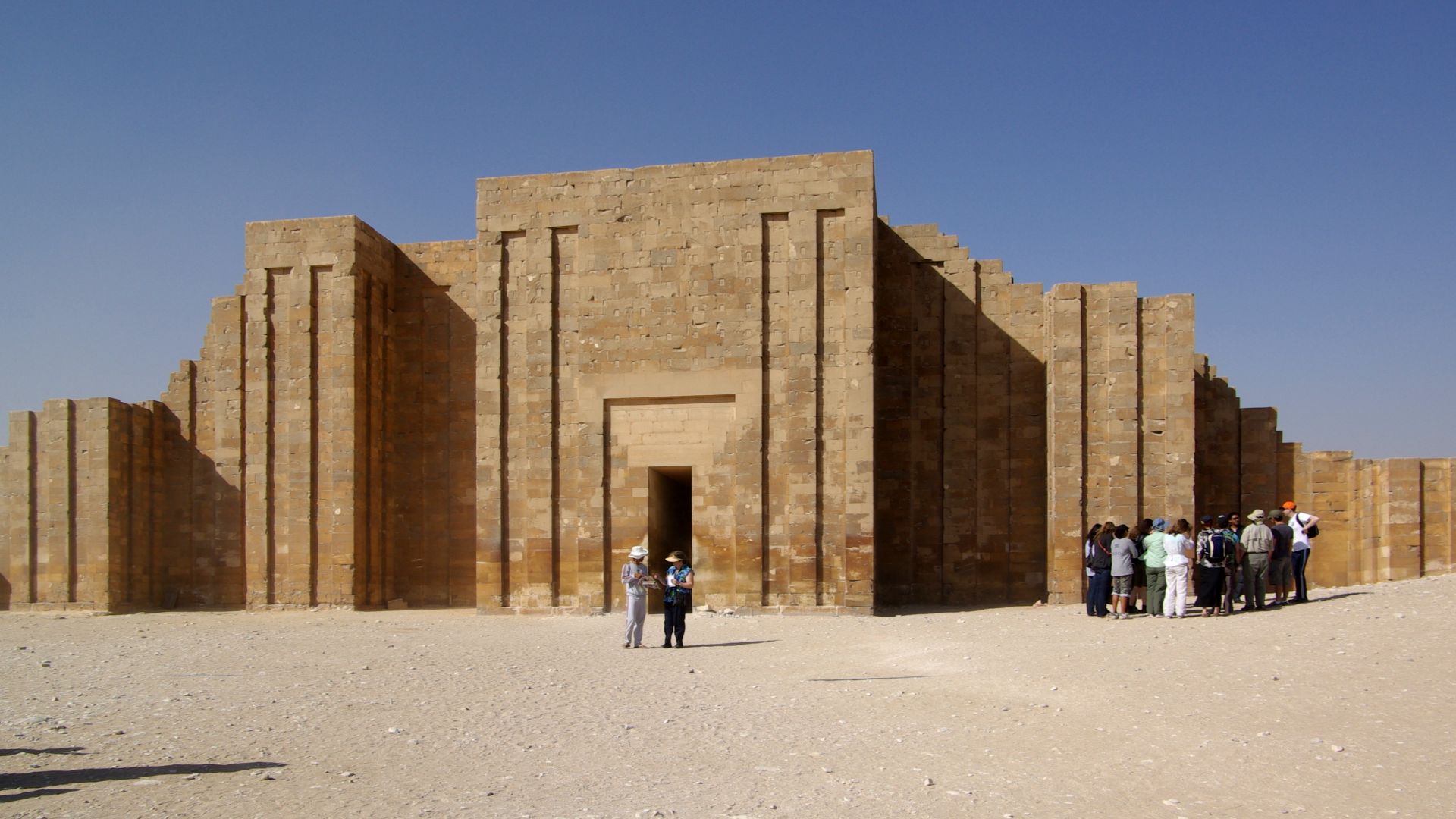 Berthold Werner, Wikimedia Commons