Few thinkers have been so widely quoted and so deeply misunderstood as Niccolo Machiavelli. For centuries, his name has been shorthand for political deceit—a man who supposedly preached that any act, however cruel, is justified if it leads to success based on the phrase “the ends justify the means”.
But guess what, that phrase never appears in his manifesto, The Prince, at all. The idea was stitched to his reputation long after his death, and it turned a complex political analysis into a cartoon of villainy.
If you’ve ever tossed that line around in debate or history class, the truth about where it comes from—and what Machiavelli really meant—might surprise you.
What Machiavelli Actually Wrote
In The Prince, completed in 1513, Machiavelli explored how a ruler could maintain stability in a violent, unpredictable world. The Italy of his time was a patchwork of warring city-states, and Florence—his home—had just exiled him from public life.
His advice was brutally pragmatic but not mindless cruelty. He observed that “men judge by results,” but that’s far from saying results alone excuse everything. Machiavelli’s focus was on perception and effectiveness: people respond more to visible success than to moral purity. For a ruler, appearing strong and competent mattered as much as being virtuous. He even warned against excessive violence. And added that needless deceit was also unnecessary.
A prince could act harshly in crisis, but reckless savagery would destroy loyalty and disrupt peace. Machiavelli’s concern was the preservation of the state, not indulgence in power for its own sake. His reasoning reflected the chaos of his era—when indecision invited invasion and mercy without strategy spelt disaster.
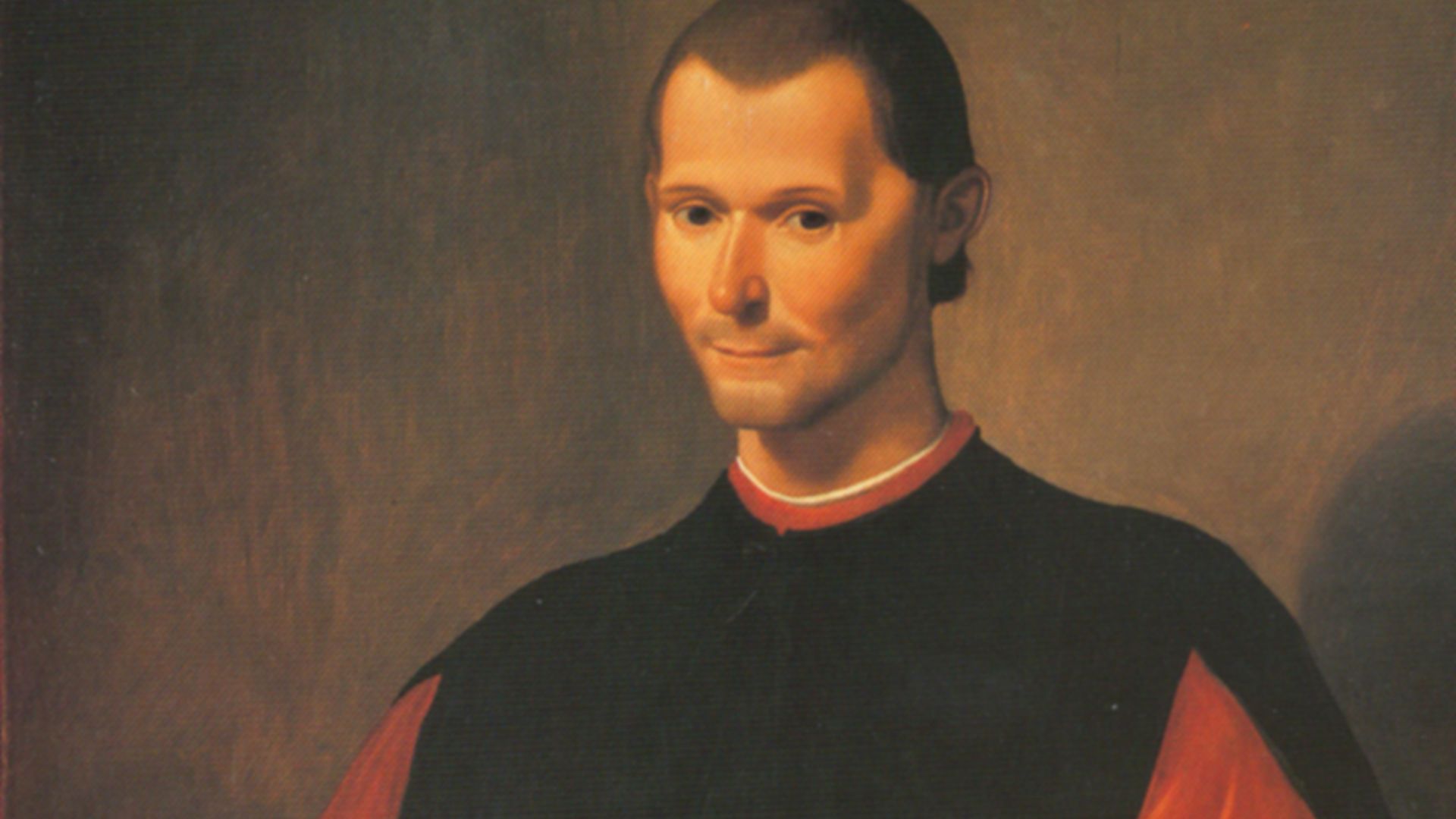 Santi di Tito, Wikimedia Commons
How The Misquote Spread
The tidy line “the ends justify the means” emerged decades later as readers sought an easy summary of his ideas. Translators, moralists, and critics condensed his nuanced advice into a soundbite that sounded scandalous enough to stick. And by the seventeenth century, the phrase was circulating as if it had come directly from The Prince.
From there, “Machiavellian” evolved into an insult meaning manipulative or cold-blooded—a far cry from his actual arguments about wise governance.
This distortion endured because it suited political rhetoric. Condemning an opponent as “Machiavellian” became a quick way to discredit ambition or strategy. Over time, the label eclipsed the thinker. But behind the myth lies a man who believed in order, discipline, and foresight—someone convinced that moral intentions mean little if a leader cannot protect a people from ruin.
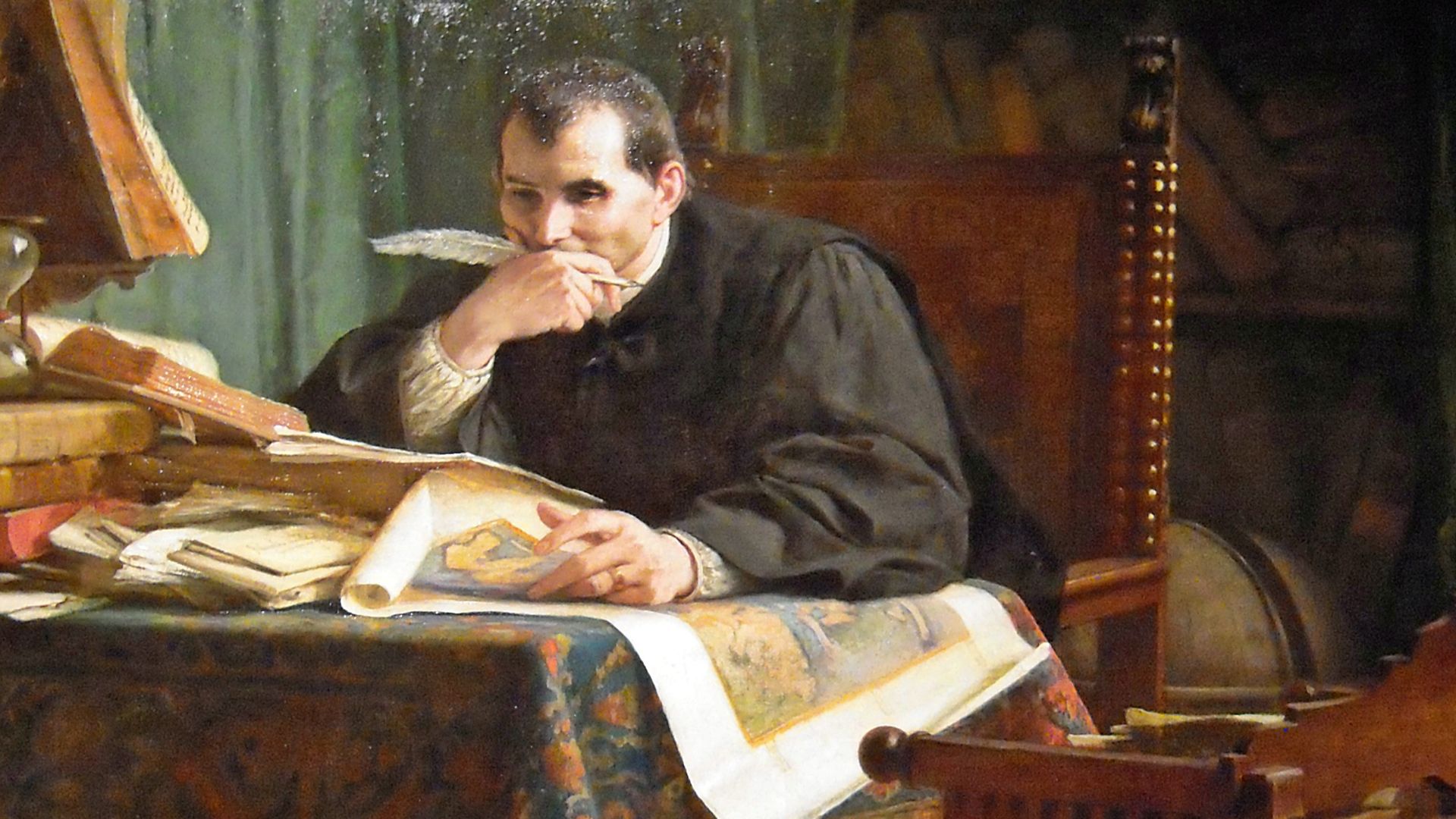 Stefano Ussi, Wikimedia Commons
What His Politics Really Taught
At the heart of Machiavelli’s thought lies verita effettuale—“effectual truth”. He urged rulers to face human nature as it is, not as philosophers wish it to be. People can be fickle, fearful, and self-interested, and pretending otherwise invites collapse.
Acknowledging those realities meant aligning moral goals with practical means. He held that stability and the common good outweighed empty virtue signaling, yet warned that cruelty, once habitual, corrodes both ruler and realm.
Seen in this light, The Prince reads less like a villain’s handbook and more like a survival manual for leadership in uncertain times. And with that, the next time someone drops the phrase “the ends justify the means,” remember: it’s not Machiavelli speaking, but centuries of misunderstanding echoing through history.
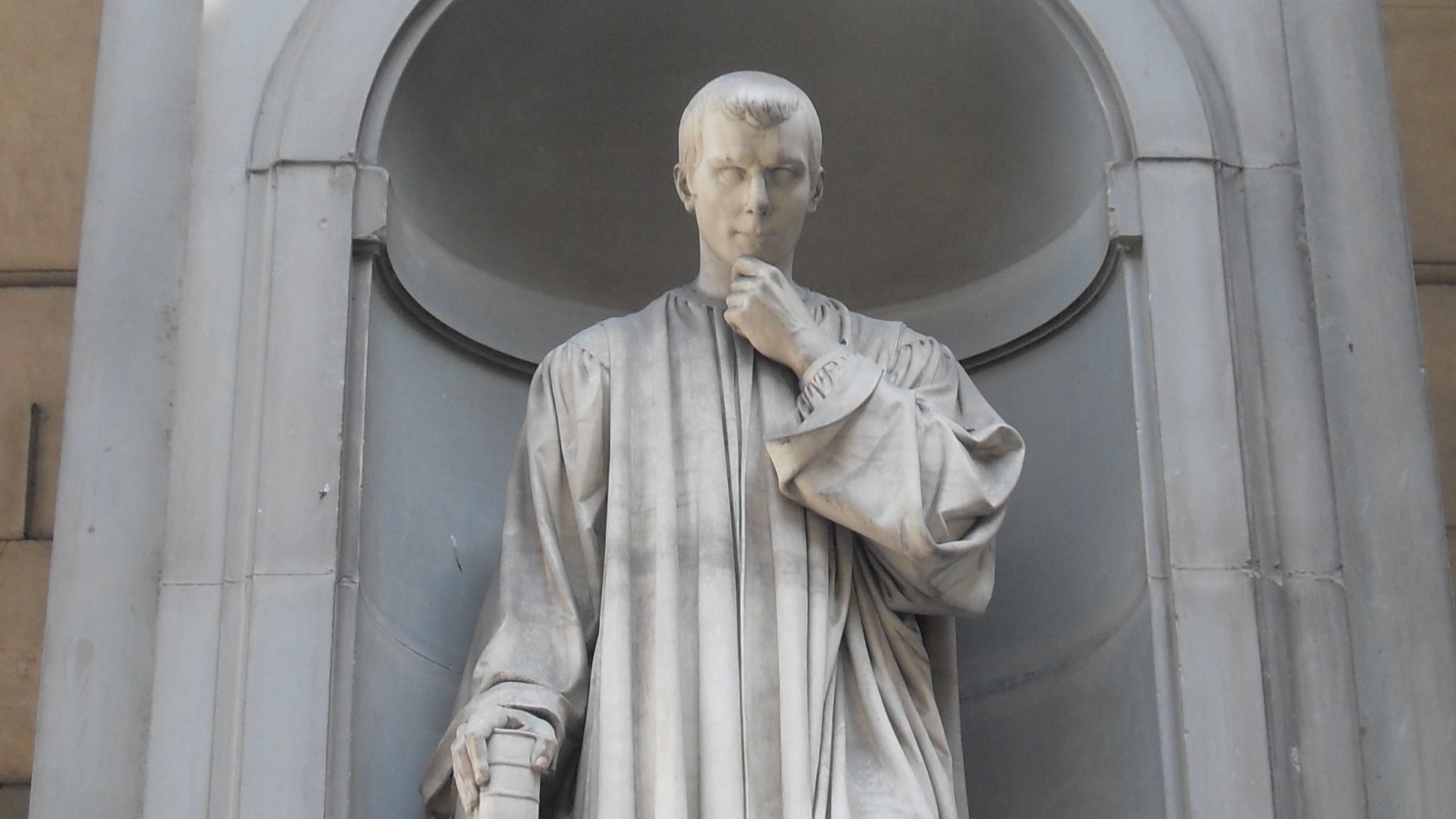 Keith Ruffles, Wikimedia Commons