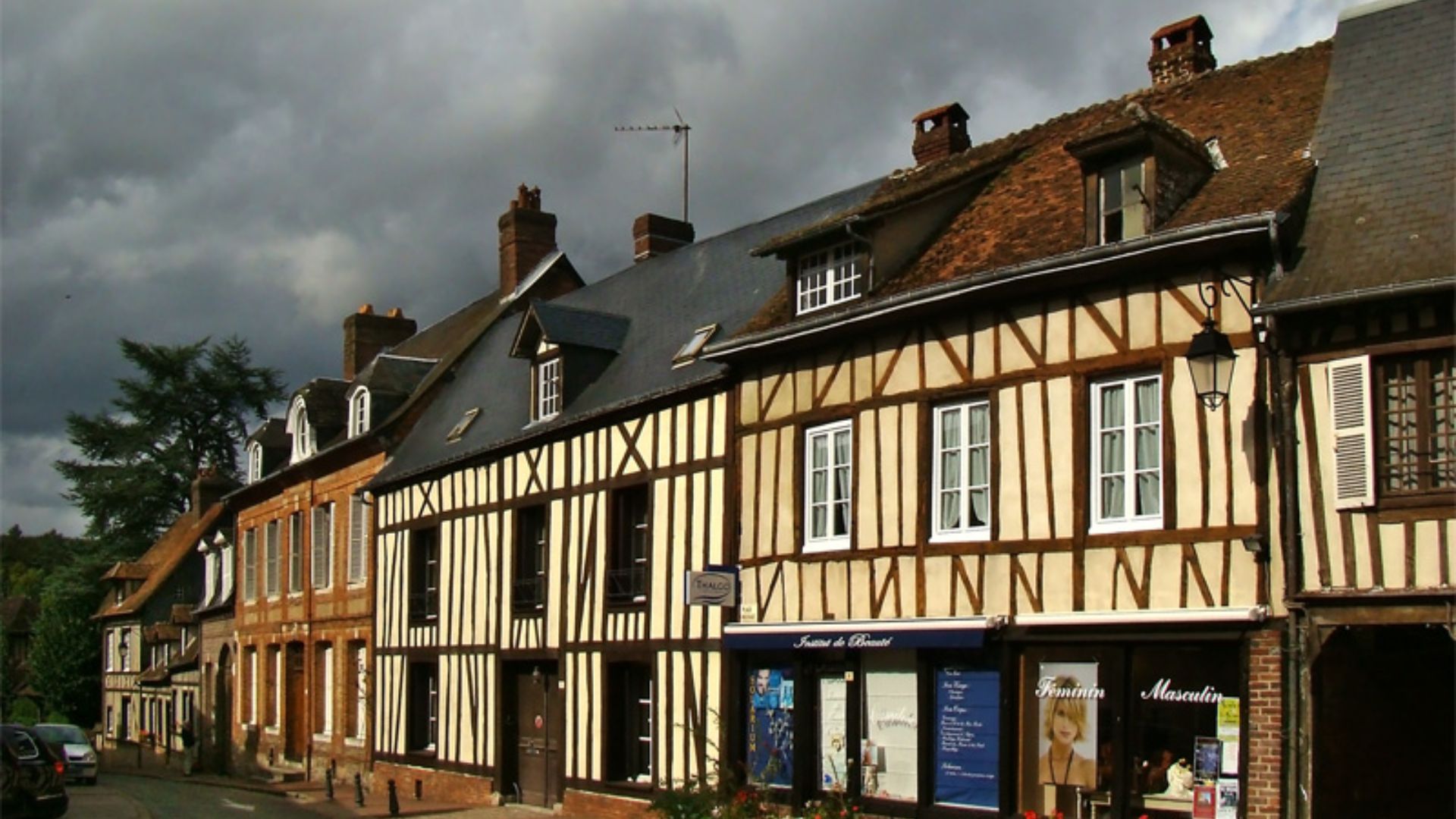
The White Ship Tragedy
The fastest ship on the Norman coast carried England's most precious cargo that night. Young nobles were celebrating, wine was flowing freely, and confidence ran dangerously high. What happened next nobody saw coming.
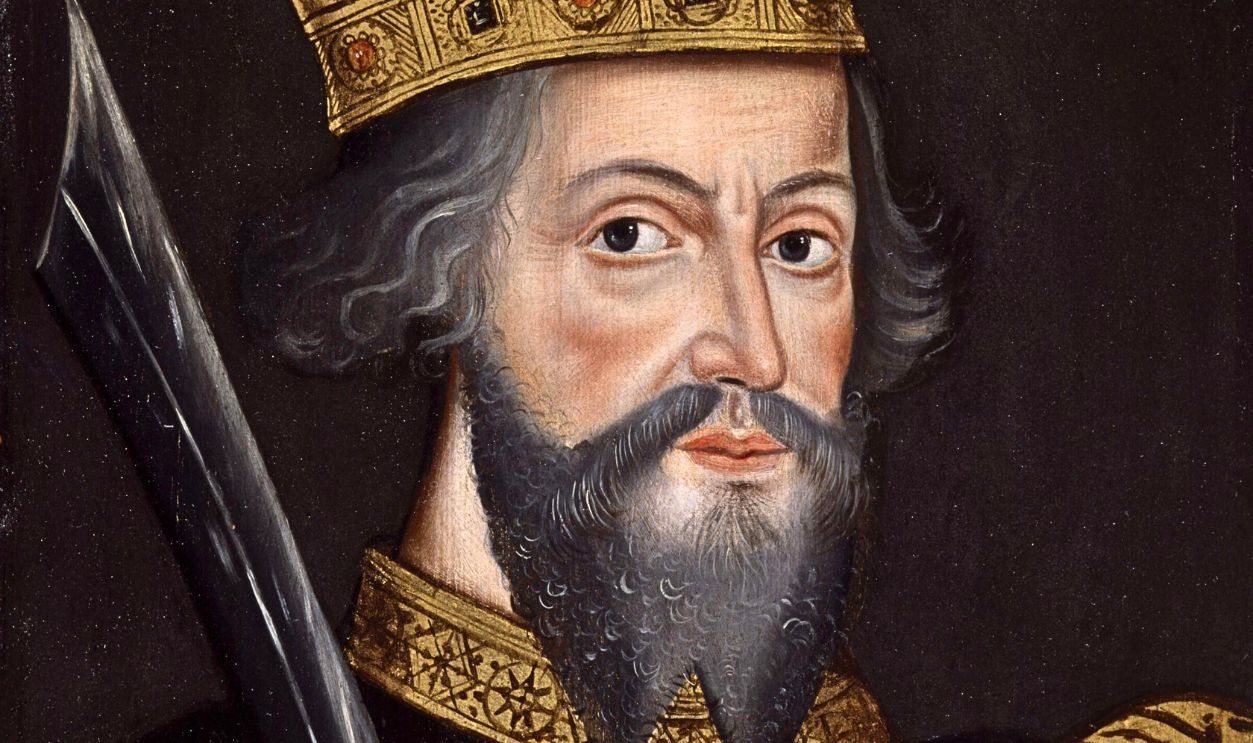
Norman Conquest
In 1066, William the Conqueror's victory at the Battle of Hastings established the Norman conquest of England. This realm required constant royal travel between England and Normandy for governance. The dual kingdom's administration demanded regular maritime journeys that would prove fatally consequential.
 Unknown authorUnknown author, Wikimedia Commons
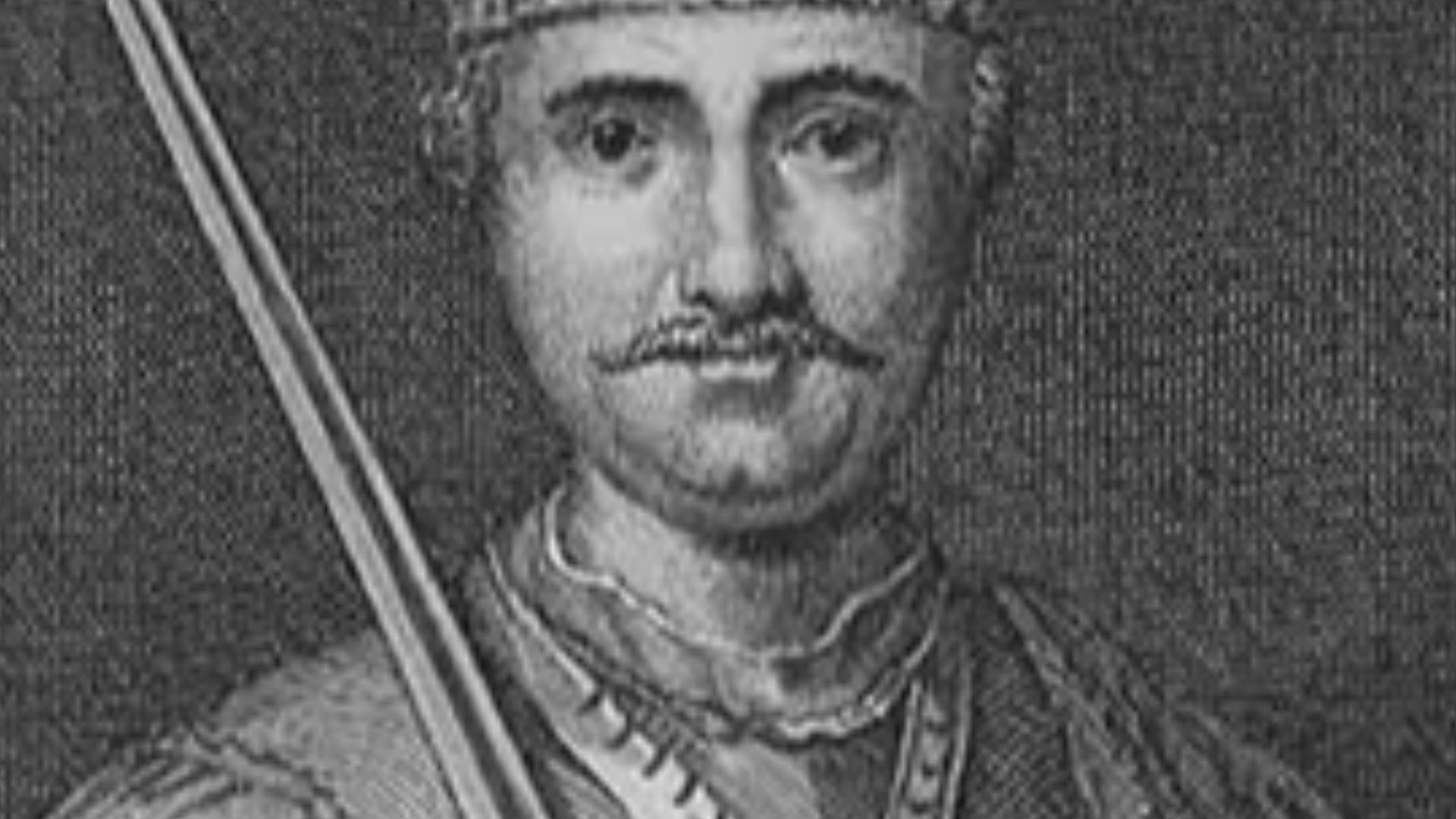
Henry's Reign
Henry I was William the Conqueror's youngest son, who never expected to inherit the throne. When his brother William II died in a 1100 hunting accident, Henry seized the English throne with remarkable speed. Known as "Beauclerc" for his literacy, he stabilized Norman rule.
 See description, Wikimedia Commons
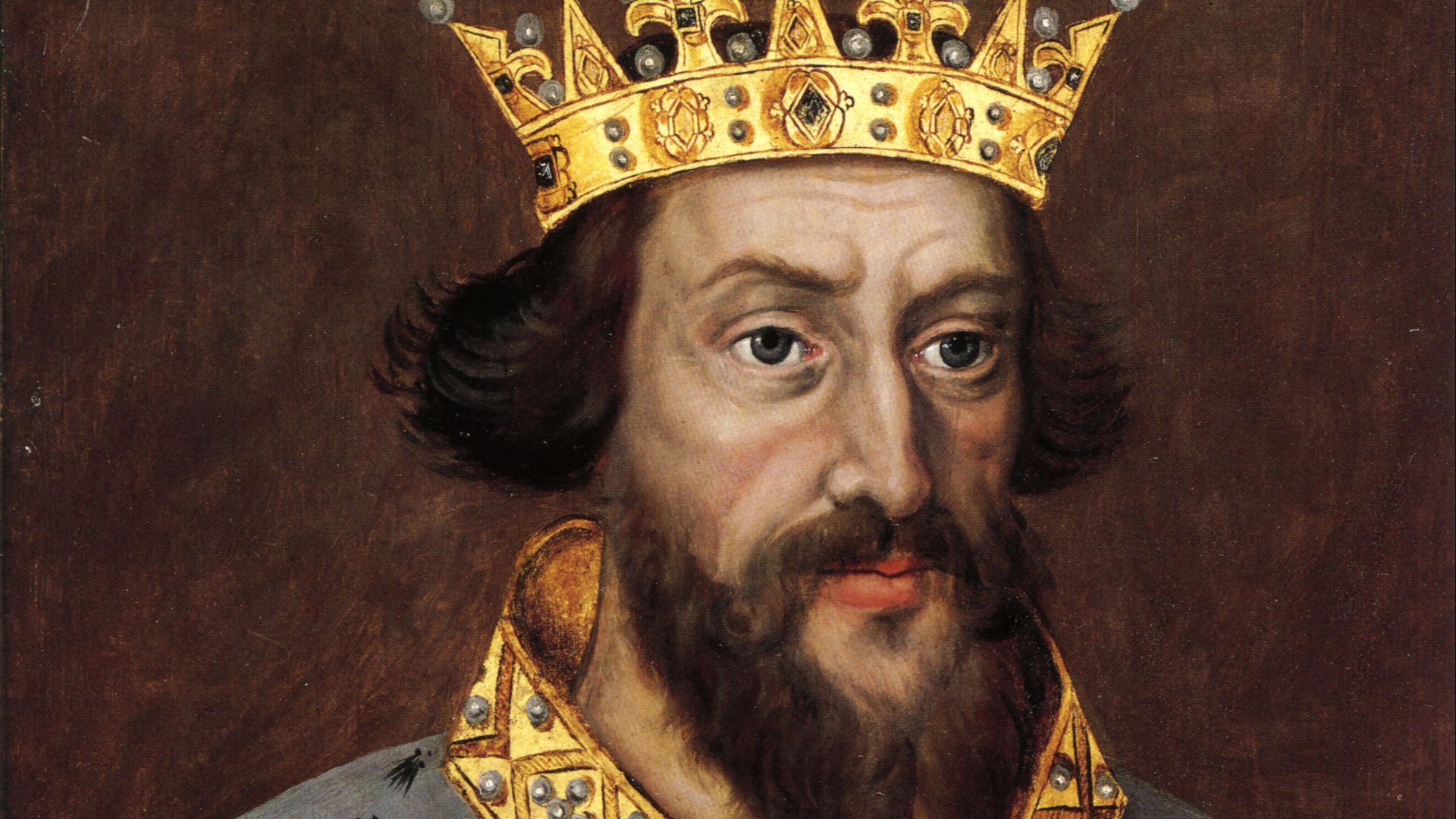
Strategic Marriage
The king married Matilda of Scotland in 1100, a brilliant political move that united Norman conquerors with Anglo-Saxon royalty. Matilda descended directly from Edmund Ironside and was Edward the Confessor's great-niece. This marriage is believed to legitimize Norman rule among English subjects.
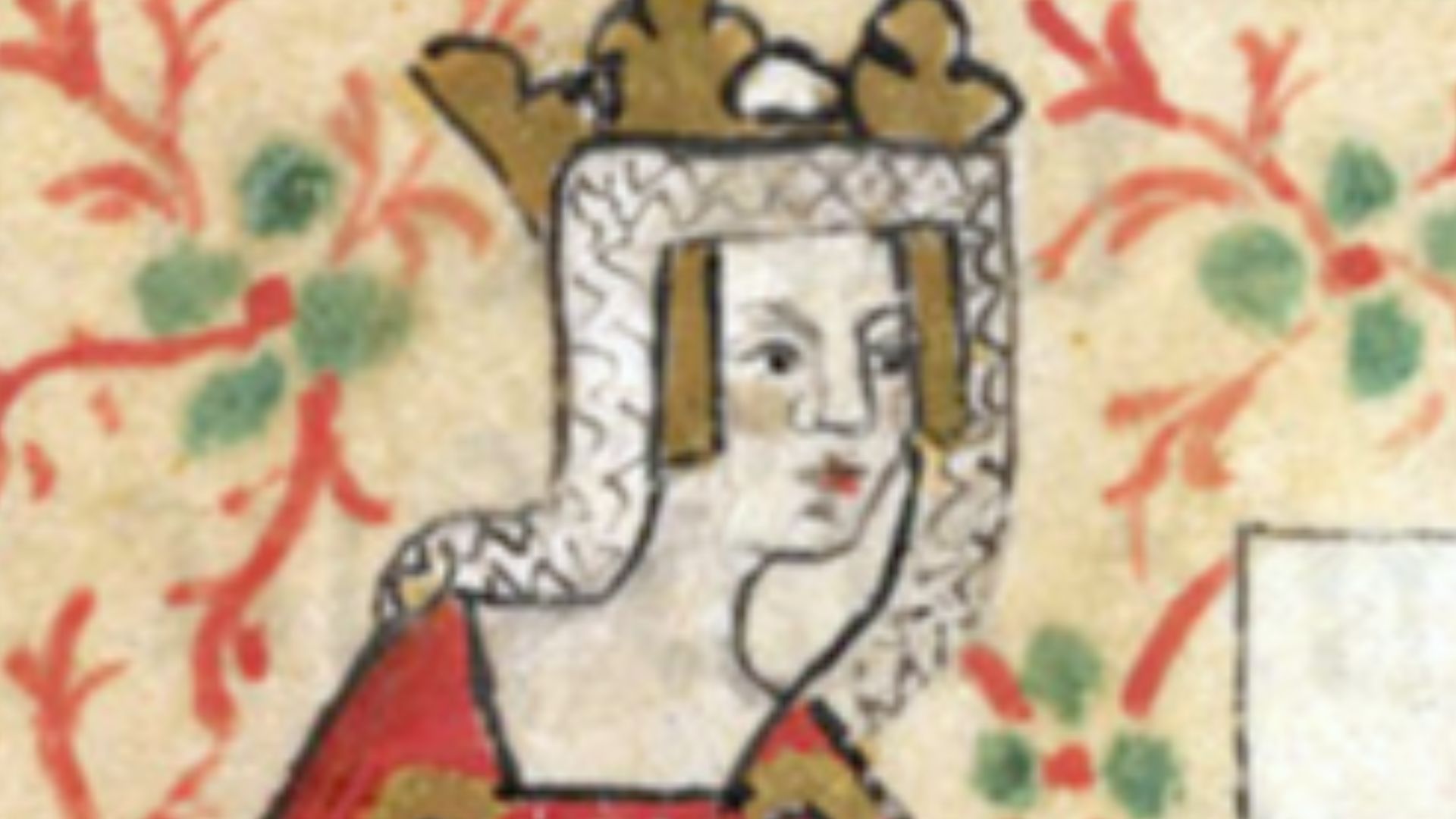
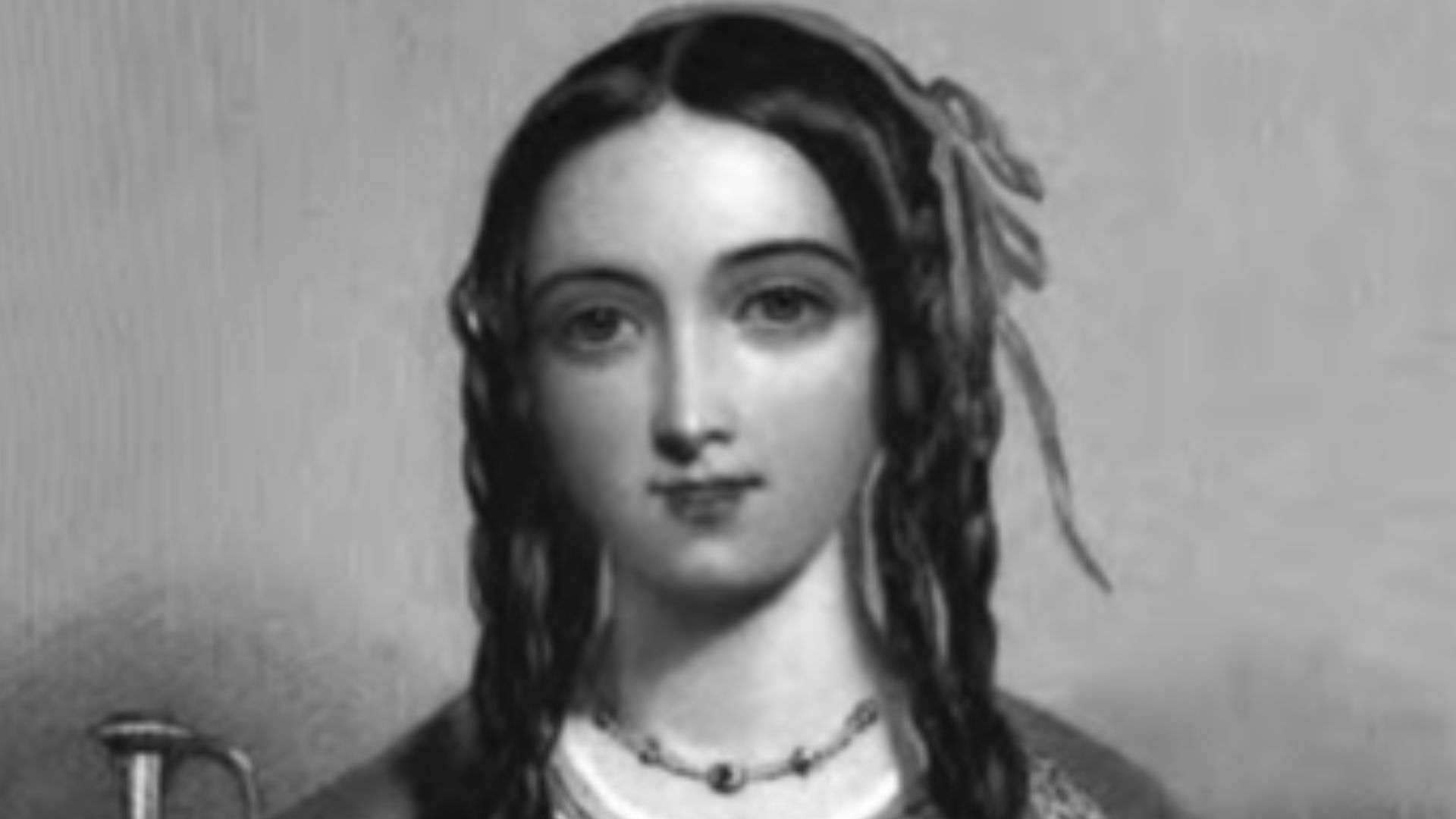
Matilda Of Scotland
She was born in the year 1080 in Dunfermline, Scotland. Matilda’s birth name was Edith, and she was the daughter of King Malcolm III of Scotland and Saint Margaret of Scotland. This woman spent part of her youth in convents.
 engraved by W. H. Mote (1803-1871) after an illustration by J.W. Wright, Wikimedia Commons
William's Birth
On August 5, 1103, William Adelin was born in Winchester, Hampshire, as Henry I's only legitimate son and heir apparent. His name derived from the Norman equivalent of “AEtheling,” the Anglo-Saxon term for royal princes. Young William represented the future of the Anglo-Norman dynasty.
 AnonymousUnknown author, Wikimedia Commons
Sister Matilda
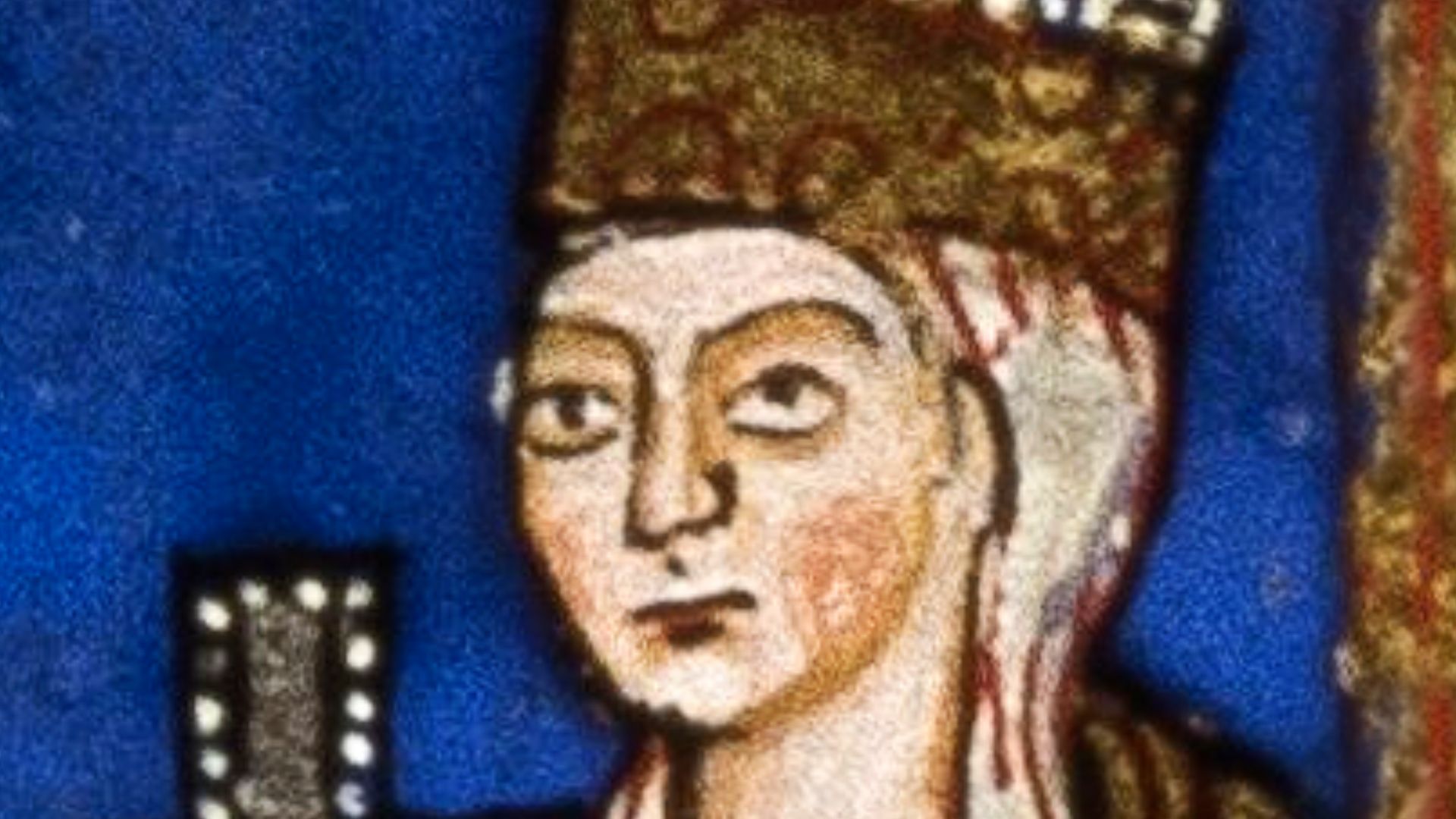
William's elder sister, Matilda, born in 1102, secured an illustrious marriage to the Holy Roman Emperor Henry V in 1114 at the age of twelve. This prestigious union lifted her to Empress status and strengthened diplomatic ties between England and the German Empire.
 Artist unknown; the Gospels of Henry the Lion, Wikimedia Commons
Royal Illegitimates
Henry I holds the medieval record for illegitimate children, fathering approximately twenty-four children by various mistresses throughout his reign. Despite this prolific illegitimacy, Henry only had two legitimate children with Queen Matilda of Scotland. The others included Richard of Lincoln and Matilda FitzRoy.
 AnonymousUnknown author, Wikimedia Commons
Heir's Education
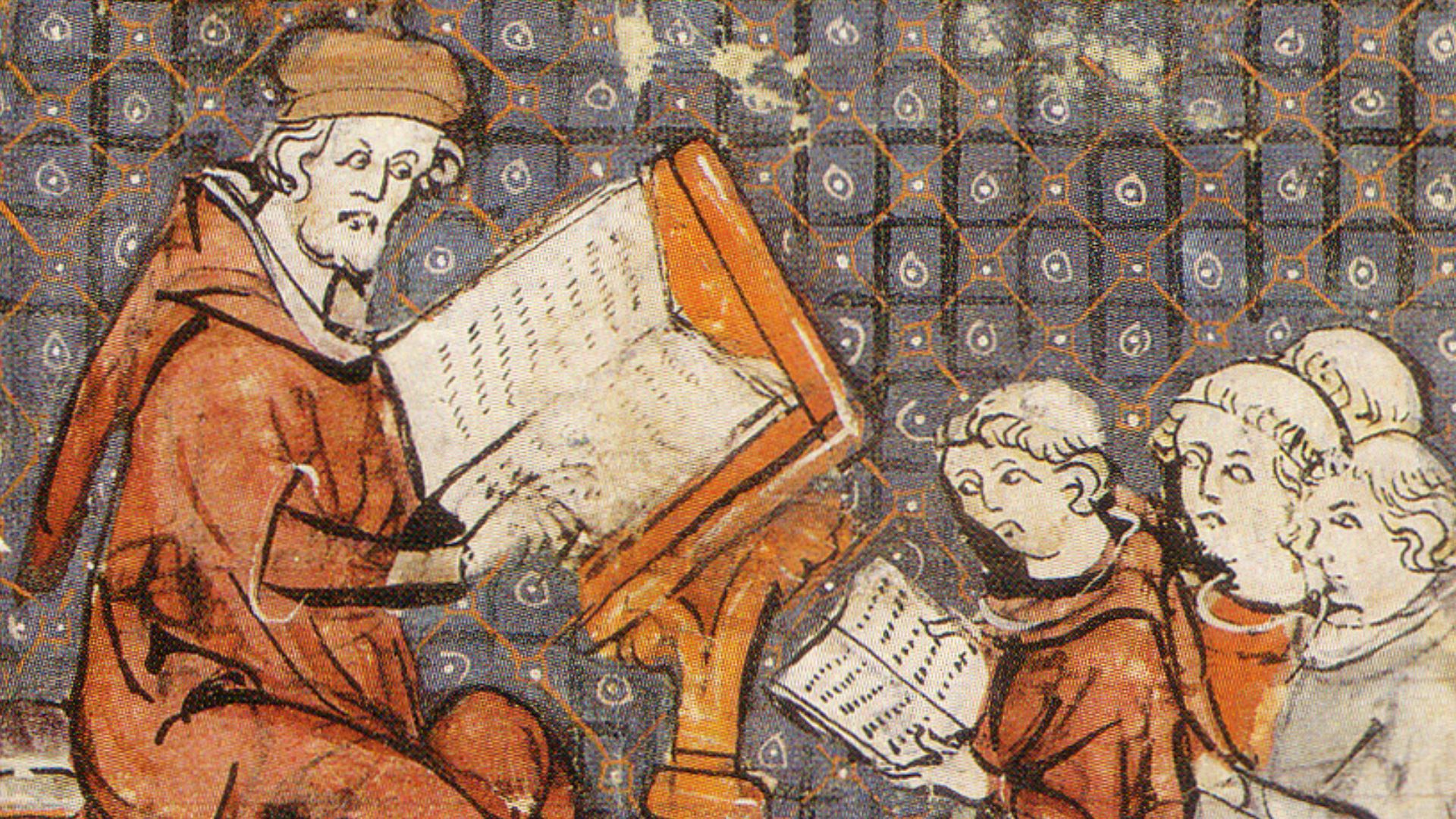
William Adelin received the finest medieval princely education, likely tutored by monks in Latin, theology, and liberal arts alongside military training in weaponry and horsemanship. He gained practical governing experience by serving as regent during his father's absences in Normandy.
 Unknown authorUnknown author, Wikimedia Commons

History's most fascinating stories and darkest secrets, delivered to your inbox daily.
Normandy Title
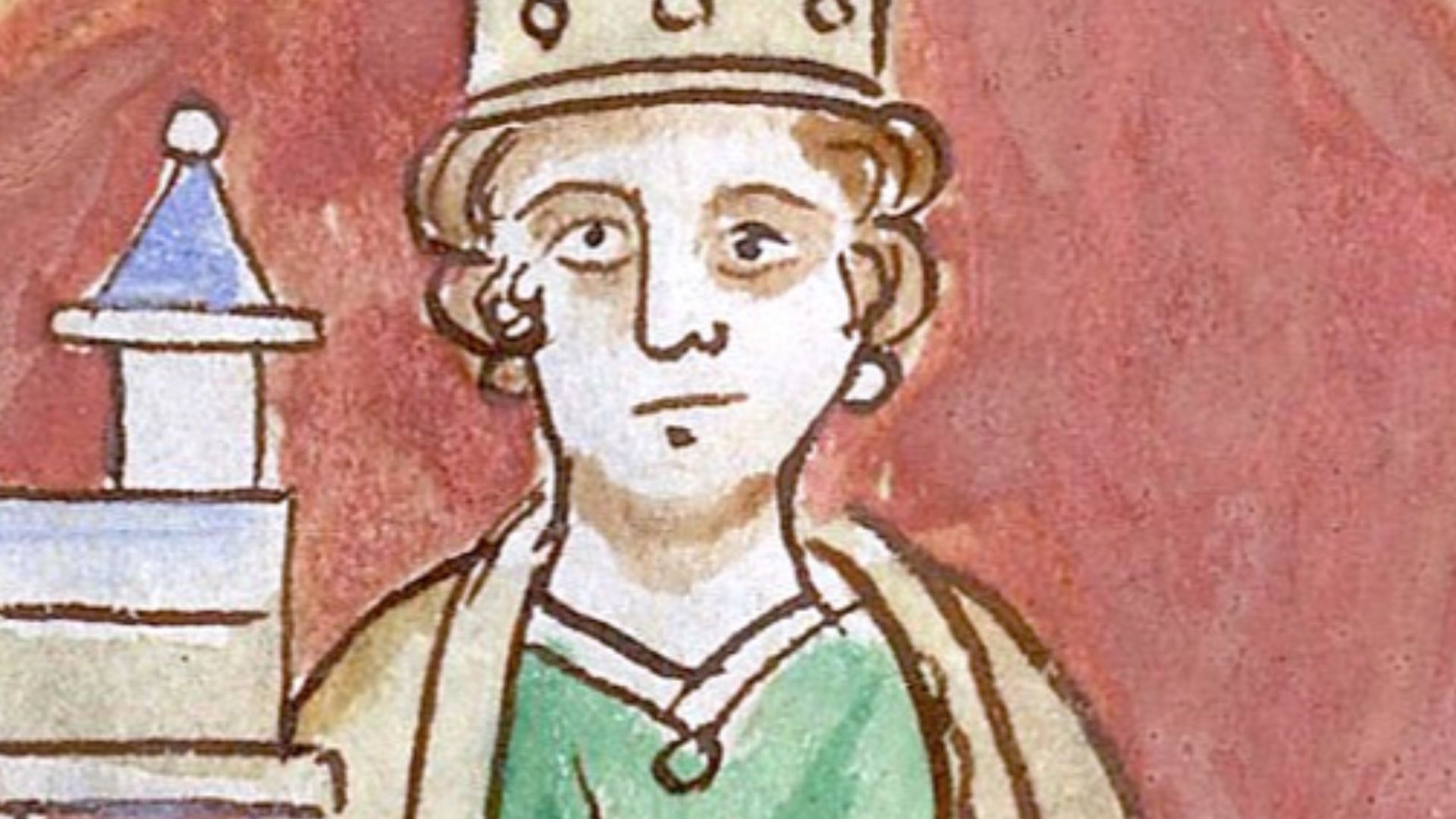
In 1120, Henry I gave William the important title of Duke of Normandy when he was just seventeen. This rendered him the official head of the powerful French duchy. It was a significant political development, as Normandy was still considered a French fief.
 Matthew Paris, Wikimedia Commons
French Tensions
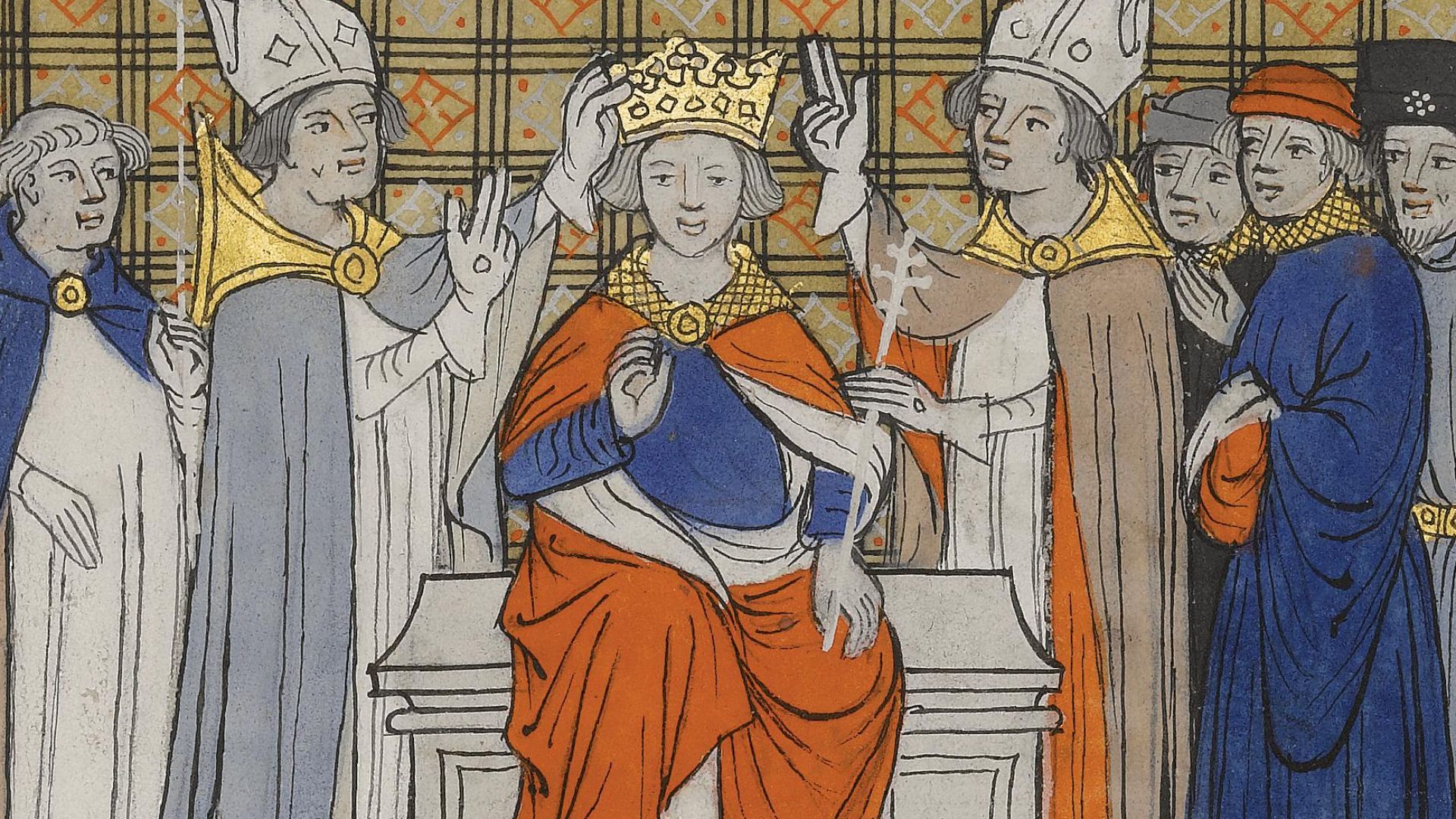
King Louis VI of France demanded that Henry I personally pay homage for Normandy in 1120. Henry, disdaining the idea of kneeling before a foreign monarch, refused to perform this feudal obligation himself. This tension escalated into the military campaign of 1119–1120.
 Attributed to Perrin Remiet, Wikimedia Commons
1119 Campaign
Henry I launched a major military campaign against Louis VI in 1119 to settle the Normandy question definitively. The conflict culminated at the Battle of Bremule, where Henry's forces achieved a decisive victory over the French king. This successful campaign forced Louis VI to accept more favorable terms.
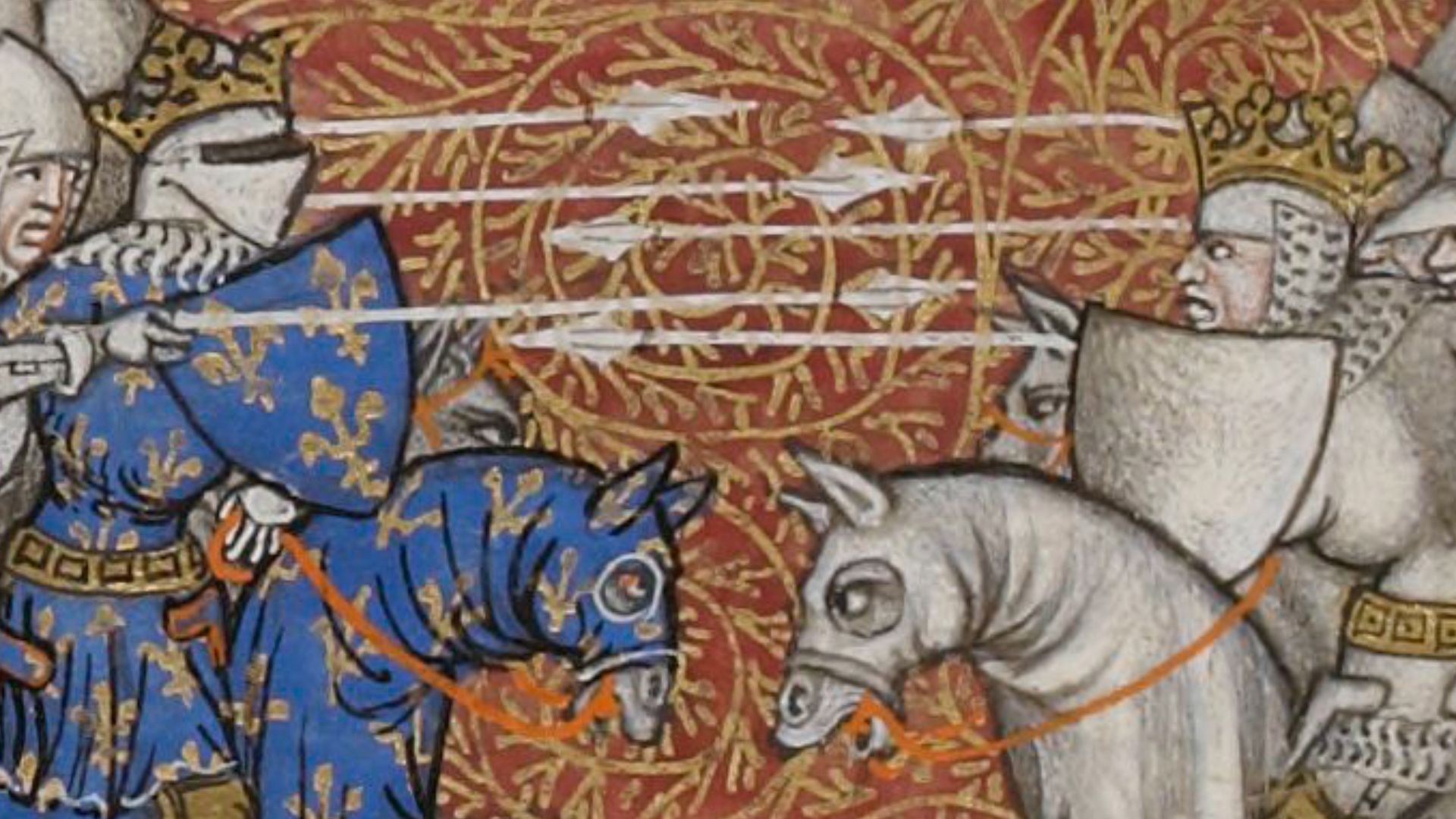 Unknown authorUnknown author, Wikimedia Commons
Bremule Victory
The Battle of Bremule also proved Henry I's military genius, as his forces routed Louis VI's army with minimal casualties. Apparently, out of 900 knights involved, only three were reportedly killed, partly because knights preferred to capture and ransom opponents rather than kill them.
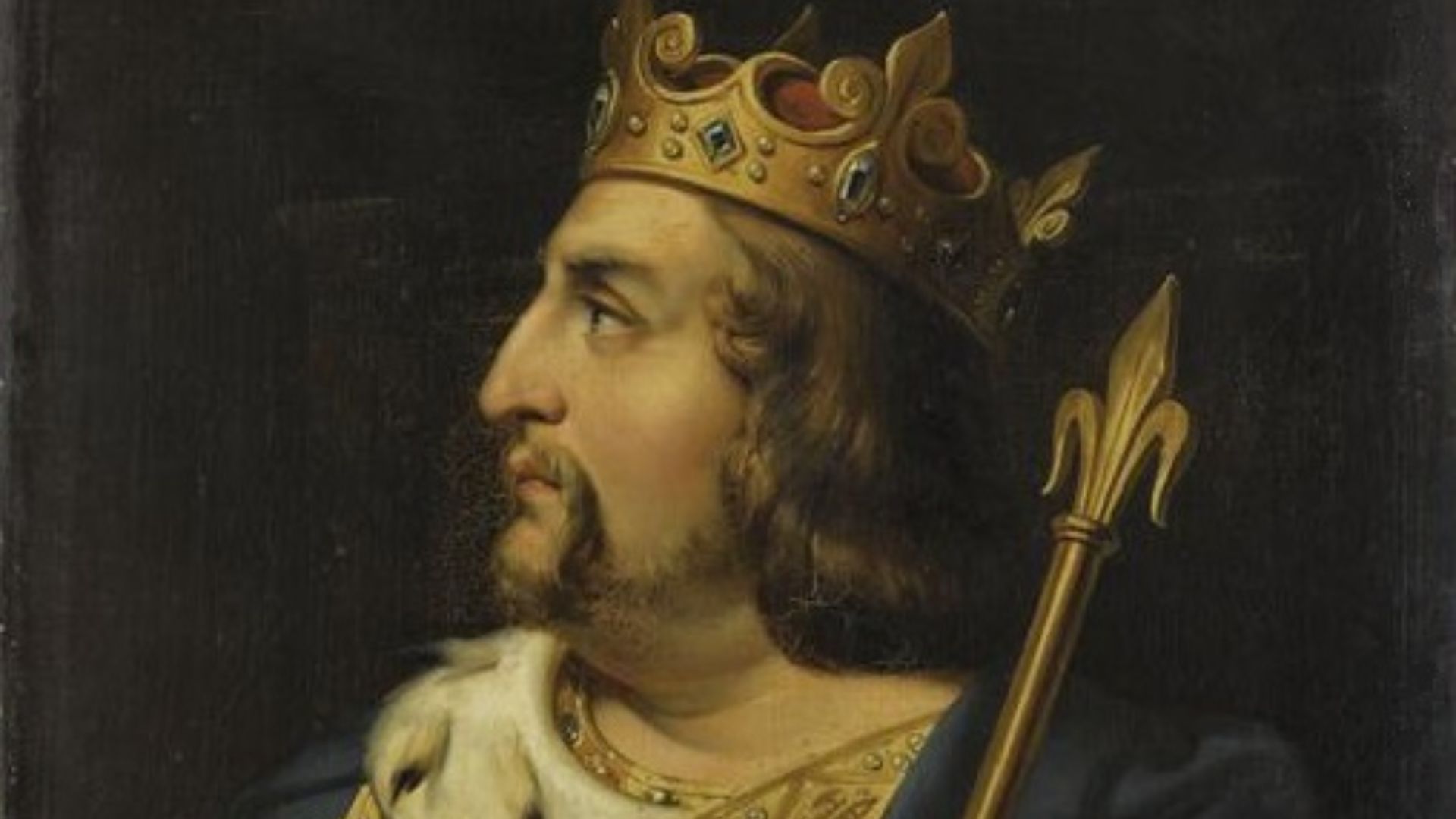 Merry-Joseph Blondel, Wikimedia Commons
Homage Ceremony
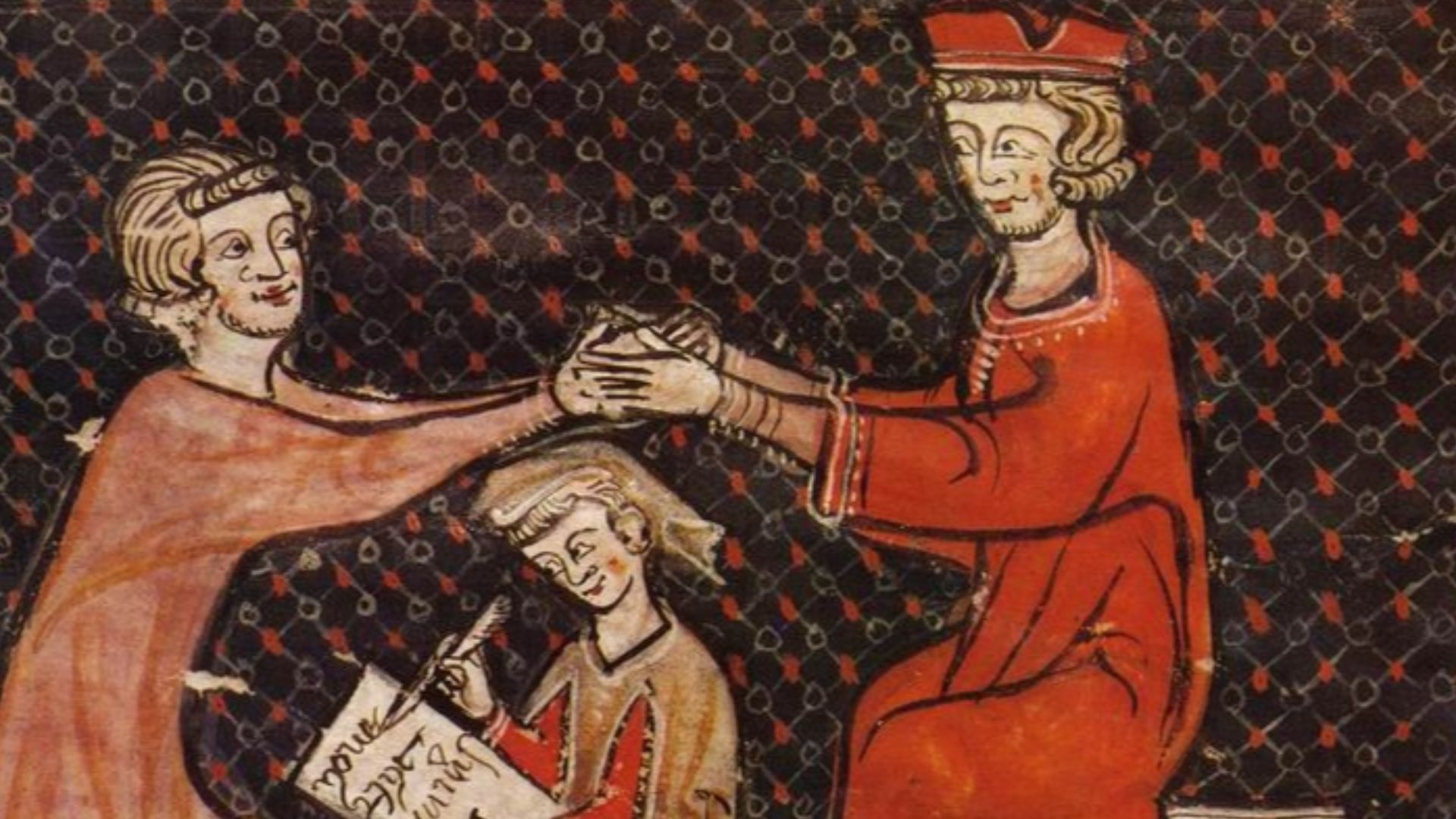
In 1120, William Adelin performed the ceremonial homage to Louis VI of France as Duke of Normandy, sparing his father the humiliation of kneeling before a rival monarch. The elaborate ceremony in France formally recognized William's ducal status while maintaining Norman dignity.
Barfleur Arrival
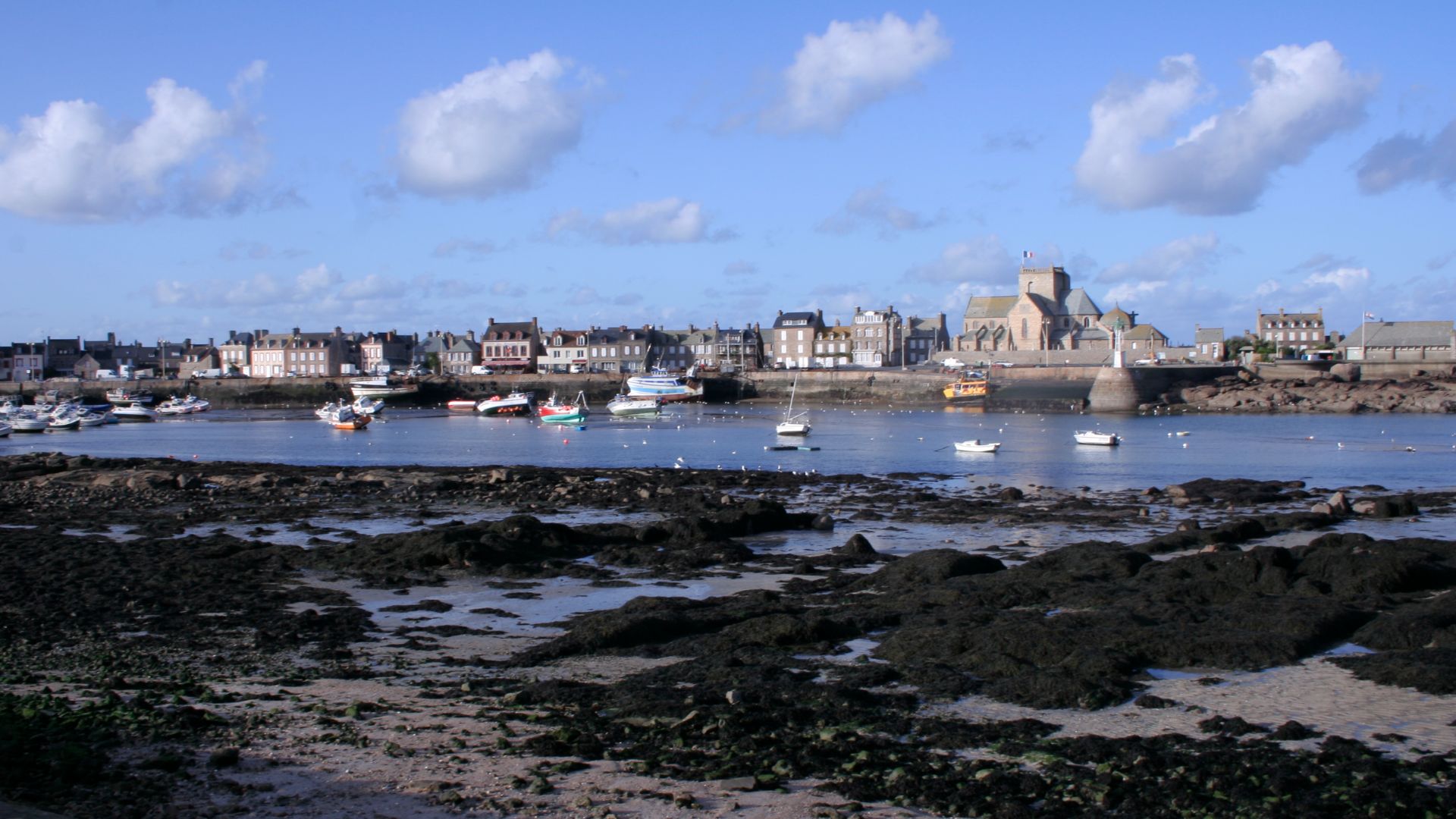
After completing the homage ceremony, Henry I and his court gathered at Barfleur, the primary Norman port for English Channel crossings. Located east of Cherbourg, Barfleur served as the main departure point between Normandy and England, offering the most direct route to Southampton.
Family Heritage
Thomas FitzStephen approached King Henry with a compelling family connection: his father, Stephen FitzAirard, had captained the Mora, William the Conqueror's flagship, during the 1066 invasion of England. This hereditary maritime service to the Norman royal house created a special bond between the FitzStephen family and English royalty.
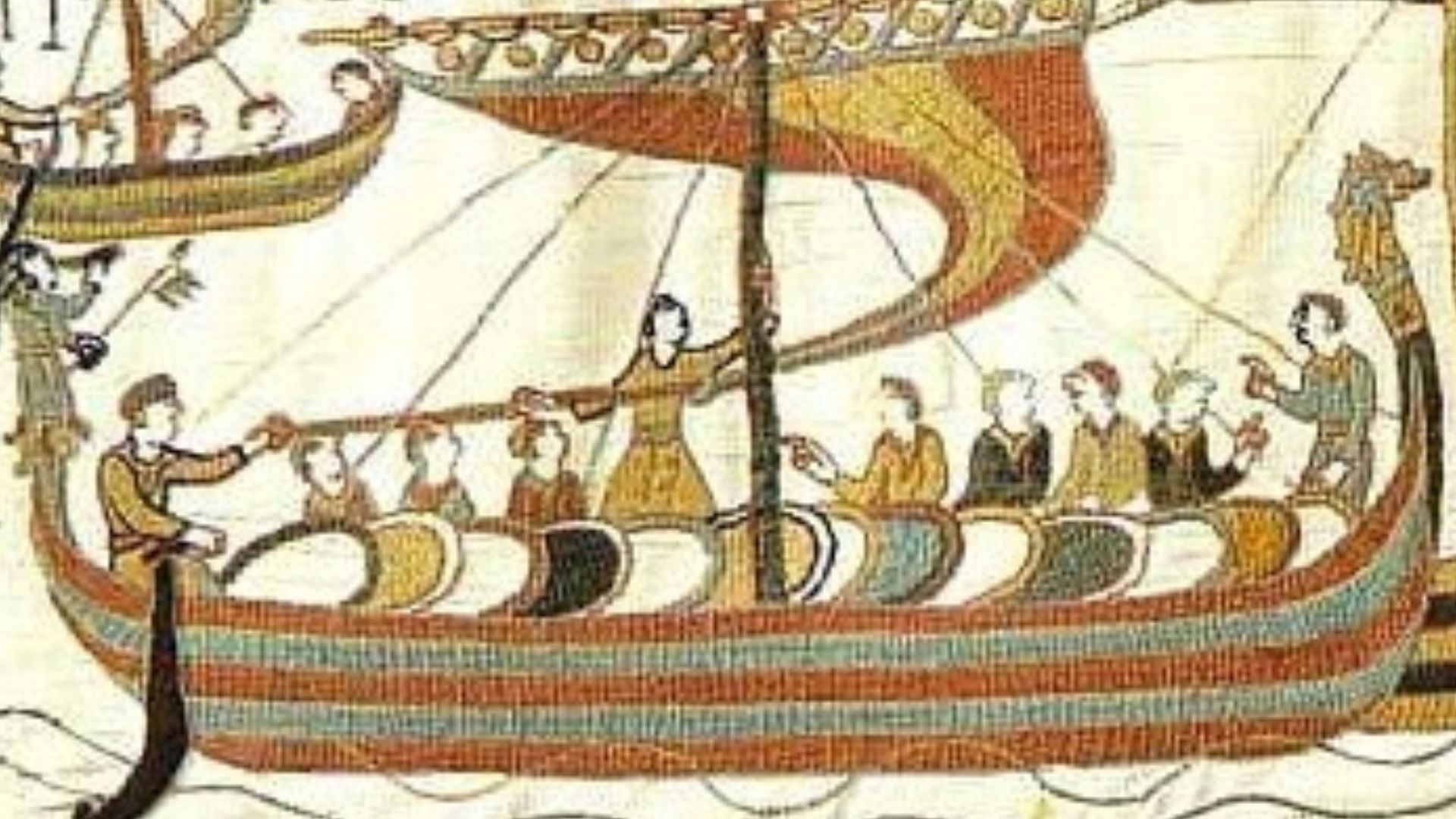 Image on web site of Ulrich Harsh., Wikimedia Commons
Captain's Offer
This man stepped forward and boldly requested the honor of transporting Henry I back to England, declaring: "Sire king, I beg you to grant me the same office in fief: I have a vessel called the Blanche-Nef, well equipped and manned with fifty skilful mariners”.
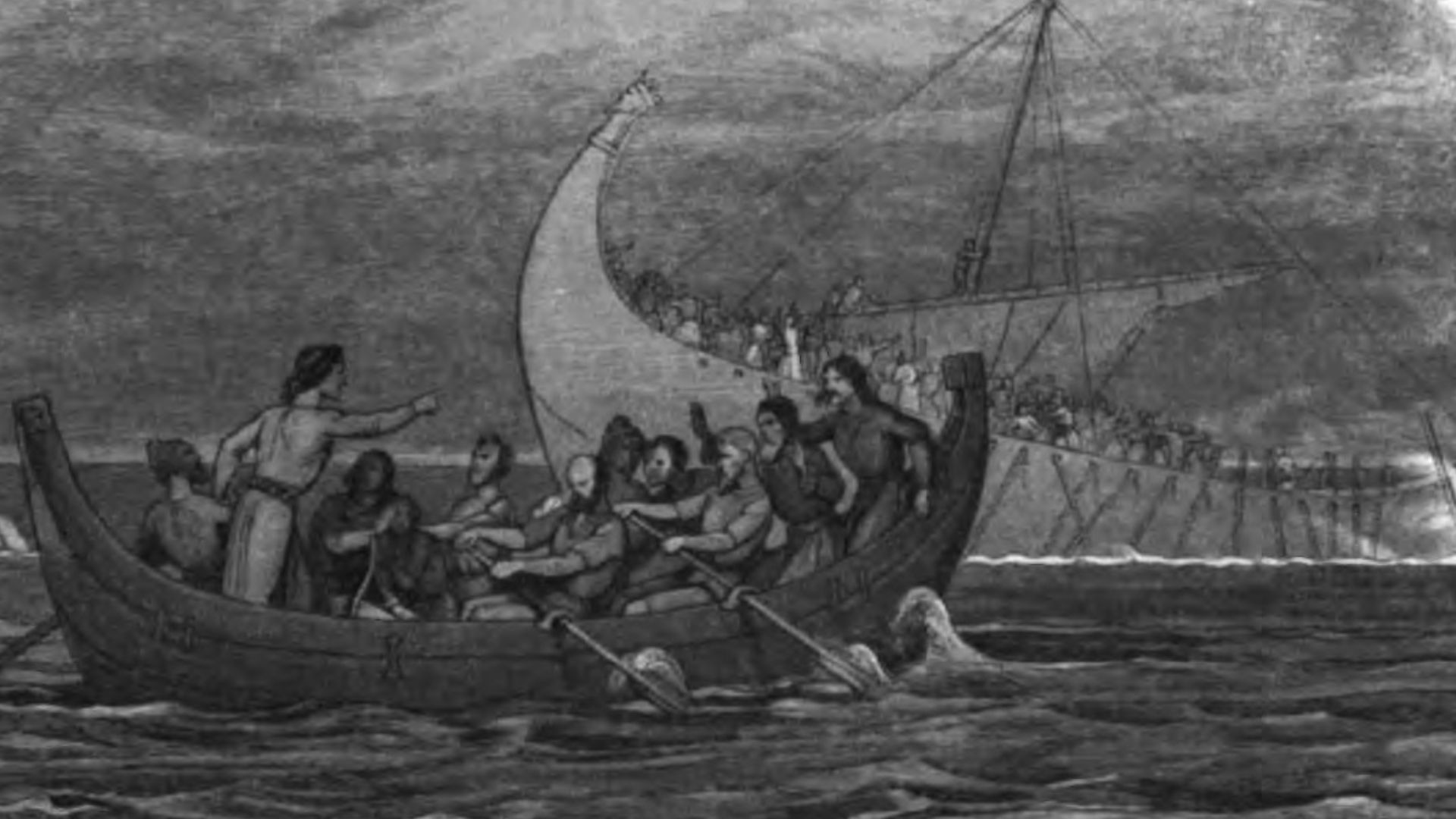 James William Edmund Doyle / Edmund Evans, Wikimedia Commons
Ship's Construction
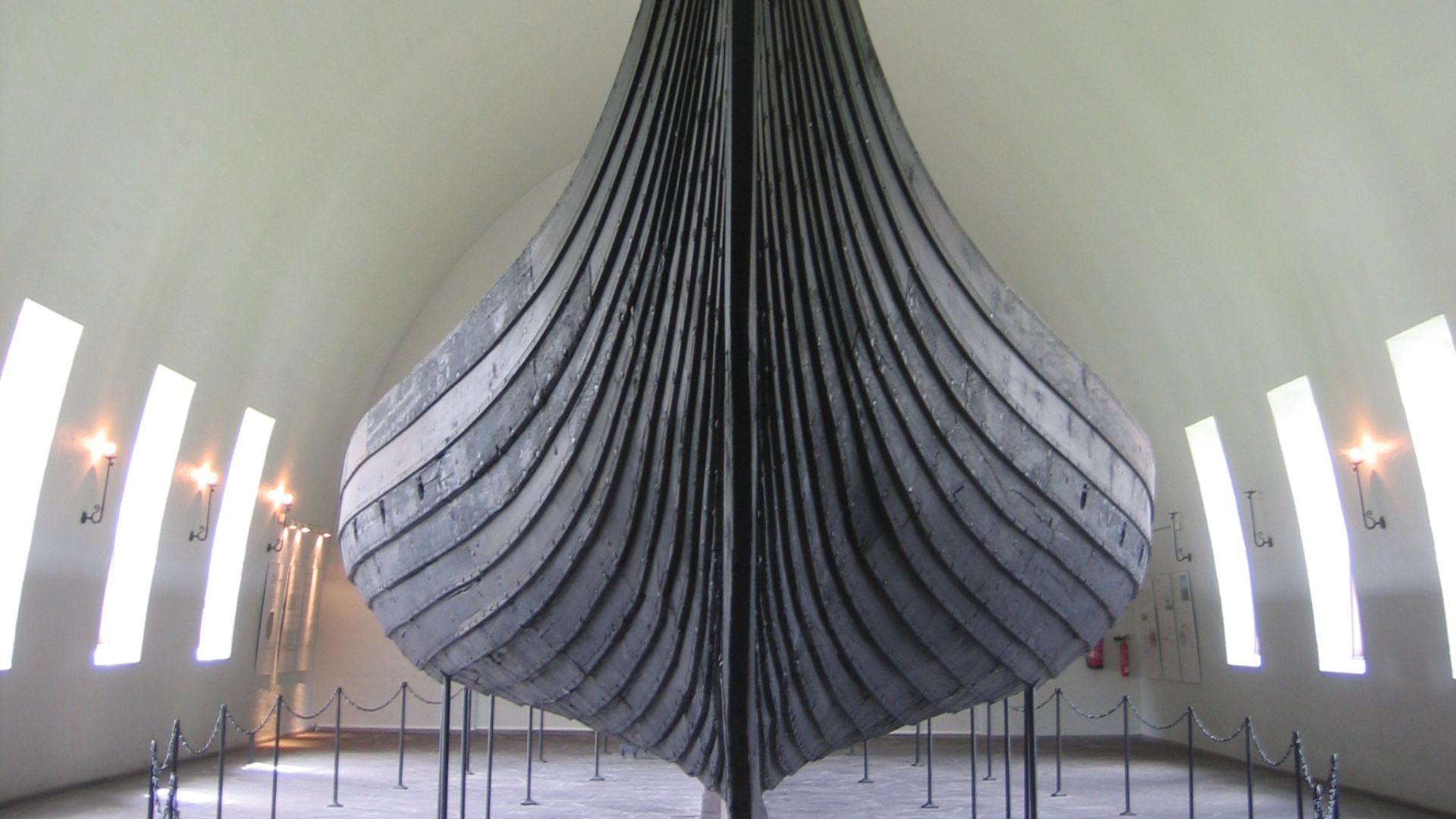
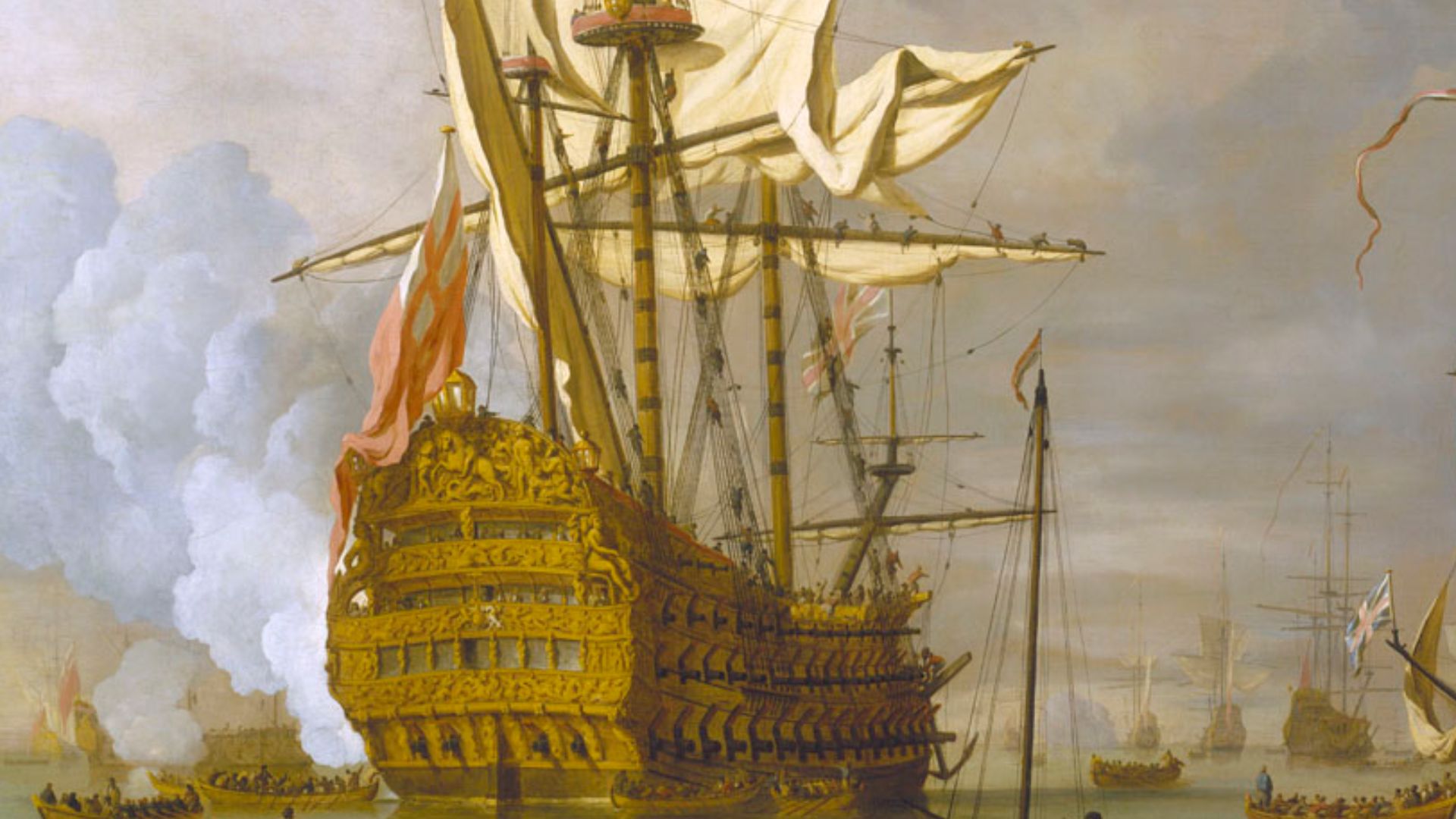
The White Ship, known in French as "la Blanche-Nef" and Latin as "Candida navis," was a newly refitted vessel of superior construction and remarkable speed. Built likely with clinker-built oak beams where hull planks overlapped for strength, it featured both sails and fifty experienced oarsmen.
Royal Arrangement
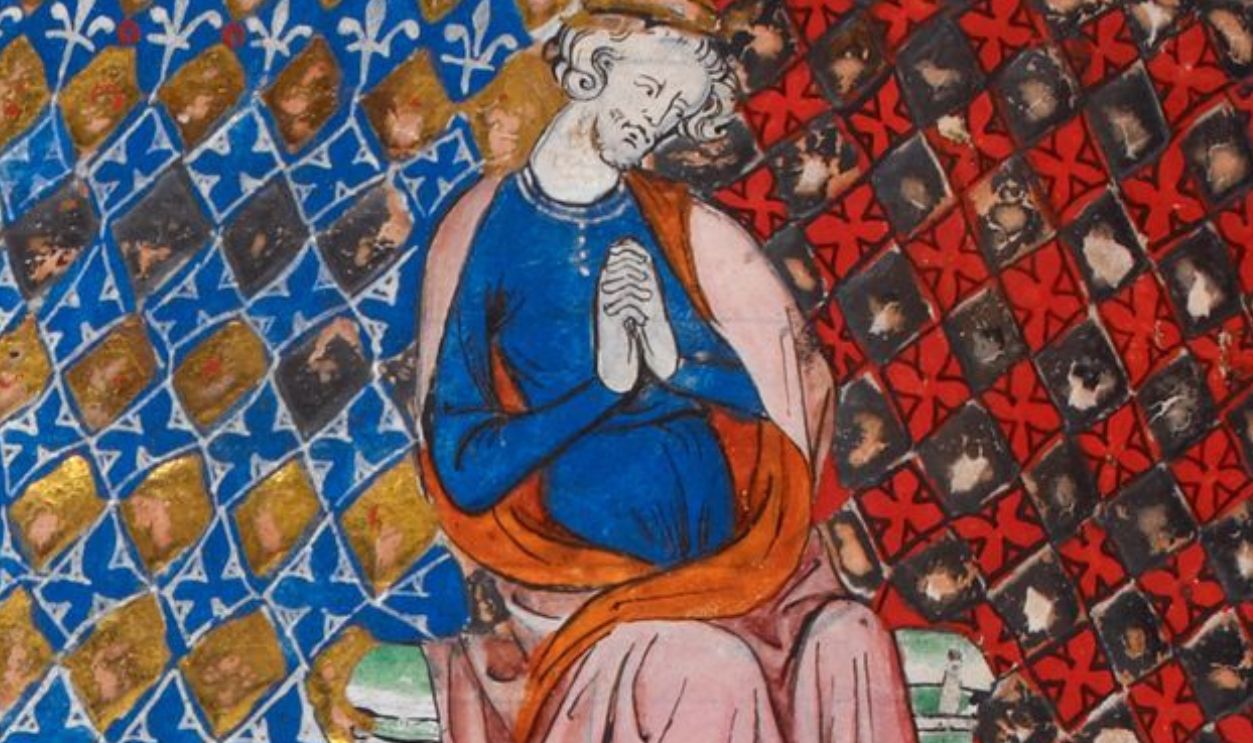
Henry I politely declined Thomas FitzStephen's offer to transport him personally, having already made travel arrangements aboard his own royal vessel. However, the king suggested that his son William Adelin and the younger members of the court could enjoy passage on the magnificent White Ship instead.
 Medieval artists, Wikimedia Commons
Noble Entourage
William Adelin's traveling party included an elite gathering of Anglo-Norman nobility: his half-siblings Richard of Lincoln and Matilda FitzRoy, Richard d'Avranches, Earl of Chester, Geoffrey Ridel, and numerous young knights seeking royal favor. The passenger manifest read like a who's who of England's future leadership.
 Jaspe, CC BY-SA 3.0, Wikimedia Commons
Departure Planning
Henry I's royal ship departed Barfleur in the early evening of November 25, 1120, taking advantage of favorable winds and daylight for the Channel crossing. The king's vessel made swift progress toward England, leaving the White Ship party behind to complete their own preparations.
 Willem van de Velde the Younger, Wikimedia Commons
Wine Abundance
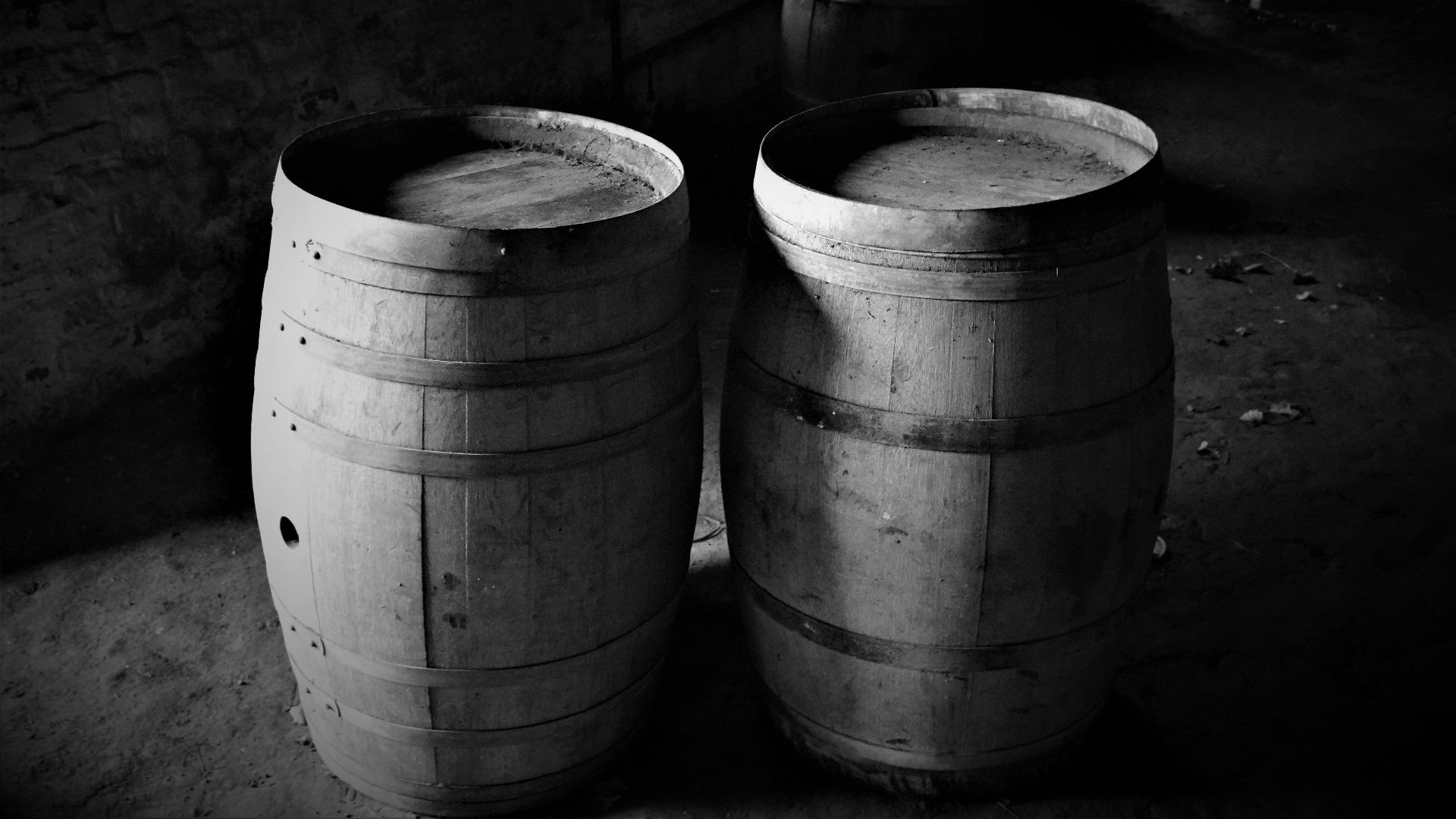
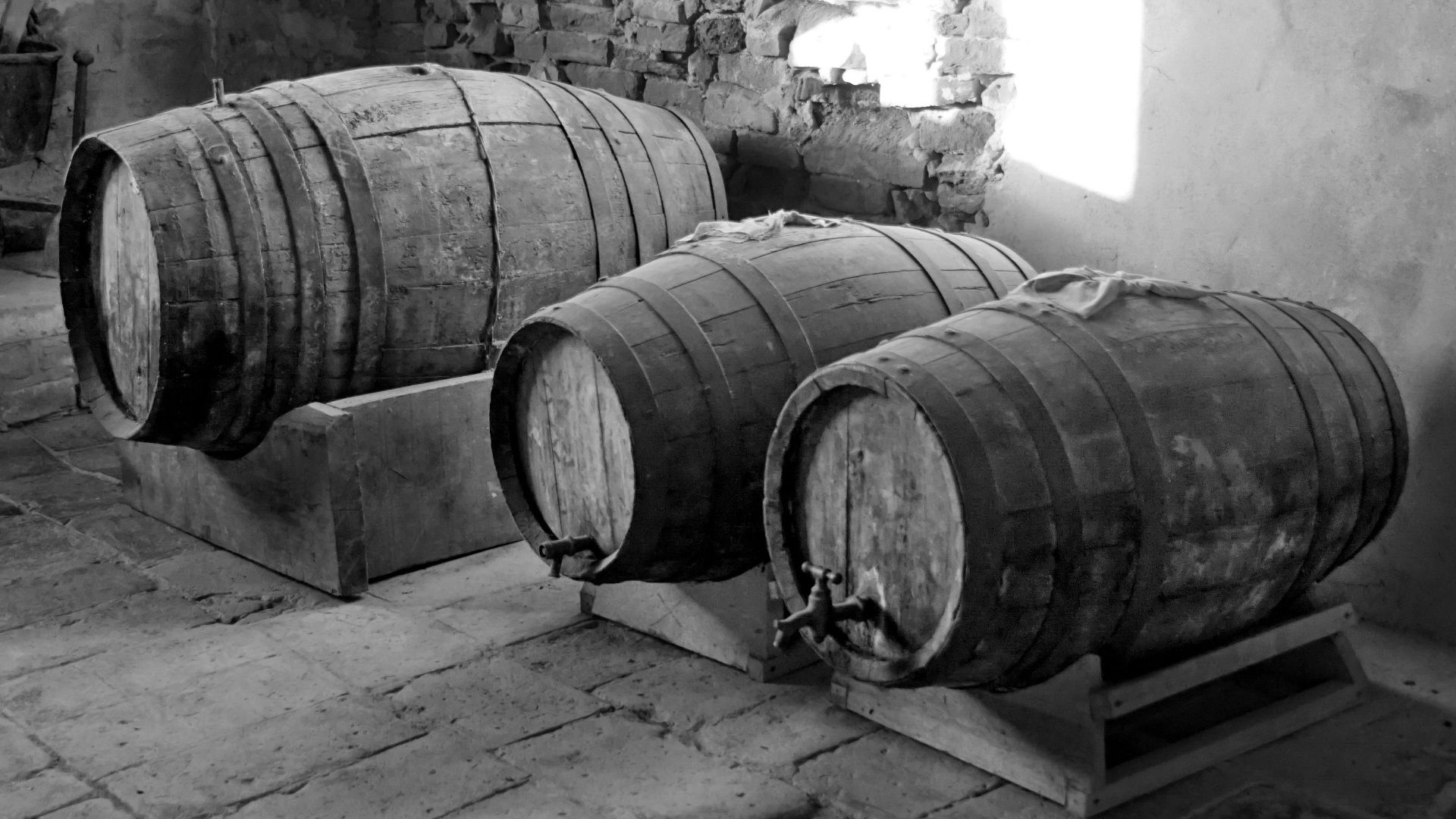
Three massive barrels of finest French wine were brought aboard the White Ship, intended for the noble passengers' celebration of their successful French campaign. William Adelin, in a gesture of youthful generosity and camaraderie, ordered that this be shared freely with the ship's crew and oarsmen.
Excessive Drinking
By evening, both passengers and crew had consumed dangerous quantities of wine, creating a floating party atmosphere that prioritized revelry over seamanship safety. The intoxication spread throughout the ship as nobles and sailors drank together, abandoning normal maritime protocols.
Orderic Vitalis
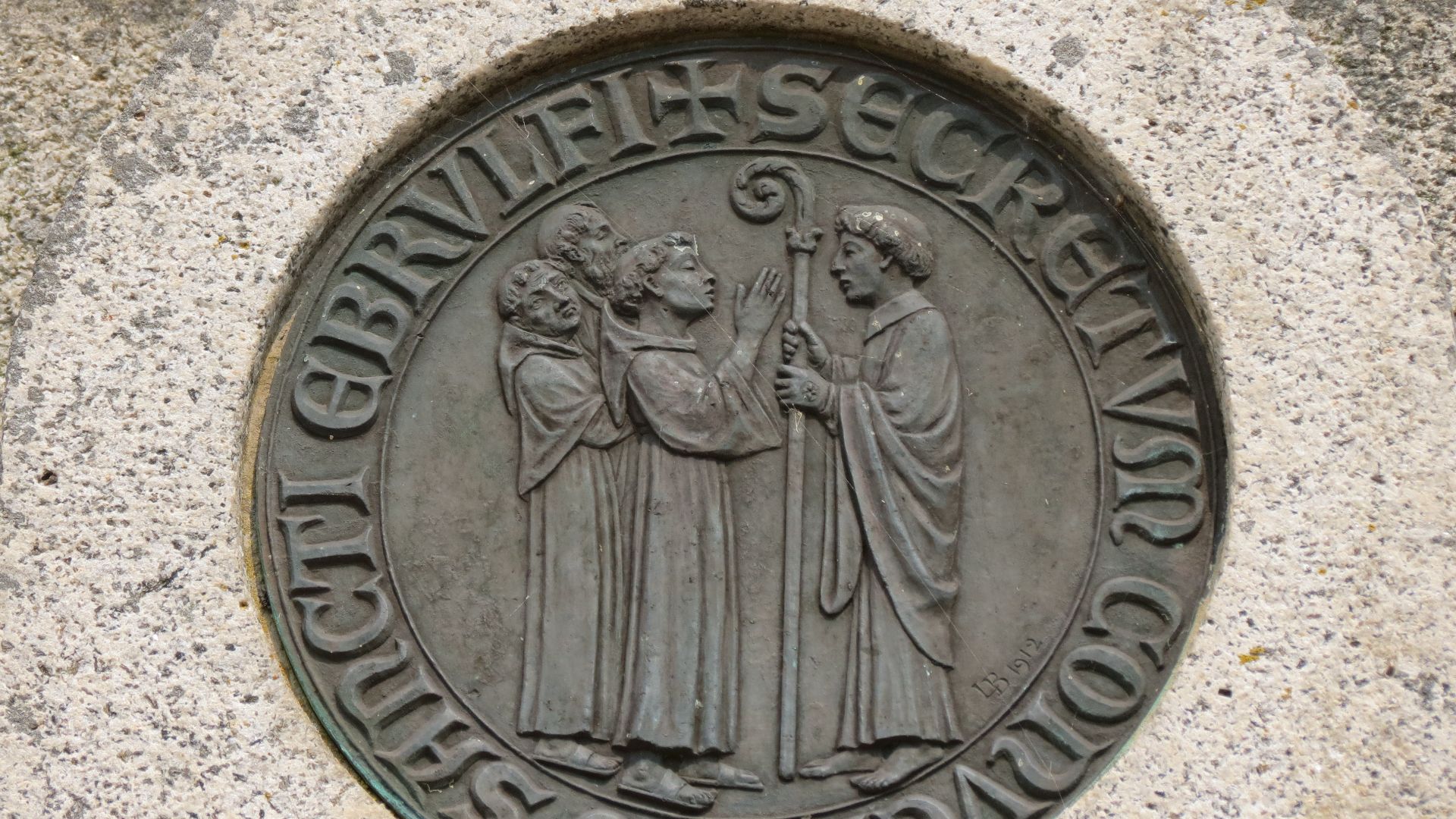
The Contemporary chronicler, Orderic Vitalis, noted that the liberal distribution of alcohol to the crew was inadvisable. According to Orderic's account in his work Ecclesiastical History, William Adelin, the king's heir, had also indulged heavily in wine.
Blessing Refused
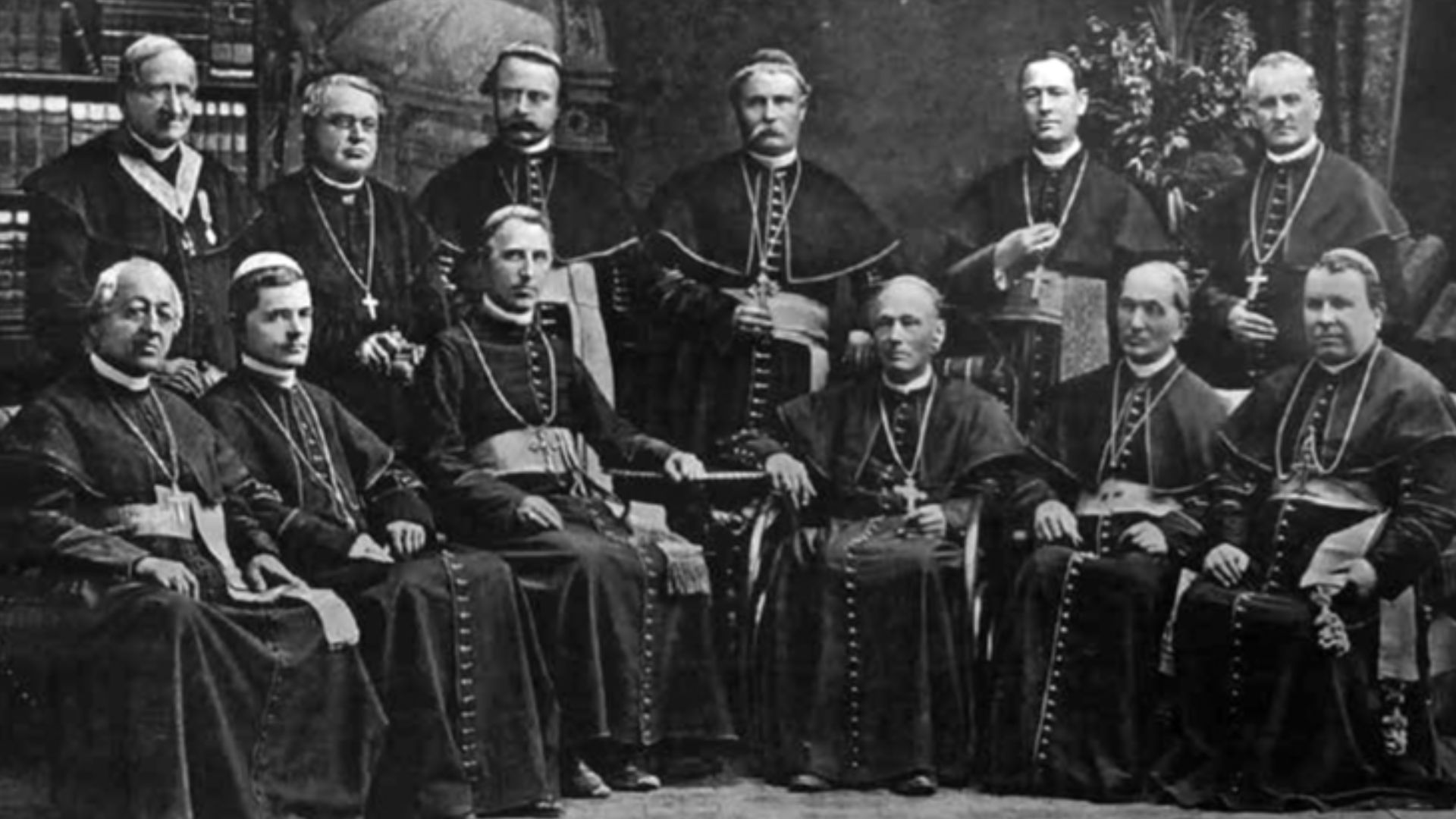
When priests arrived at the White Ship to perform the traditional blessing with holy water before departure, the drunken passengers mockingly drove them away with laughter and jeers. This rejection of divine protection scandalized contemporary observers, who viewed it as tempting fate.
 Unknown authorUnknown author, Wikimedia Commons
Wise Departures
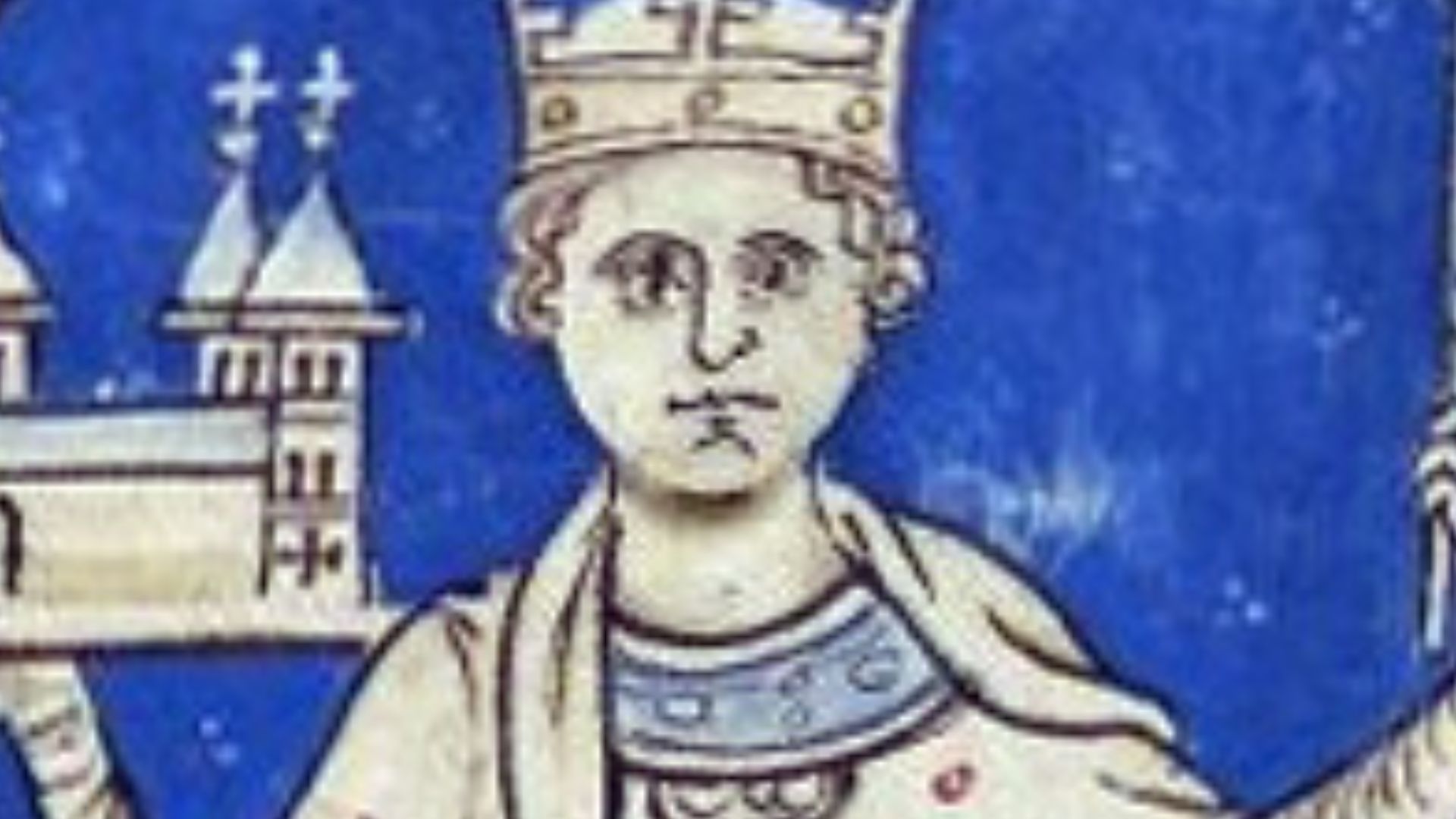
Several intended passengers wisely abandoned the White Ship upon witnessing the excessive drinking and chaotic atmosphere. Most notably, Stephen of Blois—future King Stephen—disembarked due to a sudden bout of diarrhea, though some sources suggest he left because of the crew's intoxicated state.
 Matthew Paris, Wikimedia Commons
Racing Challenge
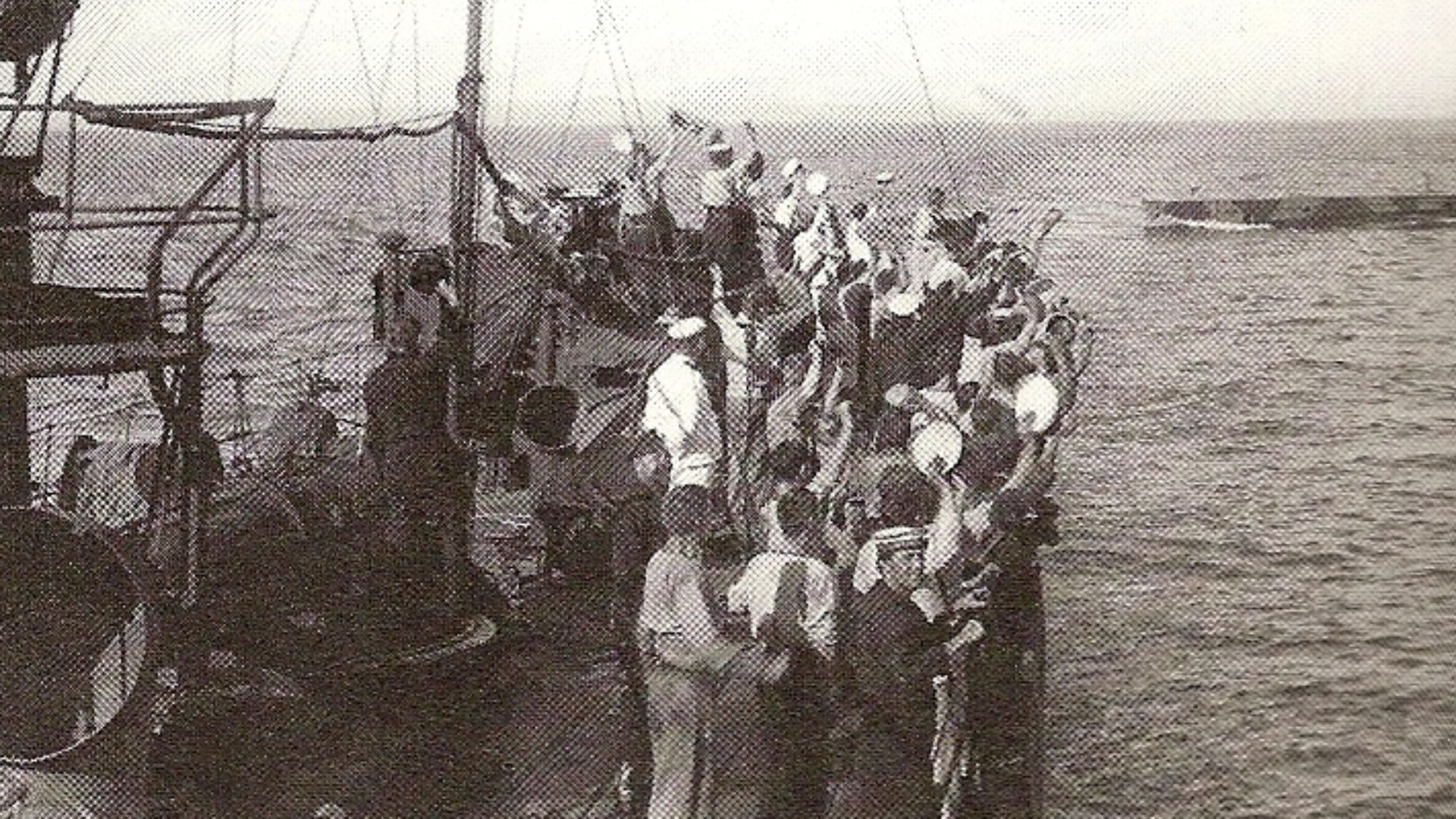
William Adelin and his companions roared encouragement for the crew to pursue and overtake the king's vessel, turning the crossing into a dangerous race across dark Channel waters. The young nobles shouted orders to emphasize speed over caution, urging the oarsmen to row “swifter than an arrow”.
 Unknown authorUnknown author, Wikimedia Commons
Quilleboeuf Rock
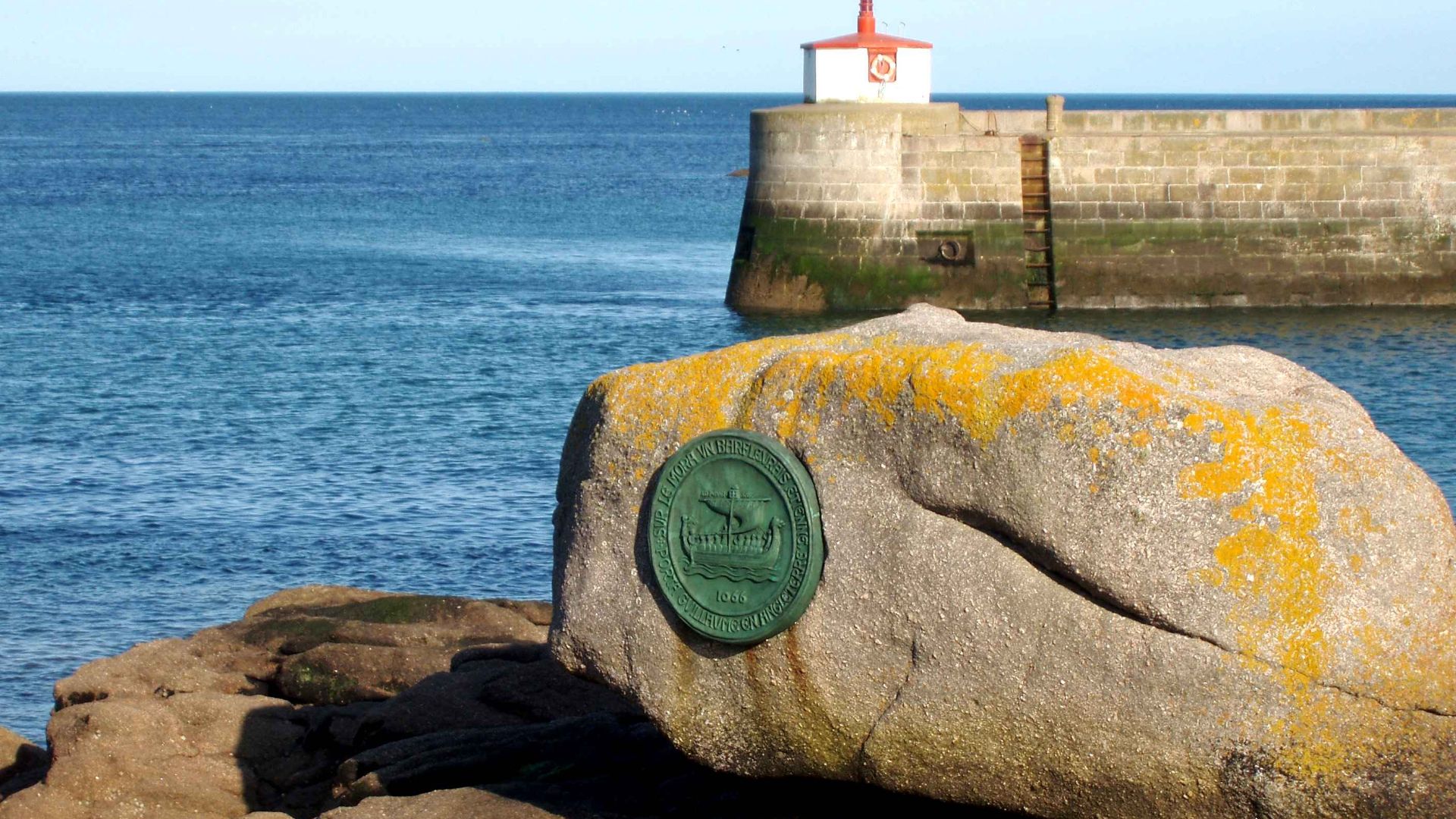
Some miles northeast of Barfleur harbor, the White Ship struck the notorious Quilleboeuf Rock, a well-known navigational hazard that experienced sailors normally avoided carefully. The impact tore a massive gash in the vessel's hull, causing immediate and catastrophic flooding.
Panic Ensues
Terrified screams filled the night as passengers and crew scrambled desperately for safety, many leaping into the freezing November waters of the English Channel. The cries of distress carried across the water to Barfleur's shore, but listeners mistook the sounds for continued revelry from the notorious party ship.
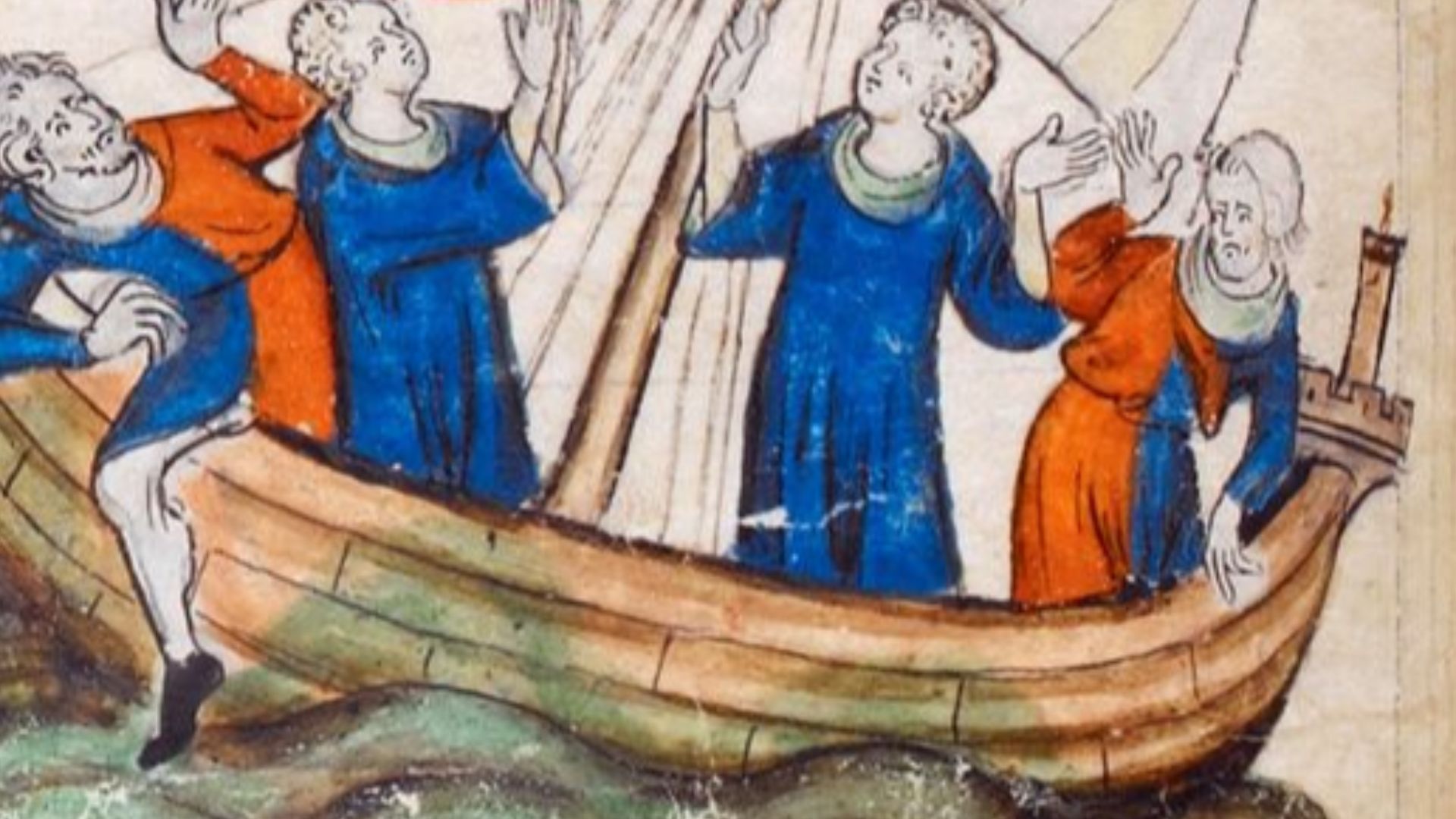 UnknownUnknown , produced for the Corporation of the City of London, Wikimedia Commons
English Channel
The English Channel is a narrow arm of the Atlantic Ocean that separates the southern coast of England from the northern coast of France. It is approximately 560 kilometers long and varies in width from about 240 kilometers at its widest to just 34 kilometers at its narrowest point.
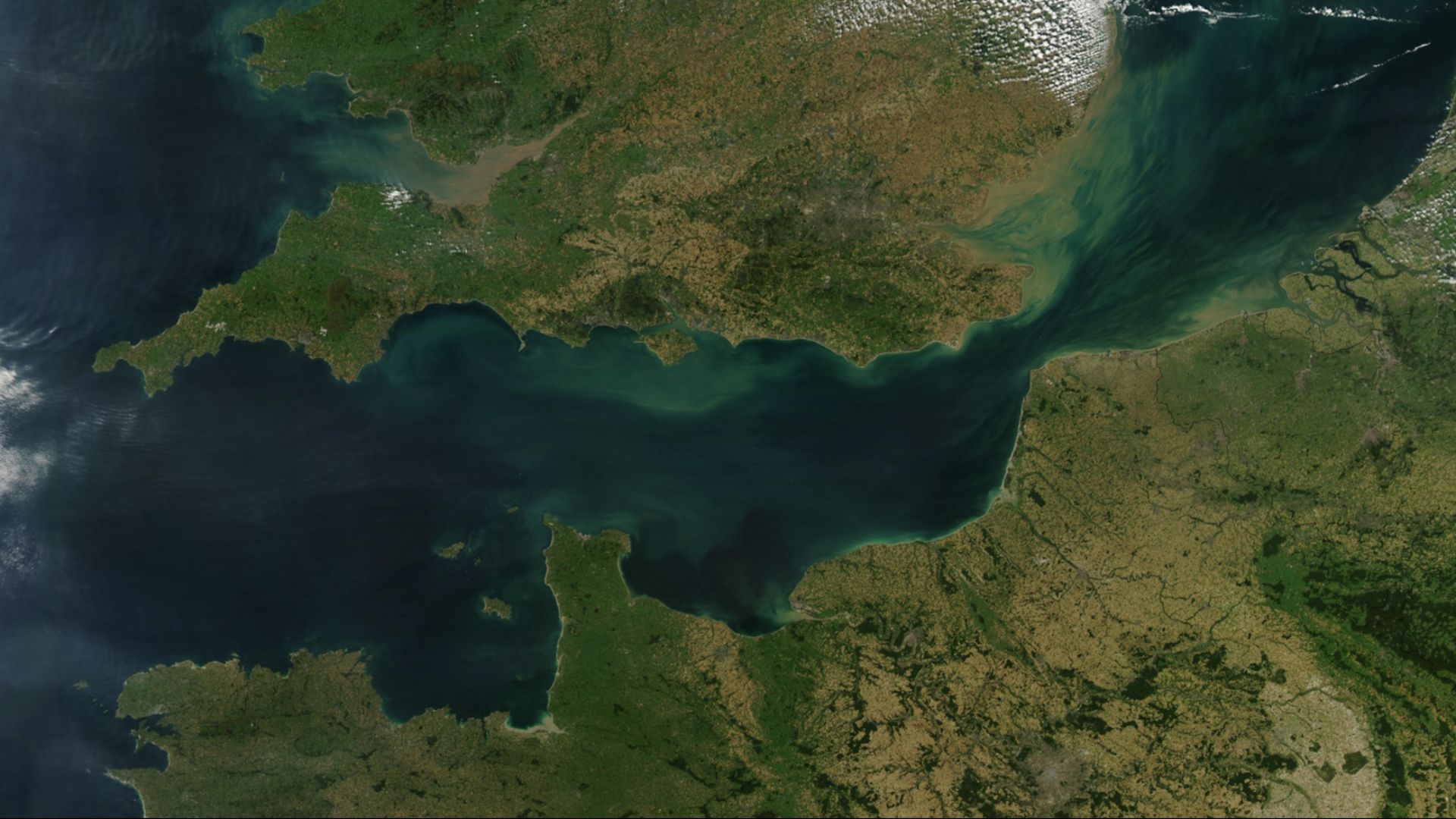
William's Rescue
Alert bodyguards, maintaining some sobriety amid the chaos, successfully bundled Prince William Adelin into the White Ship's single small lifeboat as the vessel tilted and sank. For a brief moment, the heir to England's throne appeared destined to survive the disaster that claimed so many others.
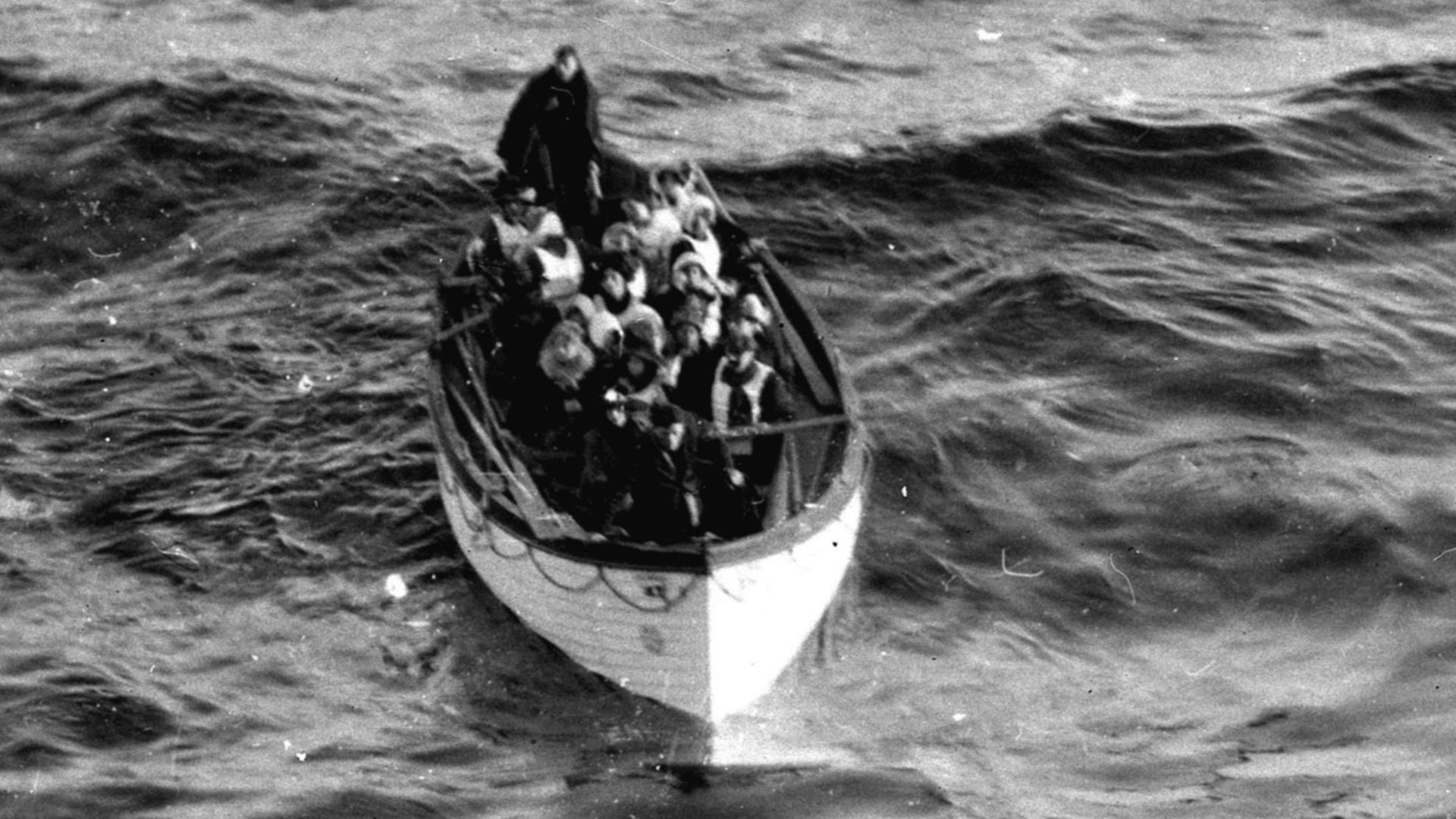 Unknown photographer, Wikimedia Commons
Sister's Cries
From the freezing waters, William's half-sister Matilda FitzRoy, Countess of Perche, screamed desperately for help as she struggled against the icy Channel currents. Despite his bodyguards' protests and the obvious danger to his own survival, William's deep familial loyalty compelled him to make a fateful decision.
 Jguk~commonswiki, Wikimedia Commons
Heroic Return
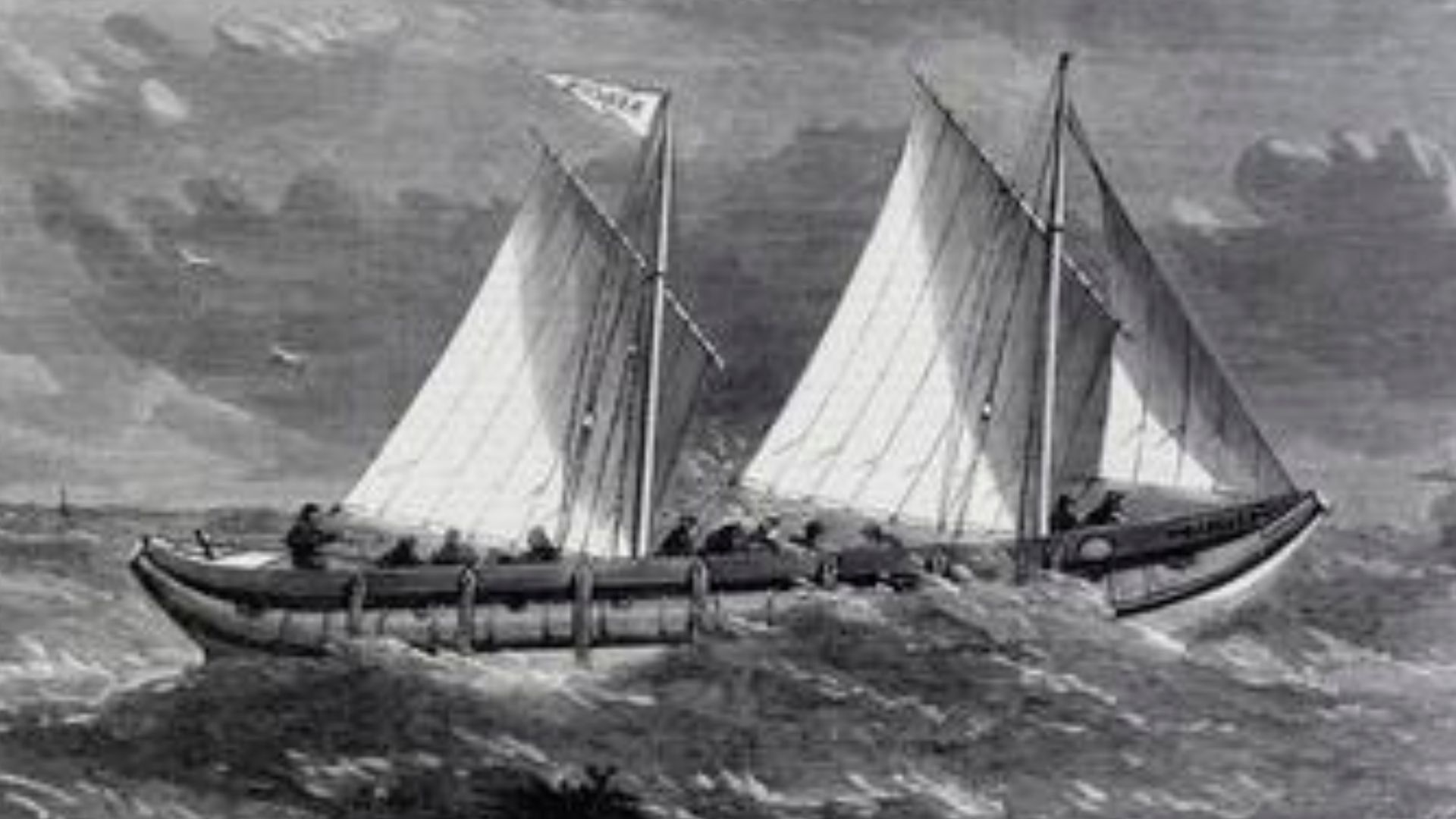
William Adelin ordered his lifeboat to turn back toward the sinking White Ship to rescue his drowning half-sister. The small vessel, already dangerously overcrowded and riding low in the water, began the perilous return journey. This act of brotherly devotion demonstrated William's noble character.
 Unknown authorUnknown author, Wikimedia Commons
Lifeboat Tragedy
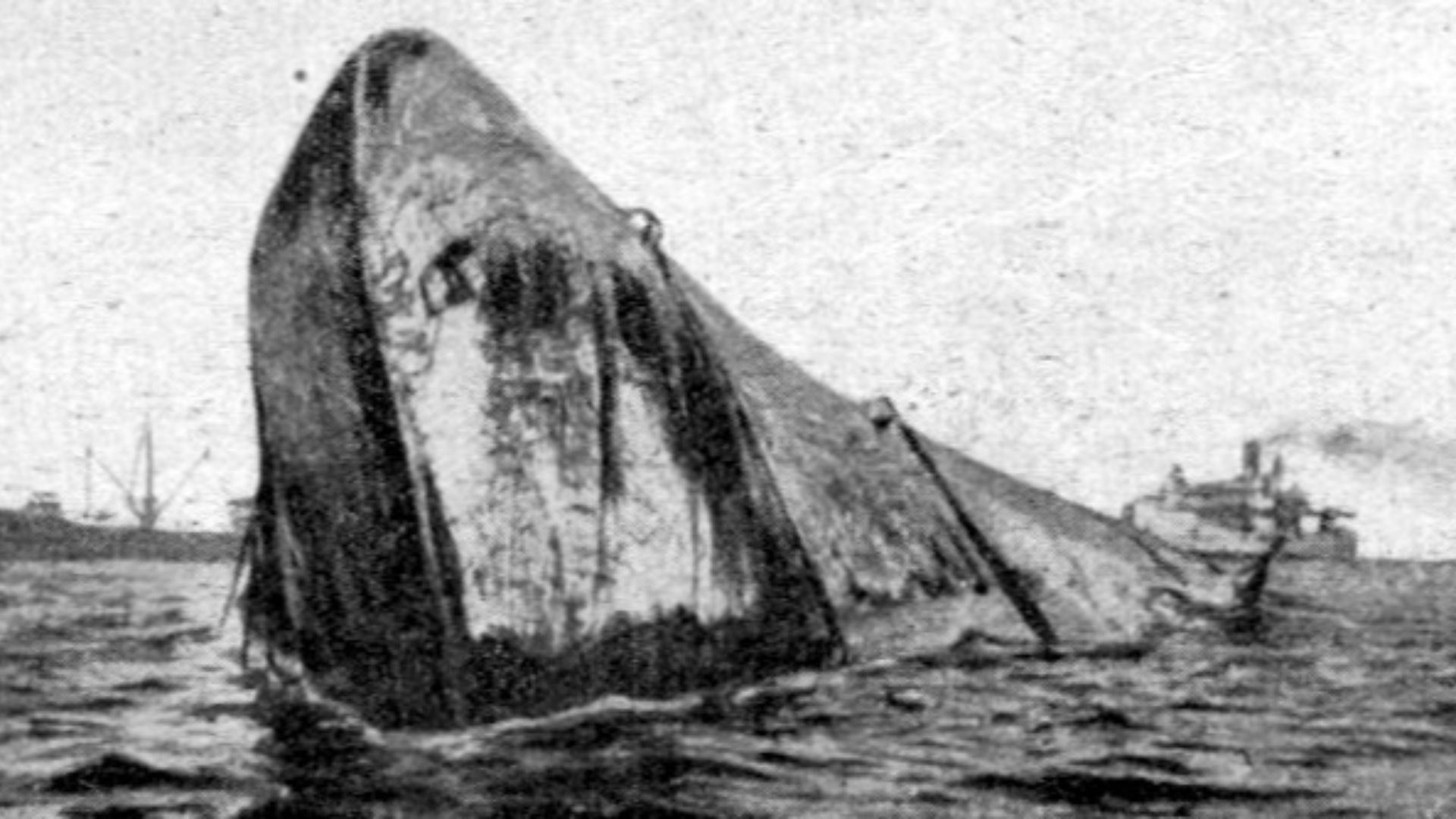
As the rescue boat approached the drowning passengers, dozens of desperate survivors swarmed the small vessel, clambering aboard in their terror. The lifeboat, designed for lesser people, quickly became overloaded with drowning nobles. Unable to bear the excessive weight, the overcrowded boat capsized completely.
 Gsl~commonswiki, Wikimedia Commons
Captain's Suicide
FitzStephen managed to surface after the ship sank, but when he discovered that Prince William had drowned, he deliberately let himself slip back rather than face King Henry's wrath. Orderic Vitalis recorded that the captain chose death over delivering such devastating news to his royal patron.
 United States Navy, Wikimedia Commons
Berold Survives
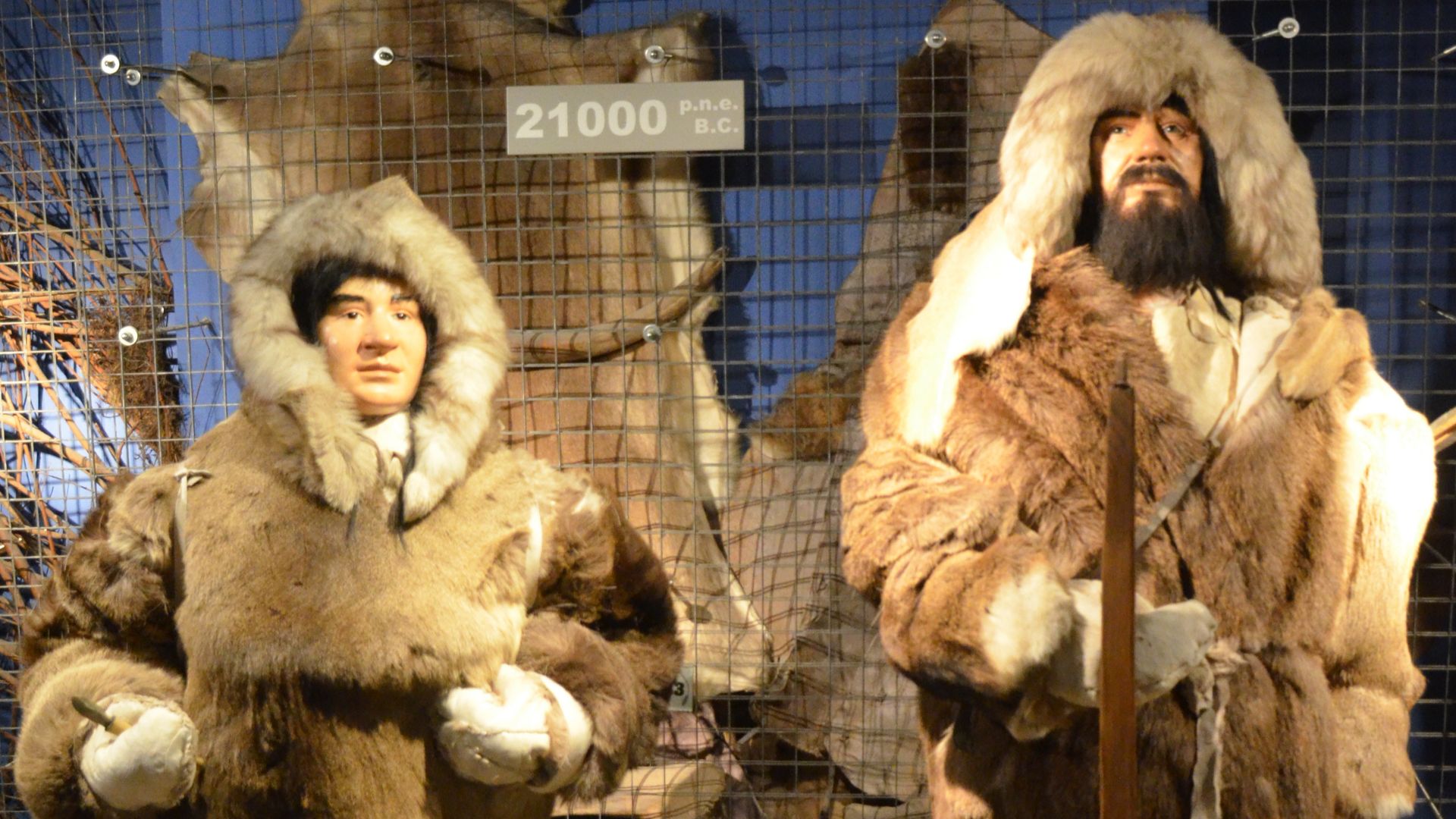
Only one man survived the White Ship disaster: Berold, a humble butcher from Rouen who had boarded solely to collect debts owed by noble passengers. His cheap goatskin and sheepskin clothing, offcuts from his trade, provided important insulation against the freezing water throughout the deadly night.
Morning Discovery
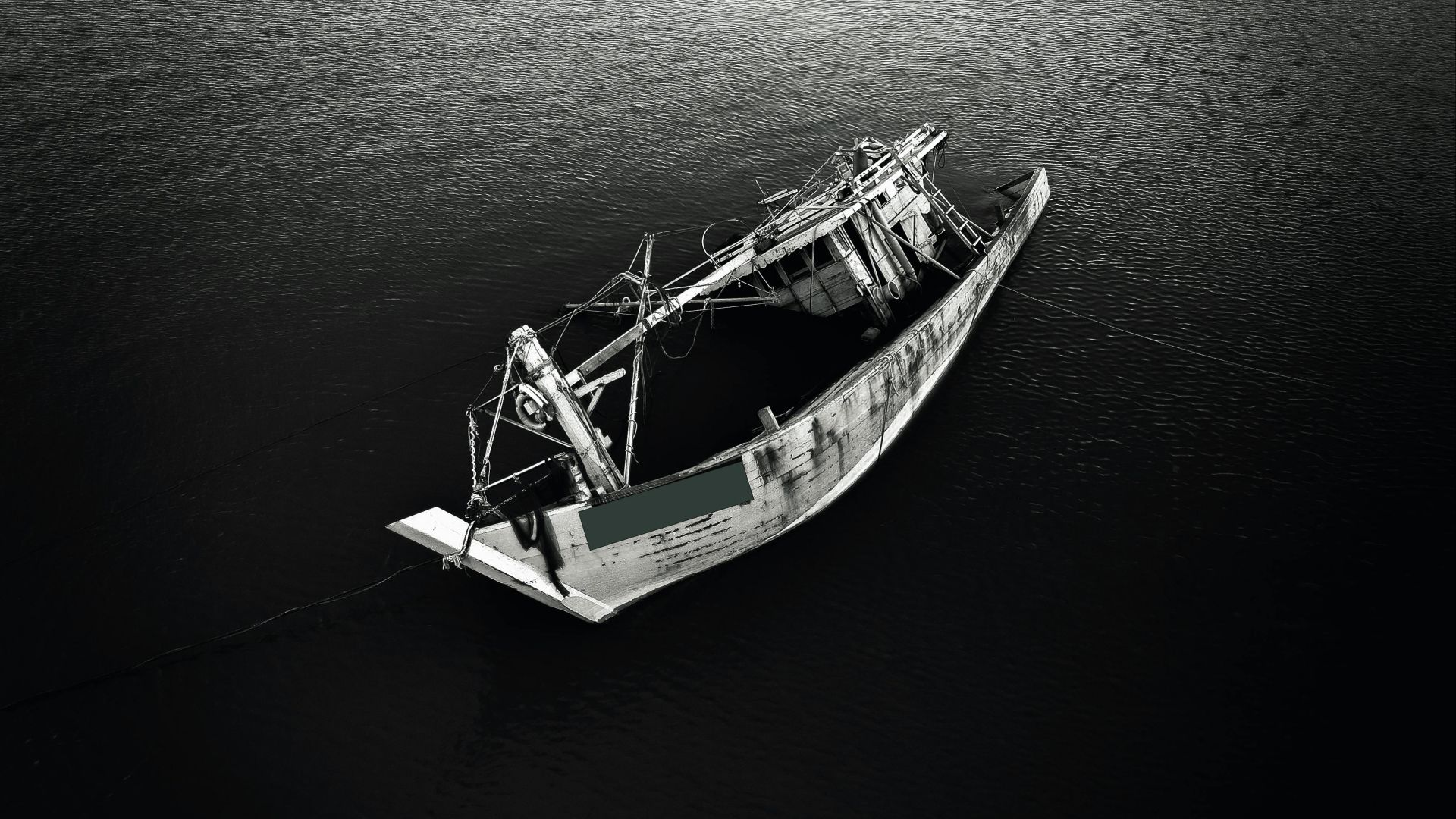
Dawn on November 26, 1120, revealed the horrific scope of the disaster as Barfleur fishermen found only scattered wreckage and Berold clinging to debris in the Channel. The magnificent White Ship had completely vanished beneath the waves, taking with it England's heir and the flower of Anglo-Norman nobility.
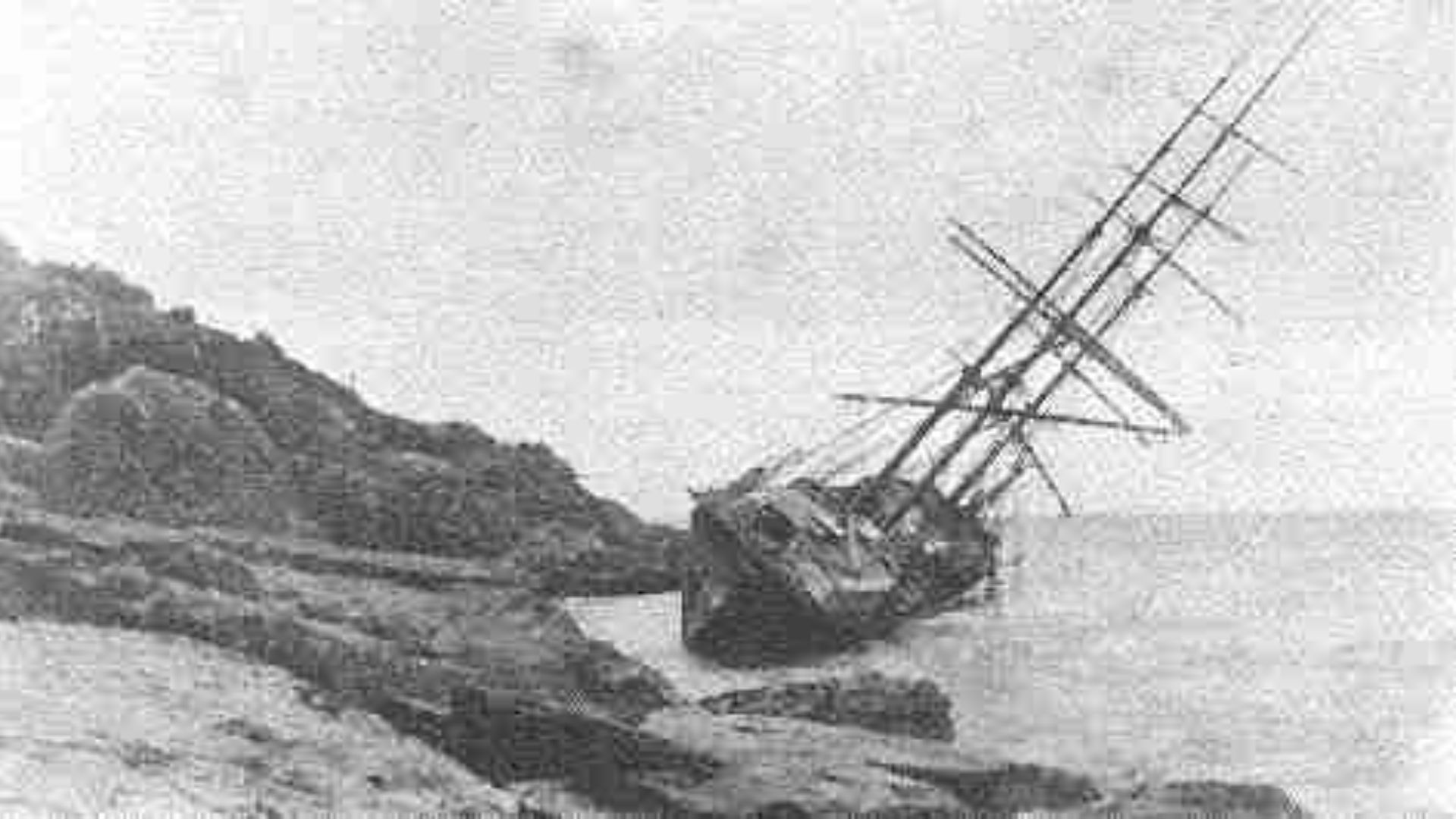 Unknown authorUnknown author, Wikimedia Commons
Geoffrey Of Laigle
Geoffrey of Laigle was a young nobleman who was one of the two initial survivors of the White Ship disaster, along with Berold. He could not hold on through the night and eventually drowned. Geoffrey’s finer clothing likely did not protect him from the cold.
Messenger's Fear
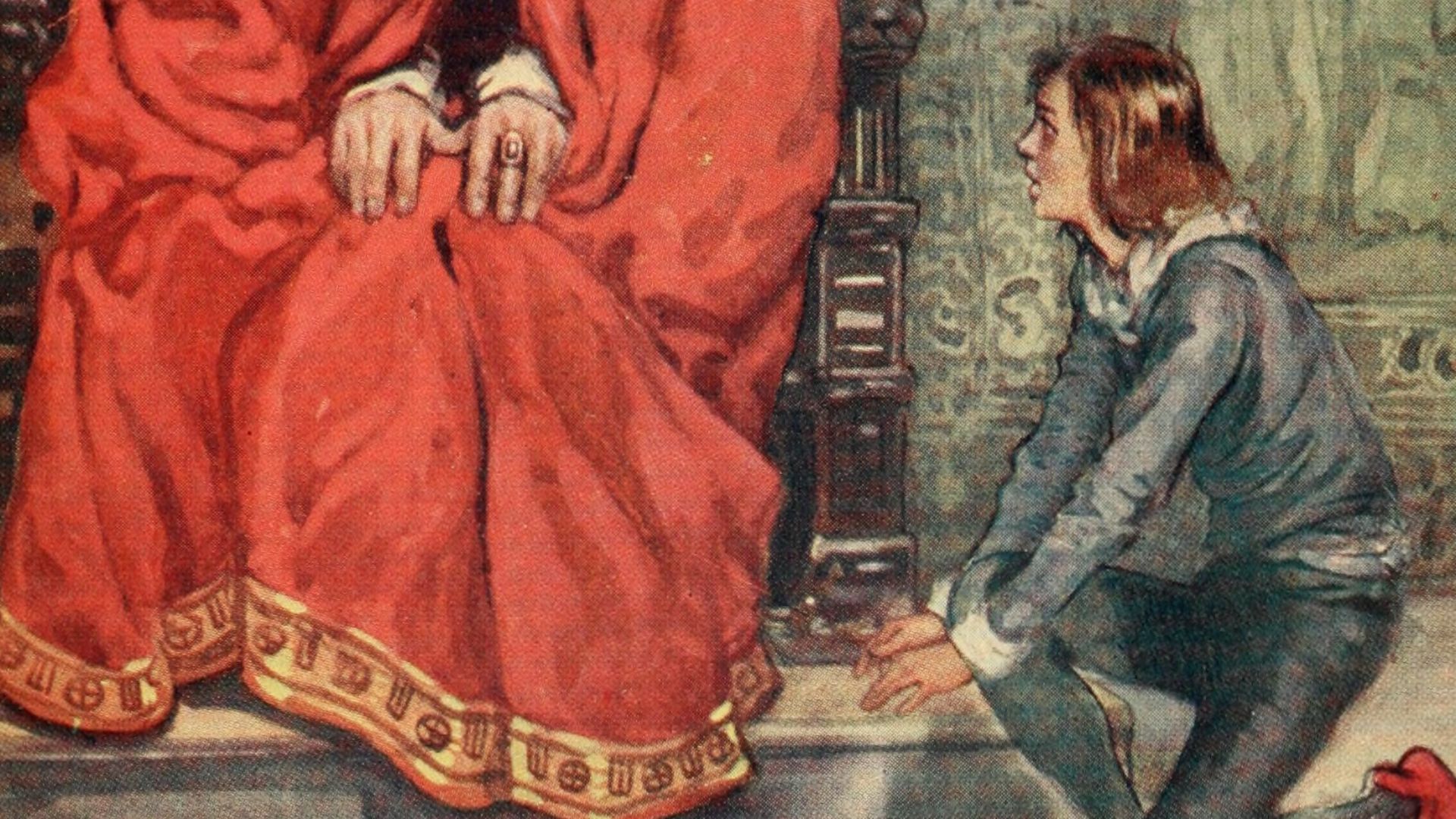
No courtier dared inform King Henry I of his son's demise, knowing the devastating news would destroy the monarch who had invested everything in William's future. The court's terror of Henry's reaction delayed the announcement for hours. Finally, a young boy was chosen to break the news.
 Internet Archive Book Images, Wikimedia Commons
King's Devastation
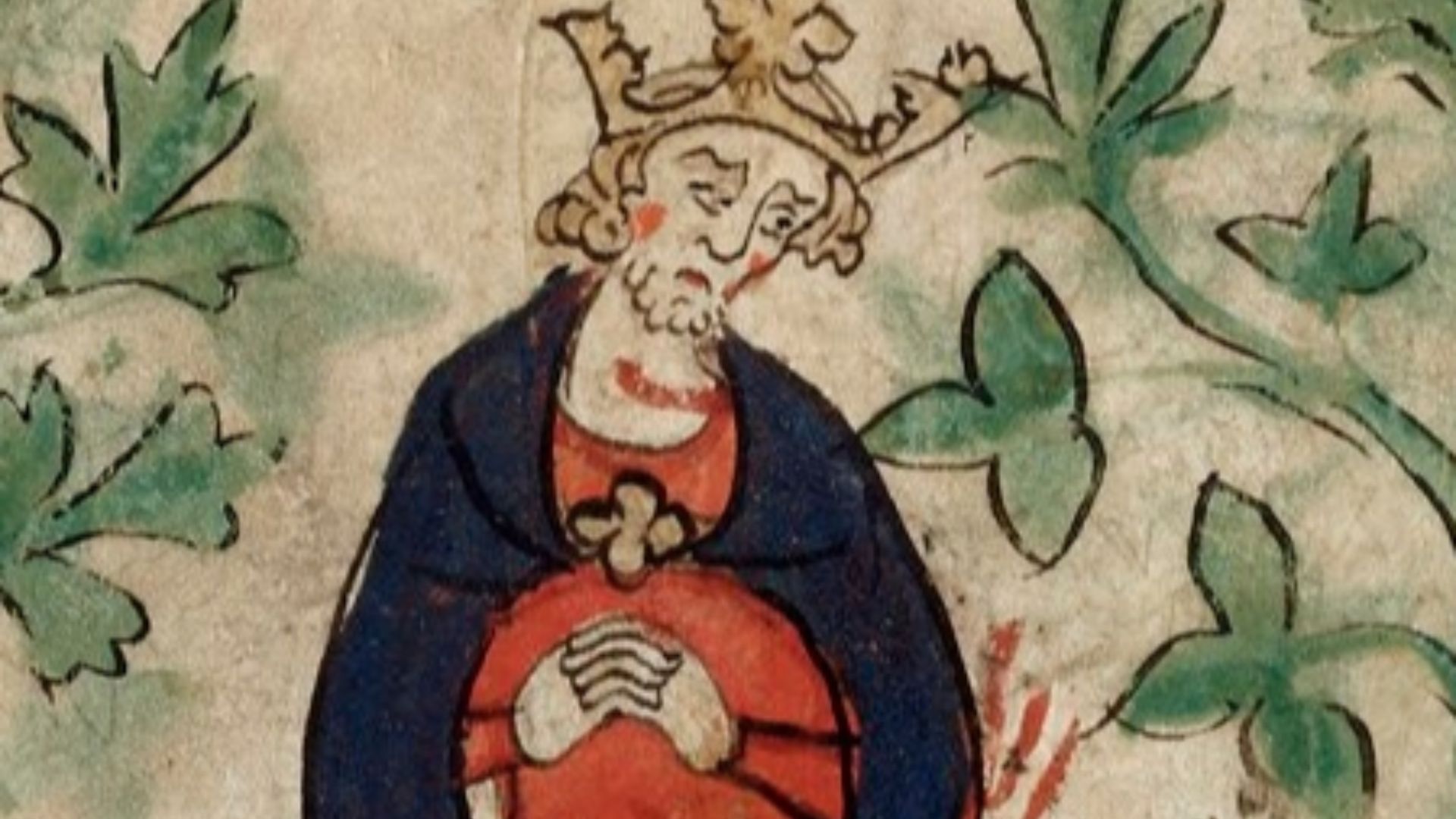
When Henry I got to know, he collapsed immediately, overwhelmed by grief so intense that witnesses feared for his life. Contemporary chroniclers described the king's anguish as beyond human endurance, noting that he "fell to the ground" and had to be carried to his chamber by friends.
 Andrew Gray, Wikimedia Commons
Contemporary Chronicles
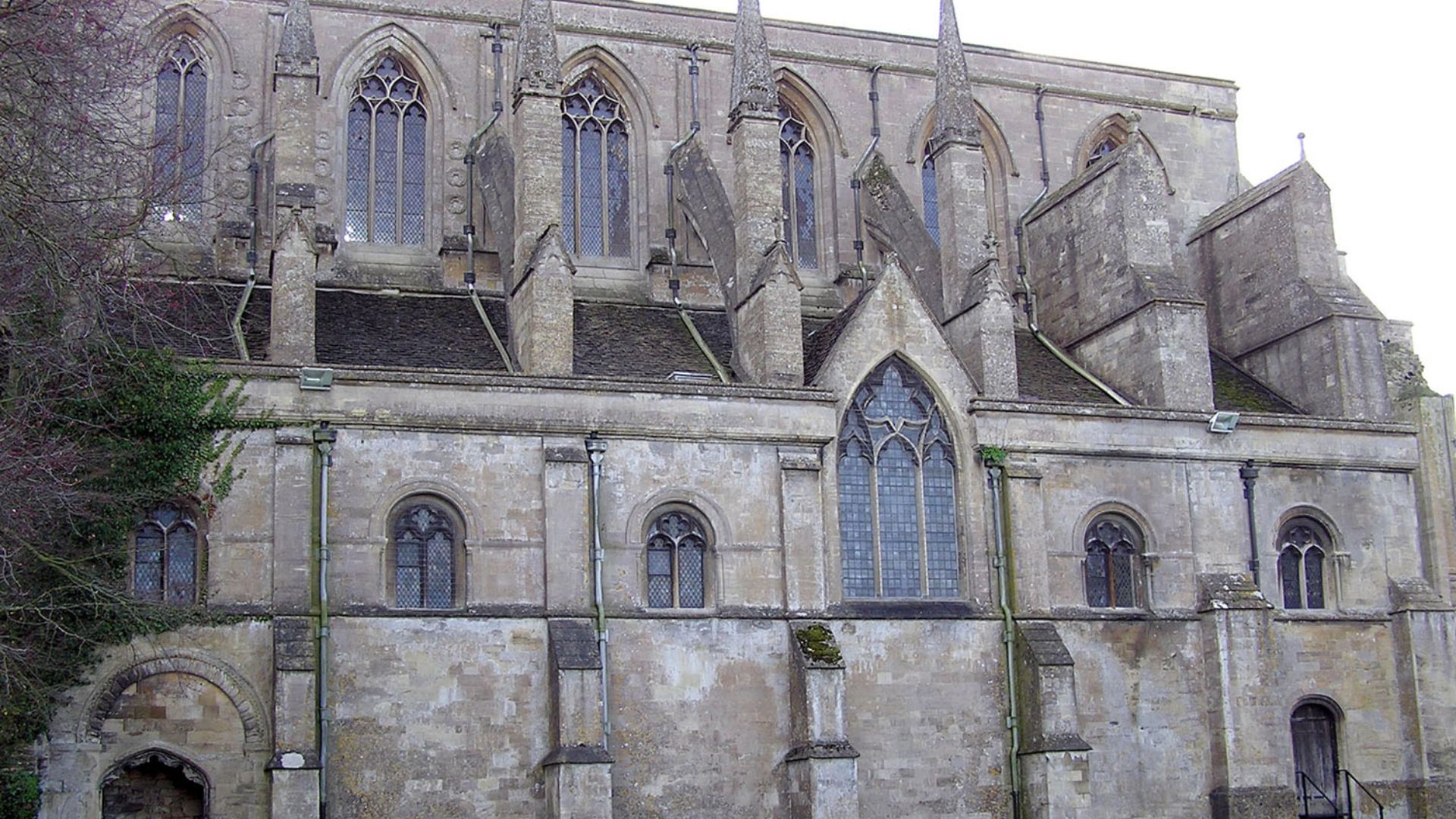
Medieval chroniclers recognized the disaster's monumental significance immediately, with William of Malmesbury writing within six years that “No ship that ever sailed brought England such disaster, none was so well known the wide world over”. Orderic Vitalis provided detailed eyewitness accounts around 1140.
 Arpingstone, Wikimedia Commons
Immediate Aftermath
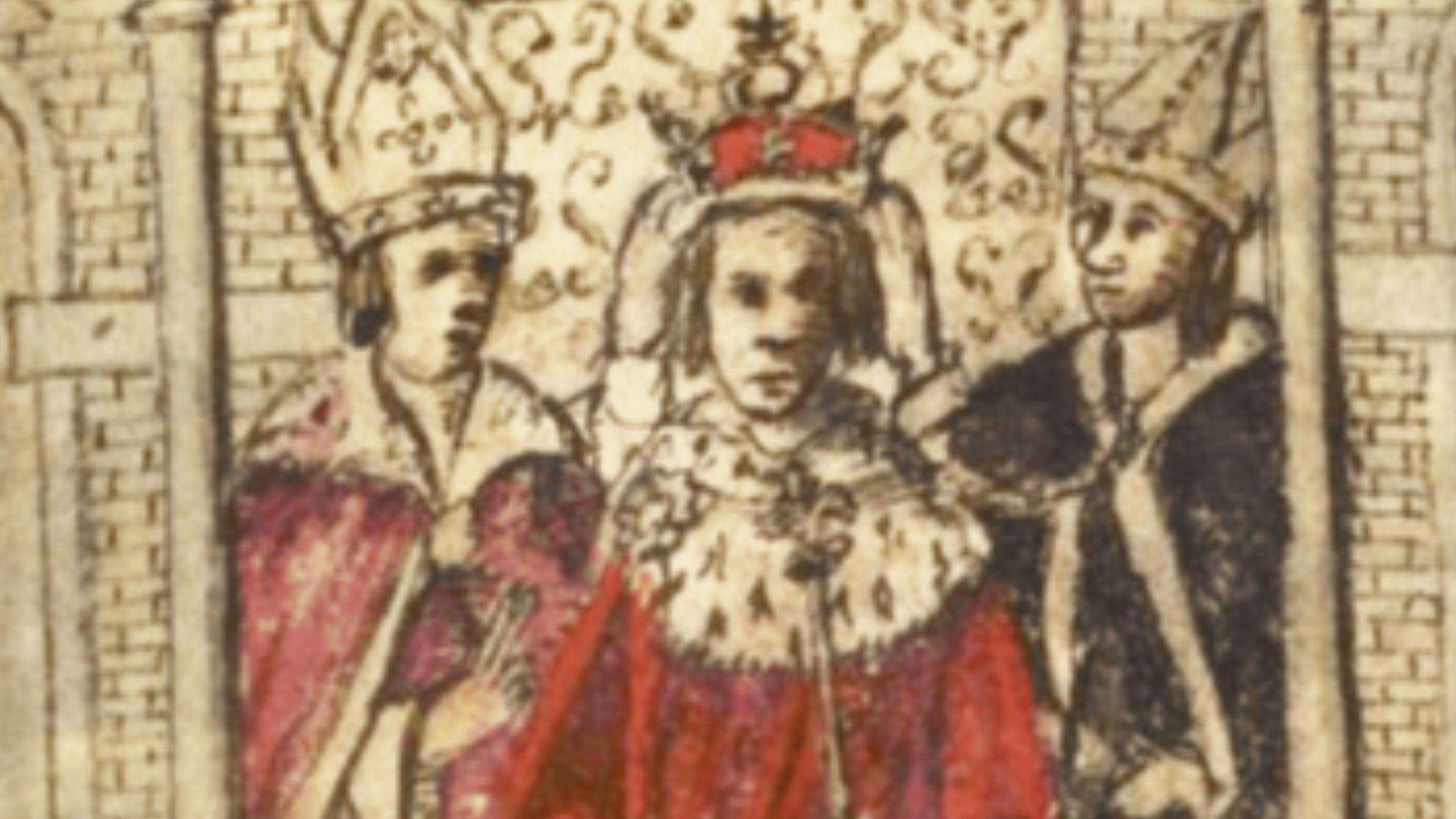
Henry I's court plunged into mourning and political uncertainty as the king's carefully constructed succession plans lay in ruins under the Channel. England faced an unprecedented crisis with no legitimate male heir, forcing Henry to contemplate radical solutions.
 Unknown authorUnknown author, Wikimedia Commons
Henry's Remarriage
Within two months of the disaster, the grief-stricken Henry I married Adeliza of Louvain in January 1121, desperately hoping to produce another male heir. The new queen was chosen for her youth, beauty, and prestigious noble lineage, representing Henry's best chance for dynastic continuation.
 Lives of The Queens of England after the Norman Conquest, Wikimedia Commons
Succession Oaths
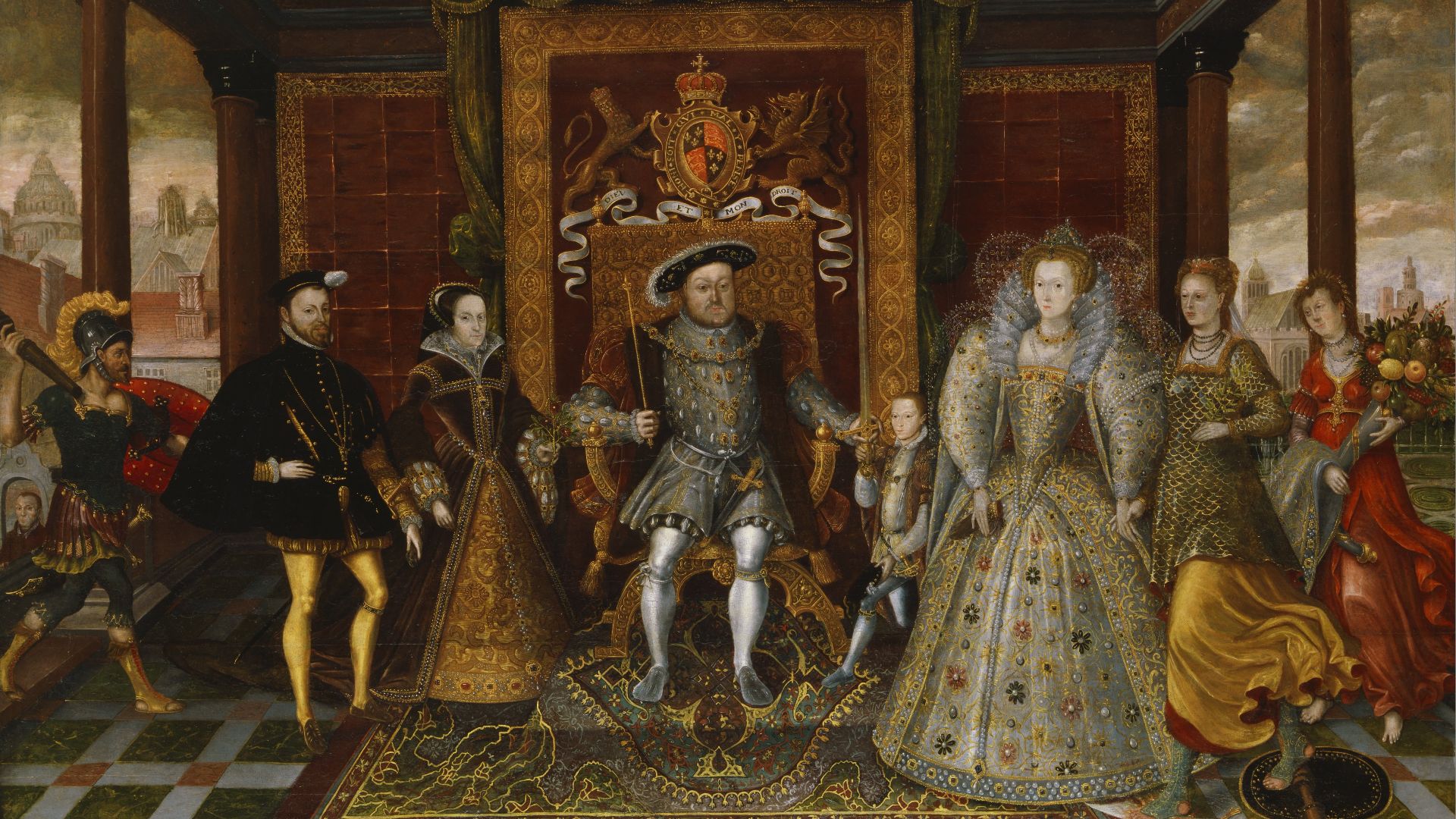
In 1126–1127, Henry I compelled his barons to swear solemn oaths recognizing his daughter Matilda as his heir, an arrangement he reinforced with additional oath ceremonies in 1128 and 1131. These unprecedented pledges required nobles to accept female rule for the first time in English history.
King's Death
Henry I passed away on December 1, 1135, near Lyons-la-Foret in Normandy, reportedly after consuming "a surfeit of lampreys" despite his physician's warnings. The king's demise triggered the succession crisis he had long feared, as Matilda was in Normandy with her husband, Geoffrey of Anjou.