
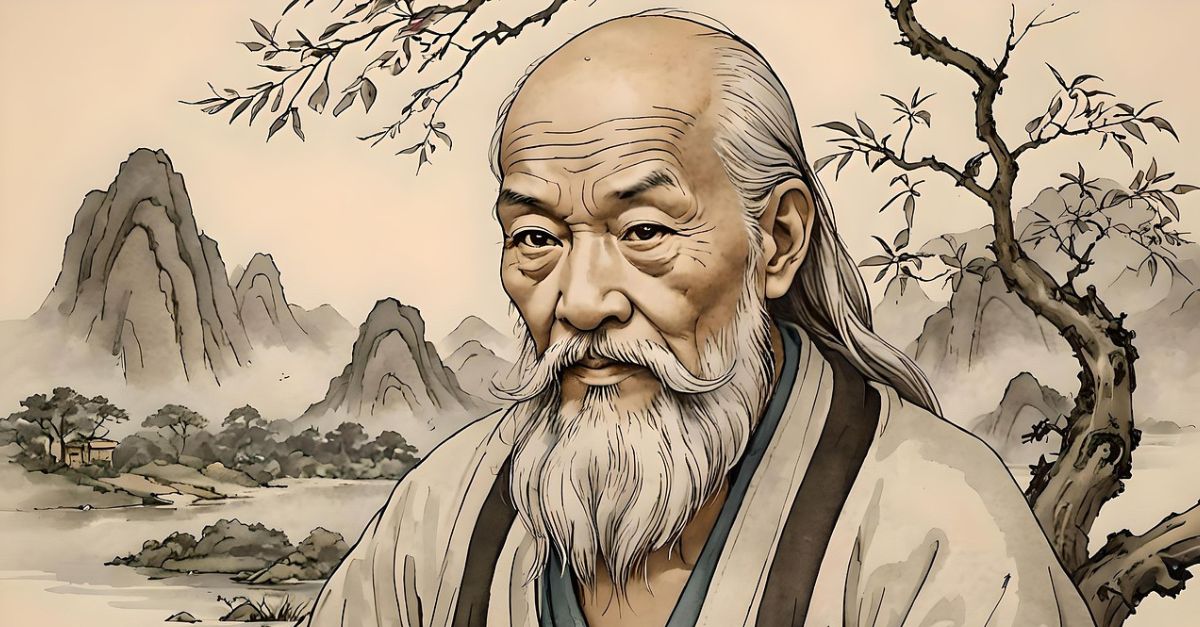
The Stories We Never Questioned
Remember learning about brave warriors and wise leaders in school? Historians have been quietly scratching their heads because evidence for some famous names just doesn't exist. These tales stuck around anyway, becoming "facts" that nobody bothered checking.
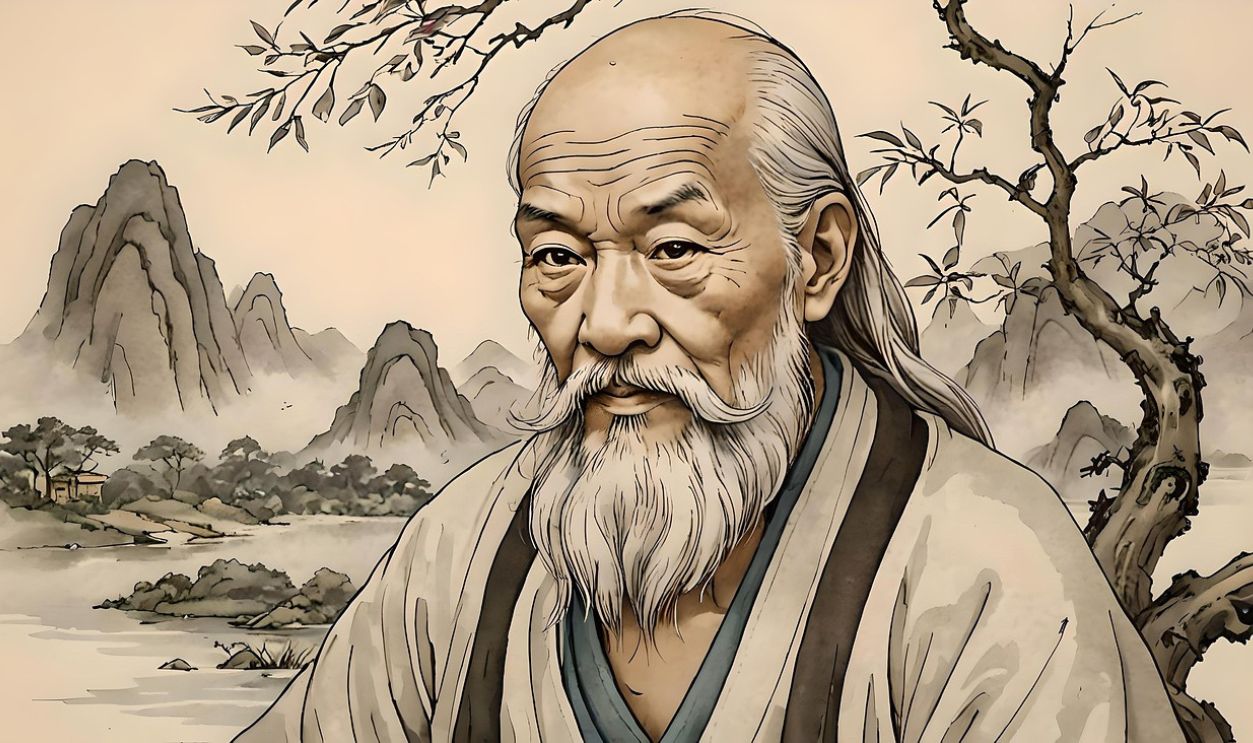
King Arthur
The earliest mention of Arthur appears in the Historia Brittonum around 828 CE. Later authors like Geoffrey of Monmouth turned scattered Welsh legends into Camelot and Excalibur lore. The truth? No Roman or fifth-century records mention Arthur at all.
 N. C. Wyeth, Wikimedia Commons
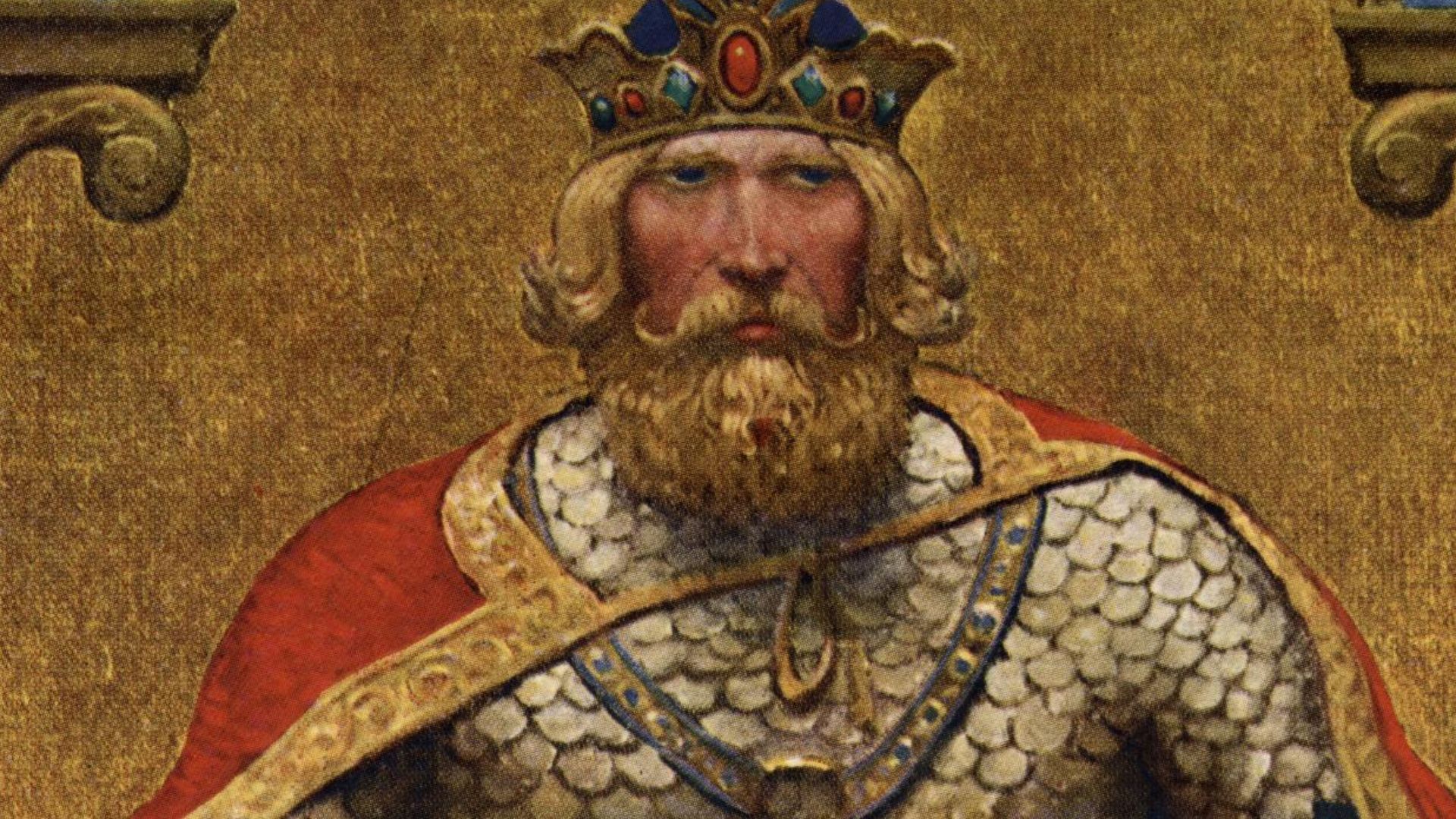
Homer
Seven cities claimed Homer as their native son, yet nobody agreed on when he lived. Greeks credited this blind poet with composing the Iliad and Odyssey, Western civilization's foundational epics. The poems themselves became Homer's only biography, as even linguistic analysis reveals that multiple authors contributed over generations.
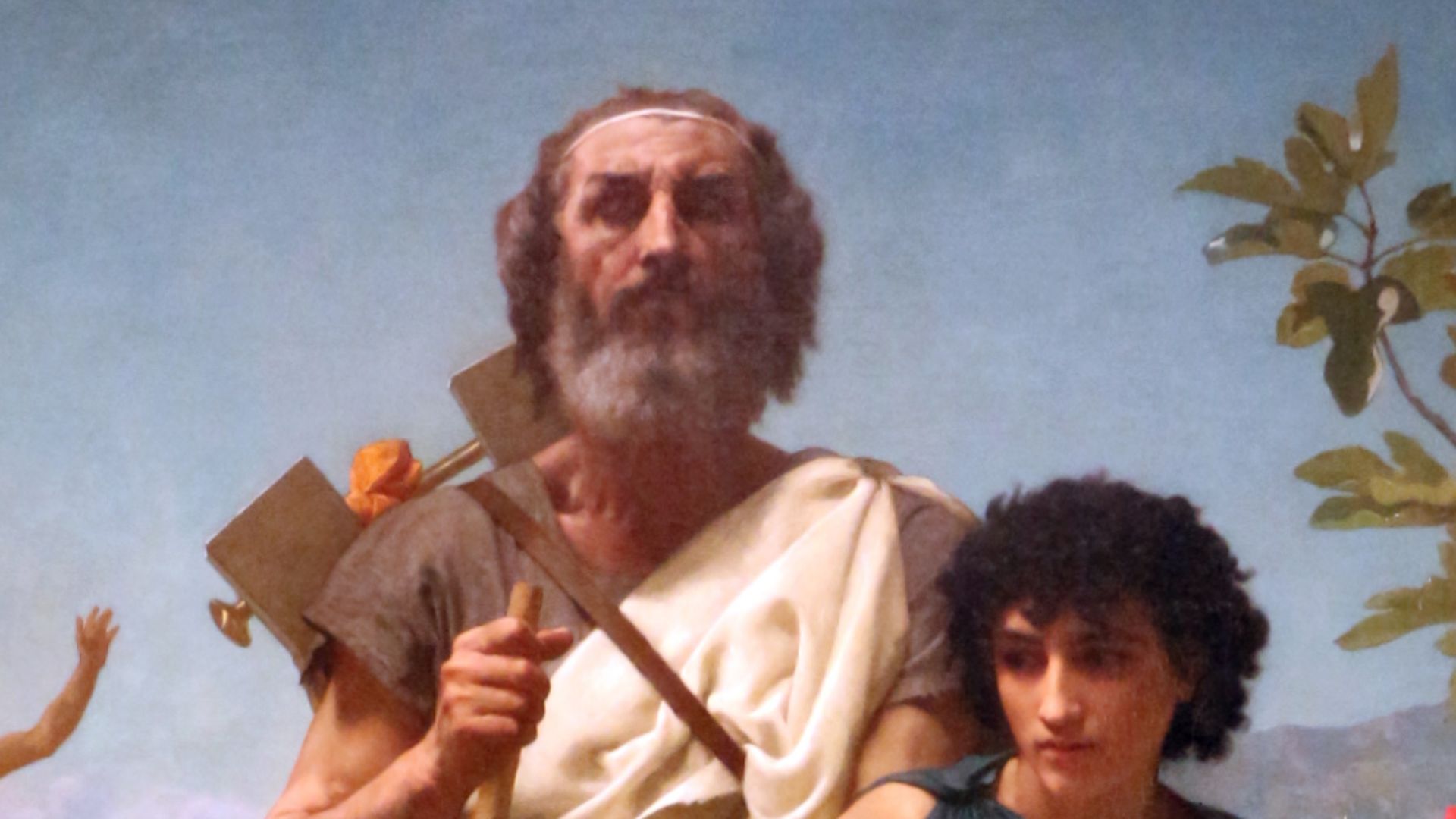
Lycurgus Of Sparta
He was everywhere in history from 1100 BCE to 600 BCE. Sparta's legendary lawgiver supposedly created their brutal military society, banning currency and mandating communal meals. Spartans needed an authoritative founder for their radical social system, so they invented one. Plutarch admitted that nothing reliable existed about Lycurgus's life.
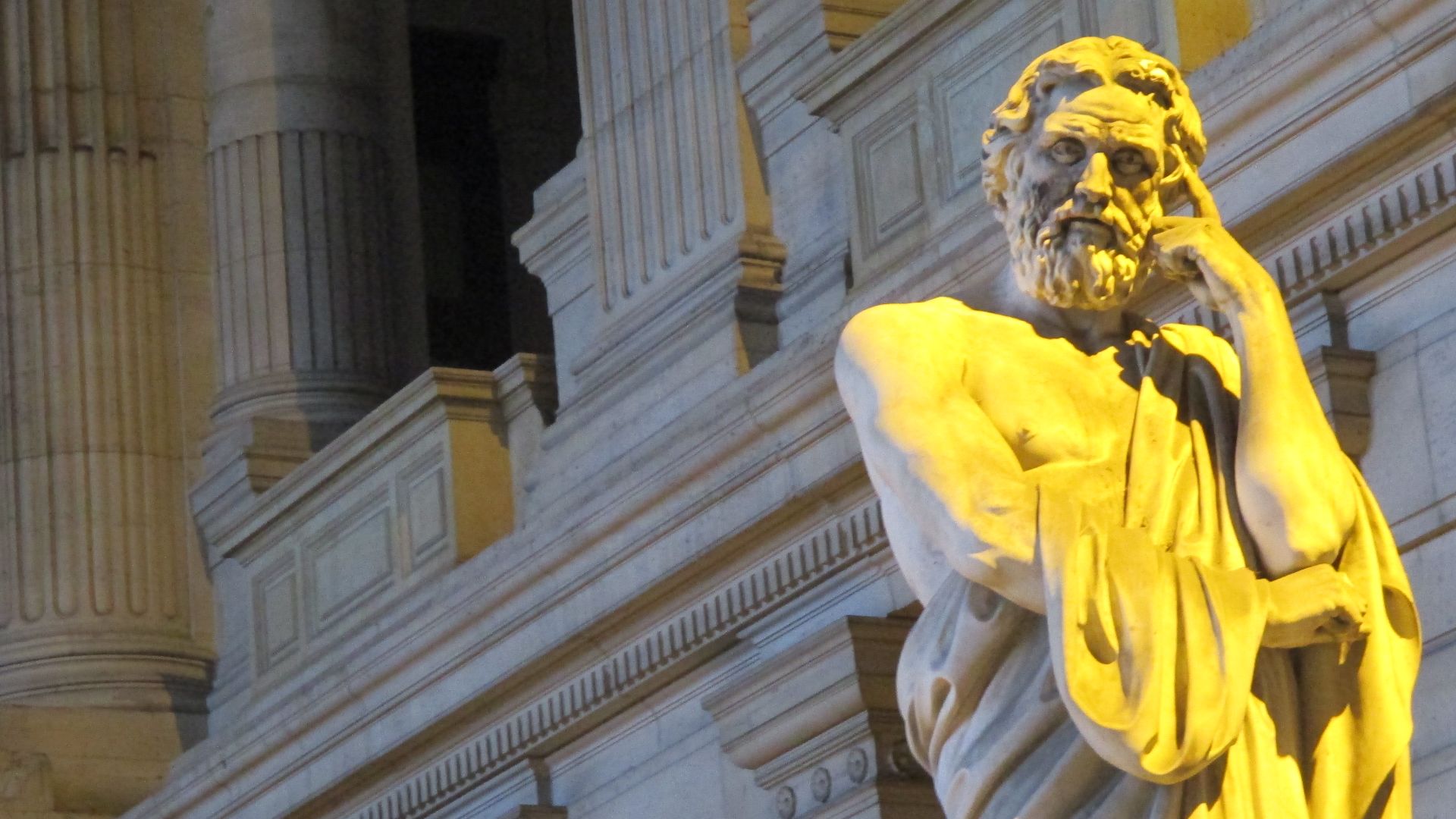 Mattpopovich, Wikimedia Commons
William Tell
This was a tale that anchored Switzerland's independence mythology throughout the 14th century, and Swiss schoolchildren learn about the master crossbowman forced to shoot an apple off his son's head by Austrian tyrants. He likely never existed. Identical apple-shooting legends appeared across Scandinavia and England centuries earlier.
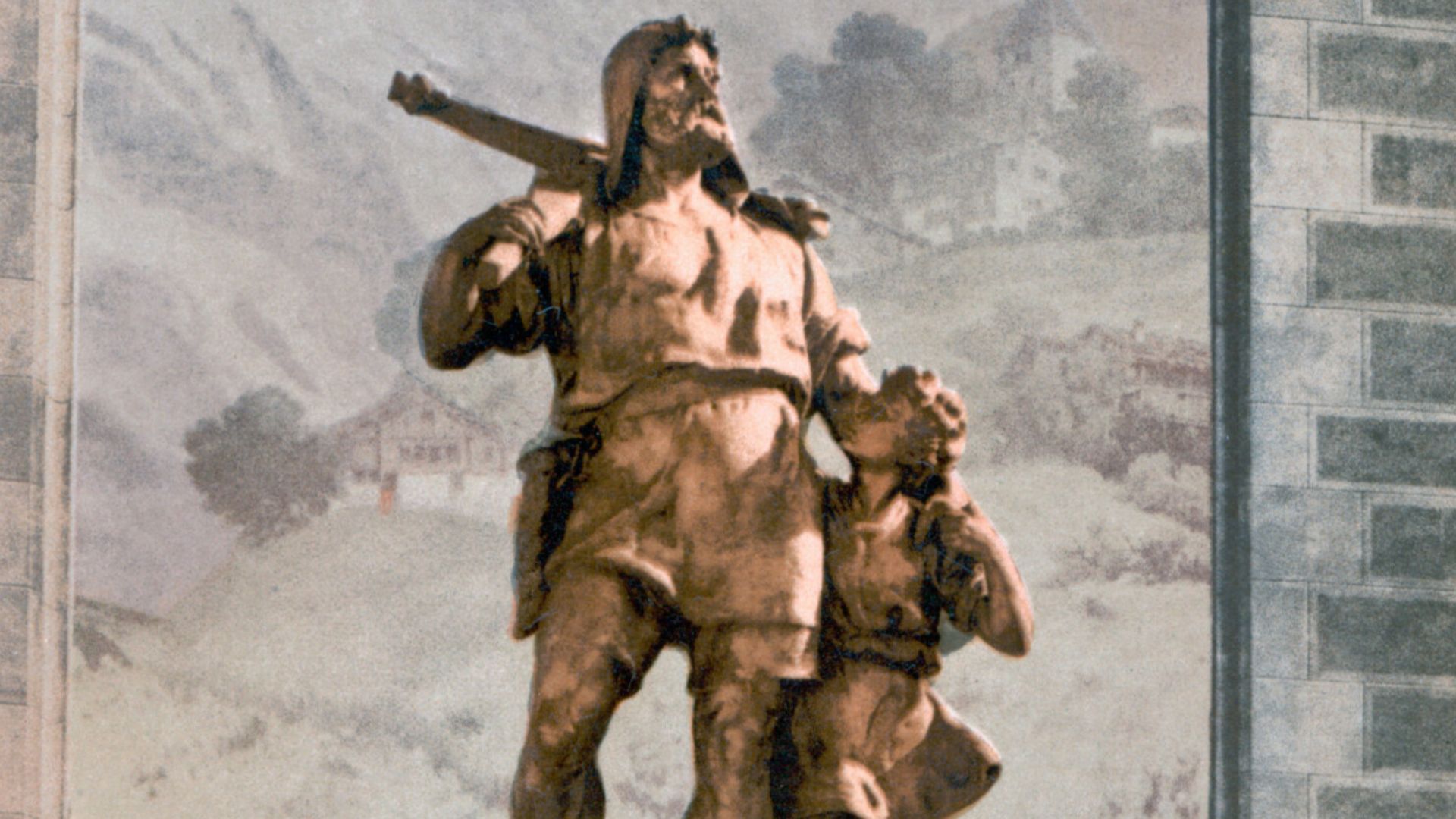 Unknown authorUnknown author, Wikimedia Commons
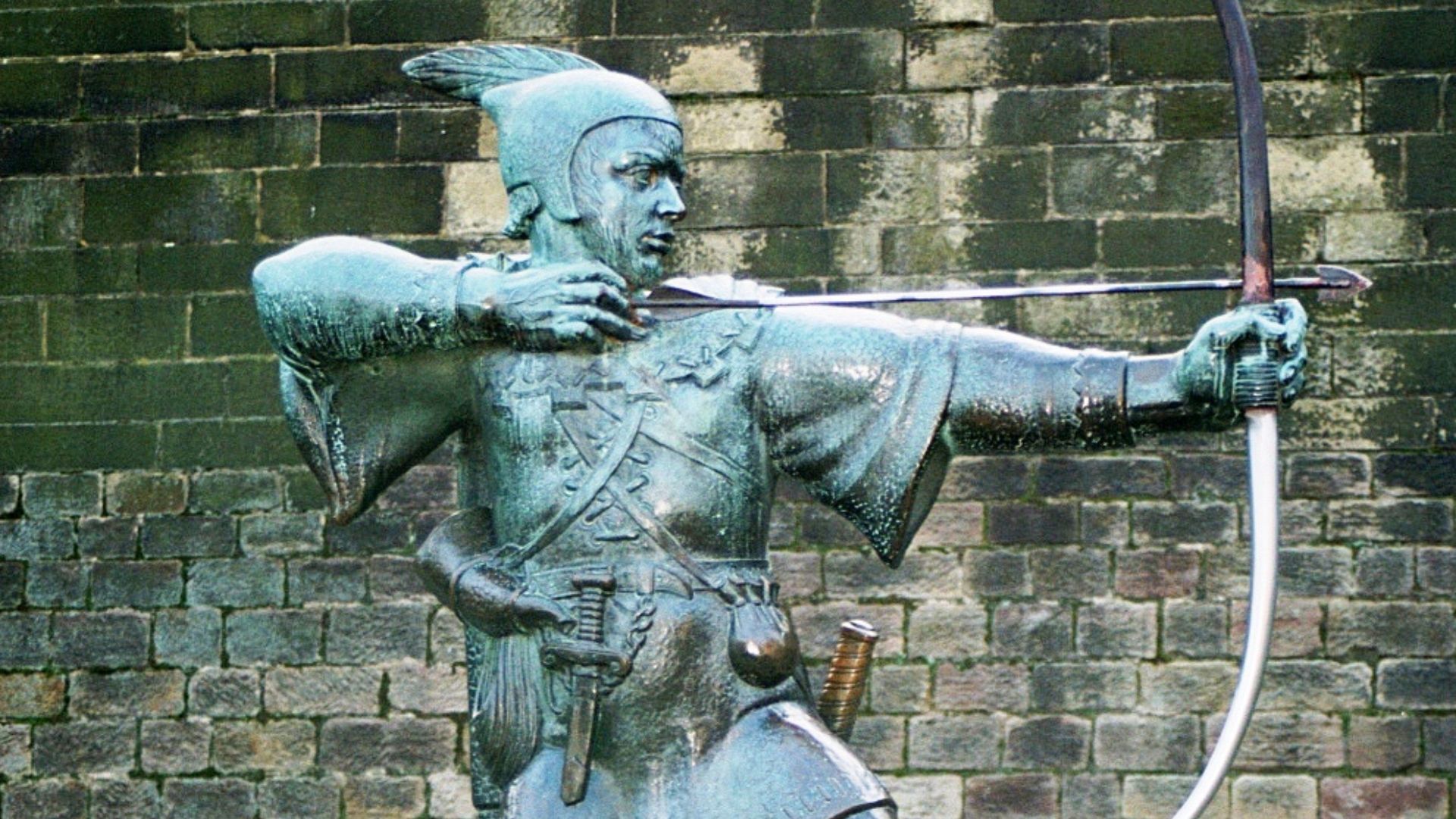
Robin Hood
Medieval court records list many criminals called “Robehod,” a common nickname rather than a single person. Early ballads like A Gest of Robyn Hode portray an outlaw in Sherwood Forest targeting corrupt officials. Later retellings added the King Richard connection and moralized the legend.
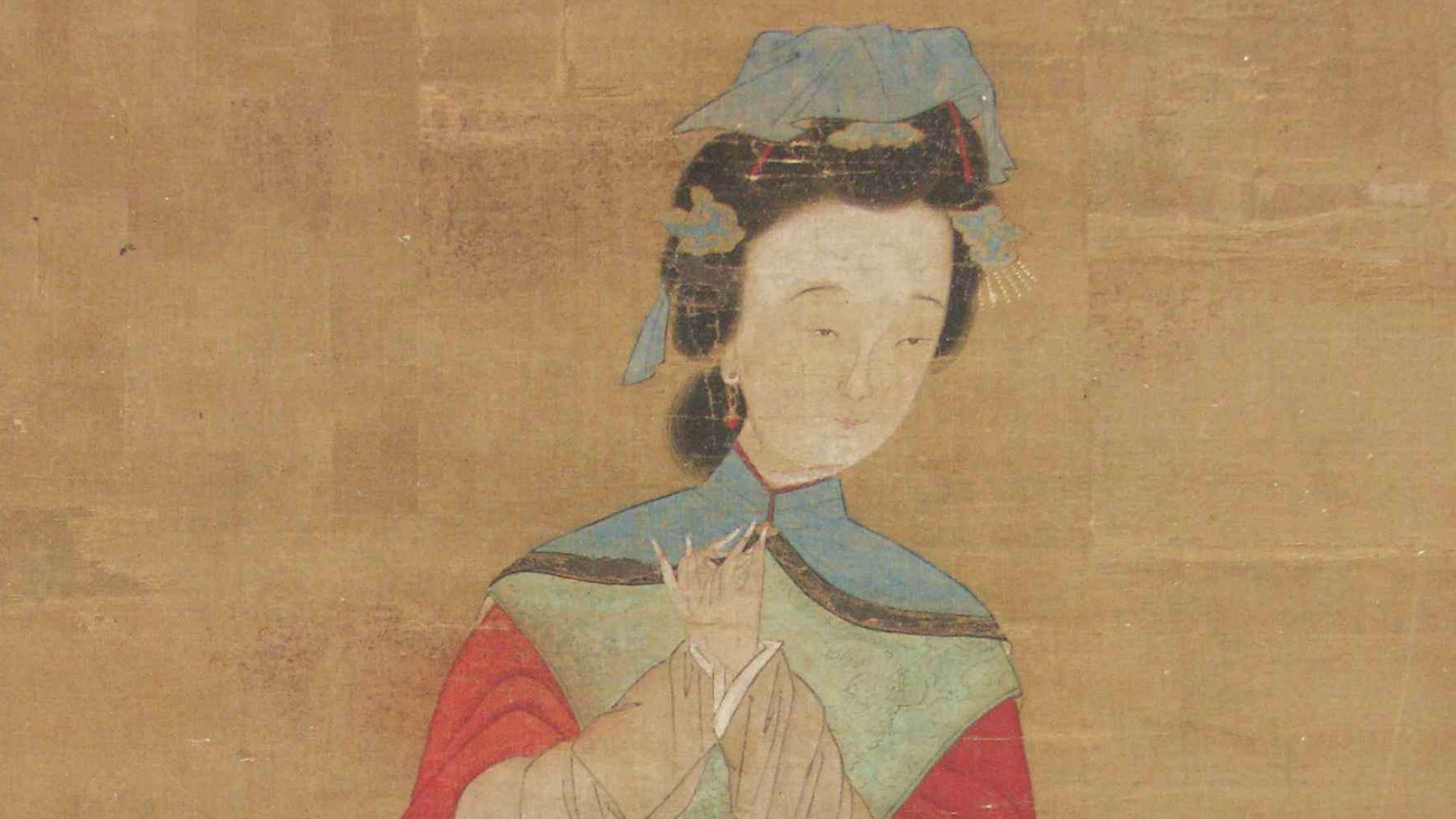
Hua Mulan
“The Ballad of Mulan” offers no specifics. Still, Chinese poetry celebrates a woman who disguised herself as a man and served for years in her father’s place, but the story remains folklore. Disney’s films popularized Mulan globally while presenting a legendary heroine. No military records confirm her existence.
Huangdi (Yellow Emperor)
Chinese civilization traces its ancestry to this mythical ruler, who supposedly reigned around 2700 BCE, and is credited with inventing medicine, mathematics, and agriculture. China needed a divine founding father. Older texts described Huangdi living 300 years and ascending to heaven on a dragon. Was it true? Apparently not!
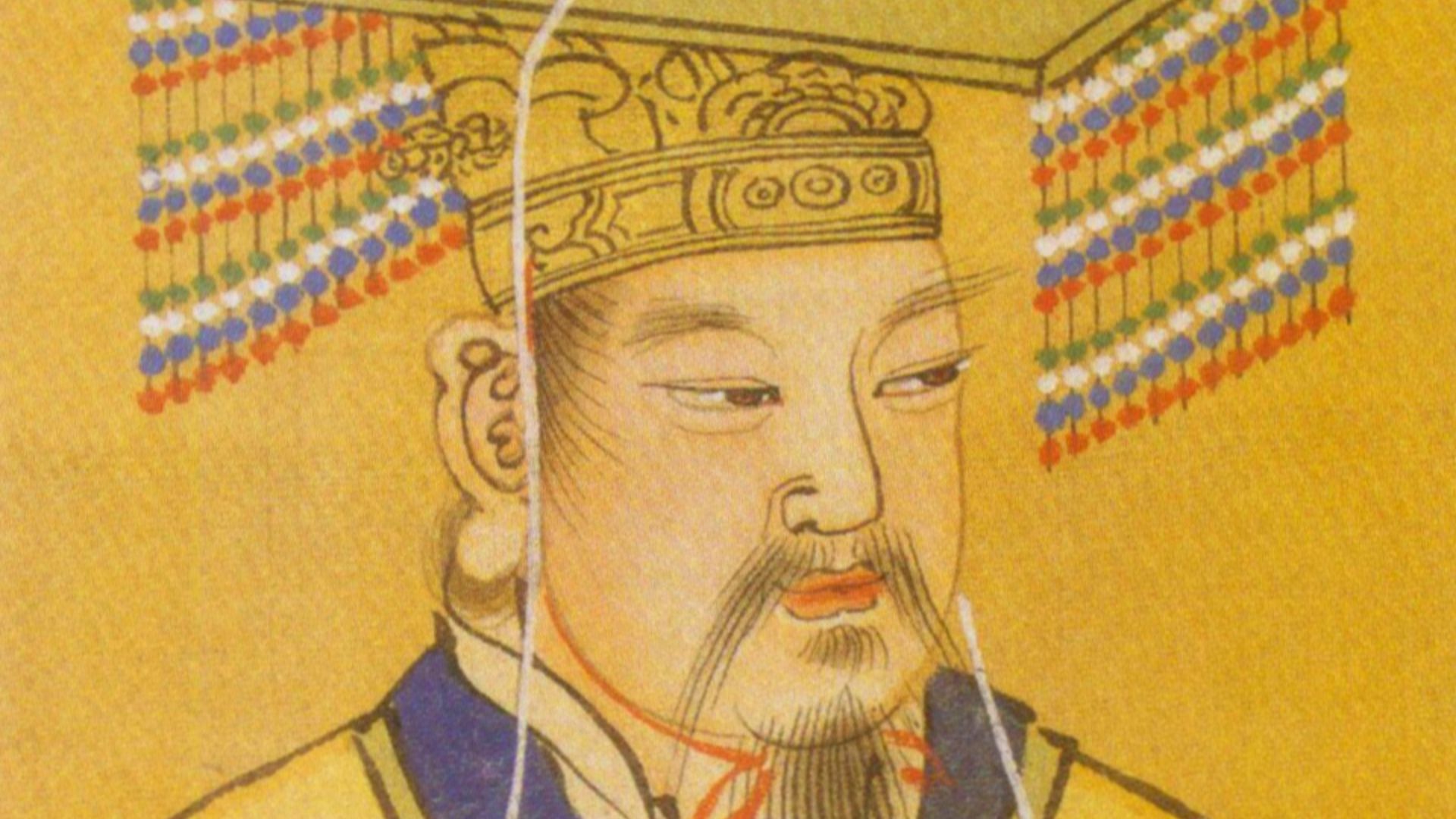 Meidosensei, Wikimedia Commons
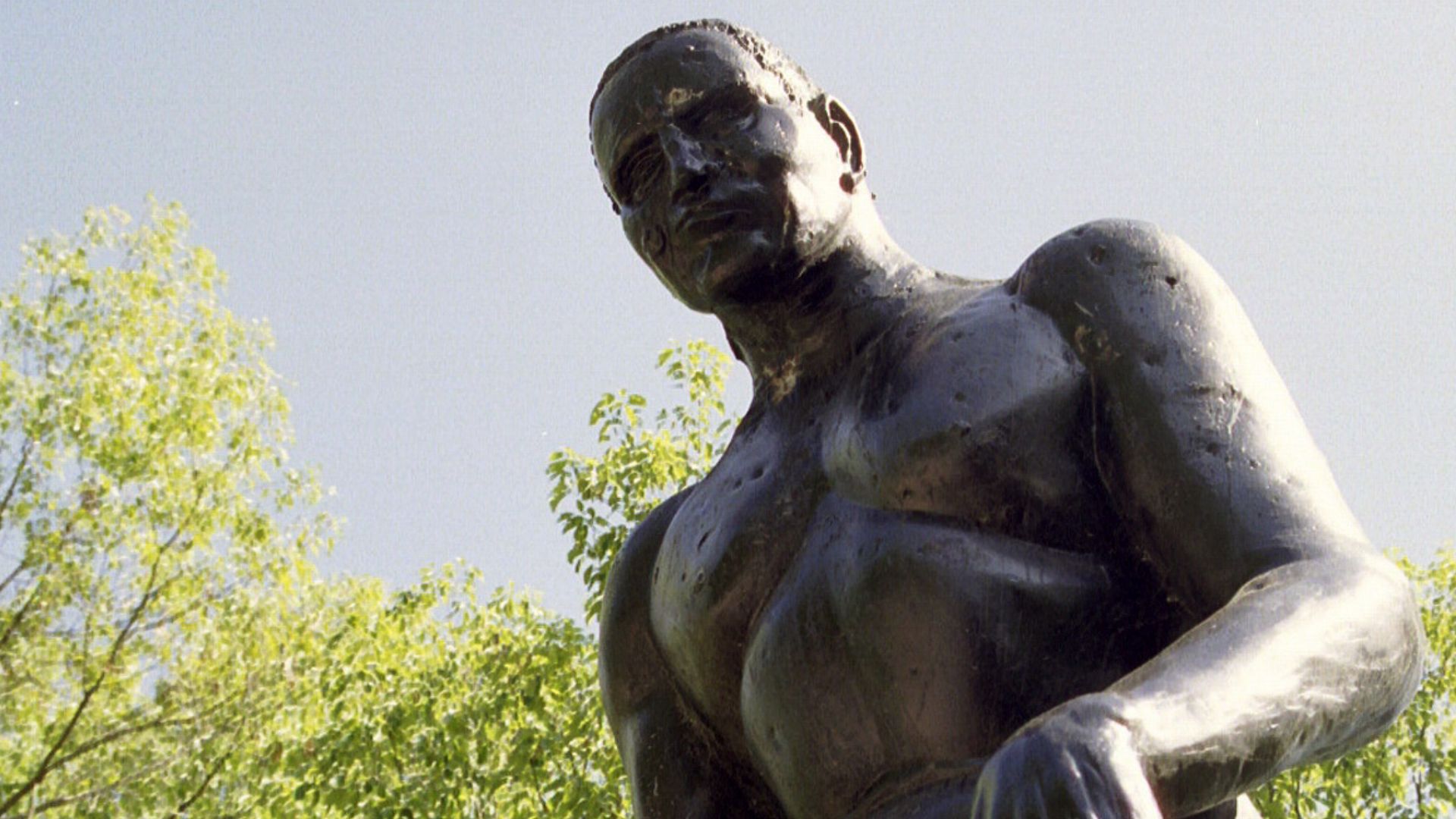
John Henry
Railroad companies kept detailed employment records, but they did not have any documentation that confirms this legendary contest. Turns out, American folk songs immortalized a steel-driving railroad worker who competed against a steam-powered hammer and died after his victory. Multiple contradictory versions placed John Henry across different states and decades.

History's most fascinating stories and darkest secrets, delivered to your inbox daily.
Pope Joan
Church records meticulously documented every papal succession without gaps, matching this story. Medieval chronicles claimed that a woman disguised herself as a man, rose through the ranks of the church, and served as pope during the 9th century. Supposedly, she gave birth during a procession, revealing her deception.
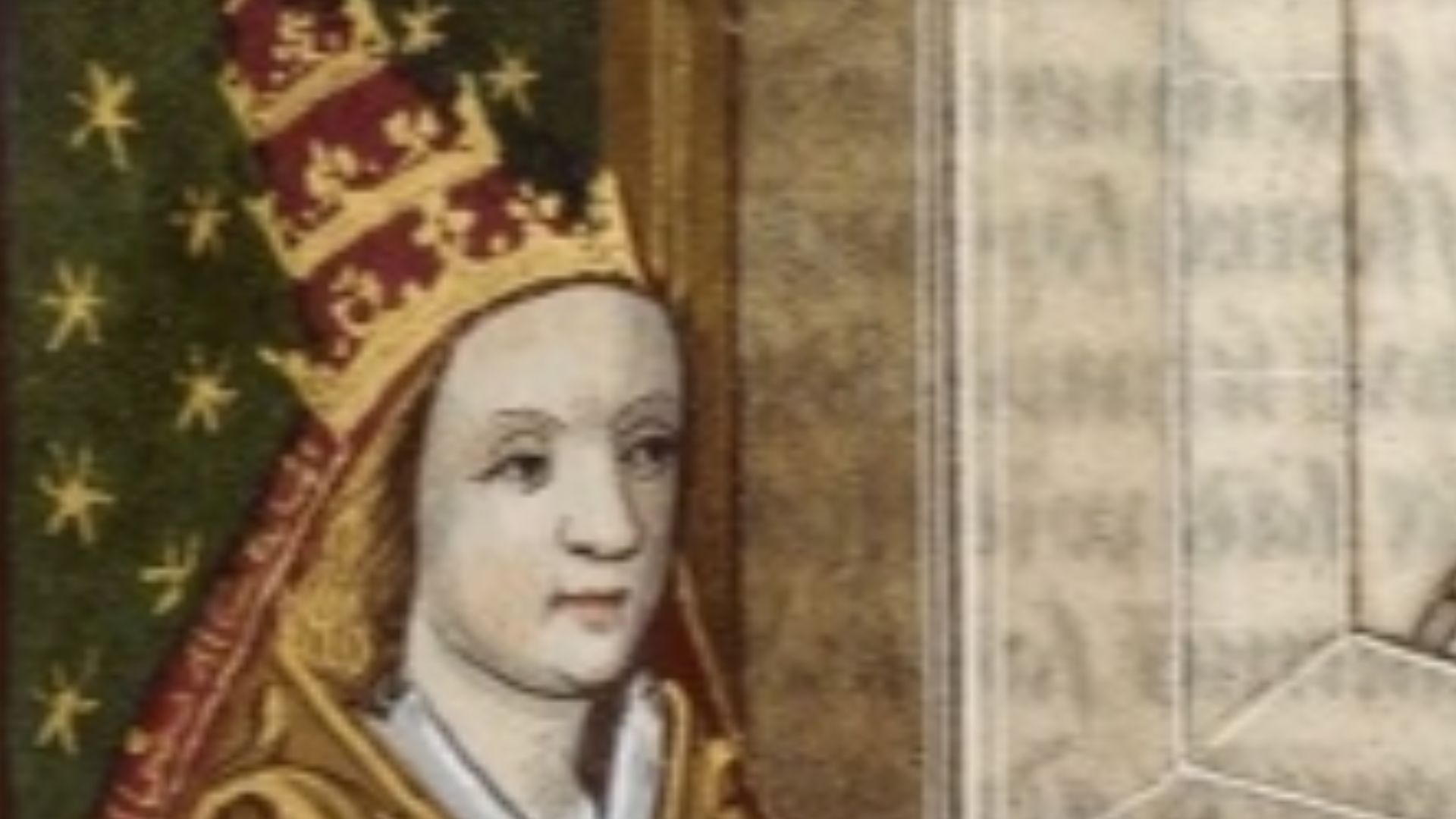 Robinet Testard, Wikimedia Commons
Ned Ludd
Authorities never captured Ludd. Why? The movement invented him. British workers blamed "General Ludd" for leading textile machine destruction during the Industrial Revolution's early years. His phantom leadership united desperate laborers. Letters were sent in his name threatening factory owners, while workers smashed mechanized looms throughout the 1810s.
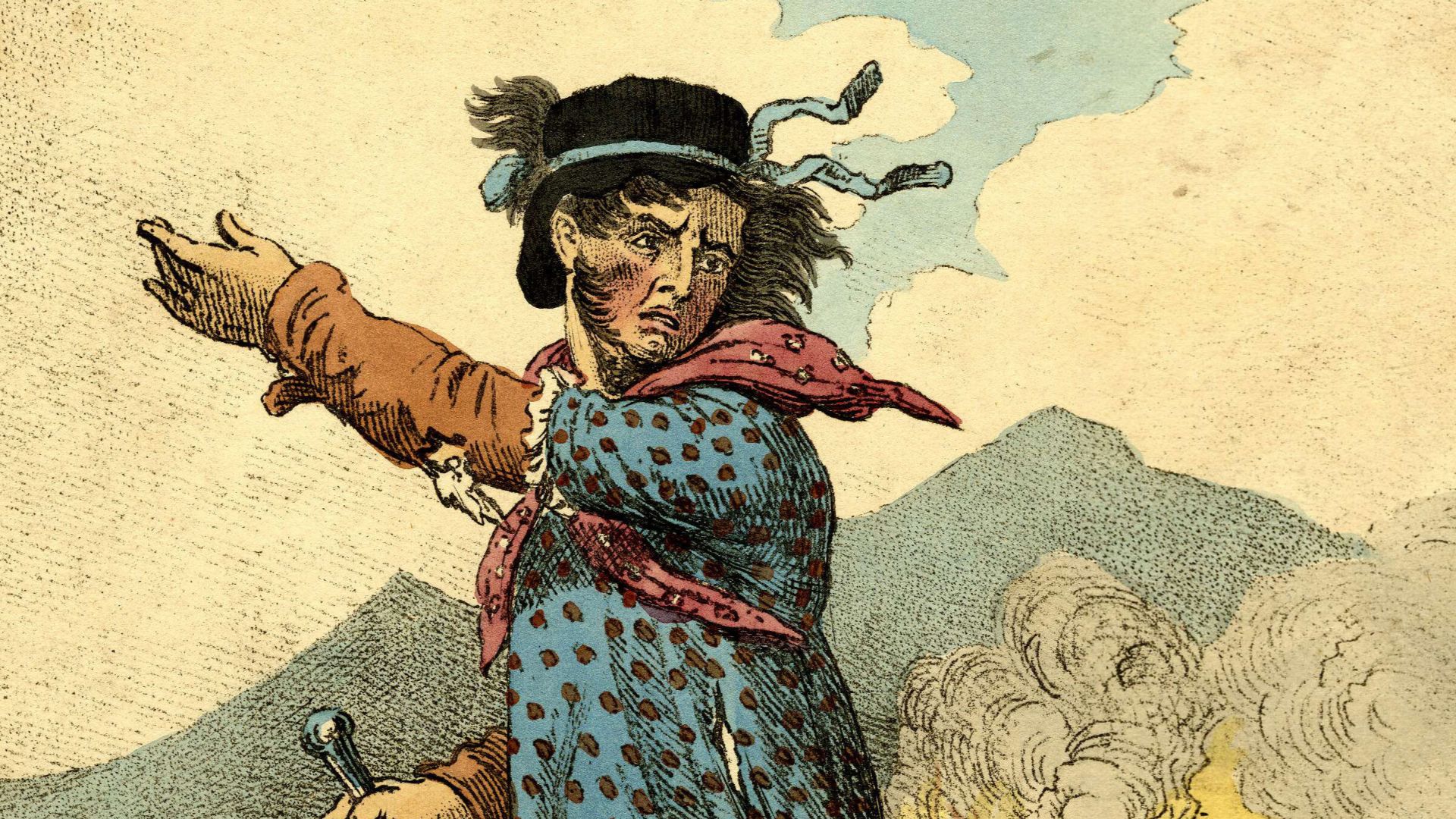 Unknown. 195 years since publication, copyright extinguished, Wikimedia Commons
Prester John
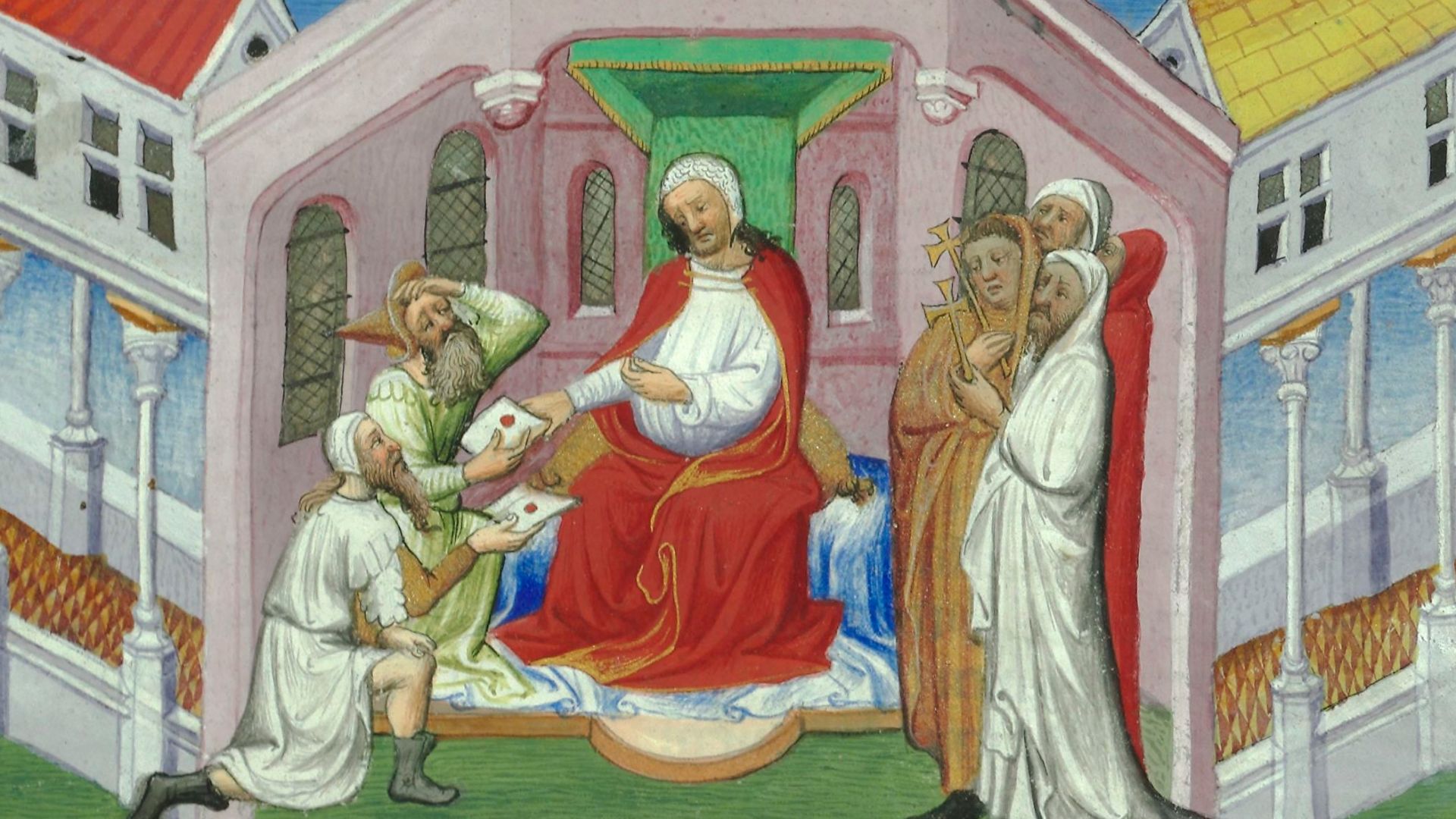
Letters circulated throughout the 12th century claiming to be from Prester John himself. Medieval Europeans obsessed over a Christian priest-king supposedly ruling a fabulously wealthy empire somewhere beyond Muslim territories. Explorers searched Africa and Asia for centuries. Crusaders desperately sought alliances with this phantom monarch commanding armies against Islam.
 Unknown artistUnknown artist, Wikimedia Commons
Romulus
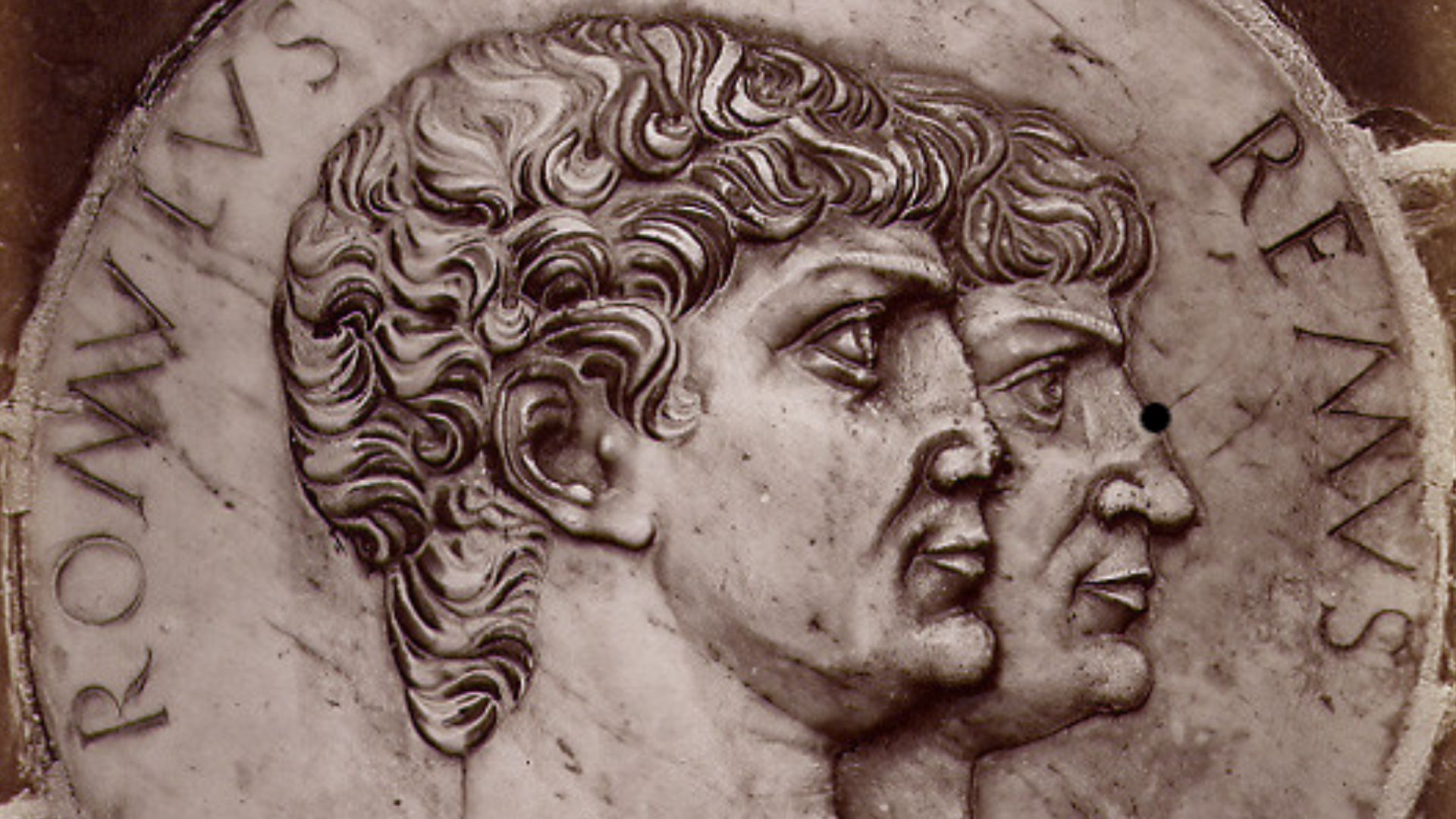
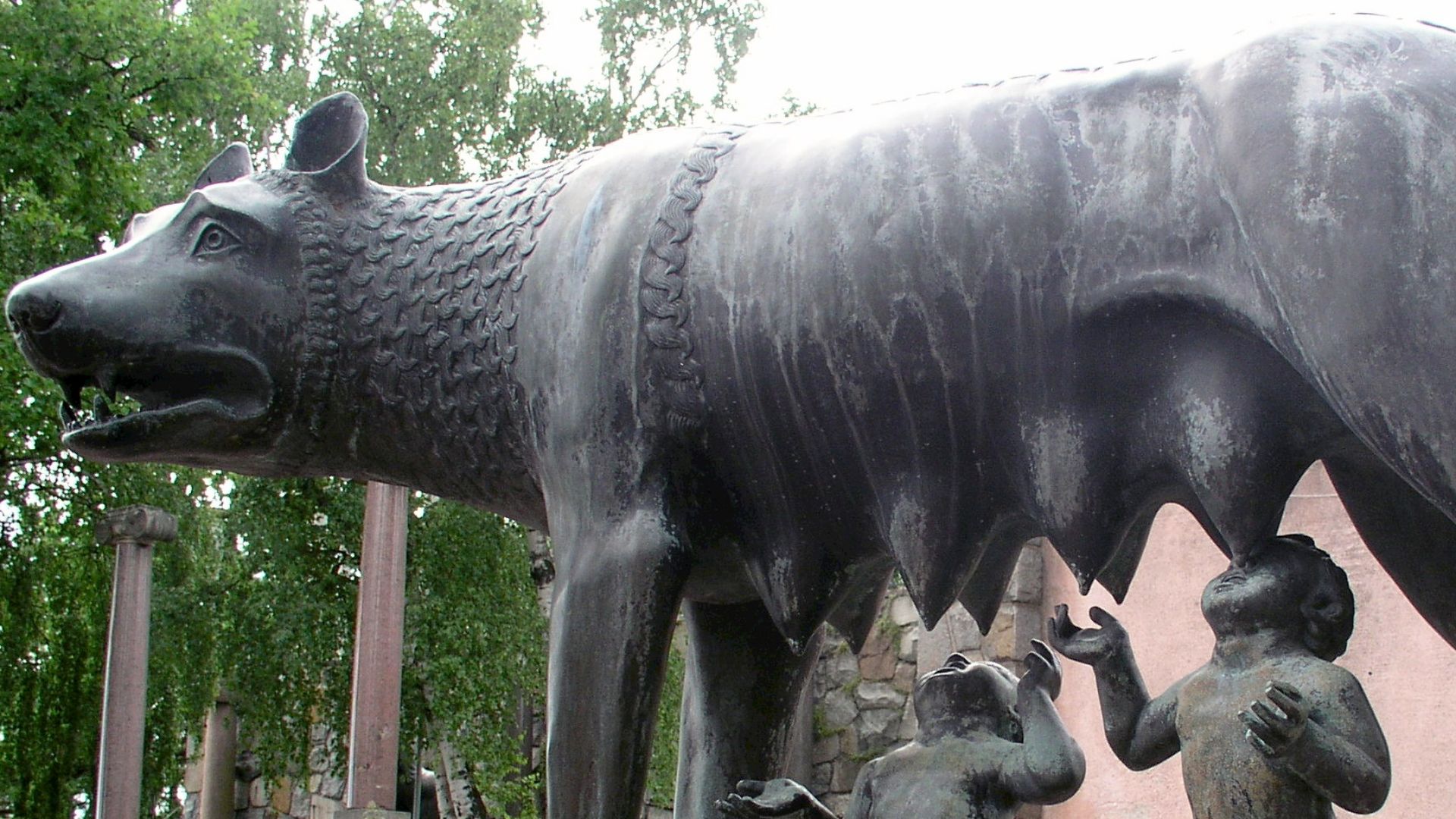
Archaeological evidence shows that Rome developed gradually from multiple settlements. Romans credited this twin brother with founding Rome in 753 BCE after being raised by a she-wolf. Romans seemed to need dramatic origins, which also included legendary claims where Romulus murdered his brother Remus during an argument over city boundaries.
 Carlo Brogi, Wikimedia Commons
Remus
No inscriptions or administrative records from early Rome mention Remus independently. Your history books paired Remus with Romulus as Rome's co-founder, though he died before the city's actual establishment. Romans invented sibling rivalry. The fratricide story supposedly explained Rome's violent expansionist nature through mythological precedent.
 Hakan Svensson Xauxa, Wikimedia Commons
Laozi
Chinese historians couldn't agree on basic biographical details—birth dates varied by centuries, and multiple contradictory life stories circulated. Taoism's founding philosopher supposedly wrote the Tao Te Ching during the 6th century BCE before disappearing into the wilderness. The truth was that linguistic analysis suggests numerous authors contributed to Taoist texts.

King Lear
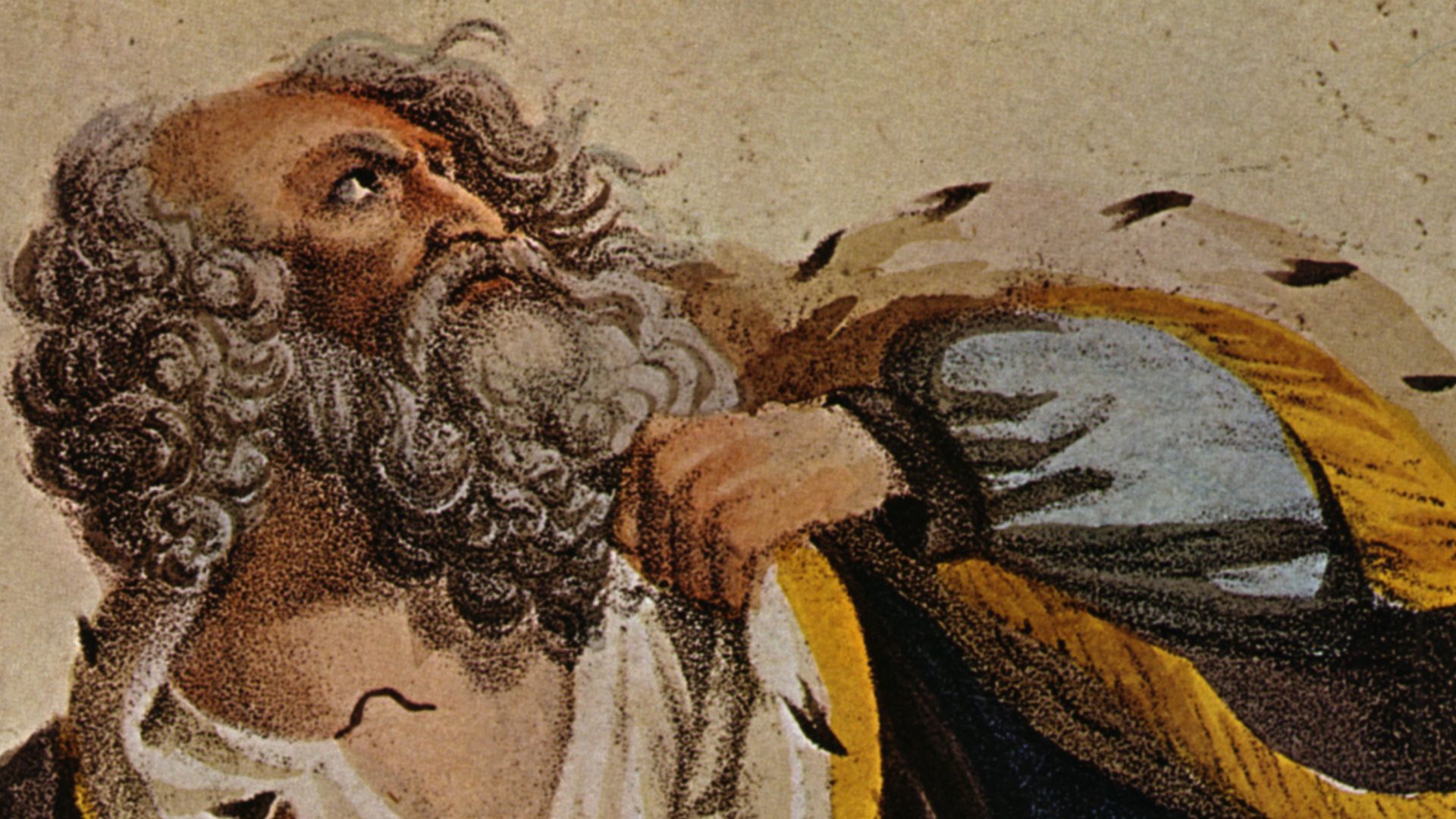
Geoffrey of Monmouth's chronicles placed Lear around 800 BCE, complete with detailed genealogies connecting him to other mythical monarchs. Shakespeare immortalized this ancient British king who divided his kingdom among his three daughters, triggering familial tragedy. Medieval writers added to the fad by fabricating lineages. British history contains zero evidence.
 AnonymousUnknown author, Wikimedia Commons
Achilles
Archaeological excavations at Troy found no evidence of Greek heroes despite confirming the city's existence. Greek legends transformed this warrior into the Iliad's greatest hero, whose only vulnerability lay in his heel. Homer described Achilles's rage driving the Trojan War's final battles with superhuman combat prowess.
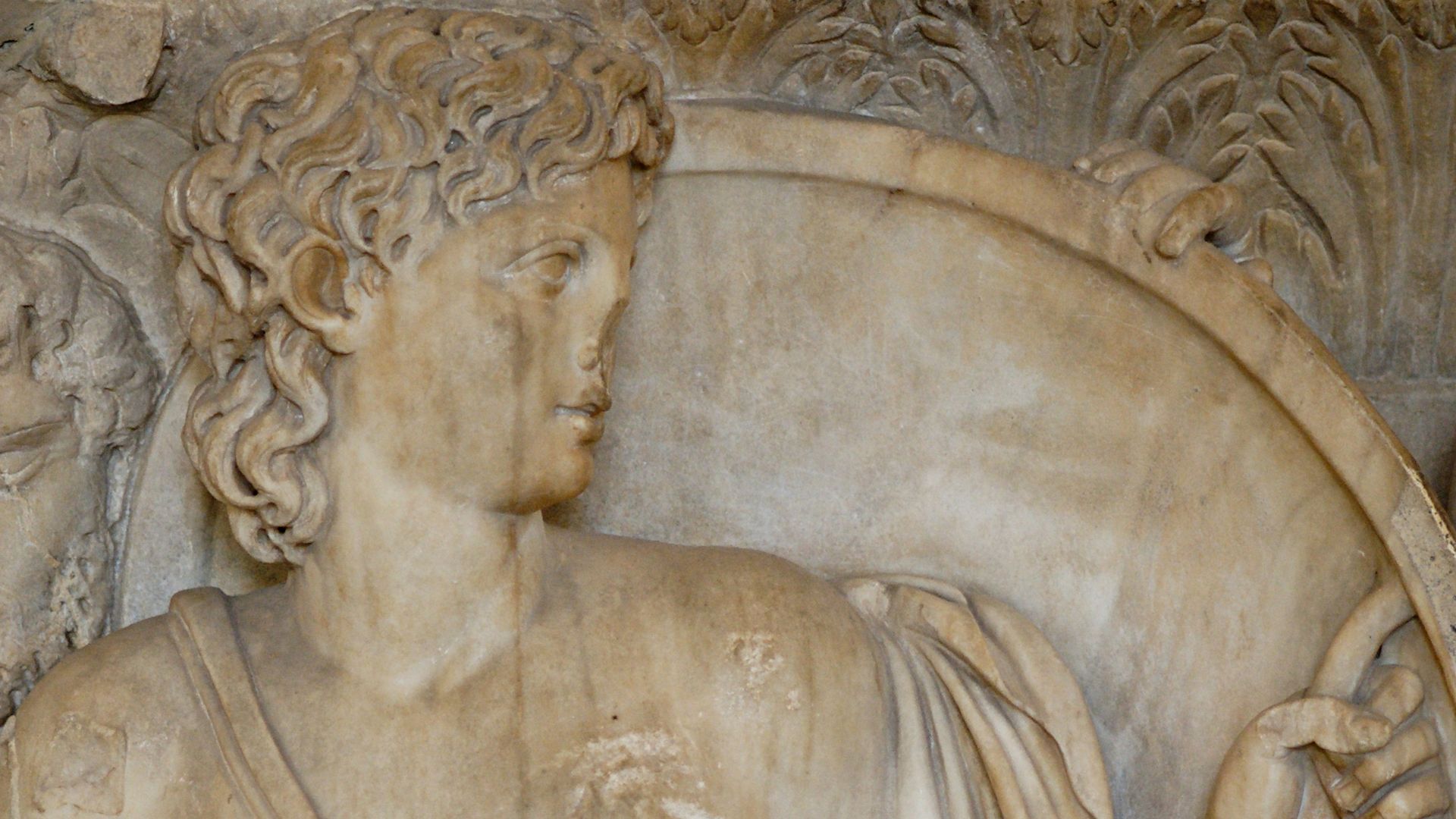
Theseus
Athens claimed that this legendary king had slain the Minotaur in Crete's labyrinth, then unified Attica's scattered villages into a single city-state. Since Athens needed founding heroes, their ancient writers credited Theseus with establishing Athenian democracy and countless heroic adventures across the Mediterranean. All folklore.
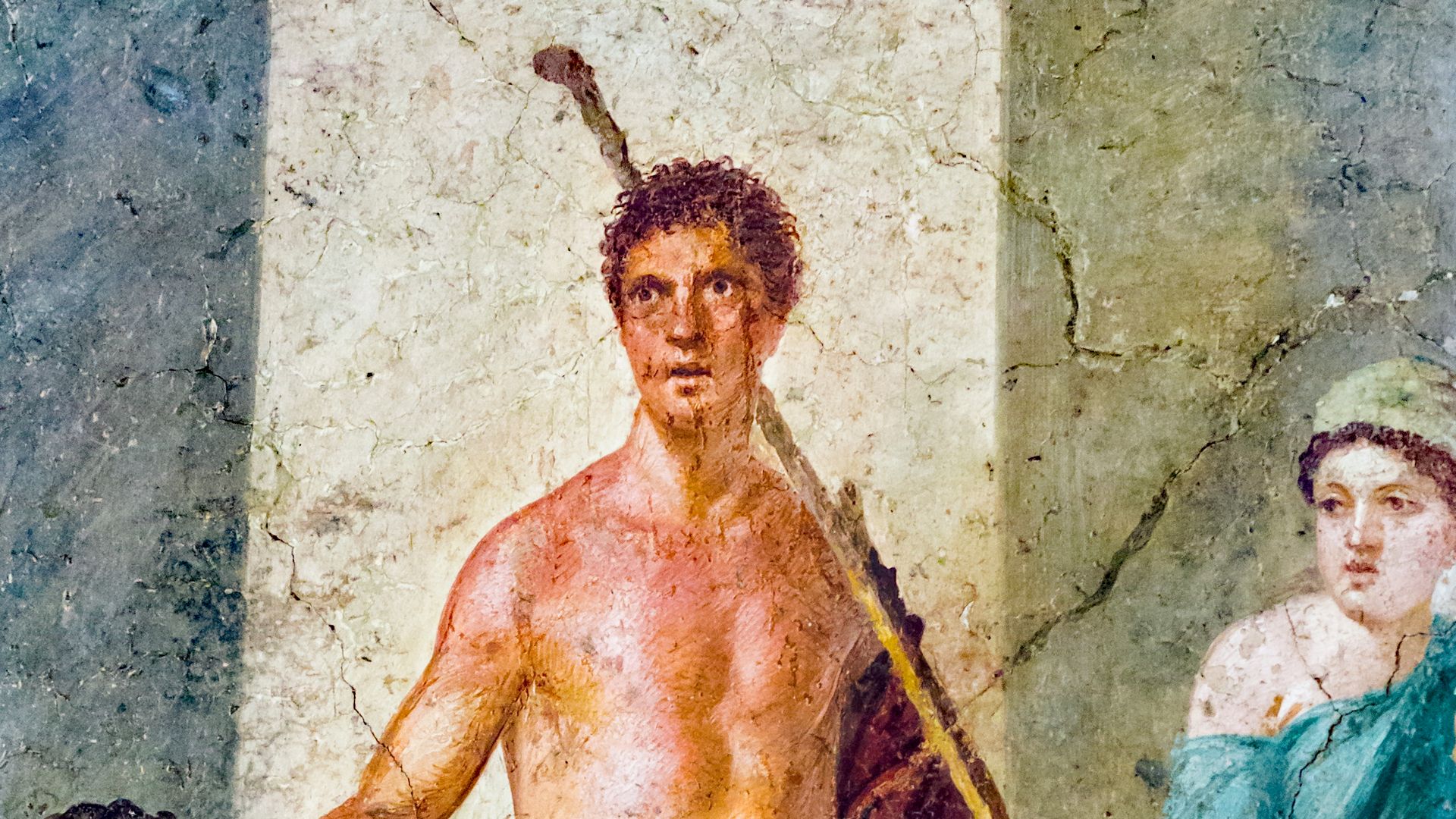 ArchaiOptix, Wikimedia Commons
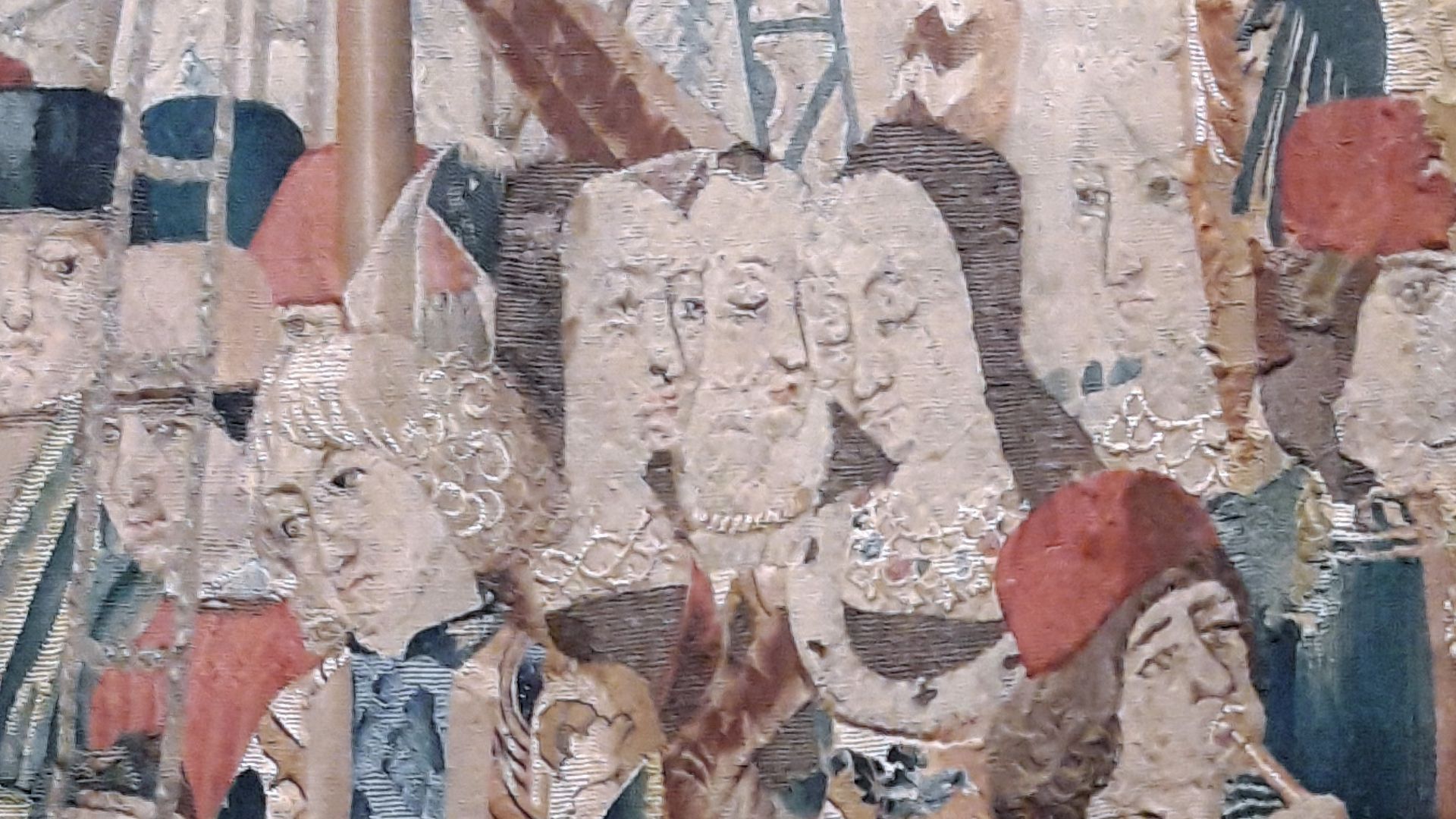
Brutus Of Troy
Linguistic and archaeological evidence prove that Celtic peoples inhabited Britain millennia earlier. Medieval British chronicles traced the island's settlement to Brutus, a Trojan refugee who supposedly founded London around 1100 BCE. Geoffrey of Monmouth's elaborate history described Brutus defeating giants and establishing Britain's first kingdom after fleeing Troy's destruction.
Hiawatha
Conflicting origin stories and unclear timelines point to heavy legendary layering. Henry Wadsworth Longfellow's “The Song of Hiawatha” popularized the name in 1855, but his poem drew on Ojibwe legends rather than Iroquois history. The real Hiawatha belongs to the Haudenosaunee oral tradition, where he worked with the Peacemaker to help unite warring nations.
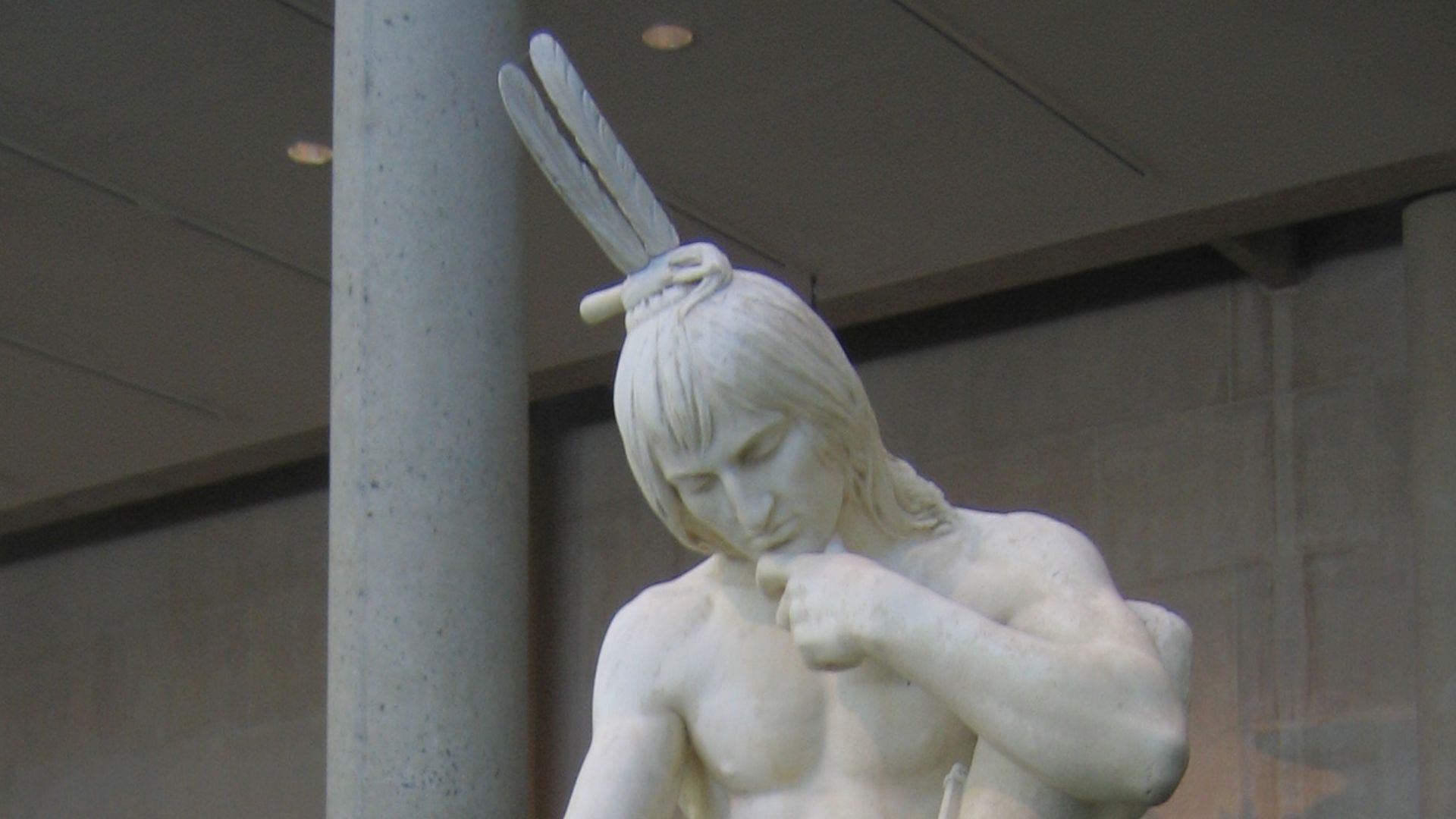 Augustus Saint-Gaudens, Wikimedia Commons
Cu Chulainn
Irish mythology celebrates this Ulster warrior who, as a teenager, single-handedly defended his kingdom against Queen Medb's invading army. Ireland wove conflicts into sagas. The Tain Bo Cuailnge describes Cu Chulainn transforming into a monstrous battle frenzy, possessing supernatural strength and wielding magical weapons.
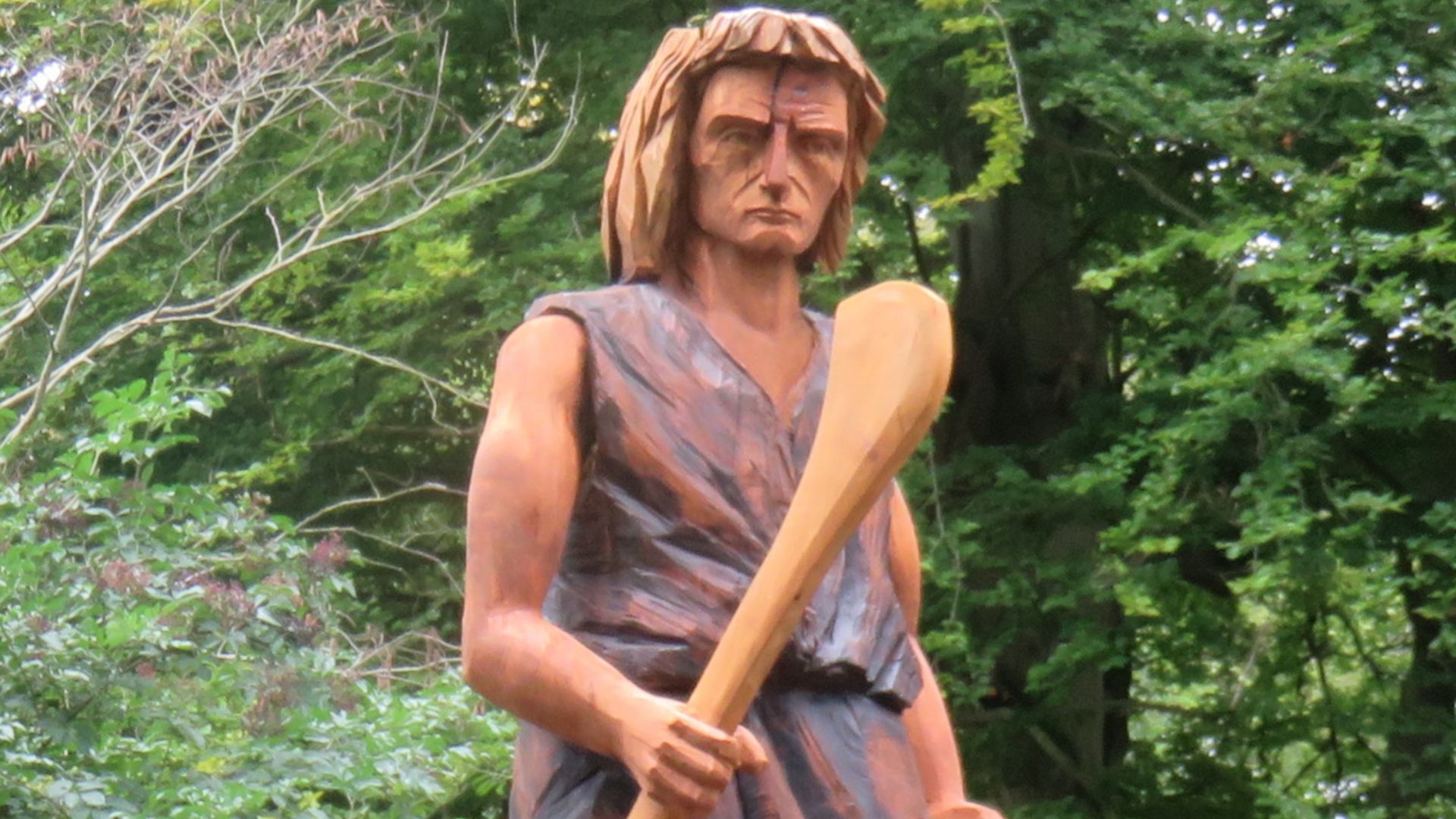 https://commons.wikimedia.org/wiki/User:Leimanbhradain, Wikimedia Commons
King Priam
Excavations at Hisarlik confirm multiple Troy settlements existed, but even in that collection, no inscriptions identify Priam. Homer's Iliad portrayed Priam as Troy's elderly king during the legendary ten-year siege, father to fifty sons, including Hector and Paris. Ancient poets described him begging Achilles for his son's body.
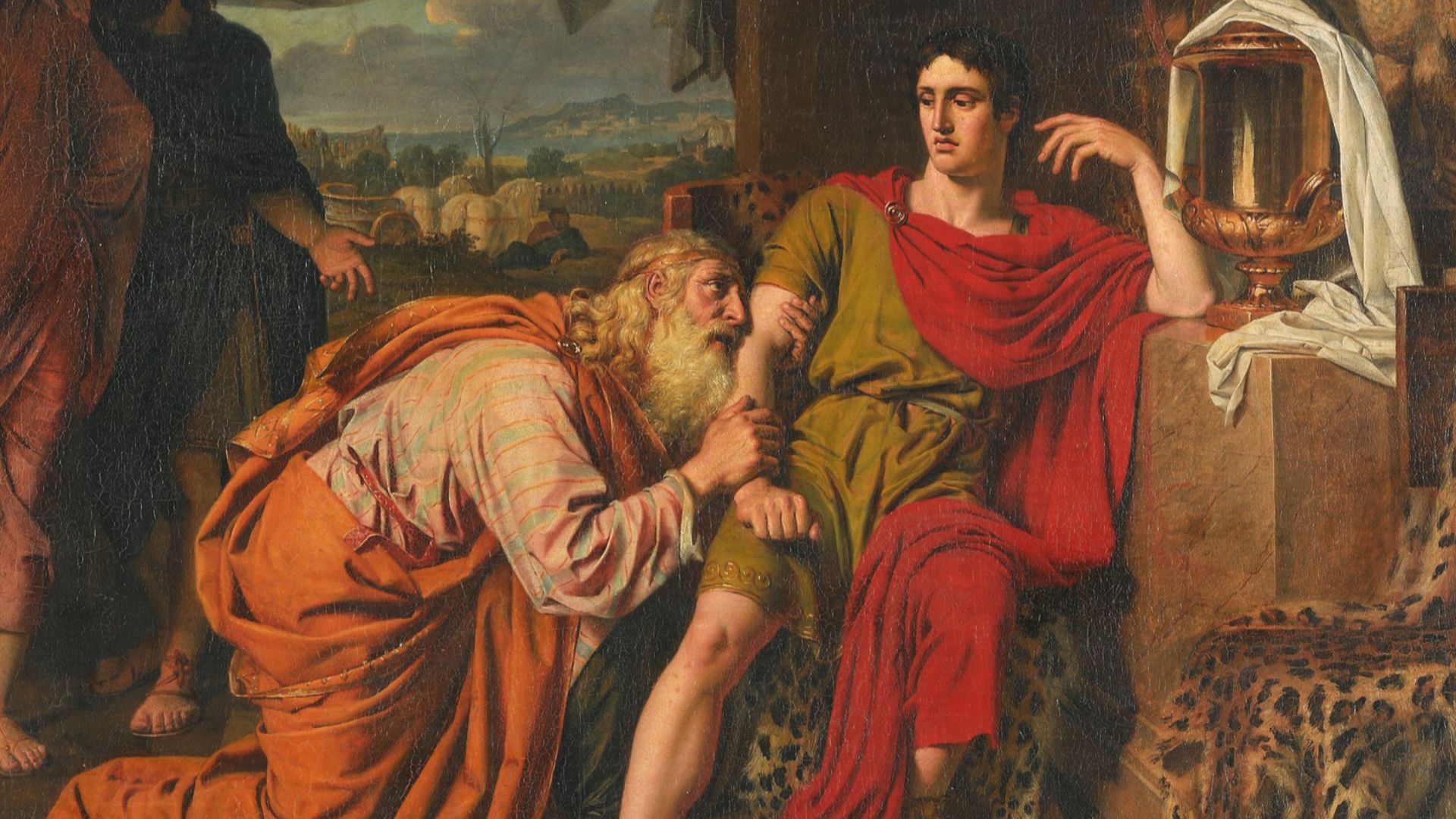 Alexander Ivanov, Wikimedia Commons
Gilgamesh
Sumerian king lists mention Gilgamesh reigning for an impossibly long time. Mesopotamian epics celebrated this king of Uruk, who journeyed to the ends of the earth in search of immortality after his friend's death. The story, as described in ancient tablets, describes Gilgamesh as two-thirds god, one-third human, performing superhuman feats.
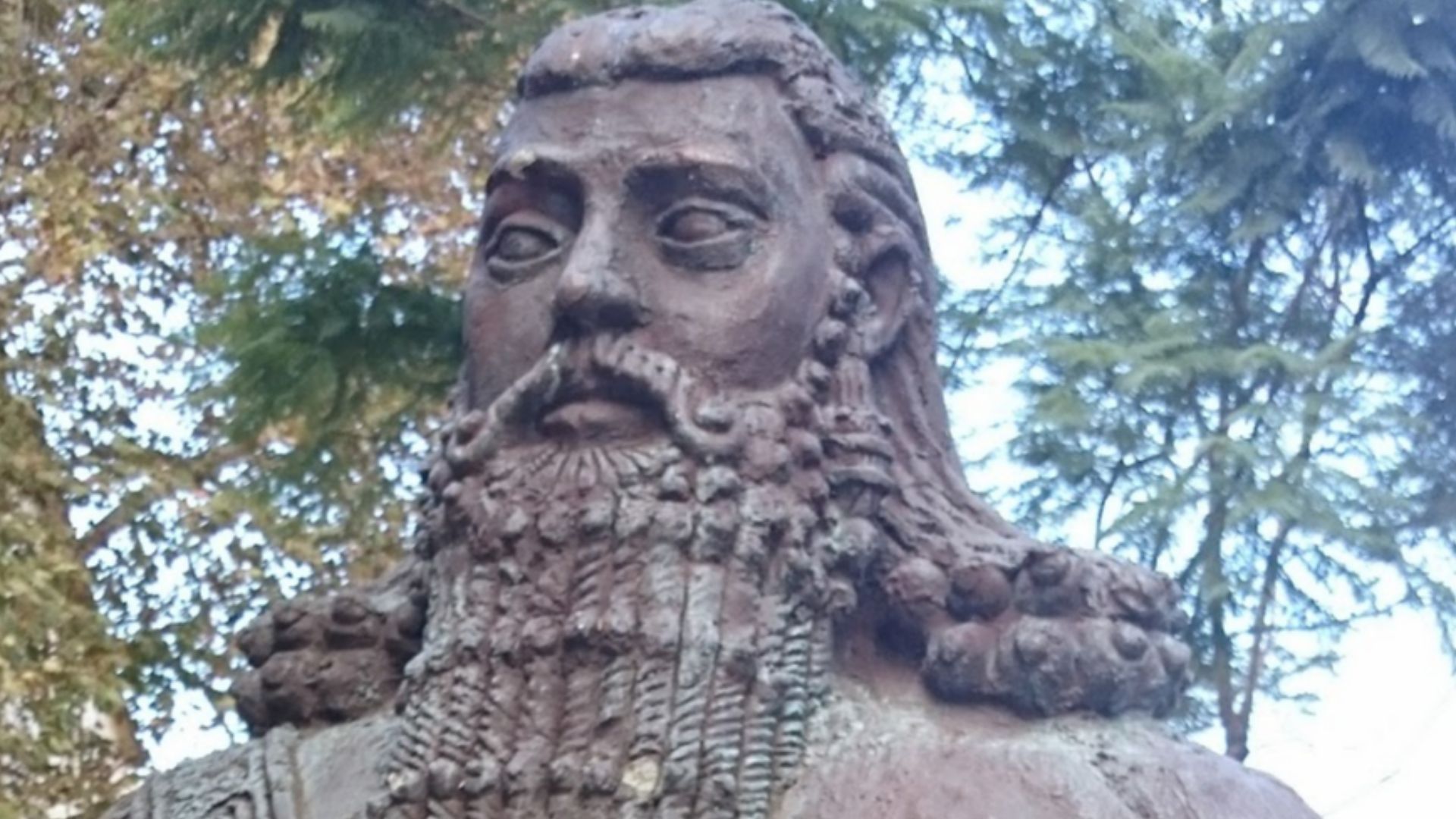
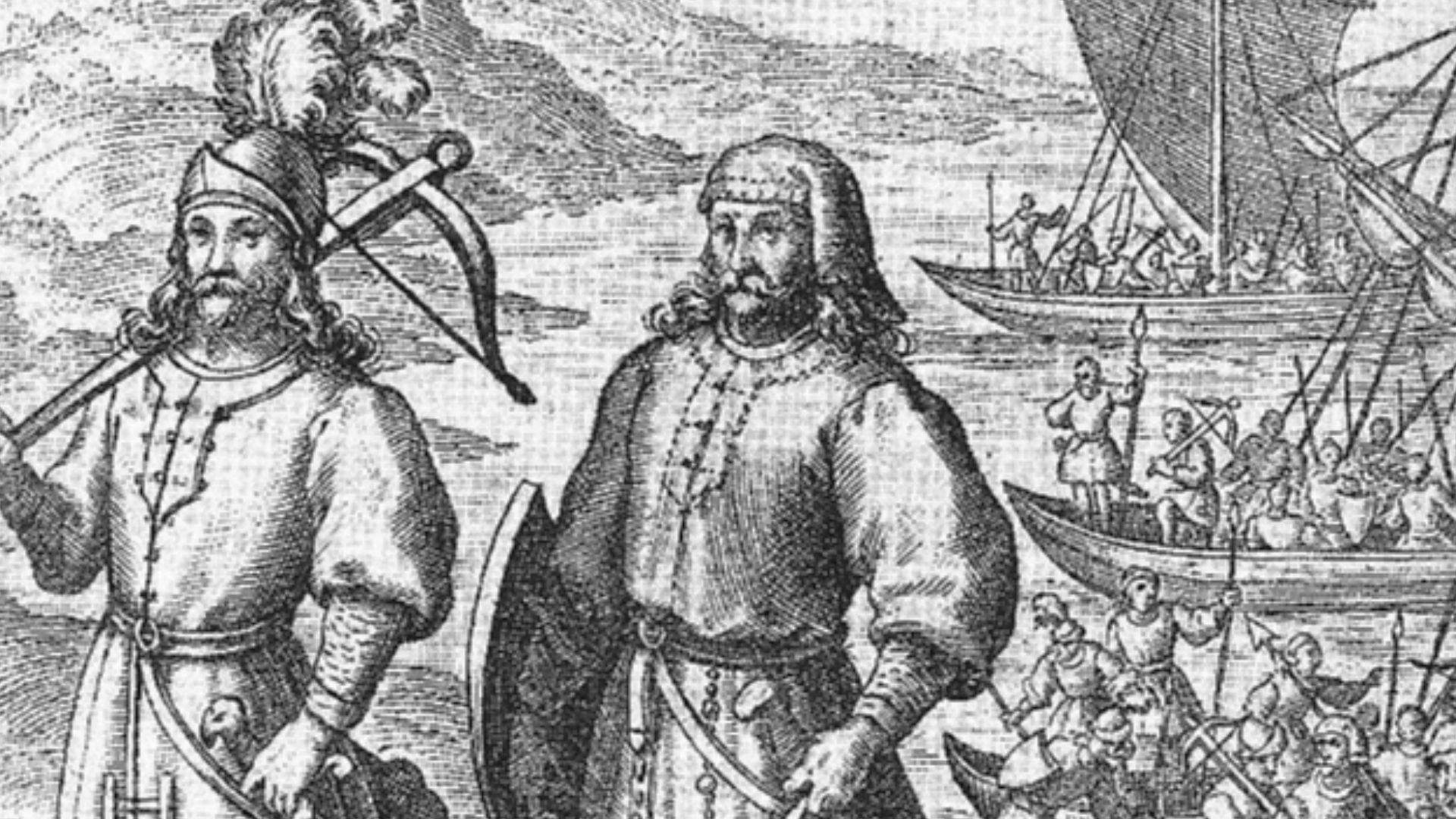
Hengist
According to the Anglo-Saxon Chronicle, the legendary brothers Hengist and Horsa led an early Germanic invasion of Britain around 450 CE that resulted in the Kingdom of Kent. Later medieval accounts add drama, describing their arrival by three ships at King Vortigern’s request before turning against him.
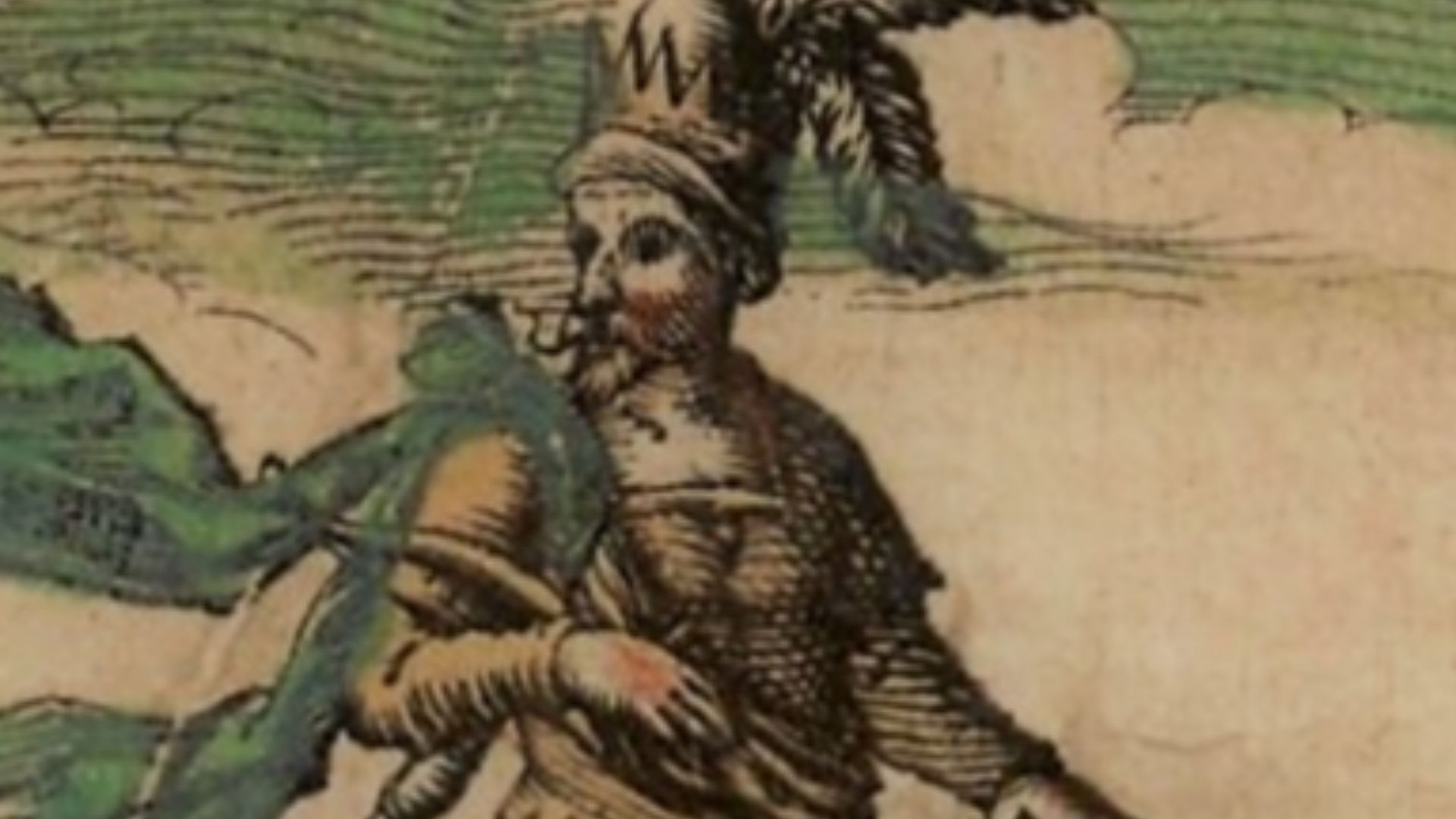 Professor Liam Thompson, Wikimedia Commons
Horsa
No contemporary sources mention Horsa despite supposedly dying in a major battle. Your textbooks paired Horsa with his brother Hengist as Anglo-Saxon England's co-founders, though legends killed him in battle soon after arriving. The fraternal invasion story mirrors Romulus and Remus.
 Richard Verstegan, Wikimedia Commons
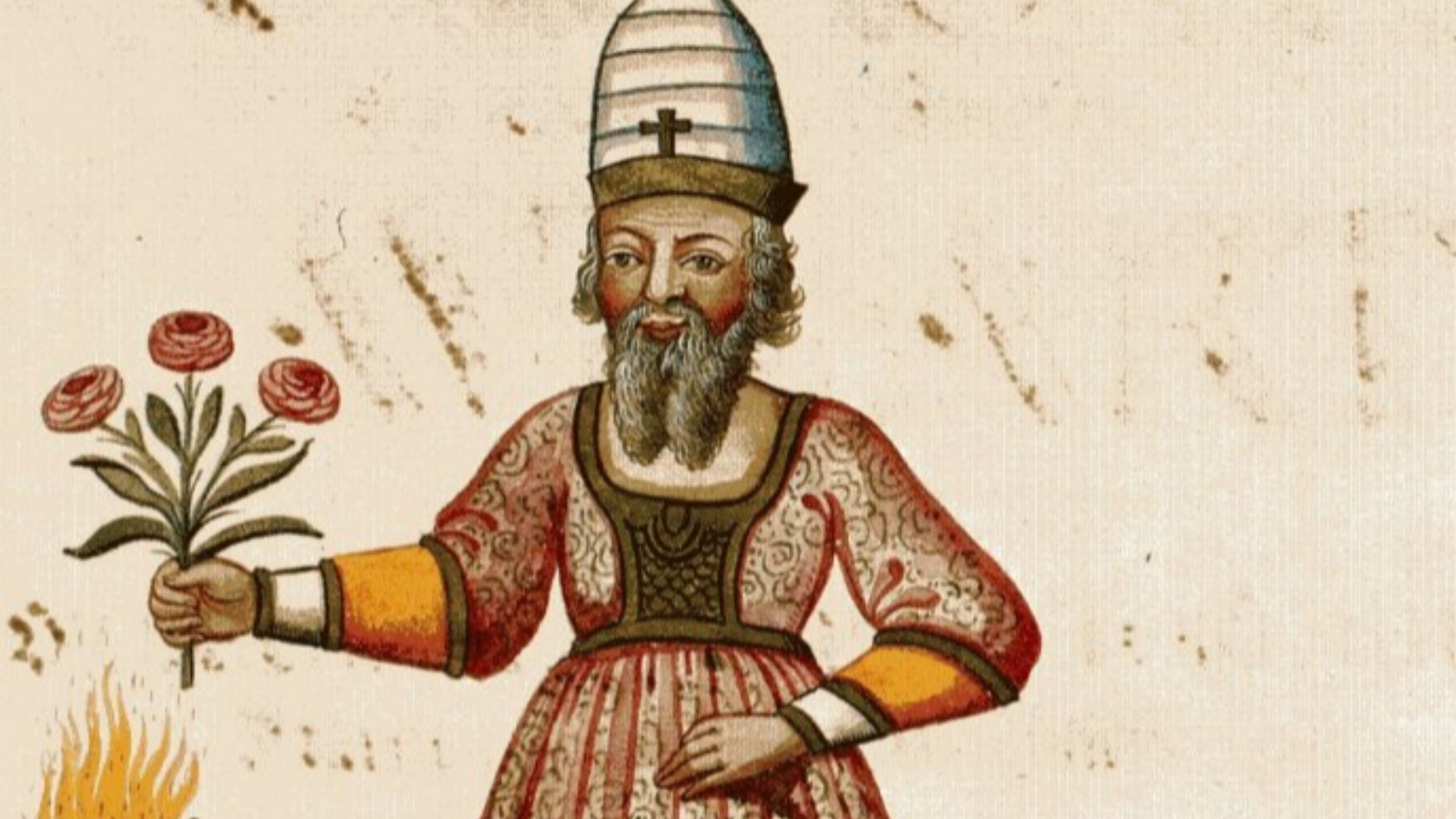
Zoroaster
Greek and Persian sources placed Zoroaster anywhere between 6000 BCE and 600 BCE, creating impossible chronological confusion. Ancient Persia's prophet supposedly founded one of history's first monotheistic religions and introduced concepts like heaven, hell, and final judgment. Here, Iran transformed religion into prophecy.
 Unknown artistUnknown artist, Wikimedia Commons









