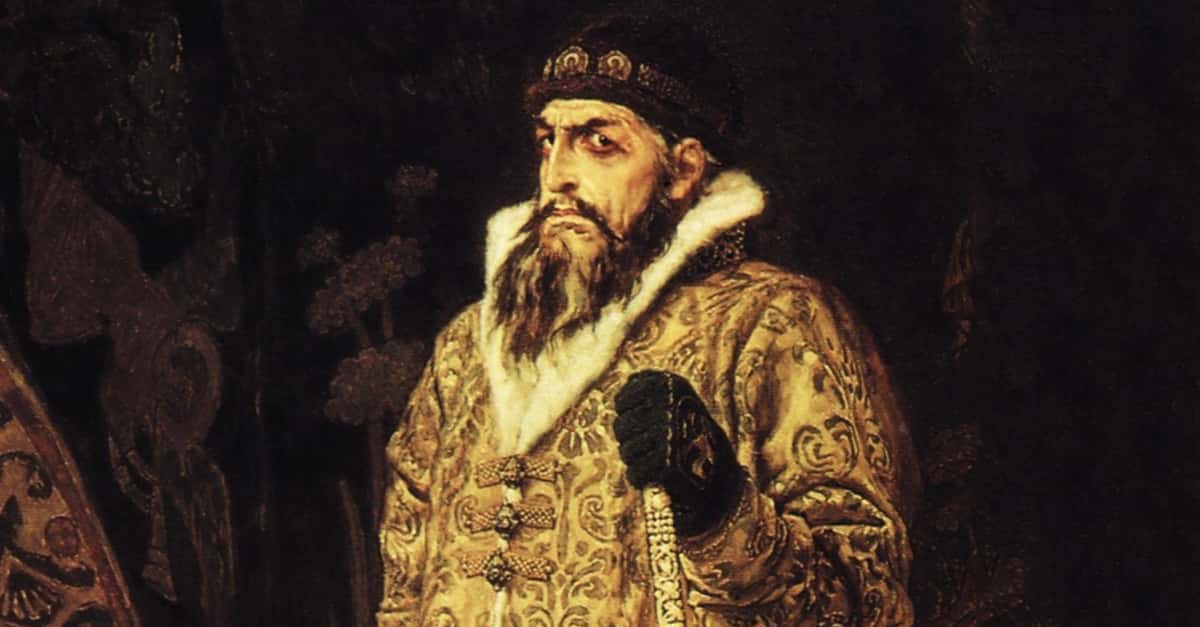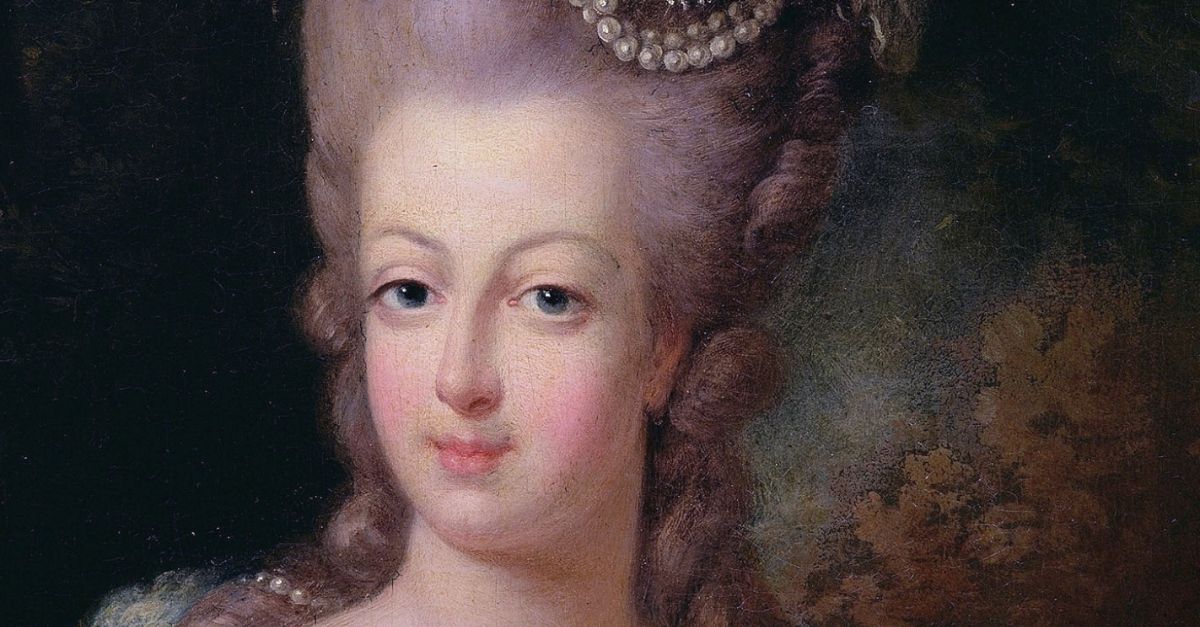
Everyone’s heard it: “Let them eat cake”. It’s quoted in movies, textbooks, and dinner-table debates. But there’s a twist—Marie Antoinette probably never said those words. Historians have traced the phrase back decades before her reign, to a philosopher’s book that mentioned a nameless “great princess”. So how did she end up taking the fall?
Rousseau’s Confessions, written in the 1760s, contains the first known version of the quote—“Qu’ils mangent de la brioche”. At the time, Antoinette was still a child in Austria. The “great princess” could’ve been any royal. Yet, once the French Revolution took hold, she became the perfect scapegoat for royal arrogance.
How A Myth Found Its Queen
Rumors in 18th-century France spread faster than fire through dry fields. To a starving public, the image of a pampered queen telling peasants to eat rich bread fit their rage perfectly. Even though no credible witness ever recorded her saying it, the story traveled like gossip at a court ball.
Propaganda painted her as out of touch—too focused on gowns and lavish parties to notice her country’s hunger. The truth was less dramatic but less useful for revolutionaries who needed a symbol of excess. By the 1790s, the line was political ammunition.
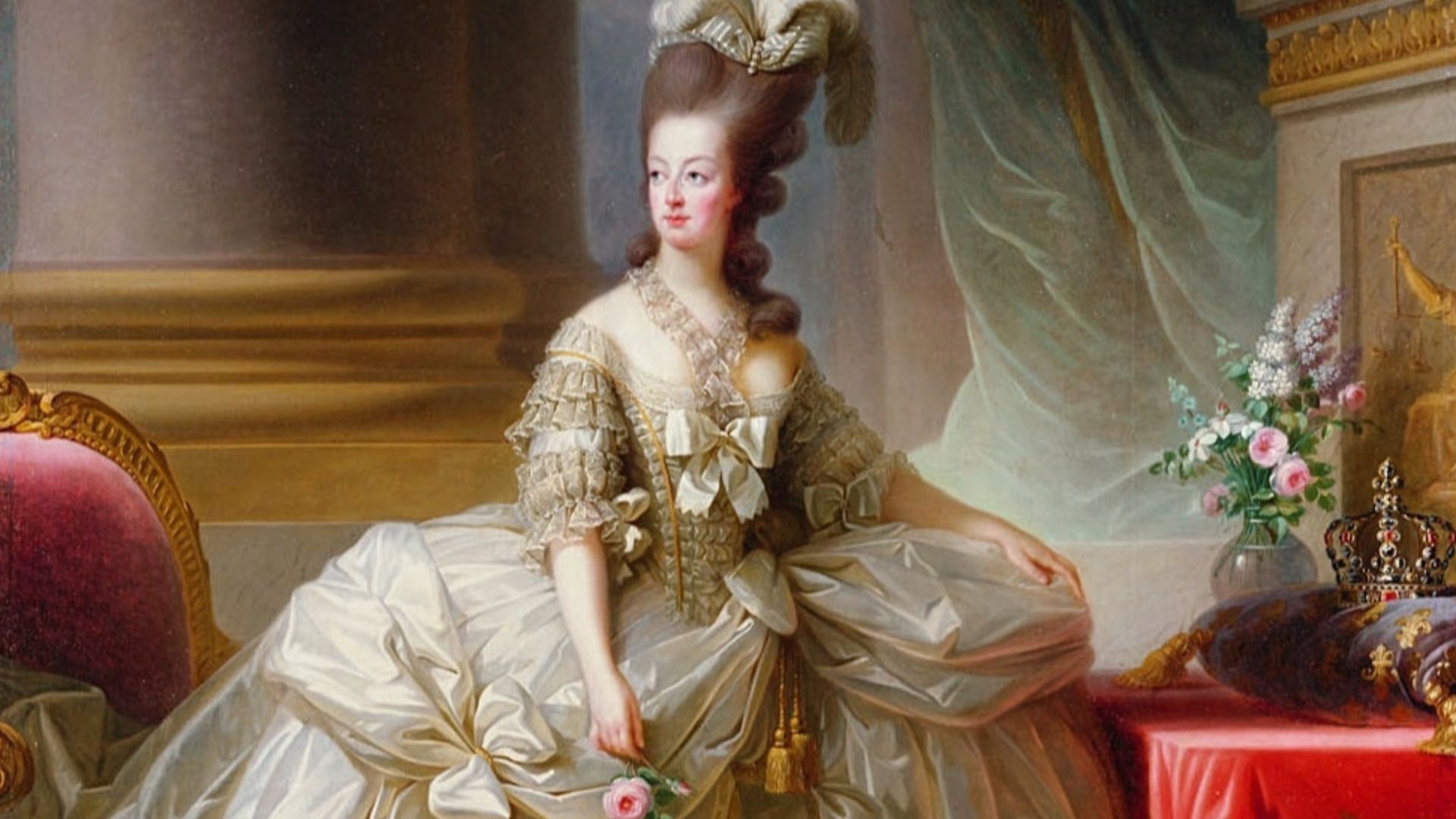 Élisabeth Louise Vigée Le Brun, Wikimedia Commons
Why The Phrase Endured
History loves simplicity. “Let them eat cake” became shorthand for privilege and indifference. Even as historians debunked it, the quote stuck because it’s easy to remember and easy to use as a warning. It reminds people how fast perception can twist a person’s legacy.
And that’s really the story here: not of dessert, but distortion. A myth turned into moral theater, where truth took a back seat to drama. Next time someone quotes the line, you’ll know the cake wasn’t Marie Antoinette’s idea but history’s.
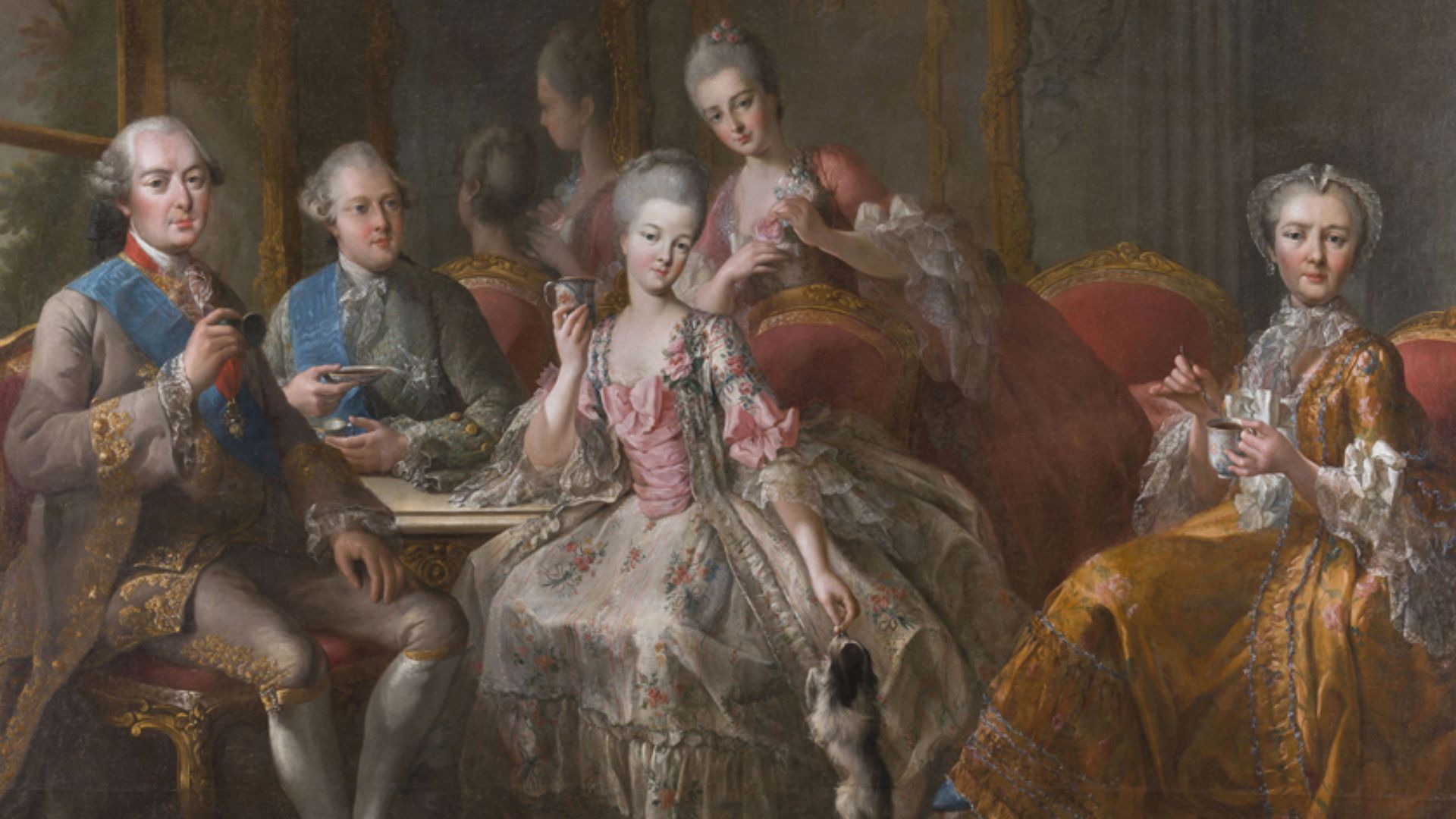 Jean-Baptiste Charpentier the Elder, Wikimedia Commons
Are There Quotes She Actually Said?
Yes, of course!
And if you ever need to quote Marie Antoinette during a quiz or trivia night, there’s a line actually linked to her: “I was a queen, and you took away my crown; a wife, and you killed my husband; a mother, and you deprived me of my children. My blood alone remains: take it, but do not make me suffer long.”
While not fully verified, historians attribute it to her final moments on the way to the guillotine during the French Revolution. It captures a side of her that history rarely shows—human, grieving, and aware of her fate. As for the story behind her execution, that’s one worth saving for another day.
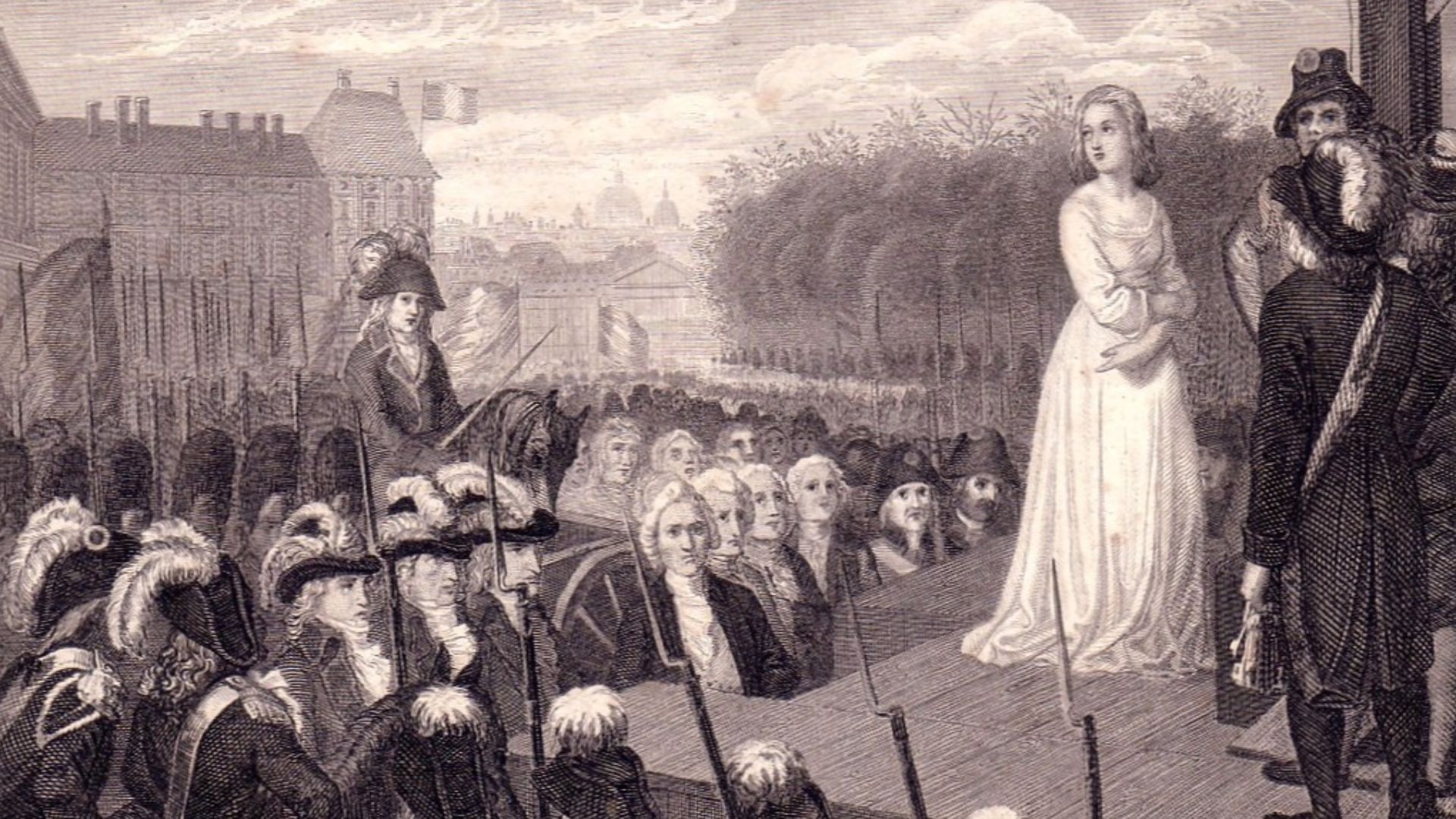 Unknown authorUnknown author, Wikimedia Commons