 Vyacheslav Argenberg, Wikimedia Commons
You’ve probably heard someone sigh and say, “Well, life is suffering”. The phrase floats through conversations and motivational talks as if it were the Buddha’s final word on existence. It sounds almost fatalistic, like we’re all meant to simply accept that misery is the human condition. However, that’s not quite what he said, or what he meant.
Buddha’s actual message wasn’t that life is suffering. It was that life contains suffering. The difference may sound small, but it changes everything. So let’s slow down and take a closer look at what he truly taught. After reading, you’ll see how his insight still speaks to us today.
When A Teaching Gets Lost In Translation
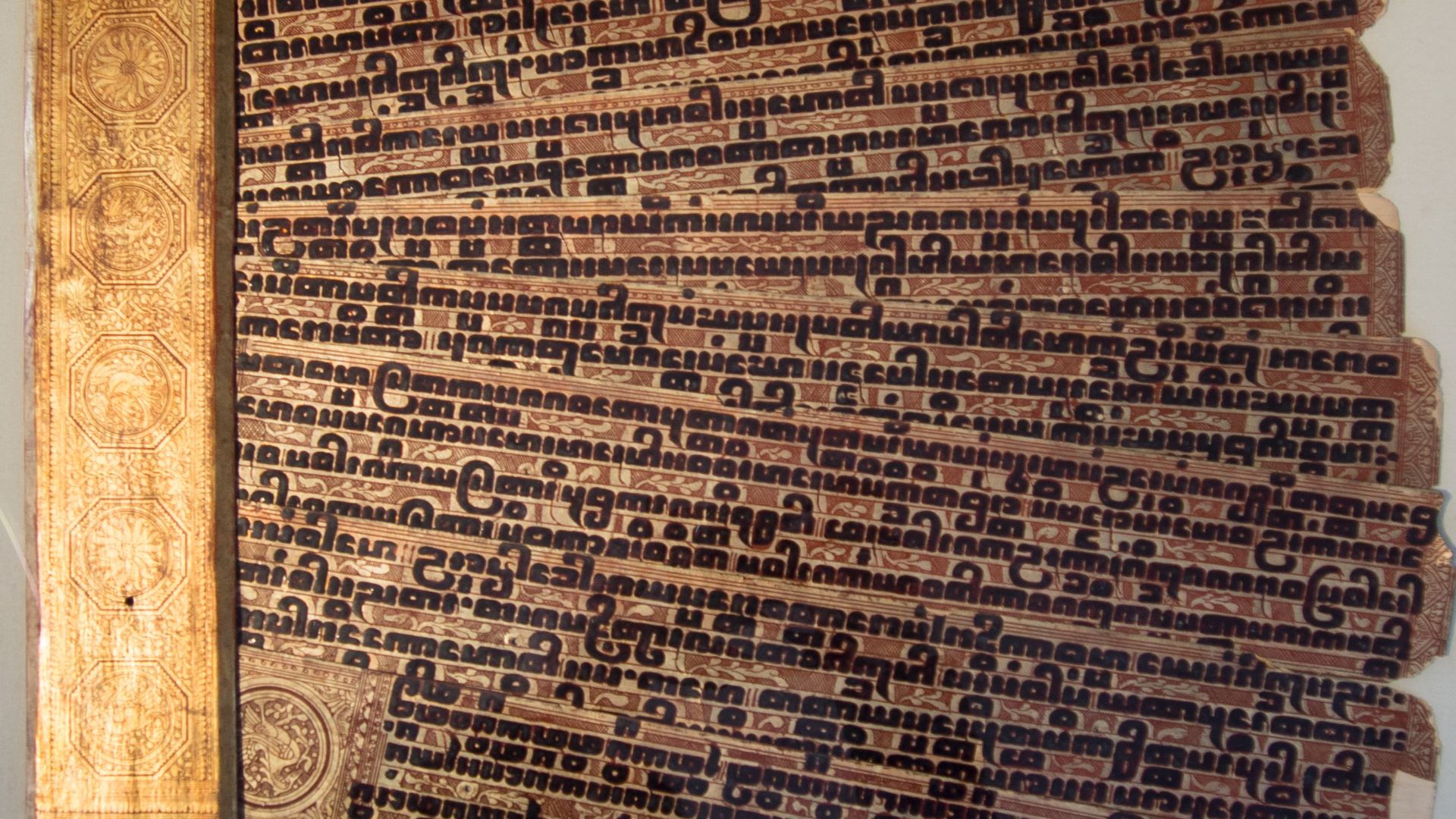
A lot of the confusion starts with one small word: dukkha. It shows up in the earliest Buddhist texts written in Pali, a language no one speaks anymore. When people tried to translate it centuries later, they landed on “suffering”. It seemed close enough at the time. But dukkha doesn’t just mean pain. It describes a broader feeling: unease, restlessness, or that sense that things never quite line up the way we want them to.
It’s not just about tragedy or heartbreak. Dukkha is the small, daily tension of being human. The Buddha was pointing to the way we hold on to moments, even though everything is always changing. When we reduce dukkha to “suffering”, we lose its richness. We turn a lesson about awareness and freedom into one that sounds like hopelessness. And that’s where so many modern ideas about Buddhism start to miss the point.
 Rhododendrites, Wikimedia Commons
Seeing Suffering For What It Really Is
Buddha was a person who had spent years searching for answers. He tried indulgence, then strict denial. He experienced both luxury and poverty. But in the end, he realized both extremes led back to dukkha. From that, he described four key truths, now called the Four Noble Truths.
First, dukkha exists. Second, it comes from craving and attachment—the constant reaching for what we don’t have, or holding tight to what we might lose. Third, dukkha can end. And fourth, there’s a path for how to get there: the Eightfold Path.
This is where his message becomes powerful. The Buddha never said “life is suffering”. He said life includes suffering, and it also includes the path to freedom. Pain is just the beginning of understanding, and understanding leads to peace. That’s why his teaching isn’t dark. It doesn’t ask us to give up on life. It asks us to see life clearly to notice the cracks as places where the light gets in.
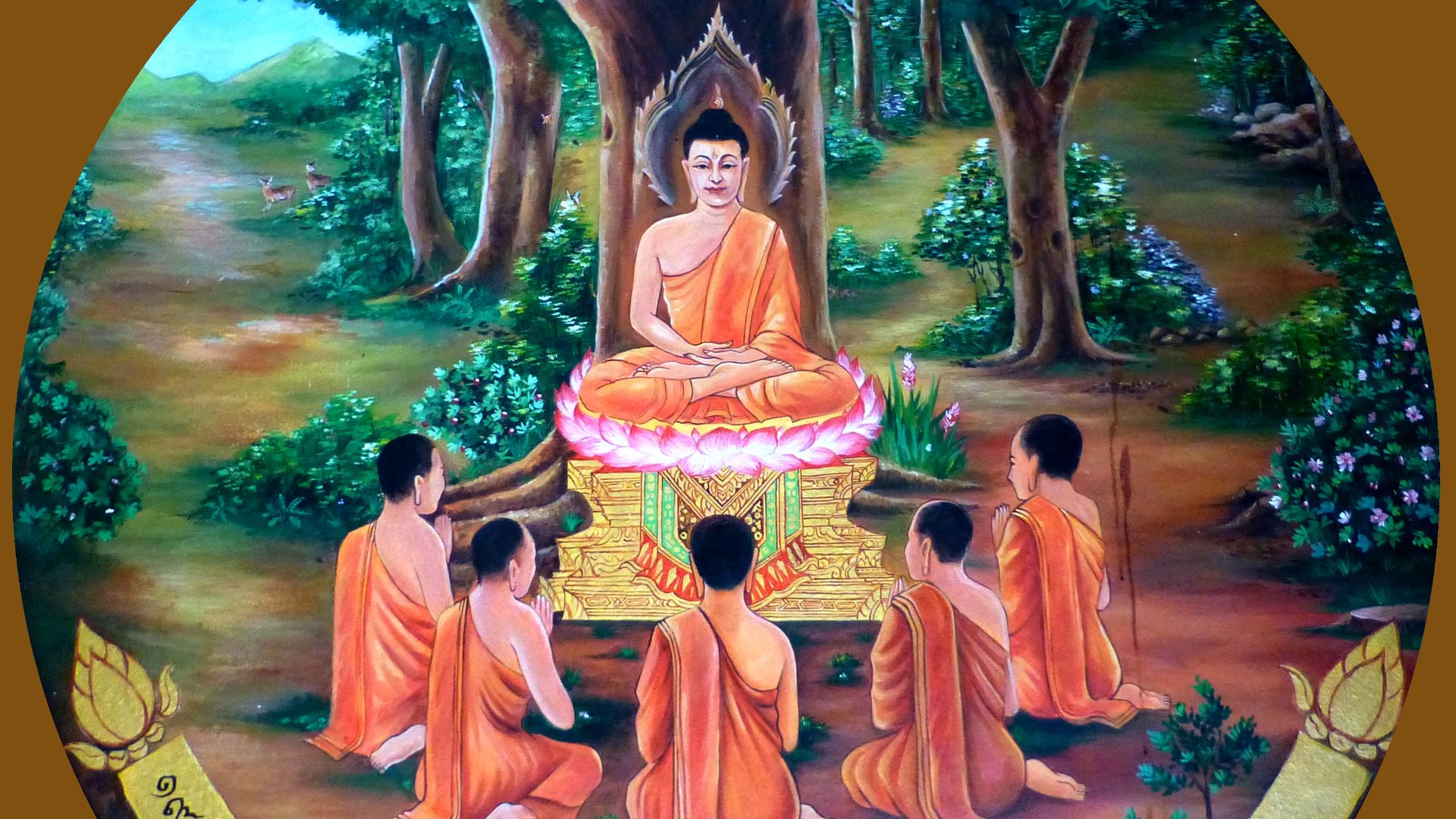 Photo Dharma from Sadao, Thailand, Wikimedia Commons
Walking The Middle Path
The Buddha called his approach the “Middle Way”, a life balanced between extremes. It’s easy to miss how practical that idea really is. When he spoke of meditation, right effort, and right mindfulness, he was offering tools to steady the mind amid the push and pull of life.
Think of how we respond to frustration. One moment, we grasp for control; the next, we distract ourselves or blame others. The Middle Way invites us to pause in between to see love or fear as natural experiences that don’t need to run the show. Awareness itself begins to shift things.
You see the craving and realize they aren’t permanent. They pass through like weather. That recognition is the first taste of freedom the Buddha was pointing toward.
Returning To The Real Message
So when someone says, “Life is suffering,” maybe it’s worth pausing before nodding in agreement. The Buddha never asked us to accept misery as our fate. He invited us to see dukkha as a teacher to look at it directly and let it lead us toward freedom.
In the end, life contains suffering, yes, but it also contains the means to transcend it. The same mind that clings can learn to let go. The same heart that hurts can open to understanding. And maybe that’s the real promise hidden behind the misunderstood phrase: not that life is suffering, but that we are capable of awakening within it.
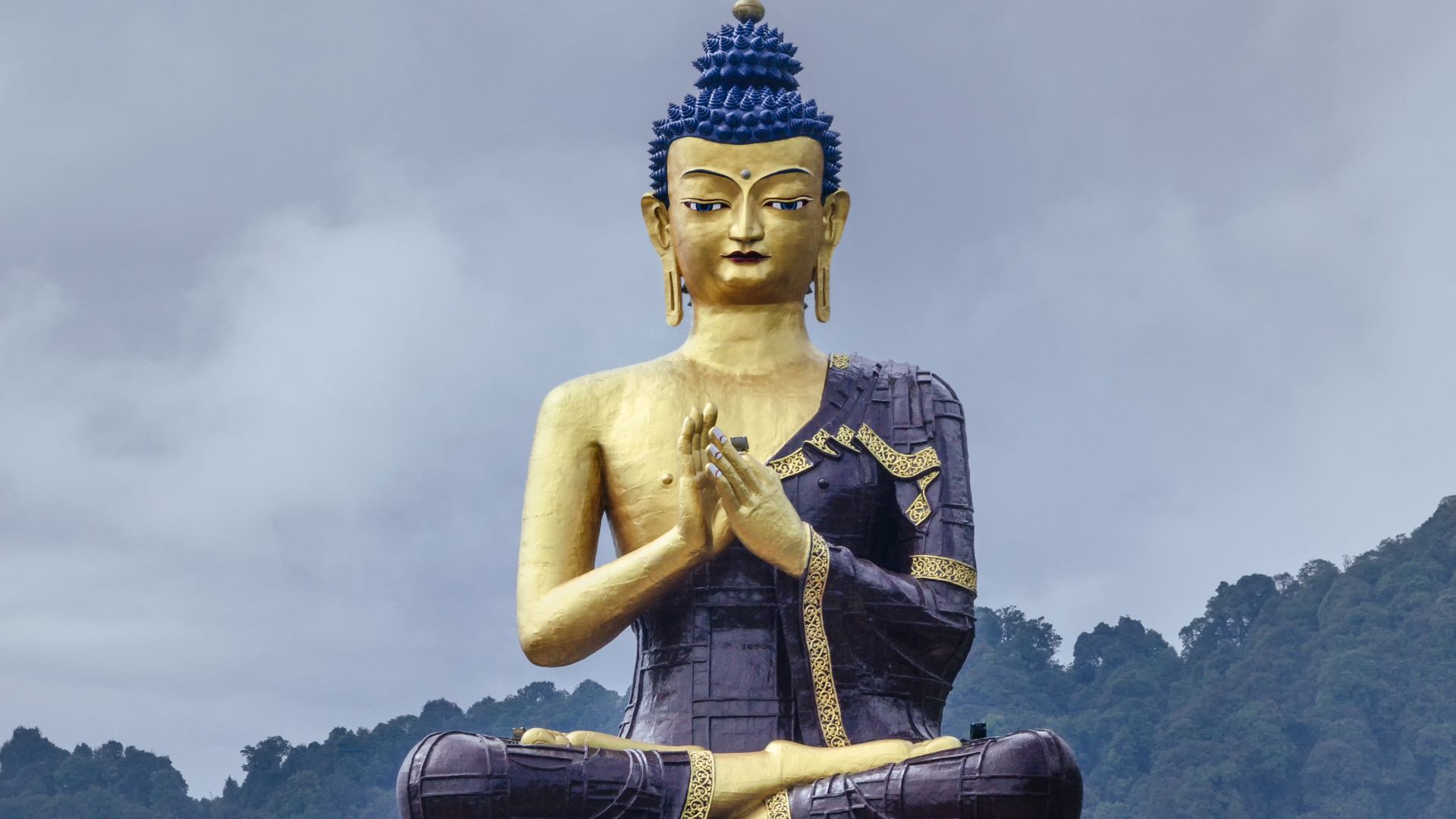 Subhrajyoti07, Wikimedia Commons