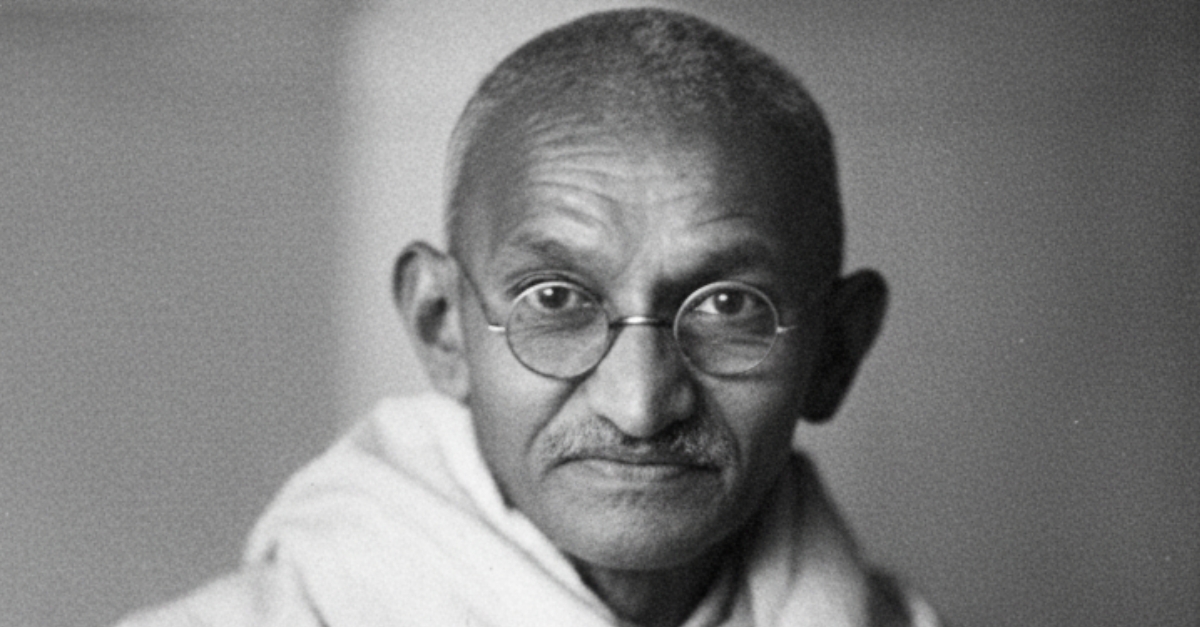
 Elliott & Fry, Wikimedia Commons, Modified
You’ve seen the line on posters, coffee mugs, and social feeds: “Be the change you wish to see in the world”. It sounds wise and perfectly Gandhian. But here’s the catch: Gandhi never said it that way. The truth behind the phrase tells a more grounded story about discipline and personal responsibility. Understanding that story helps explain why his real words still hold weight today.
The Quote That Never Was
Mahatma Gandhi never spoke those exact words. Historians trace the popular phrase to a paraphrase of his 1913 teachings. The real statement focused on how self-transformation creates social reform. Over time, the words were shortened into the smoother version we now know.
The original idea went deeper. Gandhi urged people to live the values they wanted to see around them. To him, change began with personal habits, not slogans. The paraphrased version kept the message but lost its challenge. It turned a lifelong discipline into a motivational soundbite.
What Gandhi Actually Said
The authentic version came from Gandhi’s longer reflection:
“We but mirror the world. All the tendencies present in the outer world are to be found in our body. If we could change ourselves, the tendencies in the world would also change.”
He believed the world reflects individual behavior. To create peace or fairness, people had to correct their own actions first. The concept was less about optimism and more about responsibility.
Gandhi lived by that rule. His principles of truth, simplicity, and nonviolence shaped both his daily life and his activism. Every fast and vow of restraint proved that social ideals start with self-control.
And this is where his words still apply: lasting change depends on what you do when no one is watching.
Why The Misquote Stuck
The shorter phrase became popular during the 1970s peace movement. Activists and teachers wanted an easy, shareable message. “Be the change” fits on everything from buttons to posters. It also carried a spark of inspiration without the heavier context of Gandhi’s philosophy.
That simplicity helped it spread, but it also stripped away the depth of his meaning. Gandhi was not giving an emotional pep talk. He was calling for moral discipline and daily effort. Once that nuance faded, the phrase turned into a universal slogan detached from its roots.
Still, the misquote survives because it speaks to modern ideals. It tells people they have the power to influence the world, even if it leaves out how difficult that process really is.
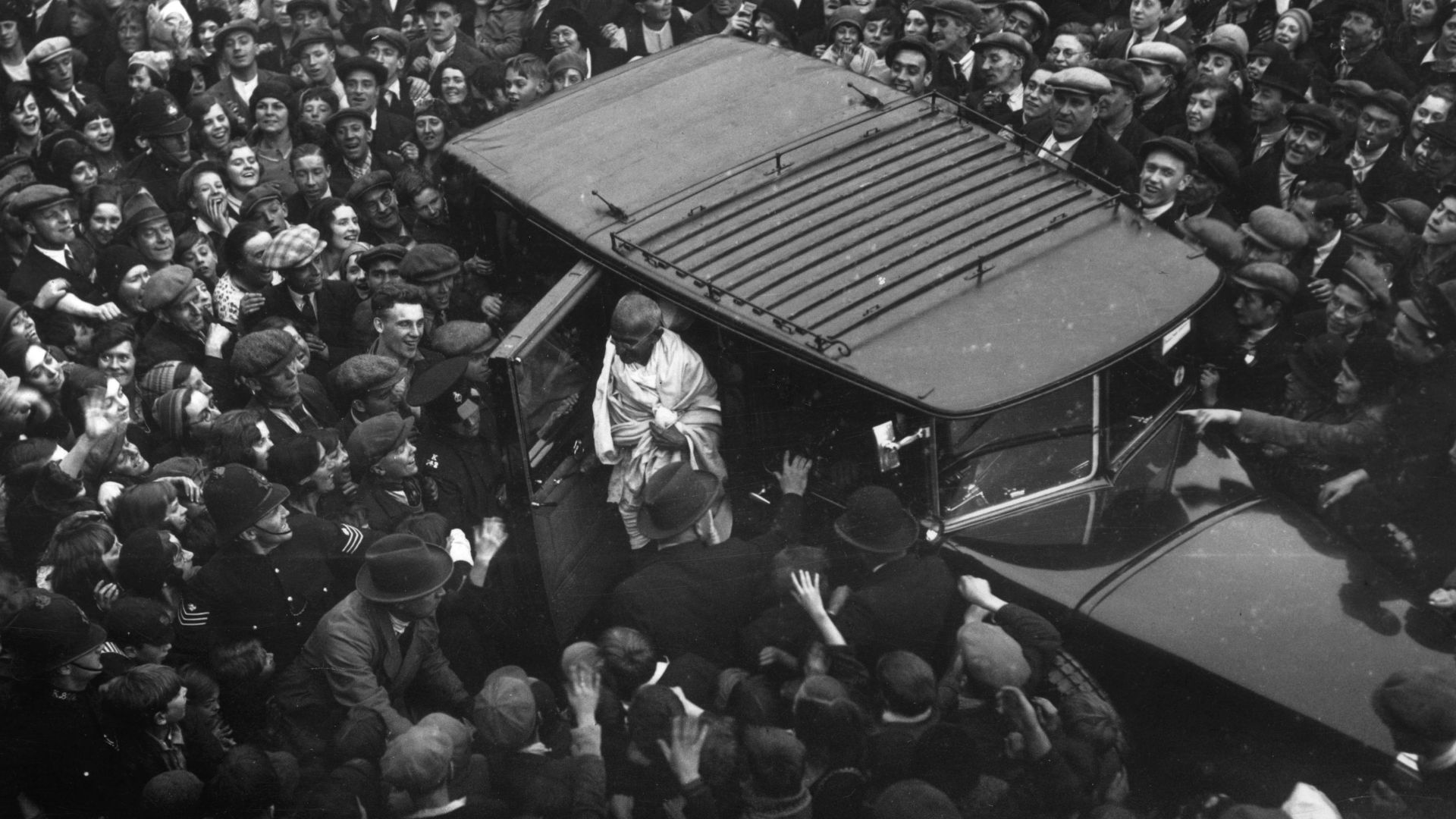 Unknown author, Wikimedia Commons
The Real Challenge
Gandhi’s original message remains clear. Personal change creates social change, but it takes patience and consistency. The next time you hear or share the quote, remember what it really asks of you: live the values you expect from others.
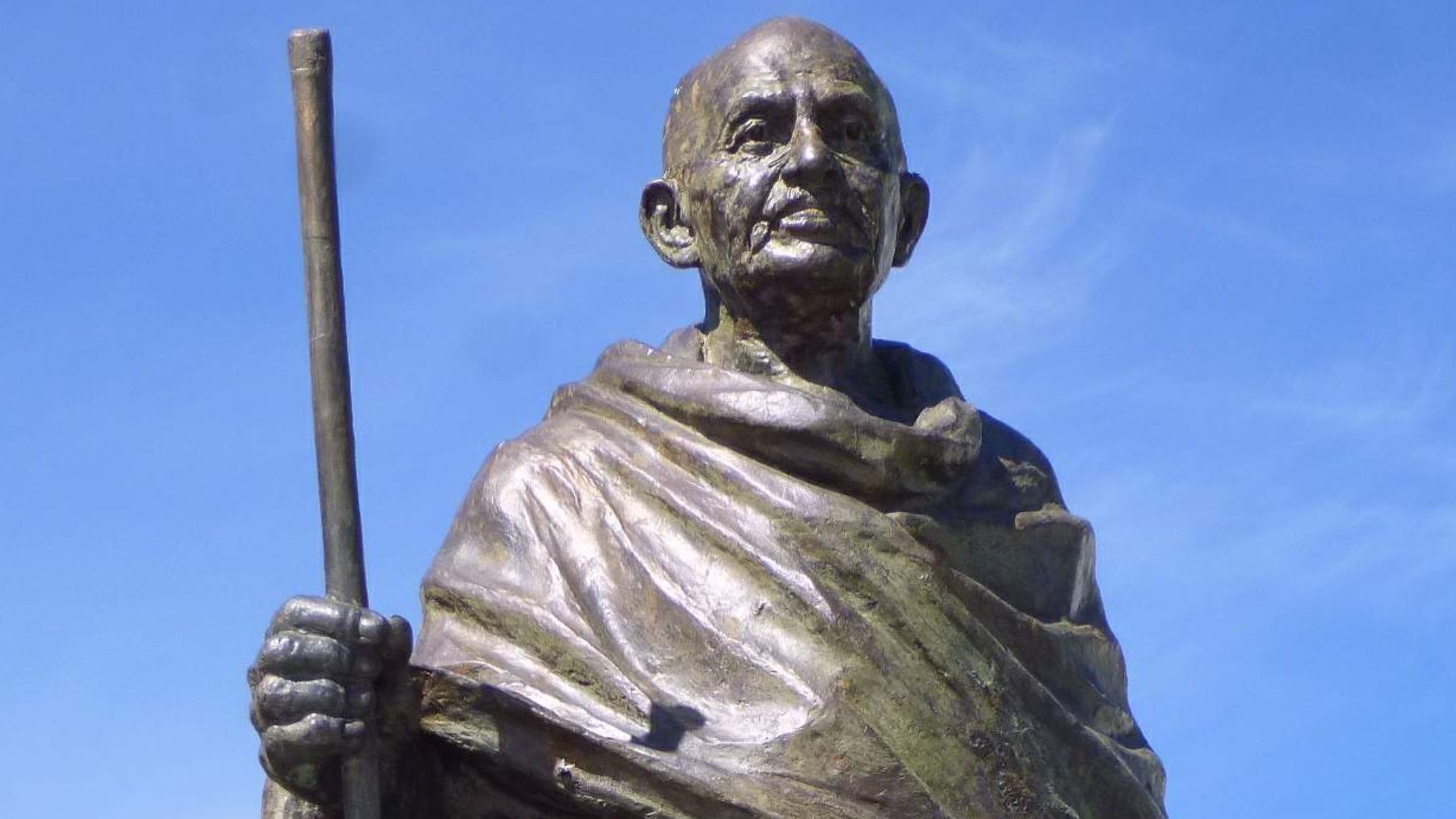
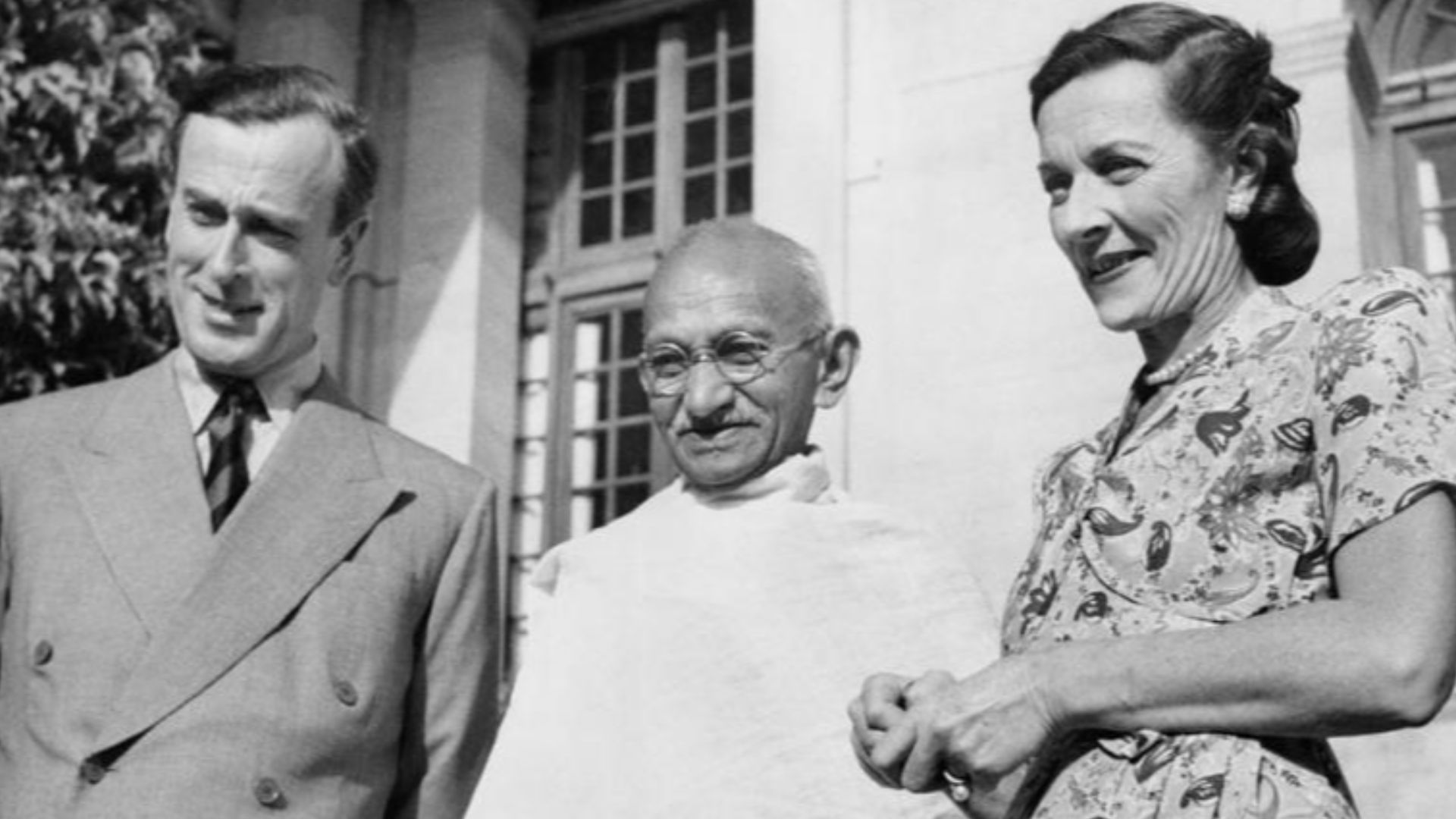 No 9 Army Film & Photographic Unit, Wikimedia Commons