When construction workers in Cairo’s suburbs struck a limestone block buried deep under the street, no one expected it to rewrite Egypt’s solar history. What began as a city-side project near Heliopolis, a once ancient city with ruins now inside modern Cairo, soon revealed traces of the long-lost Sun Temple of Ra, one of the rarest and most mysterious monuments of ancient Egypt.
But here’s the twist—this find wasn’t alone. Another temple, buried about 12 miles away, told a different chapter of the same sun-lit story. Here, we’ll look into both discoveries.
The Urban Discovery: Heliopolis (Matariya)
In the Matariya district—once the ancient city of Heliopolis—archaeologists uncovered limestone and granite blocks dating back to the reign of Pharaoh Khufu (circa 2580 BCE). The discovery was announced on June 14, 2022, by an Egyptian-German archaeological mission directed by Dr Dietrich Raue of Leipzig University and Dr Aiman Ashmawy of Egypt’s Ministry of Antiquities.
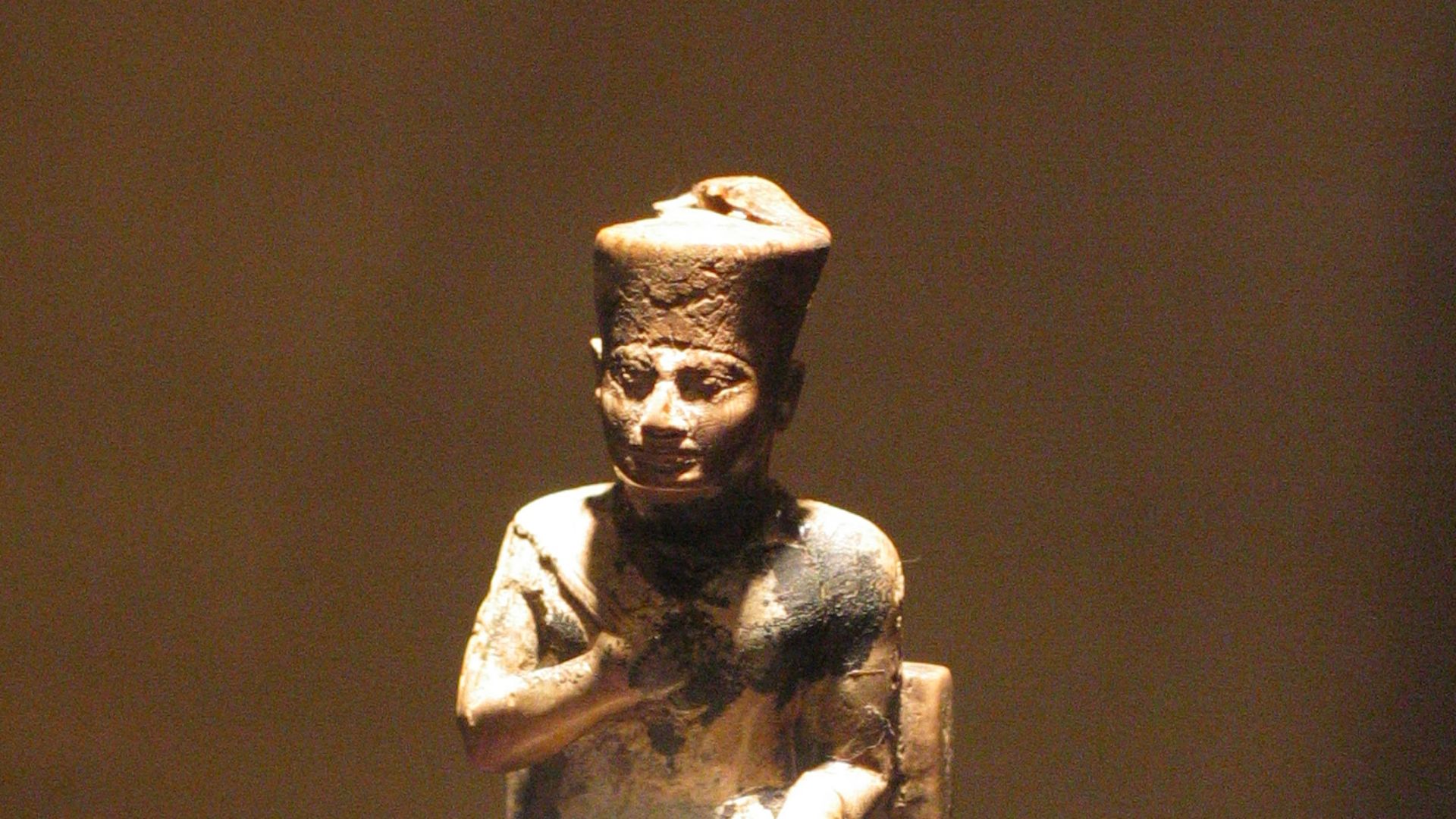
Until that point, no evidence from Khufu’s reign had ever surfaced in Heliopolis. The find suggests that Egypt’s earliest pyramid builders likely honored Ra here.
Beneath modern streets, the team unearthed reused limestone and granite blocks, mudbrick walls, and limestone pavements spanning multiple eras—from the New Kingdom (1550–1070 BCE) to the Late Period (around 600 BCE). These layers prove Heliopolis was a sacred site that evolved over two millennia. Even now, everyday life continues above one of Egypt’s oldest surviving centers of solar worship.
The Desert Find: Abu Ghurab
Roughly 12 miles south of Cairo, near Abusir, another team made headlines the same year. Publicly reported on August 4, 2022, an Italian-Polish mission led by Dr Massimiliano Nuzzolo of the University of Naples L’Orientale and Dr Rosanna Pirelli uncovered a 4,500-year-old sun temple (circa 2400 BCE) at Abu Ghurab. This was a site once reserved for Fifth Dynasty rulers (2465–2323 BCE).
Built of mudbrick, limestone, and quartzite pillars, the structure belongs to an era when the cult of Ra reached its zenith. Ancient texts mention six sun temples, yet only two—those of Userkaf (circa 2490 BCE) and Nyuserre Ini (circa 2420 BCE)—have been verified.
The Abu Ghurab discovery may represent one of the other four long-lost sanctuaries, finally confirming what those old inscriptions foretold.
Excavators uncovered foundation layers and fragments of quartzite columns that once shimmered in sunlight—clear evidence of ritual spaces aligned with Ra’s daily path across the sky.
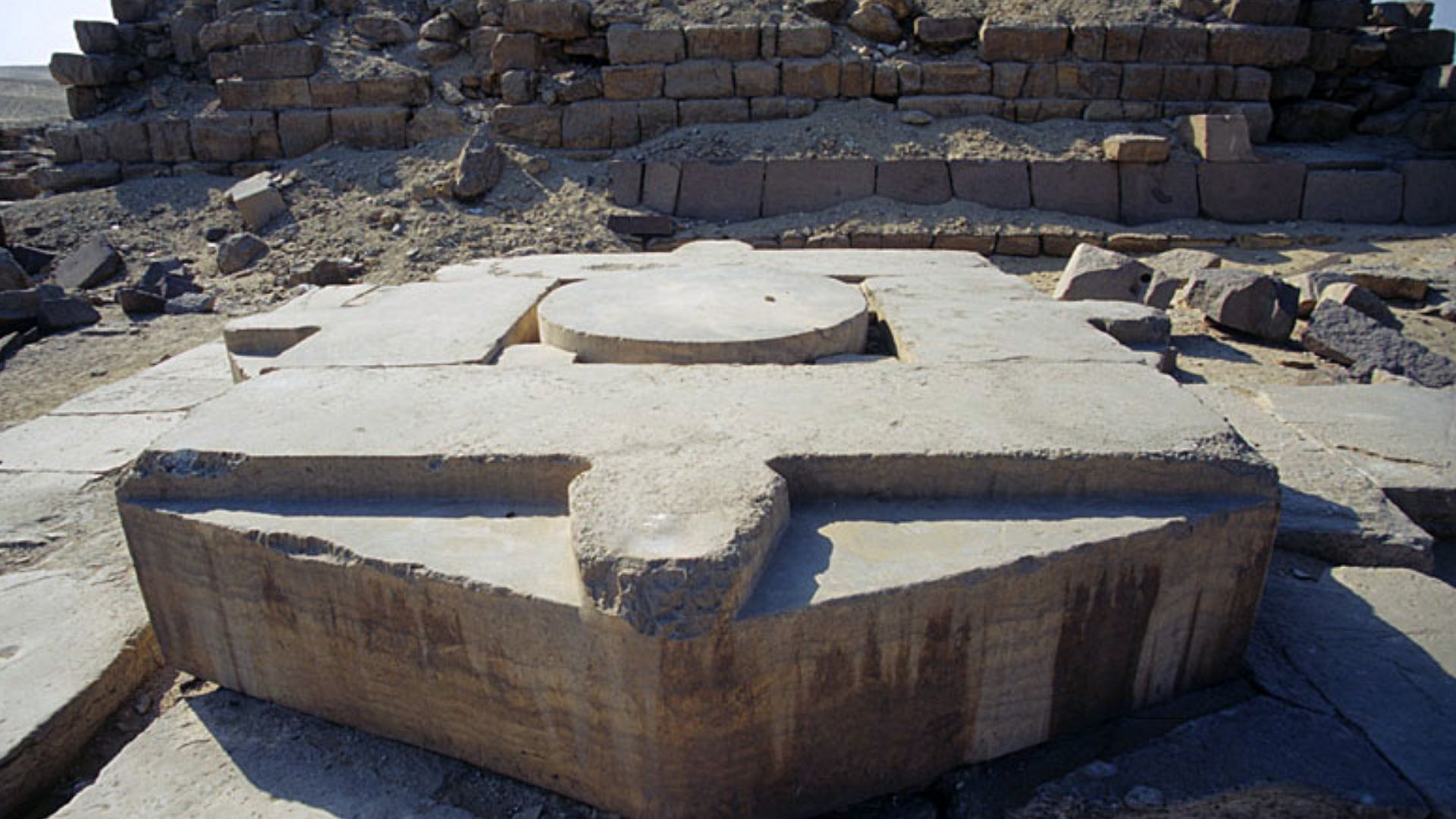 Roland Unger, Wikimedia Commons
A Shared Light Across Time
Heliopolis and Abu Ghurab tell two sides of one story: a civilization obsessed with the sun’s power. In Heliopolis, Ra’s temple pulsed at the core of a thriving capital; in Abu Ghurab, it stood in open desert—where the horizon met eternity.
Together, they prove that Egypt’s devotion to Ra wasn’t confined to one monument or one dynasty. It was a network of sacred spaces designed to mirror the rhythm of daylight itself.
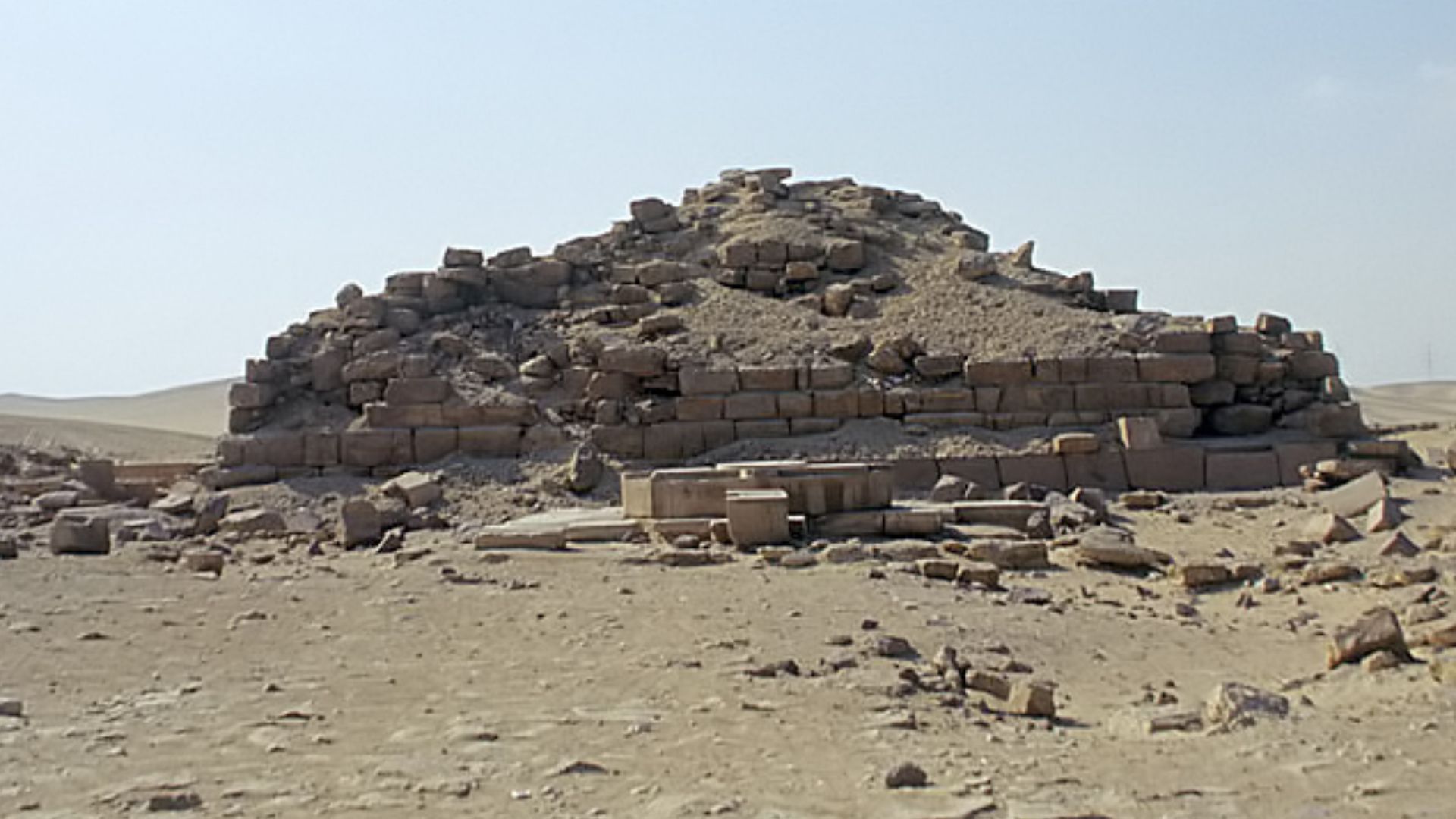 Roland Unger, Wikimedia Commons