
Kishle Holds History
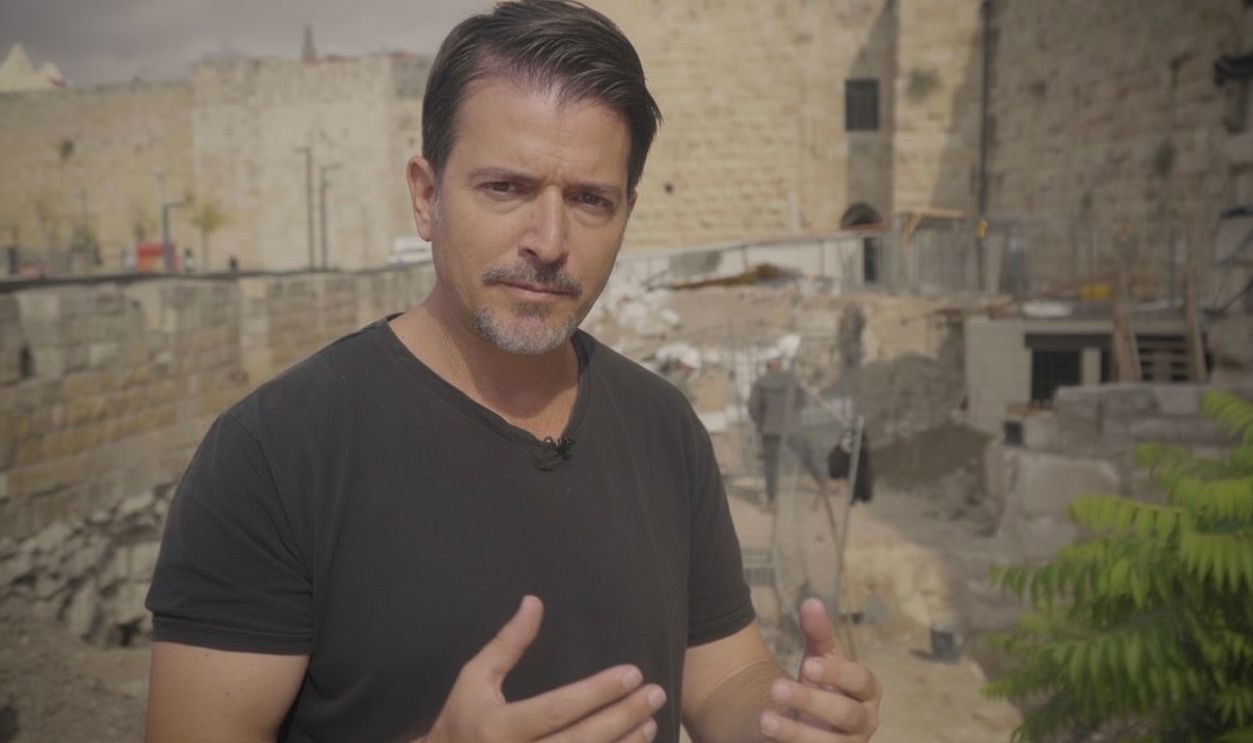
Dig deep enough in Jerusalem and history talks back. An ancient fortification emerged recently, one that witnessed the very events Hanukkah celebrates. Workers uncovered stones that Hasmonean builders placed when their dynasty was reshaping Judea.
Seleucid Oppression
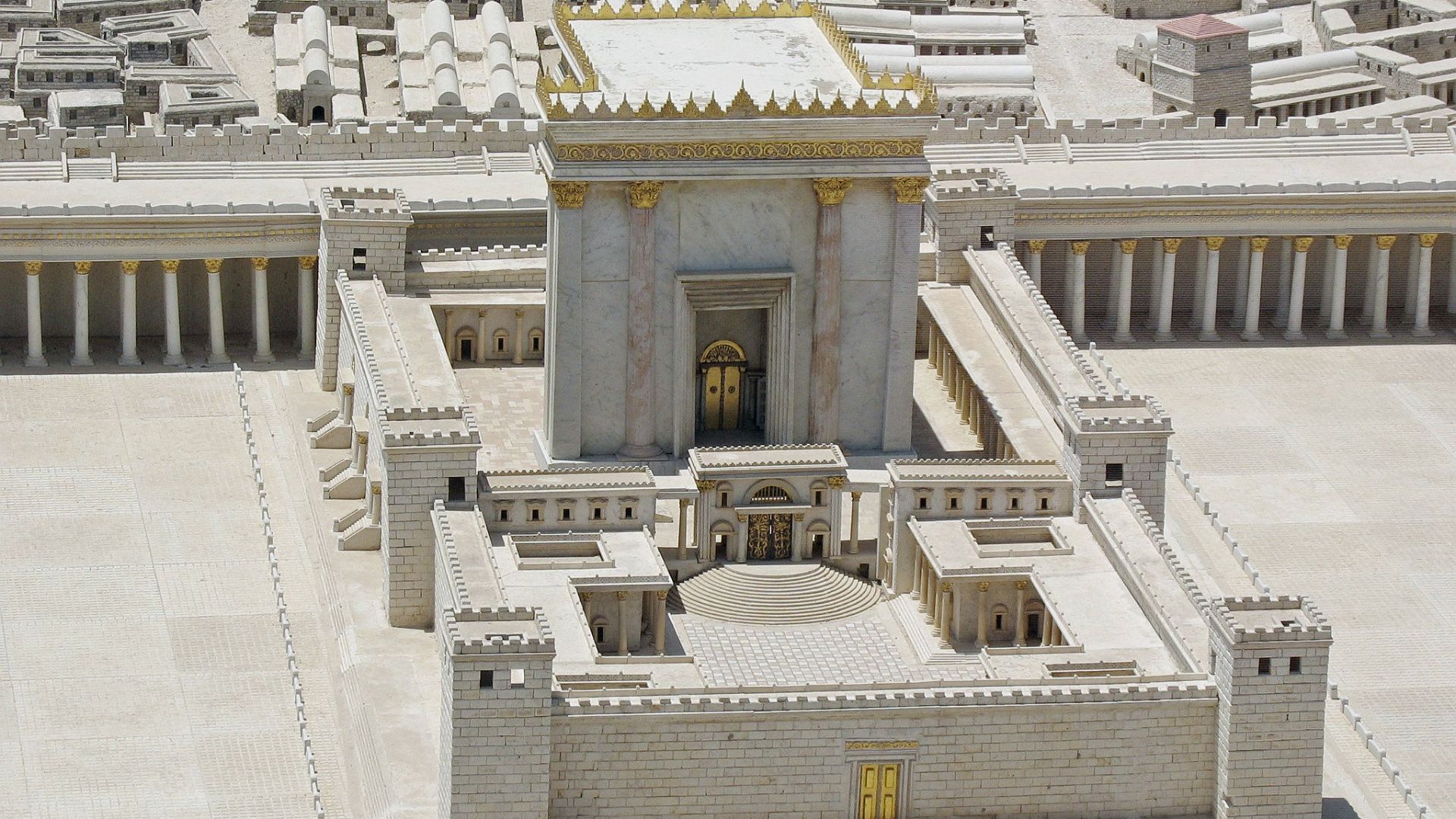
The story begins in 167 BCE when Antiochus IV Epiphanes did the unthinkable. He rededicated the Temple in Jerusalem to Zeus Olympios. Jewish practices became punishable offenses. Soldiers burned Torah scrolls, banned circumcision, and forced Jews to eat pork. The Temple altar even received swine sacrifices.
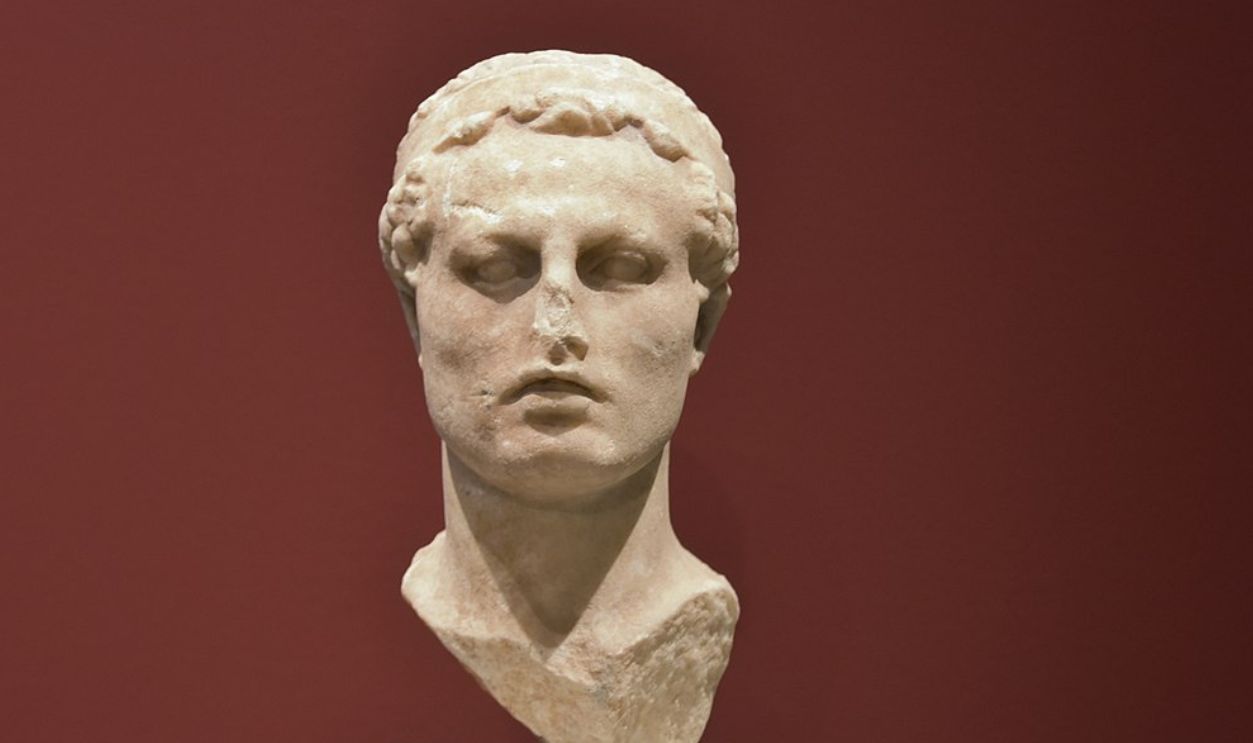 Richard Mortel from Riyadh, Saudi Arabia, CC BY 2.0, Wikimedia Commons
Maccabean Revolt
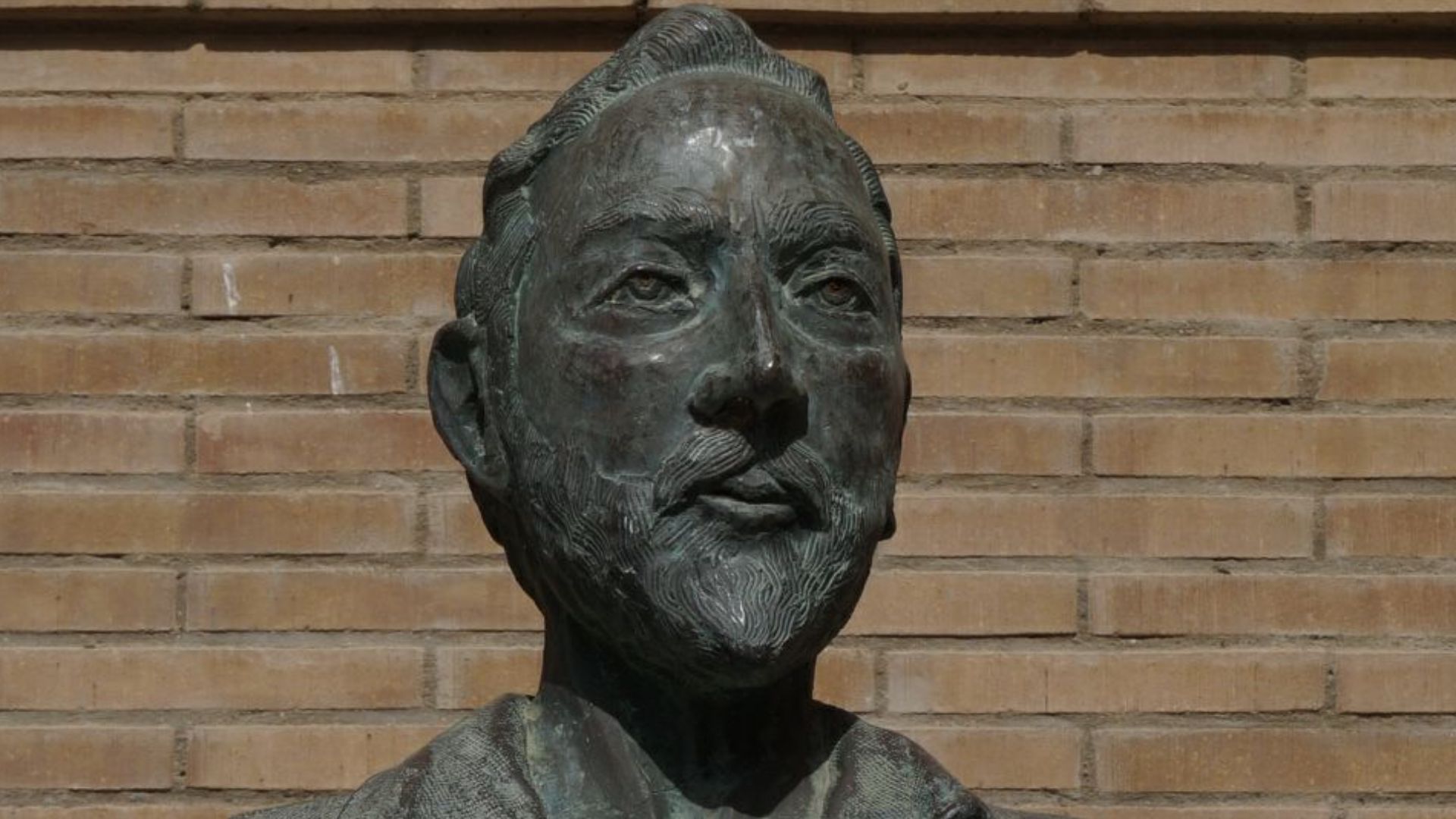
In Modi'in village, priest Mattathias killed a Jewish collaborator and the king's officer, then fled to the hills with his five sons. His son Judah "the Hammer" converted their guerrilla band into a formidable force, winning battles at Beth Horon, Emmaus, and Beth Zur.
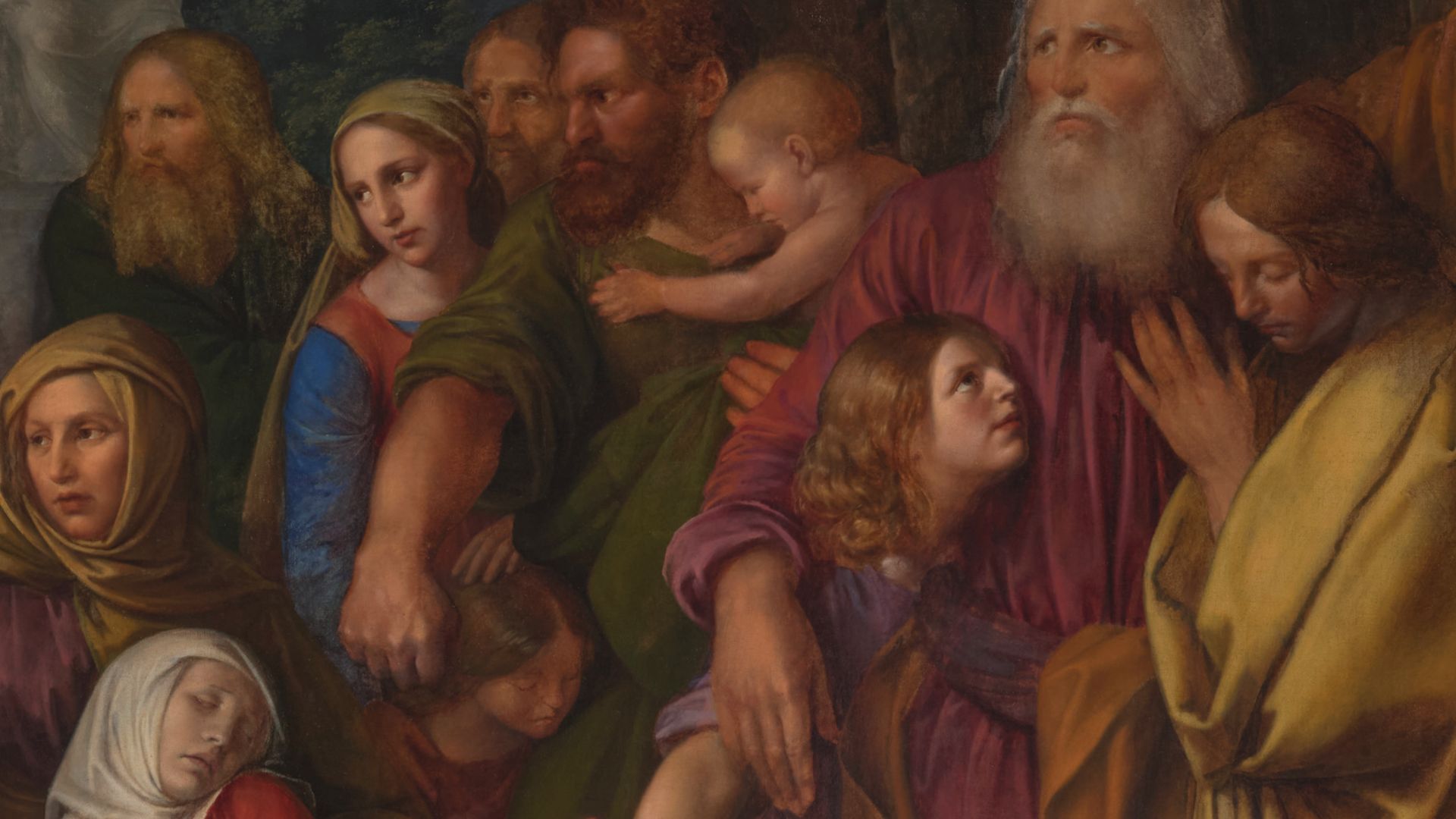 Wojciech Korneli Stattler, Wikimedia Commons
Temple Liberation
By winter 164 BCE, Judah Maccabeus had reached the Temple Mount in Jerusalem. Inside, they found polluted altars and burned gates. The Maccabees spent months removing Greek statues and cleansing every surface. On December 25, 164 BCE, they rededicated the Temple to God during an eight-day celebration.
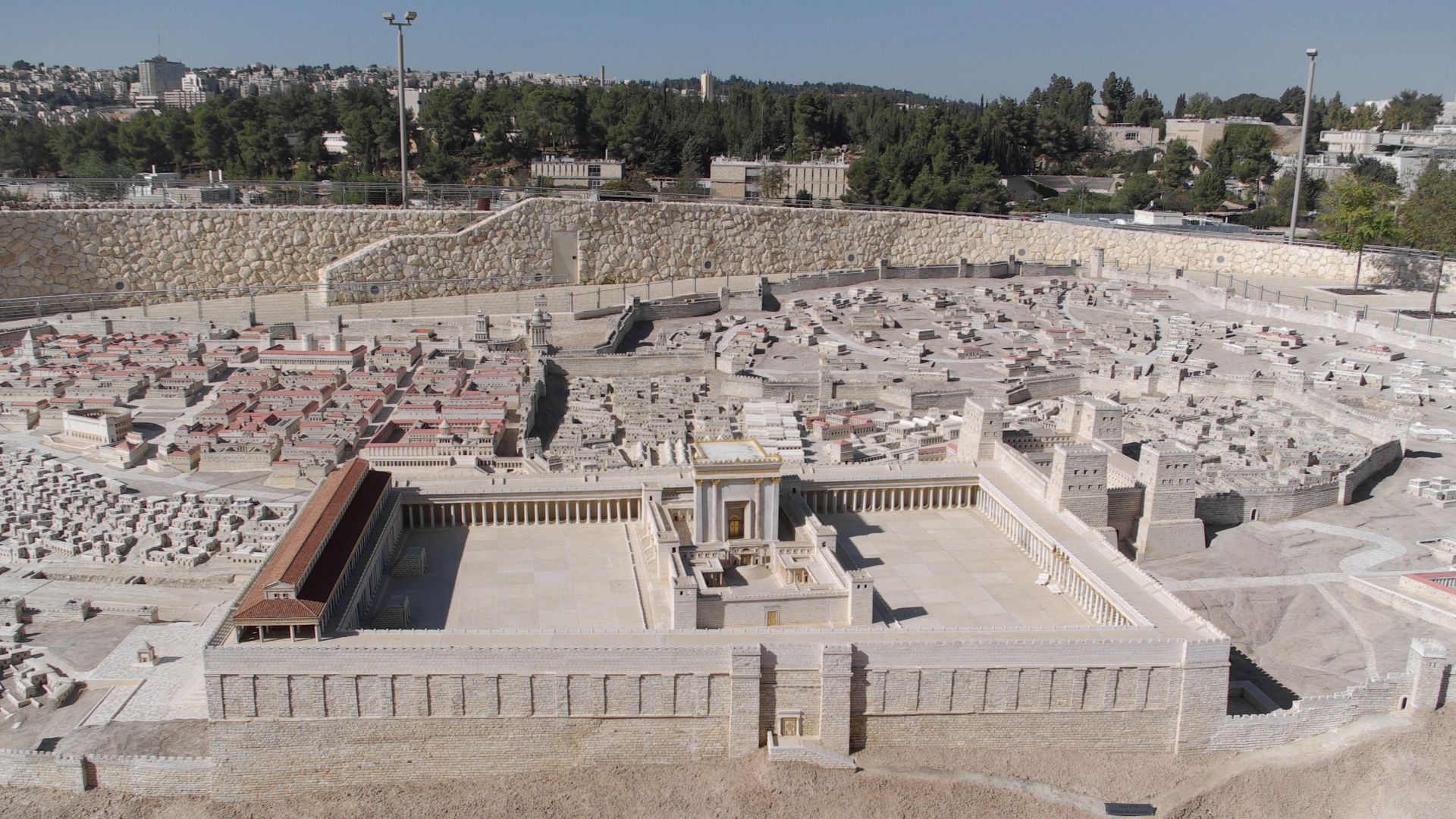 Berthold Werner, Wikimedia Commons
Hanukkah Established
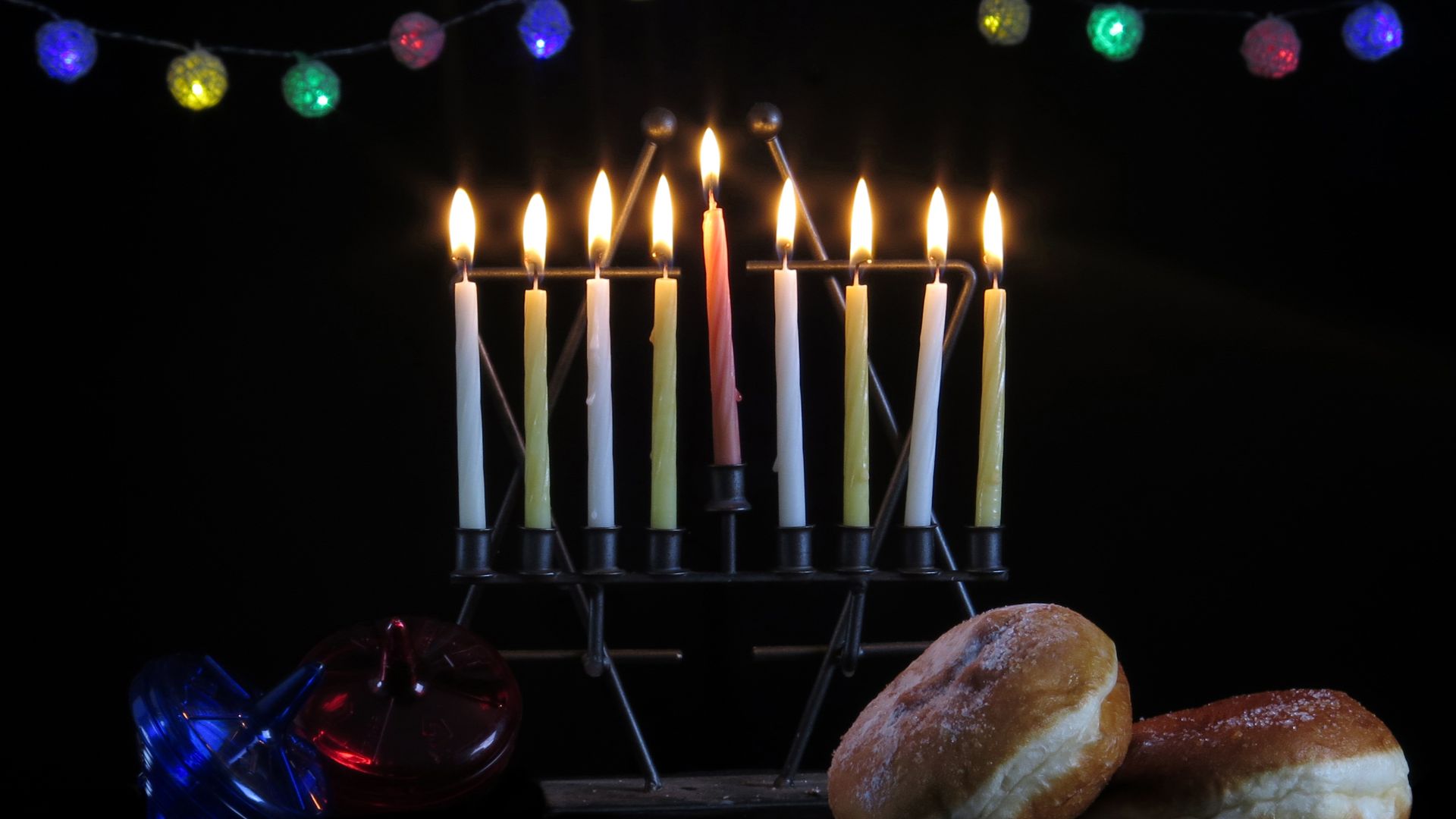
The eight-day purification ceremony became an annual festival called Hanukkah, meaning "dedication" in Hebrew. Celebrated on the 25th of Kislev in the Jewish calendar, it commemorated both military victory and spiritual renewal. The festival's historical origins remain rooted in the Maccabees' triumph.
Hasmonean Dynasty
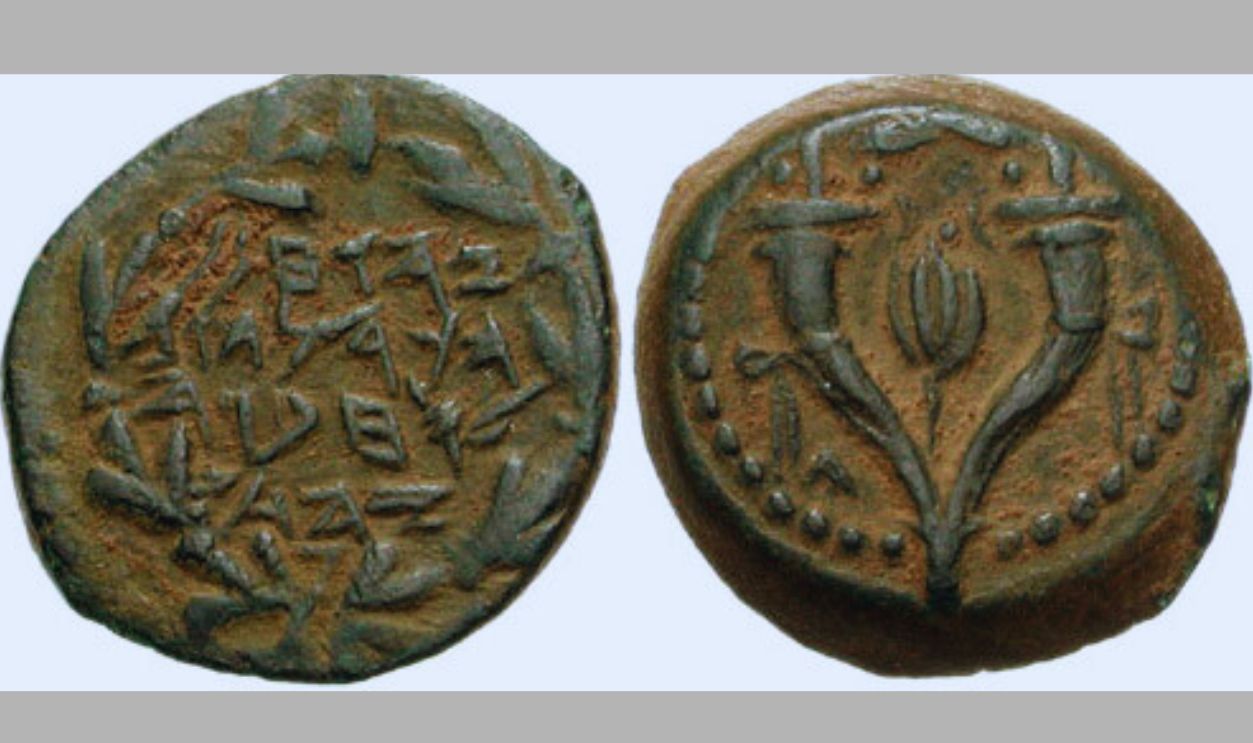
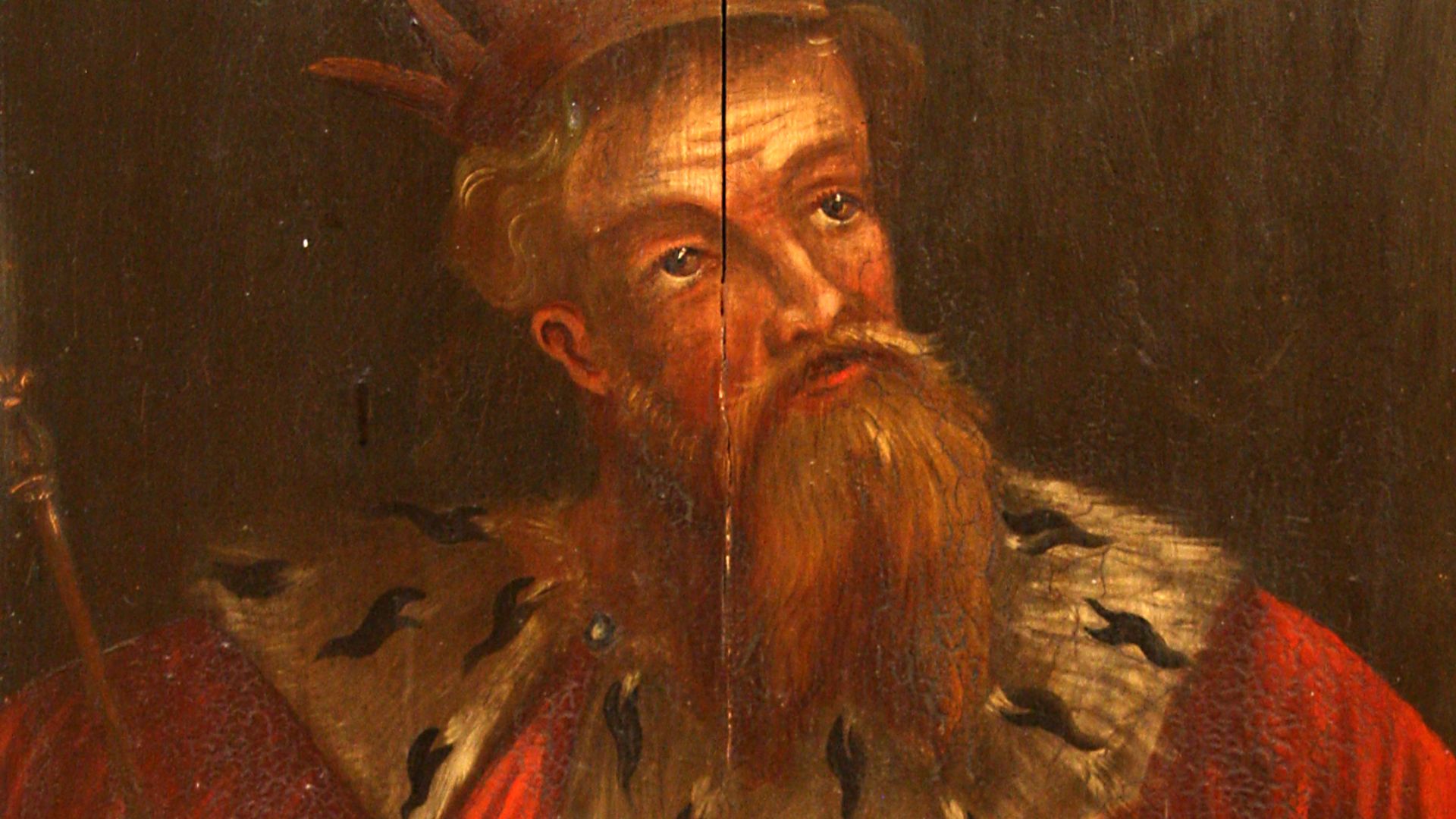
Victory in battle didn't guarantee political stability. The Maccabees, now called Hasmoneans after their ancestor Hasmon, established a dynasty that ruled Judea for approximately 130 years. Simon Thassi, Mattathias's second son, became the first official ruler in 142 BCE. A great assembly granted him hereditary positions as high priest and ethnarch.
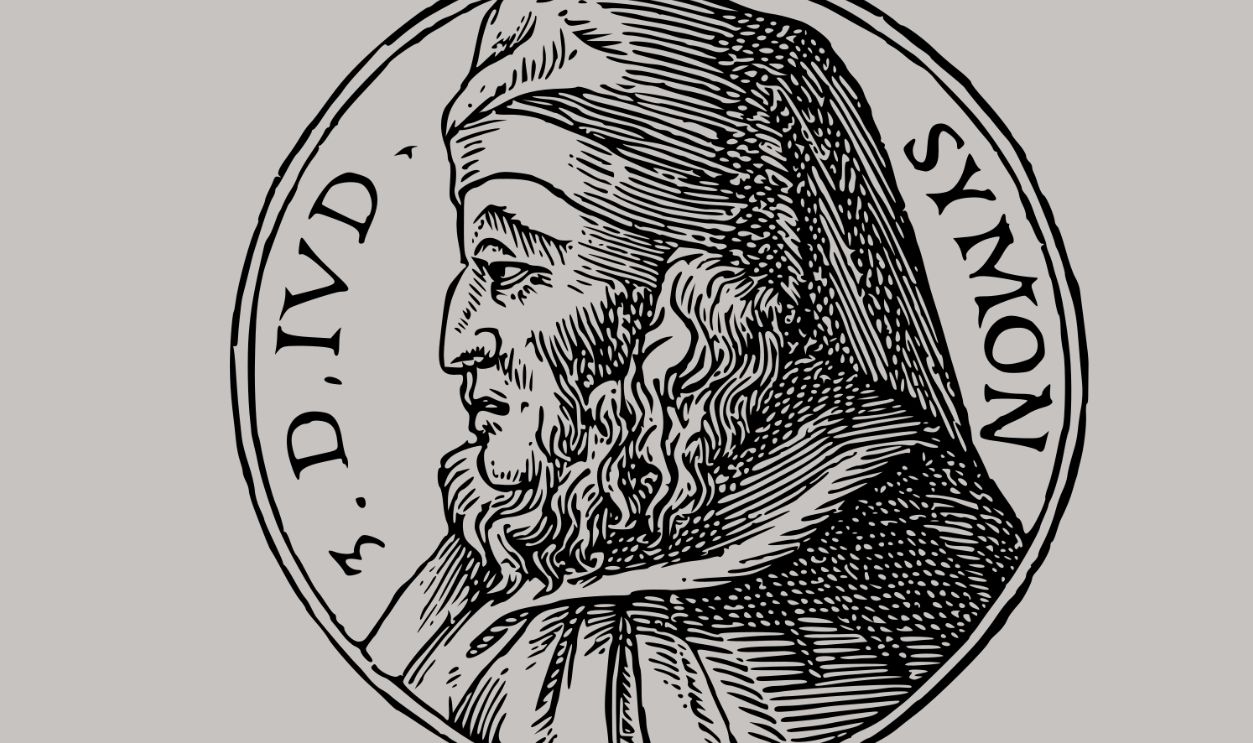 Georges Reverdy, Wikimedia Commons
Fortification Construction
The Hasmonean rulers understood that independence required formidable defenses. They constructed massive fortification walls around Jerusalem, far more extensive than today's Ottoman-era walls. According to ancient historian Flavius Josephus, these walls featured sixty watchtowers exceeding ten meters in height. The fortifications were built with large, heavy stones.
Antiochus Siege
Around 134 BCE, approximately thirty years after Hanukkah, Jerusalem faced a new threat. Antiochus VII Sidetes—bearing the same name as the original villain—laid siege to the city under John Hyrcanus I's leadership. The year-long siege devastated the countryside and created a humanitarian crisis.
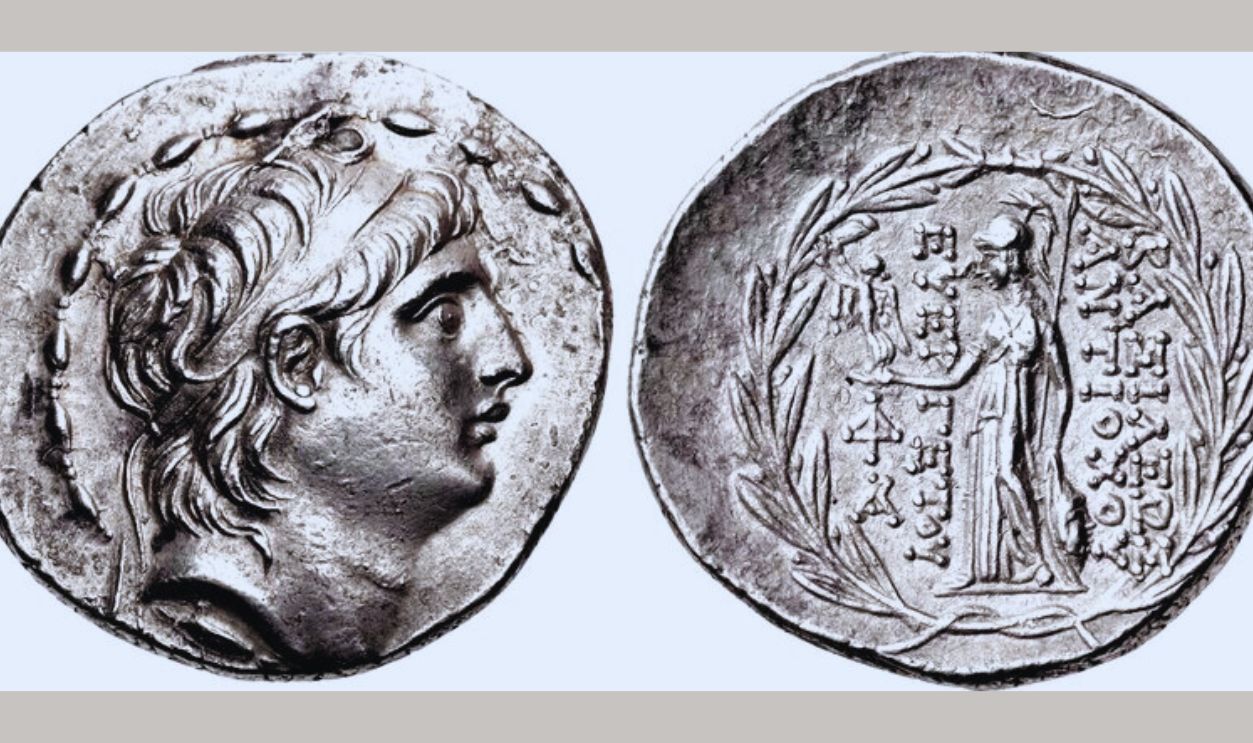 Unknown author, Wikimedia Commons
Wall Demolition
Facing starvation, John Hyrcanus negotiated peace with Antiochus VII. The ceasefire terms were brutal: 3,000 talents of silver, hostages including his own brother, participation in Seleucid wars against Parthia, and, crucially, dismantling Jerusalem's fortification walls. According to Josephus, Hyrcanus raided King David's tomb for the required silver.

History's most fascinating stories and darkest secrets, delivered to your inbox daily.
Herodian Era
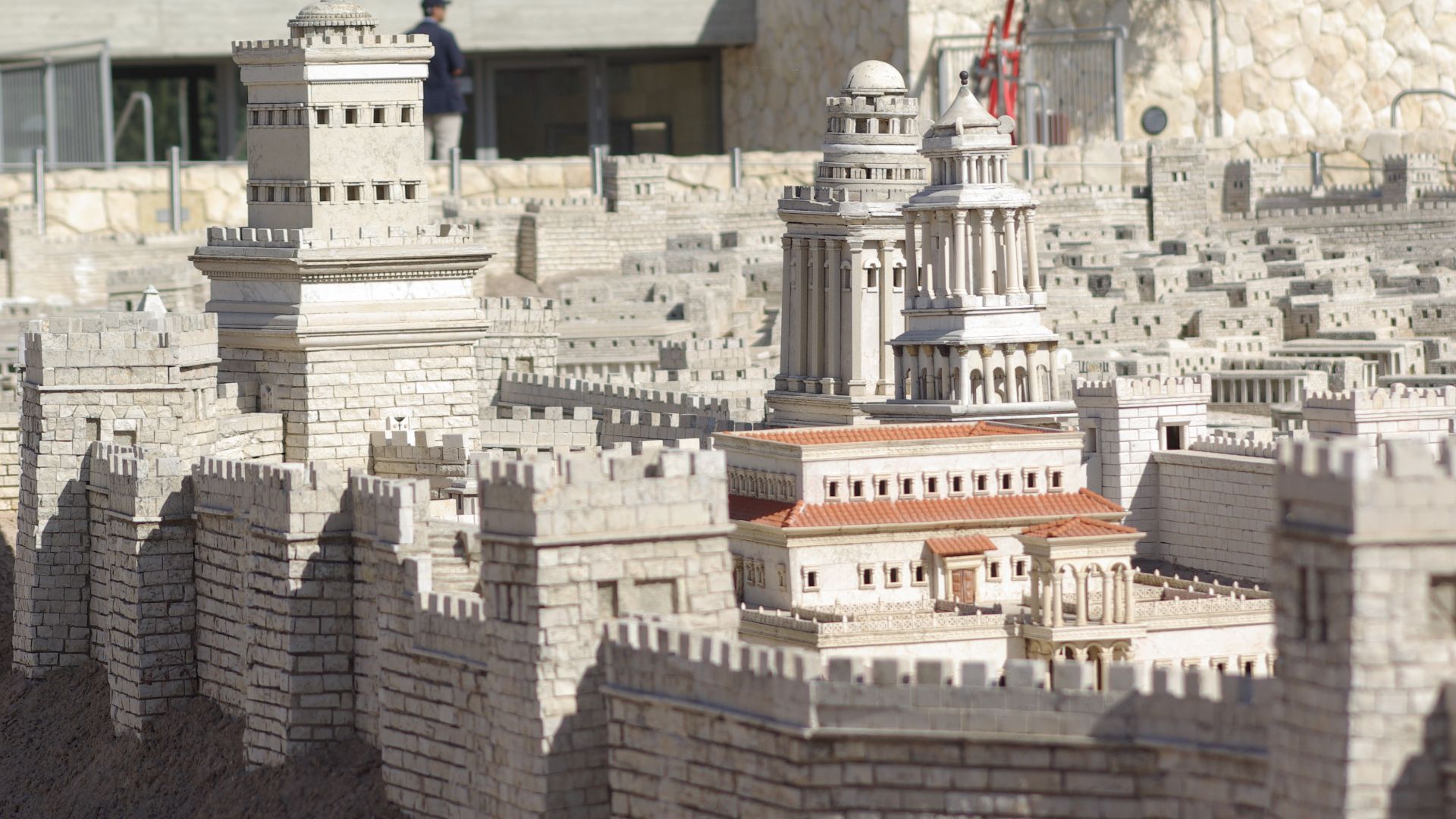
King Herod the Great ruled from 37 to 4 BCE, transforming Jerusalem with ambitious building projects. Some archaeologists believe Herod deliberately built his opulent palace directly over the dismantled Hasmonean wall foundations near today's Jaffa Gate. This wasn't mere construction convenience but political theater.
 Unknown authorUnknown author, Wikimedia Commons
Medieval Period
Centuries later, Jerusalem's Jewish community established a fabric dyeing workshop in this same area, mentioned in 12th-century writings by Jewish traveler Benjamin of Tudela. Archaeological excavations uncovered medieval dyeing vats alongside the ancient walls. The site's continuous use across millennia demonstrates how each era literally built upon the previous.
Ottoman Prison
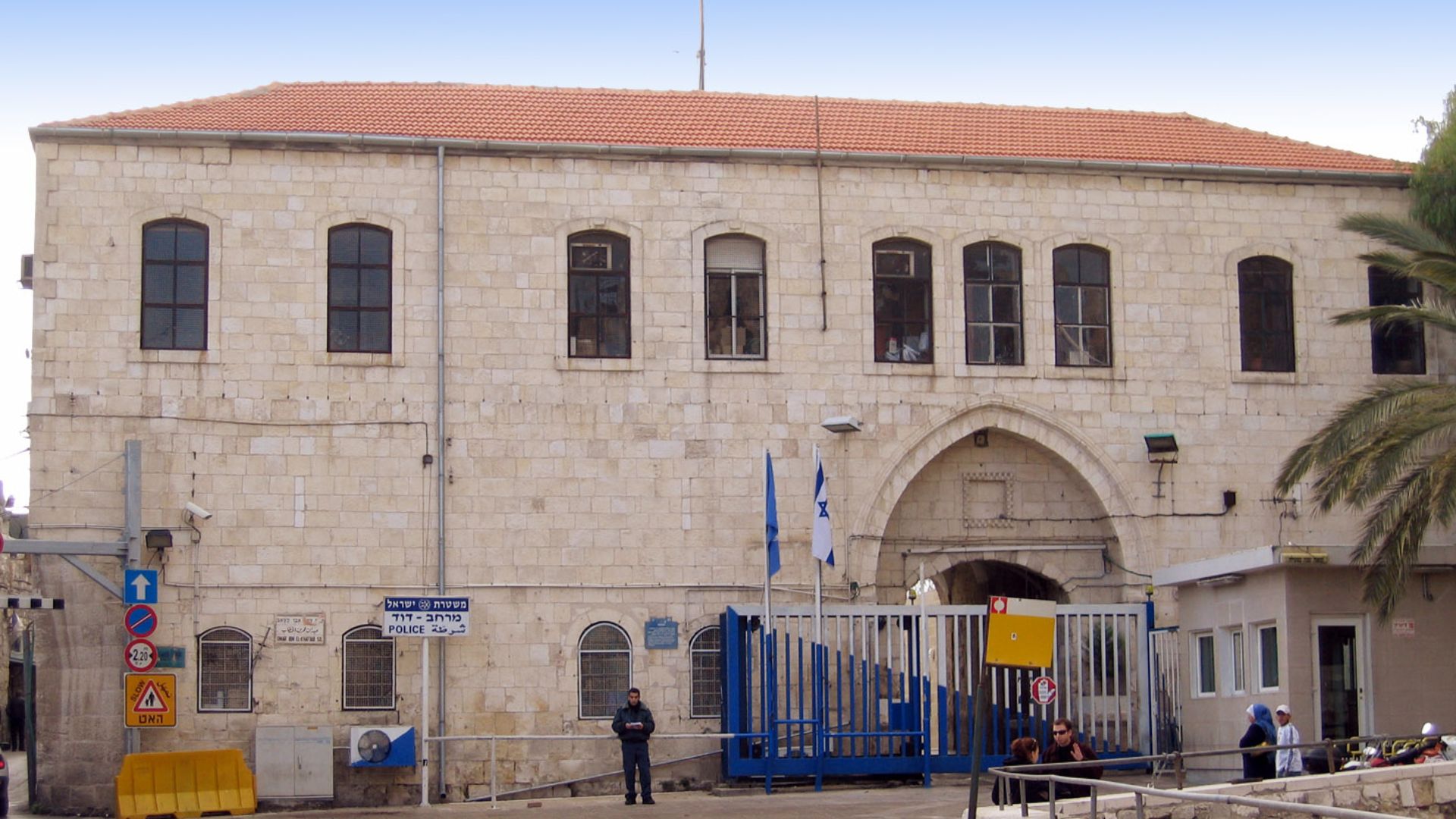
In 1834, Ibrahim Pasha of Egypt constructed the Kishle—Turkish for "barracks"—as military quarters during his brief control of Palestine. The Ottomans absorbed the building after Egyptian withdrawal in 1841, converting it into a prison and garrison. The structure was built approximately 17 meters above the ancient remains.

British Mandate
Between 1917 and 1948, British authorities repurposed the Kishle as a detention center for political prisoners and resistance fighters. Jewish underground organizations like the Irgun and Lehi had members incarcerated here. Prisoners carved graffiti into stone walls in Hebrew, English, and Arabic.
 Tamar Jordanian, Wikimedia Commons
Initial Discovery
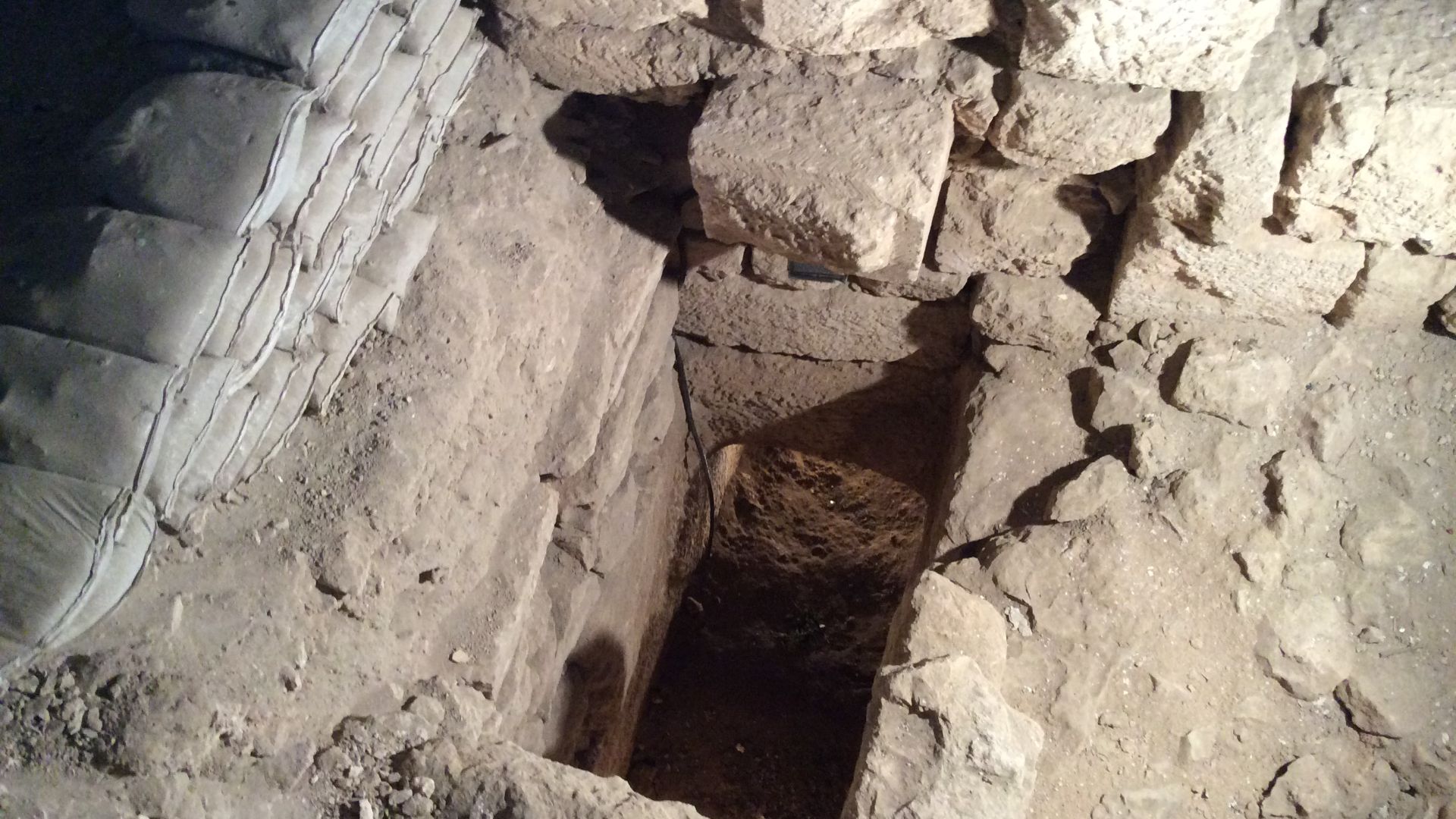
In 1999, archaeologist Dr Amit Re'em from the Israel Antiquities Authority began excavating the abandoned Kishle wing, expecting routine findings. The reality exceeded all expectations. What emerged was a 17-meter-high archaeological section, a "layered cake" of Jerusalem's entire history. The oldest stones date to approximately the 8th century BCE.
Intifada Interruption
The Second Intifada erupted in 2000, bringing violence that engulfed Jerusalem and halted archaeological work. Excavations stopped abruptly as the city became a conflict zone. For nearly two decades, the partially uncovered ancient walls lay buried and inaccessible beneath the old prison building.
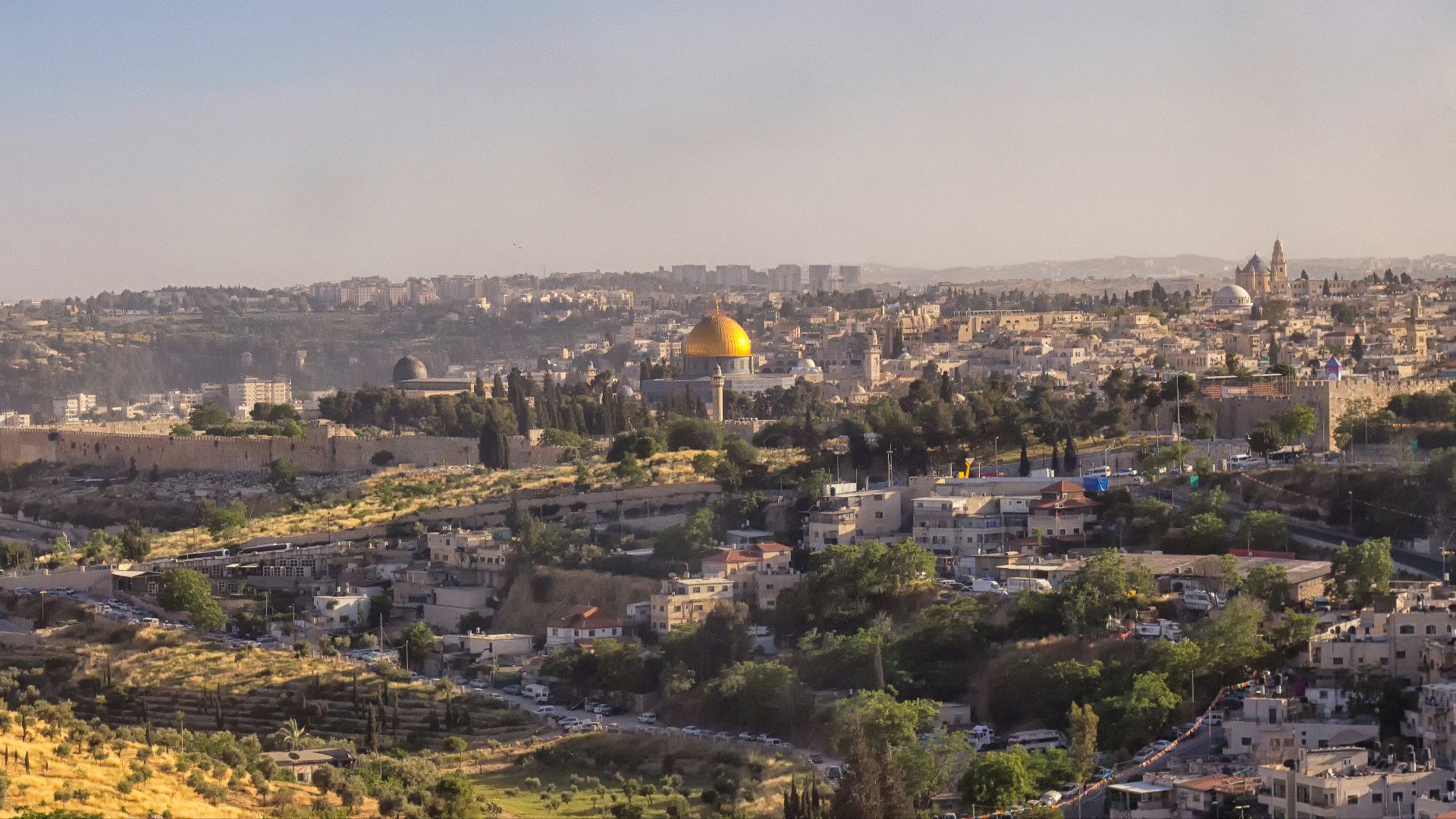 Ray in Manila, Wikimedia Commons
Excavation Resumed
In 2023, archaeologists finally returned to the Kishle, resuming work after the long hiatus. The project intensified as part of the Tower of David Museum's extensive renovation, supported by Canada's Schulich family. Over two years, workers manually removed dirt and debris equivalent to two Olympic swimming pools.
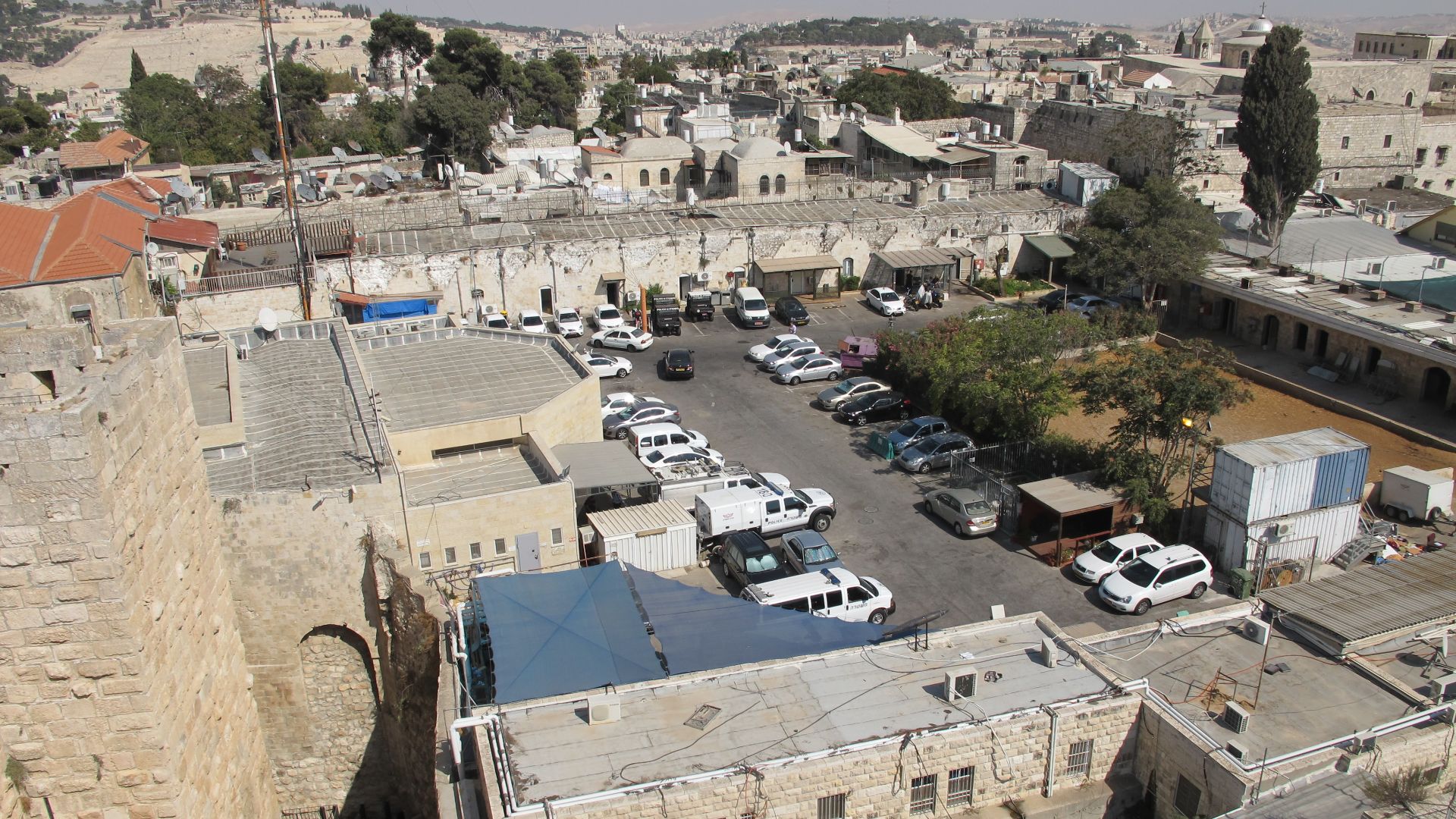 Michael Jacobson, Wikimedia Commons
Wall Uncovered
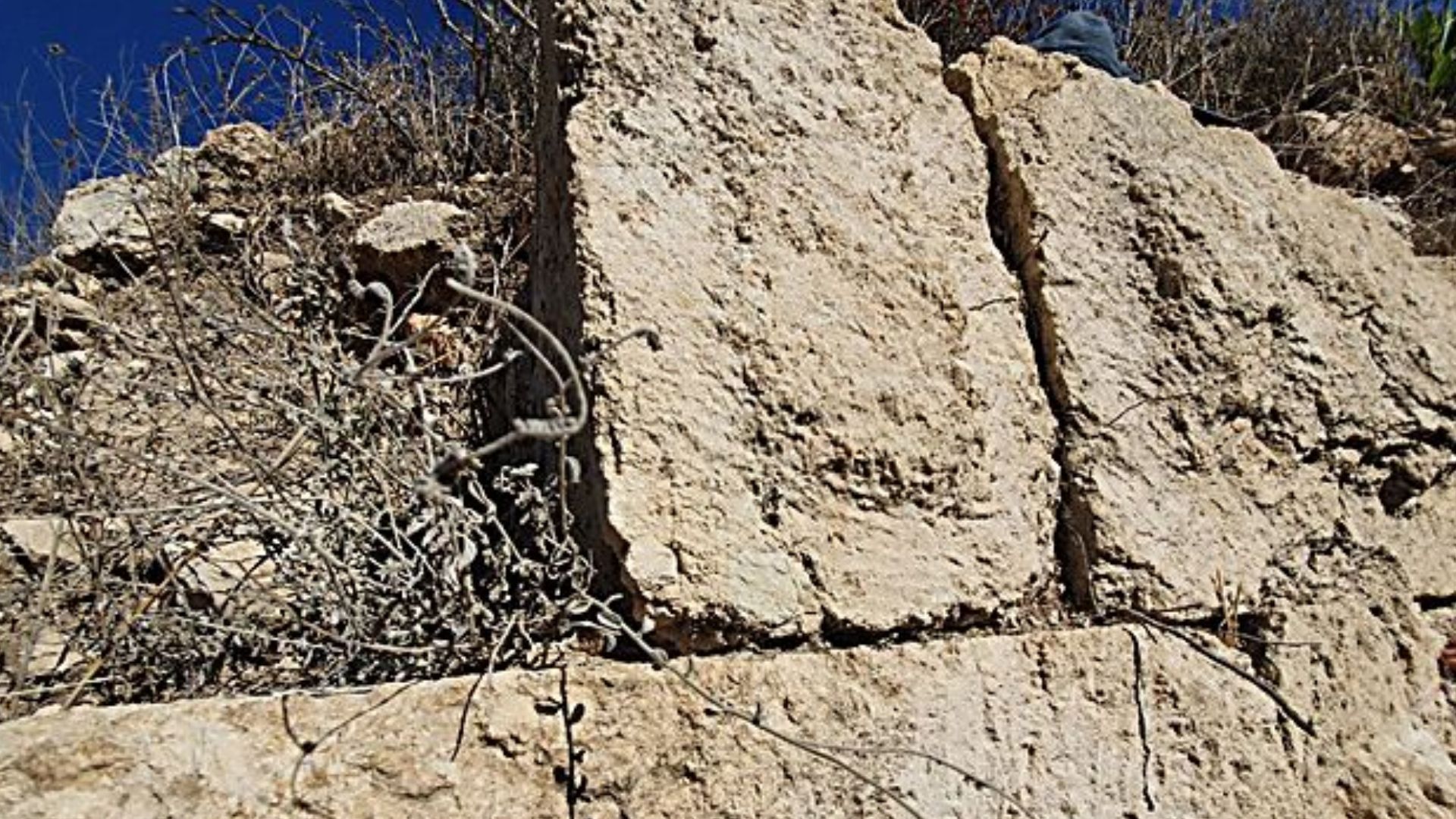
Well, the Hasmonean wall section finally revealed measured over 40 meters long and approximately 5 meters wide, which were more massive than Jerusalem's current Ottoman walls. Built with large, heavy stones displaying the characteristic chiseled boss of second-century BCE construction, it originally towered over 10 meters high.
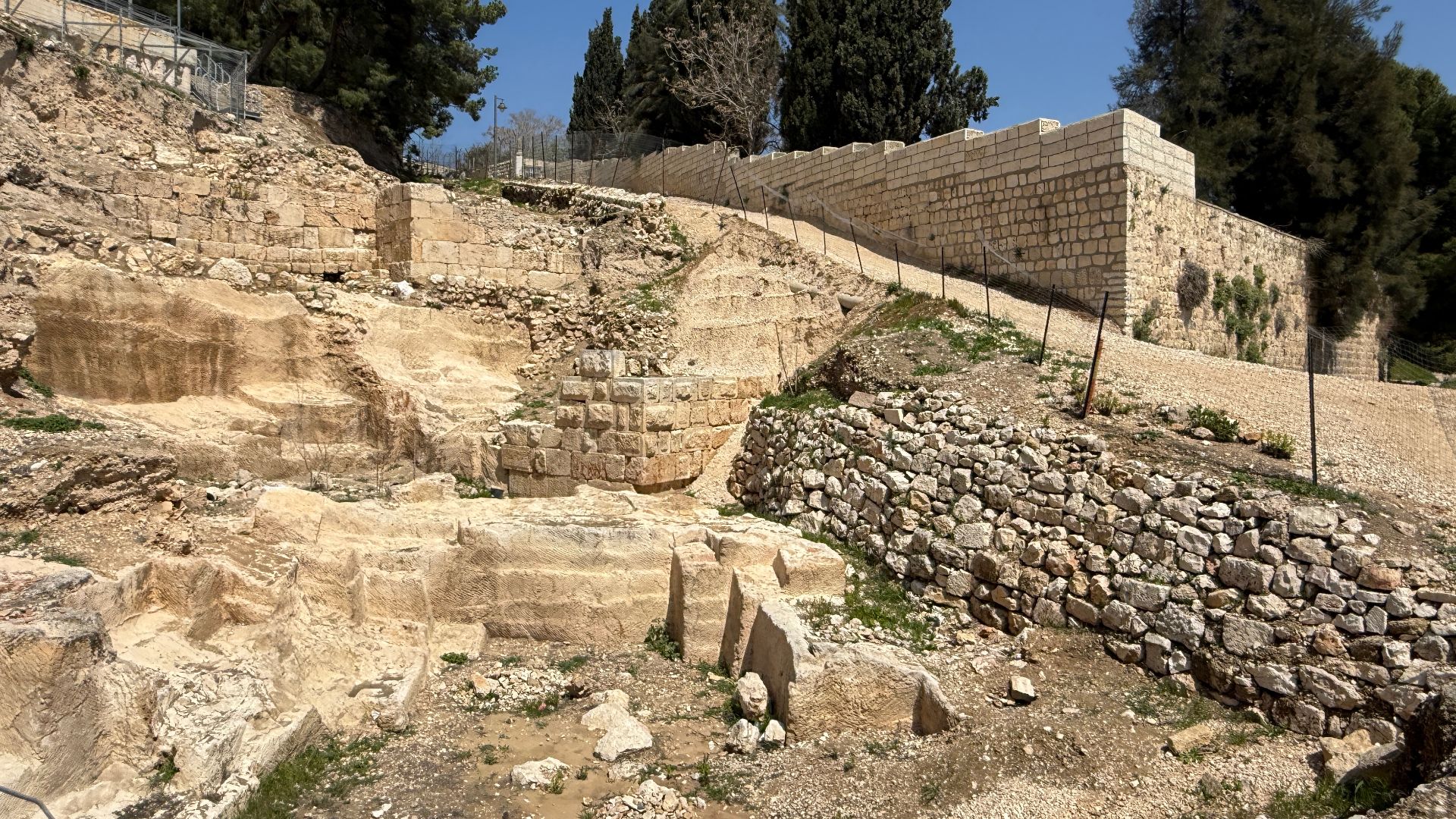 Unknown authorUnknown author, Wikimedia Commons
Physical Specifications
The fortification's sheer scale demonstrated Hasmonean military engineering prowess. Each stone was meticulously dressed with a raised central boss, a hallmark of the period's construction technique. Re'em estimated construction occurred no earlier than 140 BCE, when the dynasty was firmly established.
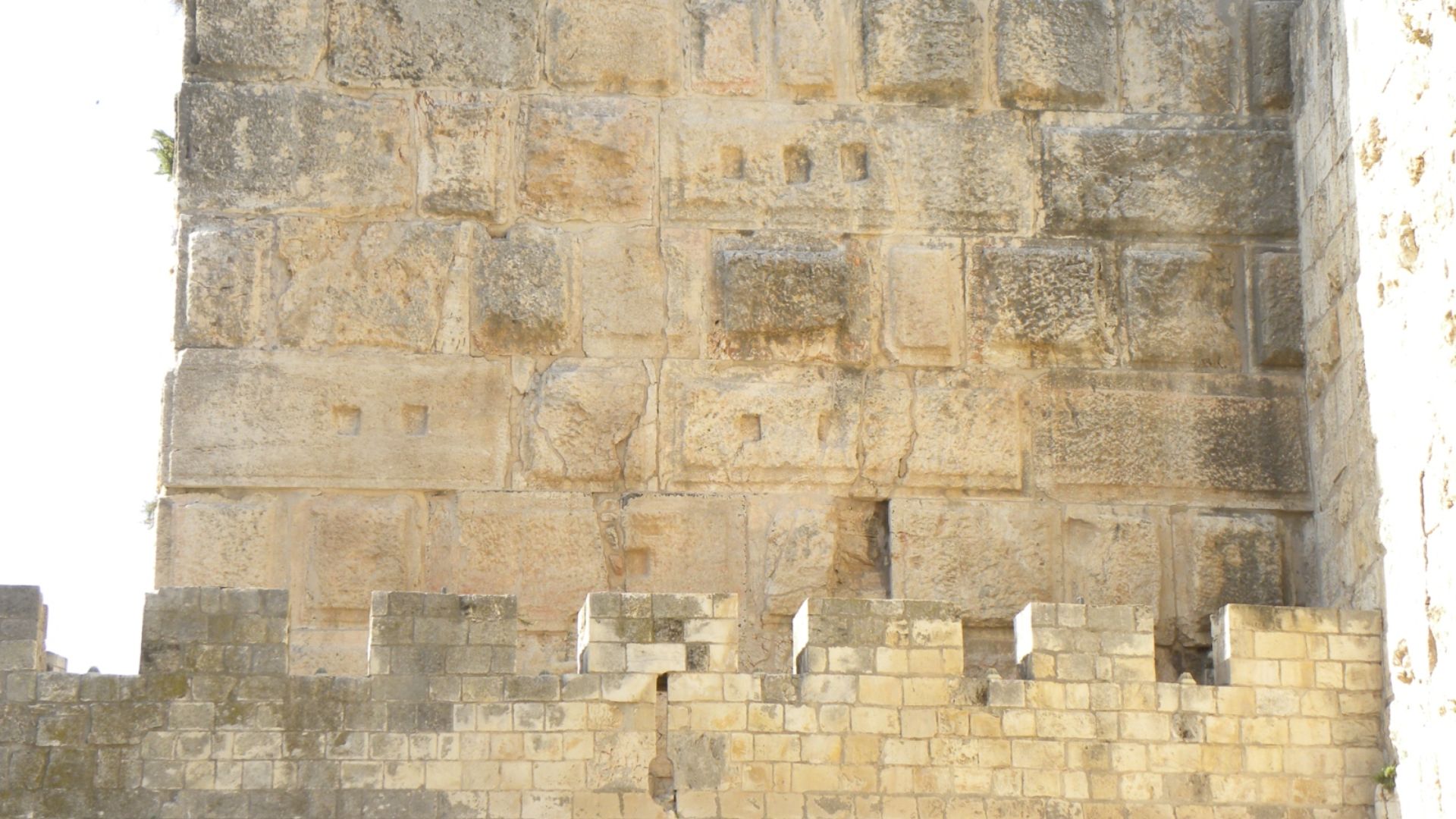
Announcement Made
On December 8, 2025, just days before Hanukkah, the Israel Antiquities Authority and Tower of David Museum publicly announced the discovery. The timing proved symbolically decisive, revealing Hasmonean-era fortifications immediately before the festival commemorating Hasmonean victory. Media worldwide covered the finding. Dr Re'em called it “the magic of Jerusalem”.
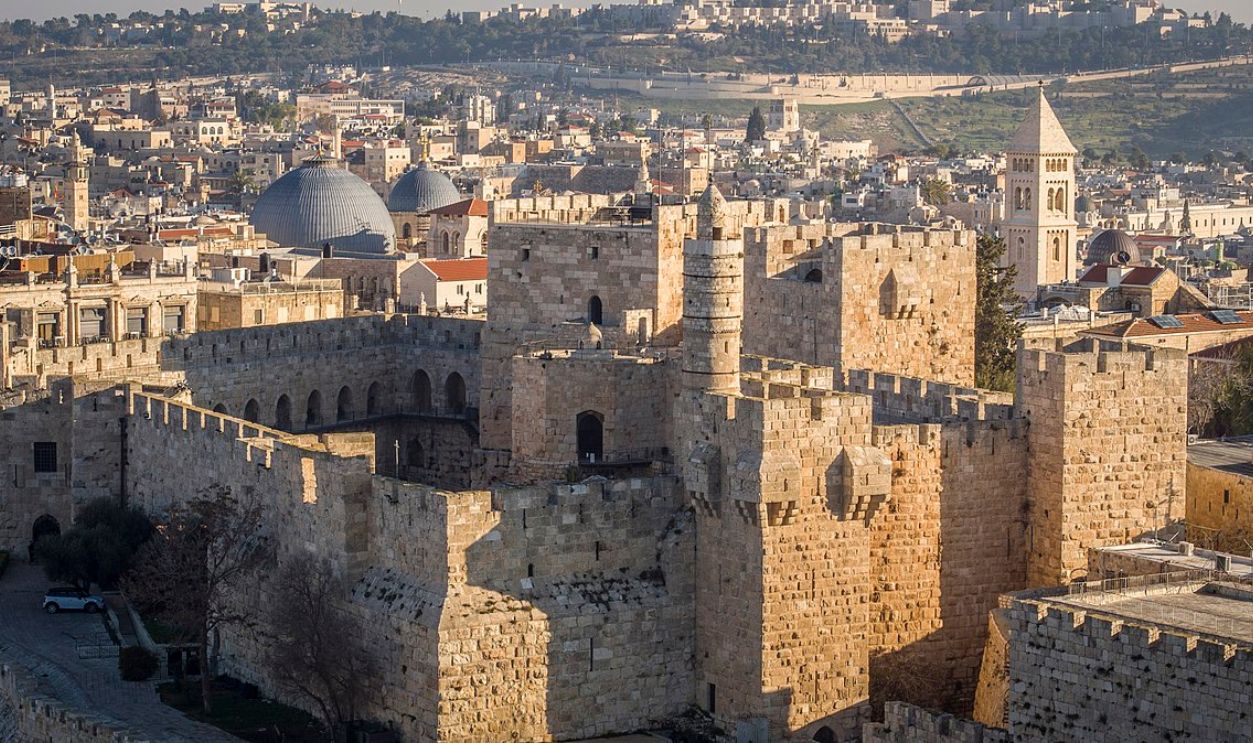 Uri Aloni, CC BY-SA 4.0, Wikimedia Commons
Josephus Validation
Flavius Josephus provided the important textual evidence archaeologists needed. In Antiquities of the Jews, he described how John Hyrcanus agreed to dismantle Jerusalem's fortifications after Antiochus VII's siege. Josephus wrote that Antiochus "broke up the siege and departed" only after the walls were "pulled down”.
 William Whiston (originally uploaded by The Man in Question on en.wikipedia.org), Wikimedia Commons
Ceasefire Theory
Re'em believes the wall's condition provides archaeological proof of the 134 BCE ceasefire agreement. The uniform height of remaining stones suggests deliberate, organized dismantling rather than destruction from battering rams or fire. Workers apparently removed upper courses methodically, leaving foundations intact.
Alternative Hypotheses
Not all archaeologists agree with the ceasefire interpretation. Dr Orit Peleg-Barkat from Hebrew University's classical archaeology department proposes a different explanation. King Herod's palace construction. She notes that other Hasmonean wall sections discovered elsewhere in Jerusalem weren't dismantled, suggesting localized rather than citywide demolition.
 Berthold Werner, Wikimedia Commons
Comparative Evidence
The Kishle excavation highlighted multiple historical layers beyond the Hasmonean wall. An even older wall from the First Temple Period, dating to King Hezekiah's 8th-century BCE reign, rests on bedrock below. Radiocarbon dating continues on these earliest remains. Above the Hasmonean foundations lie traces of Herodian palace walls.
Historical Importance
This discovery ranks among Jerusalem's most significant archaeological finds for multiple reasons. It provides the longest intact Hasmonean wall section ever uncovered, revealing the fortification's complete width for the first time. The site connects physical evidence to specific historical events documented by Josephus.
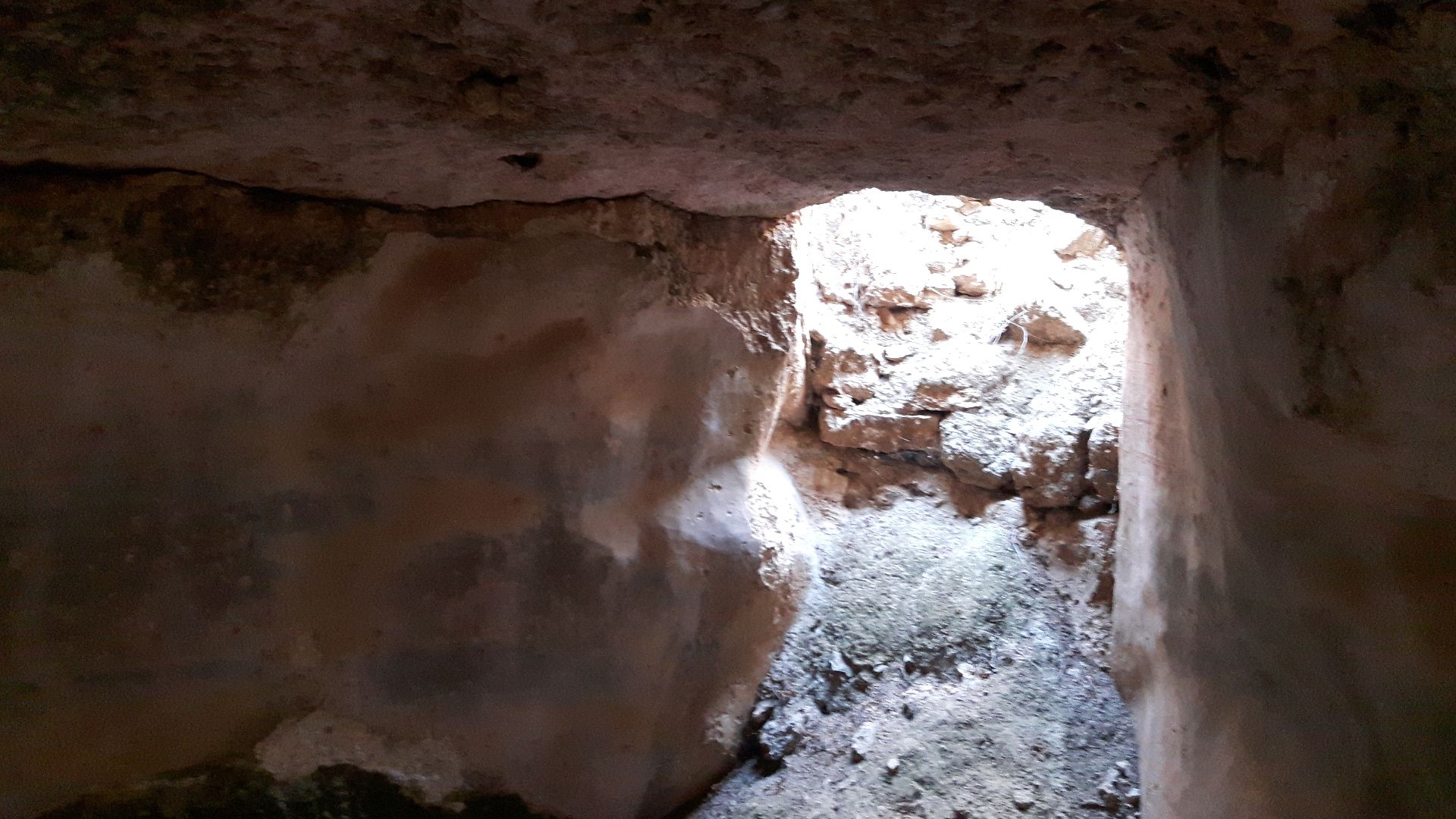 Owenglyndur, Wikimedia Commons
Museum Integration
The Tower of David Museum plans to convert the Kishle into the Schulich Wing for Archaeology, Art, and Innovation. Visitors will walk on transparent glass floors suspended above the ancient stones, viewing 2,800 years of history. Contemporary Israeli artists will create installations blending modern art with archaeological remains.