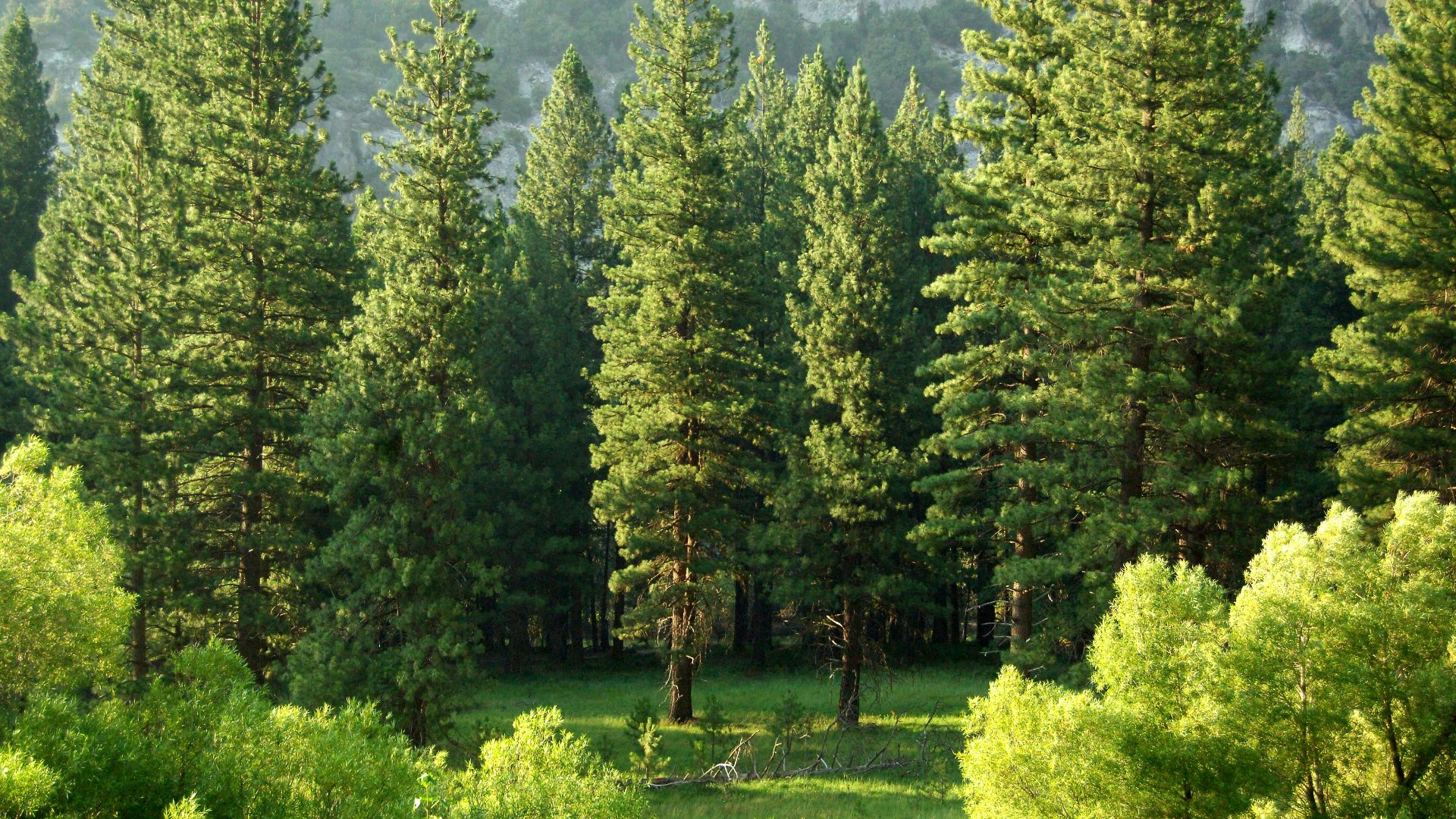
Look up at the night sky and you might feel dwarfed by the glimmer of countless stars. Now shift that view downward, press your mind to the ground and the green world under your feet—and you’ll find something almost unbelievable: there is a possibility that Earth has more tree trunks rooted than the total number of stars in our galaxy.
Let that sink in, then keep reading: you’re about to explore why this fact matters and what it says about our place in space, right here on our home planet.
Trees Vs Stars: The Numbers
As the saying goes, numbers don’t… lie.
And so, scientists estimate that Earth hosts about 3.04 trillion trees. Meanwhile, our galaxy—the Milky Way—contains between 100 billion and 400 billion stars (WorldAtlas).
Putting that side by side gives you a sense of scale: the trees win by a long shot.
How Scientists Arrive At These Figures
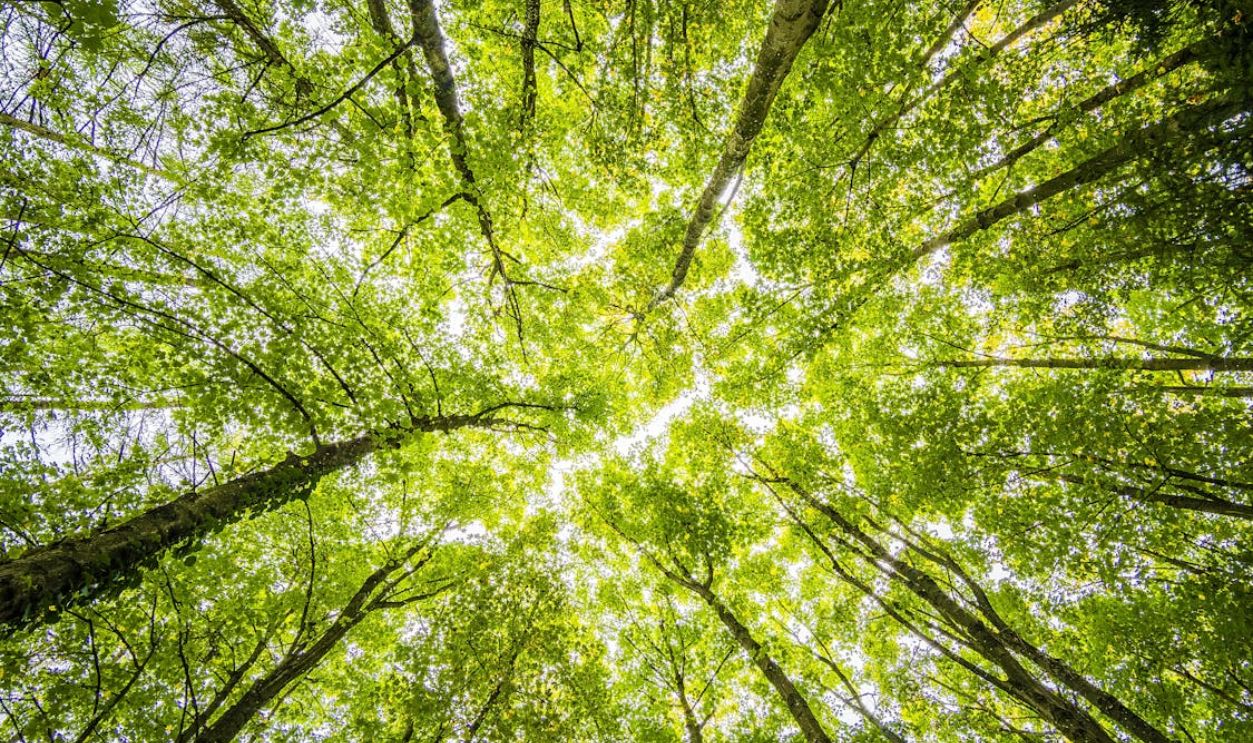
To estimate tree numbers, researchers used more than 400,000 ground plots across forests and other biomes, then matched those to satellite data and modeling. That enabled a global projection of 3.04 trillion.
For stars, astronomers look at the mass of the Milky Way and infer how many stars that mass corresponds to, factoring in dark matter and other unseen material. The process contains uncertainty, but the best available numbers still point to far fewer stars than trees. And that gap is real.
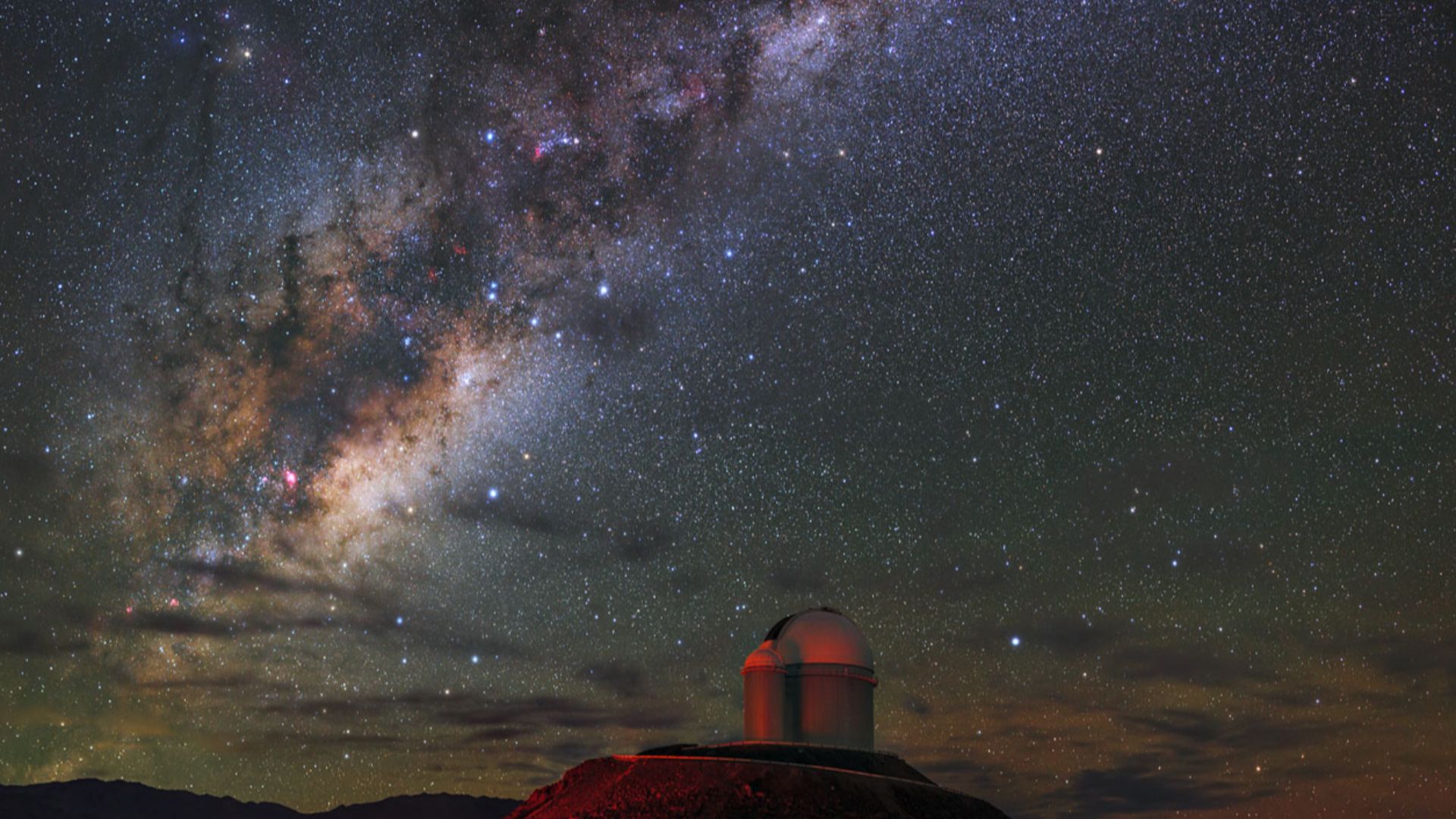 European Southern Observatory, Wikimedia Commons
Why This Surprising Outcome Makes Sense
Though stars are immense and dominant in our imagination, they are scattered across enormous distances—light-years apart. Meanwhile, trees are much smaller but packed densely into forests, woodlands, and even urban greens. Because of this density, Earth can host trillions of them. That explains the discrepancy.
That said, the difficulty of both counting trees and counting stars means we work with estimates, not precise tallies.
What It Means For You
When you walk under a tree’s canopy or through a forest walkway, remember you’re immersed in a global network of living things that together outnumber the stars above.
That perspective invites respect and action. Trees store carbon, support biodiversity, regulate climate—they’re a keystone of life on Earth. And knowing they outnumber stars doesn’t just add a fun fact to your mental library—it reinforces the idea that the ordinary world around you holds extraordinary scale.
Take a moment next time you’re around trees: breathe deeply, feel the shelter of leaves overhead, the roots underfoot, and the meaning in standing among something that spans billions. Then think about what you might do to support that network: perhaps plant a tree, protect a patch of woods, or simply care a little more about what grows around you. Because in this comparison—trees vs stars—you’re tied to something immense and vital, anchored on Earth but reaching for understanding of the cosmos too.