Desert stories tend to sound exaggerated, yet camel eyes bring real science to scenes people imagine from old adventure films. As sand blitzes the air like flying grit and light bounces off dunes with a sharp glare, the camel moves through that chaos with adaptations that effectively mitigate the environmental intensity. How? Nature does its magic: three eyelids with double rows of long lashes and a protective membrane give these animals the tools needed to keep vision steady in conditions that would have most people squinting within seconds. It’s no wonder that this animal was named the ship of the desert.
Storm Shields Made From Skin And Sand Sense
Camel eyes rely on an unusual three-eyelid structure. The first two work like the upper and lower lids familiar to you, but the third acts as a transparent sweep across the surface. It moves sideways and covers the eye without blocking visibility, which helps a camel walk through sandstorms while still spotting obstacles. This membrane catches blowing grit and keeps the eye moist in dry air that pulls water from every surface. Harsh winds in desert regions can throw particles with enough force to irritate or scratch, yet the extra layer absorbs the impact long before it reaches delicate tissue. You see a system built for constant motion through places where storms appear without warning.
Because storms are only one threat, camels use this eyelid to reduce sun glare as well. Light bouncing off dunes hits the eye from multiple angles, creating a visual strain many travelers describe as blinding. This applies to camels too, but the third eyelid membrane softens that glare so vision stays sharp during long treks. This unique ability lets a camel scan for predators, spot water sources, and track the herd even under mid-day brightness without visual impairment that might affect its vision. As you follow along, the pattern becomes clear: desert survival depends heavily on reliable sight, and camels have a built-in strong defense system to protect it.
Lashes That Double As Desert Goggles
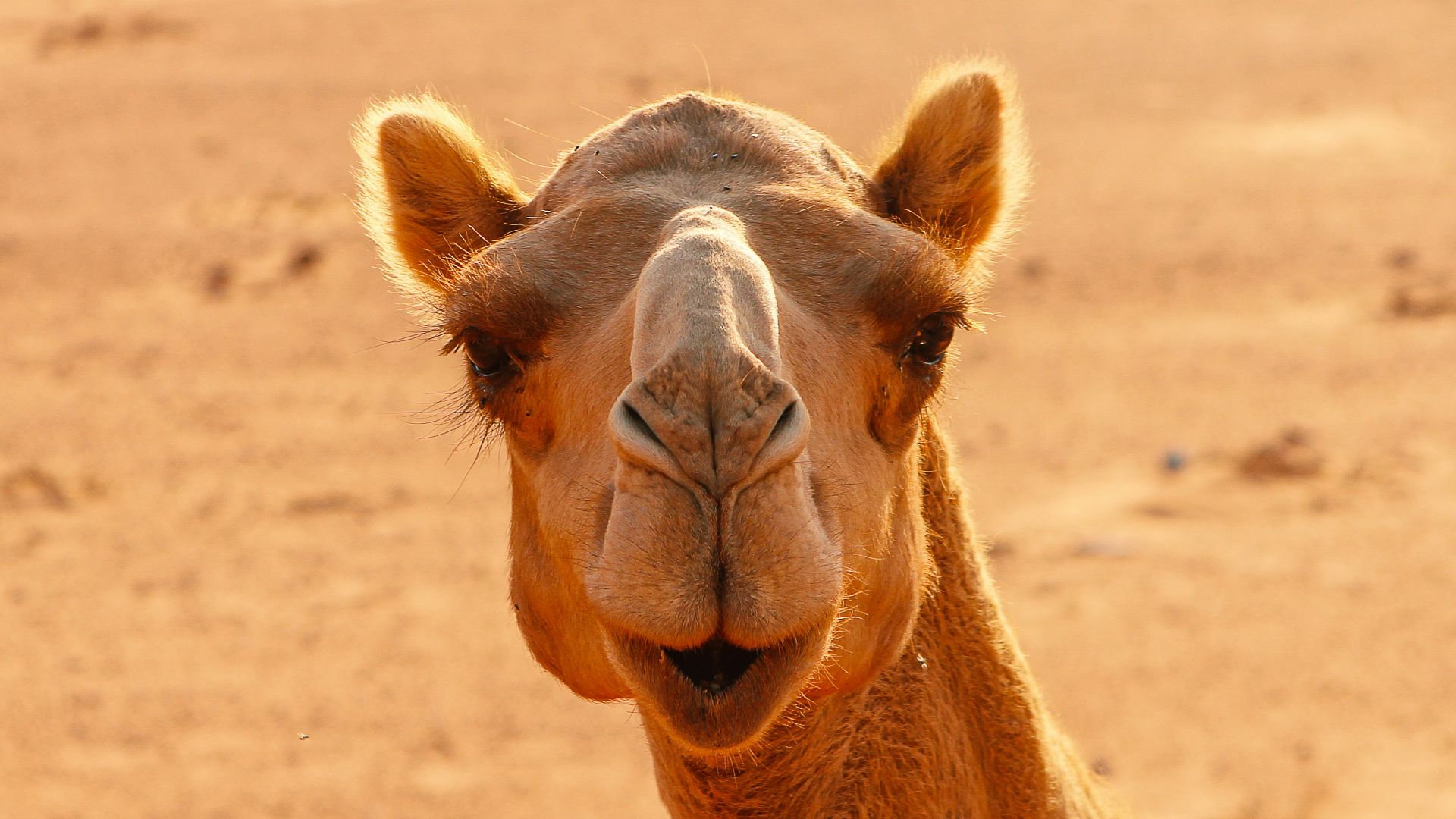
Moving from eyelids to eyelashes builds the next link. Camel lashes grow in long, thick rows that act like tiny fences catching drifting sand before it comes close to the eye. Two layers strengthen that barrier. The rows interlock, with the upper lashes extending downward and lower lashes upward, which creates a narrow gap that slows airflow. Sand loses momentum as it hits the lashes, giving the eyelids more time to block particles. That combination works like wearing wrap-around goggles without the plastic. Anyone who has felt a strong gust on a dry day knows how hard it is to keep eyes open, yet camels manage that feat in winds stronger than most people ever face.
This magnificent lash structure also lowers the rate of evaporation. Dry desert air pulls moisture from exposed surfaces, including the eye. By creating a sheltered zone across the eye, the lashes help hold that moisture in place. More moisture means clearer sight and healthier tissue, and those gains matter over the long distances camels walk each day. From caravans across centuries to modern herding routes, animals with stronger vision simply last longer in moving sand, which also keeps travelers safe. This tiny yet important detail ties the eyelash system back to survival, as it keeps the flow from storm protection to daily life steady.
Seeing The Desert For What It Really Is
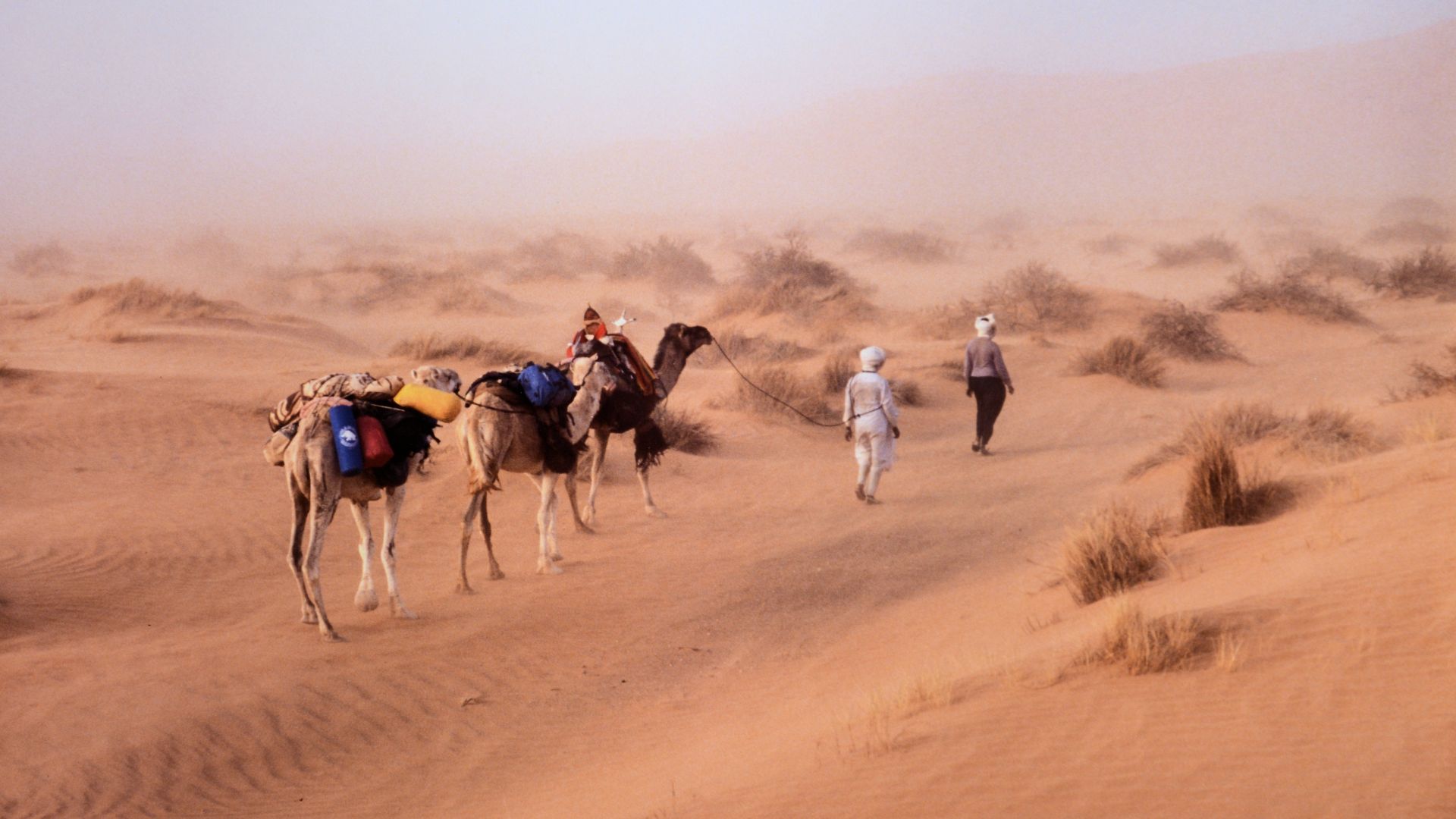
A camel’s vision supports all these defenses. Their wide field of view lets them scan open terrain for miles, and their eyes sit high enough to catch movement across shifting ground. That height advantage helps them detect patterns in sand, including subtle ridges formed by wind, which indicate where footing stays firm. As dunes reshape, camels rely on that sight to choose safe paths. Their ability to keep their eyes open during storms adds another benefit. Many animals freeze or huddle when visibility drops, but camels continue forward. That steady motion helps them stay with the herd and maintain direction in conditions where sound becomes muffled by wind. A person caught in a storm may lose bearings within minutes, yet camels read light and shadow even through blowing sand.
 Heribertus2, Wikimedia Commons