
When you gaze at the morning sky, you expect a planet’s day to be shorter than its year. But on Venus, that rule flips on its head in a way that makes you reconsider how time really flows in the solar system. With its thick clouds swirling and a sun that would creep across the horizon for months, Venus invites you to stretch your ideas of a “day” and a “year”.
Read on to explore a planet where one day lasts so long that your next sunrise would come after your next birthday.
Slow Spin, Fast Orbit
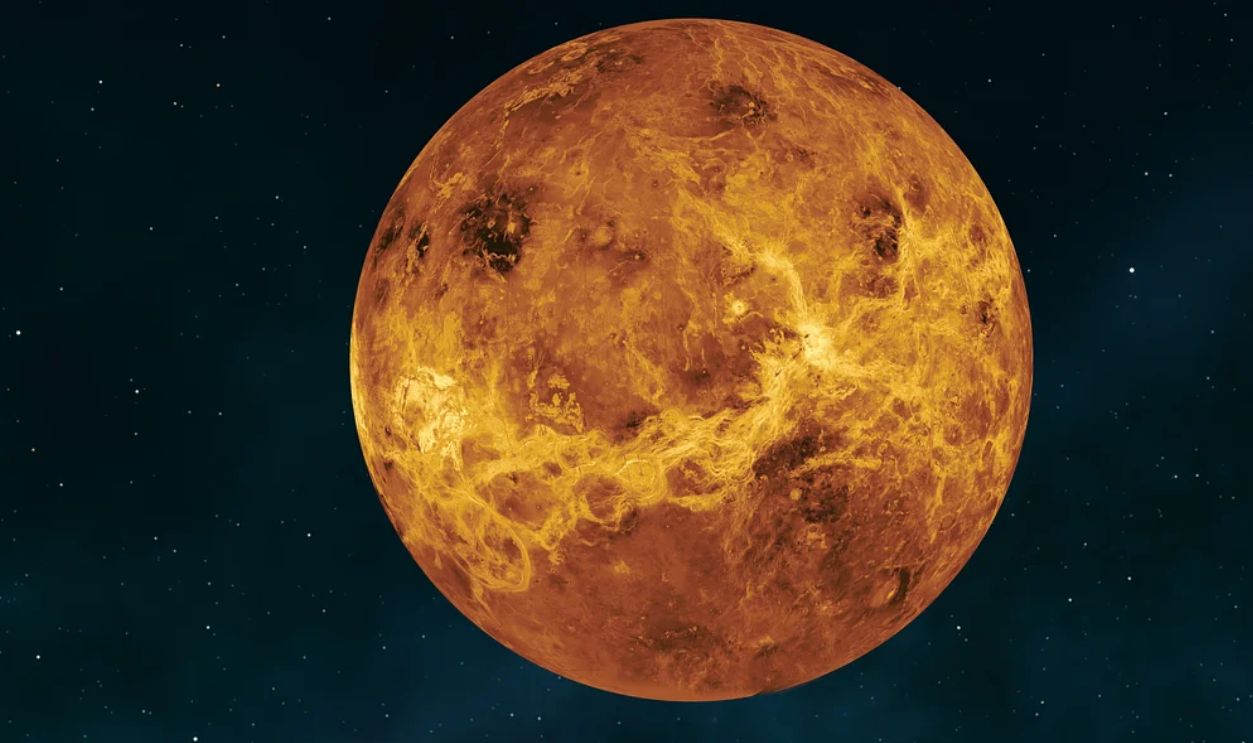
Here’s the first surprising fact: Venus takes approximately 243 Earth days to complete one full rotation on its axis (this is its sidereal day). This means that if you stood on Venus and tracked the stars, you wouldn’t see familiar patterns every few days; you’d wait around eight months before making one spin.
A Year That Zips By In 225 Days
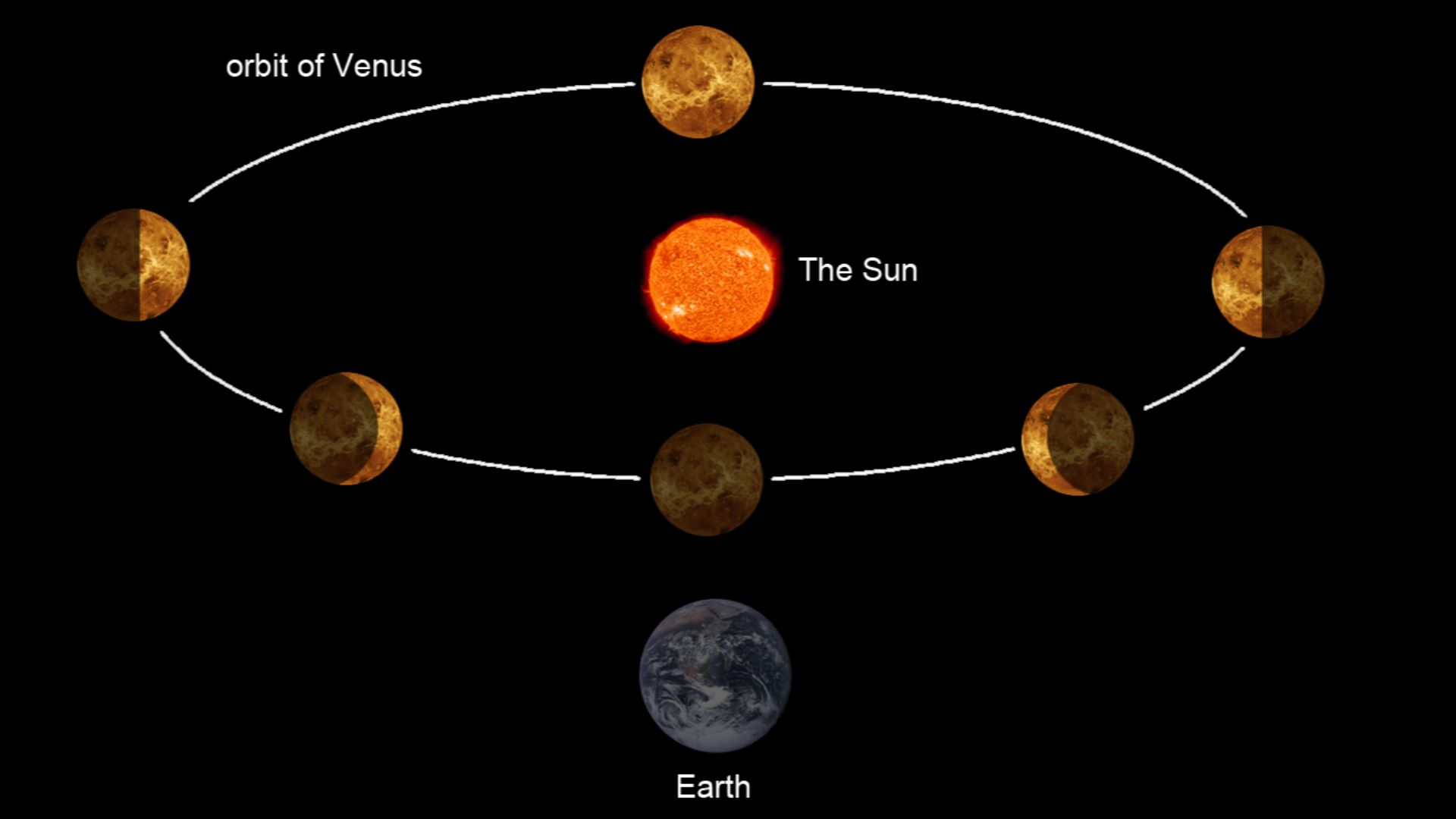
Venus goes around the Sun in about 225 Earth days. That tells you that one “year” on Venus (the time it takes to complete its circuit around the Sun) is shorter than its spin period. So a day lasts longer than a year.
The Sun Rises In The West—Because Of Retrograde Rotation
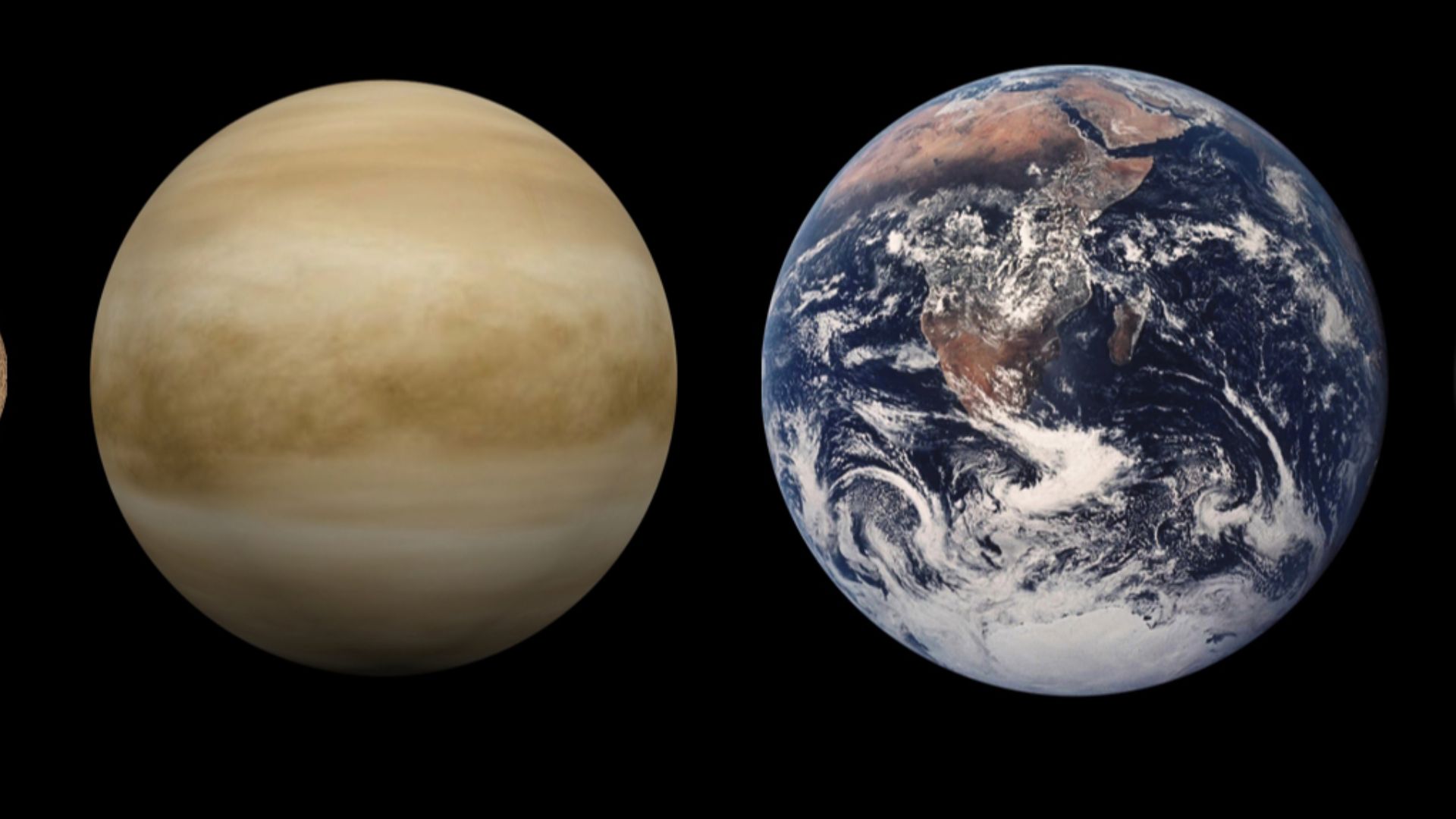
Another twist? Venus moves in the opposite direction to most planets. Because of its retrograde motion, the Sun would appear to rise in the west and set in the east if the skies were clear. Its slow, backward spin makes a “day” on Venus feel completely unlike Earth’s quick 24-hour cycle.
 wikipedia user Brian0918, Wikimedia Commons
How Does Time Feel On Venus?
Think of sleeping through spring, summer, and autumn—all within the span of one sunrise to the next. With the solar day (the span from one sunrise to the next) on Venus measured at around 116.75 Earth days, you’d still wait nearly four months for the Sun to return to the same spot in the sky.
In effect, life on Venus, if life were possible at the surface, would proceed under vast stretches of daylight or darkness that dwarf an Earth week of dawn and dusk.
Why Does All This Happen?
The ratio between Venus’s spin period and its orbit is driven by a combination of its slow rotation and relatively fast orbit. The slow spin may stem from early massive impacts, tidal forces from the Sun, and interactions between the dense atmosphere and the solid body of the planet.
Together, these factors created a situation where the time taken to spin once exceeds the time taken to go around the Sun.
 NASAImage modified by Jcpag2012, Wikimedia Commons
Why It Matters
This odd time pattern tells you how planetary motion, atmospheric dynamics, and solar system history intertwine. It’s a reminder that planets don’t follow Earth’s schedule, and that our “day-and-year” concept is only one possibility among many. If you’re curious about exploration, planetary science, or simply how weird nature can get, Venus makes you stop and look at time in a new way.
So next time you watch a sunset, remember: on Venus, one sunset could last the entire span of what we call half a year. Now there’s a way to stretch your perspective.