

On a map, Antarctica reads like the final frontier, a place where the rules of the natural world work a little differently. The idea that an entire continent covered in ice qualifies as a desert doesn’t match how we use the word in everyday life. Most people imagine deserts as sun-bleached dunes and shimmering heat, not a frozen expanse stretching farther than the eye can measure. Yet scientists have a different definition, and once you hear it, the icy area starts to make more sense. It helps to think less about sand and more about scarcity, because dryness defines a desert far more than temperature ever could.
A Desert Built From Cold Instead Of Heat
The standard idea of a desert focuses on dryness, is all about annual precipitation, and Antarctica barely receives any. The interior of the continent averages less than two inches of moisture per year, which makes it drier than the Sahara. Storms rarely form over the South Pole because cold air can’t hold much water vapor. When there’s nothing to release, there’s nothing to fall, so the region stays locked in a permanent state of dryness. The ice sheet that blankets the continent didn’t build up because of heavy snowfall. Instead, it formed from layers of tiny snow deposits compressed over millions of years.
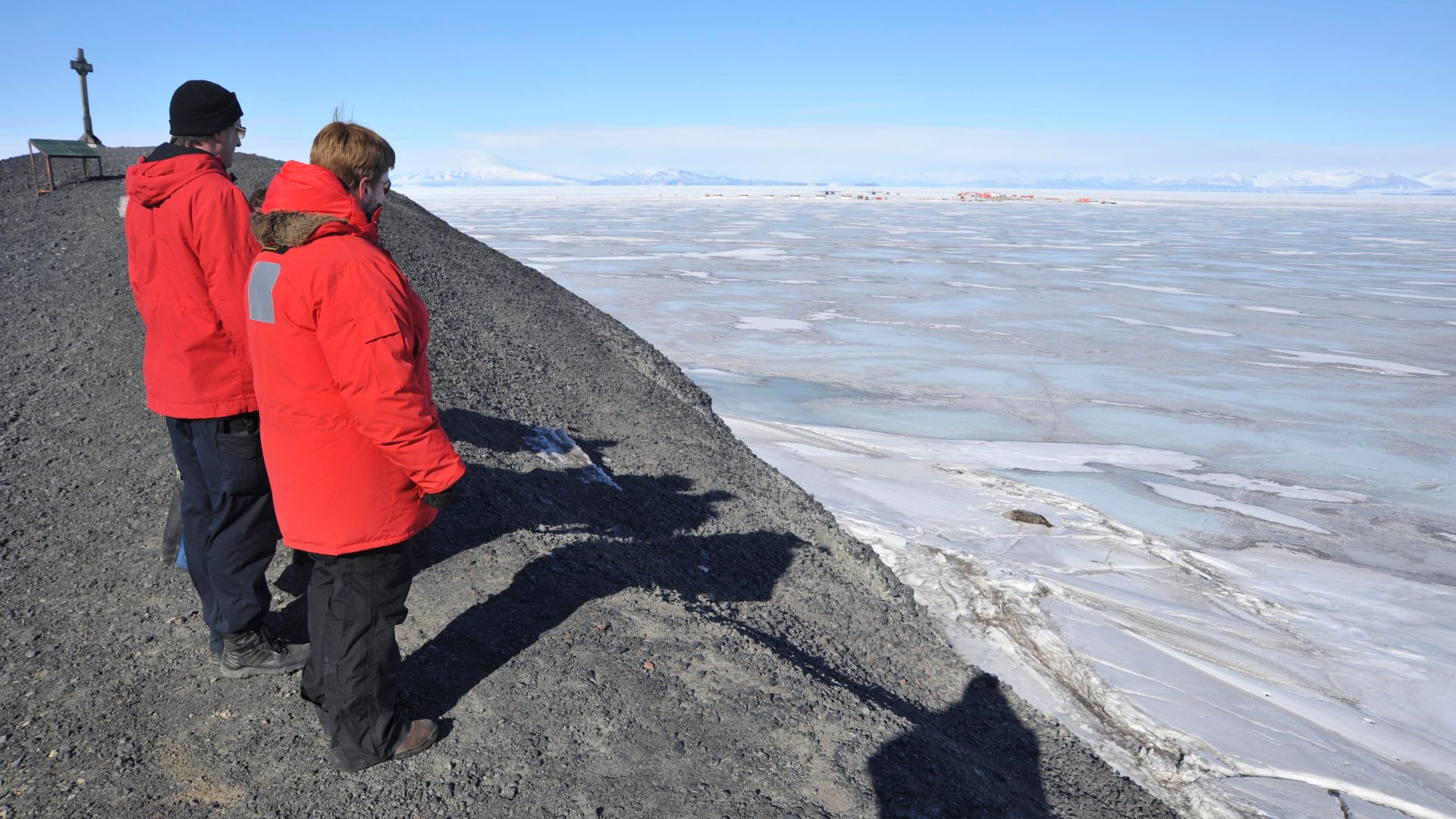
In the McMurdo Dry Valleys, the ground is so bare and wind-scoured that it resembles the surface of Mars. Scientists use the area to study conditions similar to those on other planets because it offers a rare look at how life survives where moisture barely exists. What surprises many visitors is how the terrain holds a quiet complexity, with scattered boulders, polished gravel, and ancient salt deposits telling a slow story about a place shaped by wind and an absence of the weather patterns we expect from Earth’s more familiar areas. Heat creates one version, cold creates another, and both can be equally unforgiving.
Life Finds A Way In A Place That Barely Allows It
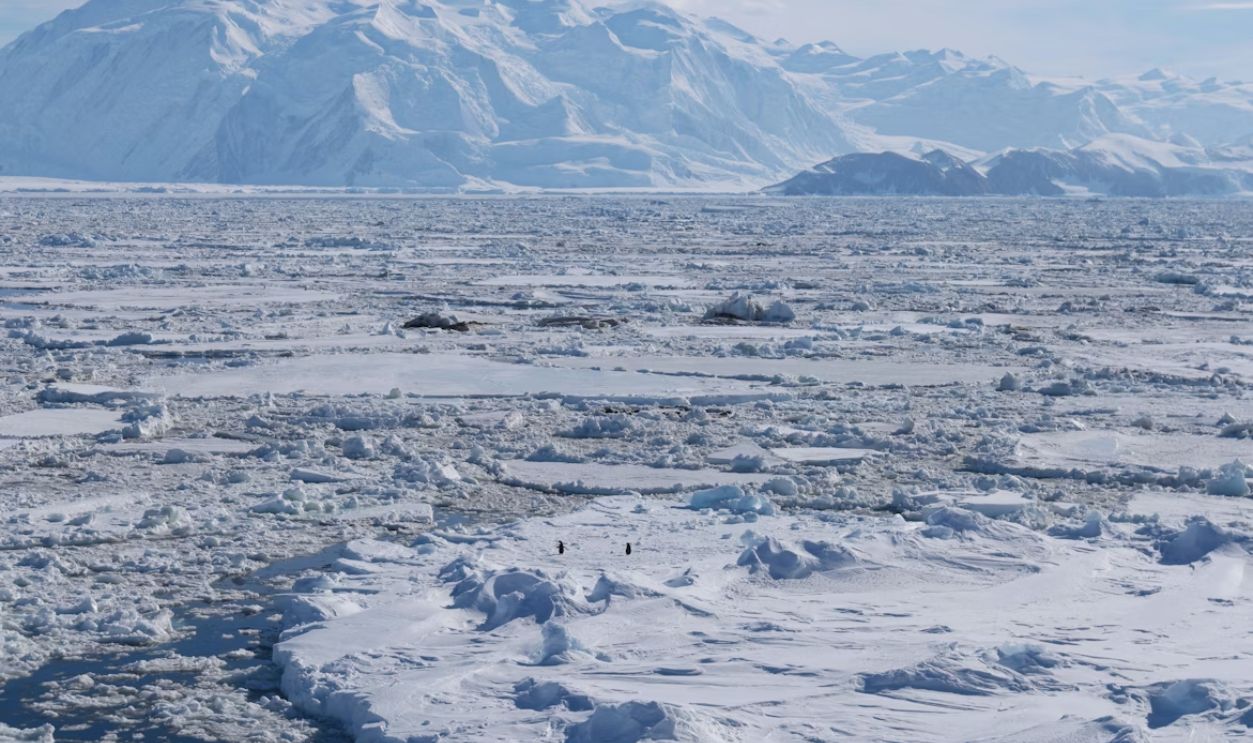
Because Antarctica is technically a desert, its ecosystems behave in surprising ways. There are no trees or flowering plants across the continent except for two hardy species that cling to the edges where temperatures rise slightly in summer. Most life exists along the coast where the ocean provides nutrients and temperatures are more stable. Penguins, seals, and seabirds thrive there, yet the interior remains so dry and inhospitable that almost nothing larger than a microbe can survive. Microbial communities live inside rocks, using tiny pockets of moisture trapped within mineral grains. Some organisms even go dormant for years.
Even the bright green and orange patches on exposed stones come from slow-growing lichens that take decades to expand. It’s a kind of life that measures time differently and survives by understanding patience as a strategy. That contrast between the bustling edges and the silent interior shapes everything about the continent. It also explains why research stations cluster near the coast. Scientists rely on supply ships and airplanes, and those can’t operate in the extreme dryness and stability of the central plateau. The coastal zones offer the closest thing Antarctica has to livable conditions.
An Area Shaped By Extremes
Antarctica’s title as the largest desert doesn’t lessen the power of its ice. The continent holds nearly 70% of the planet’s fresh water, locked in ice sheets that reach thousands of feet thick. That ice moves slowly toward the coast, breaking into towering icebergs that drift across the Southern Ocean. The harsh dryness also fuels Antarctica’s famous winds. When cold, dense air slides off the high plateau toward the coastline, it accelerates into katabatic winds that can reach hurricane force. These winds scour the ground and keep snow from settling. They push sea ice out to open water and create the bizarre weather that makes the continent feel otherworldly.
Despite the difficult environment, Antarctica plays an important role in regulating global temperatures. The bright surface reflects sunlight back into space, and the cold waters surrounding the continent drive ocean currents that spread heat around the planet. In that sense, the desert at the bottom of the planet helps keep the rest of Earth in balance. Scientists around the world continue to study these changes because Antarctica’s future ties directly to ours. Exploring its mysteries offers a chance to see how the planet responds to pressure and how much of that response ends up shaping our own lives.
 US Embassy New Zealand, Wikimedia Commons