
Forgotten Clues
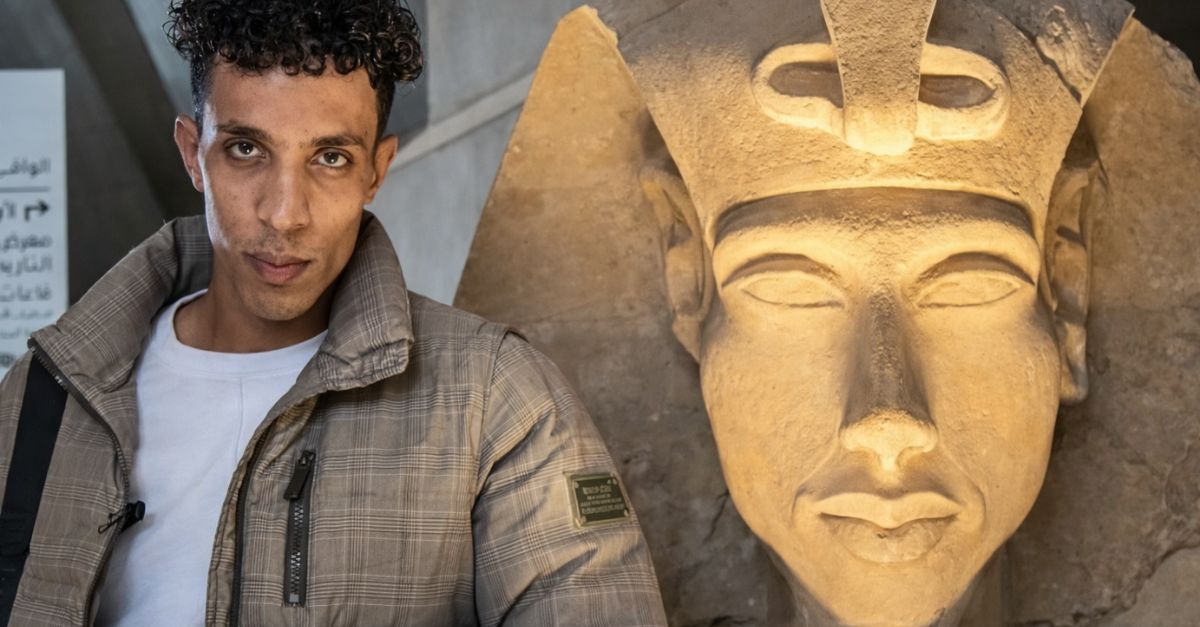
Ancient Egypt once attempted a religious transformation so radical it nearly vanished from history. Traces of that revolution continue to raise unsettling questions about how monotheistic belief may have first taken root.
This One Forgotten Pharaoh Still Raises Questions Today
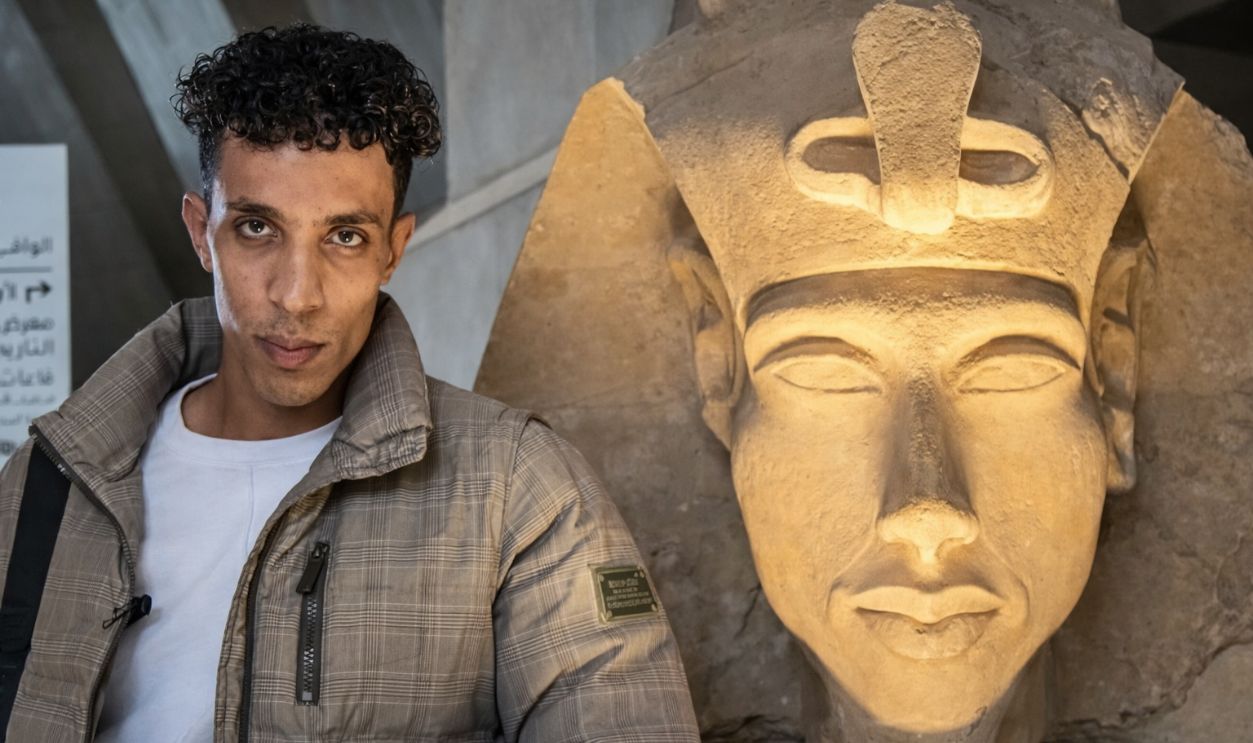
Akhenaten ruled Egypt more than 3,000 years ago, yet his reign continues to fascinate historians. Why? Religious reforms, abandoned cities, and deliberate erasure from official records set him apart from other kings and made his story one of the most unusual chapters in Egyptian history.
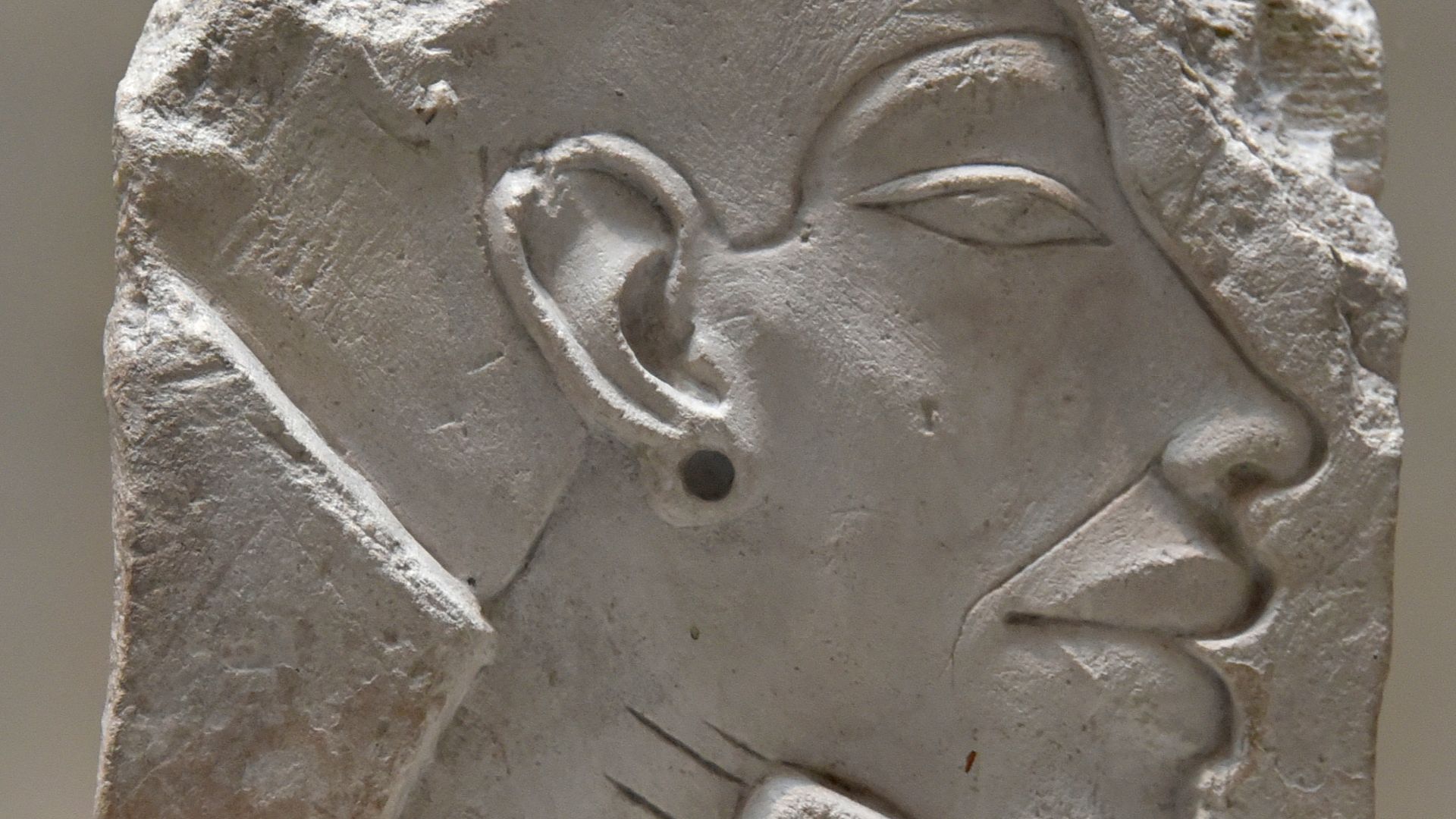 Osama Shukir Muhammed Amin FRCP(Glasg), Wikimedia Commons
Life In Ancient Egypt Before Everything Changed
Before Akhenaten’s rise, ancient Egypt thrived on traditions that had endured for centuries. Daily life revolved around agriculture and a vast pantheon of gods, supported by powerful priesthoods. Stability and continuity defined Egyptian society long before religious upheaval disrupted familiar patterns nationwide traditions.
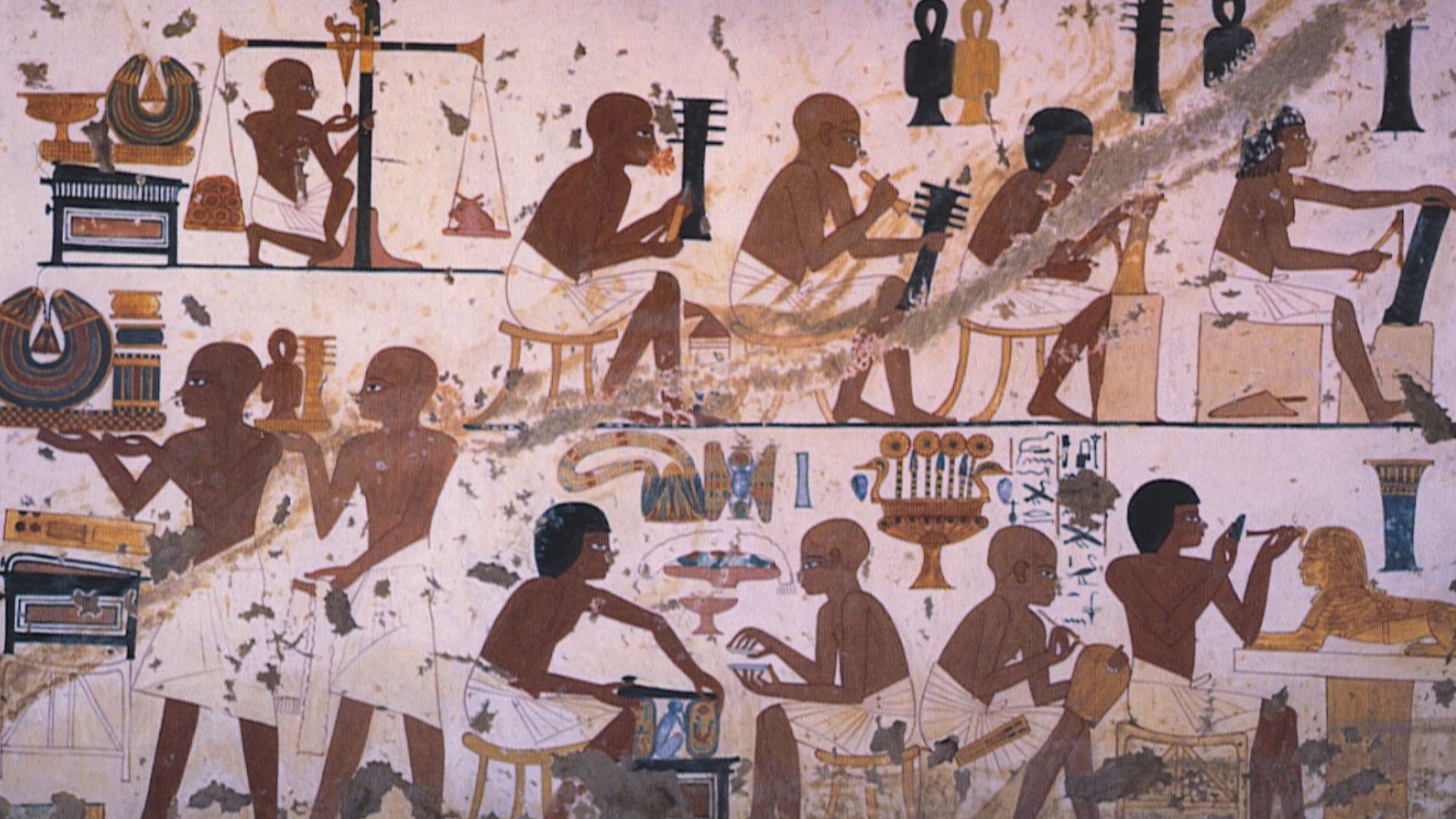
Until One Ruler Dared To Challenge The Gods
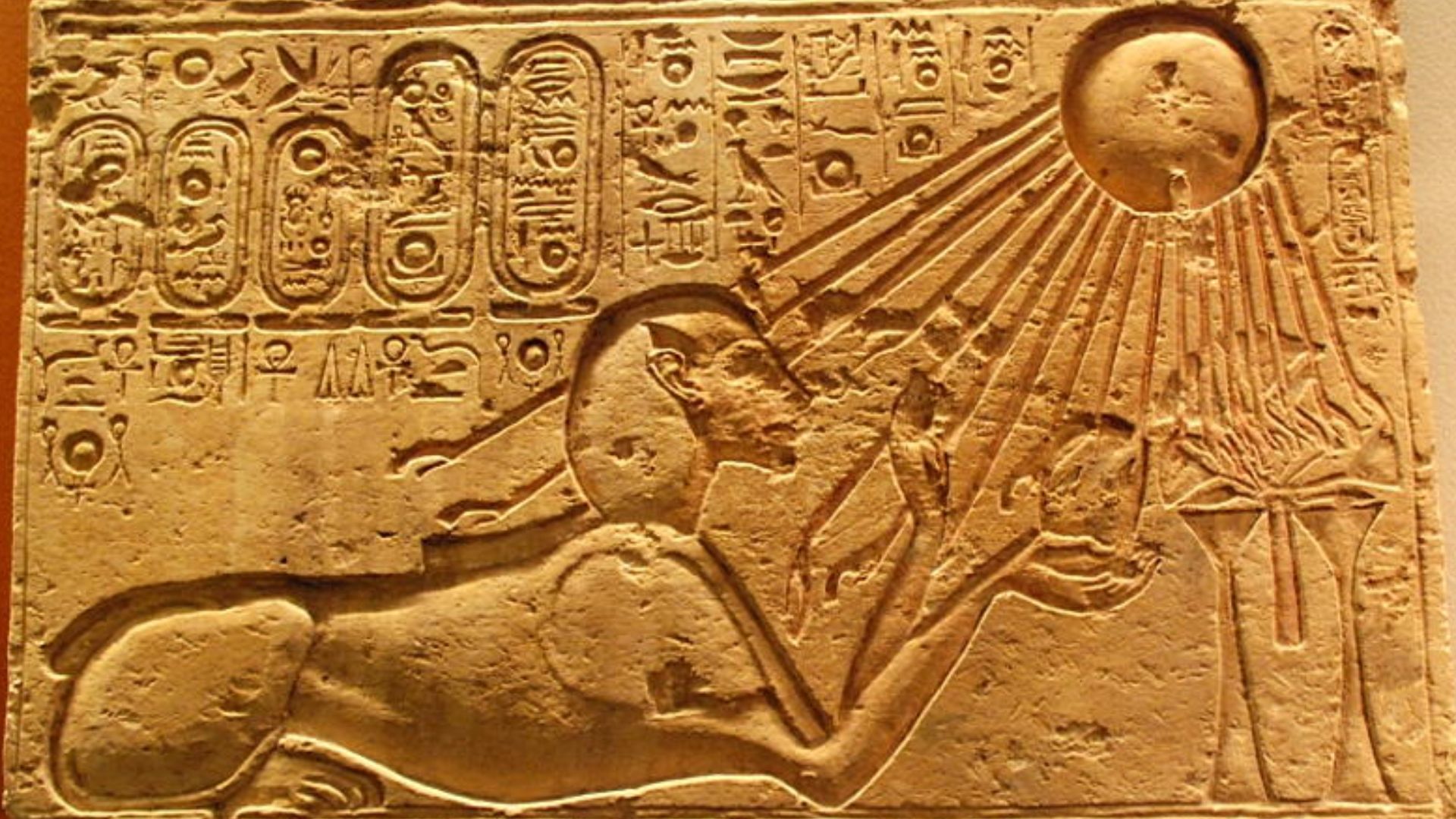
When Akhenaten became Pharaoh, he did something unprecedented by rejecting many traditional deities. He redirected worship toward Aten, the sun disk, which impacted long-established religious authorities. This decision disrupted political alliances and weakened temple power. In other words, it reshaped the relationship between the crown and the people.
 Hans Ollermann, Wikimedia Commons
With A Bold Vision Of A Single Divine Power
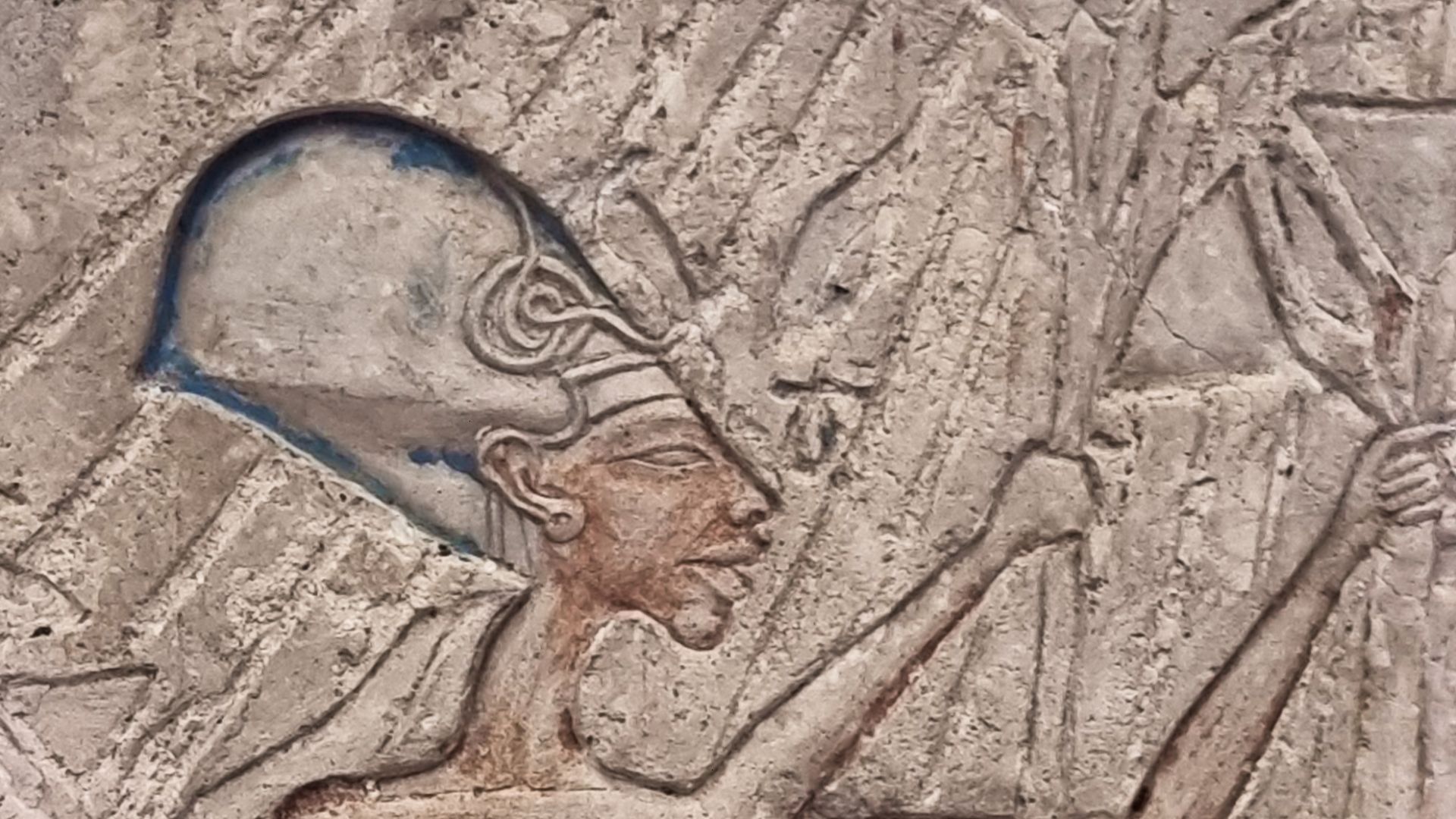
Akhenaten promoted Aten as the supreme, and possibly sole, divine force, marking a sharp break from Egyptian polytheism. Although scholars debate whether this was true monotheism, the emphasis on one god was extraordinary for its time and deeply influenced art and worship practices.
 Prof. Mortel, Wikimedia Commons
And A Religious Revolution That Shocked The Ancient World
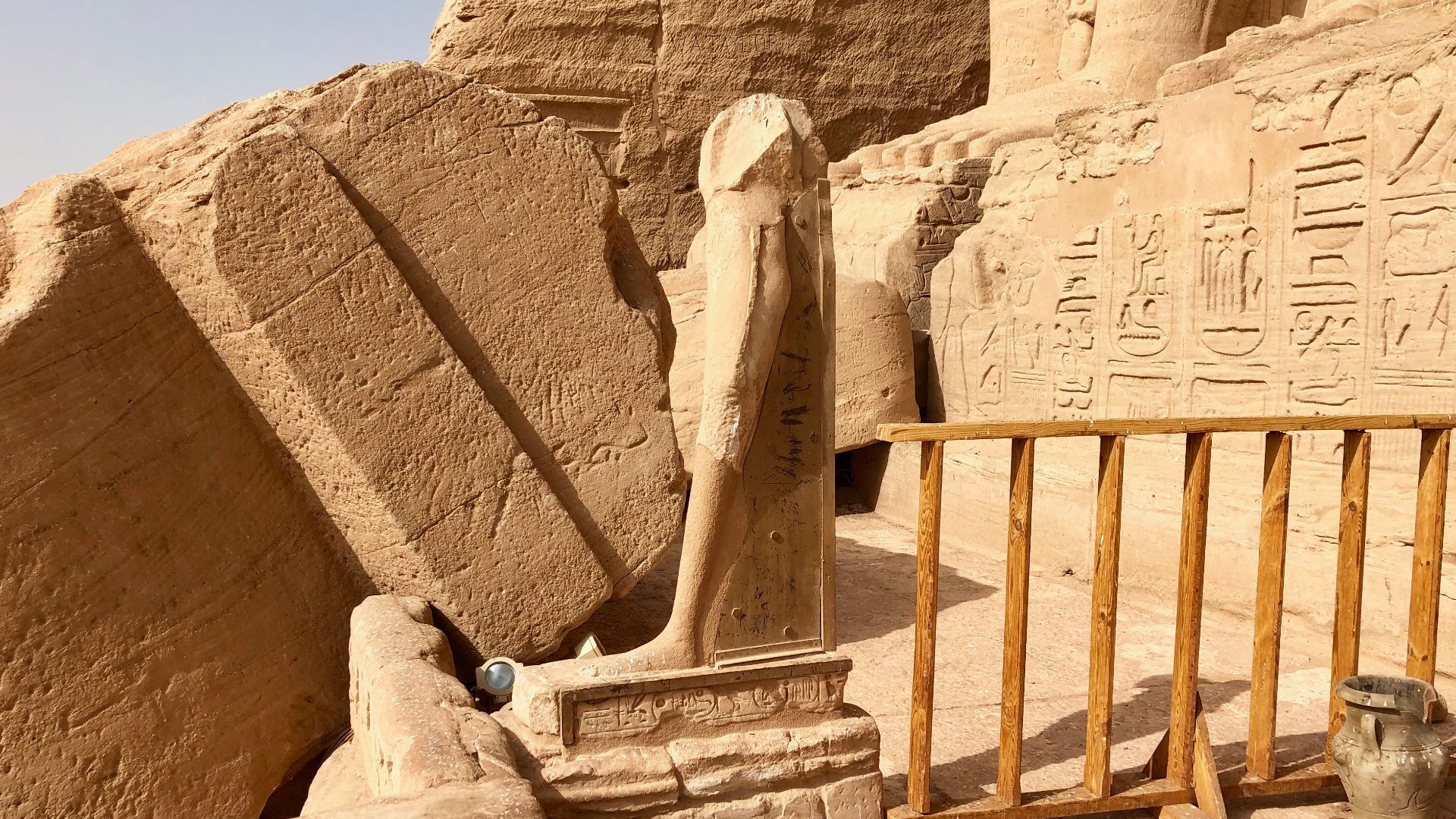
His reforms evolved rapidly and forced Egypt to abandon centuries-old religious customs. Temples to traditional gods were closed, and priesthoods lost influence. As the new forms of worship emerged, the Egyptian King made too many enemies. Such sweeping news made Egypt’s religious experiment both bold and deeply destabilizing.
 Warren LeMay from Cullowhee, NC, United States, Wikimedia Commons
A Radical Idea That Sounds Surprisingly Familiar
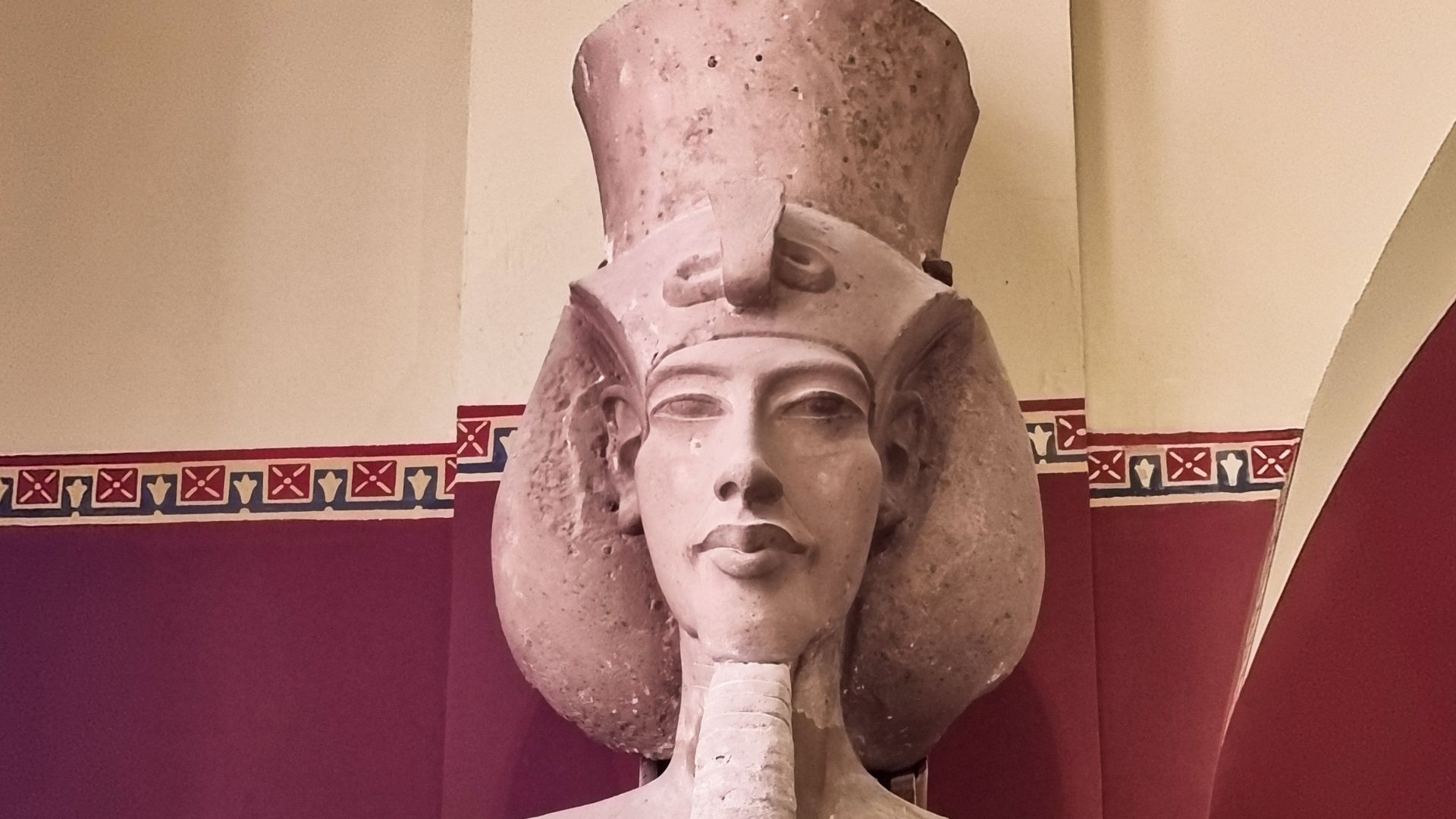
The concept of focusing devotion on a single divine source resonates strongly with later religious traditions. Historians note that this shift, while short-lived, introduced ideas about divine exclusivity and moral order that would later appear in other cultures, prompting ongoing debate about influence rather than coincidence.
 Prof. Mortel, Wikimedia Commons
And One Of History’s Most Influential Figures
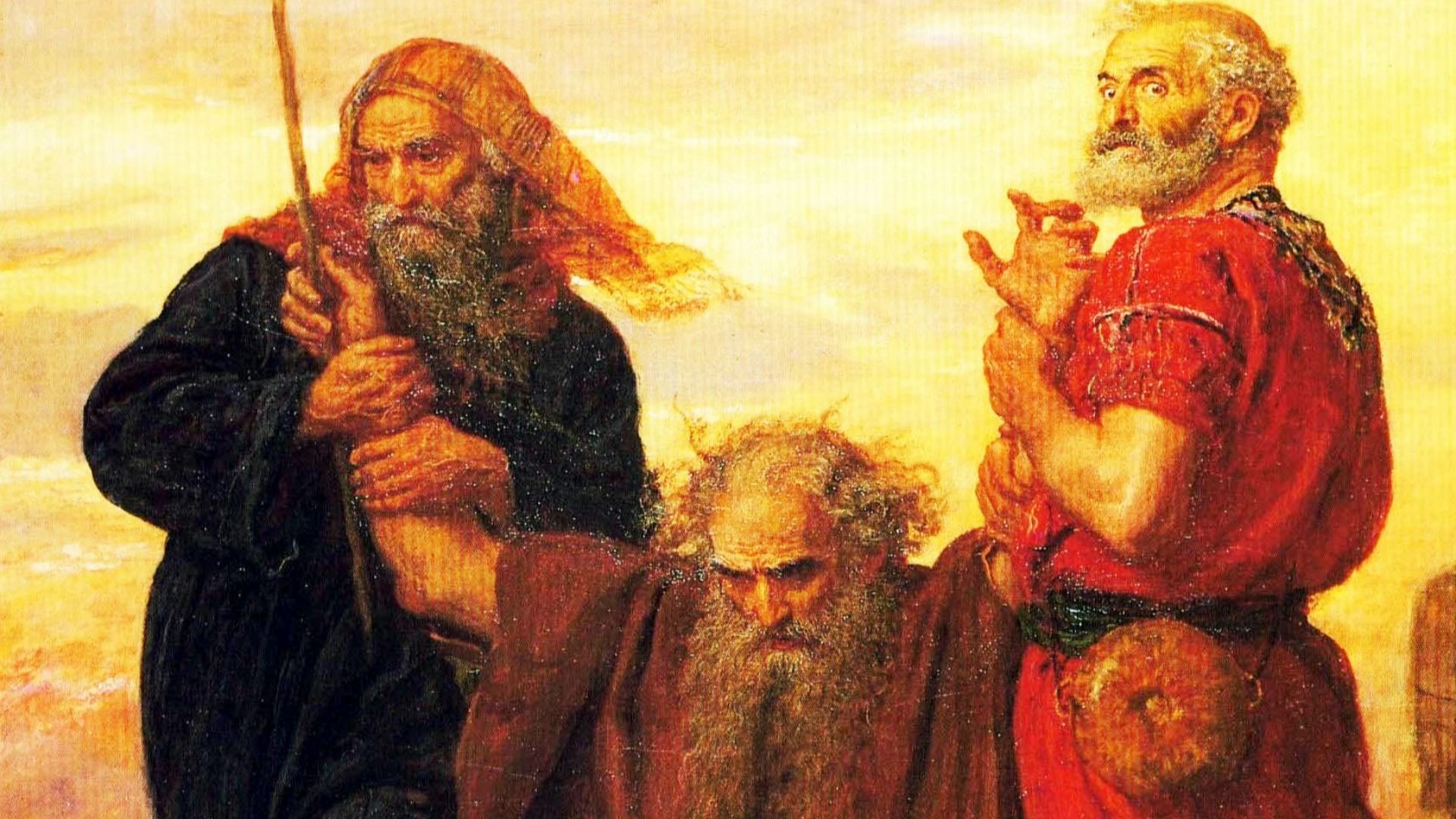
Moses stands at the center of the biblical Exodus story, as he is credited with leading the Israelites out of Egypt and introducing foundational religious laws. Whether viewed as a historical leader or a theological figure, his role has profoundly shaped Western religious thought and cultural identity across centuries.
 John Everett Millais, Wikimedia Commons
This Is What The Bible Reveals About Moses’s Early Life
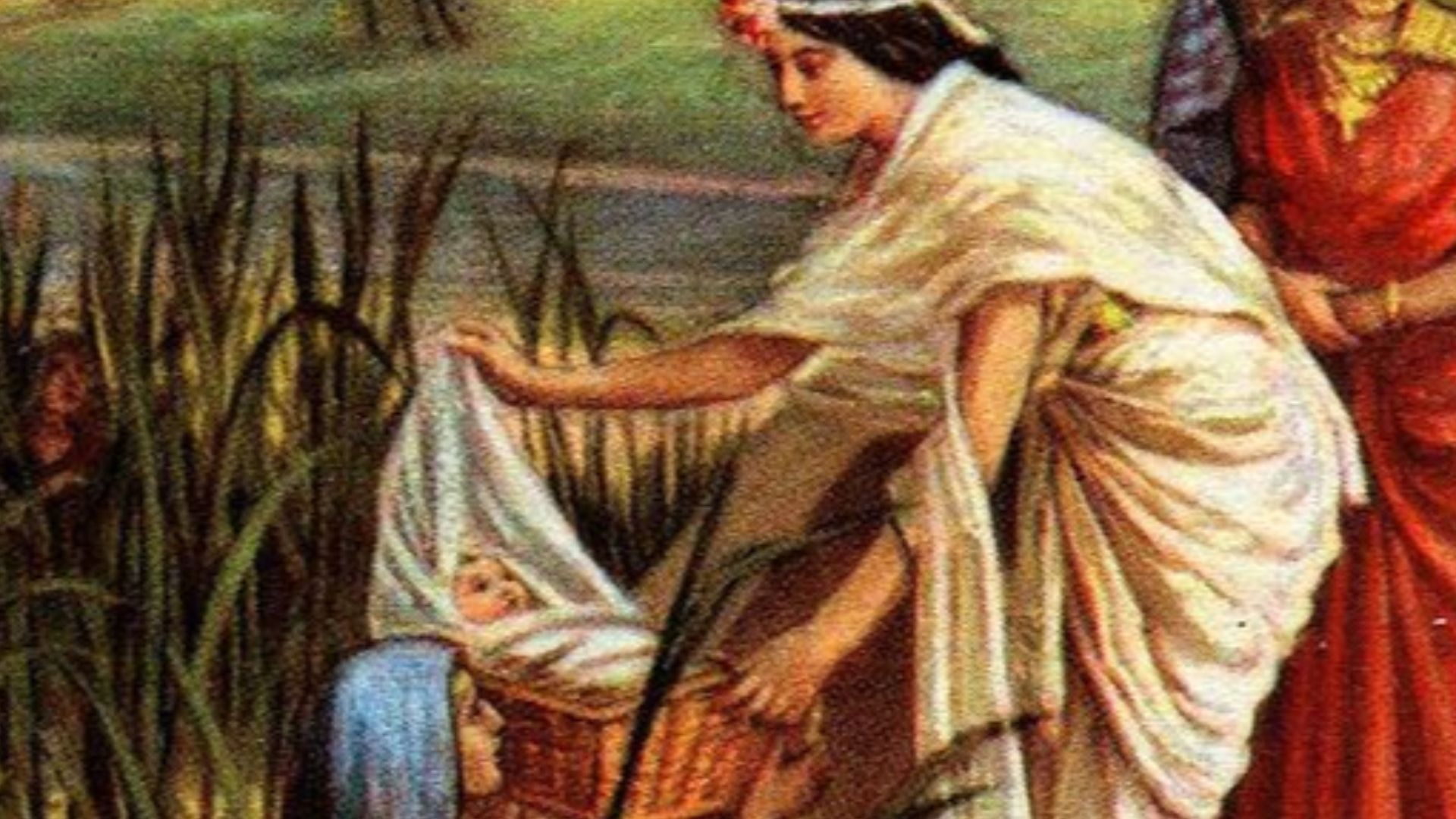
Biblical texts describe Moses as a Hebrew child raised within Egypt after being adopted into a royal household. This unusual upbringing places him at the crossroads of two cultures by exposing him to Egyptian education, administration, and belief systems before his later emergence as a leader.
 Illustrator of Bible, Wikimedia Commons

History's most fascinating stories and darkest secrets, delivered to your inbox daily.
Growing Up Egyptian—Or Something Else Entirely?
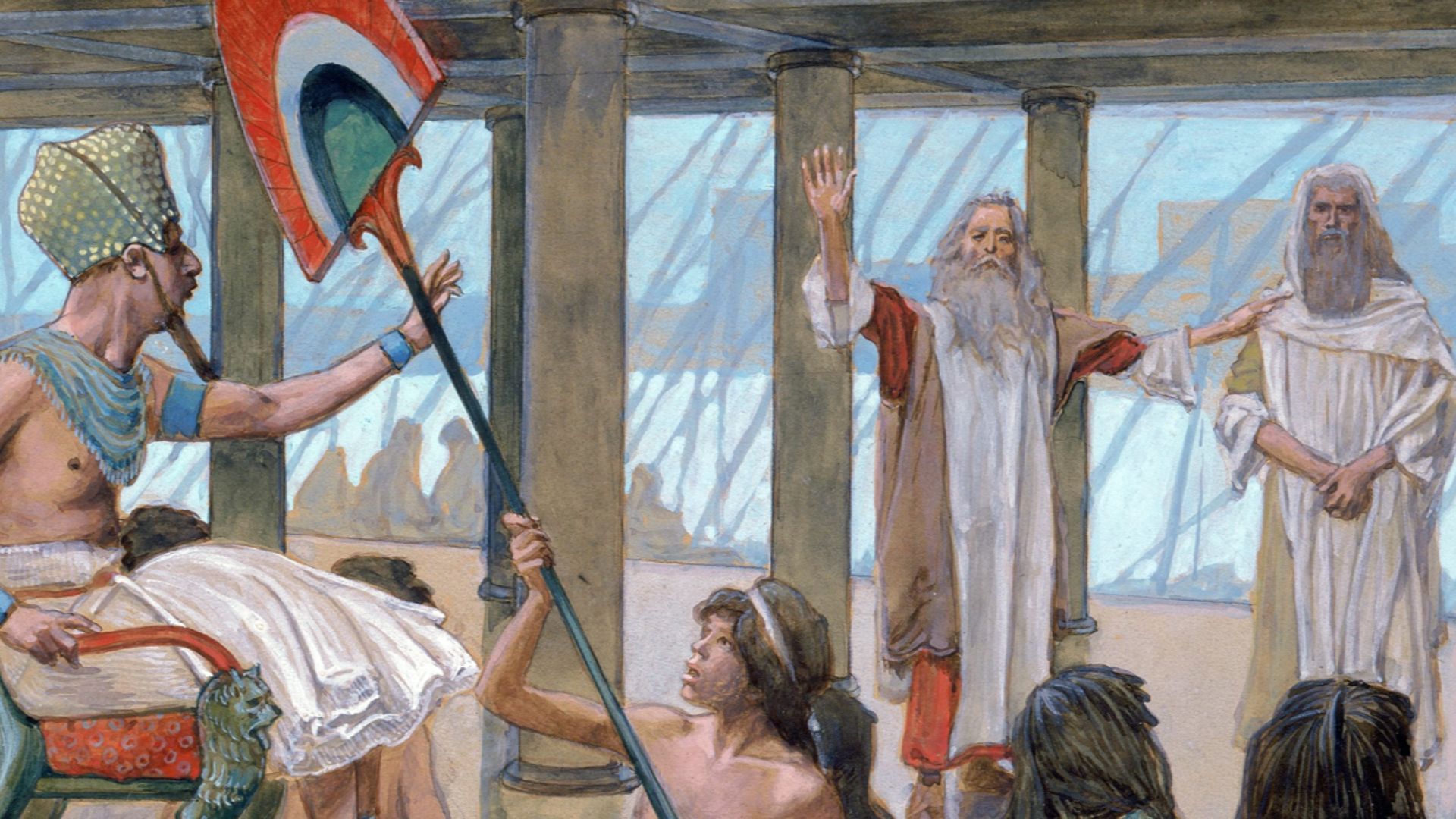
Scholars have long debated how deeply Egyptian culture influenced Moses. His familiarity with Egyptian customs, language, and leadership structures suggests close ties, yet the biblical narrative emphasizes his Hebrew identity. This leaves historians questioning where cultural inheritance ends and religious mission begins.
 James Tissot, Wikimedia Commons
The Egyptian Roots Hidden In The Name “Moses”
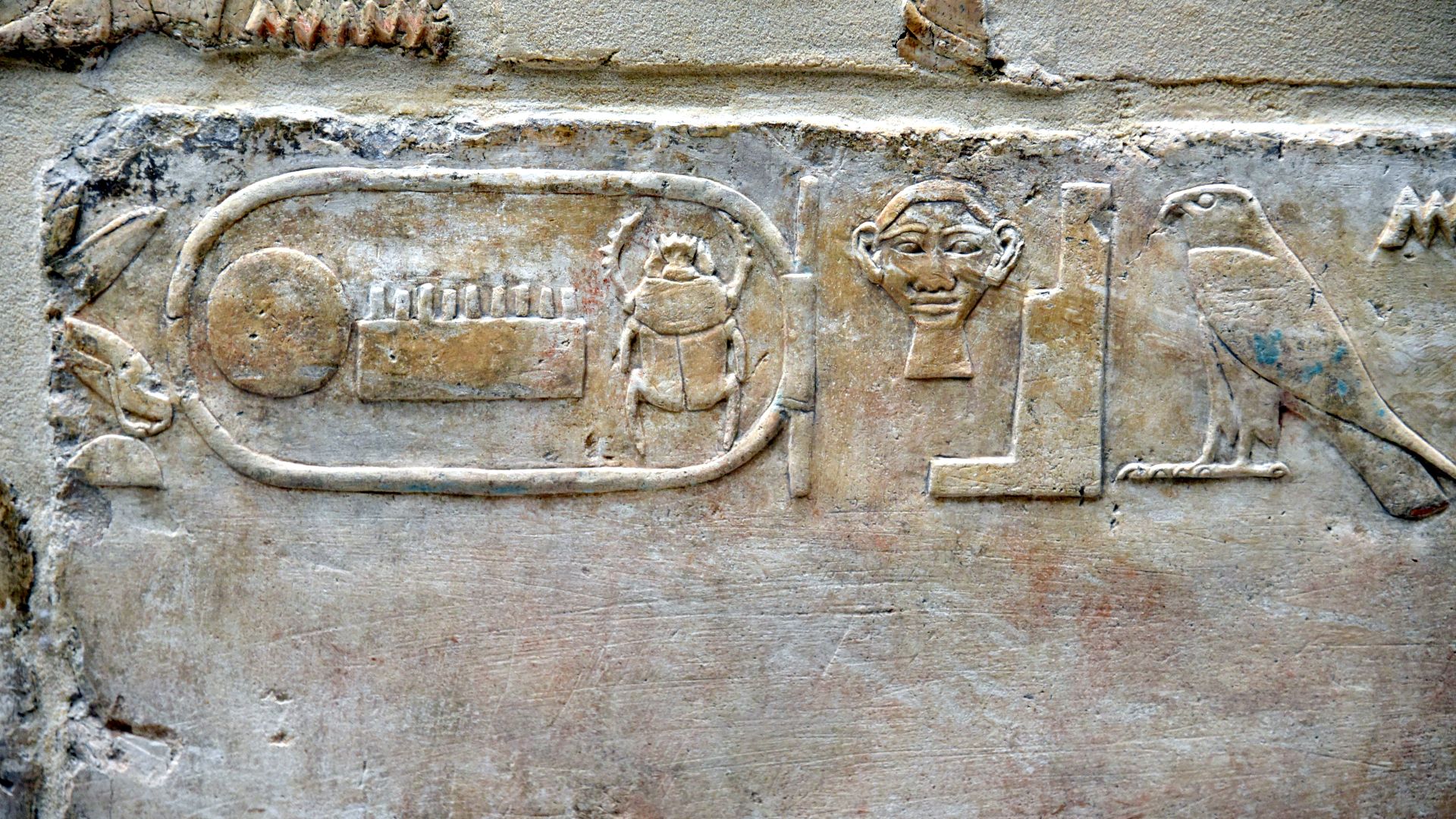
The name Moses resembles Egyptian naming practices, where mose means “born of”. Names like Thutmose and Ramesses share this root, and this fact fueled debate about possible Egyptian origins. Linguistic evidence alone proves nothing, but it adds context to the cultural environment surrounding Moses’s story in ancient Egypt.
 Osama Shukir Muhammed Amin FRCP(Glasg), Wikimedia Commons
Clues From Royal Families And Palace Life
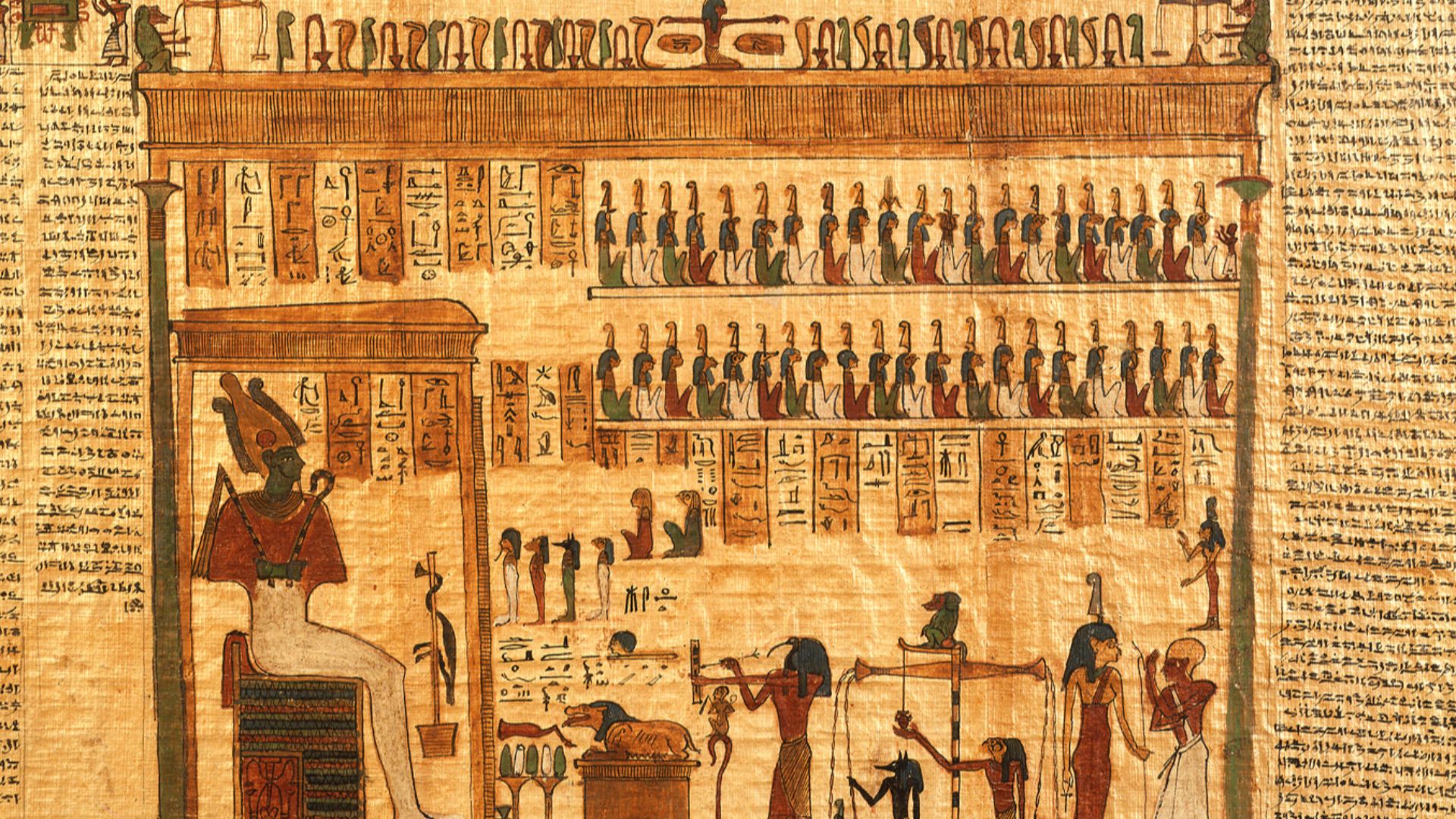
Some researchers point to Egypt’s royal court as a possible setting for Moses’s education. Administrative training and exposure to state religion were common among elites, encouraging the theory that a figure like Moses could have learned leadership skills inside the palace walls of ancient Egypt.
 Kendrick lamar, Wikimedia Commons
Why Some Believe Moses May Have Come From Egypt’s Elite
Supporters of an Egyptian origin theory suggest Moses may have belonged to an elite or priest-class circle. This idea draws from his education and authority before Pharaoh, though no contemporary Egyptian records explicitly identify Moses within royal lineage or court documentation from that era.
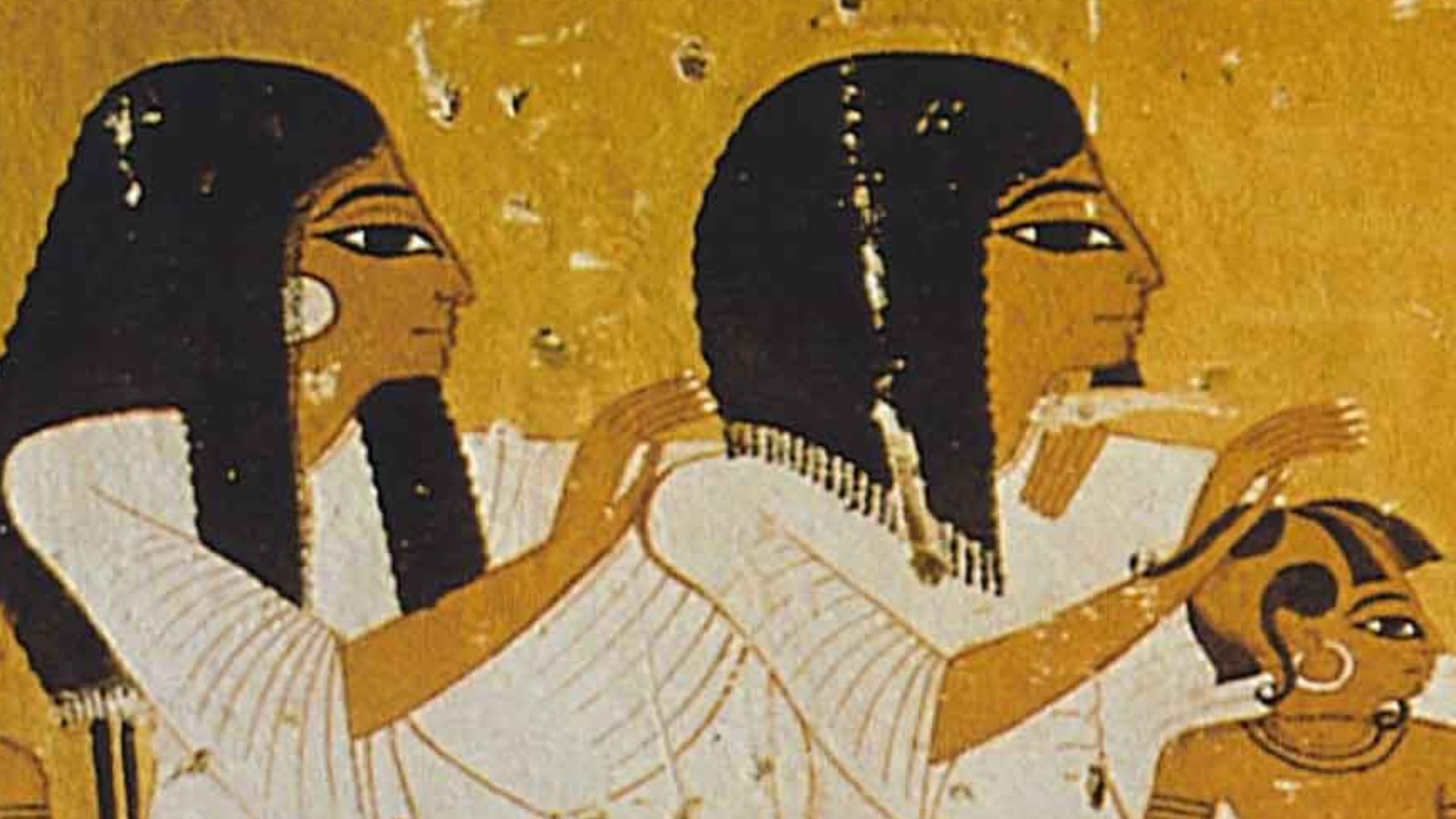
A Famous Theory That Changed The Conversation
The modern conversation shifted dramatically after Sigmund Freud entered the debate. In his book Moses and Monotheism, Freud proposed that Moses was Egyptian, arguing that religious ideas survived Akhenaten’s collapse through a small community leaving Egypt and preserving Aten-like beliefs beyond royal control.
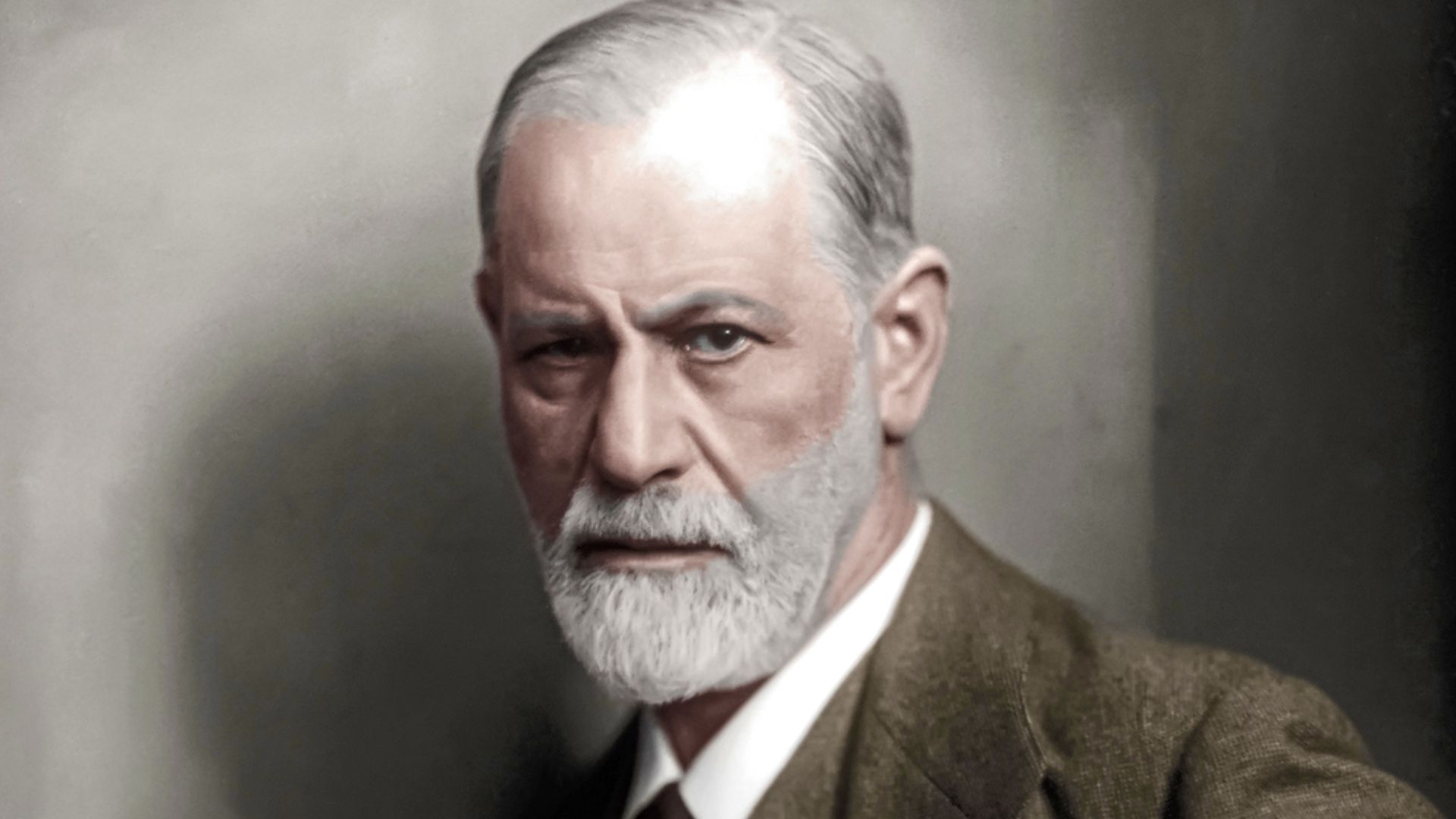 Photocolorization, Wikimedia Commons
With A Provocative Take On Moses And Monotheism
Freud’s theory sparked widespread interest while also drawing heavy criticism from historians. His argument relied on psychology and comparative religion rather than archaeology, which left experts divided over whether his ideas offered insight or reflected speculative interpretation.
Thanks To Striking Parallels
Some researchers note similarities between Akhenaten’s emphasis on a universal deity and later biblical descriptions of God. Aten was presented as a singular source of life and order, which led scholars to explore possible conceptual overlaps without claiming direct identity or proven transmission.
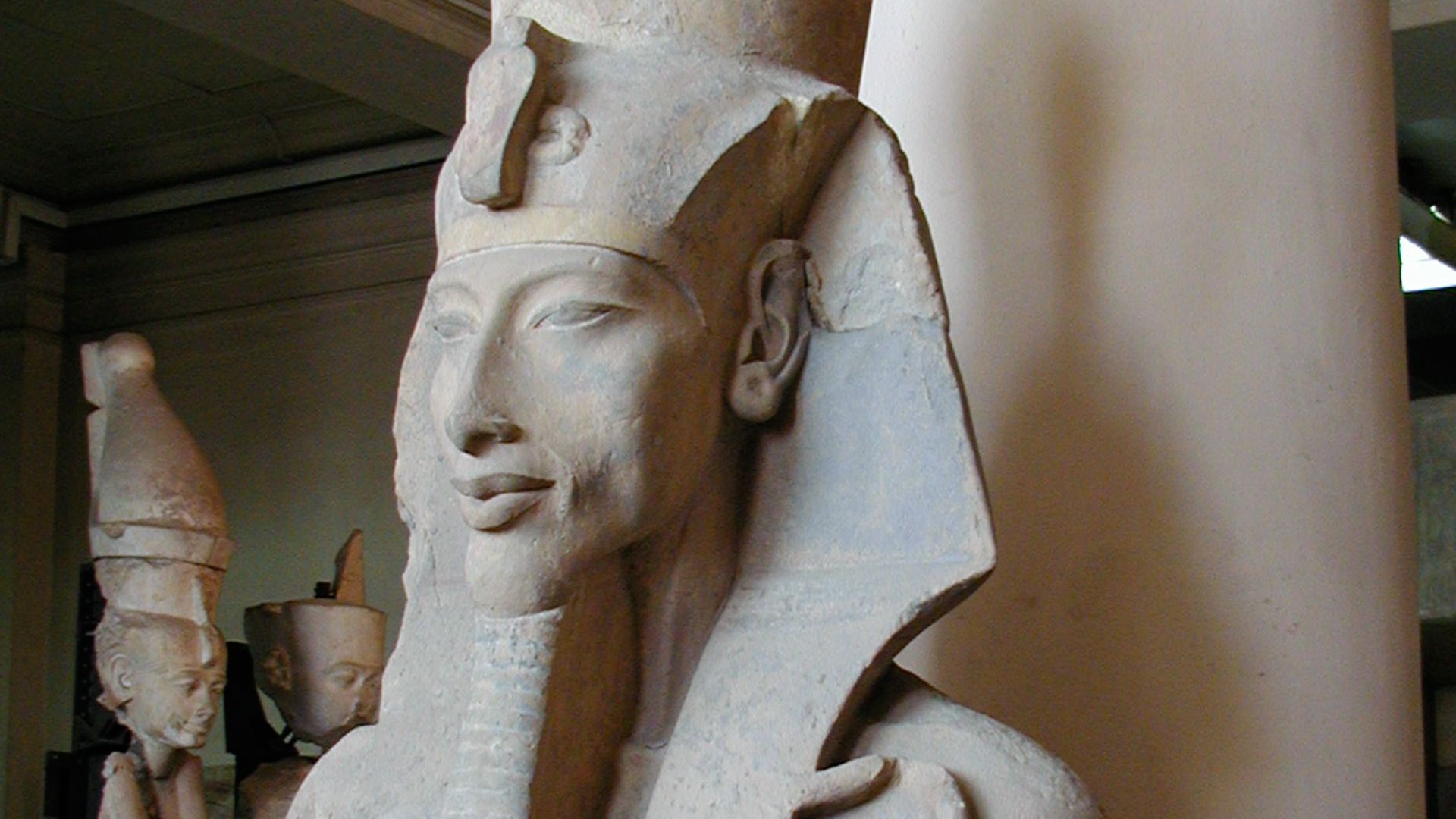
And Royal Bloodlines That Spark Controversial Connections
Interest intensified when scholars examined Akhenaten’s extended family and court officials. Figures such as Yuya, sometimes described as likely having Near Eastern roots, have been compared to biblical characters. These comparisons remain highly debated and are based on interpretation rather than conclusive archaeological proof.
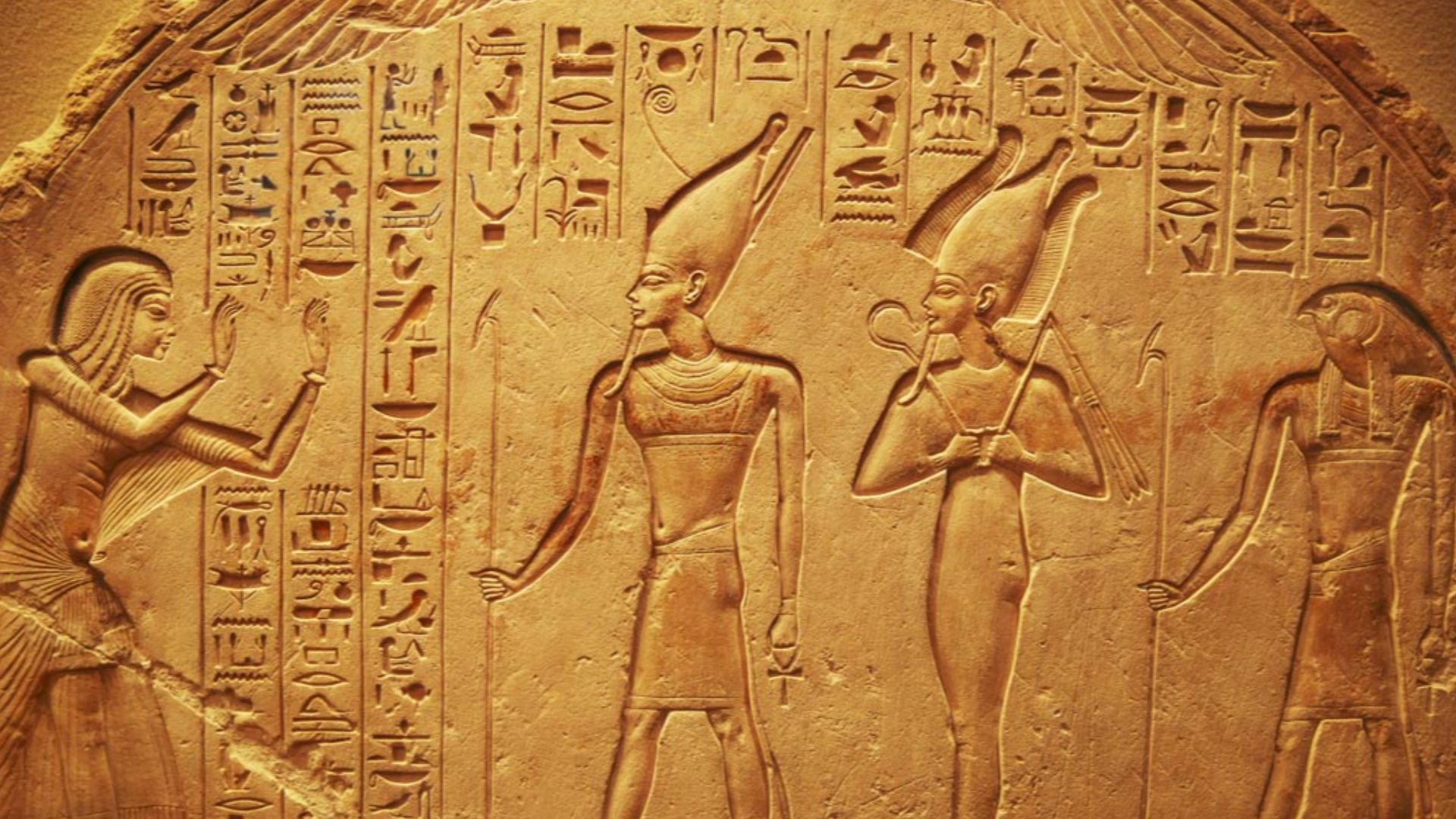
With Names And Coincidences That Raise Eyebrows
Attention has also focused on officials like Ramose or Ramos, a prominent court figure whose name resembles Moses. Some interpret tomb imagery symbolically, though mainstream Egyptology does not confirm biblical parallels. These associations continue to fuel discussion while remaining circumstantial and unverified.
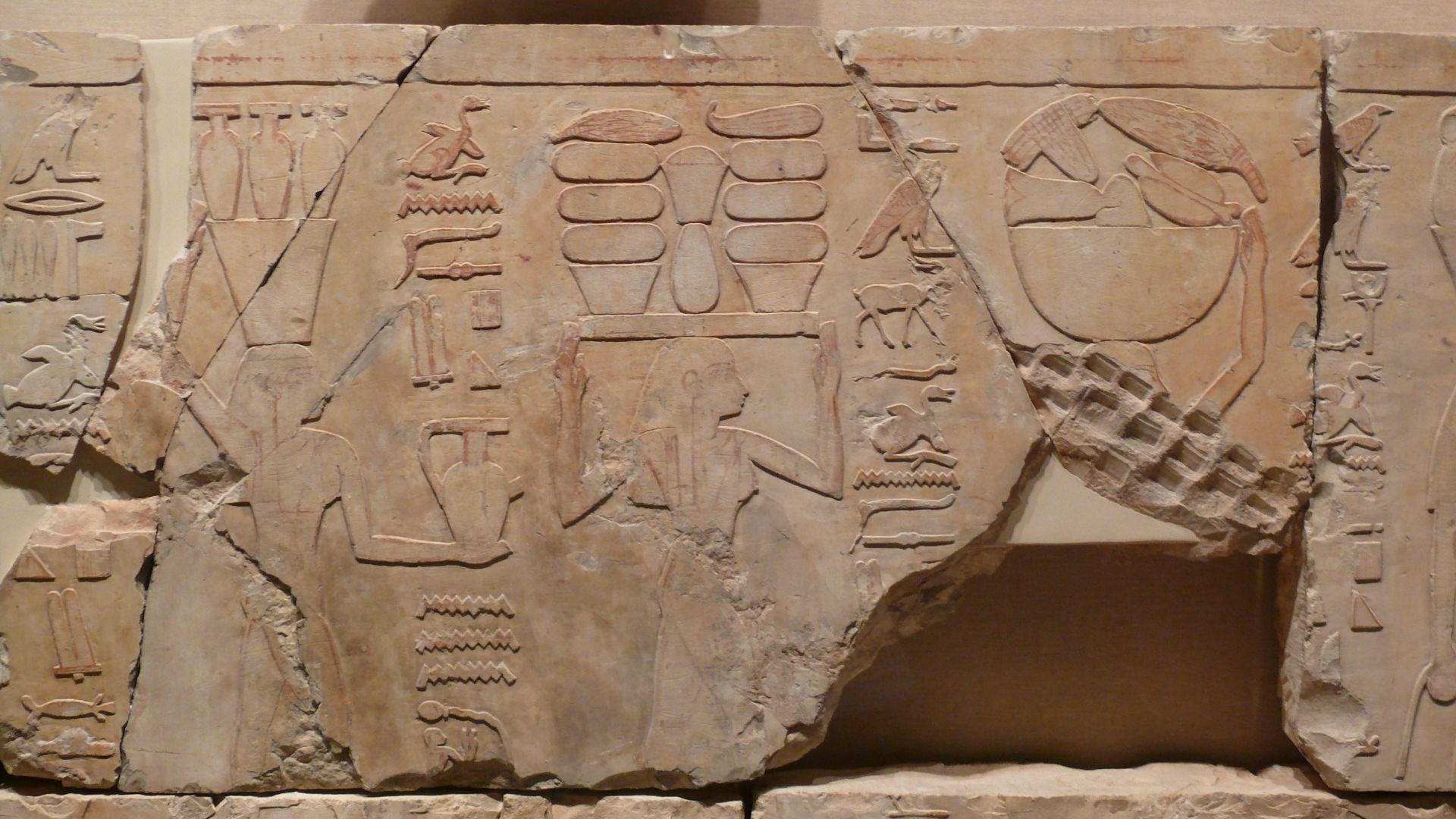 photo: Ad Meskens, artist: unknown, Wikimedia Commons
Until Akhenaten’s Reforms Crashed Down
After Akhenaten’s death, his religious system was rapidly dismantled by his successors. Temples were reclaimed, and Aten worship suppressed. This also suggests that loyal supporters were likely displaced. This period of unrest has led some to speculate that groups leaving Egypt carried fragments of his religious ideas elsewhere.
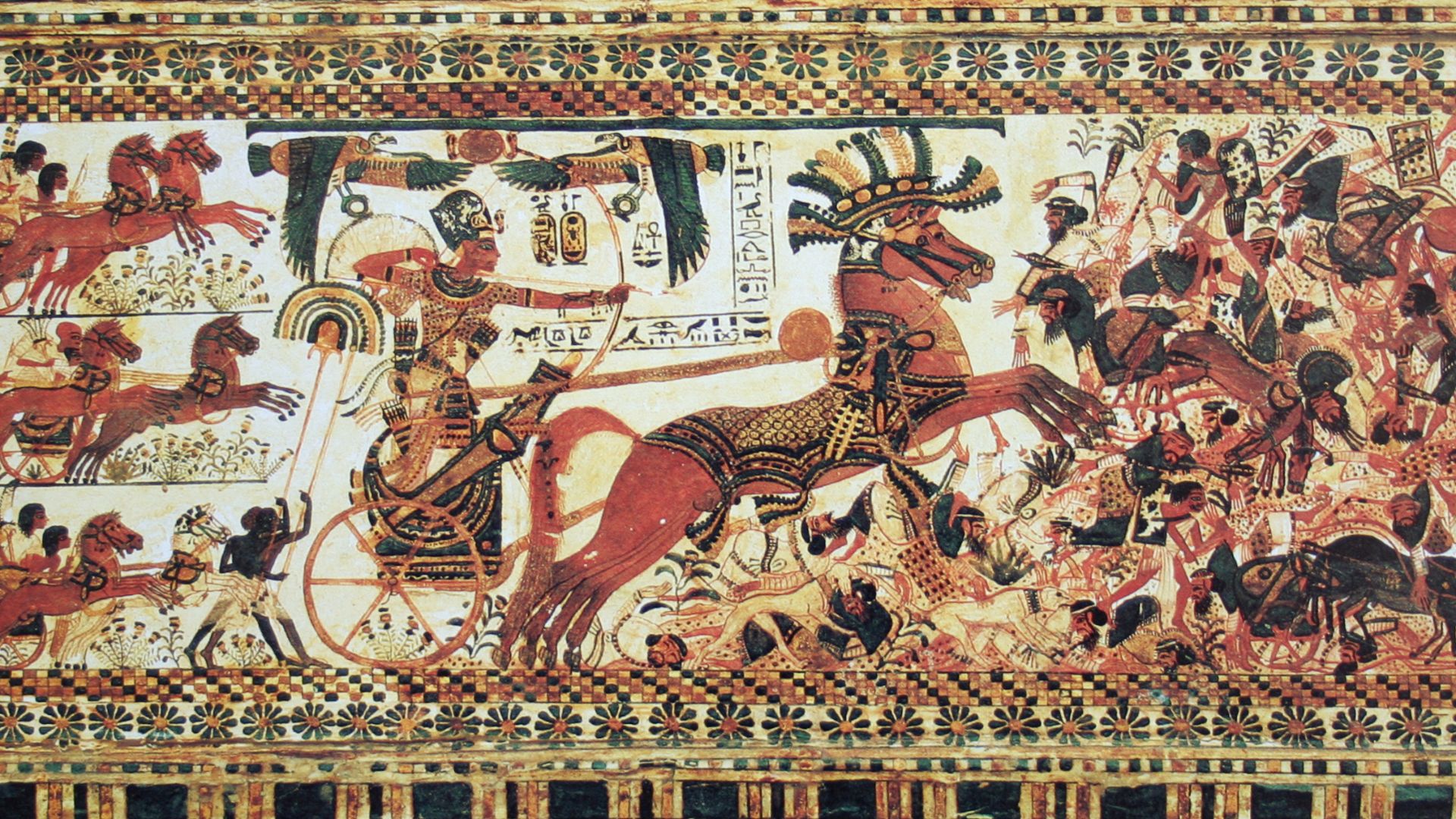 Unknown authorUnknown author, Wikimedia Commons
Could Exodus Traditions Reflect A Forgotten Upheaval?
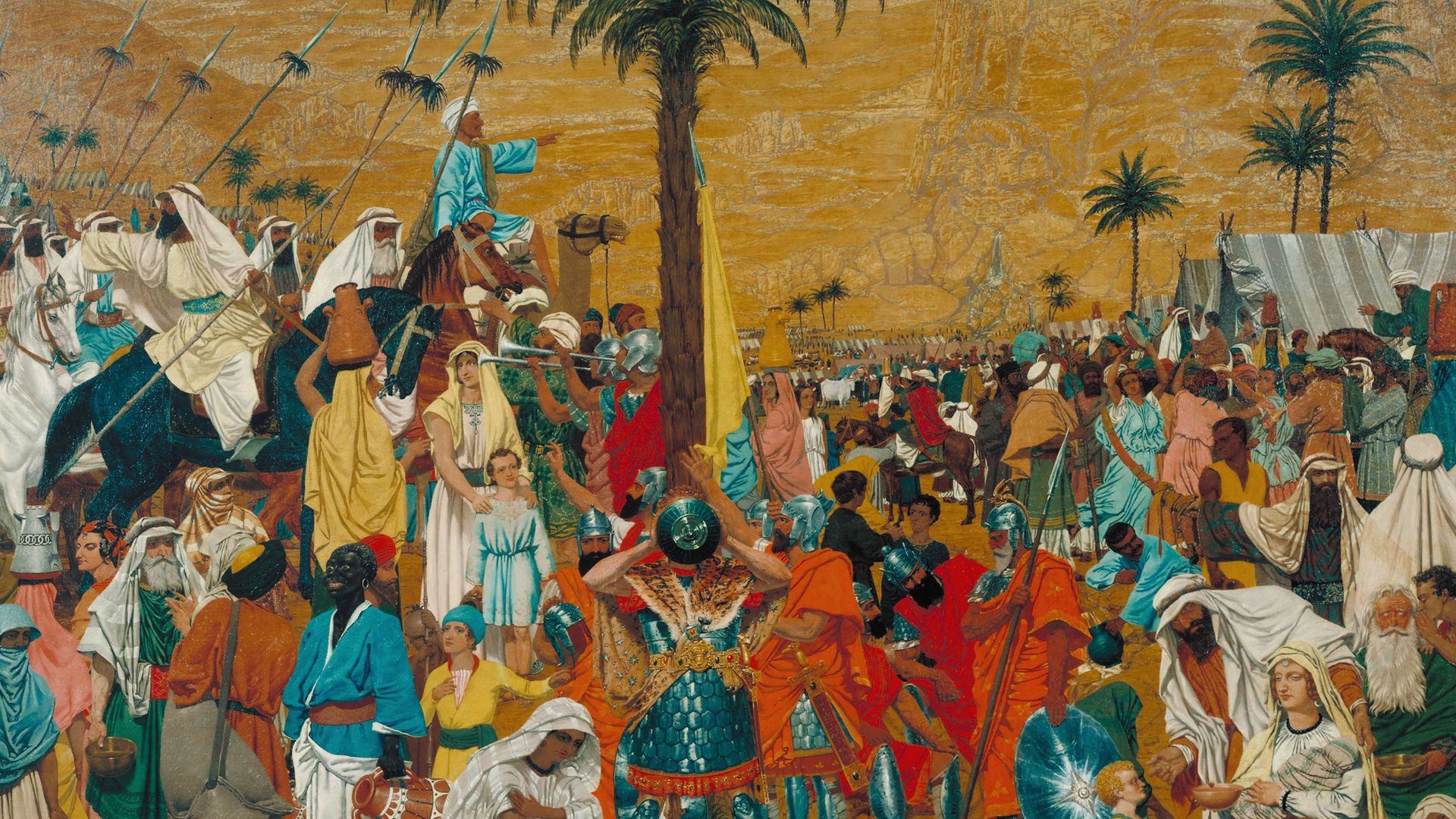
A minority of scholars suggest the Exodus story may preserve memories of social and religious disruption following Akhenaten’s collapse. Rather than a single event, they propose a gradual departure of communities. Although intriguing, this interpretation remains hypothetical and outside established historical consensus.
 Richard Dadd, Wikimedia Commons
As A Pharaoh Was Erased From History
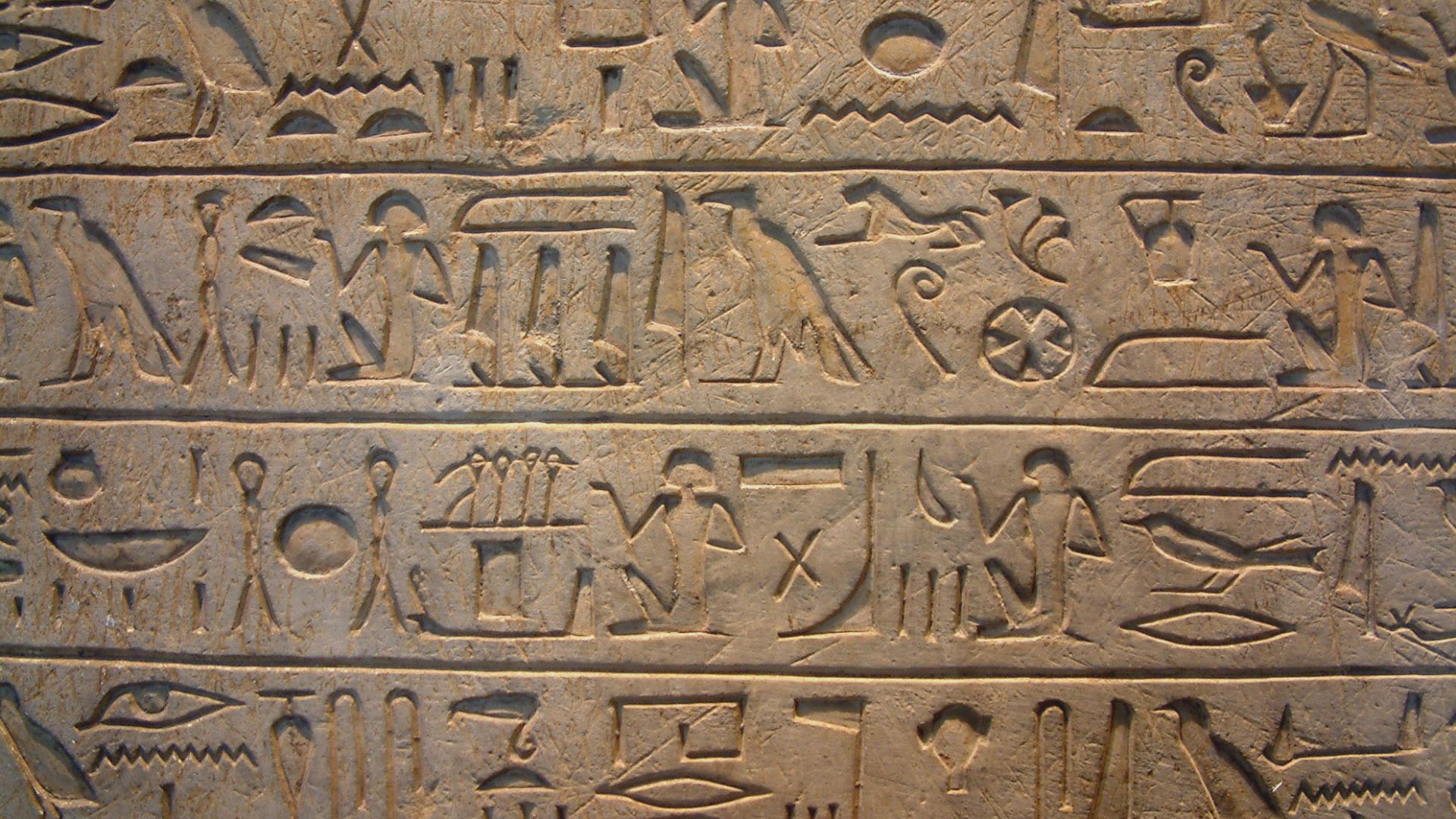
Following Akhenaten’s death, Egyptian authorities worked systematically to remove him from memory. His name was chiseled from monuments, statues destroyed, and his city abandoned. This deliberate erasure was meant to restore religious order, but ultimately deepened the mystery surrounding his reign.
 Guillaume Blanchard, Wikimedia Commons
Did His Ideas Live On Beyond Egypt?
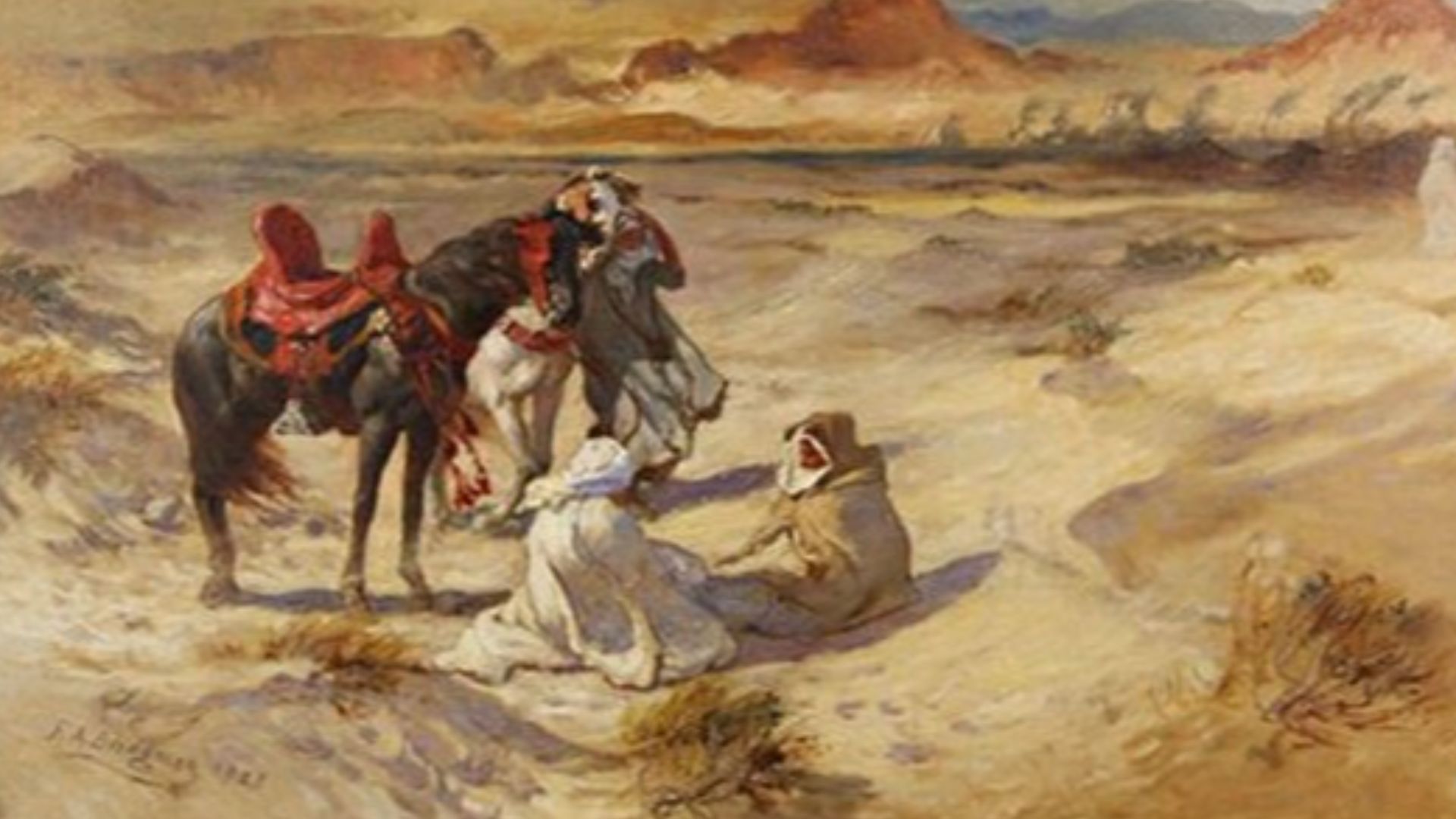
Although Aten worship was officially suppressed, some scholars wonder whether its core ideas survived informally. Displaced priests or foreign communities may have carried fragments of Akhenaten’s theology with them, which allowed certain concepts to resurface later in different religious settings.
 Frederick Arthur Bridgman, Wikimedia Commons
The Possible Path Of Monotheism Across Cultures
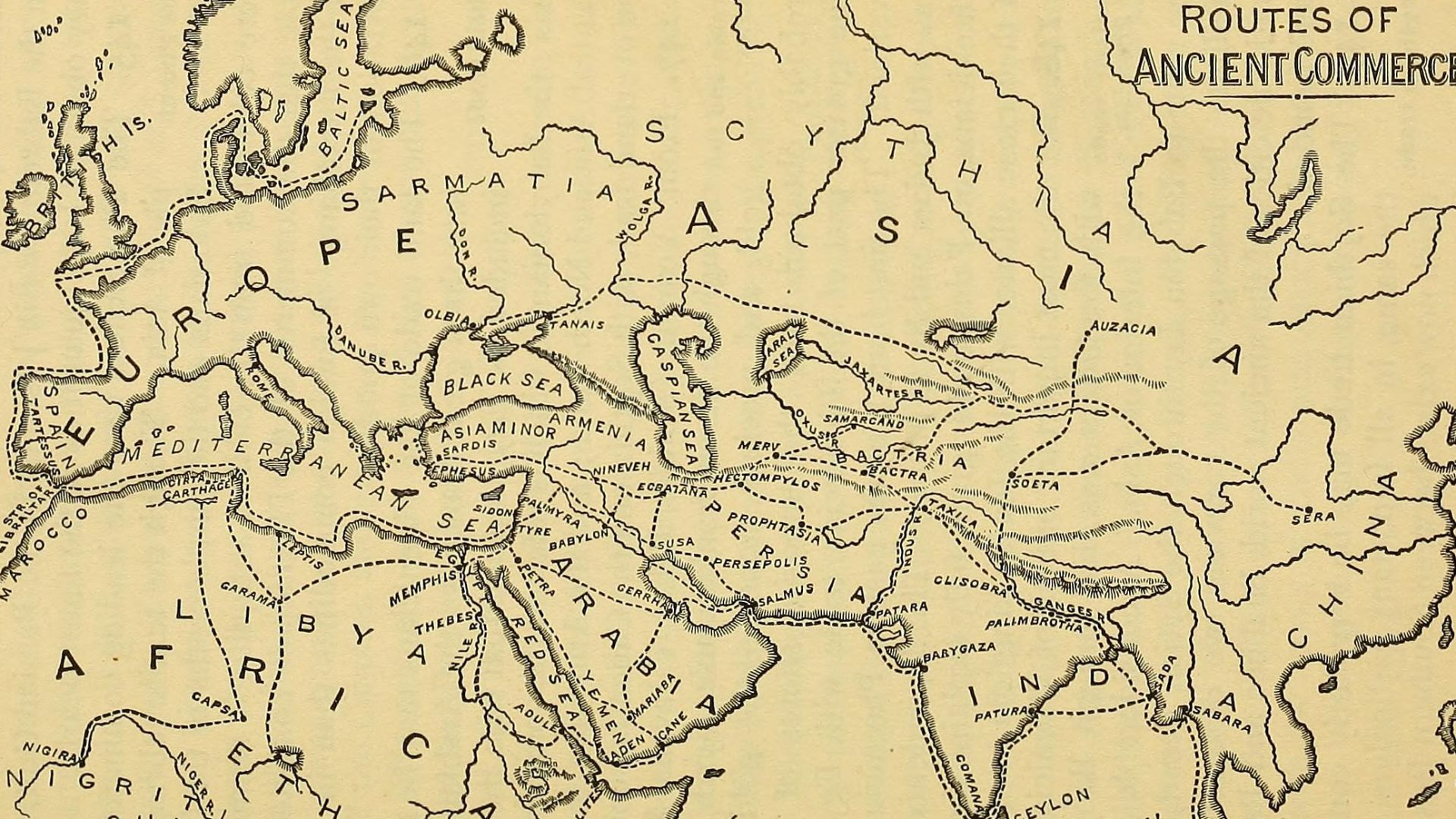
Ancient Egypt sat at the crossroads of trade routes linking Africa, the Levant, and Mesopotamia. Cultural exchange was constant. Historians explore whether religious ideas traveled along these networks, gradually transforming as they moved rather than emerging suddenly within one civilization.
 Internet Archive Book Images, Wikimedia Commons
Why Historians Remain Intrigued—But Cautious
Theories linking Akhenaten and Moses persist because they address gaps in the historical record. However, professional historians emphasize evidence over speculation. Without contemporary texts or archaeological proof, most view these connections as thought-provoking possibilities rather than established historical conclusions.
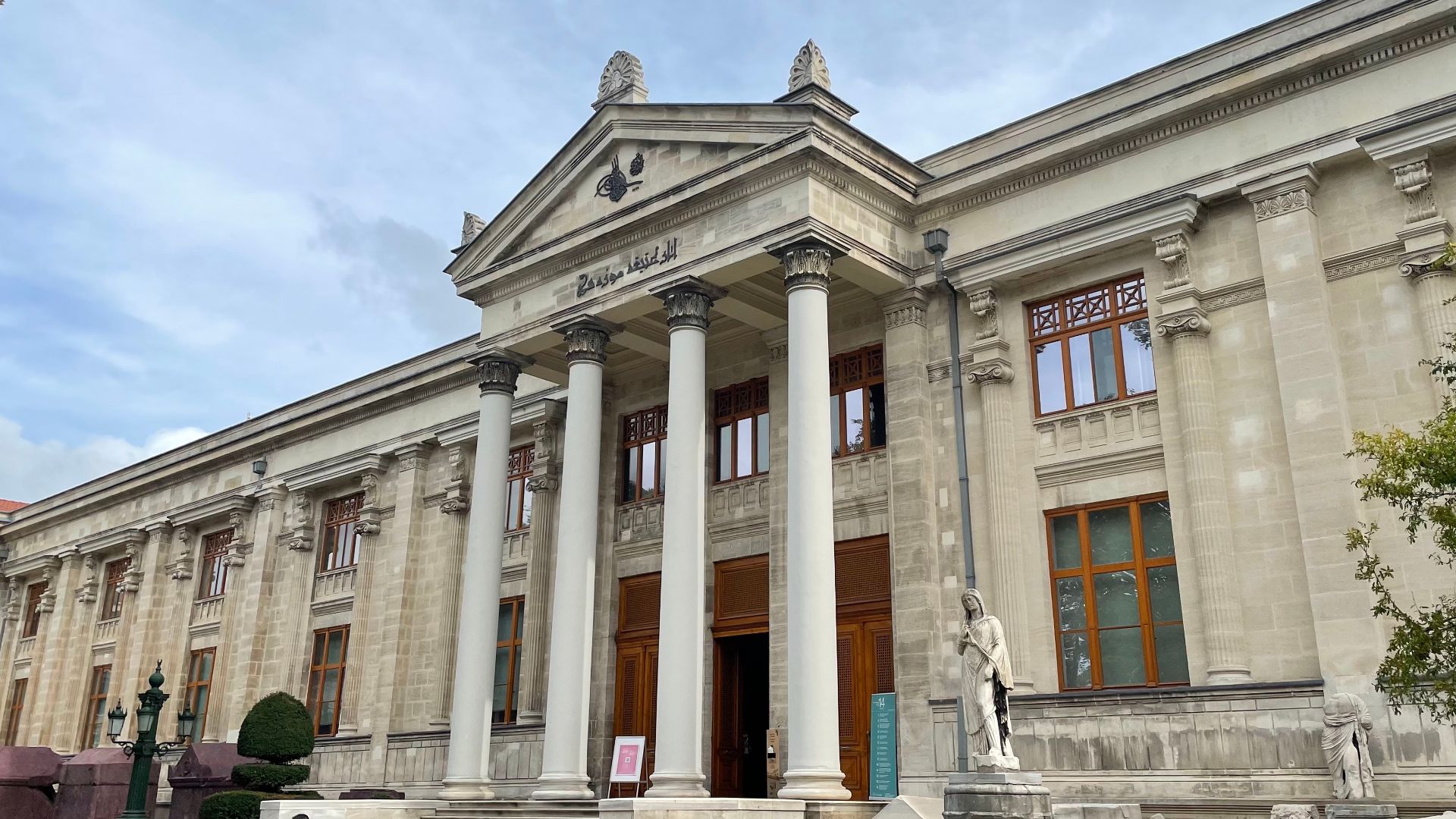
What This Ancient Puzzle Tells Us About Belief And Legacy
This debate reveals how religion, politics, and memory intertwine in human history. Akhenaten’s experiment shows how radical ideas can challenge empires and be suppressed, yet continue to inspire questions millennia later about the origins of faith and the enduring power of belief.
 Hamed Ibrahim, Wikimedia Commons









