Experience As The Blueprint
Before manuals existed, experience did the teaching. Stories, habits, and repeated practice shaped structures that fit local realities and still leave modern designers slightly humbled.
Cayuga Three-Sister Companion Planting System
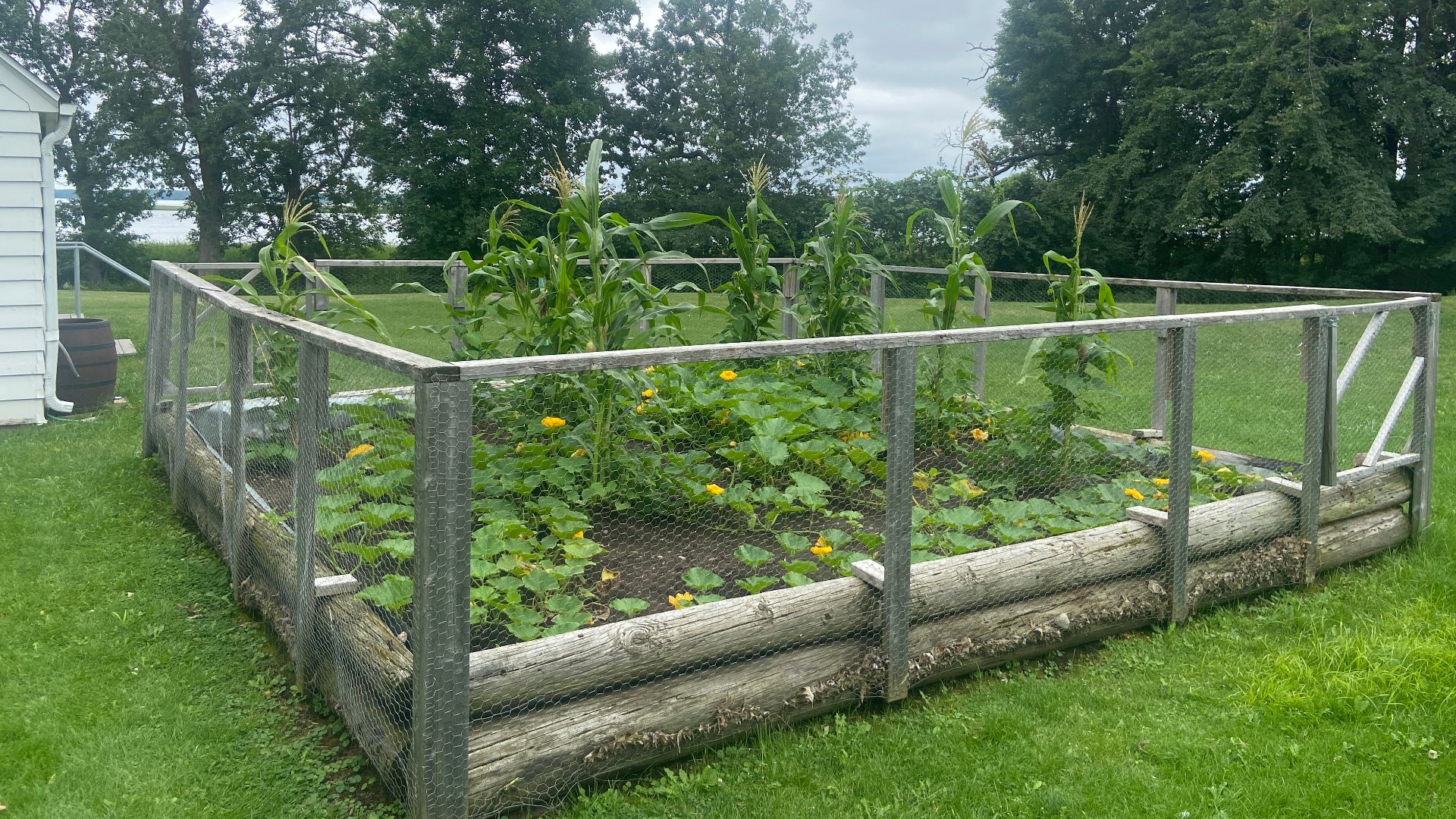
Corn stalks tower above beans and squash in a relationship so precise that agricultural scientists spent decades figuring out what Cayuga farmers knew instinctively. Beans fix nitrogen directly into the soil while climbing on corn as natural trellises. Squash leaves spread widely, blocking weeds and retaining moisture.
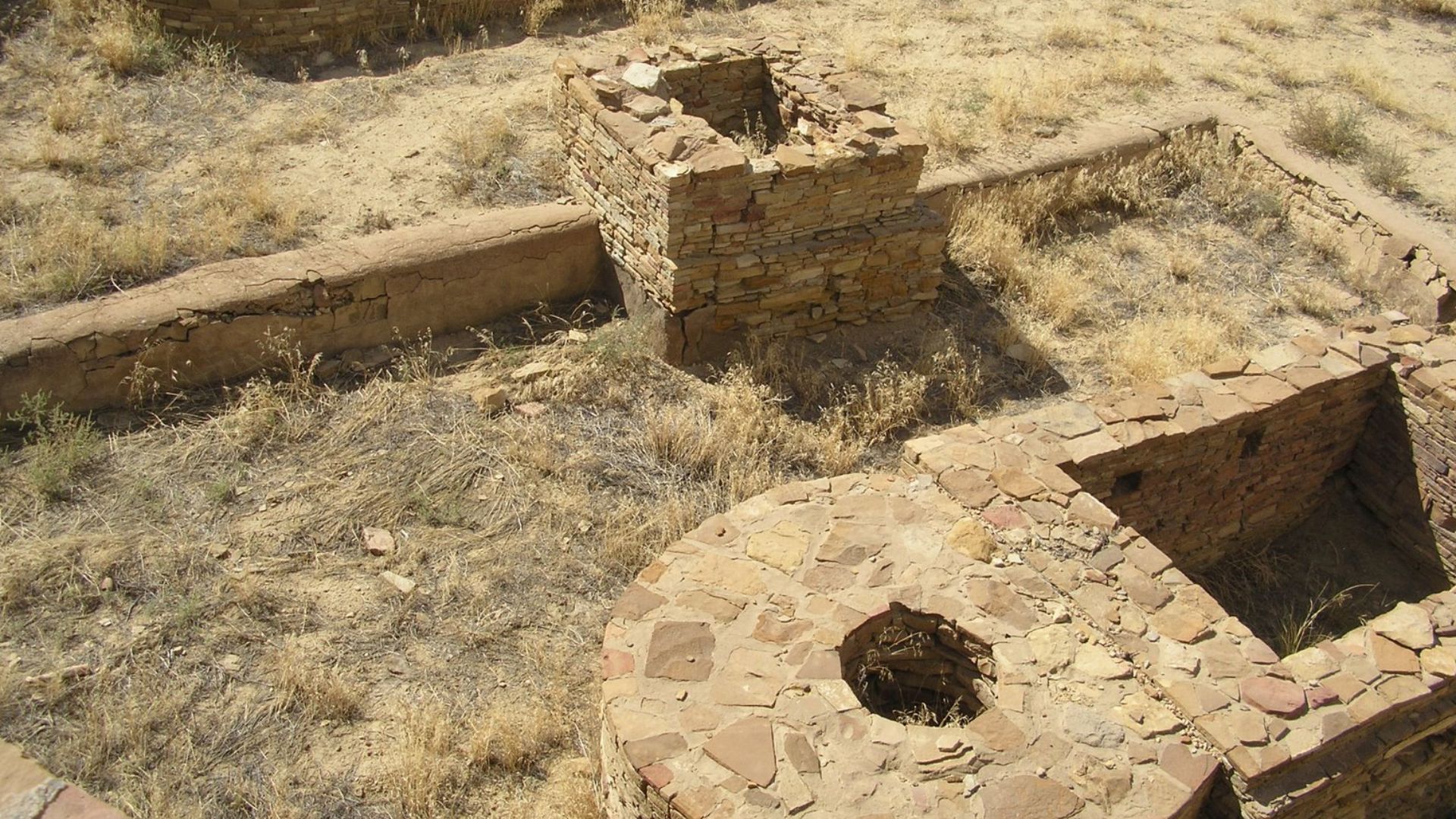
Ancestral Puebloan Kiva Ventilation Systems
Underground ceremonial chambers stayed comfortable year-round through an airflow design that would make HVAC technicians jealous. Fresh air entered through a shaft, traveled across the floor, and warmed naturally before rising toward the ceiling. A deflector stone prevented drafts from extinguishing the central fire, and smoke escaped through the roof opening.
 SkybirdForever, Wikimedia Commons
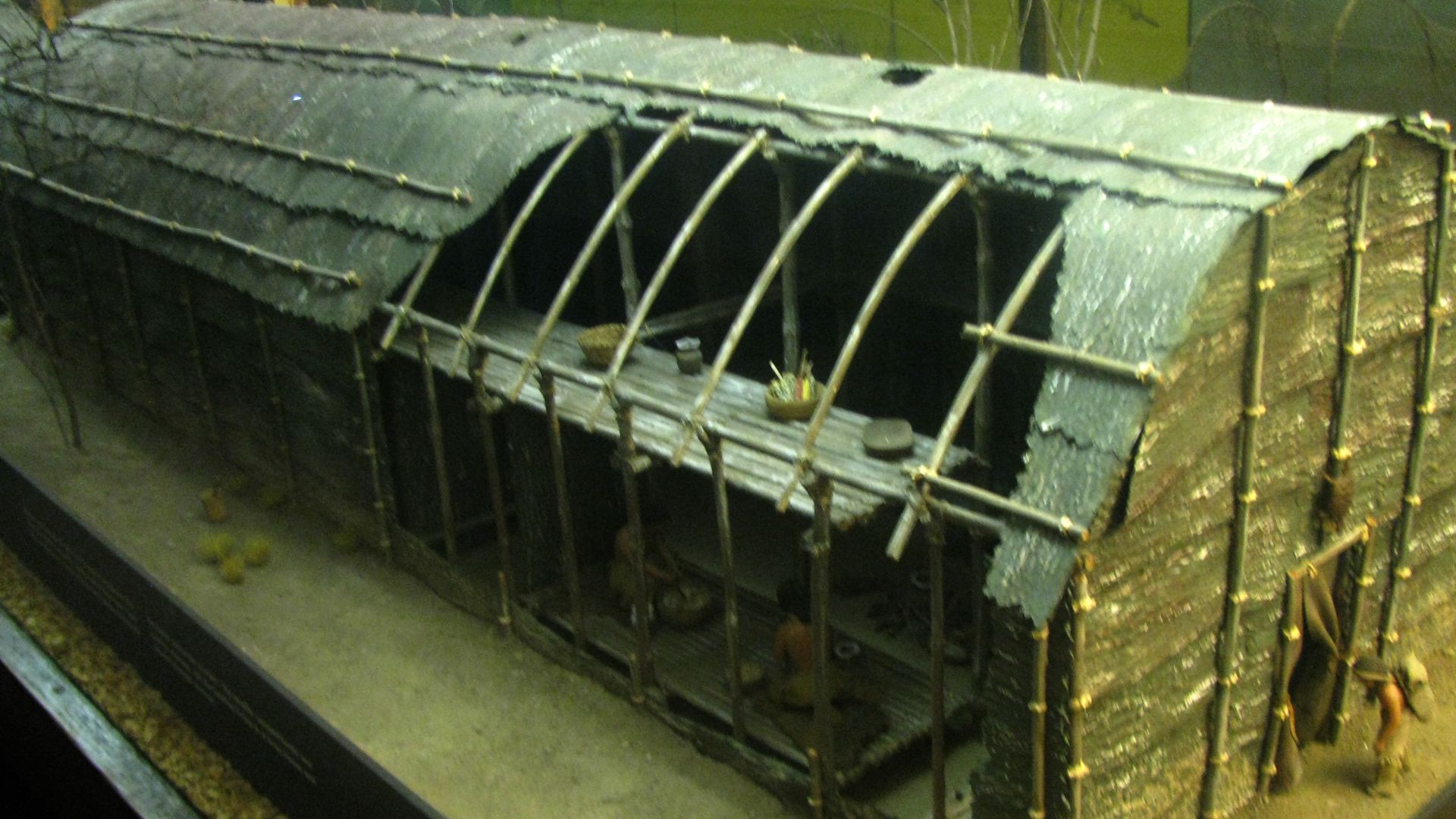
Haudenosaunee Longhouse Thermal Regulation
Families gathered in structures stretching 200 feet long, yet every section maintained comfortable temperatures through brilliant insulation techniques. Bark shingles overlapped like fish scales, trapping air pockets that prevented heat loss. Fire pits positioned along the center aisle distributed warmth evenly while the barrel-vaulted roof allowed hot air to circulate.
 Eden, Janine and Jim from New York City, Wikimedia Commons
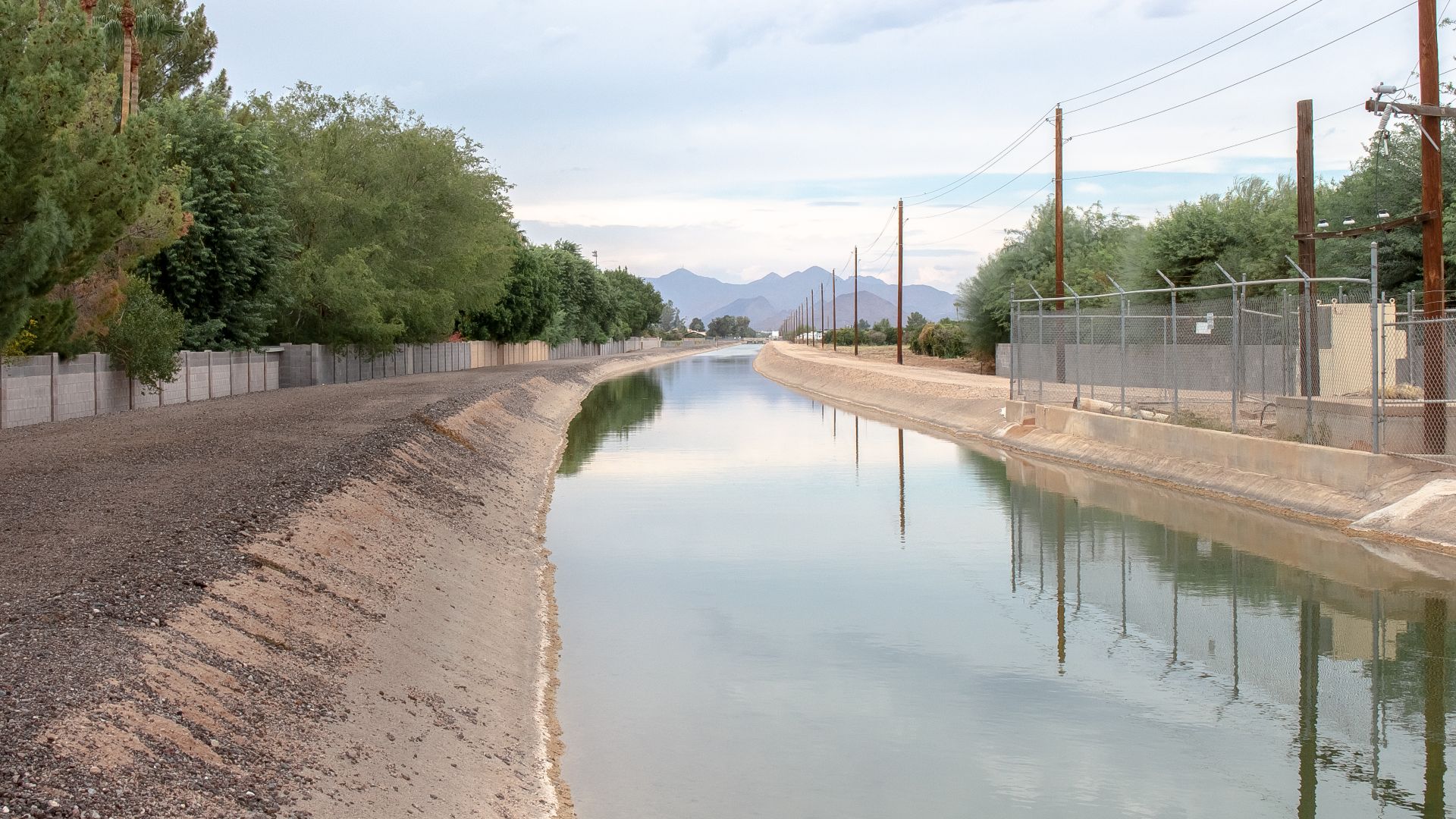
Hohokam Canal Irrigation Networks
Desert communities engineered over 500 miles of canals delivering water with precision rivaling modern municipal systems. Master builders calculated exact gradients to maintain consistent flow without erosion. Stone headgates controlled volume. The settling basins removed sediment before water reached crops. This network supported environments receiving less than 8 inches of annual rainfall.
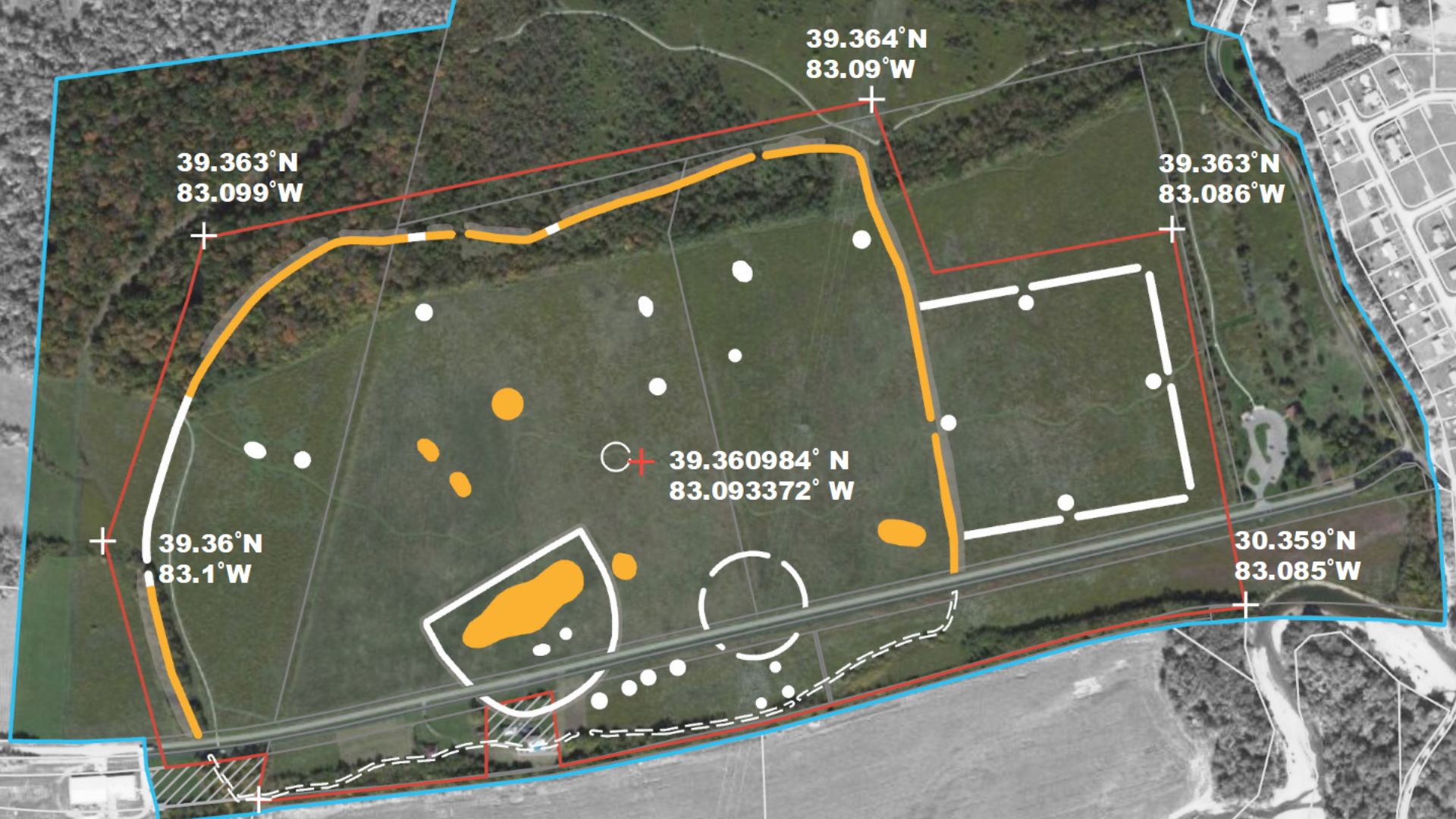
Hopewell Earthwork Astronomical Alignment Engineering
Massive geometric earthworks spanning acres align perfectly with solar and lunar cycles. The Octagon Earthworks track the eighteen-year lunar standstill cycle with accuracy requiring sophisticated surveying tools. Modern archaeoastronomers using laser measurements confirmed these alignments match celestial events to within fractions of a degree.
 Unknown authorUnknown author, Wikimedia Commons
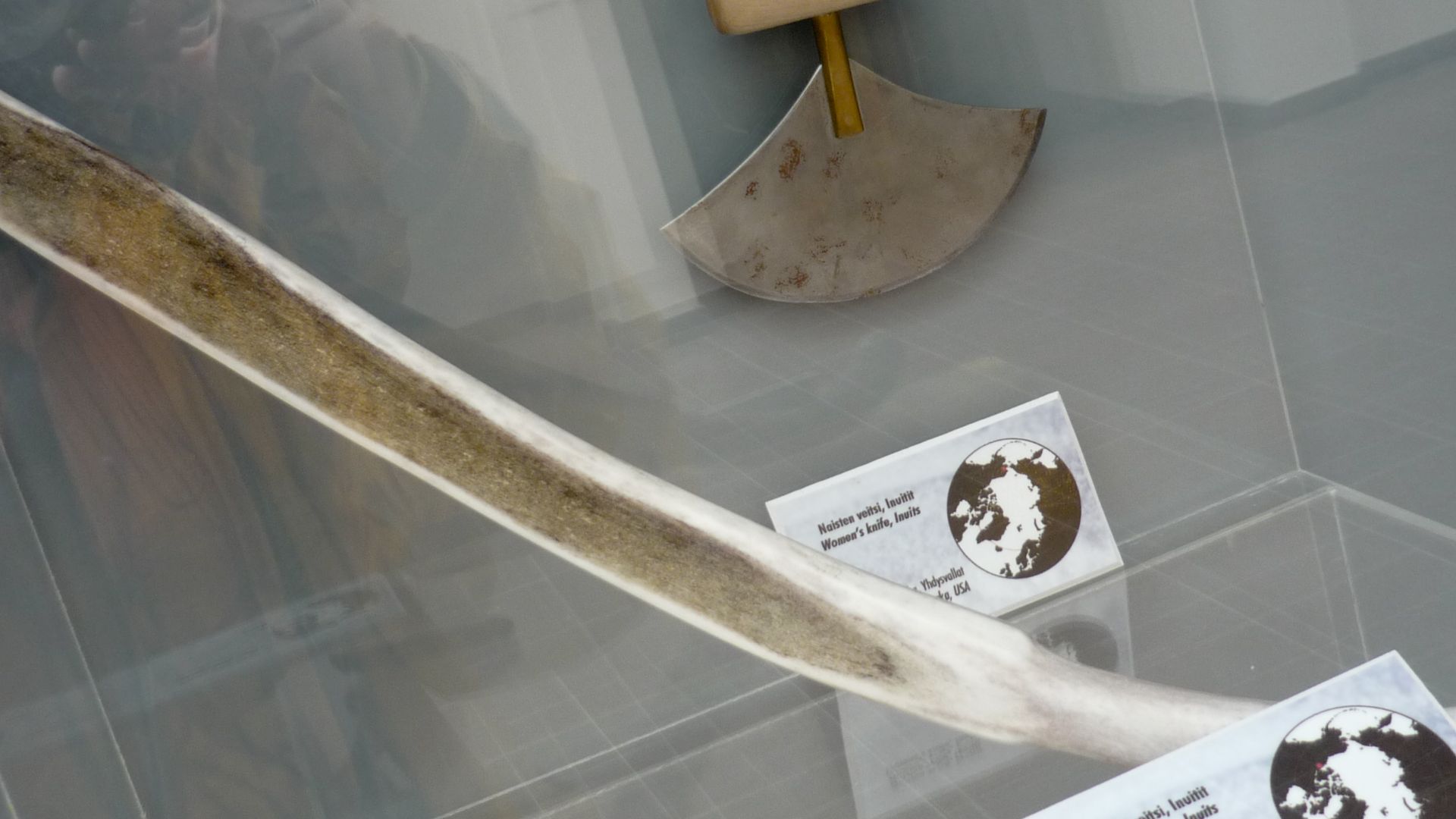
Inuit Snow Knife (Pana) Construction Technique
Carving tools from materials that shatter requires empirical knowledge of material properties, passed down through generations. Caribou antler, walrus ivory, and bone each possess different hardness properties that Inuit craftspeople exploited through selective heating and cooling. The blade edge received differential tempering—harder at the cutting surface, more flexible at the spine.
 Fanny Schertzer, Wikimedia Commons
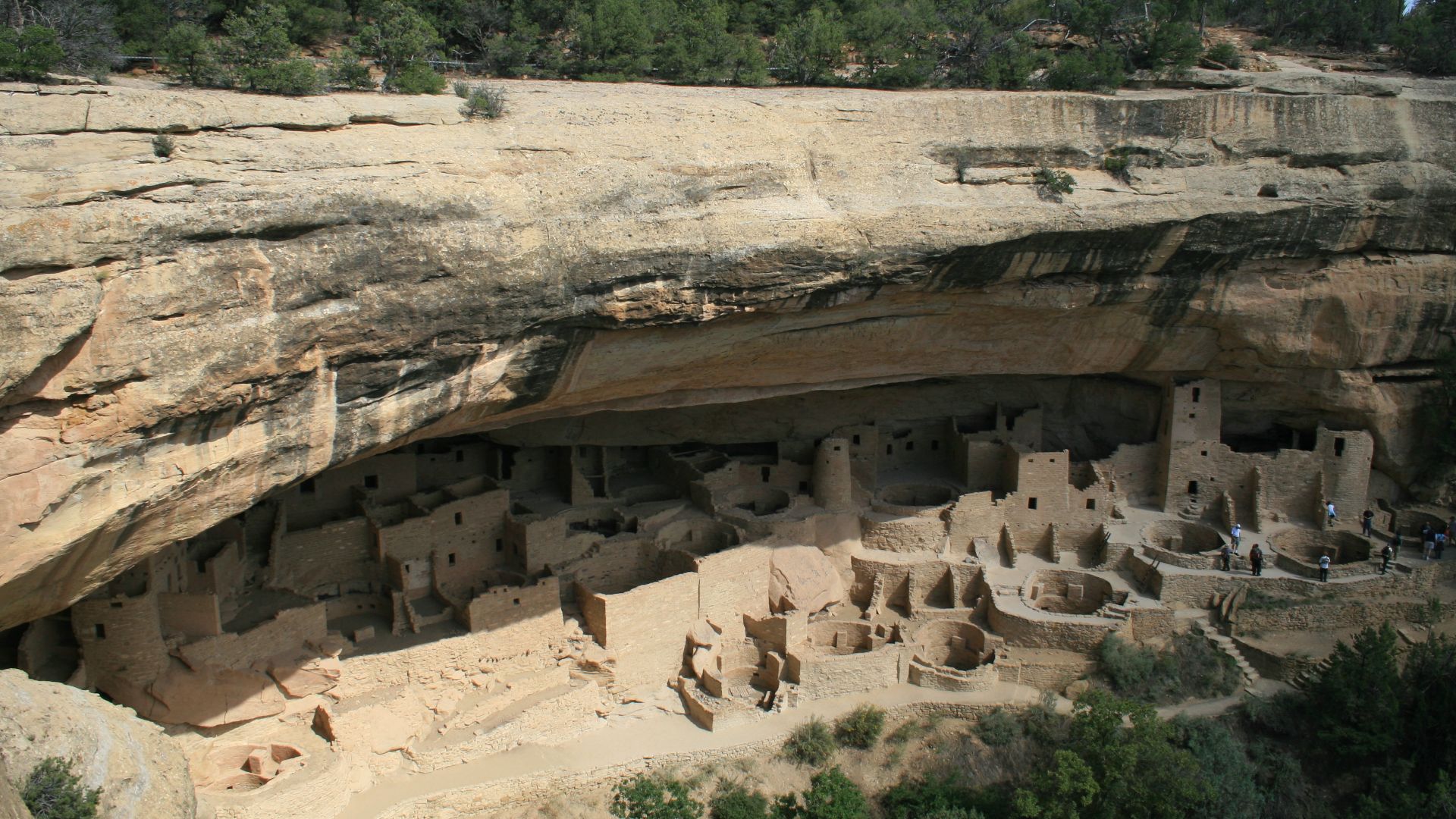
Cliff Palace Passive Solar Heating
This sandstone village captures winter sun while staying cool during brutal summer months. South-facing rooms receive direct sunlight when the sun hangs low from November through February, warming thick adobe walls that radiate heat throughout frigid nights. The overhanging cliff blocks the high-angle summer sun completely.
 Andreas F. Borchert, Wikimedia Commons
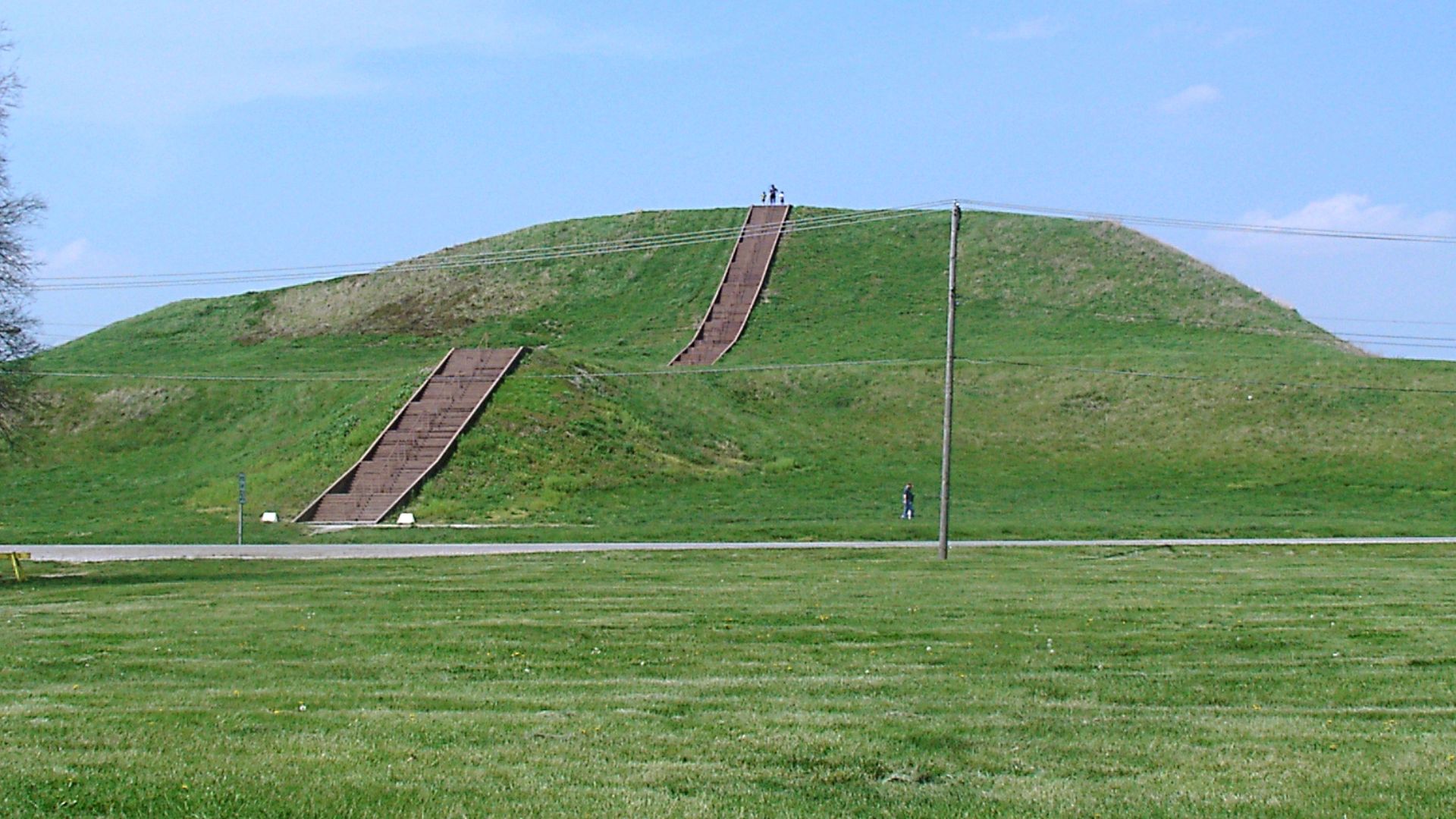
Mississippian Mound Drainage Systems
Massive earthen platforms rose high, yet never eroded despite centuries of rainfall. Internal networks channeled water through carefully layered soils with different permeability rates. Builders alternated clay-rich layers that shed water with sandy layers that absorbed moisture. The entire structure functioned as a giant French drain without modern waterproofing materials.
 Skubasteve834, Wikimedia Commons

History's most fascinating stories and darkest secrets, delivered to your inbox daily.
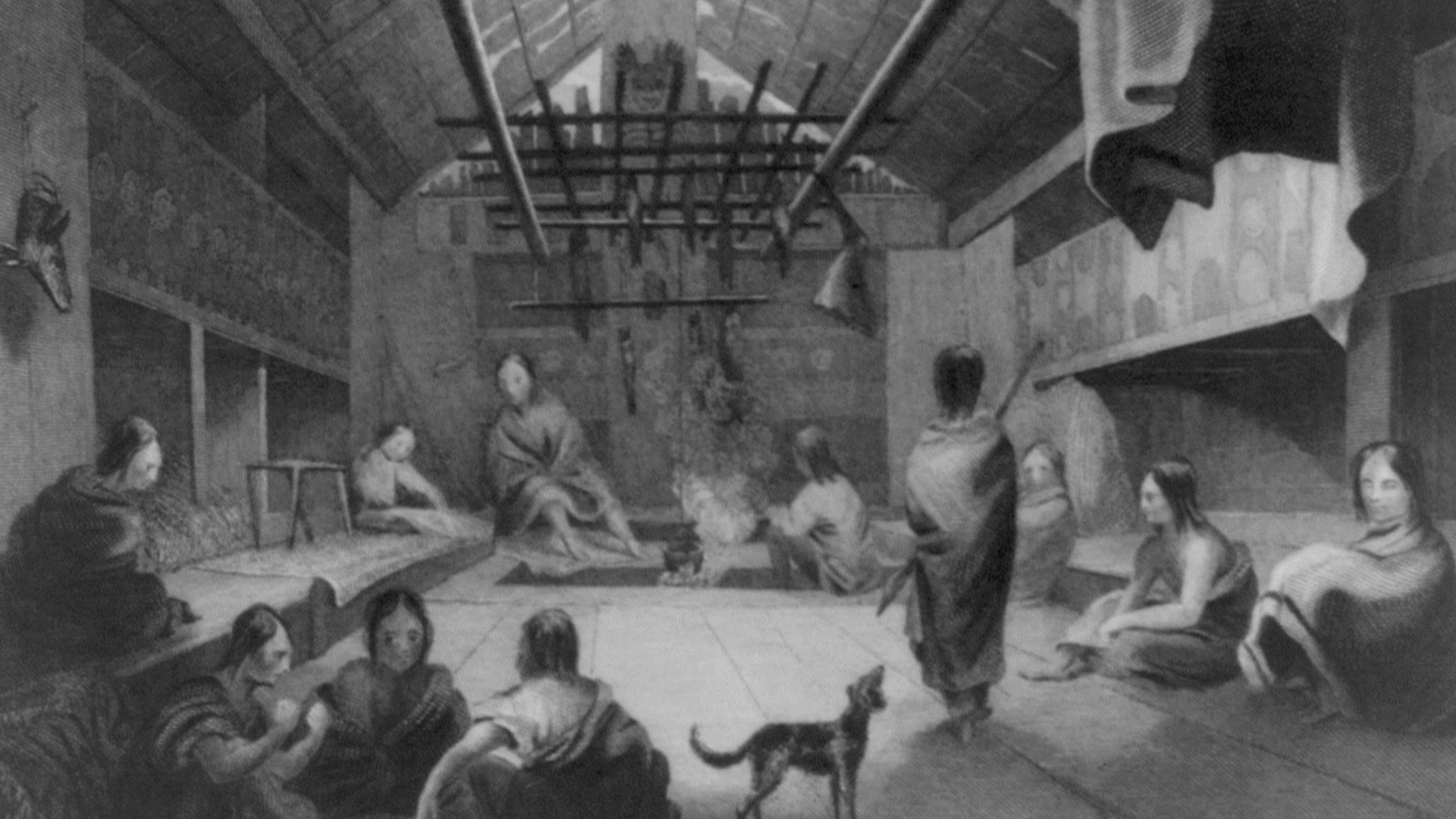
Chinook Plank House Joinery Without Nails
Cedar planks measuring 40 feet long locked together through mortise-and-tenon joints so tight that you couldn't slip a knife blade between them. Master builders split planks along the wood grain using controlled wedging techniques. Post-and-beam frameworks used massive timbers joined at precise angles, with weight and friction holding everything secure.
 Charles Wilkes, U.S.N., Wikimedia Commons
Sinagua Cliff Dwelling Water Catchment
These stone apartments collect rainfall through an integrated system that modern green builders study for inspiration. Roof surfaces sloped toward carved channels directing water into sealed storage cisterns built directly into the cliff face. During the eight-month dry seasons, these reserves provided enough water for drinking, cooking, and limited agriculture.
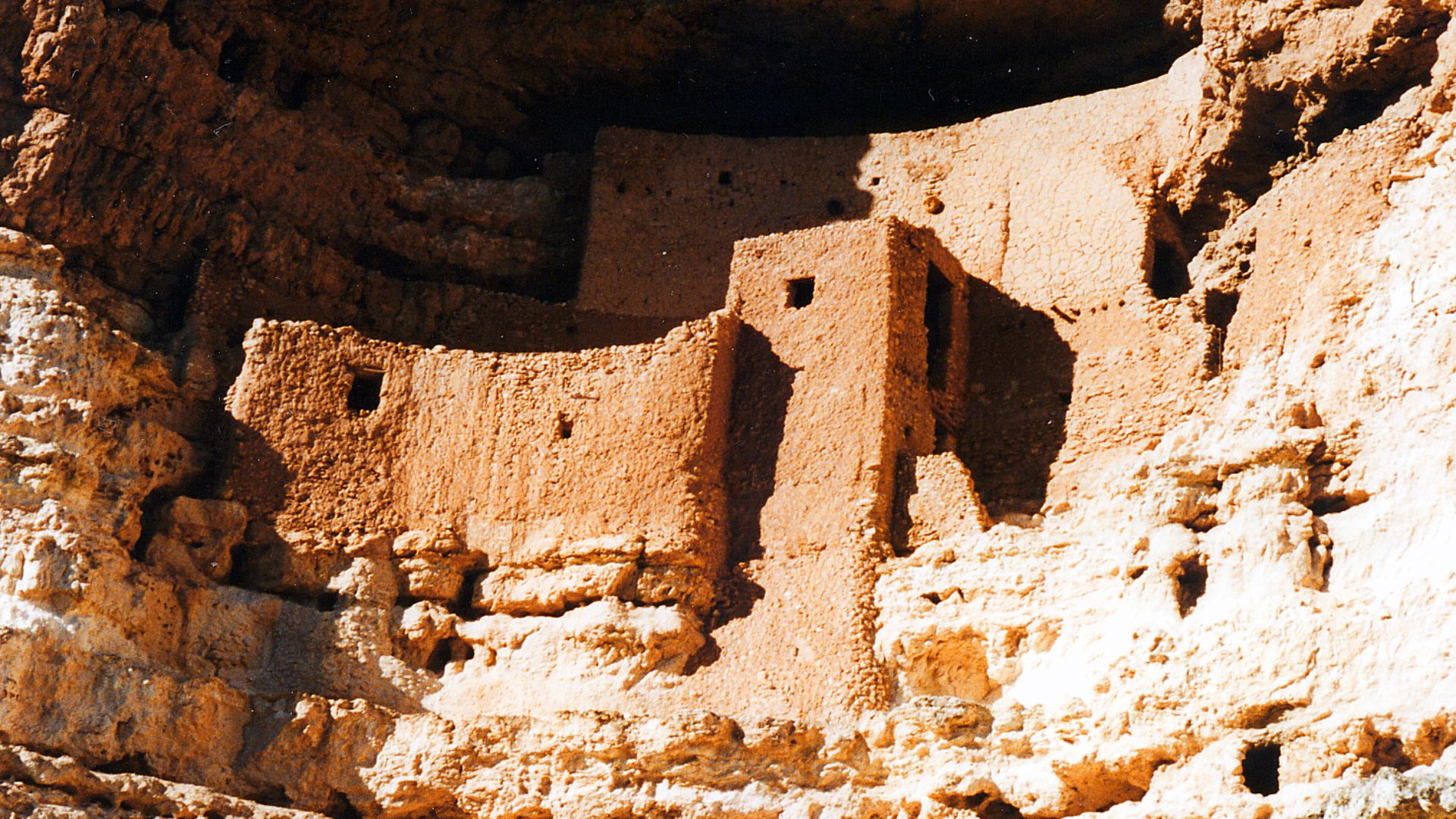 Phillip Capper (PhillipC), Wikimedia Commons
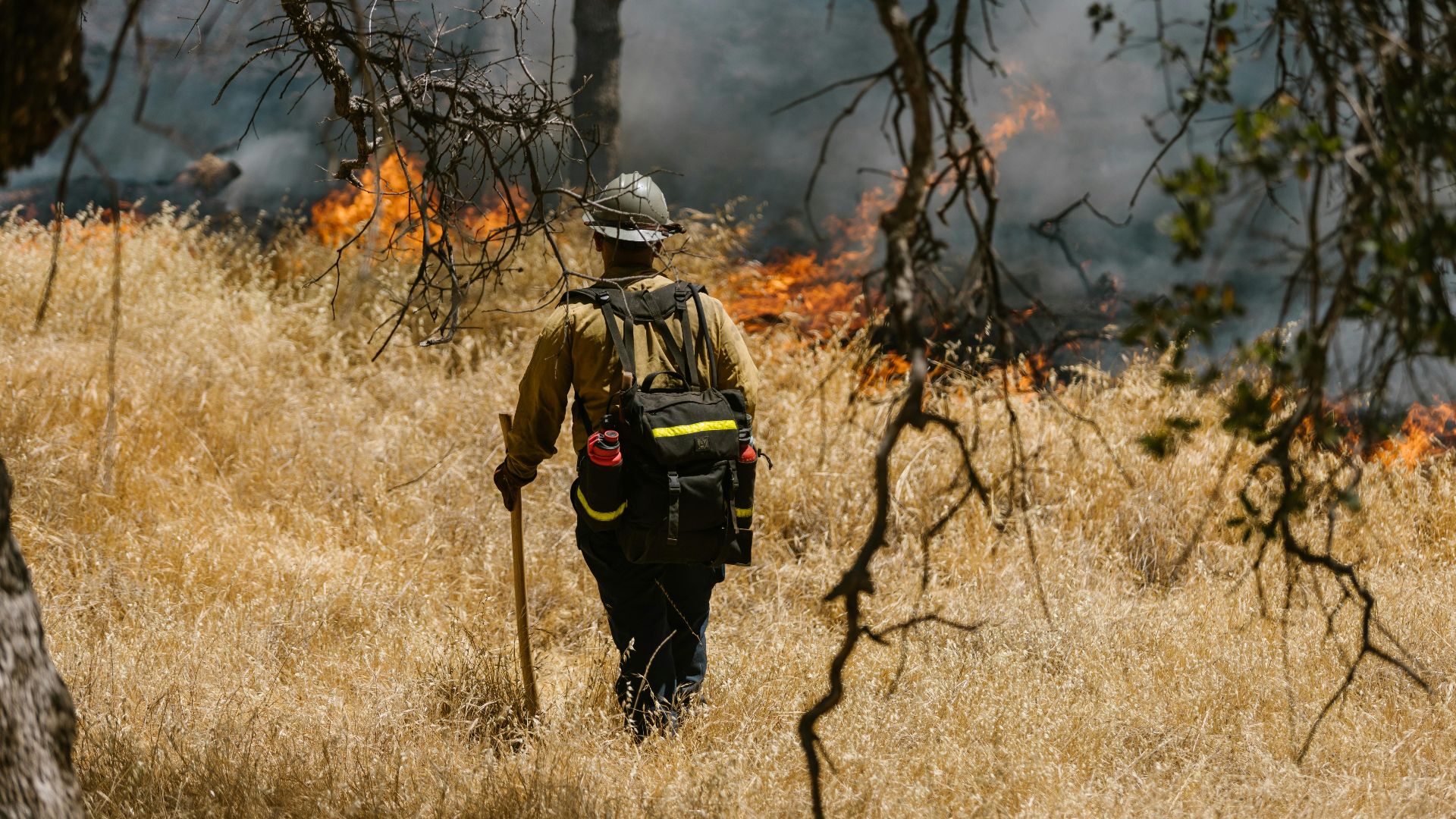
Lenape Controlled Forest Fire Management
Burning forests sounds destructive until you realize Lenape communities used fire like a surgical instrument. Strategic burns eliminate underbrush that fuels catastrophic wildfires and promote new growth of edible plants. The resulting terrain resembled a park, with massive old-growth trees spaced wide enough to walk between.
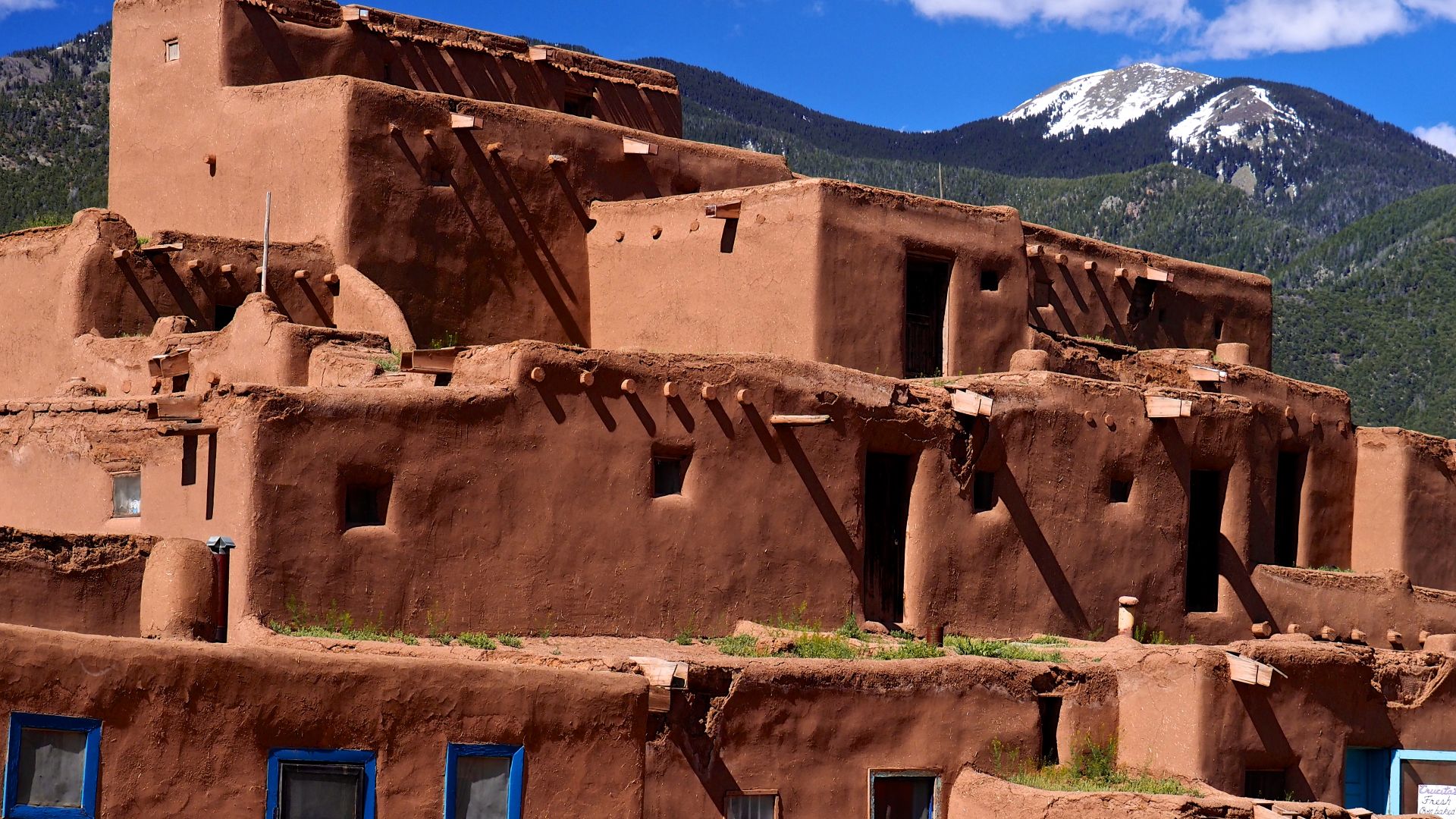
Ancestral Puebloan Adobe Thermal Mass Design
Walls 2 feet thick absorbed scorching daytime heat, then radiated warmth back into rooms throughout freezing desert nights. Builders mixed clay, sand, and straw in precise ratios to maximize strength and optimize thermal properties. The material breathes naturally and regulates humidity levels that would otherwise damage food stores.
 John Mackenzie Burke, Wikimedia Commons
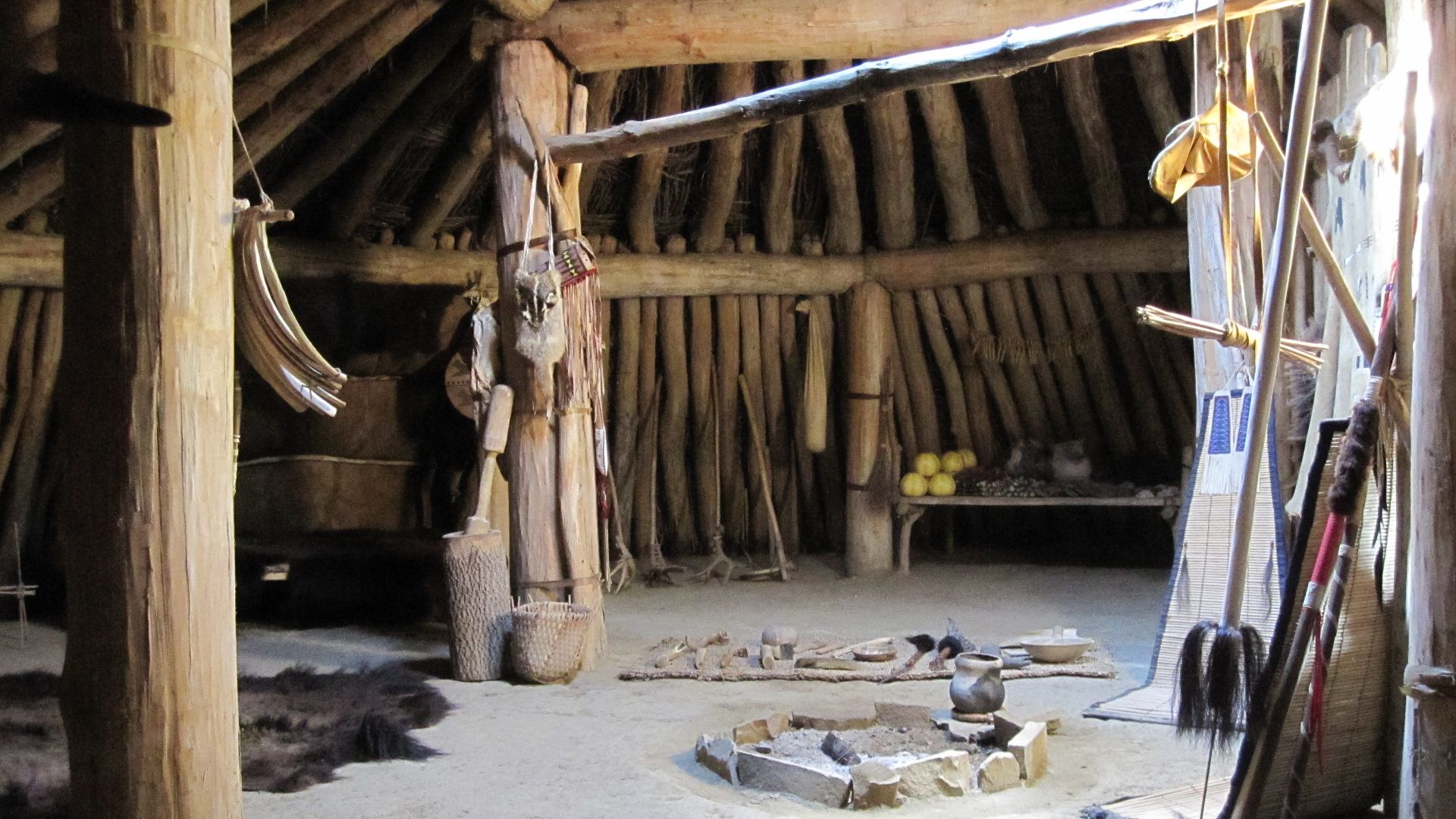
Mandan Earth Lodge Structural Integrity Methods
4 massive cottonwood posts anchored the center of these circular homes, which supported rafters that could span 40 feet across without sagging. Layers of willow branches, grass thatch, and compacted earth created a dome strong enough that buffalo could graze on the roof during blizzards reaching 50 below zero.
 Gooseterrain2, Wikimedia Commons
Tlingit Bentwood Box Steam-Bending Technique
Creating a watertight wooden box from a single cedar plank requires bending wood past its breaking point without snapping it. Craftspeople soaked planks in water, then positioned them over steaming rocks as they applied gradual pressure. Three corner bends transformed flat boards into rectangular containers with only one seam.
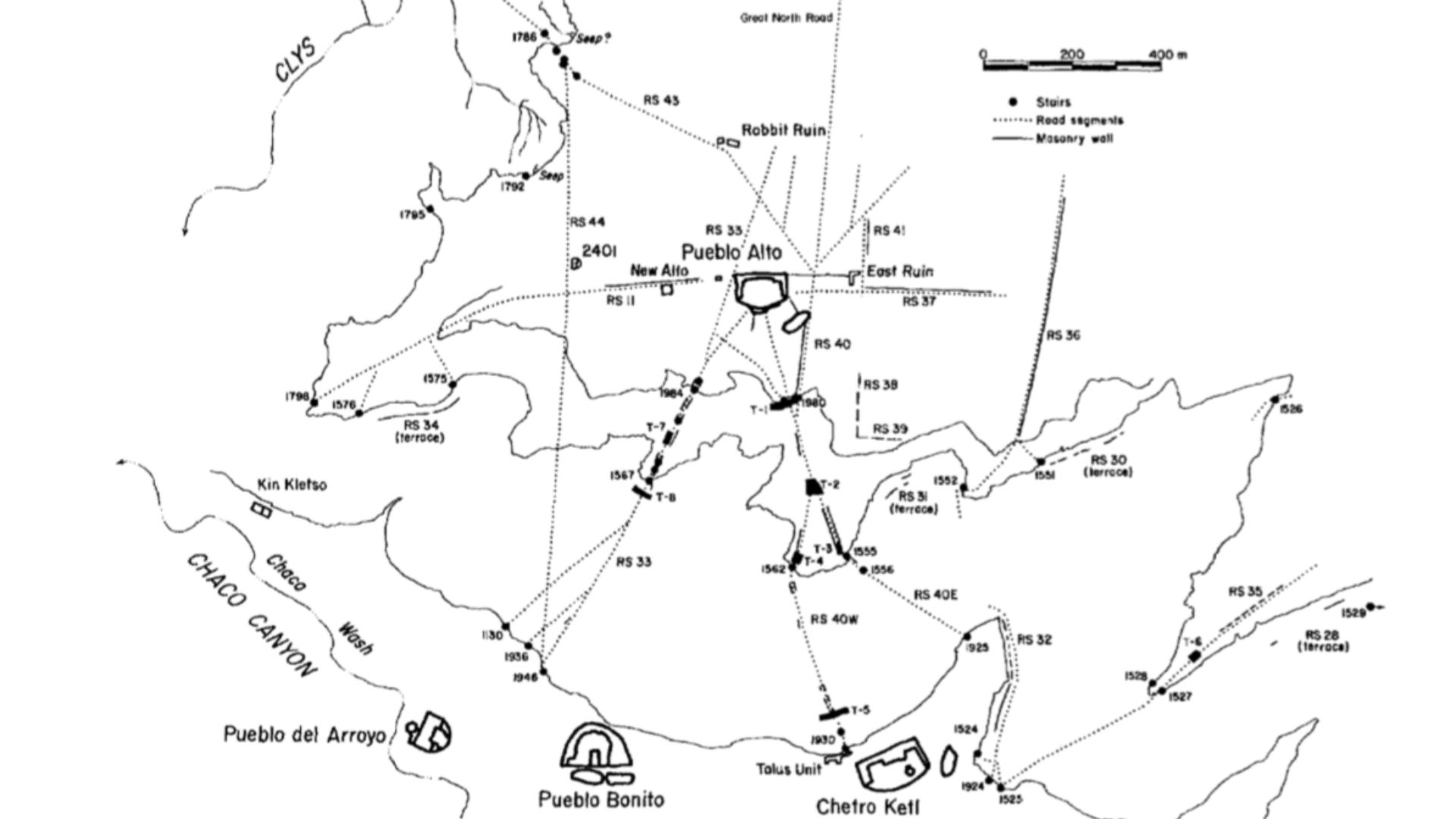
Anasazi Road Engineering Across Canyons
30-foot-wide highways stretched perfectly straight for miles across terrain that would challenge modern road crews with bulldozers. Engineers carved stairways directly into cliff faces where roads needed to descend canyon walls. Some road segments required moving thousands of tons of rock just to maintain that laser-straight alignment.
 National Park Service, Wikimedia Commons
Pomo Watertight Basket Weaving Technology
Weaving containers so tight that they hold liquid without any sealant demands mathematical precision in selecting and preparing materials. Sedge root, willow shoots, and redbud bark each possess specific flexibility that Pomo weavers exploited through different stitch patterns. A single basket intended for cooking might contain over 30 stitches per inch.
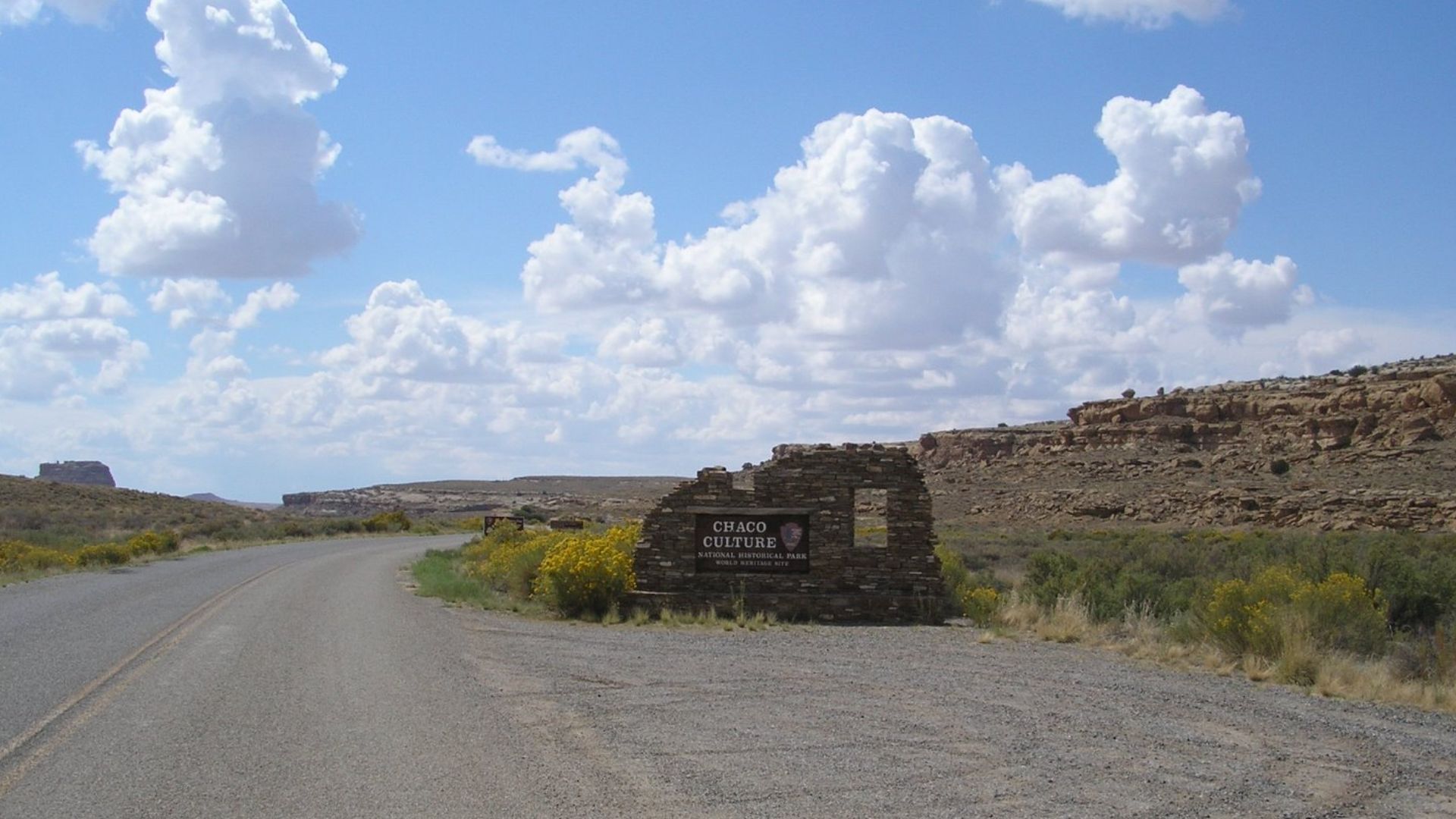
Chaco Canyon Road Alignment Precision
Roads radiated from Pueblo Bonito like spokes on a wheel, maintaining compass bearings accurate to within two degrees across distances exceeding sixty miles. Survey crews somehow sighted these alignments without optical instruments, possibly using wooden stakes and astronomical references. This network connected over seventy outlying communities to the ceremonial center.
 SkybirdForever, Wikimedia Commons
Iroquois Elm Bark Canoe Construction
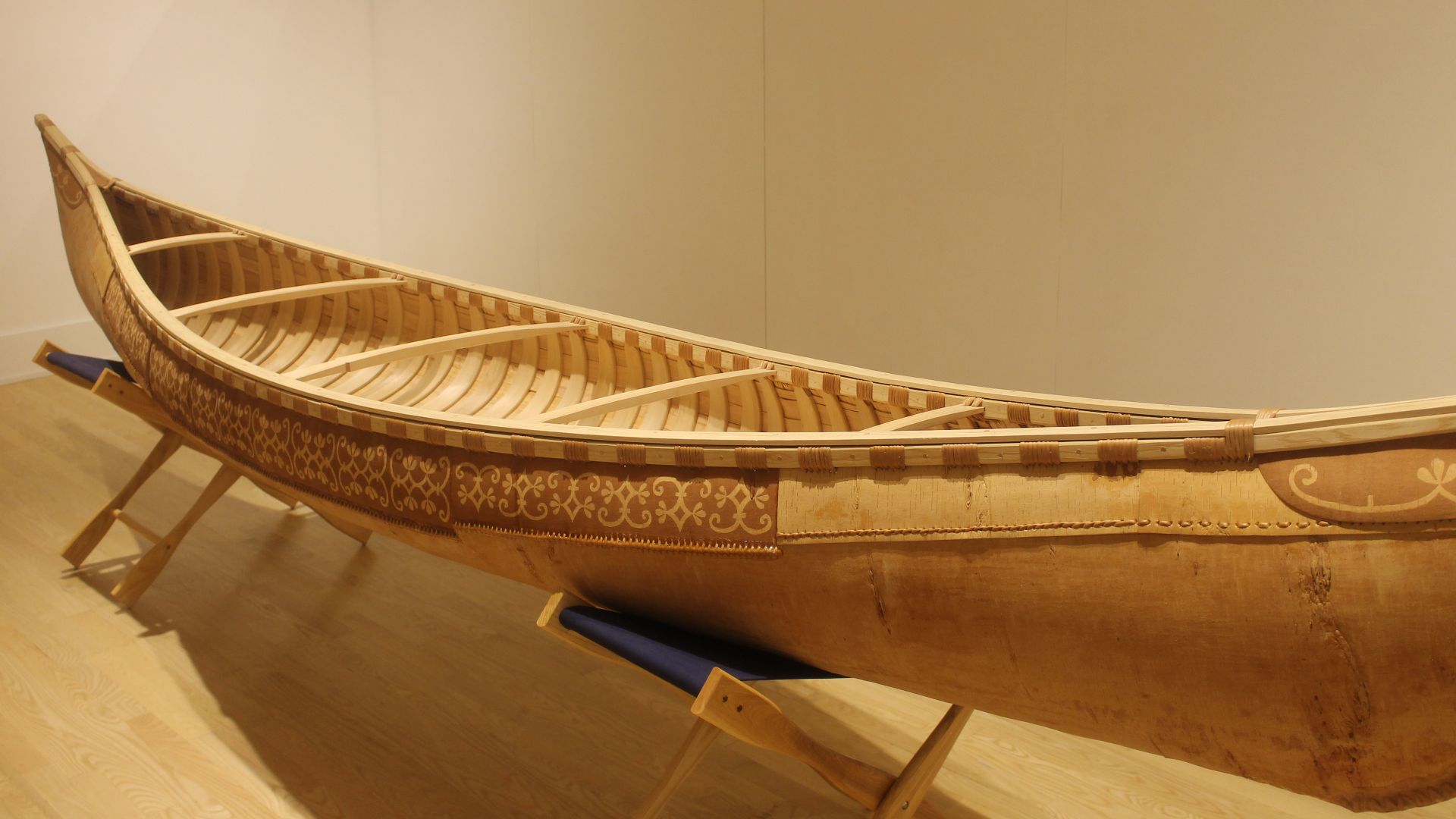
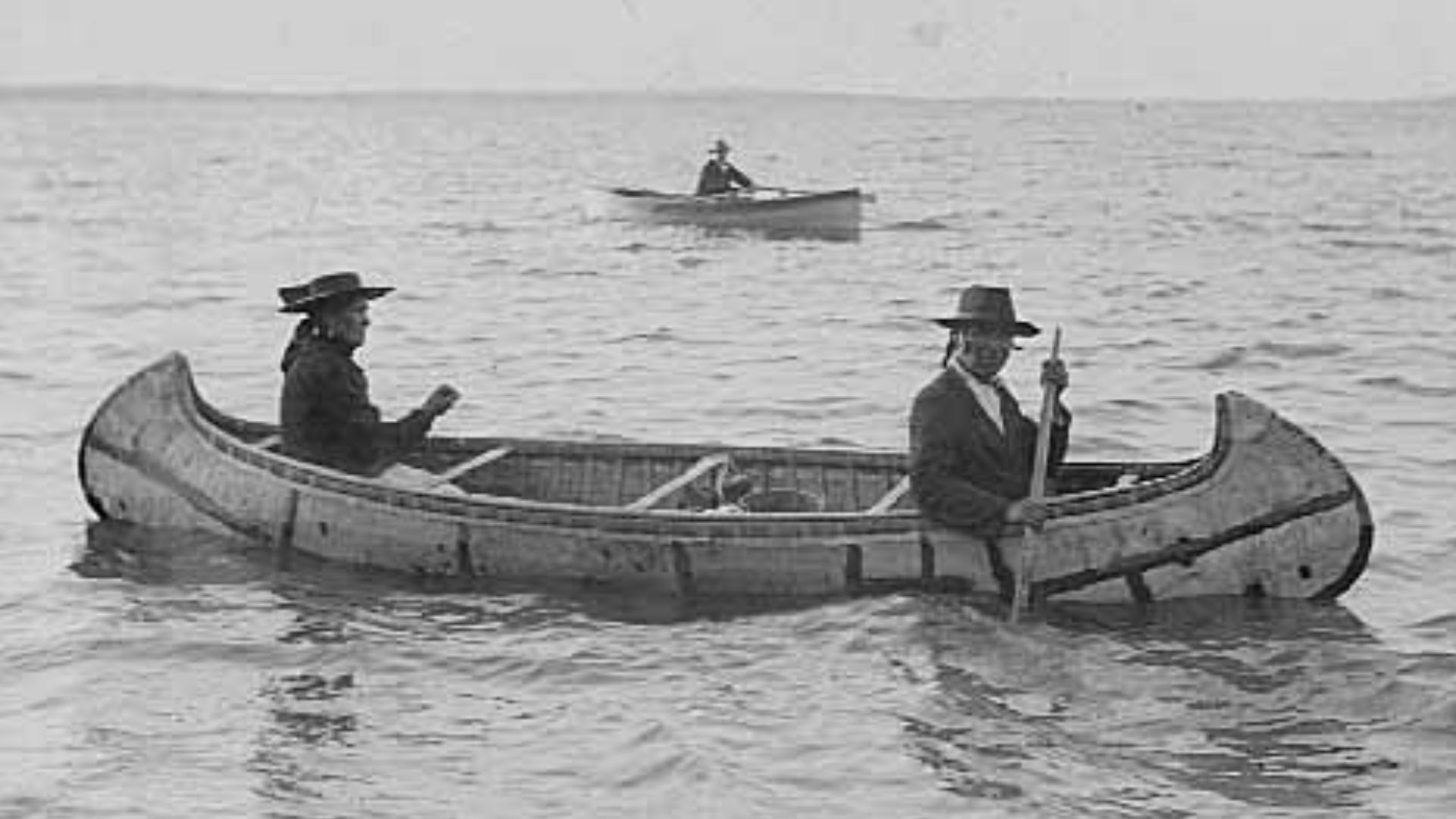
Peeling massive sheets of bark off elm trees without tearing them requires understanding seasonal sap flow and cambium layer behavior. Builders harvested in spring when sap ran high to make bark peel cleanly in sections twenty feet long. Heat-molded planks formed the hull shape before sewn seams received pine pitch waterproofing.
 Billy Hathorn, Wikimedia Commons
Hopi Dry Farming Water Conservation
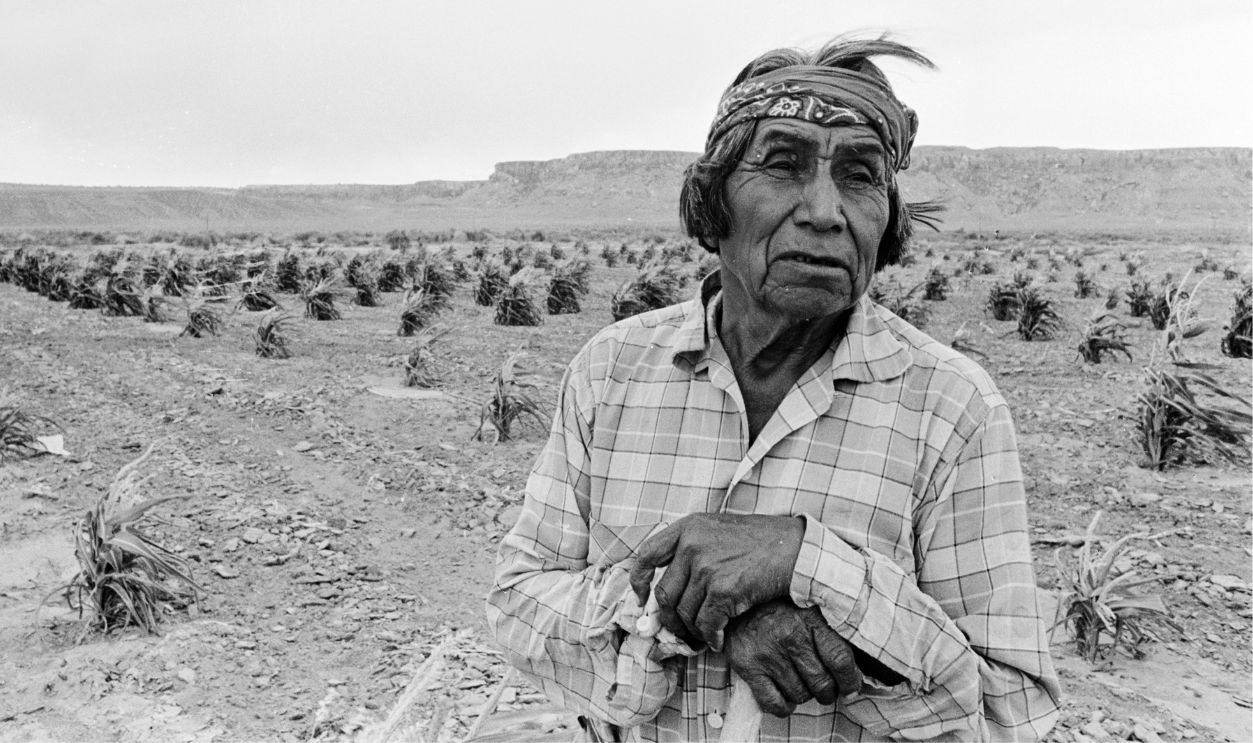
Growing corn in areas receiving less than 10 inches of annual rainfall seems impossible until you watch Hopi farmers work their magic. Seeds go 8 inches deep where residual moisture lingers, rather than the typical two-inch planting depth. Wide spacing reduces competition and allows deeper roots to access moisture.
Salish Reef Net Fishing Engineering
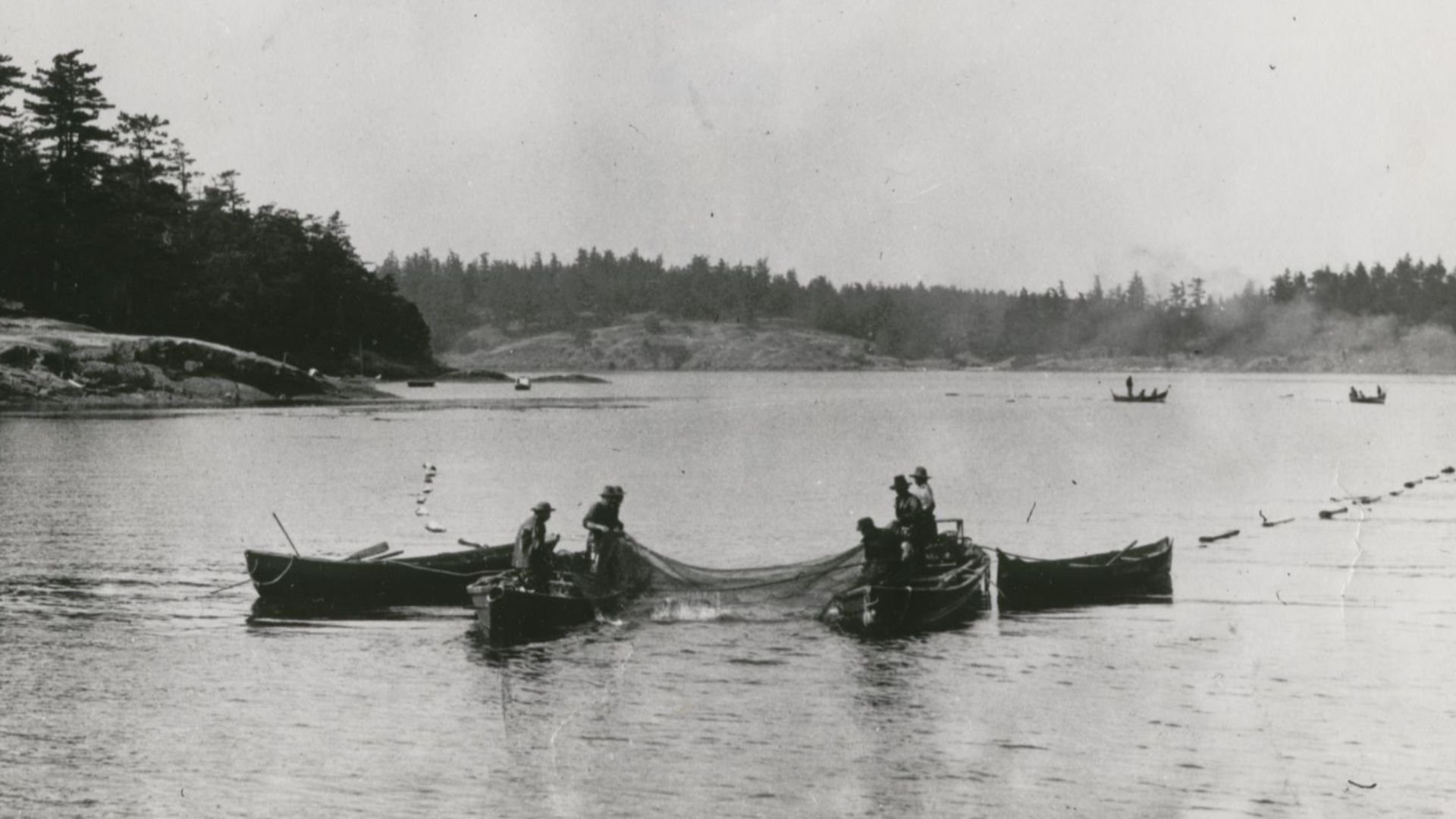
Two canoes anchored 50 feet apart held a net suspended underwater, positioned precisely where salmon migration routes funneled between islands. Lookouts watched for shadows passing over the white net floor, then signaled crews to raise it instantly. This selective harvest method caught mature salmon.
 Richardawalker, Wikimedia Commons
Hohokam Ball Court Acoustics
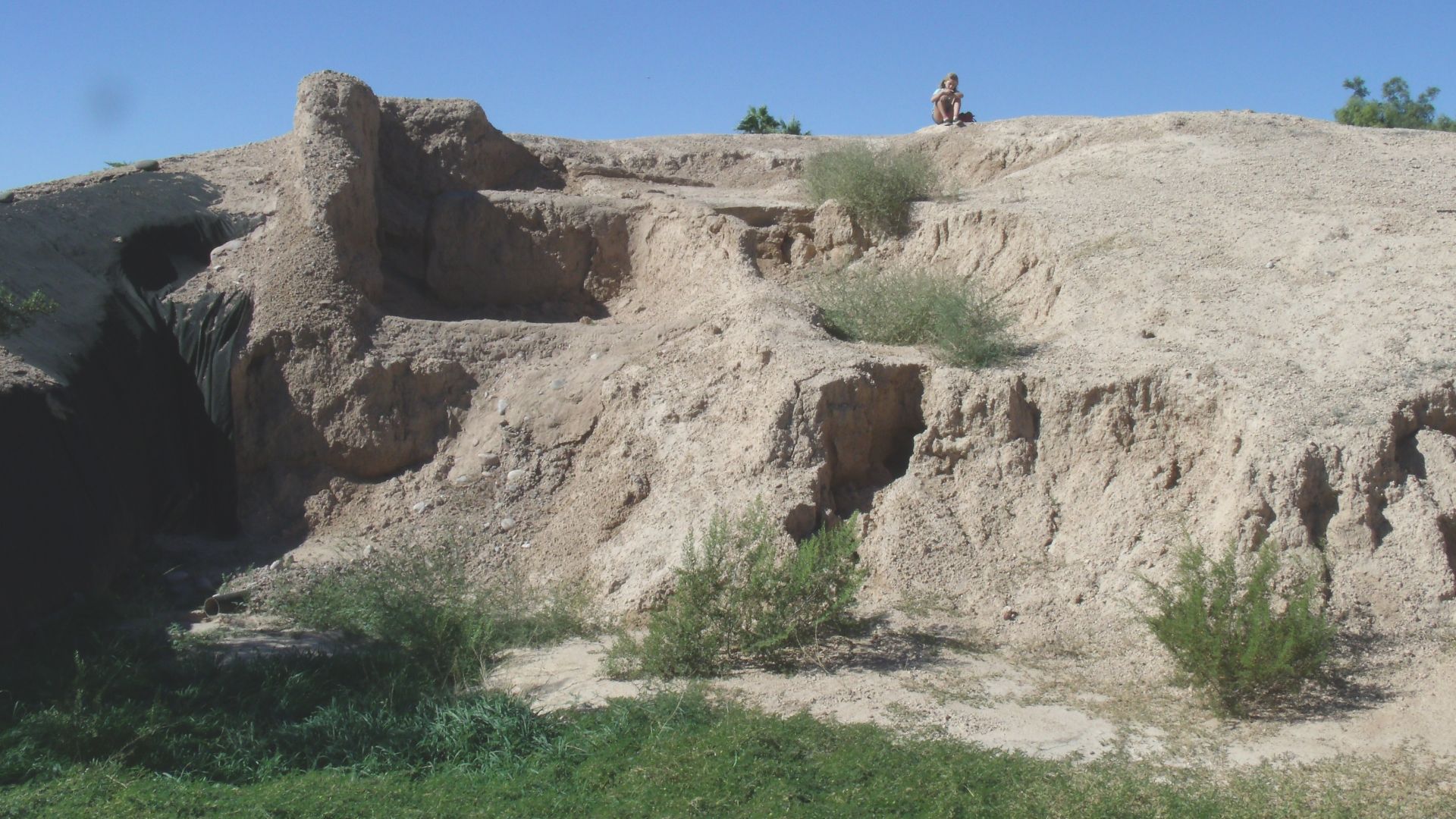
Oval earthen embankments rise 15 feet high around playing fields designed for more than just sport. Sound waves bounce off the sloped walls to amplify voices so spectators hundreds of feet away could hear every word clearly. Engineers shaped the berms at specific angles that focused acoustic energy toward the center.
 Tony the Marine (talk), Wikimedia Commons
Chumash Planked Canoe (Tomol) Waterproofing
Stitching wooden planks together with plant fiber cordage creates thousands of tiny holes that should leak like sieves. Chumash builders sealed every seam with yop, a mixture of pine pitch and naturally occurring tar seeping from ocean floor deposits. The waterproofing remained flexible in cold water and never dissolved.
 National Marine Sanctuaries, Wikimedia Commons
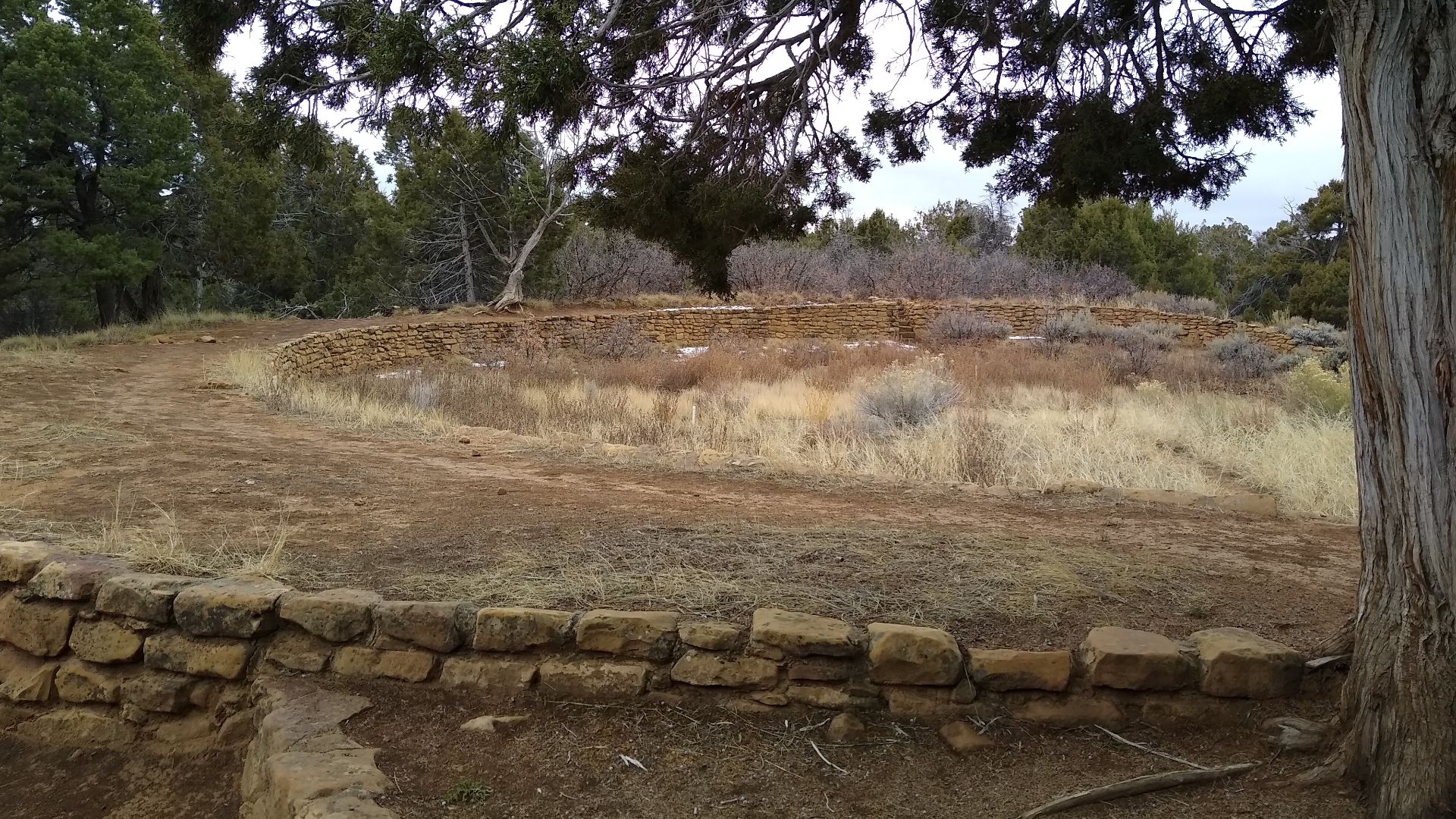
Mesa Verde Check Dam Erosion Control
Stone barriers stair-stepped down canyon slopes, capturing sediment that would otherwise wash away precious topsoil during monsoon downpours. Each dam stood just two feet tall but stretched 20 feet wide to slow water velocity enough for suspended particles to settle. These terraces transformed steep hillsides into level planting surfaces.
 Mx. Granger, Wikimedia Commons
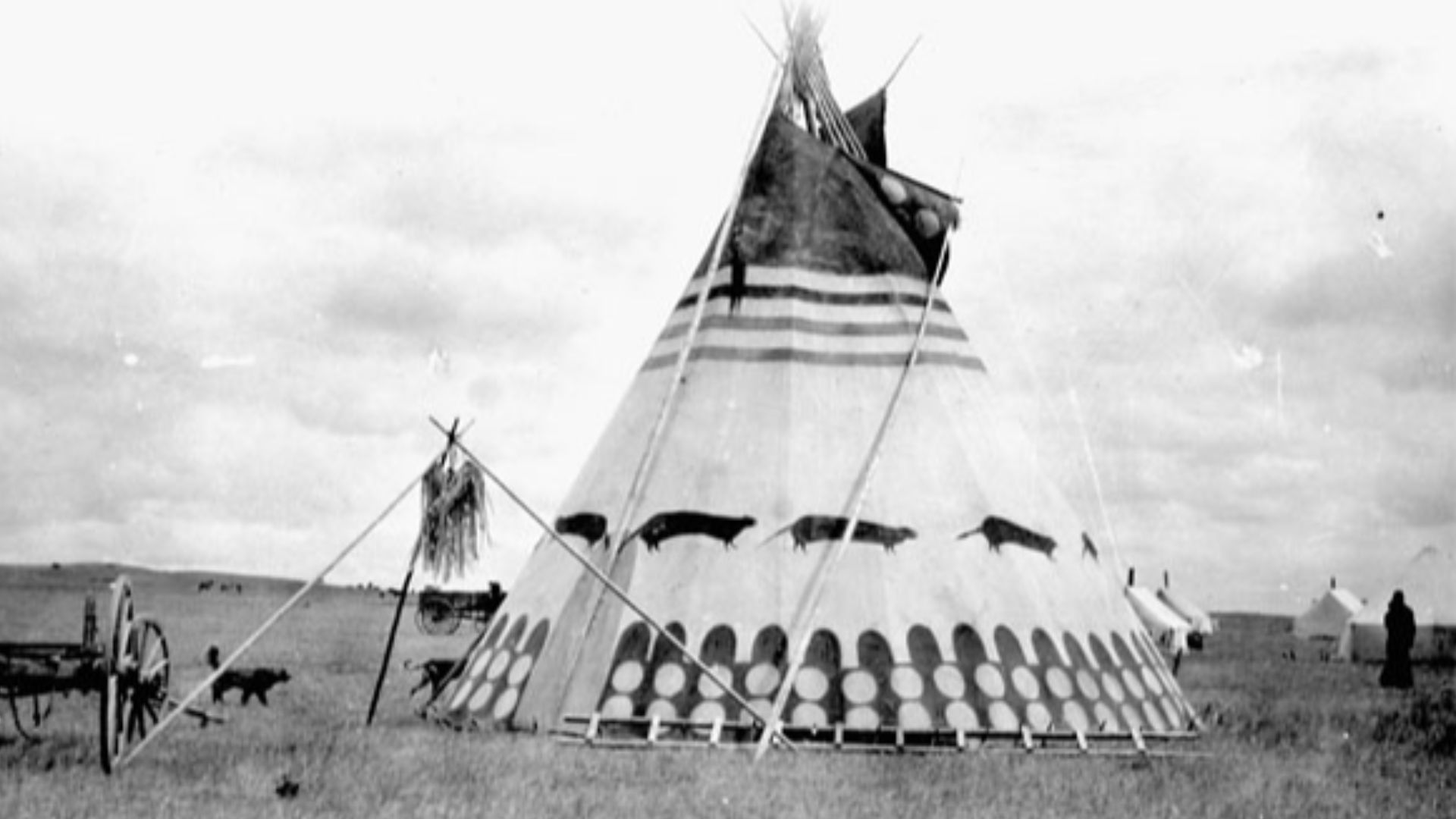
Blackfoot Tipi Wind Resistance Design
Conical lodges shrugged off 70-mile-per-hour prairie winds that would flatten modern tents in seconds. The asymmetrical cone design deflected wind over the top rather than catching it like a sail. Anchor pins driven deep through the cover secured everything, and smoke flaps create negative pressure that holds the structure down.
 Department of Interior (Canada), Wikimedia Commons
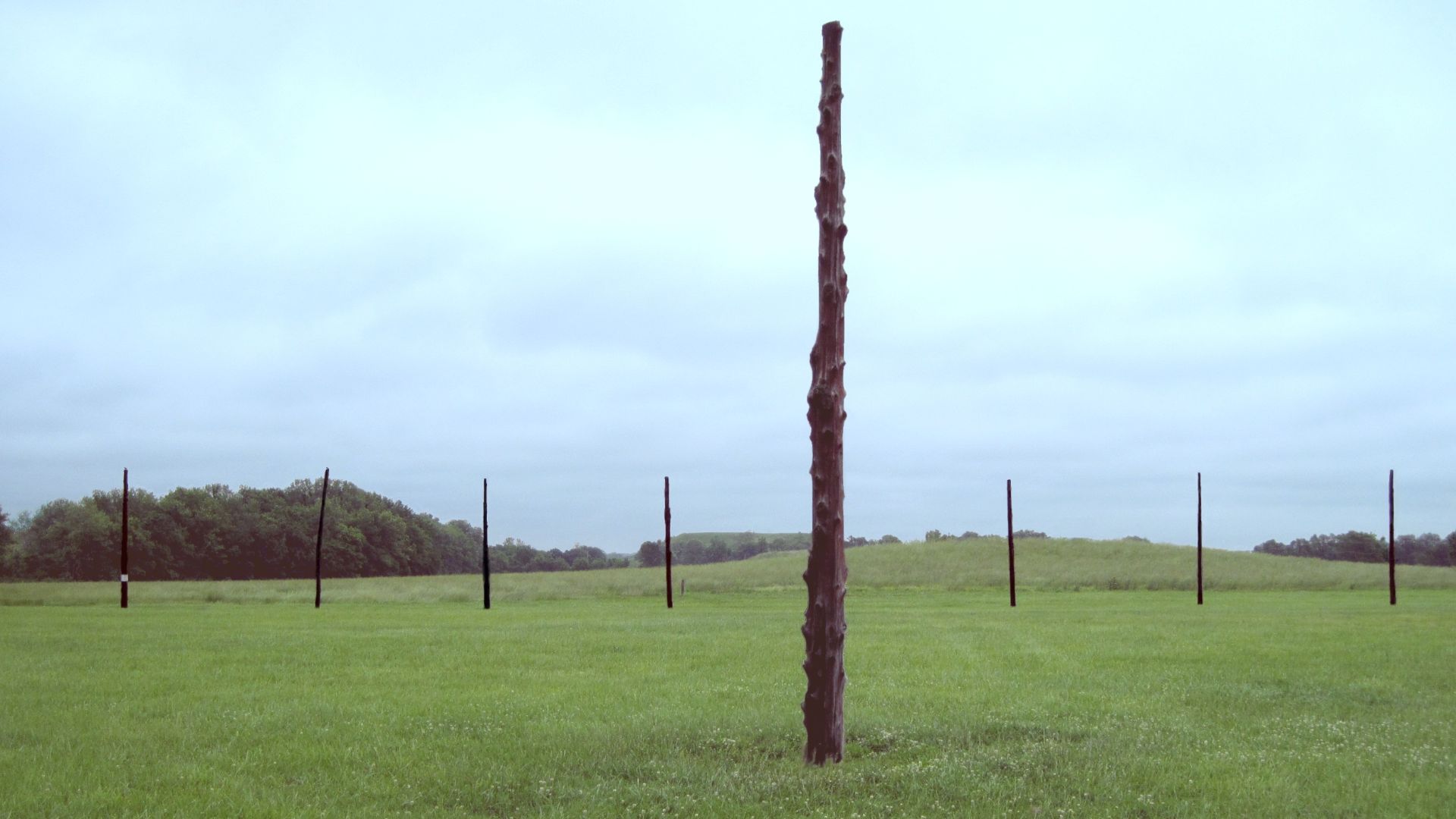
Cahokia Woodhenge Astronomical Calendar
Massive red cedar posts arranged in a circle marked sunrise positions on solstices and equinoxes. Observers standing at the center post watched the sun rise directly over specific perimeter posts on key dates throughout the year. The calendar tracked planting seasons and celestial cycles spanning decades.
 QuartierLatin1968, Wikimedia Commons
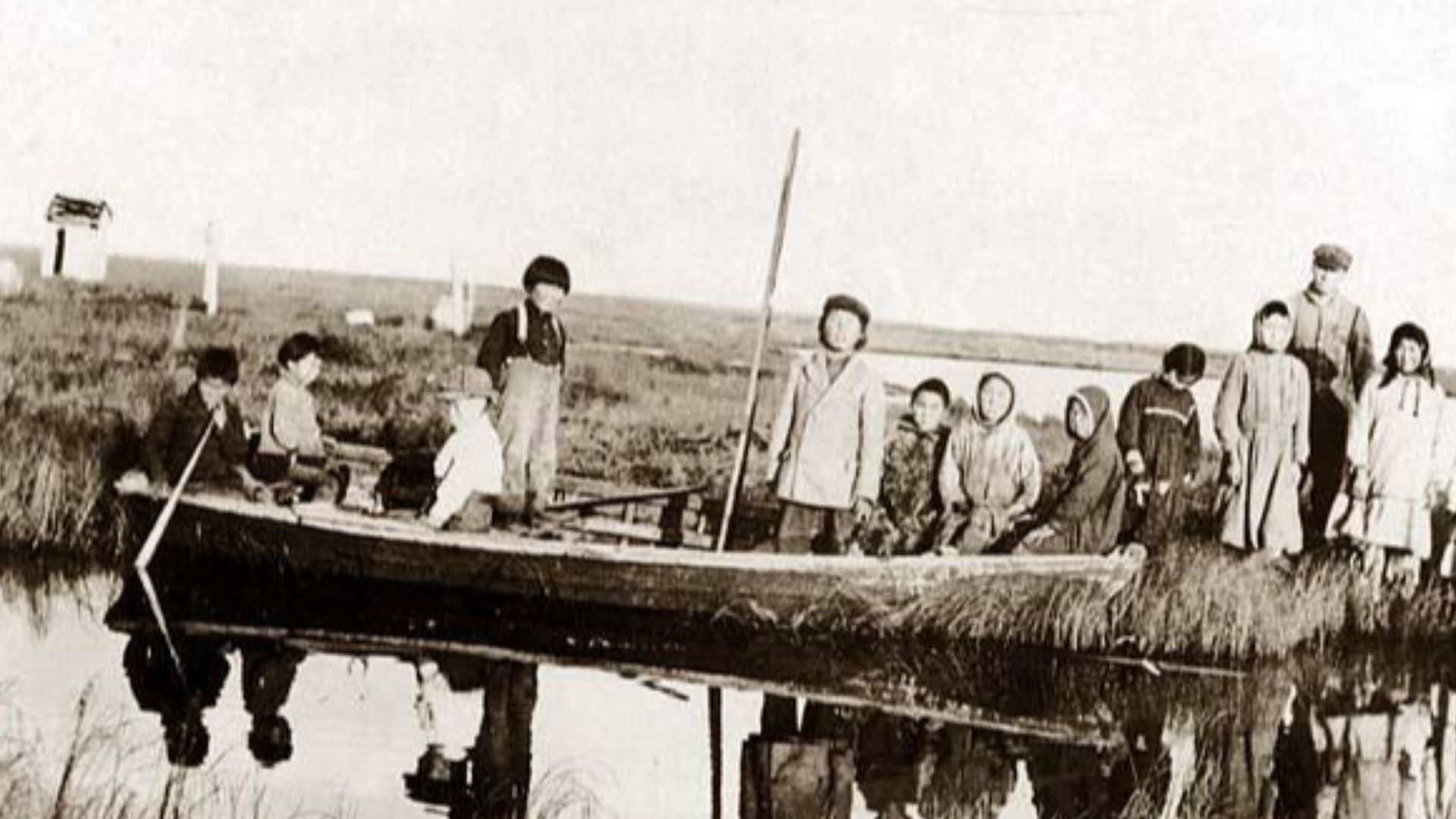
Yup'ik Qayaq Kayak Hydrodynamic Design
Hull shapes perfected over millennia slice through frigid waters with less drag than modern fiberglass kayaks. The narrow beam and sharp entry angle minimize wave resistance, while the flared stern creates lift that prevents the tail from dragging. Seal bladders stretched over driftwood frames created lightweight vessels.
 not indicated, Wikimedia Commons
Ancestral Puebloan Granary Preservation Systems
Small stone rooms plastered with clay created sealed environments where corn could last five years unspoiled. Elevated floors kept food away from ground moisture, and ventilation holes prevented condensation buildup. The arid climate helped, but the architecture made the difference between survival and starvation during drought years.
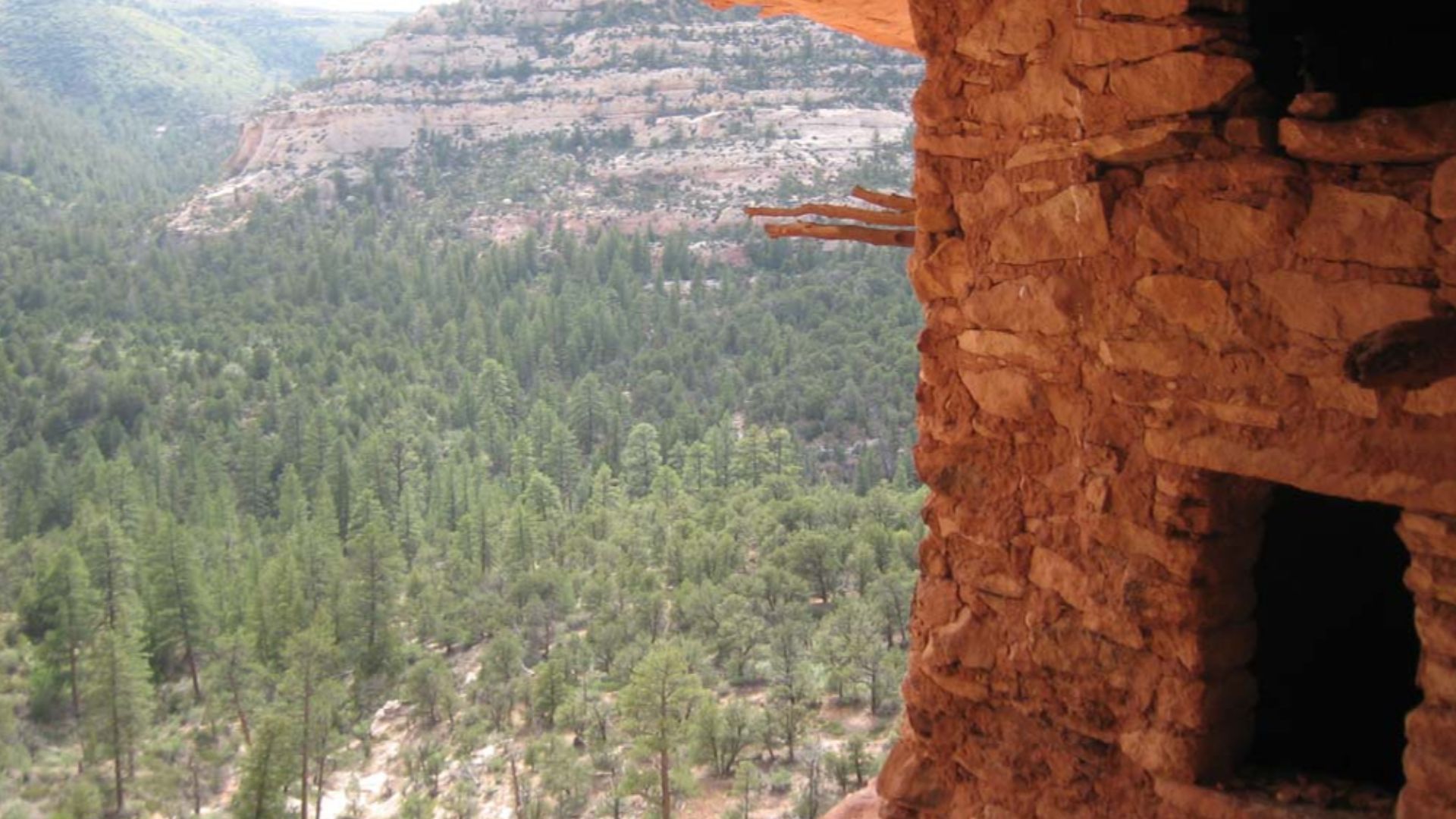 Brian Murdock, Moab/Monticello Ranger District, USFS, Wikimedia Commons
Haudenosaunee Wampum Belt Recording System Encoding
Purple and white shell beads woven into patterns functioned as binding legal documents that recorded treaties and historical events. Each belt told specific stories through symbolic designs that trained readers could interpret accurately across generations. The Two Row Wampum featured parallel purple lines representing a diplomatic concept European colonists struggled to grasp.
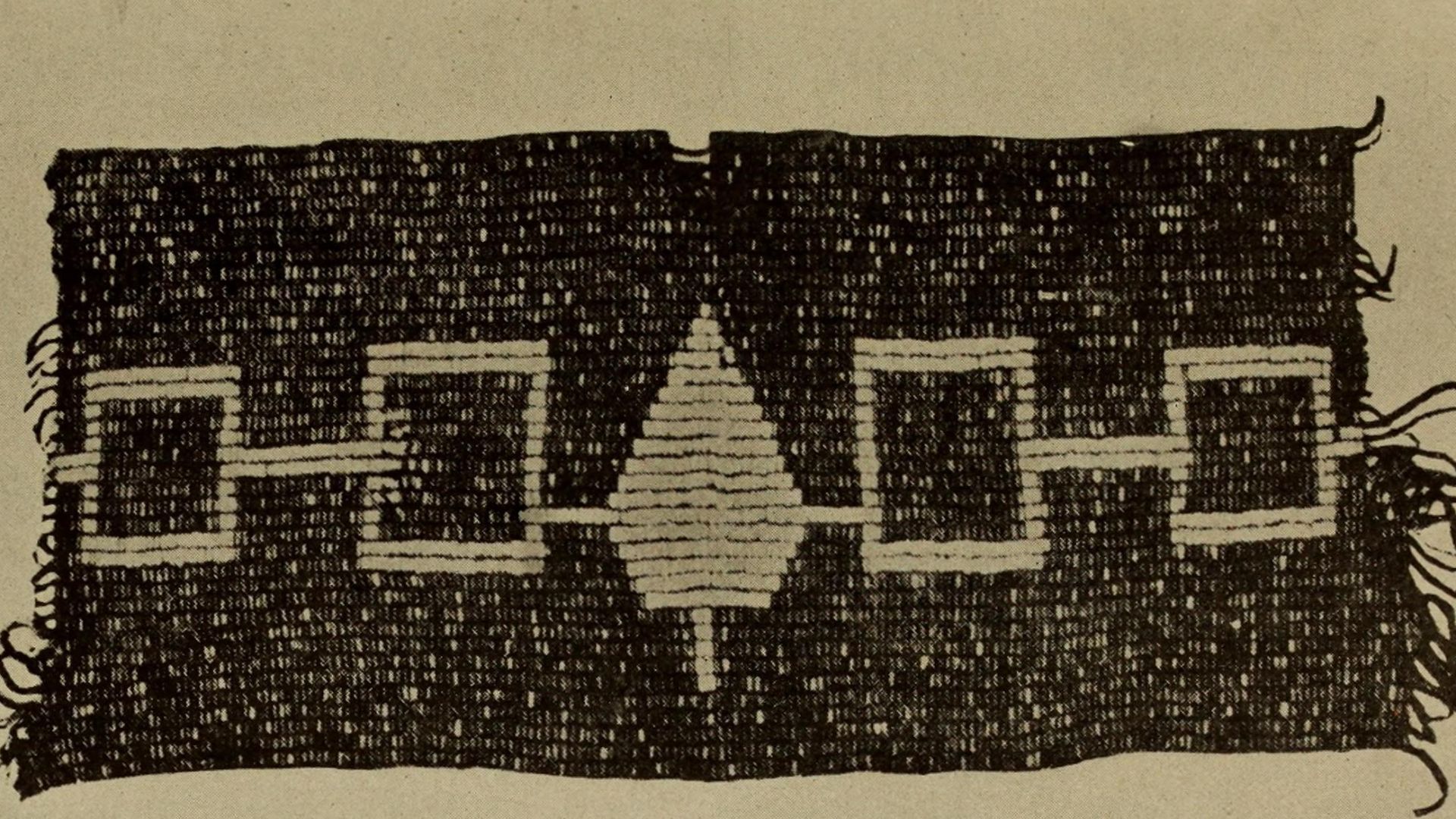 Internet Archive Book Images, Wikimedia Commons
Paiute Wickiup Portable Shelter Engineering
Willow poles bent into a dome frame supported brush, bark, or hide coverings that three people could erect. The flexible structure gave with wind gusts rather than resisting them, surviving storms that destroyed rigid shelters. When families moved seasonally, they simply carried the covering materials and cut fresh poles.
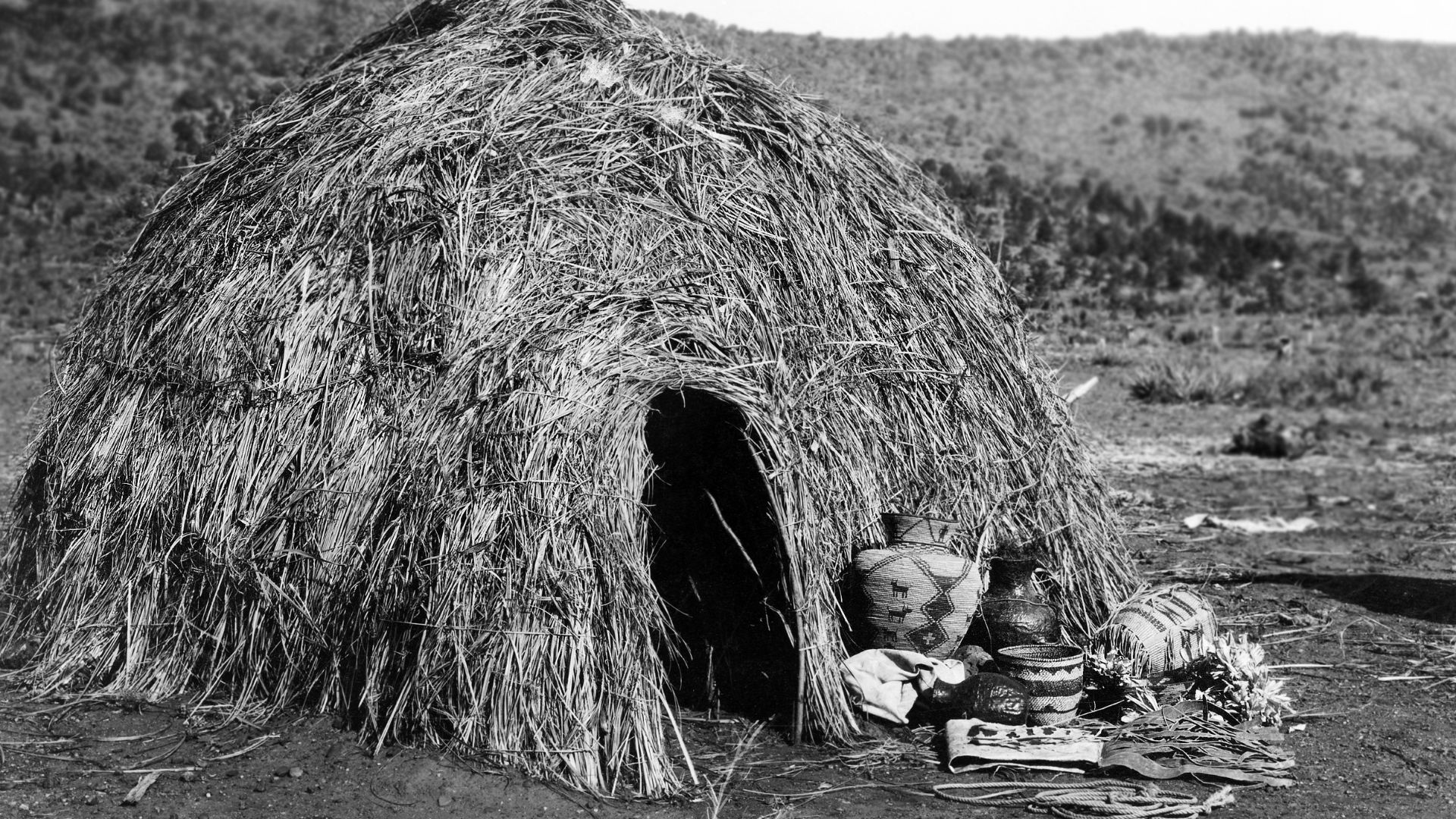 Edward S. Curtis, Wikimedia Commons
Hohokam Agave Fiber Rope Engineering
Pounding agave leaves extracted fibers strong enough to lift heavy stone blocks yet flexible enough to tie intricate knots. Processing required soaking leaves in water for weeks, then scraping away pulp until only the long, stringy fibers remained. Twisted into cordage using Z-twist and S-twist techniques, the resulting rope resisted rot.
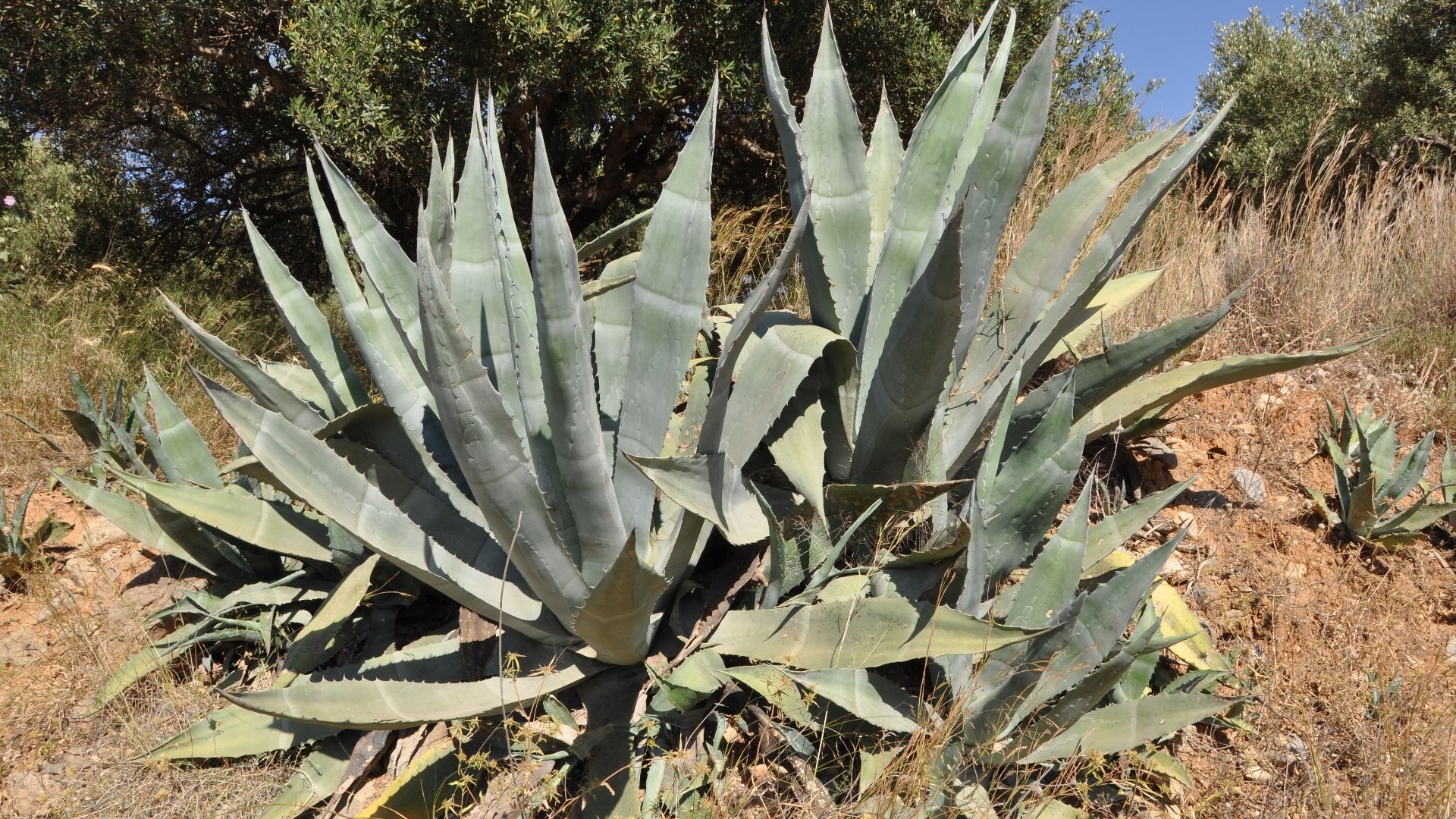 Marc Ryckaert (MJJR), Wikimedia Commons
Ancestral Puebloan Cotton Cultivation At Altitude
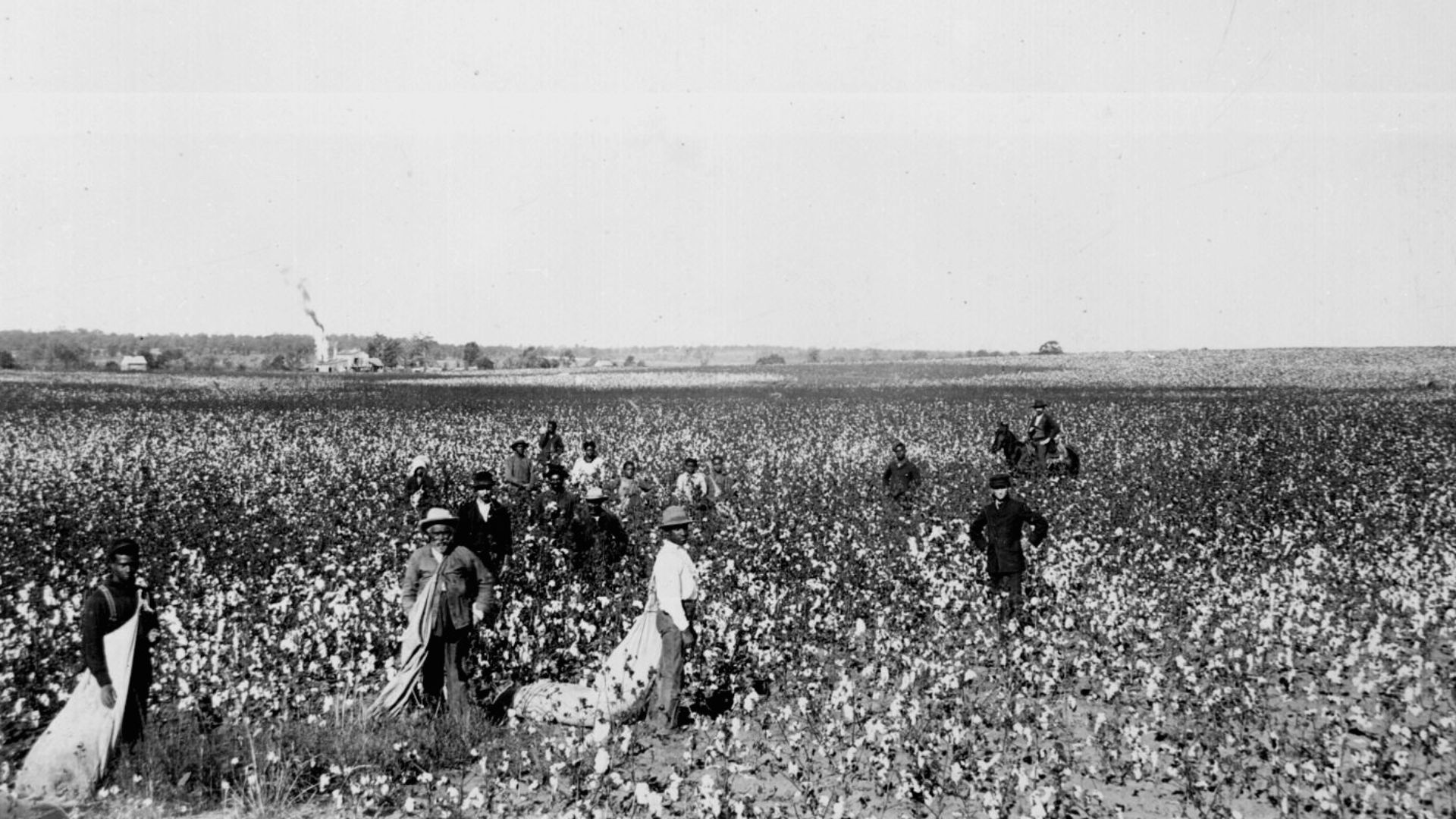
Growing tropical cotton in freezing mountain climates defies every agricultural textbook ever written. Farmers developed frost-resistant varieties through centuries of selective breeding, creating plants that bolted to maturity in 90 days rather than the typical six-month growing season. Careful site selection placed fields on south-facing slopes.
 Unknown authorUnknown author, Wikimedia Commons
Ojibwe Birchbark Container Waterproofing Pitch
Harvesting pine resin requires knowing exactly when trees produce the stickiest sap without killing them in the process. Ojibwe craftspeople collected pitch in spring, then boiled it with charcoal powder and animal fat to create a compound that stayed flexible in subzero temperatures. Containers could hold maple syrup for months.
 Unknown authorUnknown author, Wikimedia Commons
Hopewell Copper Cold-Working Metallurgy
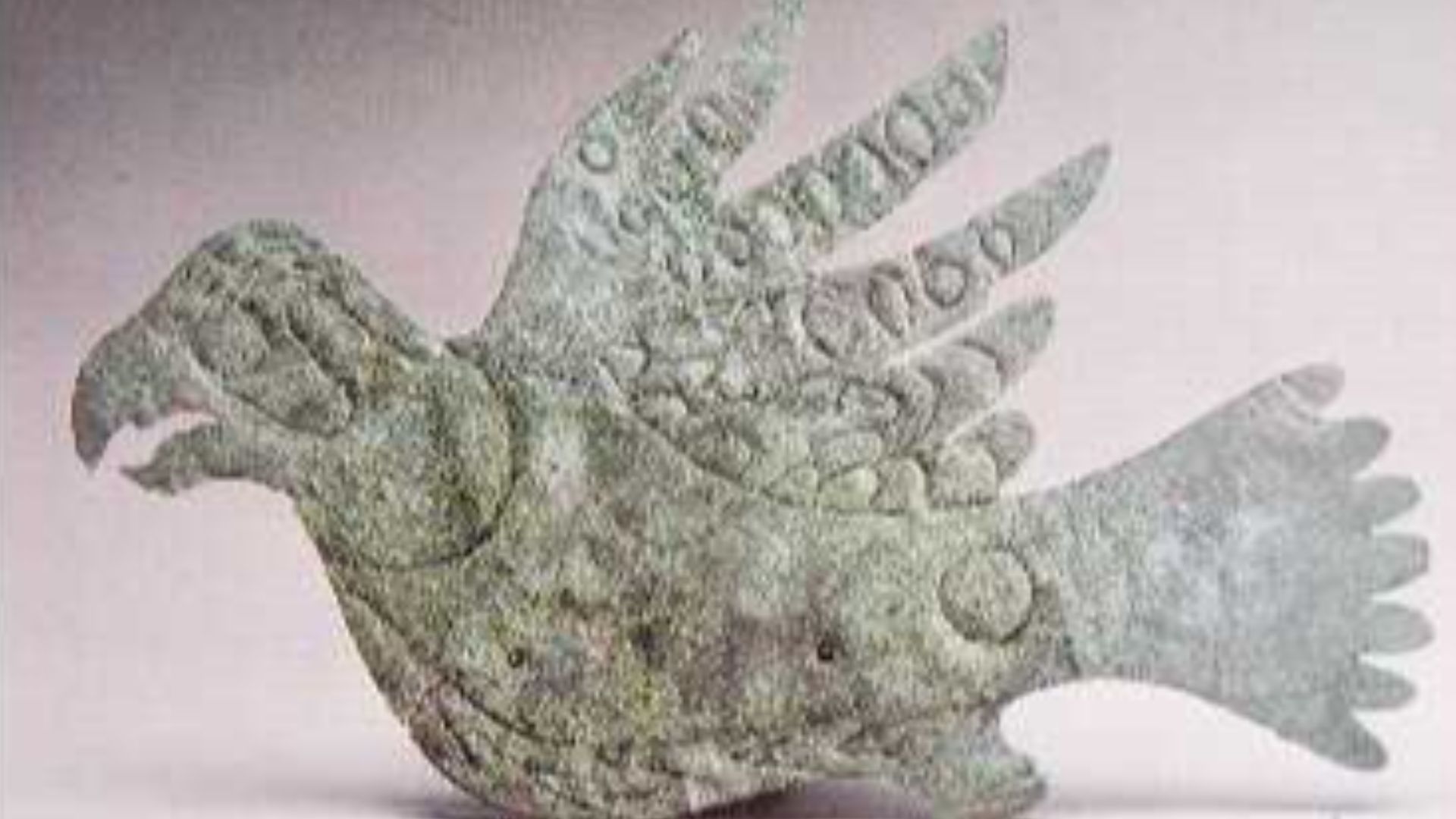
Hammering raw copper nuggets into super-thin sheets requires understanding how metal crystals realign under percussion. The artisans here alternated pounding with heating cycles to prevent the metal from becoming brittle and cracking. Some copper ornaments were worked so extensively that they contained over a thousand hammer marks per square inch.
Catawba Pottery Firing Temperature Control
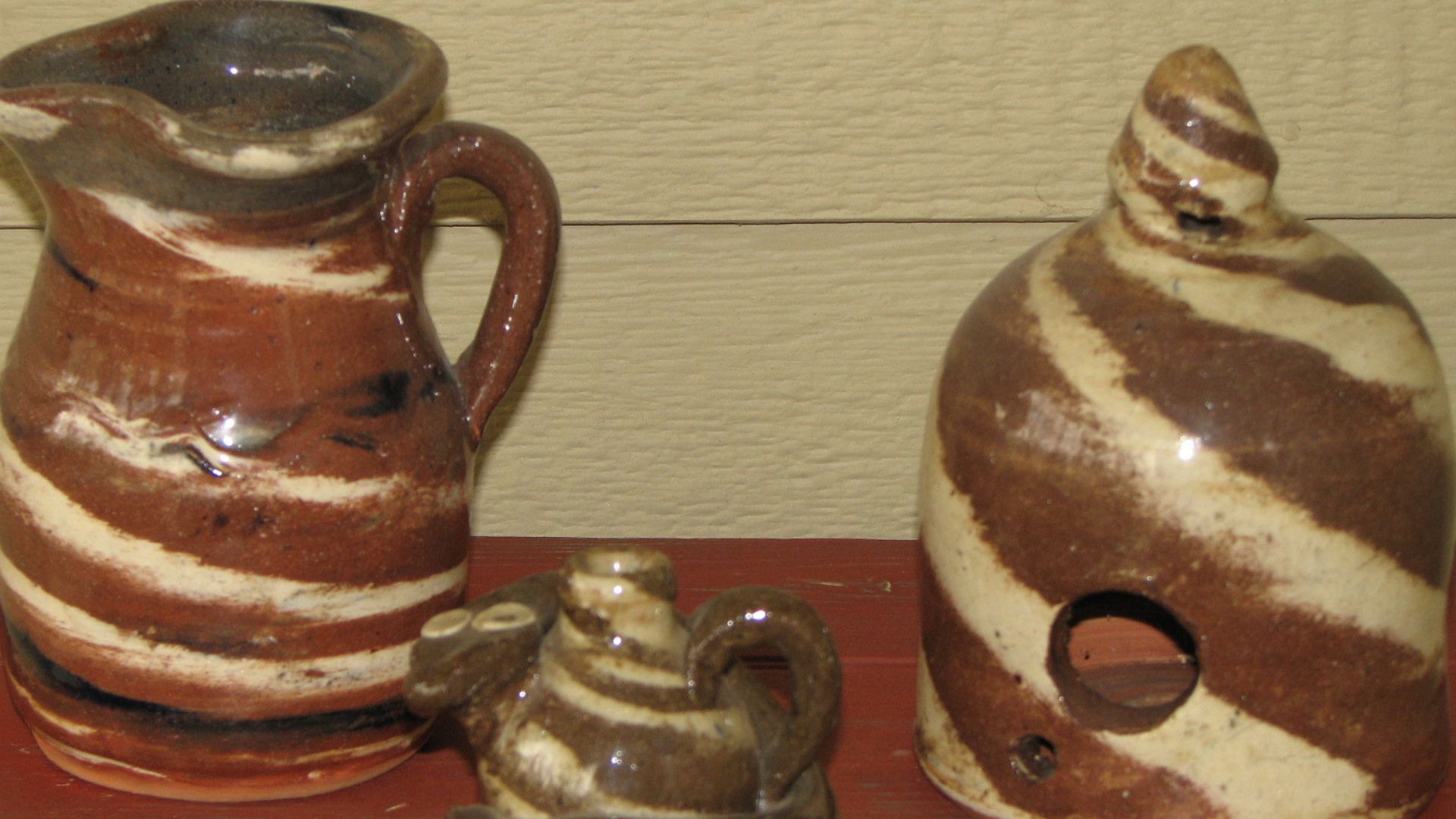
Achieving consistent kiln temperatures without thermometers or enclosed ovens necessitates reading flame color and smoke pattern. Here, potters built open-air fires around vessels, gradually increasing the heat over hours to prevent thermal shock cracking. The specific clay mixture fired at exactly the right temperature produced distinctive black or gray surfaces.
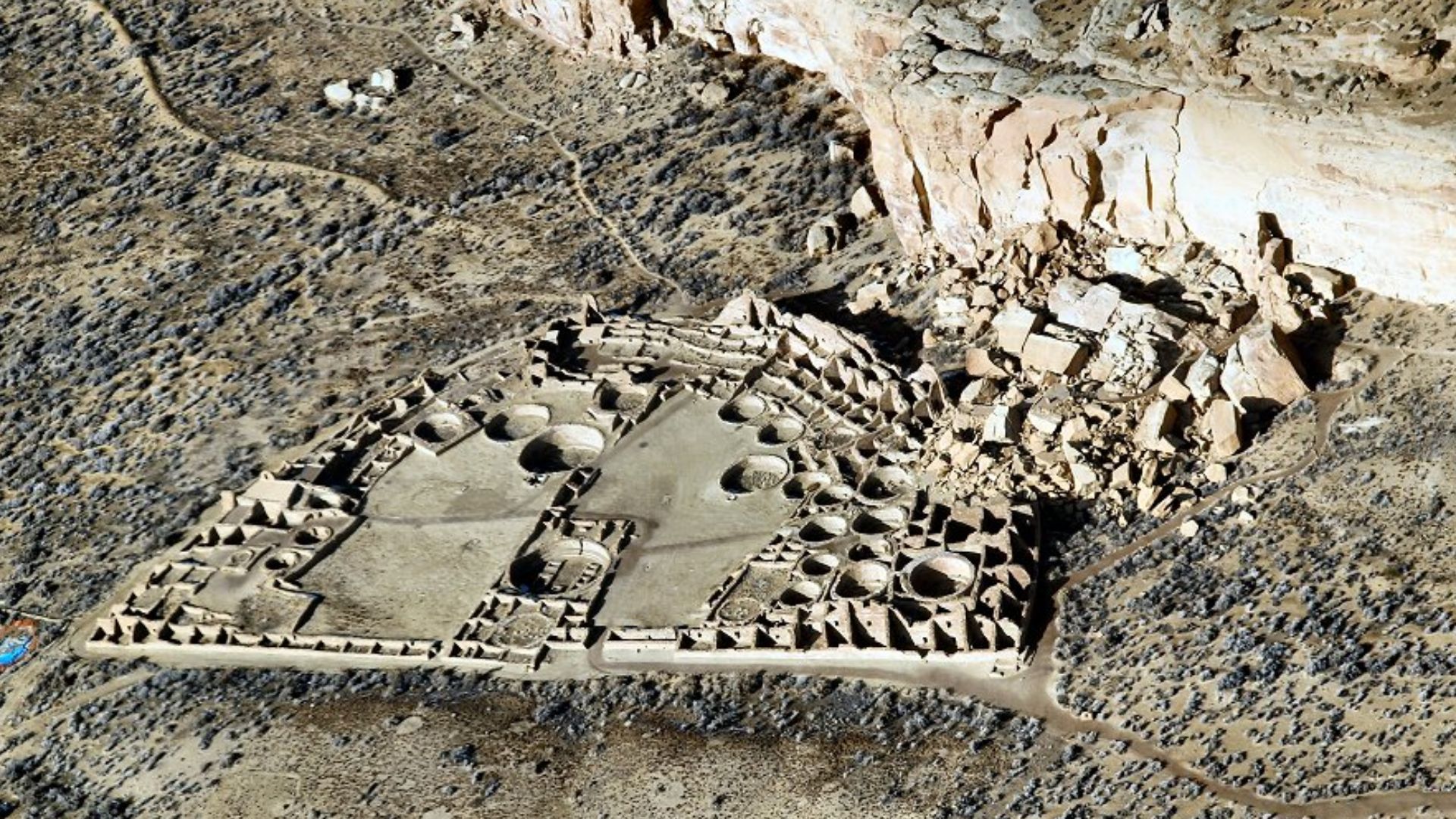
Pueblo Bonito Great House Beam Transport Logistics
Hauling massive pine logs across 70 miles of roadless desert staggers the imagination. Builders felled timber in mountain forests, then organized relay teams to move beams without wheels, draft animals, or mechanical advantage beyond levers and rollers. Over 200k individual timbers were used in construction.
 Bob Adams, Albuquerque, NM, Wikimedia Commons
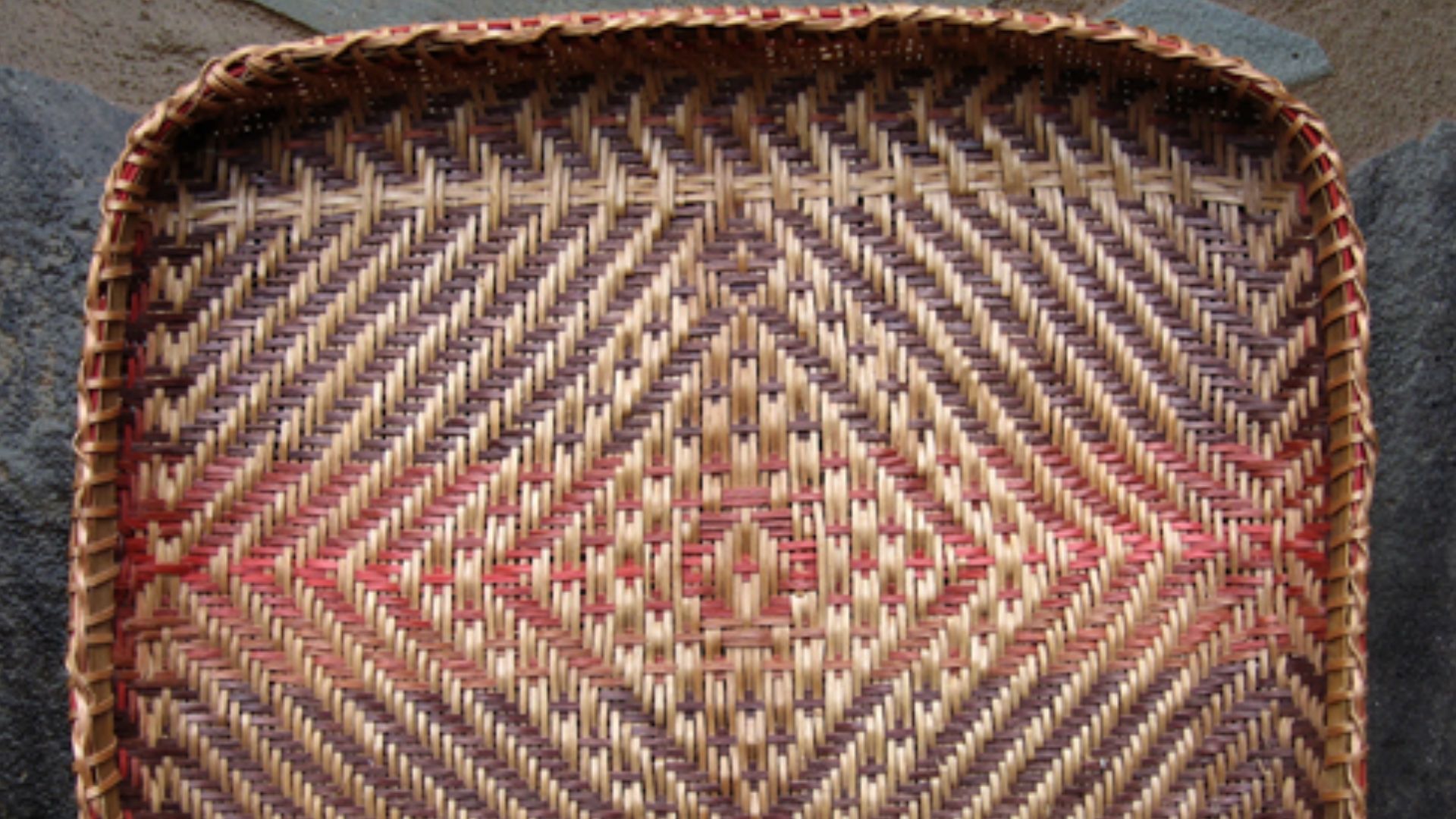
Cherokee River Cane Construction Engineering
Hollow bamboo-like cane provided structural material stronger than many hardwoods, yet light enough to work easily. The experts wove split cane into walls that breathed naturally while keeping rain out, perfect for humid southeastern climates where solid walls would trap moisture. During earthquakes, the homes would sway rather than crack.
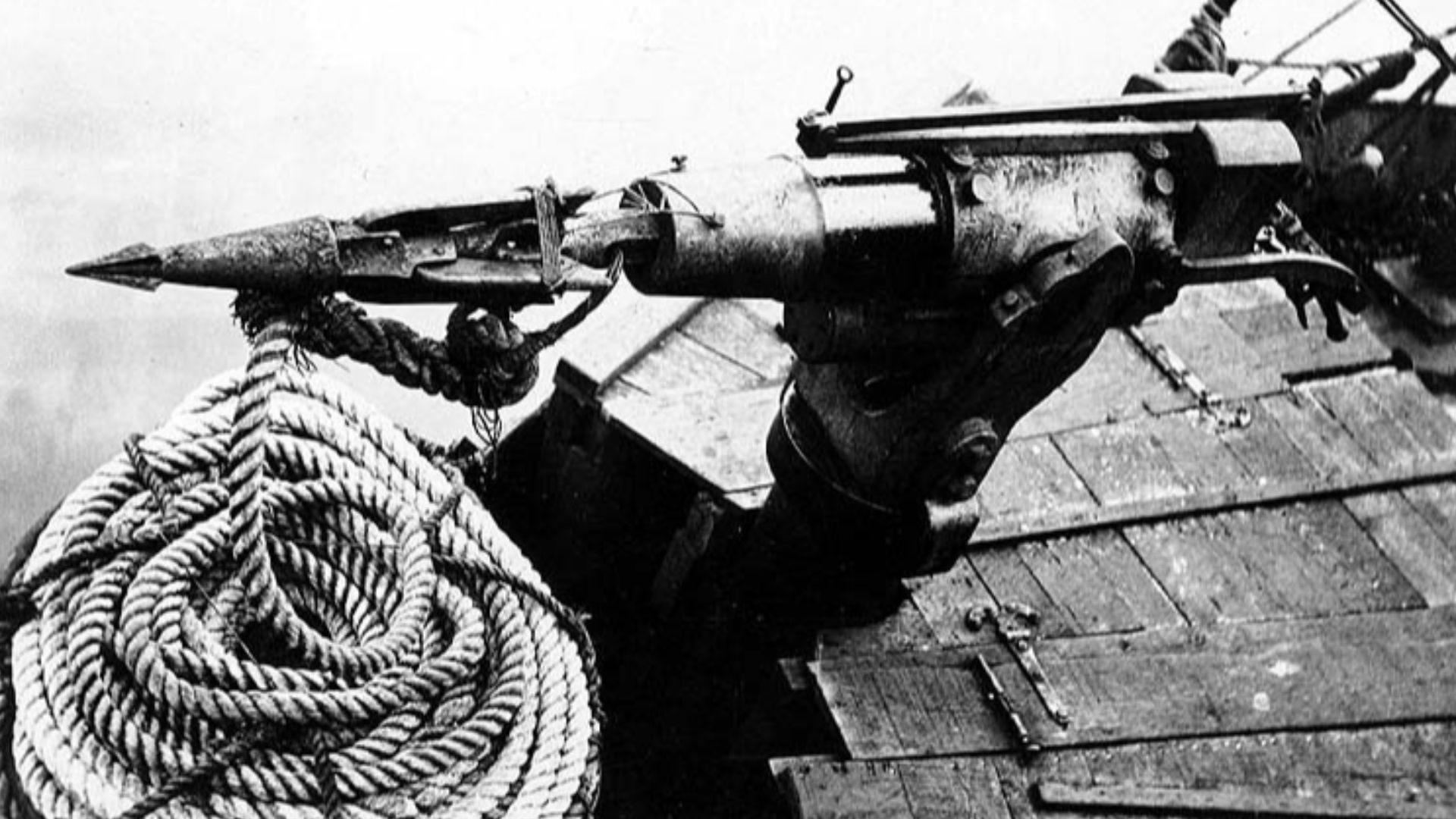
Makah Whaling Harpoon Detachable Head Design
Striking a forty-ton gray whale requires a weapon system that stays attached while the animal dives hundreds of feet deep. The harpoon head detached from the shaft on impact, connected only by seal-hide rope. Mussel shell blades acted like toggle bolts to turn perpendicular once embedded to prevent pulling free.
 John Nathan Cobb, Wikimedia Commons
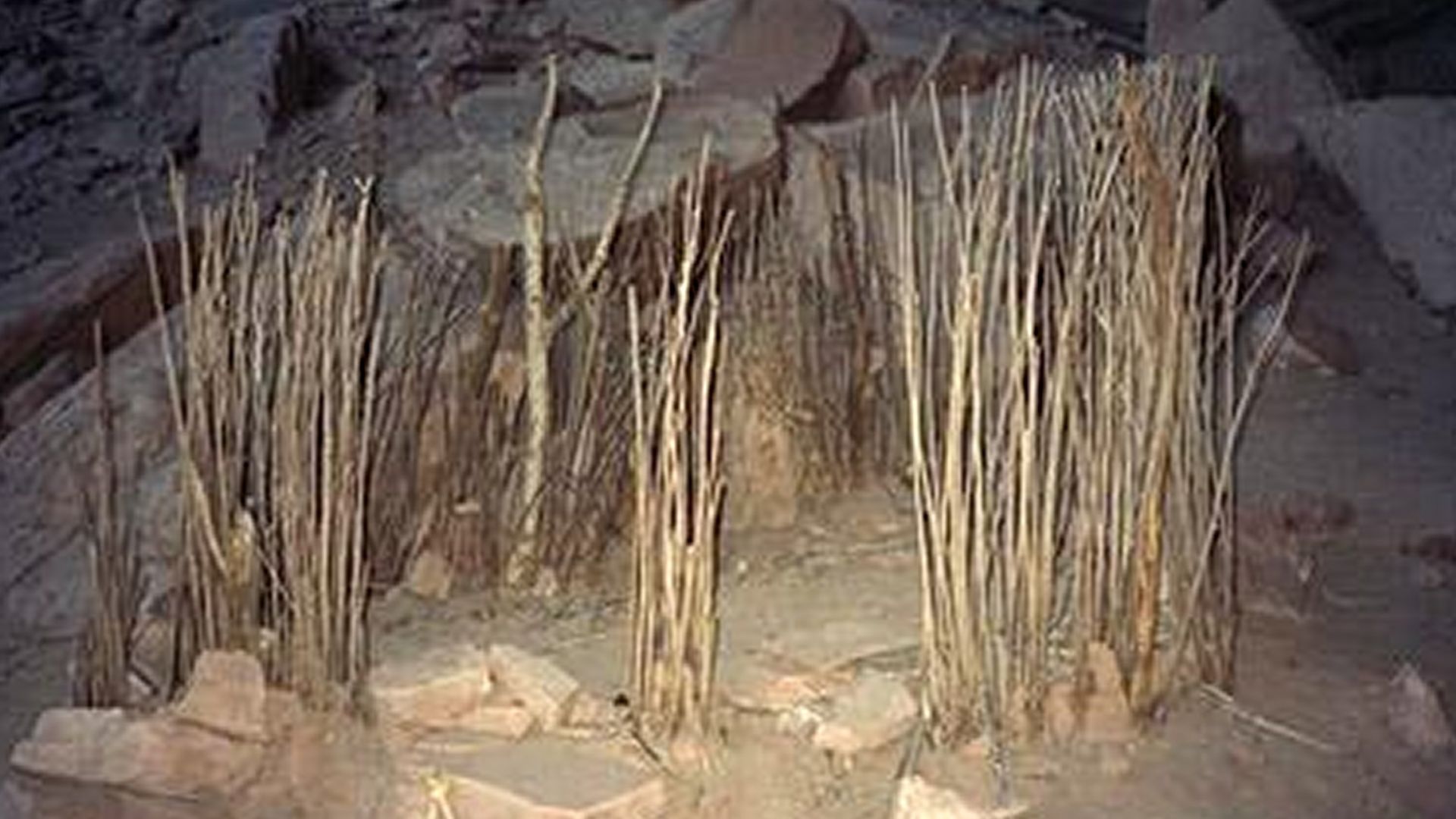
Ancestral Puebloan Turkey Pen Waste Management
Domesticated turkeys produced copious amounts of nitrogen-rich manure that would usually create toxic ammonia buildups in enclosed spaces. Architectural designs incorporated slatted floors that allowed waste to fall through into collection pits below. Farmers harvested this concentrated fertilizer for crop fields, creating a closed-loop system that sustained protein and agriculture.
 Unknown authorUnknown author or not provided, Wikimedia Commons
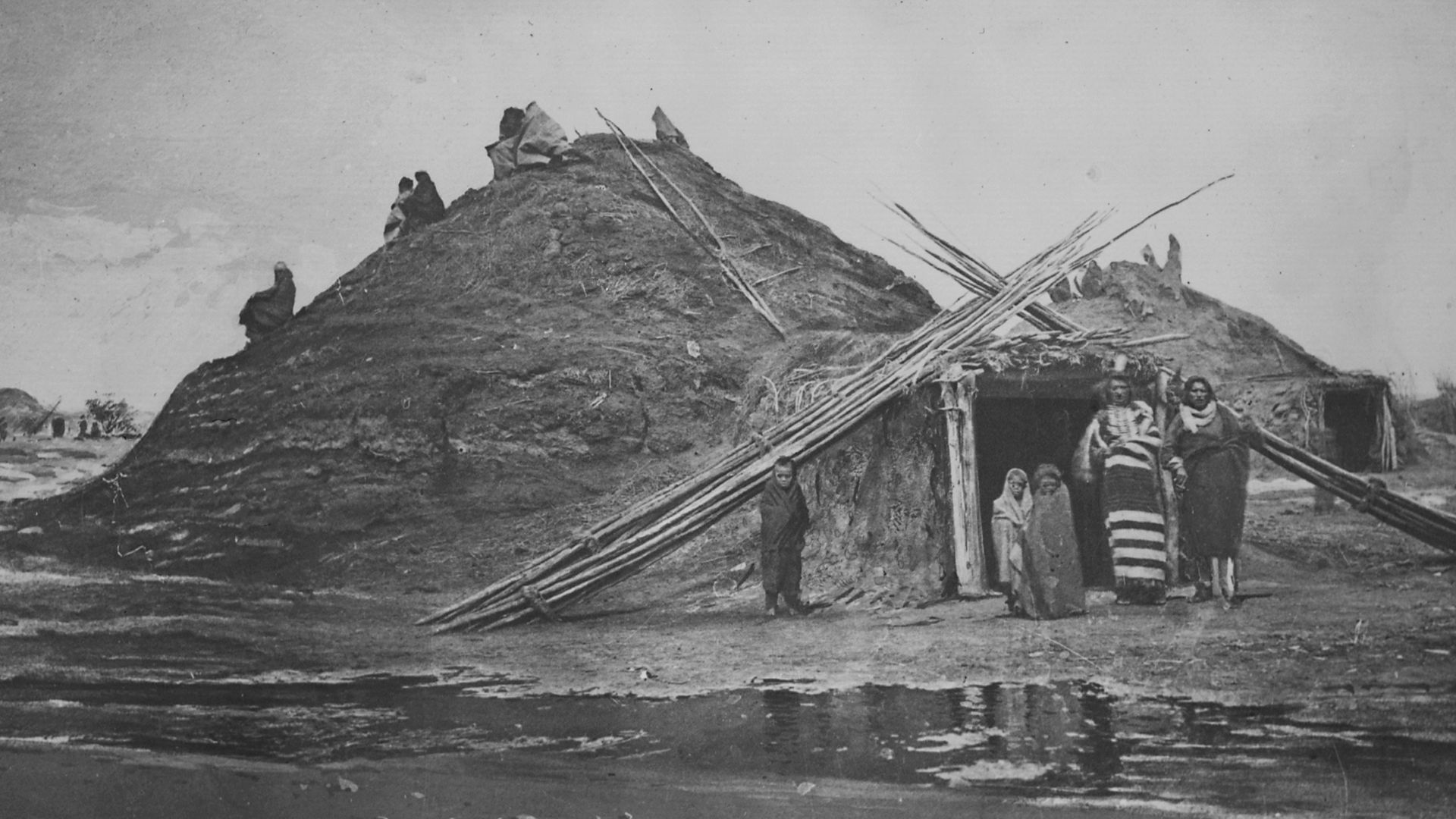
Pawnee Earth Lodge Smoke Ventilation
Circular openings centered in domed roofs released smoke, and a covered entrance tunnel below created natural convection currents. Cold air entered low, warmed near the central fire, then rose naturally toward the ceiling opening. Movable hide covers adjusted the vent size without letting rain pour directly onto flames.
 Unknown authorUnknown author or not provided, Wikimedia Commons
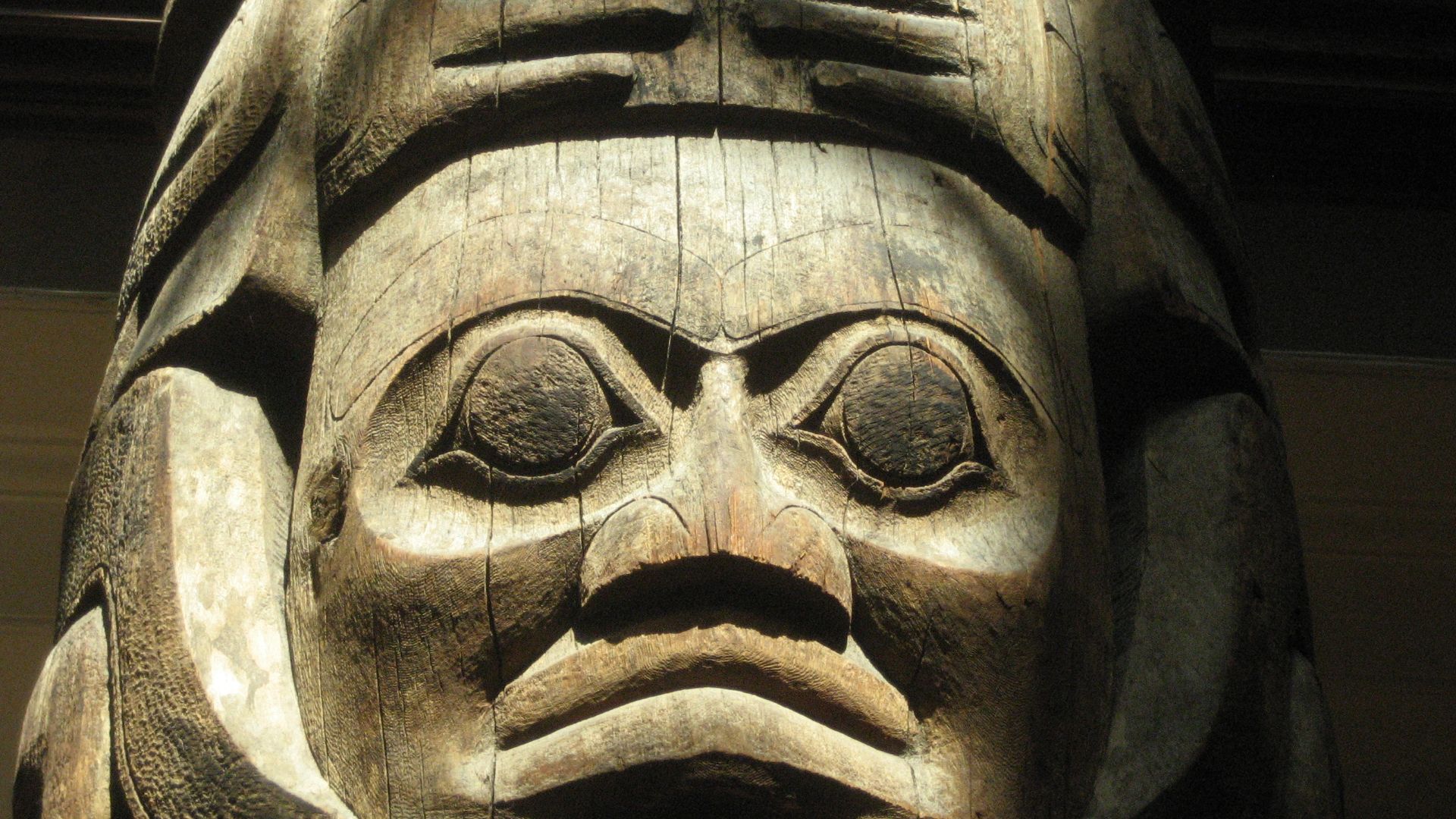
Haida Monumental Totem Pole Structural Engineering
Carving single cedar logs into intricate sculptures required careful attention to weight distribution to prevent the pole from toppling under wind loads. Master carvers removed wood strategically, hollowing sections to reduce weight. Upper figures grew progressively lighter to avoid a top-heavy imbalance.
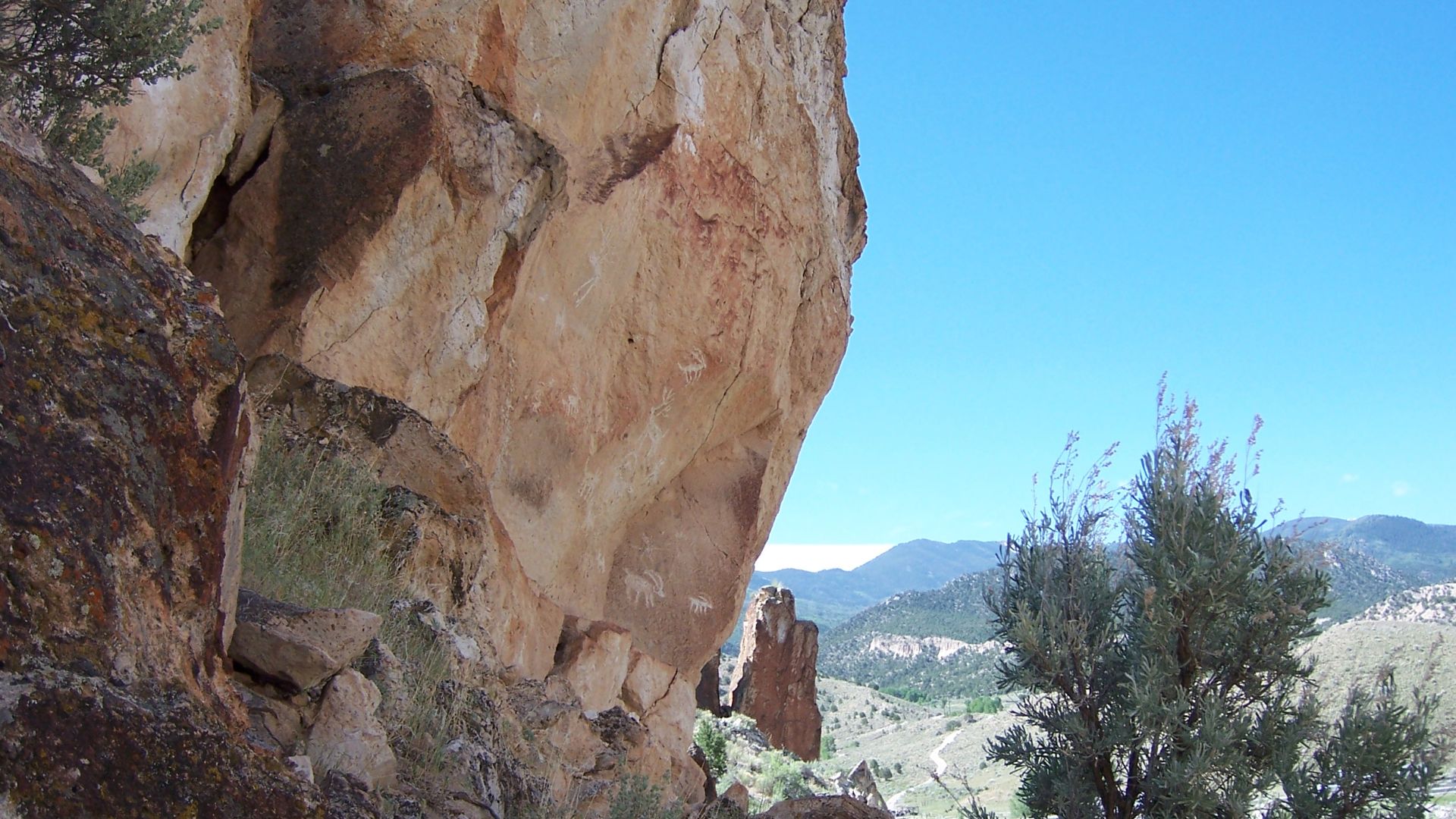
Fremont Granary Cliff-Hanging Engineering
Tucking food storage chambers into vertical cliff faces five hundred feet above ground kept precious corn safe from rodents and raiders. The builders chiseled footholds into sheer sandstone, then constructed stone masonry walls that sealed natural alcoves. Accessing these granaries required climbing exposed rock faces with pounds of harvest.
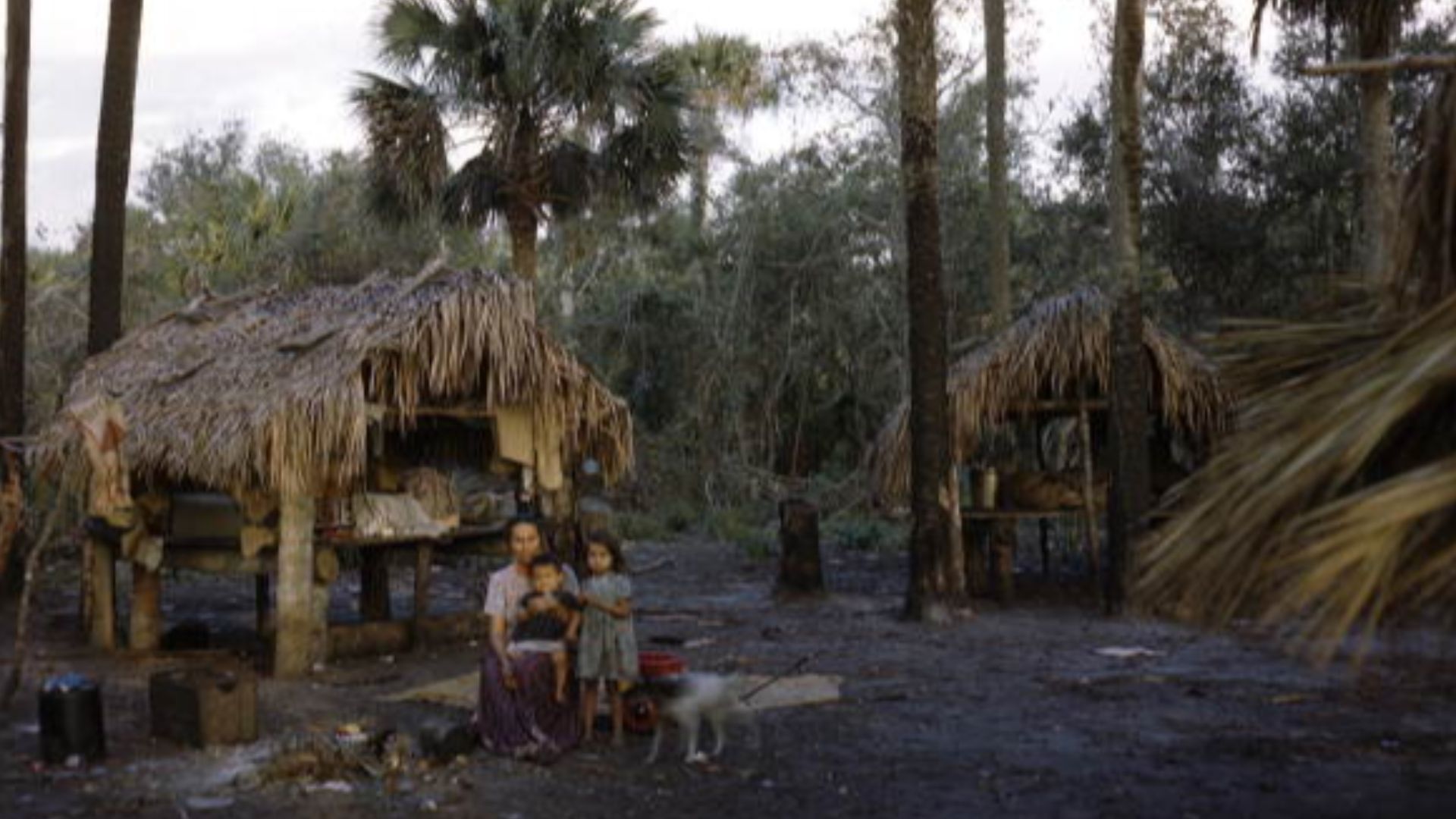
Seminole Chickee Raised Platform Flood Engineering
Cypress log platforms elevated off swampy ground kept families dry during Florida's torrential rainy season when floodwaters turned entire terrains into lakes. Palm thatch roofs shed water instantly, and open walls allowed constant airflow that prevented mildew. The entire structure could be rebuilt in days after the hurricanes passed through.
 State Library and Archives of Florida, Wikimedia Commons
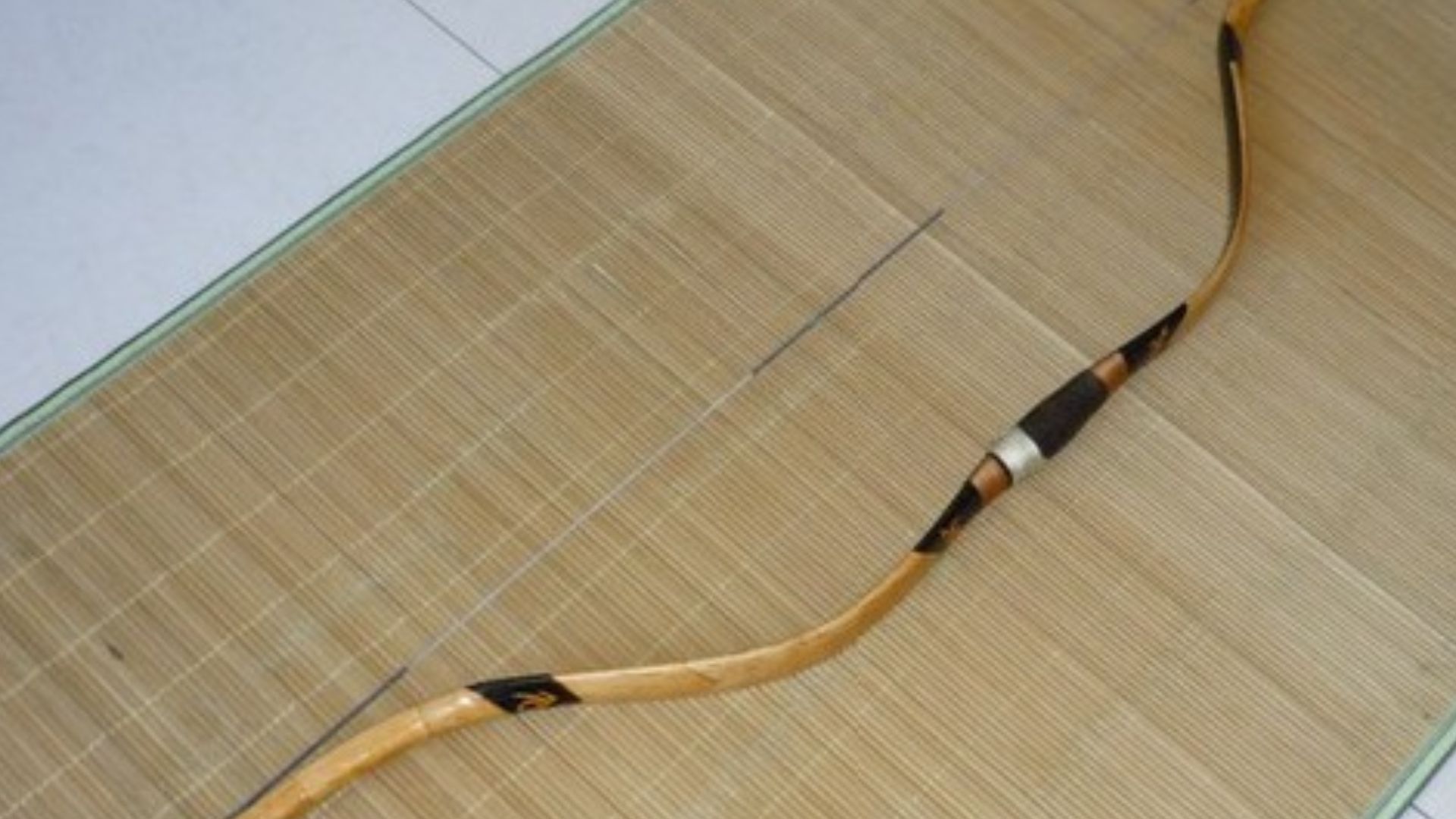
Ute Mountain Goat Horn Bow Composite Lamination
Gluing strips of horn, sinew, and wood together created weapons that could drive arrows through buffalo hide at sixty yards. Each material contributed specific properties—horn compressed without breaking, sinew stretched without snapping. The wood provided a flexible backbone. The creators heated animal hide glue to precise temperatures, then clamped layers together for weeks.
Ancestral Puebloan Turkey Feather Blanket Insulation
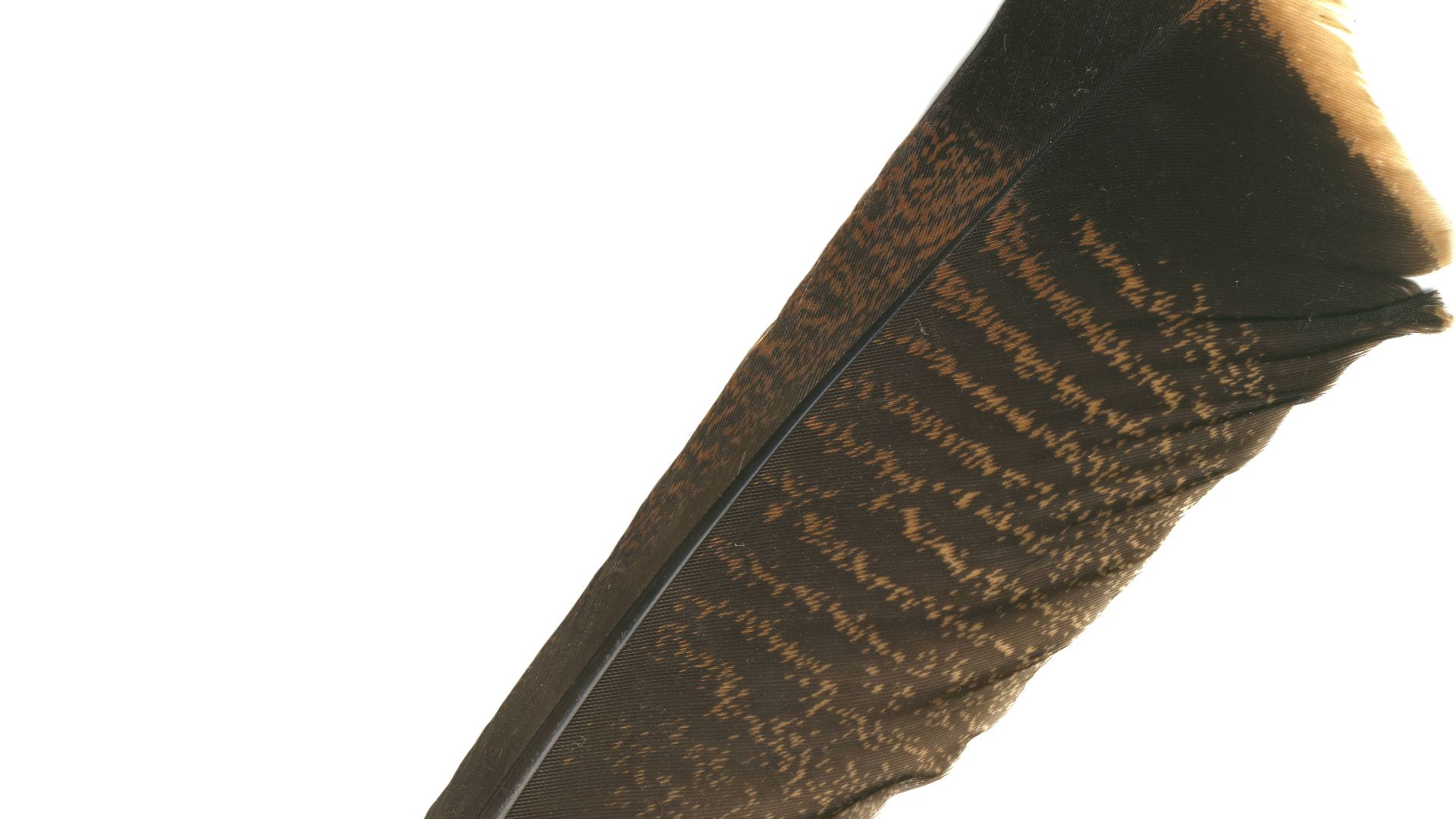
Wrapping turkey feathers around yucca fiber cords created lightweight blankets warmer than woven wool yet far less bulky. Thousands of feathers went into a single blanket, each one trapped in place by the twisted cord technique. Air pockets between feathers provided insulation comparable to modern down sleeping bags.