
Folklore Meets Science
Roy Chapman Andrews went hunting dinosaur fossils and discovered something weirder. Mongolia's Prime Minister asked him to catch a legendary killing worm. The request sounded absurd, but everyone believed it existed. Researchers still debate today.
 National Photo Company Collection, Wikimedia Commons
Ancient Folklore
Mongolian herders whispered about a blood-red creature lurking beneath the sand for generations before anyone wrote it down. The olgoi-khorkhoi shaped how nomads navigated the desert's most desolate regions. Families avoided certain dunes entirely, convinced the worm's presence meant death.
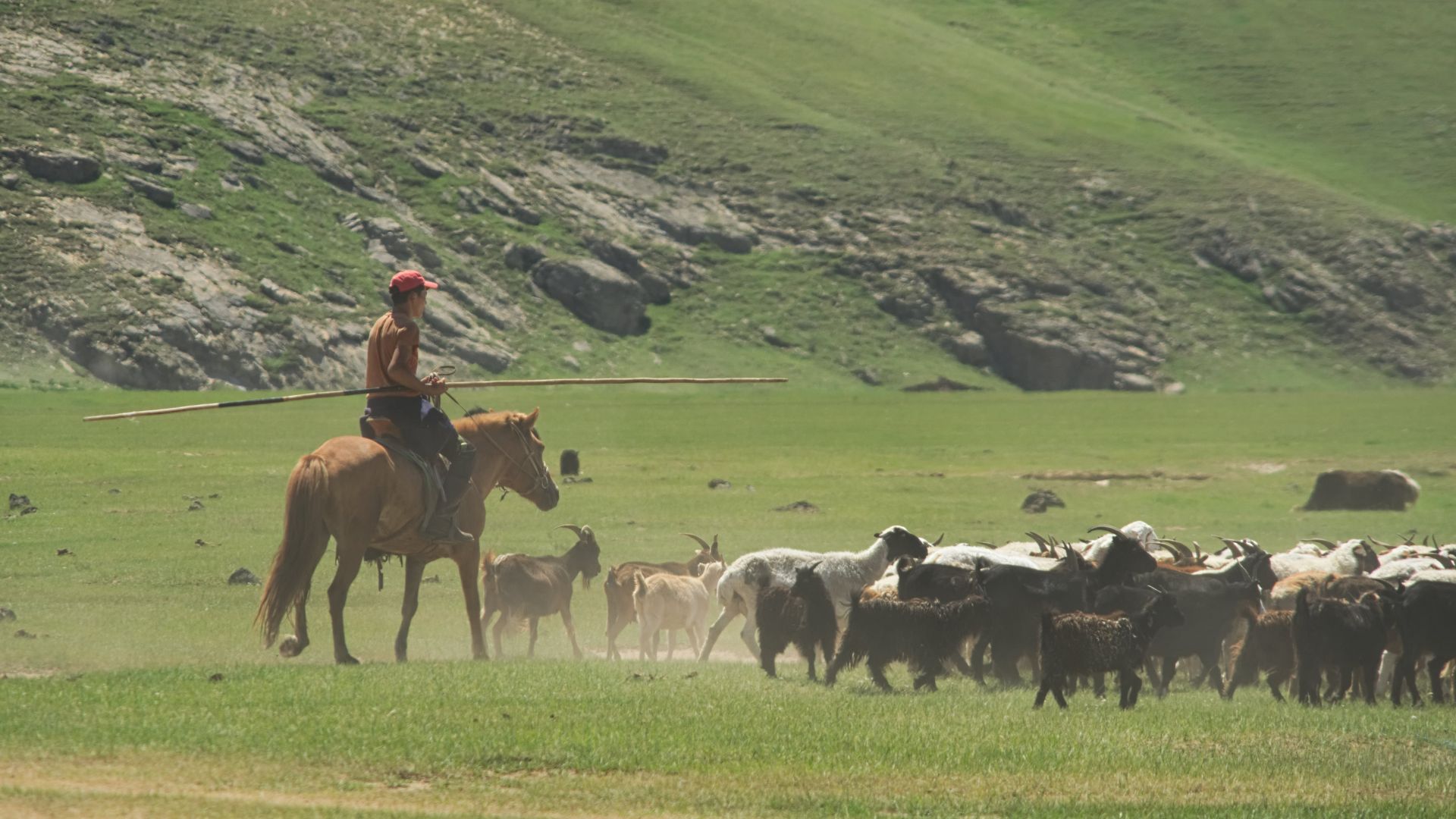 Sergio Tittarini from Shanghai, China, Wikimedia Commons
Nomadic Tales
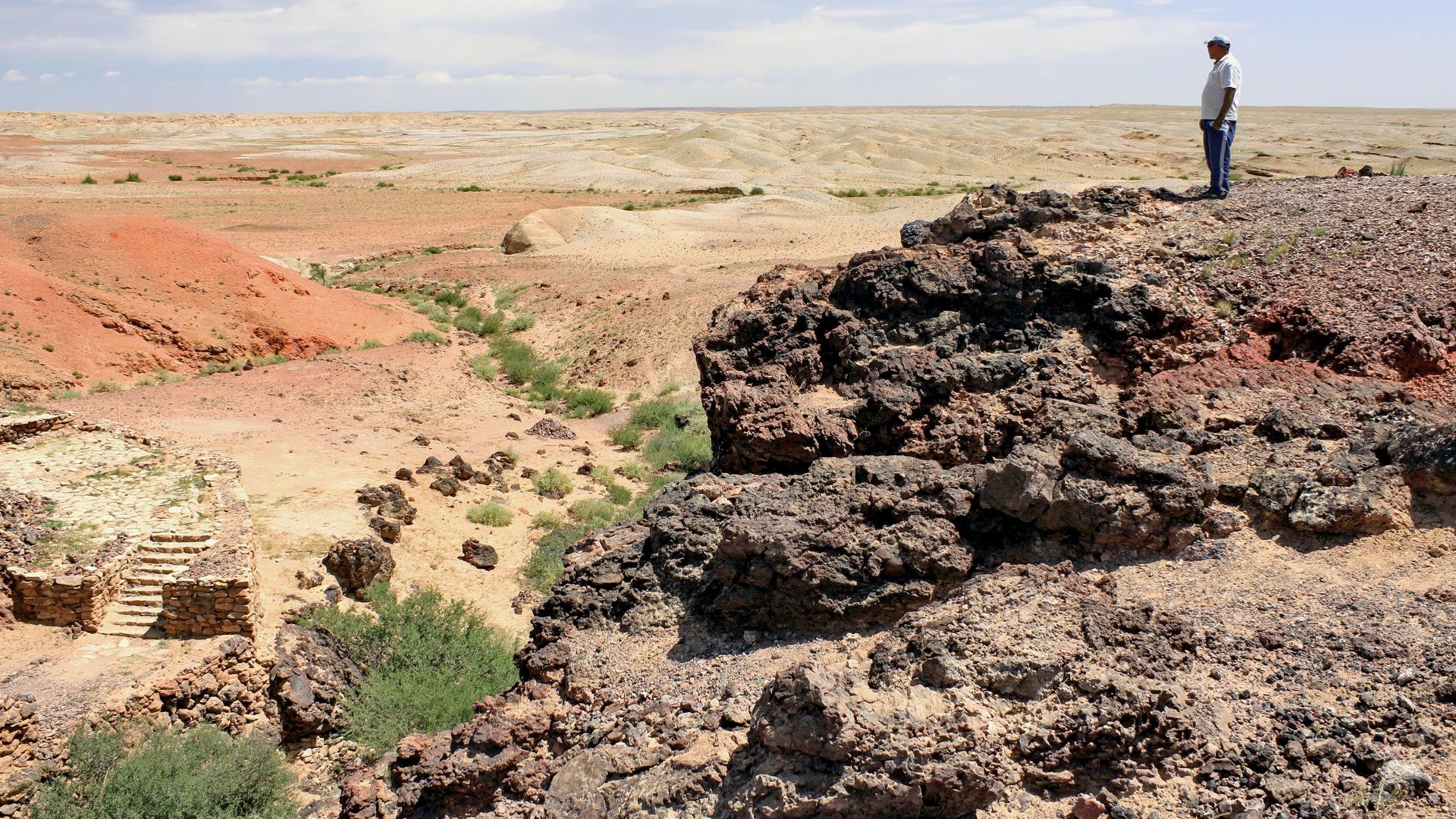
Stories described a sausage-like beast roughly two feet long, dwelling in the western Gobi's driest expanses where temperatures swing from 113°F days to freezing nights. What made these accounts compelling was their consistency across isolated communities separated by hundreds of miles of desert.
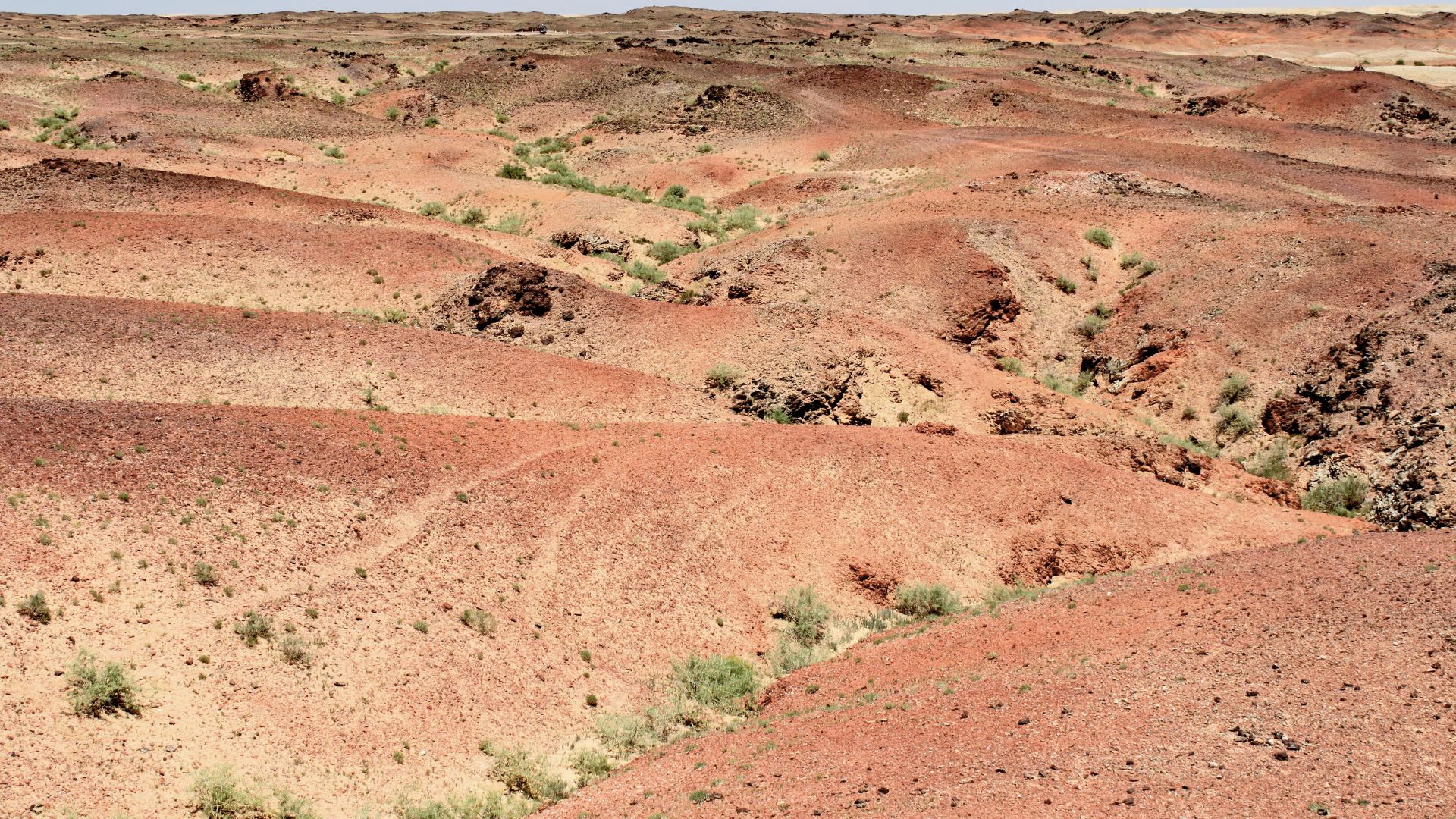 Marcin Konsek, Wikimedia Commons
Olgoi-Khorkhoi Meaning
The creature's name translates directly to "large intestine worm," not because it inhabits intestines, but because witnesses compared its appearance to a cow's guts. This vivid descriptor became the standard term across Mongolia, eventually shortened to allergorhai-horhai in some dialects.
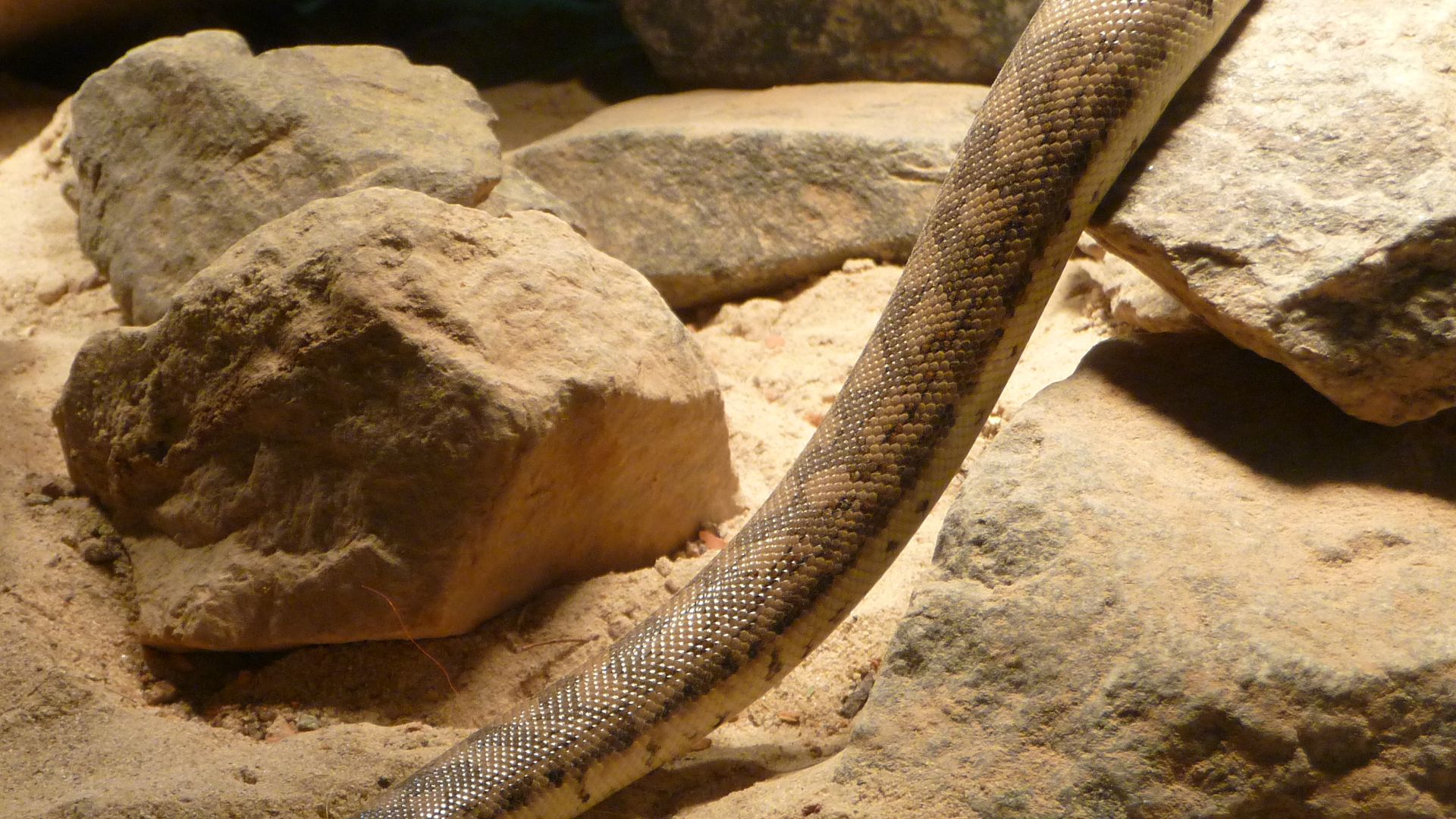 Vincent Malloy, Wikimedia Commons
Desert Habitat
Locals claimed the worm traveled underground, creating rippling sand waves on the surface that revealed its movement beneath. These alleged sightings peaked during June and July, particularly after rare rainfall when the ground became damp—the only time conditions might coax a subterranean creature above ground.
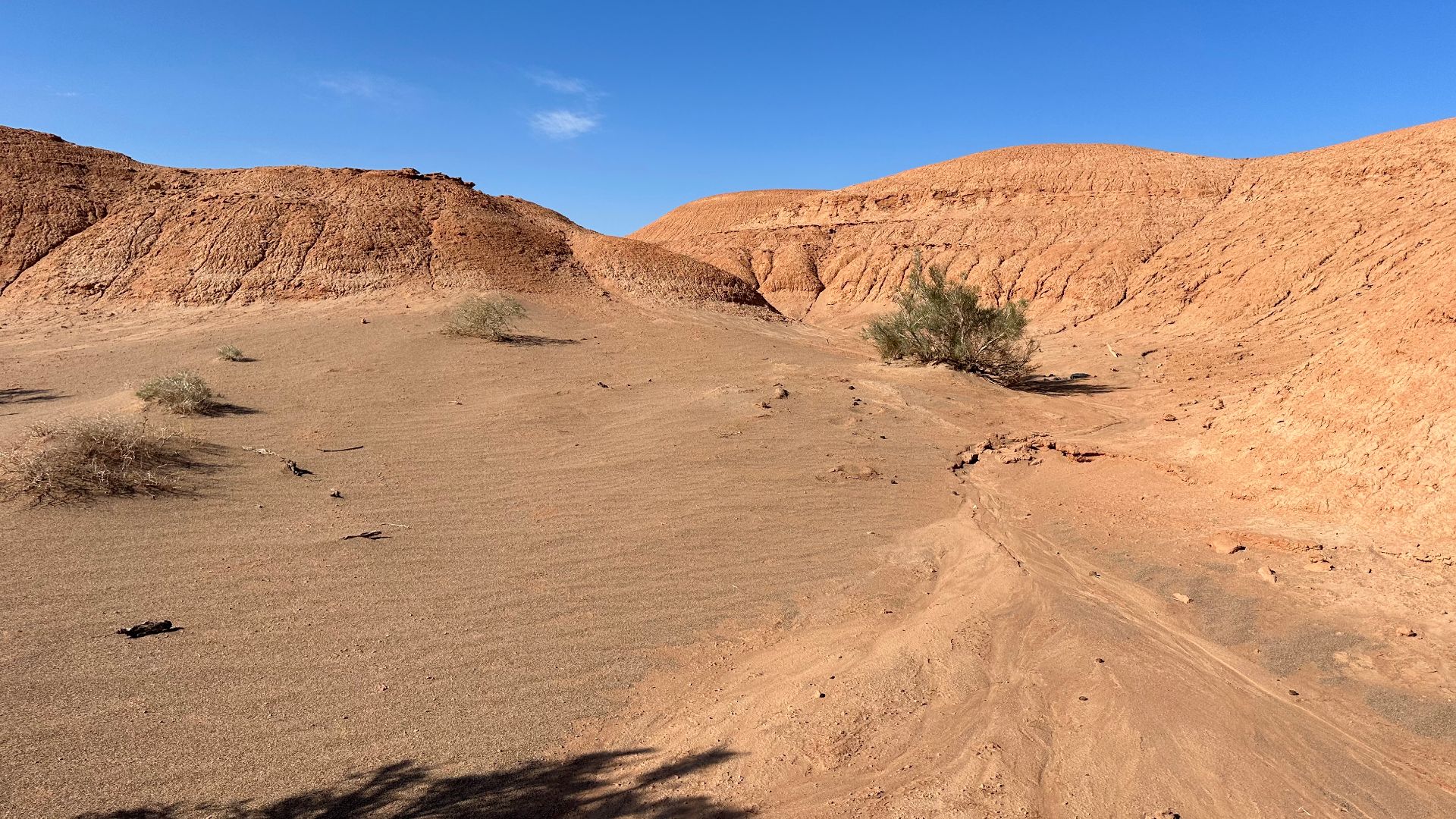 Nobohoshokorotso, Wikimedia Commons
Physical Description
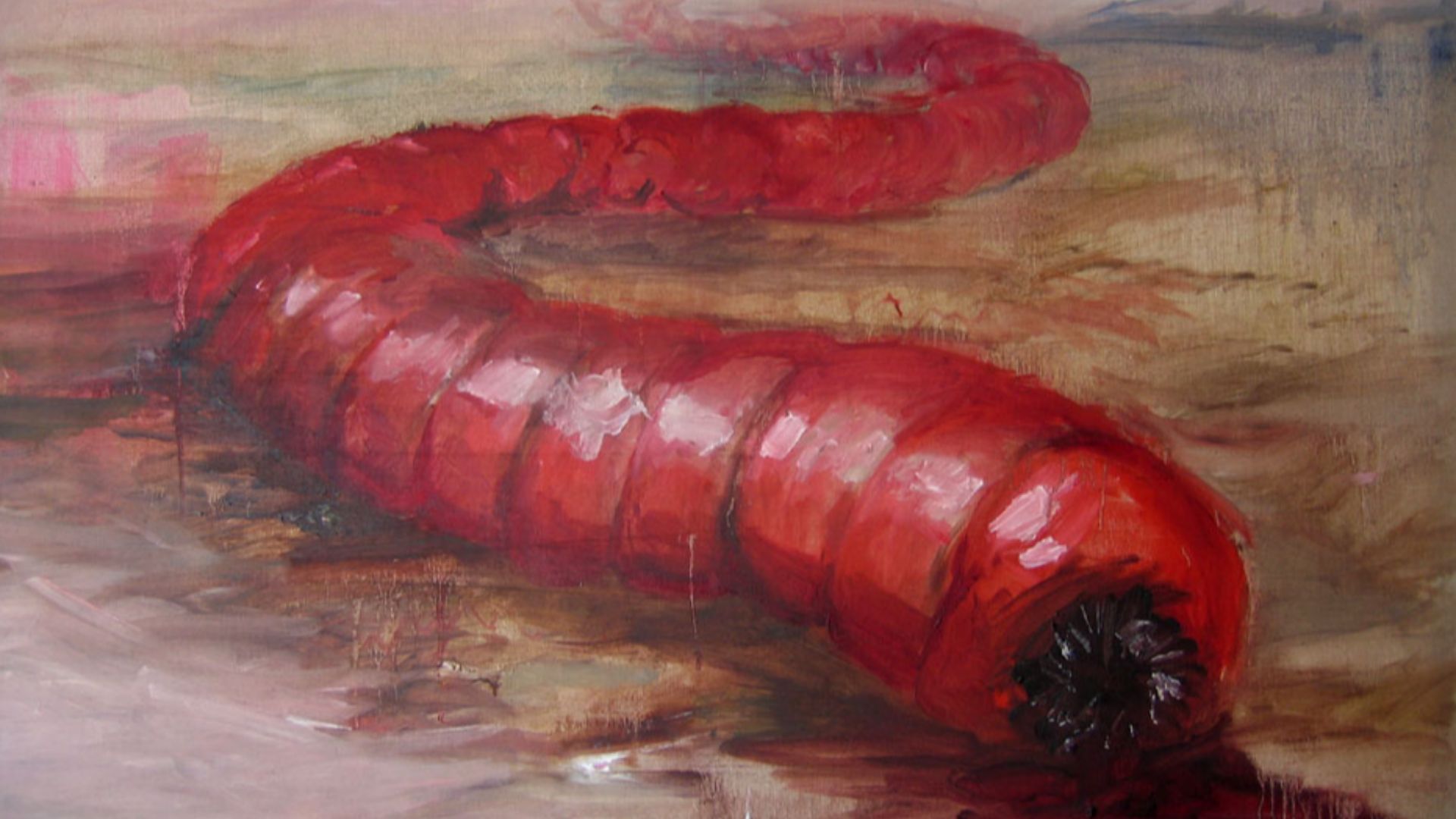
Witnesses consistently reported a creature measuring between two and five feet long with uniformly red or yellowish skin and no discernible features. The body appeared smooth and cylindrical, lacking any head, tail, eyes, or mouth that observers could identify. Some accounts mentioned spike-like projections at both ends.
 The original uploader was Pieter0024 at English Wikipedia., Wikimedia Commons
Andrews' Encounter
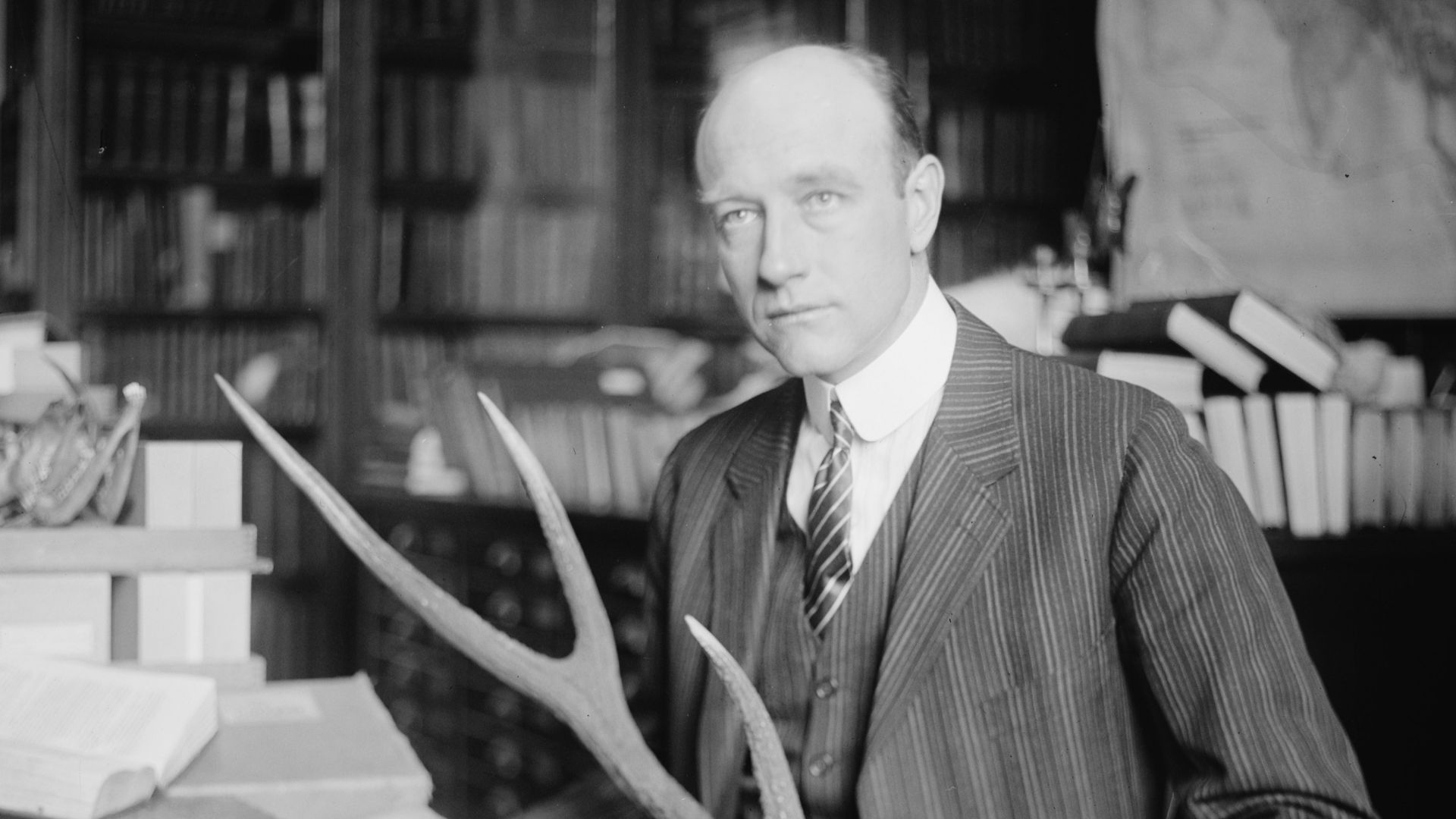
American paleontologist Roy Chapman Andrews never actually saw the death worm during his 1920s Gobi expeditions. Instead, he learned about it at a 1922 meeting with Mongolian government officials in Ulaanbaatar, where the Premier made an unusual request: capture a specimen of the allergorhai-horhai for Mongolia's government.
 Bain News Service, publisher, Wikimedia Commons
Premier's Request
Mongolian Prime Minister Damdinbazar described the worm with absolute conviction, detailing its sausage shape, deadly poison, and habitat in the Gobi's most desolate parts. None of the officials present had personally witnessed the creature, yet they believed in its existence with unwavering certainty.
 Unknown authorUnknown author, Wikimedia Commons
1926 Publication
Andrews documented these death worm tales in On the Trail of Ancient Man, introducing Western audiences to Mongolia's mysterious cryptid. The book became a bestseller, partly due to Andrews' thrilling accounts of discovering Protoceratops eggs and partly because of strange anecdotes like the death worm.
 Bain News Service, publisher, Wikimedia Commons

History's most fascinating stories and darkest secrets, delivered to your inbox daily.
Yefremov's Stories
Russian paleontologist Ivan Yefremov worked in the Gobi during the 1940s and heard olgoi-khorkhoi legends repeatedly from local populations. He turned these tales into a 1944 horror short story where geologists encounter deadly worms that kill through electric discharge. The fictional account depicted victims collapsing instantly.
 Marcin Konsek, Wikimedia Commons
Second-Hand Accounts
Every expedition from the 1920s through the 1940s encountered the same frustrating pattern: abundant stories but zero eyewitnesses. Soviet scientist AD Simukov documented numerous tales during his 1920s research, finding that Mongolians genuinely feared the creature yet couldn't produce anyone who'd actually confronted one.
 Marcin Konsek, Wikimedia Commons
Lethal Abilities
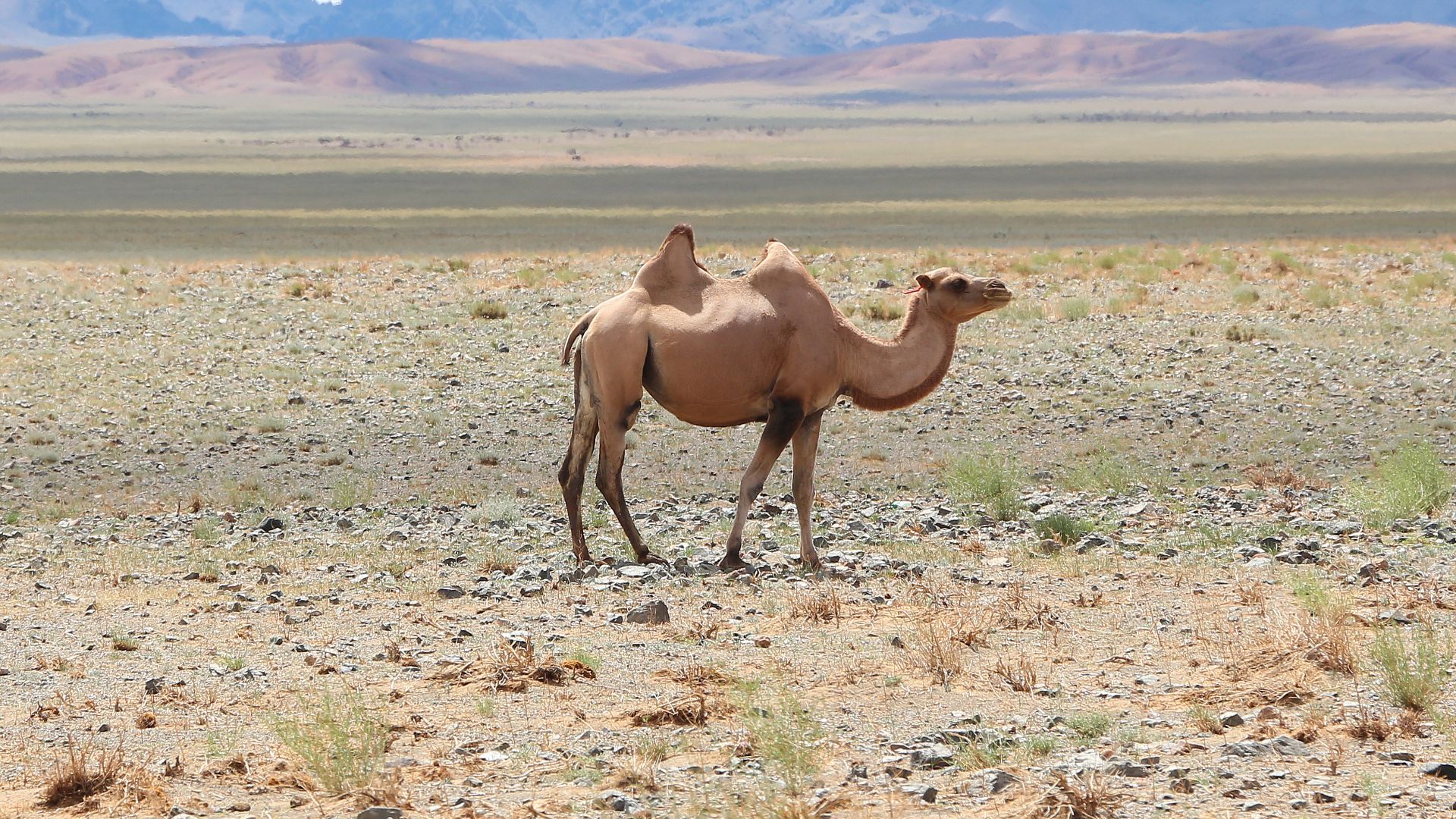
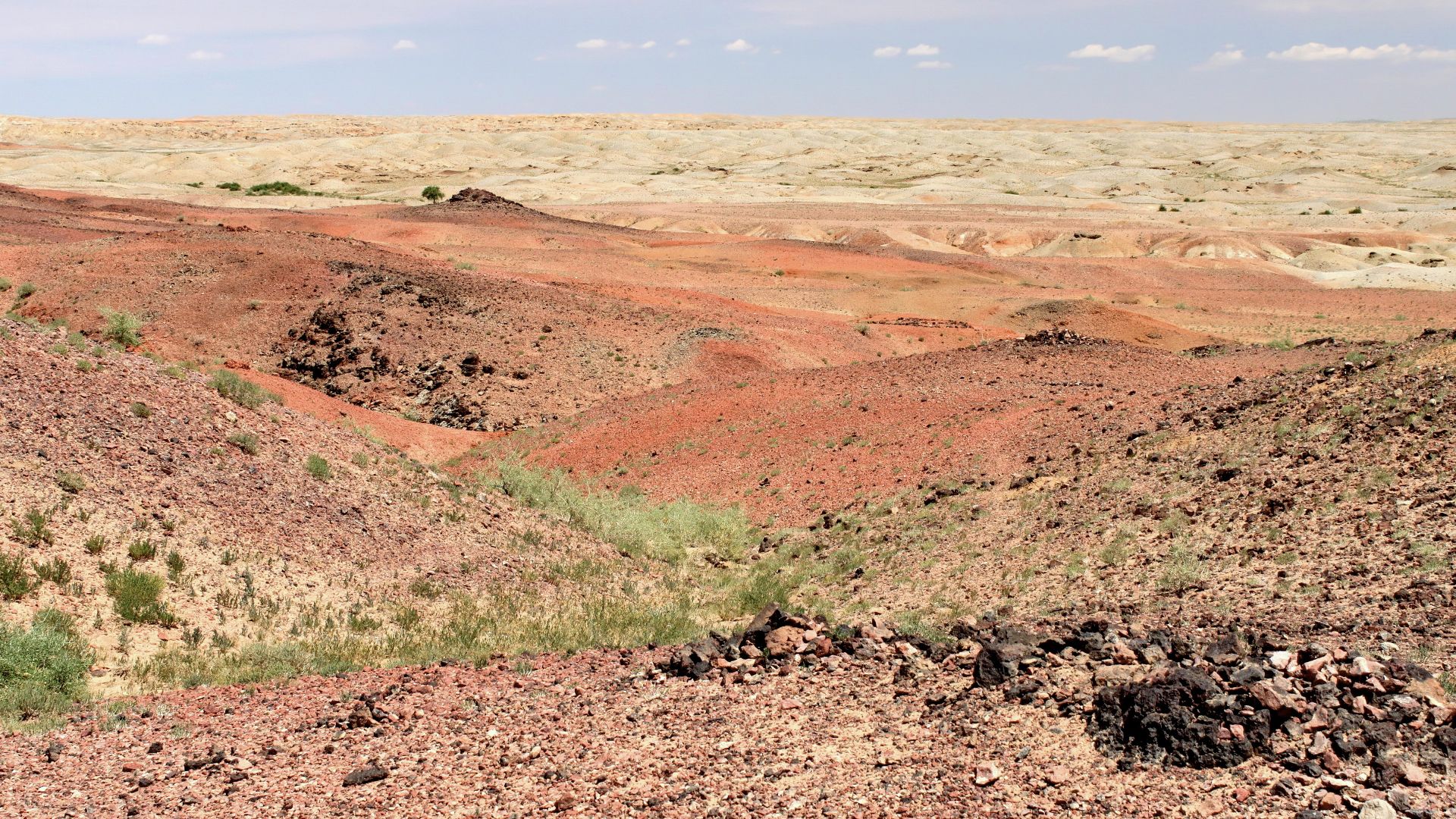
The death worm's alleged killing methods elevated it beyond ordinary desert dangers into supernatural territory. Mongolians described dual attack mechanisms: spraying corrosive yellow venom accurately up to ten feet, capable of killing horses, camels, and humans on contact. The liquid supposedly turned grass yellow and deadly where it landed.
 Bernard Gagnon, Wikimedia Commons
Venomous Spray
According to Prime Minister Damdinbazar's 1922 description, the worm secreted a yellow substance from its sides that Mongolians called “the inner paint of the animal”. This liquid was reputedly so toxic that merely touching the creature meant instant death, and anything the venom contacted would die immediately.
 Marcin Konsek, Wikimedia Commons
Electric Shocks
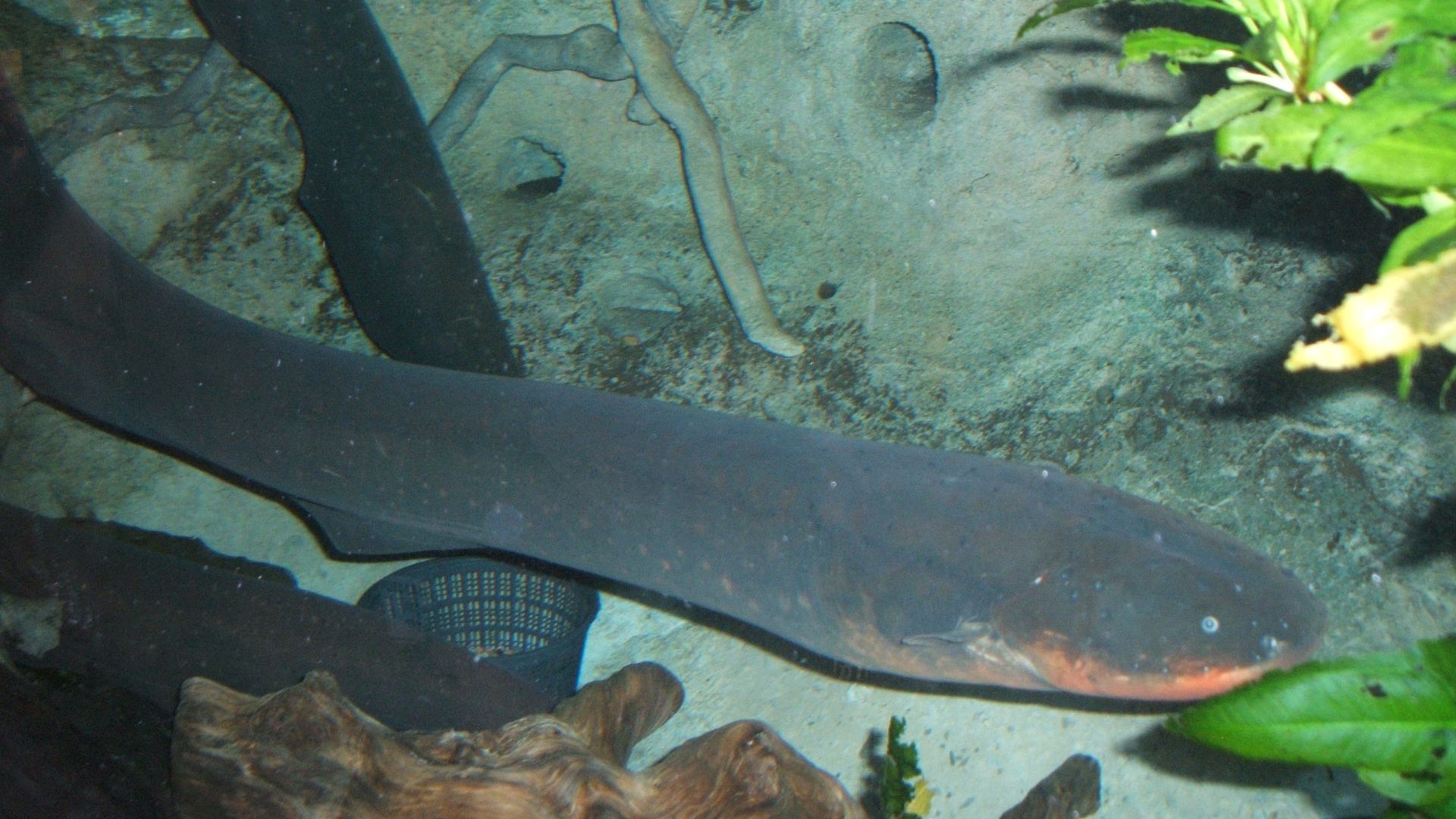
Reports of bioelectric capabilities emerged primarily in mid-20th century accounts, possibly influenced by growing public awareness of electric eels. Cryptozoological retellings described the worm curling into a ring before discharging lethal voltage, with its body color shifting to bright blue at the extremities during the electrical attack.
 Steven G. Johnson, Wikimedia Commons
Instant Death
The consistent theme across all accounts was the creature's perfect lethality—no survivors, no narrow escapes, no injuries requiring treatment. Every alleged encounter ended either in immediate death or successful avoidance by fleeing observers who never got close. This all-or-nothing pattern struck researchers as suspiciously convenient.
 Screenshot from Mongolian Death Worm, Lions Gate Entertainment (2010)
Summer Emergence
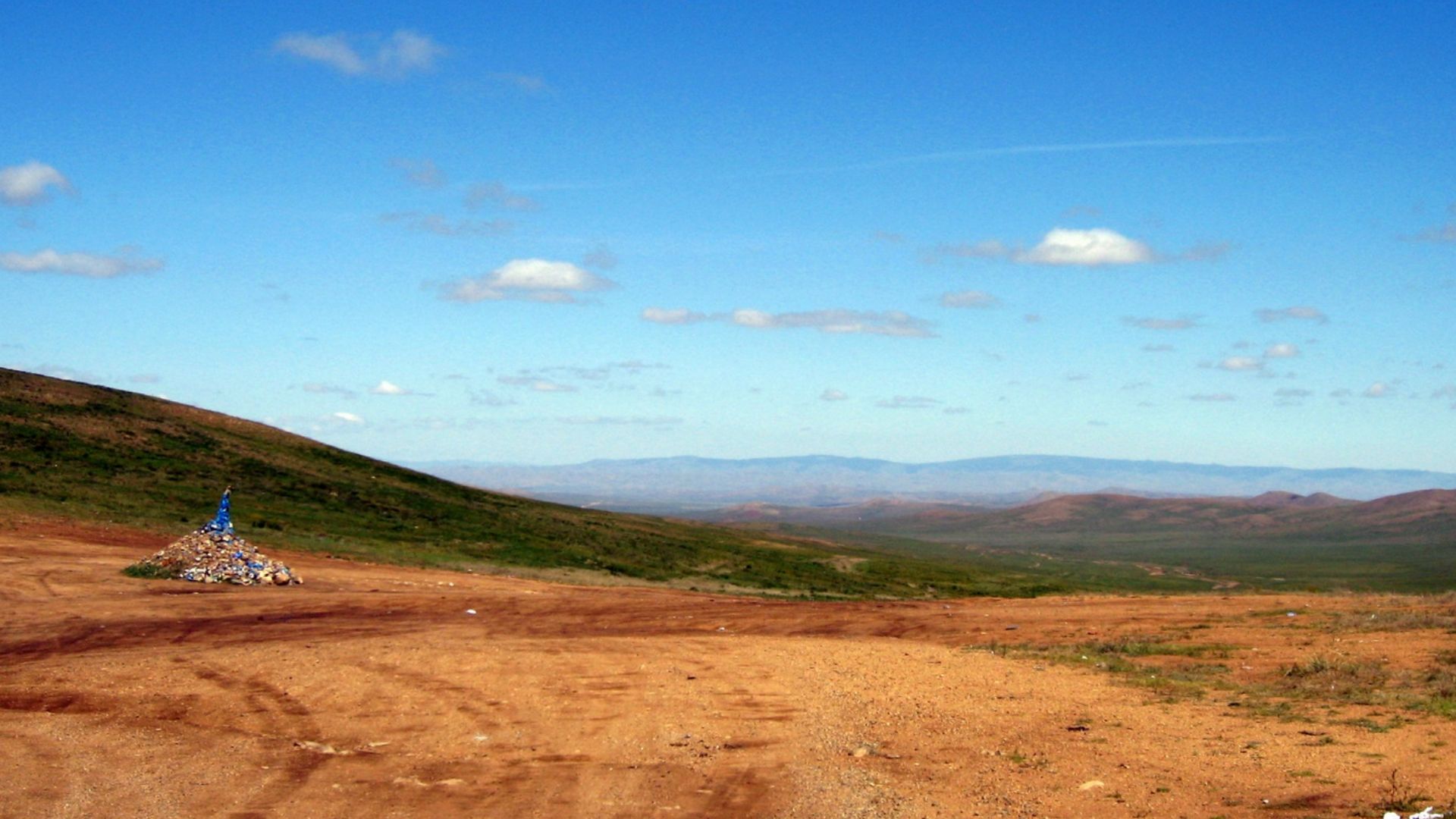
Sightings allegedly concentrated in June and July, the Gobi's hottest months when surface temperatures exceed 120°F, and most creatures burrow deep for survival. Locals claimed the worm surfaced only when ground moisture increased following rare desert rainfall, emerging to hunt during brief periods of dampness.
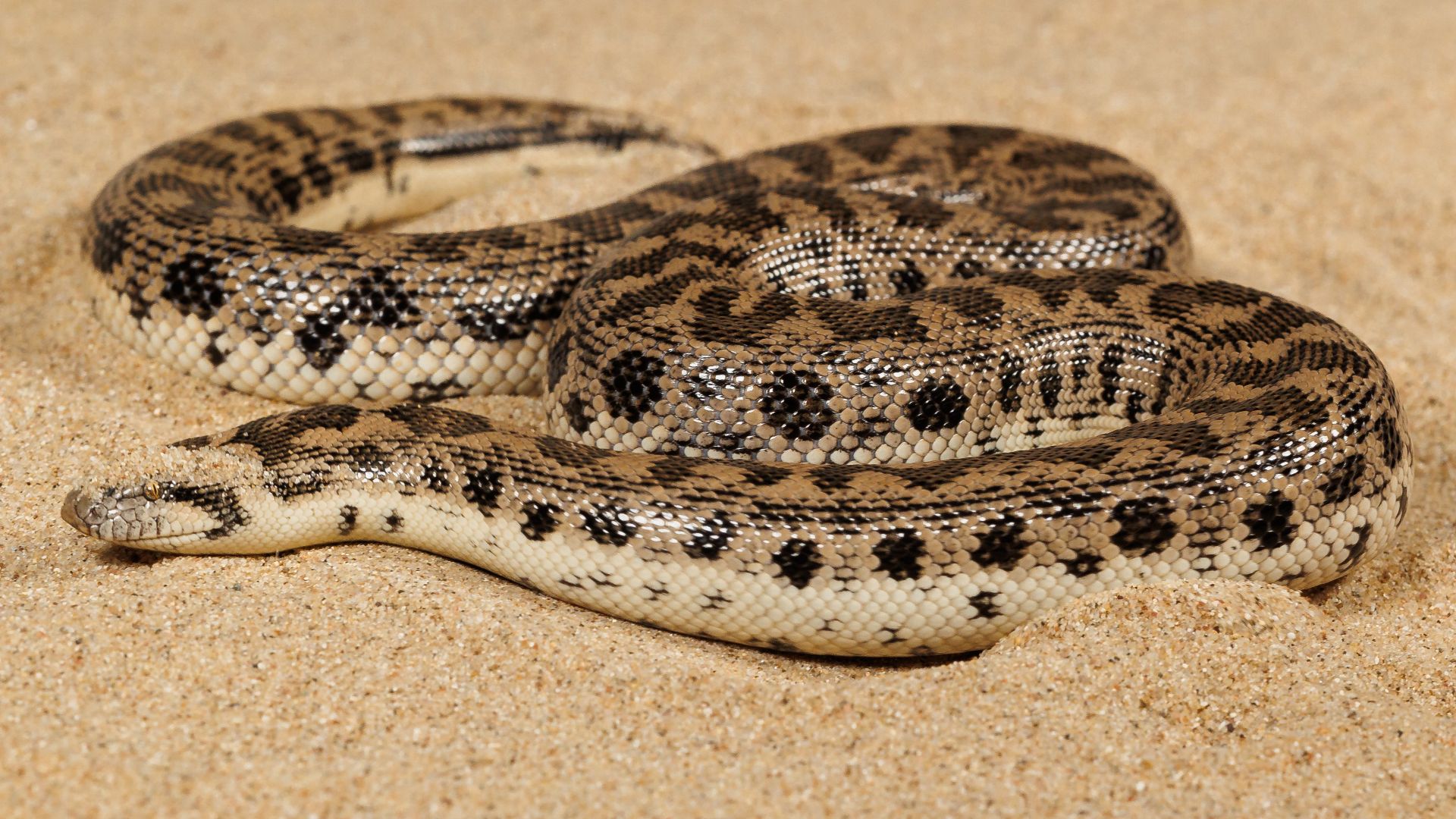
Tartar Boa
In 1983, Soviet zoologist Gorelov conducted an important experiment by showing Gobi residents a preserved Tartar sand boa (Eryx tataricus), a non-venomous burrowing snake native to the region. The locals immediately identified it as olgoi-khorkhoi and admitted their fear of it, despite the snake being completely harmless to humans.
 Miroslav Bobek, Zoo Praha, Wikimedia Commons
Mackerle's Quest
Czech cryptozoologist Ivan Mackerle became this worm's most dedicated modern investigator, launching expeditions in 1990, 1992, and 2004 after learning about the creature from a student. Mongolia's government initially banned death worm searches, viewing them as embarrassing superstition, but lifted restrictions as the country democratized in the early 1990s.
 Marcin Konsek, Wikimedia Commons
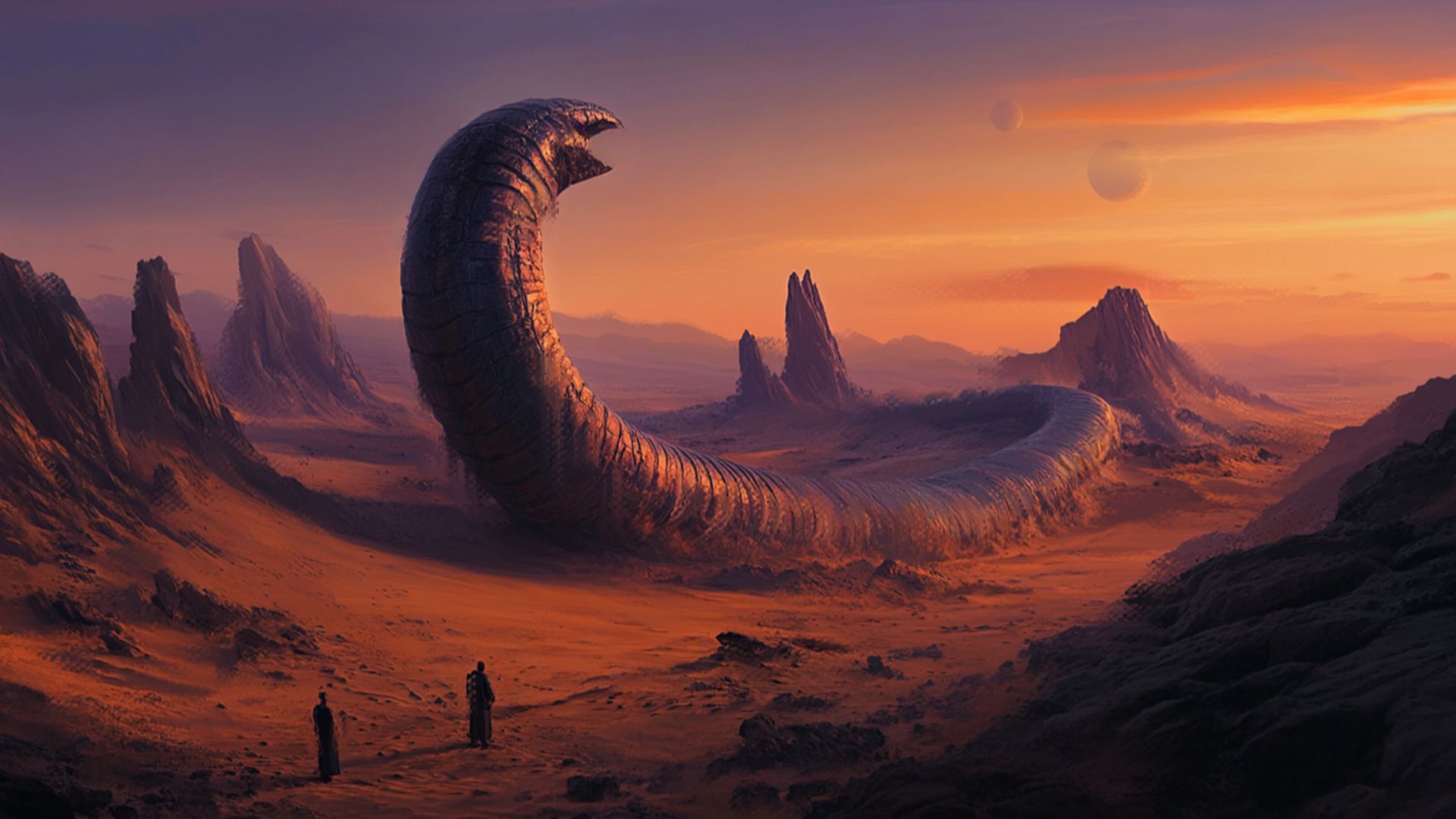
Dune Inspiration
Mackerle's team employed unconventional search tactics borrowed directly from Frank Herbert's science fiction novel "Dune," where giant sandworms respond to rhythmic vibrations. They constructed a motor-driven "thumper" device that pounded the desert floor in steady patterns, hoping to attract curious worms to the surface.
 Midjourney, edited in Photoshop, Wikimedia Commons
Freeman's Expedition
British zoologist Richard Freeman led a Centre for Fortean Zoology team across 1,000 miles of Gobi terrain in 2005, equipped with infrared cameras and modern tracking equipment. Freeman interviewed eyewitnesses and collected soil samples while documenting local testimony about the creature's habits and habitat.
 Douglas Wertheimer, Wikimedia Commons
Empty Results
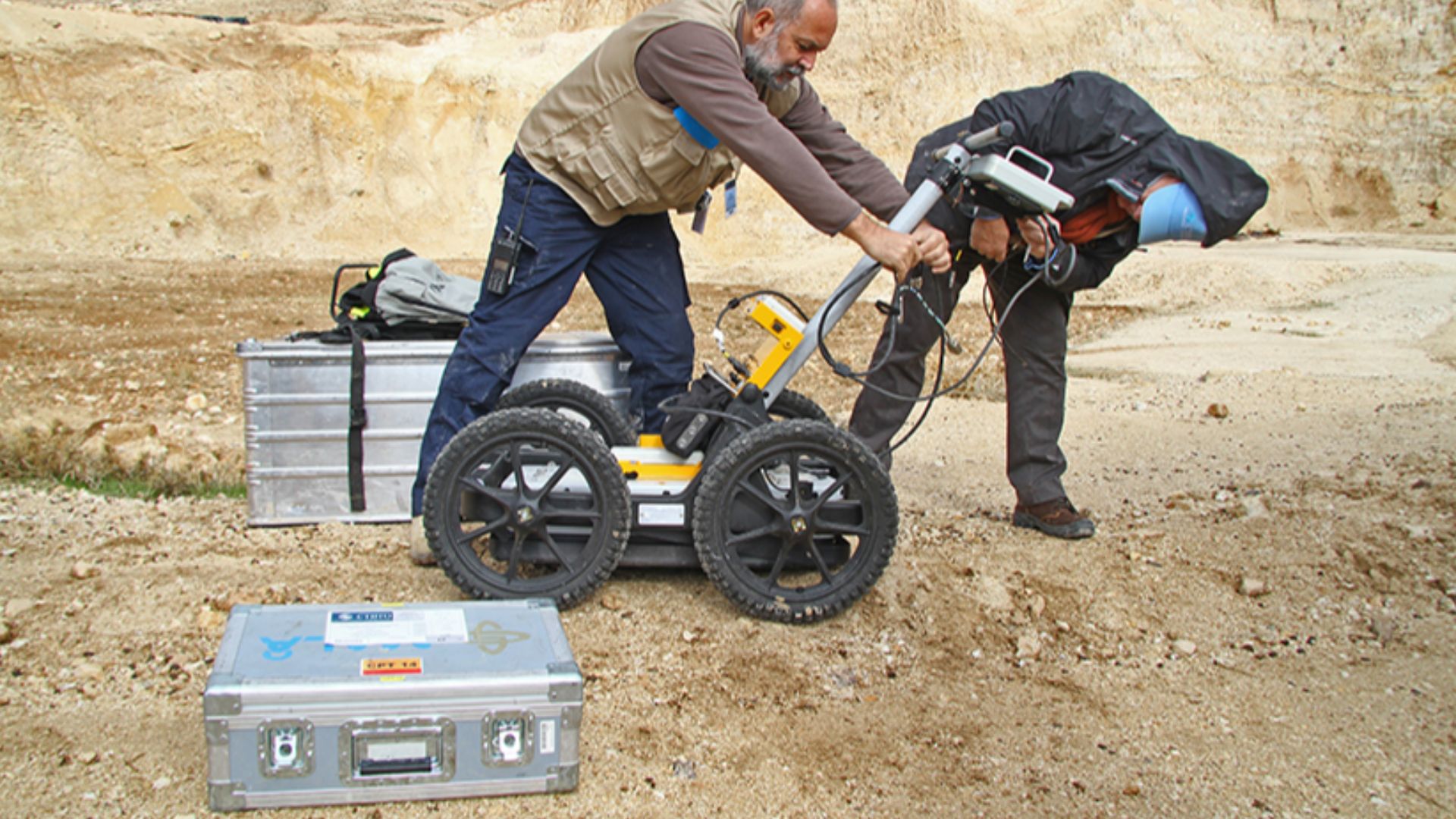
Every organized expedition from the 1990s through 2009, including efforts by Americans, Czechs, British researchers, and New Zealand journalist David Farrier, returned without photographic evidence, physical specimens, or credible firsthand sightings. Teams used thermal imaging, ground-penetrating radar, environmental DNA sampling, and traditional tracking methods across the desert's most remote sections.
 The Official CTBTO Photostream, Wikimedia Commons
Scientific Skepticism
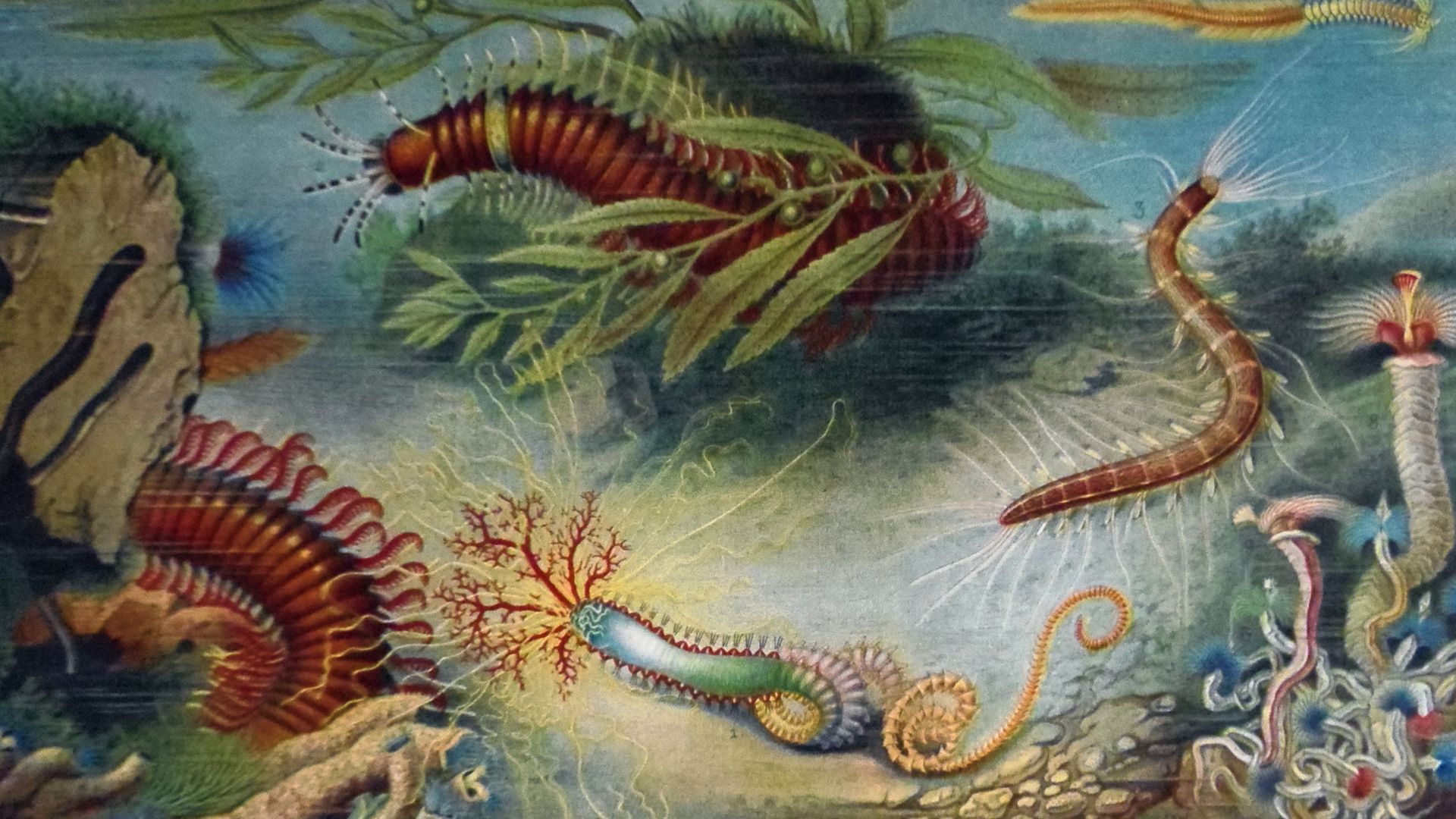
True annelid worms cannot survive the Gobi's extreme aridity—they require constant moisture and would desiccate within hours in desert conditions. No terrestrial invertebrate possesses venom glands capable of projecting fluid ten feet, and bioelectric organs sufficient to kill large mammals exist only in aquatic species like electric eels.
 Pierre Lackerbauer (1823-1872) Restoration by Bachelot Pierre J-P, Wikimedia Commons
Worm Lizard
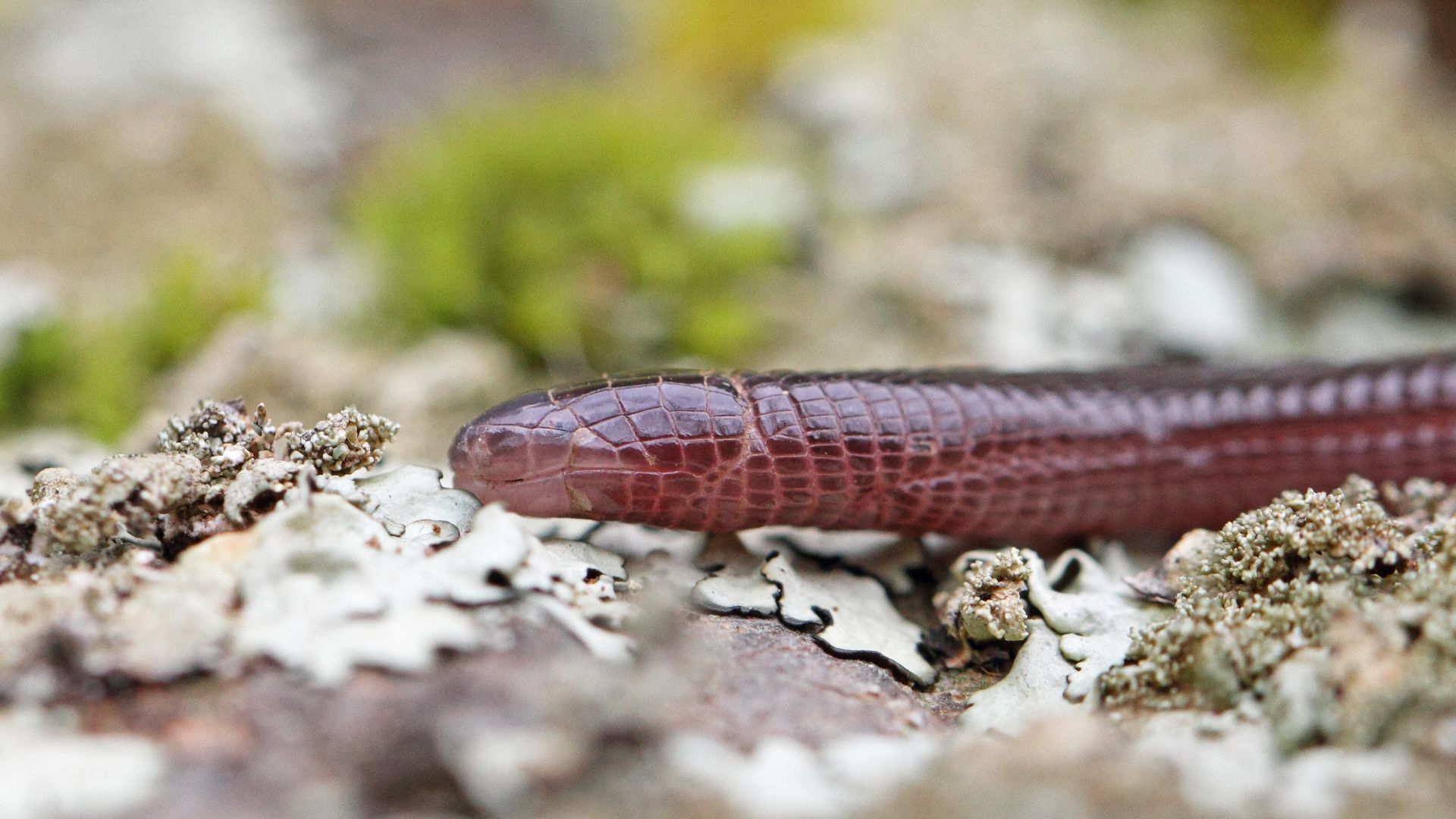
Amphisbaenians, commonly called worm lizards, represent the most scientifically plausible explanation for genuine sightings behind the exaggerated folklore. These legless burrowing reptiles allegedly grow up to three feet long, possess cylindrical bodies with minimal external features, and thrive in arid environments across multiple continents.
 Bouke ten Cate, Wikimedia Commons
Local Beliefs
Contemporary Mongolians maintain strong convictions about olgoi-khorkhoi despite scientific dismissals, with surveys suggesting a good percentage of rural residents who know the legend believe in its existence. Many herders refuse to discuss the creature with outsiders, considering such conversations disrespectful to desert spirits in their animistic traditions.
 J bayarmagnai, Wikimedia Commons
Cultural Significance
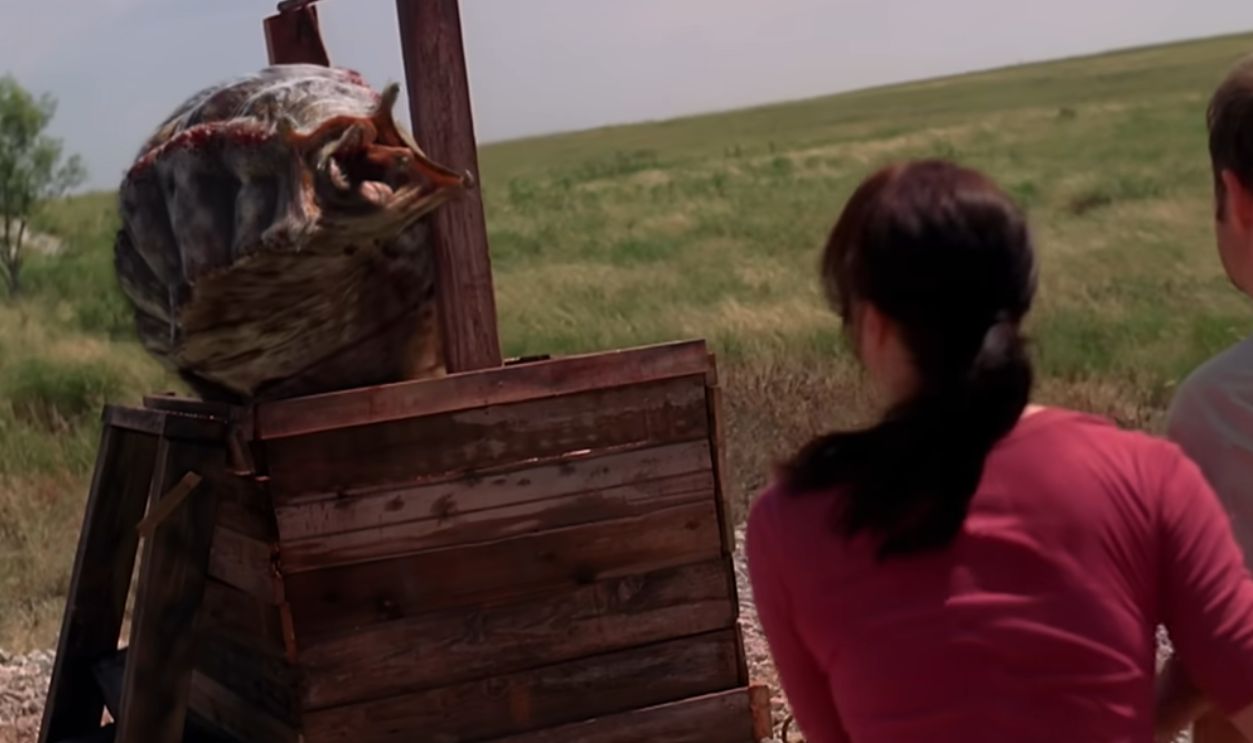
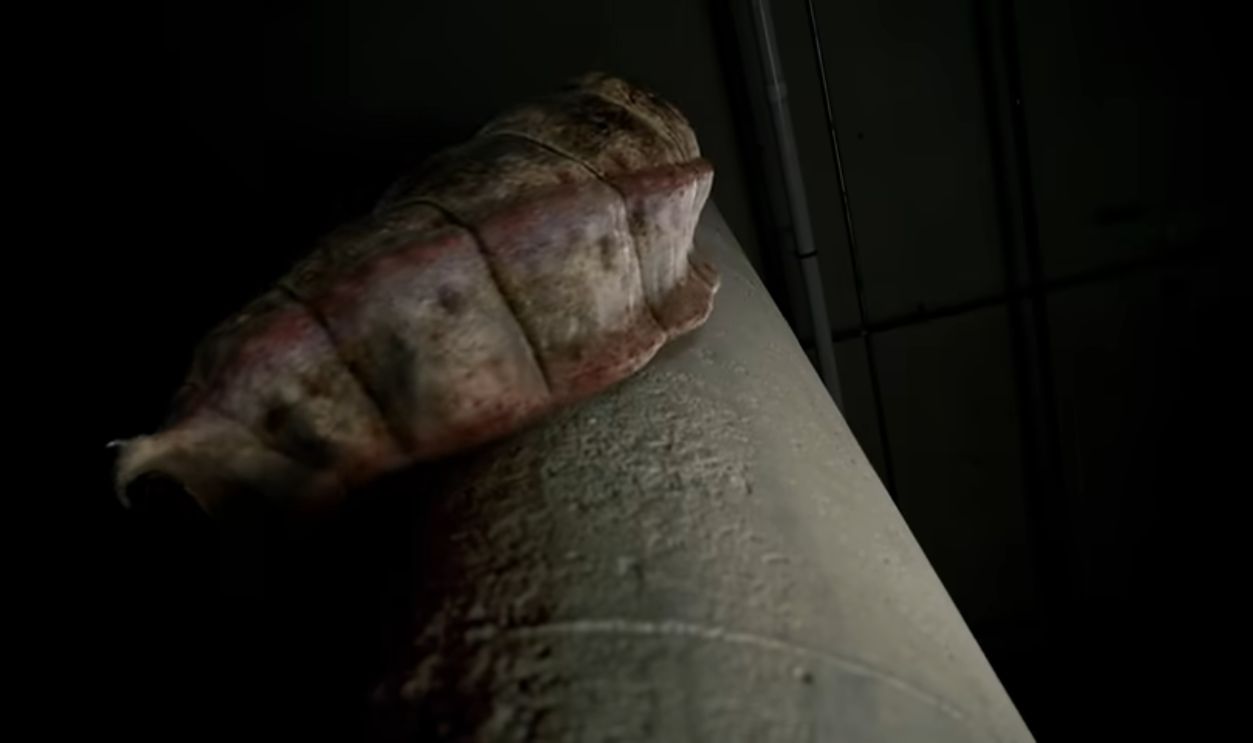
The death worm transcended Mongolian borders to become a global cryptozoological icon, appearing in numerous films, video games, and novels. The 2010 Syfy movie Mongolian Death Worm depicted gigantic slug-like creatures attacking oil workers, while the Tremors film franchise's Graboids drew direct inspiration from the legend.
 Screenshot from Mongolian Death Worm, Lions Gate Entertainment (2010)