Stories In DNA
Long before humans spread across the globe, life unfolded inside Africa in unexpected ways. Separate groups learned, migrated, and interacted, laying down the deep foundations that still live inside modern DNA.
Africa's Human Origins
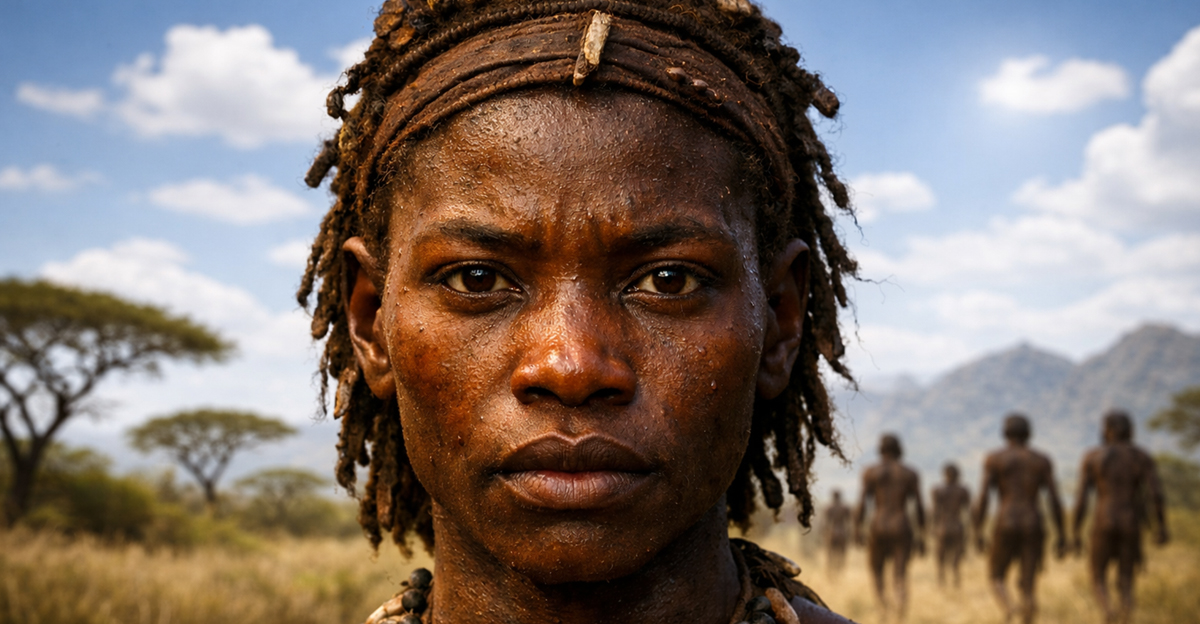
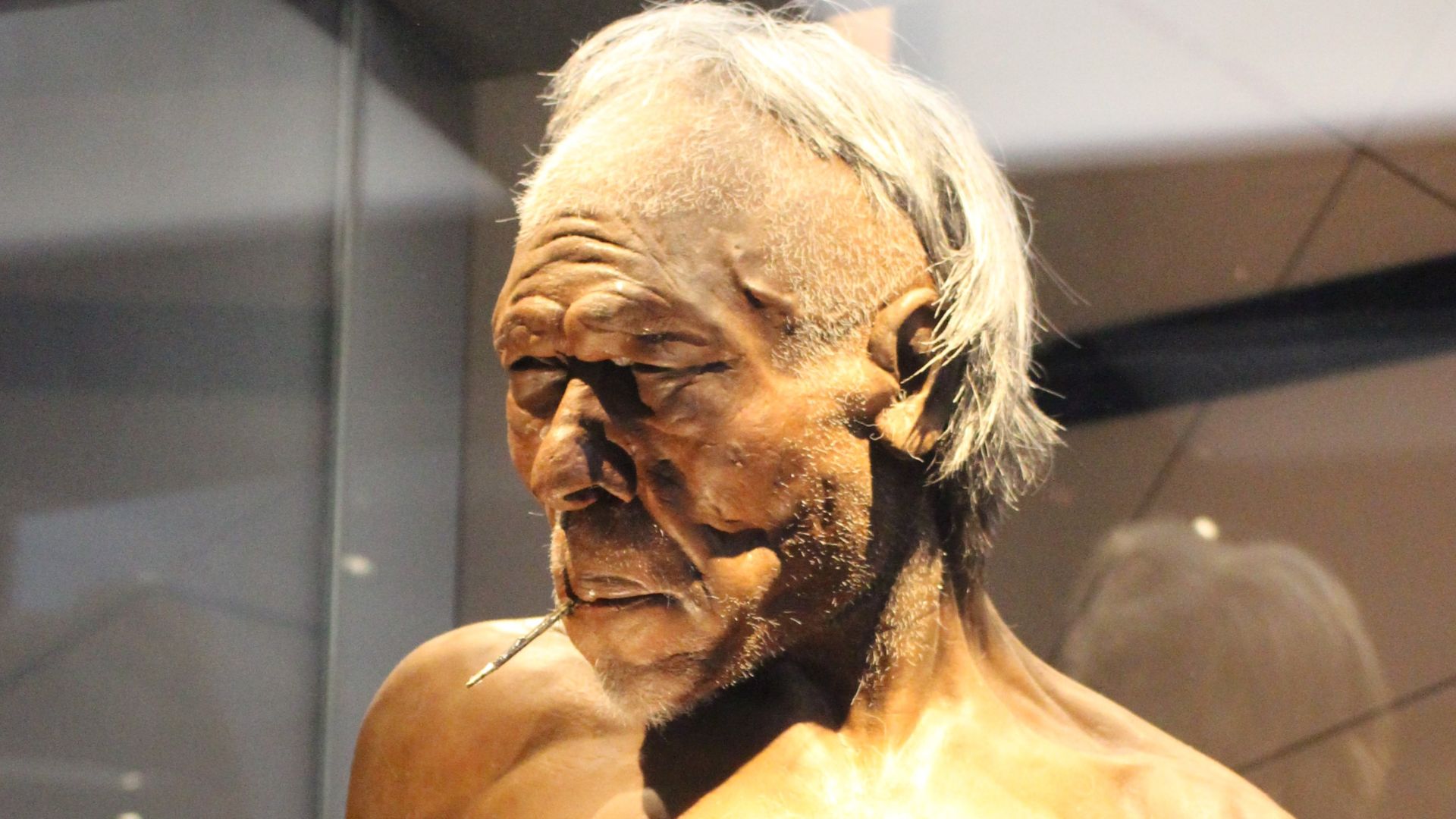
Every person alive today traces their ancestry back to Africa. This isn't just a theory. Fossils, archaeology, and DNA confirm it from thousands of people worldwide. Around 300,000 years ago, Homo sapiens emerged on the African continent, making it humanity's actual birthplace.
 Neanderthal-Museum, Mettmann, Wikimedia Commons
2022 Breakthrough
In February 2022, an international team of 44 researchers published groundbreaking findings in the journal Nature. They analyzed ancient DNA from 34 individuals across eastern and south-central Africa, with six newly sequenced genomes dating back 18,000 years—doubling the age of sub-Saharan African ancient DNA previously available.

Ancient DNA Methods
Extracting DNA from ancient African remains presents extraordinary challenges due to the tropical heat and humidity, which destroy genetic material within centuries. Scientists focused on the petrous bone, the dense inner ear bone, which preserves DNA far better than other skeletal parts. They used enrichment techniques targeting 1.2 million genetic markers.
 James Tourtellotte, photo editor of CBP Today[1], Wikimedia Commons
Eastern African Lineage
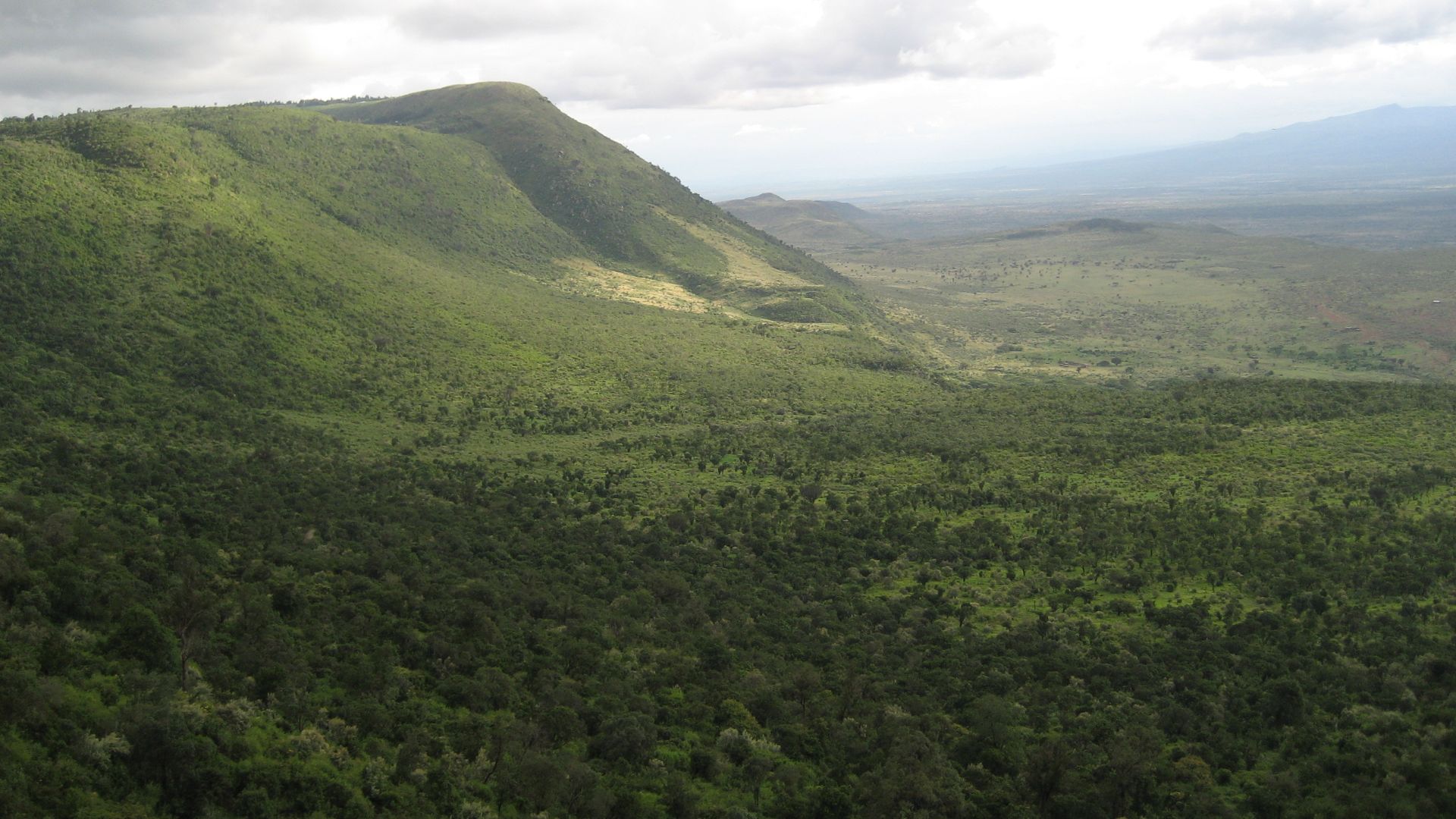
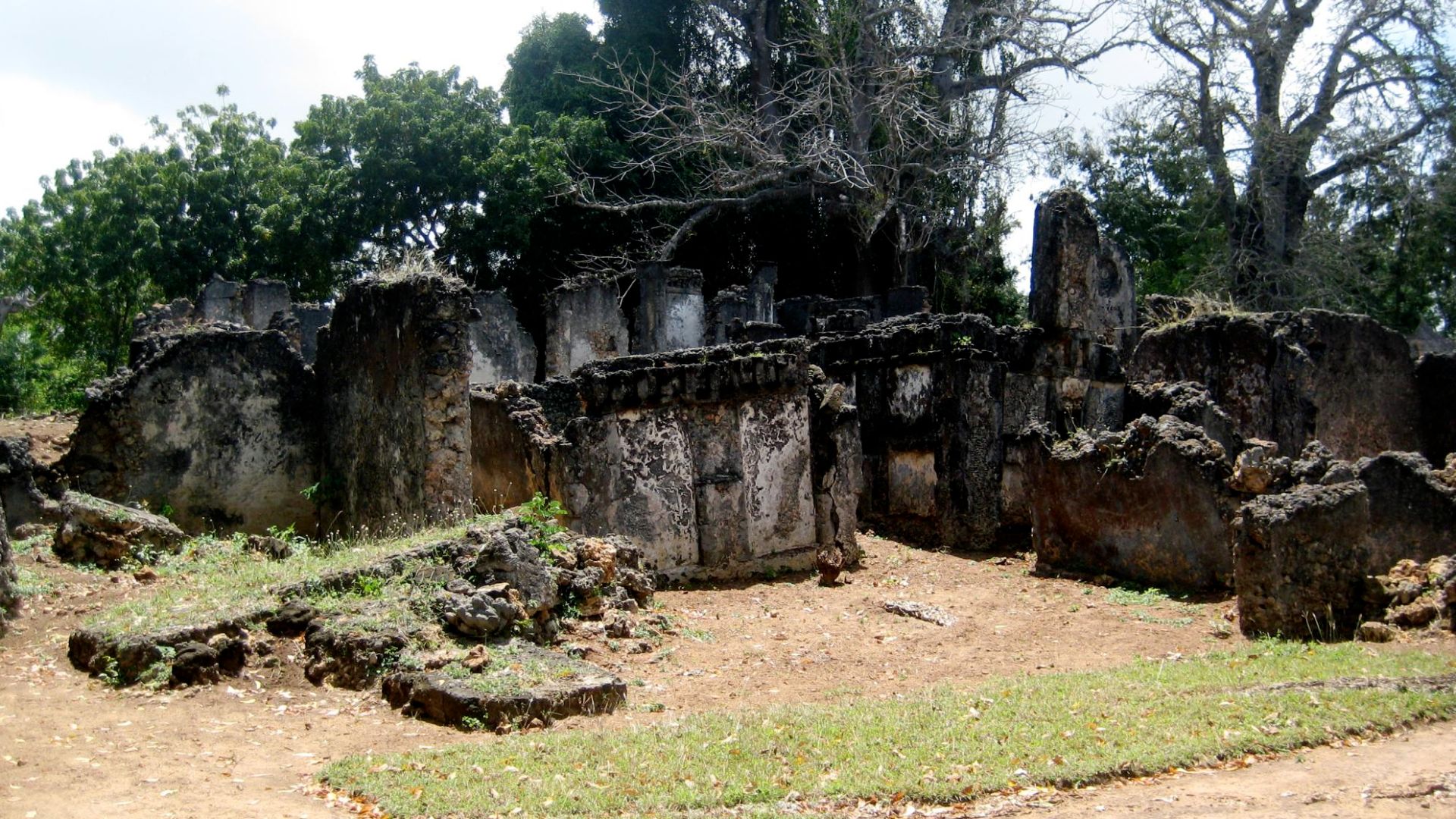
The eastern African population emerged as one of three foundational groups, centered around regions now comprising Ethiopia, Kenya, and Tanzania along the Great Rift Valley. This lineage is represented today by groups like the Dinka pastoralists and relates to ancient individuals found at sites like Mota Cave in Ethiopia.
Southern African Ancestry
Modern San populations and ancient foragers from South Africa represent the southern African lineage. Ancient DNA from individuals at sites like Ballito Bay and Faraoskop Rock Shelter in South Africa, dating to around 2,000 years ago, confirms continuity with present-day Juǀ'hoansi and other Khoe-San peoples.

Central African Roots
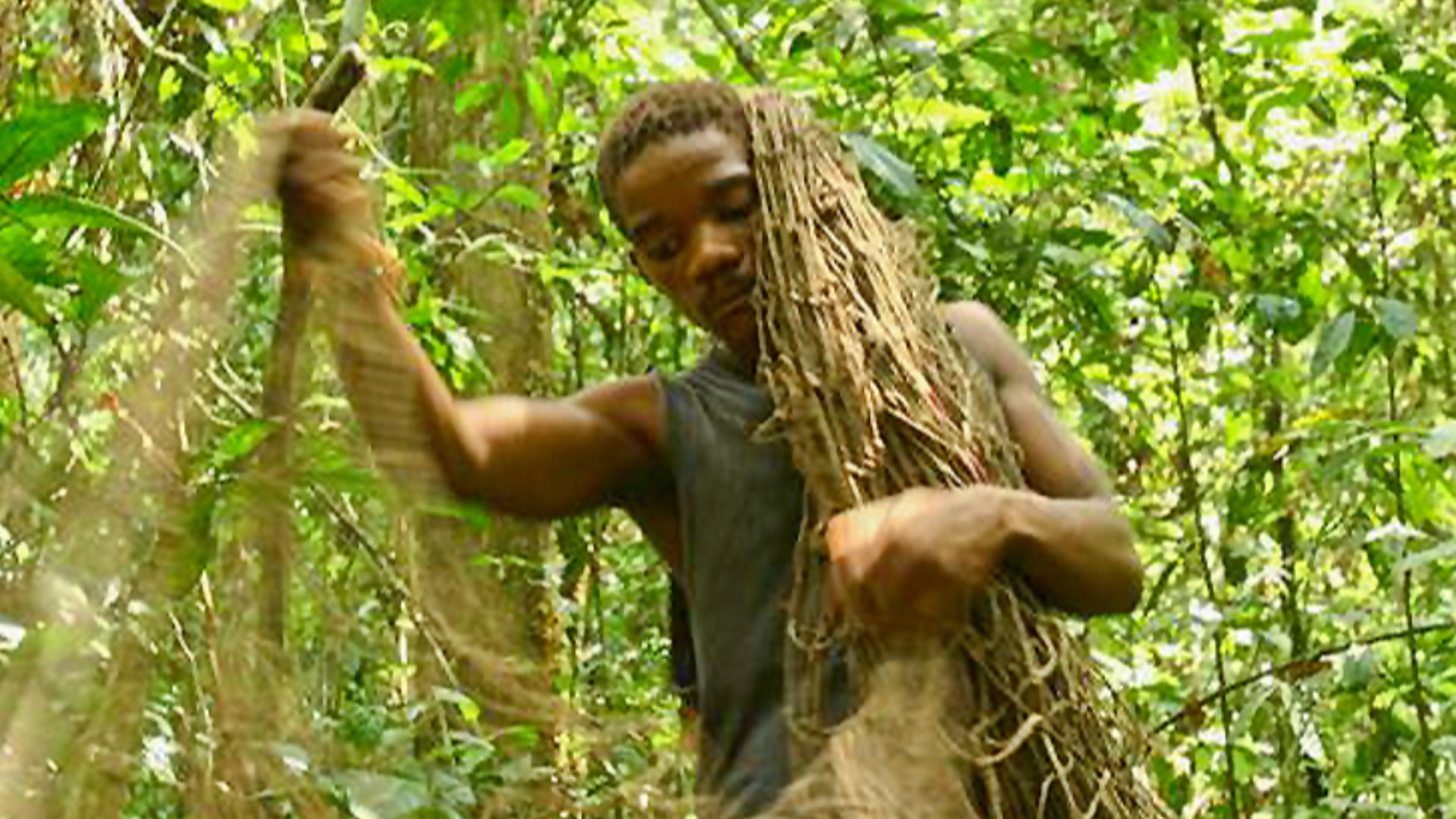
The third ancestral population proved to be the study's biggest surprise: a previously underappreciated lineage most closely related to present-day Mbuti and Aka hunter-gatherers living in Central African rainforests. This discovery challenged assumptions because central Africa has been archaeologically understudied due to political, economic, and logistical difficulties.
 Radio Okapi, Wikimedia Commons
200,000 Years Of Separation
Well, the three African populations: eastern, southern, and central diverged from each other approximately 300,000 years ago. Population geneticist David Reich from Harvard emphasized that these African groups were separated five times longer than the divergence between major Eurasian populations.
 Screenshot from PBS NewsHour, PBS (1975-)
Deep Population Structure
Before 80,000 years ago, Africa wasn't home to a single panmictic population but rather a patchwork of semi-isolated groups occupying different ecological zones across the continent. This "deep population structure" contradicts older models suggesting one ancestral population in East Africa simply expanded outward.
 Emoke Denes, Wikimedia Commons

History's most fascinating stories and darkest secrets, delivered to your inbox daily.
Geographic Distribution Patterns
The three populations occupied distinct but overlapping territories across sub-Saharan Africa for over 100,000 years. Eastern African ancestry was concentrated along the Rift Valley and the Ethiopian Highlands, with access to diverse resources from the mountains to the lakes. Southern African populations dominated the region below the Zambezi River.
 Alexandra Kelly, Wikimedia Commons
80,000 Years Ago
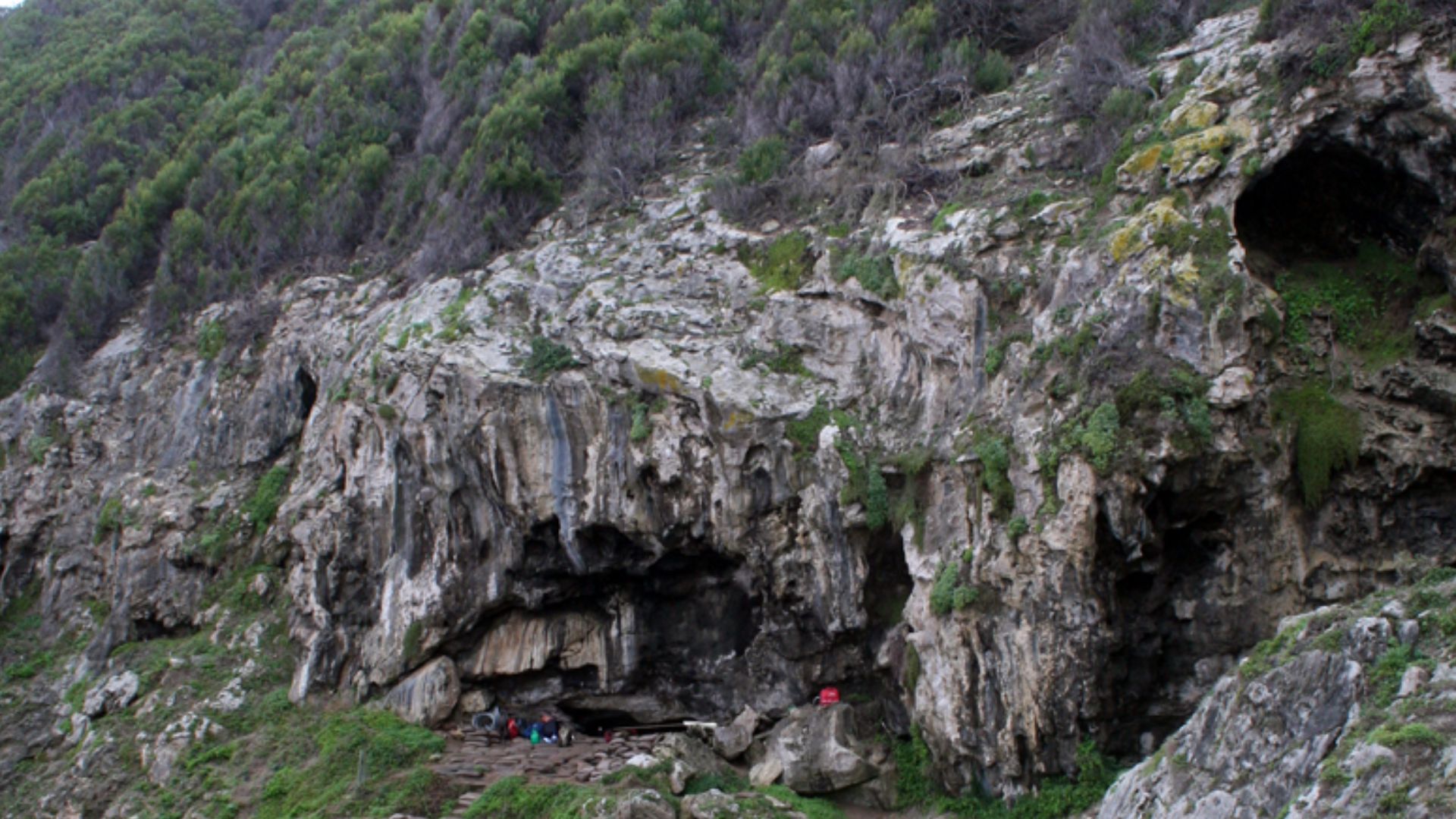
Around 80,000 years ago, massive changes began reshaping African populations. Archaeological evidence shows technological innovations appearing at multiple sites: Blombos Cave in South Africa yielded engraved ochre and shell beads dating to 75,000 years ago, demonstrating symbolic behavior. Climate fluctuations also alternated between wet and dry periods.
 Vincent Mourre / Inrap, Wikimedia Commons
Population Convergence Begins
The three long-isolated African populations began sustained interbreeding. Genetic analysis revealed no "pure" representatives of any single ancestral group among the 34 ancient individuals studied. All showed mixed ancestry from eastern, southern, and central African sources, indicating prolonged contact across multiple generations throughout the region.
 The U.S. Food and Drug Administration, Wikimedia Commons
Long-Distance Migrations
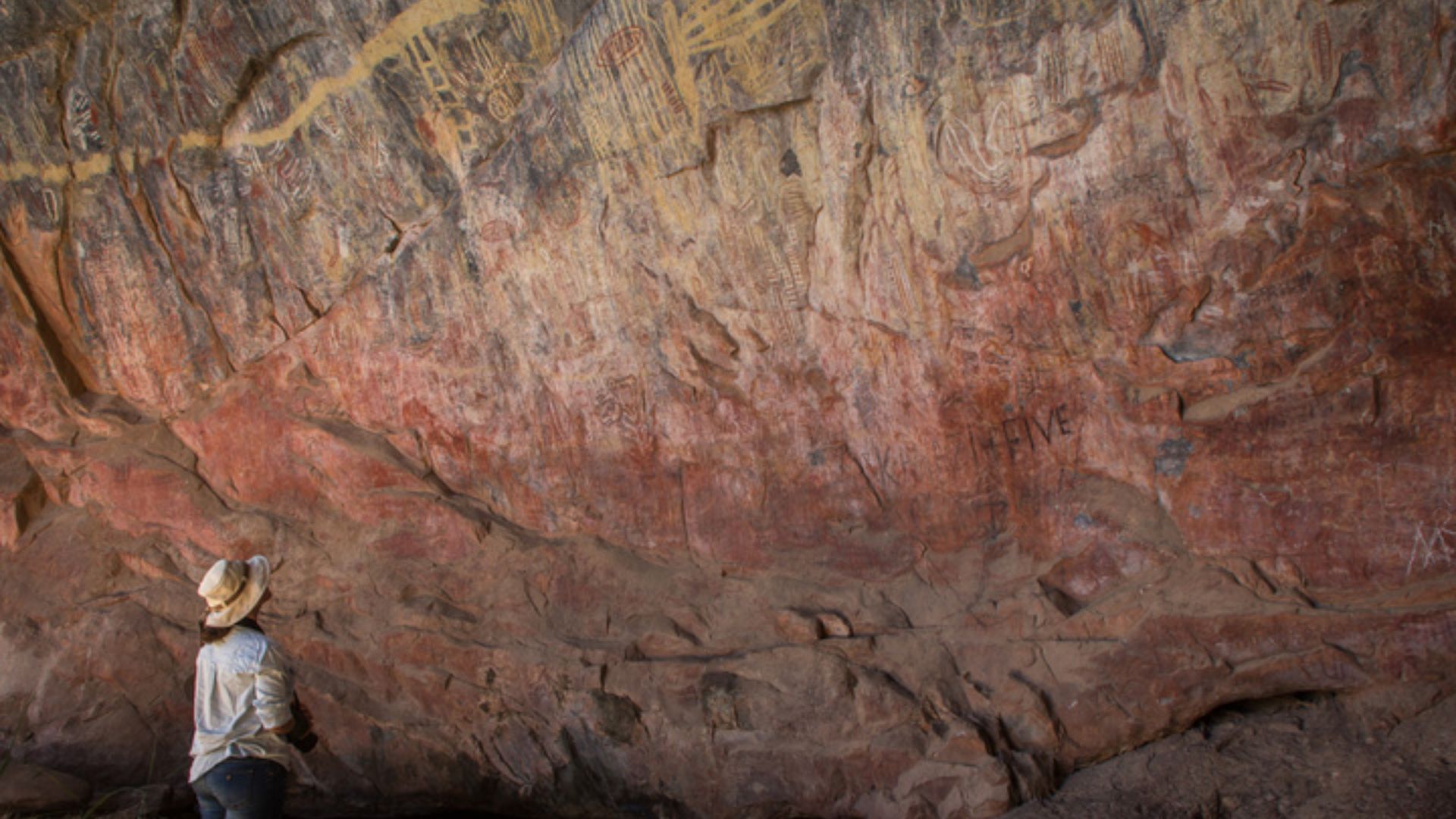
Eastern African ancestry appeared as far south as Zambia, over 2,500 kilometers away, while southern African genetic signatures reached Kenya. Both males and females participated in these relocations, evidenced by mitochondrial and autosomal DNA patterns. People permanently relocated and married partners from distant regions.
 the road chose me, Wikimedia Commons
Genetic Melting Pot
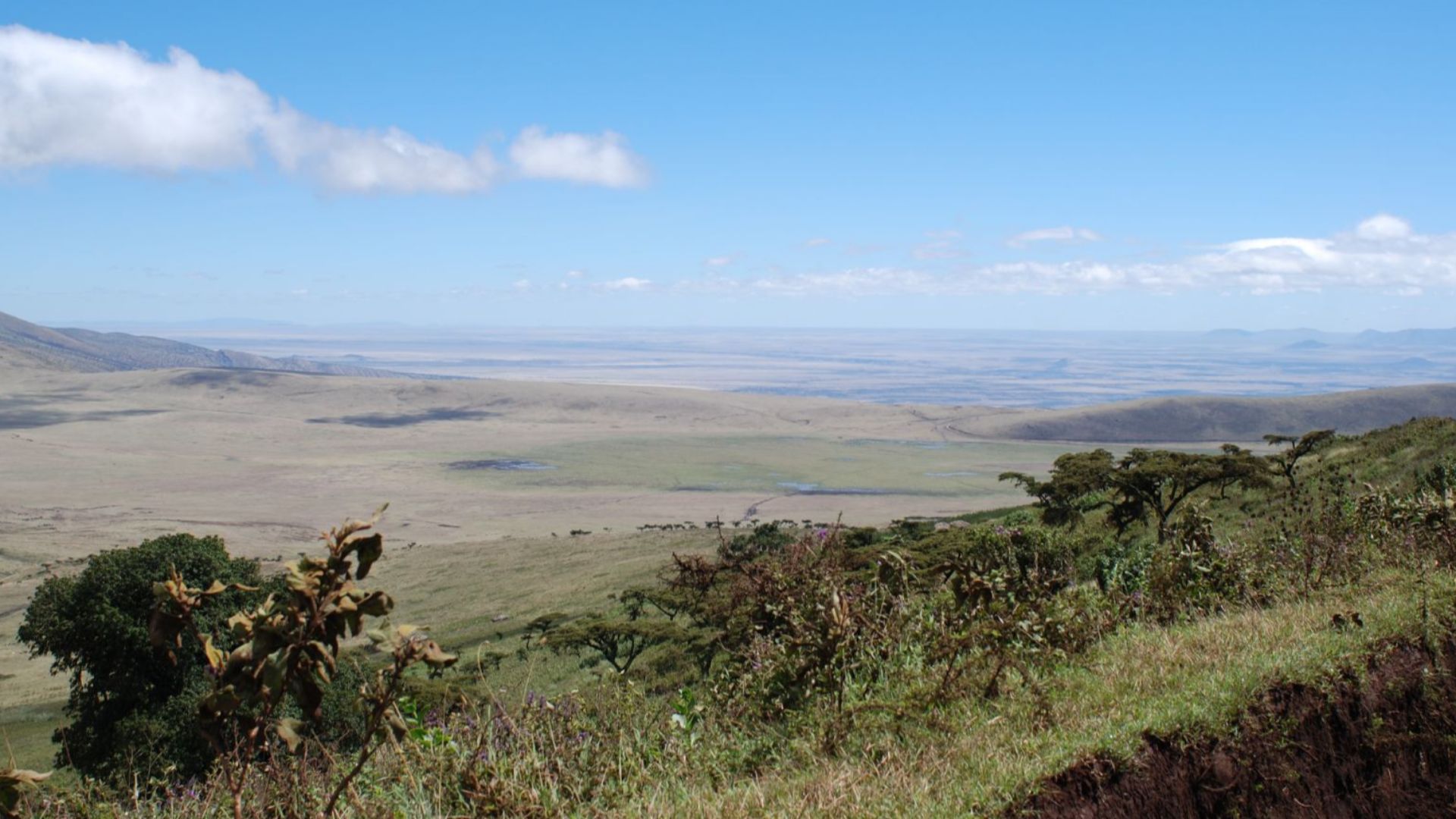
Eastern Africa became an extraordinary mixing zone where all three ancestral populations converged. Ancient eastern Africans carried unexpectedly high central African rainforest hunter-gatherer ancestry alongside local components. Sites along the Rift Valley, from Kenya to Tanzania, became demographic crossroads. This region displayed unprecedented genetic diversity.
 Sachi Gahan from San Francisco, USA, Wikimedia Commons
Climate Change Drivers
Environmental shifts also dramatically altered Africa's habitability. The transition from Marine Isotope Stage 5 to Stage 4 brought rapid oscillations between wet and dry periods. Lakes expanded and contracted; the Sahara alternated between green corridors and desert. These changes destroyed territories.

Ice Age Movements
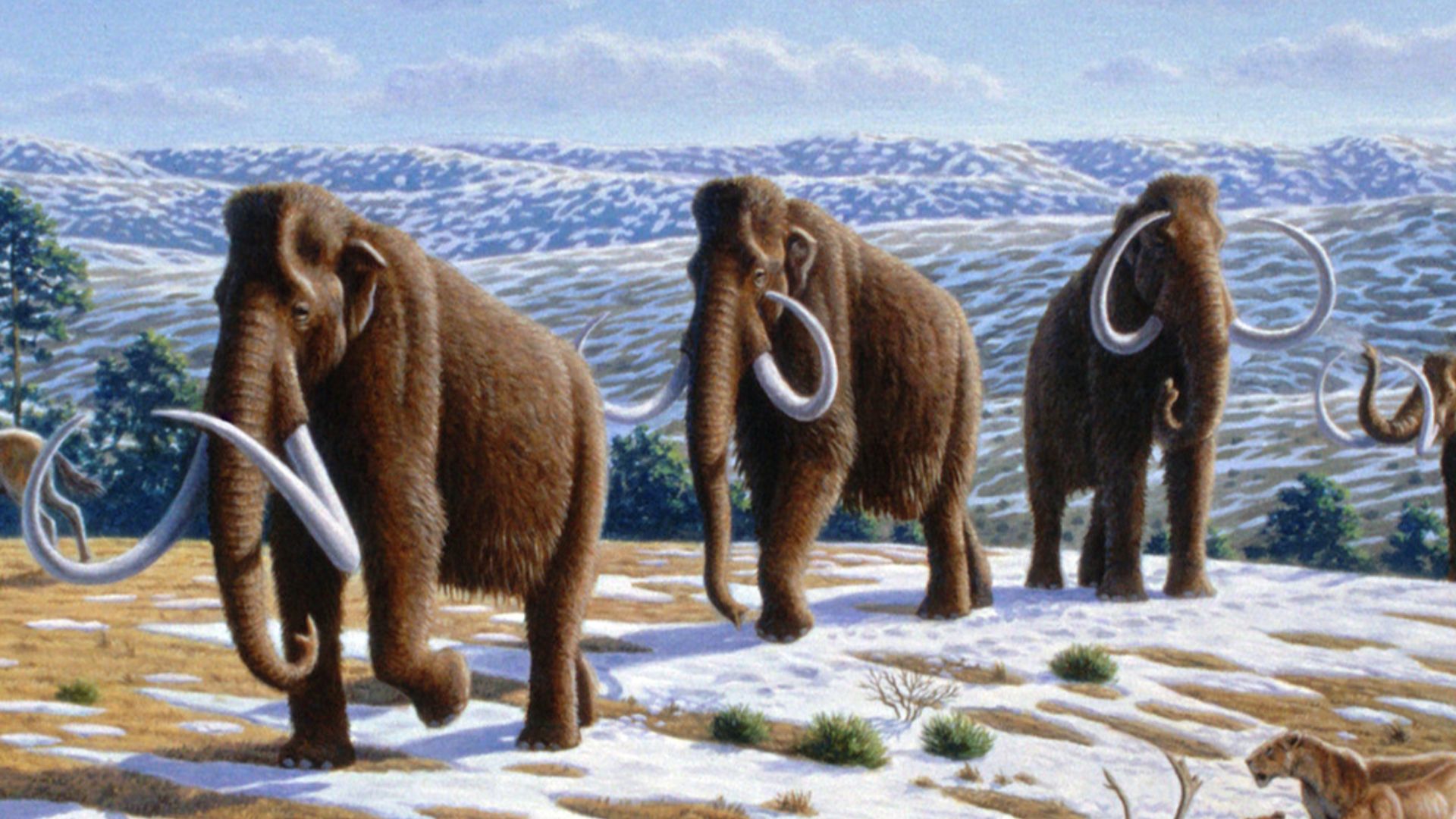
The Last Glacial Period created fragmented habitat "islands" across tropical Africa as forests contracted and grasslands expanded. Populations concentrated in refugia—isolated habitable pockets surrounded by harsher conditions. Sea levels dropped over 100 meters, exposing coastal plains and creating new territories.
 Mauricio Antón, Wikimedia Commons
Later Stone Age
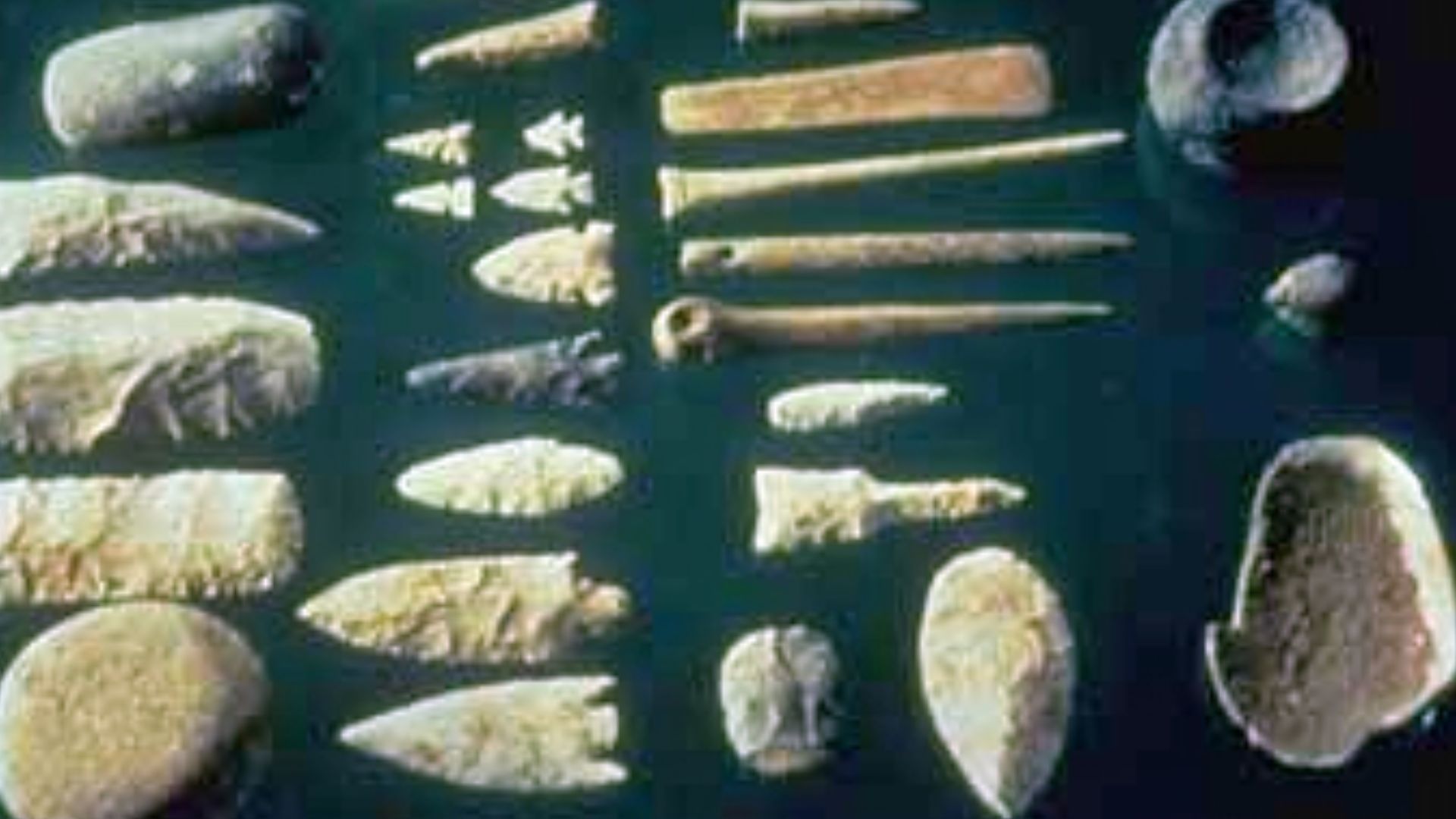
The Later Stone Age began around 50,000 to 39,000 years ago in eastern Africa, marking a profound technological shift. Large prepared-core tools were replaced by industries producing small blades and microliths from simple platforms. Archaeological sites suddenly showed new standardized artifacts.
 Charles Robert Knight, Wikimedia Commons
Technological Innovation Surge
Distinct forager groups across Africa simultaneously exhibited remarkably similar cultural traditions despite vast distances of separation. Stone tool technologies became sophisticated and regionally distinctive. Besides, bone tools proliferated, including awls, polished points, and needles at sites like Sibudu Cave.

Symbolic Behavior Emerges
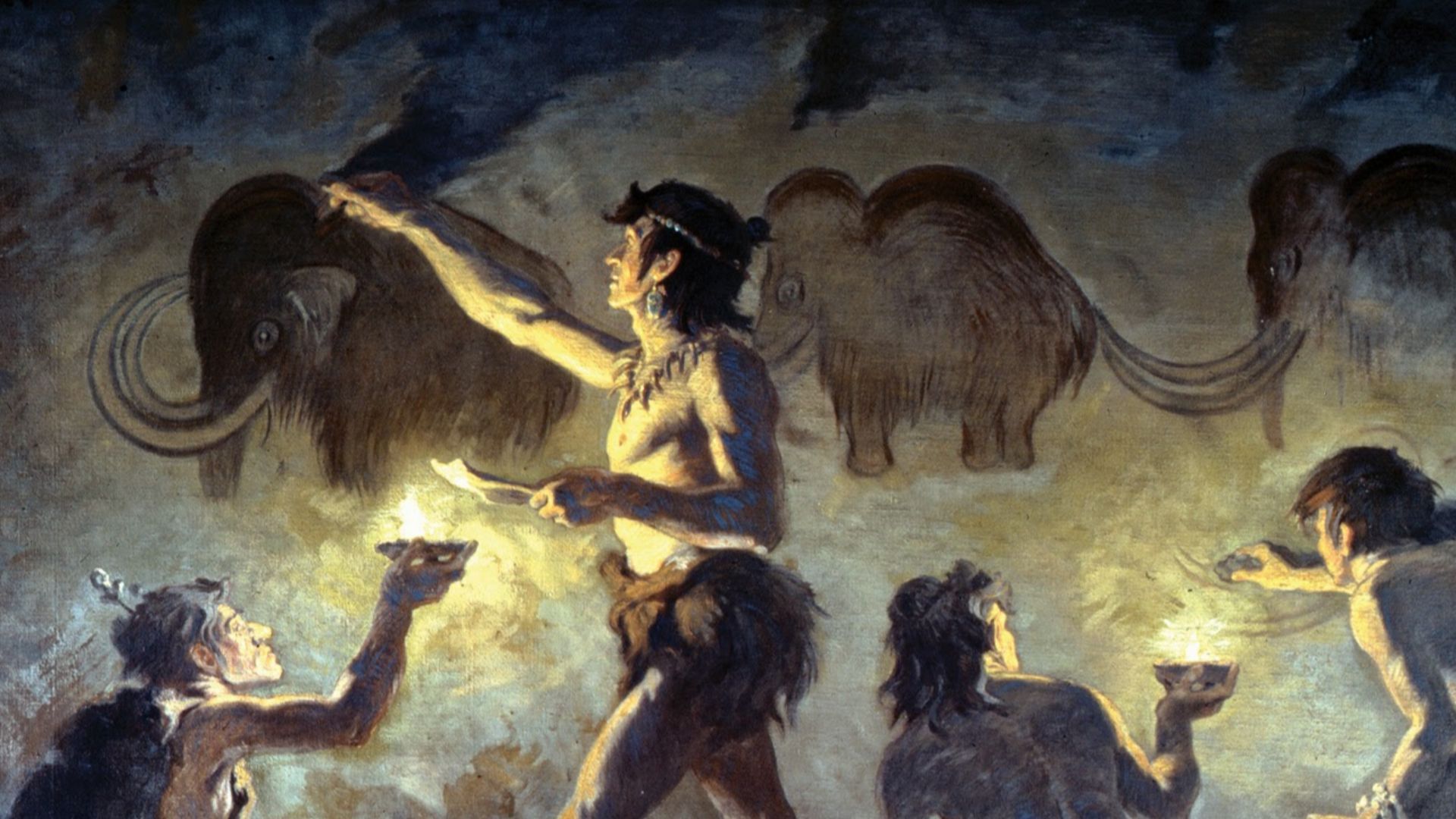
Beads, pigments, and symbolic art spread widely across Africa around this period, marking a cultural revolution. Blombos Cave in South Africa yielded 75,000-year-old Nassarius shell beads with deliberate perforations and wear patterns from suspension. Engraved ochre pieces with abstract geometric patterns appeared at multiple sites.

Ostrich Eggshell Beads
Ostrich eggshell (OES) beads became the defining symbolic object of this era, manufactured with remarkable consistency across 1,800 miles. More than 1,500 ancient beads from 31 sites showed nearly identical doughnut shapes, thickness, and diameter. This indicated shared cultural norms and communication networks.
 Nkansah Rexford, Wikimedia Commons
Trade Networks Form
The widespread similarity of beads, stone tools, and symbolic objects highlights extensive exchange networks developed around 50,000 years ago. These weren't just trade routes but also social connections that enabled the spread of information, technology, and cultural practices across thousands of kilometers.
Regionalization Period Begins
This "regionalization" occurred during the Last Glacial Maximum, when Ice Age conditions fragmented environments into isolated zones. Archaeological evidence supports this. Later Stone Age tool industries diversified and developed distinctive local characteristics that reflect cultural isolation.

Cultural Diversification
As populations became isolated, cultural traditions diverged significantly across regions. Stone Age industries developed unique local characteristics such as different blade production techniques, distinct projectile point styles, and region-specific raw material preferences. Southern African beads disappeared from the archaeological record while eastern African bead traditions remained continuous.
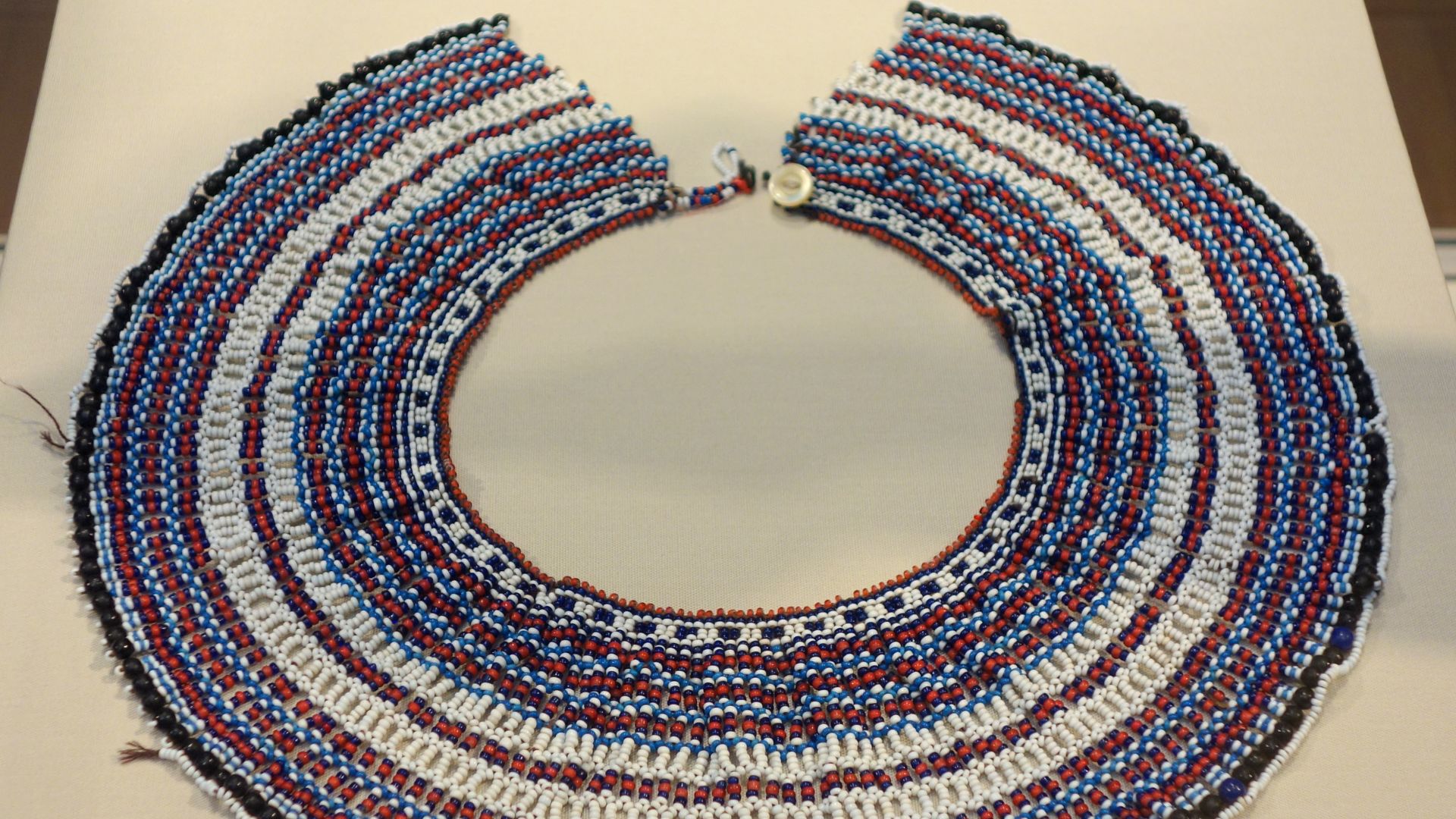
Out-Of-Africa Migration
Around 70,000–60,000 years ago, a small group carrying mitochondrial haplogroup L3, possibly fewer than 1,000 individuals, crossed from Africa into Asia, giving rise to all non-African populations today. These migrants descended from the same three-way mixed African populations, carrying genetic contributions from eastern, southern, and central African ancestors.
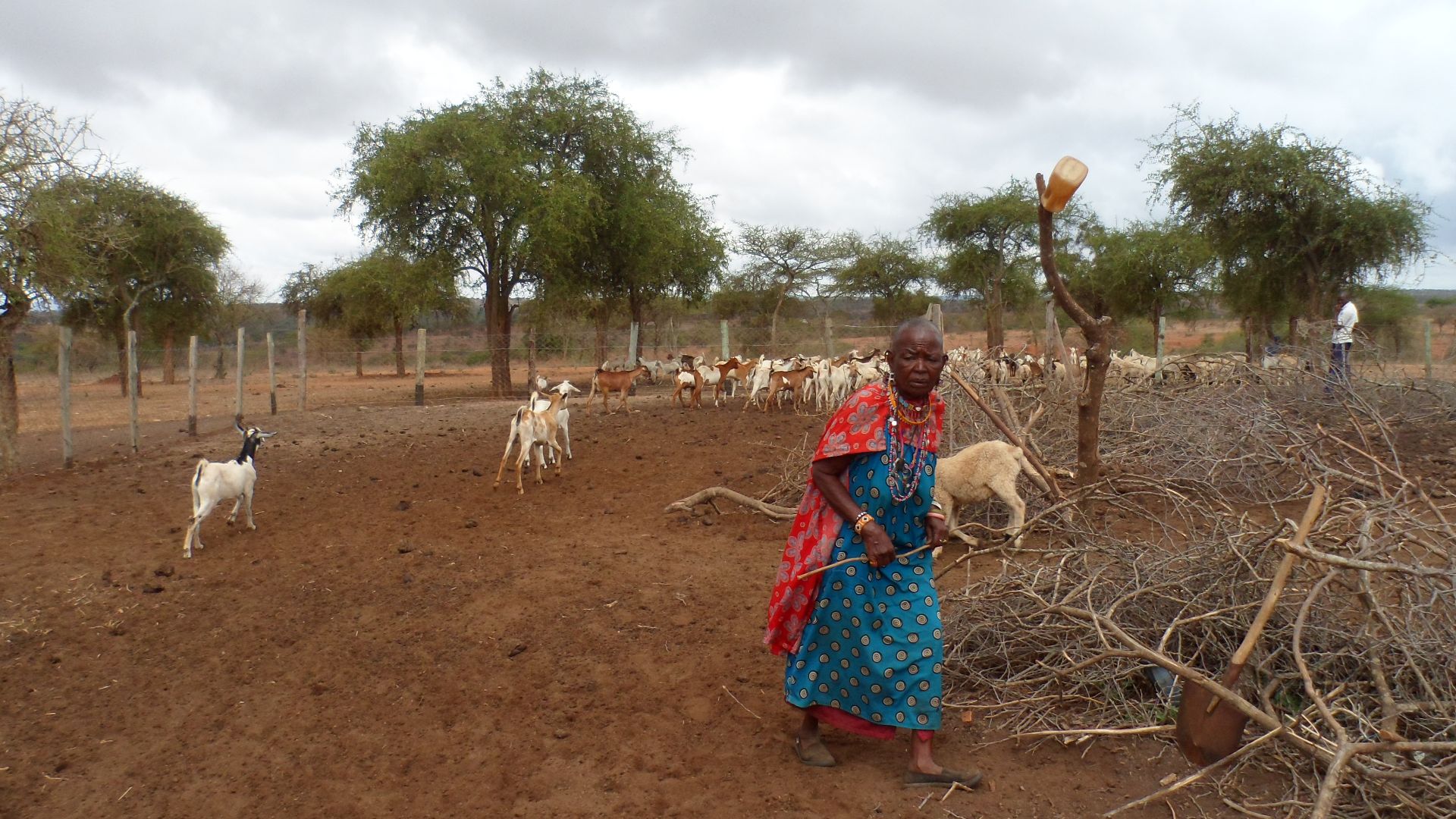 Loisa Kitakaya, Wikimedia Commons
Modern Humanity's Foundation
Every person alive today descends from these three African populations. The 2022 study definitively demonstrated that major archaeological transitions coincided with demographic changes, not just cultural shifts. This period established the genetic and cultural foundation for modern human success: symbolic thinking, complex social networks, technological innovation, and adaptability.