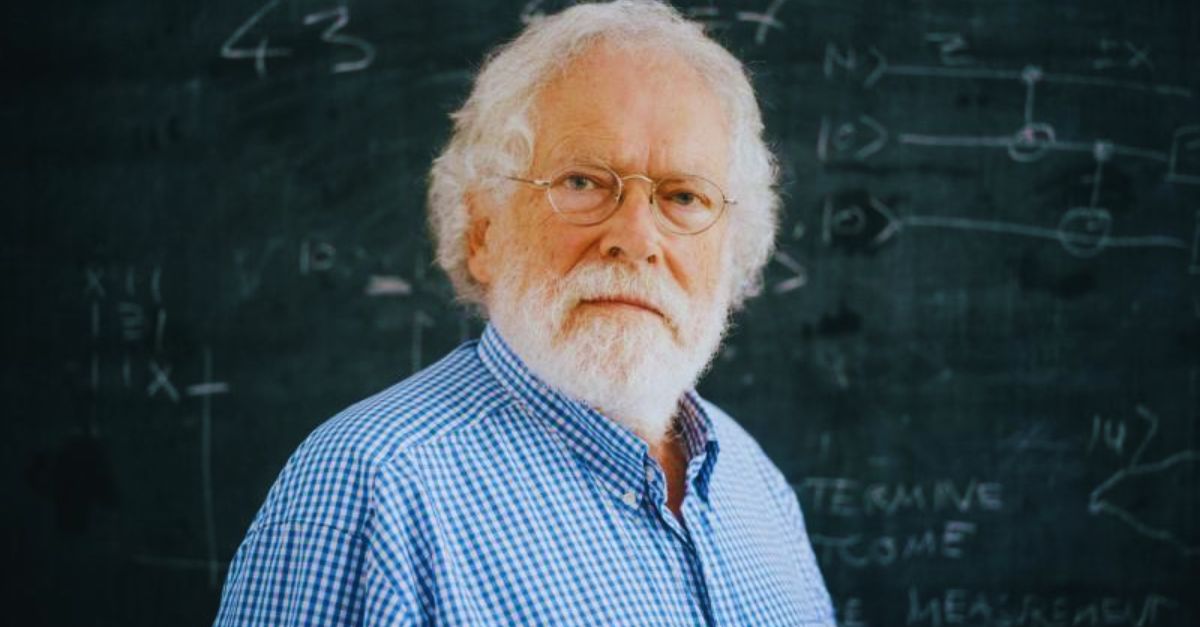
Quantum Teleportation
Science sometimes begins with doubt, and quantum teleportation is no exception. What was once debated and dismissed has quietly turned into one of the most exciting frontiers in communication as of late.
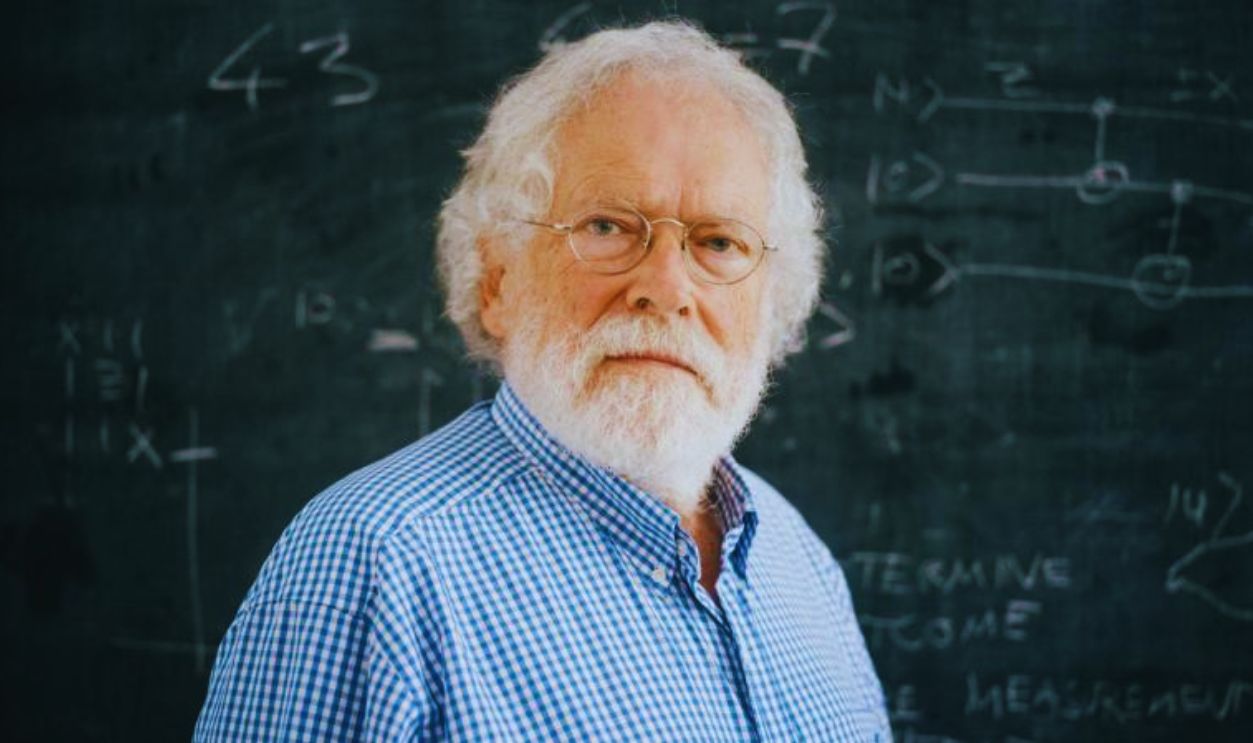
Theoretical Foundation
In 1993, a groundbreaking paper titled "Teleporting an Unknown Quantum State via Dual Classical and Einstein-Podolsky-Rosen Channels" emerged from the minds of six brilliant researchers: A Peres, C H Bennett, G Brassard, C Crepeau, R Jozsa, and W K Wootters.
 Lea-Kim Chateauneuf, Wikimedia Commons
William Wootters
This was the birth of an idea that would revolutionize our understanding of information transfer. The concept came about serendipitously during discussions at a 1992 conference, where William Wootters described curious findings about quantum measurements, leading to the theoretical framework that makes modern quantum teleportation possible.
 Teaching Physics by Williams College
Einstein's Concerns
Long before quantum teleportation became reality, Albert Einstein was deeply troubled by what quantum mechanics suggested about the nature of reality. Einstein famously called quantum entanglement "spooky action at a distance," challenging the classical view that each particle should have its own distinct reality.
 Photograph by Oren Jack Turner, Princeton, N.J., Wikimedia Commons
First Experiments
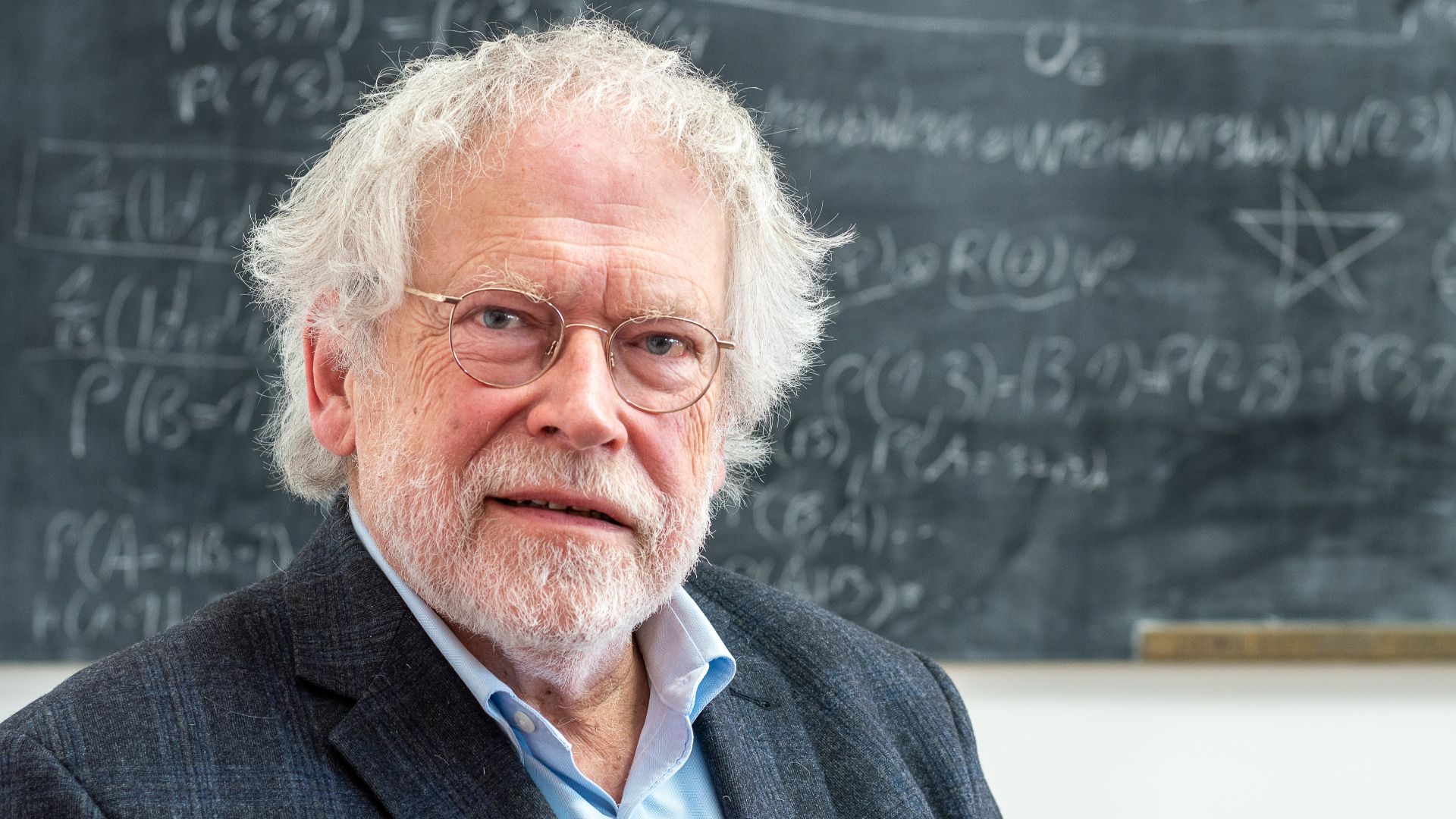
The year 1997 marked a pivotal moment when theoretical possibility became experimental reality. Two research groups, led by Sandu Popescu in Italy and Anton Zeilinger at the University of Innsbruck, Austria, independently achieved the first successful quantum teleportation. What made these experiments remarkable was their approach.
 Duncan.Hull, Wikimedia Commons
First Experiments (Cont.)
Zeilinger's group produced entangled photons through parametric down-conversion, while both teams proved that classical channels alone could not replicate the teleportation results. Zeilinger's team could distinguish two of the four Bell states unambiguously, proving that the quantum state of the input photon could indeed be transferred.
 Jaqueline Godany, Wikimedia Commons
Early Milestones
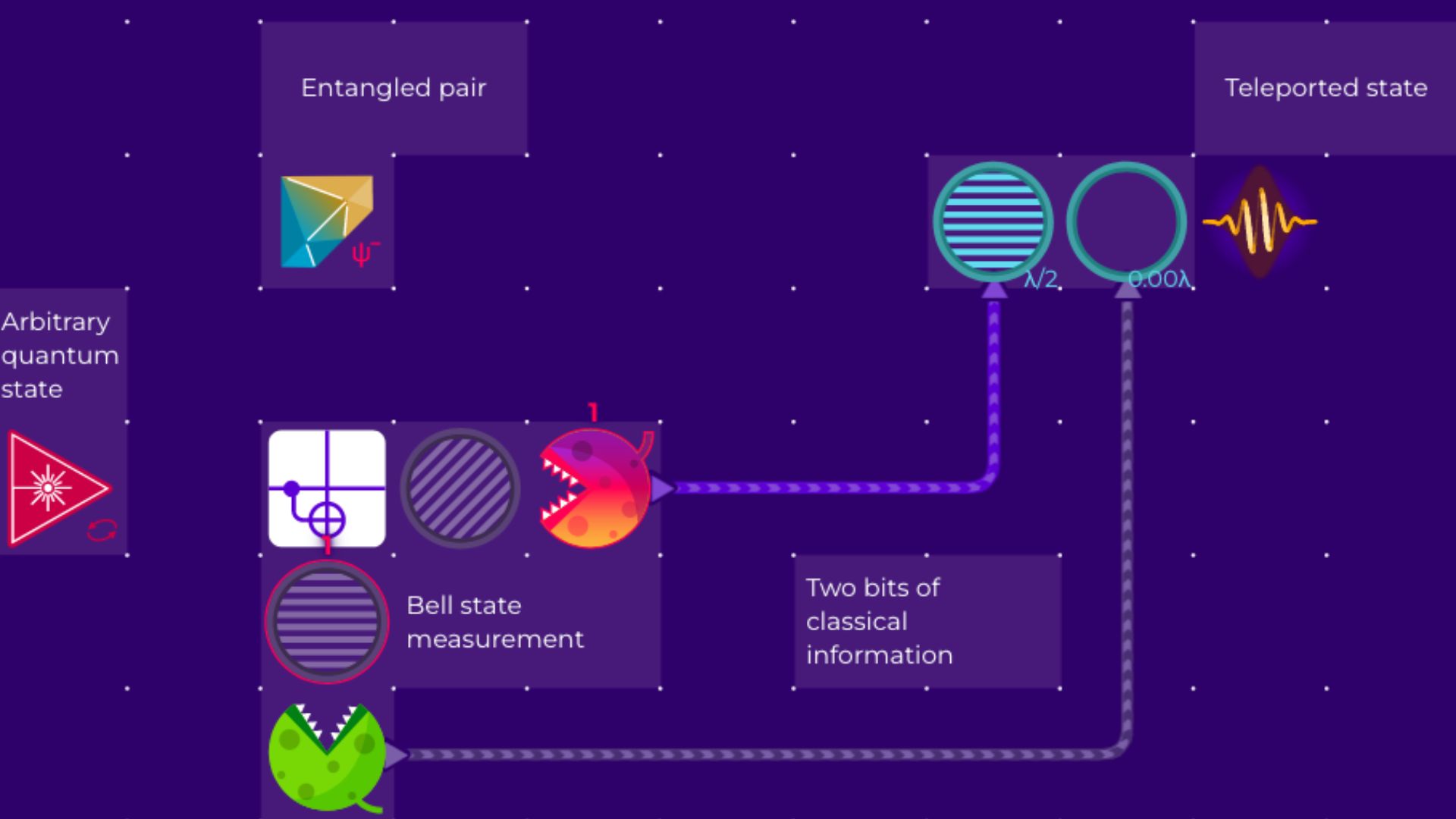
Between 1998 and 2004, quantum teleportation rapidly evolved from laboratory curiosity to proven technology. Work in 1998 verified the initial predictions, and by August 2004, teleportation distance had increased to 600 meters using optical fiber. The progression was about understanding the fundamental limits and possibilities.
 Piotr Migdal, Wikimedia Commons
Photon Breakthroughs
The record distance for quantum teleportation gradually increased from 16 kilometres to 97 km, culminating in 143 km through open-air experiments in the Canary Islands. Unlike atoms or electrons, photons can travel through free space and optical fibers with relative ease.

Fiber Advances
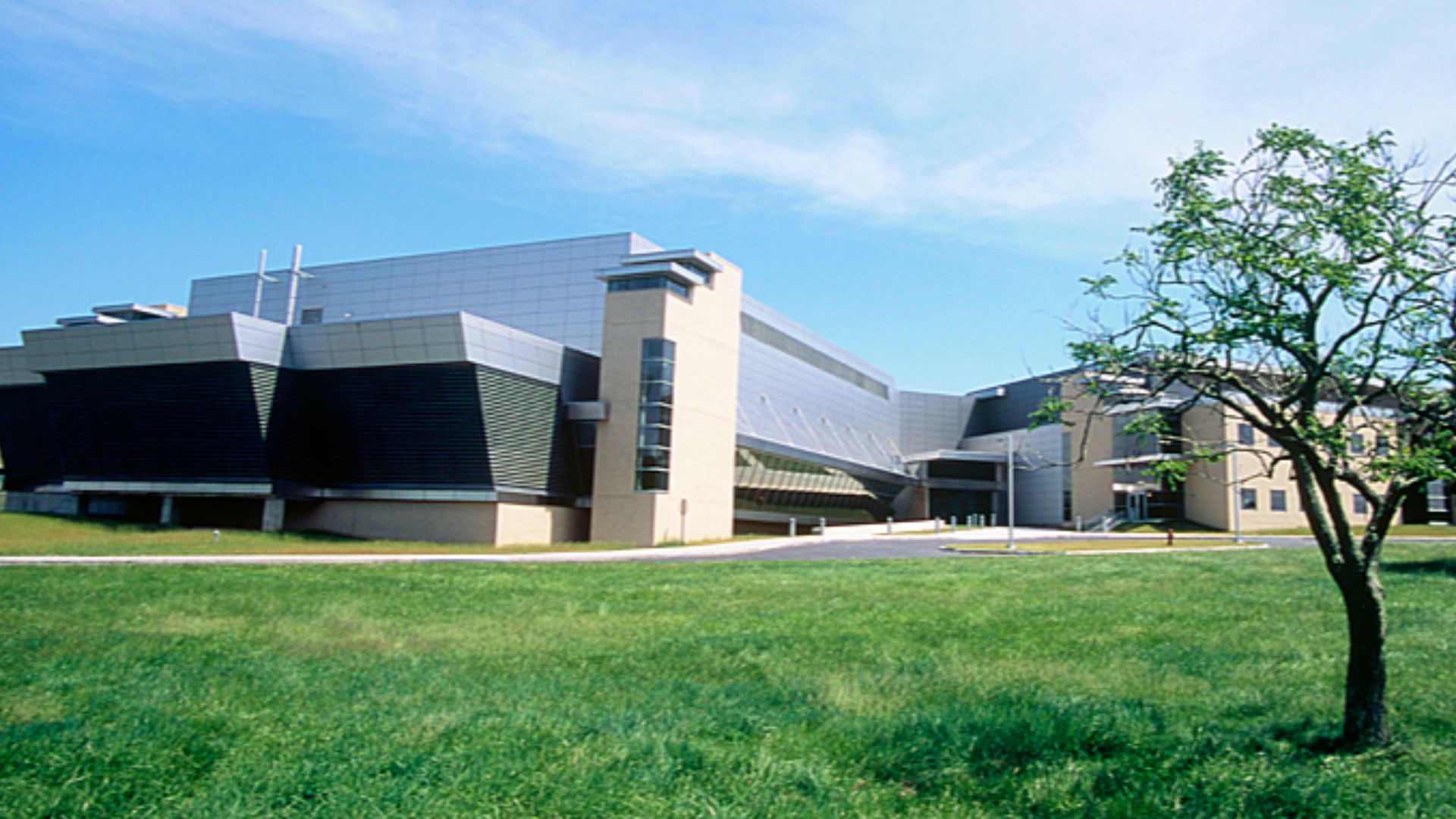
Researchers at the National Institute of Standards and Technology, in 2015, transferred quantum information over 100 kilometres of optical fibre, a distance four times further than previously possible. This represented a fundamental shift in how we thought about quantum communication infrastructure.
 Gail Porter, Wikimedia Commons

History's most fascinating stories and darkest secrets, delivered to your inbox daily.
Atomic Success
Furthermore, the quantum world expanded dramatically that year when researchers achieved something unprecedented: teleporting multiple properties of a single quantum particle simultaneously. Scientists at the University of Science and Technology of China, Hefei, carried out the first experiment teleporting several degrees of freedom of a quantum particle.

Micius Launch
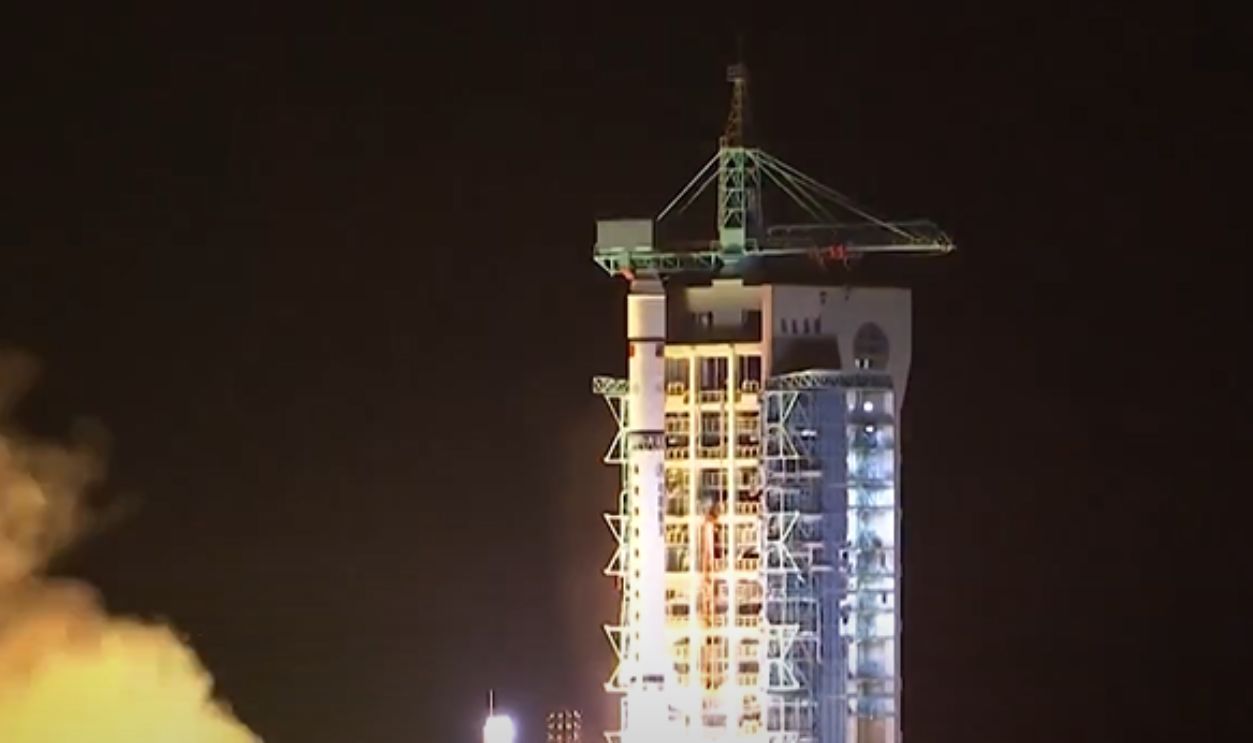
August 16, 2016, witnessed China's bold leap into space-based quantum science with the launch of the Micius satellite, named after an ancient Chinese philosopher, as part of the $100 million Quantum Experiments at Space Scale program. The mission featured a "Sagnac effect" interferometer that generates pairs of entangled photons.
 China Launches First Quantum Communication Satellite by The Wall Street Journal
Space Records
Chinese scientists shattered teleportation records by sending a quantum state from Tibet to the Micius satellite 870 miles (1,400 kilometers) above Earth's surface. The experiment involved quantum state transmission between Lijiang station in Yunnan Province and Delingha ground station in Qinghai Province, 1,200 kilometers apart.
 Antoine Taveneaux, Wikimedia Commons
Metropolitan Networks
By 2019–2023, quantum teleportation moved from laboratory demonstrations to practical urban applications, with researchers achieving something revolutionary: high-speed metropolitan quantum networks. A team led by Prof Guangcan Guo and Prof Qiang Zhou improved the teleportation rate to 7.1 qubits per second.

Internet Integration
December 2024 shattered a long-held assumption that would change quantum communication forever. Northwestern University engineers became the first to perfectly depict quantum teleportation over a fiber optic cable already carrying Internet traffic. The challenge was like a flimsy bicycle navigating through speeding trucks.

W-State Breakthrough
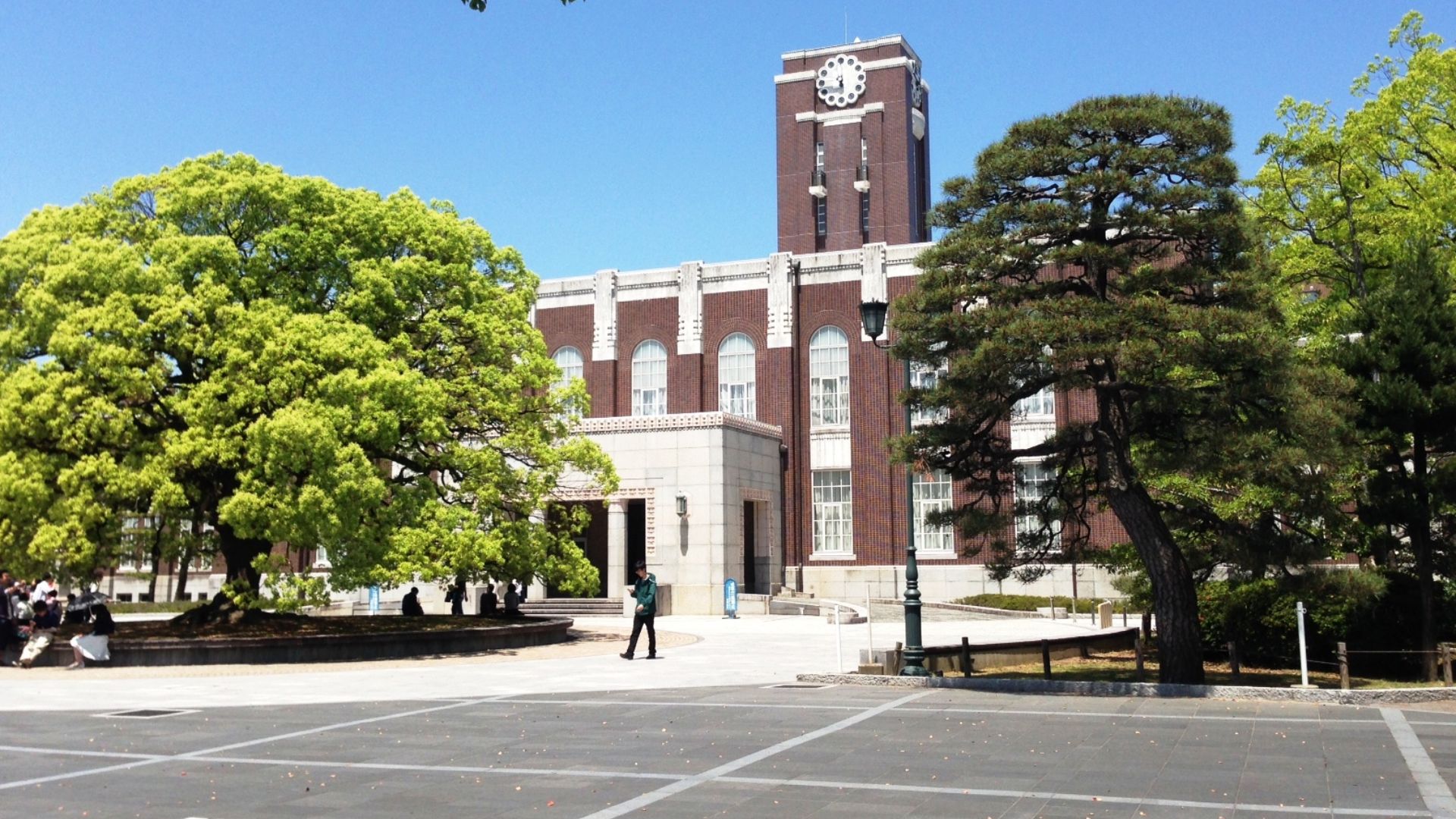
Then came September 2025, which brought a solution to a puzzle that had stumped physicists for over two decades. Researchers at Kyoto University developed a new entangled measurement method capable of identifying the W state. This achievement opens the door to the quantum teleportation of multi-photon, quantum-entangled states.
Scientific Principles
Quantum teleportation doesn't actually move particles. It transfers their quantum state, a concept that fundamentally challenges our everyday experience. The sender combines the particle whose information is teleported with one entangled particle, causing a change in the overall entangled quantum state.
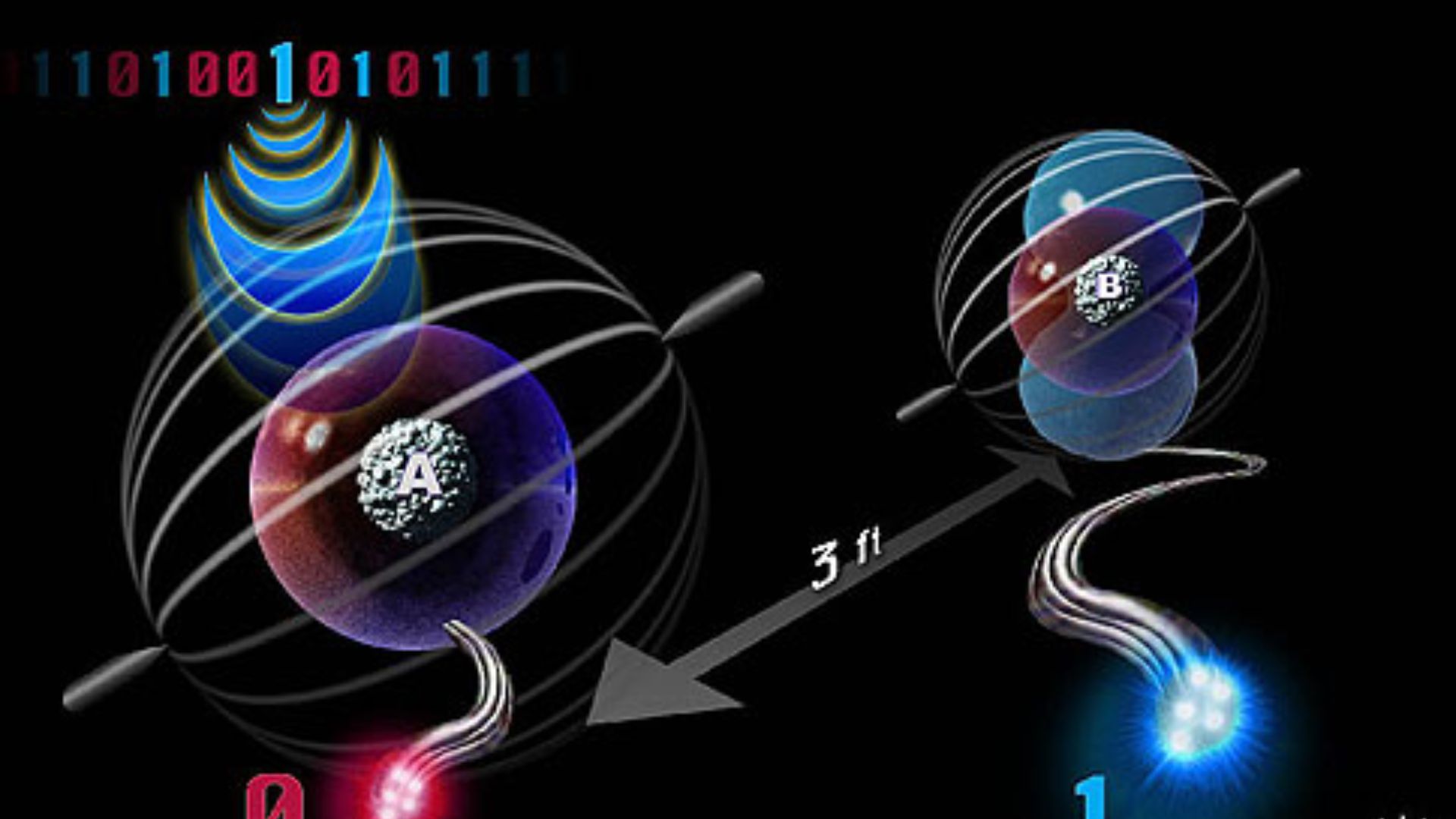 National Science Foundation, Wikimedia Commons
Bell Measurements
At the heart of every quantum teleportation experiment lies a critical process called Bell-state measurement. Charlie implements a joint Bell-state measurement between the qubit sent by Alice and Bob, projecting them onto one of the four Bell states. A Bell measurement can distinguish between four Bell states.
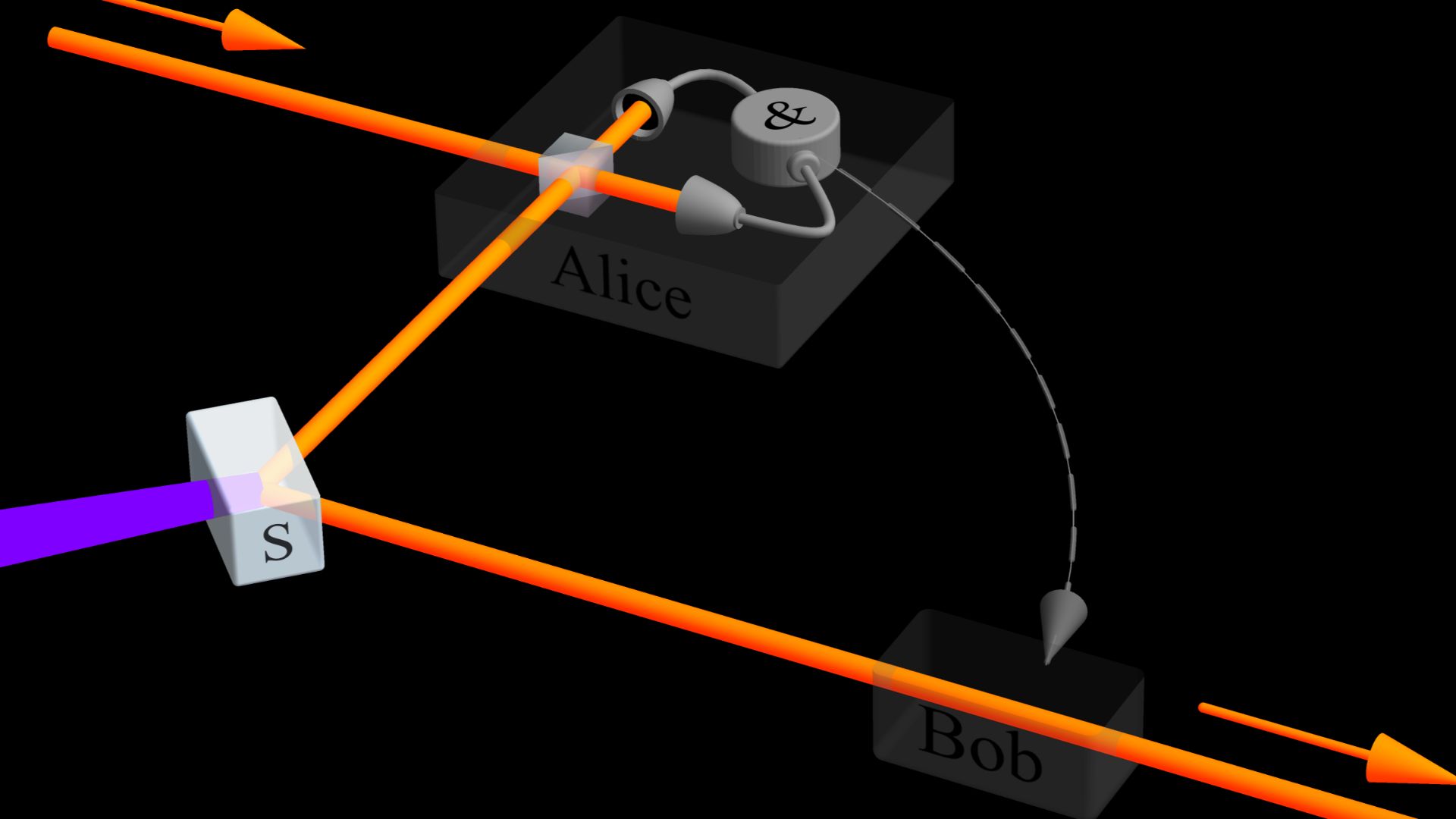
Fidelity Challenges
Getting quantum information to arrive intact at its destination remains one of quantum teleportation's greatest technical hurdles. In one study, teleportation was successful in only 25% of transmissions at best due to experimental limitations, and of those, only 83% of tested photons succeeded on average.
 Aliberti at Portuguese Wikipedia, Wikimedia Commons
Photon Loss
Distance has always been the nemesis of quantum teleportation, and photon loss is the primary culprit behind this limitation. Optical fibers absorb photons exponentially with distance. Classical solutions like signal amplifiers cannot be applied to unknown quantum states, since measuring or copying a quantum signal disturbs the underlying information.

Satellite Advantages
Space-based quantum communication offers a brilliant solution to terrestrial limitations. Most of the photon transmission path in space is virtually in a vacuum, with almost zero absorption and decoherence. In contrast, turbulence predominantly occurs only in the lower atmosphere. A low-earth-orbit satellite effectively acts as a trusted relay.
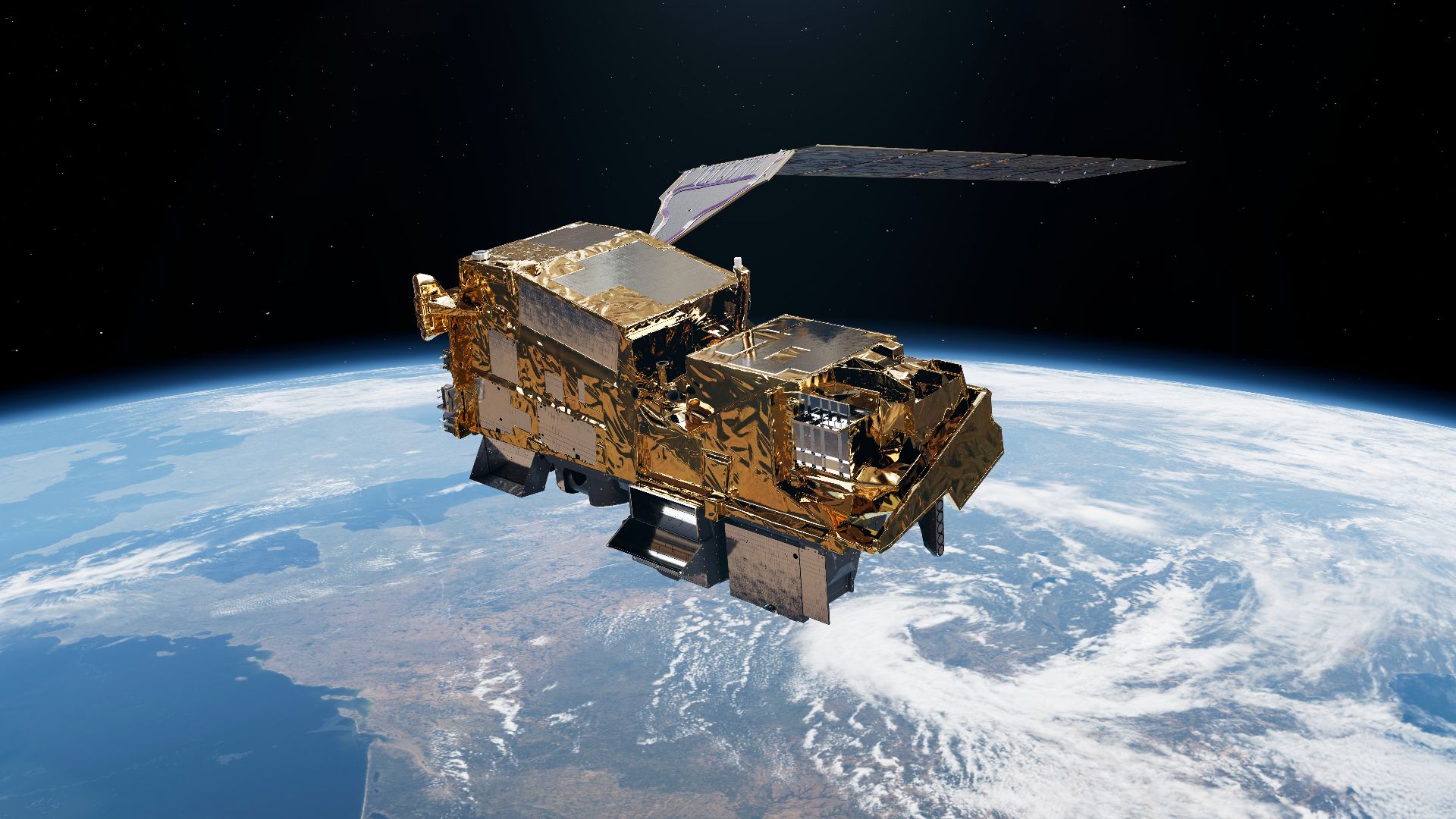 European Space Agency, Wikimedia Commons
Security Applications
Quantum teleportation promises truly unhackable communication systems. Any attempt to eavesdrop on quantum key distribution disturbs the entangled state in a detectable manner, making it impossible to intercept quantum communications without alerting the users. Quantum entanglement makes any interception attempt immediately detectable.
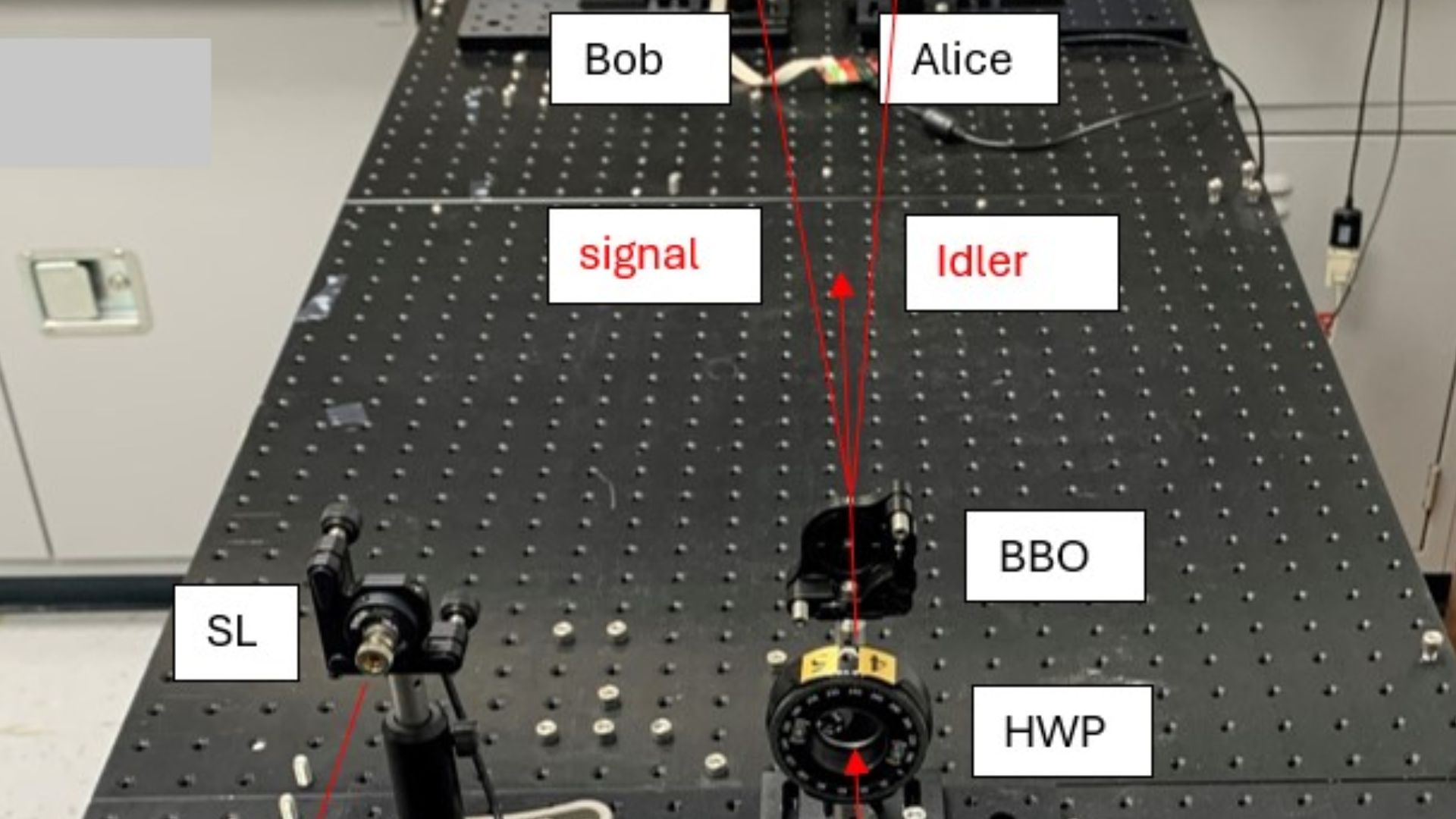
Quantum Computing
Beyond merely facilitating communication, teleportation is emerging as a key component of future quantum computers. Here, information is encoded in quantum bits or qubits that can be either "0" or "1" simultaneously. Christopher Monroe notes that practical quantum computers will use different kinds of quantum bits.
Global Networks
Building a worldwide quantum internet demands a complete reimagining of the communication infrastructure. Pan Jianwei's team plans to launch additional quantum satellites with stronger, cleaner beams that could operate even during daylight hours, unlike Micius, which operates only at night.
 Uuongkinghe, Wikimedia Commons
Technical Hurdles
Despite notable progress, quantum teleportation still faces formidable engineering challenges that researchers are working tirelessly to overcome. A major hurdle is noise. Unwanted disturbances can disrupt the transmission of quantum information. Crafting a global quantum network will require a hybrid approach.

Investment Scale
Despite the high cost of the quantum revolution, governments all over the world are placing billions of dollars on its promise. Since its debut in 2018, the US National Quantum Initiative has invested more than $1 billion in quantum research, including teleportation.