Centuries that bound Europe and the Americas
History tells us that ambition and scattered landings reshaped entire continents. Early encounters across the Atlantic had no clear plans or predictable outcomes, as ships brought forces that altered societies and power forever.
The Dangerous Curiosity And A Man With A Vision
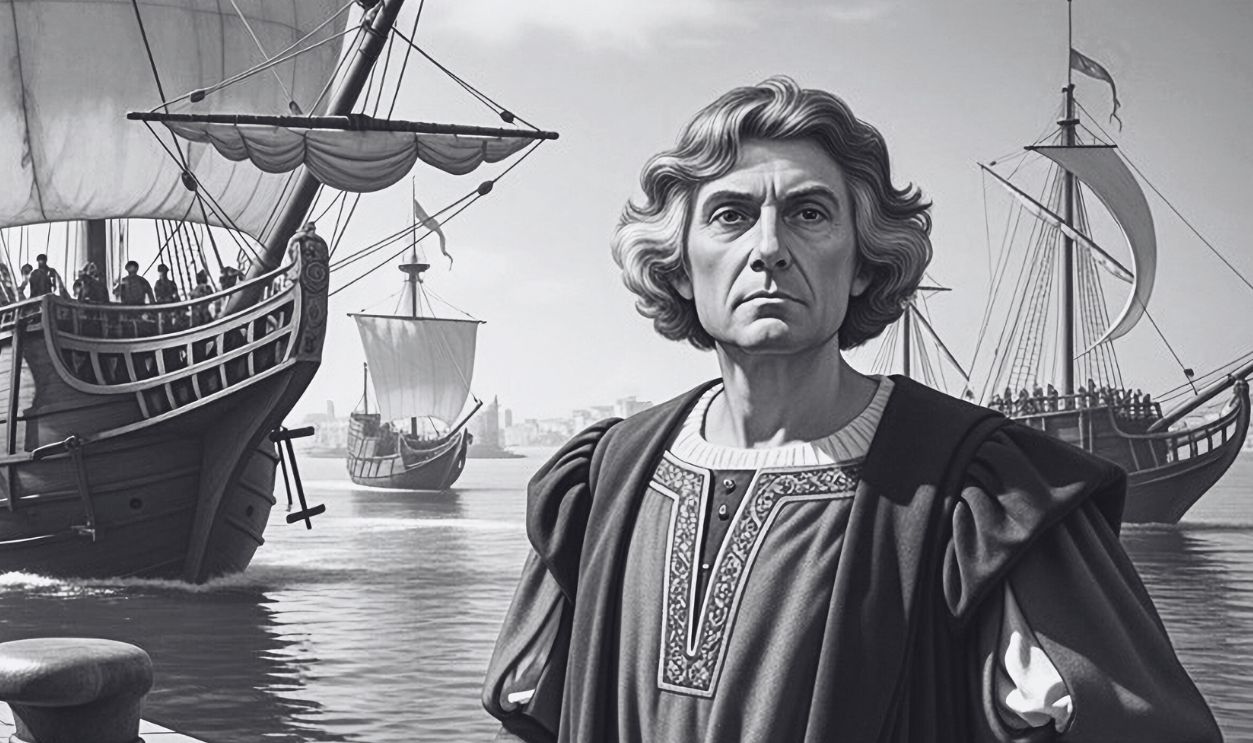
By the late 15th century, Europe was emerging from centuries of internal conflict and limited horizons. Trade routes to Asia were expensive and controlled by rivals, while precious metals were scarce at home. Christopher Columbus emerged from the busy port city of Genoa with an idea: Asia could be reached quickly by sailing west, despite widespread doubts.
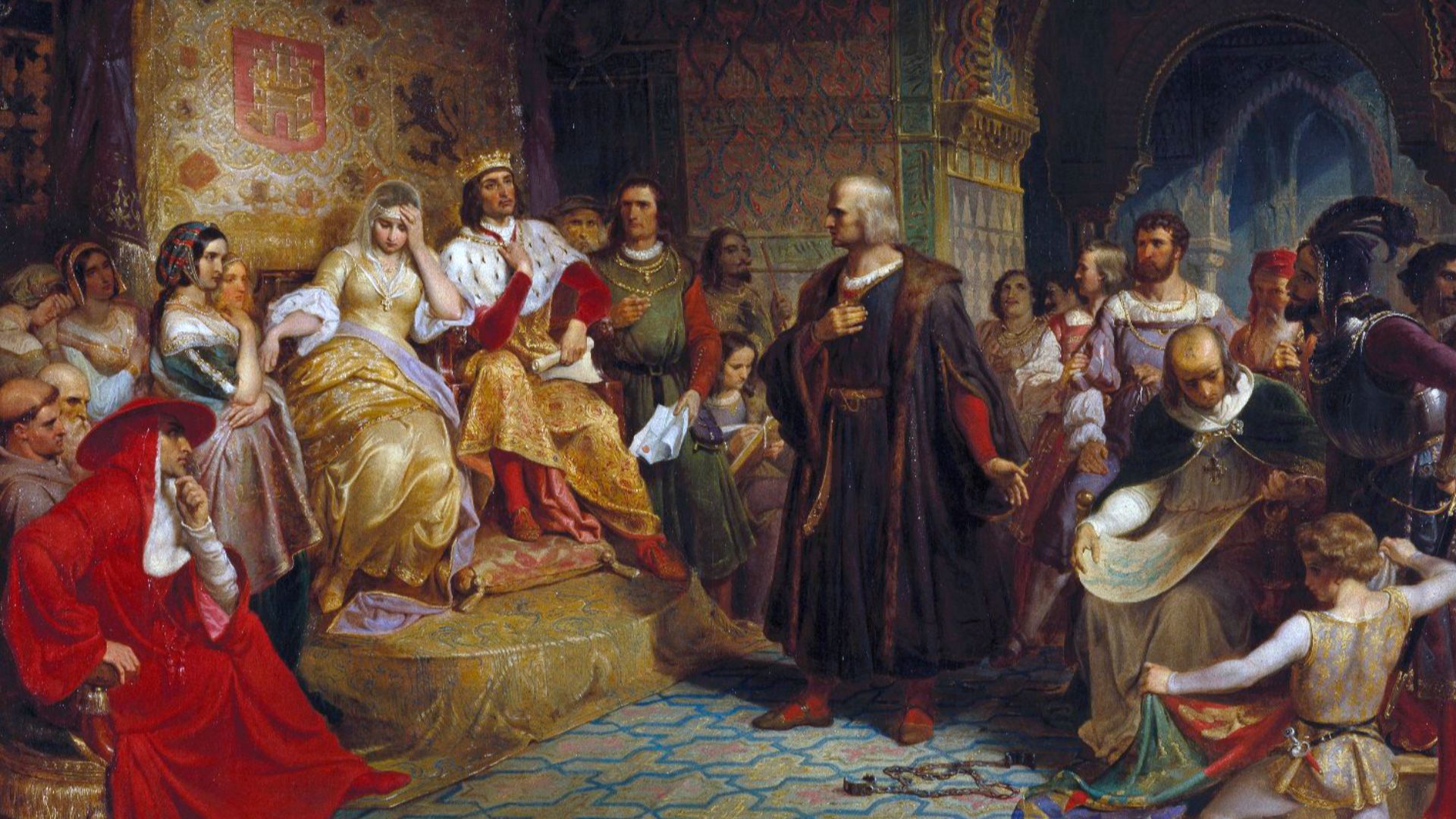 Emanuel Leutze, Wikimedia Commons
That Portugal Didn’t Agree With
Columbus presented his proposal to the Portuguese crown, then Europe’s leading maritime power. However, advisors carefully reviewed Columbus’s estimates and found them flawed. His calculations dramatically underestimated the distance to Asia, raising doubts about the feasibility.
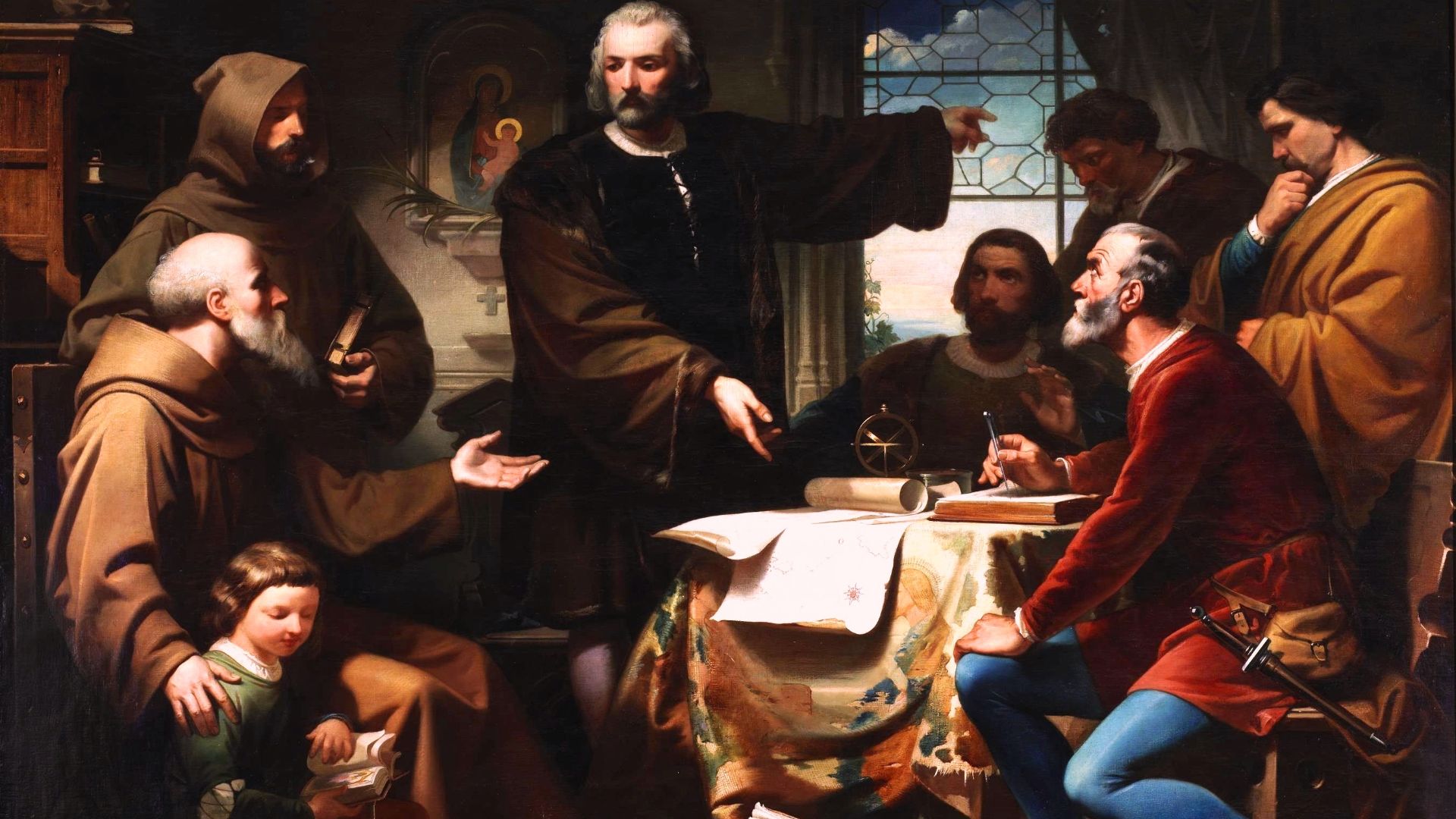 Eduardo Cano, Wikimedia Commons
But Isabella And Ferdinand Took A Calculated Gamble
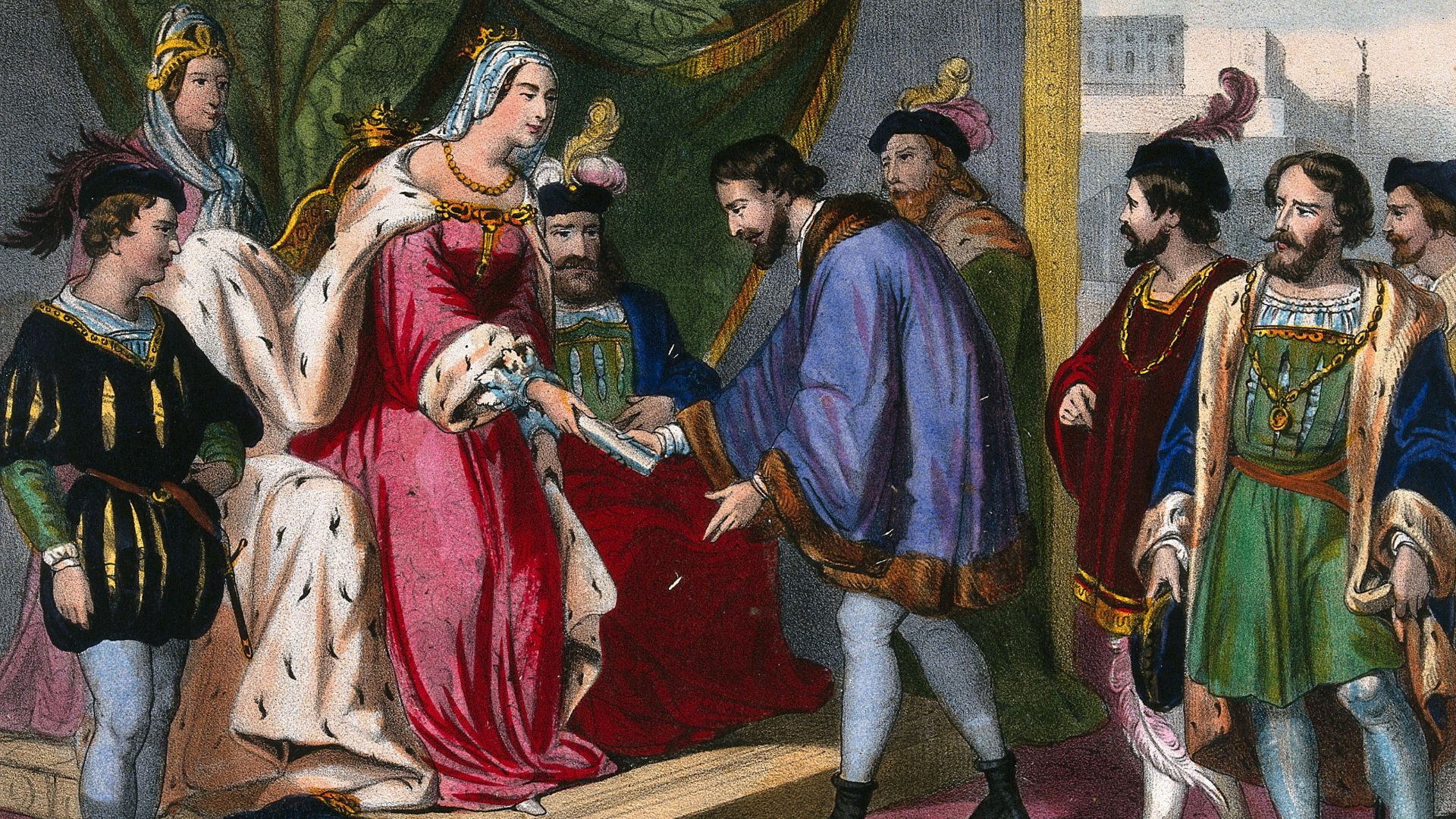
Portugal’s refusal forced Columbus to seek support elsewhere. Spain approached his proposal with caution but curiosity, and after years of negotiation, the monarchs agreed to fund the voyage. Historians agree that his expedition succeeded partly because political and economic conditions aligned at the right moment.
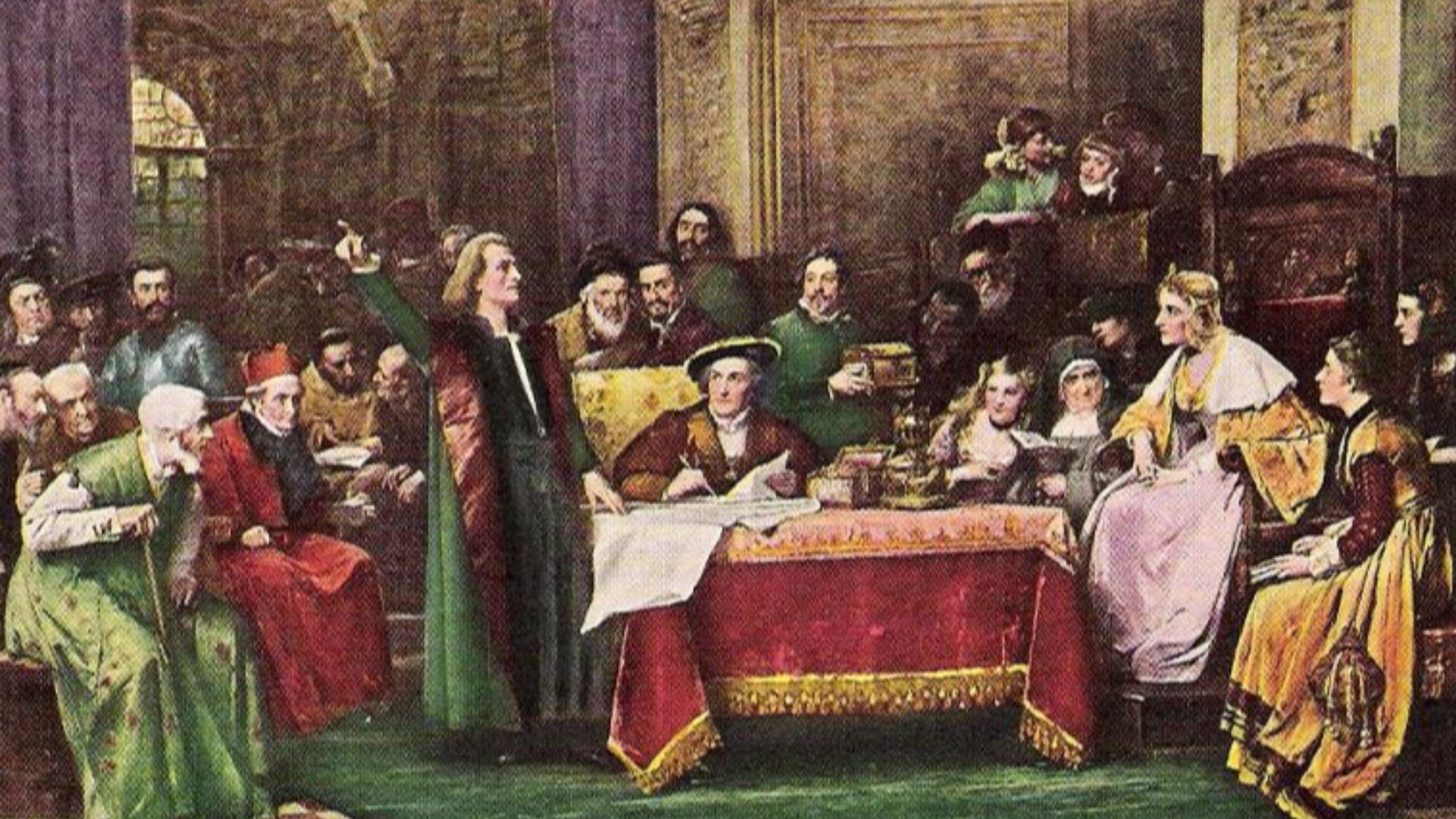 Vaclav Brozik, Wikimedia Commons
Oceans Once Thought Impossible To Cross
Crossing the Atlantic was not considered routine exploration. Sailors feared endless waters and mythical dangers. However, improvements in ship design and cartography made long trips possible. Nevertheless, each journey still relied heavily on luck and the willingness to gamble with survival.
 Alvesgaspar, Wikimedia Commons
A Voyage That Changed Human History
When Christopher Columbus reached the Bahamas in 1492, he likely landed on the island he named San Salvador. Believing he had reached islands off Asia, he called the local people “Indians”. In 1493, he sailed again with a much larger fleet to establish permanent settlements and pursue Christian evangelization. This expedition reached Dominica and Jamaica.
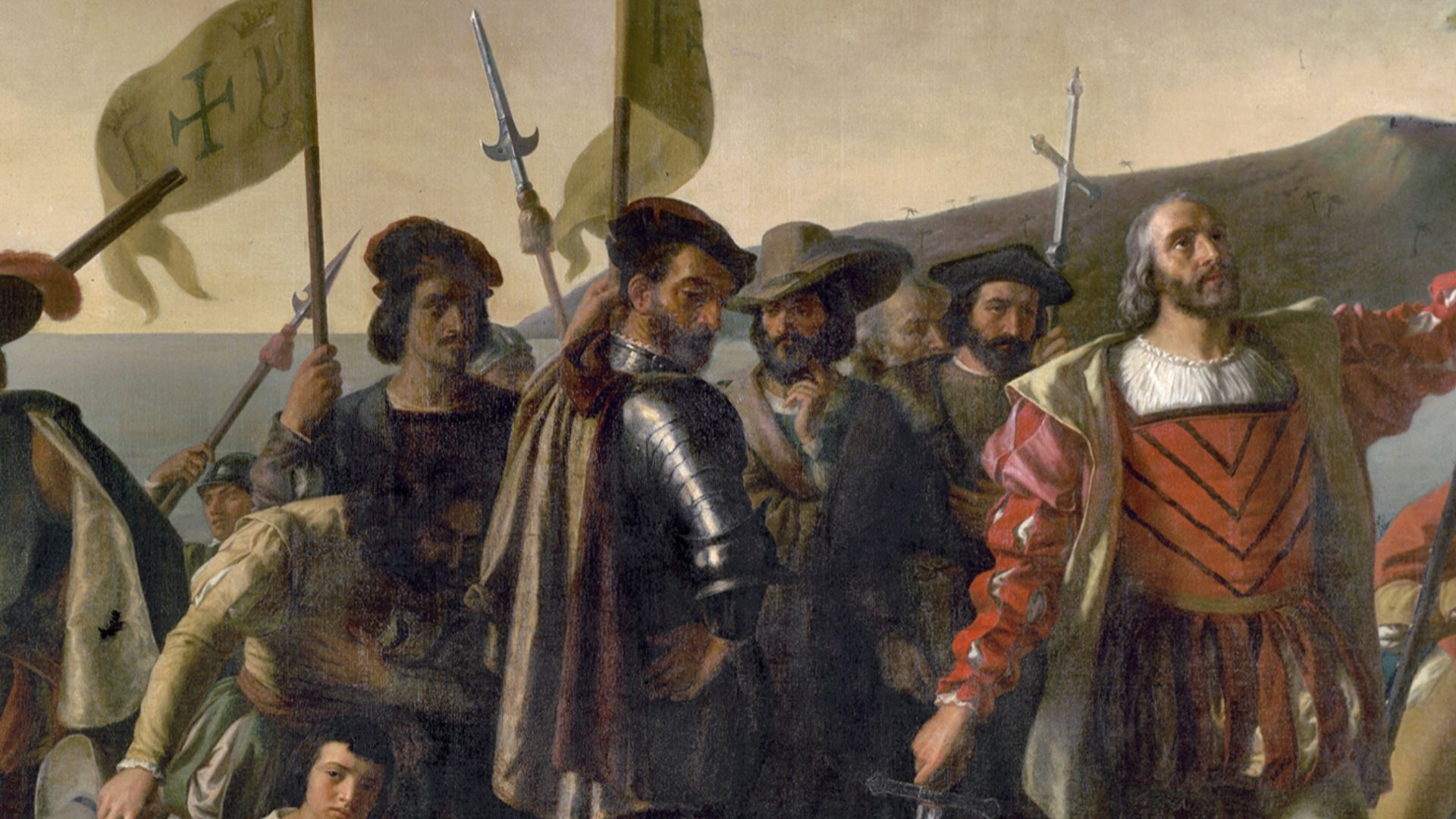 John Vanderlyn, Wikimedia Commons
Meetings Were Filled With Wonder And Misunderstanding
Early encounters between Europeans and Indigenous peoples were full of curiosity and confusion, but not immediate hostility. Each side struggled to interpret unfamiliar customs, languages, and intentions. These first meetings laid fragile foundations for cooperation and conflict that neither group could fully foresee.
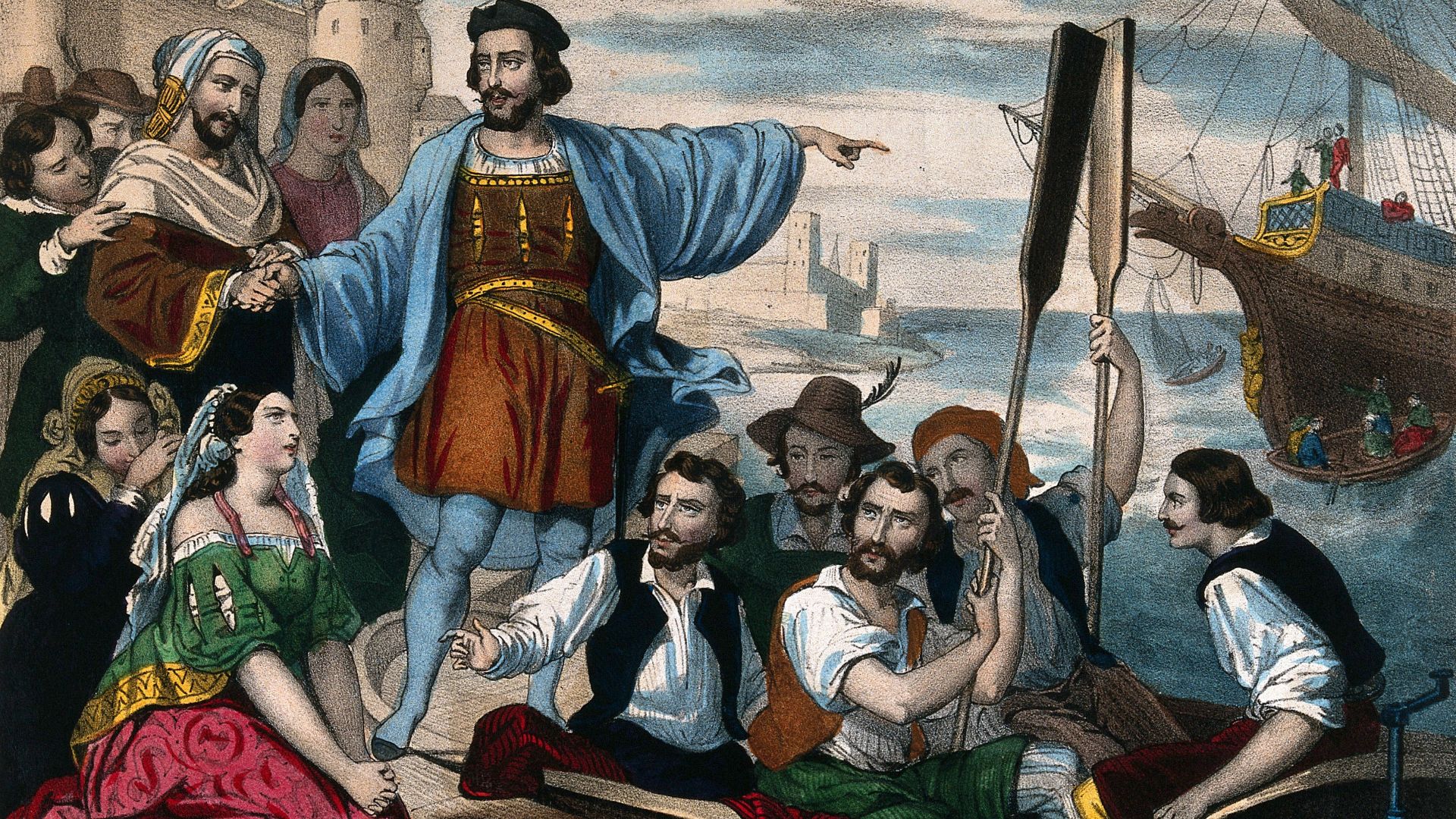
Two Crowns Divided Lands They Had Never Seen
After Columbus’s return, Spain and Portugal sought a diplomatic solution to avoid conflict. In 1494, their representatives agreed to divide newly encountered territories despite limited knowledge of their geography. The Treaty of Tordesillas gave Spain rights to lands west of the dividing line. Portugal retained control over territories east of the line.
Portugal Claimed A New World Shoreline
In 1500, Portuguese navigator Pedro Alvares Cabral reached what is now Brazil and claimed it for Portugal because the land lay on the eastern side of the demarcation line. After its claim, Portuguese activities along Brazil’s coast expanded through exploration and trade, especially in brazilwood.
 Aurelio de Figueiredo, Wikimedia Commons

History's most fascinating stories and darkest secrets, delivered to your inbox daily.
Indigenous Worlds Were Left Out Of The Agreement
No Indigenous leaders were consulted during negotiations, and entire civilizations were divided without consent or awareness. This exclusion reflected European assumptions of entitlement and set the stage for centuries of displacement and conflict. While intended to prevent war between European powers, local realities often contradicted decisions made thousands of miles away.
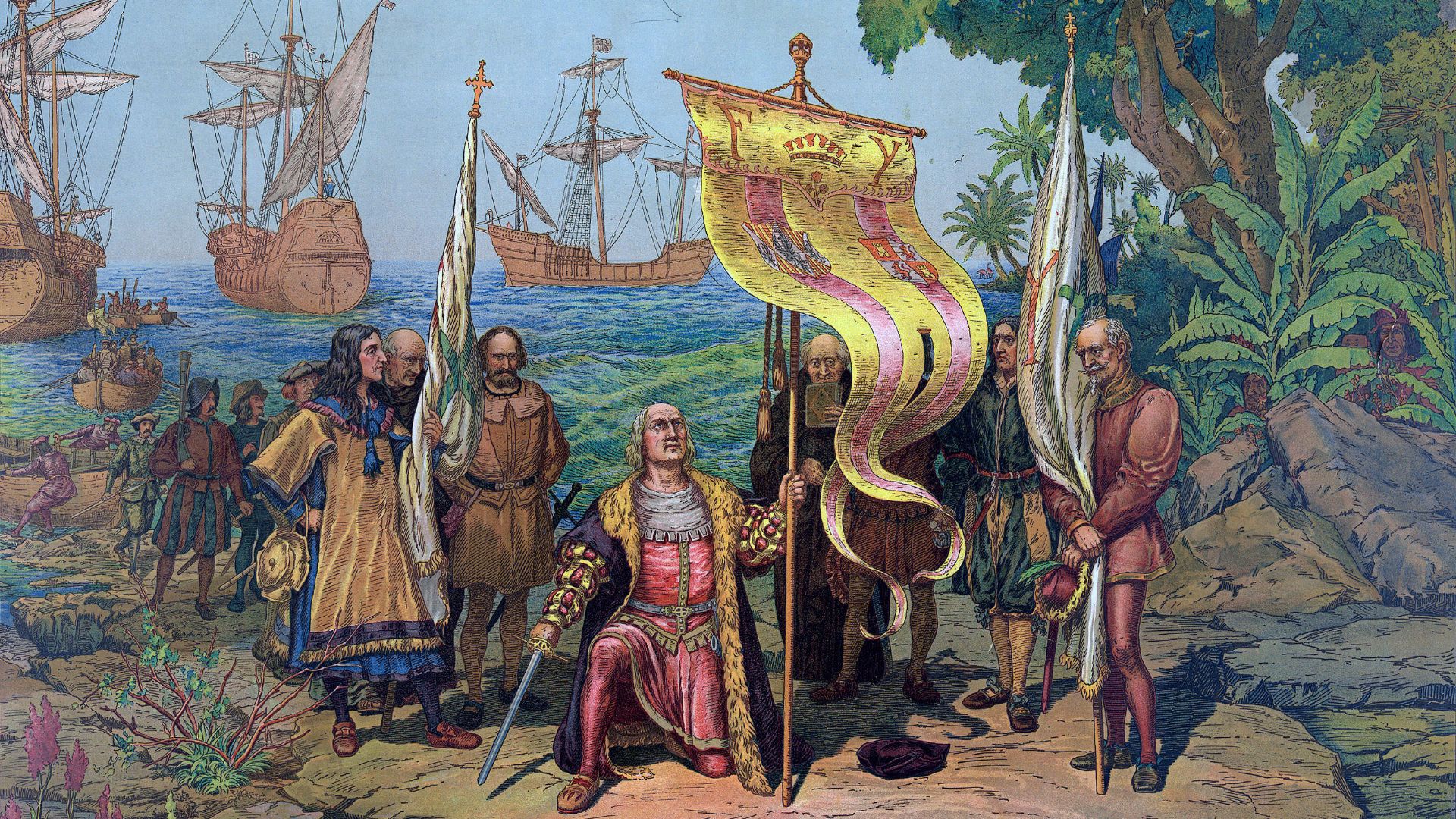 L. Prang & Co., Boston, Wikimedia Commons
Other European Powers Refused To Accept The Line
France, England, and the Netherlands never recognized the treaty’s authority. As their maritime ambitions grew, they ignored the boundary entirely. Despite its limitations, the agreement left a lasting mark, as language patterns and national boundaries across the Americas still reflect early divisions established by the treaty.
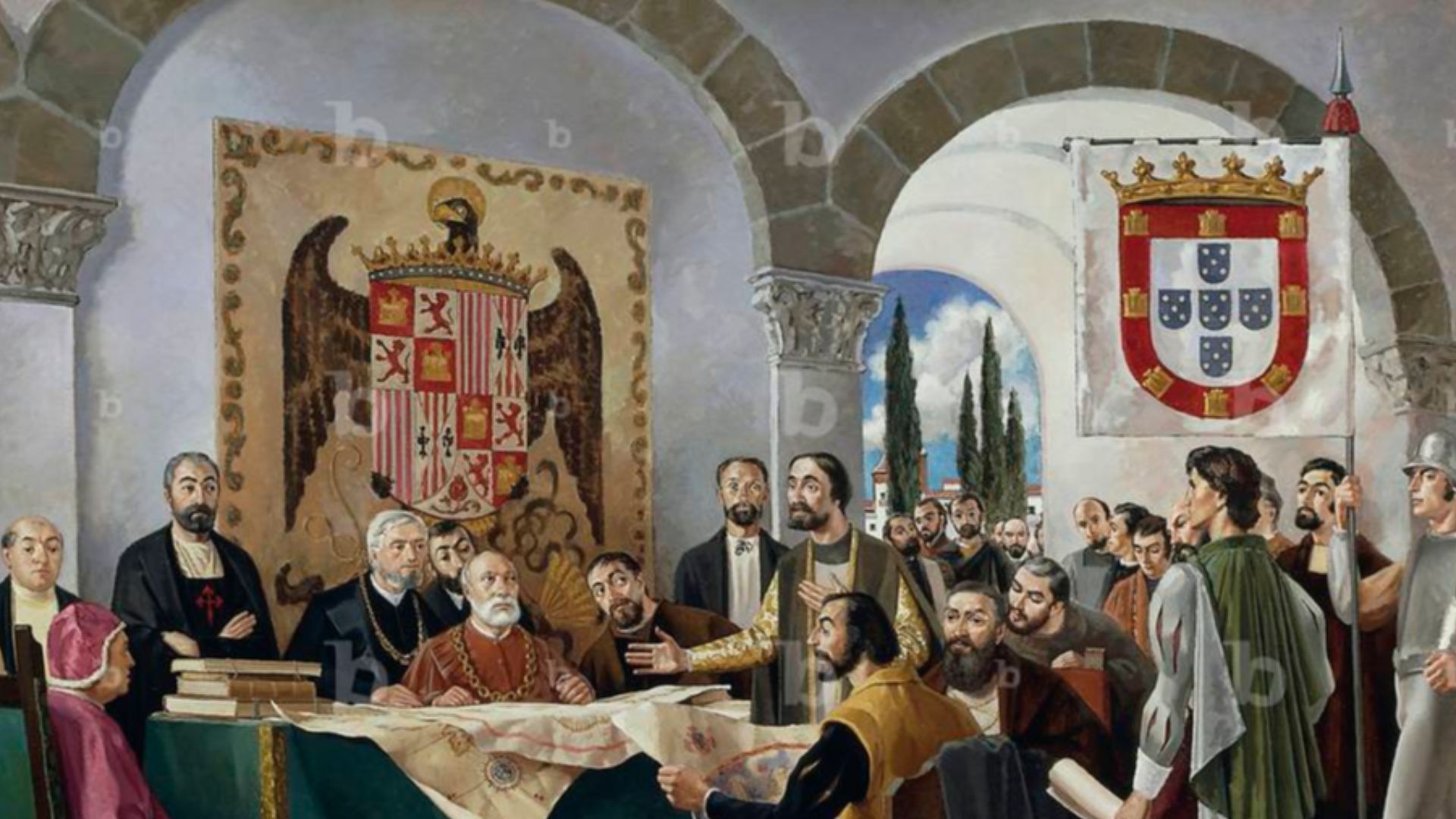
Settlements Were Built On Hope And Desperation
Early European settlements in the Americas were fragile experiments rather than secure outposts. Many colonists arrived with unrealistic expectations and limited supplies. Hunger and strained relations with local populations made survival challenging, and several early colonies collapsed within just a few years.
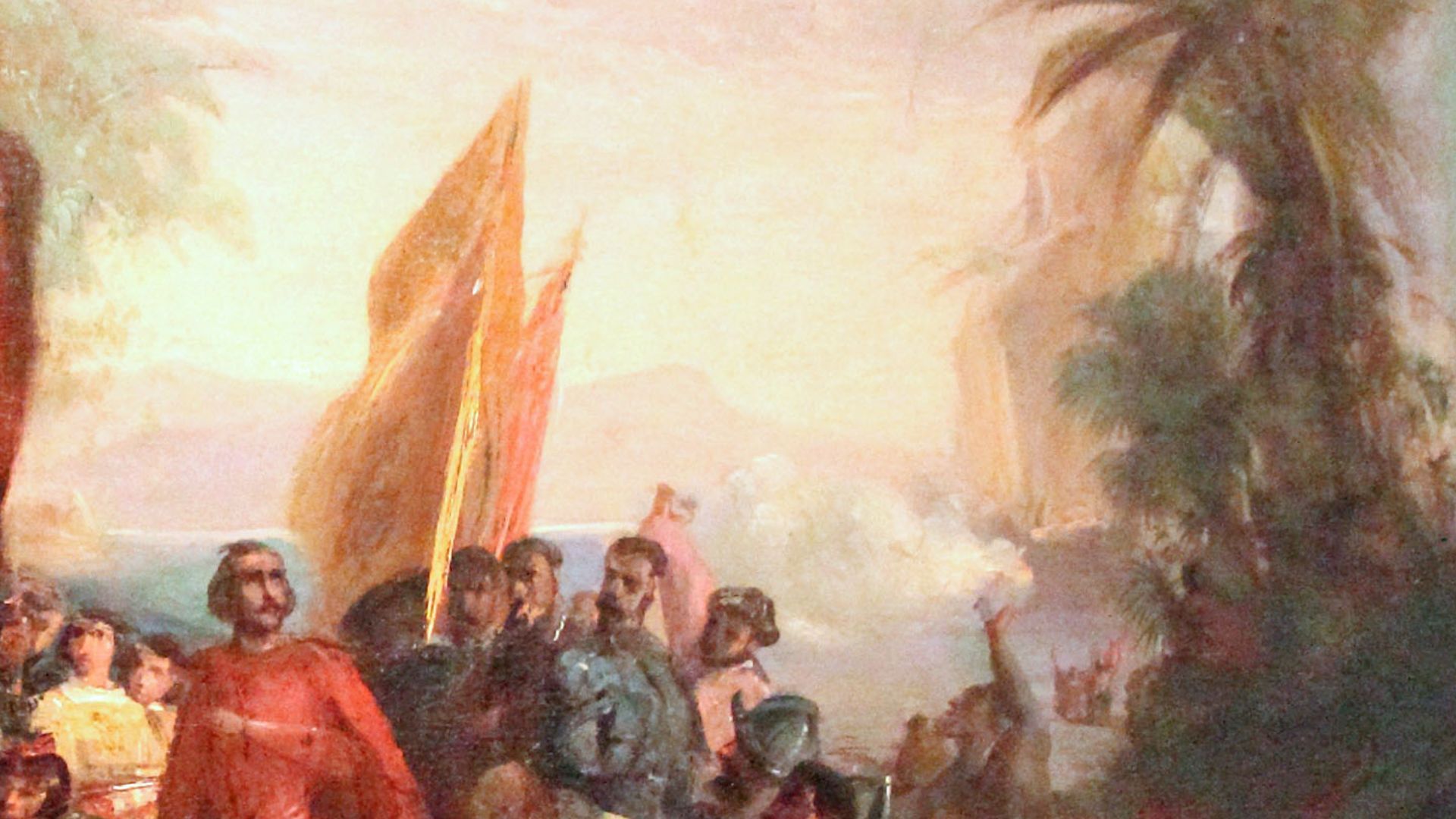 Johan Moritz Rugendas, Wikimedia Commons
Native Worlds Were Far More Complex Than Expected
Europeans didn’t encounter empty lands but thriving societies with established trade networks and political systems. Expansion relied heavily on alliances with Indigenous groups seeking an advantage over rivals. These partnerships provided military support and geographic knowledge, and played decisive roles in early conquests.
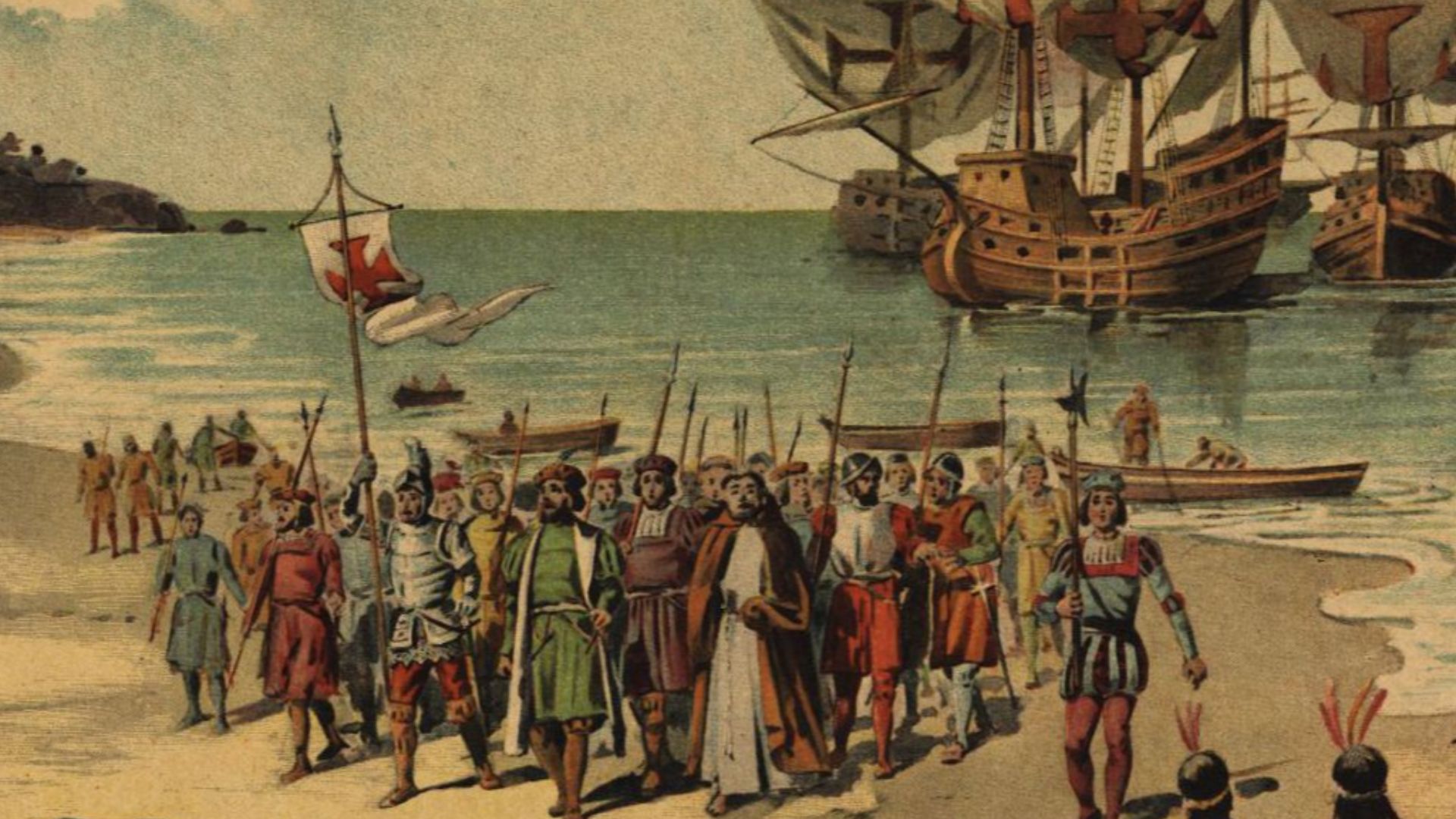 Roque Gameiro, Wikimedia Commons
Pushing Toward The Pacific Ocean
As Spanish colonies expanded inland, explorers searched for routes beyond the Atlantic world. In 1513, Vasco Nunez de Balboa became the first European to reach and see the Pacific Ocean after crossing the Isthmus of Panama. His discovery reshaped colonial ambitions and future exploration across the Americas.
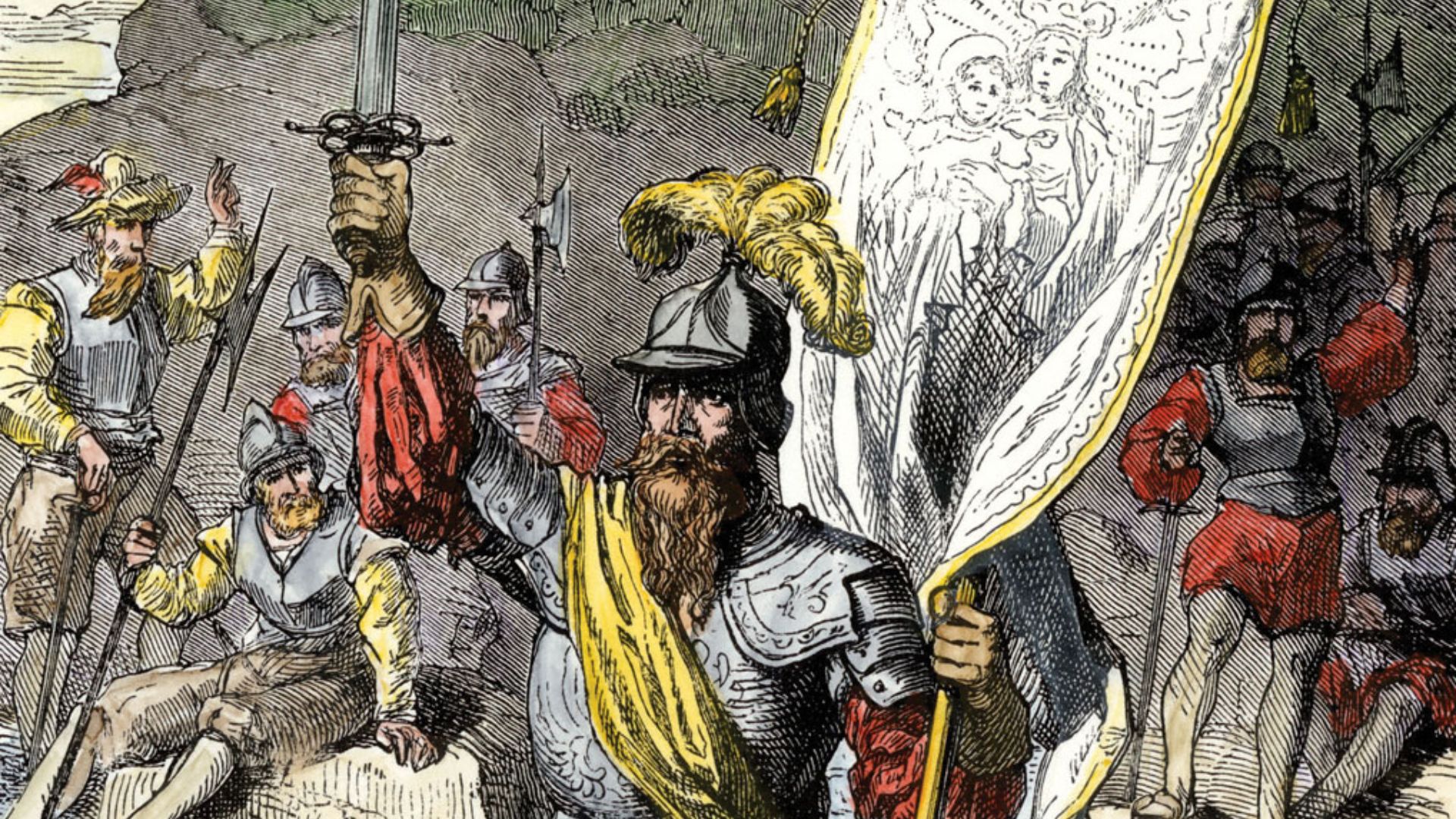
Illness That Traveled Faster Than Any Fleet
European diseases spread across the Americas with devastating speed. Smallpox, measles, and influenza traveled through trade routes and communities, often before Europeans arrived in person. Lacking immunity, Indigenous populations experienced catastrophic losses that permanently altered societies and weakened resistance to foreign intrusion.
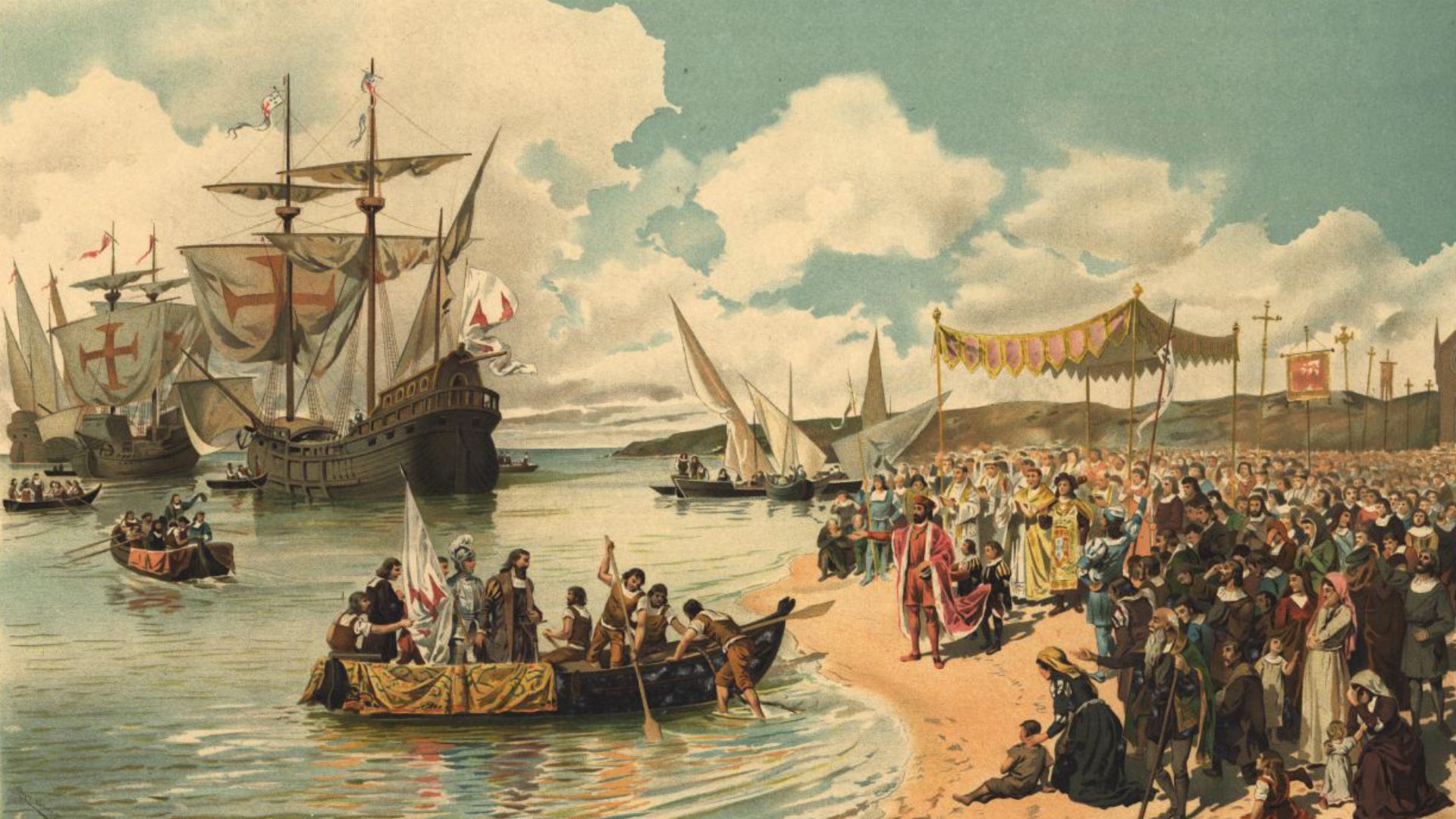 Roque Gameiro, Wikimedia Commons
Encountering The Maya World
In 1517, Francisco Hernandez de Cordoba reached the Yucatan Peninsula and found the Mayan civilization’s organized societies. Two years later, Hernan Cortes arrived in central Mexico and encountered the Aztec Empire. Ferdinand Magellan’s expedition discovered the strait that bears his name, which proved the world could be circled.
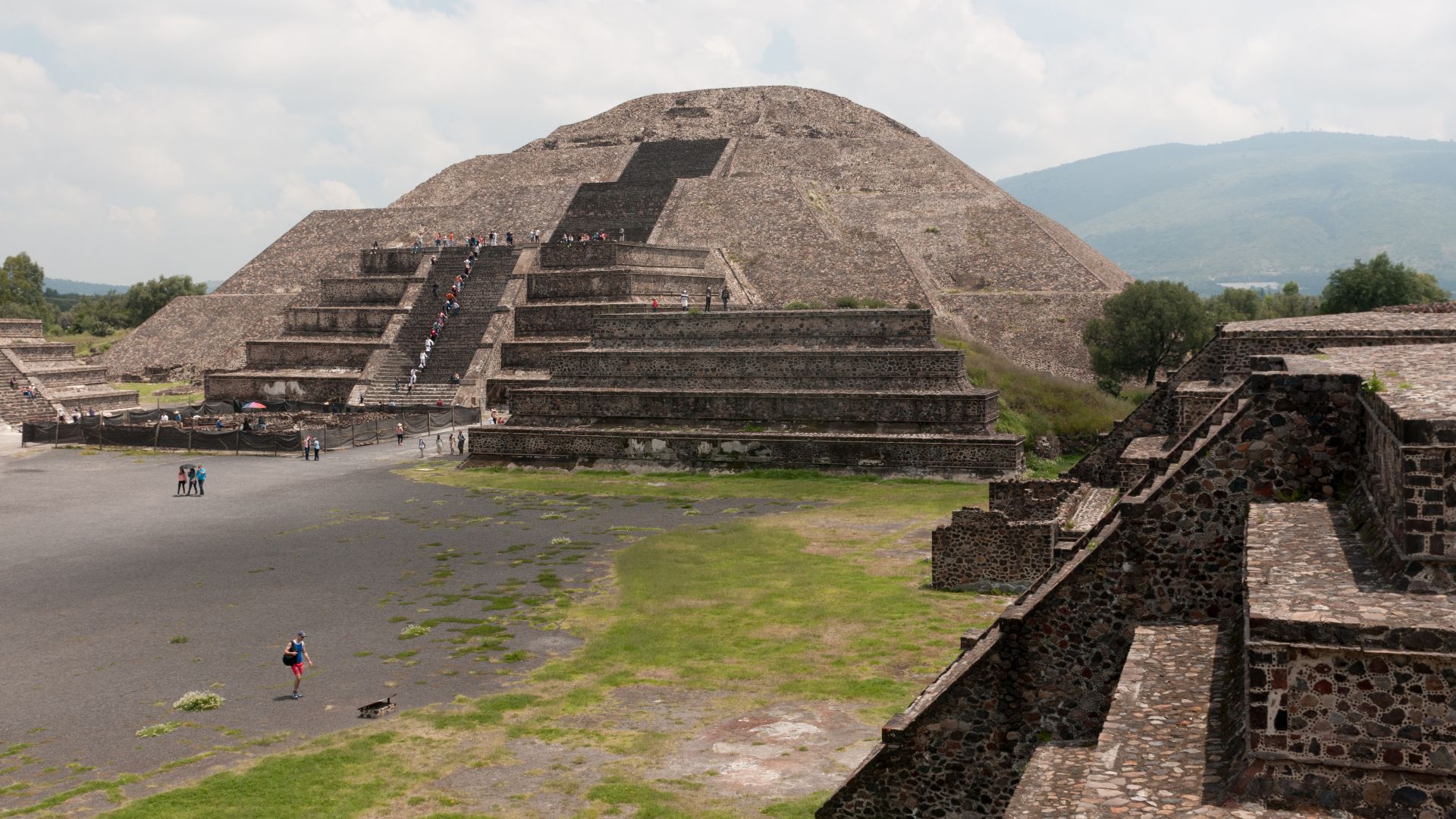 Ralf Roletschek, Wikimedia Commons
Empires Fell In A Generation
Powerful civilizations fell with startling speed during the 16th century. This encouraged Spain to expand towards the Inca-ruled Peru in the south in 1532. Following early conquests, Spain developed administrative systems to govern vast territories from afar. Colonial cities and labor systems extended royal authority across the Americas.
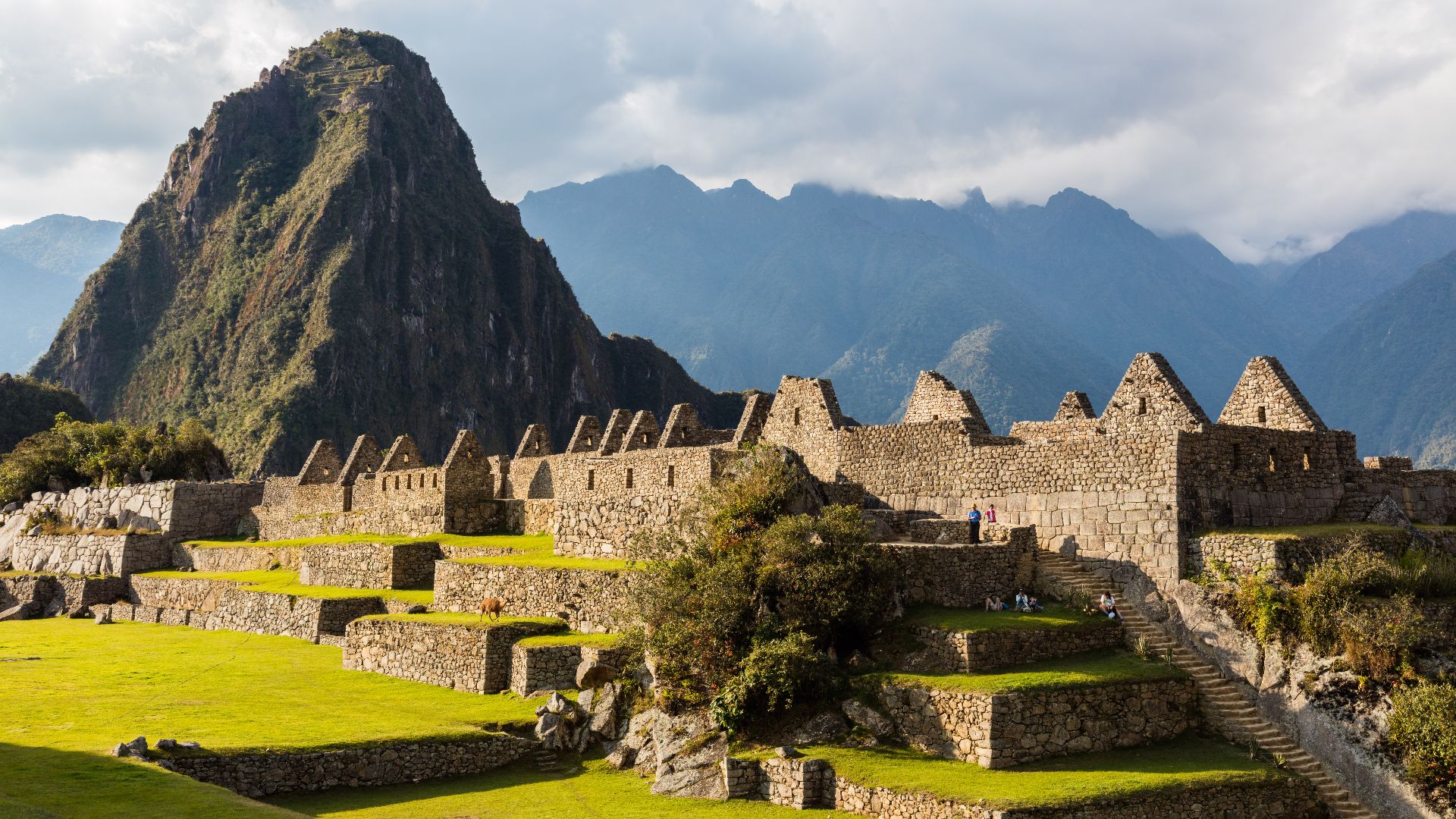 Diego Delso, Wikimedia Commons
And Rival European Powers Were Alarmed
Shipments and growing influence shifted the balance of power, and Spain’s dominance signaled that control of overseas lands could transform global standing. Excluded from early treaties, England and France rejected Spanish claims of monopoly, and royal courts began supporting exploration to secure resources and influence.
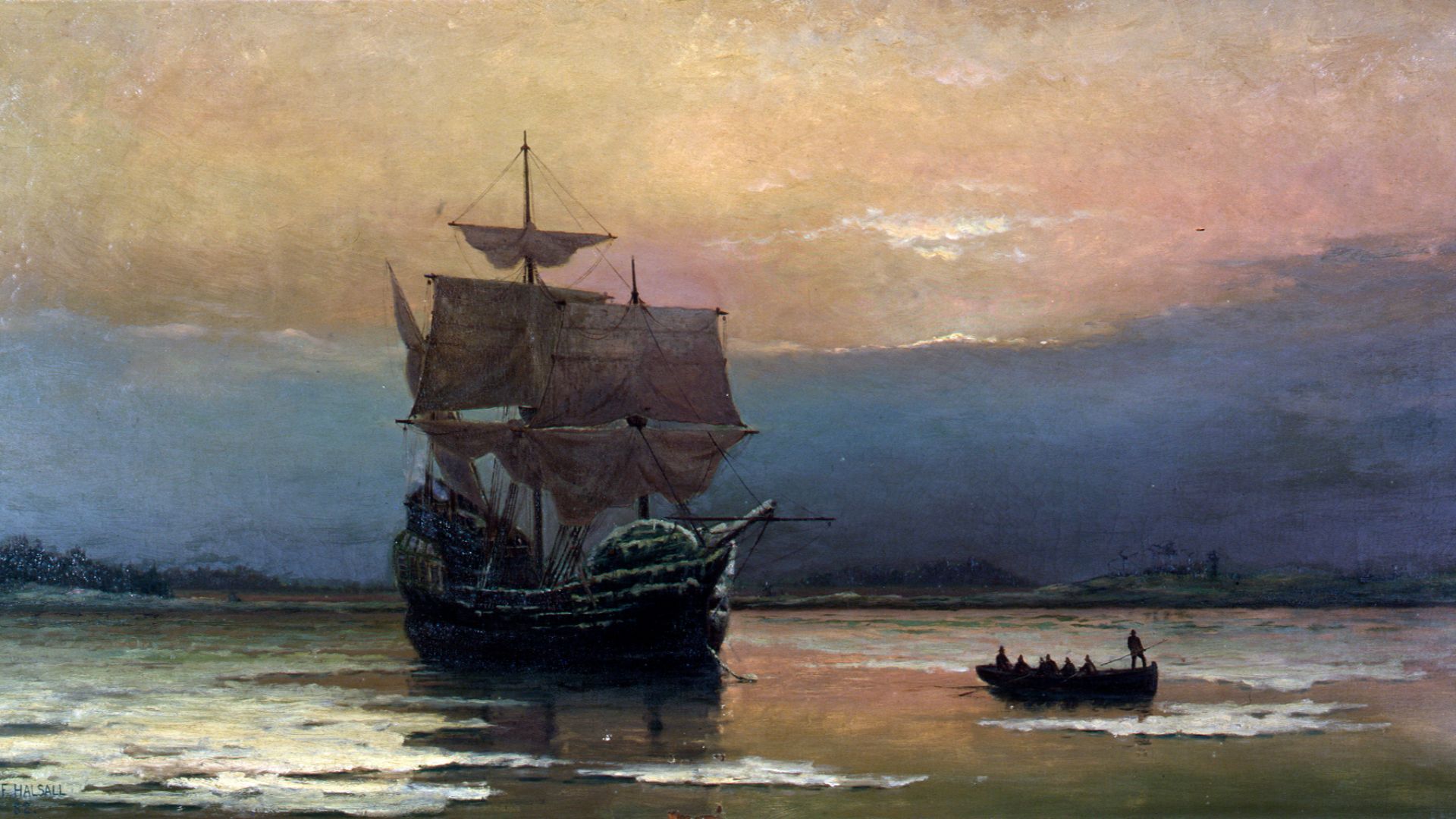 William Halsall, Wikimedia Commons
Competition Drove New Voyages Across The Atlantic
Rivalry fueled ambition, and sponsored expeditions sought new routes and settlement sites beyond Spanish control. American gold and silver transformed European economies by flooding global markets and financing imperial ambitions. Mining centers relied heavily on forced Indigenous labor, later supplemented by enslaved Africans.
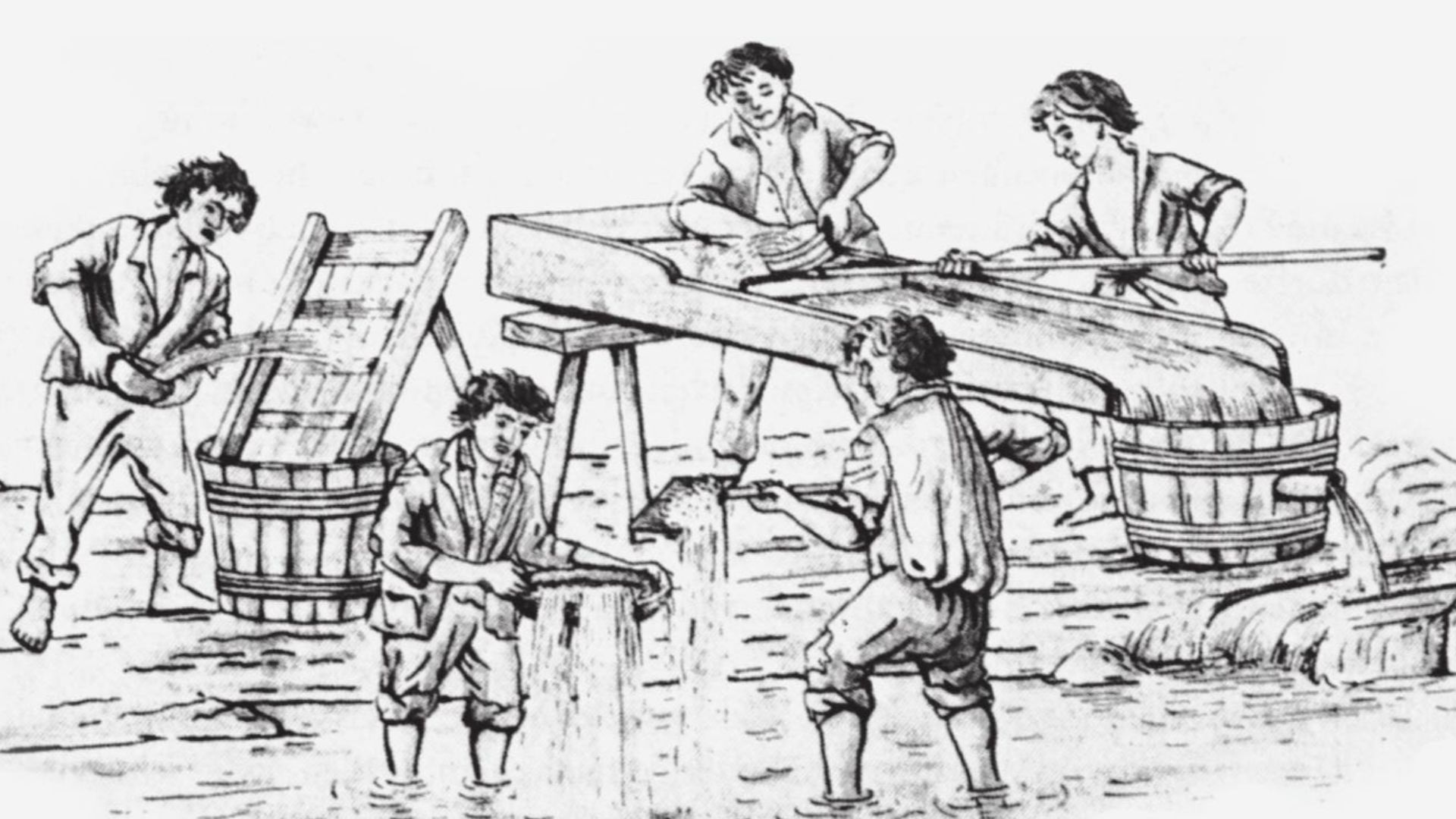 Unknown authorUnknown author, Wikimedia Commons
Targeting Spain’s Wealth
As Spanish treasure fleets crossed the Atlantic, France and England turned to piracy rather than immediate settlement. Attempts to challenge Spain in South America largely failed due to strong defenses and entrenched colonial systems. So, both countries shifted focus to North America, where Spanish control was weaker.
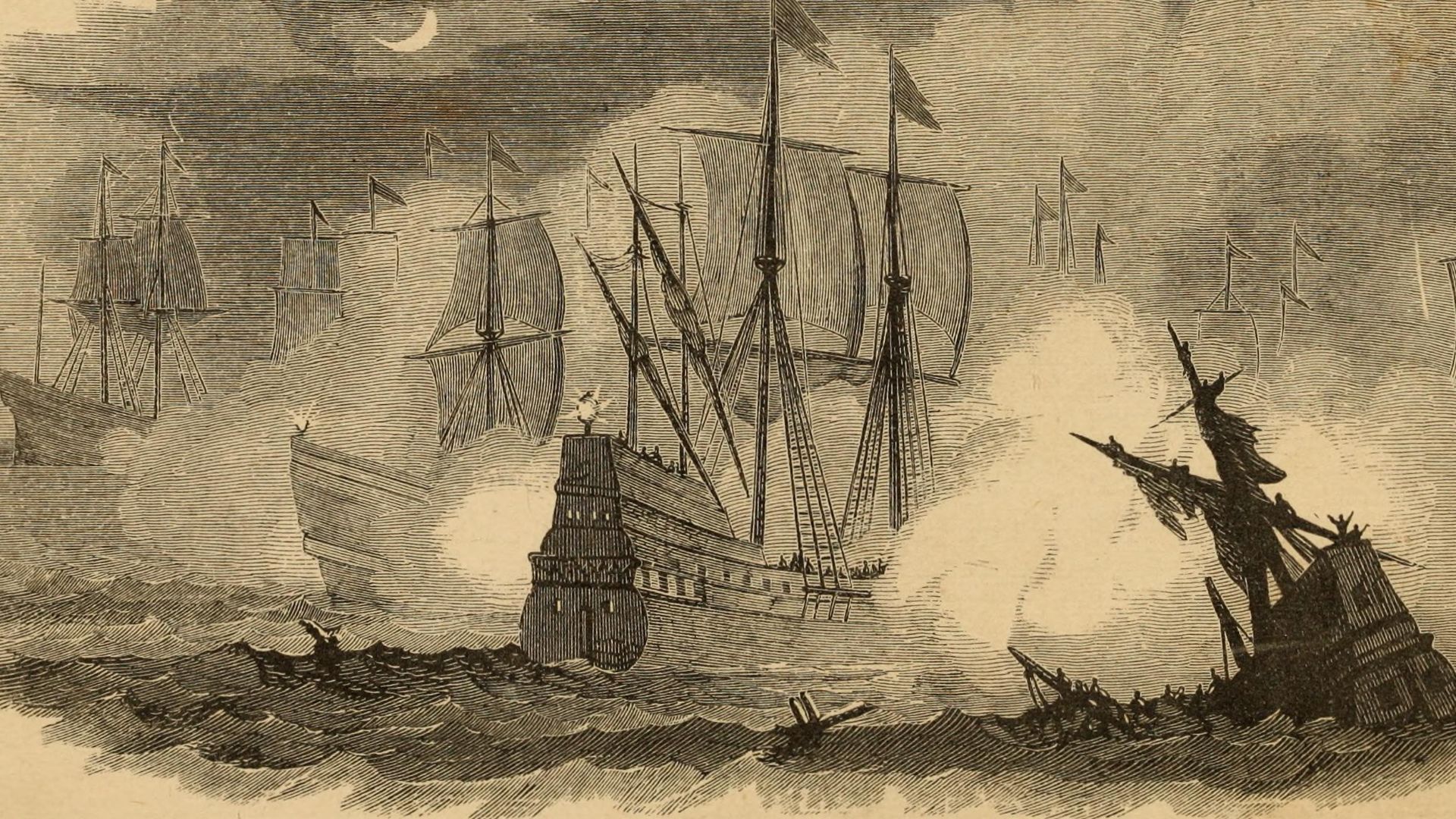 Goodrich, Frank B. (Frank Boott), 1826-1894, Wikimedia Commons
But Luck Wasn’t Always On Their Side
France’s earliest efforts faced immediate hardship. During voyages in 1534 and 1535, Jacques Cartier explored the Saint Lawrence River but failed to establish lasting settlements due to harsh winters and scurvy. Later, Samuel de Champlain founded Quebec in 1608, but extreme cold and conflict with the Iroquois threatened the colony’s future.
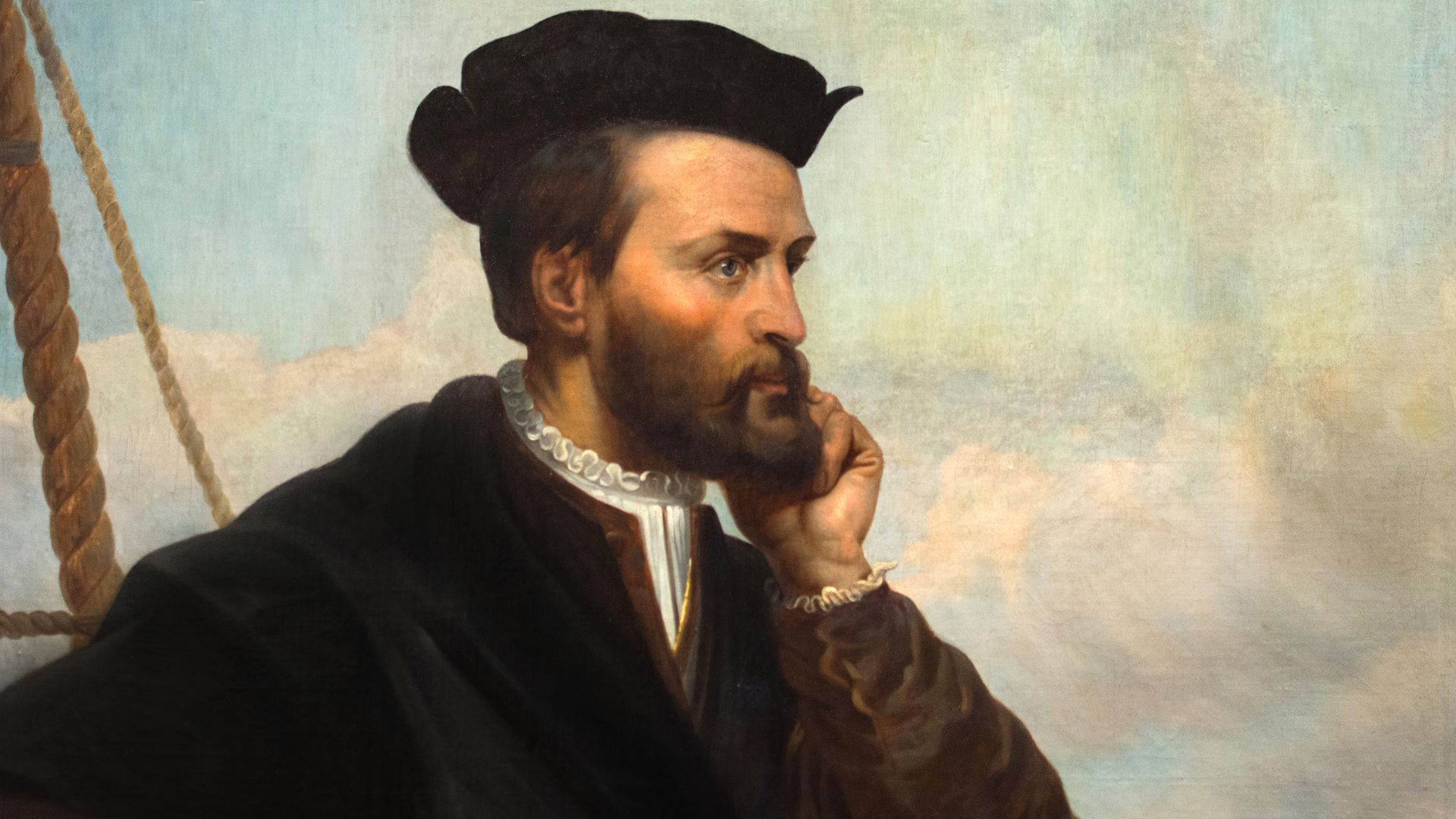 Theophile Hamel / After Francois Nicholas Riss, Wikimedia Commons
Without Immediate Settlement
England’s earliest claim to North America came in 1497, when John Cabot reached the northeastern coastline, but the first serious colonization attempts faced repeated failure. The Roanoke Colony, established in 1585, vanished under unclear circumstances. Poor planning and strained relations with Indigenous peoples delayed successful English settlement until the 17th century.
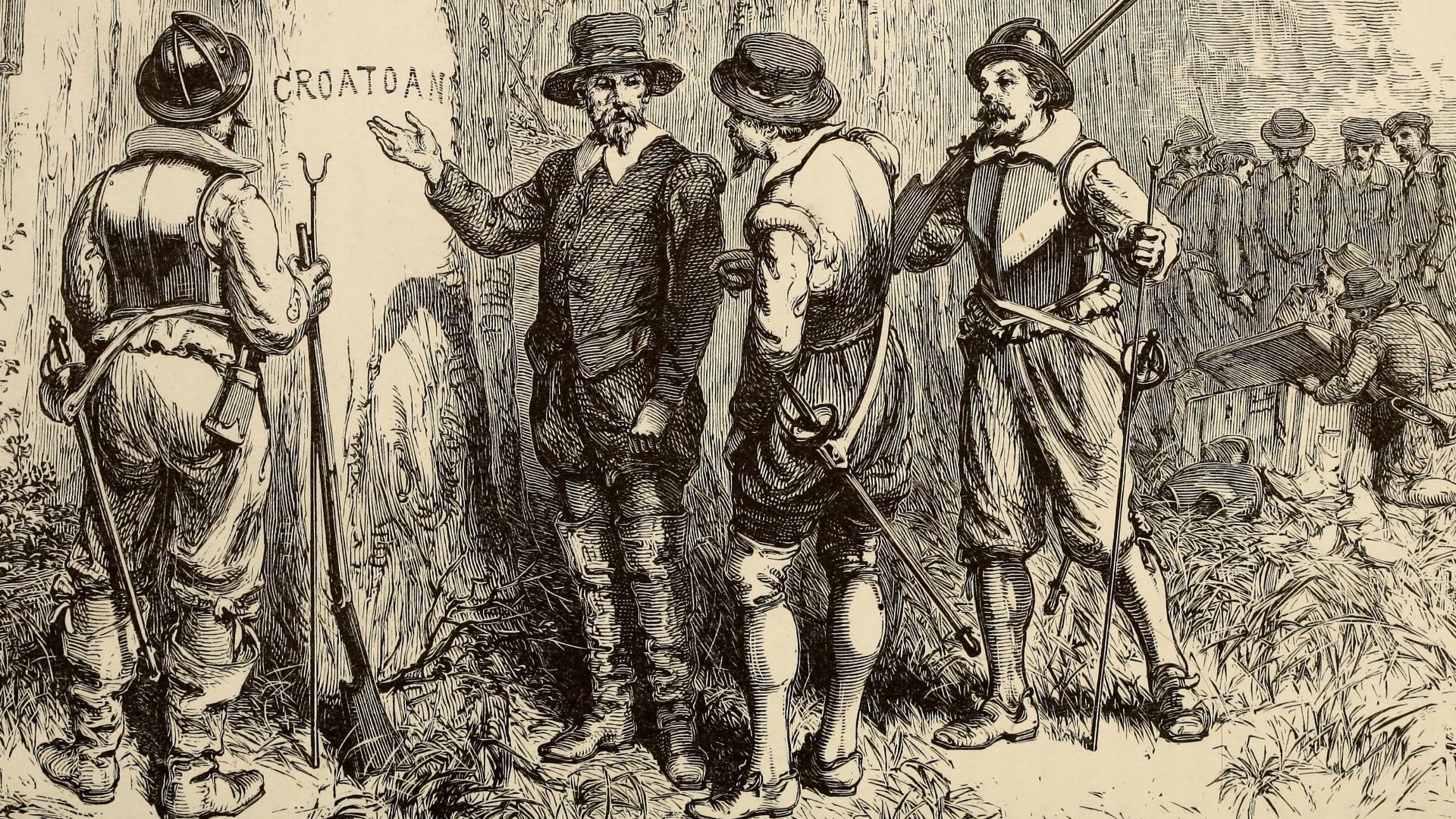 Design by William Ludwell Sheppard, Engraving by William James Linton, Wikimedia Commons
Faith Was Used To Organize And Justify Rule
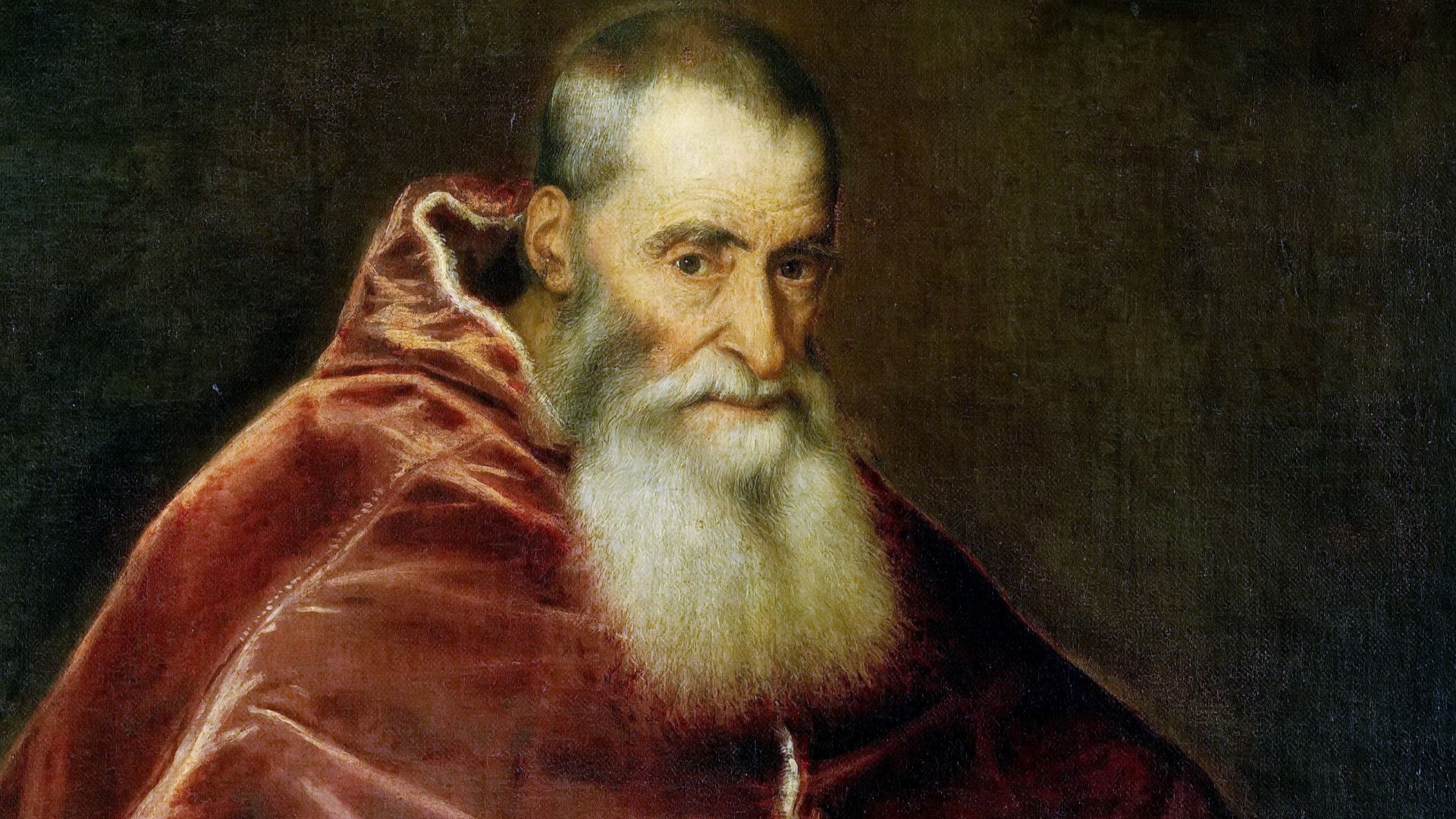
Christianization provided moral justification for conquest. Moved by letters he received, in 1537 Pope Paul III issued the papal bull Sublimis Deus, which declared that Indigenous peoples were rational beings with souls who should not be enslaved. Ignored in practice, the statement marked a rare moral challenge to exploitation.
New Cultures Were Born From Collision And Survival
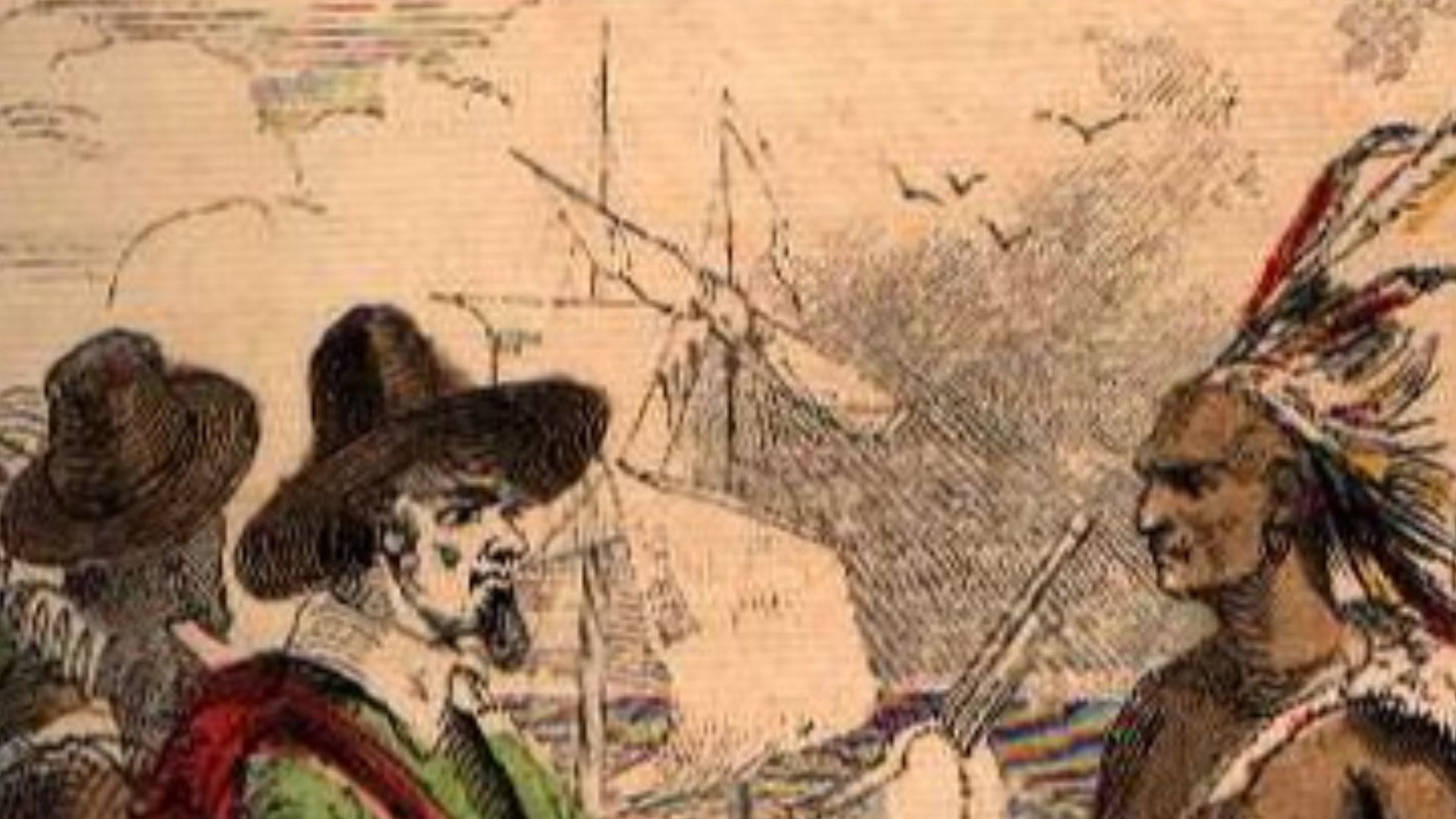
As Europeans, Indigenous peoples, and Africans interacted, new cultures emerged across the Americas. During the early 16th century, Europeans relied heavily on Indigenous alliances to survive and expand, but cooperation often gave way to violence. Enslavement systems, including the encomienda, forced Indigenous labor, which accelerated population collapse.
The Roots Of The Americas That Travelers See Today
Modern landscapes and cultures across the Americas reflect these early centuries of contact and transformation. From architecture to cuisine, the past remains embedded in daily life. Understanding this history deepens travel experiences by revealing how places came to look and feel the way they do.