
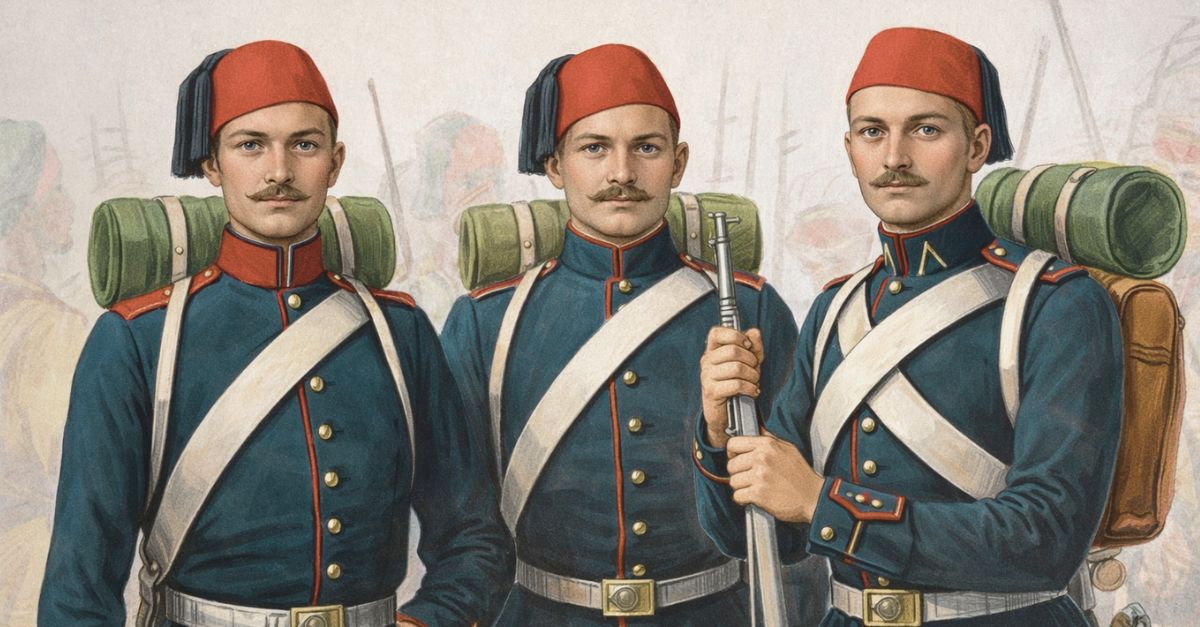
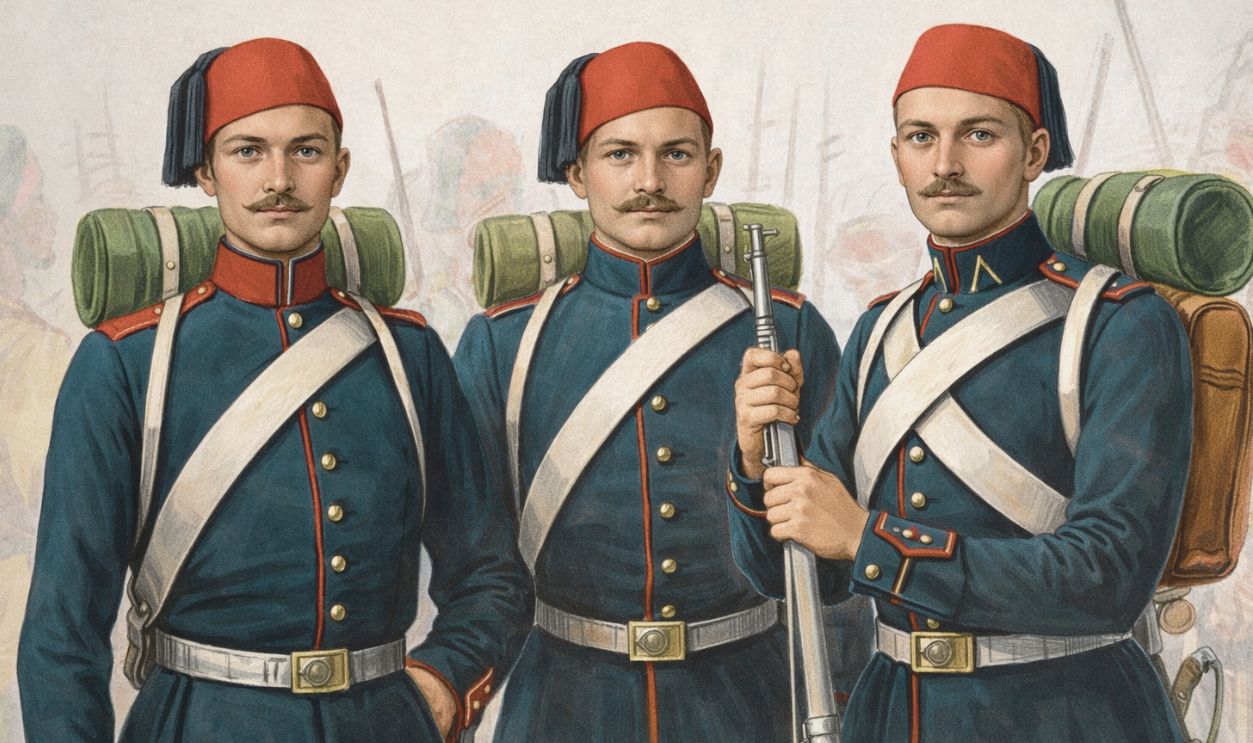
The End Of An Imperial Era
History remembers empires for their rise, but survival is the harder story. Over two thousand years, the Ottoman Empire absorbed shocks and change, until endurance slowly gave way to fracture.
Rise Of Rome (27 BCE)
With Augustus at its helm, Rome shifted from republic to empire in 27 BCE. Its territory stretched far beyond Italy, reaching deep into Europe, Africa, and Asia. More importantly, Rome built institutions so durable they outlived rulers, and shaped political systems long after the empire itself faded.
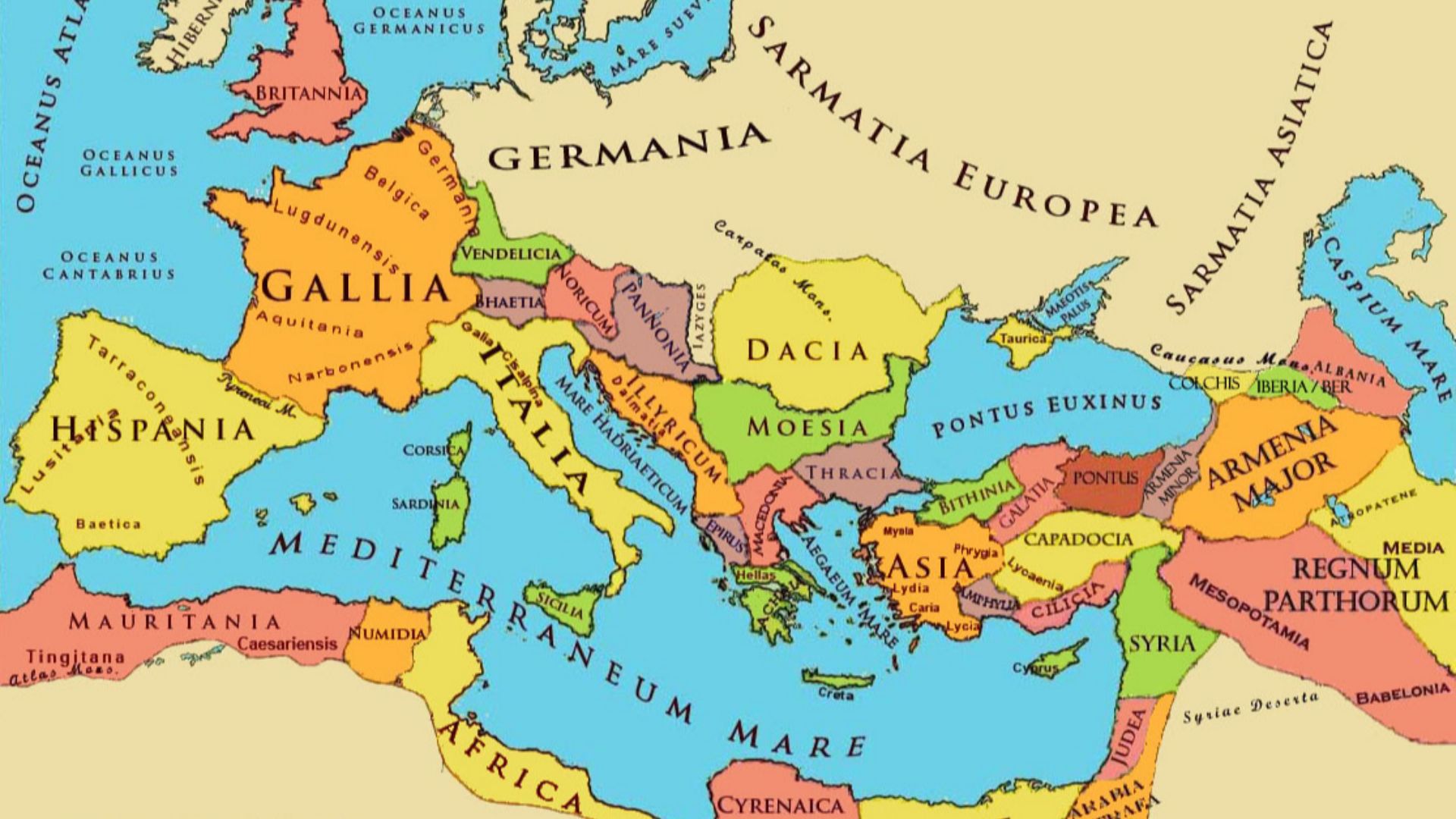 Aregakn at en.wikipedia. Later versions were uploaded by Beao at en.wikipedia., Wikimedia Commons
Division Of Rome (285 CE)
By 285 CE, governing Rome as one unit became impossible. Diocletian divided Rome into eastern and western sections, each with its own seat of power. The eastern half, ruled from Constantinople, evolved into the Byzantine Empire and proved far more resilient than its western counterpart.
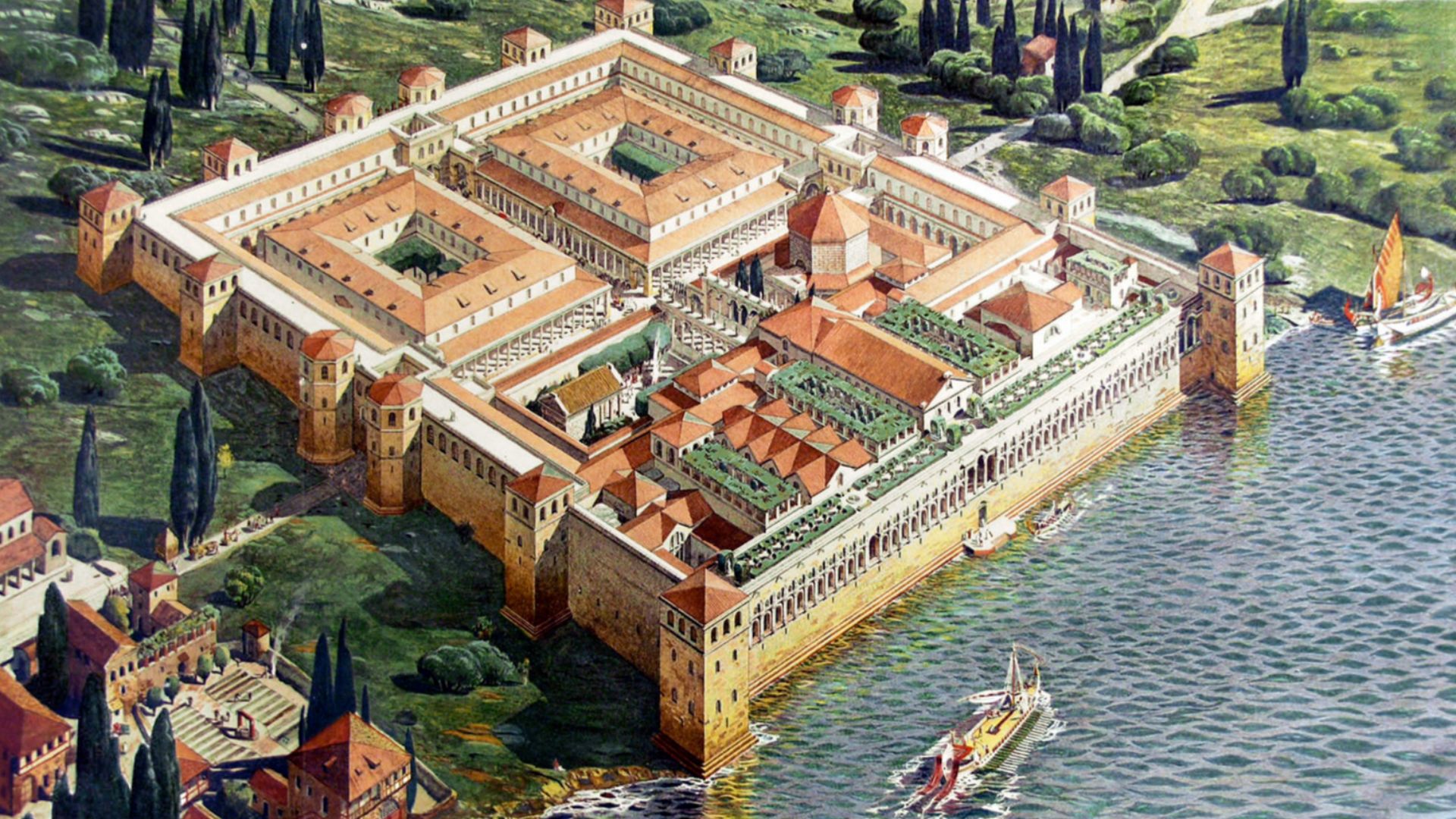 Ernest Hebrard (recoloured by DIREKTOR), Wikimedia Commons
Fall Of Western Rome (476 CE)
In 476 CE, the Western Roman Empire crumbled under relentless invasions. Political control broke down, and imperial leadership disappeared. However, Roman traditions survived beyond the West, as the Byzantine Empire continued Roman legal systems, culture, and religious influence.
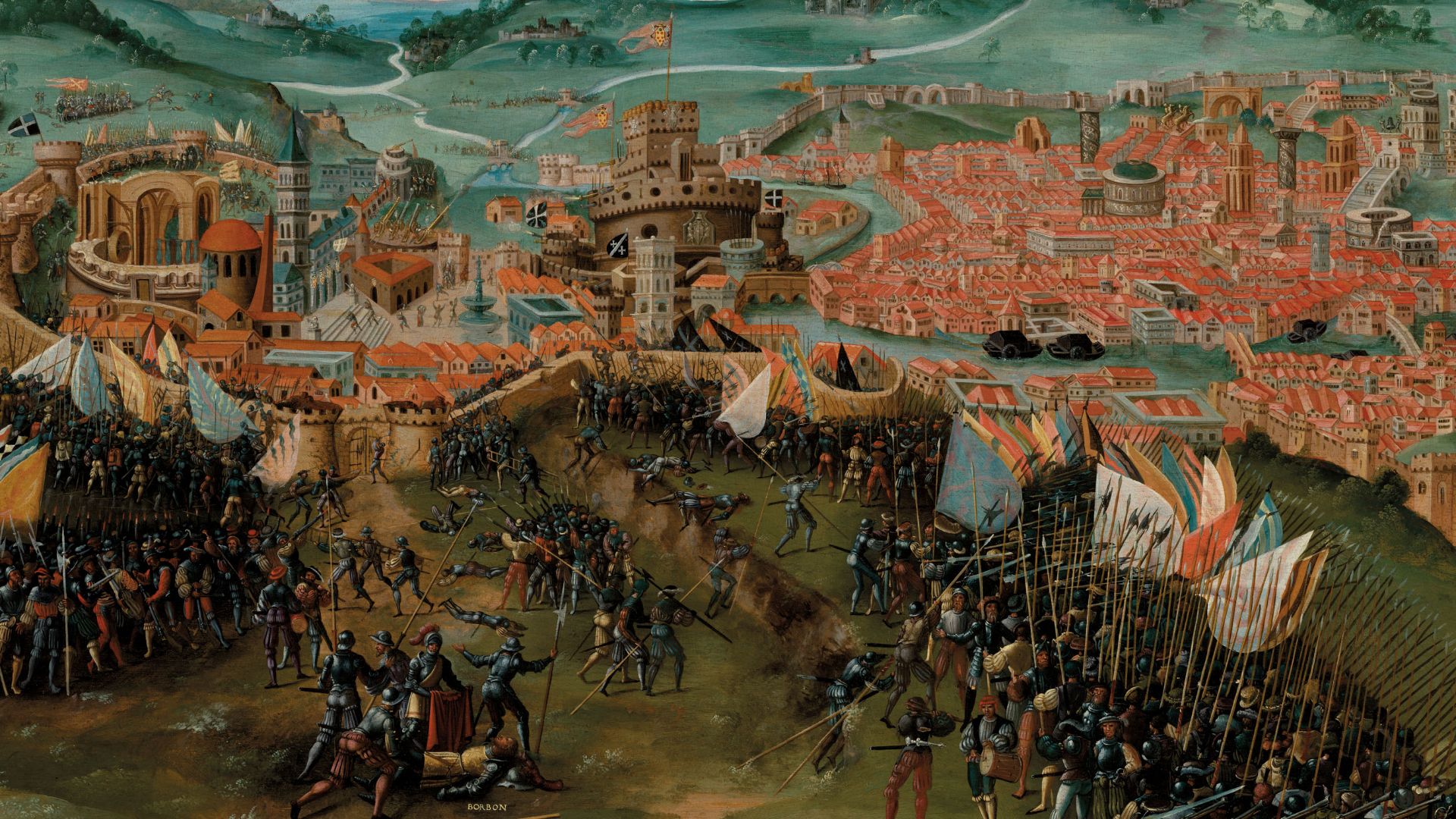 Flemish school, Wikimedia Commons
Byzantine Challenges (7th–11th Centuries)
From the 7th century onward, the Byzantine Empire faced severe pressure. Arab forces captured Syria and Egypt, both vital provinces. Islam emerged as a powerful rival across the region. These losses weakened imperial control, though Byzantium retained its core territories.
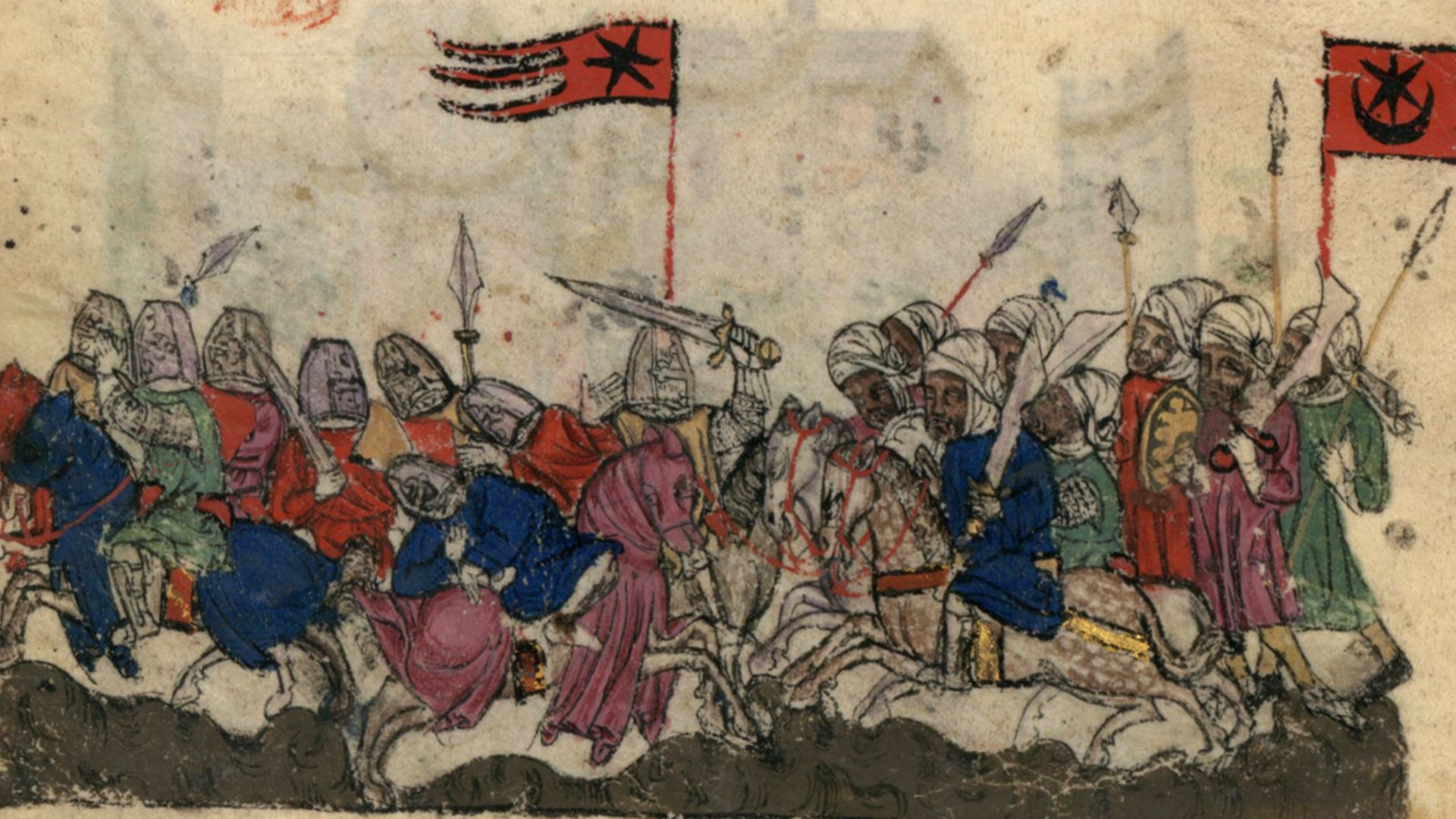 anonymous Catalonian illustrator, Wikimedia Commons
The Crusades (1096–1204)
Facing growing pressure, the Byzantines turned to Western Europe for military help. The response took an unexpected turn. Crusading armies diverted toward Constantinople, and in 1204 the Fourth Crusade stormed the city itself. The sack shattered imperial unity and left Byzantium permanently weakened.
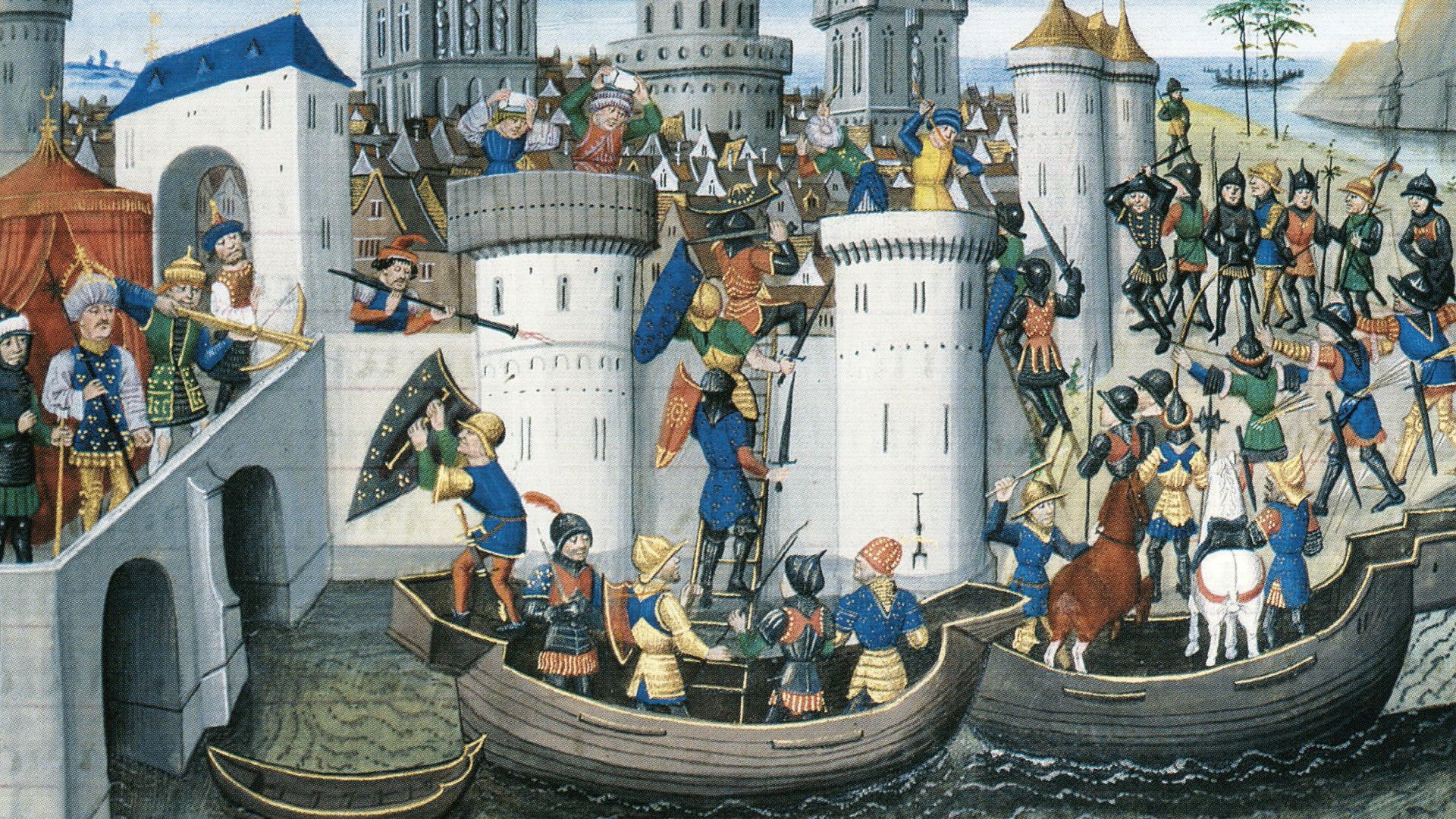 David Aubert (1449-79), Wikimedia Commons
Ottoman Emergence (13th Century)
As Byzantine strength declined, a new power rose in Anatolia. Osman I founded the Ottoman dynasty during the 13th century. From small beginnings, his followers expanded into weakened Byzantine lands, building a disciplined military force that marked the start of a lasting regional power.
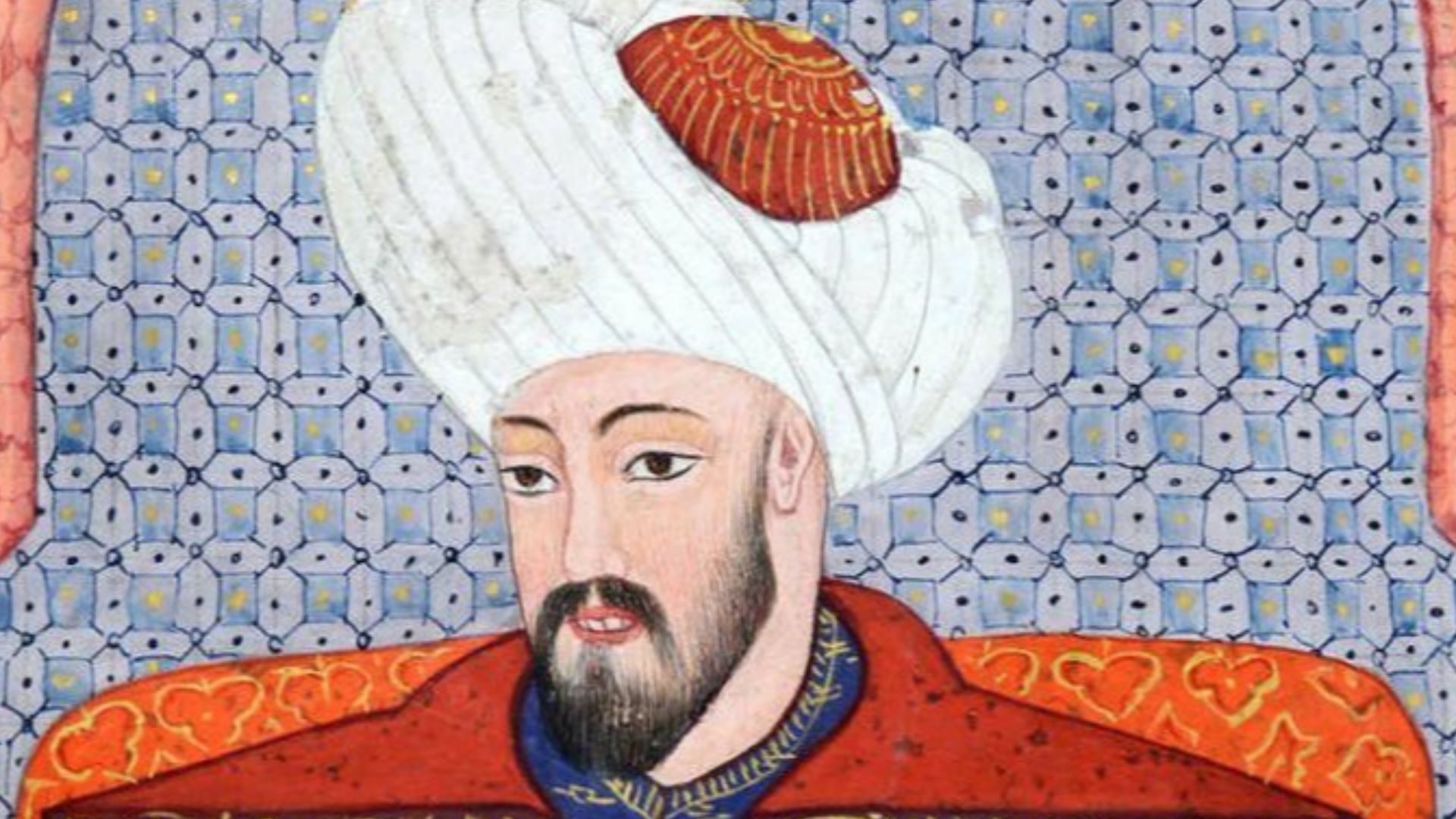 Seyyid Lokman Celebi, Wikimedia Commons
Fall Of Constantinople (1453)
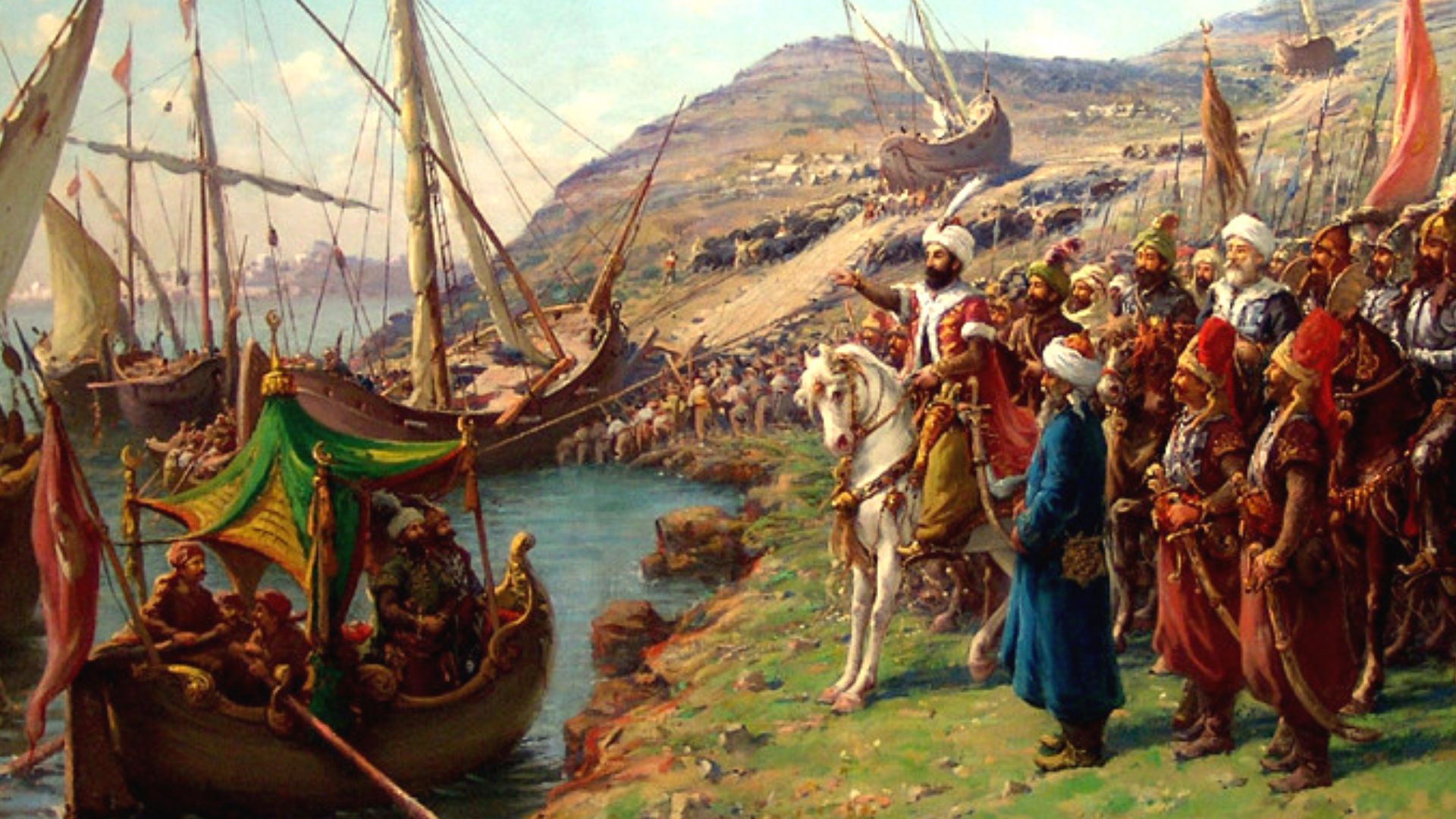
In 1453, Sultan Mehmed II breached Constantinople’s defenses and captured the city. With its fall, the Byzantine Empire came to an end after more than a thousand years. Following the conquest, Hagia Sophia was repurposed as a mosque, and the city began a new chapter under the name Istanbul.
 Fausto Zonaro, Wikimedia Commons
Ottoman Golden Age (16th Century)
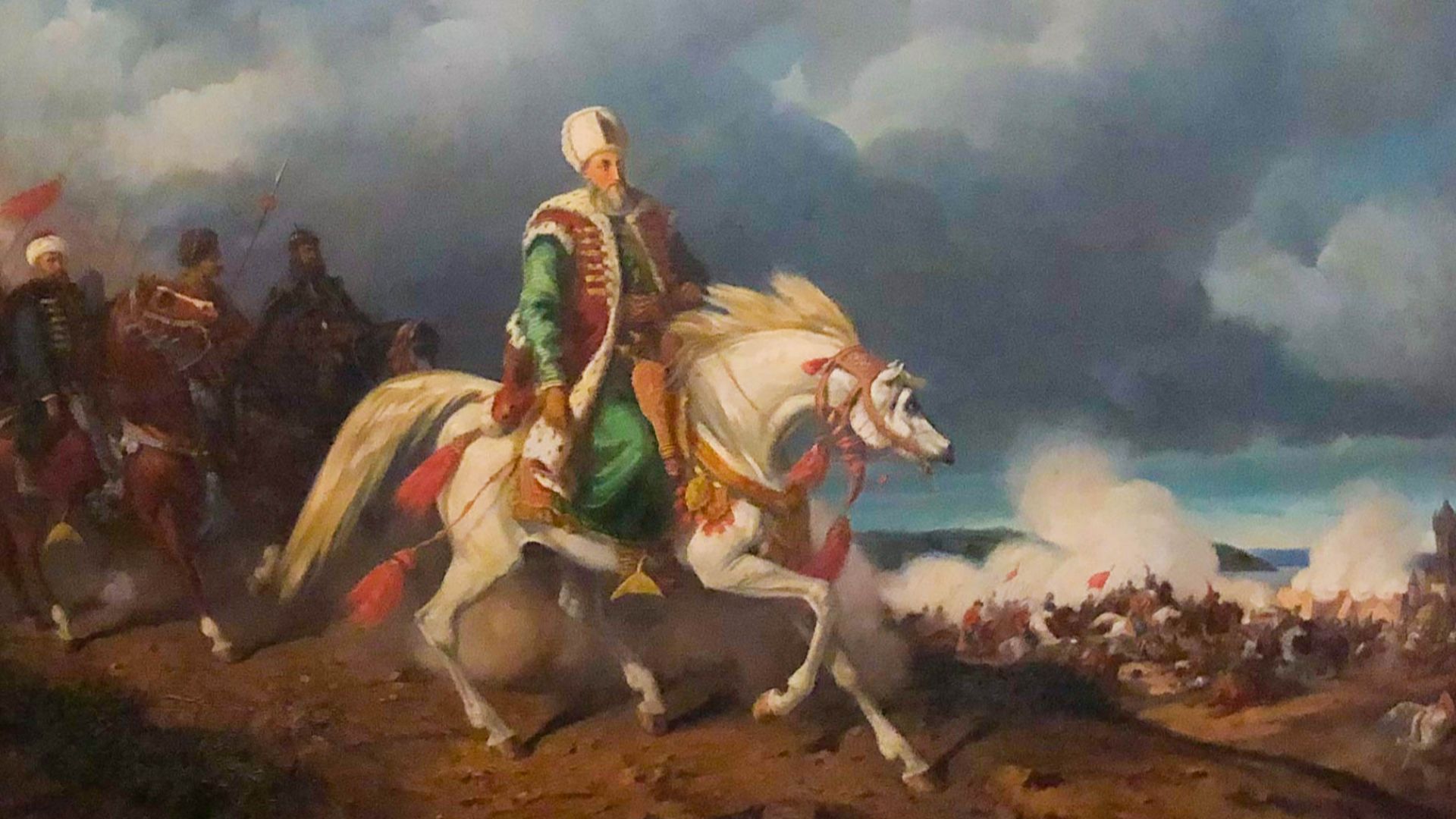
During the 16th century, Suleiman the Magnificent led the Ottoman Empire into its peak era. Military expansion brought Ottoman forces to Vienna’s gates, while strong legal reforms and cultural patronage strengthened internal unity. This period came to represent the empire’s greatest balance of power and stability.
 Sefer azeri, Wikimedia Commons

History's most fascinating stories and darkest secrets, delivered to your inbox daily.
Military Stagnation (17th Century)
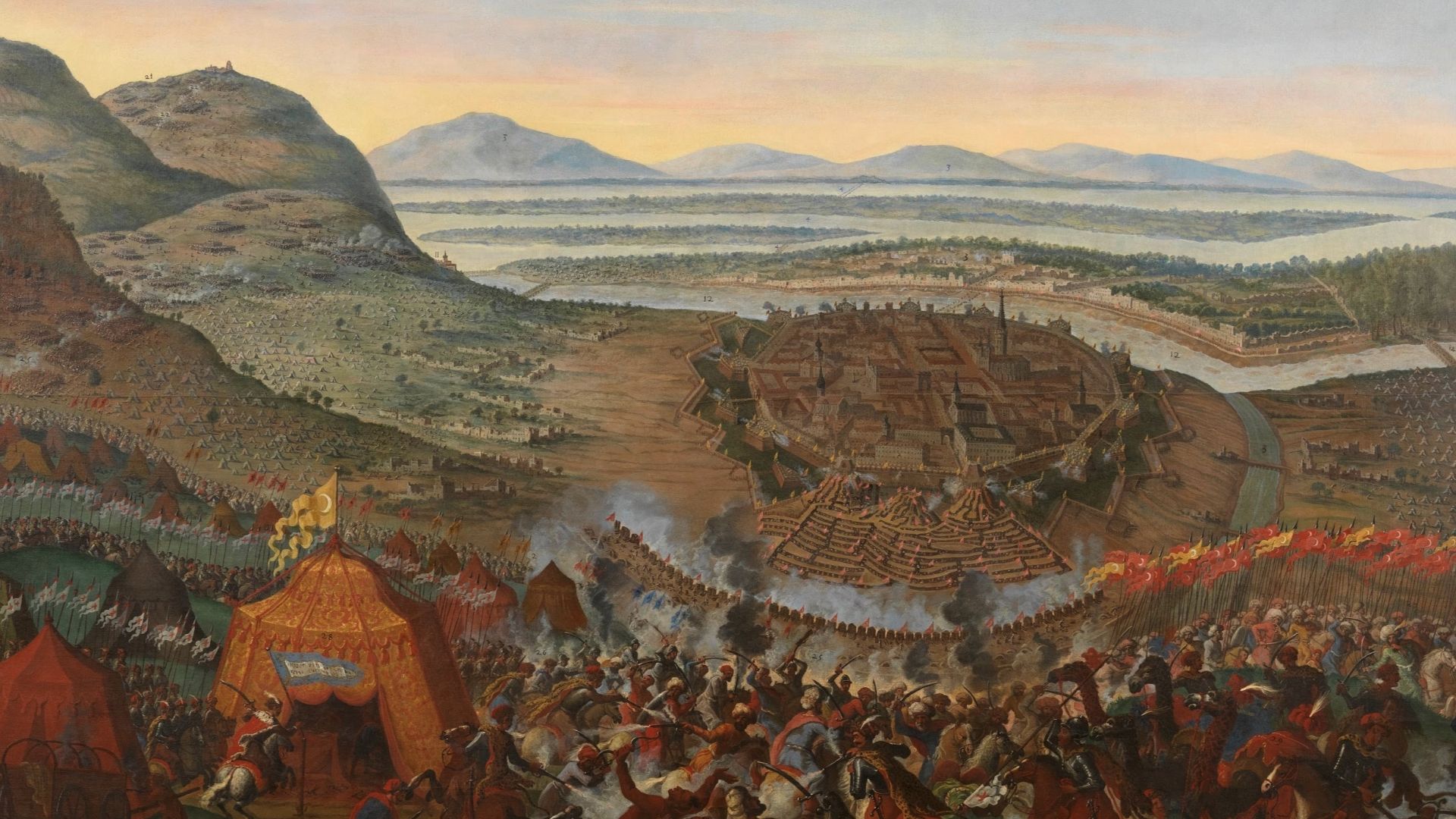
Ottoman military strength no longer guaranteed success by the late 17th century. Vienna’s failed siege revealed how far European powers had advanced. With reforms blocked from within, the army fell behind, and this growing imbalance set the stage for a slow but steady decline.
 Frans Geffels, Wikimedia Commons
Economic Decline (18th Century)
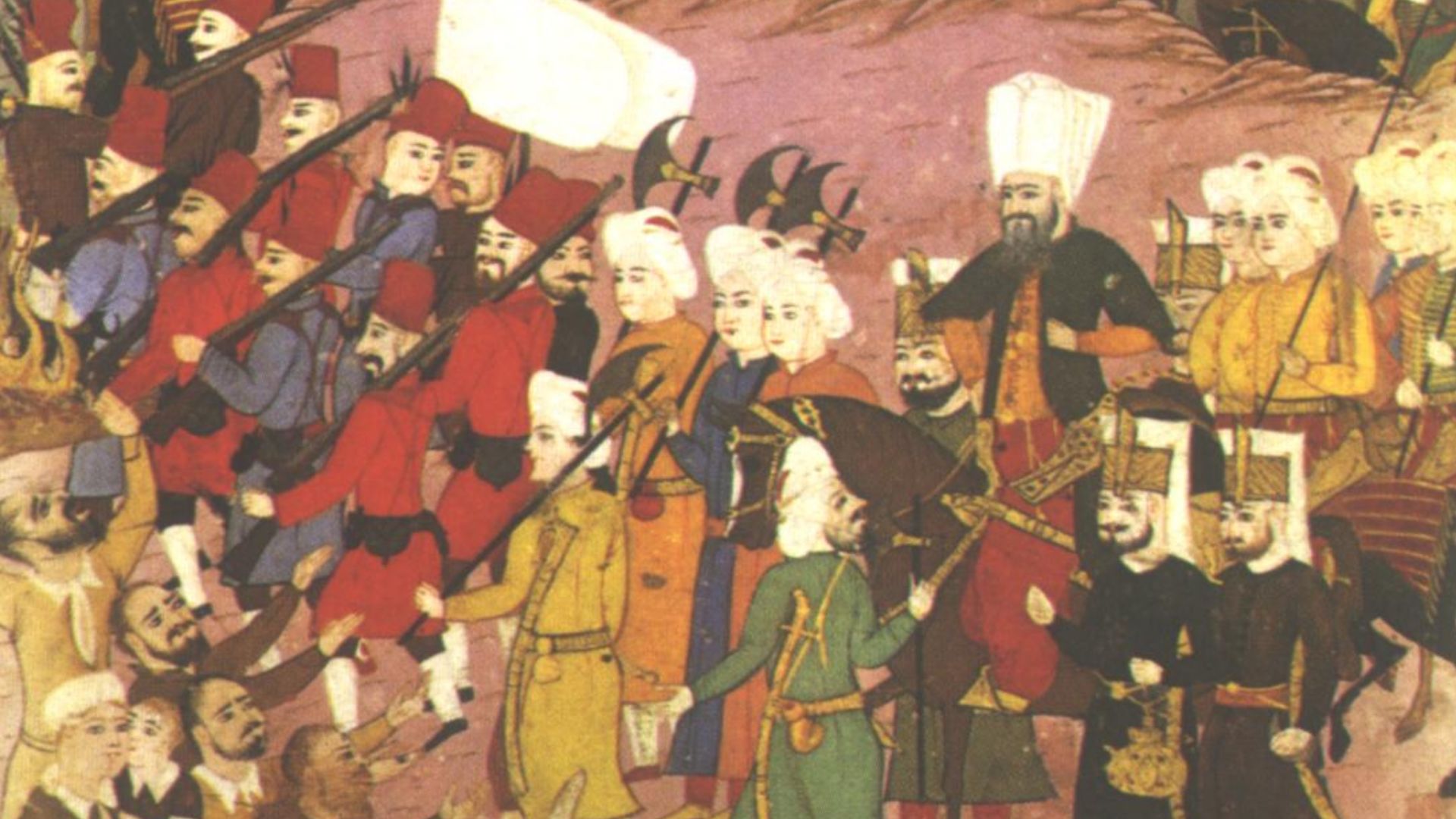
Economic pressure followed military setbacks in the 18th century. Global trade shifted toward Atlantic routes, cutting into Ottoman commerce. As revenue dropped, inflation and debt rose, while an agriculture-based economy struggled to support growth in a changing global system.
 Suleyman PaSa, Wikimedia Commons
Internal Corruption
As external pressure grew, problems inside the empire deepened. Janissaries blocked attempts to modernize the army, while succession disputes weakened authority at the top. Court politics became tangled with intrigue, and slow, inefficient governance made it harder for the state to respond effectively.
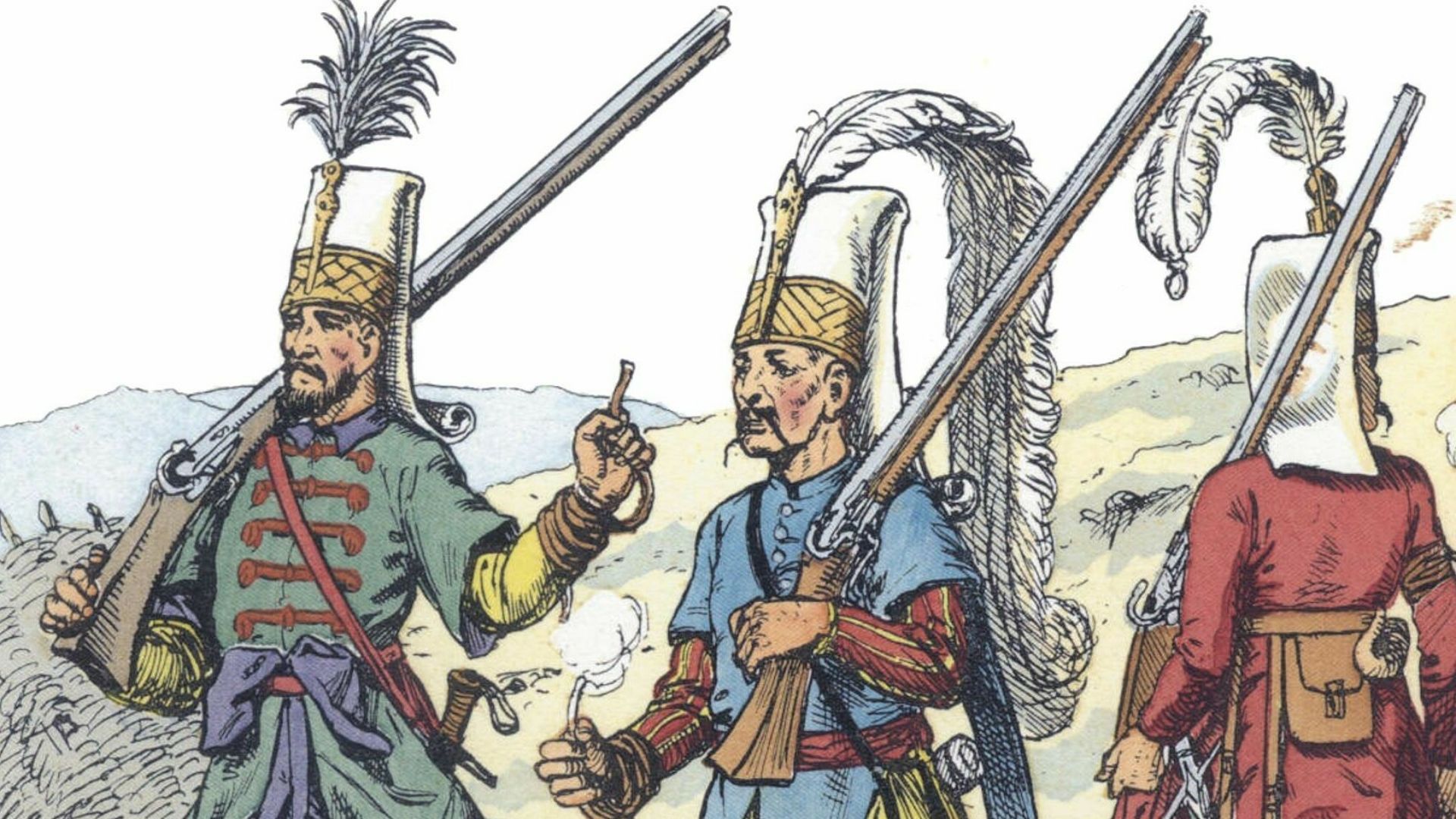 Richard Knotel, Wikimedia Commons
“Sick Man Of Europe” (19th Century)
The nickname “Sick Man of Europe” captured how outsiders viewed the Ottoman state. Coined by Tsar Nicholas I, the Russian emperor, it signaled fading strength. Although rivals prepared for its fall, diplomatic maneuvering helped the empire remain intact through much of the century.
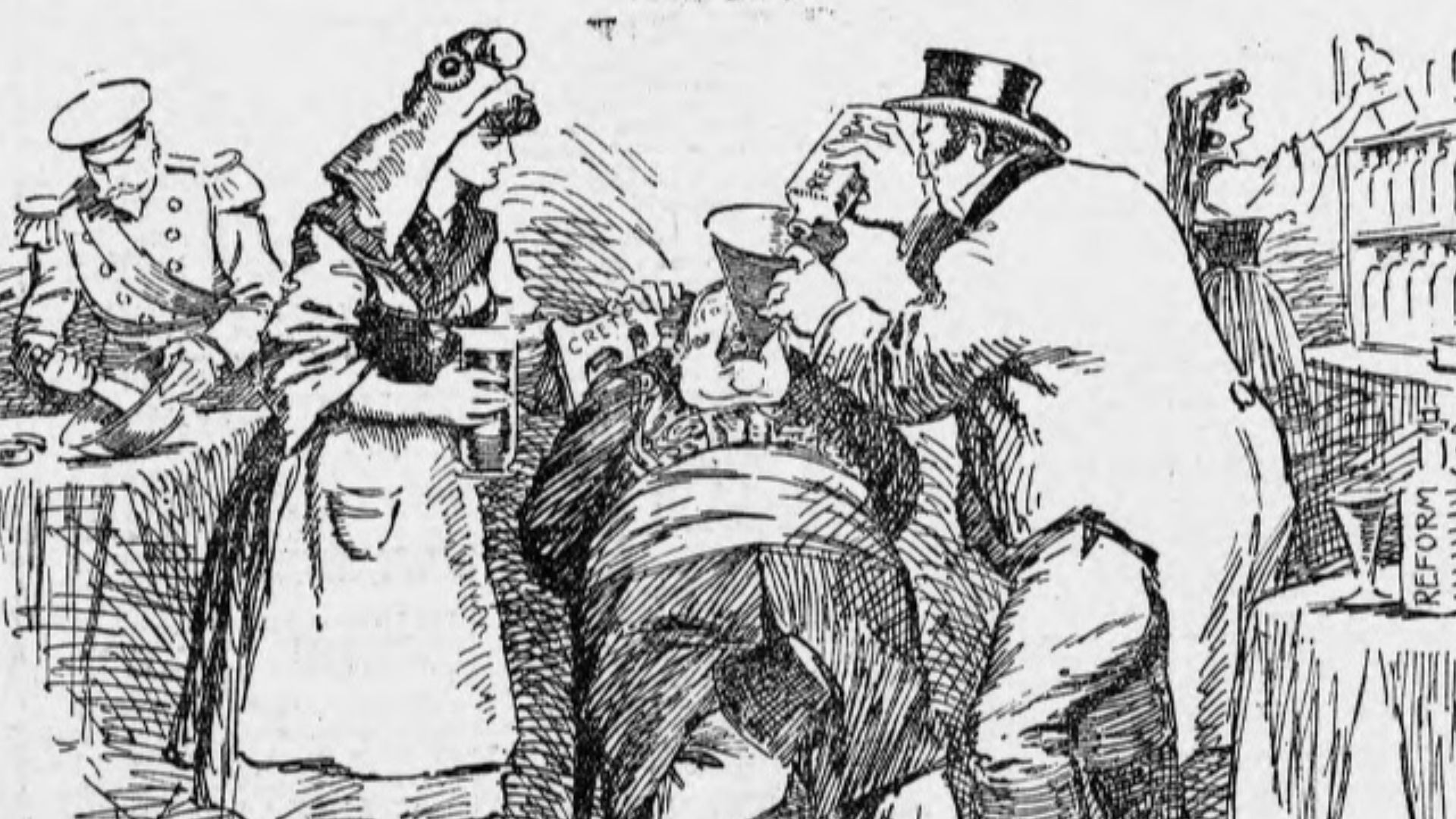 Joseph Morewood Staniforth, Wikimedia Commons
Tanzimat Reforms (1839–1876)
Facing mounting pressure, Ottoman leaders launched the Tanzimat reforms to modernize the state. New legal codes, schools, and military changes aimed to reshape governance. Resistance from entrenched groups limited their reach, and despite decades of effort, the empire struggled to adjust to a rapidly changing world.
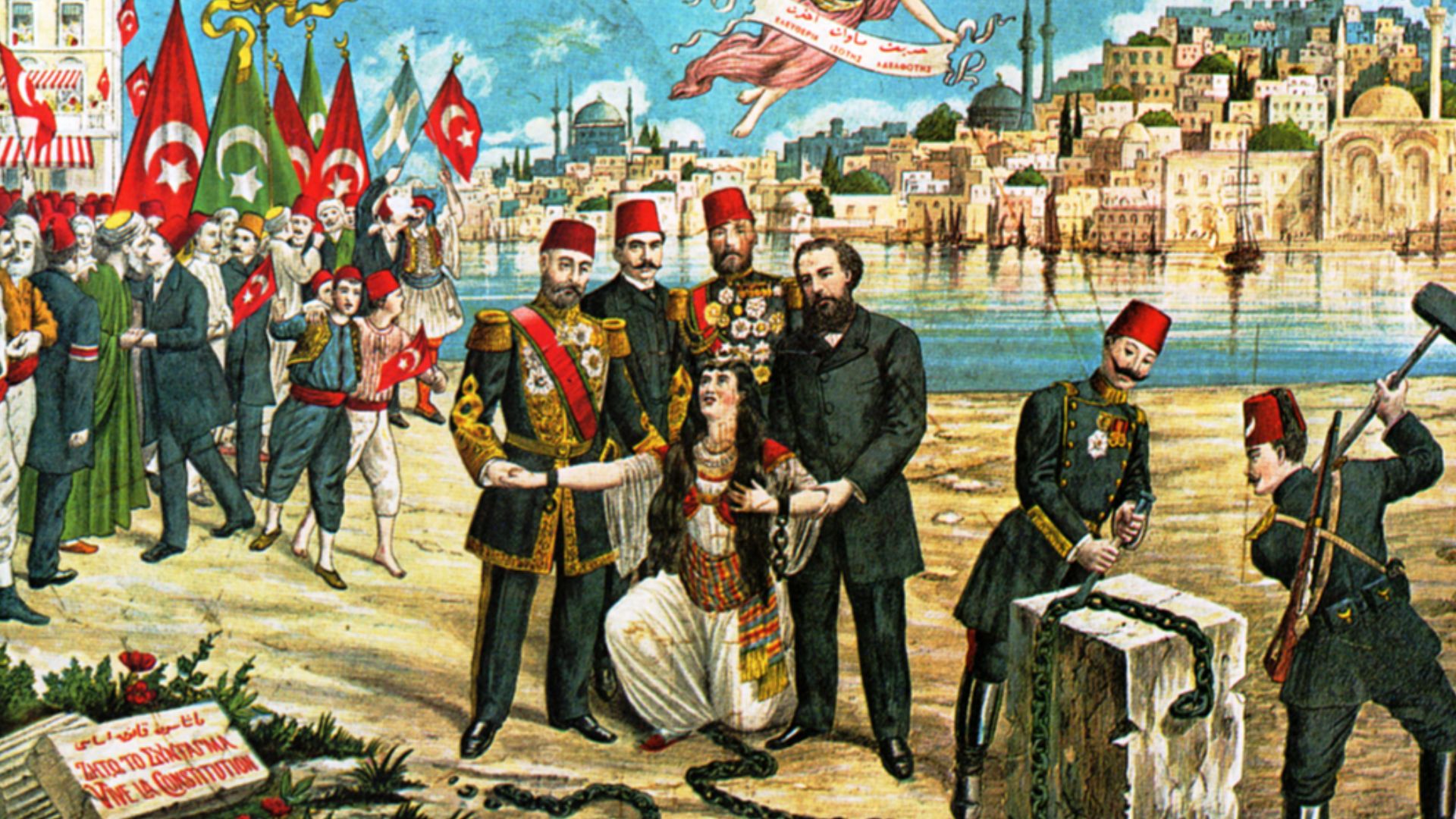 Sotiris Christidis, Wikimedia Commons
Balkan Nationalism (19th Century)
The Ottoman hold on Europe weakened as nationalism spread across the Balkans. Greece gained independence first, then other states followed. Repeated revolts eroded imperial control, turning once-stable provinces into centers of resistance and accelerating the loss of European lands.
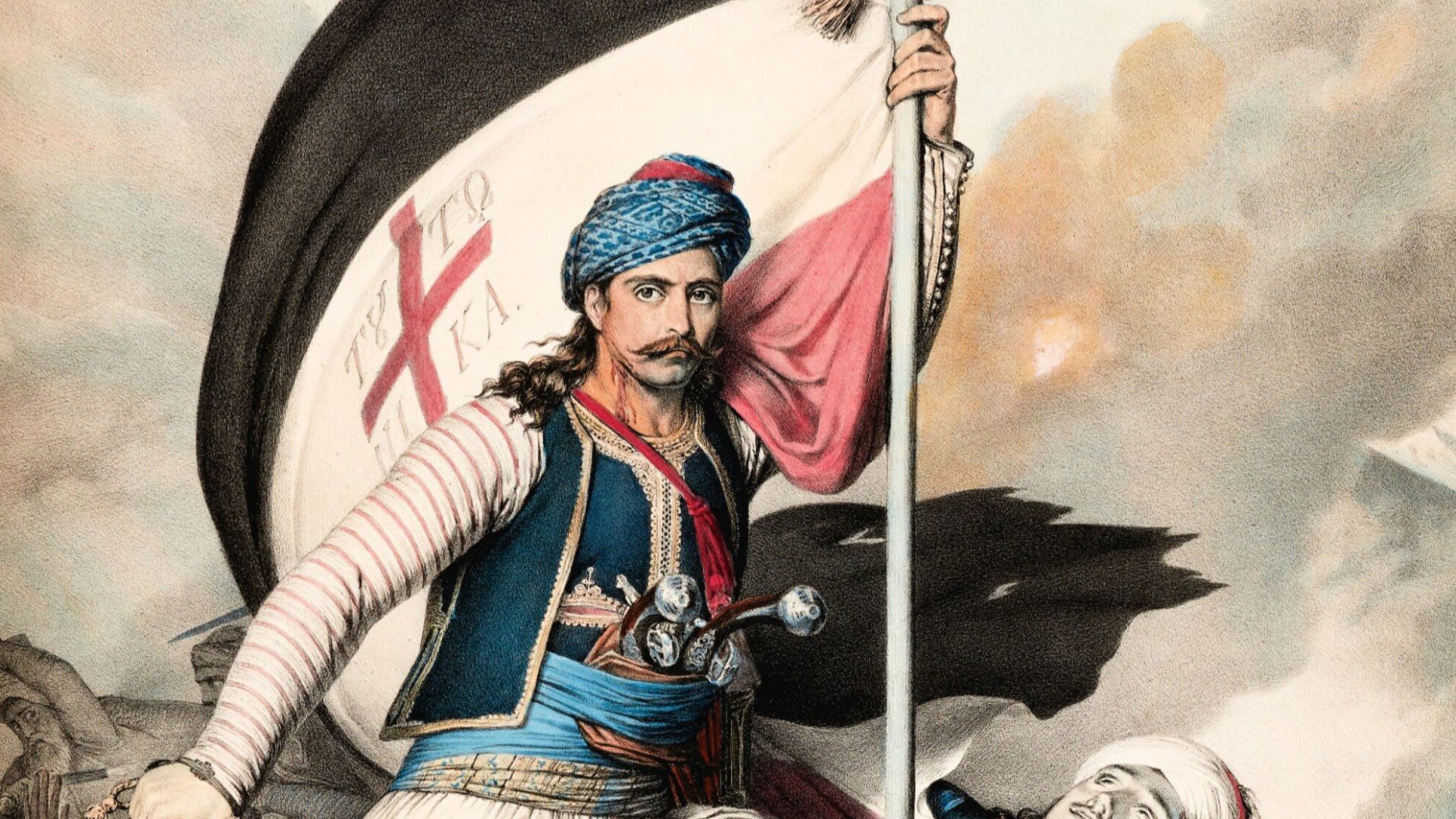 Louis Dupre, Wikimedia Commons
Crimean War (1853–1856)
The Crimean War placed the Ottomans against Russia and forced them into an uneasy alliance with Britain and France. Military support kept the collapse at bay, yet the conflict exposed deep weaknesses in administration and defense. Survival depended on foreign backing rather than strength from within.
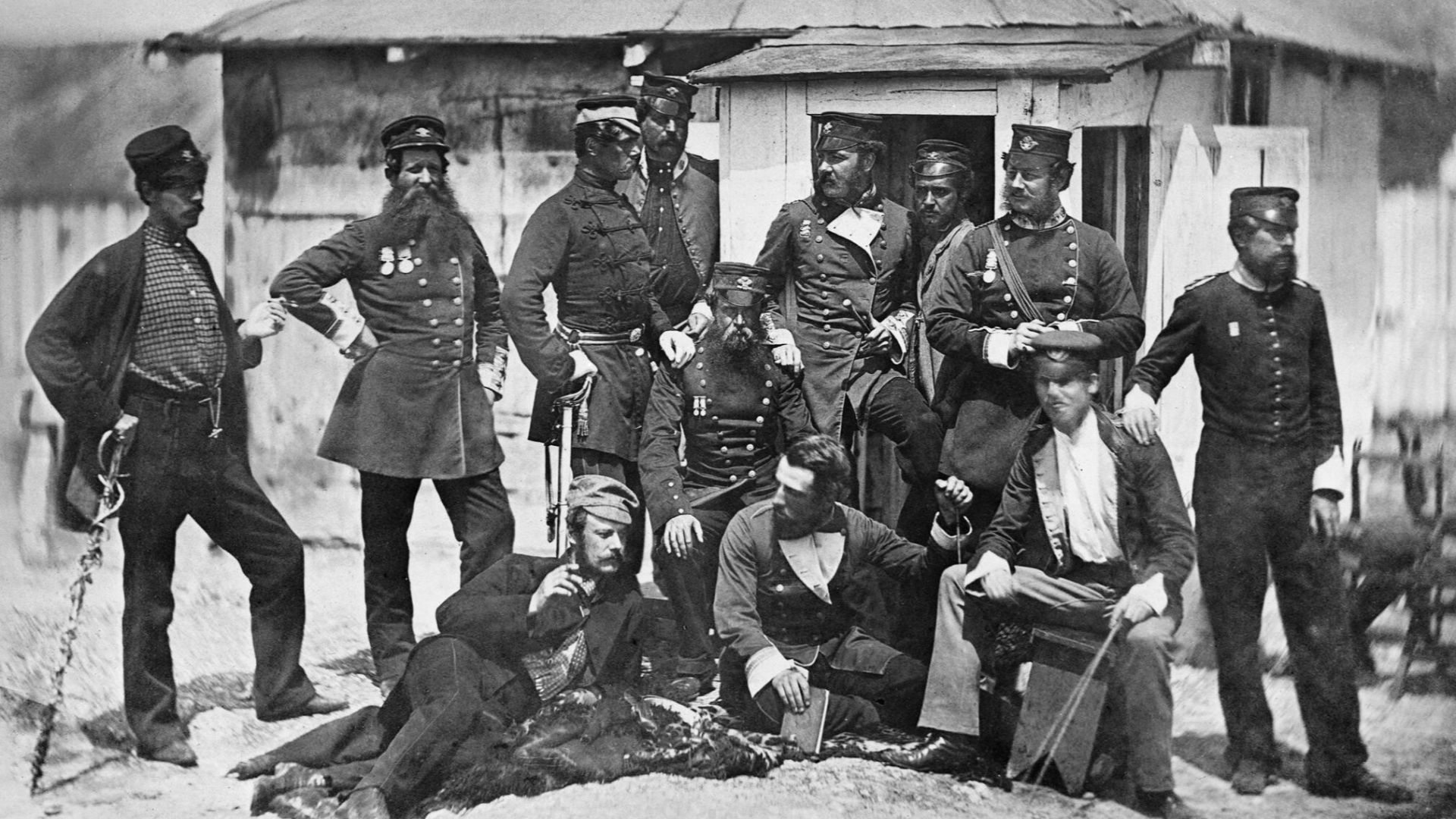 Robertson James, Wikimedia Commons
Russo-Turkish War (1877–1878)
The Russo-Turkish War delivered heavy losses to the Ottoman Empire. Territories in the Balkans and Caucasus slipped away, and the Treaty of Berlin redrew regional borders. Reduced land and rising nationalism further weakened imperial authority across its remaining domains.
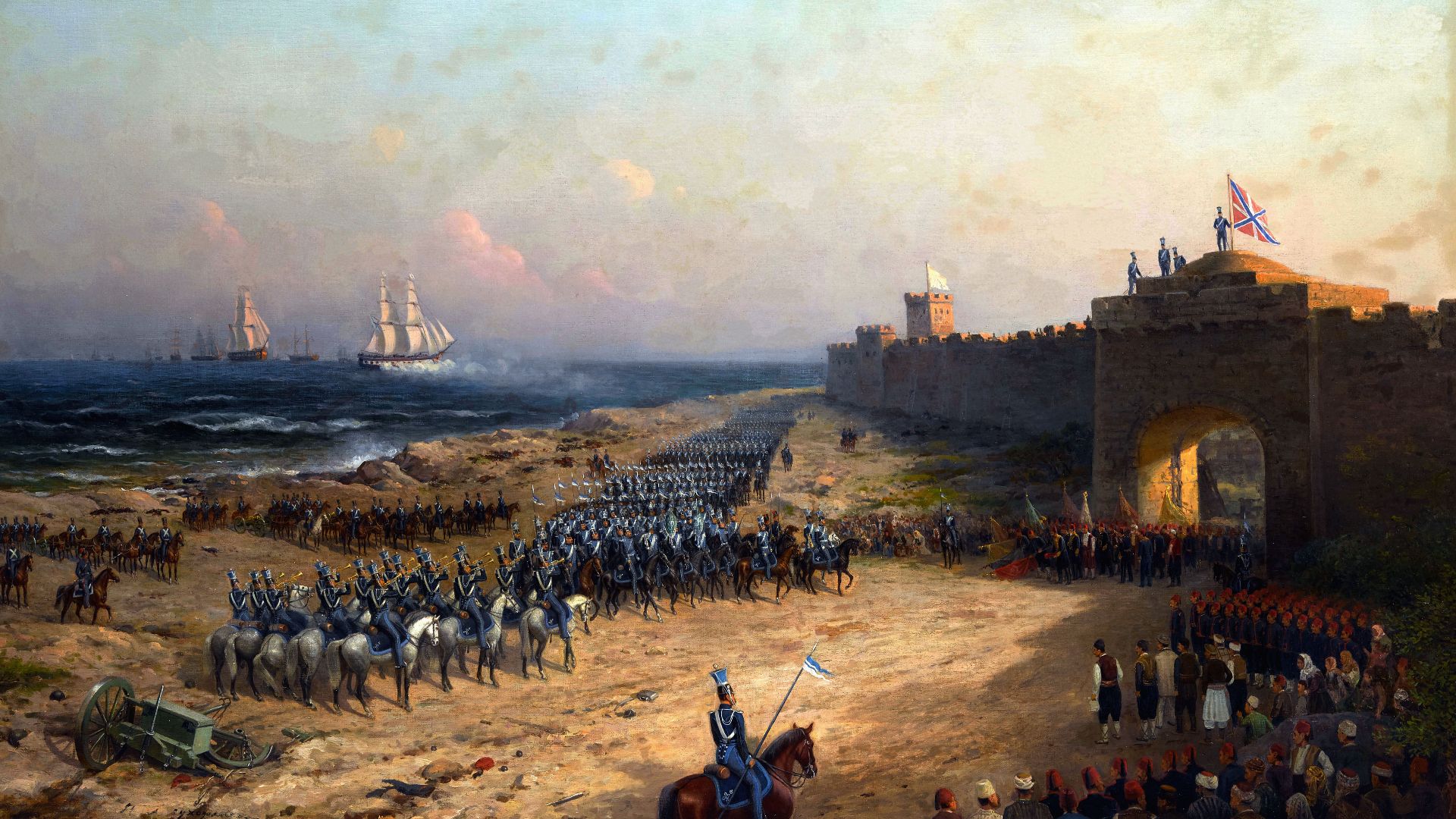 Petr Suchodolski, Wikimedia Commons
Young Turk Revolution (1908)
In 1908, the Young Turks forced a constitutional revival and revived parliamentary rule. Their vision centered on modernization and national identity. Instead of stability, competing ideas and power struggles intensified, further deepening divisions that weakened the empire from within.
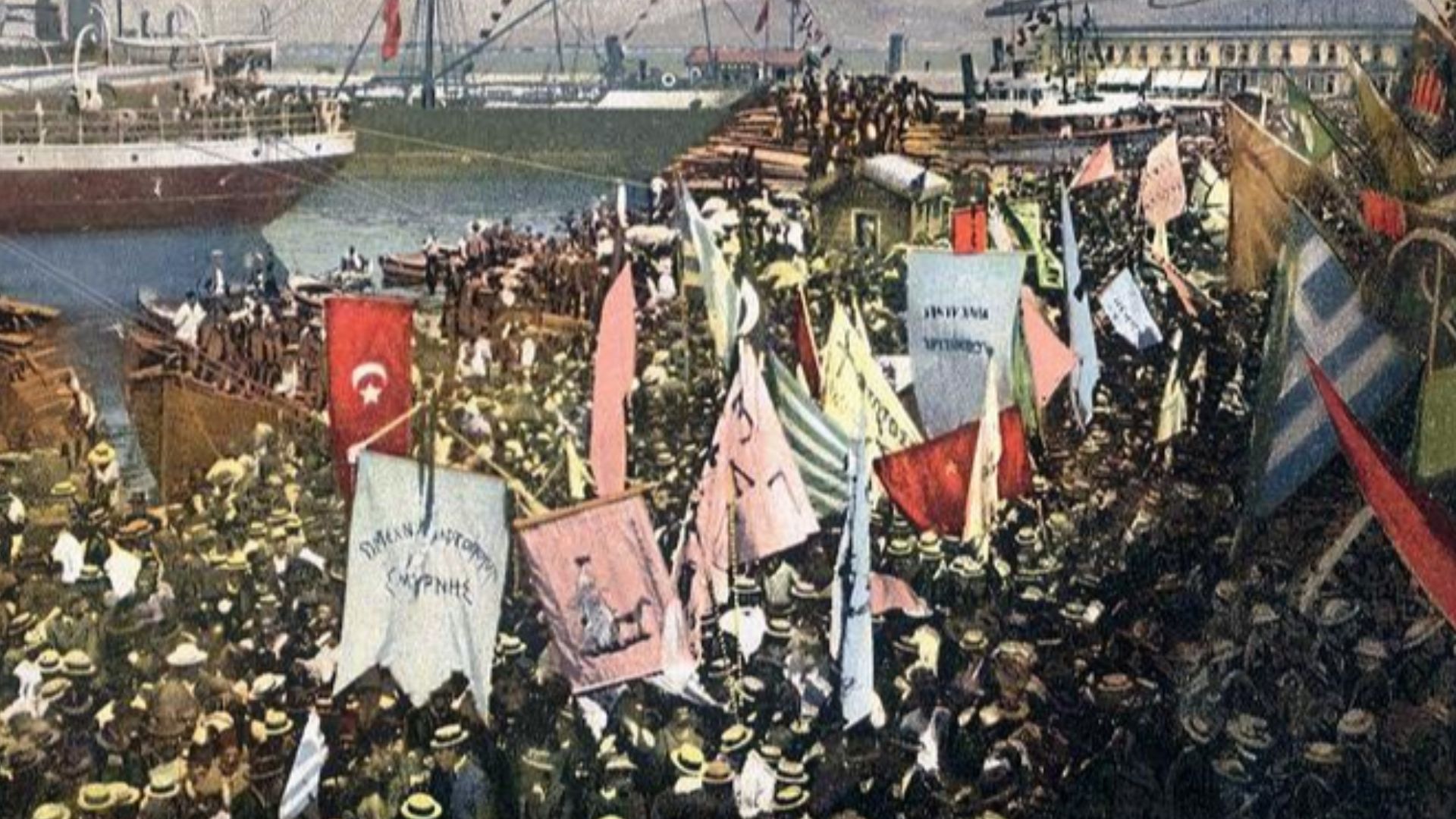 Unknown authorUnknown author, Wikimedia Commons
Entry Into World War I (1914)
The decision to join World War I reflected desperation as much as ambition. Seeking renewed status, the Ottomans sided with the Central Powers and faced battles across vast regions. The war became a final test of endurance for an already strained empire.
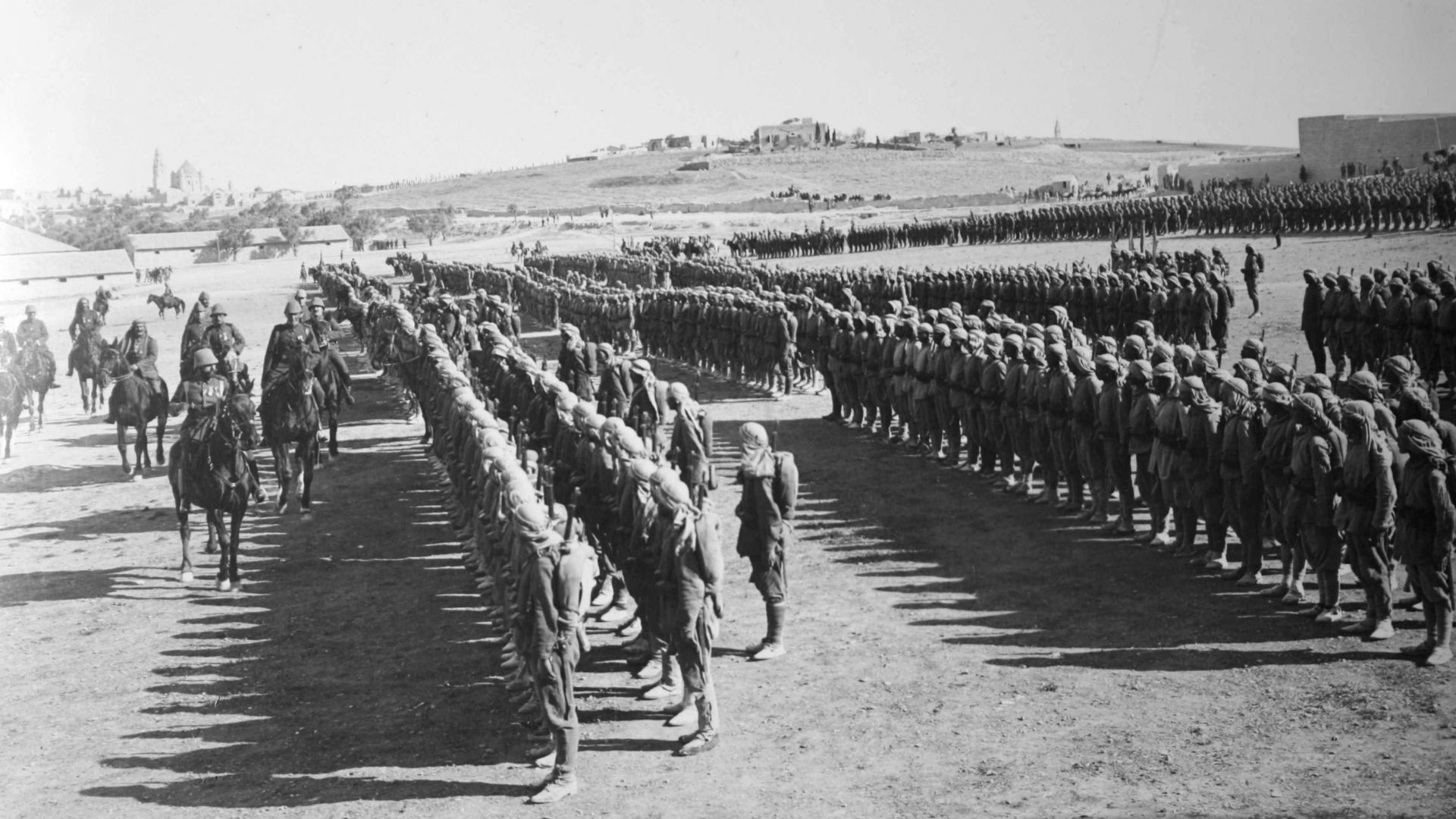 The Education program of the National Library of Israel, Wikimedia Commons
Gallipoli Campaign (1915)
Gallipoli became a rare moment of success for the Ottomans during World War I. Allied armies attempted to force their way through the Dardanelles but were pushed back under Mustafa Kemal’s leadership. The defense restored confidence and showed the empire could still resist powerful enemies.
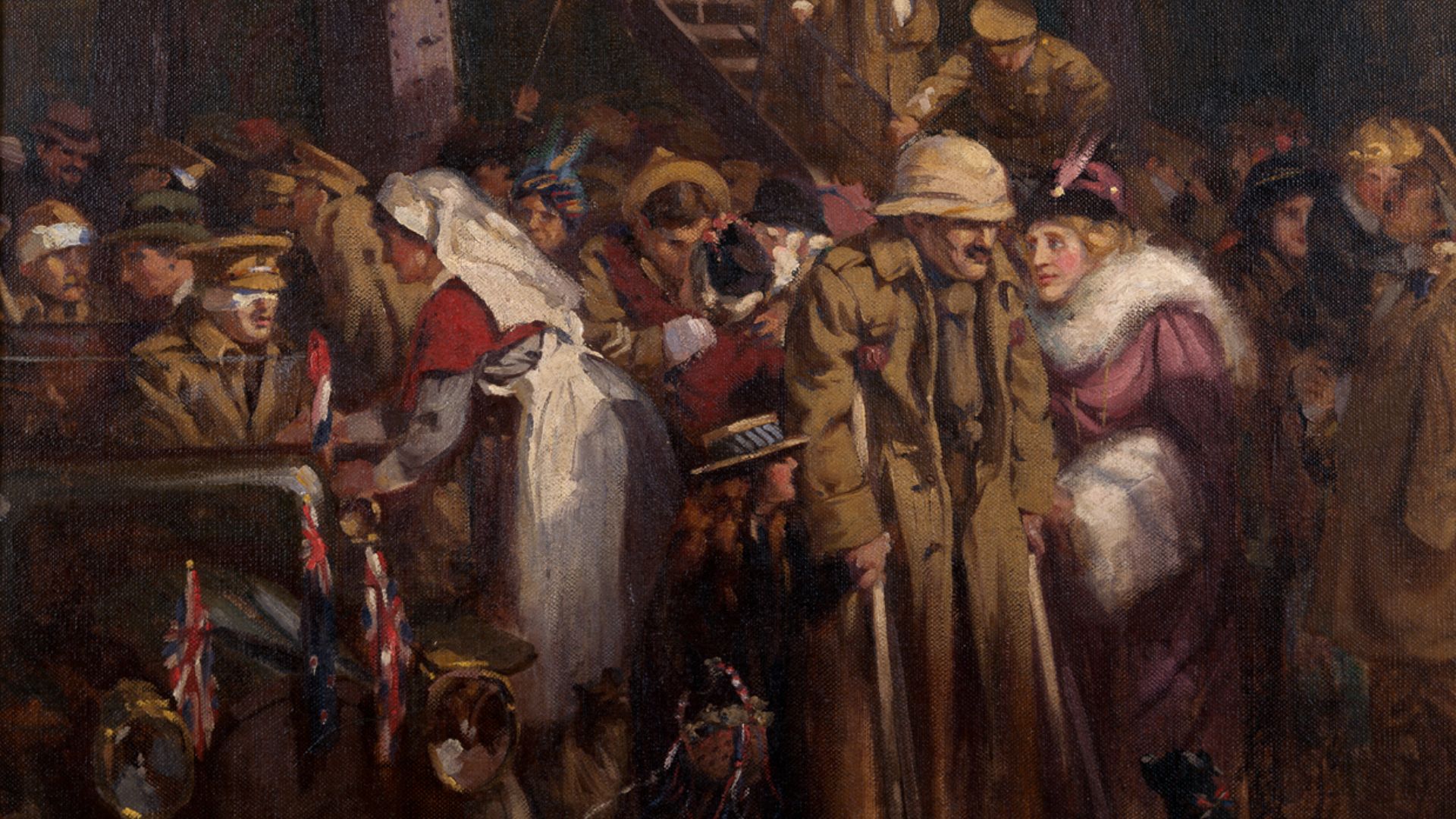 Archives New Zealand from New Zealand, Wikimedia Commons
Arab Revolt (1916)
The Arab Revolt struck at the empire’s southern foundations. Led by Sharif Hussein and aided by Britain, rebel forces weakened Ottoman control across the region. As key areas fell away, the empire’s grip on the Middle East steadily unraveled.
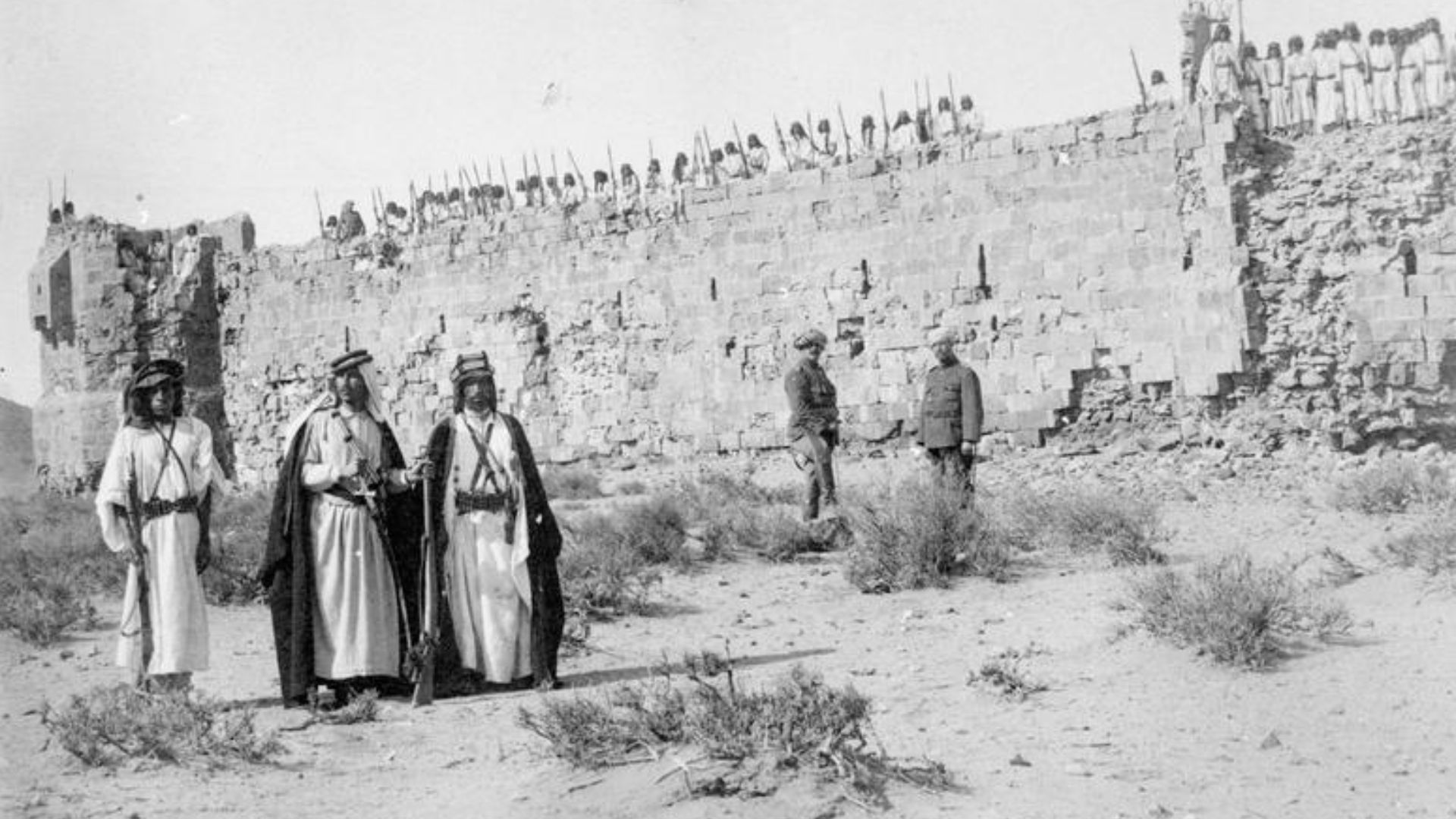 German photographer ?, Wikimedia Commons
Armistice Of Mudros (1918)
When the Armistice of Mudros was concluded, it marked a decisive break in Ottoman history. War participation ended, and Allied troops occupied the capital. With its army disarmed and authority stripped away, the empire ceased to function as an independent power.
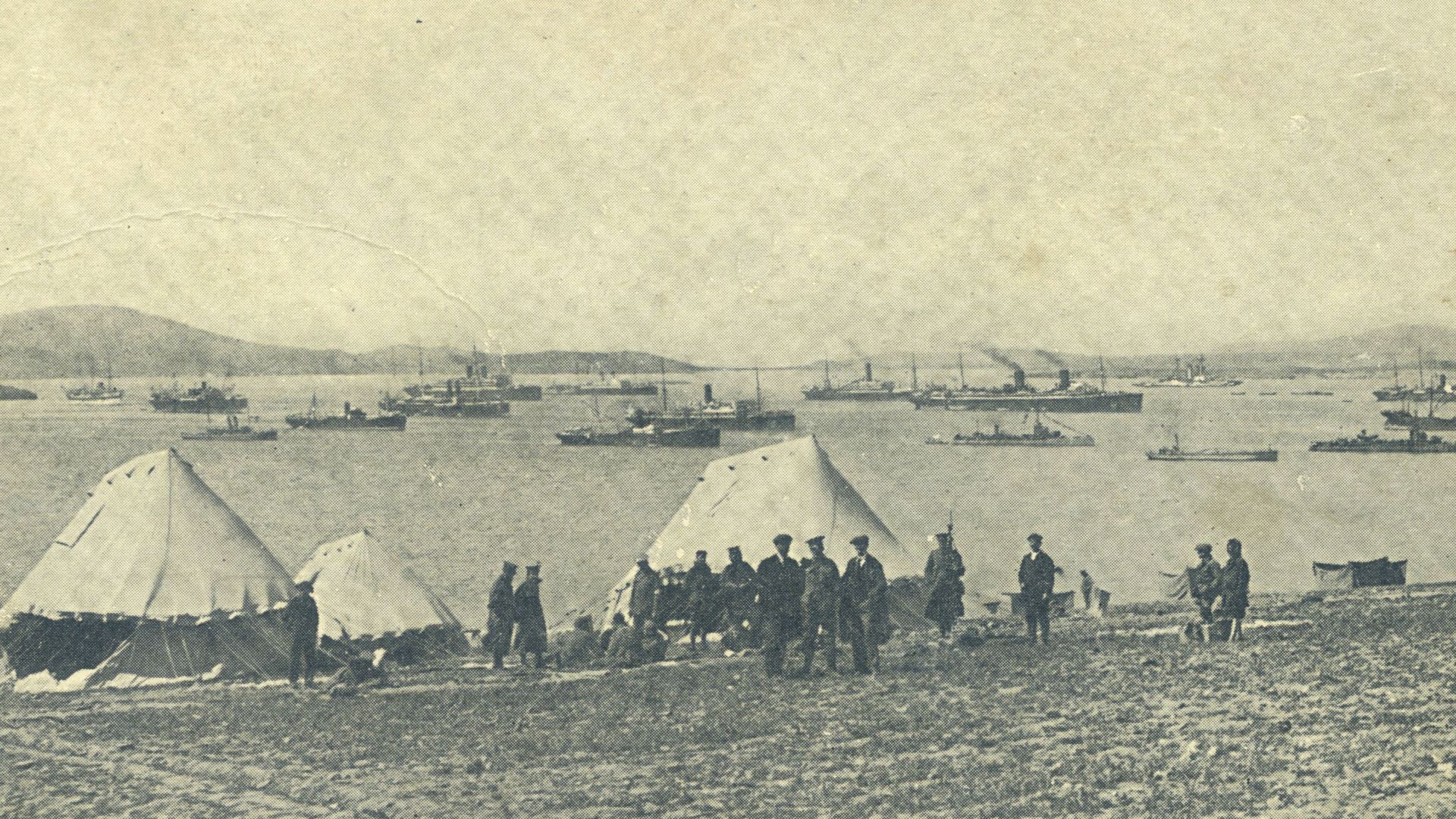 The postcard was published by Aspiotis in c. 1918., Wikimedia Commons
Treaty Of Sevres (1920)
The Treaty of Sevres formalized what defeat had already begun. Ottoman territories were carved up among Allied powers under harsh terms. The agreement stripped the empire of sovereignty and sparked resistance, while legally ending an imperial system that had ruled for centuries.
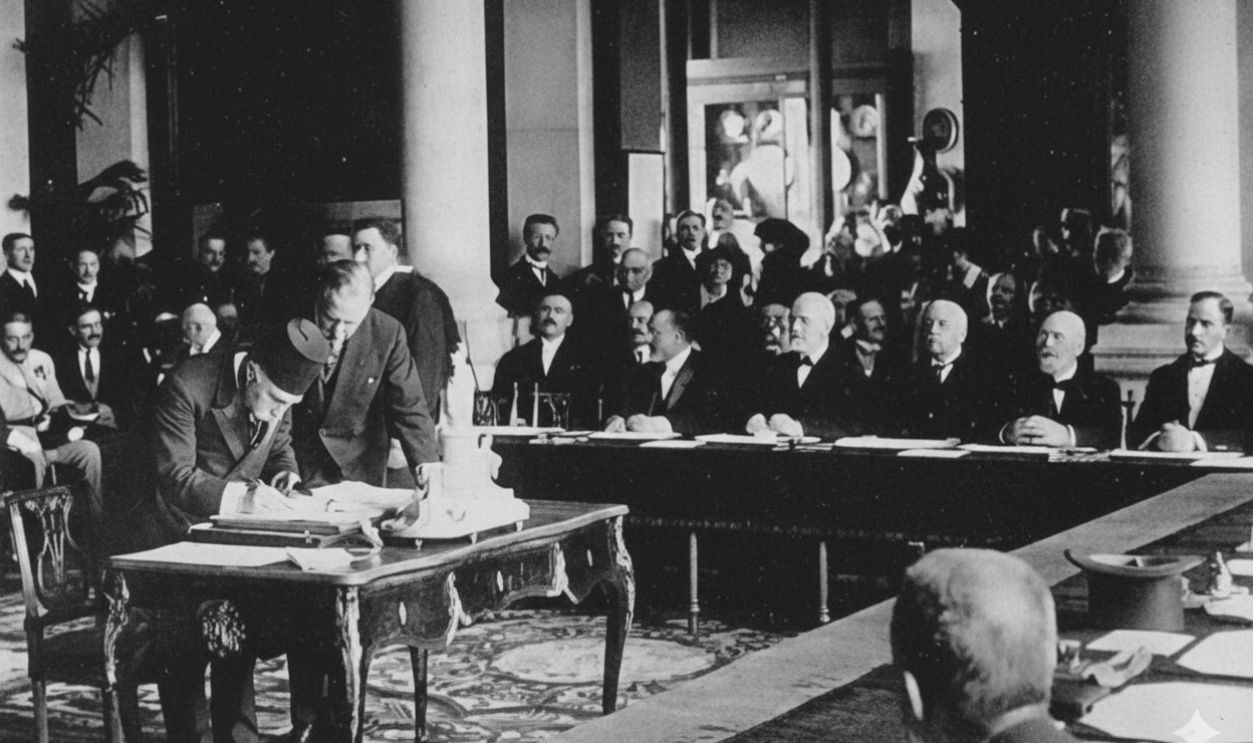 Foto antes de 1926, Wikimedia Commons
Rise Of Mustafa Kemal Ataturk
Mustafa Kemal’s rise marked a sharp break from the imperial past. Once an Ottoman officer, he rallied nationalist forces and challenged the postwar settlement. By defeating occupying powers and overturning the Treaty of Sevres, he reshaped the political order and established modern Turkey in 1923.
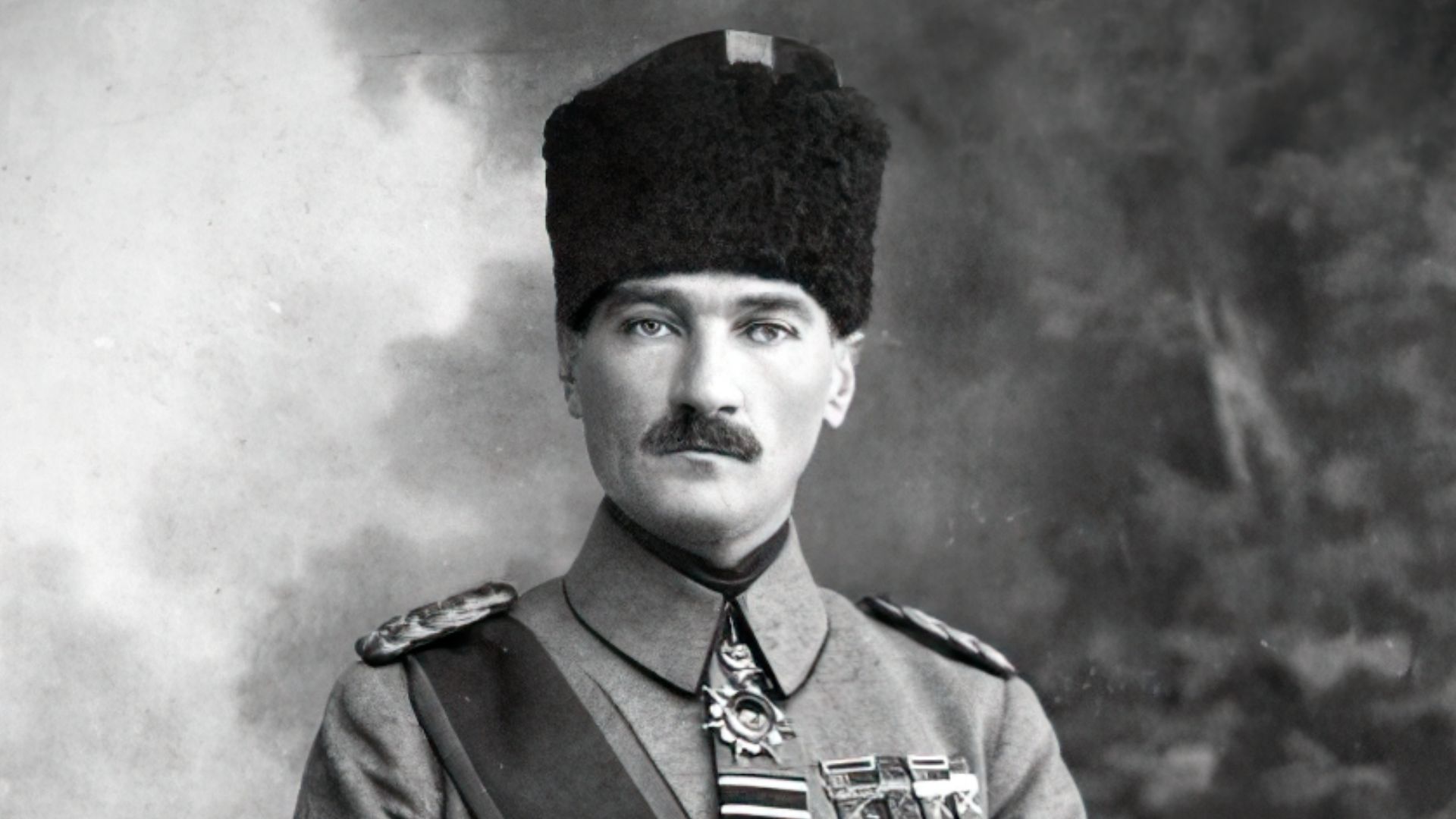 Unknown authorUnknown author, Wikimedia Commons
Legacy Of Collapse
When the Ottoman Empire fell, a long imperial tradition came to an end. The Middle East was reorganized through external mandates, reshaping regional politics. Beyond the region, the collapse reinforced nationalist ideas and marked a broader transition toward nation-based states.
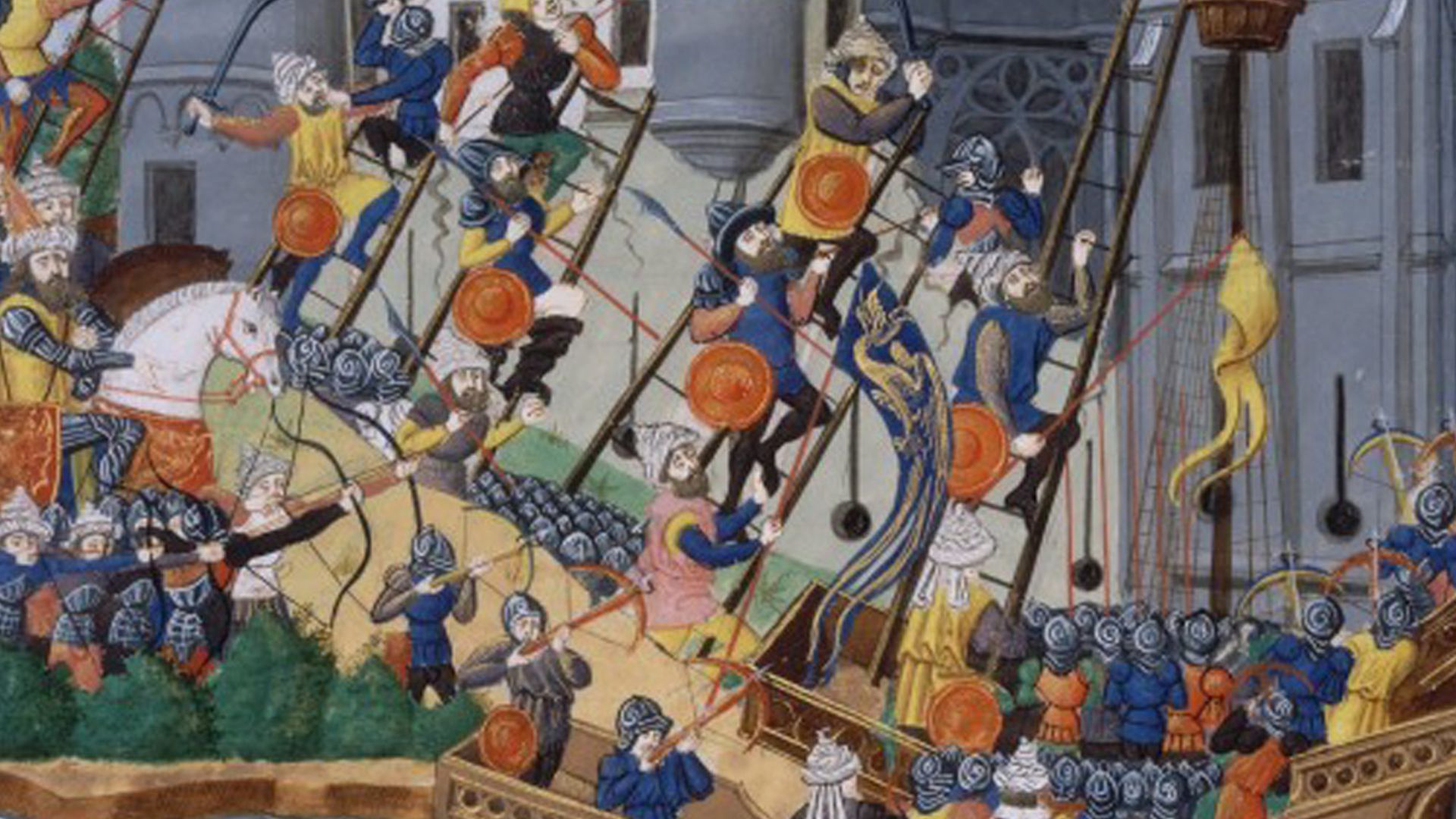 Attributed to Philippe de Mazerolles, Wikimedia Commons










