Ready For Some Tea Talk?
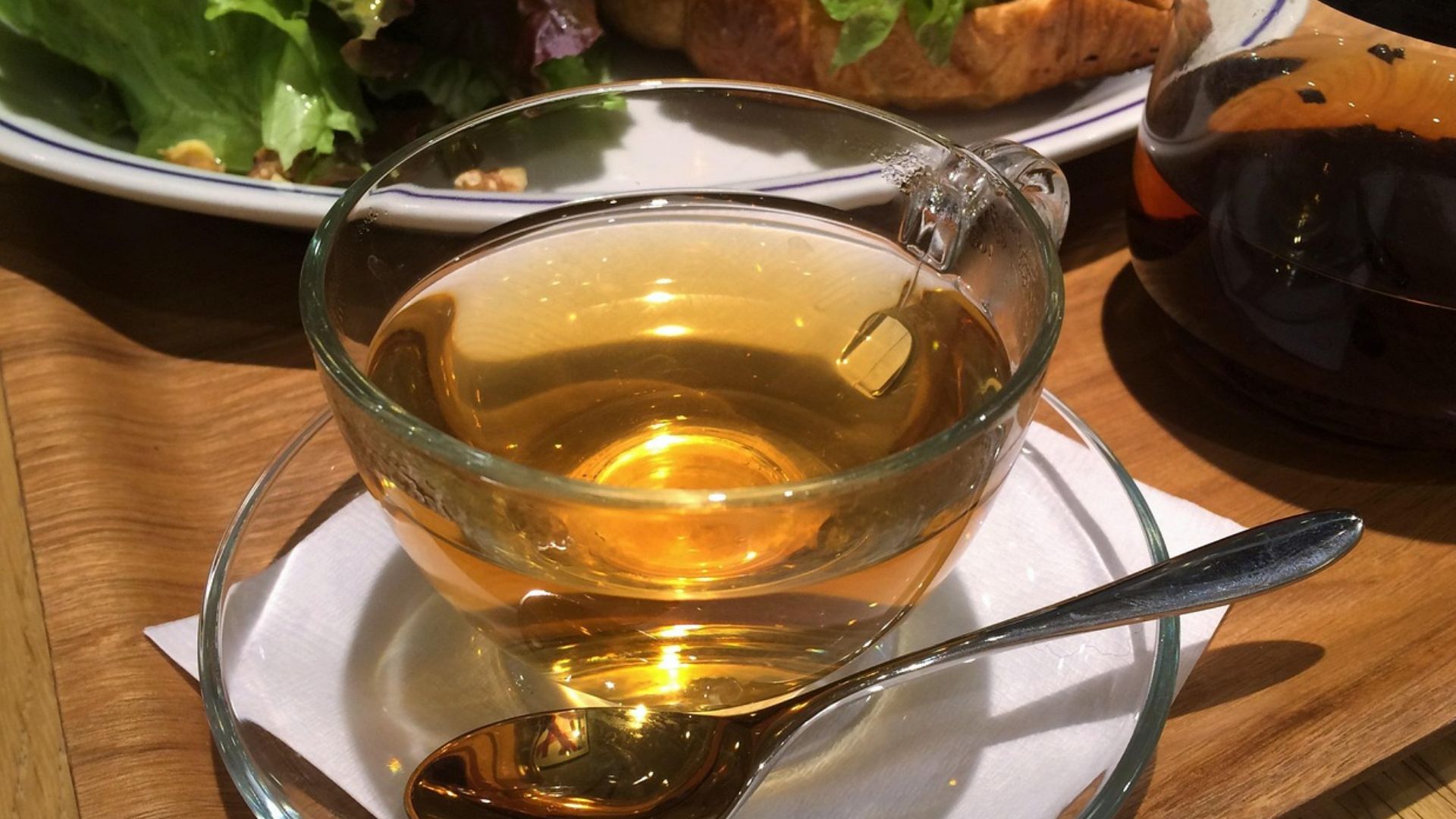
In the opulent corridors of British history, Charles Grey stands as a reformist titan whose legacy extends beyond politics to a fragrant tea blend. This aromatic infusion, graced with bergamot oil, continues to charm palates worldwide.
Born Into British Aristocracy
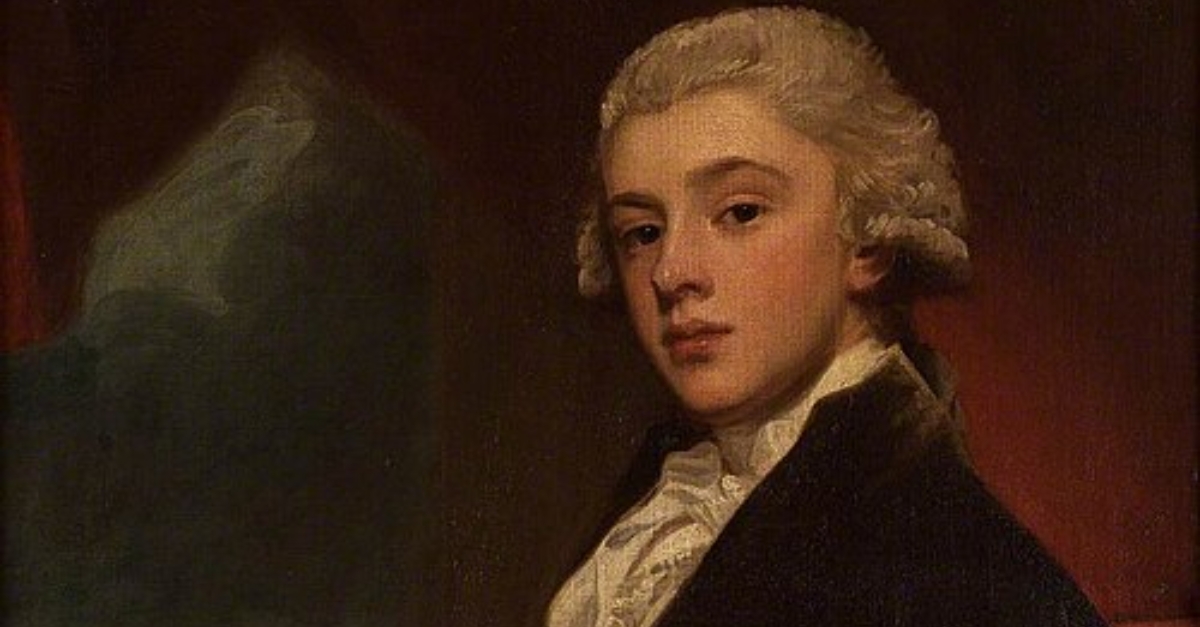
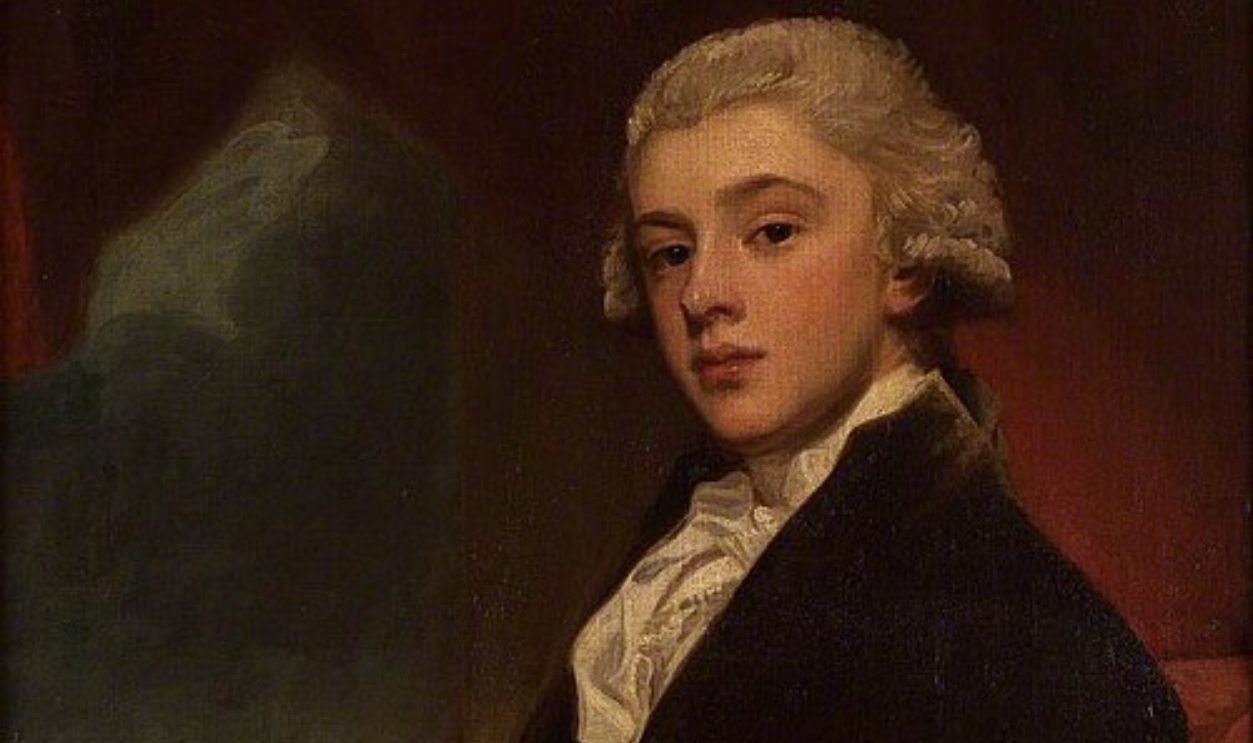
Charles Grey was born in 1764 into a distinguished Northumberland family whose political influence shaped his destiny. Raised amid privilege, he inherited both refinement and ambition—qualities that would later tie his name to one of the most enduring tea traditions in British culture.
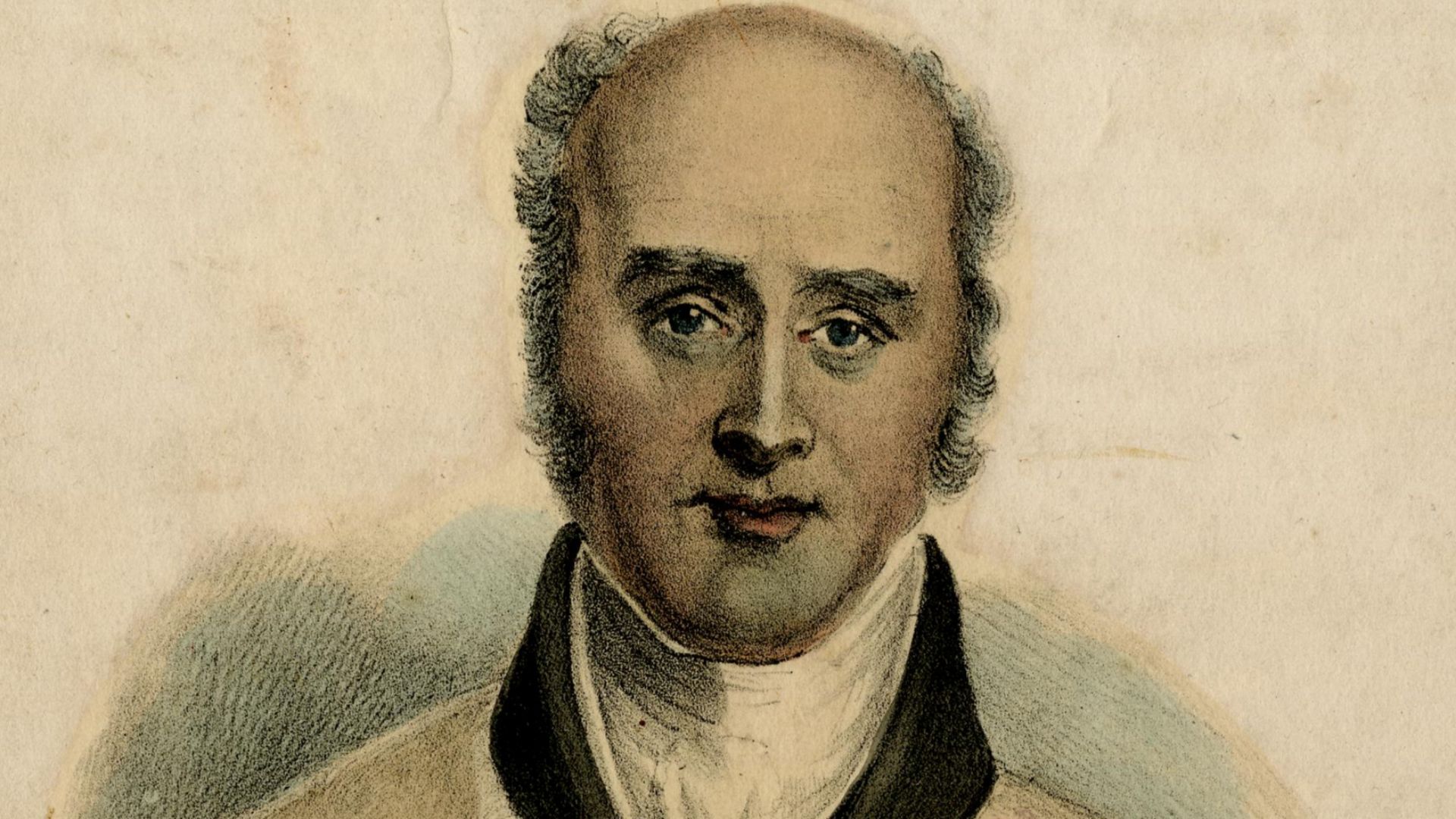 Print made by: Nathaniel Whittock After: Nathaniel Whittock Printed by: A Gordon, Wikimedia Commons
The Making Of A Reformer
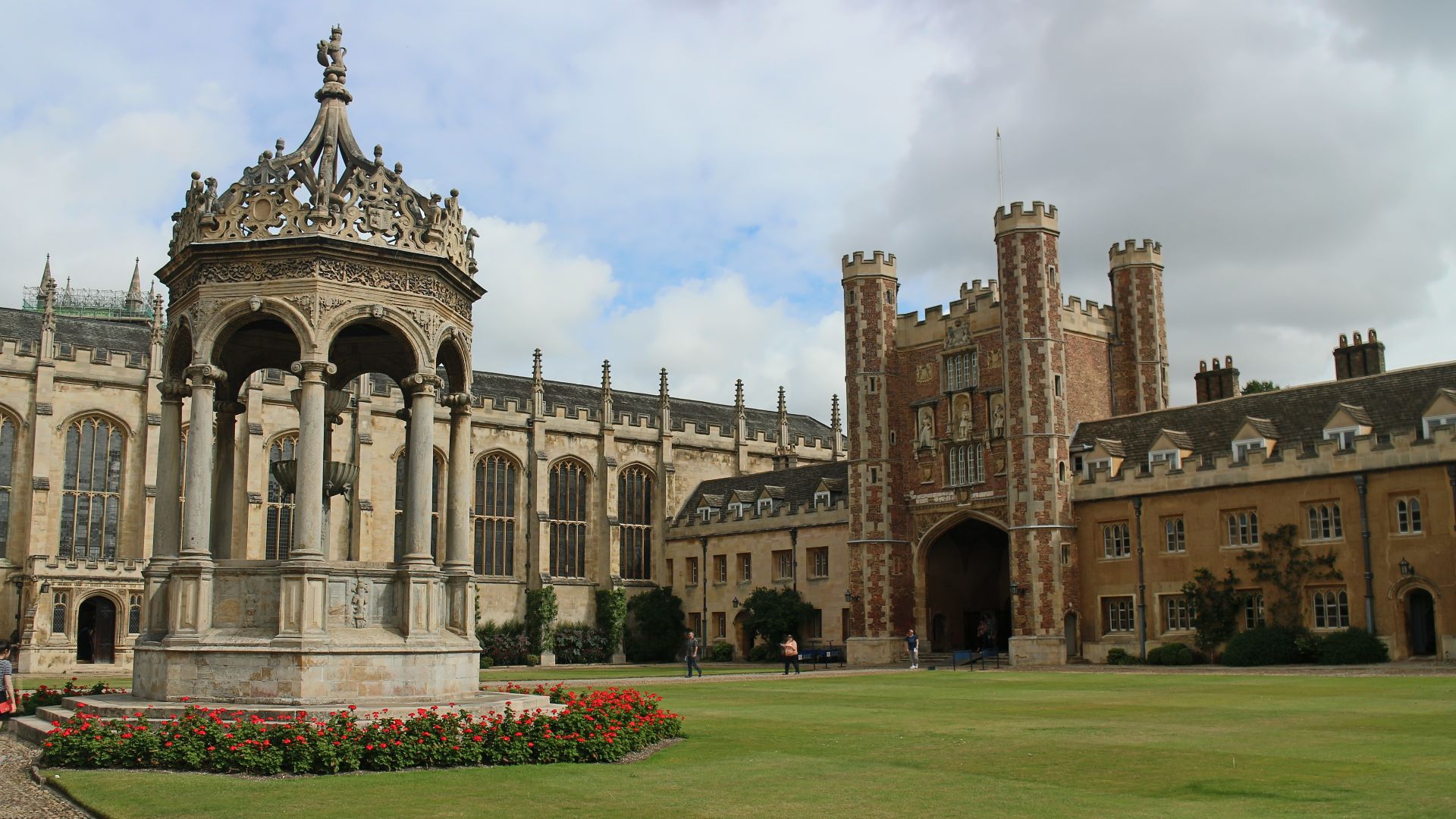
Educated at Eton and Trinity College, Grey absorbed Enlightenment ideals of liberty and progress. His early exposure to politics and philosophy prepared him for a life dedicated to reform. This created an intellectual foundation that would unexpectedly echo through the refined ritual of afternoon tea.
Scandal And Society
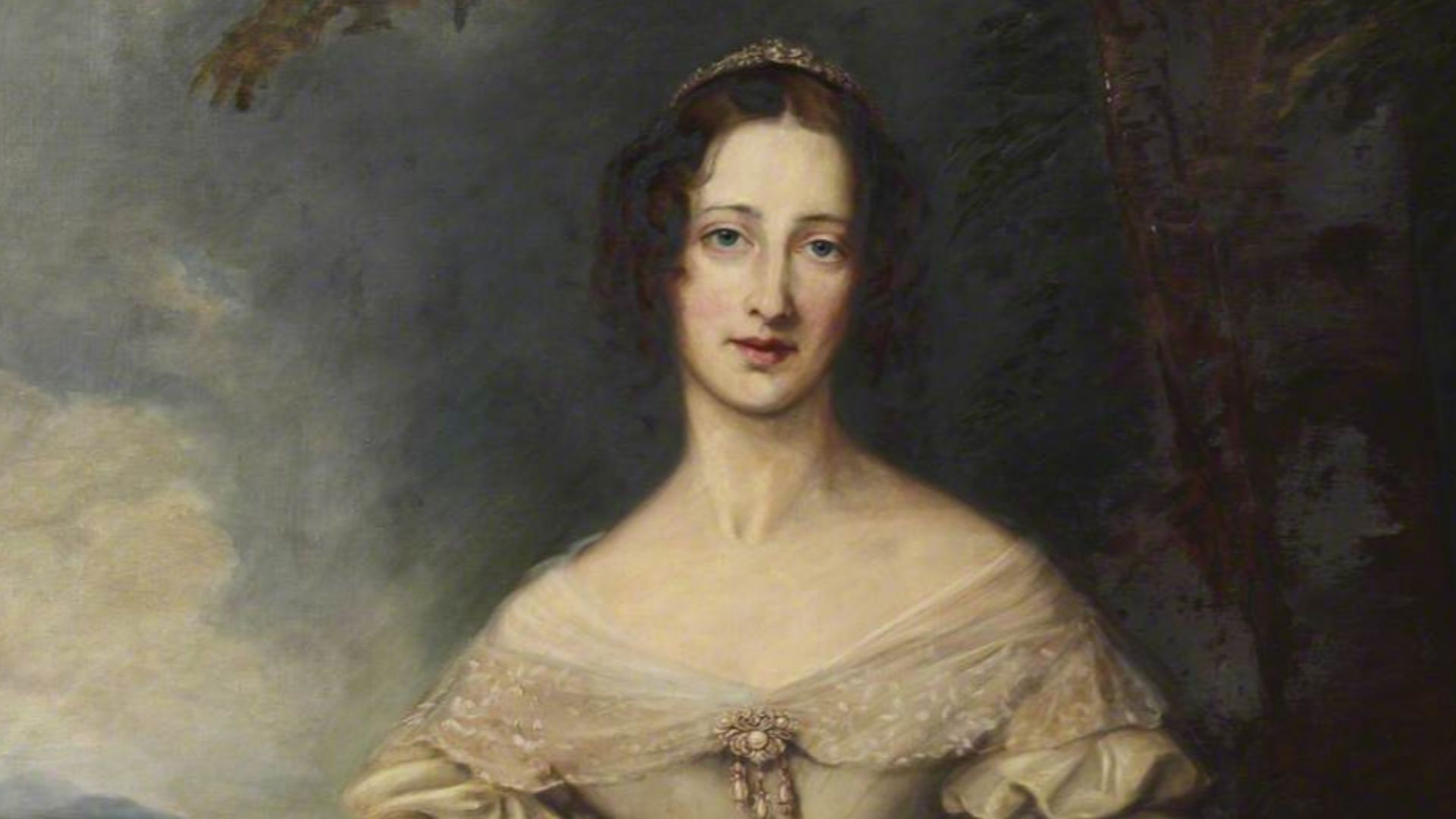
An affair with the Duchess of Devonshire produced an illegitimate daughter, nearly damaging Grey’s reputation. Yet society’s whispers couldn’t halt his rise. The scandal only deepened public fascination with the man whose name, decades later, would be emblazoned on teacups around the world.
Grey’s Rise to Power
Elected to Parliament at twenty-two, Grey quickly became a voice for progressive reform. His eloquence and conviction carried him to the premiership in 1830, marking the height of his influence and setting the stage for a legacy that would outlast his political triumphs.
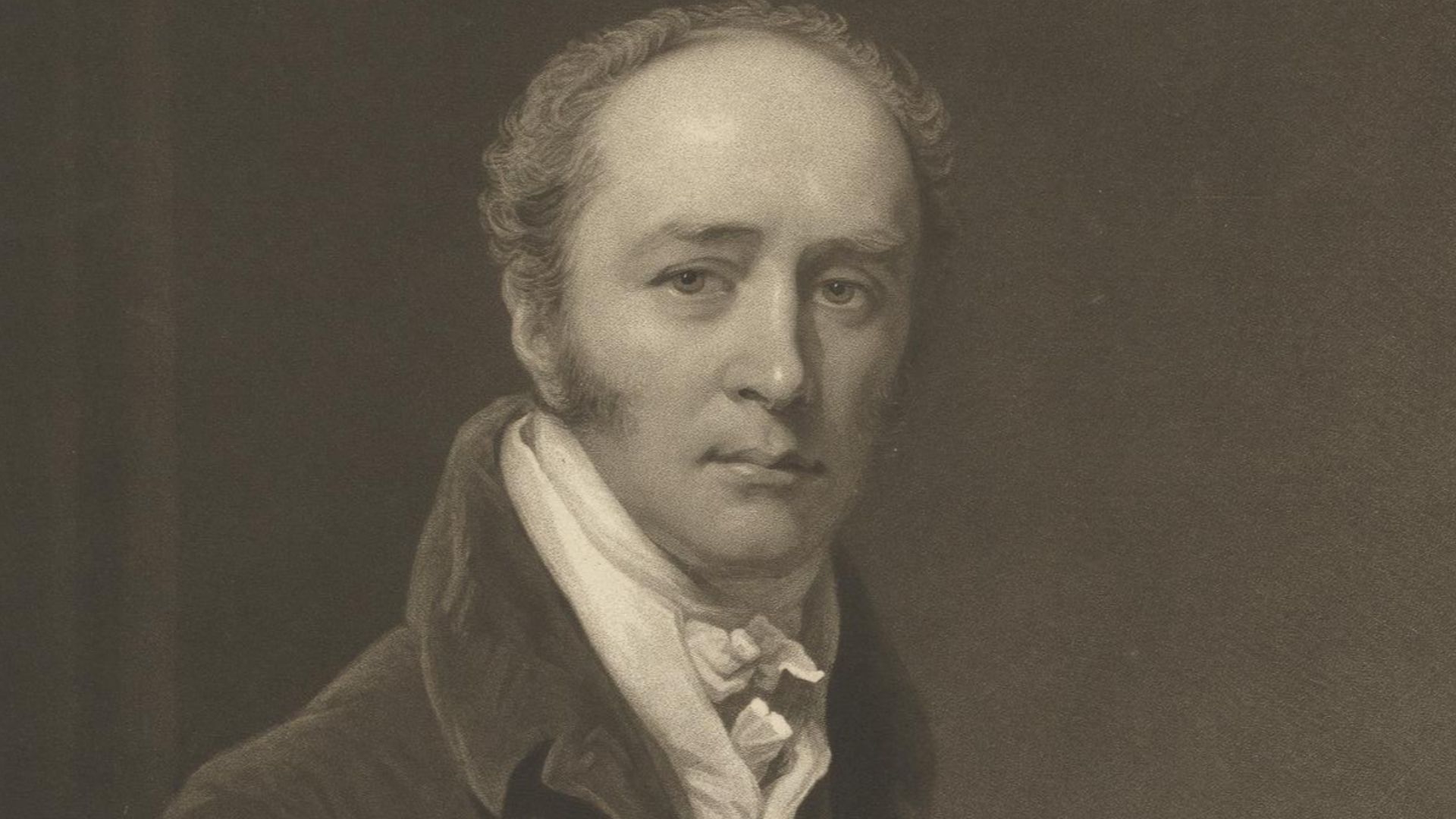 Charles Turner, Wikimedia Commons
A Legacy Of Reform And Principle
Grey’s government passed the Reform Act of 1832 and abolished slavery in 1833, and this reshaped British society. This just happened to be his incidental connection to an aromatic Chinese blend later named in his honor.
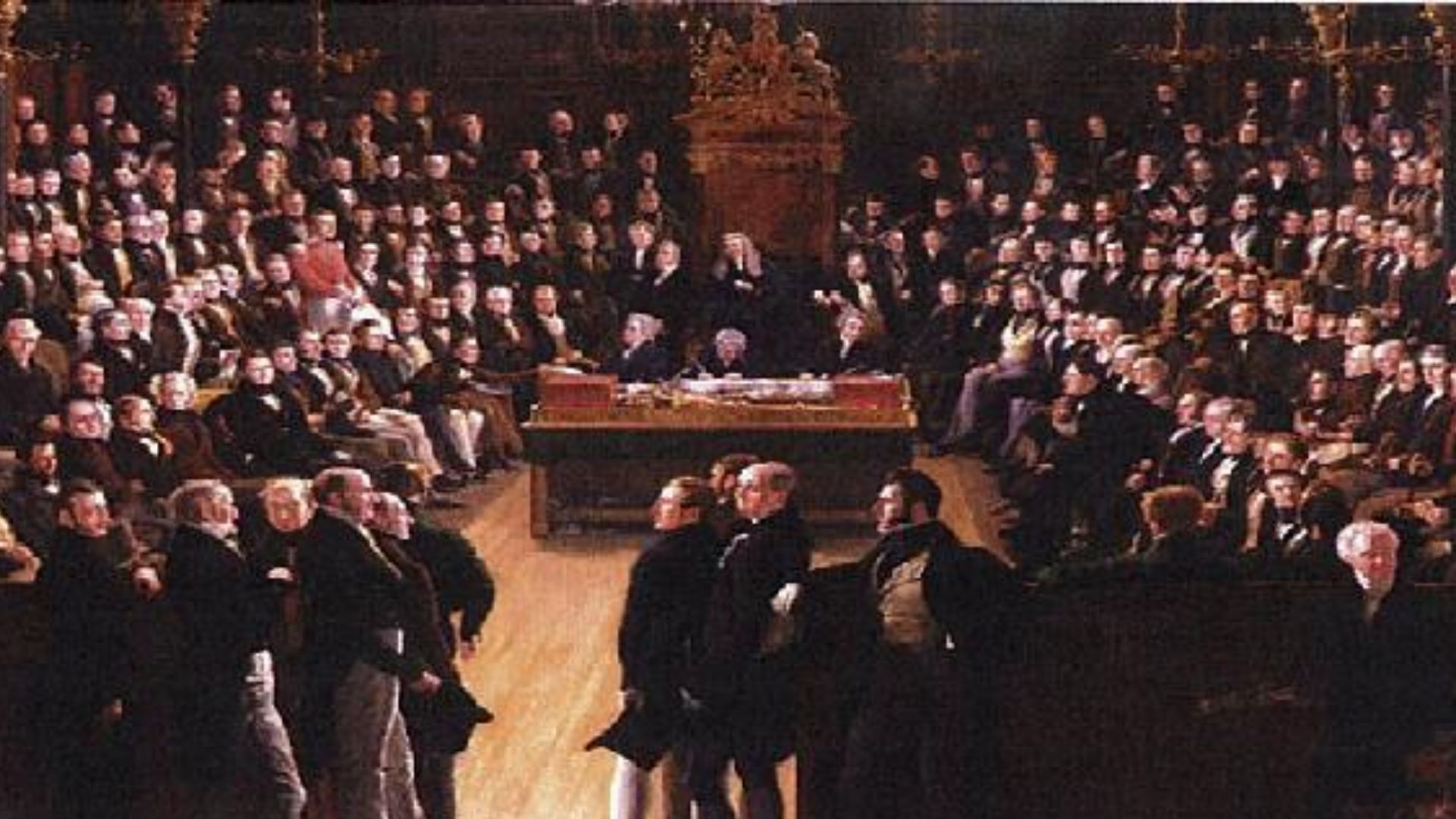 Sir George Hayter (1792-1871), Wikimedia Commons
A Gift Of Tea From The East
According to enduring legend, a Chinese envoy presented Earl Grey with a distinctive black tea flavored with fragrant bergamot oil. This supposed diplomatic gift introduced Britain to an exotic taste that soon enthralled the palates of London’s refined elite.
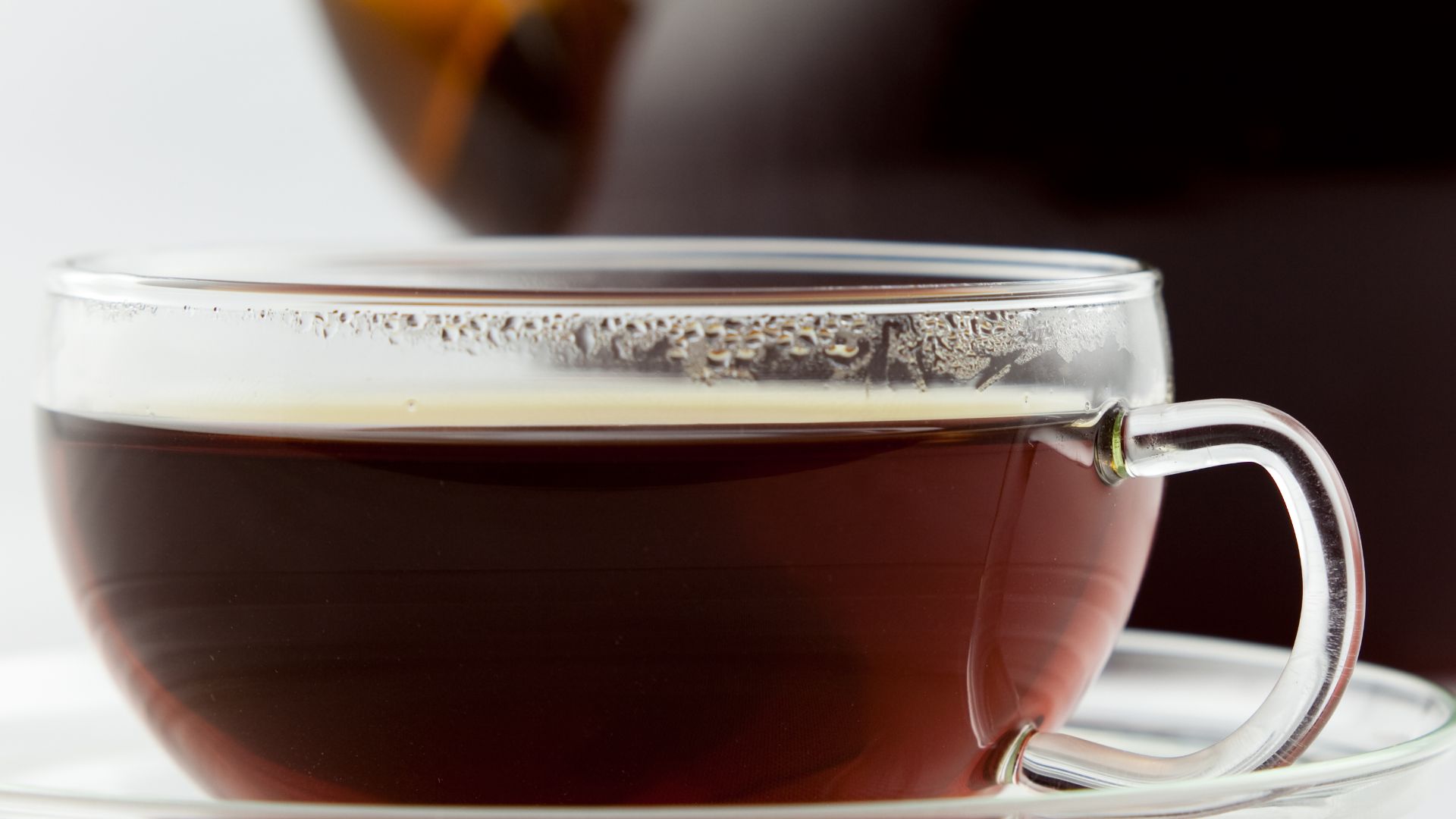 soultea.de/André Helbig, Wikimedia Commons
The Birth Of A Signature Blend
Grey’s household fell in love with the bergamot-scented infusion. Guests at Howick Hall adored its delicate balance of citrus and strength, ensuring word of the blend spread quickly among Britain’s fashionable circles. What began as a private gift soon became a social phenomenon.
Howick Hall And The Tea That Traveled
At his Northumberland estate, Earl Grey served the fragrant blend to visiting dignitaries and family friends. As enthusiasm spread, the tea gained its own quiet fame—changing Howick Hall from a stately home to the unofficial birthplace of one of Britain’s most beloved teas.
 Gordon Brown , Wikimedia Commons

History's most fascinating stories and darkest secrets, delivered to your inbox daily.
Twinings Sees An Opportunity
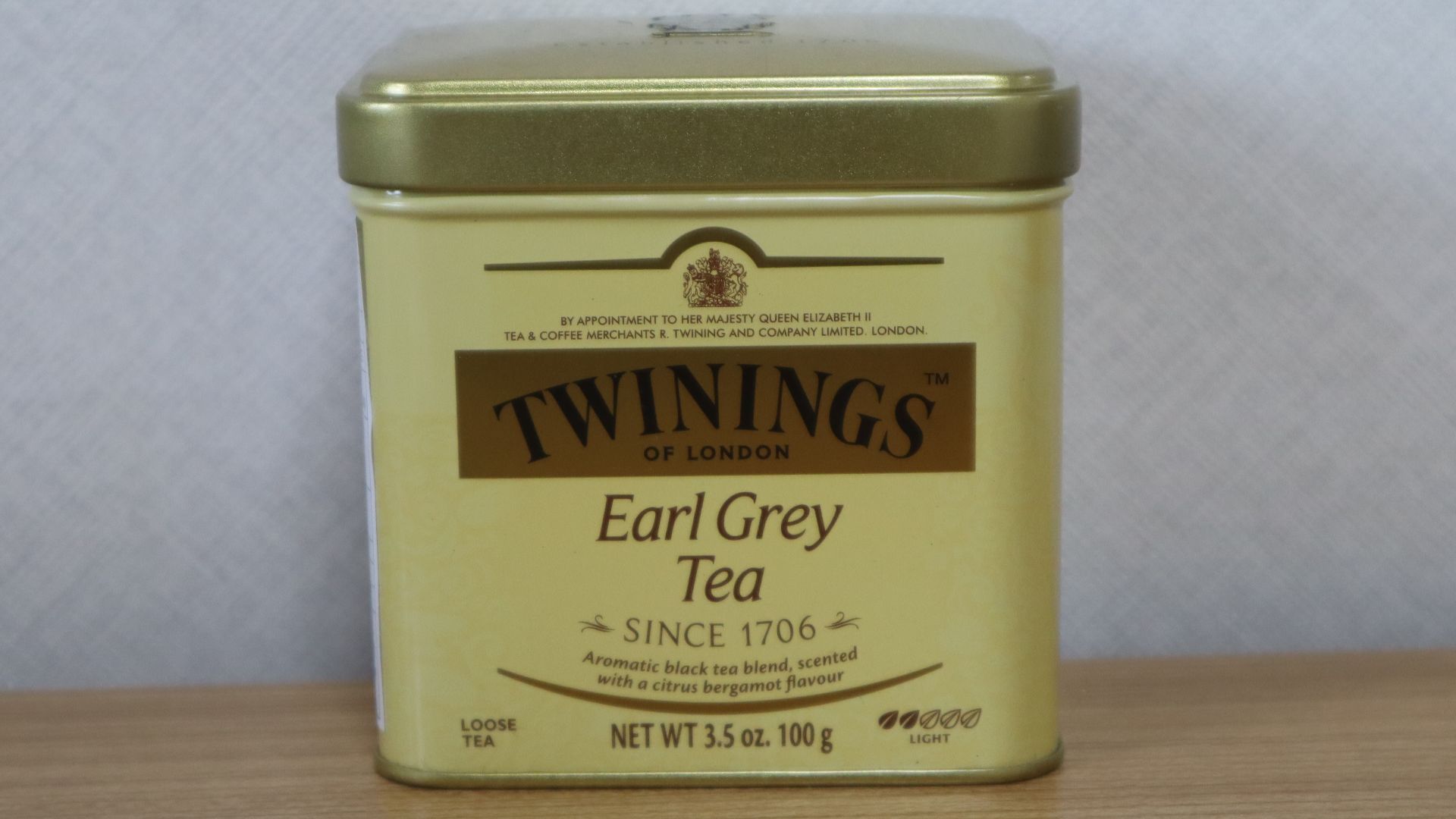
Recognizing the blend’s appeal, Twinings began marketing “Earl Grey Tea” to the public. Their branding move highlighted a private indulgence into a national sensation, using Grey’s name to evoke sophistication. Thus, one of history’s earliest influencer-driven products was born—before advertising even existed.
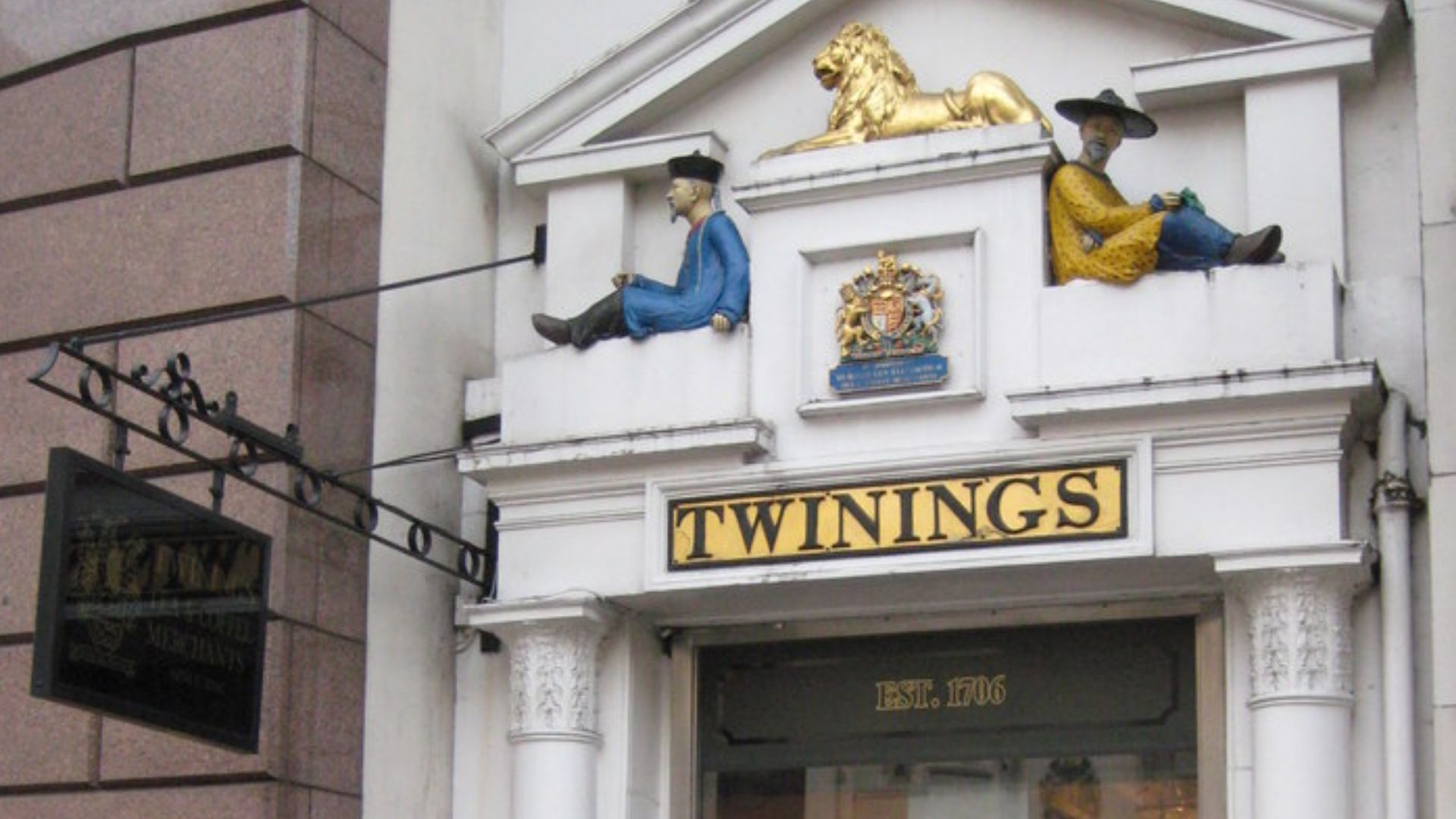 Philip Halling , Wikimedia Commons
The Mystery Behind The Origin Story
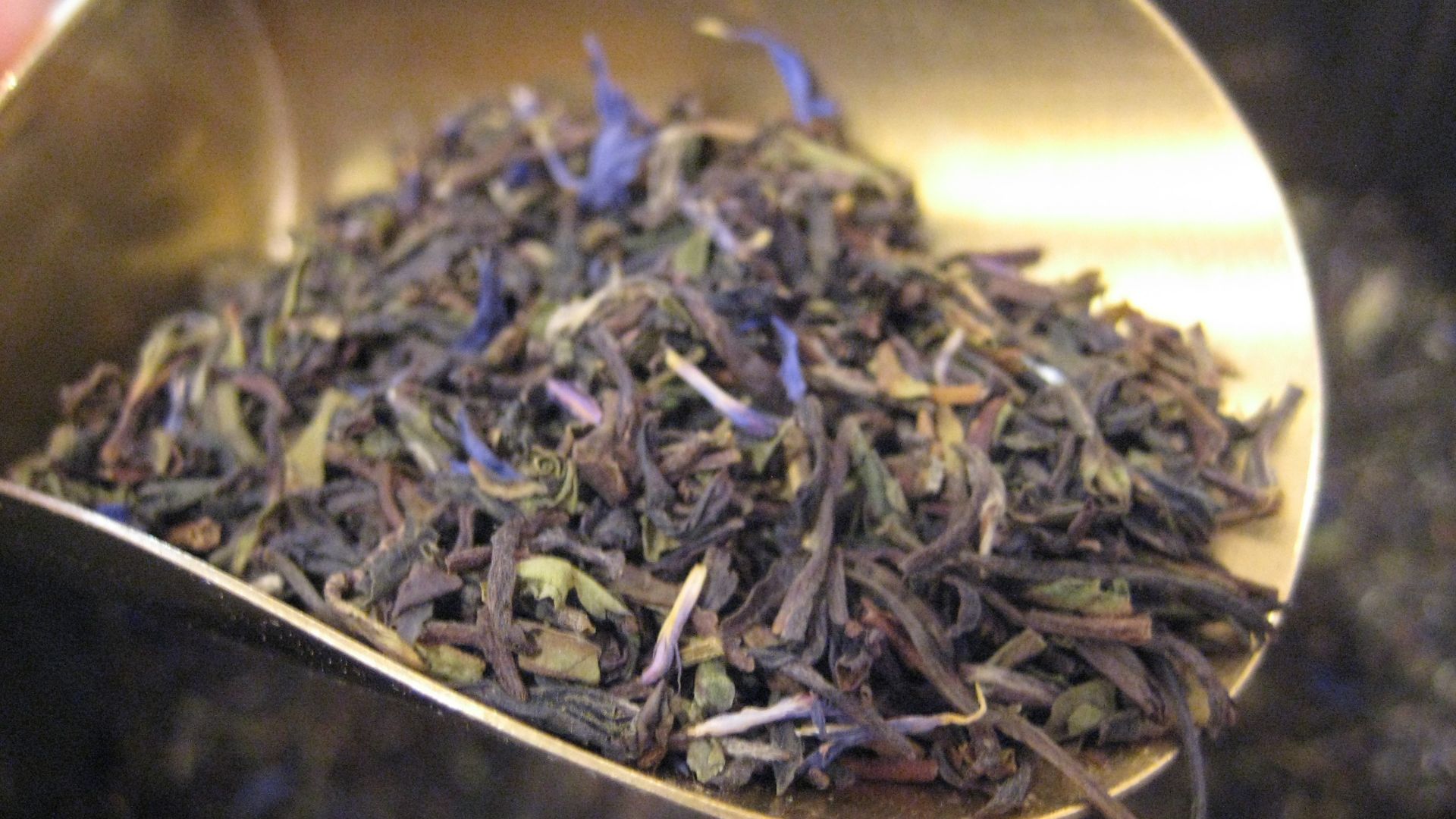
Historians still debate the tale’s authenticity. Was the tea truly a diplomatic gift, or simply a clever merchant’s invention? The mystery only amplified its charm, and it turns Earl Grey into more than a beverage. It became a blend steeped in curiosity and aristocratic myth. A brand with a story!
 Selena N. B. H. from Fayetteville, USA, Wikimedia Commons
The Power Of Bergamot
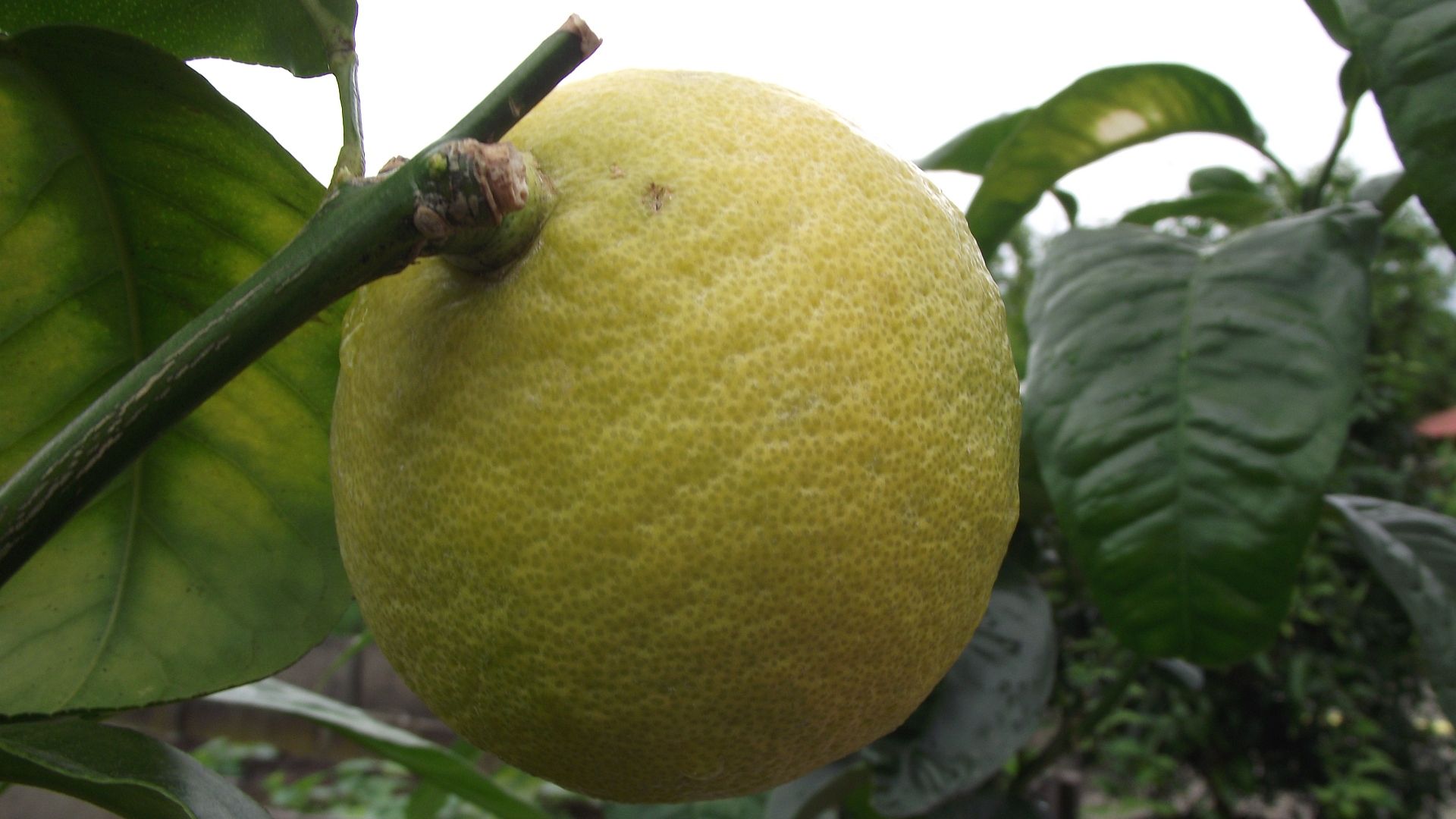
At the heart of the blend lies bergamot oil, pressed from a fragrant citrus fruit grown in southern Italy. Its unique aroma, somewhere between orange and floral lime, made ordinary black tea something ethereal. It was distinctive enough to define British taste for generations.
The Earl Who Never Sold Tea
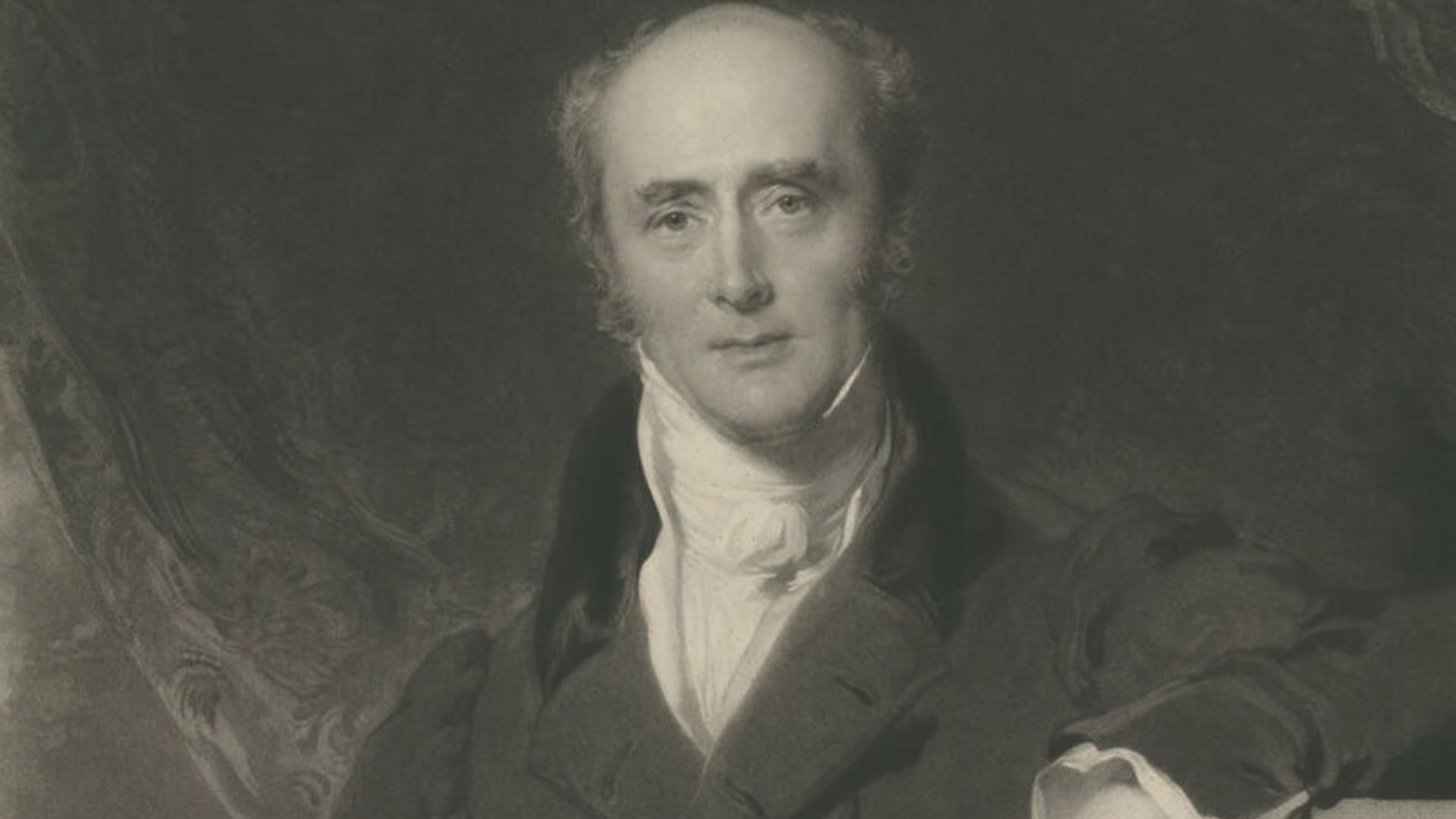
Charles Grey never commercialized, blended, or even endorsed the tea bearing his name. His connection was purely honorary, a historical accident. But this unintended link between politics and perfume altered his legacy, proving that sometimes, a reputation lasts longer than an intention.
 Samuel Cousins / After Thomas Lawrence, Wikimedia Commons
The British Empire And The Expansion Of Tea
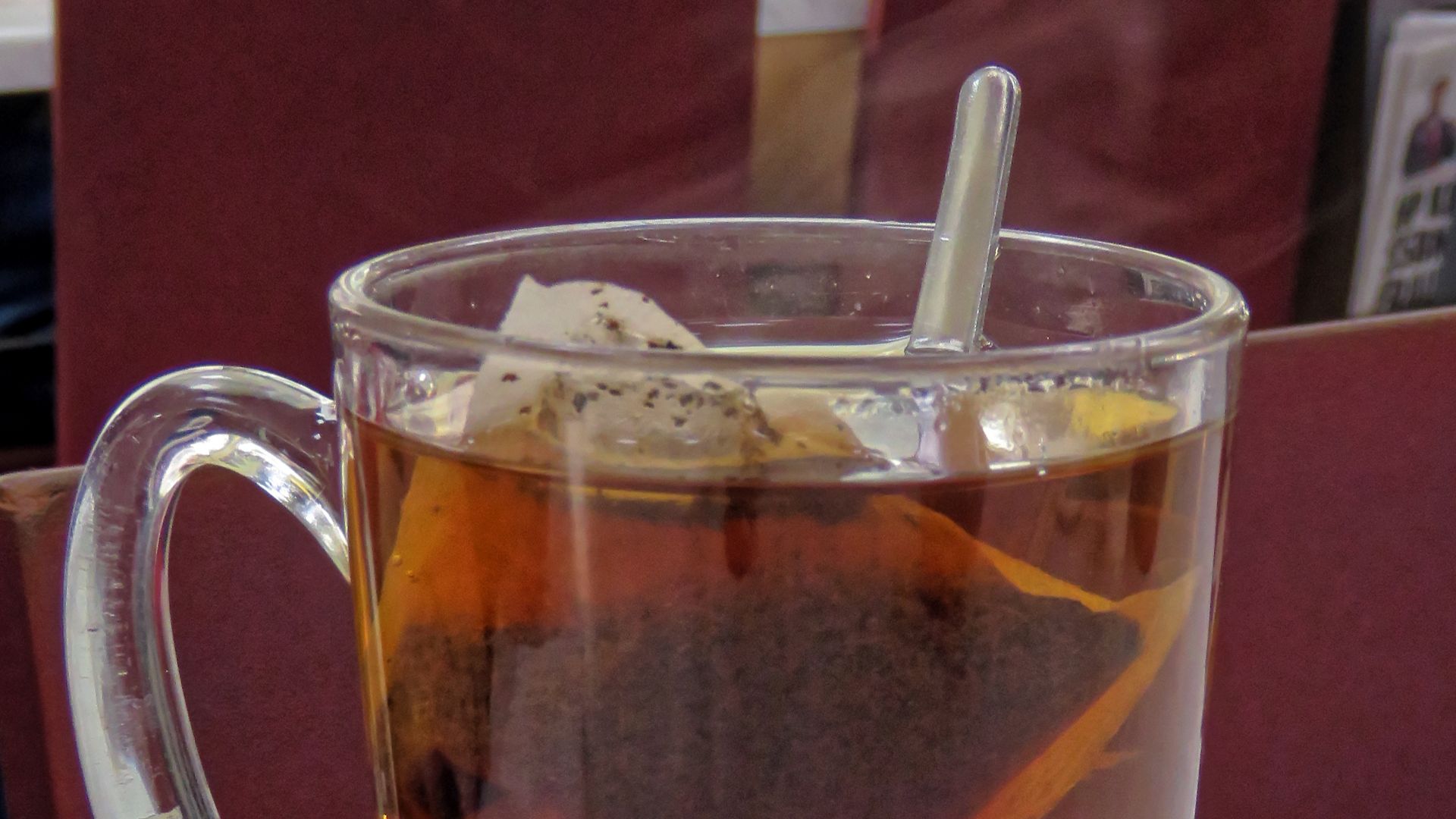
As Britain’s empire expanded, tea became a cultural anchor from India to the Caribbean. Earl Grey’s namesake blend, with its refined flavor and aristocratic aura, mirrored the empire’s image—elegant and destined to travel far beyond British drawing rooms.
The Victorian Tea Revolution
By the mid-nineteenth century, afternoon tea had become a cherished ritual. Hosts served Earl Grey alongside scones and sandwiches, boosting the drink from a novelty to a symbol of genteel society. Its scent filled parlors as tea became Britain’s favorite social equalizer.
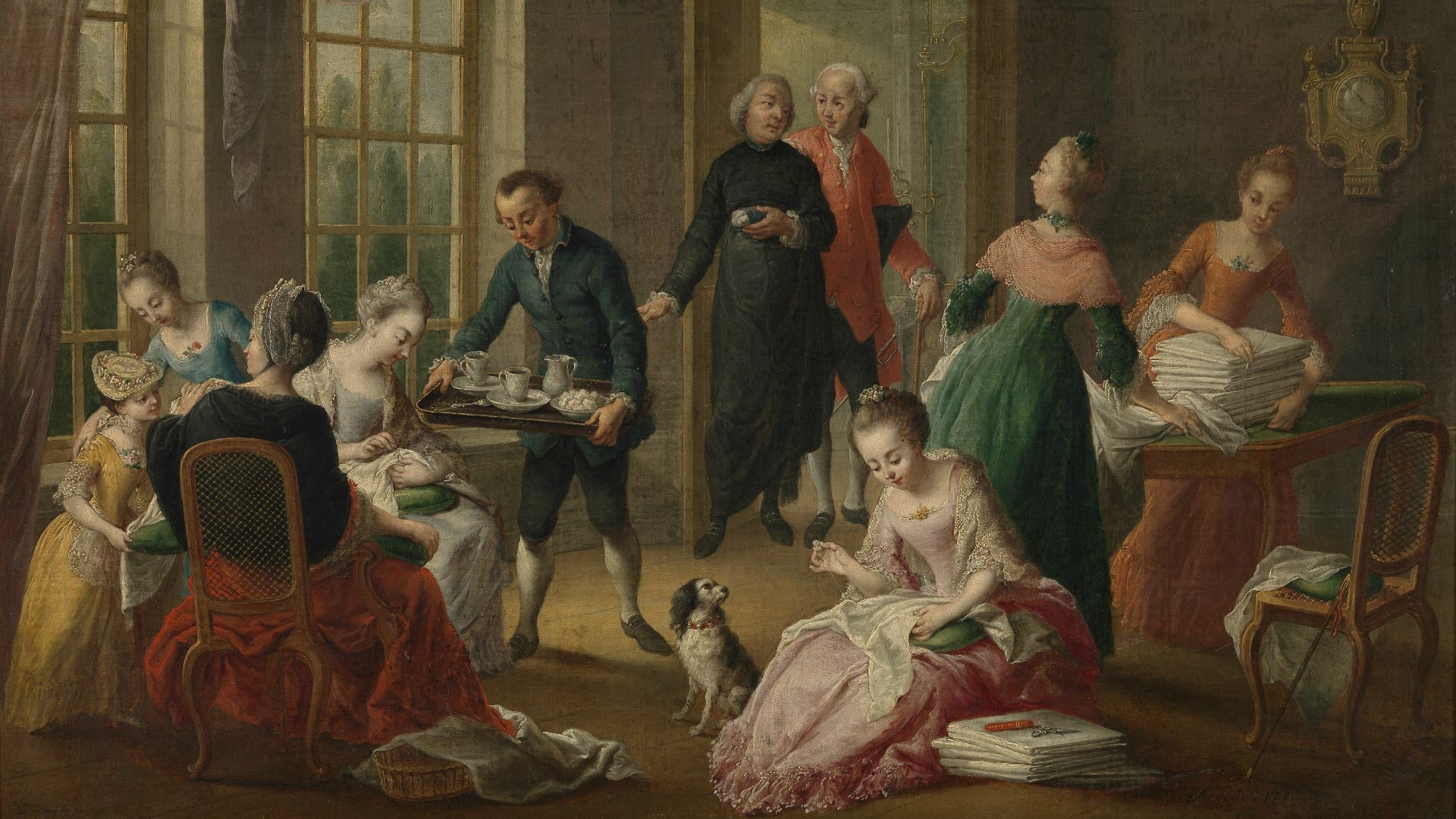 Jan Anton Garemyn, Wikimedia Commons
The Social Symbolism Of The Blend
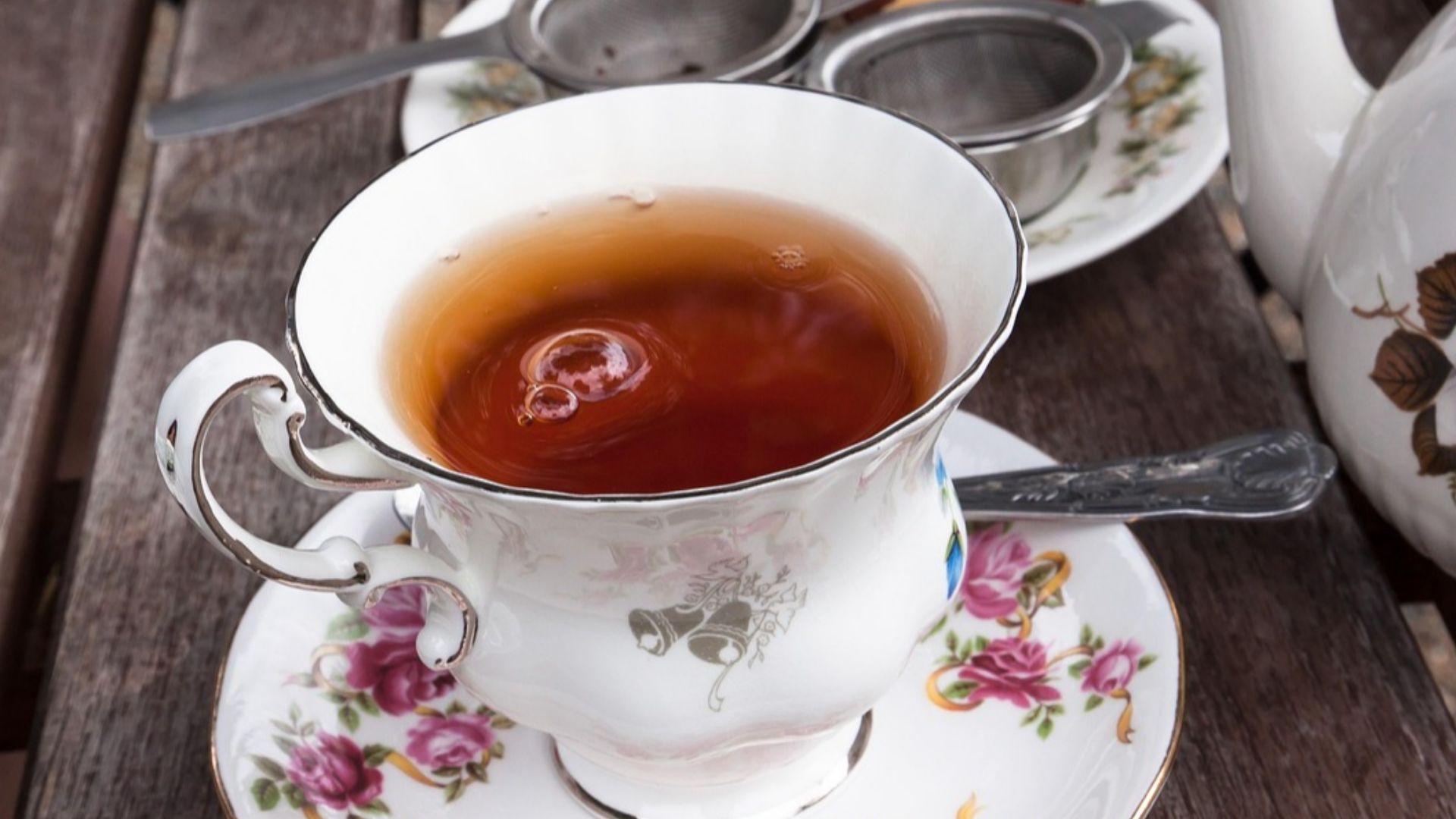
Earl Grey tea represented refinement, leisure, and taste—a beverage of balance, both bold and elegant. Serving it signaled cultural awareness and social grace, making the blend not merely a drink but a coded expression of Victorian hospitality and polite sophistication.
Rival “Grey” Blends Emerge
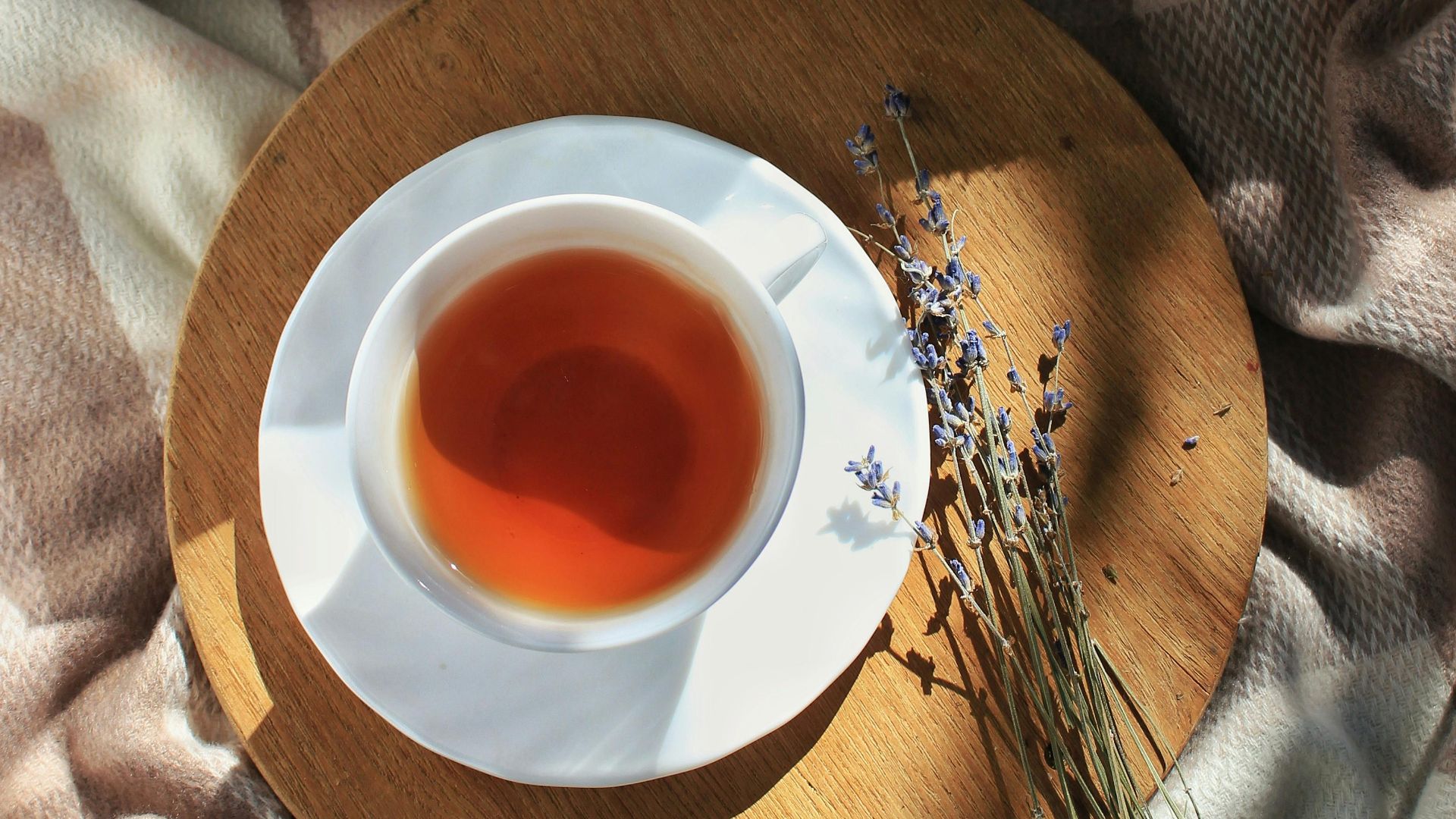
Other merchants, eager to capitalize on the craze, created competing “Grey” teas. But in theirs, they added flavors like lavender, orange peel, or stronger bergamot notes. Thankfully, this wave of imitation didn’t dilute the original’s fame; it amplified it.
The Lost Original Recipe
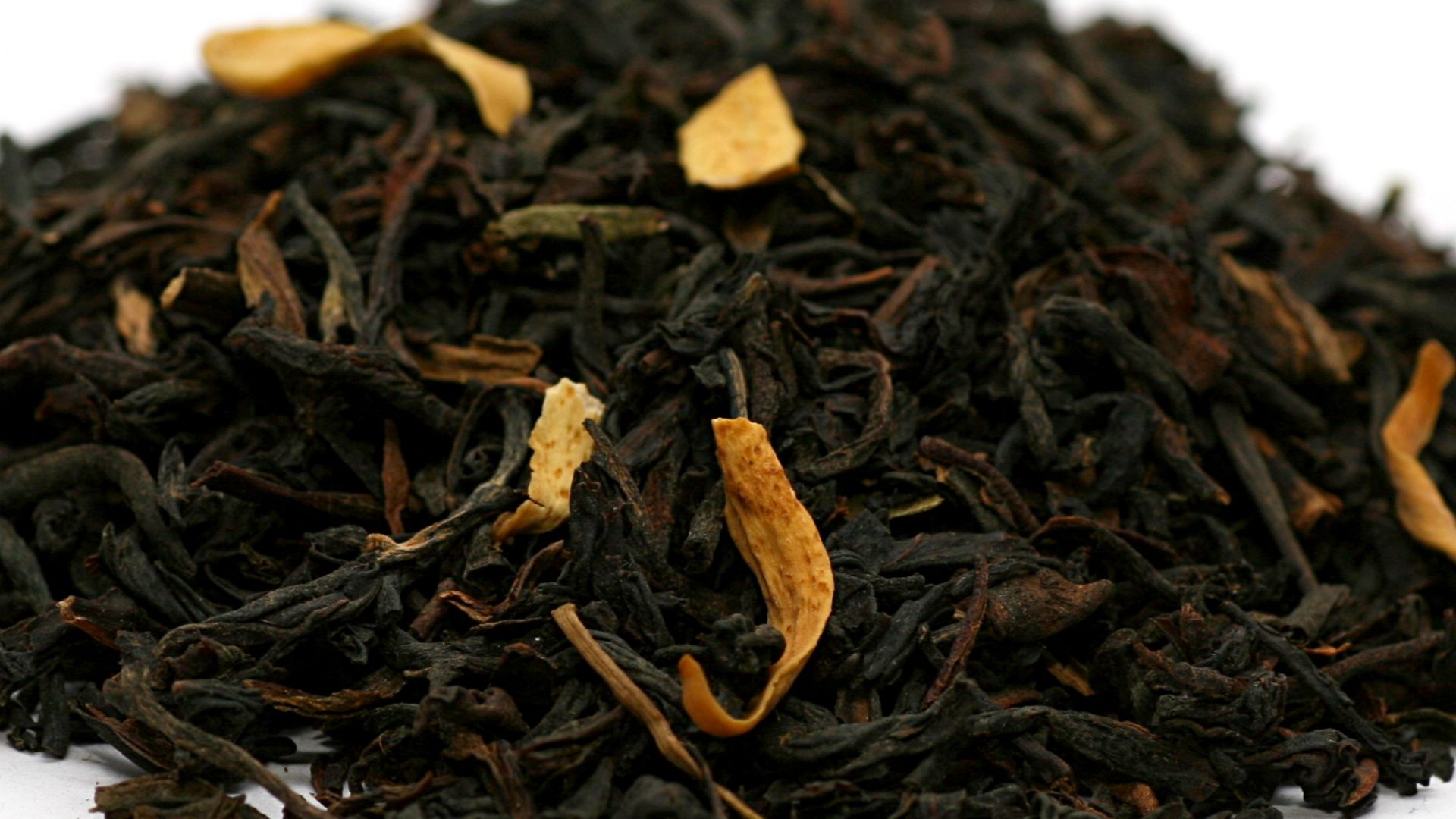
No one knows the original proportions of bergamot to tea. That absence invited creativity for free blenders to interpret the flavor anew. Over time, Earl Grey has become an open-ended tradition, a canvas for artisans to express their individuality while honoring timeless taste.
 Sebastian Stabinger, Wikimedia Commons
The Aroma That Defined An Era
Bergamot’s scent transcended its cup to become a symbol of British poise and elegance. Its citrus-floral note appeared in perfumes and sachets to highlight refinement itself. What began as a tea flavor evolved into an olfactory signature of elegance across Victorian culture.
 Jacopo Werther, Wikimedia Commons
Marketing With A Noble Name
Earl Grey tea pioneered what we’d now call luxury branding. By attaching a nobleman’s name to a product, merchants created instant prestige. The association between title and taste ensured that every cup whispered privilege. Tea turned into an aspirational experience.
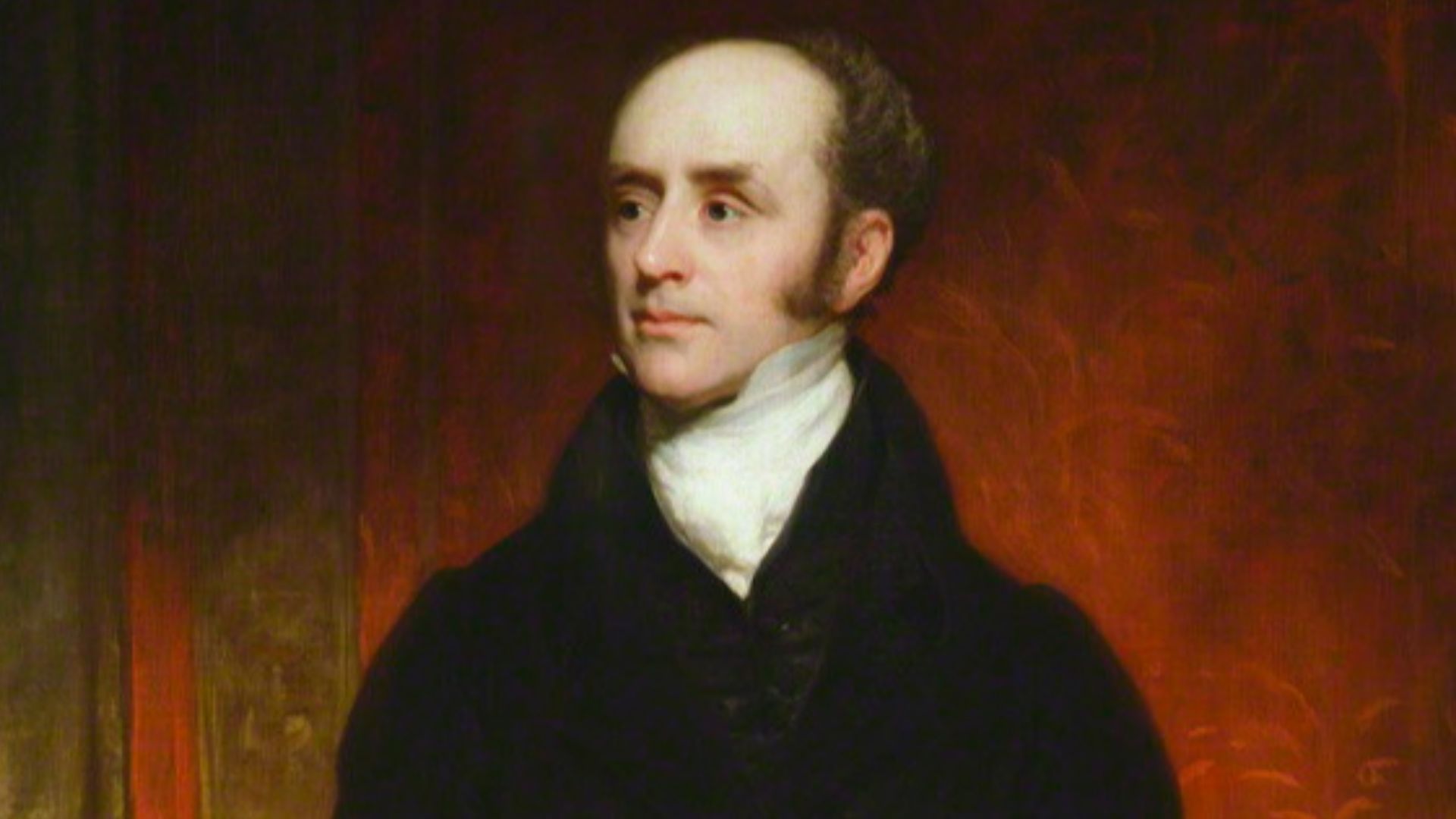 Thomas Phillips, Wikimedia Commons
The Grey Family’s Colonial Myths
Though the Greys were never tea traders, their political stature became entwined with Britain’s global influence. Popular imagination blurred reality and empire, weaving a romantic tale that cast the family as tea royalty—proof that legends often outlive mere fact.
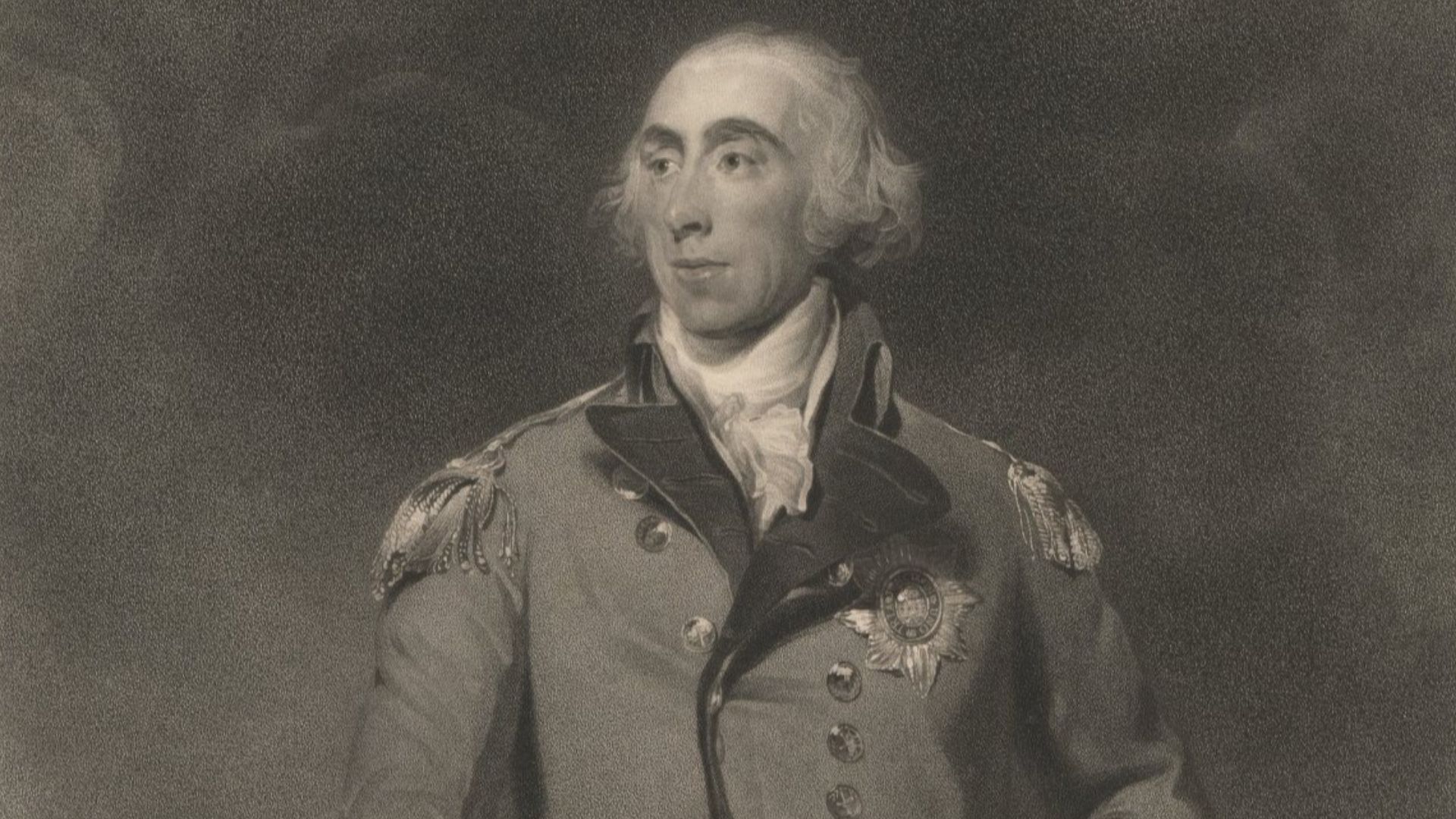 Joseph Collyer the Younger, after Sir Thomas Lawrence, Wikimedia Commons
The Recipe Reinvented
As tastes evolved, so did the tea. Modern blenders introduced green, white, and oolong bases, and paired bergamot with lavender, rose, or vanilla. Each reinvention honored tradition while adapting to contemporary palates to ensure Earl Grey remained both classic and current.
 Bodhi Peace, Wikimedia Commons
The Globalization Of A British Icon
Earl Grey’s aroma now drifts far beyond Britain. In Japan, it’s paired with delicate pastries; in America, it anchors creamy lattes. Its universal charm unites diverse tea cultures under one sophisticated scent—an enduring link between East, West, and everything in between.
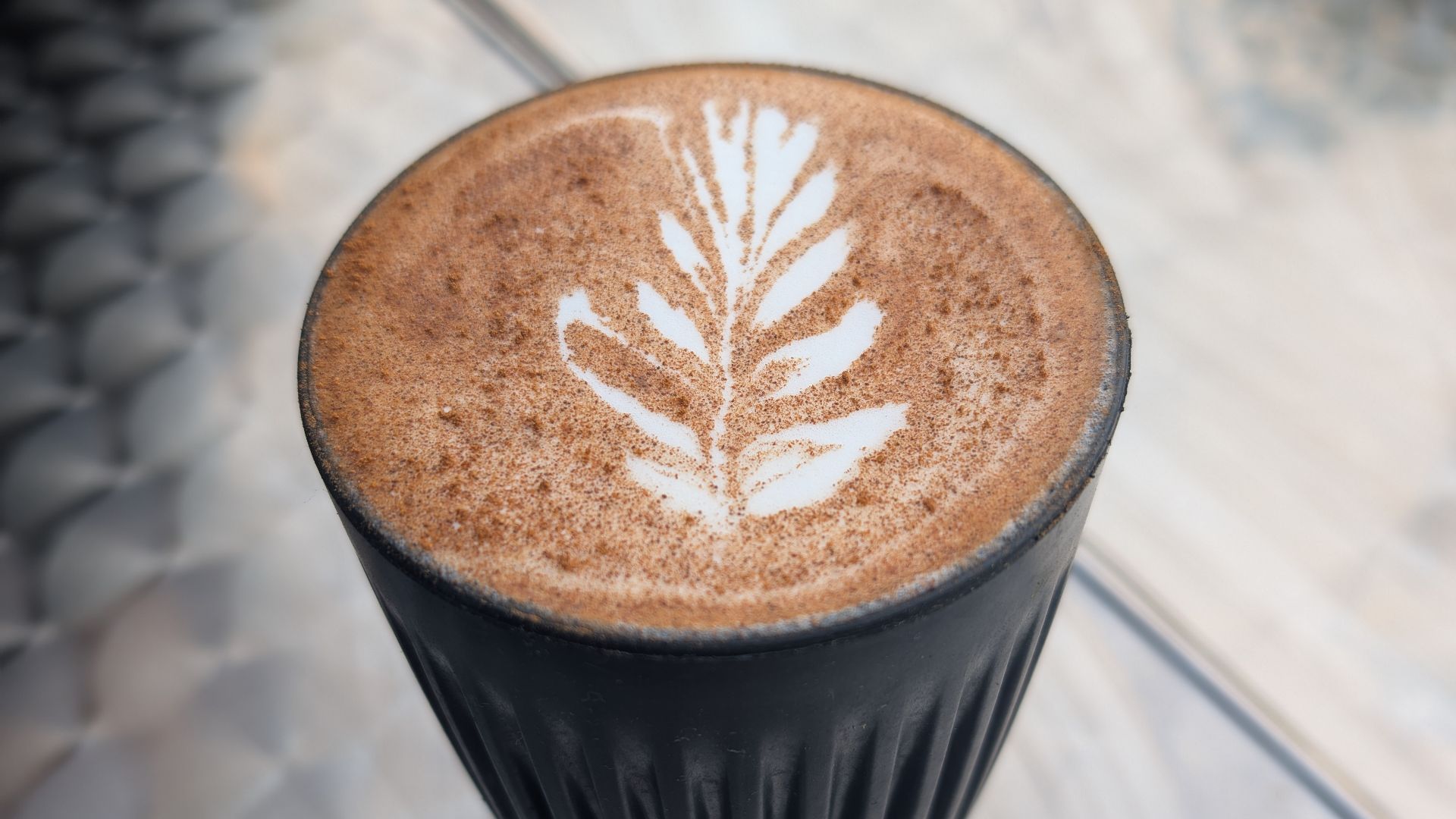
Earl Grey In Modern Culture
Beyond teacups, the blend inspires a range of desserts and cocktails. Even perfumes! From macarons to martinis, its flavor evokes nostalgia and class. This crossover from beverage to cultural motif proves that Earl Grey has transcended taste to become a lifestyle emblem of refinement.
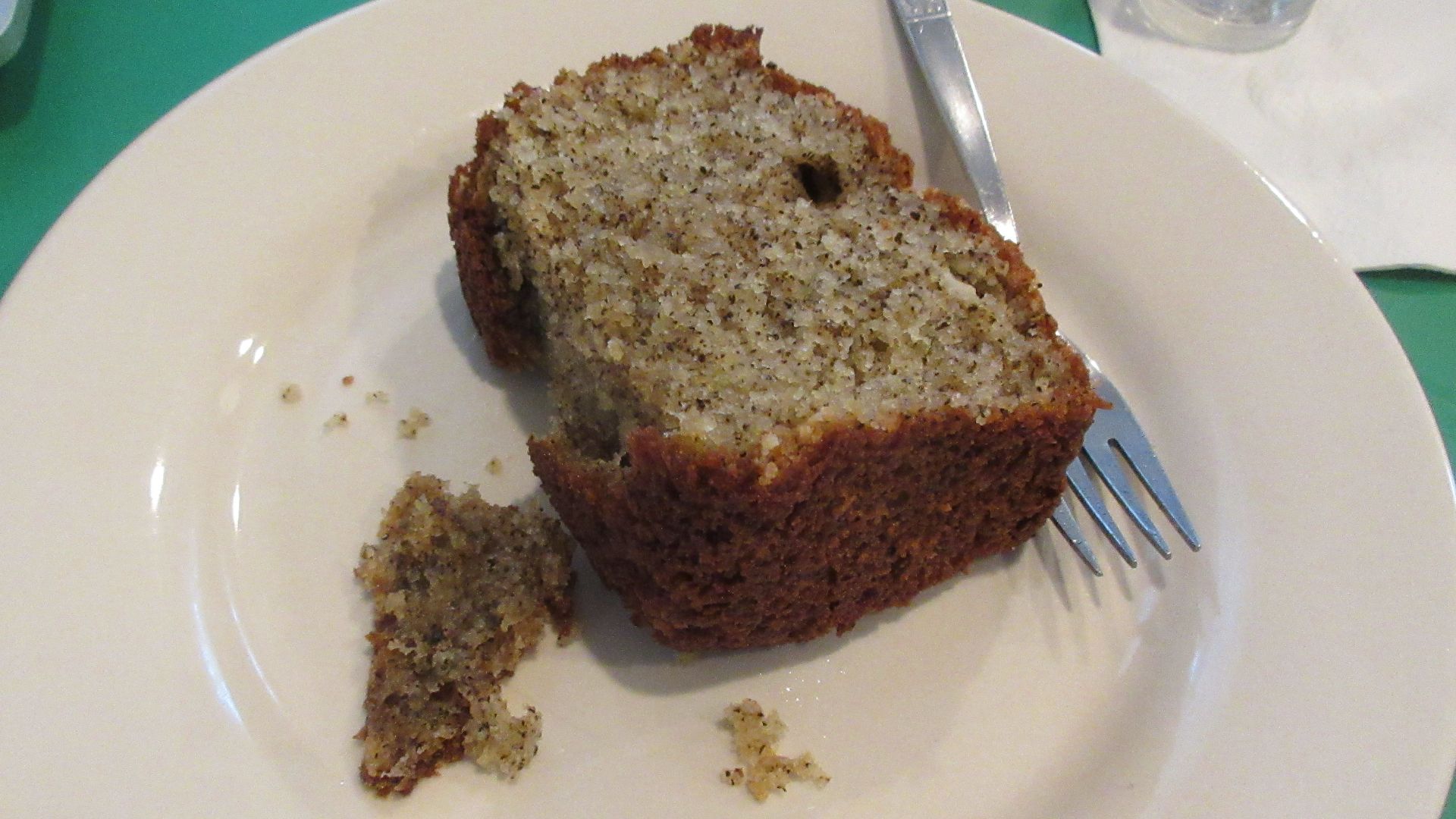 Infrogmation of New Orleans, Wikimedia Commons
Howick Hall’s Enduring Connection
Still owned by the Grey family, Howick Hall preserves the memory of both man and myth. Visitors sip the famous tea in its gardens, surrounded by history and heritage as a quiet tribute to the statesman who unwittingly brewed a cultural legend.
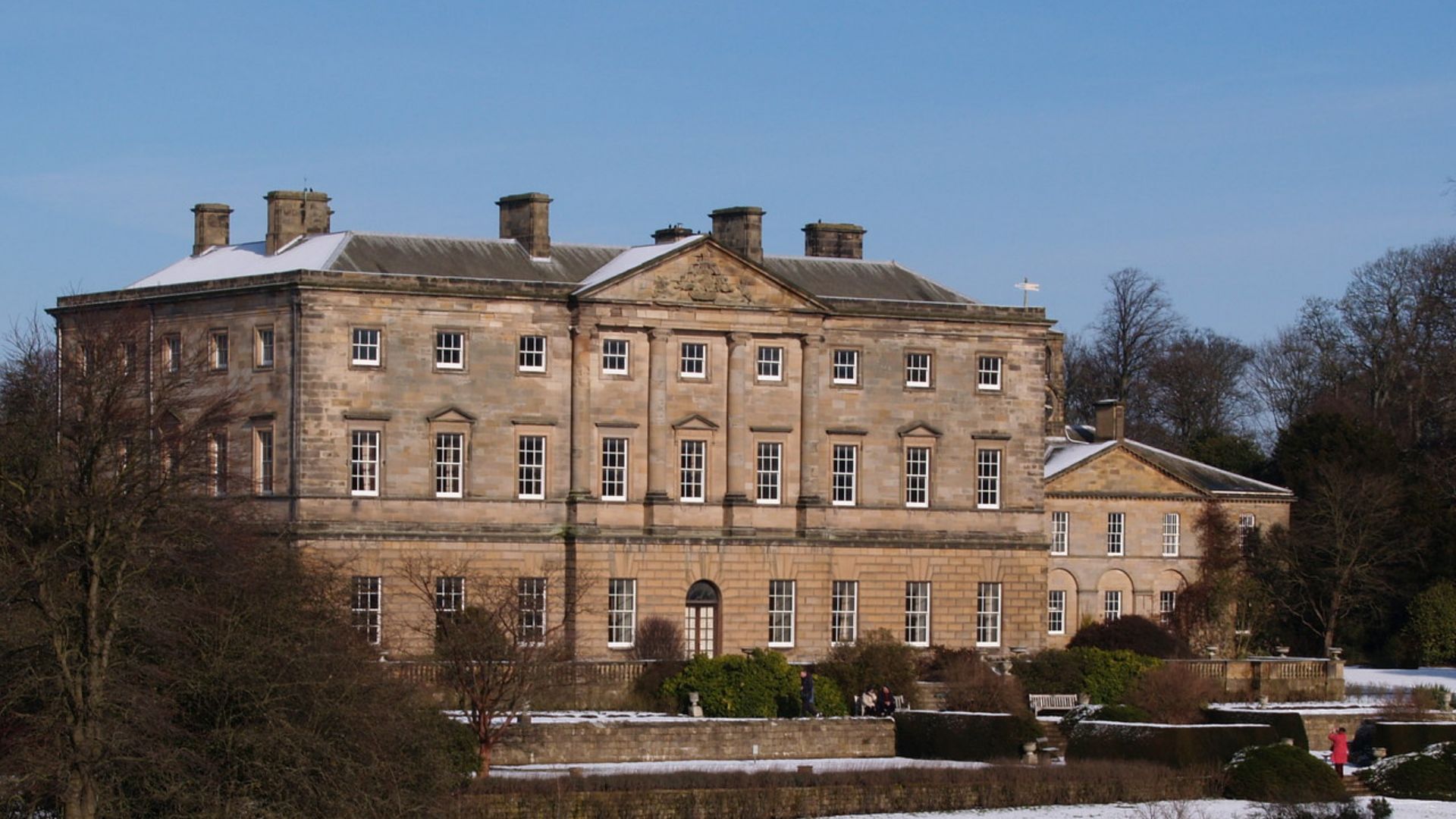 John Clive Nicholson, Wikimedia Commons
A Legacy That Continues To Steep
Two centuries later, Earl Grey tea remains a bridge between power and pleasure, past and present. With its unmistakable fragrance and aristocratic origin, it endures as a symbol of balance—proving that history’s finest blends are often the most accidental.